15 Brilliant Rustic Dog House Designs Worth Pinning Immediately
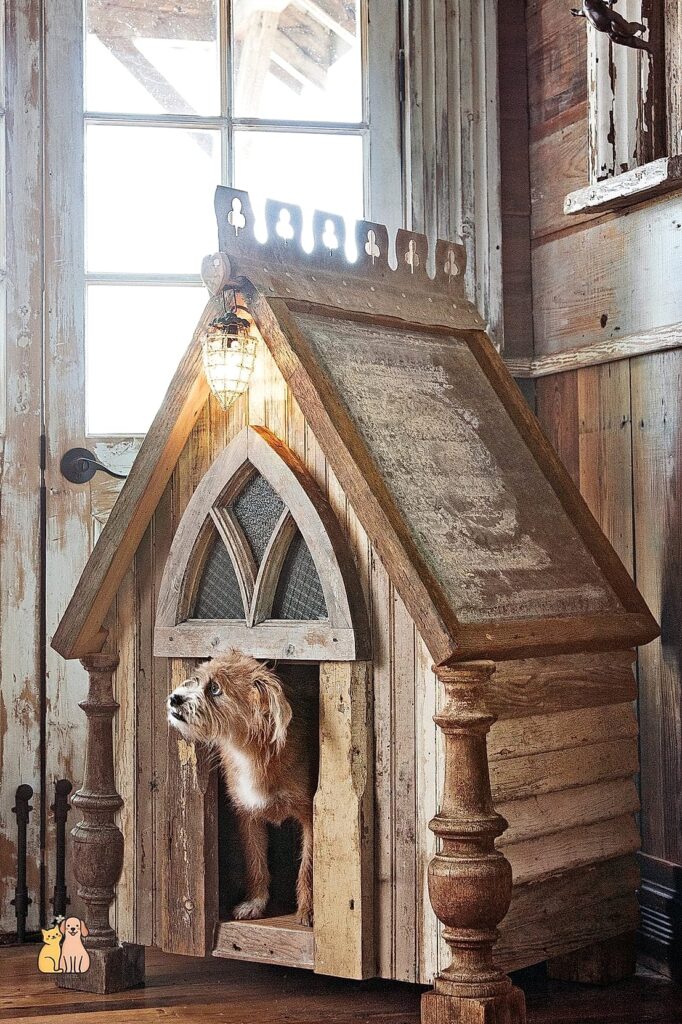
- The Classic Barn-Style Doghouse
- The Log Cabin Doghouse
- The Reclaimed Wood A-Frame
- The Stone-Accented Cottage House
- The Tin-Roof Farmhouse Doghouse
- The Rustic Dutch-Door Kennel
- The Covered-Porch Doghouse
- The Cedar Shake Shingle House
- The Pallet Wood Lean-To
- The Wagon Wheel Farmhouse Kennel
- The Timber Frame Doghouse
- The Rustic Raised Platform House
- The Two-Tone Farmhouse Doghouse
- The Mini Chalet Doghouse
- The Rustic Modern Hybrid Doghouse
15 Brilliant Rustic Dog House Designs Worth Pinning Immediately
If you’ve ever caught yourself scrolling through Pinterest at midnight, saving dog house photos even though your pup already has a perfectly fine plastic kennel, welcome to the club. There’s something about rustic dog house designs that just hits different — the reclaimed wood, the tin roofs, the cozy little porches. It’s the kind of outdoor pet housing that looks like it belongs on a farm even if your “farm” is a quarter-acre backyard in the suburbs.
Rustic styles work so well for dog houses because they’re forgiving. Weathered wood, stone accents, and natural textures hide dirt and wear way better than glossy plastic ever could. And honestly, they just look like they were built with love, which matters when this thing is sitting in your yard for years.
Below are fifteen rustic dog house designs worth pinning, whether you’re planning a weekend DIY project or just gathering ideas for your dream backyard setup.
The Classic Barn-Style Doghouse
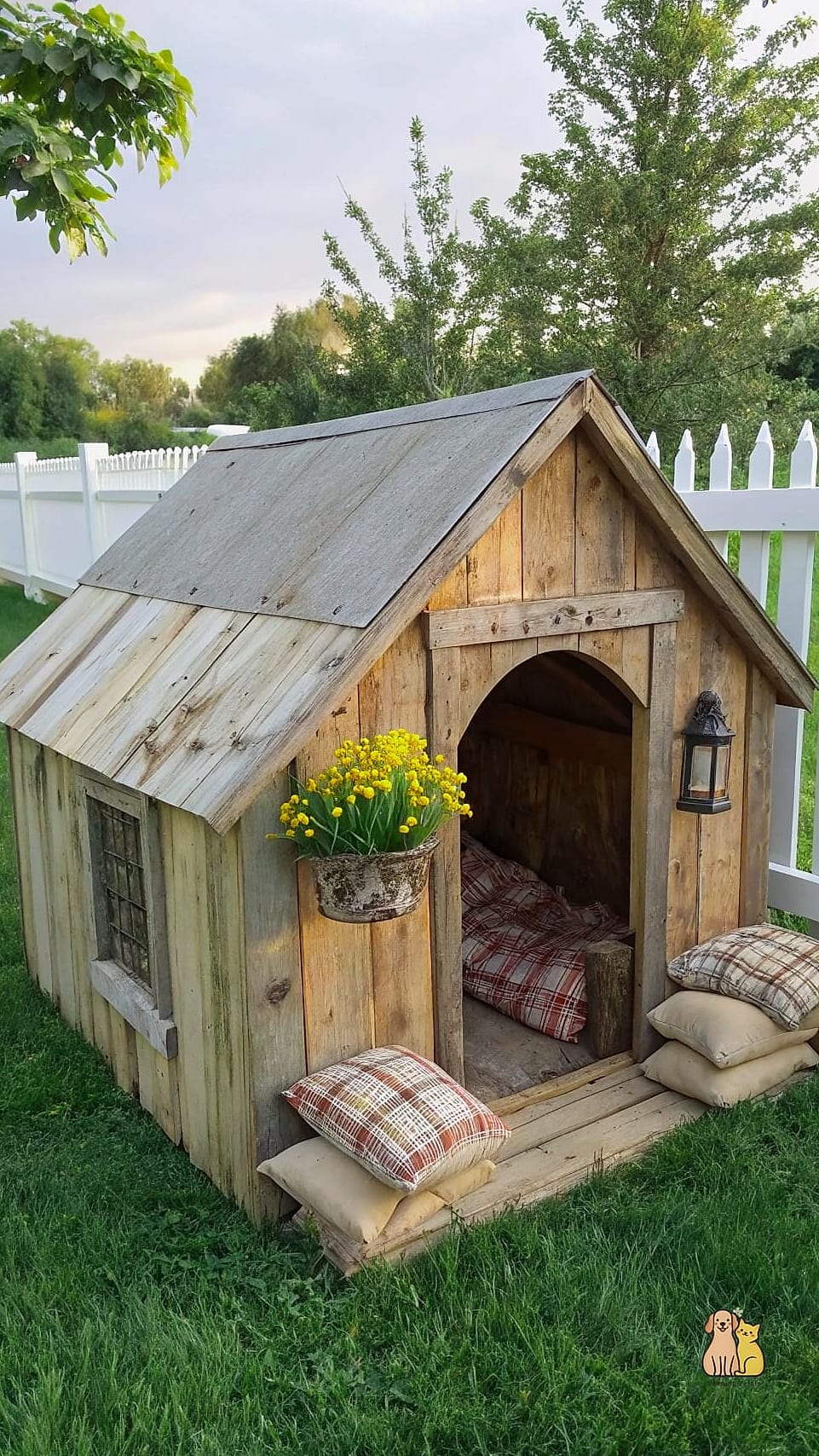
This one’s a Pinterest favorite for a reason. Think gambrel roof, red or barn-wood siding, and a little hayloft-style peak that makes it look like a tiny version of a real barn.
It suits medium to large breeds well, especially dogs who spend a good chunk of their day outside, like Labs or Australian Shepherds. The sloped roof handles rain and snow runoff nicely, which is a real practical bonus.
Budget-wise, you can build one from cedar fence boards for a couple hundred dollars, or buy a premade version if woodworking isn’t your thing. Difficulty level sits at moderate — doable for someone with basic carpentry skills and a weekend to spare.
The Log Cabin Doghouse
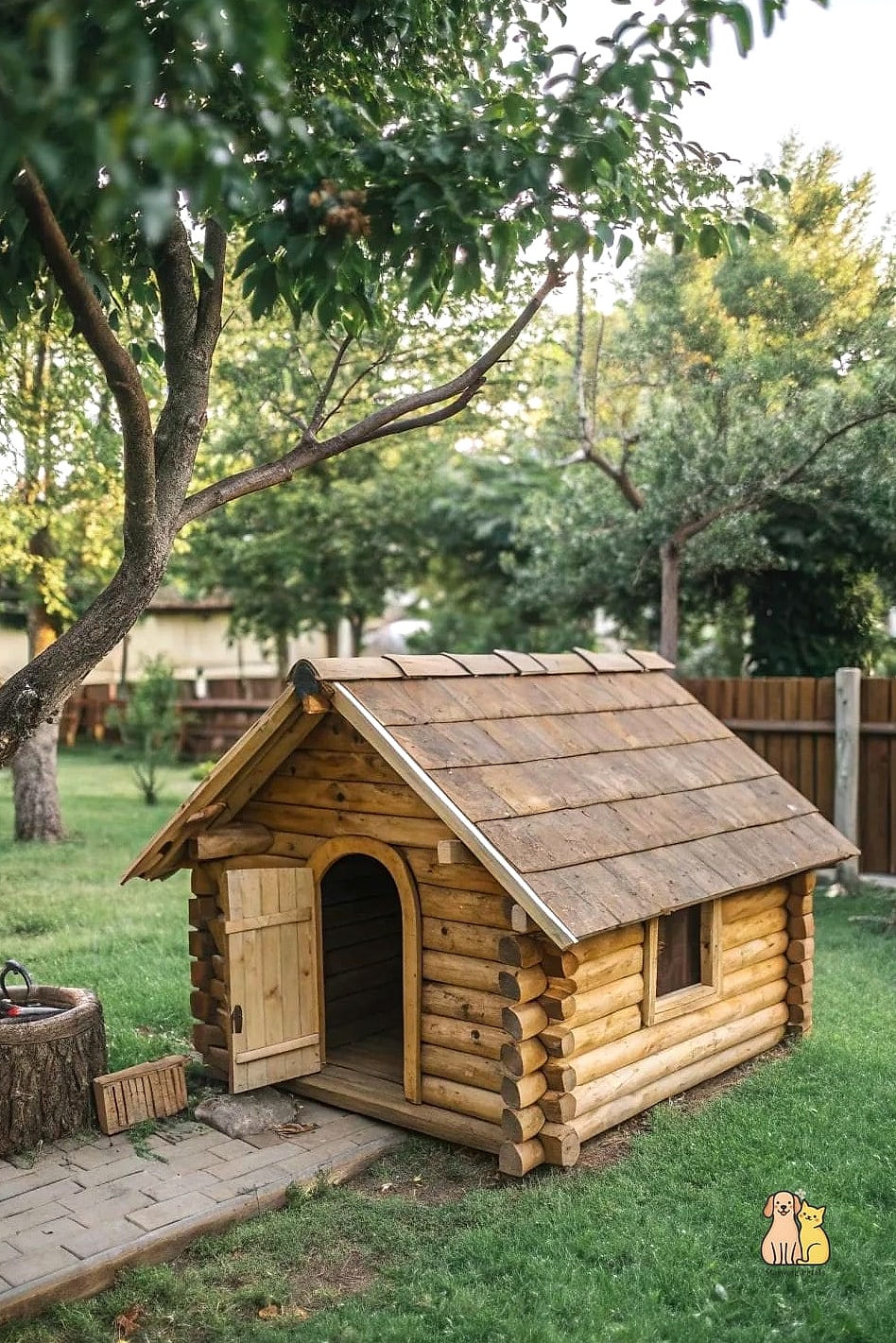
If you’re going for a full “tiny cabin in the woods” vibe, this design uses stacked log-style siding (real or faux) with a small covered entry.
It’s a great match for dogs who live somewhere colder, since the layered log construction adds a bit of natural insulation. Huskies, Bernese Mountain Dogs, and other cold-hardy breeds tend to look right at home in one.
Owners love that it doesn’t look like “dog housing” at all — it looks like an accessory dwelling for the world’s cutest tenant. You can find kits online, or build your own using half-log siding panels from a home improvement store.
The Reclaimed Wood A-Frame
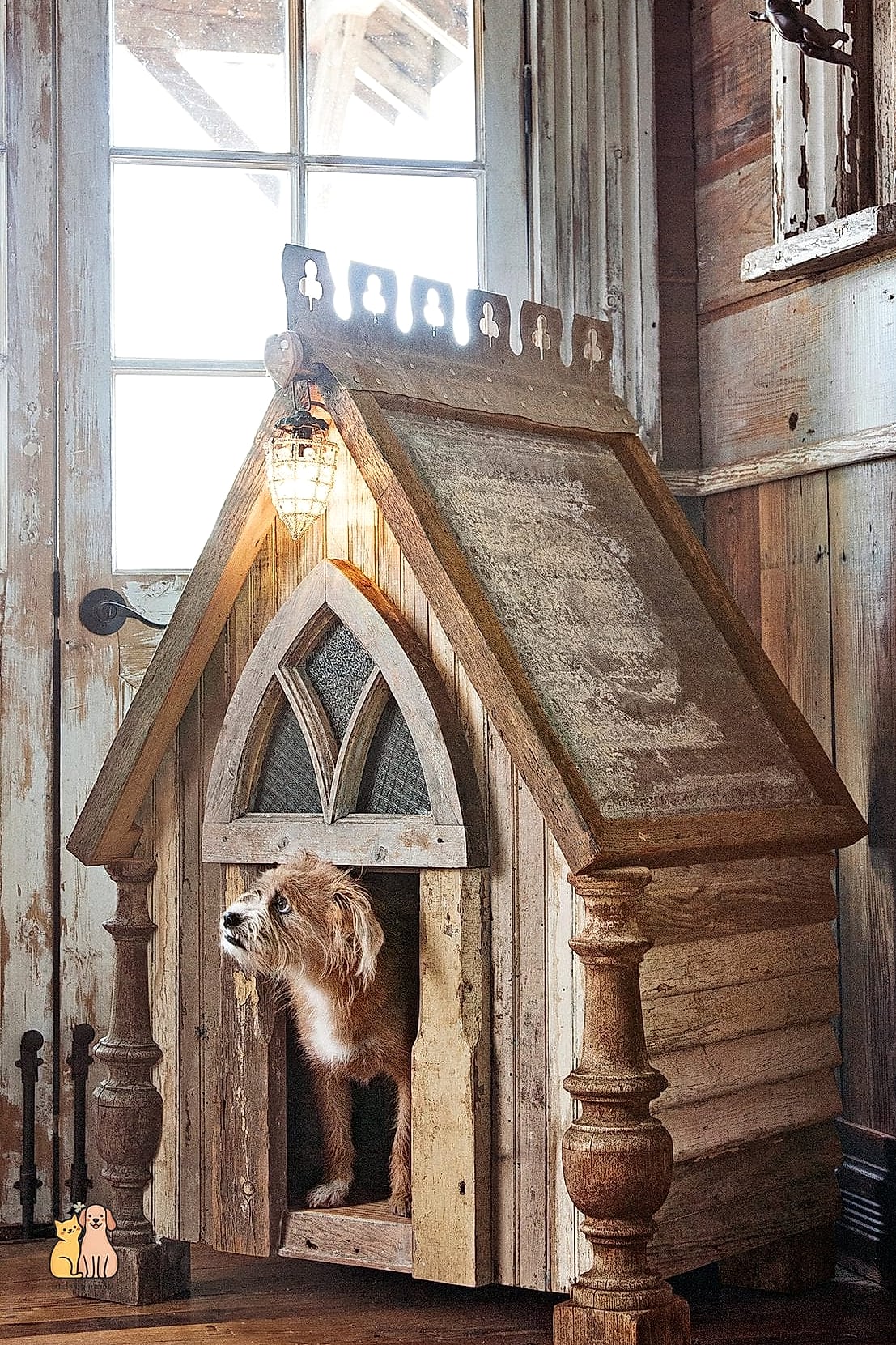
A-frame dog houses have that simple, triangular silhouette that’s easy to build and even easier to love. Using reclaimed barn wood or pallet boards gives it instant character without much effort.
This style works for pretty much any size dog since the dimensions scale easily. It’s especially popular with DIYers because the design is so forgiving — a few crooked cuts just add to the “rustic” charm instead of ruining it.
Budget is low if you’re using pallet wood, and the difficulty level is beginner-friendly. Add a small awning over the entrance and you’ve got something that looks straight out of a farmhouse magazine.
The Stone-Accented Cottage House
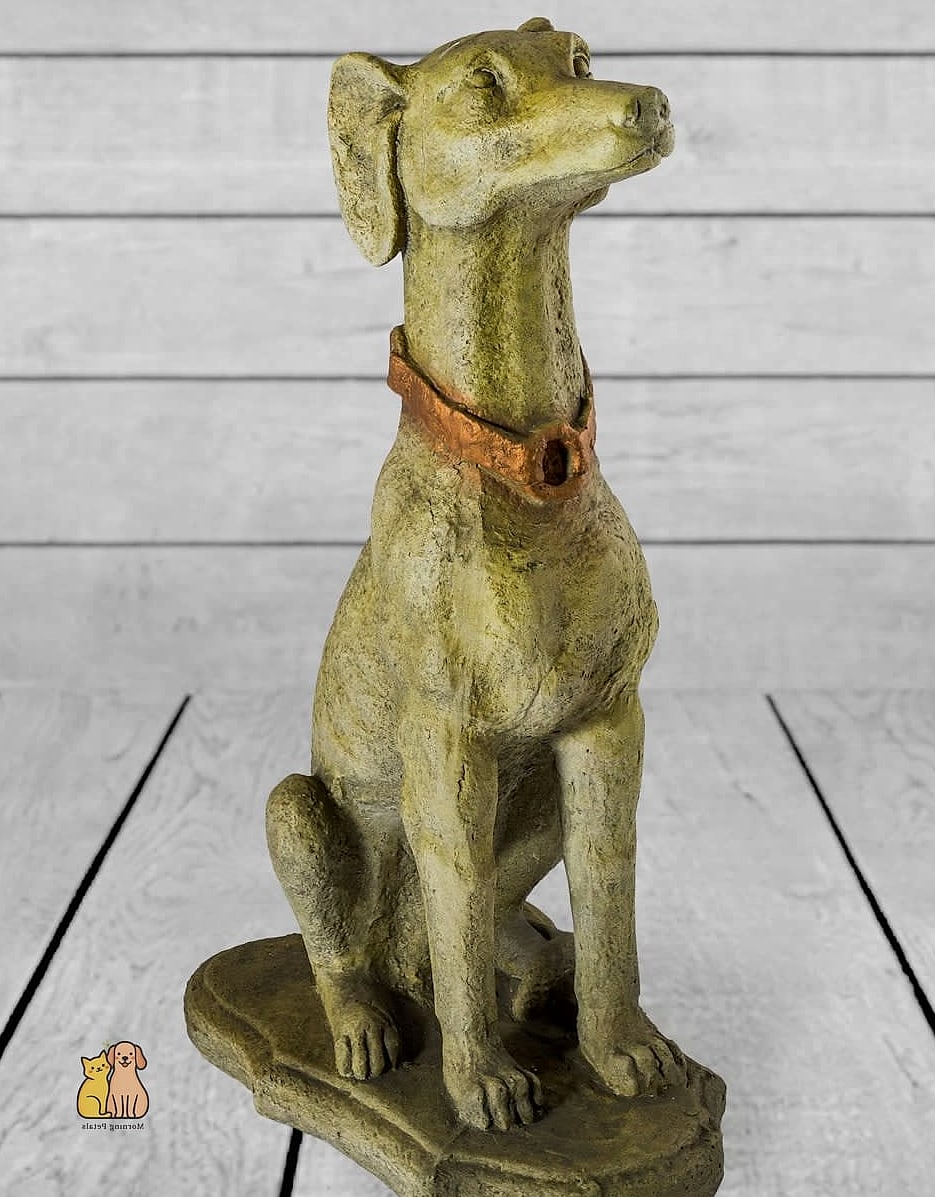
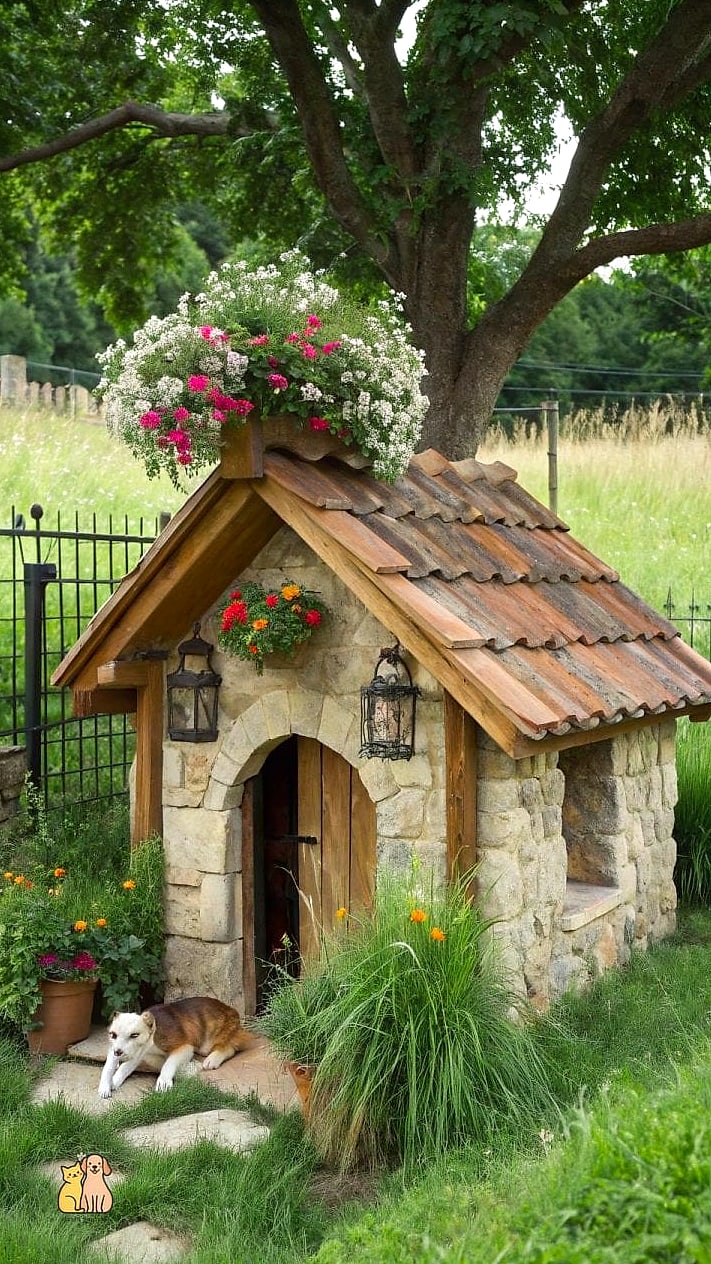
This one leans more “storybook cottage” than “farm outbuilding,” combining wood framing with a stone or faux-stone base for texture and durability.
It’s a nice pick for dogs who dig near their house, since the stone base resists scratching and wear better than plain wood siding. Bulldogs, Boxers, and other sturdy breeds pair well with the solid, grounded look.
This is more of a premium build, especially if you’re using real stone veneer, but it holds up beautifully outdoors for years. Expect a moderate to advanced difficulty level if you’re doing the stonework yourself.
The Tin-Roof Farmhouse Doghouse
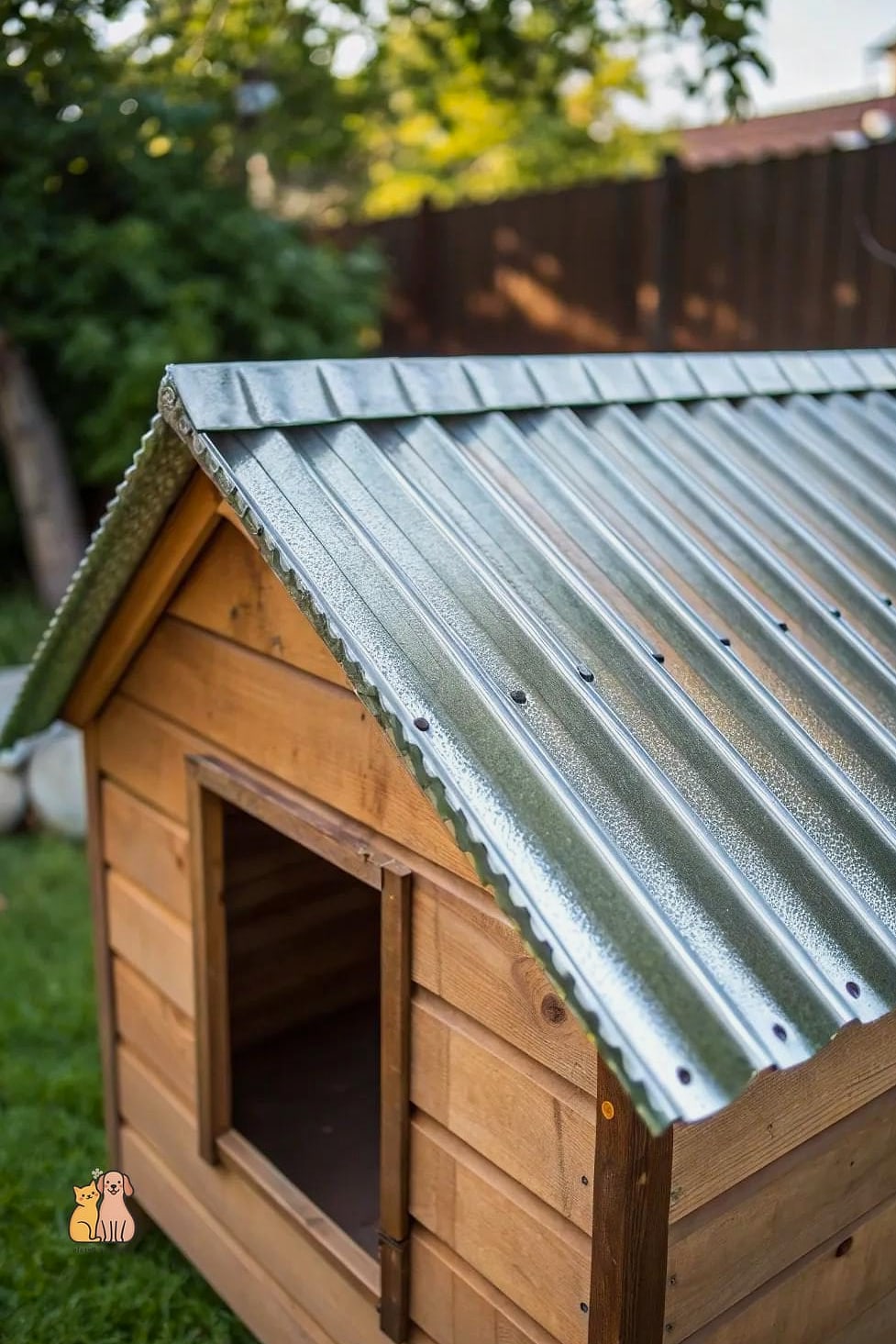
There’s nothing quite like the sound of rain on a tin roof, and apparently dogs agree, because this style is beloved for both looks and function. Corrugated metal roofing paired with weathered wood siding gives it that unmistakable farmhouse feel.
It suits outdoor dogs of all sizes, and the metal roof does a genuinely great job shedding rain and resisting sun damage over time. It’s a smart pick if you live somewhere with hot summers, since metal roofing reflects heat better than shingles.
DIY cost is moderate — the tin roofing panels are the main expense — and assembly is beginner-to-intermediate friendly.
The Rustic Dutch-Door Kennel
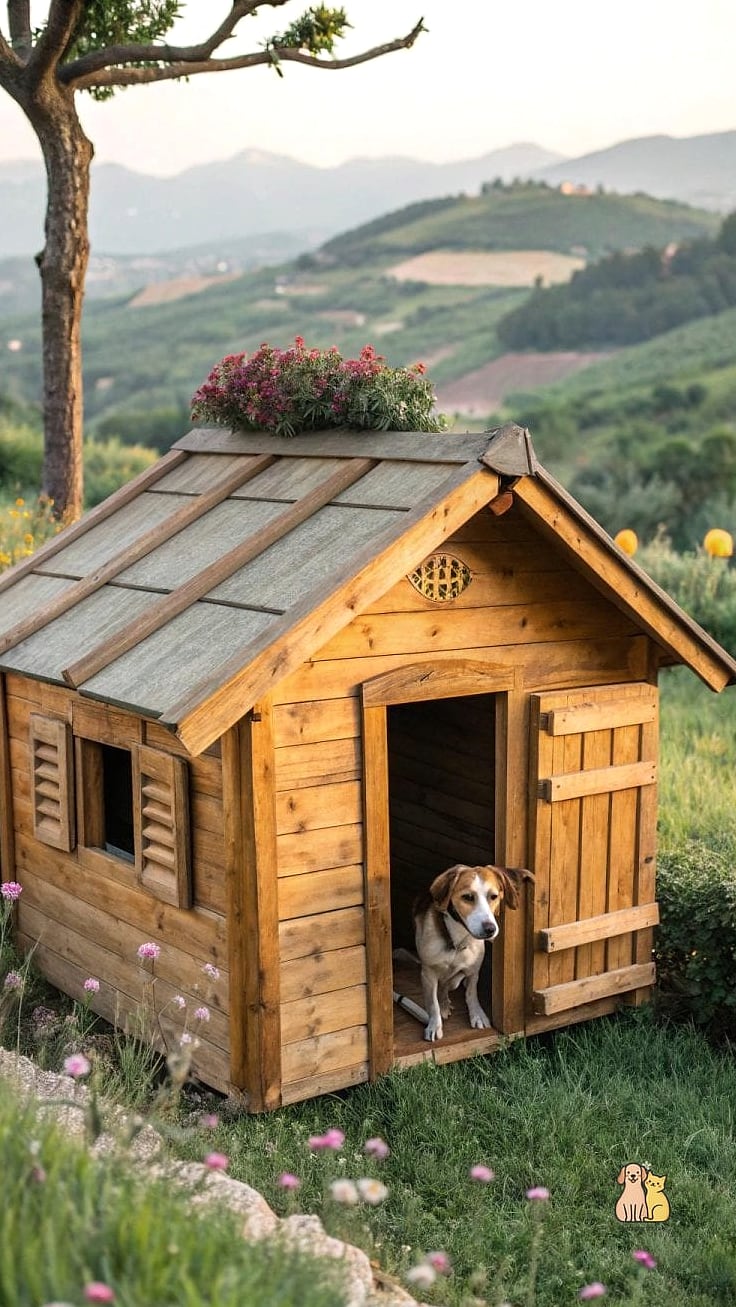
This design borrows from horse barn style, featuring a split “Dutch door” entrance where the top half can stay open for ventilation while the bottom stays shut.
It’s ideal for dogs who like to keep an eye on the yard without fully leaving their shelter — think curious breeds like Beagles or Corgis. It also gives owners more control over airflow, which is handy in warmer climates.
Building the split door takes a bit more carpentry know-how, so this one lands in the intermediate-to-advanced range, but kits are available if you want the look without the extra labor.
The Covered-Porch Doghouse
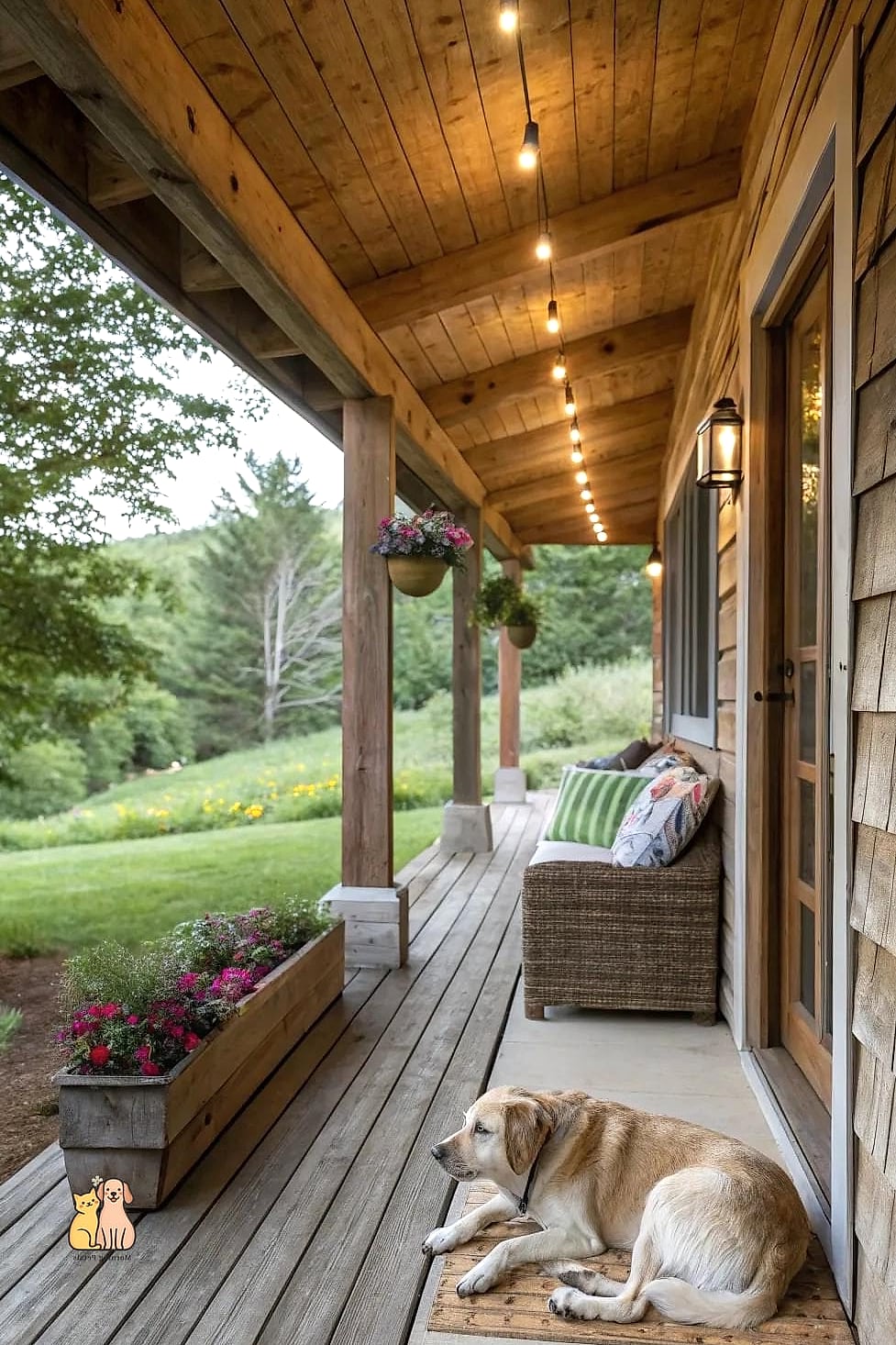
Every dog deserves a front porch, honestly. This design adds a small covered overhang extending from the main structure, creating a shaded spot for lounging outside the house itself.
It’s especially great for dogs who like to watch the yard rather than hide inside all day — Golden Retrievers and other social breeds tend to love it. The porch also keeps food and water bowls dry during rain, which is a small detail that makes a big difference.
This one’s moderately easy to build onto an existing A-frame or barn-style base, making it a nice upgrade project rather than a full build.
The Cedar Shake Shingle House
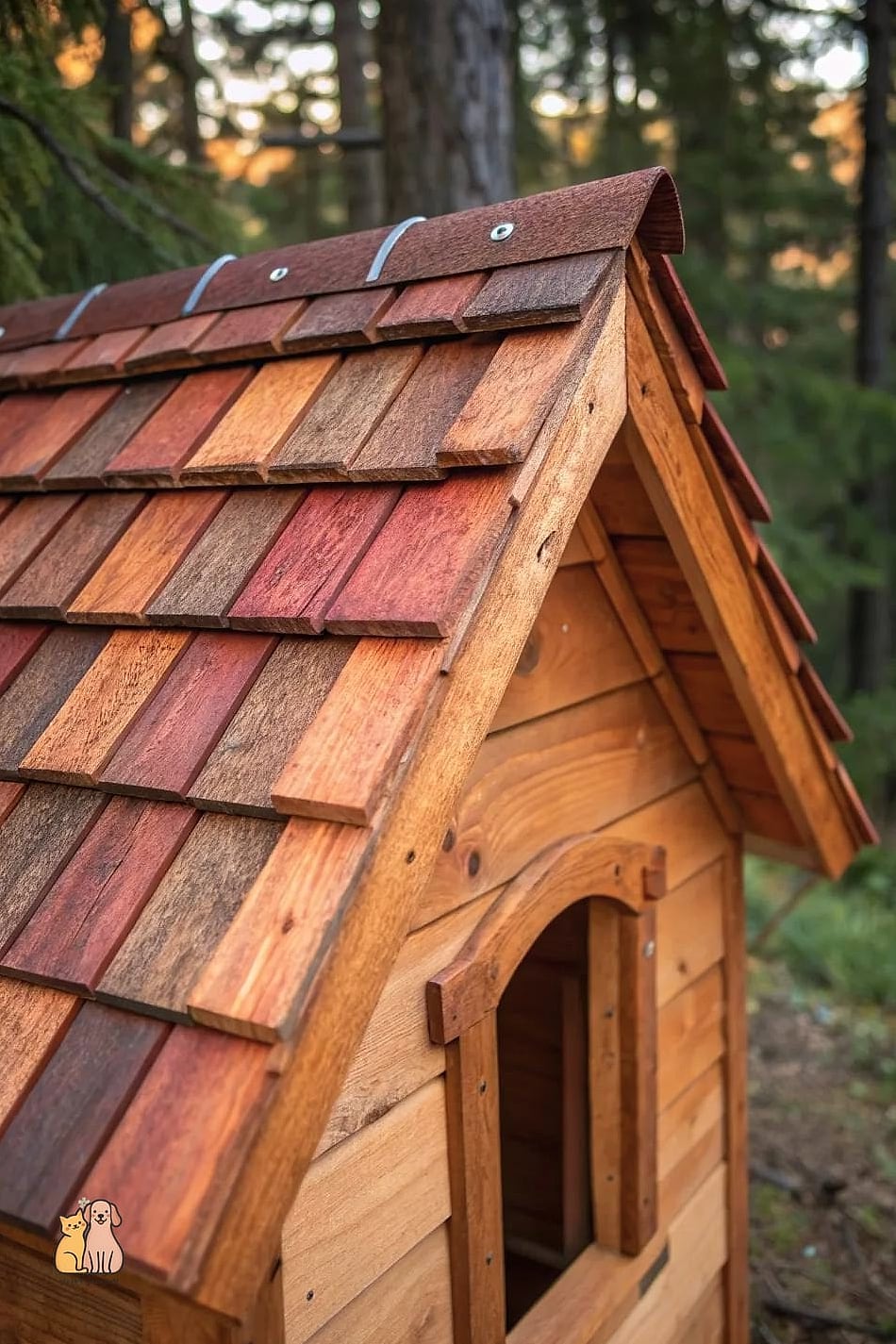
Cedar shake shingles bring serious texture to a dog house, giving it that same weathered, seaside-cottage look you’d see on a real home. Paired with natural wood trim, it feels rustic without looking rough around the edges.
This style works well in any climate since cedar naturally resists rot and insects. It’s a favorite for owners who want their outdoor pet housing to actually complement their home’s exterior instead of looking like an afterthought.
Cost runs moderate to high depending on shingle quality, and the shingling process itself takes patience, so plan on an afternoon or two.
The Pallet Wood Lean-To
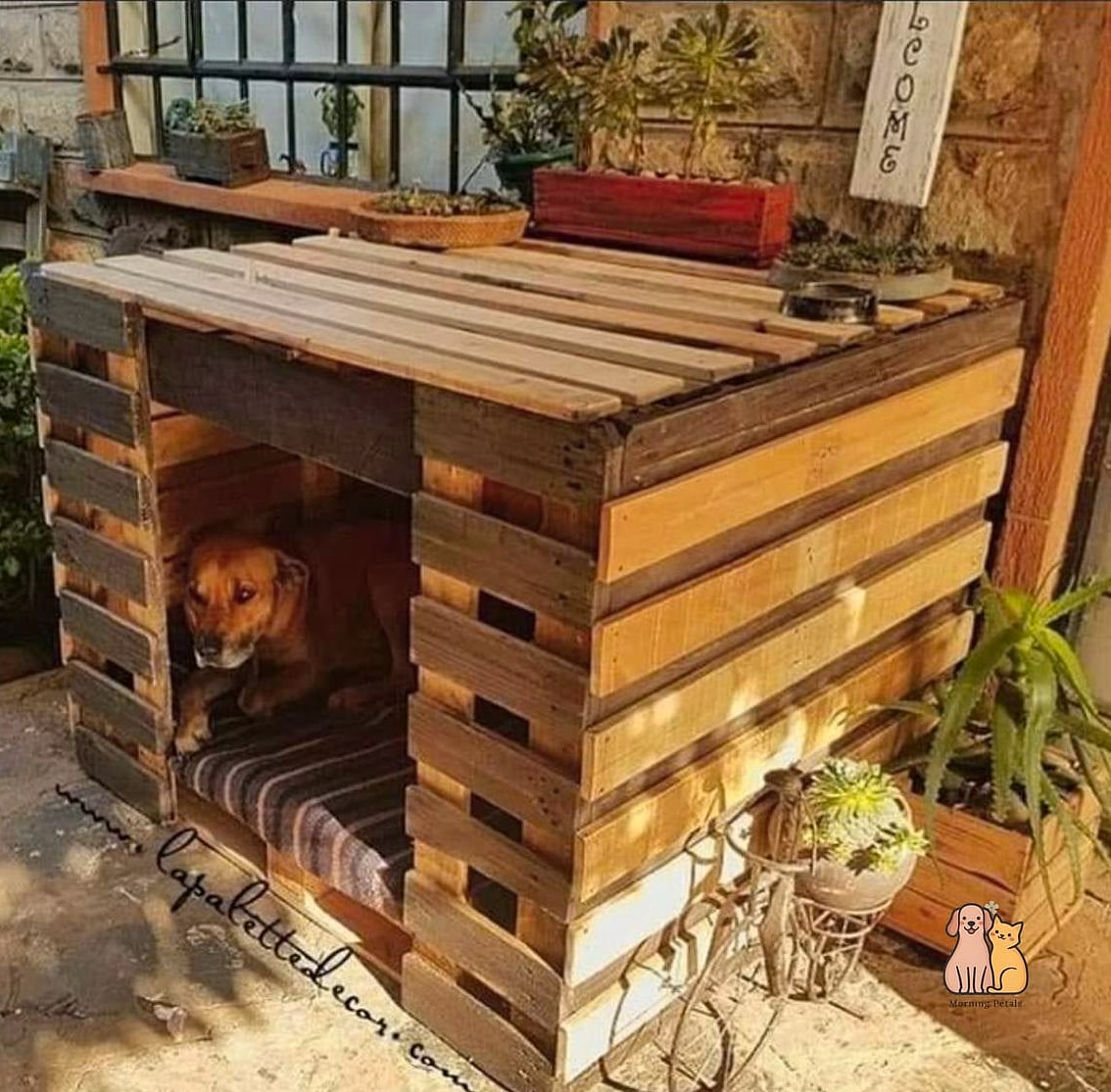
For the ultimate budget-friendly rustic build, a lean-to style using stacked or upcycled pallet wood is hard to beat. The single-slope roof is simple to construct and gives it an intentionally rugged, unfinished look.
It’s a solid option for smaller dogs or as a secondary shelter near a covered patio. Because it’s low-cost and low-commitment, it’s also a great starter project if you’ve never built pet housing before.
Difficulty is beginner level, and most people can finish one in a single weekend with basic tools.
The Wagon Wheel Farmhouse Kennel
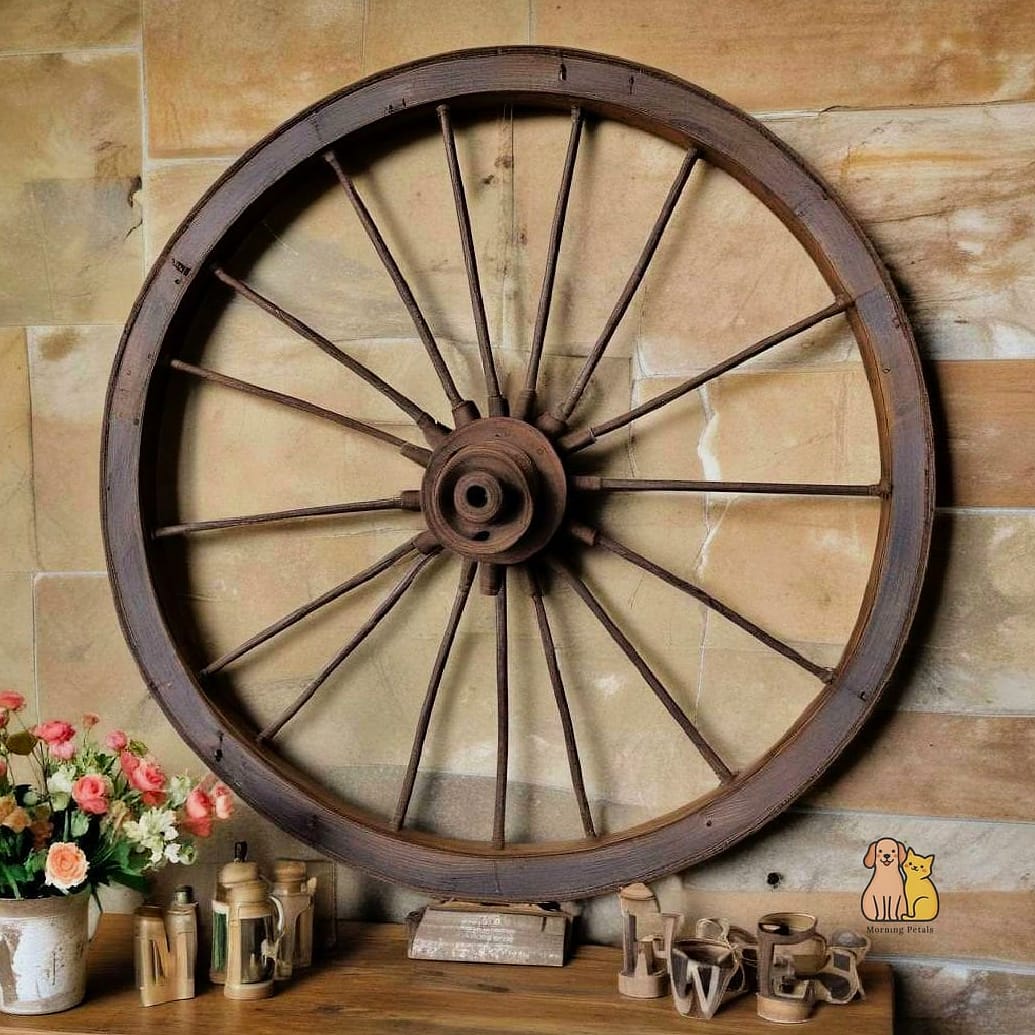
This design incorporates a decorative wagon wheel or barn-style round window into the front facade, adding a charming focal point without much structural change.
It’s purely a styling upgrade, so it works on almost any base structure — barn-style, A-frame, you name it. Owners love it because it turns a fairly simple build into something that feels genuinely decorative, not just functional.
Adding the wagon wheel accent is inexpensive and easy, making this a great weekend upgrade for an existing dog house rather than a full new build.
The Timber Frame Doghouse
Exposed timber framing gives this design a heavier, more architectural look, almost like a mini post-and-beam cabin. It’s a striking option if you want your dog’s house to double as a yard centerpiece.
Larger breeds like Mastiffs or Great Pyrenees suit this style well, since the sturdier framing can support a bigger footprint. It’s also a good pick for owners who want something that’ll genuinely last decades outdoors.
This build leans advanced due to the joinery involved, so it’s often better suited to experienced woodworkers or a professionally built kit.
The Rustic Raised Platform House
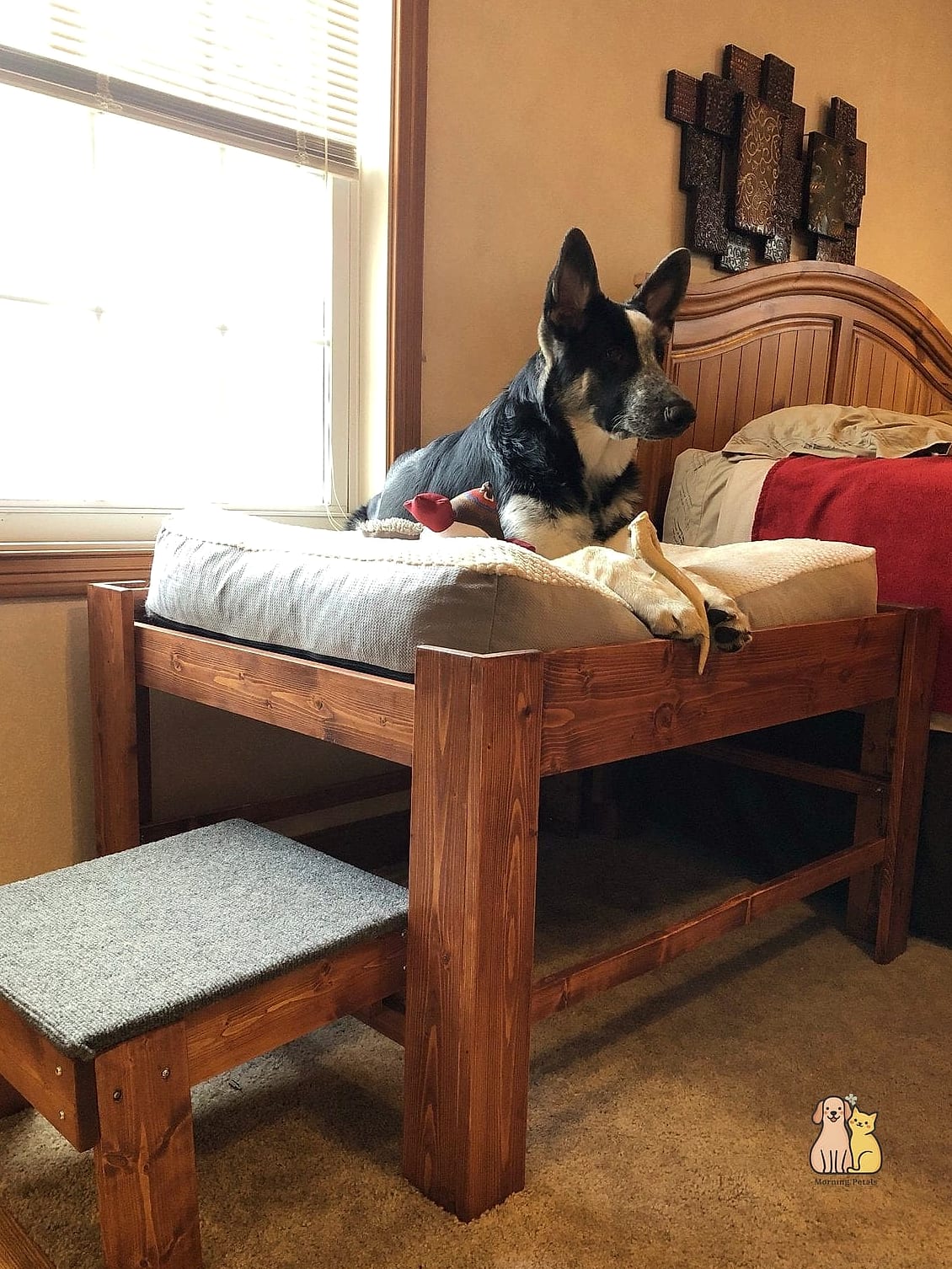
Raising the dog house off the ground on a wooden platform helps with drainage, pest control, and insulation from cold ground temperatures — all while keeping that natural, cabin-in-the-woods aesthetic.
This is a great option for owners in rainy or snowy climates, since it keeps the interior drier and warmer. Add a small ramp or dog stairs for senior dogs or short-legged breeds like Corgis or Dachshunds.
Moderate difficulty, mostly due to the platform construction, but well worth it for the added comfort and longevity.
The Two-Tone Farmhouse Doghouse
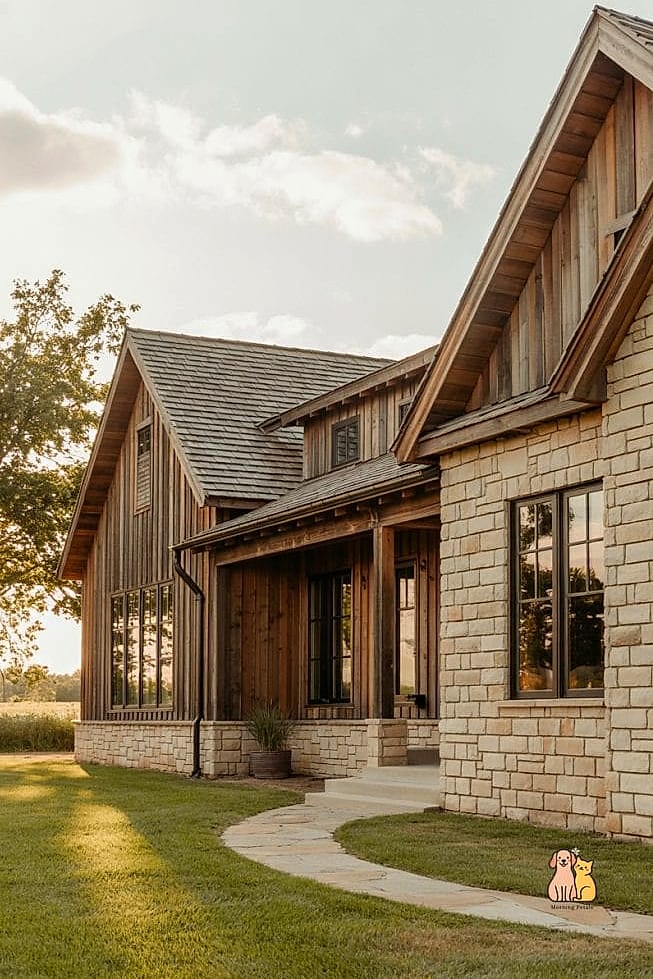
This design plays with contrast, pairing a whitewashed or painted base with natural wood trim and roofing. It’s rustic but slightly more polished, making it a nice fit for owners who want charm without a fully weathered look.
It suits pretty much any breed and works especially well if it needs to match a farmhouse-style home exterior. The lighter base color also helps reflect heat, which dogs in sunnier yards will appreciate.
Cost is low to moderate, and painting is honestly the most time-consuming part of the whole build.
The Mini Chalet Doghouse
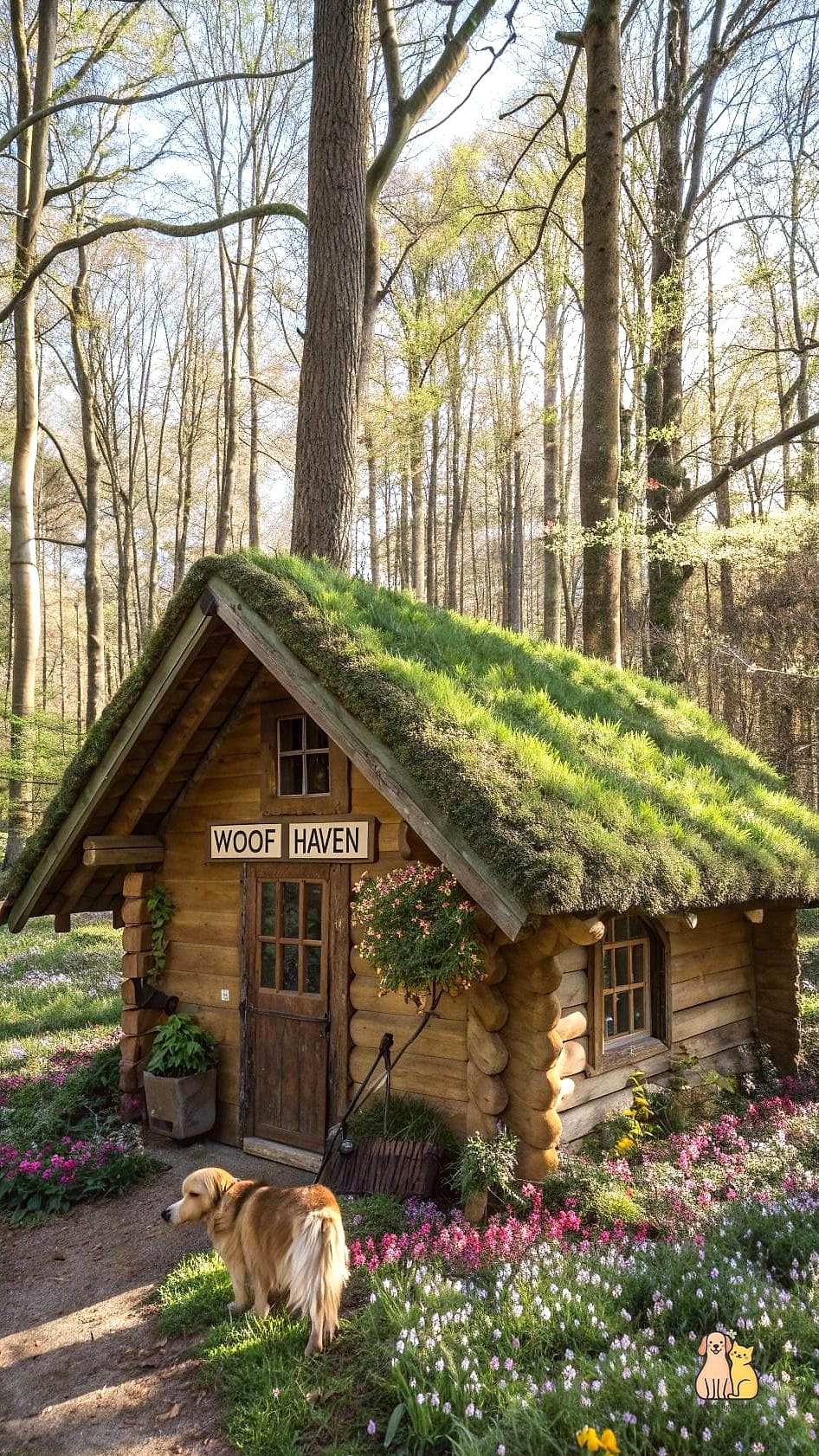
Borrowing from alpine chalet architecture, this style features a steeply pitched roof, decorative trim along the eaves, and sometimes a tiny balcony-style overhang purely for looks.
It’s a fun pick for smaller breeds like French Bulldogs or Shih Tzus, since the proportions tend to look extra charming at a smaller scale. The steep roofline also handles heavy snow well if you’re in a colder region.
This build is moderate difficulty because of the roof angles, but premade chalet-style kits are widely available if cutting those angles yourself sounds stressful.
The Rustic Modern Hybrid Doghouse

For owners who love the rustic look but still want clean lines, this hybrid design combines weathered wood siding with a flat or slightly angled modern roofline. It’s rustic materials with a more contemporary shape.
This style tends to appeal to dogs and owners alike in more design-forward homes, pairing nicely with modern landscaping or a minimalist backyard setup. It still uses natural textures, just arranged in a simpler, more streamlined way.
Difficulty is beginner to moderate, and it’s a great option if you want something that feels rustic without going full farmhouse.
Whichever style catches your eye, remember that a good rustic dog house isn’t just about looks — it needs proper ventilation, insulation for your climate, and a size that actually fits your dog comfortably, with enough room to stand, turn around, and lie down stretched out. Add a cozy bed inside, position it somewhere shaded in summer and sheltered from wind in winter, and you’ve got outdoor housing that’s as functional as it is pinnable.