20 Stunning Pet Friendly Living Room That Will Make Your Day
- The Leather Sectional Lounge
- The Washable Slipcover Setup
- The Built-In Window Perch Nook
- The Dog Ramp Reading Corner
- The Catio-Adjacent Living Room
- The Multi-Level Cat Shelf Wall
- The Stain-Resistant Rug Layer
- The Dog Bed Built Into the Furniture
- The Pet Camera Command Center
- The Bouclé Accent Chair Zone
- The Open-Concept Feeding Station
- The Rustic Dog Run Extension
- The Minimalist Scratch Post Pillar
- The Velvet Sofa with Pet-Proof Trim
- The Puzzle Feeder Coffee Table Setup
- The Hardwood Floor with Area Rug Runners
- The Enclosed Litter Box Cabinet
- The Family Room with Pet Stairs
- The Boho Layered Textile Room
- The Dedicated Grooming Corner
20 Stunning Pet Friendly Living Room That Will Make Your Day
If you share your couch with a dog who thinks it’s their personal throne or a cat who treats every surface as fair game, you already know that decorating around a pet is its own special art form. It’s not just about picking a pretty sofa anymore — it’s about finding one that survives claws, shedding, and the occasional zoomies session. This roundup pulls together twenty living room setups that actually work for real pet households, not just staged photos where the dog conveniently disappeared for the shoot.
The Leather Sectional Lounge
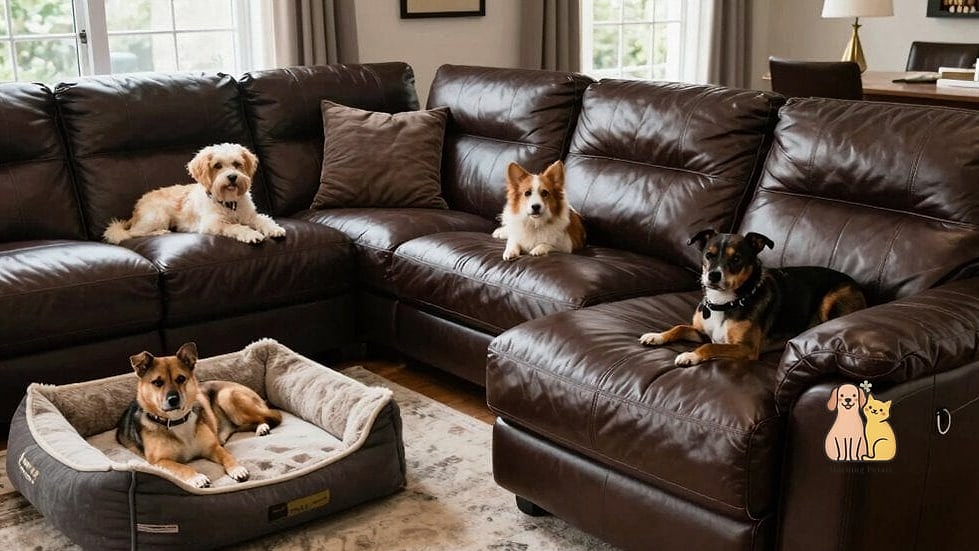
Leather might sound like an odd choice for pet owners, but it’s honestly one of the smartest. Fur wipes right off, and accidents don’t soak in the way they do with fabric. This setup works especially well for households with bigger dogs who like to sprawl across every cushion. Go for a distressed or top-grain leather since it hides scratches better than the smooth stuff. Budget-wise, you can find faux leather options that mimic the look without the higher price tag. It’s a great pick for families who want something durable but still stylish enough for guests.
The Washable Slipcover Setup
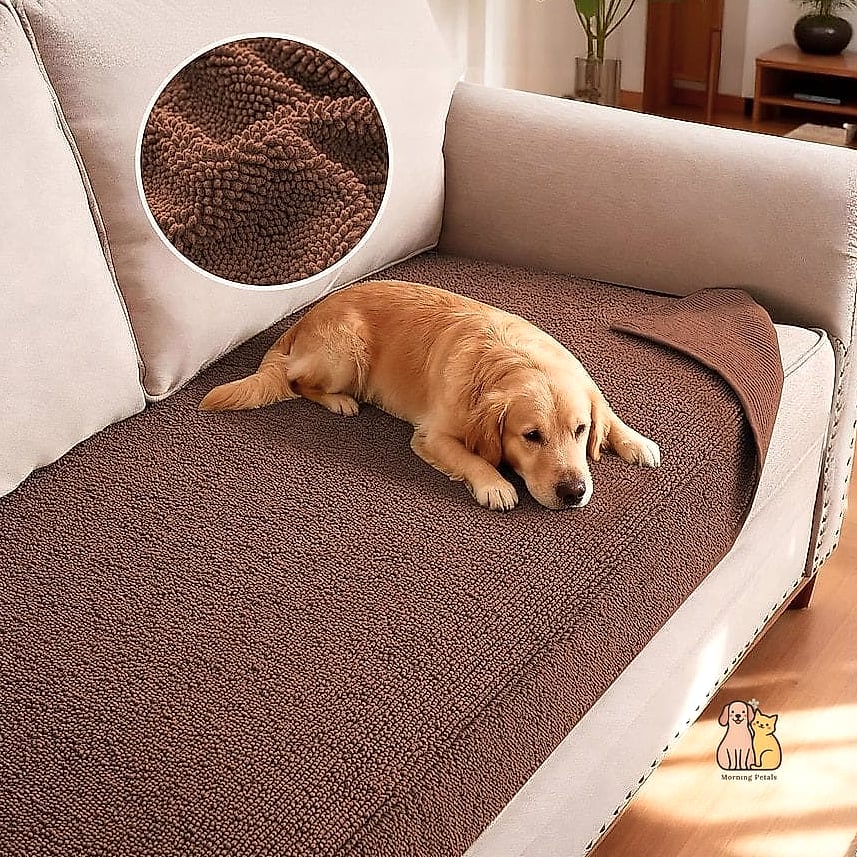
For anyone who’s tired of stressing over muddy paw prints, a slipcovered sofa is basically a lifesaver. You just unzip the whole thing and toss it in the wash. This idea works great for cat owners too, since slipcovers can handle scratching a lot better than exposed upholstery. Pair it with a slow feeder bowl nearby so mealtime mess stays contained to one corner. It’s budget-friendly, low-maintenance, and honestly a good fit whether you’re a first-time pet parent or a seasoned multi-pet household.
The Built-In Window Perch Nook
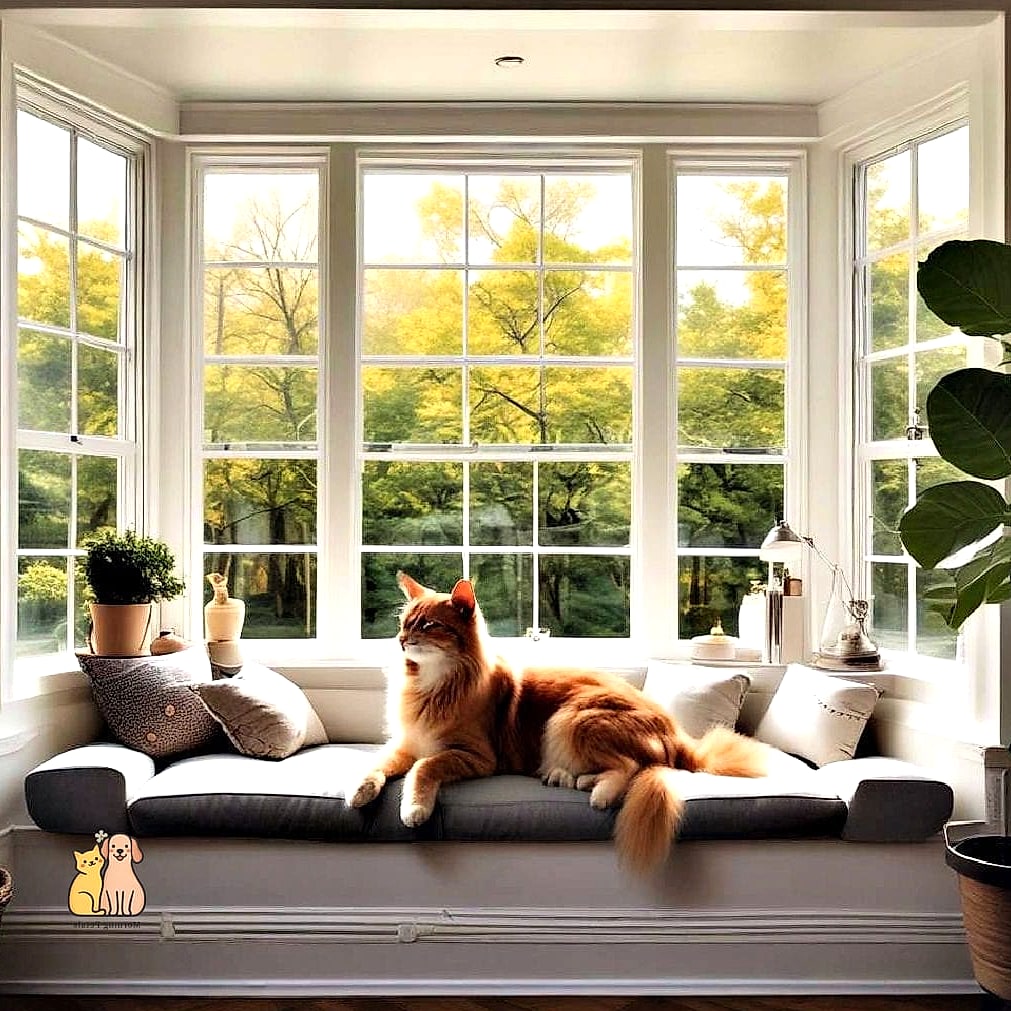
Cats are obsessed with watching the world go by, so building a window perch right into your living room layout gives them their own little viewing box. Add a soft cushion, maybe a heated pad in winter, and you’ve got a spot your cat will claim within minutes. This works beautifully in apartments where floor space is tight. It also doubles as enrichment, since watching birds and squirrels keeps indoor cats mentally stimulated. Store-bought perches are affordable, but a DIY shelf with a cushion works just as well if you’re handy.
The Dog Ramp Reading Corner
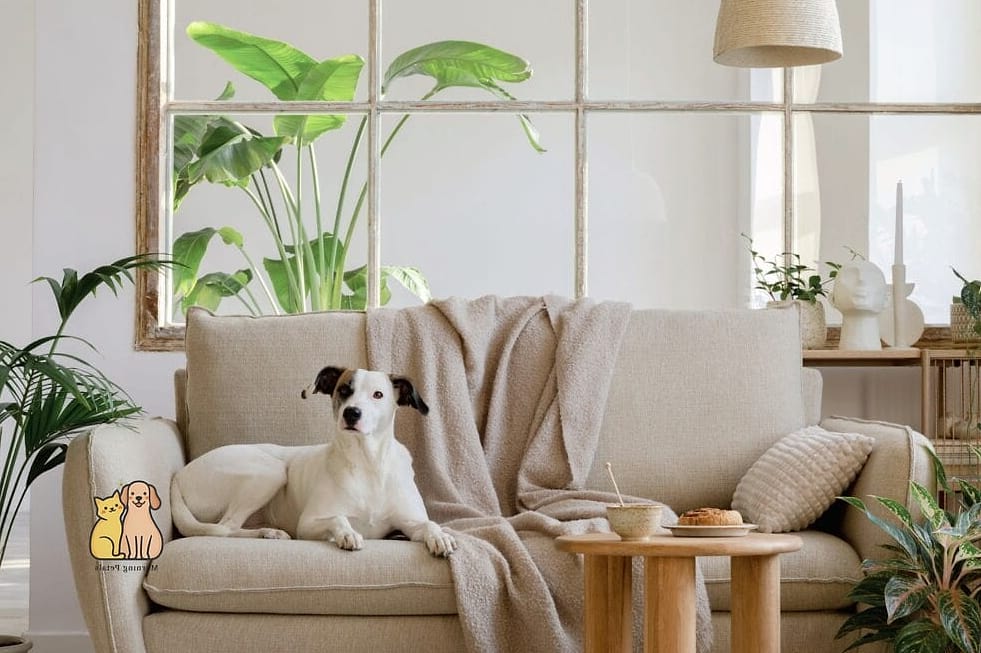
If you’ve got an older dog or a breed prone to joint issues, like a Dachshund or a Corgi, a small ramp leading up to a favorite armchair or window seat can make a huge difference. It takes pressure off their hips and spine while still letting them enjoy the same cozy corner as always. Pair the ramp with a plush dog bed at the base for a nap spot too. This idea is especially thoughtful for senior pets who still want to be part of the action but need a little extra help getting there.
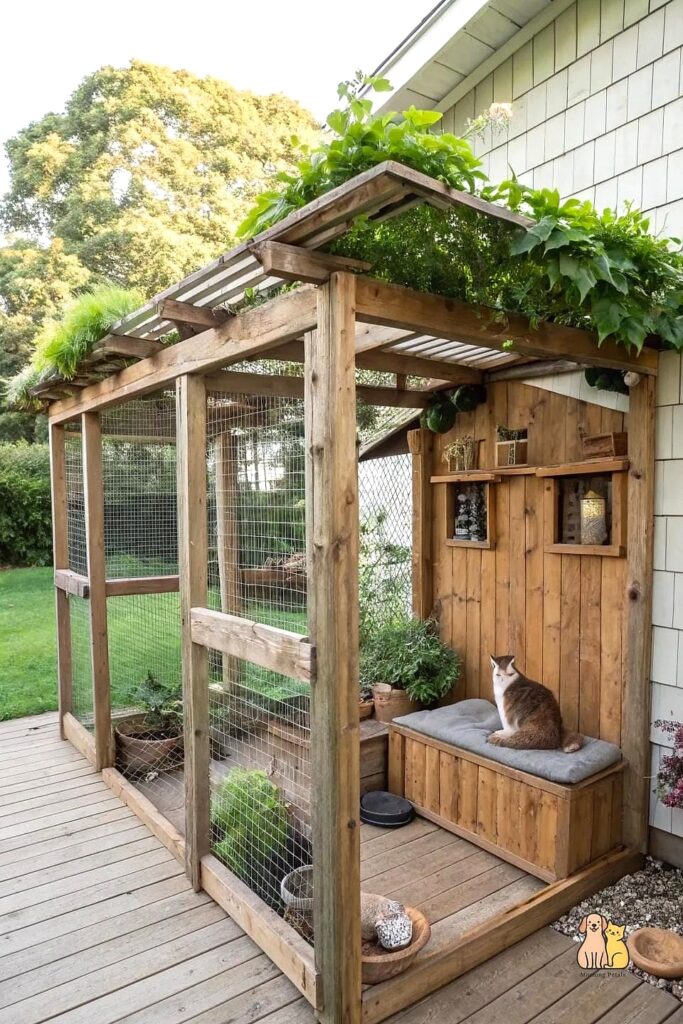
The Catio-Adjacent Living Room
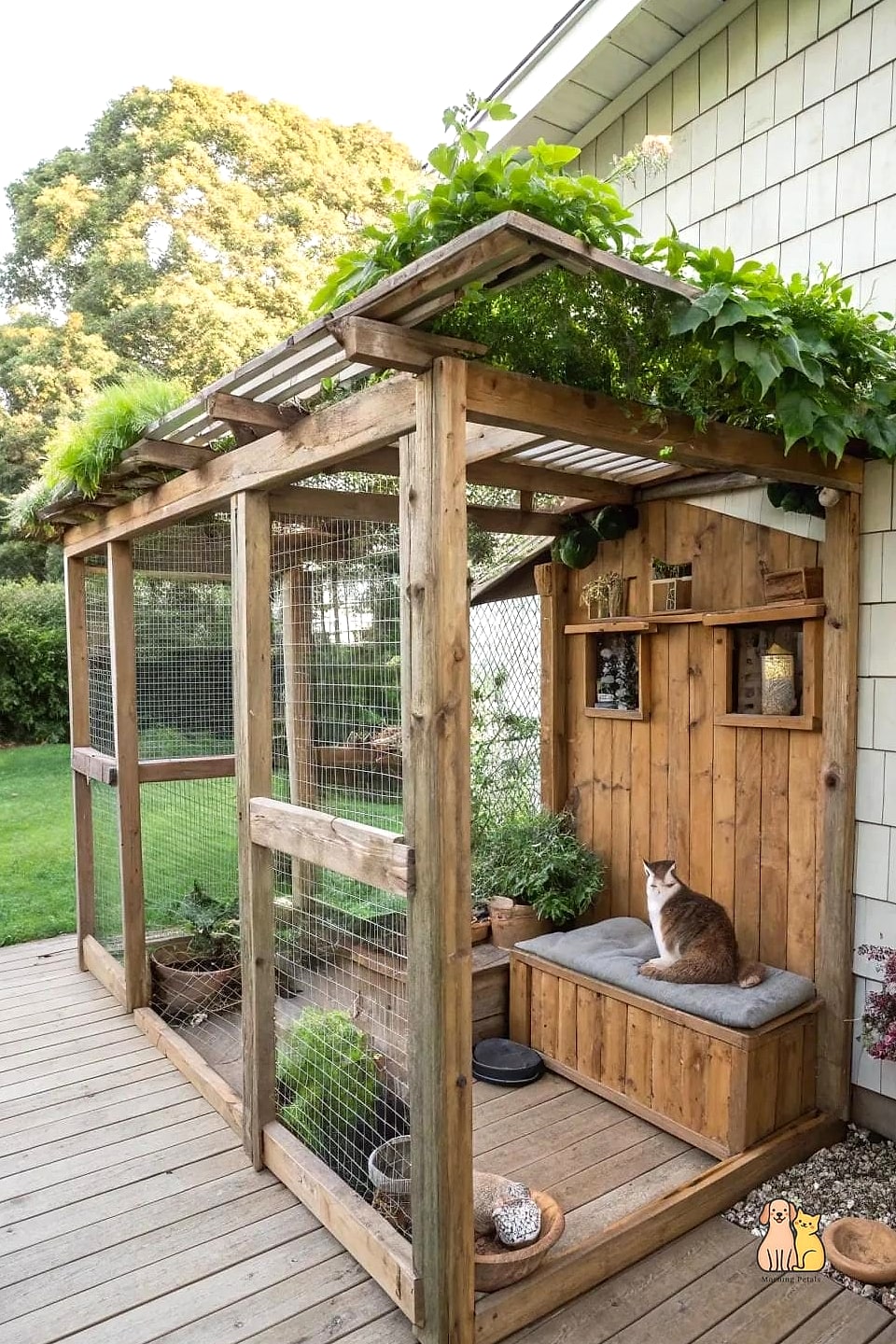
If your home has a sliding door or a window that opens to a small enclosed catio, arranging your living room to flow into that space is genuinely one of the best upgrades for indoor cats. It gives them fresh air and sunshine without any escape risk. Inside, keep a scratch post near the door so they associate that transition zone with something positive. This setup takes a bit more investment upfront, but the payoff in a happier, less bored cat is worth it.
The Multi-Level Cat Shelf Wall
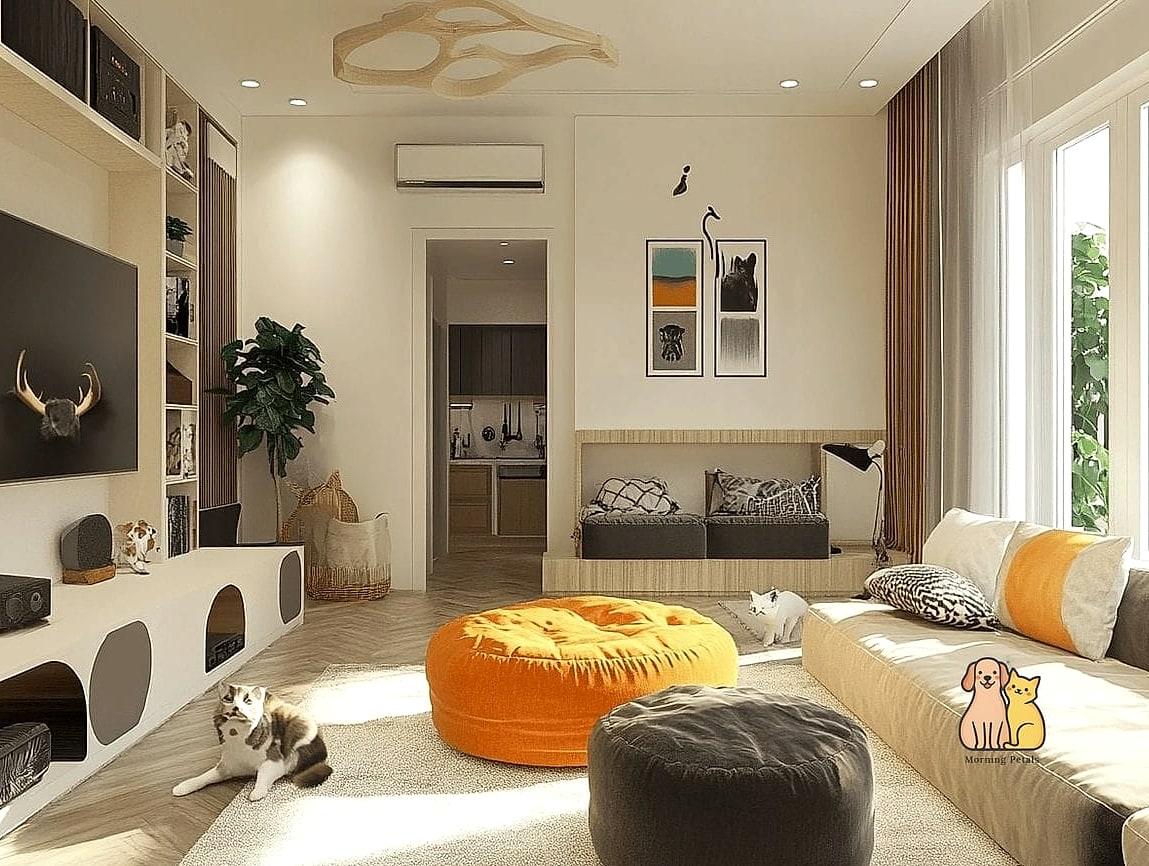
Instead of one bulky cat tree taking up floor space, wall-mounted shelves let your cat climb vertically while keeping your living room open. Stagger them at different heights with a mix of flat platforms and small enclosed boxes. This is perfect for smaller apartments where every square foot counts. Cats love having elevated vantage points, and it satisfies their natural climbing instincts. Just make sure the shelves are securely anchored since an energetic cat leaping mid-jump puts real weight on the mounts.
The Stain-Resistant Rug Layer
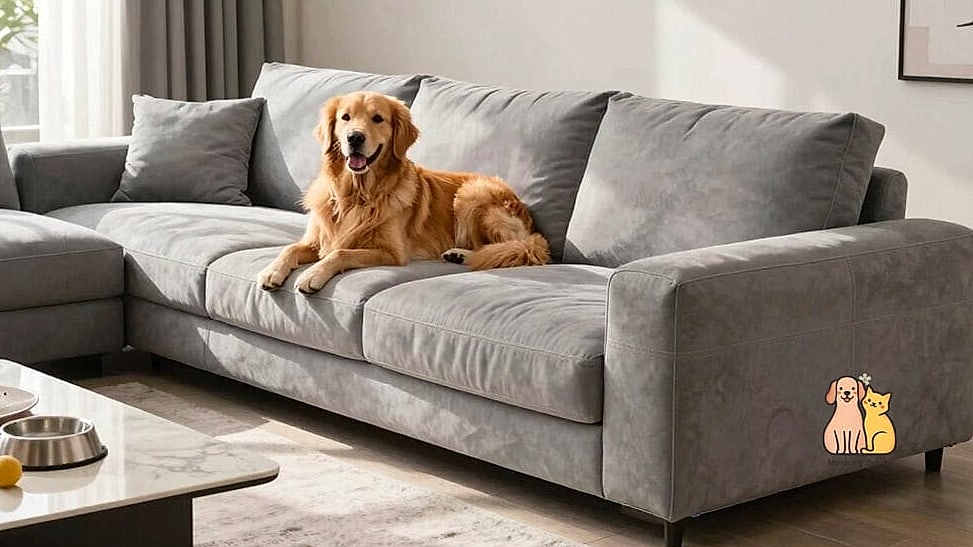
Rugs and pets can be a tricky combination, but performance rugs made from materials like polypropylene actually resist stains and are simple to spot-clean. Layering one over hardwood also gives dogs better traction, which matters more than people realize for breeds prone to slipping, like Greyhounds. Choose darker patterns or busy prints if you want fur and dirt to blend in a little better between cleanings. It’s a small swap that makes daily life noticeably easier.
The Dog Bed Built Into the Furniture
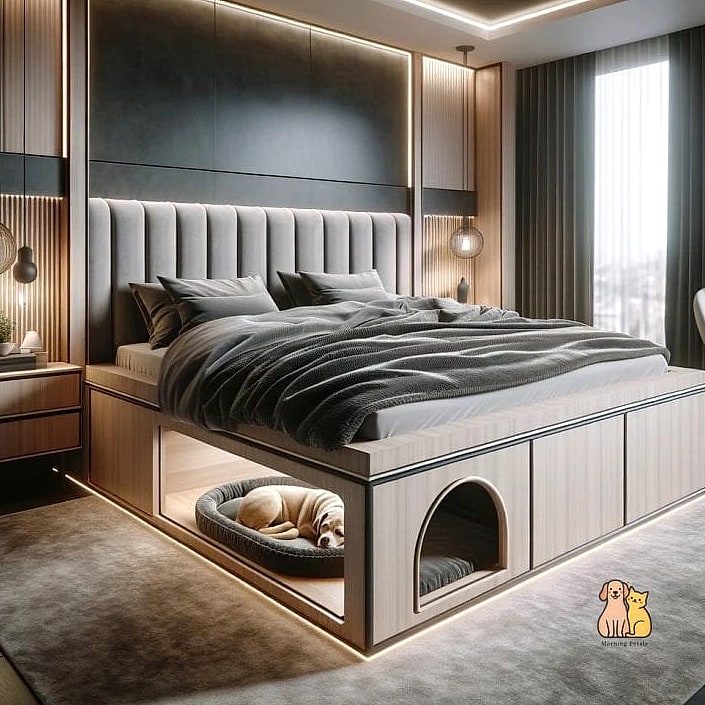
Some furniture brands now design coffee tables or console tables with an open compartment underneath sized for a dog bed. It’s a clever way to give your pup a den-like sleeping spot without dedicating a whole corner of the room to a separate bed. This works particularly well for breeds that like burrowing or hiding, such as Dachshunds or small terriers. You can also DIY this by repurposing an old cabinet with the door removed and a cushion added inside.
The Pet Camera Command Center
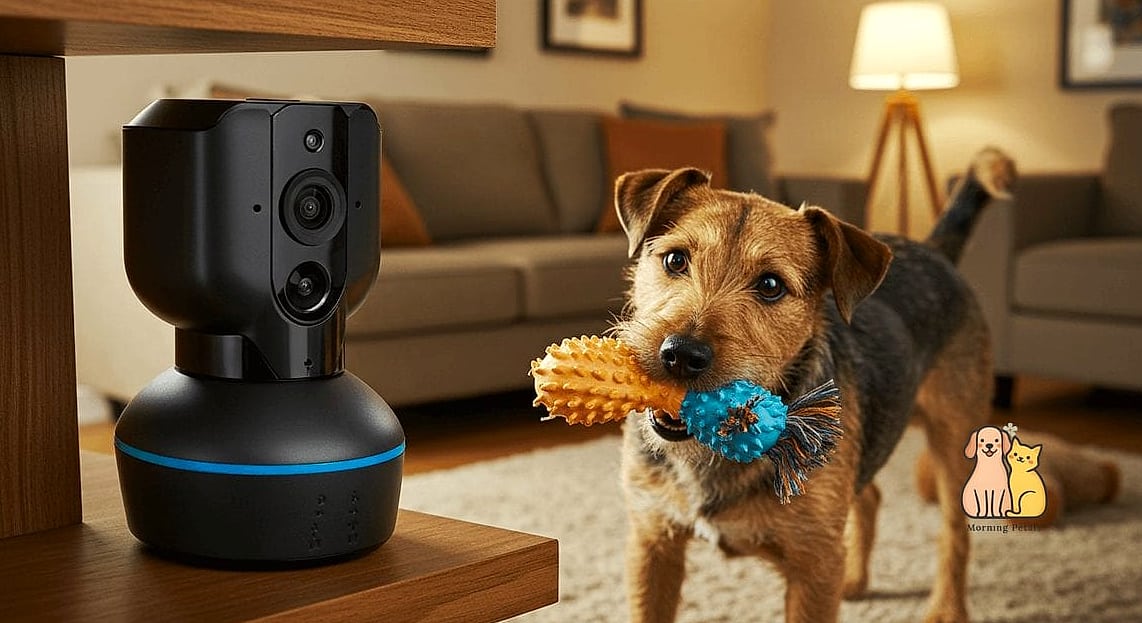
For pet parents who work long hours, setting up a small shelf with a pet camera, treat dispenser, and maybe a puzzle feeder gives you peace of mind and your pet something to do while you’re away. Position it where your dog or cat naturally hangs out most, since that’s where the camera will actually catch daily antics. It’s not the flashiest design element, but it blends in easily on a bookshelf or media console and adds real functionality to the room.
The Bouclé Accent Chair Zone
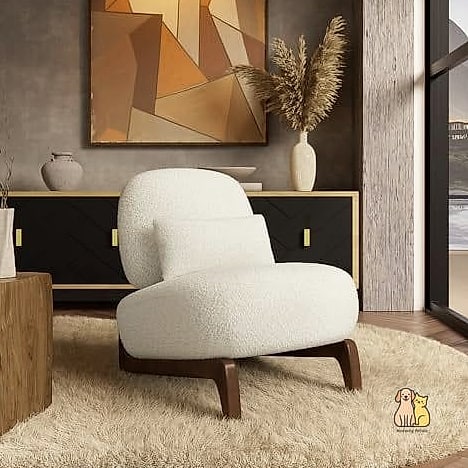
Bouclé fabric has become hugely popular lately, and the good news is its looped texture actually hides pet hair better than smooth fabrics do. An accent chair in this material creates a cozy reading nook while standing up to daily wear from a curious cat or lounging dog. Add a woven throw blanket nearby, both for style and to give your pet a designated spot to snuggle instead of the chair cushion itself.
The Open-Concept Feeding Station
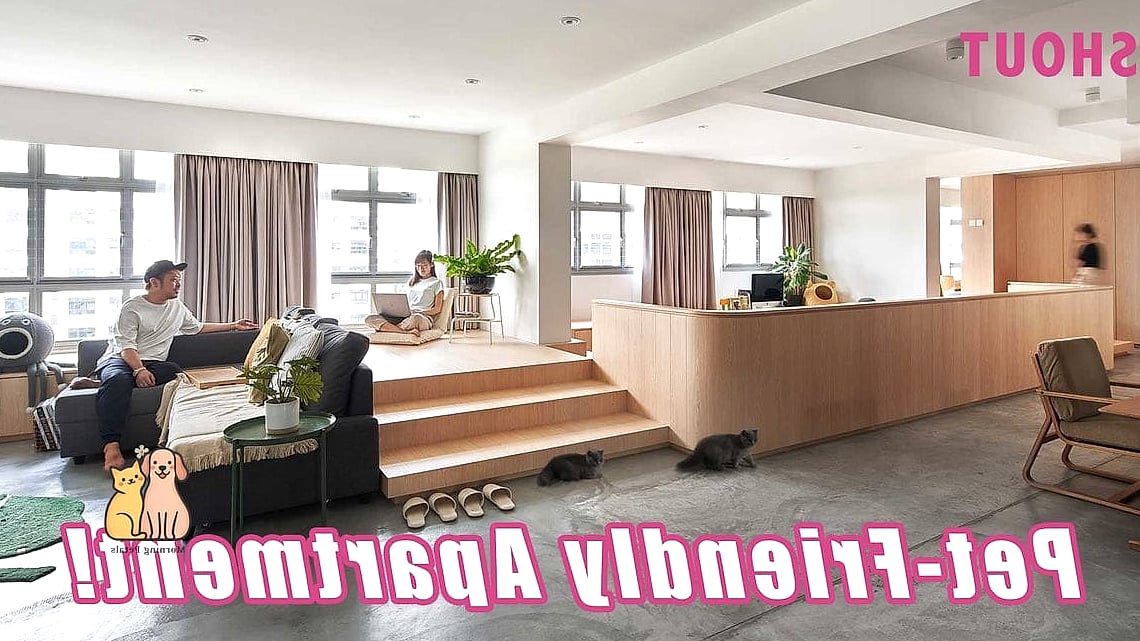
Rather than hiding food bowls in the kitchen, some pet owners are integrating a stylish feeding station right into the living room, especially in studio apartments. A slim console table with built-in bowl cutouts keeps things tidy and prevents food from sliding around the floor. Pair it with a water fountain to encourage hydration, since running water tends to attract cats who are picky drinkers. It’s functional and, done well, doesn’t look out of place next to your other furniture.
The Rustic Dog Run Extension
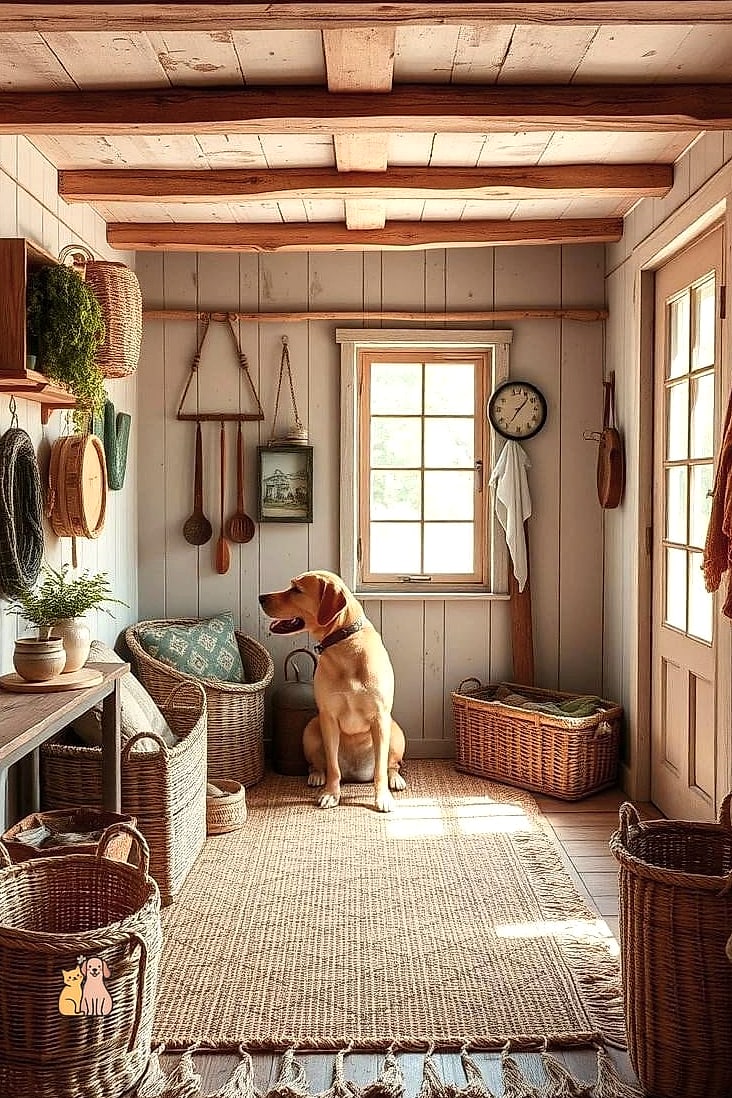
For homes with a sliding door leading to a backyard, extending the living room’s rustic wood tones into an attached dog run creates a seamless indoor-outdoor flow. This setup suits high-energy breeds like Border Collies or Labradors who need quick outdoor access throughout the day. Keep a hook by the door for leashes and a towel for muddy paws after rain. It’s more of a house-friendly idea than an apartment one, but it’s worth it if you’ve got the yard space.
The Minimalist Scratch Post Pillar
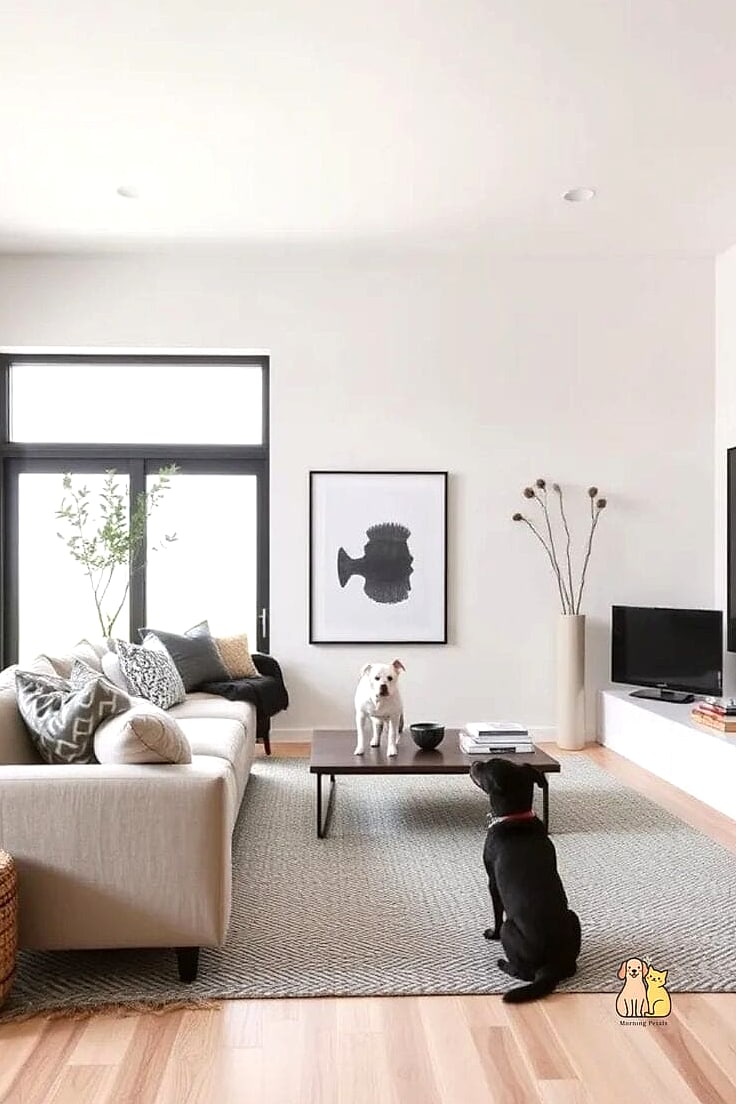
Not every cat owner wants a giant carpeted tower dominating the room. A slim, floor-to-ceiling sisal scratch post tucked into a corner gives cats what they need without disrupting a minimalist aesthetic. Look for neutral tones like natural jute or beige sisal so it blends into modern decor. This is a great starter option for new cat owners who aren’t sure yet where their cat prefers to scratch.
The Velvet Sofa with Pet-Proof Trim
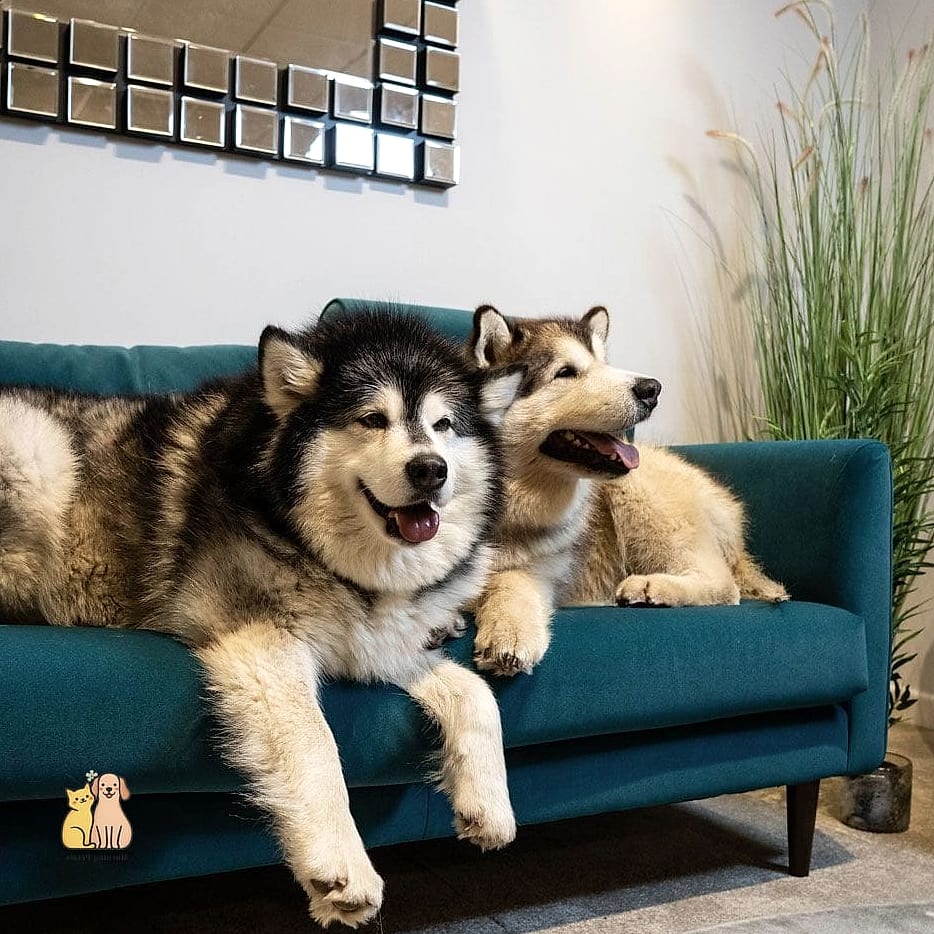
Velvet gets a bad reputation among pet owners, but certain performance velvets are surprisingly resistant to snags and scratches. Choosing one with a tightly woven pile and pairing it with a washable throw over the main seating area protects it further. This look works well for owners who want a bit of glam without giving up practicality. Just steer clear of loosely woven velvets, since those are the ones cats will destroy in a weekend.
The Puzzle Feeder Coffee Table Setup
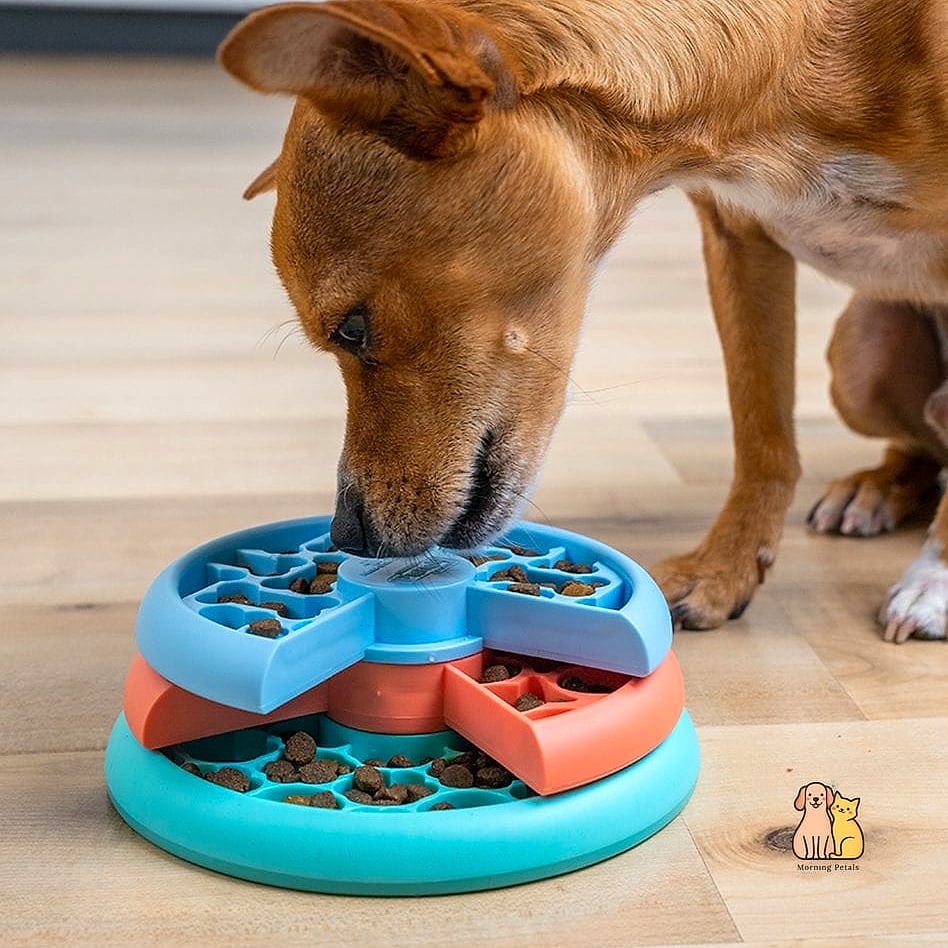
Keep a small basket near your coffee table stocked with puzzle feeders and enrichment toys so boredom-driven chewing doesn’t end up targeting your furniture legs instead. This is especially helpful for smart, high-energy dogs like Border Collies or Australian Shepherds who need mental stimulation as much as physical exercise. Rotate the toys weekly to keep things interesting, and you’ll likely notice less destructive behavior overall.
The Hardwood Floor with Area Rug Runners
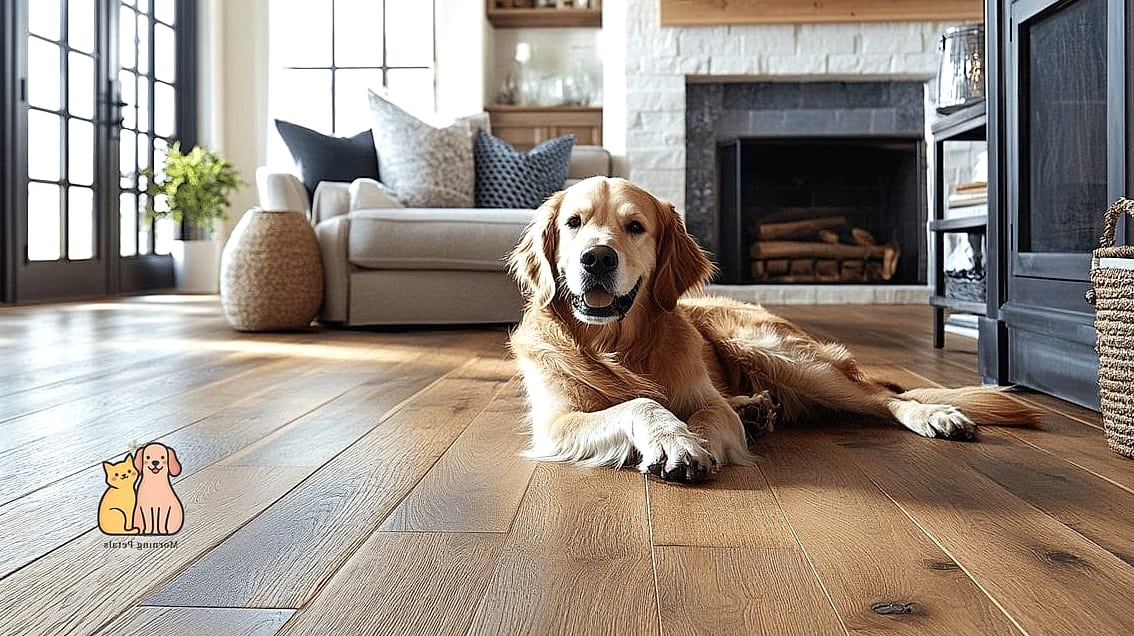
If you’ve got hardwood throughout your living room, adding rug runners along high-traffic paths helps prevent slipping injuries, especially for older dogs or breeds with long backs like Dachshunds. It also protects the floor finish from scratches caused by nails. Choose low-pile rugs since they’re easier to vacuum and don’t trap fur the way shag styles do.
The Enclosed Litter Box Cabinet
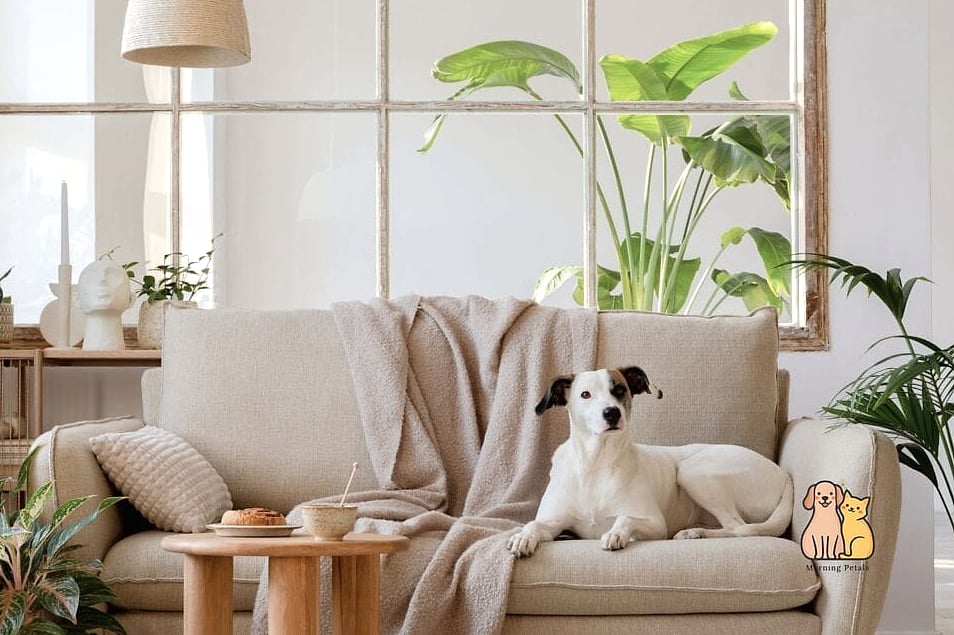
For homes where the living room doubles as the only realistic litter box location, a disguised cabinet with a cutout entrance keeps things looking tidy while giving your cat privacy. Look for one with good ventilation so odor doesn’t build up. This works well in studio apartments where separate rooms for litter boxes just aren’t an option.
The Family Room with Pet Stairs
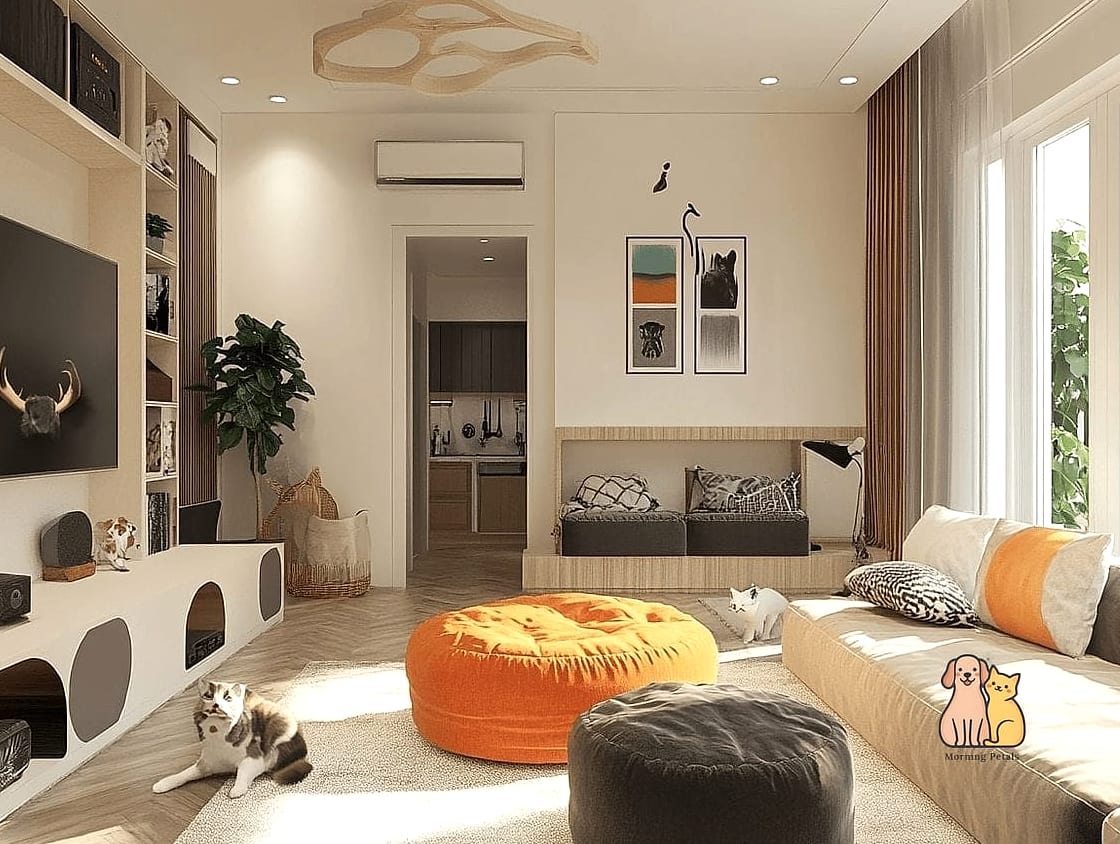
Instead of a ramp, some households prefer small carpeted pet stairs leading up to the couch or bed. They take up less floor space and work well for small to mid-sized dogs, along with cats who might appreciate the easier climb as they age. Pair them with non-slip padding on each step for extra safety.
The Boho Layered Textile Room
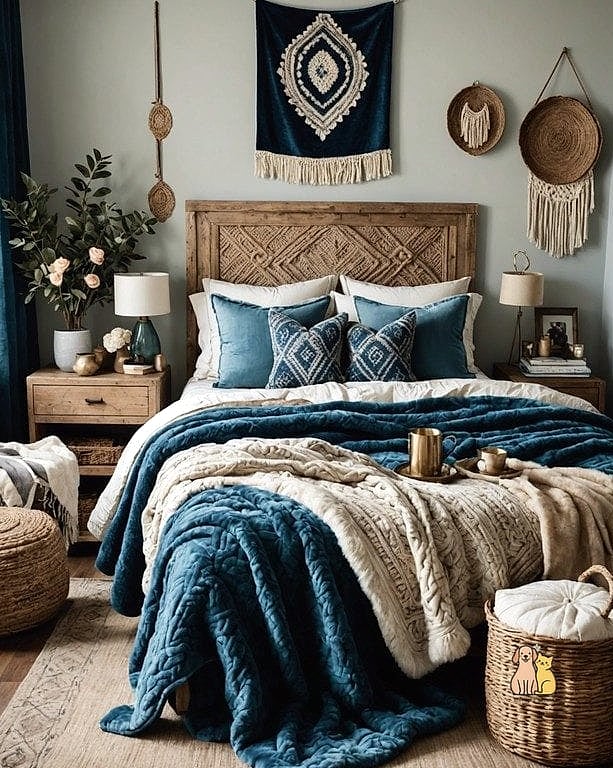
A bohemian living room with layered textiles, macrame, and patterned throws might sound risky with pets around, but choosing durable outdoor-rated fabrics for indoor use gives you that same look with way more resilience. This style hides fur well thanks to busy patterns and mixed textures. It’s a fun option for owners who want personality-packed decor that still holds up to daily pet life.
The Dedicated Grooming Corner
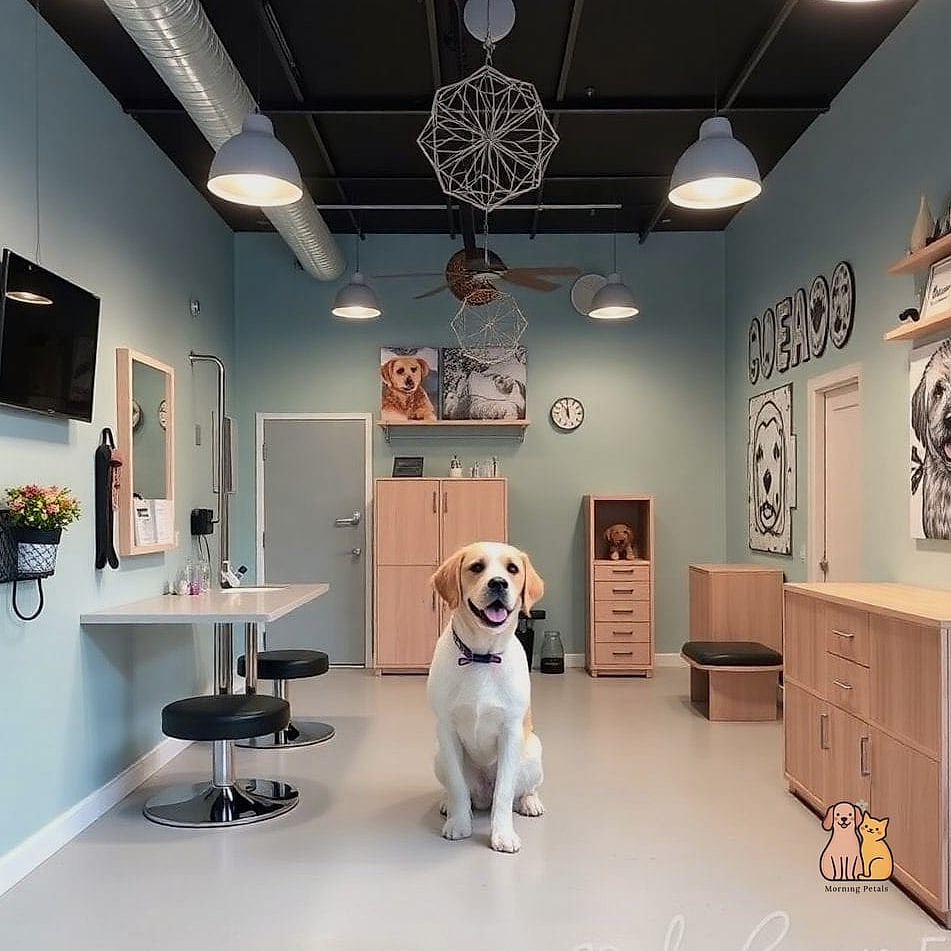
Setting aside a small corner with a grooming table, brushes, and storage for nail clippers and shampoo keeps grooming supplies organized and easy to grab. This is especially useful for long-haired breeds like Maine Coons or Golden Retrievers who need frequent brushing to avoid mats. It doesn’t need to be elaborate — even a small cart with drawers tucked behind a chair does the job.
Every one of these setups proves you don’t have to choose between good design and a pet-friendly home. A little planning around materials, furniture placement, and your specific pet’s habits goes a long way toward a living room that looks great and actually holds up to daily life with animals. Whichever ideas from this list you try first, your pet will probably find a way to make it their own within the hour anyway.