23 Easy Outdoor Dog Kennel Ideas Your Pet Will Love
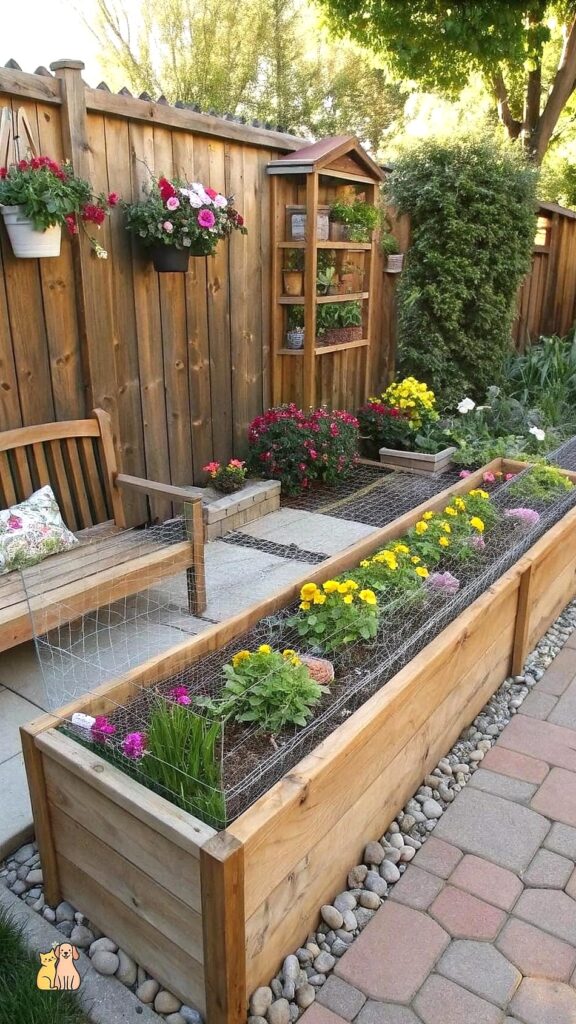
- The Classic Chain-Link Run With a Roof
- The Wooden A-Frame Kennel House
- A Repurposed Garden Shed Kennel
- The Covered Concrete Pad Kennel
- The Pallet Wood Kennel Fence
- The Elevated Platform Kennel
- The Catio-Style Dog Enclosure
- The Stone or Brick Kennel Base
- The Pop-Up Portable Kennel for Renters
- The Insulated Igloo-Style Kennel
- The Multi-Level Kennel for Active Breeds
- The Cedar Fence Panel Kennel
- The Gravel-Floor Drainage Kennel
- The Vertical Garden Privacy Kennel
- The Dual-Purpose Kennel and Storage Shed Combo
- The Minimalist Wire Panel Kennel
- The Shaded Pergola Kennel
- The Below-Deck Kennel Nook
- The Kennel With a Built-In Splash Pool
- The Kennel With a Dedicated Digging Pit
- The Fully Automated Smart Kennel
- The Kennel With an Attached Dog Run Tunnel
- The Recycled Shipping Pallet Privacy Kennel
23 Easy Outdoor Dog Kennel Ideas Your Pet Will Love
If your dog spends any real time outside, you already know a bare patch of yard with a stake and a chain just doesn’t cut it anymore. Dogs need shade, shelter, room to move, and honestly, a little bit of style never hurts either. I’ve spent way too many weekends helping friends build and rework outdoor spaces for their dogs, and I can tell you the best setups aren’t always the most expensive ones — they’re the ones that actually fit the dog living in them.
Whether you’ve got a big backyard, a small side lot, or just a corner of a patio to work with, there’s an outdoor kennel idea here that’ll click for your situation. These 23 outdoor dog kennel ideas cover everything from budget DIY builds to fancier setups, so grab a coffee and let’s get into it.
The Classic Chain-Link Run With a Roof
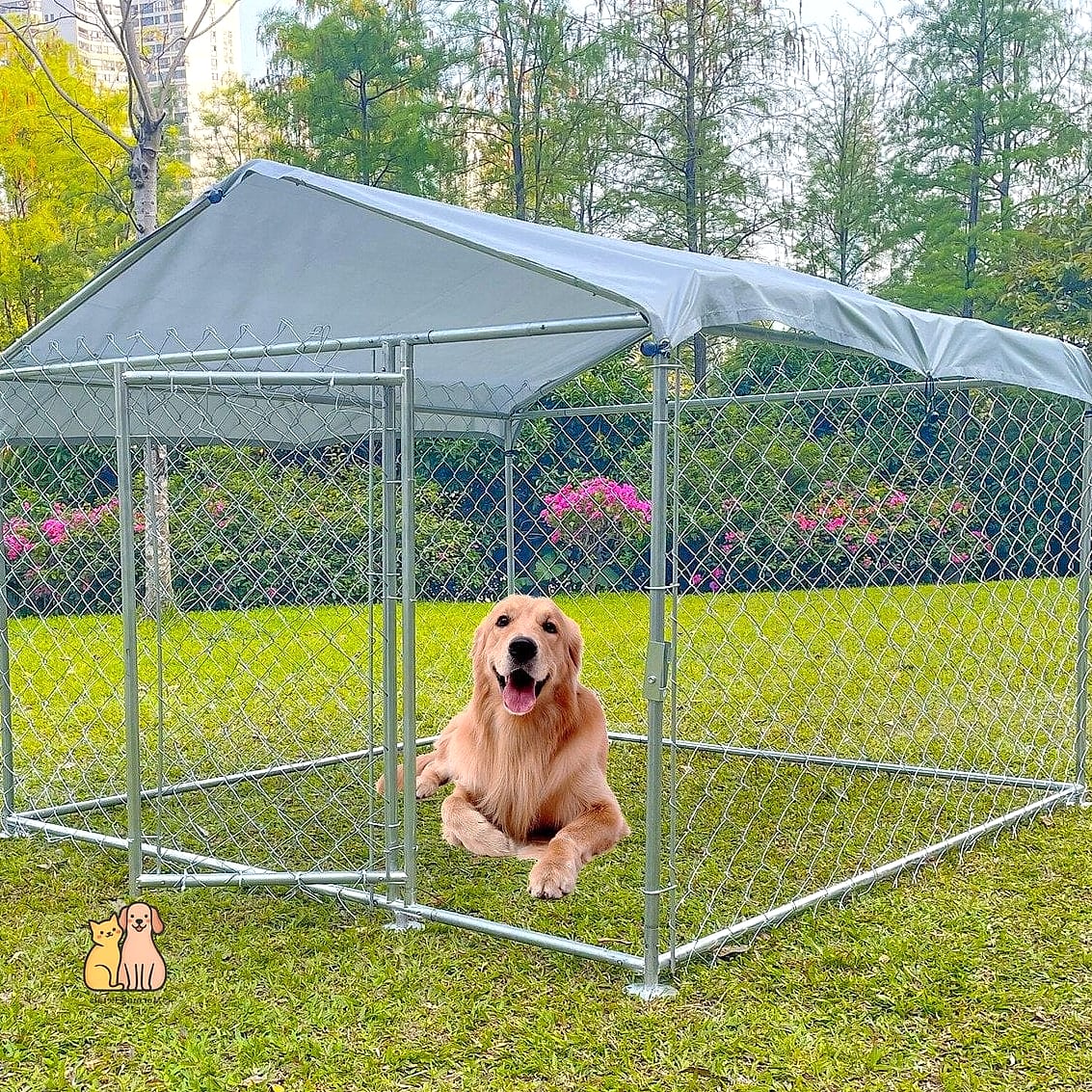
This is the setup most people picture when they hear “outdoor dog kennel,” and there’s a reason it’s stuck around. A chain-link run gives your dog secure boundaries while still letting in plenty of air and sunlight, and adding a simple roof panel keeps rain and harsh sun from turning it into a miserable spot. It works well for medium to large breeds with lots of energy, like Labs or Shepherds, and it’s forgiving for beginner builders since chain-link kits are widely available. Budget versions run a few hundred dollars, while premium powder-coated panels cost more but resist rust for years.
The Wooden A-Frame Kennel House
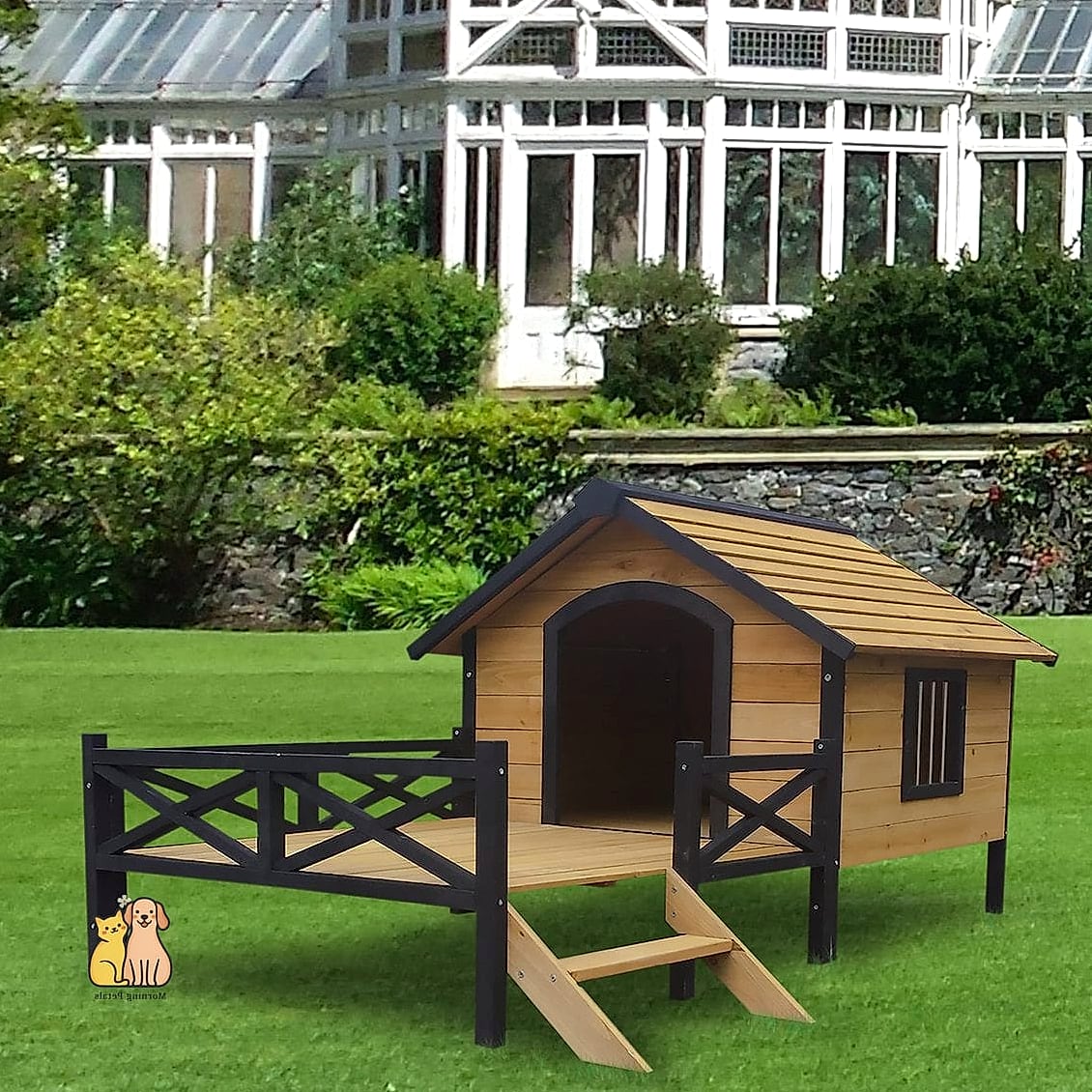
There’s something genuinely charming about an A-frame dog house tucked into a fenced run — it just looks like it belongs in a yard. This style sheds rain and snow easily thanks to the sloped roof, making it a smart pick for owners in areas with real seasons. Smaller and medium breeds tend to feel cozier in the compact interior, though you can scale up the dimensions for bigger dogs. It’s a moderate DIY project if you’re comfortable with basic woodworking, and cedar or pine keeps things budget-friendly compared to pressure-treated lumber.
A Repurposed Garden Shed Kennel
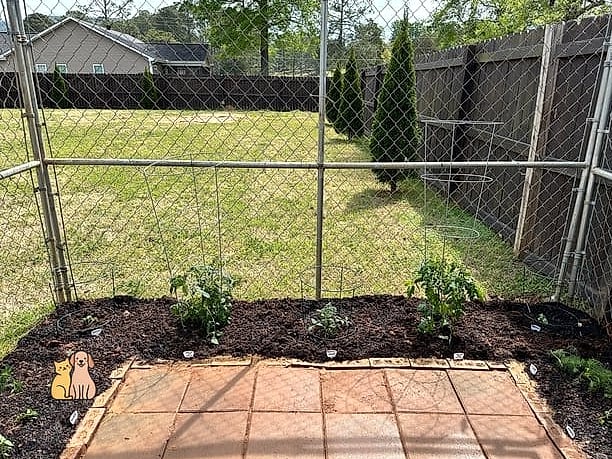
Instead of building from scratch, some pet owners are converting small garden sheds into insulated outdoor kennels, and honestly, it’s a genius shortcut. You get four solid walls, a real door, and often a window for airflow already built in. This works great for households with multiple dogs who need a shared shelter space, especially in colder climates. Add a dog bed, a slow feeder bowl, and maybe a pet camera to check in, and you’ve got a shelter that costs way less than building an equivalent structure new.
The Covered Concrete Pad Kennel
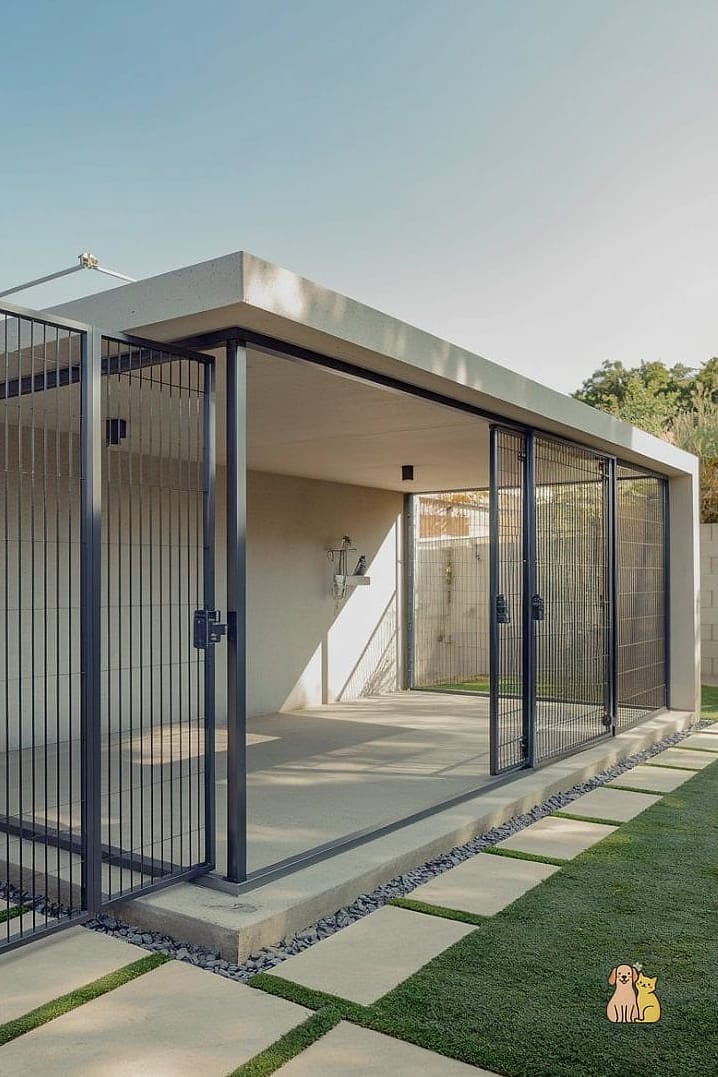
For dogs who dig, a concrete pad changes everything. This setup pairs a poured or paver base with fencing and a shade cover, giving you an easy-to-hose-down surface that stays cleaner than dirt or grass ever will. It suits high-energy diggers like Huskies and Terriers particularly well, since there’s simply nothing to dig into. It’s a bigger upfront investment and usually needs a contractor or serious DIY confidence, but the low-maintenance payoff makes it worth considering for larger properties.
The Pallet Wood Kennel Fence
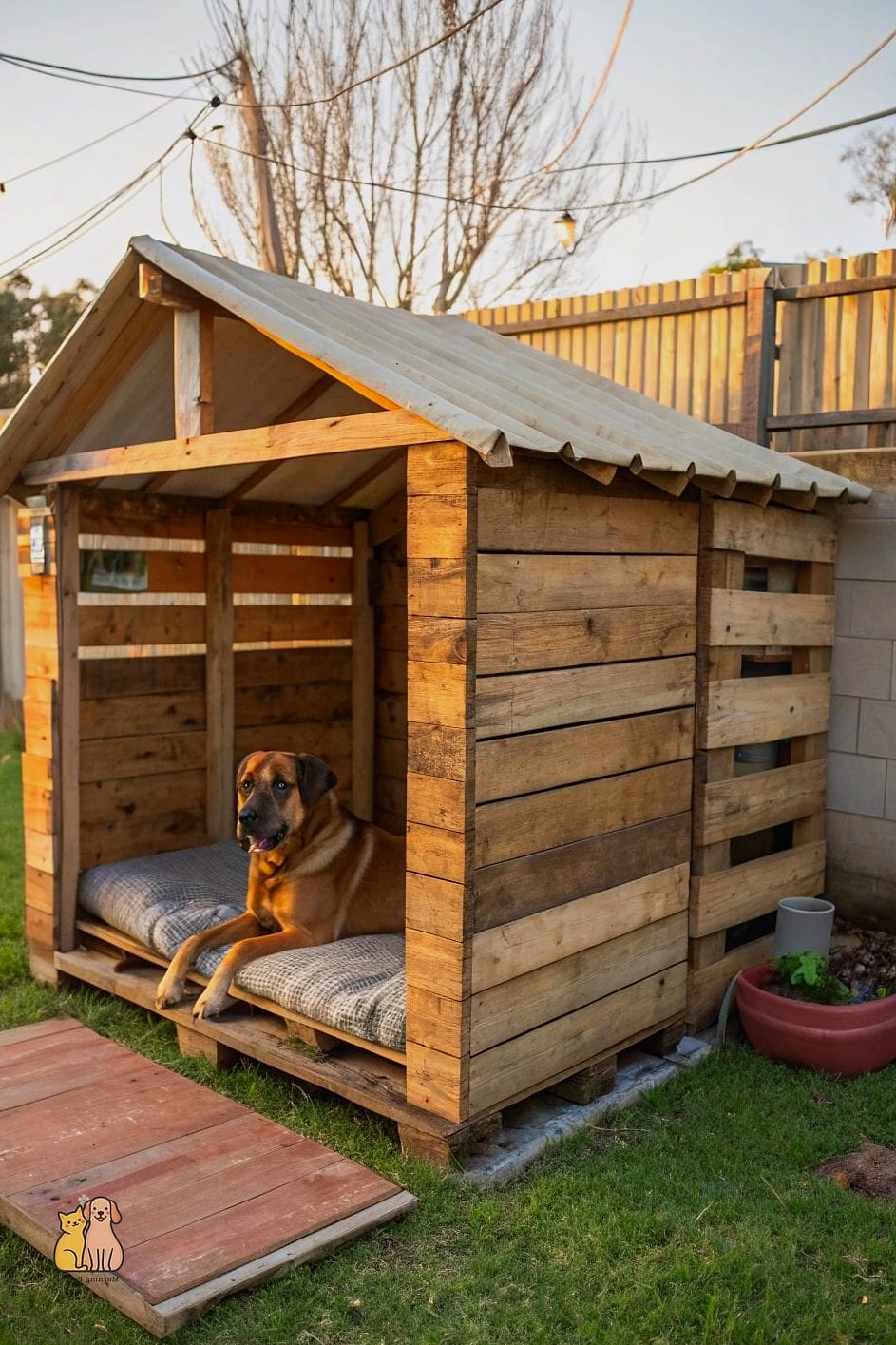
If you’re working with a tight budget, reclaimed pallet wood can build a surprisingly sturdy kennel enclosure. Sand the boards down well, stain them, and you’ve got rustic-looking fencing that costs a fraction of new lumber. This is a great weekend project for small to medium dogs who aren’t aggressive chewers or jumpers. It’s beginner-friendly as far as DIY goes, though I’d recommend reinforcing corners with proper posts so it holds up through storms.
The Elevated Platform Kennel
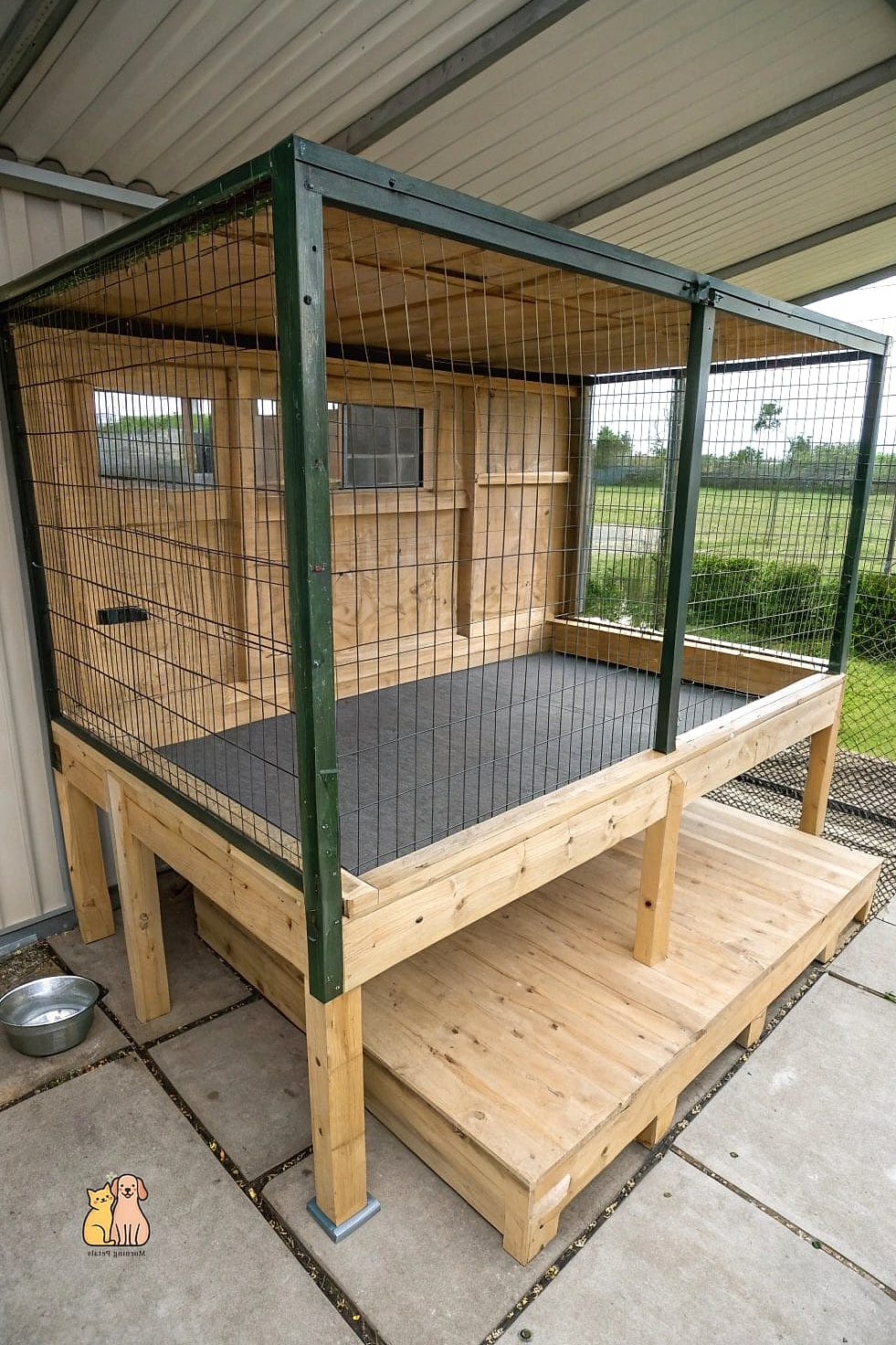
Raising the kennel floor off the ground on a simple platform keeps your dog away from mud, standing water, and cold ground temperatures. It’s especially useful in yards that flood easily or in humid climates where ground moisture never really goes away. Add a ramp or a set of pet stairs for older dogs or breeds prone to joint issues, since jumping on and off repeatedly isn’t great for their hips. This one takes some carpentry skill but pays off in a drier, more comfortable space year-round.
The Catio-Style Dog Enclosure
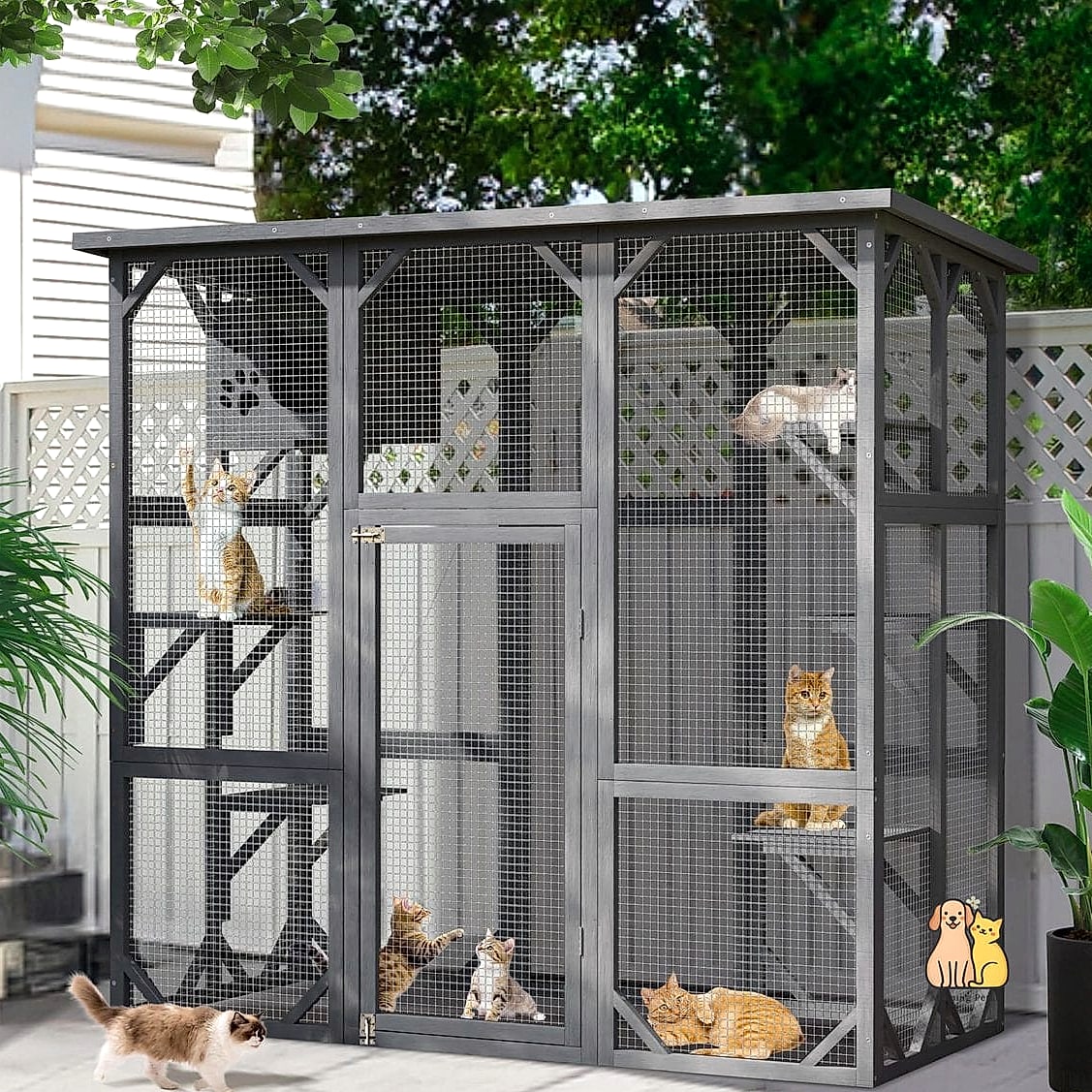
Borrowing an idea from the cat world, some owners are building fully enclosed “dogtios” with mesh walls and a solid roof, basically a giant screened porch just for the dog. It keeps bugs, birds, and curious wildlife out while letting your pup enjoy fresh air safely. This suits anxious dogs or smaller breeds who need protection from hawks and other yard predators. It’s a mid-range project, and adding a window perch-style platform inside gives your dog a fun spot to watch the yard.
The Stone or Brick Kennel Base
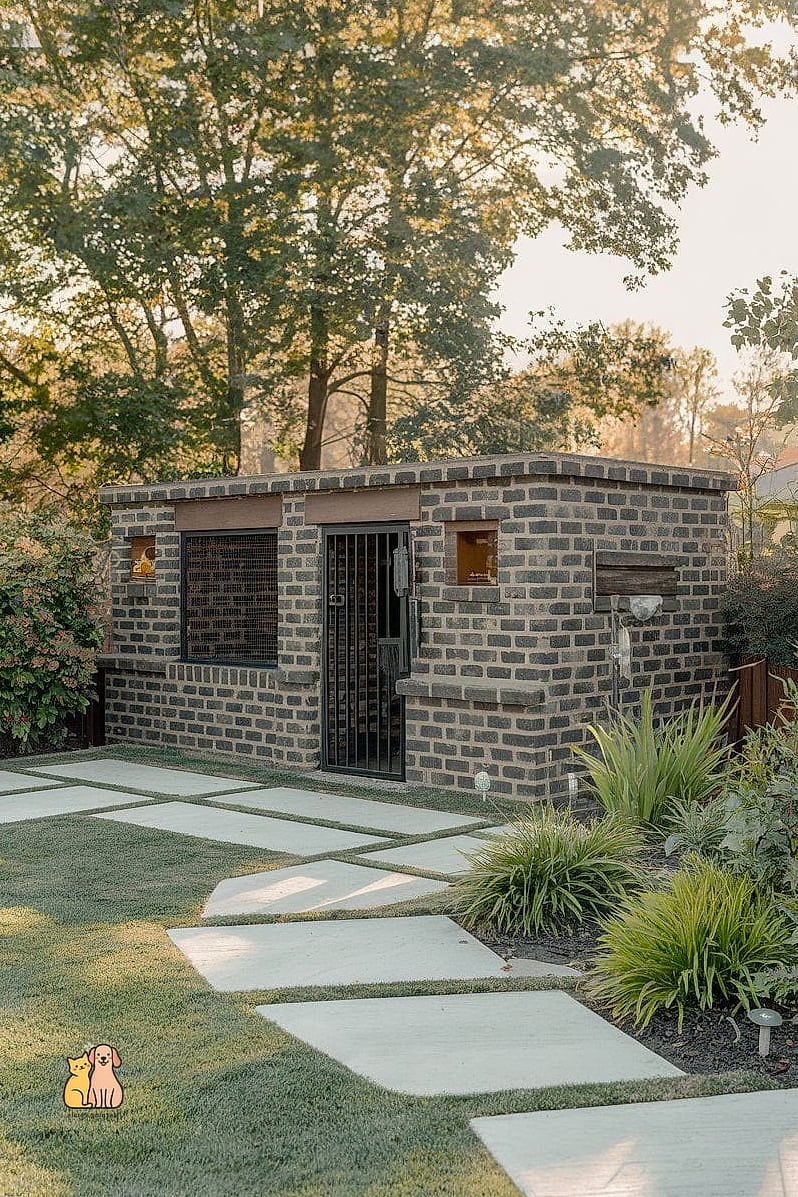
For a more permanent, upscale look, laying a stone or brick foundation under your kennel structure adds real curb appeal and durability. It resists weather damage far better than dirt floors and gives the whole setup a finished, intentional feel rather than looking thrown together. This works nicely for larger breeds and multi-dog households where durability matters more than portability. It’s definitely a premium option, often requiring professional installation, but it can last decades with minimal upkeep.
The Pop-Up Portable Kennel for Renters
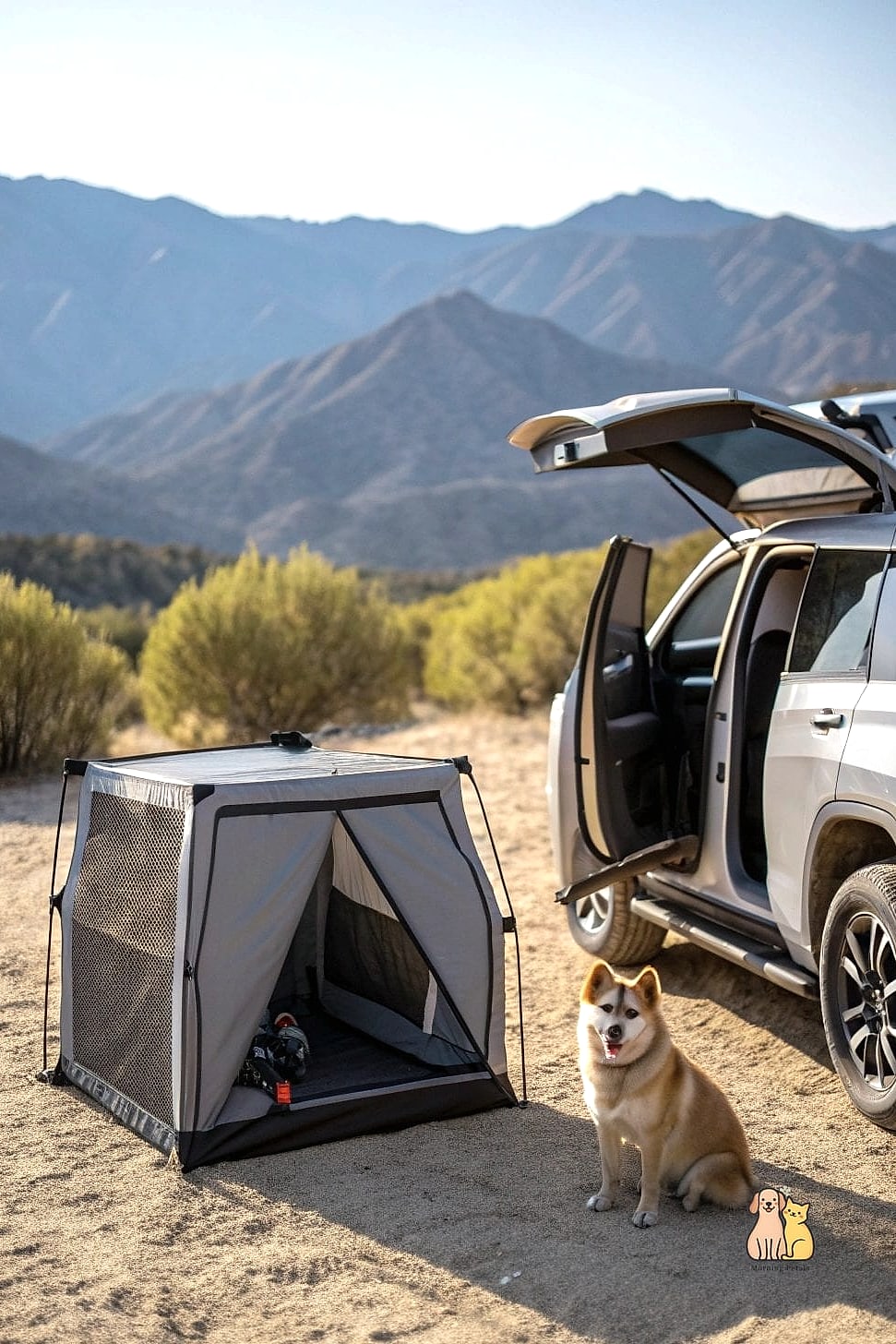
Not everyone owns their yard, and that’s totally fine — portable wire and fabric kennels have gotten impressively sturdy. These fold up for storage or moving day, making them ideal for renters, RV owners, or anyone who isn’t ready to build something permanent. Small to medium dogs do best here since portable panels have weight limits. It’s the easiest option on this list to set up, usually taking under thirty minutes, and it’s genuinely budget-friendly.
The Insulated Igloo-Style Kennel
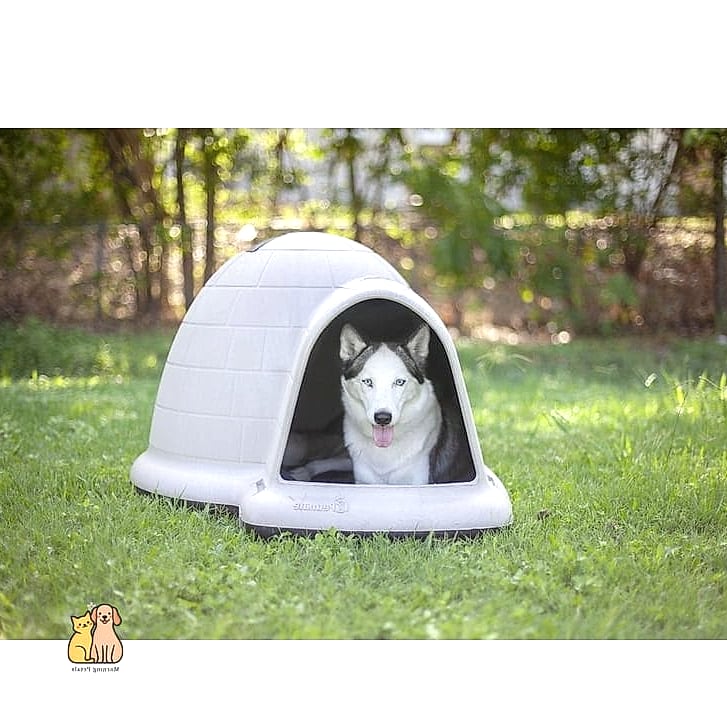
Igloo-shaped dog houses aren’t just cute, their curved shape actually helps with insulation and wind resistance. Pairing one with a small fenced run creates a cozy shelter option for dogs who spend time outside in colder months. This style works well for northern climates and breeds without heavy double coats who need extra warmth. Store-bought igloo houses are budget-friendly and low effort, making this one of the simplest ideas here to pull off in an afternoon.
The Multi-Level Kennel for Active Breeds
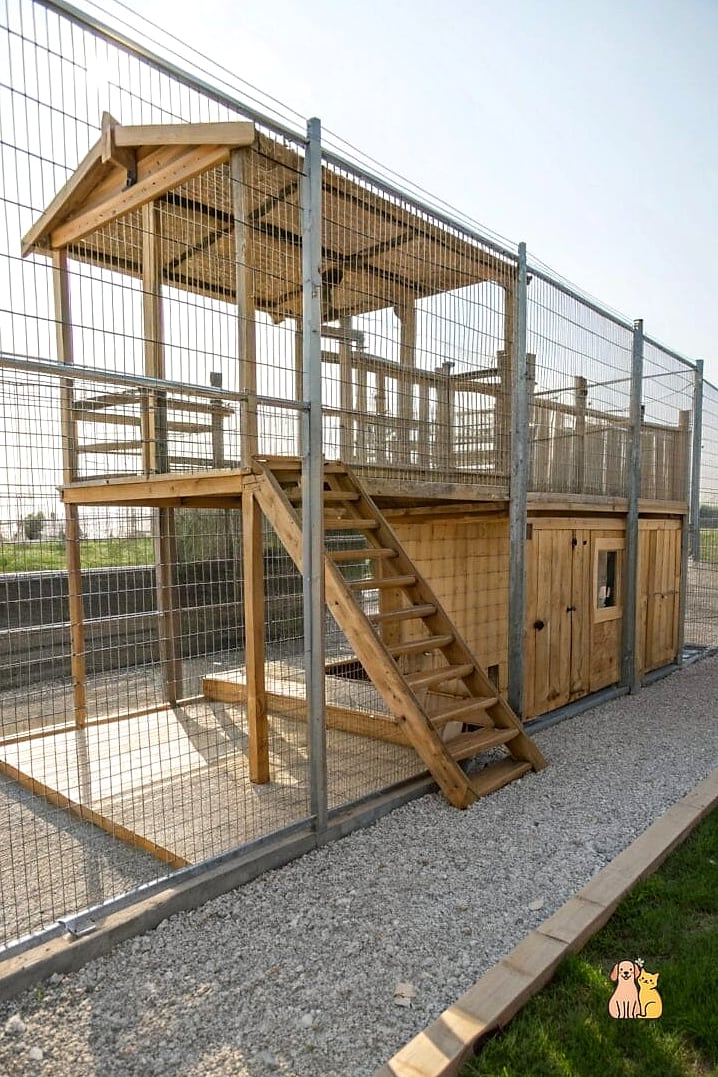
High-energy dogs like Border Collies or Aussies often do better with vertical interest, not just floor space. Adding a ramp up to an elevated platform or a second-tier lounging area inside the run gives them something to explore and climb. This idea suits working breeds and dogs who get bored easily without a job to do. It’s a moderate build requiring careful structural planning, but the enrichment payoff for active dogs is genuinely worth it.
The Cedar Fence Panel Kennel
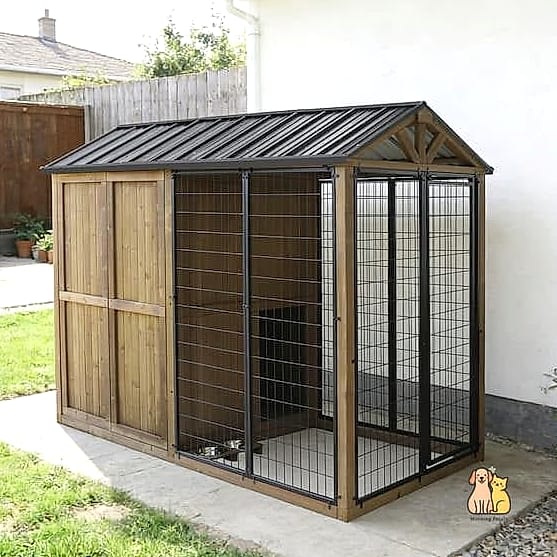
Cedar fence panels from any hardware store can be repurposed into kennel walls fairly easily, and cedar naturally resists rot and insects better than most woods. This gives you a clean, uniform look without needing custom carpentry skills. It’s a solid pick for medium dogs in yards where matching existing cedar fencing matters aesthetically. Costs stay moderate, and the natural pest resistance means less maintenance over the years compared to pine.
The Gravel-Floor Drainage Kennel
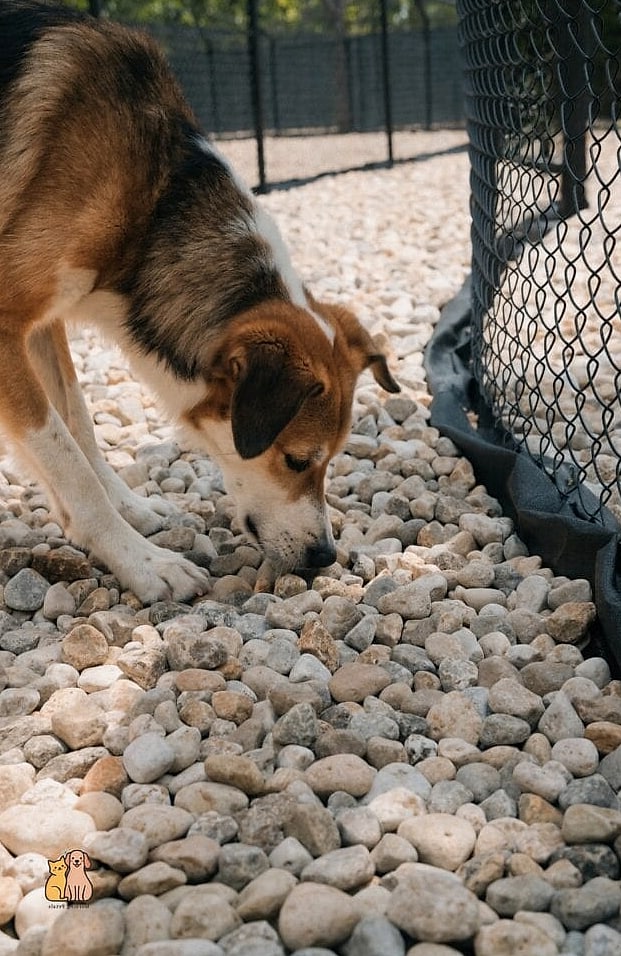
Gravel flooring solves one of the biggest outdoor kennel headaches: mud. A layer of pea gravel over landscape fabric drains quickly after rain and doesn’t hold odor the way dirt does. This works especially well for larger breeds and multi-dog kennels that see heavy foot traffic. It’s a manageable weekend project, and topping it off with a raised dog bed keeps your pup even further from any residual dampness.
The Vertical Garden Privacy Kennel
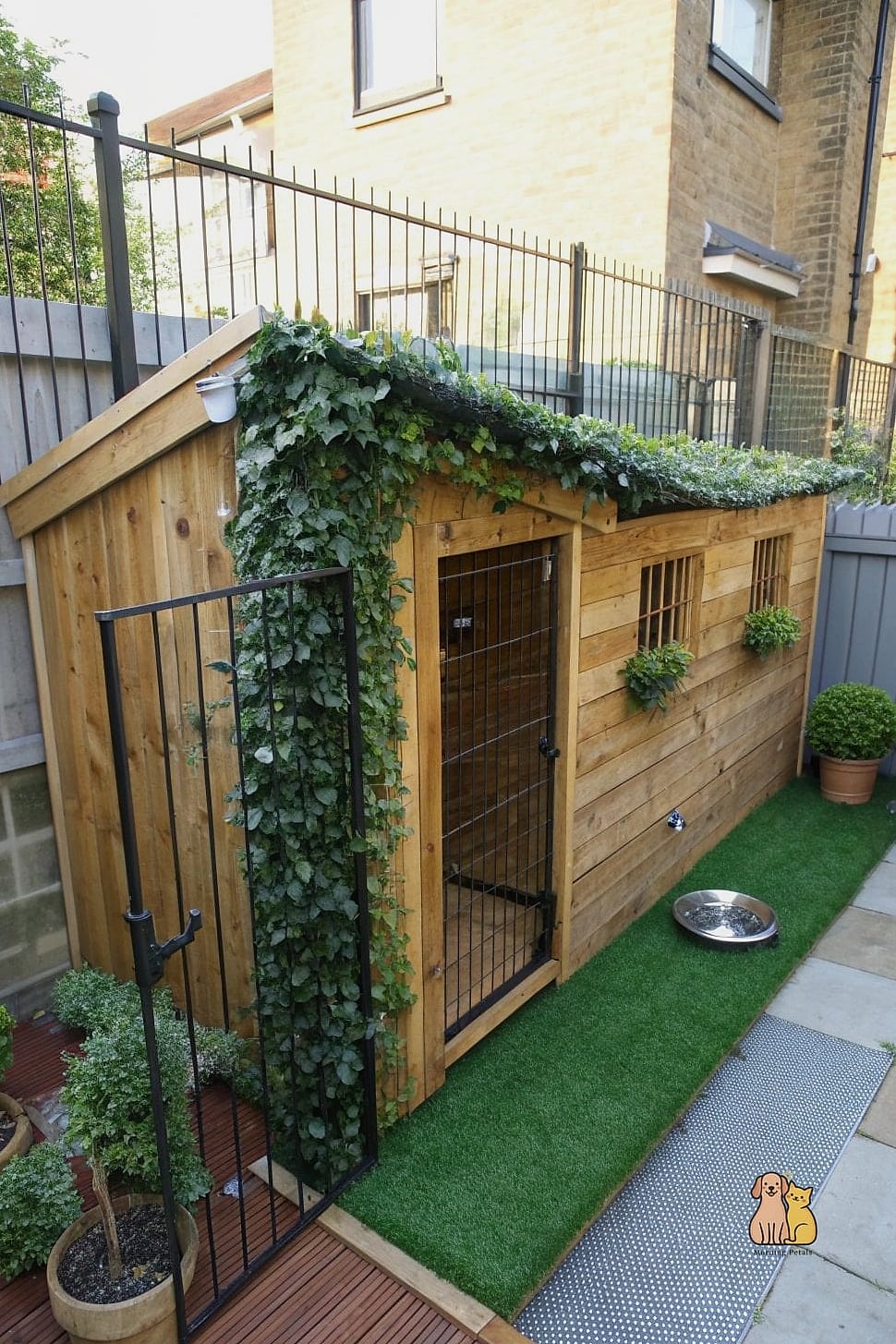
If you want your dog’s outdoor space to actually look intentional rather than utilitarian, training climbing plants or attaching planter boxes along the kennel fencing softens the whole look. This works for calm to moderately active breeds who won’t destroy the greenery through digging or chewing. It’s more of a styling add-on than a structural project, so it pairs well with almost any kennel base you already have. Just double check that whatever you plant is non-toxic to dogs.
The Dual-Purpose Kennel and Storage Shed Combo
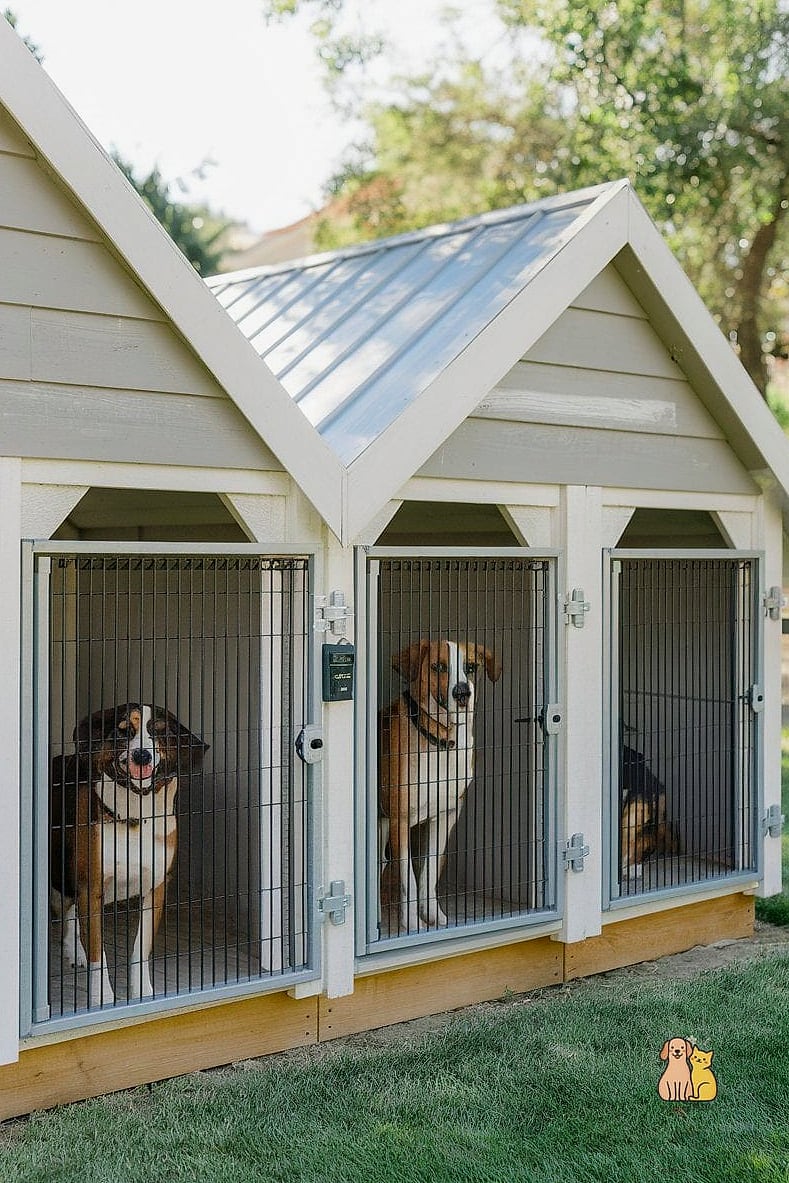
Combining kennel space with an attached storage area for leashes, harnesses, food, and grooming tools keeps everything in one convenient spot. This setup suits owners who want function over flash, especially in yards without room for a separate shed. It’s a bigger carpentry project but saves you from running back and forth to the garage constantly. Medium to large dogs do well here since there’s usually more overall square footage involved.
The Minimalist Wire Panel Kennel
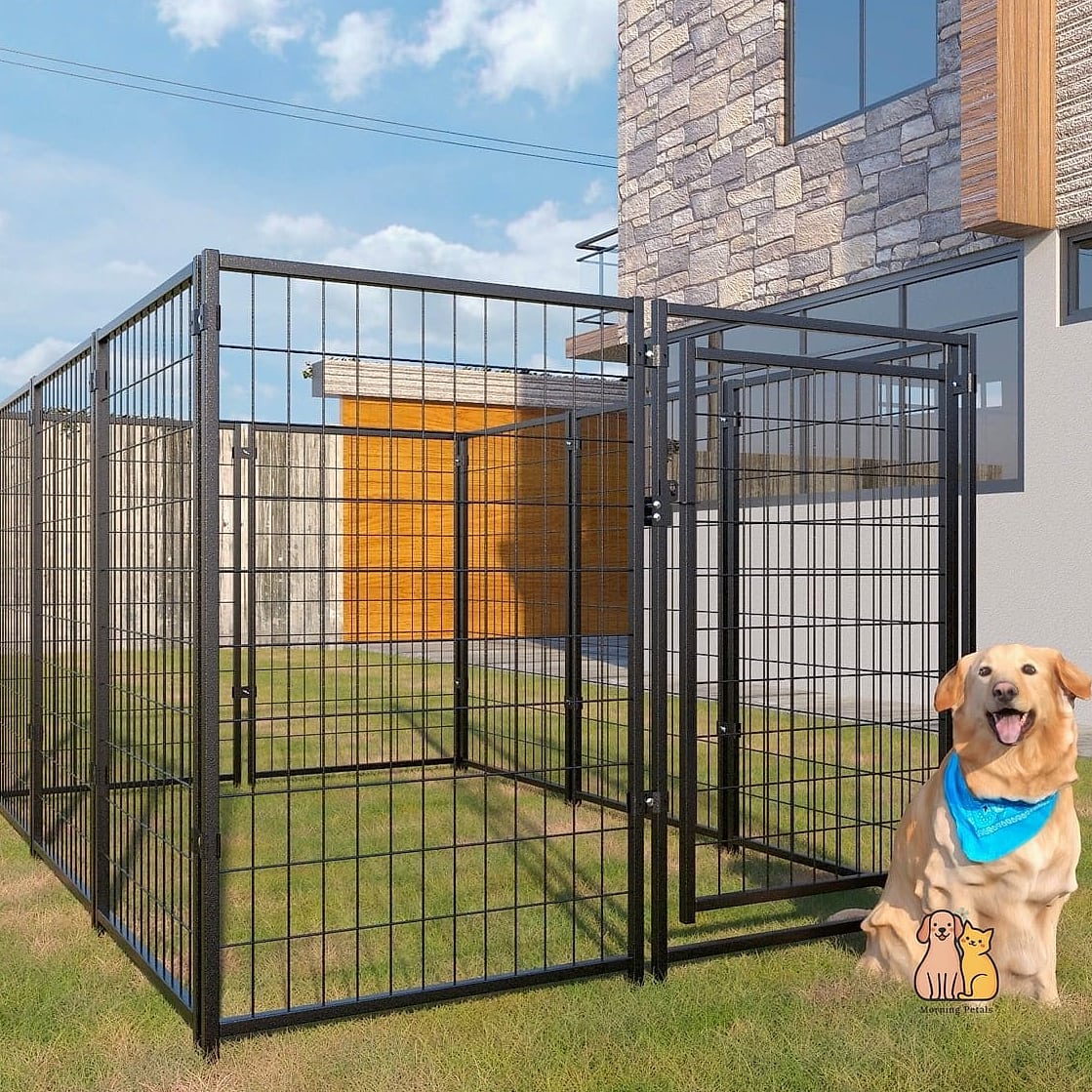
Sometimes simple really is best. Modular wire panels bolted together create a no-frills, secure kennel that’s easy to reconfigure if you rearrange your yard later. This suits owners who want flexibility over permanence, and it works for nearly any size dog depending on panel height chosen. It’s about as beginner-friendly as outdoor kennels get, and it’s one of the more affordable options if you’re starting from scratch.
The Shaded Pergola Kennel
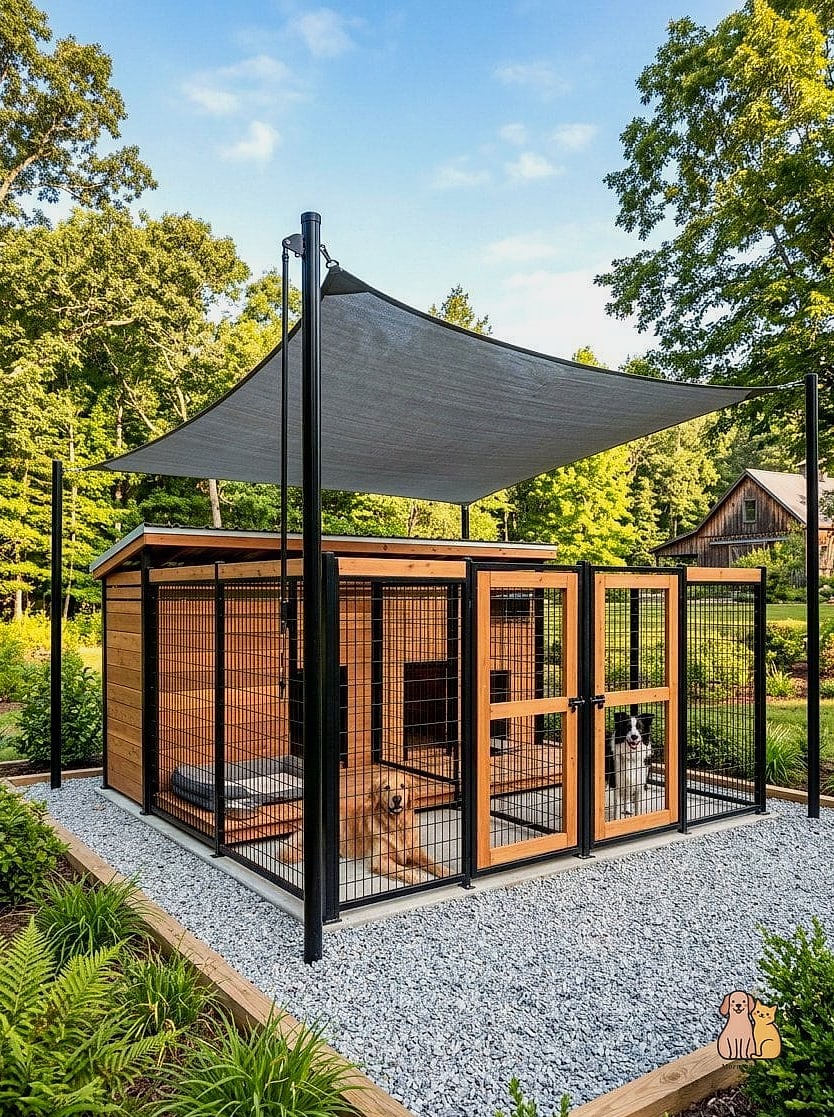
Attaching kennel fencing beneath a pergola structure gives you natural-looking shade without a solid roof blocking airflow completely. Lattice or fabric shade cloth across the top adjusts sun exposure as needed throughout the day. This works particularly well in hot climates for breeds prone to overheating, like Bulldogs or Pugs. It’s a moderate project, and honestly, it doubles as a nice-looking yard feature even when your dog isn’t out there.
The Below-Deck Kennel Nook
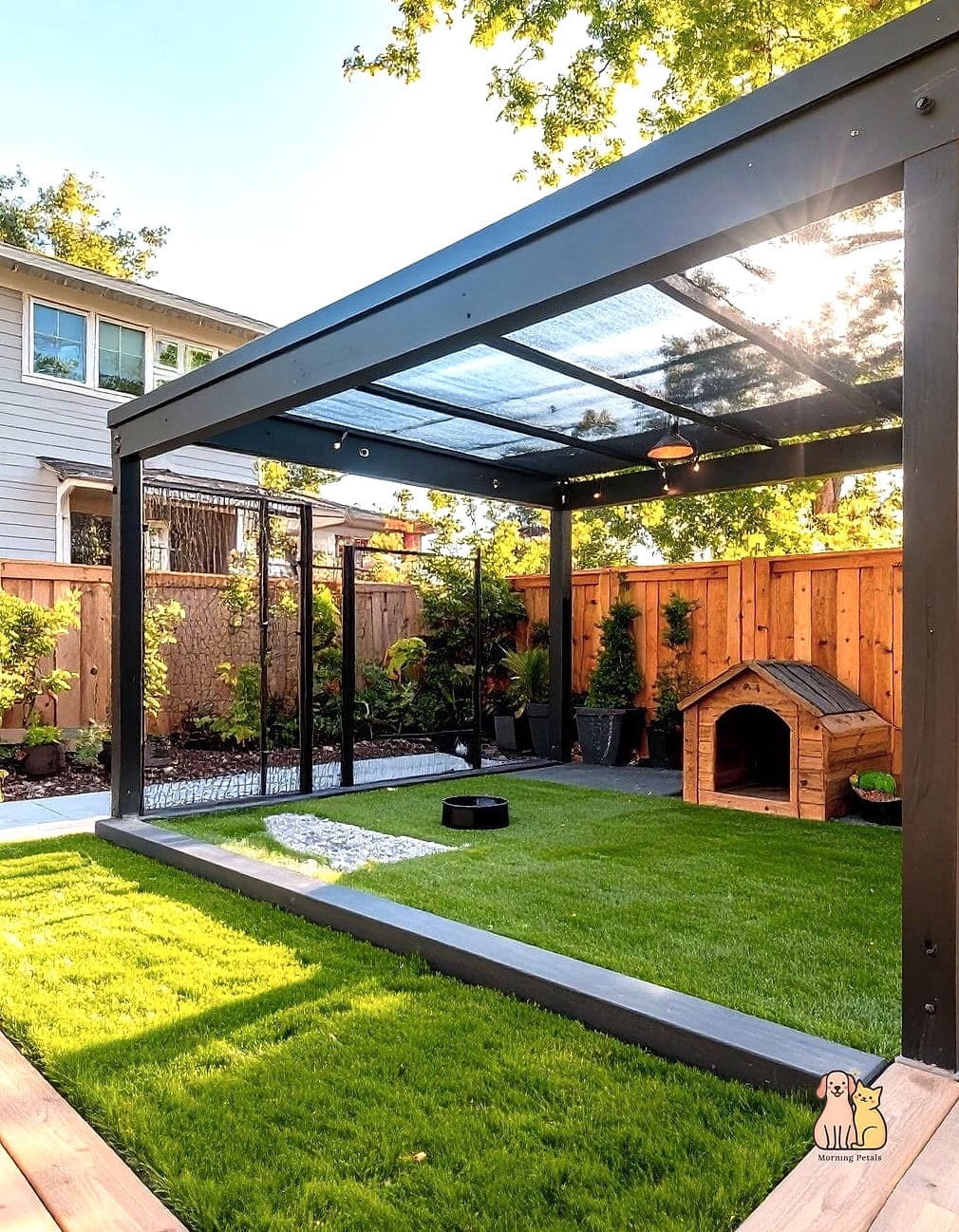
If your house has a raised deck, the space underneath is often just wasted square footage. Enclosing it with fencing creates a naturally shaded, weather-protected kennel area without building a new roof at all. This works great for small to medium dogs and saves significant material costs since you’re using existing structure. It’s a fairly easy project, though you’ll want to check the ground underneath for drainage before committing.
The Kennel With a Built-In Splash Pool
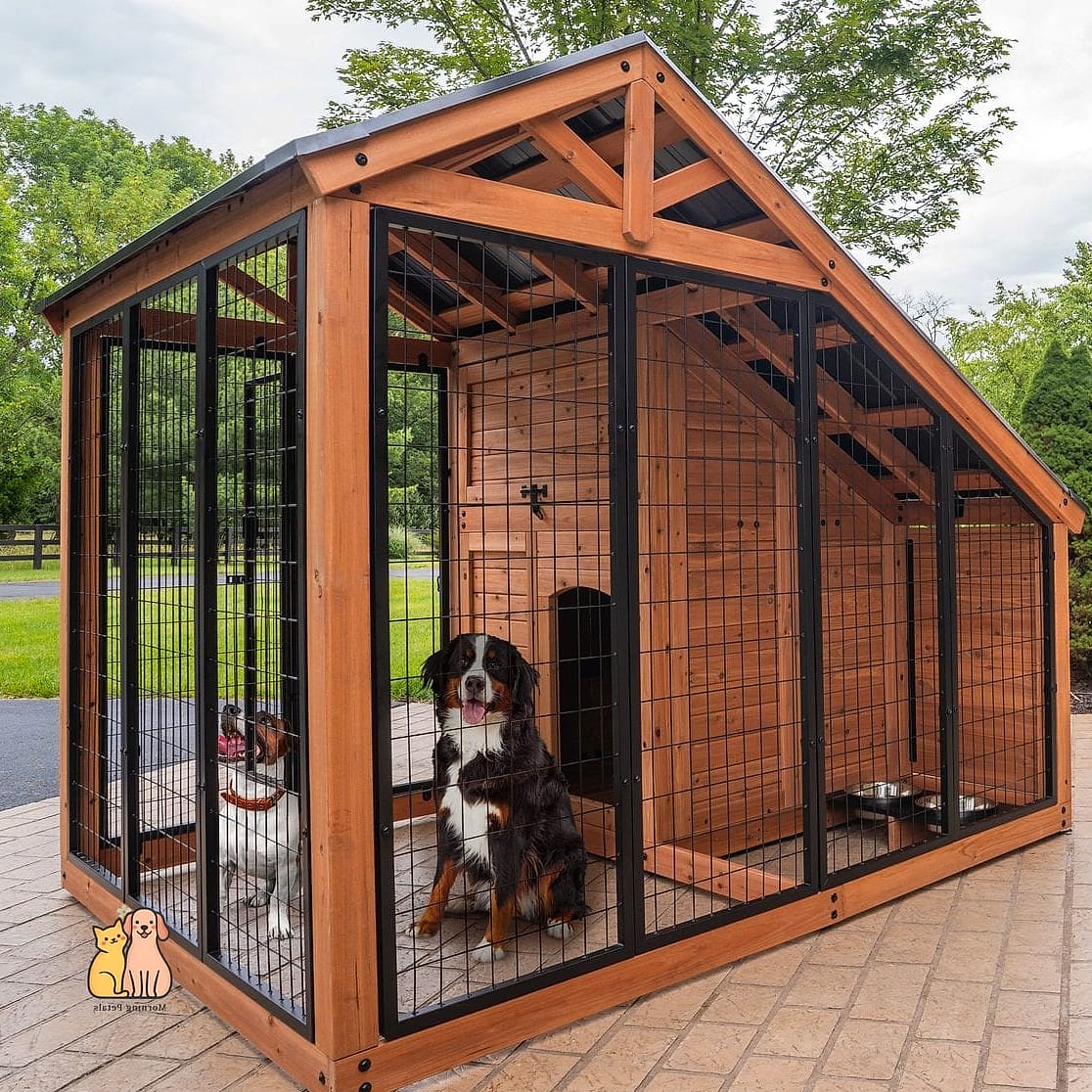
For water-loving breeds like Labs or Golden Retrievers, adding a small durable kiddie pool or in-ground splash basin to the kennel run turns hot days into playtime. This idea is seasonal in colder regions but genuinely beloved by dogs who can’t get enough water. It’s low effort to set up and remove, and it pairs nicely with any kennel style already covered here. Just remember to dump and refill regularly to keep things sanitary.
The Kennel With a Dedicated Digging Pit
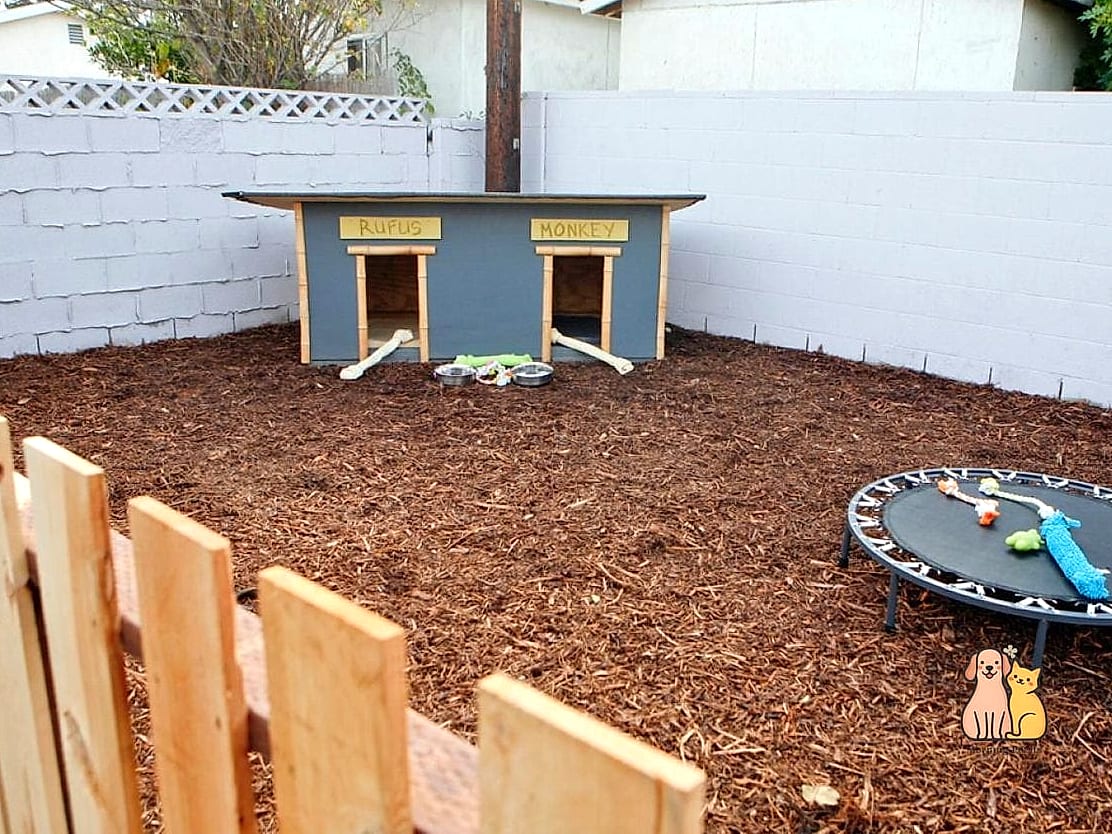
Rather than fighting a natural digger, some owners section off a designated sand or loose-soil pit inside the kennel just for digging. It redirects the behavior away from your lawn or garden beds while still letting your dog enjoy something instinctual. This works particularly well for Dachshunds, Terriers, and other breeds bred to dig. It’s a small, inexpensive add-on to any existing kennel setup and can genuinely save your landscaping.
The Fully Automated Smart Kennel
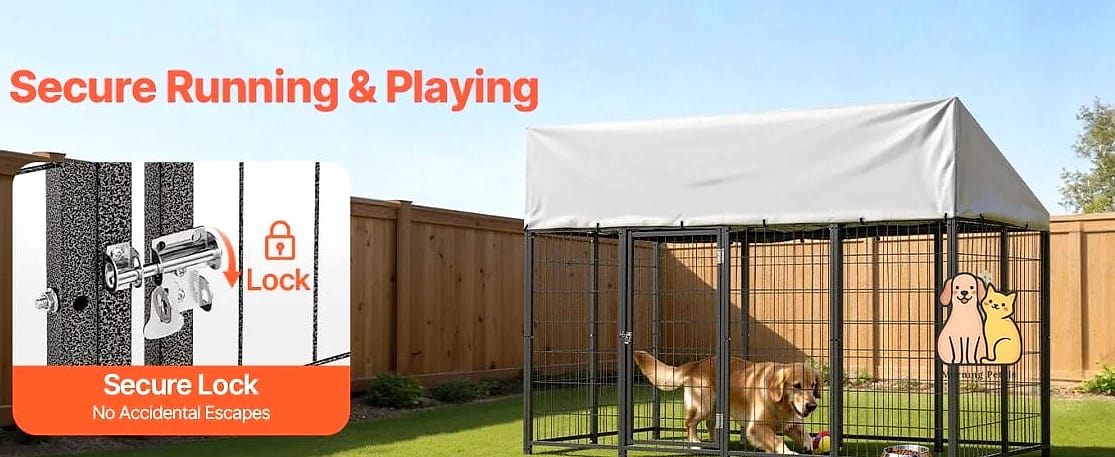
For owners who travel or work long hours, pairing a kennel with an automatic feeder, a water fountain, and a pet camera creates real peace of mind. You can monitor your dog, refill supplies remotely, and get alerts if something seems off. This suits tech-comfortable owners more than any particular breed size. It’s a premium setup cost-wise between the tech and the structure itself, but many owners find it worth every penny.
The Kennel With an Attached Dog Run Tunnel
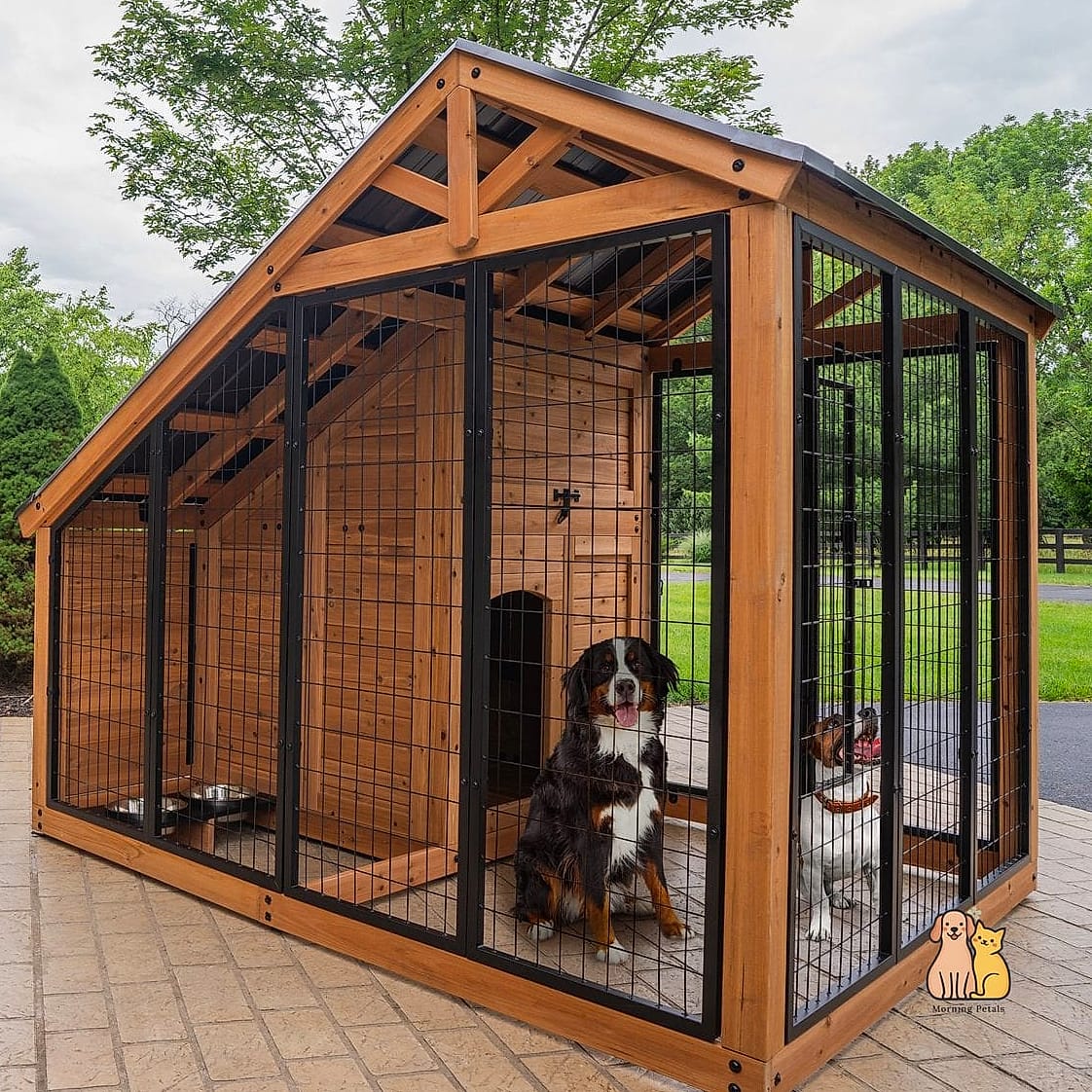
Connecting your dog’s kennel to a fenced tunnel run gives them a longer stretch to trot along rather than just a boxed-in square. This suits active breeds who need more linear movement space, especially in narrow side yards where a wide run isn’t possible. It’s a moderately involved fencing project, but it makes clever use of awkward yard shapes that would otherwise go unused.
The Recycled Shipping Pallet Privacy Kennel
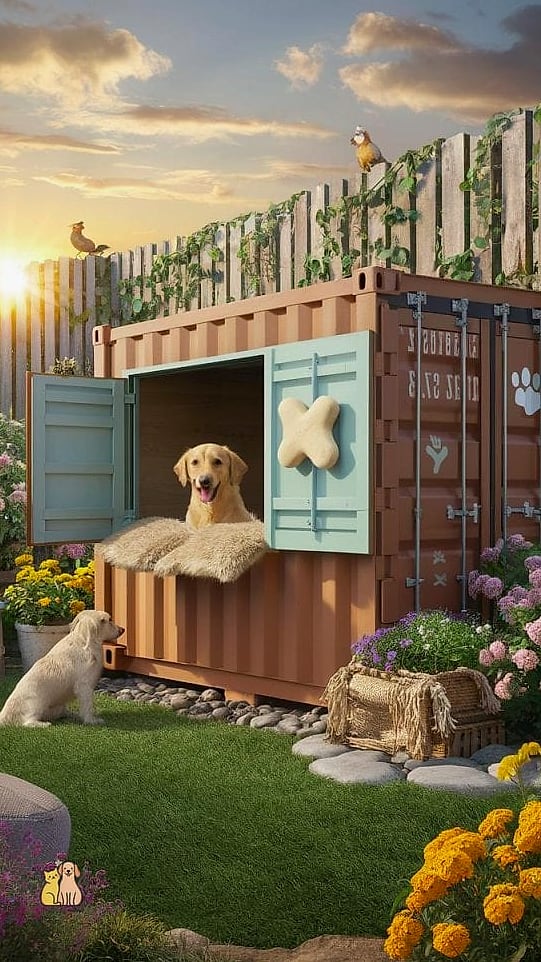
Beyond just fencing, full pallets stacked and secured can form solid privacy walls for a kennel, blocking wind and giving your dog a den-like sense of security. This works well for anxious or reactive dogs who feel calmer without full visibility to the street or neighboring yards. It’s an intermediate DIY project depending on how many pallets you’re sourcing, and it’s about as budget-conscious as sturdy kennel walls get.
Building the right outdoor space really comes down to knowing your dog — their energy level, their coat, how much they love (or hate) getting muddy. Any of these 23 easy outdoor dog kennel ideas can be scaled up or down depending on your yard size and budget, and mixing elements from a few different ideas often gets you the best result. Your dog just wants somewhere safe, shaded, and theirs — everything else is just making it a little nicer for both of you.