23 Genius Pet Lounge Ideas That Will Inspire You
- The Under-Stairs Nook Lounge
- The Elevated Window Perch Lounge
- The Converted Closet Retreat
- The Multi-Level Catio Lounge
- The Bunk Bed Style Dog Lounge
- The Repurposed Bookshelf Cat Lounge
- The Backyard Shaded Dog Deck
- The Hammock-Style Bunk Lounge
- The Farmhouse-Style Dog Kennel
- The Sunroom Pet Lounge Corner
- The Wall-Mounted Cat Shelf Circuit
- The Enclosed Pet Teepee
- The Garage Corner Dog Lounge
- The Bay Window Bench Lounge
- The Stacked Crate Lounge
- The Reading Nook Pet Bed
- The Outdoor Rabbit Hutch Lounge
- The Minimalist Platform Dog Bed
- The Pet-Friendly Ottoman Lounge
- The Multi-Pet Community Lounge
- The Sunken Pet Lounge Pit
- The Rolling Cart Pet Station
- The Loft Bed Dog Cave
23 Genius Pet Lounge Ideas That Will Inspire You
If you’ve ever caught your dog sprawled across the good couch or your cat glaring at you from the top of the fridge, you already know pets have opinions about their space. Giving them a spot that’s actually theirs isn’t just cute — it cuts down on furniture destruction and gives anxious pets somewhere to decompress. These 23 pet lounge ideas run from weekend DIY projects to bigger investments, so there’s something here whether you’re renting a studio apartment or working with a whole spare room.
The Under-Stairs Nook Lounge
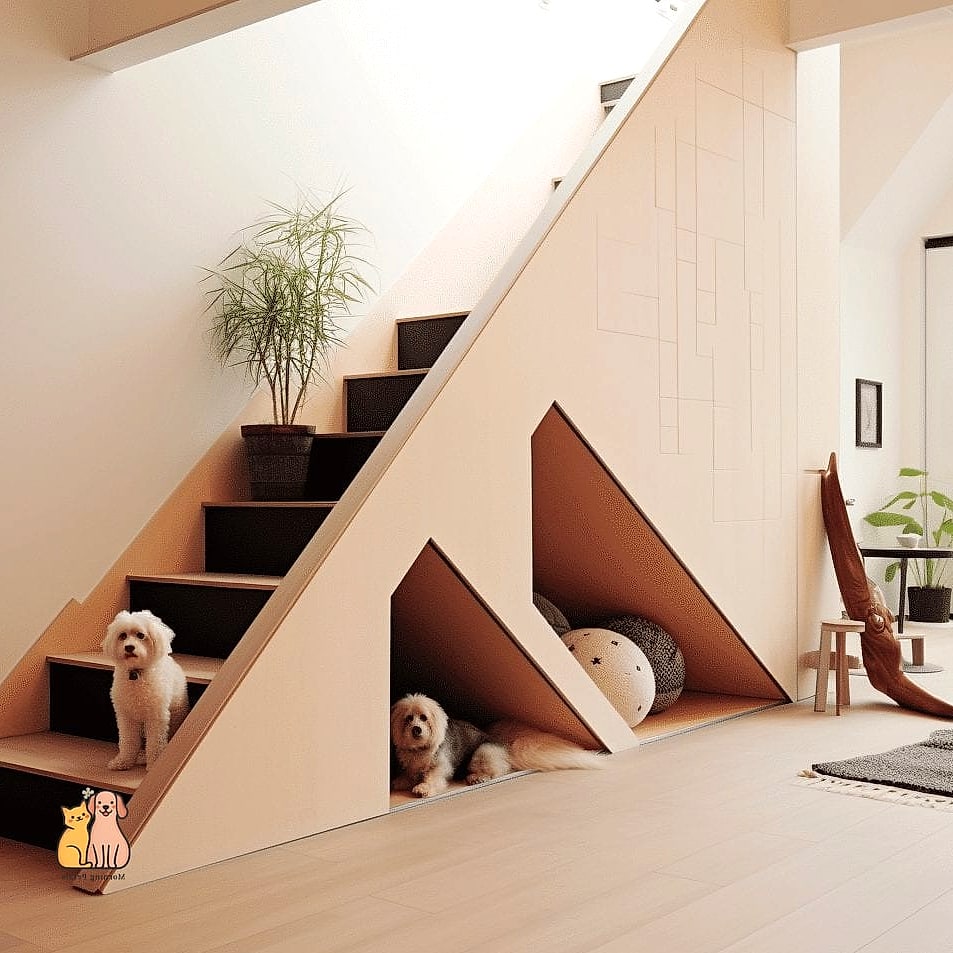
That awkward triangle of dead space under the stairs is basically begging to become a pet lounge. Add a cushioned base, a low entry gate for privacy, and maybe a small battery-powered light, and you’ve got a den that feels safe and enclosed. Dogs who like to burrow — think dachshunds, corgis, or anxious rescues — tend to love this setup. It’s a great budget project since you’re mostly just adding cushions and trim to a space you already have.
The Elevated Window Perch Lounge
Cats want two things in life: sunbeams and surveillance. A window perch with a wide, padded platform gives them both. You can buy a suction-cup or bracket-mounted perch, or build one from a shelf bracket and outdoor cushion fabric for easier cleaning. This works especially well for indoor cats and apartment dwellers who don’t get much outdoor stimulation otherwise.
The Converted Closet Retreat
An unused closet, doors removed or swapped for a curtain, makes a surprisingly good pet lounge. Add a cat bed or dog crate pad, a small shelf for toys, and maybe a nightlight. This idea suits pets who get overstimulated by household noise and need a quiet retreat to decompress. It’s also nearly free if you’re not buying new furniture, just repurposing storage space.
The Multi-Level Catio Lounge
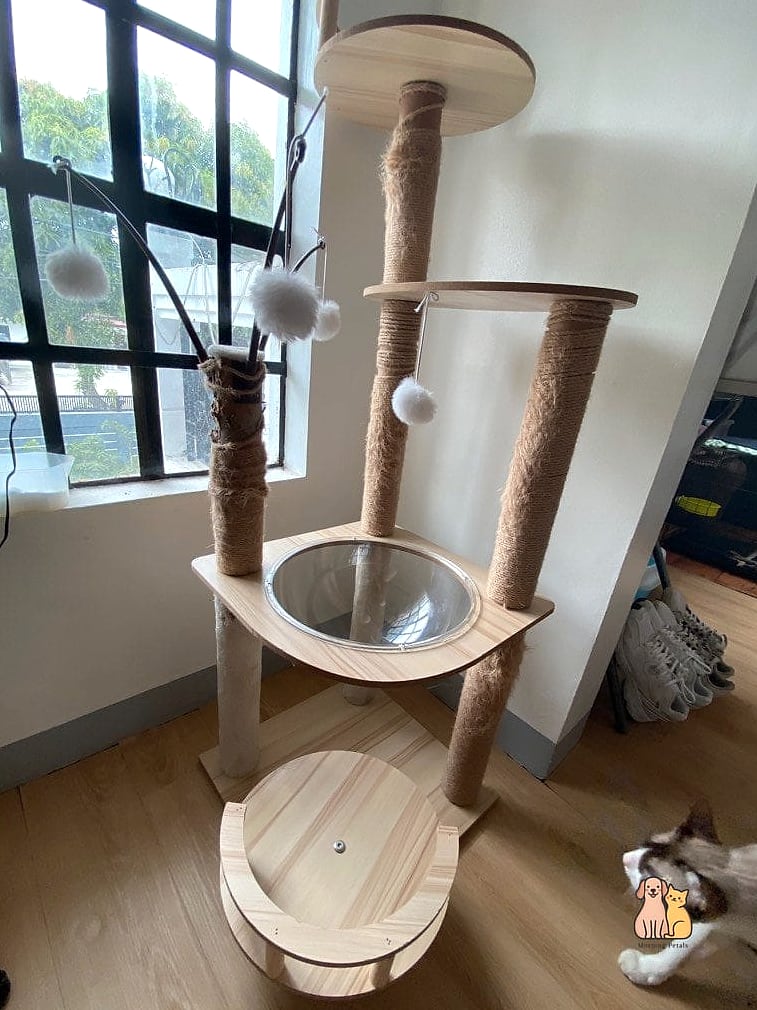
For cat owners with a patio or balcony, a catio gives your cat safe outdoor access without the risks of free roaming. Add ramps, shelves, and a shaded lounging platform, and your cat gets fresh air, birdwatching, and sunshine. This is a bigger investment and usually requires some carpentry or a prefab kit, but the payoff for enrichment is huge, especially for high-energy or formerly outdoor cats.
The Bunk Bed Style Dog Lounge
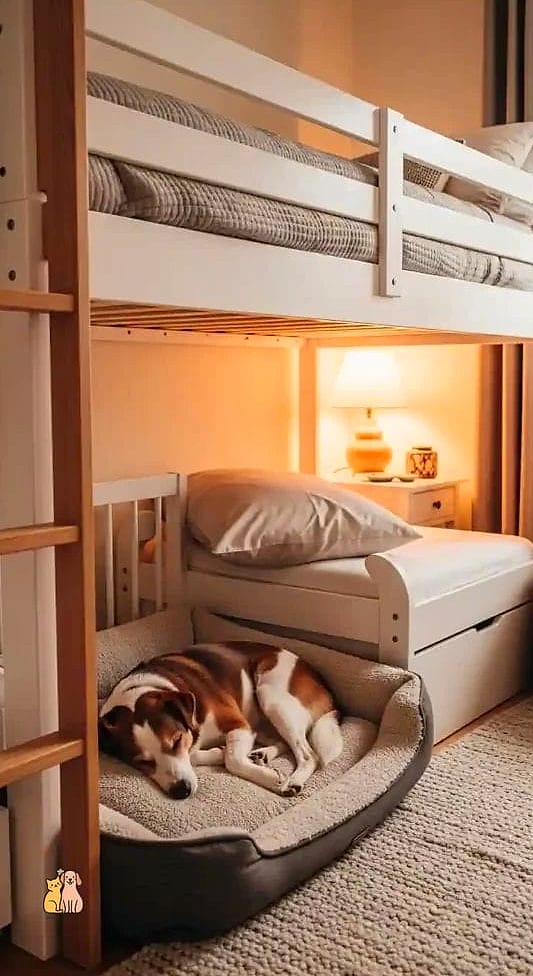
Bunk-style dog beds — a two-tier frame with a cushioned base on each level — are great for multi-dog households or dogs who like having options depending on their mood. Larger breeds do fine on the bottom bunk while smaller dogs or cats often claim the top. You can buy these ready-made or build a simple wood frame if you’re comfortable with basic tools.
The Repurposed Bookshelf Cat Lounge
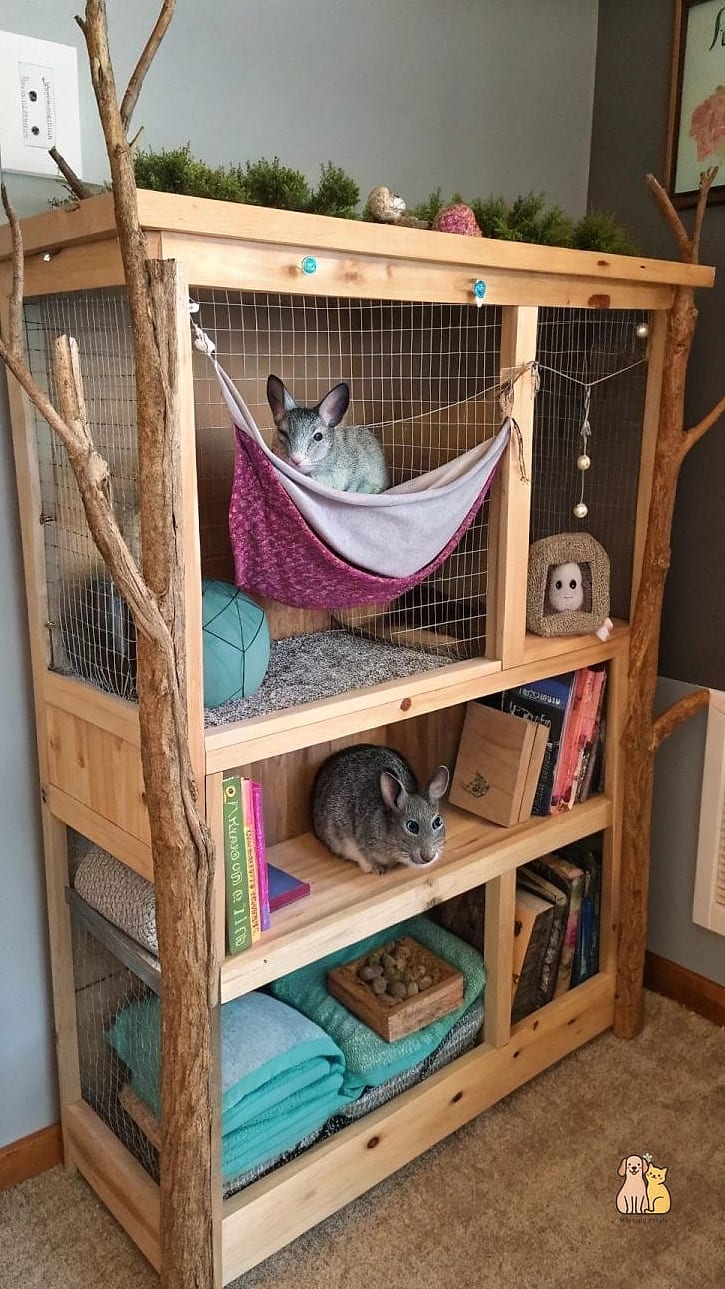
An old bookshelf laid on its back or with shelves removed becomes an instant cat condo. Line each cubby with a soft pad, and you’ve got a stacked lounge that doubles as a piece of furniture. This is one of the most budget-friendly ideas on this list since it usually starts with something you already own or can grab secondhand.
The Backyard Shaded Dog Deck
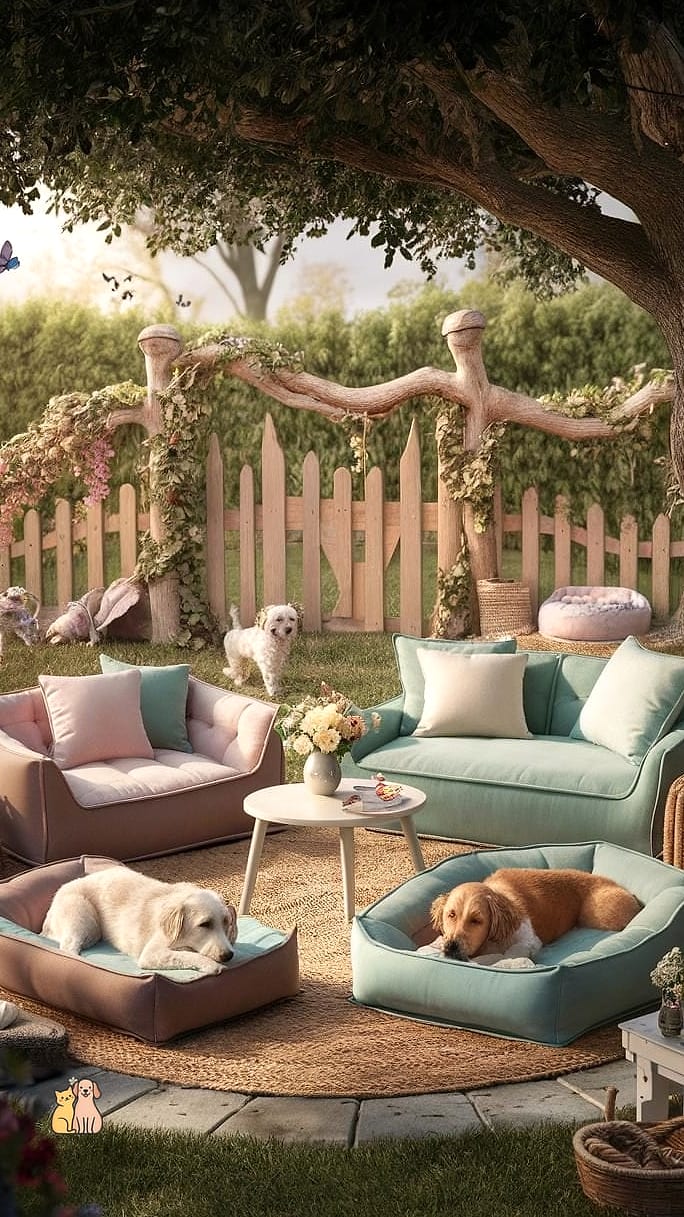
For dogs who spend a lot of time outside, a raised wooden deck with a shade canopy keeps them off hot ground and out of direct sun. Add a water station nearby and you’ve got a legit outdoor lounge. This works best for yards with some existing shade or a covered patio area, and it’s particularly kind to short-nosed breeds who overheat easily.
The Hammock-Style Bunk Lounge
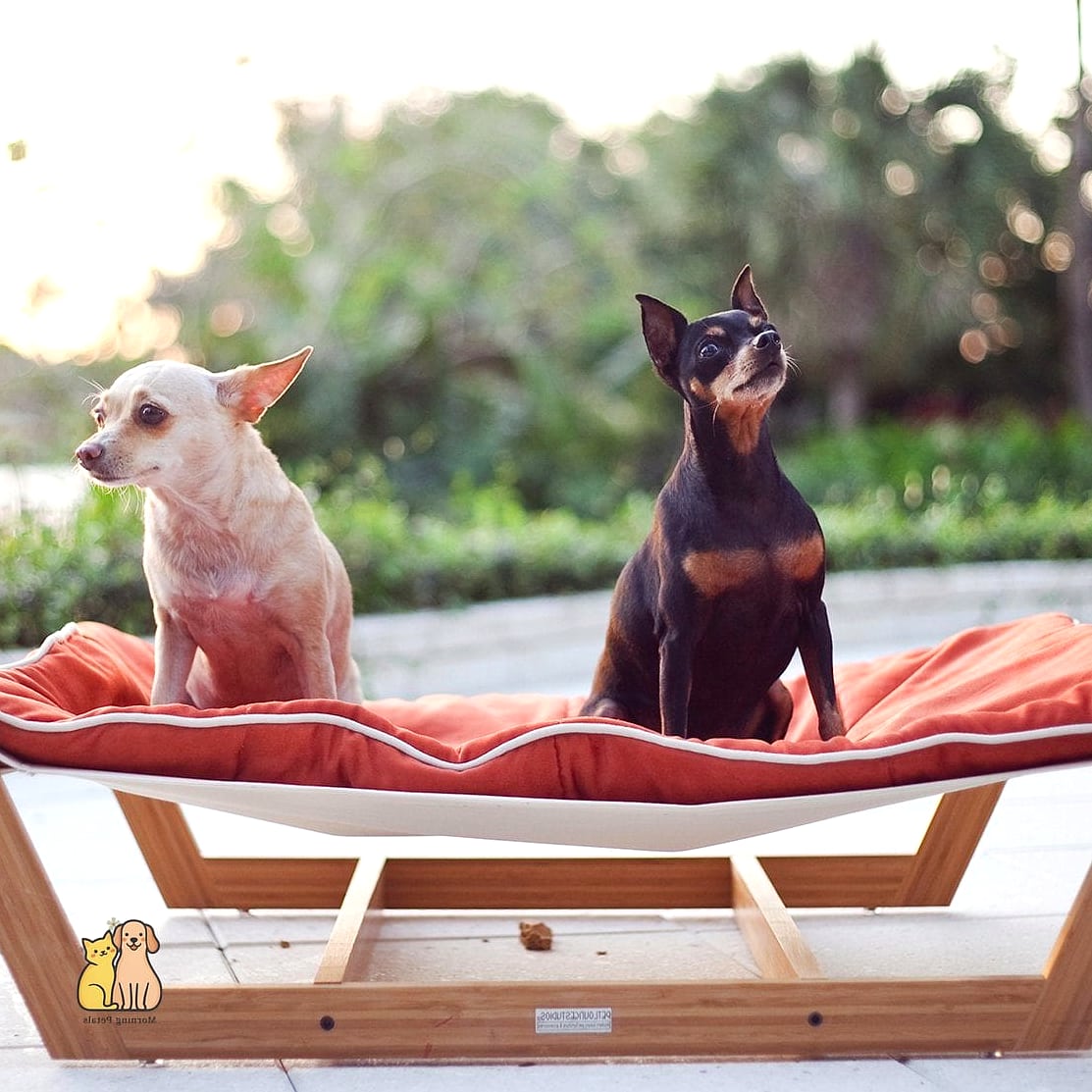
Pet hammocks that attach under a crate or between two chair legs give cats and small dogs a cozy suspended spot. They’re inexpensive, machine washable, and take up almost no floor space, which makes them ideal for small apartments. Cats especially seem drawn to the slight sway and the feeling of being tucked away.
The Farmhouse-Style Dog Kennel
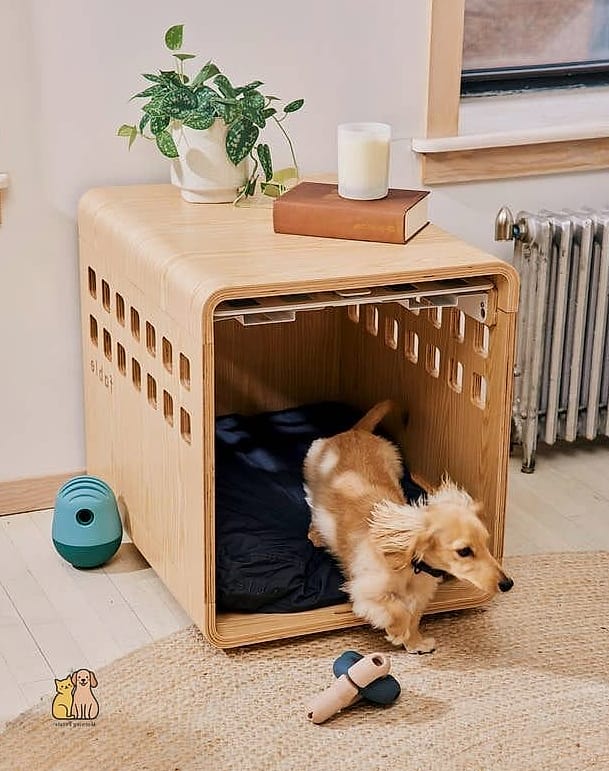
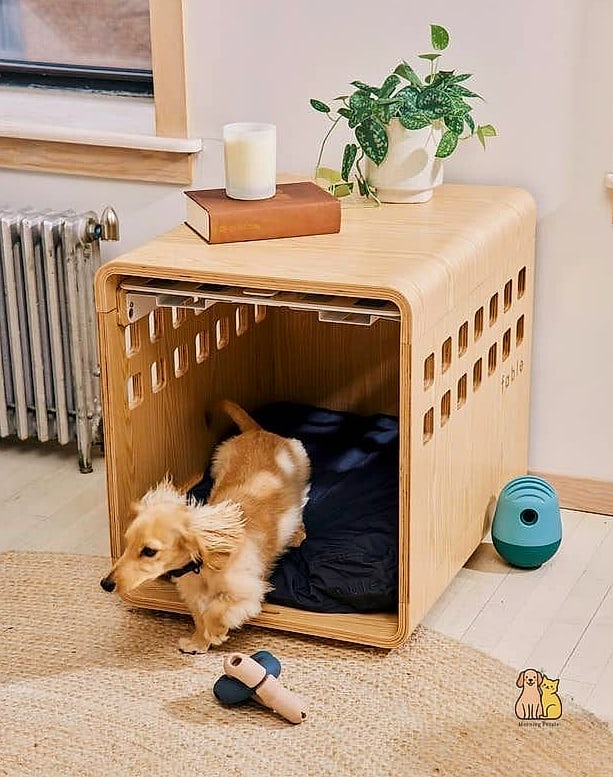
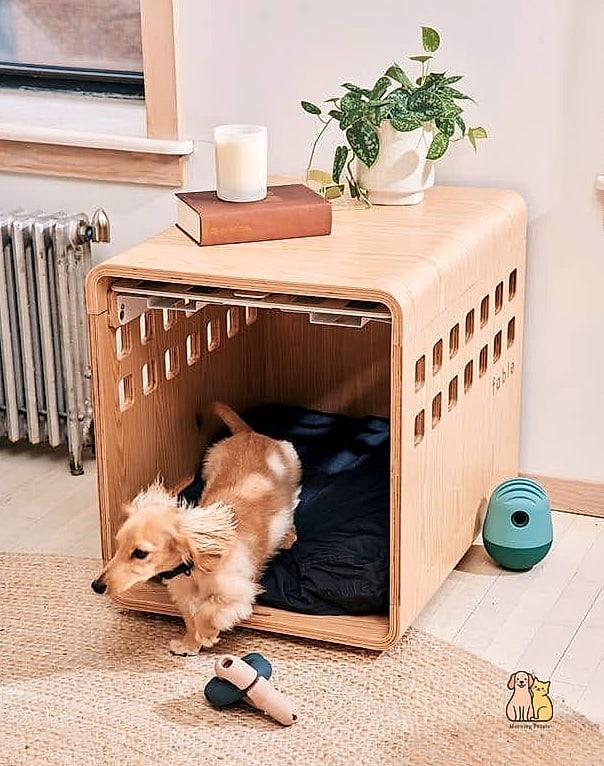
A wood-framed kennel with X-brace panels and a barn-door look fits right into farmhouse or rustic home decor while still functioning as a real crate. Add a washable cushion and it doubles as furniture, often with a flat top used as a side table. This suits dogs who are already crate trained and owners who want their pet’s space to actually match the living room.
The Sunroom Pet Lounge Corner
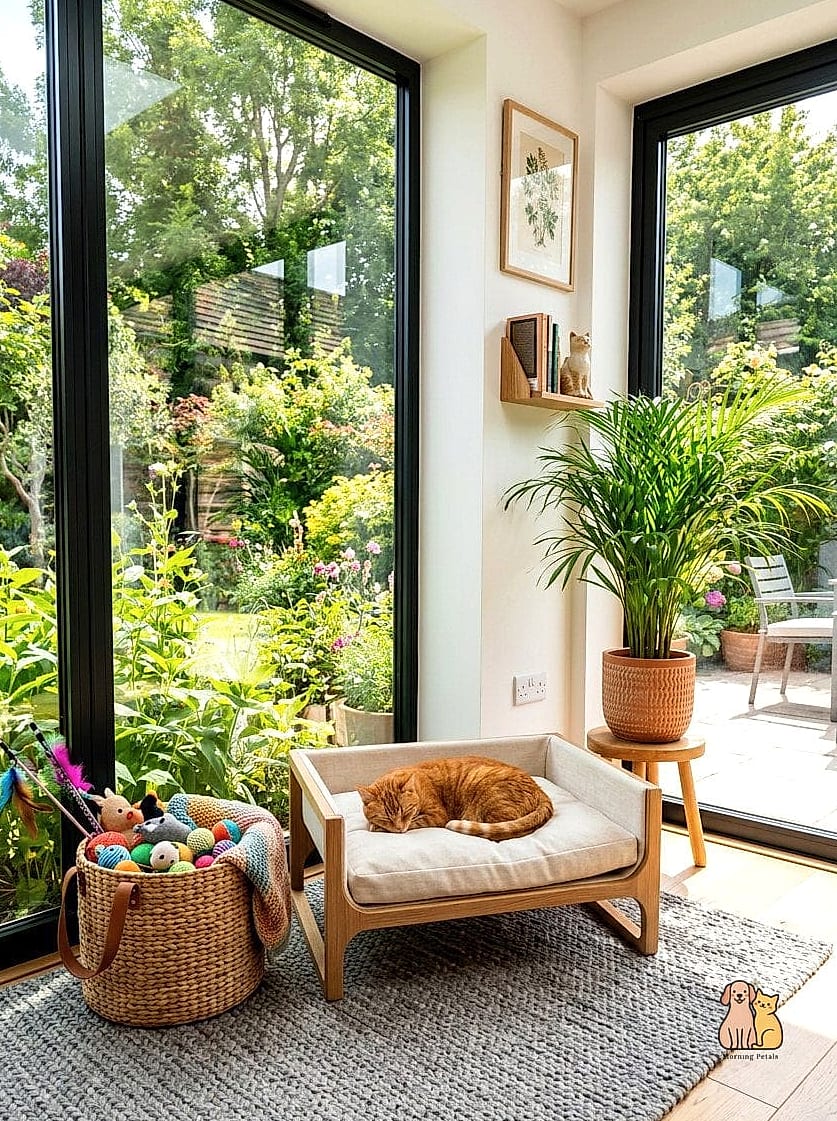
If you have a sunroom or enclosed porch, dedicating one corner to your pets makes total sense — they’re probably already claiming it anyway. Add a large bed, a water fountain, and a few enrichment toys, and you’ve created a lounge that takes advantage of natural light without any construction. Great for multi-pet households since there’s usually enough room for everyone to spread out.
The Wall-Mounted Cat Shelf Circuit
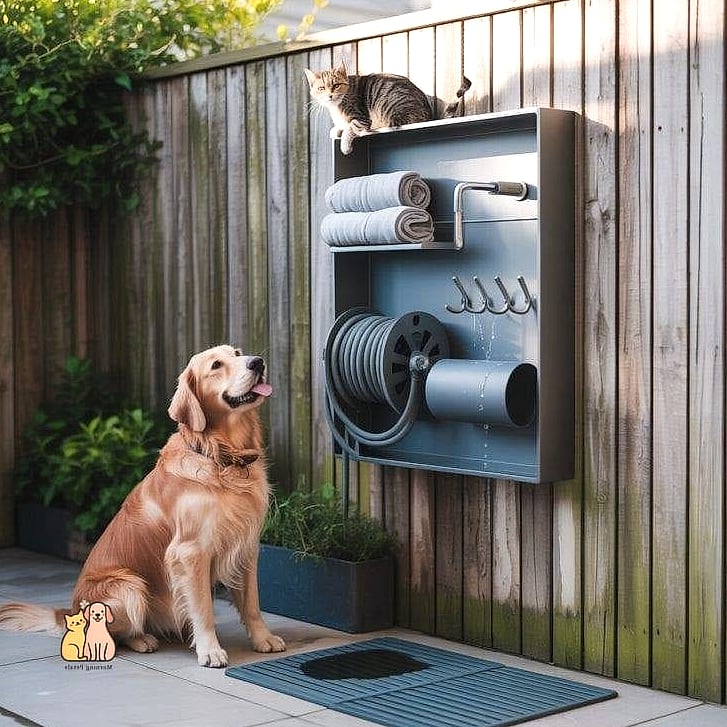
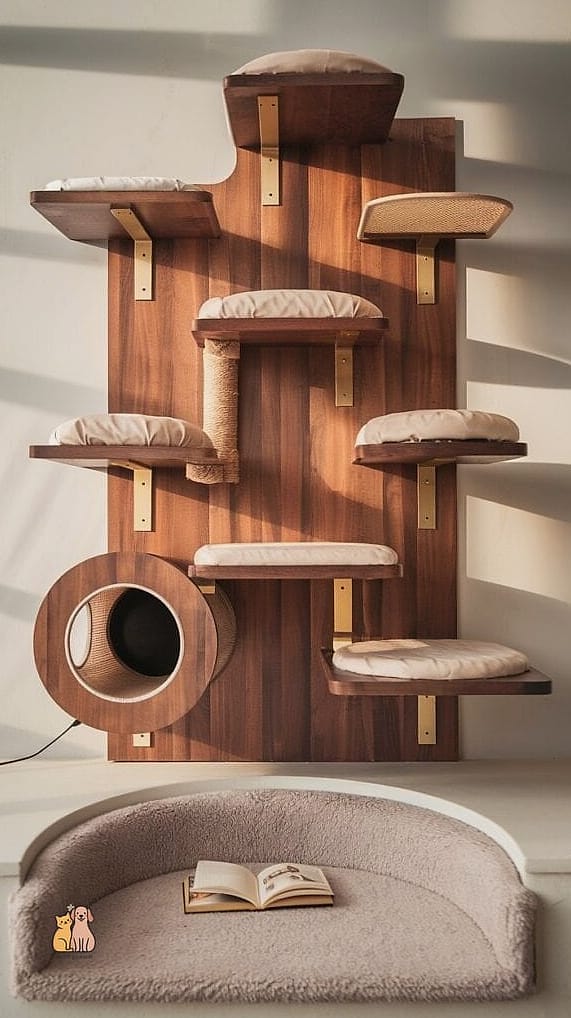
Instead of one lounge spot, this idea creates a whole pathway. Mount a series of floating shelves at different heights, leading up to a top perch near the ceiling. Cats get to climb, jump, and survey the room from above, which taps into natural climbing instincts. This is a moderate DIY project requiring wall anchors and some measuring, but the vertical space payoff is worth it for cats who don’t get much floor room otherwise.
The Enclosed Pet Teepee
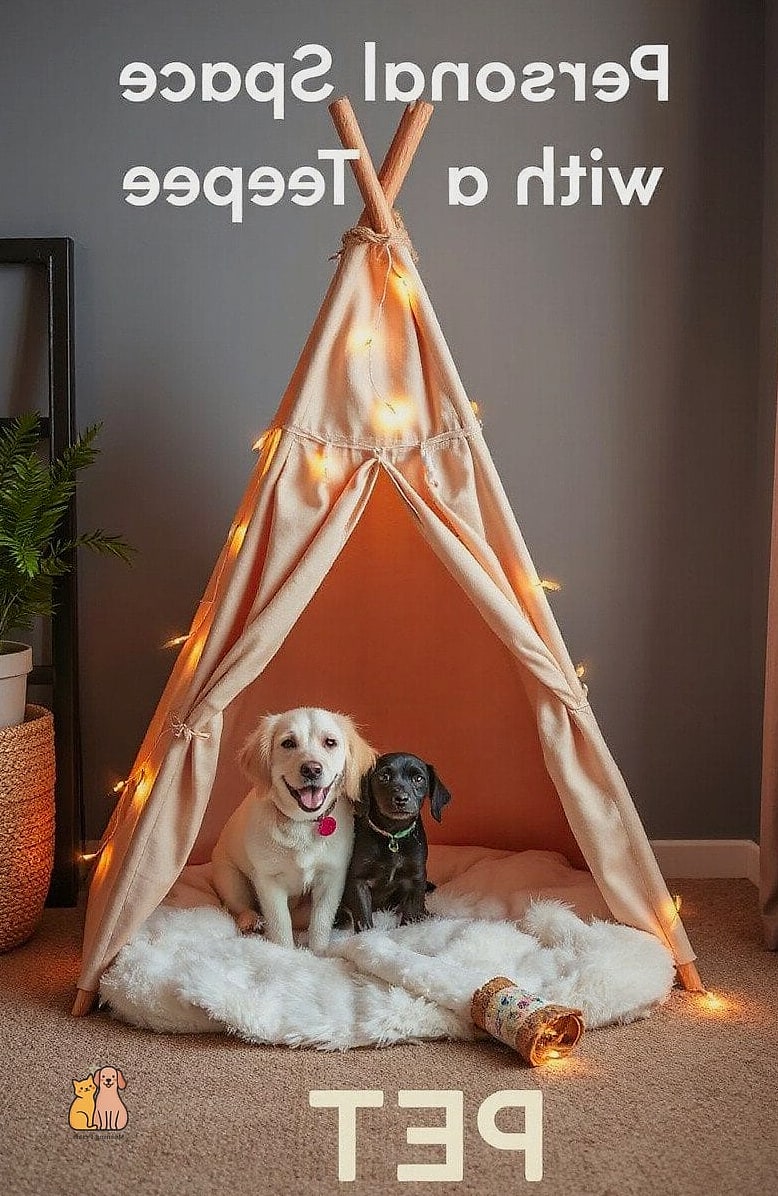
Fabric teepees are a small, affordable way to give cats or small dogs a den-like hideaway. They’re lightweight, easy to move room to room, and come in enough patterns to match almost any decor style. Rabbits and guinea pigs can sometimes use floor-level versions too, as long as ventilation is good.
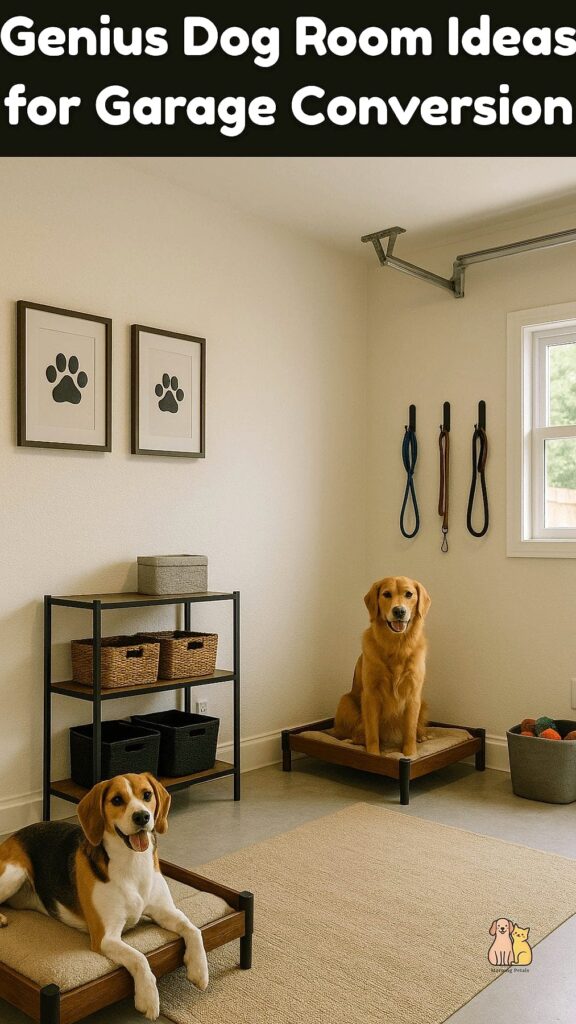
The Garage Corner Dog Lounge
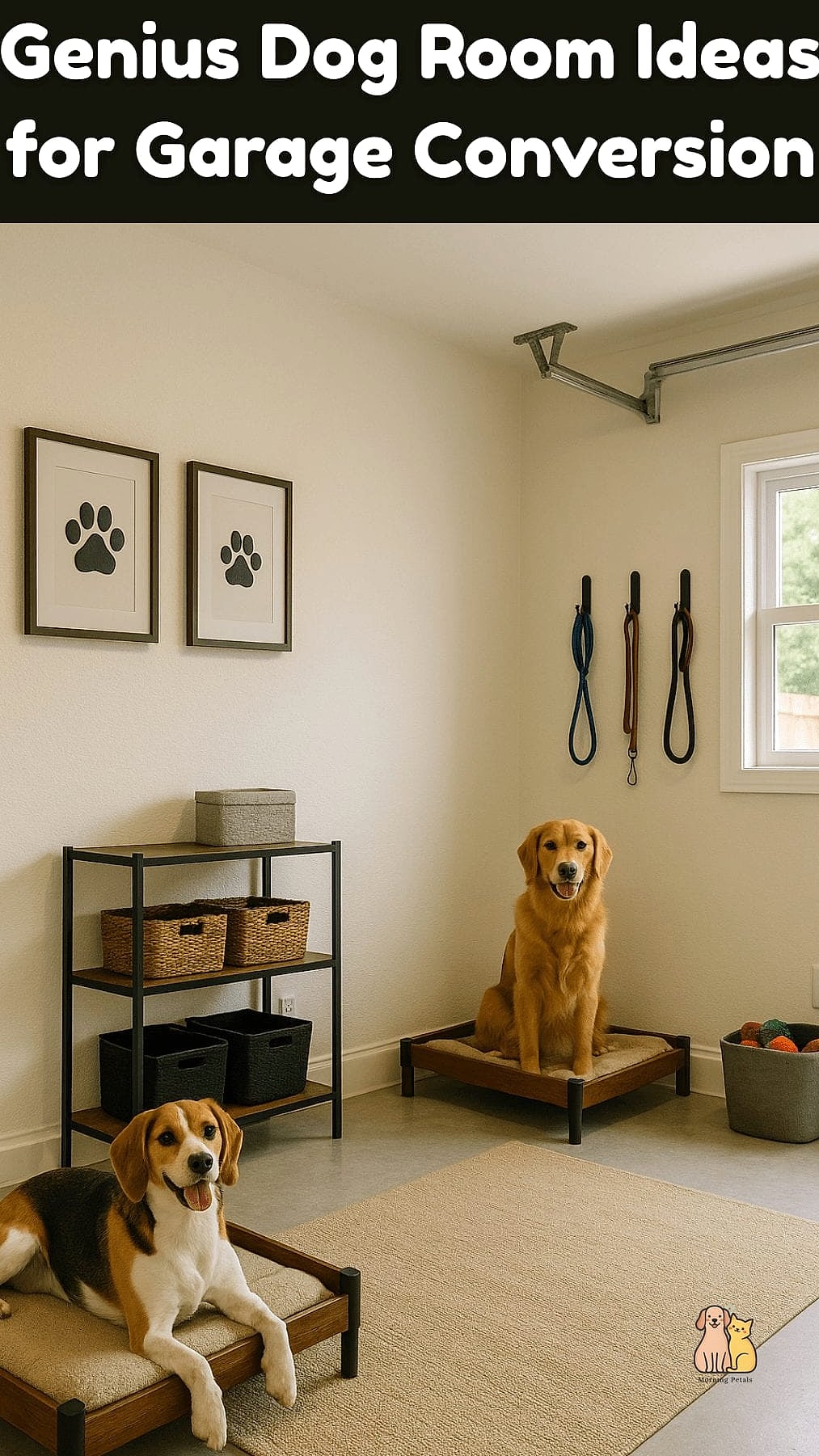
If your dog spends time in the garage, whether during yard work or as a transition space, a dedicated corner with a raised bed, a fan for airflow, and a water station keeps them comfortable. This is especially useful for larger breeds or muddy-paw dogs who need somewhere durable and easy to hose down.
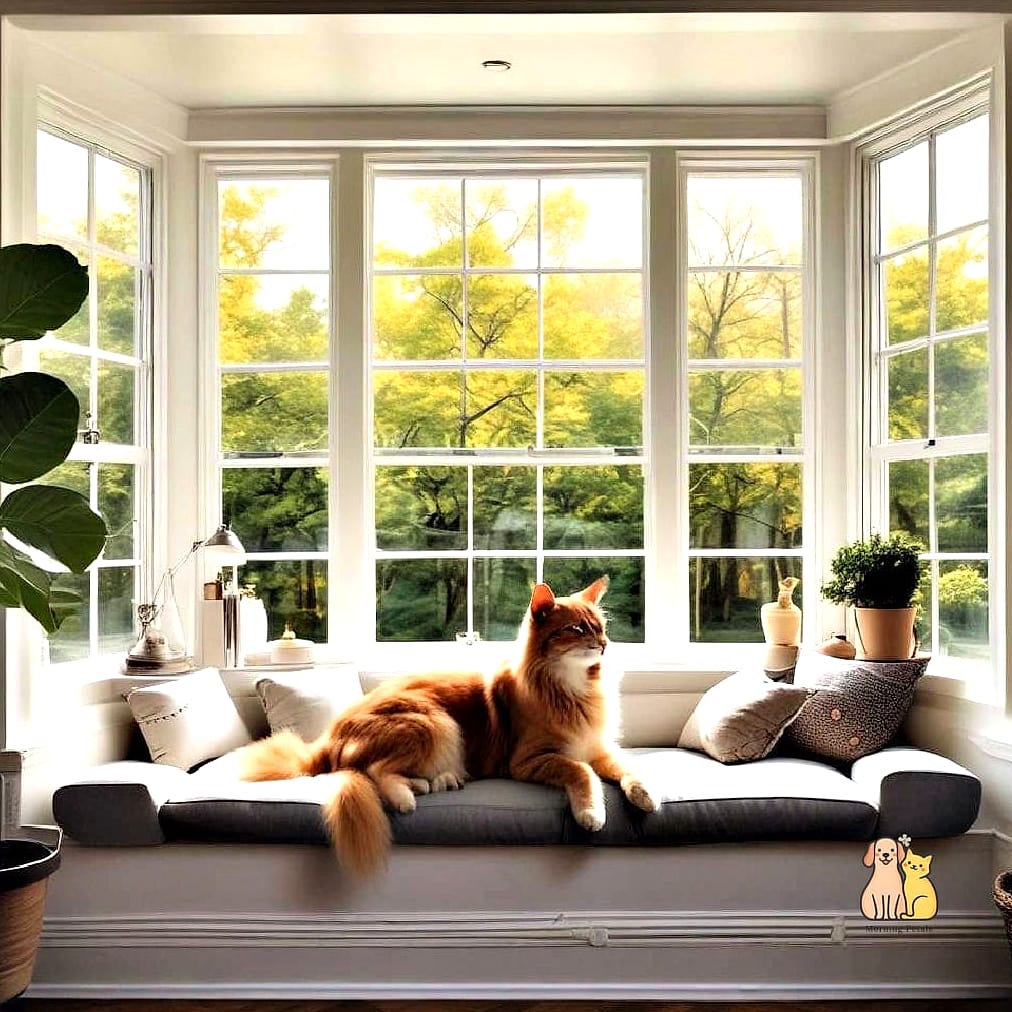
The Bay Window Bench Lounge
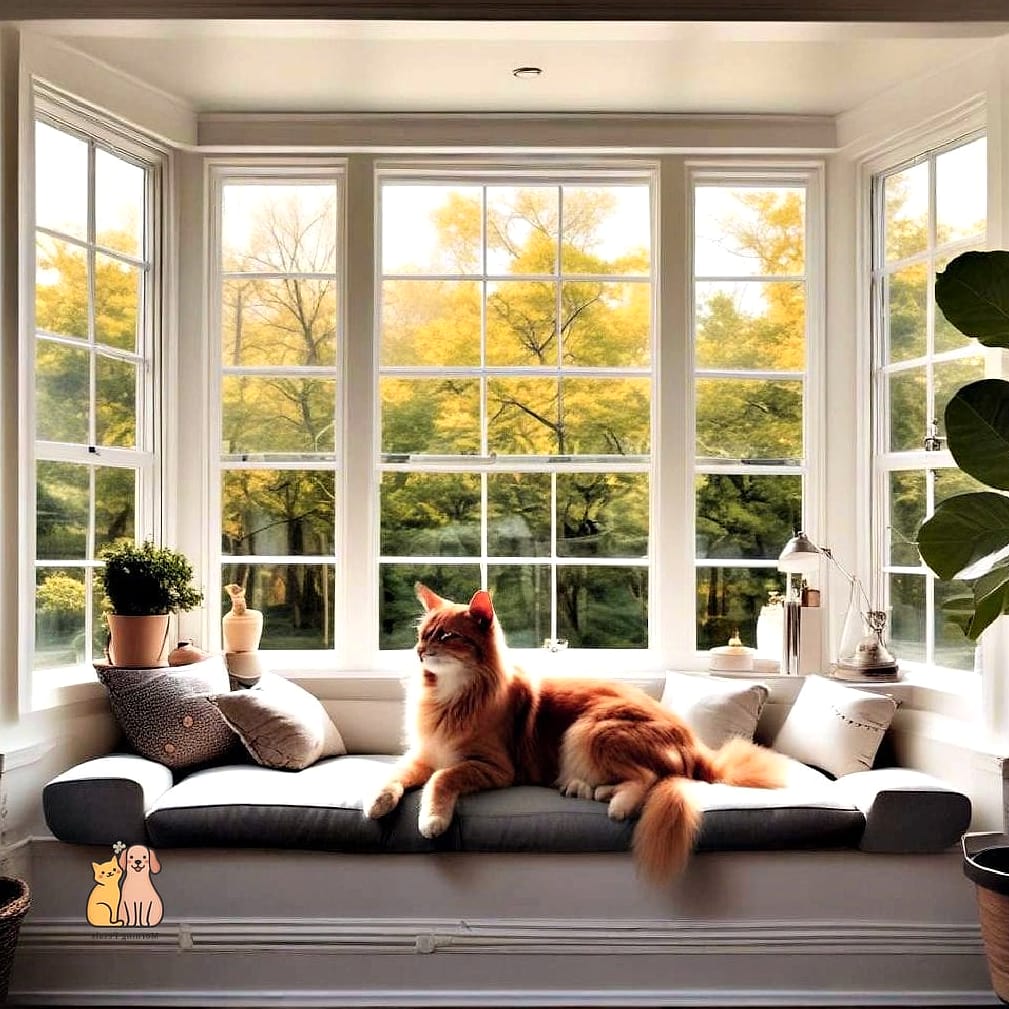
If your home has a bay window, building or buying a bench seat that fits the space turns it into a prime lounging spot for both cats and small dogs. Add a cushion top and maybe hidden storage underneath for toys or blankets. This is a more permanent, higher-budget option, but it becomes a genuine focal point in a living room.
The Stacked Crate Lounge
Two or three wooden crates stacked and secured together, each lined with a cushion, create a tiered lounge similar to a cat tree but with more of an industrial, DIY look. This works for cats and small dogs and is a good weekend project for anyone comfortable with basic tools and wood glue.
The Reading Nook Pet Bed
Combine your own reading corner with a pet lounge by adding a low bed or cushion right next to your favorite chair. Pets, especially dogs, often just want to be near their people rather than off in a separate room. This costs almost nothing if you already have a cozy chair setup and just need to add a floor cushion.
The Outdoor Rabbit Hutch Lounge
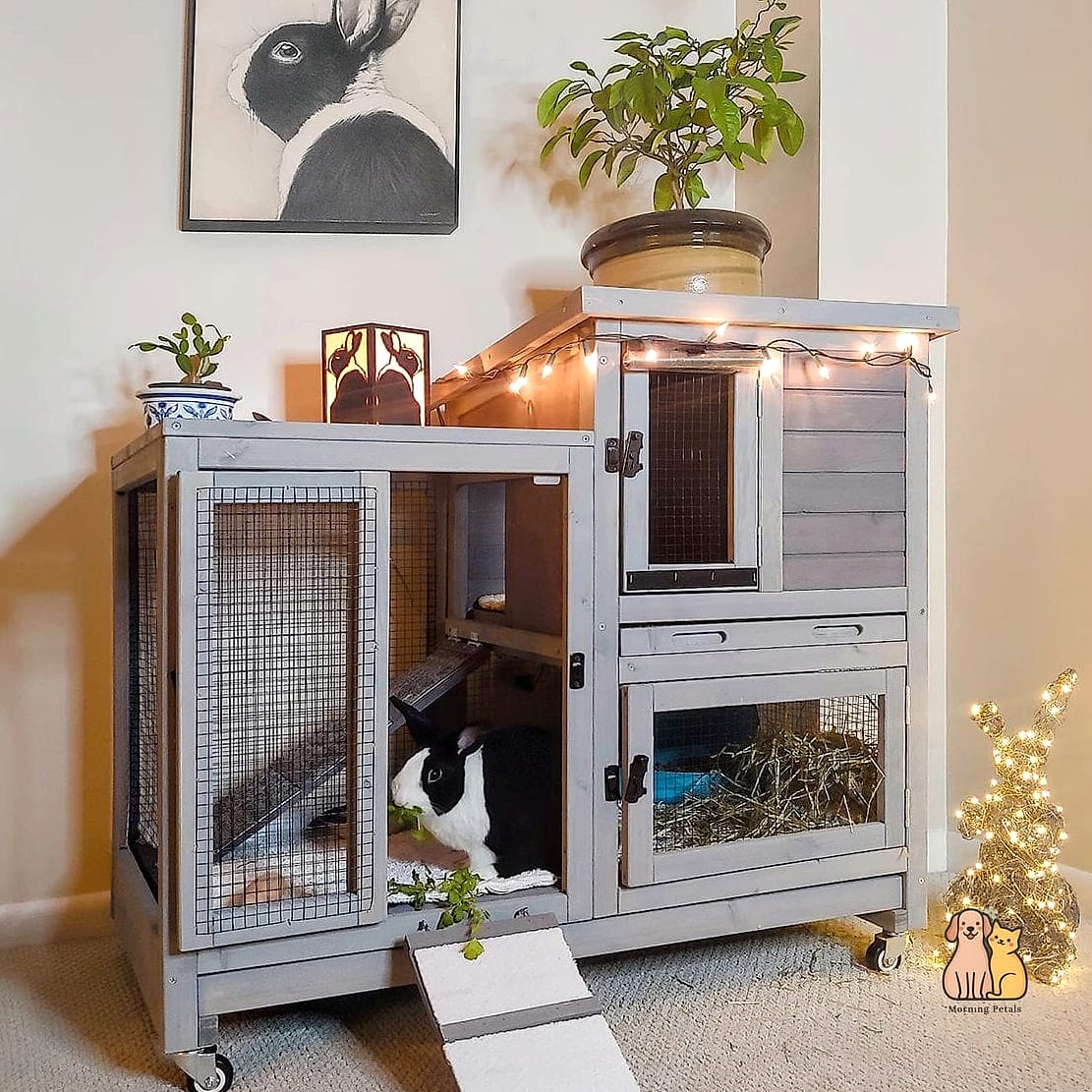
For rabbit owners, an elevated hutch with a covered lounging area and a secure run gives rabbits room to graze and stretch out safely. Include hiding spots and chew-safe wood to keep them mentally engaged. Rabbits do best with both sun exposure and shade options, so a hutch with a partial roof works well across seasons.
The Minimalist Platform Dog Bed
A simple raised wooden platform with breathable mesh or fabric stretched across the frame keeps dogs cool and off cold floors. These are popular for dogs who overheat easily or live in warmer climates, since airflow underneath prevents the trapped heat you get with solid-bottom beds. It’s a clean, modern look that fits well in minimalist homes.
The Pet-Friendly Ottoman Lounge
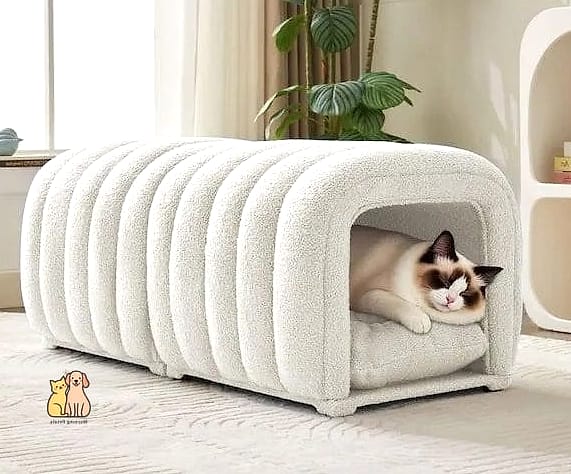
Some ottomans are actually built with a hidden pet bed inside or underneath, giving small dogs and cats a lounge spot that’s completely disguised as regular furniture. This is a smart pick for anyone who wants pet furniture that doesn’t look like pet furniture, and it works particularly well in smaller living rooms.
The Multi-Pet Community Lounge

For households with both cats and dogs, a shared lounge area with separate beds but a common rug or mat helps pets feel like part of the same space without forcing them to share a bed. Add a baby gate nearby if you need to separate them occasionally. This setup takes a bit of trial and error depending on how your pets get along, but many multi-pet homes find it reduces territorial tension over time.
The Sunken Pet Lounge Pit
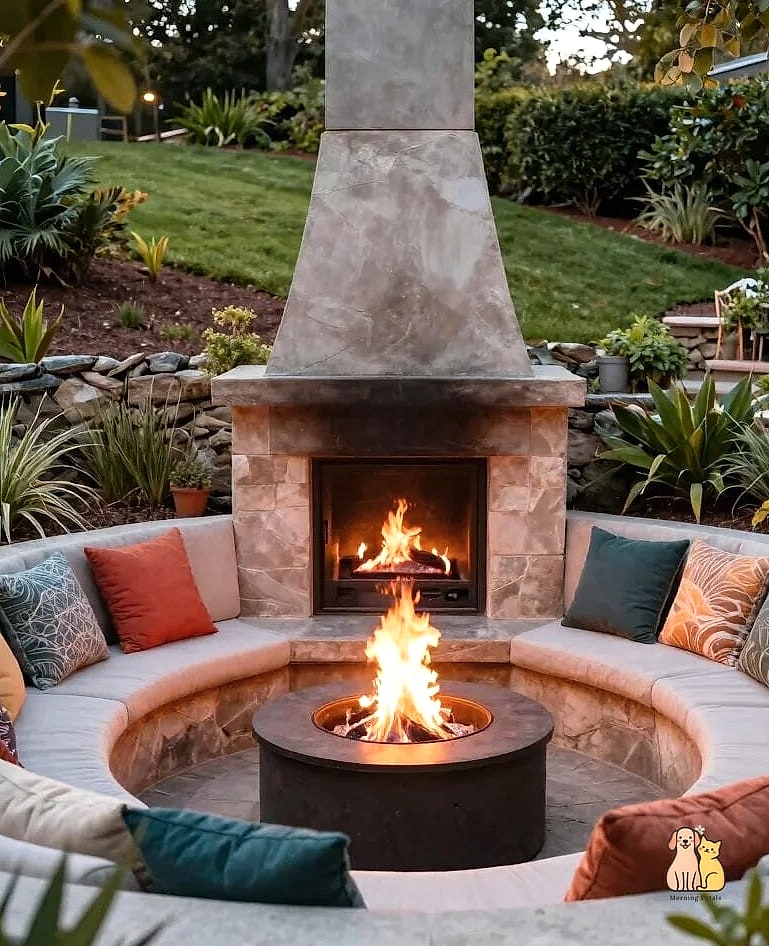
If you’re doing a renovation or have a sunken conversation pit already, adding a pet-sized version with built-in cushioned seating gives your pets their own version of the family lounge area. This is more of a dream-home project than a weekend one, but for anyone building custom, it’s worth considering alongside human seating.
The Rolling Cart Pet Station
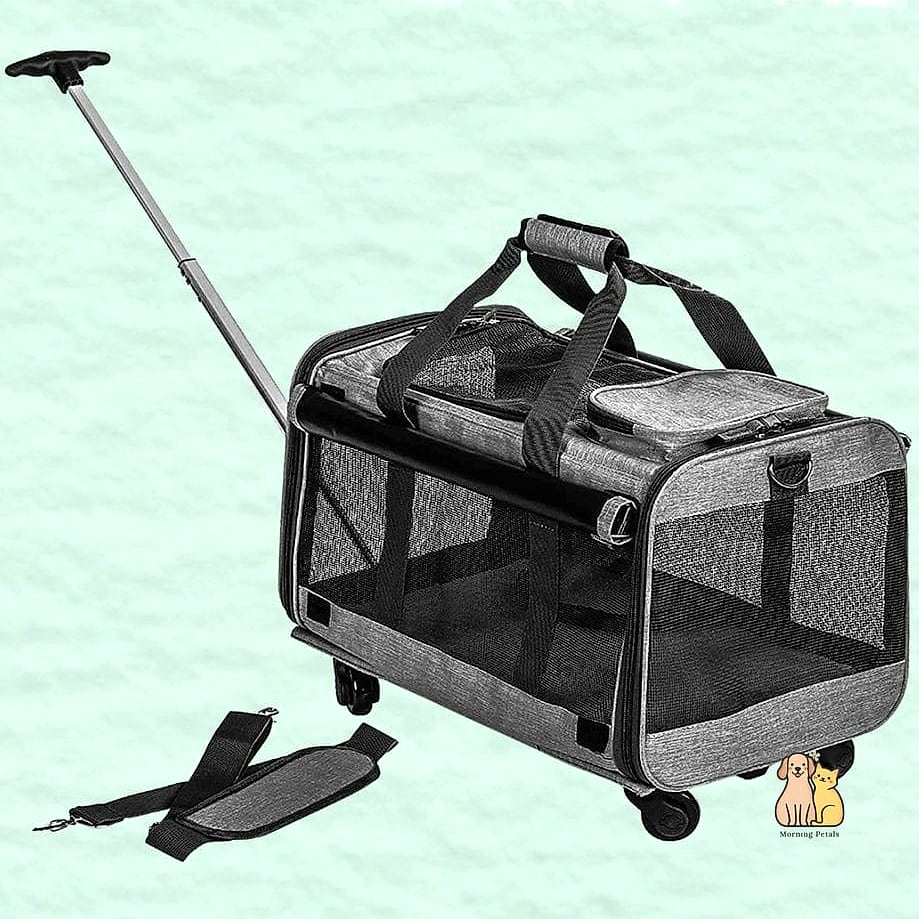
A rolling cart lounge combines a cushioned top with storage shelves underneath for food, leashes, and toys. Because it has wheels, you can move it between rooms depending on where your pet wants to hang out, or tuck it away when guests come over. This suits smaller pets and works especially well in apartments where floor space is limited.
The Loft Bed Dog Cave
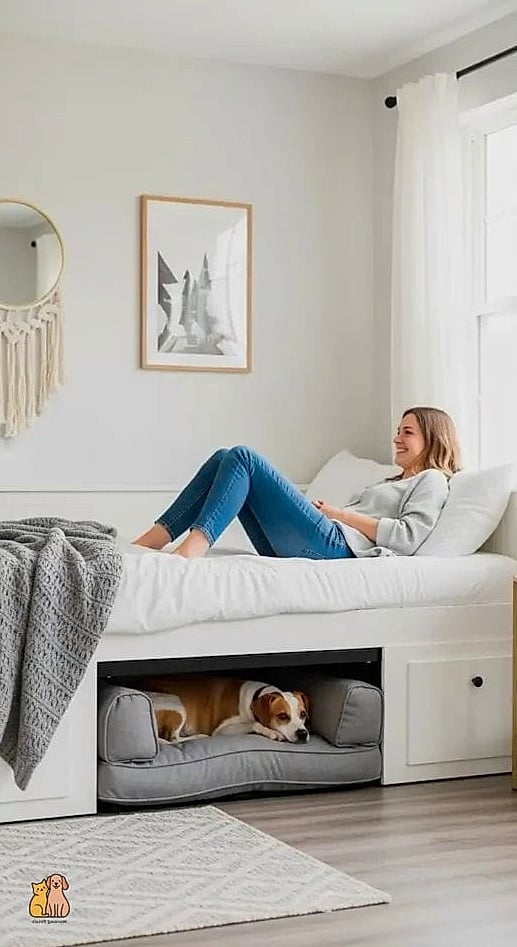
For dog owners with a loft-style bed or elevated platform bed, building a small enclosed cave underneath gives your dog a cozy, den-like lounge that uses space you’re not otherwise using. Add a cushion, a low-wattage light, and maybe a curtain for extra privacy. Dogs who like enclosed spaces, like many terrier breeds, tend to gravitate toward this setup immediately.
Whichever of these pet lounge ideas you end up trying, the best one is usually the one that matches how your specific pet already likes to relax. Watch where they nap, where they hide, and where they seem calmest, and build from there. A little observation goes a long way toward creating a space they’ll actually use instead of ignore.