25 Amazing Best Catios That Prove Pets Are the Best
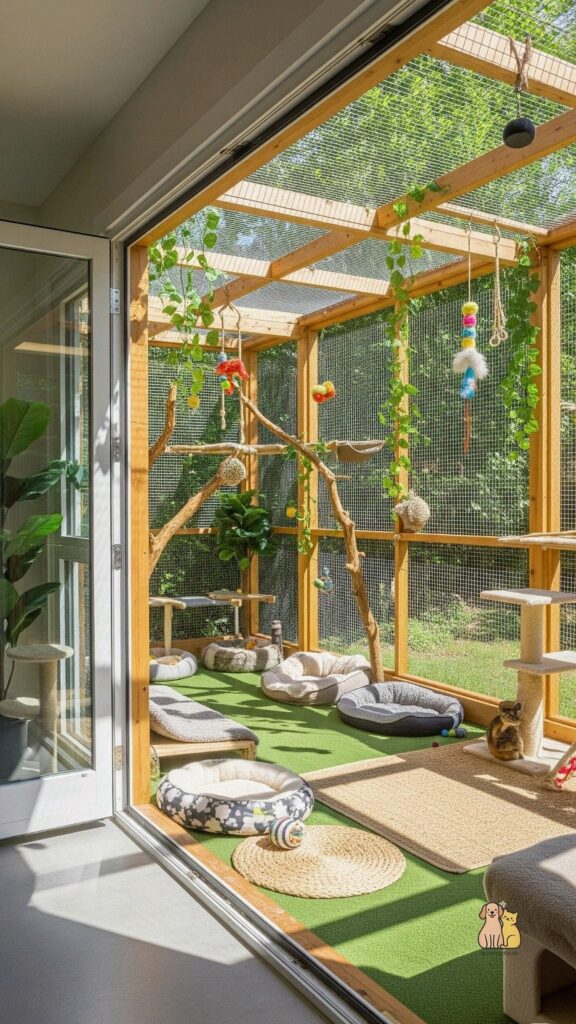
- The Window Box Catio
- The Tunnel-Connected Catio
- The Deck-Mounted Catio
- The A-Frame Catio
- The Greenhouse-Style Catio
- The Multi-Level Tower Catio
- The Courtyard Catio
- The Repurposed Shed Catio
- The Balcony Catio
- The Treehouse Catio
- The Modular Kit Catio
- The Walk-In Human-Friendly Catio
- The Rooftop Catio
- The Tent-Style Pop-Up Catio
- The L-Shaped Corner Catio
- The Cat Ladder Catio System
- The Screened Porch Conversion Catio
- The Desert Oasis Catio
- The Two-Story Catio
- The Recycled Pallet Catio
- The Hexagonal Garden Catio
- The Under-Deck Catio
- The Colorful Kids’ Playhouse Conversion Catio
- The Minimalist Modern Catio
25 Amazing Best Catios That Prove Pets Are the Best
If you’ve ever watched your cat press its whole face against the window like it’s plotting an escape, you already know what a catio is for. These outdoor cat enclosures let your feline enjoy fresh air, sunshine, and bird-watching without the risks of roaming free. I’ve spent way too many hours scrolling through catio builds, and I’m convinced they might be the single best upgrade any cat owner can make. Here are 25 catios that prove pets really do deserve the best of everything.
The Window Box Catio
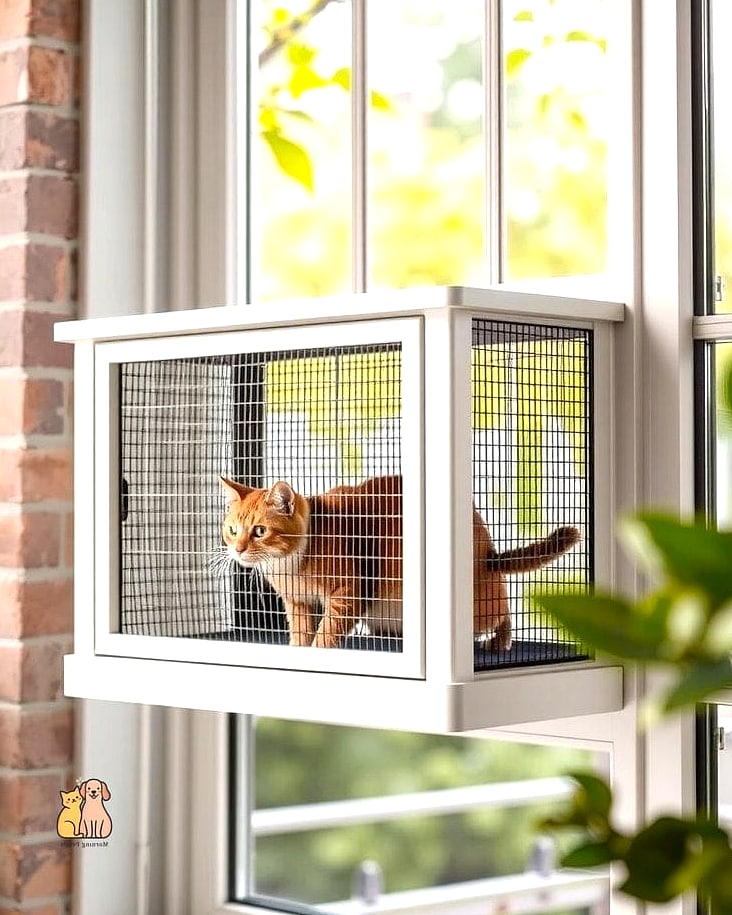
This is the smallest and most beginner-friendly option on the list, and it’s perfect for apartment dwellers who don’t have a yard to work with. It attaches directly to an existing window, giving your cat a little bubble of outdoor space just big enough for lounging. Most cats take to it instantly because it smells like home but feels like adventure. Budget builds use simple wood framing and hardware cloth, while premium versions add a cushioned shelf and a tempered glass floor. It’s especially good for senior cats or kittens who need supervised outdoor time.
The Tunnel-Connected Catio
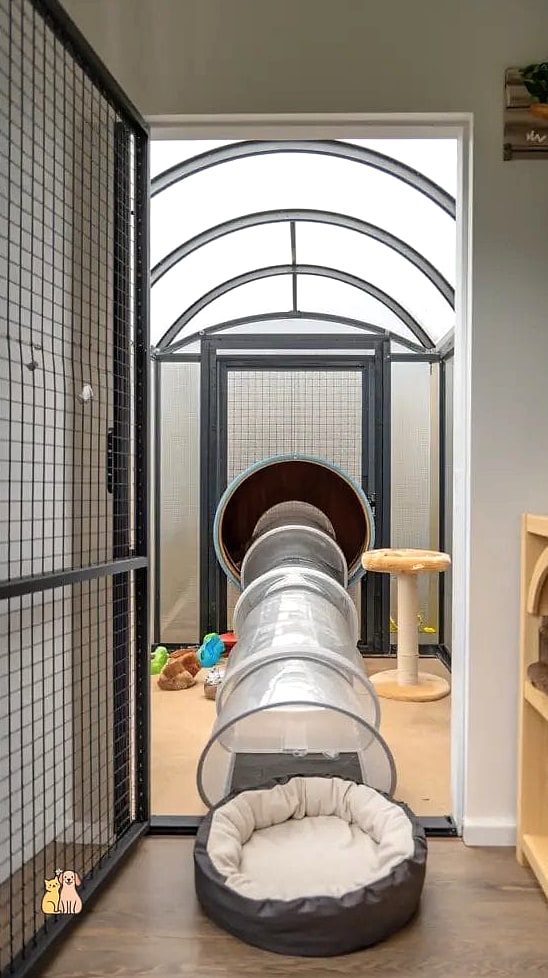
This design uses a mesh or PVC tunnel to connect an indoor window to an outdoor enclosure, so your cat can come and go as they please. It works beautifully for multi-cat households since the tunnel doubles as a fun racing lane. Bengals and other high-energy breeds especially love the movement this setup encourages. You can build the tunnel yourself with wire fencing bent into an arch, or buy modular tunnel kits online. Just make sure the tunnel is elevated enough that raccoons or curious dogs can’t reach in.
The Deck-Mounted Catio
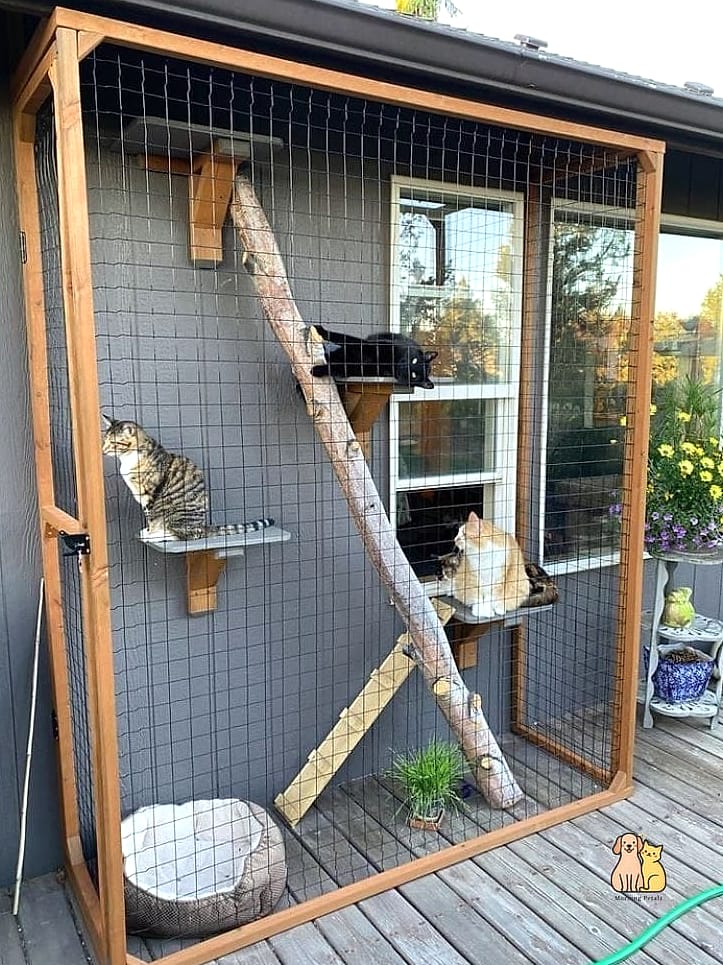
If you already have a deck, this is one of the easiest catios to add without major construction. It essentially turns a section of your deck railing into a secure, screened-in room. Cat trees, a few perches, and a shaded corner make it feel like a proper outdoor lounge. This setup works well for families since it doesn’t take up yard space and stays close to the house. Just double check your deck can handle the added weight of framing and mesh panels.
The A-Frame Catio
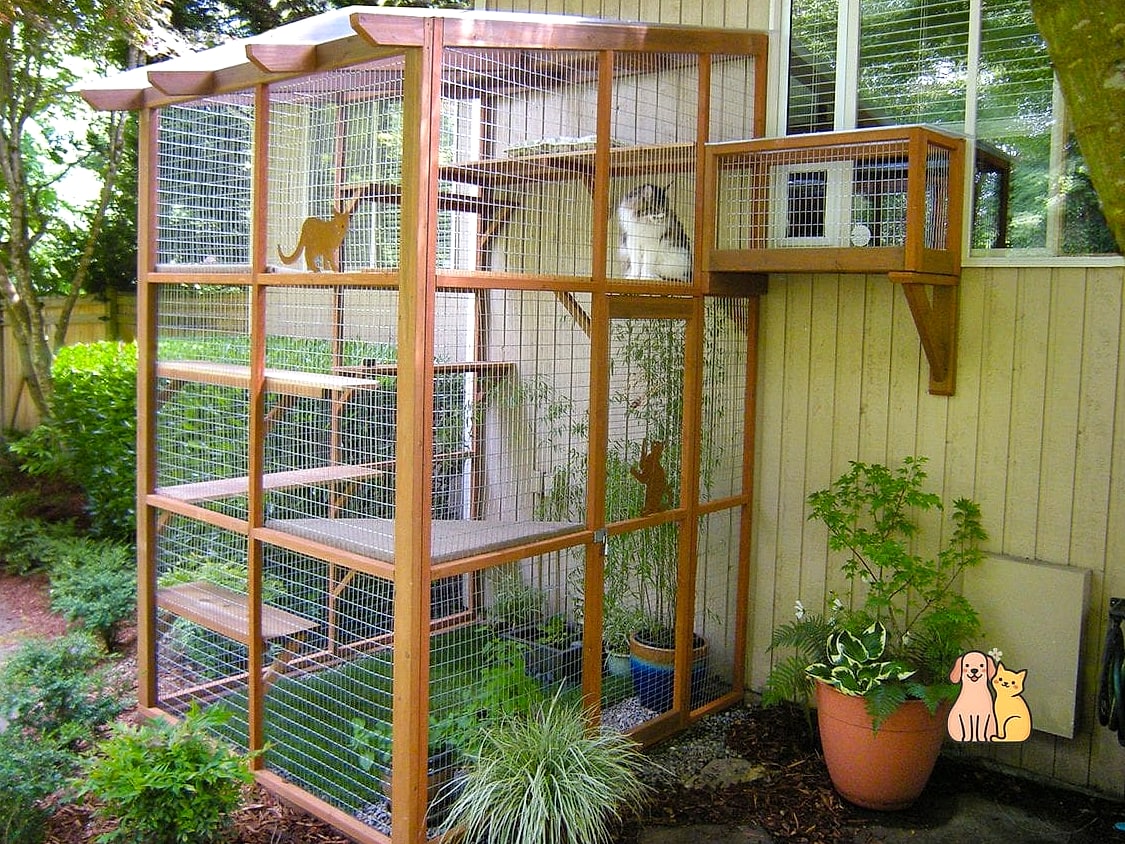
Shaped like a little cabin, this style is popular because it sheds rain and snow easily, making it great for climates with real seasons. The peaked roof also gives taller cats room to stretch up on their back legs without bonking their heads. Inside, owners often add a ramp system so cats can climb to a high viewing platform. It suits confident, agile cats who like to survey their territory from up top. DIY versions use basic lumber, while premium versions come with cedar siding for a cottage-like look.
The Greenhouse-Style Catio
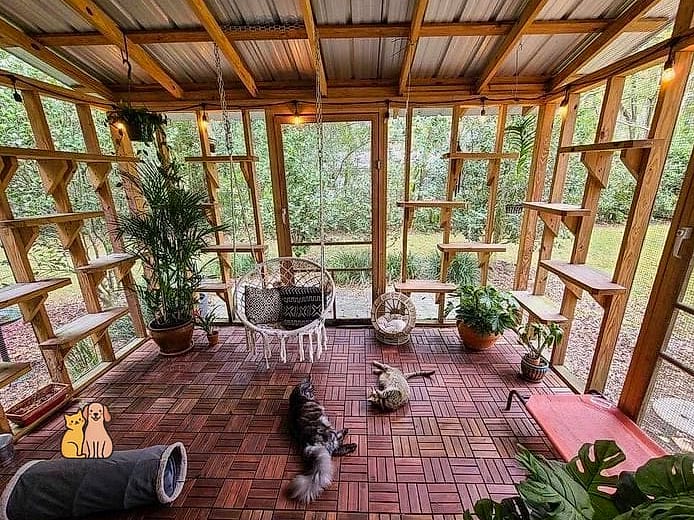
This one leans into natural light with clear polycarbonate panels instead of solid walls. Cats get warmth and sunshine even on cooler days, which makes it a favorite for owners in colder regions. Plants are often added around the perimeter, though it’s smart to stick to cat-safe varieties like cat grass or catnip. This style tends to suit calmer, sun-loving breeds like Ragdolls or Persians. It’s a bit pricier due to the specialty paneling, but the year-round usability makes it worth it for a lot of owners.
The Multi-Level Tower Catio
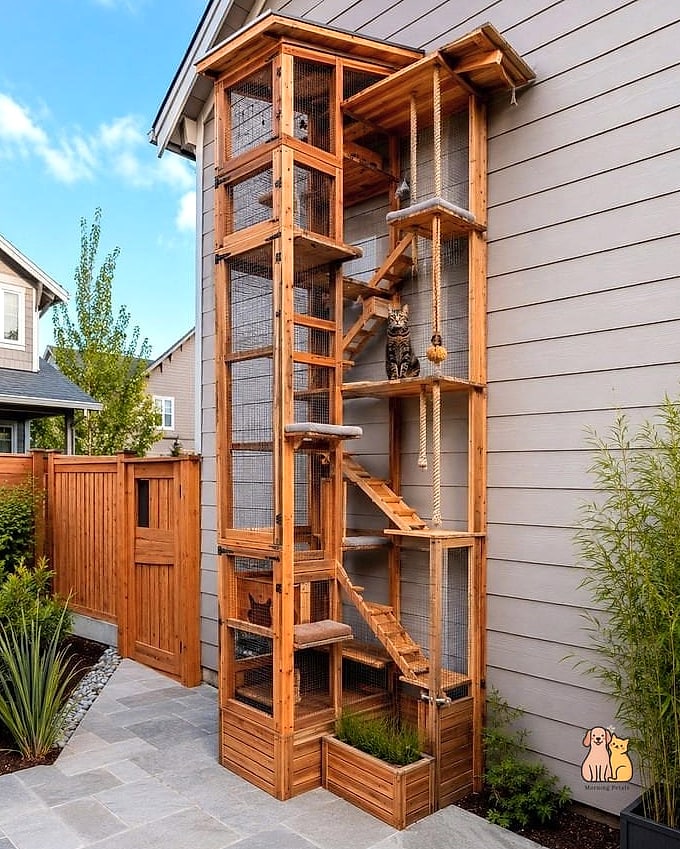
Built more like a jungle gym than a simple box, this catio uses stacked platforms, ramps, and ladders to create serious vertical space. It’s ideal for young, athletic cats who need a real workout, not just a place to nap. Owners often add sisal-wrapped posts so cats can scratch outdoors instead of on the furniture. This design takes more building skill, so it’s better suited to intermediate or experienced DIYers. The payoff is a catio that functions like an outdoor gym and a scratch post in one.
The Courtyard Catio
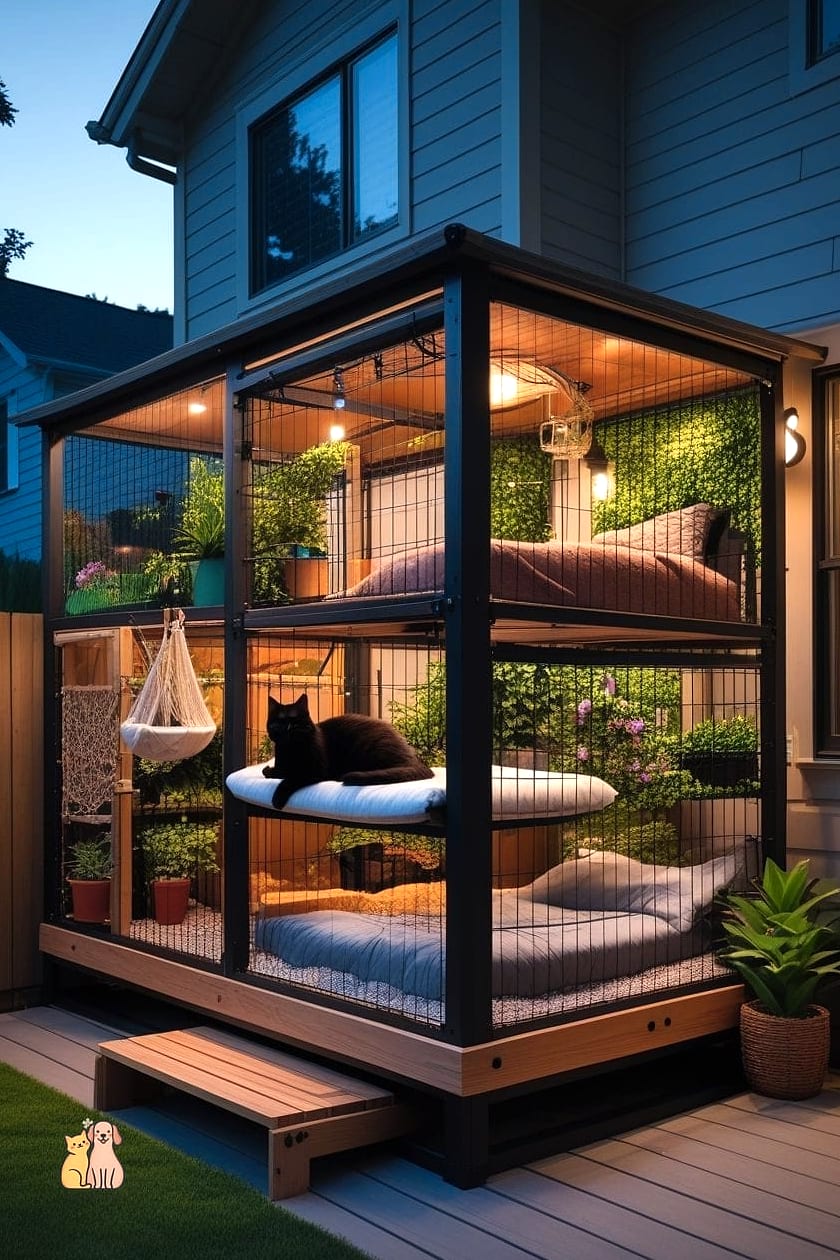
For homes with an enclosed courtyard, this setup simply screens in the entire space rather than building a separate structure. It gives cats the most room out of any design on this list, which is great for households with three or more cats. Owners can landscape freely with pet-safe plants, gravel paths, and shaded seating areas for themselves too. It suits families who want to actually sit outside with their cats rather than just watching them through a screen. Because of the scale, this is usually a bigger investment or a job for a contractor.
The Repurposed Shed Catio
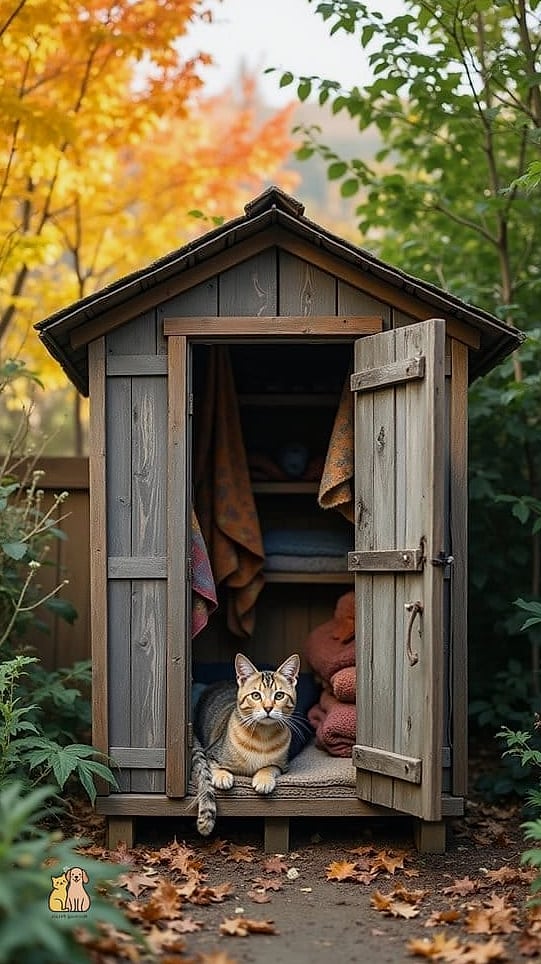
Turning an old shed into a catio is one of the more budget-savvy builds on this list, especially if you already have one sitting unused. Swapping solid walls for mesh panels on one or two sides keeps it secure while letting in fresh air. This works well for cats who get anxious in fully open enclosures since part of the structure still feels enclosed and den-like. It’s also a great option for colder climates since the solid roof and walls block wind. Add a heated pad for winter and it becomes a nearly year-round hangout.
The Balcony Catio
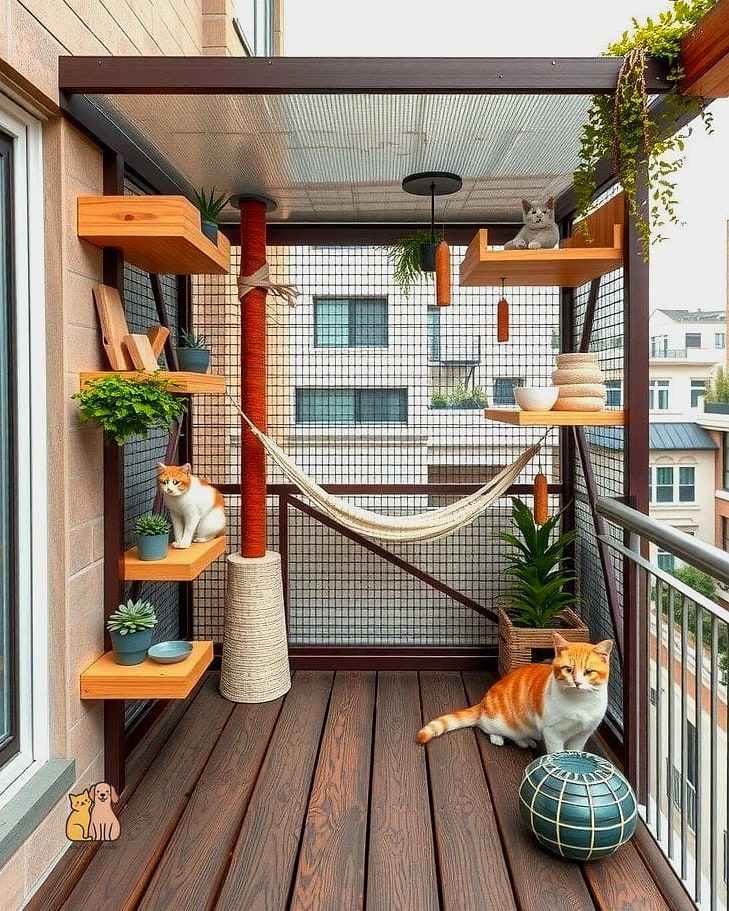
City cats deserve outdoor time too, and this design turns an apartment balcony into a fully enclosed safe zone. Mesh panels stretch from floor to ceiling, so there’s no risk of a cat squeezing through railings. Owners usually keep it simple with a couple of perches and a soft bed near the railing for prime people-watching. This setup is ideal for apartment-friendly breeds like the American Shorthair who don’t need tons of square footage. It’s also one of the more affordable builds since it uses existing structure on three sides.
The Treehouse Catio
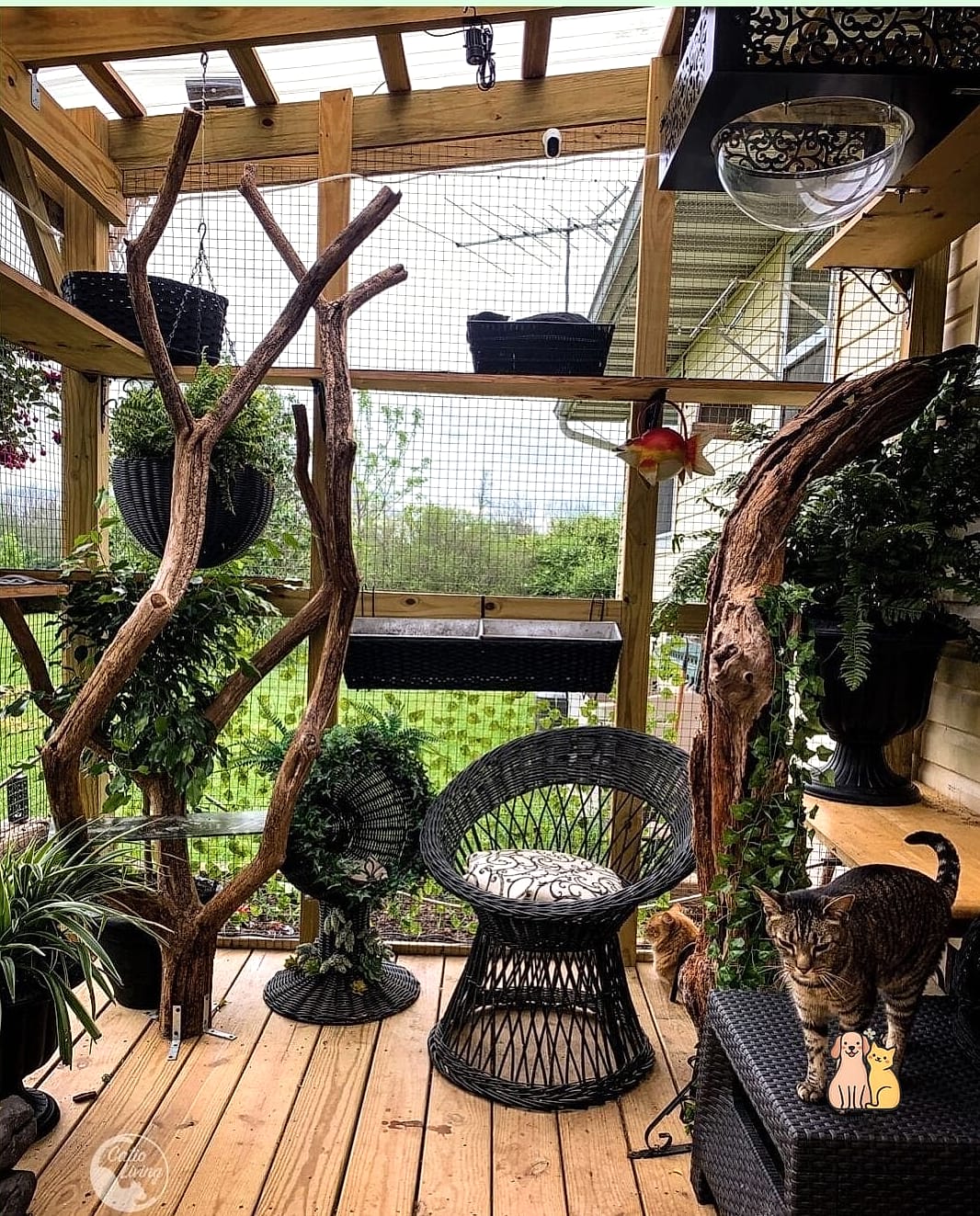
Built up around or attached to a tree trunk, this design gives cats a genuinely wild feel while keeping them totally contained. Branches can be incorporated into the design as natural climbing features, which cats find endlessly entertaining. It suits adventurous, tree-loving cats and works especially well in wooded backyards. Because it involves working around living trees, this build often benefits from a bit of carpentry experience. The reward is a catio that looks like it belongs in a storybook.
The Modular Kit Catio
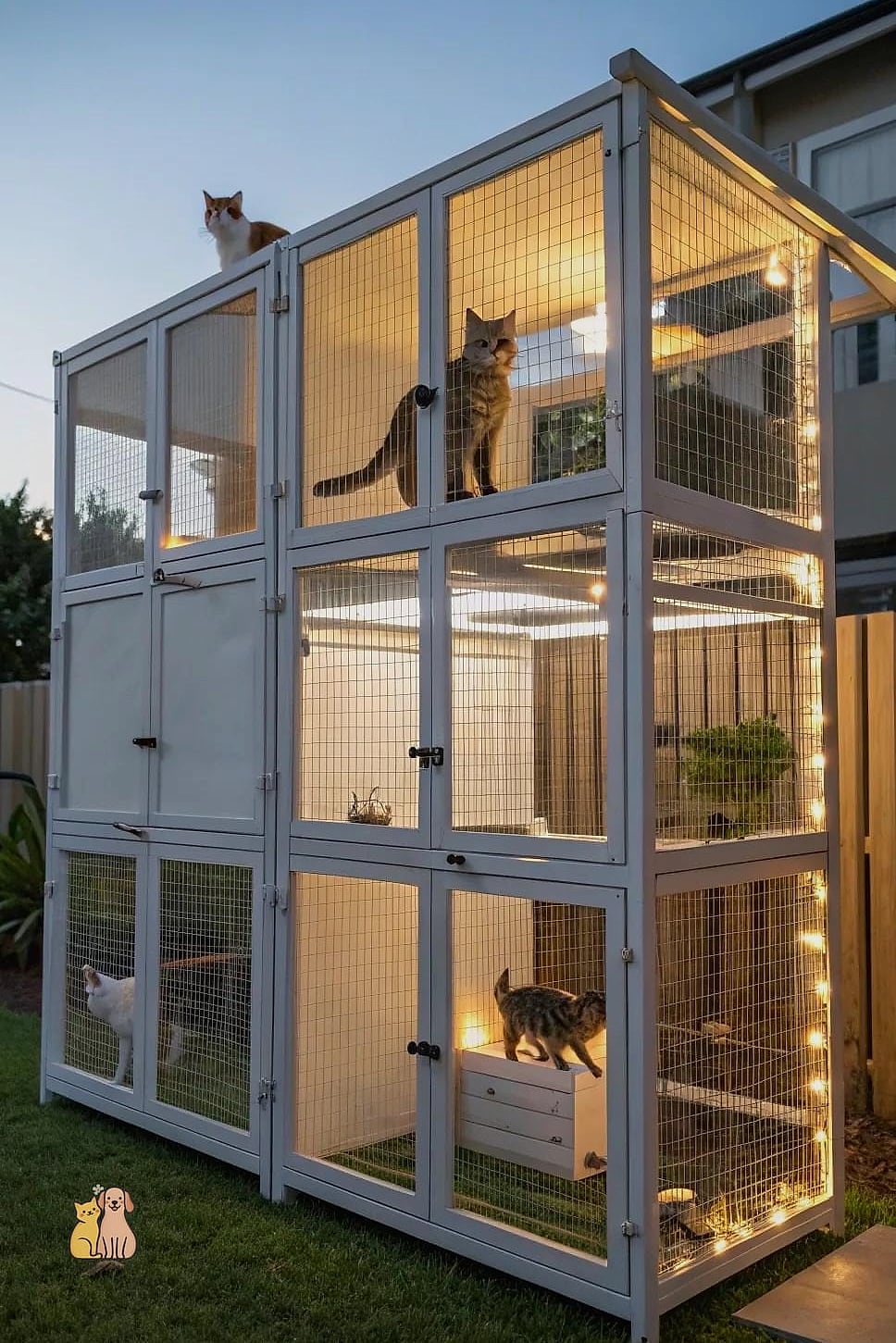
For anyone who wants a catio without the DIY headache, prefab kits are widely available and surprisingly sturdy. These usually snap or bolt together in a weekend, no advanced tools required. They’re a great entry point for first-time catio owners who aren’t sure how much space their cat will actually use. Sizes range from small window boxes to walk-in enclosures, so budget can flex up or down easily. The tradeoff is less customization, but the convenience factor is hard to beat.
The Walk-In Human-Friendly Catio
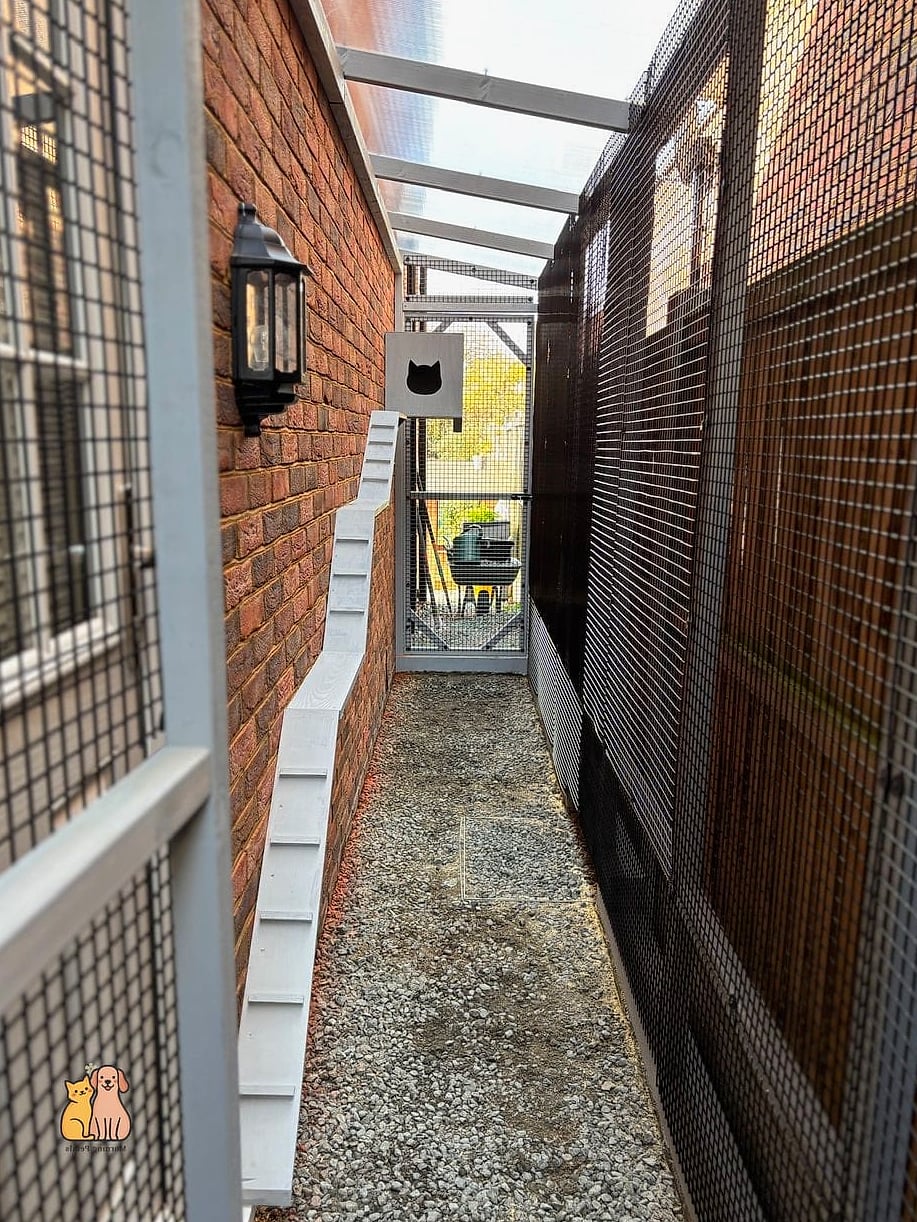
This design is tall enough for owners to stand inside, turning catio time into quality time for everyone. It typically includes a bench or chair so you can sit and enjoy the space right alongside your cat. Families with kids tend to love this style since everyone can pile in for some outdoor bonding. Structurally it needs sturdier framing than smaller designs, so it’s more of an intermediate build. Once it’s done, though, it often becomes the whole family’s favorite spot in the yard.
The Rooftop Catio
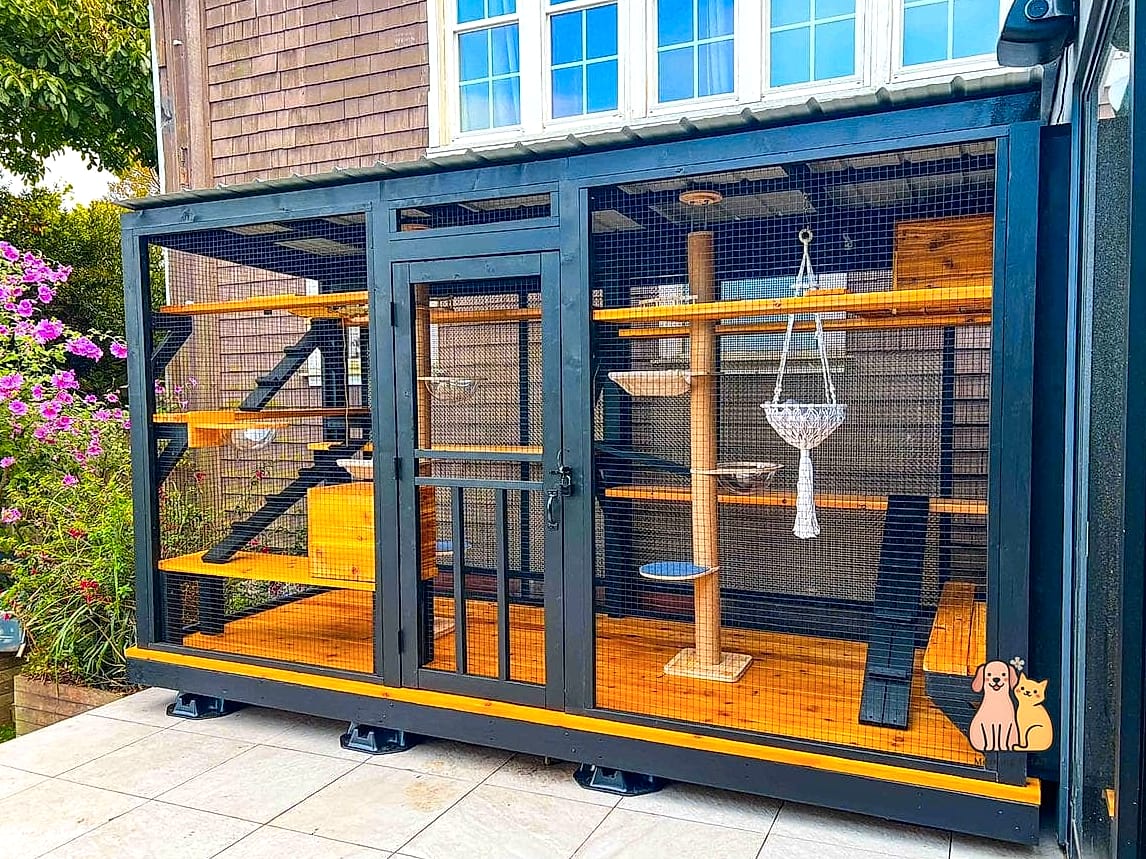
For homes without much yard space, building up instead of out can be the answer. A rooftop catio takes advantage of unused space and often gives cats the best views of the whole property. This setup requires serious attention to structural support and secure railings, so it’s not a casual weekend project. It suits confident cats who aren’t bothered by height and owners willing to invest in a more technical build. The payoff is a catio unlike anything else on this list.
The Tent-Style Pop-Up Catio
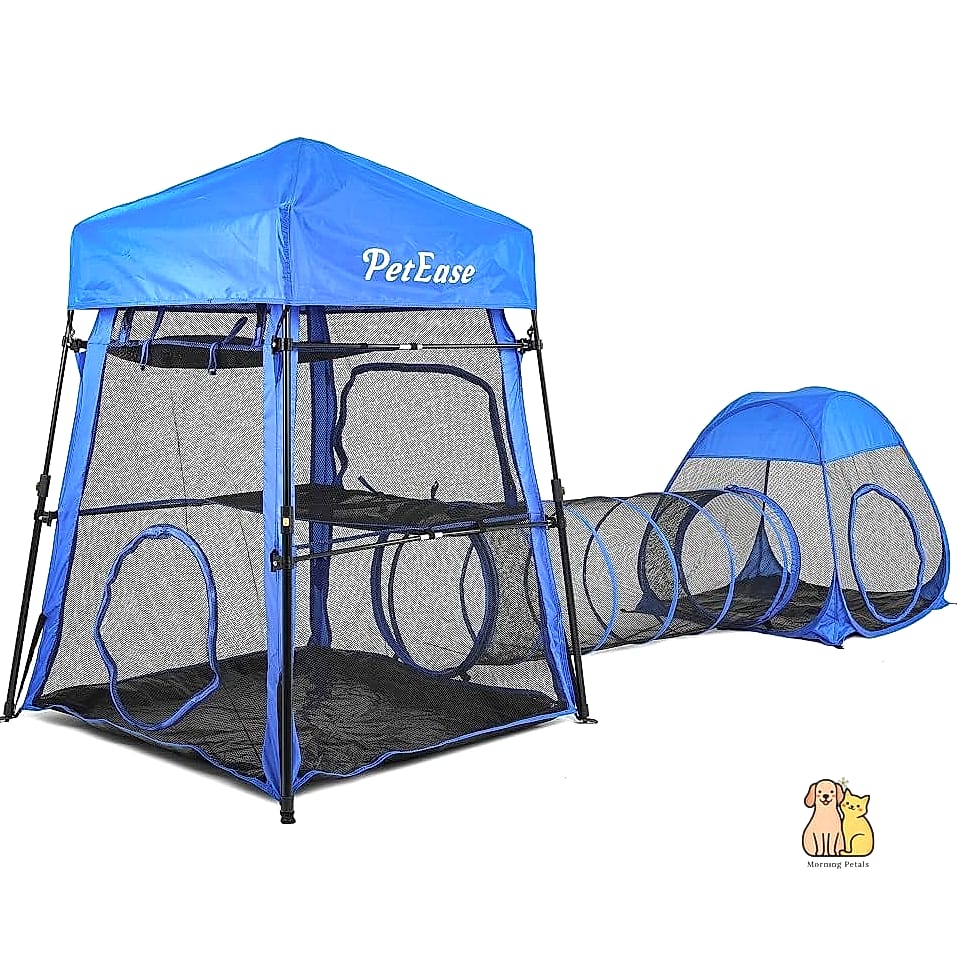
This is about as beginner and budget-friendly as catios get, using a mesh pop-up tent design that sets up in minutes. It’s fantastic for renters or anyone who wants to test whether their cat even likes outdoor time before committing to a permanent structure. Most versions fold flat for storage, which is handy if you want to bring it along on trips to a pet-friendly cabin. Cautious or nervous cats often do well starting here since the enclosed tent shape feels safe. It’s not built for permanent outdoor exposure, so think of it as a starter catio.
The L-Shaped Corner Catio
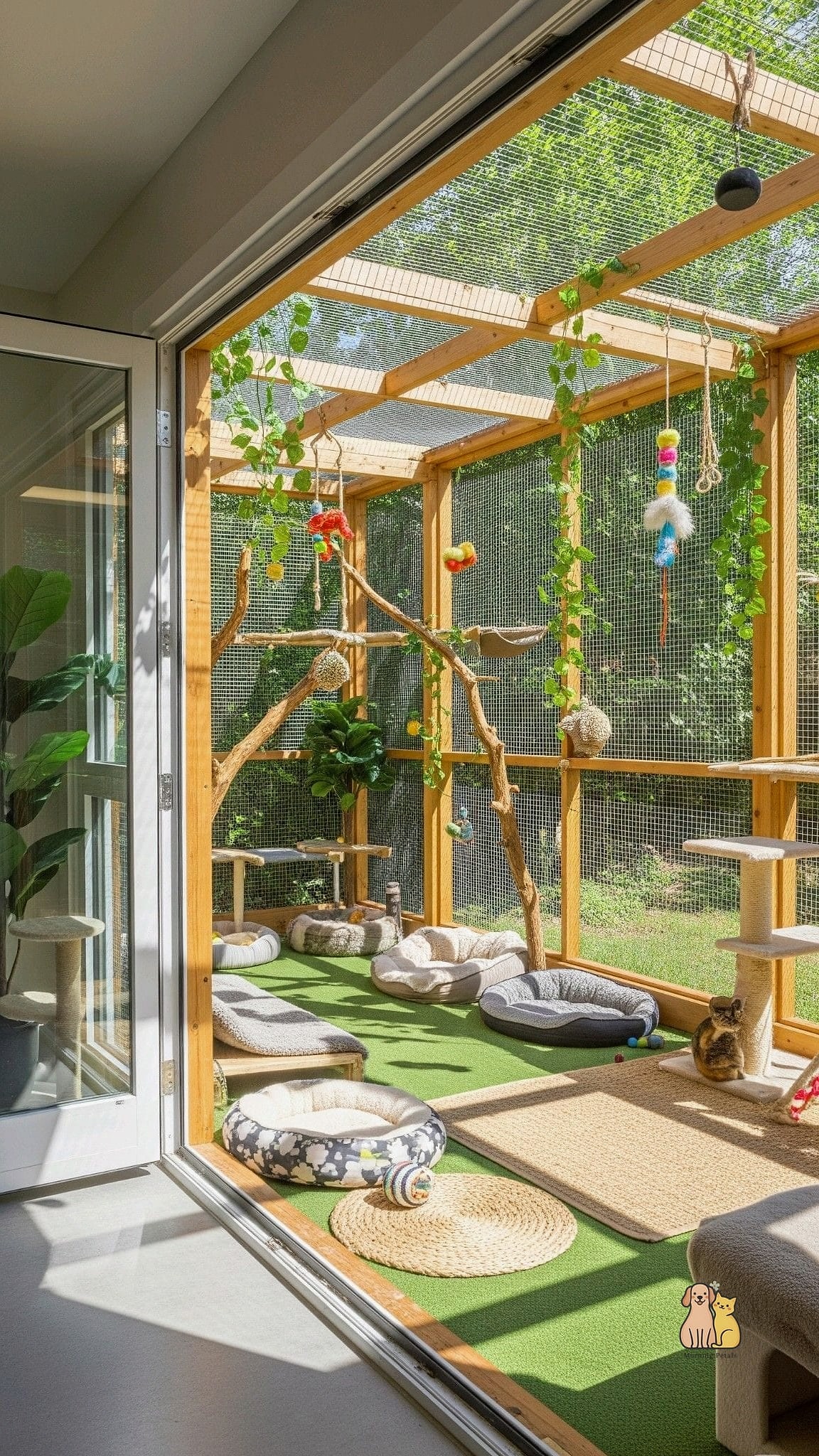
Wrapping around the corner of a house, this design maximizes an awkward side yard that would otherwise go unused. It typically includes a shaded section and a sunny section so cats can choose their comfort level throughout the day. This layout suits homes with narrow side yards where a square structure wouldn’t fit well. Owners often add a water fountain along the shaded wall to keep cats hydrated in warmer months. It’s a smart, space-efficient option that still offers plenty of room to explore.
The Cat Ladder Catio System
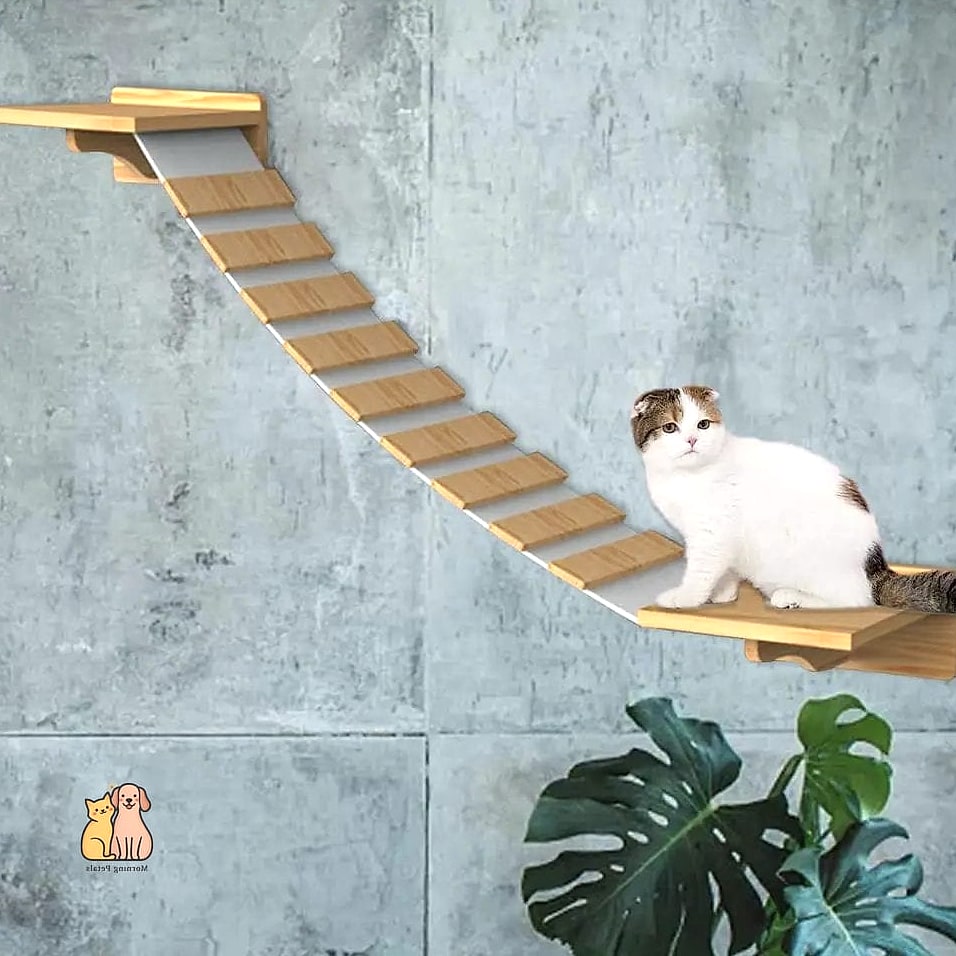
Rather than one enclosure, this setup uses a network of ladders and platforms mounted along an exterior wall leading up to a rooftop or window perch. It’s less about lounging space and more about vertical enrichment and exercise. Agile, younger cats tend to get the most enjoyment out of climbing the full system daily. This build requires careful anchoring since cats will be putting real weight and momentum into each jump. It’s an excellent option for owners who want to maximize enrichment in a small footprint.
The Screened Porch Conversion Catio
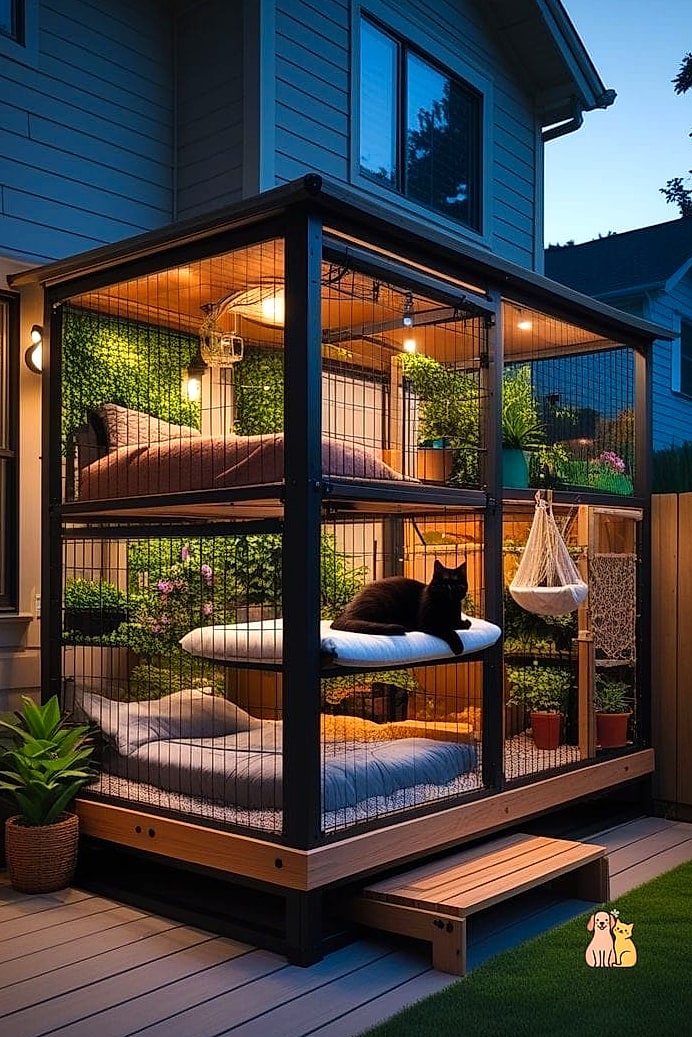
Converting an existing screened porch is one of the most cost-effective ways to give cats a large outdoor space. Since the framing and roof already exist, most of the work is just reinforcing the screen and adding cat furniture. This suits households that already use their porch and want to share it with their cats rather than build something separate. Adding a cat door from an interior room makes it even more convenient for everyone. It’s a low-effort, high-reward option for owners short on time.
The Desert Oasis Catio
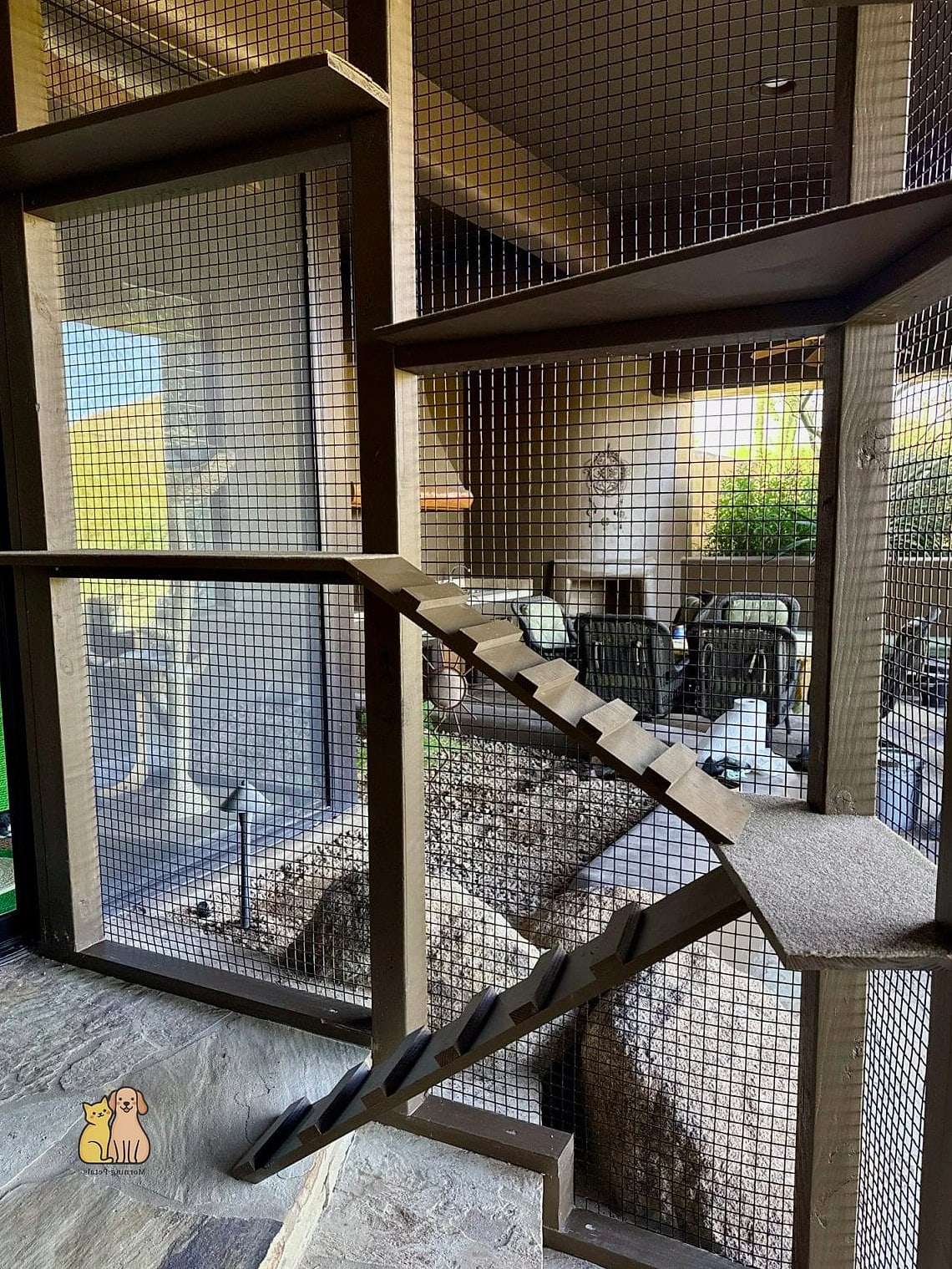
Designed for hot, dry climates, this style focuses heavily on shade structures, misting systems, and heat-reflective materials. Owners in places like Arizona or Nevada often add a small shaded pond feature purely for the cat to watch, not swim in. This setup suits heat-tolerant breeds but still requires careful monitoring during extreme temperature days. Ventilation is key here, so mesh panels are usually left uncovered on at least two sides. It proves that even in tough climates, cats can still get quality outdoor time.
The Two-Story Catio
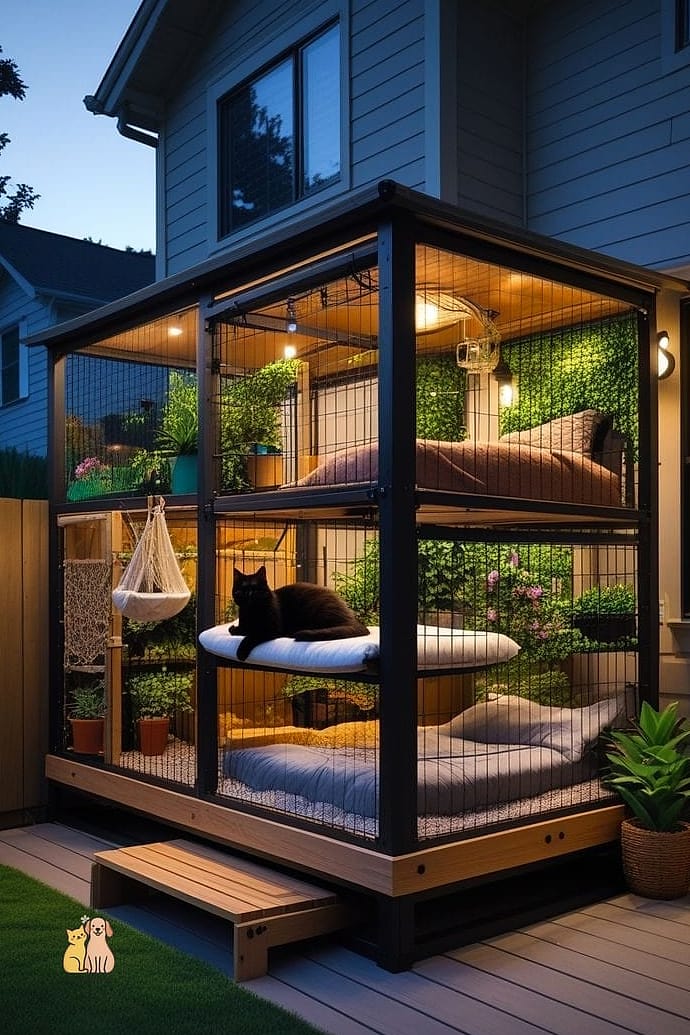
This design essentially doubles your square footage by stacking a ground-level enclosure with a covered upper platform reached by ramp. Cats get variety throughout the day, choosing between grounded exploration and elevated napping spots. It works particularly well for households with cats of different personalities, since shy cats can hide below while bold ones claim the top. Building this one does take more planning around weight distribution and support beams. The result is a catio that feels like a proper outdoor apartment.
The Recycled Pallet Catio
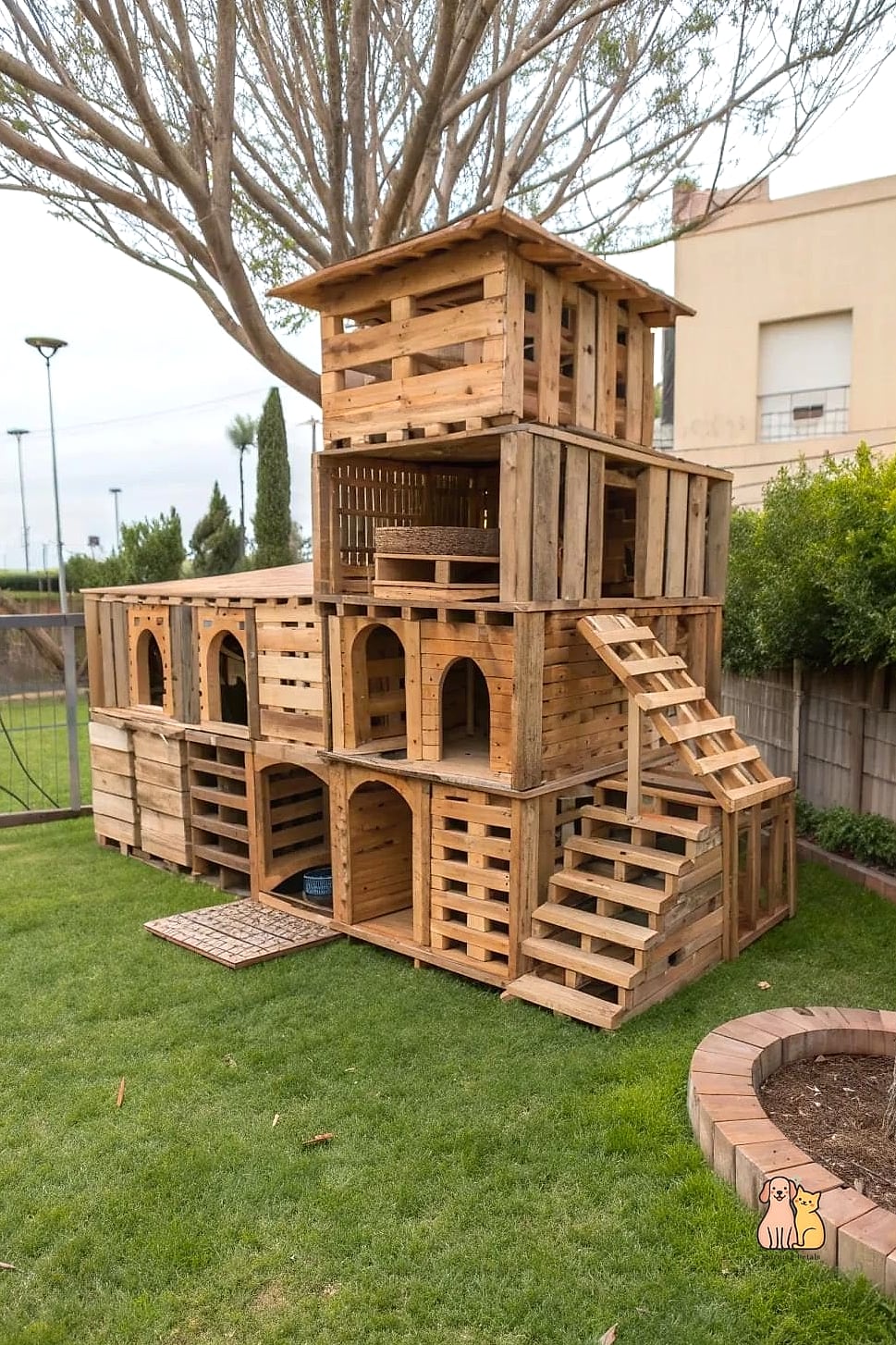
For the most budget-conscious builders, wooden pallets can be repurposed into a surprisingly sturdy catio frame. It’s a great weekend project for anyone comfortable with basic tools and a little sanding to avoid splinters. This style tends to have a rustic, farmhouse charm that fits well with country properties. It’s best suited for smaller cats or single-cat households since pallet-built frames are usually more compact. Add mesh, a roof panel, and a cushion, and you’ve got a catio for a fraction of the cost of a kit.
The Hexagonal Garden Catio
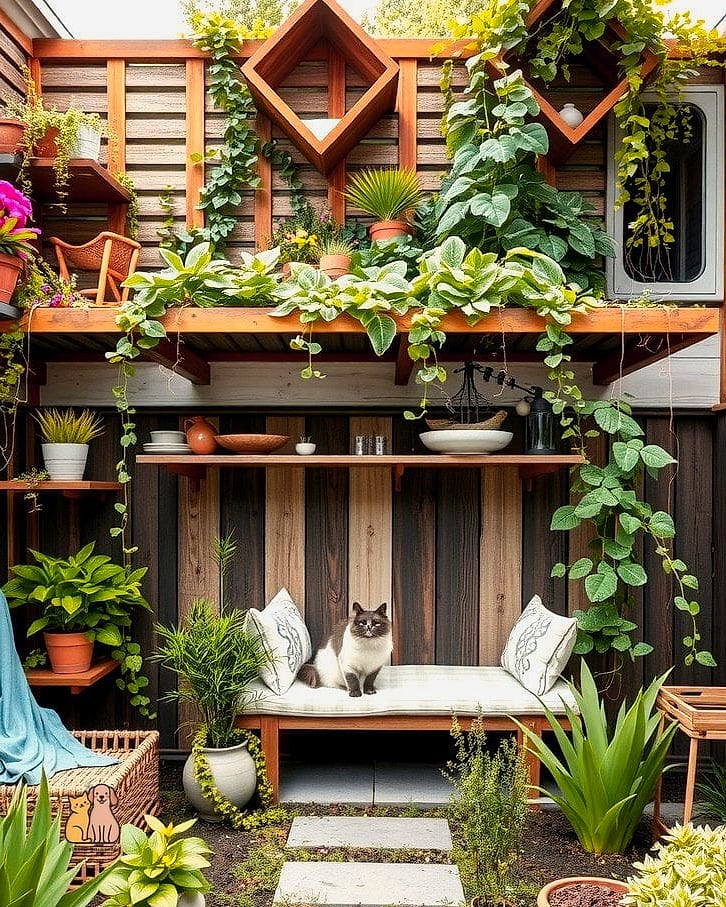
Breaking away from the standard box shape, this six-sided design creates more usable floor space and better sightlines in every direction. It looks especially striking when placed in the middle of a garden, surrounded by pet-safe plants like catnip and cat grass. This build requires more precise angle cutting, so it leans toward an intermediate-to-advanced project. Cats seem to genuinely enjoy the extra corners, using them as private little nooks throughout the day. It’s a showpiece catio that doubles as a garden feature.
The Under-Deck Catio
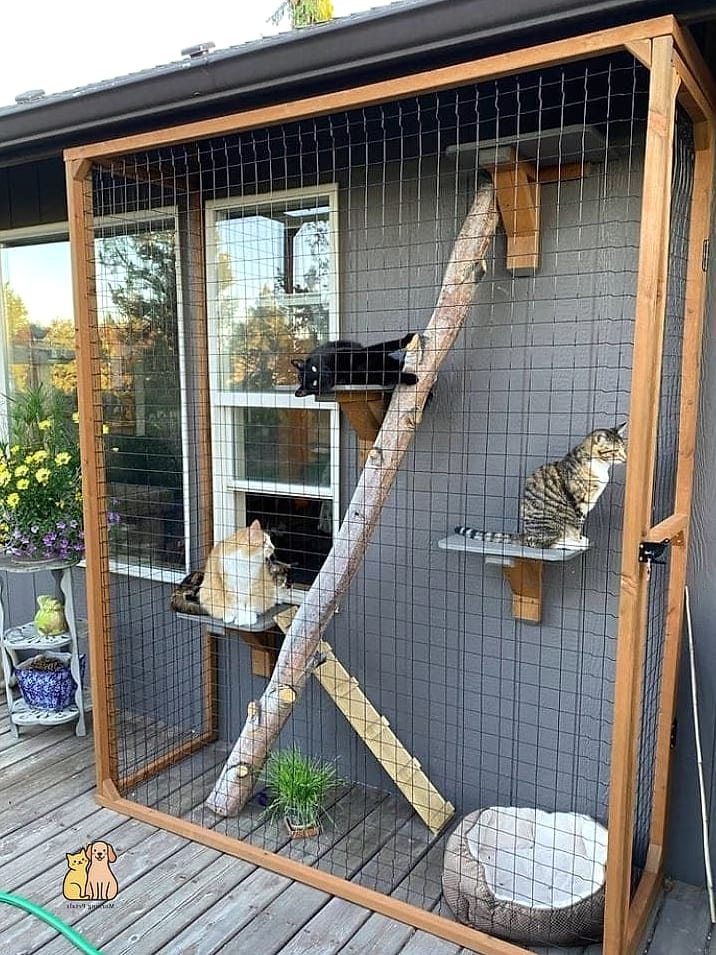
Instead of building on top of a deck, this design uses the shaded space underneath it, which often goes completely unused. It naturally stays cooler in summer, making it a nice complement to a sunnier catio elsewhere in the yard. This works well as a secondary hangout spot rather than a cat’s only outdoor space. Owners typically just need to frame in the open sides with mesh panels to secure it. It’s a clever way to get extra outdoor space without any new footprint in the yard.
The Colorful Kids’ Playhouse Conversion Catio
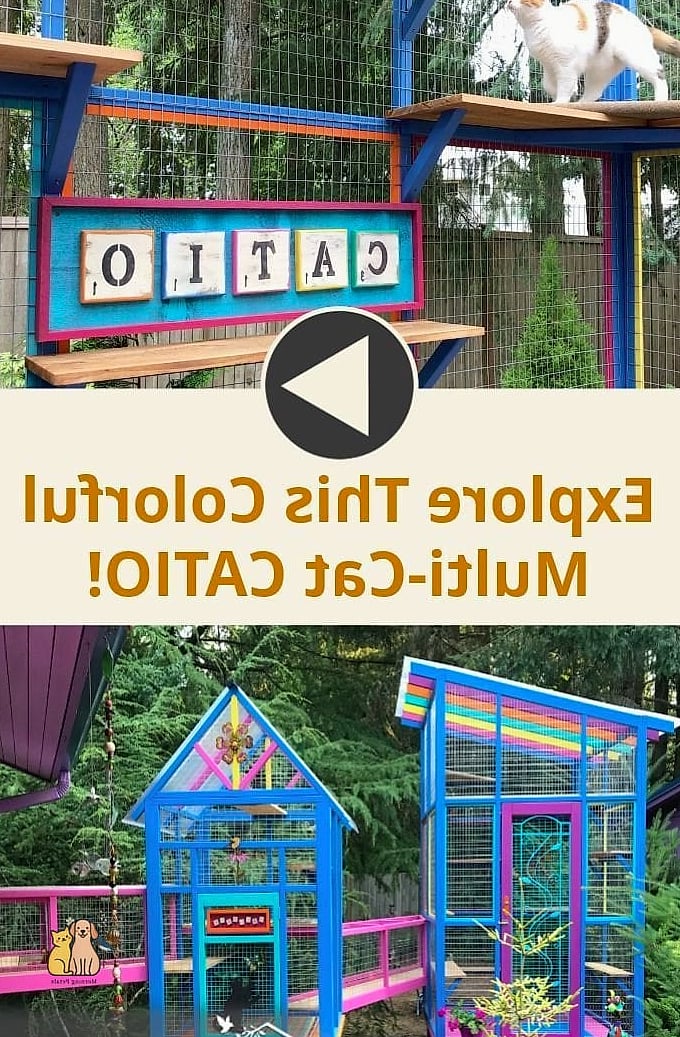
Old playhouses that kids have outgrown make surprisingly great catio bones, since they’re already weatherproofed and structurally sound. Swapping out solid walls for mesh screening keeps the fun, colorful look while making it fully secure. This is a sentimental favorite for families who want to give an old structure new life instead of hauling it to the dump. It suits playful cats who enjoy a den-like space with little windows and doors to peek through. It’s proof that a catio doesn’t have to look purely functional to work well.
The Minimalist Modern Catio
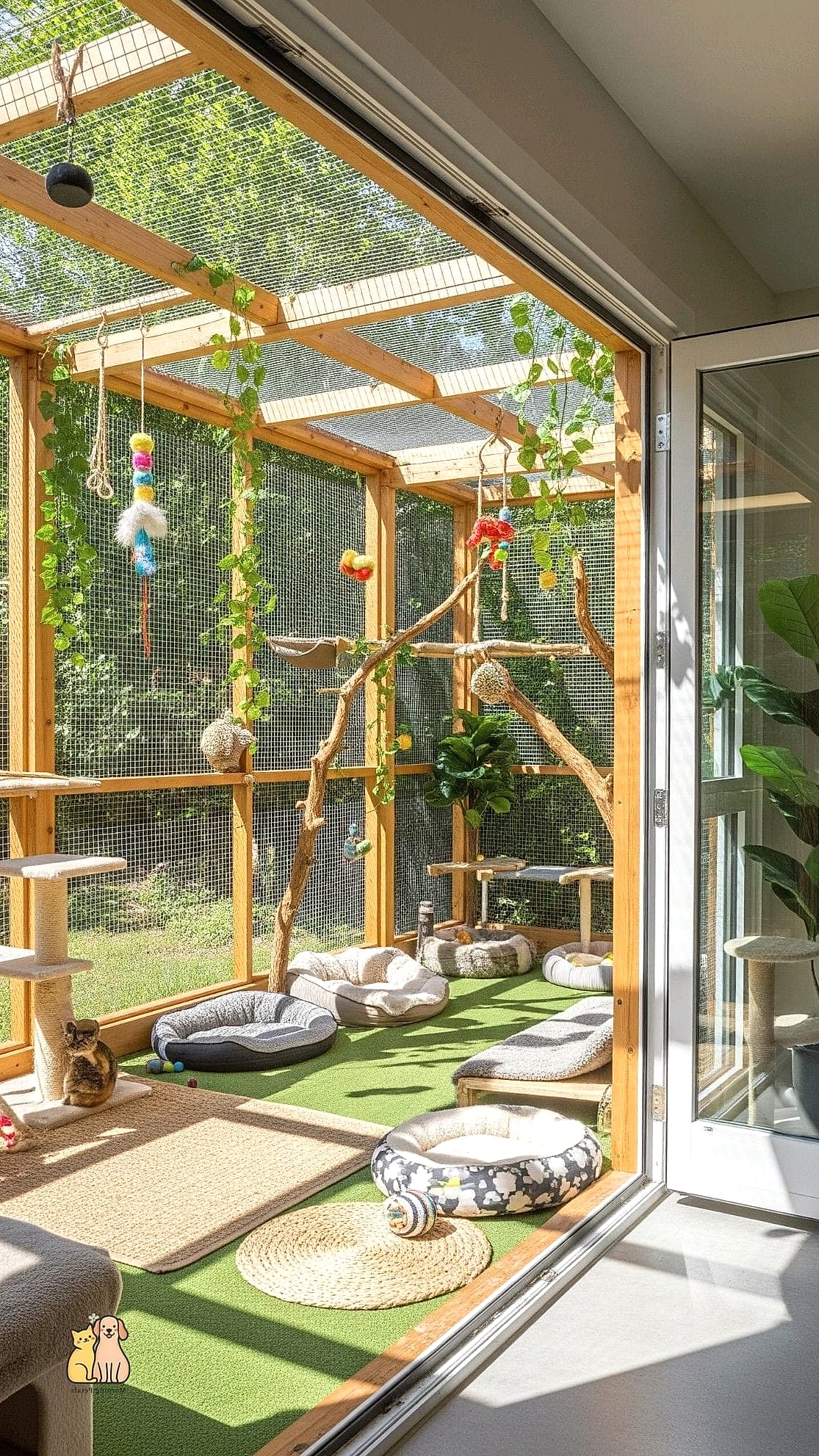
For homeowners with a sleek, contemporary aesthetic, this style uses black powder-coated frames and clean lines instead of traditional wood. It tends to blend into modern landscaping far better than a rustic build would. This suits owners who care as much about curb appeal as they do about their cat’s enrichment. Materials cost more upfront, but the clean look holds up well over time with minimal maintenance. It’s a great reminder that a catio can be both functional and genuinely good-looking.
Whichever style catches your eye, a catio is one of those upgrades that benefits everyone in the house, cats included. Start small if you’re unsure, watch how your cat uses the space, and expand from there. However you build it, your cat will probably act like they designed it themselves.