25 Clever Diy Cat Kicker Toys You’ll Absolutely Love
- The Classic Sock Kicker
- Catnip-Stuffed Burrito Roll
- Felt Fish Kicker
- T-Shirt Scrap Twist Toy
- Silvervine Kick Sack
- Crinkle Paper Kicker
- Recycled Wine Cork Mouse
- Long Body Pillow Kicker
- Bandana Knot Toy
- Fleece Tie-No-Sew Kicker
- Denim Pocket Kicker
- Braided Ribbon Kicker
- Mini Sock Puppet Mouse
- Herringbone Fabric Fish
- Recycled Fabric Scrap Ball
- Long Feather-Free Kicker Stick
- Quilted Patchwork Kicker
- Catnip Tea Bag Sachet
- Yarn-Wrapped Foam Kicker
- Two-Tone Fleece Fortune Cookie
- Recycled Bottle Cap Rattle Kicker
- Extra-Large Floor Kicker Pillow
- Corduroy Ridge Kicker
- Layered Catnip Pouch with Silvervine Core
- No-Sew Sock Tie Kicker
25 Clever Diy Cat Kicker Toys You’ll Absolutely Love
If you’ve ever watched your cat grab a toy, flop on their side, and start kickboxing it with their back feet like it owed them money, you already know the magic of a good kicker toy. It taps into that deep predator instinct — the “bunny kick” that wild cats use to disembowel prey — and honestly, it’s one of the funniest things a cat parent gets to witness.
The good news is you don’t need to spend a fortune at the pet store. With some fabric scraps, catnip, and a little creativity, you can whip up kicker toys that rival anything on the shelf. Below are 25 clever DIY cat kicker toys you’ll absolutely love making, gifting, or just watching your cat destroy with pure joy.
The Classic Sock Kicker
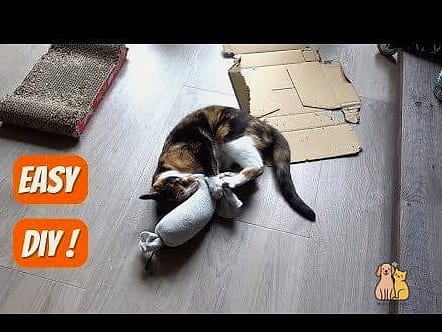
This is the one every cat owner starts with, and for good reason. Grab an old sock, stuff it with catnip and polyfill, then tie off the end with a rubber band or needle and thread. Cats go wild kicking these because the fabric gives just enough resistance to feel like real prey. It’s a five-minute project, costs nothing, and works especially well for kittens still learning to control their back legs.
Catnip-Stuffed Burrito Roll
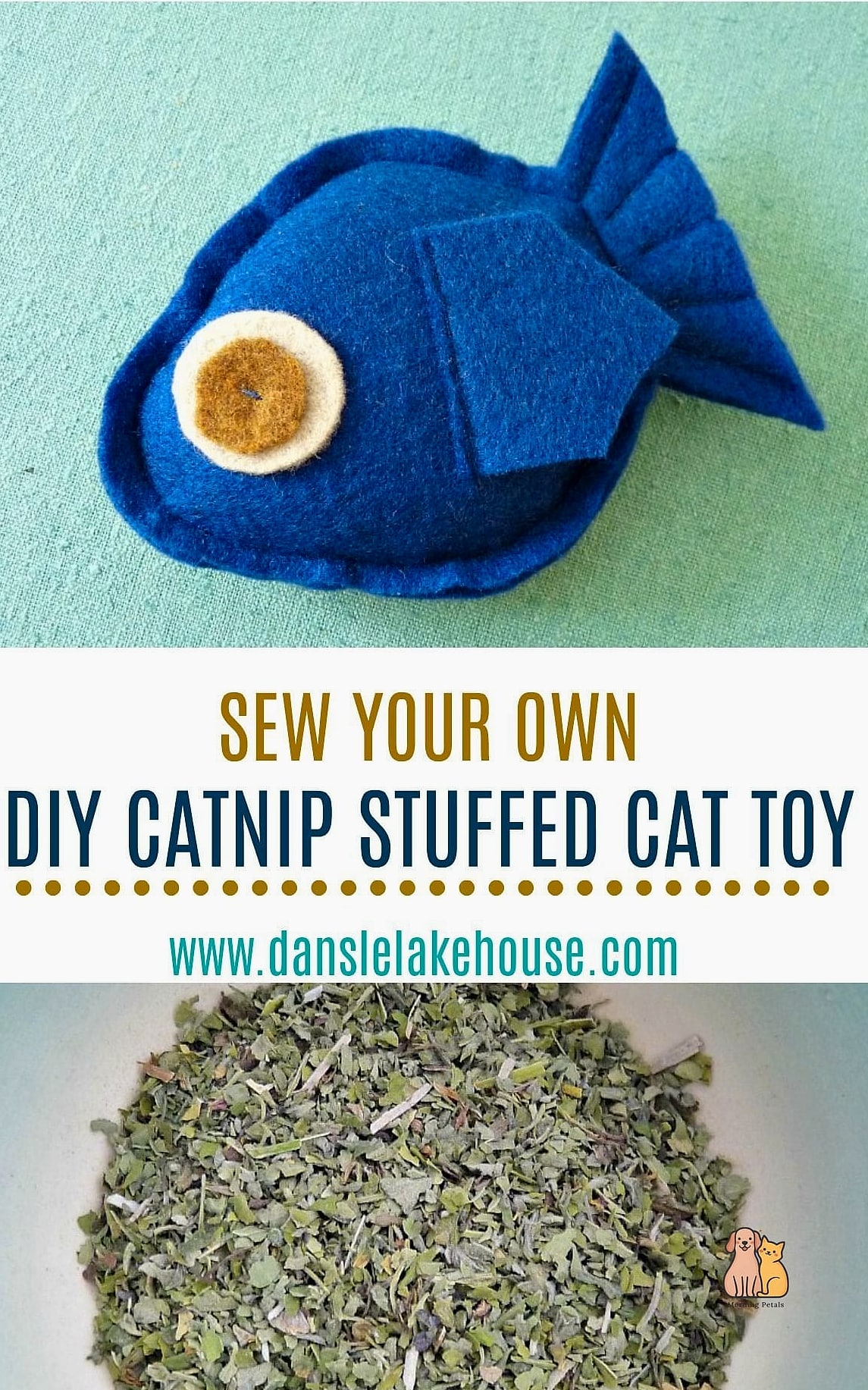
Take a rectangle of fleece, sprinkle a generous layer of dried catnip down the middle, then roll it up tight like a burrito and stitch the ends shut. The long shape gives cats something to wrap all four paws around while they bunny-kick the middle section. This one’s a favorite for larger cats like Maine Coons who need a bigger toy to really get their grip on.
Felt Fish Kicker
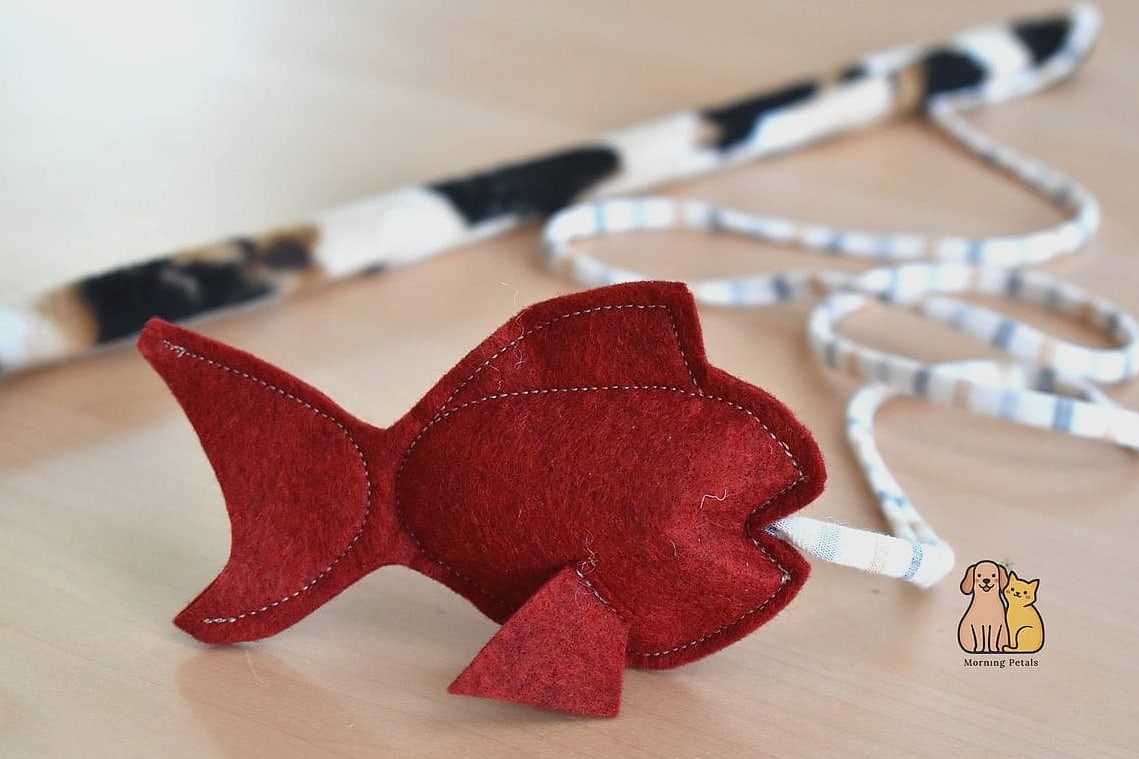
Cut two fish shapes out of felt, sew them together leaving a small gap, stuff with catnip and stuffing, then close it up. Felt holds its shape nicely and doesn’t fray, so this toy survives longer than most homemade options. The fish silhouette also seems to trigger extra interest, probably because it looks like actual prey.
T-Shirt Scrap Twist Toy
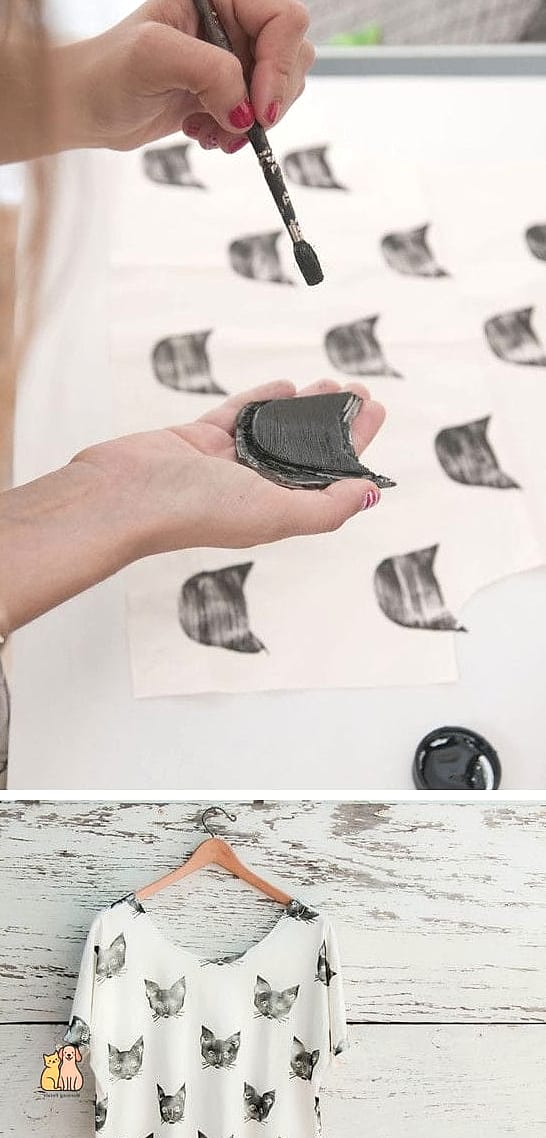
Old cotton t-shirts make surprisingly durable kicker toys. Cut strips, twist them together like a braid, add a pinch of catnip in the center, and knot both ends. The twisted texture gives cats something satisfying to sink their claws into while kicking, and it’s a great way to repurpose shirts that are too worn to donate.
Silvervine Kick Sack
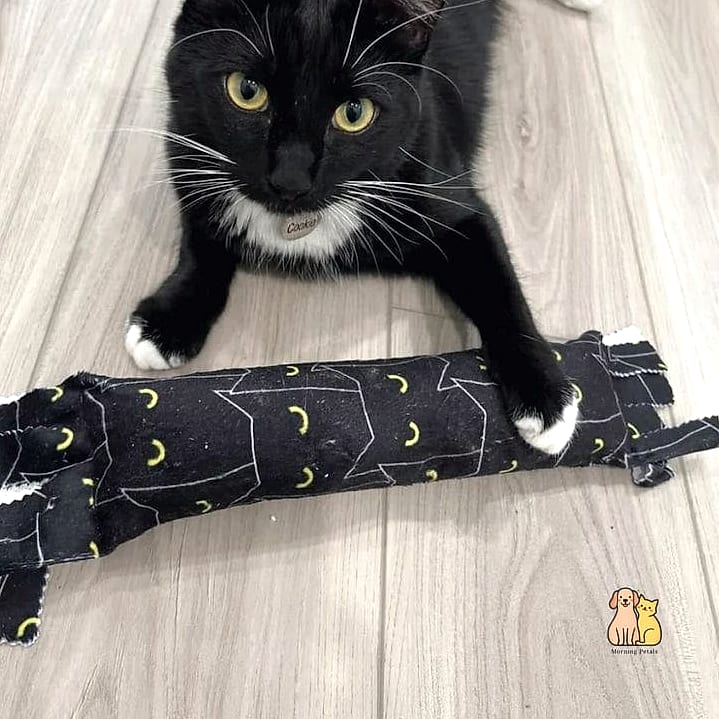
Some cats simply don’t respond to catnip, and that’s where silvervine comes in as a solid alternative. Sew a small pouch from denim or canvas (something sturdy), fill it with dried silvervine, and stitch it shut. Denim holds up especially well against aggressive kicking, making this a good pick for cats who really go all in.
Crinkle Paper Kicker
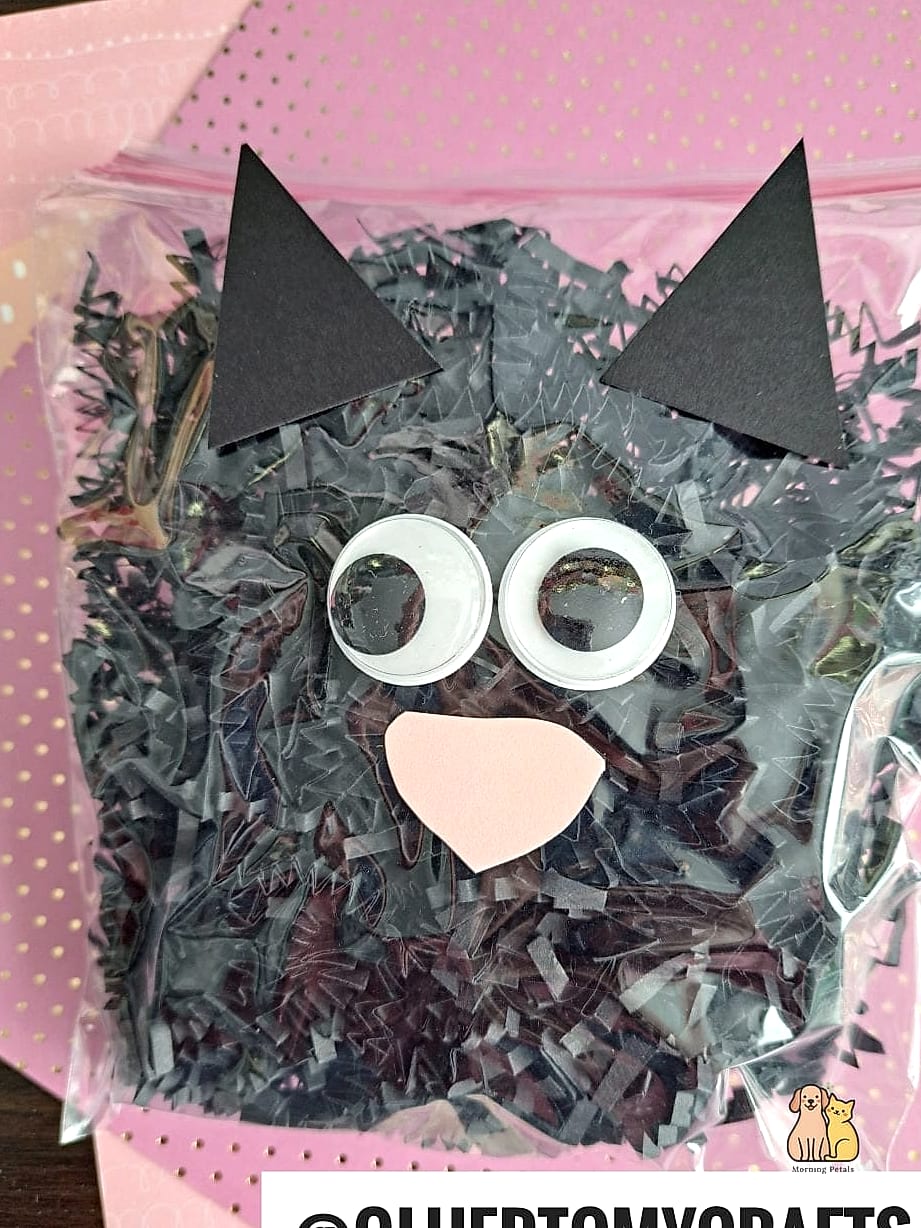
Cats love noise almost as much as they love catnip, so stuffing a fabric pouch with crinkly cellophane or a cut-up chip bag (cleaned, obviously) adds a sensory bonus. Wrap the crinkle material in soft fleece, add catnip, and sew shut. The crackling sound seems to ramp up the kicking intensity in a way that’s honestly pretty entertaining to watch.
Recycled Wine Cork Mouse
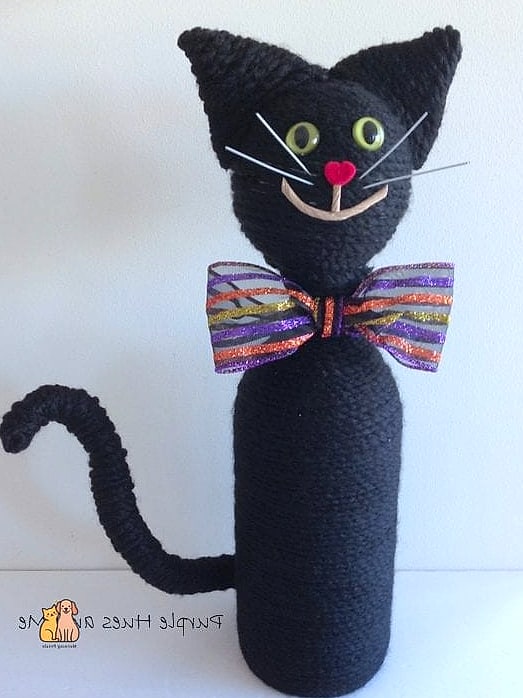
If you’ve got a few corks lying around, hot glue two together at an angle, wrap them in felt or fabric scraps to form a rough mouse shape, and dust the fabric with catnip before attaching. The cork gives the toy a lightweight bounce that cats find irresistible to bat and kick across the floor.
Long Body Pillow Kicker
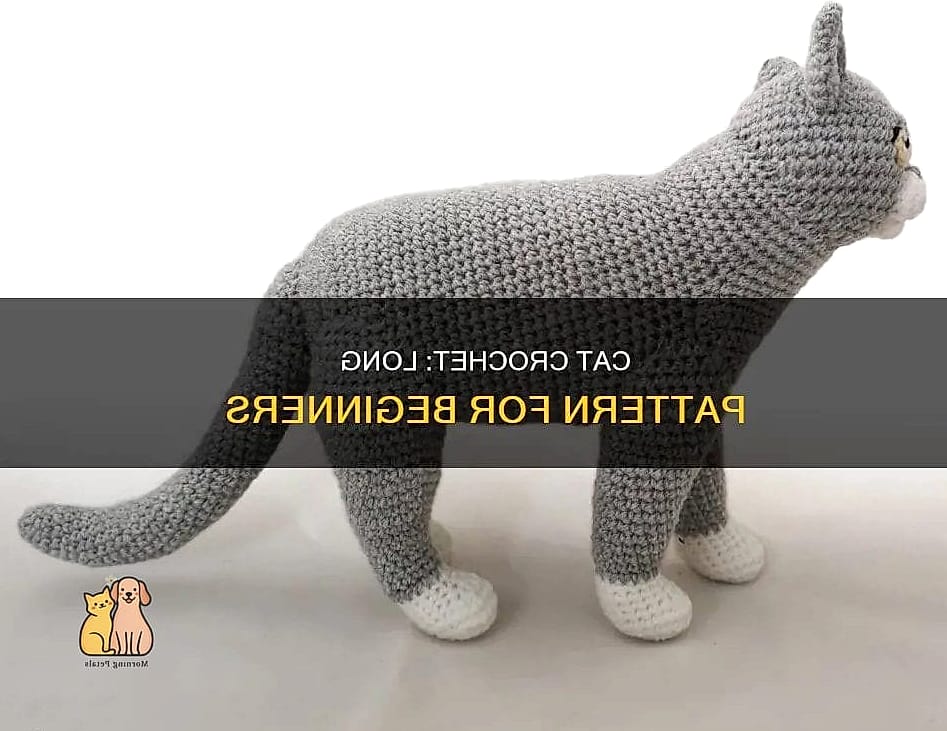
For cats who like to really wrap their whole body around a toy, sew a long, narrow pillow shape — think a mini body pillow about eight to ten inches long. Stuff it with polyfill and a heavy dose of catnip. This design works beautifully for bigger breeds or multi-cat households where the toy needs to withstand some tag-team kicking.
Bandana Knot Toy
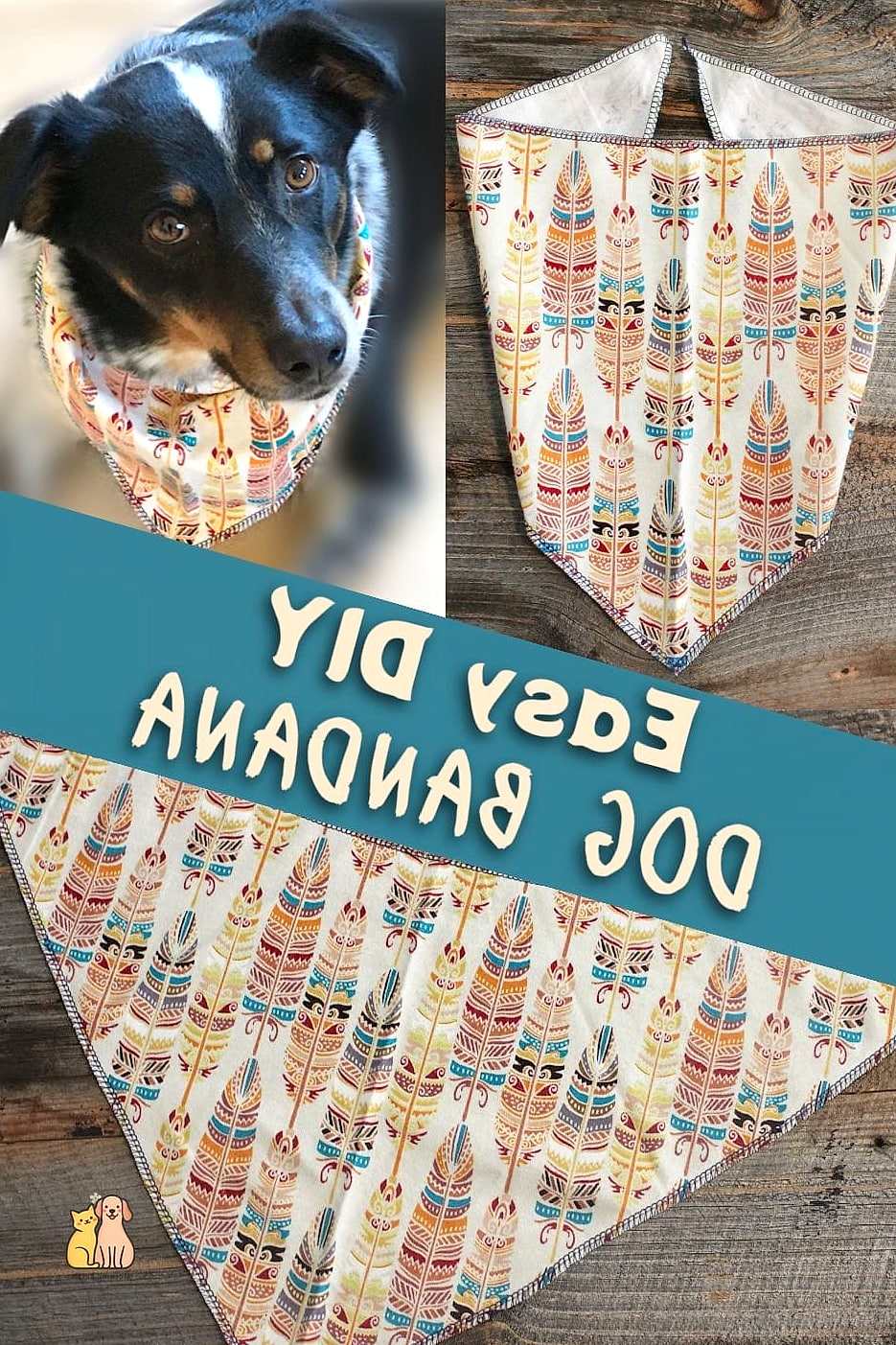
Take an old bandana, fold it into a strip, sprinkle catnip along the length, then roll and knot it at both ends like a bowtie shape. The loose fabric ends give cats extra material to grab onto while kicking, and the bright patterns make these fun as photo props too if you’re into sharing cat pics online.
Fleece Tie-No-Sew Kicker
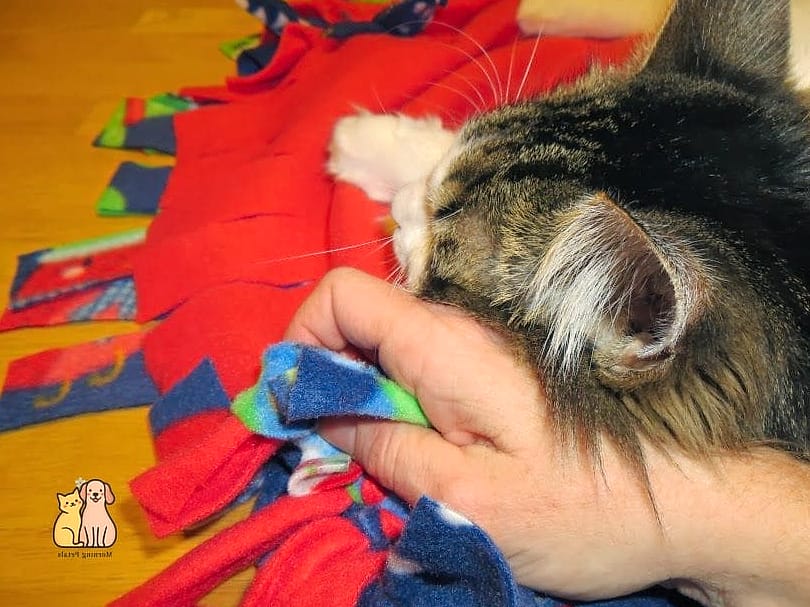
If sewing isn’t your thing, this one’s for you. Cut two matching fleece rectangles, layer them, and cut fringe strips around all four edges. Add catnip in the center, then tie each pair of fringe strips into a knot working around the toy until it’s sealed. Zero stitching required, and kids can help with this one too.
Denim Pocket Kicker
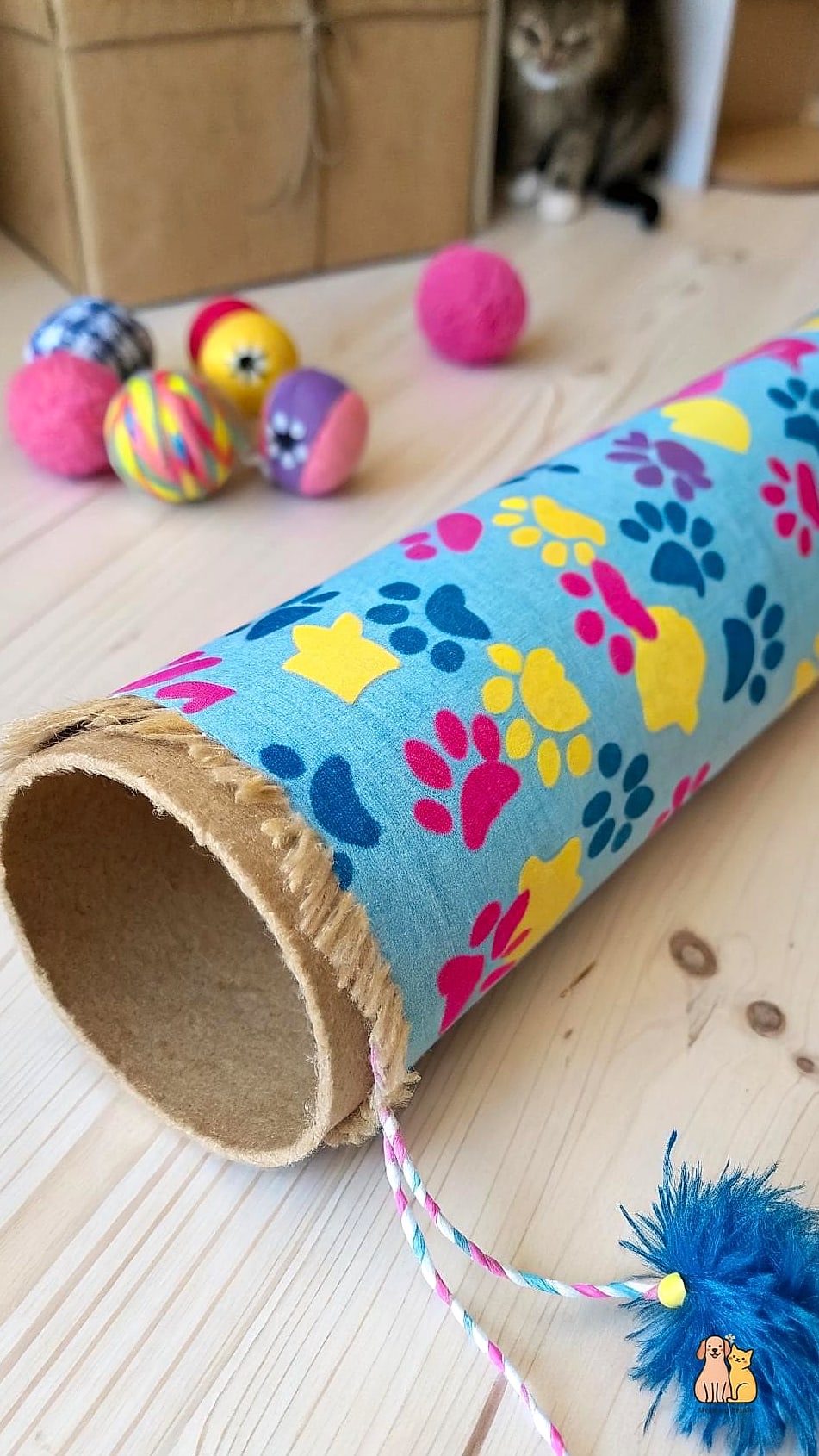
Cut the back pocket off an old pair of jeans, fill it with catnip and stuffing, then hand-sew the opening shut. Denim is nearly indestructible against claws, which makes this a great budget-friendly option for cats who are especially rough on their toys or tend to shred softer fabrics within days.
Braided Ribbon Kicker
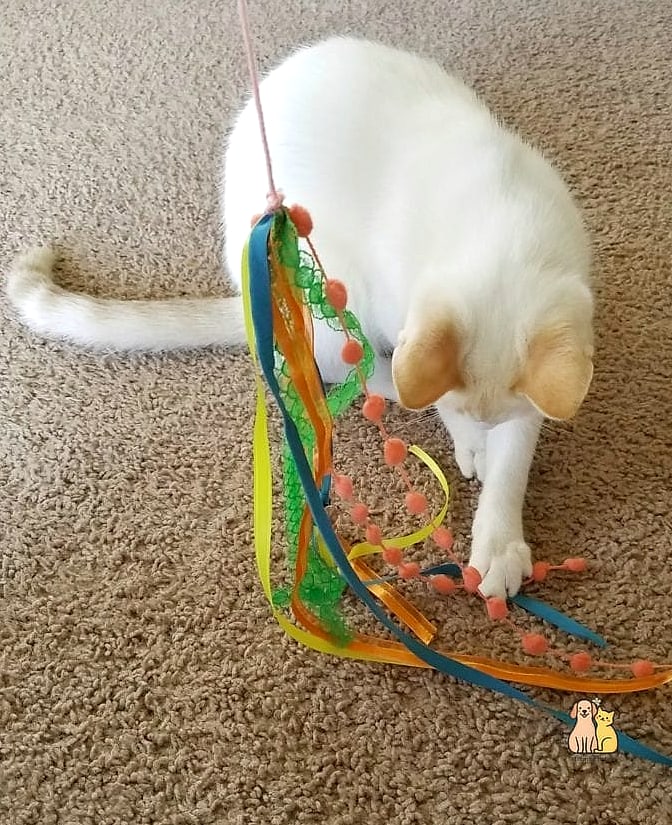
Braid together three strips of grosgrain ribbon, leaving the ends loose and frayed. Tuck a small catnip-filled pouch into the center of the braid and secure it. The texture and dangling ends give cats plenty to grip with their back paws, and the braided shape holds up surprisingly well over time.
Mini Sock Puppet Mouse
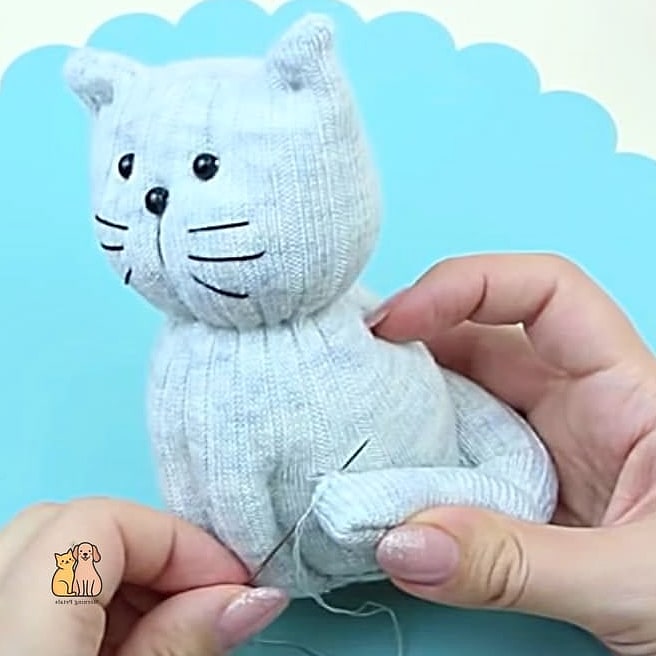
Cut the toe off a baby sock, stuff it with fiberfill and catnip, then use fabric glue or a needle to add small felt ears and button eyes (sewn securely, never glued, for safety). This tiny mouse shape is ideal for kittens or smaller cats who prefer toys they can fully wrap their paws around.
Herringbone Fabric Fish
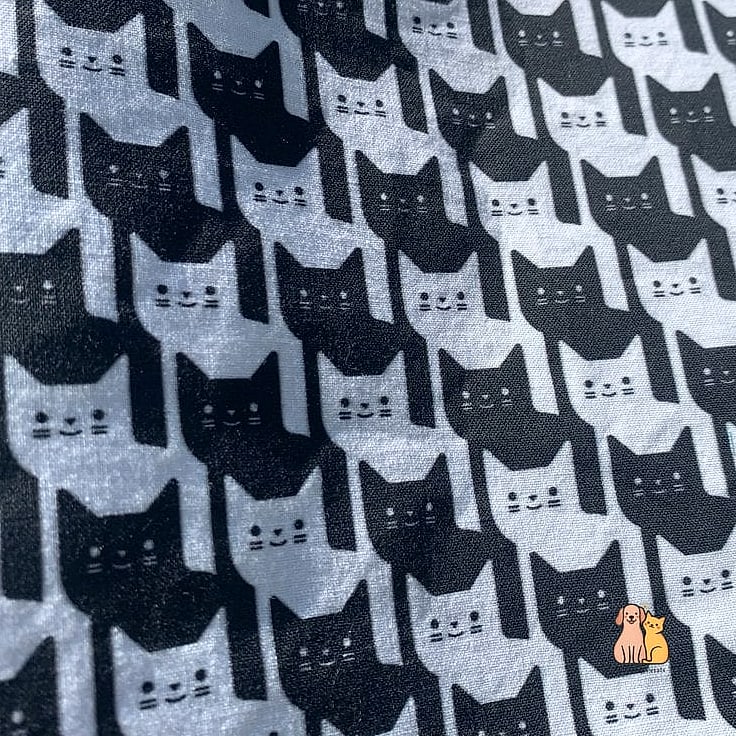
Cut a fish shape from patterned or textured fabric like herringbone or tweed, sew around the edges leaving a gap, and stuff with catnip. Textured fabrics add a bit of extra grip for claws, which some cats seem to prefer over smooth cotton. This one also happens to look great sitting on a windowsill between play sessions.
Recycled Fabric Scrap Ball
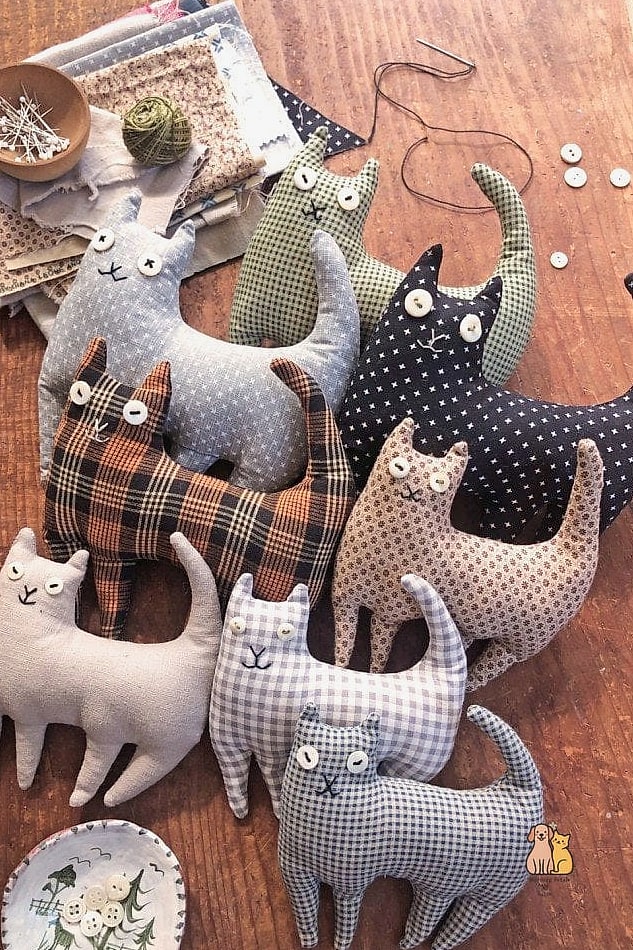
Gather small fabric scraps, wrap them tightly around a catnip-dusted cotton ball, and secure with thread wound around the outside like a yarn ball. This creates a lightweight, irregularly shaped toy that rolls unpredictably when kicked, which keeps things interesting for cats who get bored of predictable movement.
Long Feather-Free Kicker Stick
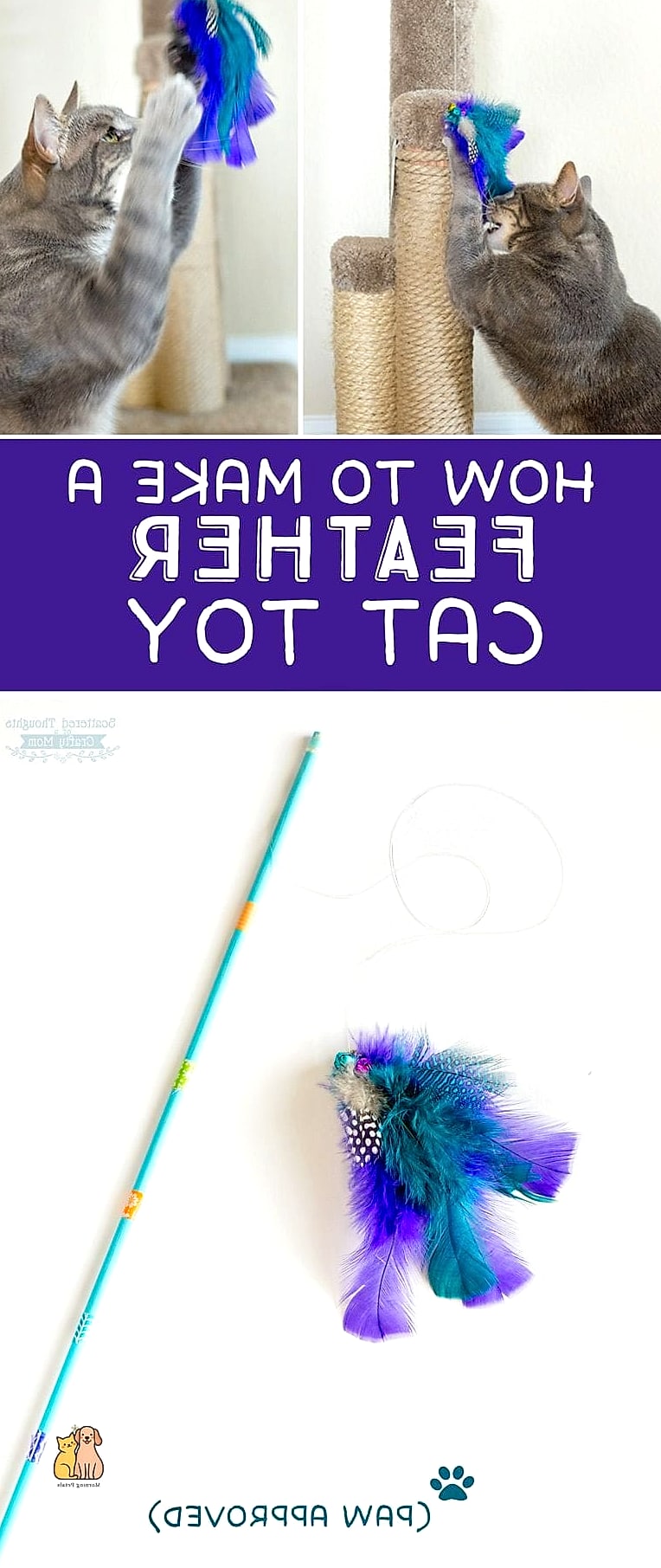
Not every kicker toy needs feathers (and skipping them avoids any choking risk). Wrap fabric tightly around a piece of pipe cleaner or thin dowel about six inches long, stuff the fabric casing with catnip, and seal the ends. The rigid center gives the toy a satisfying resistance when kicked.
Quilted Patchwork Kicker
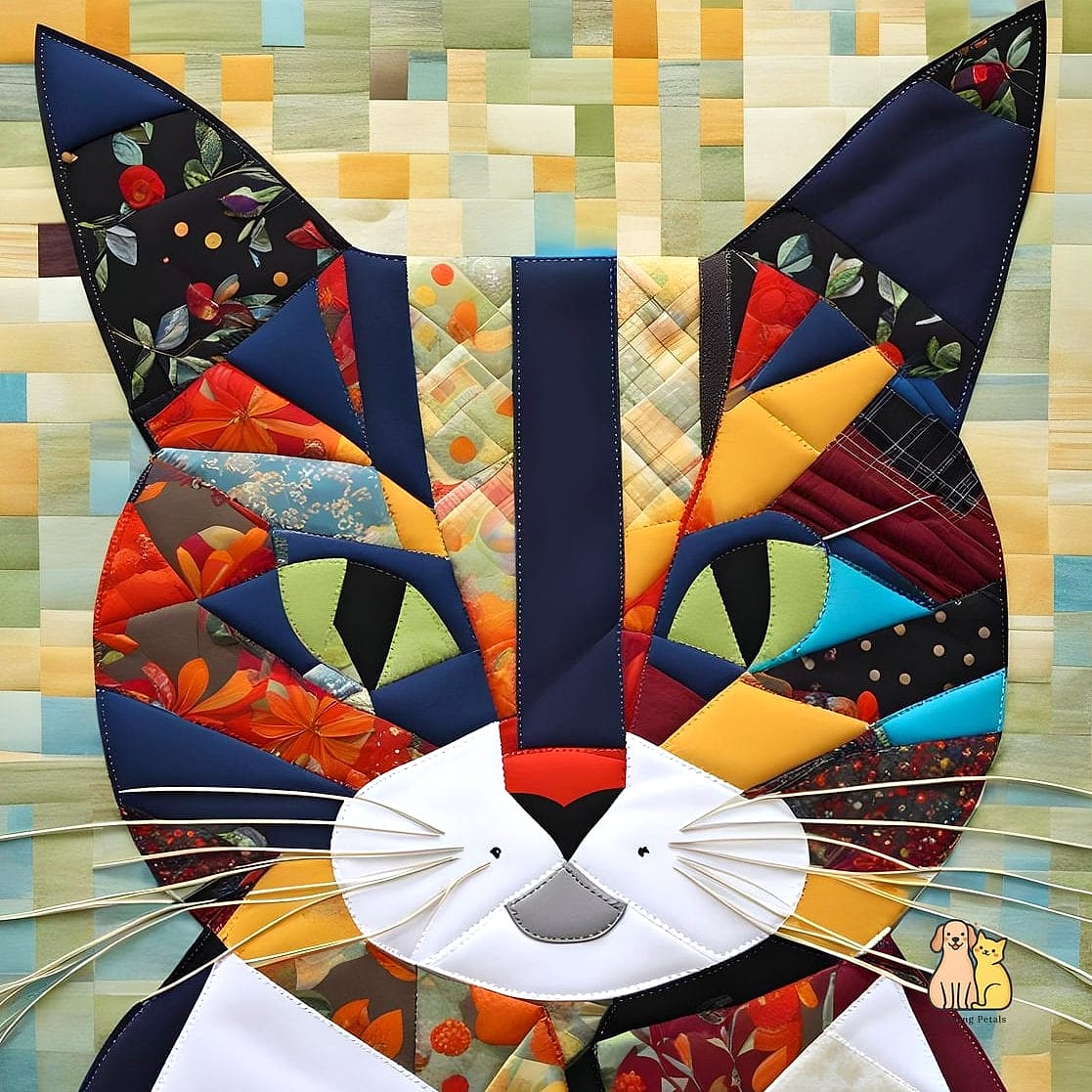
If you’ve got scrap fabric from other projects, piece together small squares into a patchwork rectangle, sew it into a pouch shape, and stuff with catnip and polyfill. This is a great way to use up fabric remnants, and the varied textures across the patches often keep cats engaged longer than single-fabric toys.
Catnip Tea Bag Sachet
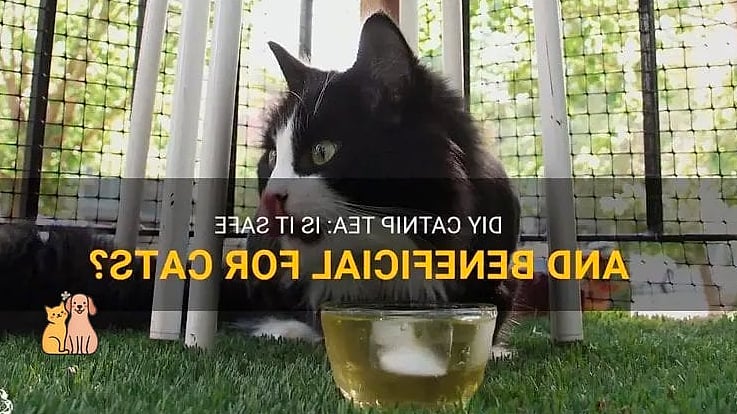
Small muslin drawstring bags (the kind used for loose-leaf tea) make an incredibly quick kicker toy base. Fill with dried catnip, cinch the drawstring tight, and you’re done in under a minute. These are great for making in bulk if you want a stash of backup toys ready to swap in.
Yarn-Wrapped Foam Kicker
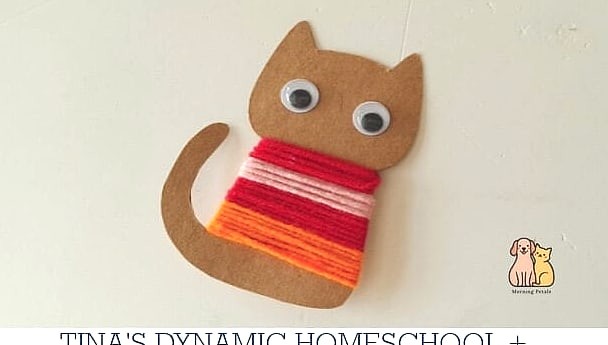
Cut a small block of packing foam into a mouse or oval shape, then wrap it entirely in yarn, securing the ends with a dab of fabric glue. Tuck a pinch of catnip between the foam and yarn layers before wrapping. The soft, springy texture makes this one especially satisfying to kick and toss.
Two-Tone Fleece Fortune Cookie
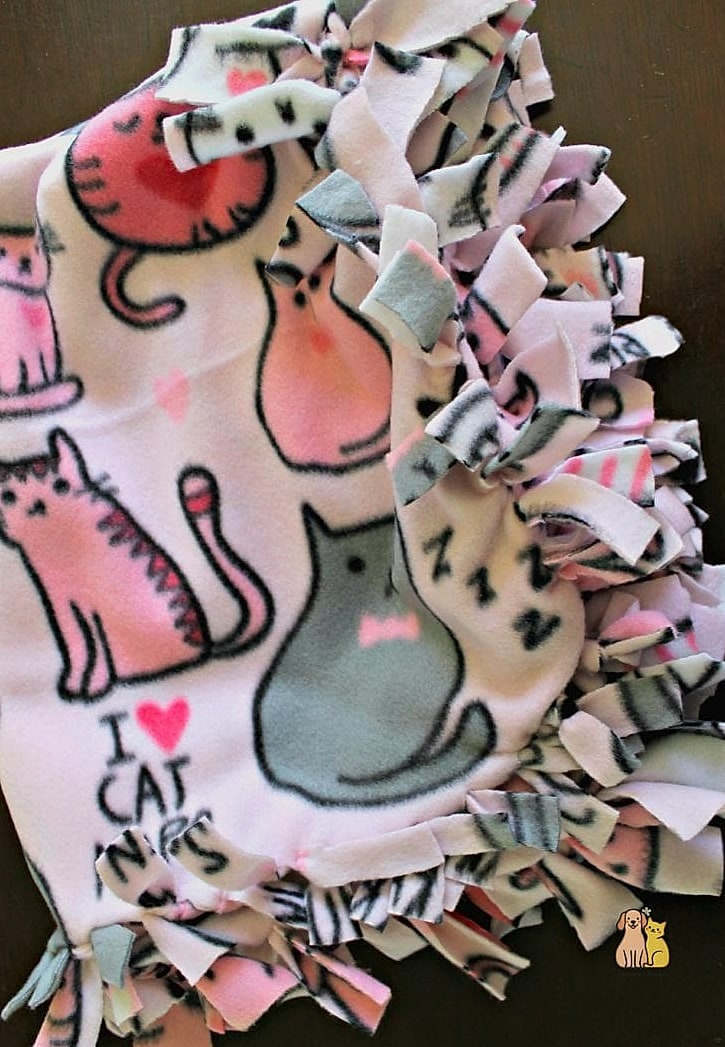
Cut a fleece circle, fold it in half like a taco, and pinch the two corners together and secure with thread to mimic a fortune cookie shape. Stuff with catnip before sealing. The curved shape rolls in fun, unpredictable directions, giving cats a reason to chase before they settle in to kick.
Recycled Bottle Cap Rattle Kicker
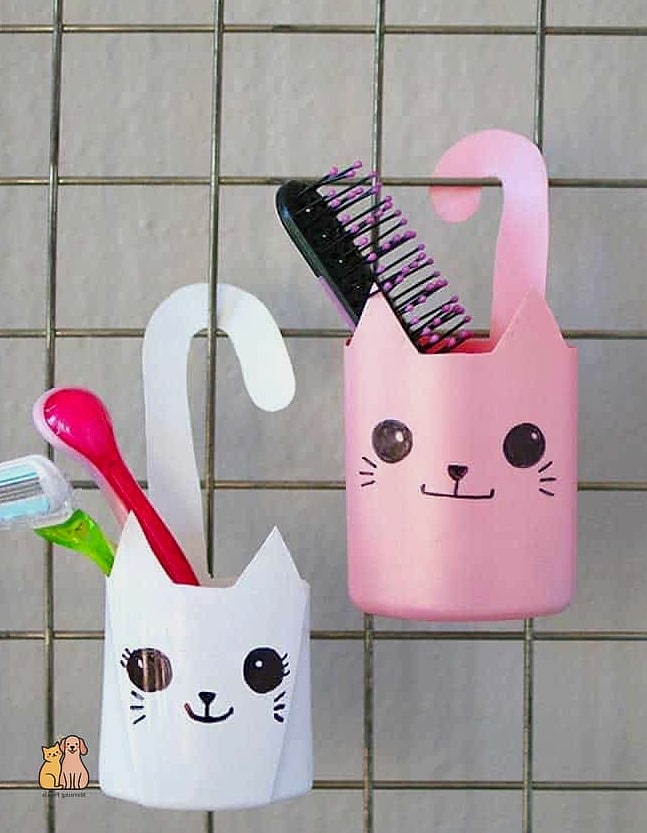
Wrap a clean plastic bottle cap in fabric (securing it well so it can’t come loose), stuff catnip around it inside a fleece pouch, and sew shut. The bottle cap adds a subtle rattle sound with every kick, which taps into that same auditory excitement cats get from crinkle toys.
Extra-Large Floor Kicker Pillow
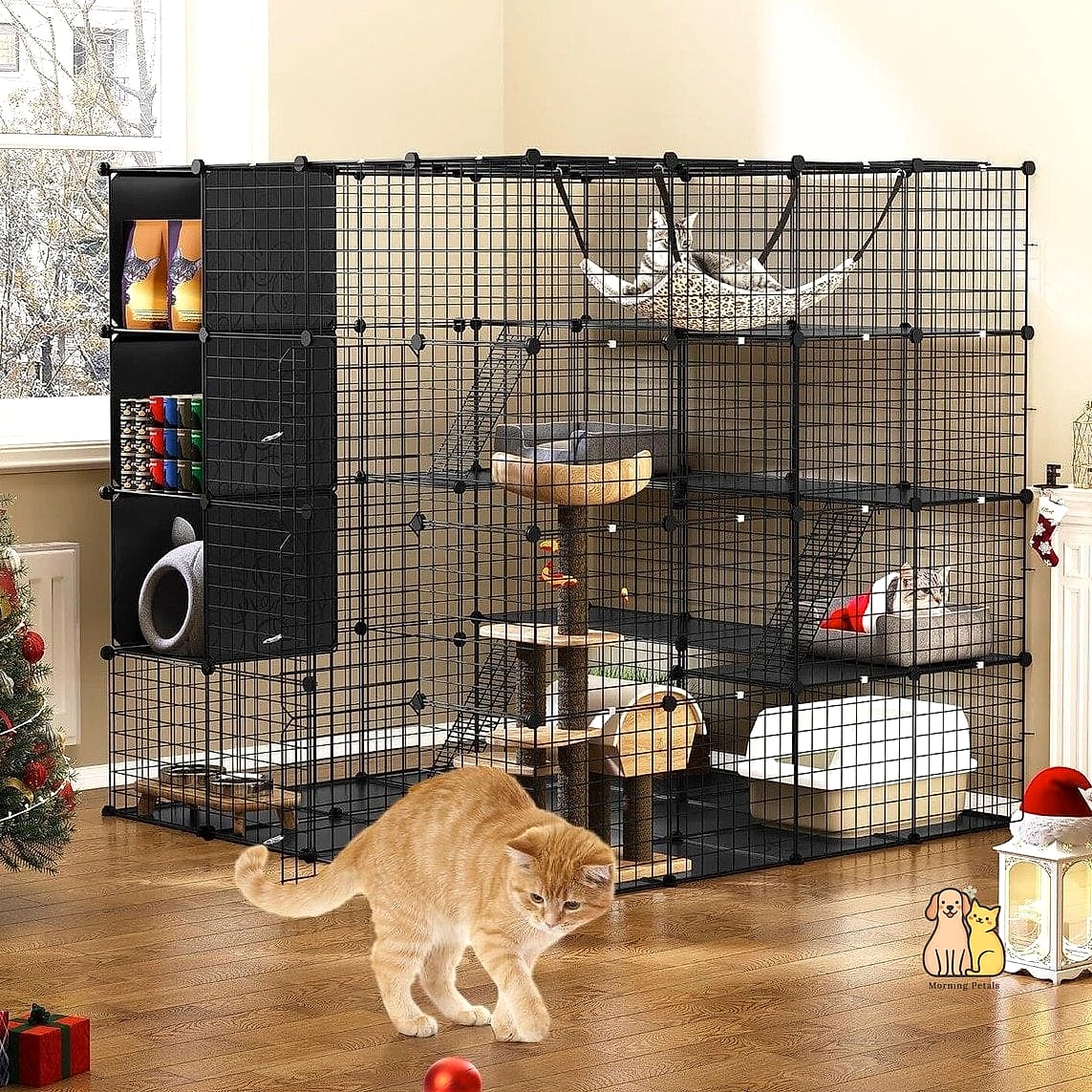
For households with big, enthusiastic kickers, size up your usual kicker toy into a full floor pillow shape, roughly the size of a small throw pillow. Stuff generously with polyfill and a heavy hand of catnip. This design works particularly well for multi-cat homes since it’s big enough for two cats to kick from opposite sides at once.
Corduroy Ridge Kicker
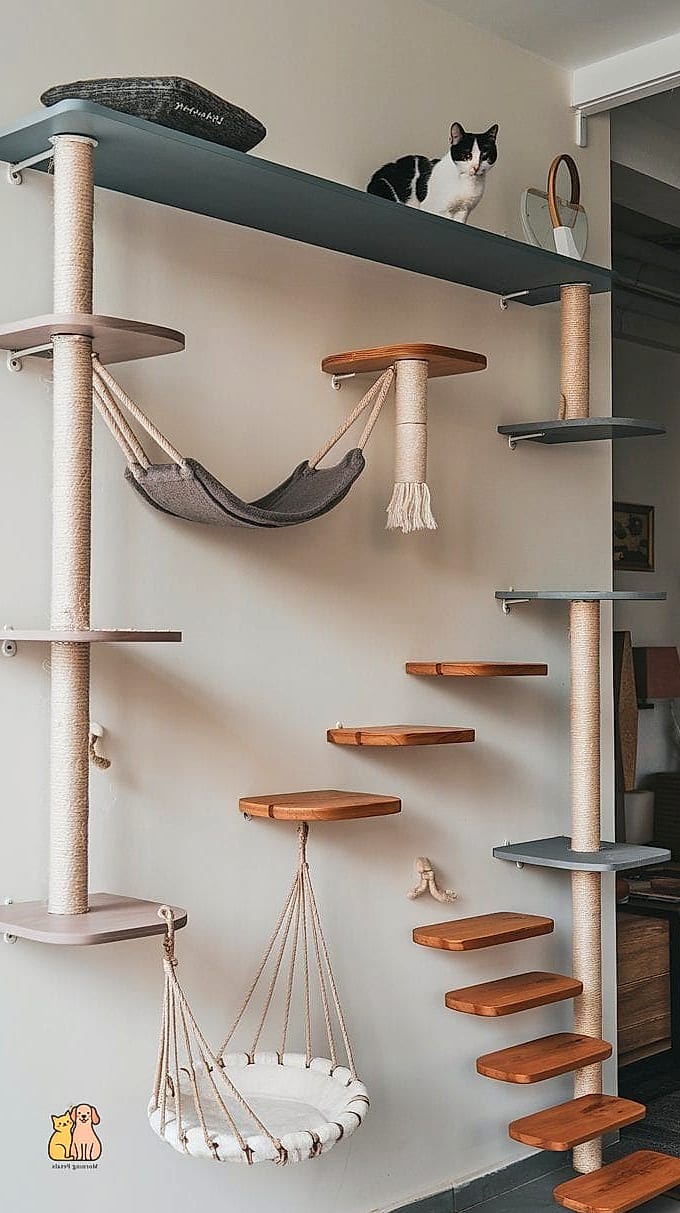
Corduroy’s ridged texture gives cats something extra to grip with their claws mid-kick. Cut a simple pouch shape, sew around the edges leaving a gap, stuff with catnip, and close. The visual stripes also make this one easy to spot if it gets kicked under the couch, which, let’s be honest, happens constantly.
Layered Catnip Pouch with Silvervine Core
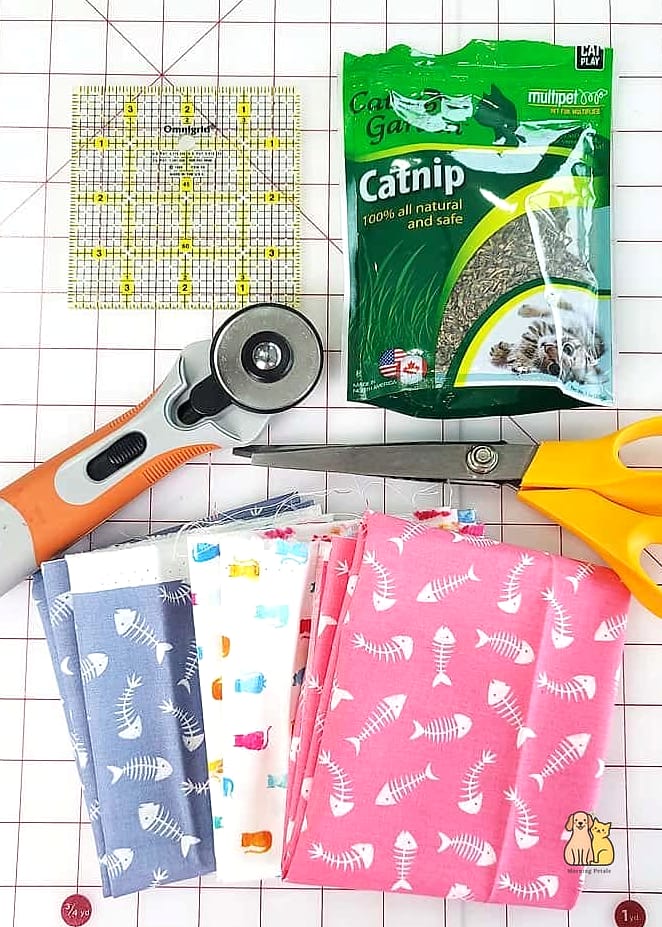
For cats who like variety, layer this one with a silvervine-filled inner pouch tucked inside a catnip-filled outer pouch, both made from soft cotton. As the outer layer wears thin from kicking, the silvervine scent starts coming through too, essentially giving you two toys in one lifespan.
No-Sew Sock Tie Kicker
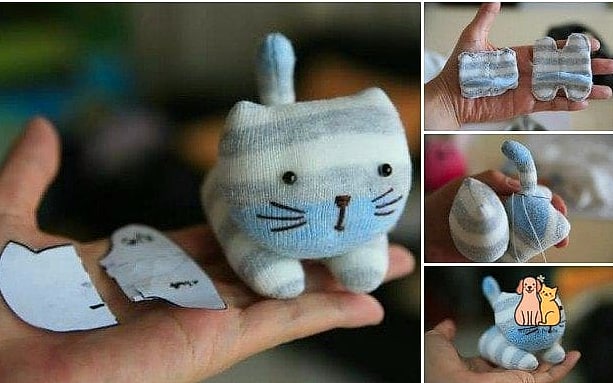
Stuff an old sock with catnip and stuffing, then instead of sewing, simply tie the open end into a tight knot and trim the excess fabric. It’s even faster than the classic sewn sock version and works great as a last-minute toy when your cat is giving you those big pleading eyes at 9pm.
However you decide to start, the beauty of DIY cat kicker toys is that there’s no wrong way to do it. Cats aren’t picky about stitch quality — they care about scent, texture, and something satisfying to grab onto with their back paws. Keep a rotation of a few different styles on hand, refresh the catnip every so often since the scent does fade, and always supervise play with any small parts like buttons or bottle caps. Your cat gets hours of entertainment, you get to flex your crafting skills, and everybody wins.