30 Perfect Outdoor Cat Shelter Ideas Your Pet Will Love
- The Classic Insulated Winter Shelter
- The Repurposed Storage Bin Shelter
- The Two-Story Catio Tower
- The Window-Attached Catio Box
- The Rustic A-Frame Shelter
- The Heated Shelter for Cold Climates
- The Multi-Cat Colony Shelter
- The Cedar Cat House
- The Hay Bale Shelter
- The Modern Minimalist Cat Pod
- The Covered Porch Shelter
- The Under-Deck Shelter Nook
- The Repurposed Doghouse Conversion
- The Screened Catio Run
- The PVC Pipe Frame Shelter
- The Cinder Block Shelter
- The Hanging Basket Shelter
- The Barrel Shelter
- The Solar-Powered Heated Shelter
- The Tiered Garden Shelter
- The Repurposed Cooler Shelter
- The Cat Condo Duplex
- The Treehouse-Style Shelter
- The Wine Crate Shelter
- The Enclosed Garden Catio
- The Foam Cooler Igloo
- The Repurposed Rabbit Hutch Shelter
- The Bamboo Shelter
- The Repurposed Kids’ Playhouse
- The Community Colony Feeding Station and Shelter Combo
30 Perfect Outdoor Cat Shelter Ideas Your Pet Will Love
If you’ve got a cat who spends half the day staring out the window plotting an escape, you already know outdoor time matters to them. But letting a cat roam freely comes with real risks — cars, predators, weather, other animals. That’s where a good outdoor cat shelter comes in. It gives your cat a safe home base while they enjoy fresh air, sunshine, and all the sniffing they could ever want.
Whether you’re caring for an indoor-outdoor house cat, a barn cat, or a colony of community cats you feed each day, having the right shelter setup makes a huge difference in their comfort and safety. Below are 30 outdoor cat shelter ideas, ranging from simple weekend builds to more elaborate catio setups, so you can find the one that fits your yard, your budget, and your cat’s personality.
The Classic Insulated Winter Shelter
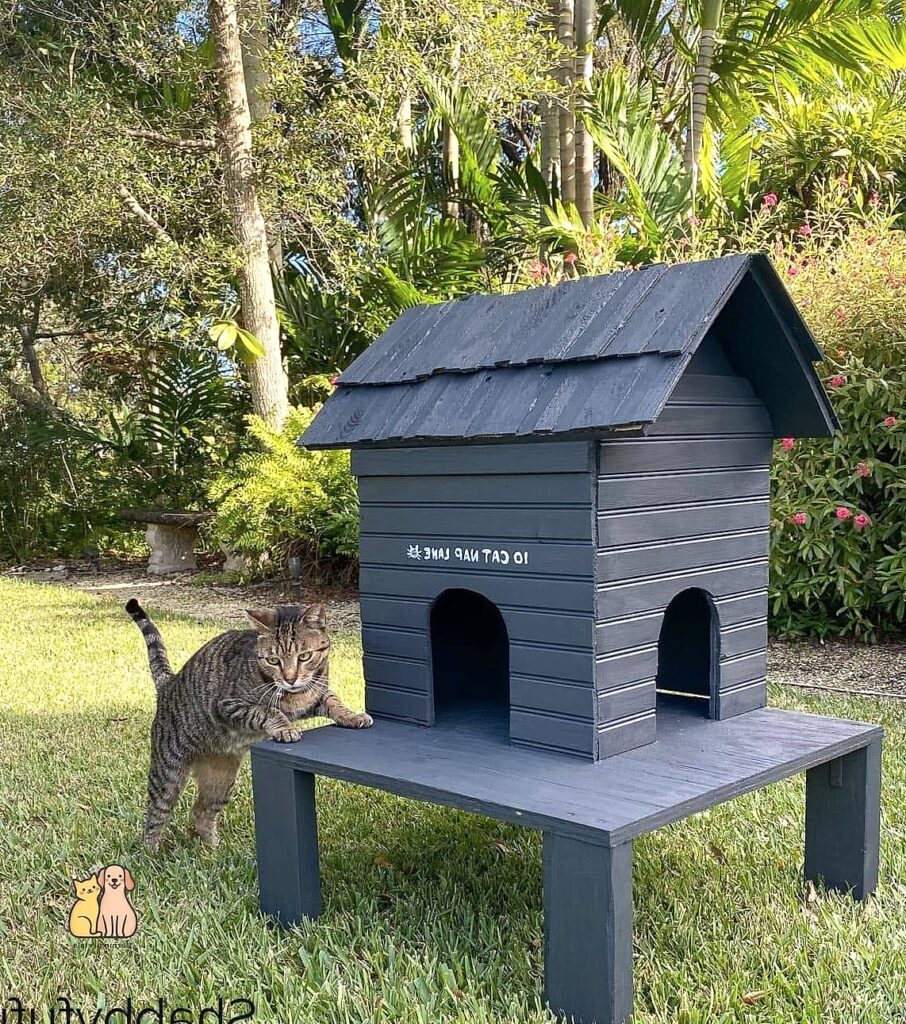
This is the shelter every colony caretaker eventually builds. It’s a simple wooden or plastic box lined with foam insulation and straw (never blankets, which trap moisture and freeze). A raised entrance keeps wind and snow out. It’s budget-friendly, beginner-level, and genuinely lifesaving for outdoor cats during cold months.
The Repurposed Storage Bin Shelter
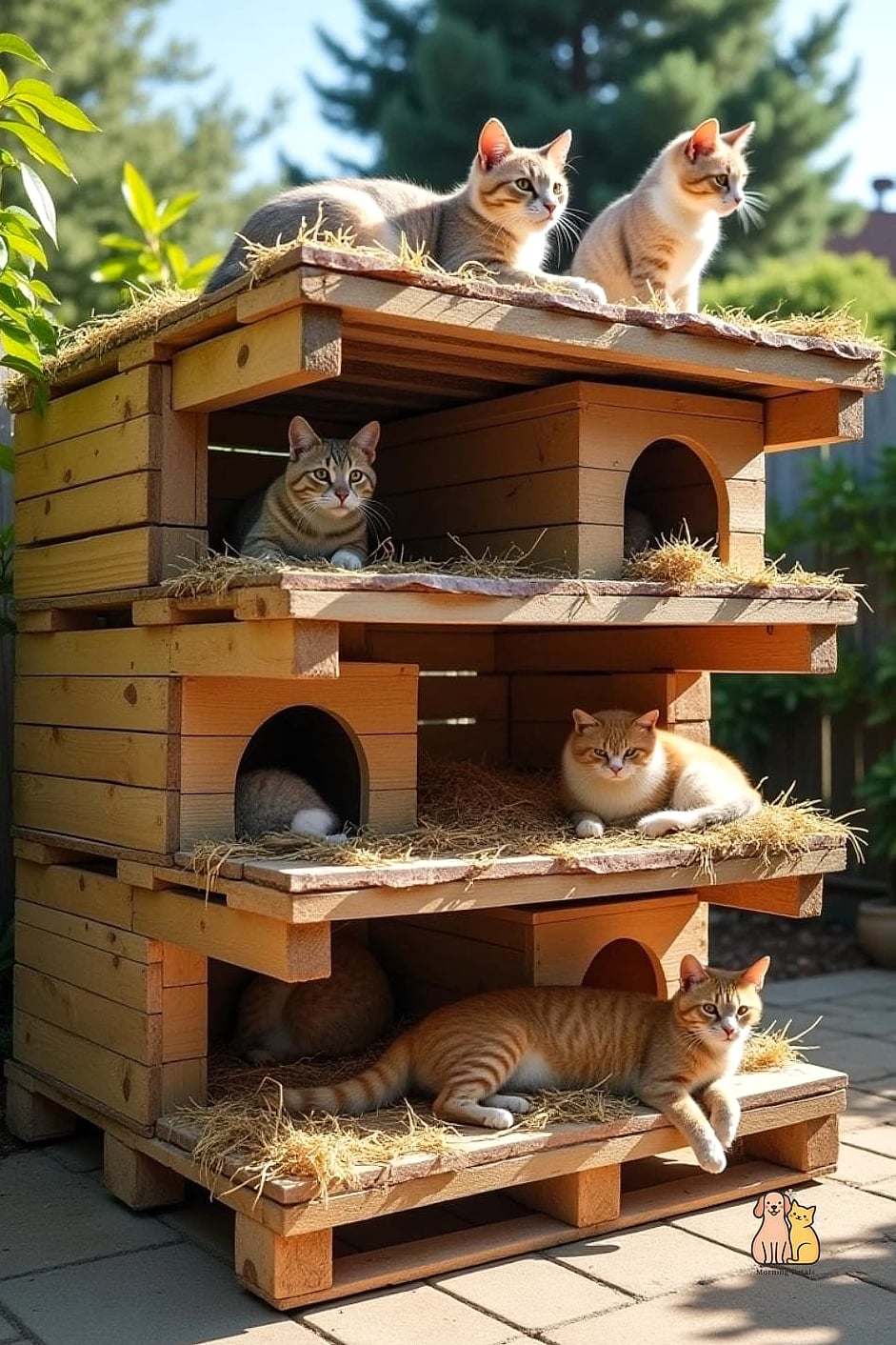
Take a large plastic storage tote, cut a doorway, insulate the inside with foam board, and fill it with straw. This is one of the cheapest and fastest options out there — you can build one in under an hour. It works well for feral or semi-feral cats who need something functional rather than fancy.
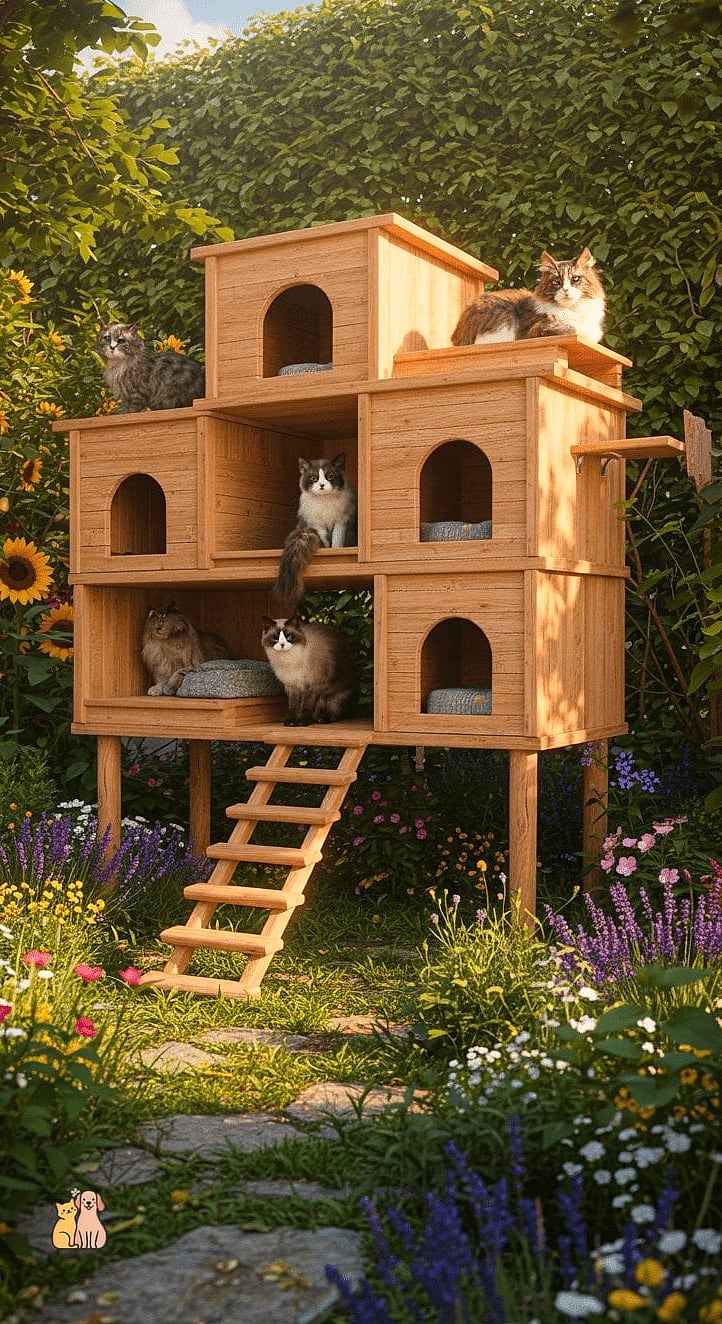
The Two-Story Catio Tower
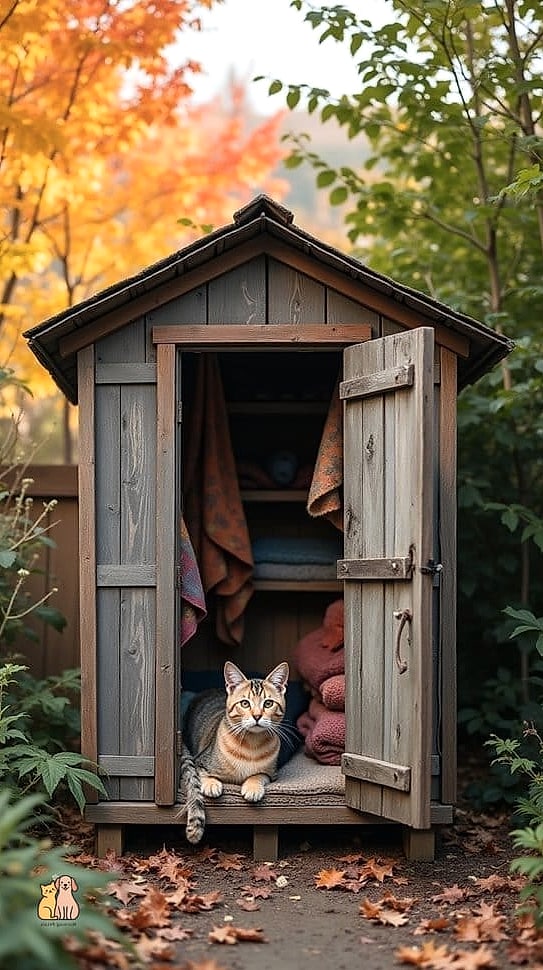
For cat owners who want to go bigger, a two-story catio tower gives your cat vertical space to climb, perch, and watch the yard from above. Add a ramp or ladder between levels, some cat shelves, and a weatherproof roof. This suits confident, active cats who love climbing and get bored easily.
The Window-Attached Catio Box
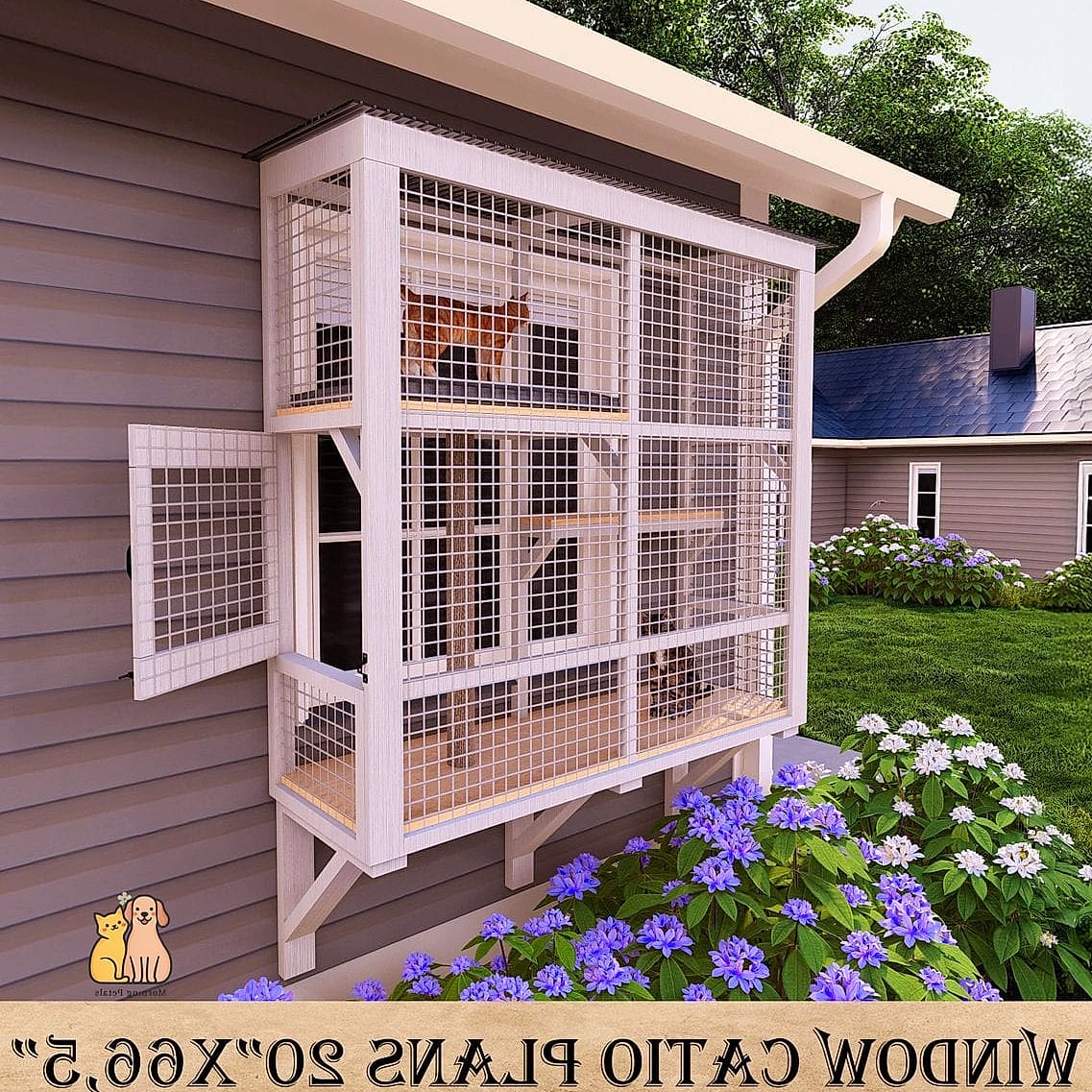
This shelter attaches directly to a window or wall, letting your cat step outside without you needing a full enclosed run. It’s ideal for apartment-style homes or houses with limited yard space. Add a cushioned platform inside so it doubles as a cozy outdoor nap spot.
The Rustic A-Frame Shelter
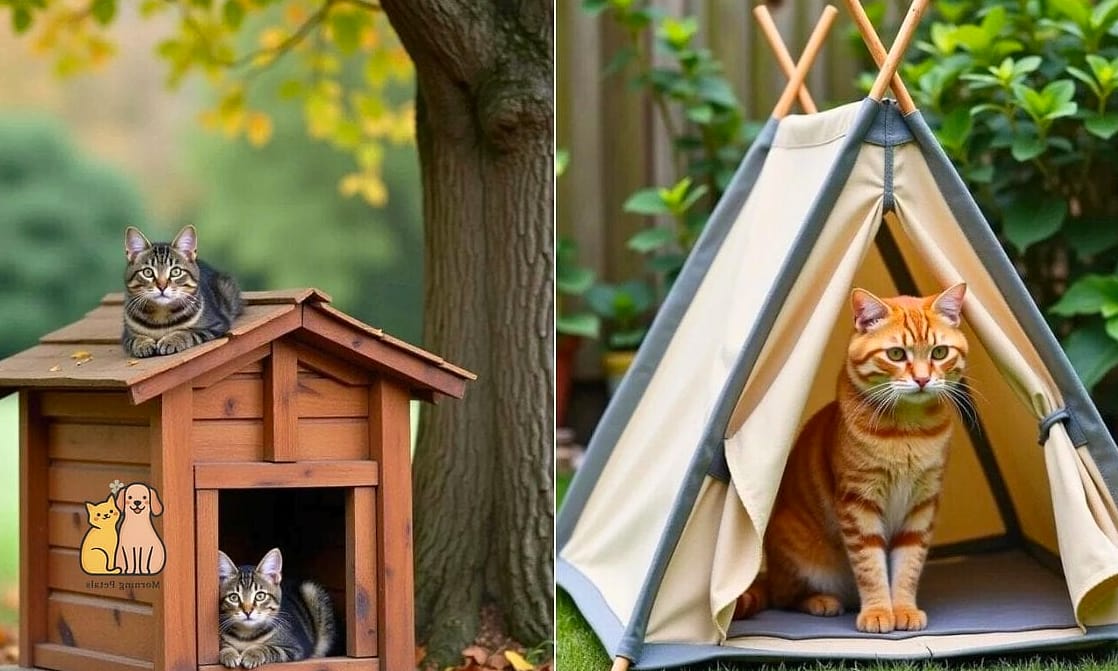
Shaped like a tiny barn, this shelter sheds rain and snow easily thanks to its sloped roof. Build it from reclaimed wood for a farmhouse look, or buy a pre-made kit. It suits barn cats and outdoor colonies especially well, since the shape naturally resists wind.
The Heated Shelter for Cold Climates
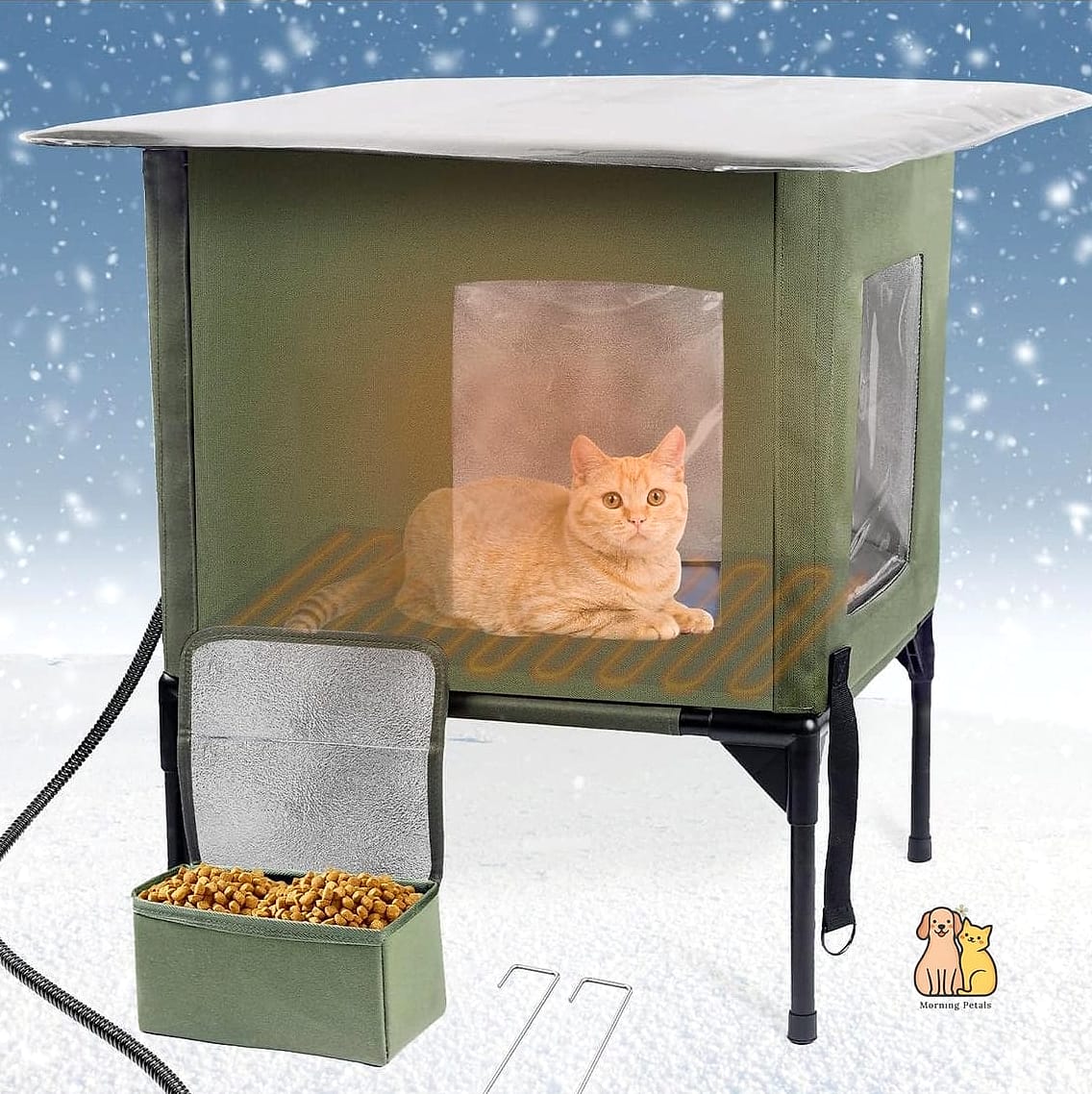
If you live somewhere with harsh winters, a heated shelter with a low-wattage, chew-resistant heating pad can be a game changer for outdoor cats’ safety. Look for pads specifically designed for outdoor pet use, since regular heating pads aren’t weatherproof. This is a premium option worth the investment for colder regions.
The Multi-Cat Colony Shelter
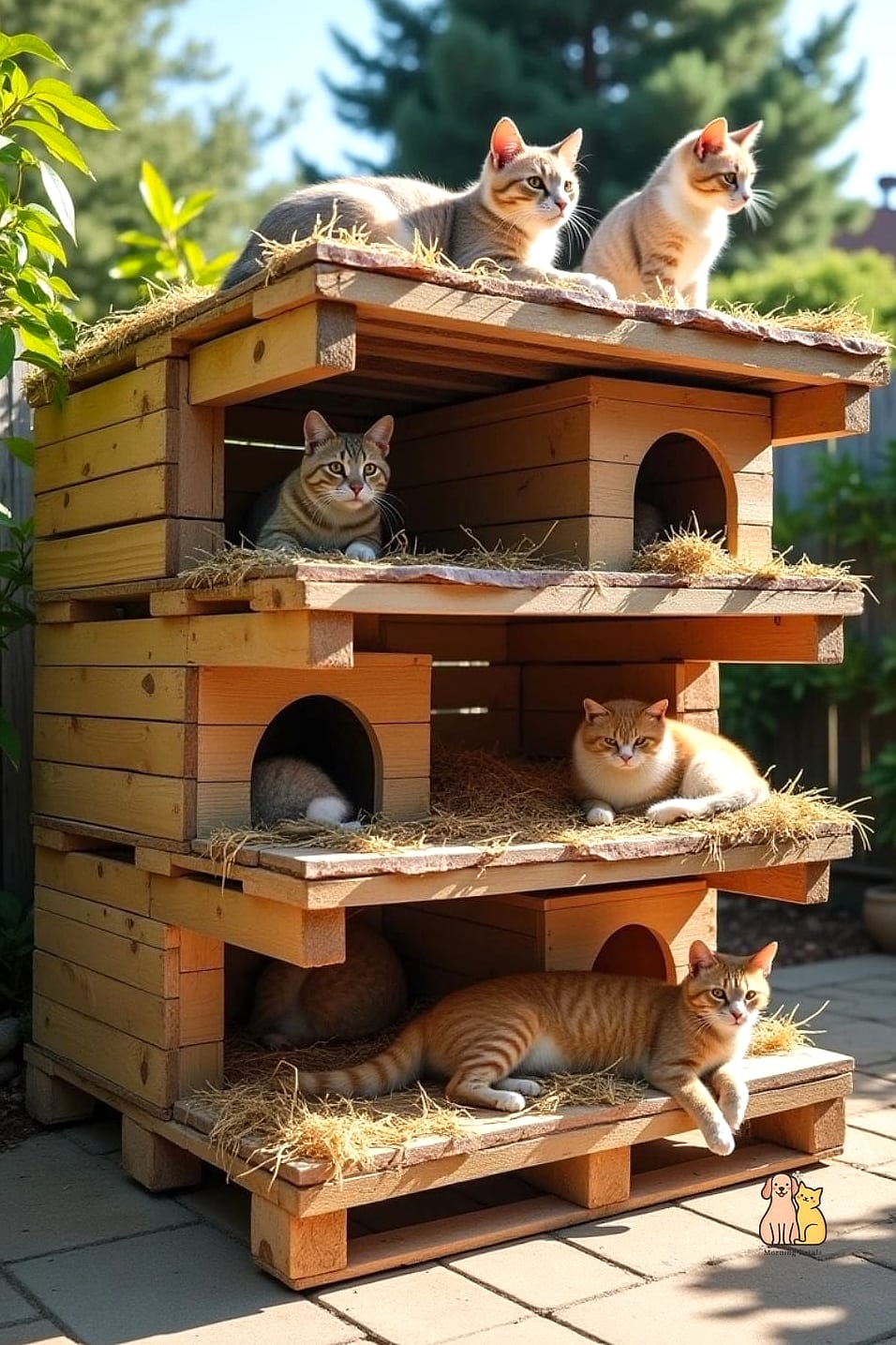
Feeding a whole colony? This larger shelter has multiple entrances and enough interior space for several cats to shelter together, which also helps them stay warm through body heat. Straw bedding and a raised floor keep things dry. It’s a bit more work to build but incredibly rewarding for caretakers managing bigger groups.
The Cedar Cat House
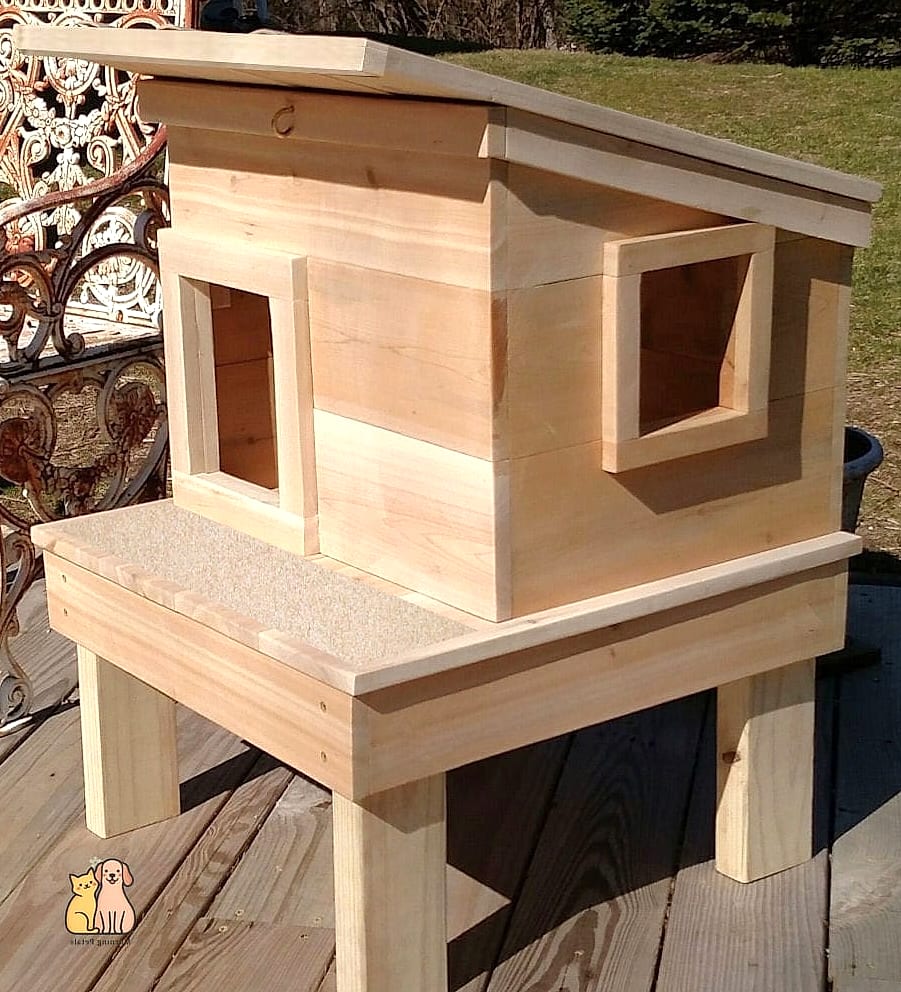
Cedar naturally resists rot and repels some insects, making it a smart material choice for an outdoor shelter that needs to last for years. It also smells pleasant without needing chemical treatments. This is a mid-range option that looks polished enough to leave visible in your yard.
The Hay Bale Shelter
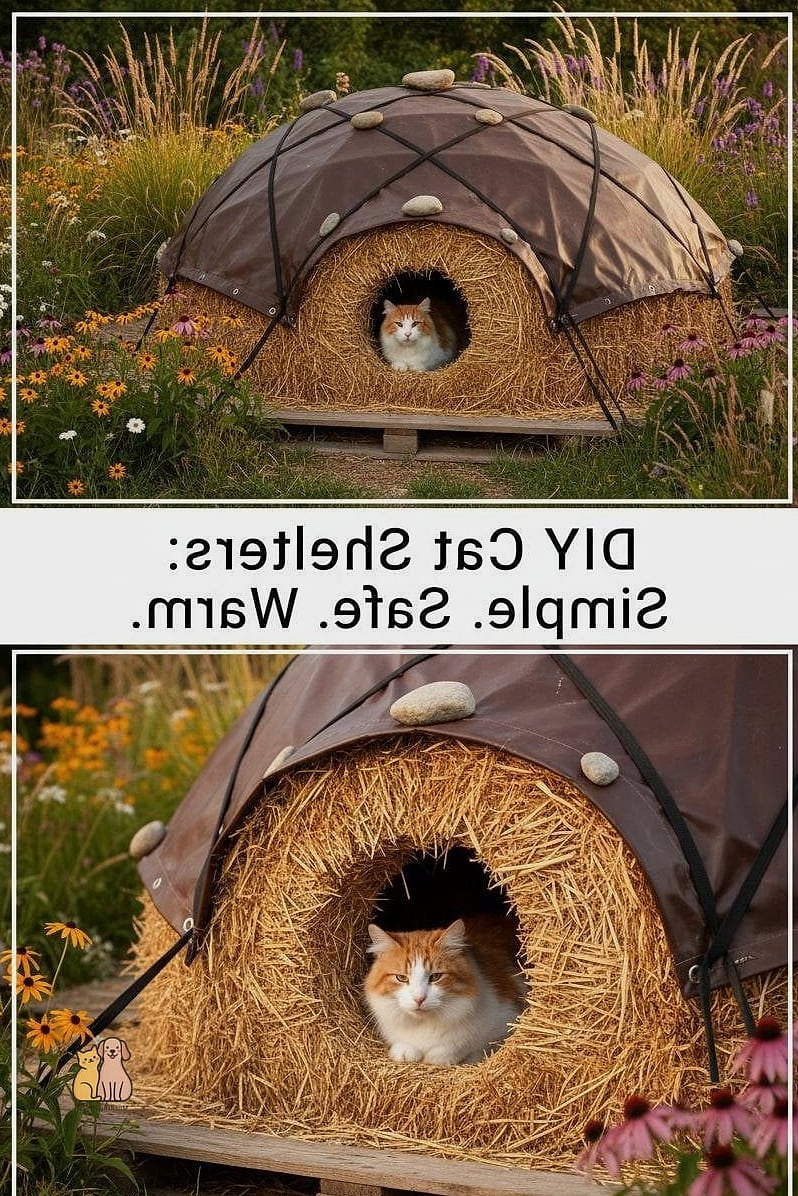
Simple, rustic, and surprisingly effective — stack hay bales into a small square with a roof panel on top. The hay itself provides insulation. This works great for rural properties and farm cats, and it’s about as budget-friendly as outdoor shelters get.
The Modern Minimalist Cat Pod
For cat owners who care about aesthetics, this dome-shaped or geometric shelter looks like something out of a design magazine. Made from weatherproof resin or treated wood, it blends into a modern backyard instead of looking like a typical pet structure. It suits owners who want function and style in equal measure.
The Covered Porch Shelter
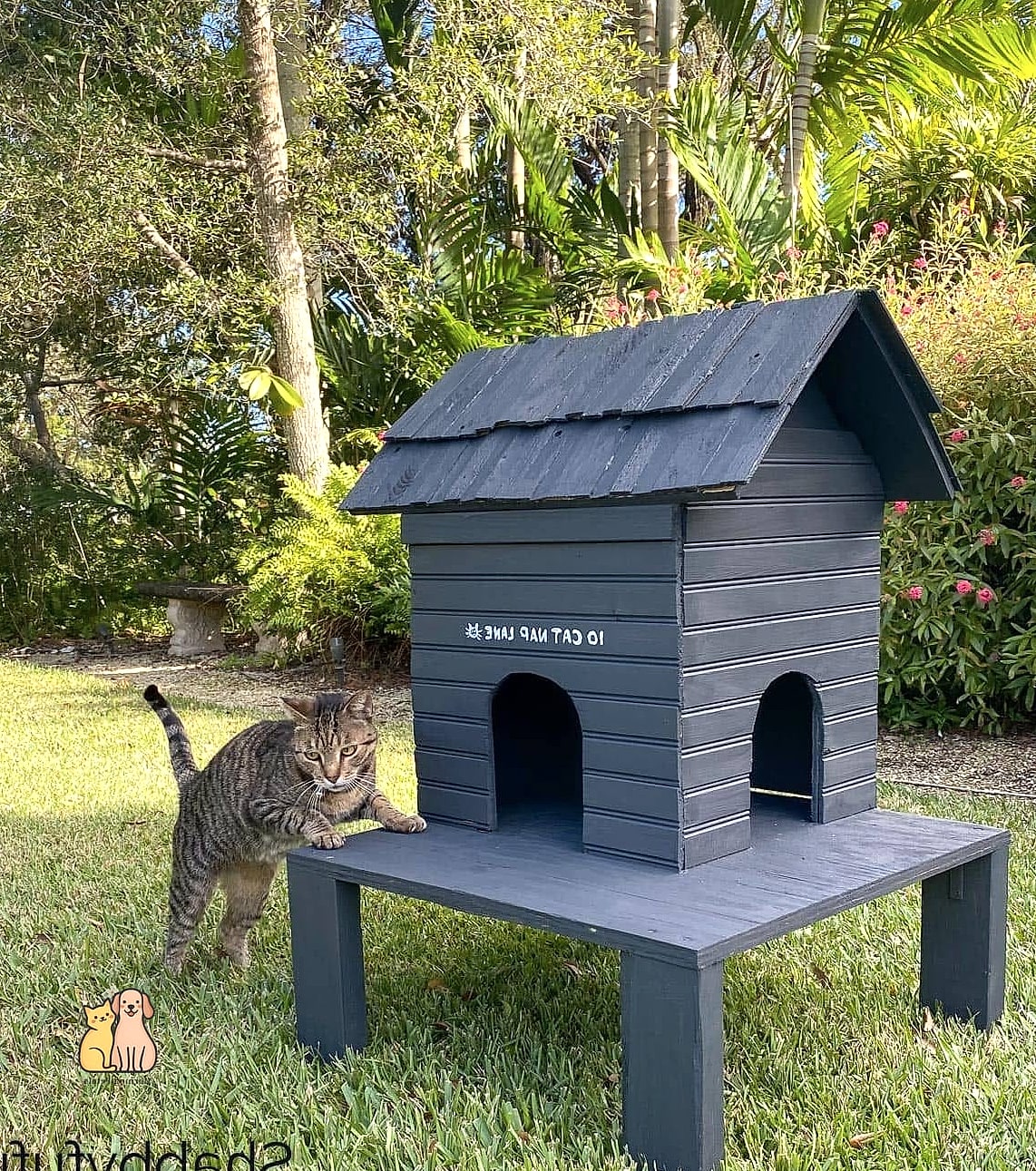
If your cat already hangs out on the porch, formalize it with a small covered shelter tucked into a corner. Add a cushioned bed and a wind break panel. This is one of the easiest ideas to set up since you’re working with space you already have.
The Under-Deck Shelter Nook
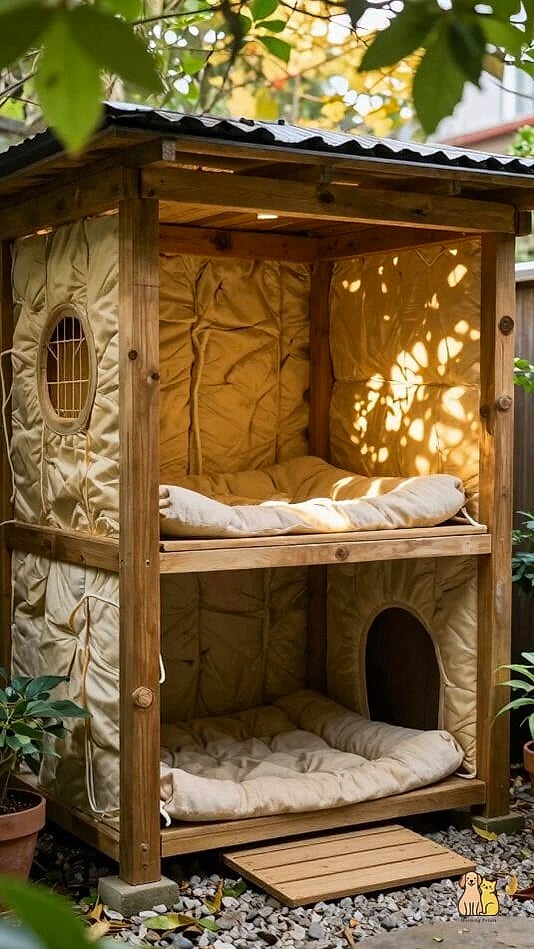
Many homes have unused space under a deck or stairs — perfect for tucking in a shelter that’s naturally protected from rain and wind. Add gravel underneath for drainage and a simple insulated box inside. It’s discreet, practical, and doesn’t take up any extra yard space.
The Repurposed Doghouse Conversion
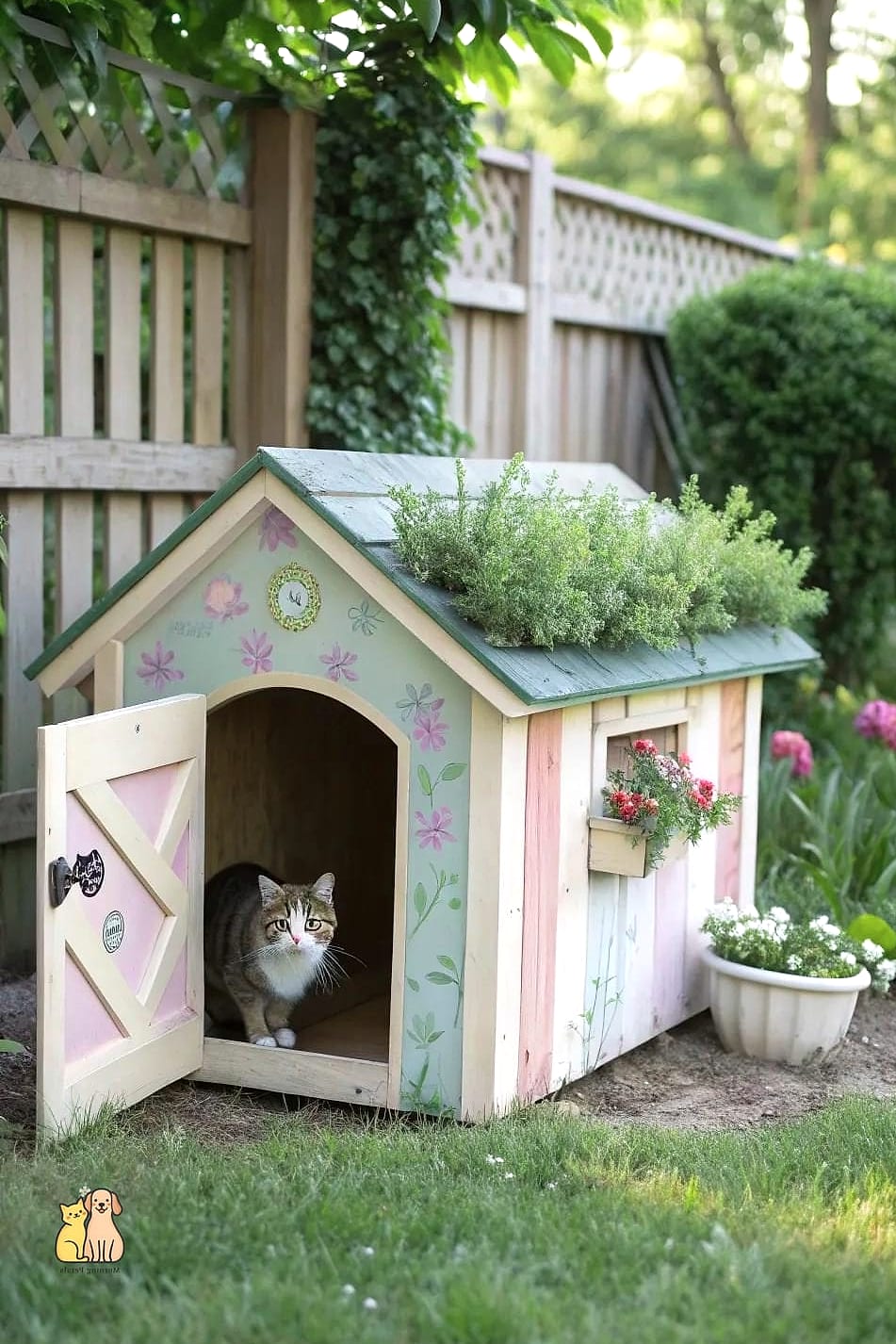
An old doghouse can become a great cat shelter with a few tweaks — smaller entrance flap, added insulation, and a raised floor to keep out drafts. This is a nice option if you already have one sitting unused in the garage.
The Screened Catio Run
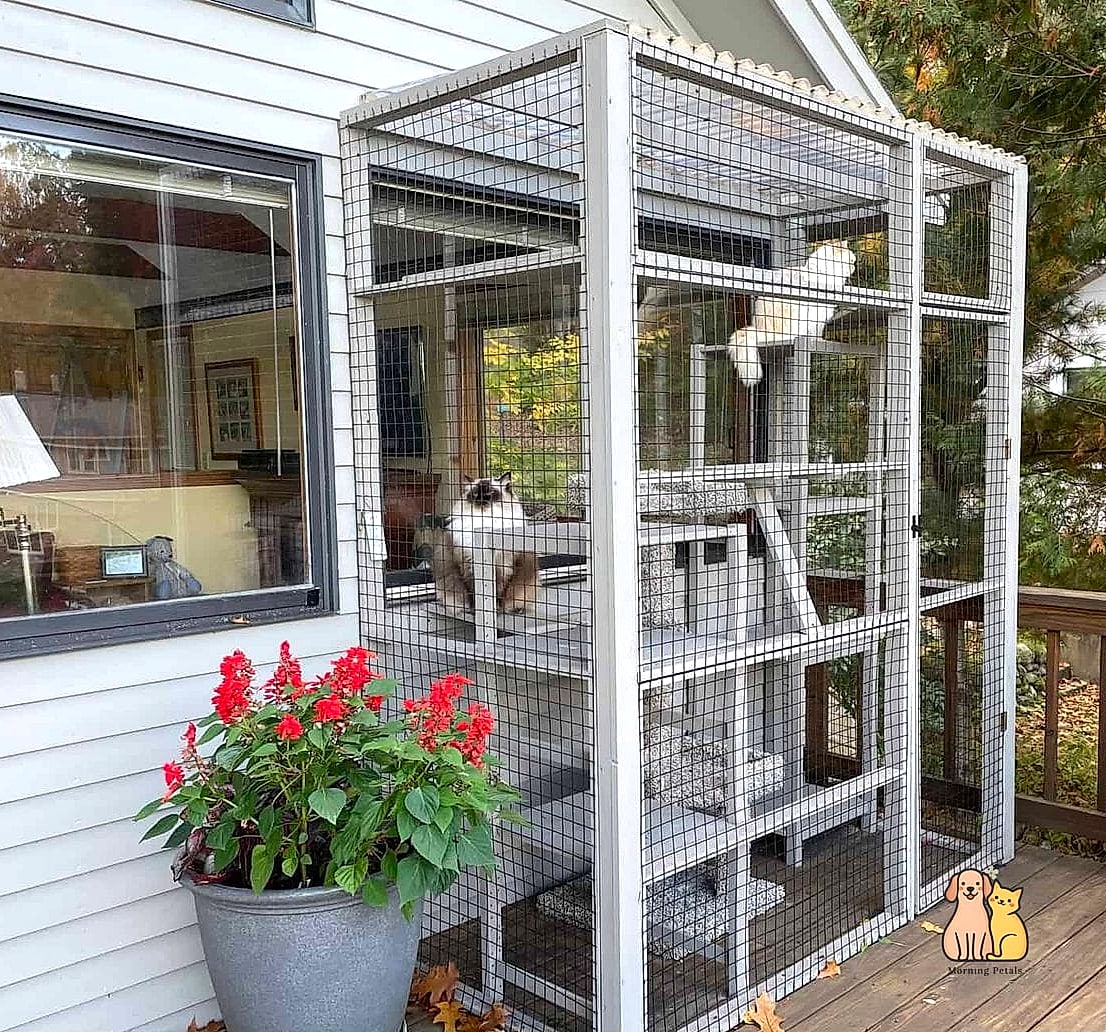
This is a full enclosed run attached to your house, screened in on all sides so your cat can roam, climb, and lounge without any risk of escaping or encountering predators. Add cat shelves, a scratch post, and a window perch inside. It suits families who want their cat to have real outdoor freedom, safely.
The PVC Pipe Frame Shelter
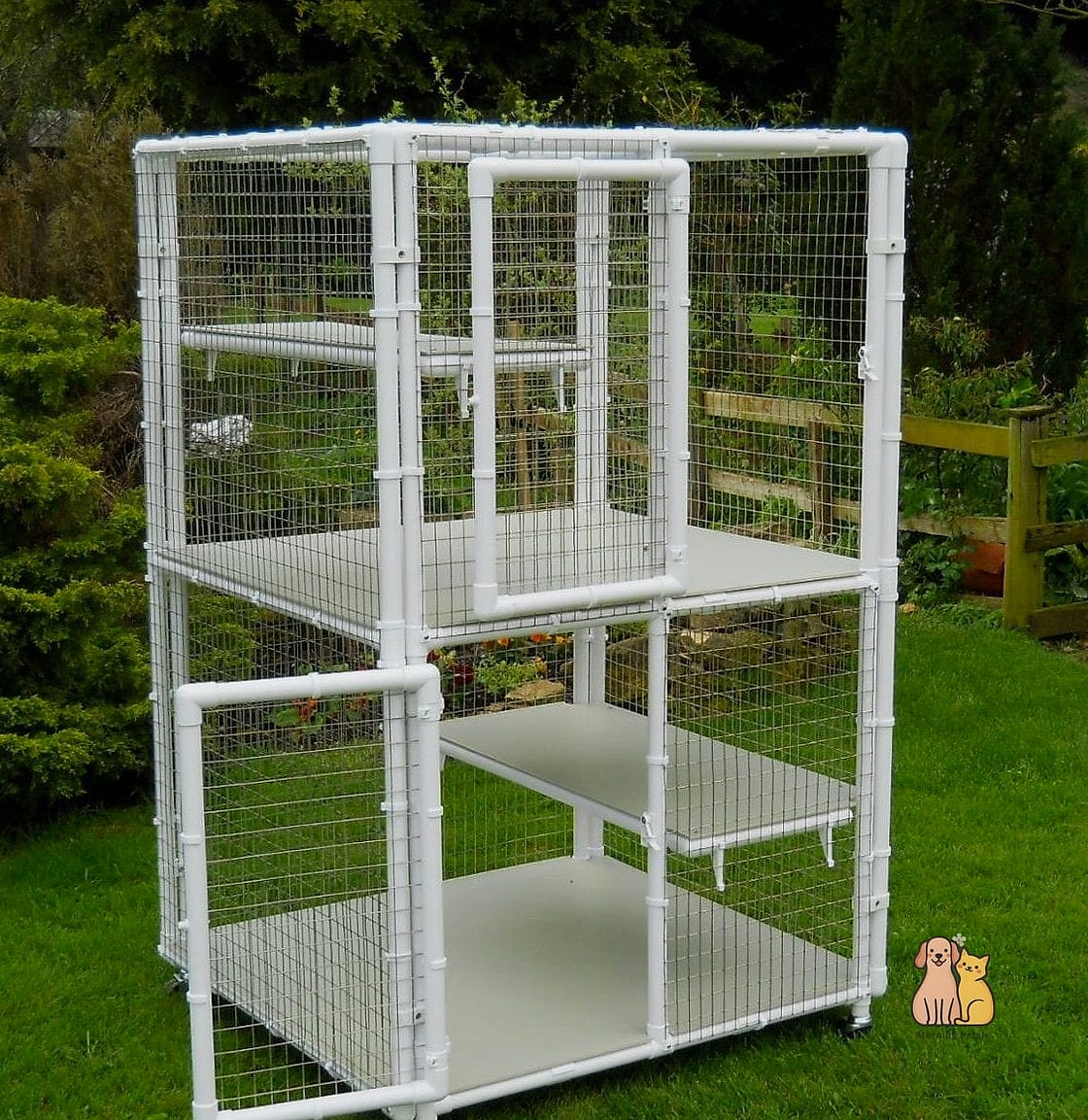
Lightweight and portable, this shelter uses PVC pipes as a frame wrapped in weatherproof tarp material. It’s easy to disassemble and move, which makes it great for caretakers who feed cats in different locations or don’t own the property they’re placing it on.
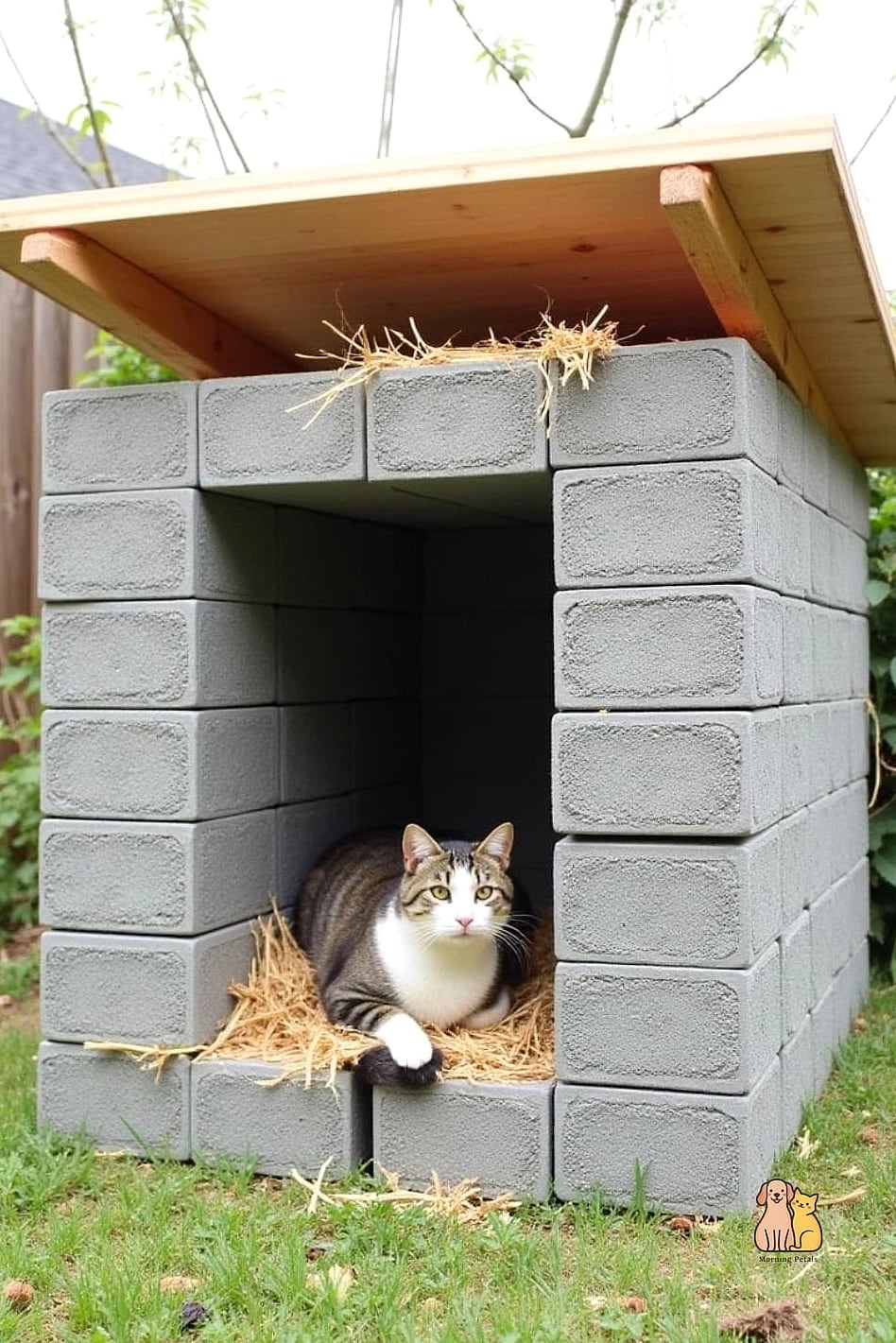
The Cinder Block Shelter
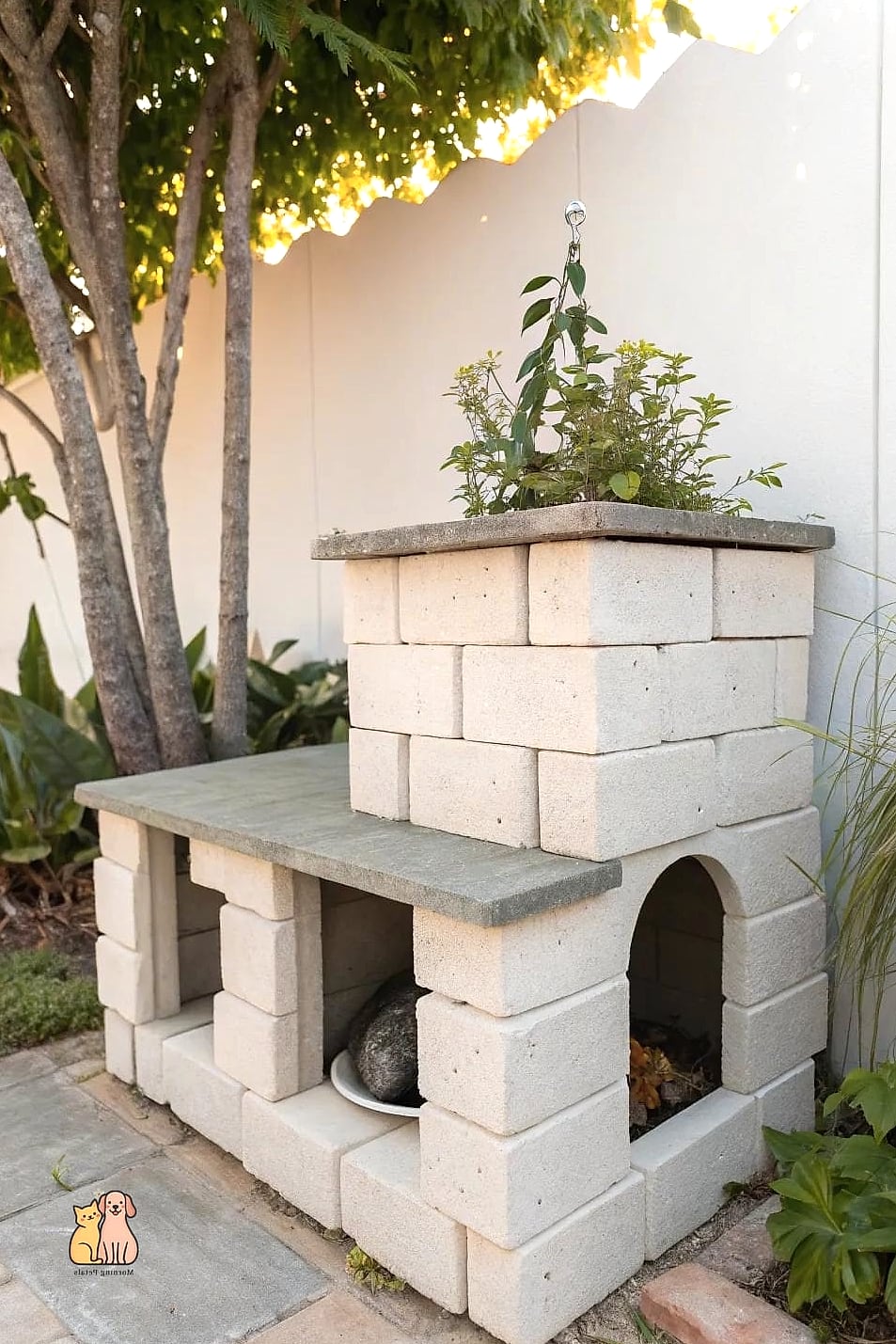
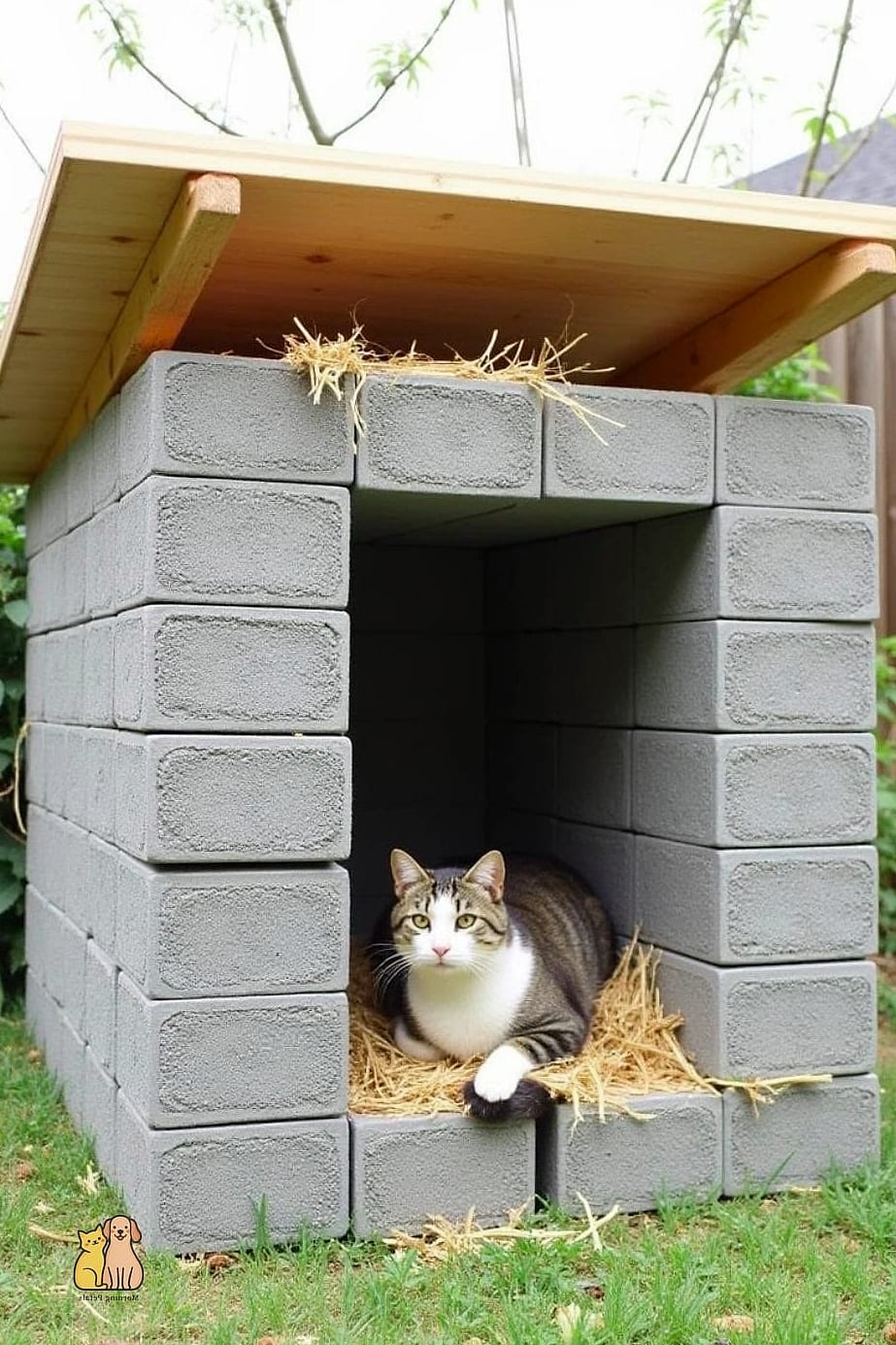
Stack cinder blocks into a small enclosure and top it with a wooden or metal roof panel. It’s sturdy, wind-resistant, and practically indestructible. This is a good pick for exposed areas where lighter shelters might blow around.
The Hanging Basket Shelter
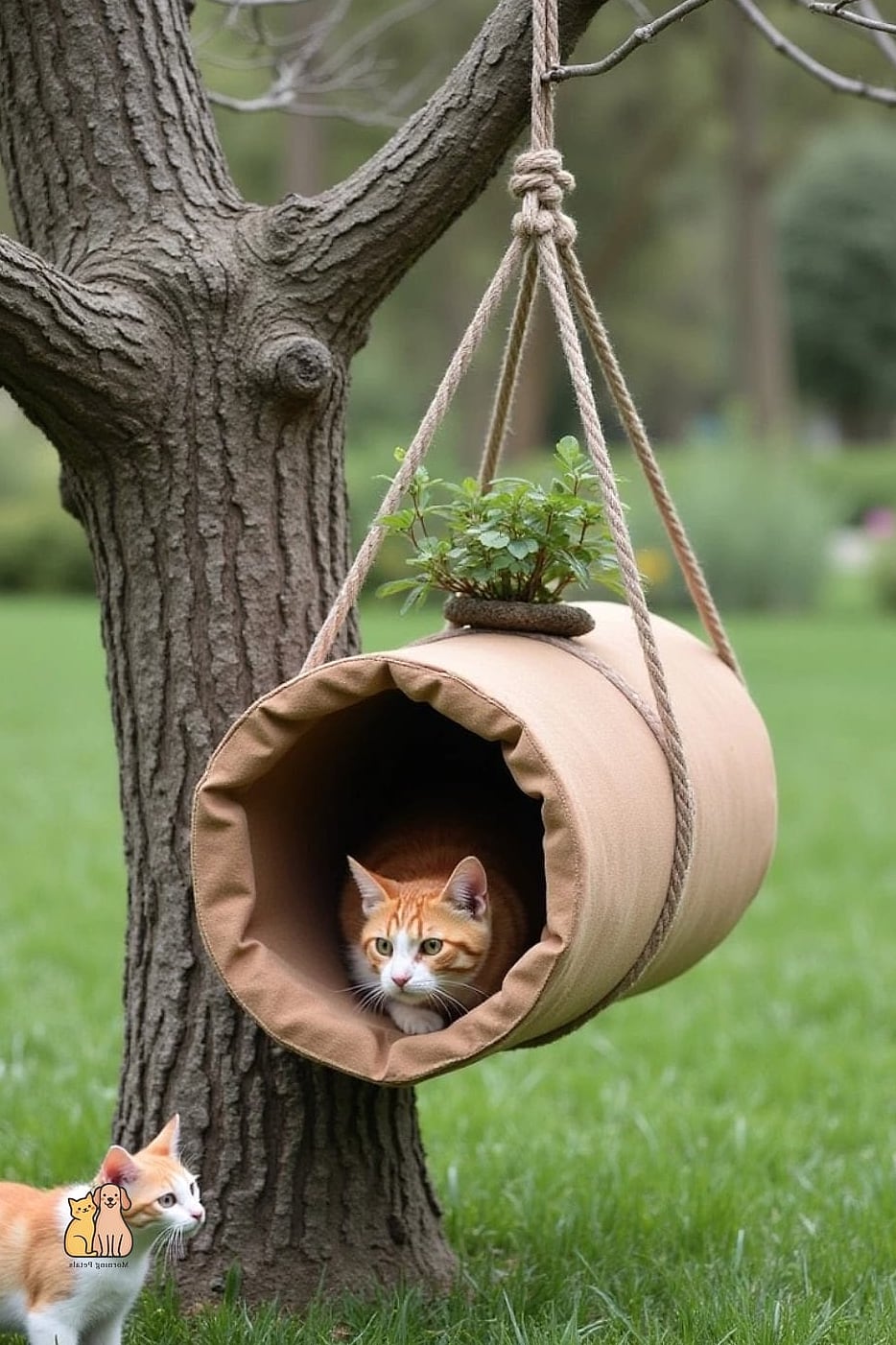
For catios or covered porches, a large weatherproof hanging basket lined with soft bedding gives your cat a cozy elevated spot to curl up. Cats love height, and this taps right into that instinct while keeping them off the cold ground.
The Barrel Shelter
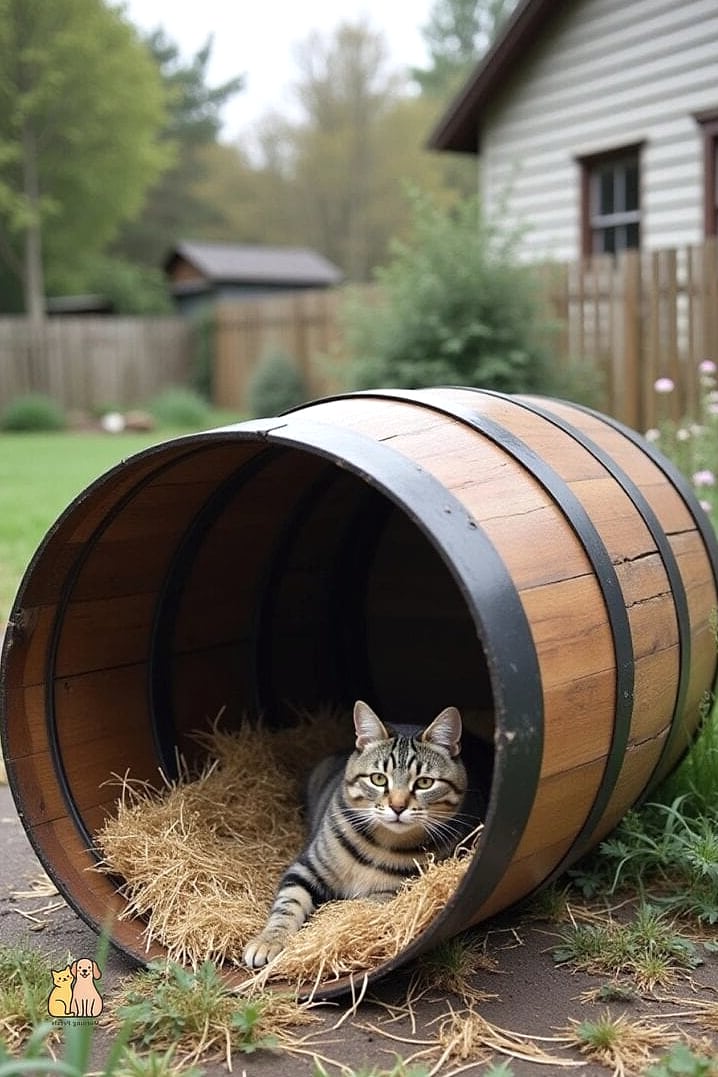
A plastic or wooden barrel turned on its side, with a cut entrance and straw bedding inside, makes a surprisingly snug shelter. The rounded shape helps rain roll off naturally. This is a favorite among barn cat caretakers for its simplicity and durability.
The Solar-Powered Heated Shelter
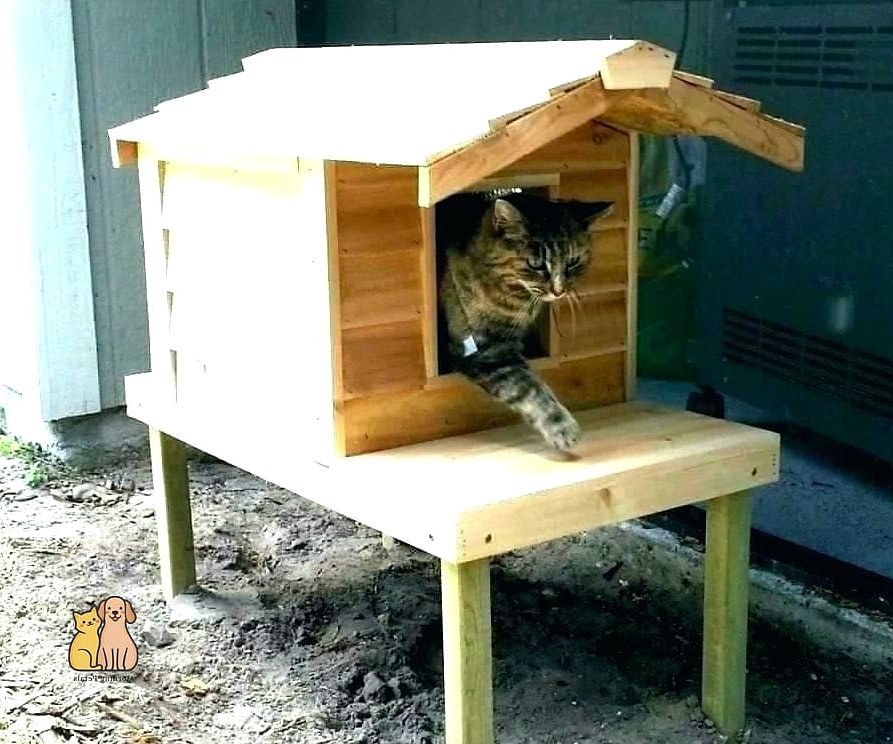
Combine sustainability with comfort by adding a small solar panel that powers a low-voltage heating element inside the shelter. It’s a bit more of an investment upfront, but there’s no need for an outdoor outlet, which makes placement much more flexible.
The Tiered Garden Shelter
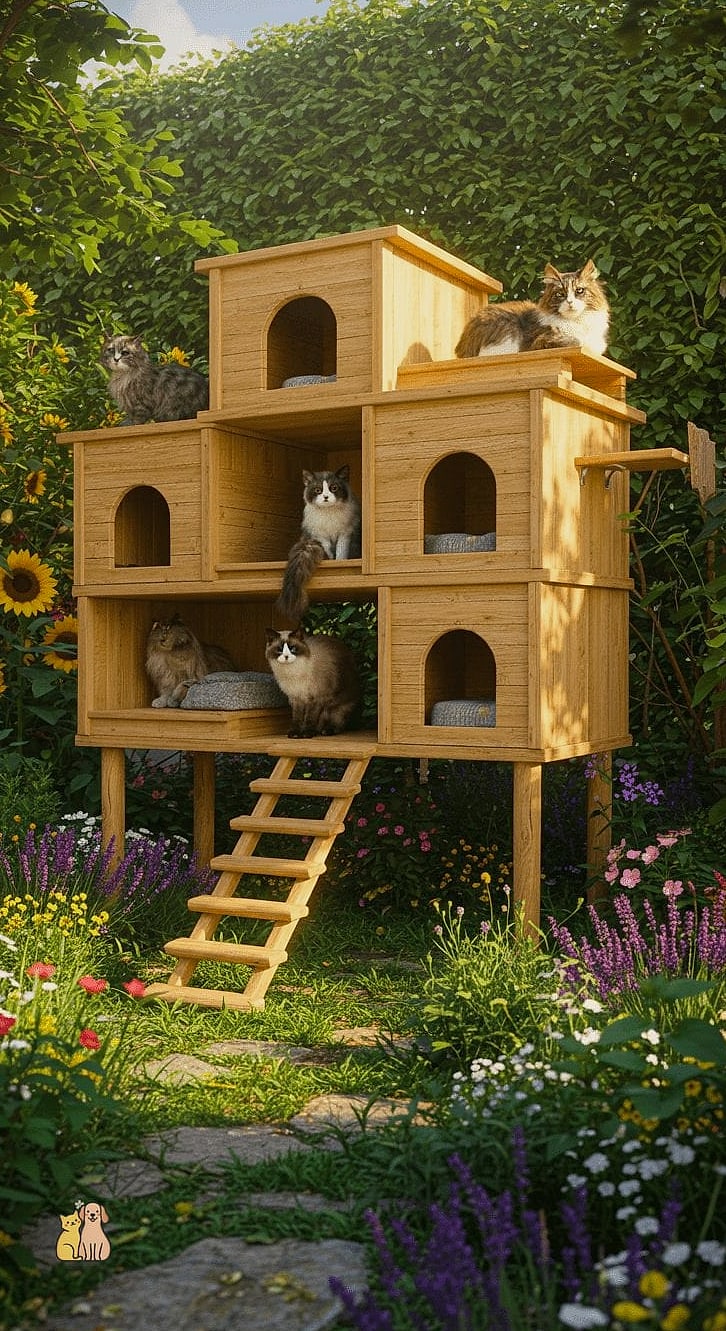
Built into a garden bed or landscaped corner, this shelter blends into your yard’s design with a small footprint and natural materials like stone and wood. It gives your cat a shaded, protected spot without looking out of place among your plants.
The Repurposed Cooler Shelter
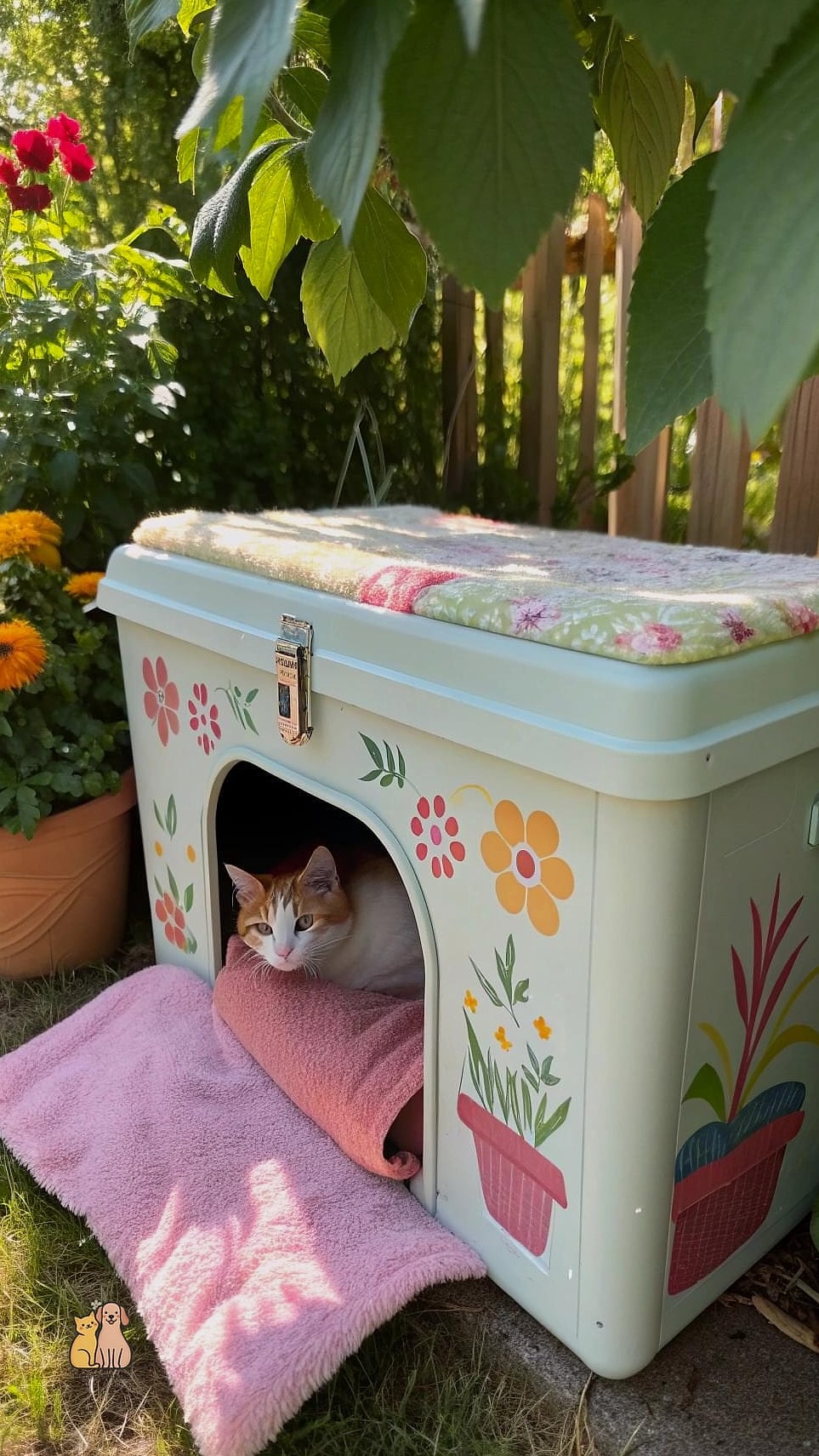
An old hard-shell cooler makes a surprisingly excellent shelter base — it’s already insulated and weatherproof. Cut an entrance, add straw, and you’ve got a shelter that costs next to nothing if you already have one lying around.
The Cat Condo Duplex
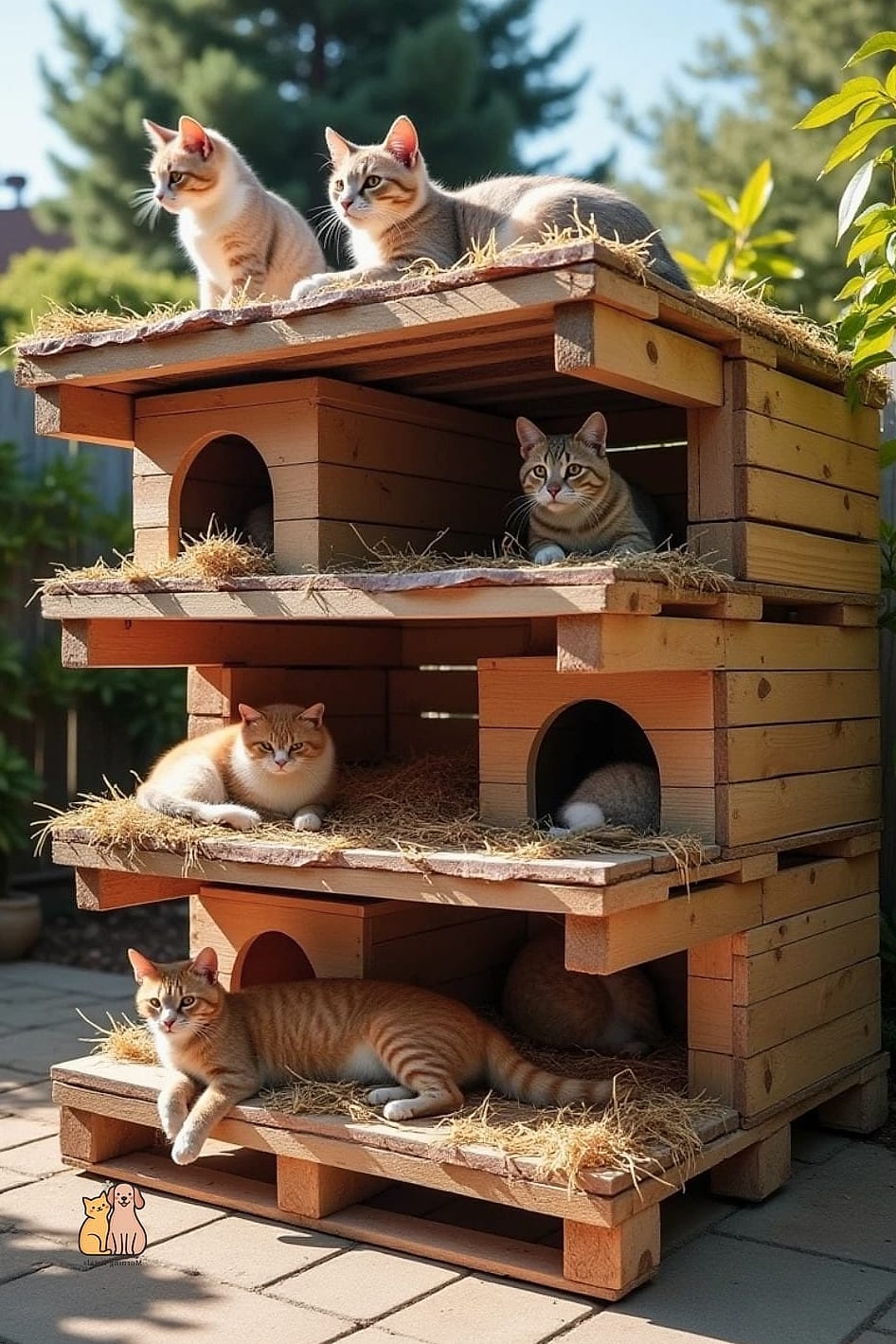
This shelter features two separate insulated compartments side by side, giving cats who don’t get along the option to shelter separately while still sharing covered outdoor space. It’s especially useful for colonies with cats who prefer their own space.
The Treehouse-Style Shelter
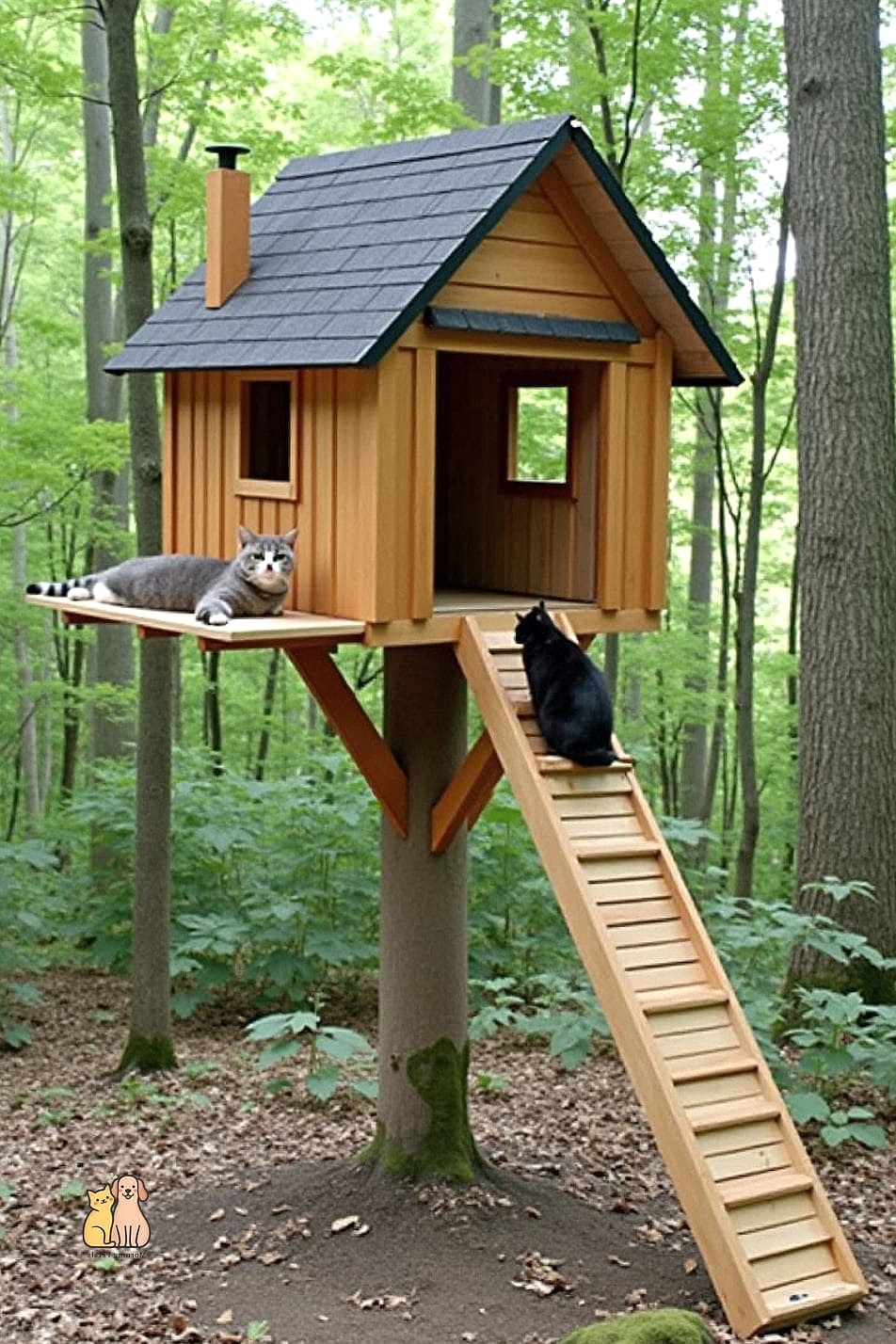
Mounted a few feet off the ground on sturdy posts, this shelter gives cats a sense of security while staying dry and away from ground-level predators. A small ramp leads up to the entrance. Confident, agile cats tend to love the elevated privacy.
The Wine Crate Shelter
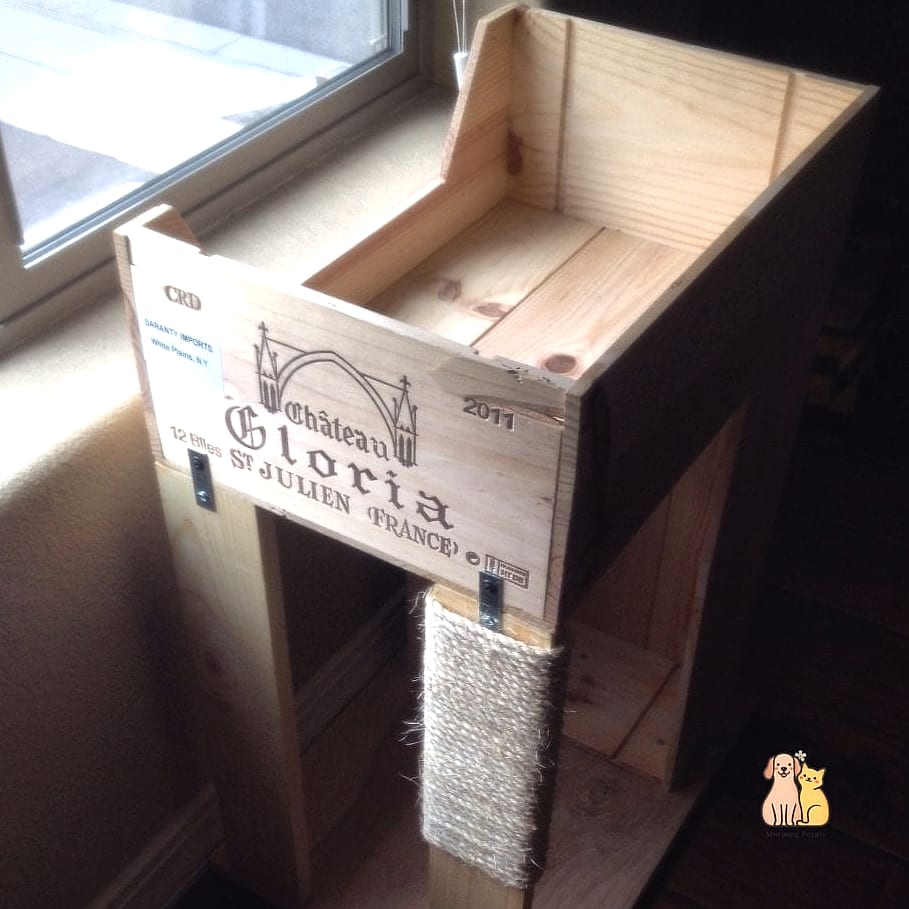
Stacked wooden wine crates can be converted into a charming little shelter with minimal tools. Line the inside with insulation and straw, and add a slanted roof piece on top for water runoff. It’s a fun upcycling project if you enjoy DIY weekend builds.
The Enclosed Garden Catio
This is a fully enclosed, walk-in style structure built over a section of garden or patio, letting your cat explore real grass and plants without any chance of wandering off. Add a shallow water fountain and a few enrichment toys, and your cat basically gets their own outdoor room.
The Foam Cooler Igloo
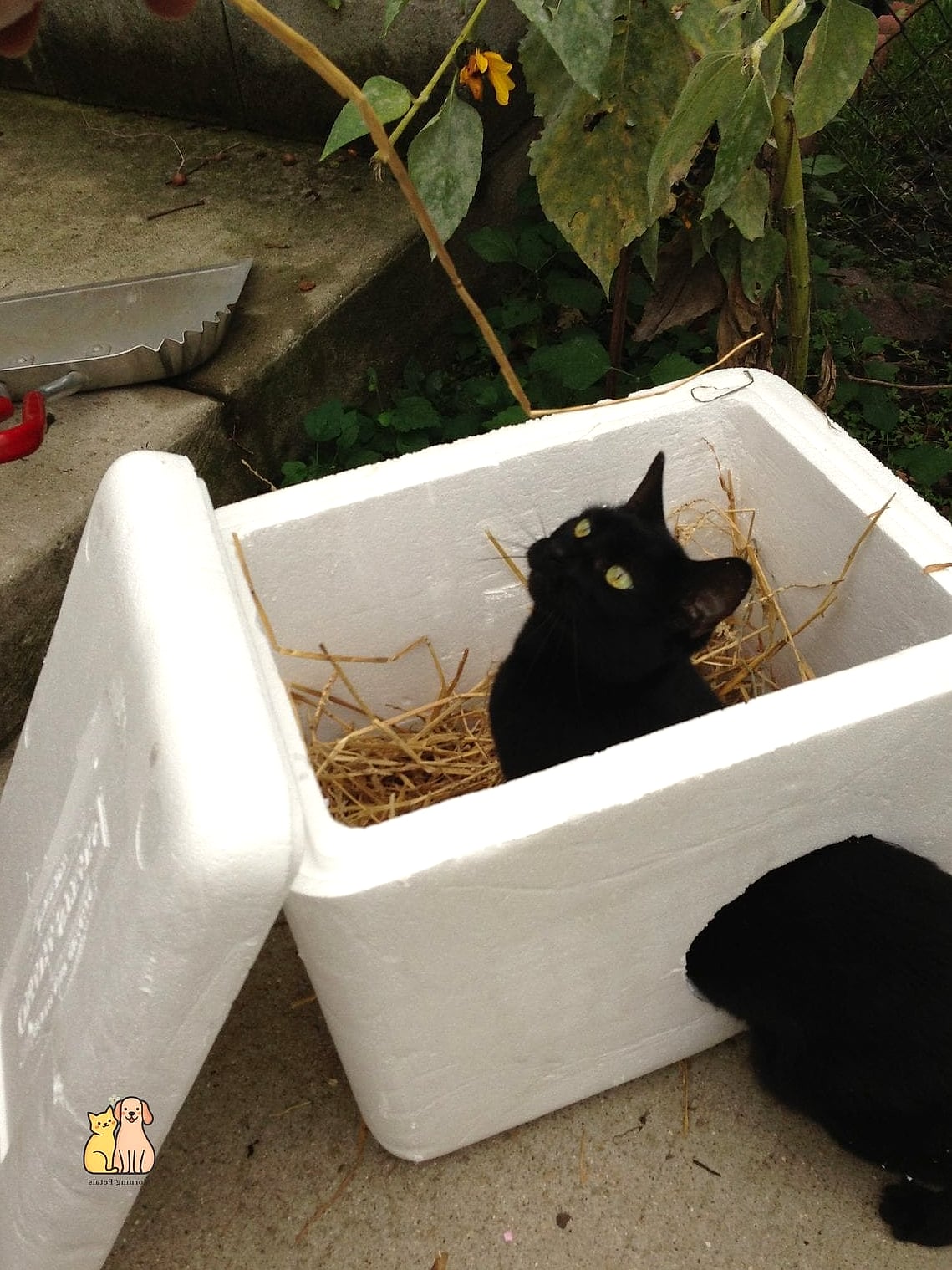
Similar to the cooler idea but built specifically from foam cooler panels for maximum insulation. This is one of the lightest and cheapest heated-shelter alternatives, and it works surprisingly well in moderate winter climates.
The Repurposed Rabbit Hutch Shelter
An unused rabbit hutch can be converted into a raised, sheltered cat house with a few modifications — remove wire flooring, add solid wood, and insulate the enclosed section. The elevated design naturally keeps cats dry and off cold ground.
The Bamboo Shelter
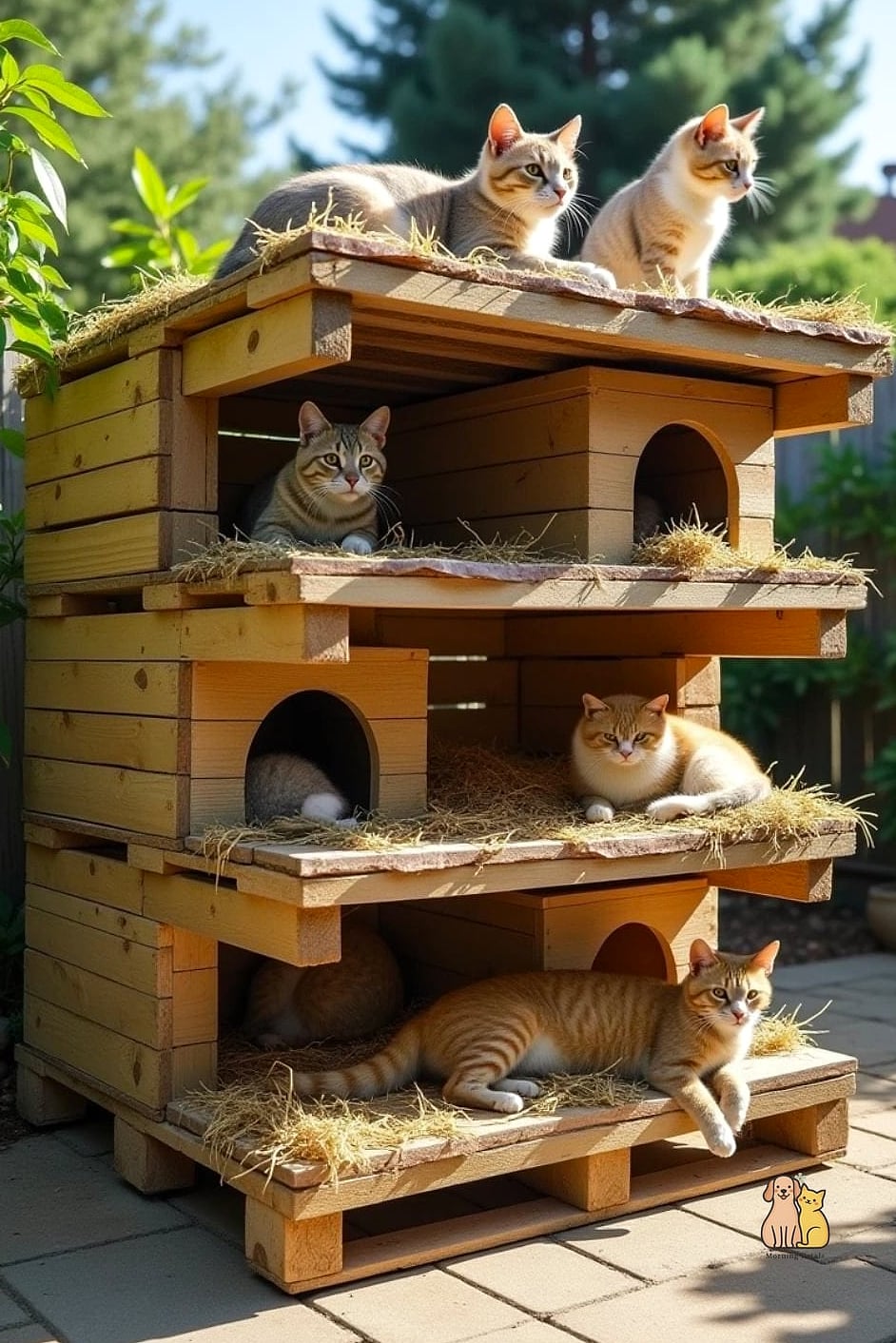
Bamboo gives a shelter a natural, earthy look while still holding up well outdoors. It’s often used as siding over an insulated wood frame. This suits owners who want their shelter to look intentional and blend with garden landscaping.
The Repurposed Kids’ Playhouse
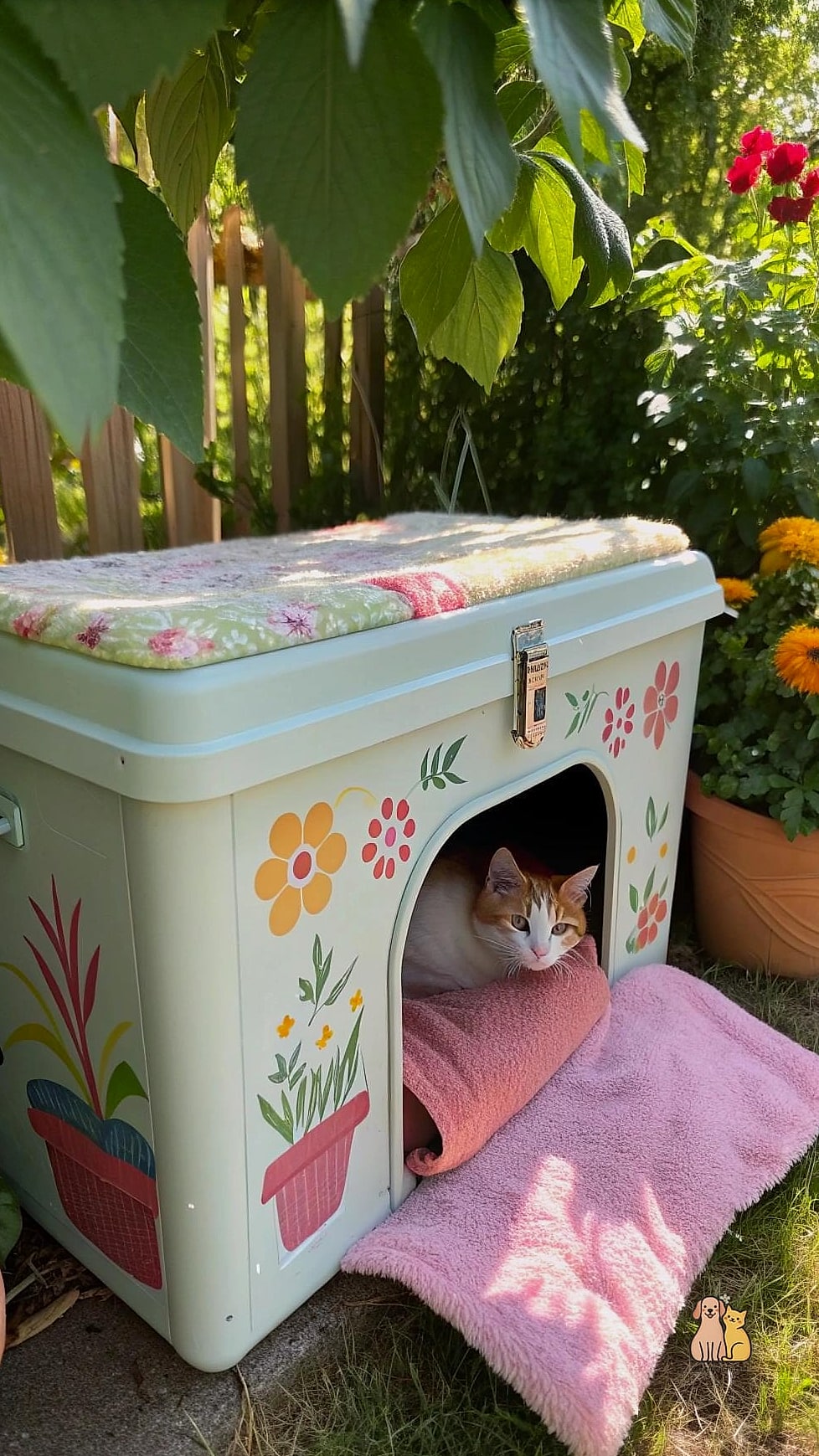
If you’ve got an old plastic playhouse gathering dust in the backyard, it can become a spacious cat shelter with very little modification. Add insulation, a smaller entrance to retain heat, and some cozy bedding, and your cat suddenly has a shelter with room to stretch out.
The Community Colony Feeding Station and Shelter Combo
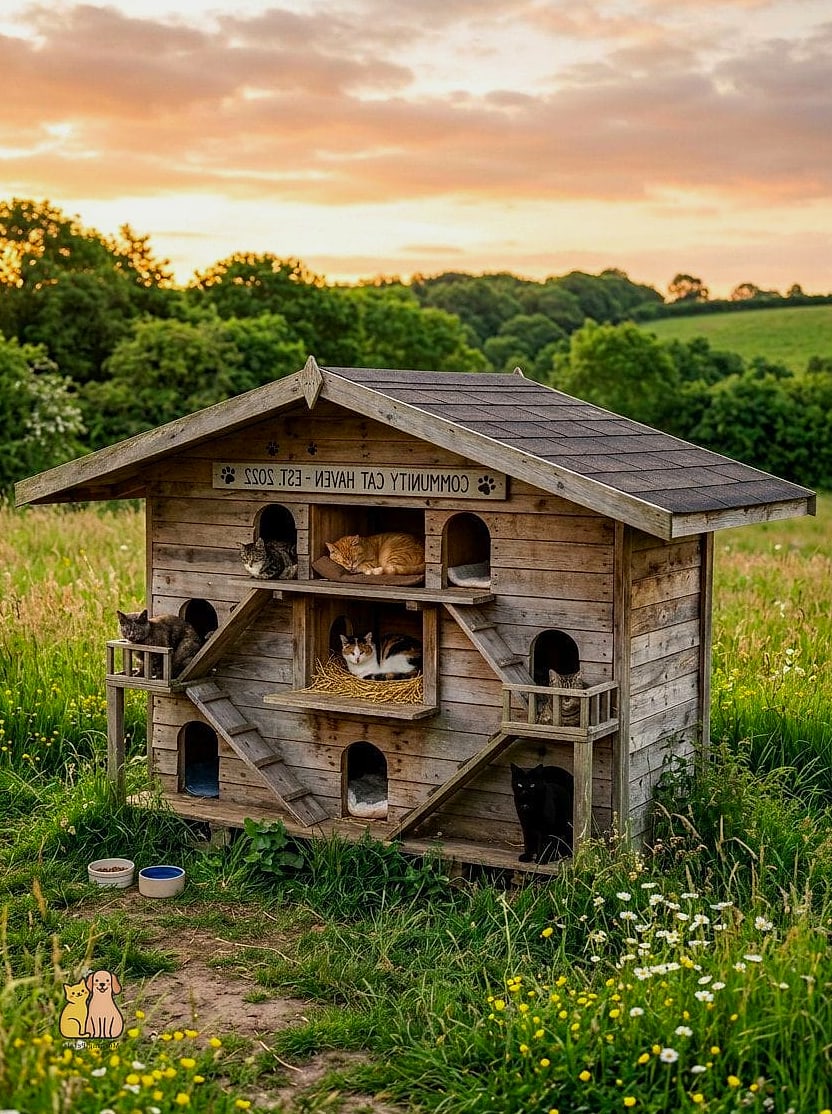
This setup combines a feeding station with an attached shelter, so cats have both food and safety in one spot. Keep the feeding area separate from the sleeping area to keep bedding clean and dry. It’s especially practical for caretakers managing outdoor colonies long-term.
Building or buying any of these shelters comes down to what your cat actually needs and how much space and budget you’re working with. A single house cat who dips outside for an hour a day has very different needs than a colony of ten cats relying on you through winter.
Whatever you choose from this list of 30 outdoor cat shelter ideas, the goal stays the same: give your cat a dry, insulated, safe place to retreat to. Add fresh straw seasonally, check for wear after storms, and place shelters somewhere shielded from wind. Your cat will thank you by using it — probably more than you expect.