15 Brilliant Side Yard Dog Run Ideas to Try Right Now
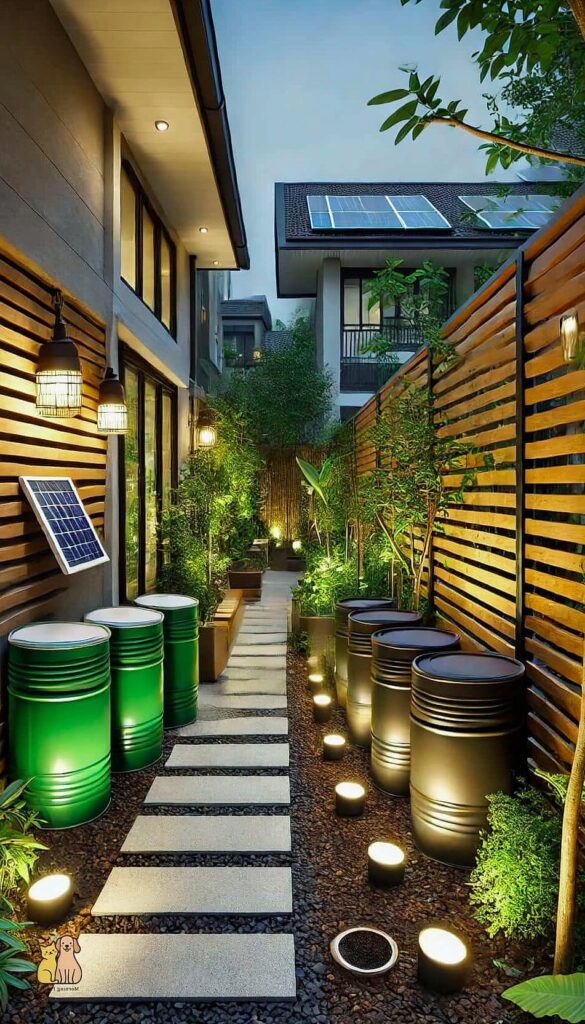
- The Classic Gravel Run
- Artificial Turf with a Drainage Layer
- Rubber Paver Flooring
- The Shaded Tunnel Run
- Chain Link with Privacy Slats
- The Agility Mini Course
- Raised Wood Deck Run
- Concrete Slab with a Drain
- The Vertical Garden Privacy Wall
- The Double-Gated Airlock Entry
- Mulch and Sand Combo Run
- The Enrichment Station Run
- The Multi-Zone Run for Two Dogs
- The Cedar-Lined Aromatic Run
- The All-Weather Convertible Run
15 Brilliant Side Yard Dog Run Ideas to Try Right Now
If you’ve got a narrow strip of yard running along the side of your house that’s basically doing nothing but collecting weeds and the occasional lost soccer ball, I have news for you. That awkward side yard is prime real estate for a dog run. I’ve watched so many pet owners transform that dead space into something their dog actually races to every morning, and honestly, it’s one of the most satisfying yard projects you can tackle.
A side yard dog run gives your pup a safe, contained space to sniff, pace, sunbathe, and burn off energy without you worrying about the front gate or the neighbor’s cat wandering into the mix. Whether you’re working with a five-foot-wide gap between fences or a longer stretch that runs the whole length of your house, there’s a layout here that’ll fit. Let’s get into it.
The Classic Gravel Run
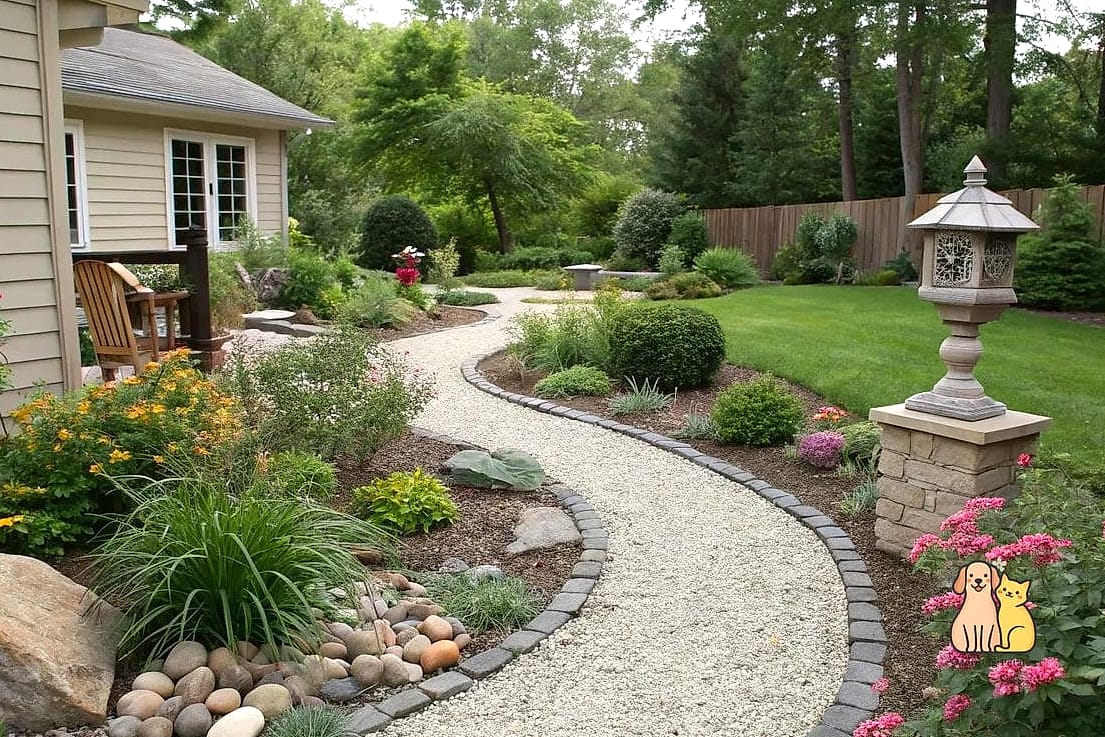
This one’s a workhorse. Pea gravel or decomposed granite spread over a leveled, tamped base creates a run that drains well and doesn’t turn into a mud pit every time it rains.
Dogs with active paws love the texture, and it’s especially good for bigger breeds like Labradors or German Shepherds who need a surface that can handle some serious zoomies. Budget-wise, gravel is one of the cheapest options out there, though you’ll want to check paws for stray pebbles after zoomie sessions.
Artificial Turf with a Drainage Layer
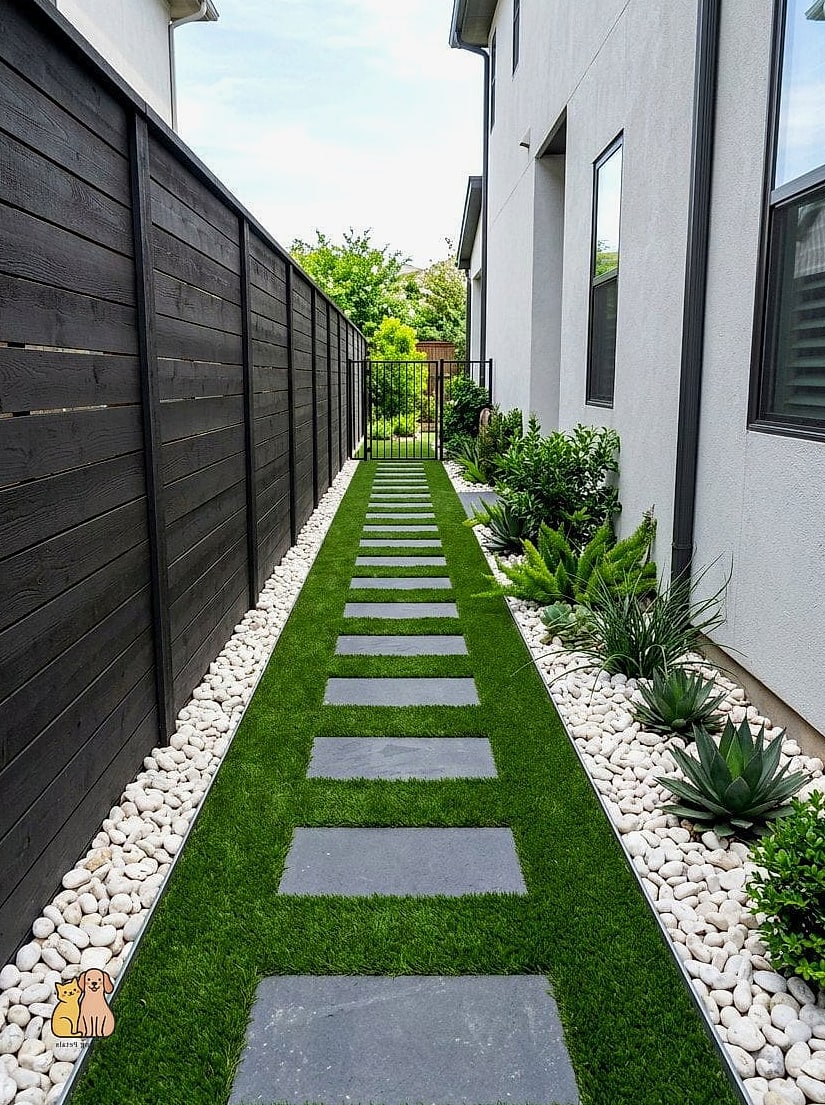
If you like the look of grass but don’t want the maintenance nightmare of real sod getting torn up daily, synthetic turf built over a proper drainage layer is a smart middle ground.
It stays green year-round, it’s gentle on paws, and pet-specific turf blends are designed to handle urine odor better than the stuff meant for regular lawns. This is a favorite for apartment dwellers who eventually move into a house with a side yard and want that same soft feel outdoors.
Rubber Paver Flooring
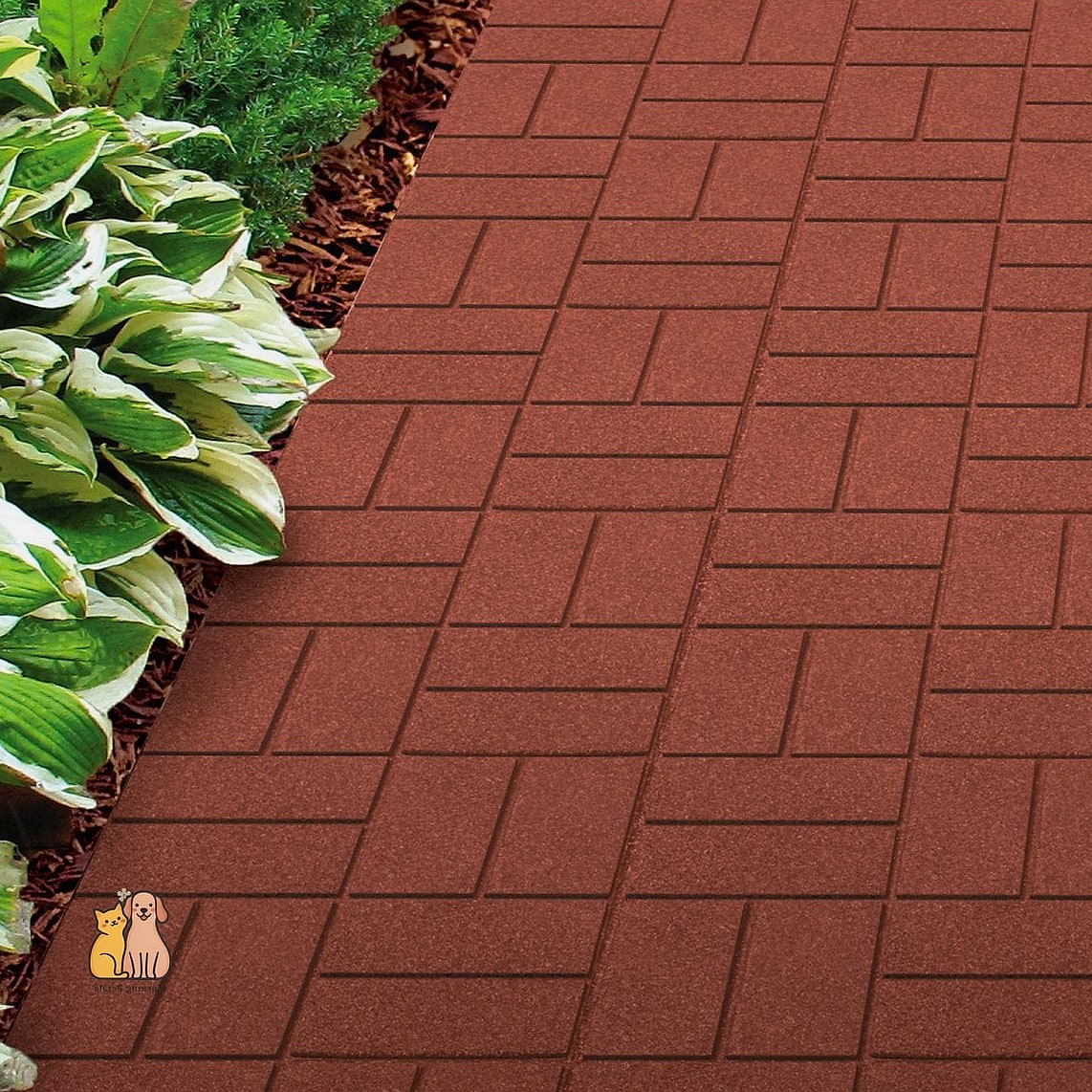
Rubber pavers or interlocking rubber mats give you a cushioned, joint-friendly surface that’s fantastic for senior dogs or breeds prone to hip issues, like Golden Retrievers or German Shepherds.
They’re easy to hose down, resist odor buildup, and hold up in both blazing summer heat and freezing winters without cracking. It’s a pricier option upfront, but the durability tends to make up for it over the years.
The Shaded Tunnel Run
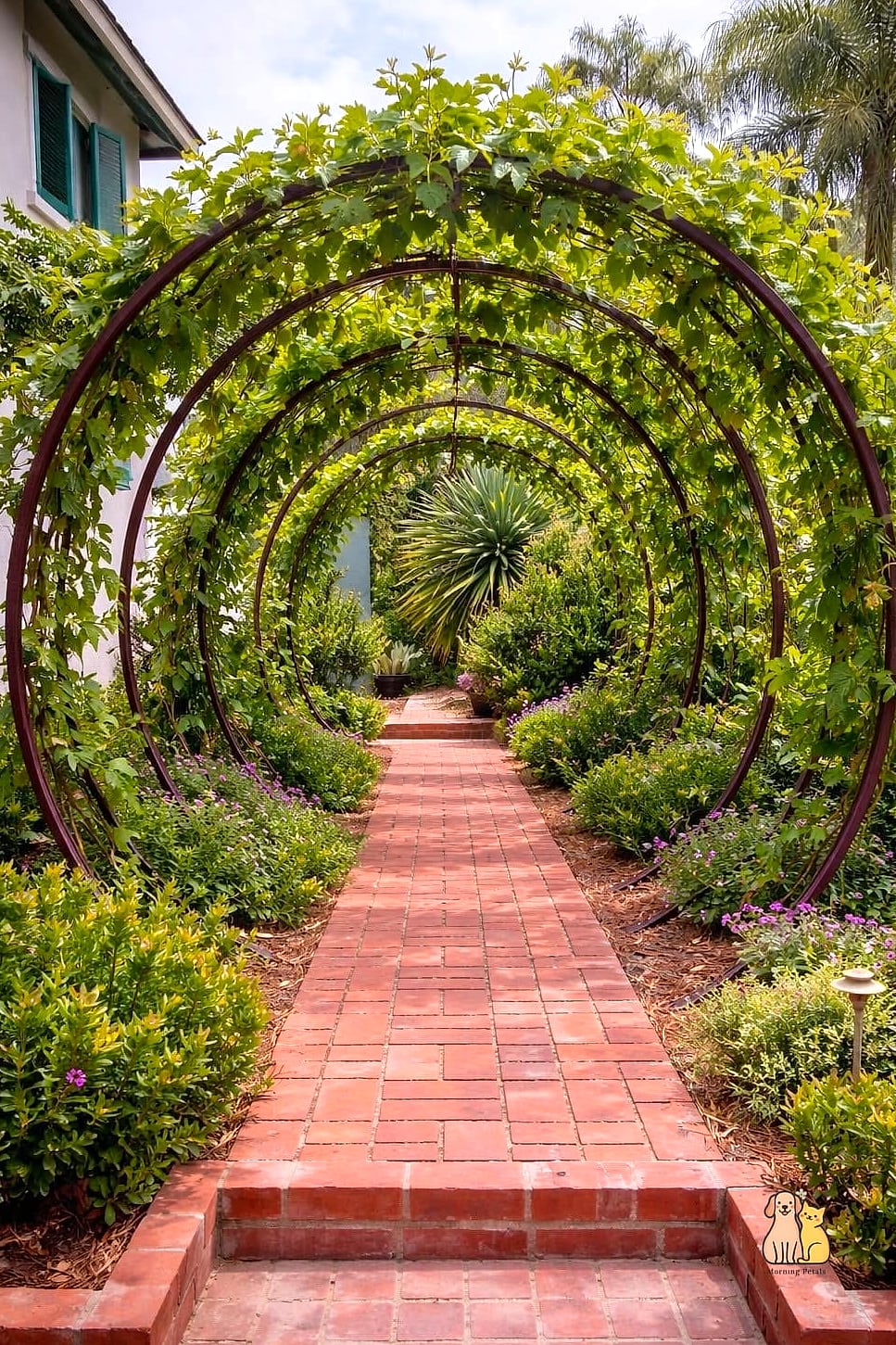
Side yards often sit right next to the house, which means you can rig up shade cloth or a simple pergola-style cover running the length of the space. This keeps the run cool even during peak afternoon sun.
Short-nosed breeds like Bulldogs and Pugs especially benefit from this setup since they overheat faster than most dogs. Add a small fan or a shaded dog bed at one end and you’ve basically built a canine chill zone.
Chain Link with Privacy Slats
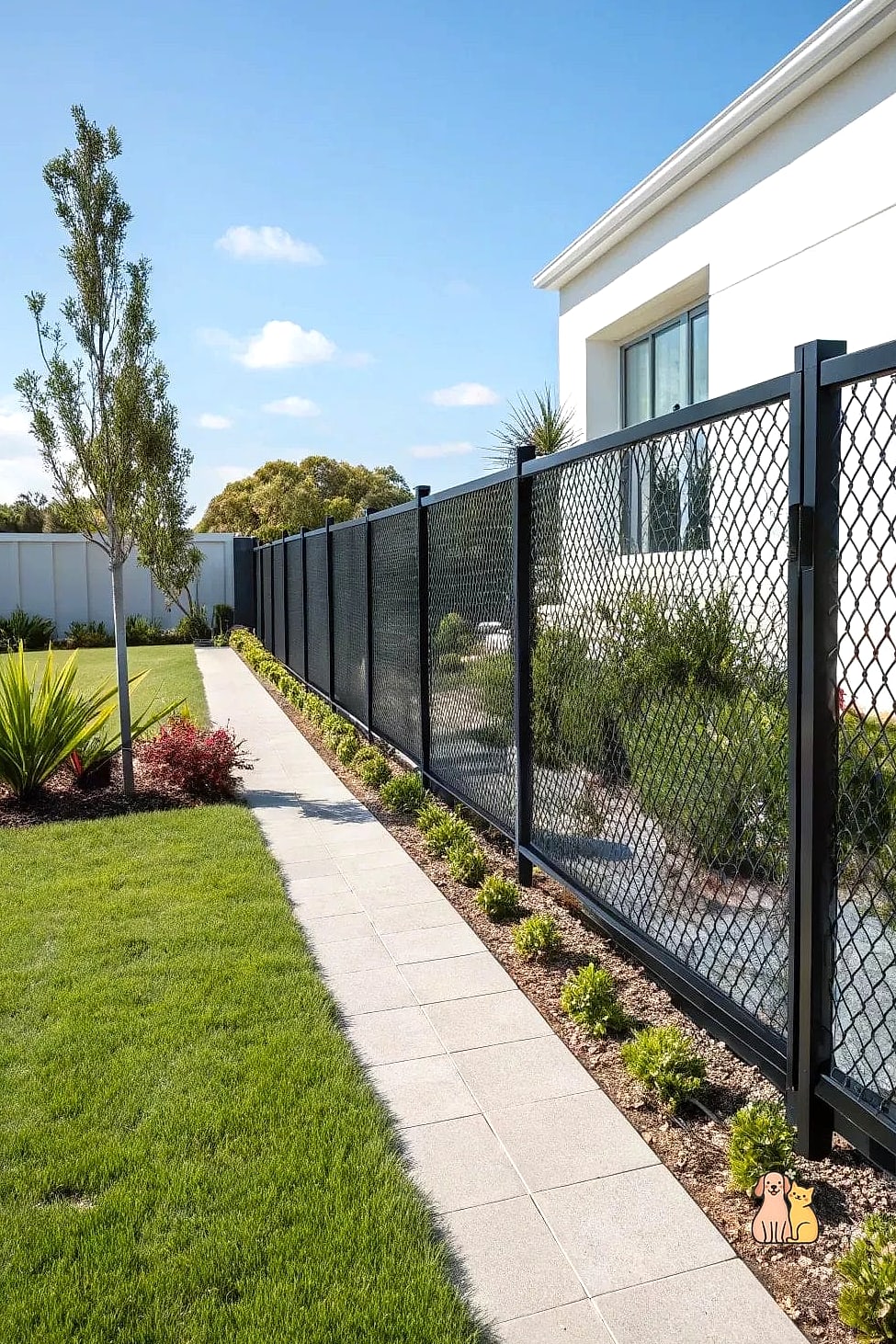
A straightforward chain link fence gets the job done, but weaving privacy slats through it changes the whole vibe. Your dog gets a sense of enclosure instead of feeling exposed on both sides, which can genuinely reduce barking at passersby.
This works well for reactive dogs or breeds with strong guarding instincts, like Rottweilers or Australian Shepherds, who tend to calm down when they’re not staring at every person and delivery truck that walks by.
The Agility Mini Course
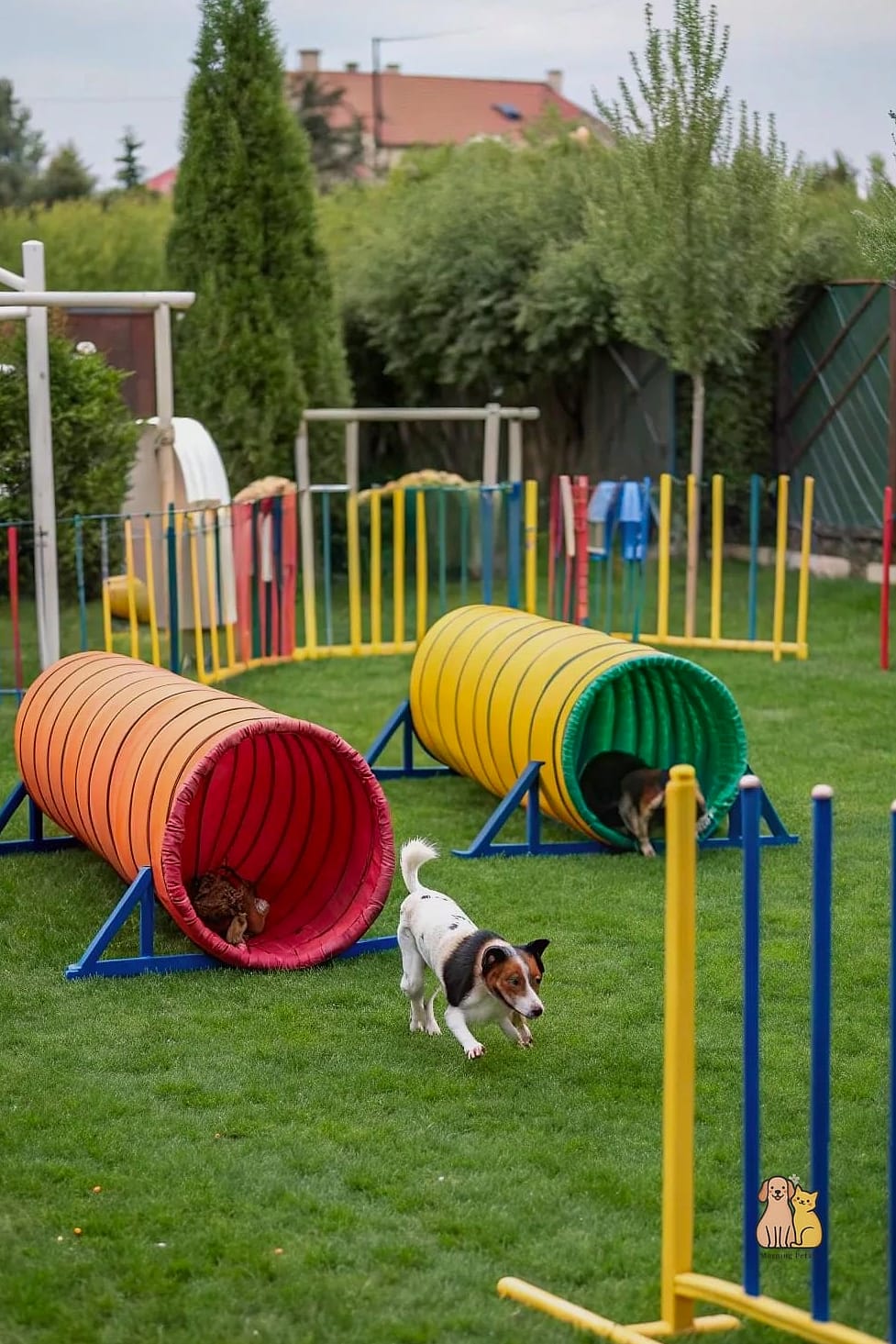
Got a longer side yard? Turn it into a mini agility playground with a few weave poles, a low jump, and a tunnel tucked along the run. It doesn’t need to be Westminster-level equipment — even a couple of DIY PVC jumps will do.
High-energy breeds like Border Collies and Australian Cattle Dogs thrive with this kind of setup since it gives their brains something to do, not just their legs.
Raised Wood Deck Run
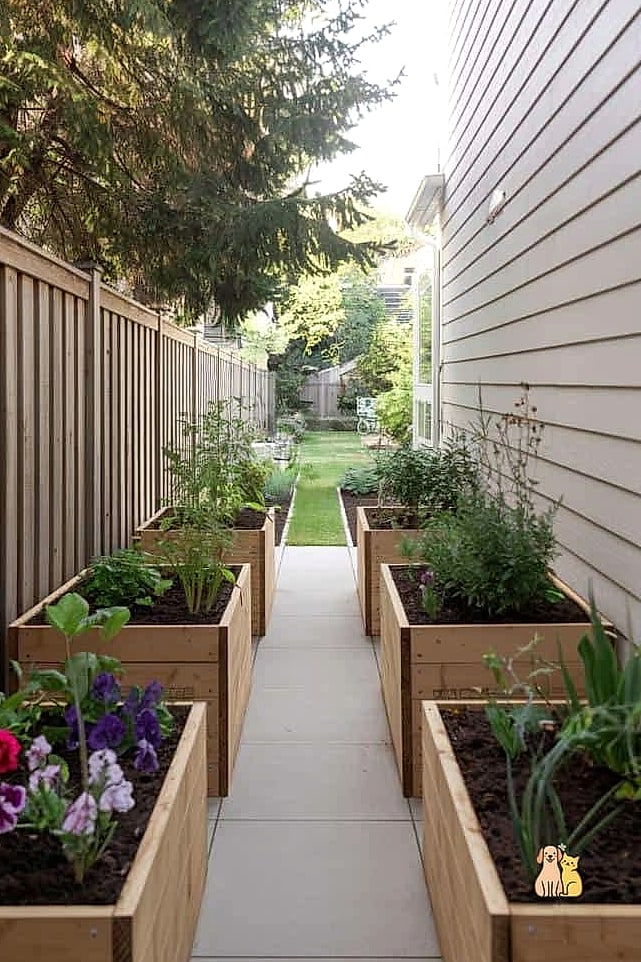
Building a raised wooden platform along the side yard keeps your dog off damp ground and adds a bit of visual charm to the space. Treated lumber with gaps for drainage works best so it doesn’t rot from moisture sitting underneath.
This is a nice option if your side yard tends to flood or stay soggy, and it pairs beautifully with a dog ramp at one end for older pups who need an easier way up.
Concrete Slab with a Drain
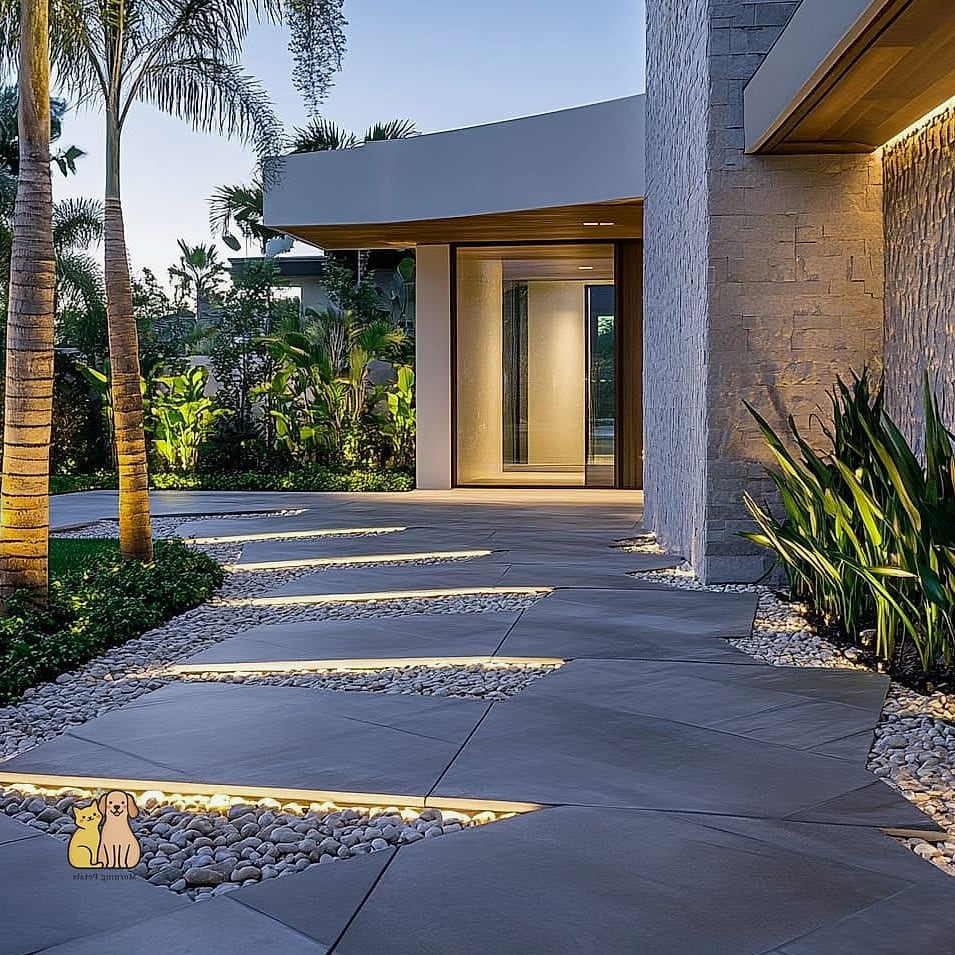
For pet owners who want the lowest-maintenance surface possible, a poured concrete slab with a center drain is hard to beat. No digging, no mud, no weeds pushing through.
It’s especially popular for larger dogs or multi-dog households where durability matters more than softness. Just toss down an outdoor dog bed or a cooling mat so there’s a comfortable spot to rest that isn’t bare concrete.
The Vertical Garden Privacy Wall
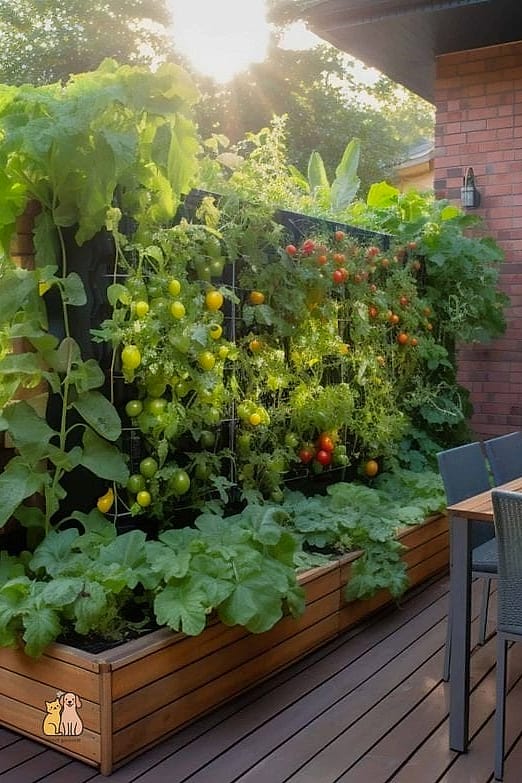
If your side yard run backs up against a fence that faces a busy street or a nosy neighbor’s window, a vertical garden wall using climbing plants or pallet planters adds privacy and a little greenery without eating into floor space.
Just double-check that whatever you plant is non-toxic to dogs — foxglove and oleander are common landscaping plants that are surprisingly dangerous, so stick to pet-safe options like sunflowers or snapdragons.
The Double-Gated Airlock Entry
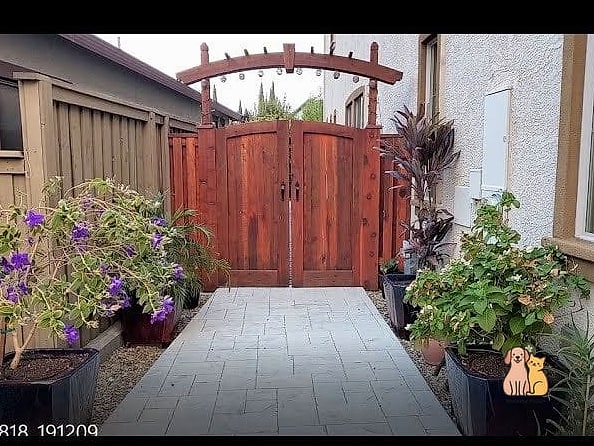
This is more of a safety feature than a look, but it deserves its own spot on the list because it’s genuinely brilliant for anyone with a dog who’s a flight risk at the door. A small double-gated entry area means one gate closes before the other opens, so there’s no clean shot to the street.
Escape artists like Huskies and Beagles benefit enormously from this setup, and honestly, it gives owners a lot of peace of mind.
Mulch and Sand Combo Run
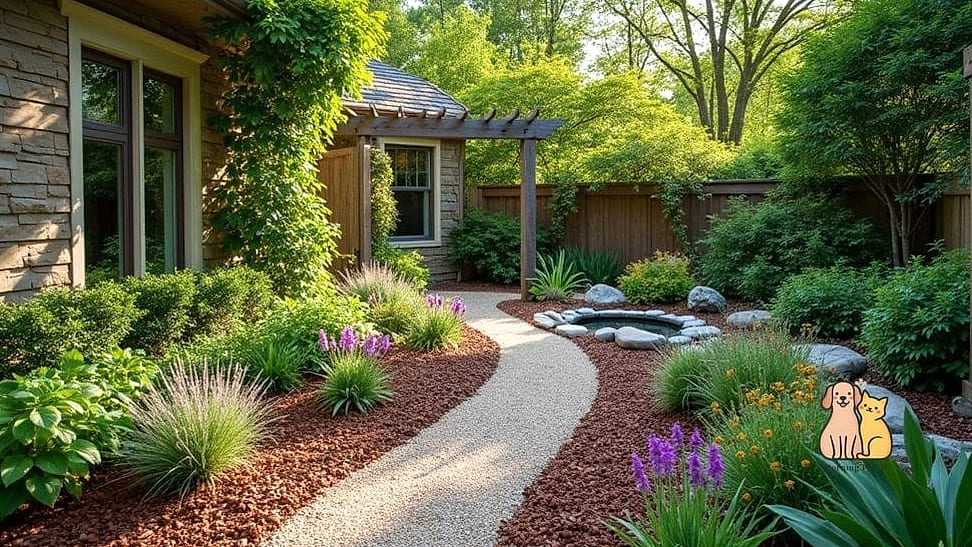
Mixing playground-grade sand with pet-safe mulch creates a soft, diggable surface that a lot of dogs genuinely love. It’s particularly great for breeds with a strong digging instinct, like Dachshunds or Terriers, who’ll happily entertain themselves for an hour.
Just steer clear of cocoa mulch, since it’s toxic to dogs. Cedar or pine mulch is the safer route here.
The Enrichment Station Run
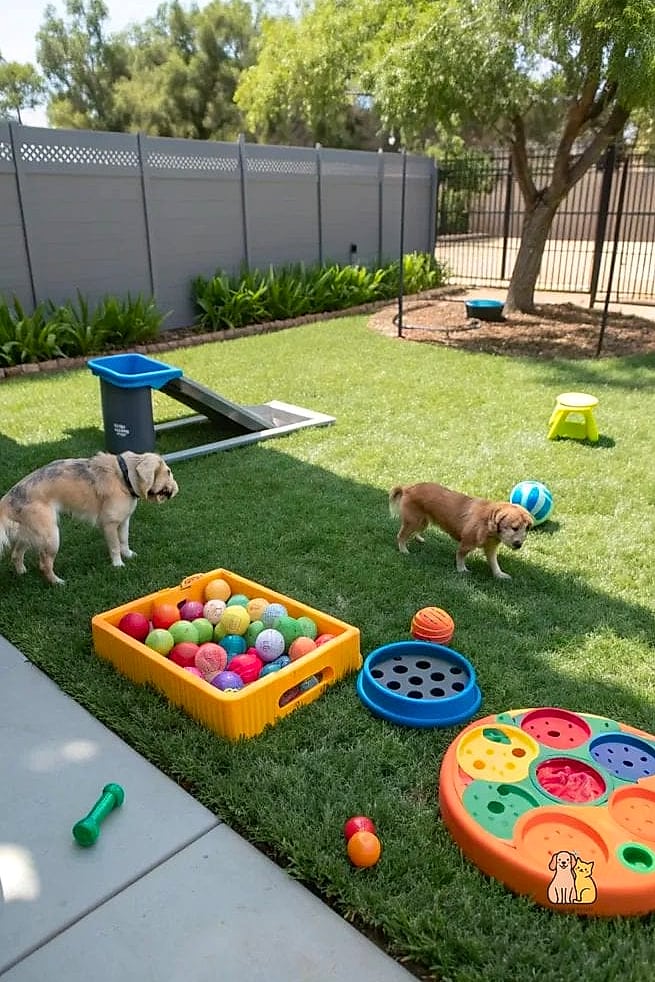
Line one end of the side yard with a few weatherproof puzzle feeders, a snuffle mat anchored to a stake, and a couple of durable enrichment toys, and suddenly a boring strip of yard becomes a mental workout zone.
This setup is ideal for dogs who get bored easily or tend toward destructive behavior when they’re under-stimulated. Rotating the toys every week or two keeps things fresh so your dog doesn’t lose interest.
The Multi-Zone Run for Two Dogs
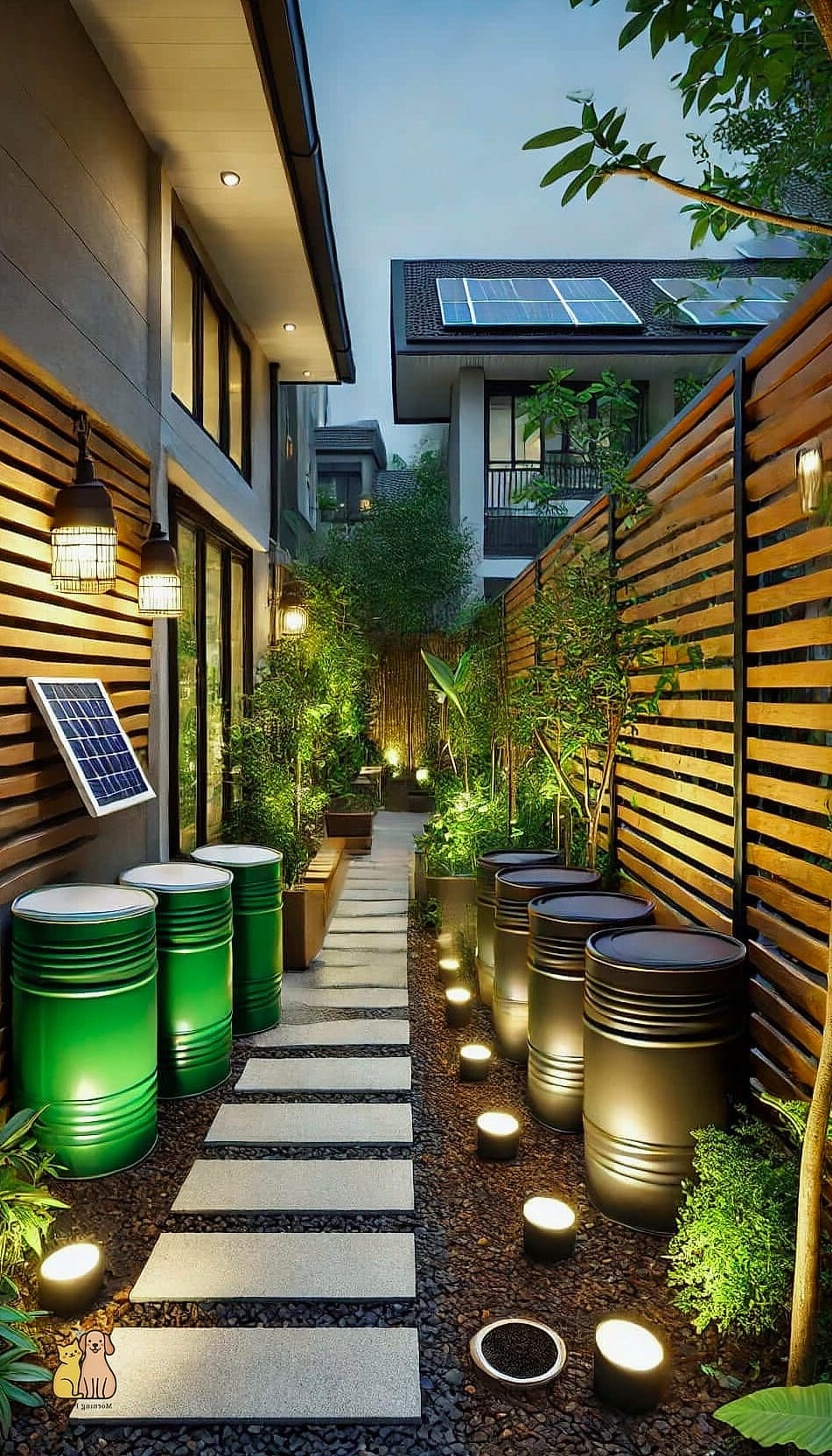
If you’ve got a two-dog household, splitting the side yard into two connected zones with a shared gate lets each dog have their own space while still being able to see and interact with each other.
This is especially useful when one dog is older and needs quiet time while the other is still a bouncy puppy. A simple mesh divider or short picket fence down the middle does the trick without blocking sightlines entirely.
The Cedar-Lined Aromatic Run
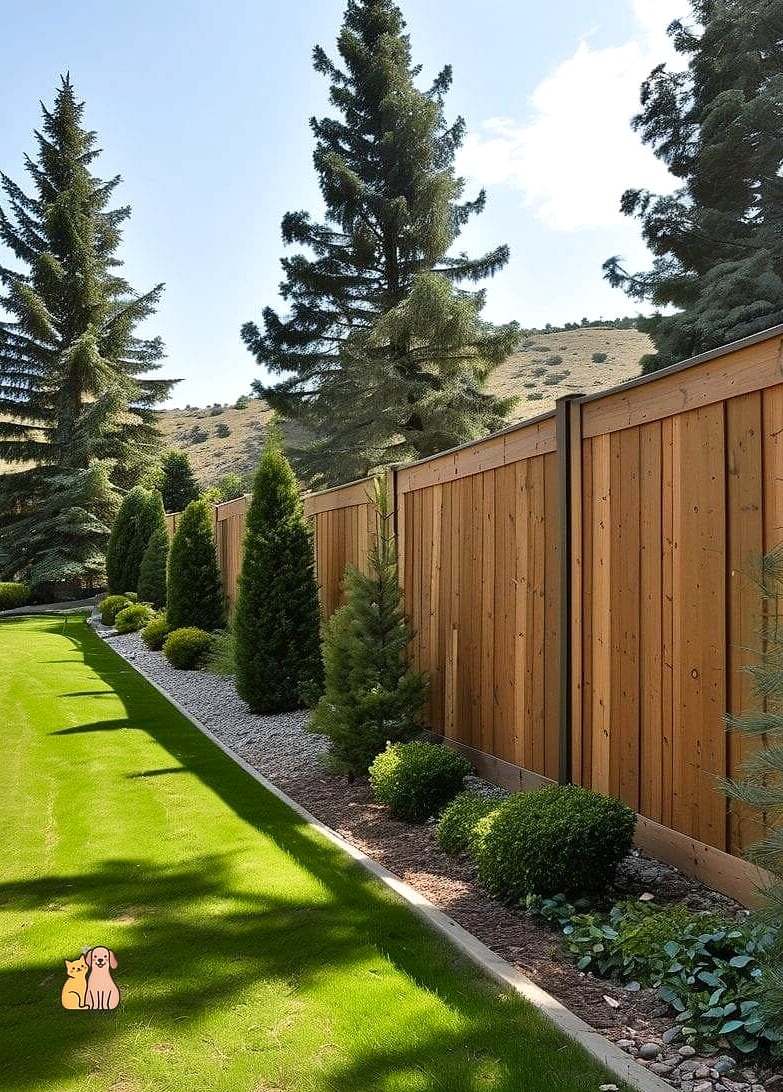
Lining the run’s borders with cedar planters or cedar mulch does double duty — it smells great to us, and cedar naturally helps repel fleas and other pests. It’s a small touch, but pet owners in warmer, buggier climates tend to notice the difference.
Pair it with a slow feeder bowl and shaded resting spot at one end, and you’ve got a run that feels intentional rather than an afterthought squeezed between two fences.
The All-Weather Convertible Run
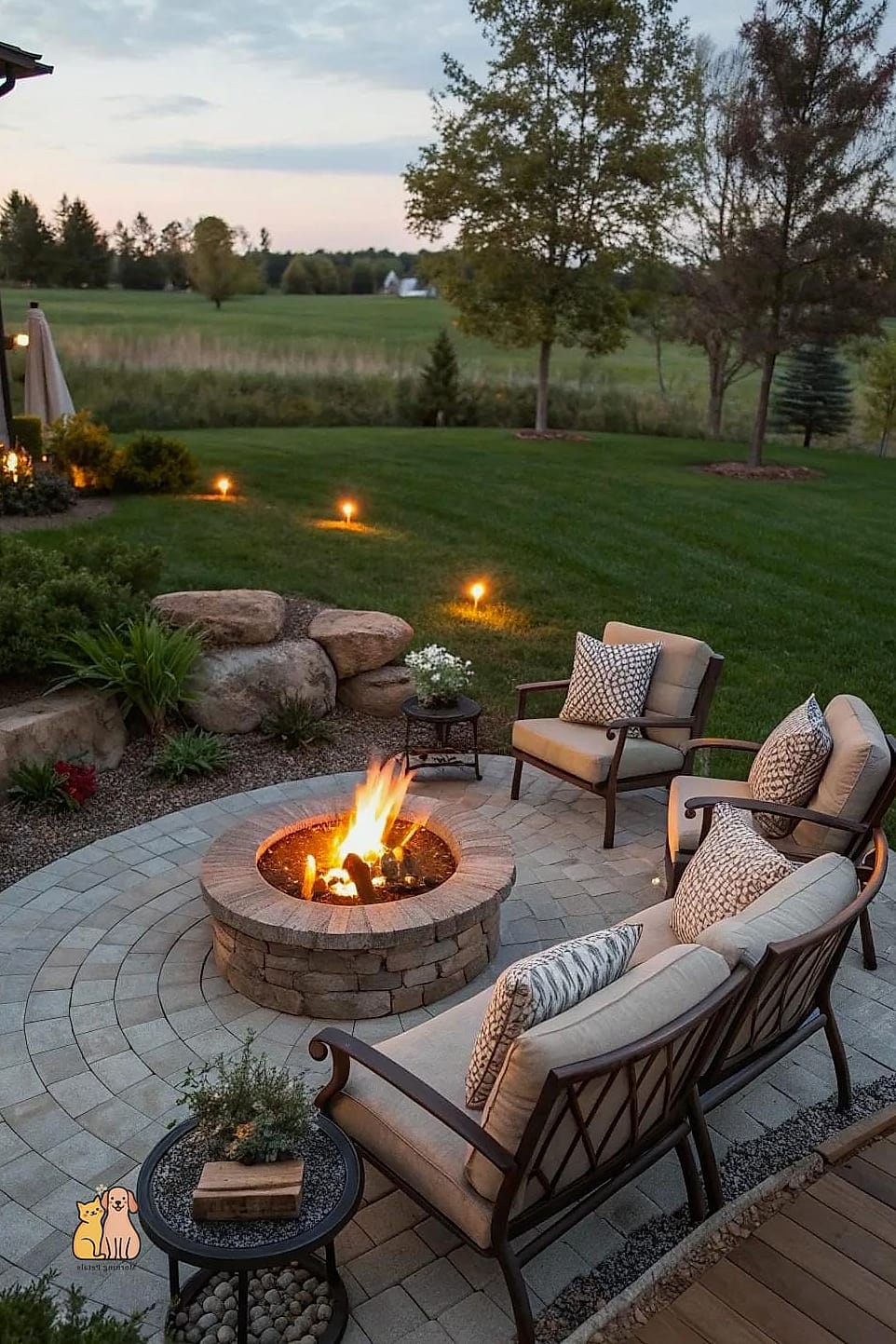
This last one is more of a philosophy than a single material choice. Build your side yard run with a layered approach — rubber pavers as the base, a retractable shade sail overhead, and a weatherproof dog house or covered kennel at one end.
It’s the option for owners who want a run that performs well no matter the season, from scorching summers to sudden rainstorms. It costs more to set up initially, but it means you’re not redoing the space every time the weather shifts.
However you decide to lay out your side yard, the goal is the same: give your dog a spot that’s genuinely theirs, safe enough that you can relax while they’re out there, and interesting enough that they actually want to use it. Start with whichever idea matches your budget and your dog’s personality, and you can always layer in more enrichment down the road. That narrow strip of yard has way more potential than it gets credit for.