45 Budget-friendly Cat Eating Station Ideas Worth Pinning Immediately
- The Repurposed Wine Crate Feeder
- The Mudroom Bench Tuck-In
- The Ceramic Tile Placemat
- The Cabinet Cutout Station
- The Bar Cart Bottom Shelf
- The Raised Wooden Riser
- The Basket Weave Feeding Nook
- The Stair Landing Station
- The Recycled Drawer Feeder
- The Floating Shelf Feeder
- The Terracotta Saucer Setup
- The Under-Sink Cabinet Diner
- The Vintage Suitcase Feeder
- The Corner Triangle Shelf
- The Cardboard Box Feeding Fort
- The Rolling Cart Multi-Cat Station
- The Window Bench Feeder
- The Painted Cinder Block Riser
- The Closet Floor Nook
- The Bookshelf Bottom Cubby
- The Rattan Tray Setup
- The Baking Sheet Splash Guard
- The Hallway Alcove Diner
- The Repurposed Nightstand Station
- The Garden Stepping Stone Base
- The Pegboard Bowl Wall
- The Laundry Room Ledge
- The Wicker Basket Duo
- The Repurposed Toy Chest Lid
- The Marble Contact Paper Tray
- The Stacked Crate Feeding Tower
- The Entryway Bench Underneath
- The Framed Chalkboard Backdrop
- The Sunroom Corner Setup
- The Reclaimed Pallet Wood Stand
- The Built-In Stair Riser Nook
- The Ottoman Tray Station
- The Painted Step Stool Base
- The Kitchen Island Overhang Spot
- The Repurposed Cheese Board Mat
- The Balcony Catio Feeder
- The Repurposed Spice Rack Shelf
- The Folded Towel Nook
- The Repurposed Plant Stand
- The Behind-the-Door Mini Station
45 Budget-friendly Cat Eating Station Ideas Worth Pinning Immediately
If your cat’s food bowls currently live on a random square of kitchen tile, you’re not alone. Most of us start there. But a proper eating station makes mealtime calmer, cuts down on spills, and honestly just looks nicer.
The good news is you don’t need a big budget to make it happen. A lot of the best setups use stuff you already have, cheap finds from the hardware store, or simple DIY builds you can knock out in an afternoon. Below are 45 budget-friendly cat eating station ideas worth pinning immediately, whether you’ve got one cat or a whole feline crew.
The Repurposed Wine Crate Feeder

An old wooden wine crate turned on its side makes a rustic little nook for bowls. Sand the edges, add a coat of stain, and you’ve got a farmhouse-style station that costs almost nothing.
The Mudroom Bench Tuck-In
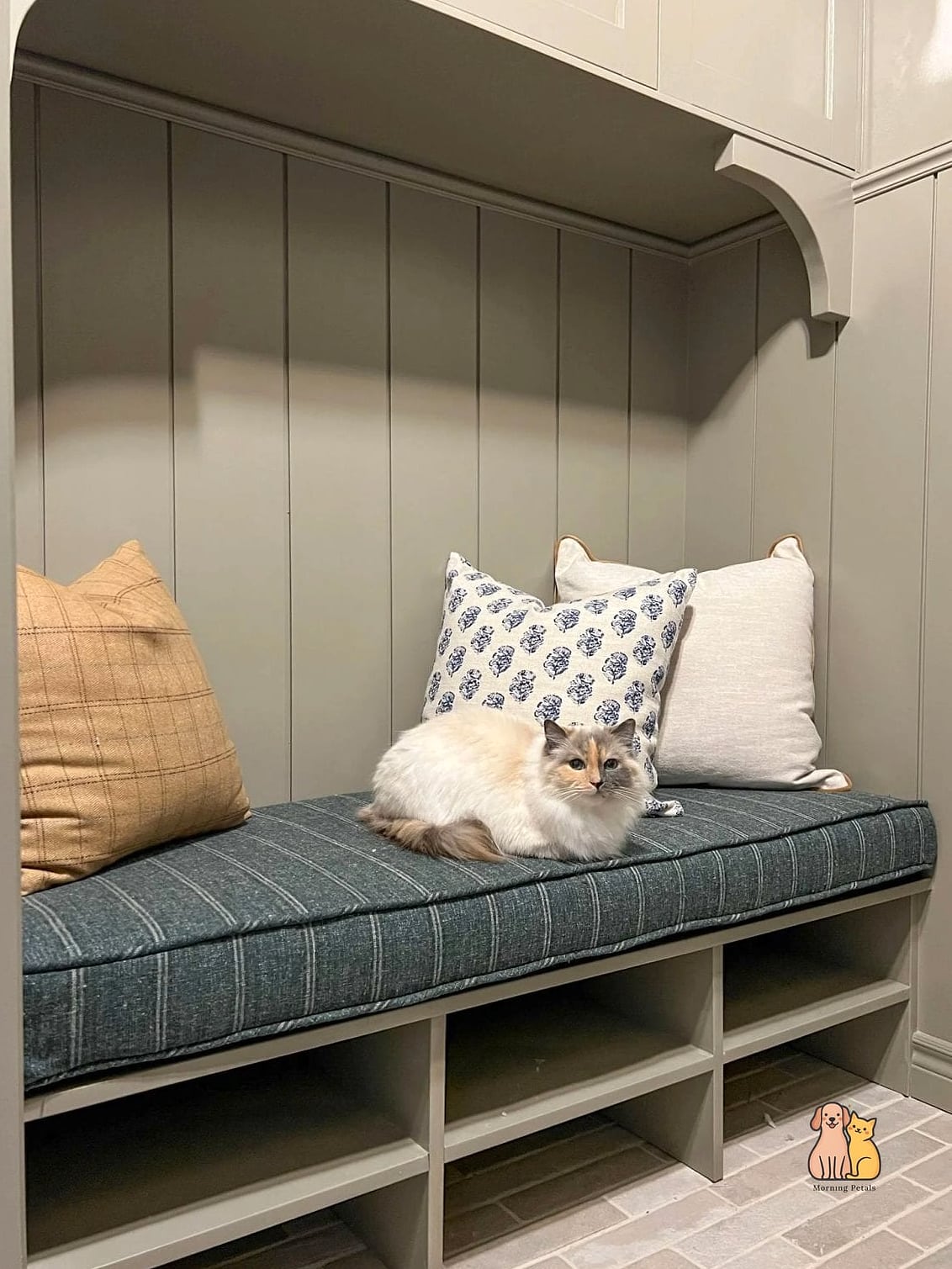
If you have a mudroom bench, slide a low tray underneath it. Cats love eating somewhere semi-hidden, and this keeps the bowls out of foot traffic entirely.
The Ceramic Tile Placemat
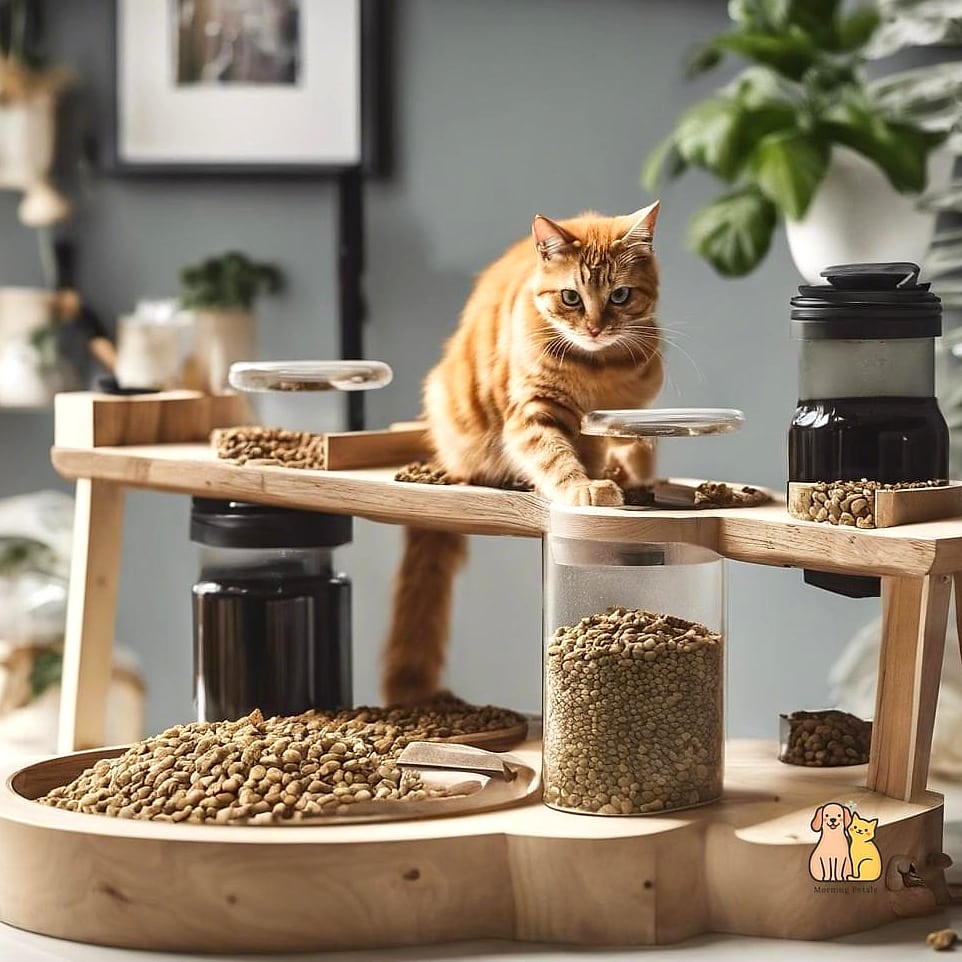
A single large ceramic tile from a hardware store scrap bin works as a wipeable, chip-resistant base for bowls. It’s especially handy for messy eaters or wet food fans.
The Cabinet Cutout Station
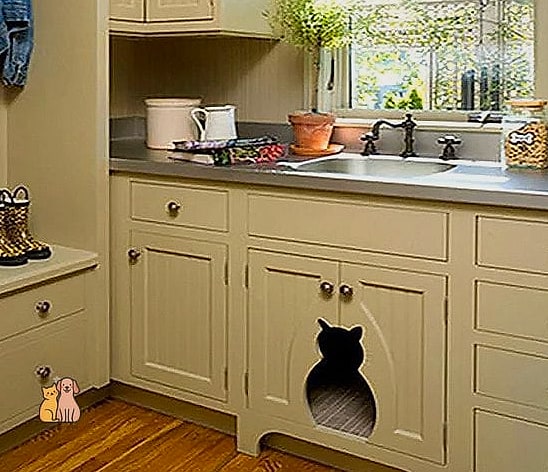
Cut a small doorway into an unused lower cabinet and place bowls inside. It hides the mess from guests and gives shy cats a private spot to eat undisturbed.
The Bar Cart Bottom Shelf
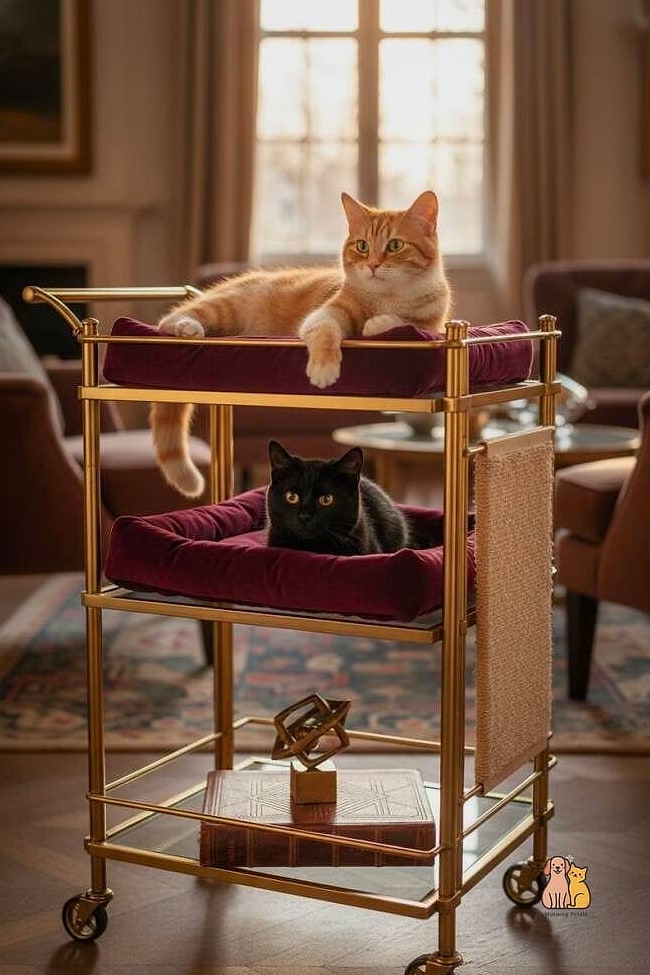
Repurpose the bottom shelf of a small bar cart as a mobile feeding station. You can roll it to a sunny window or tuck it away after meals.
The Raised Wooden Riser
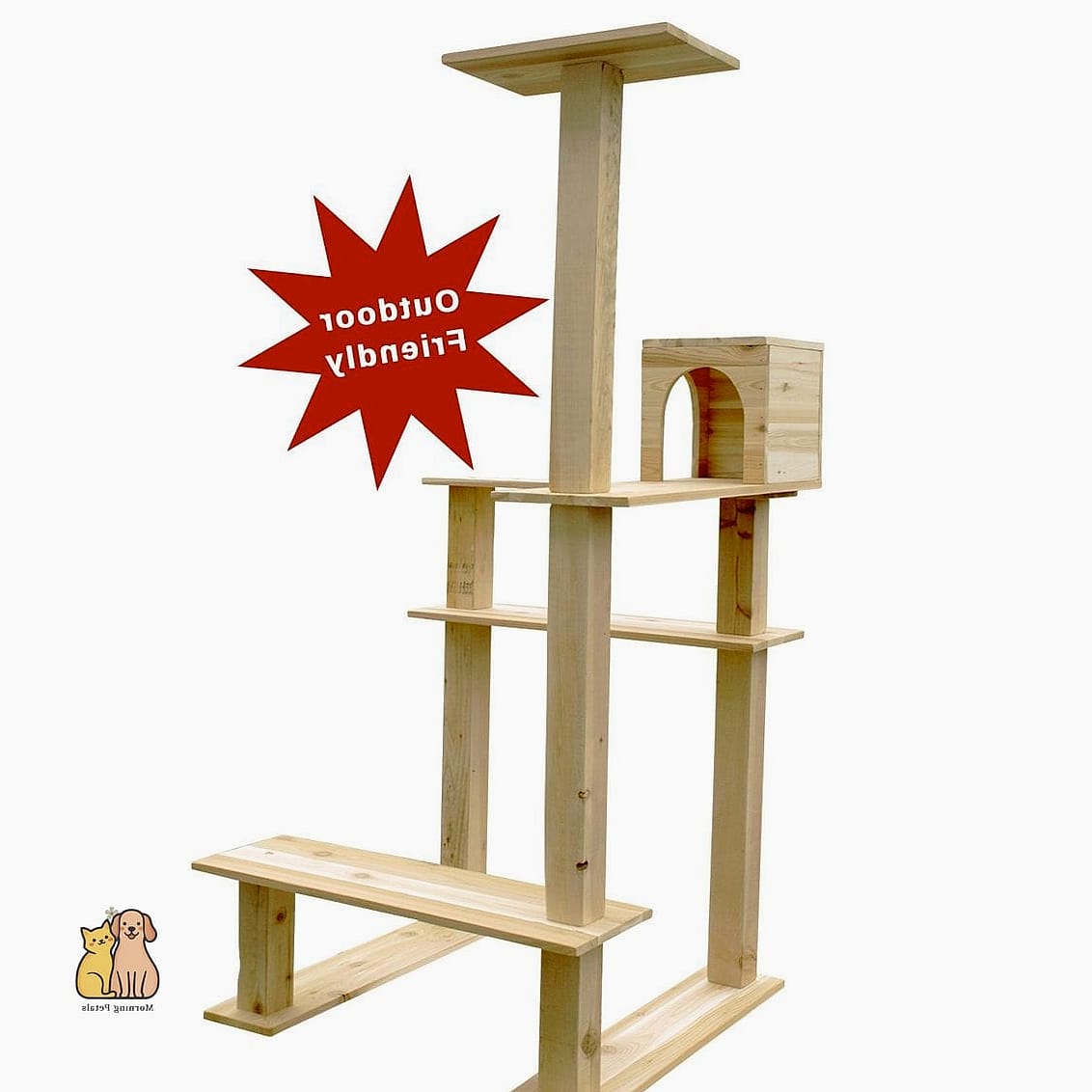
A simple wooden platform, even a few inches tall, helps cats with joint issues or megaesophagus eat more comfortably. Build one from scrap plywood in under an hour.
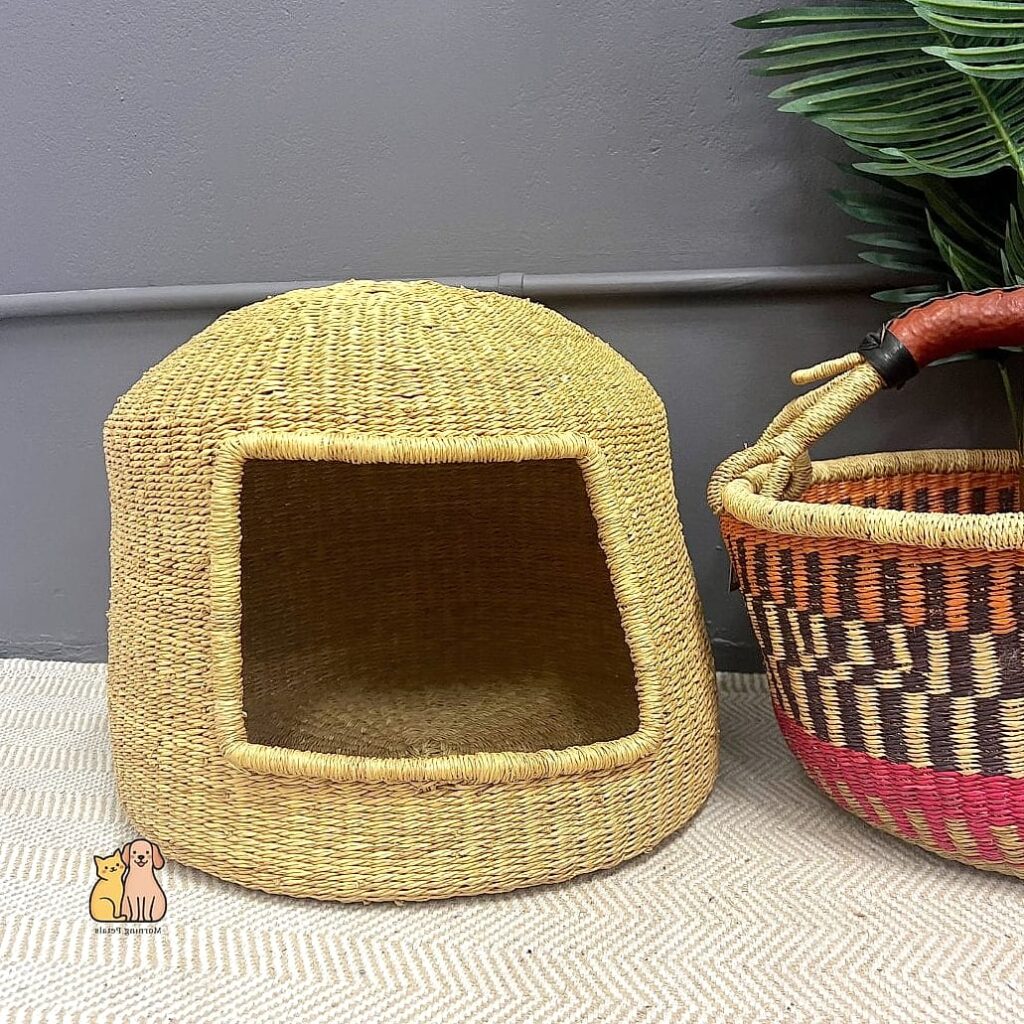
The Basket Weave Feeding Nook
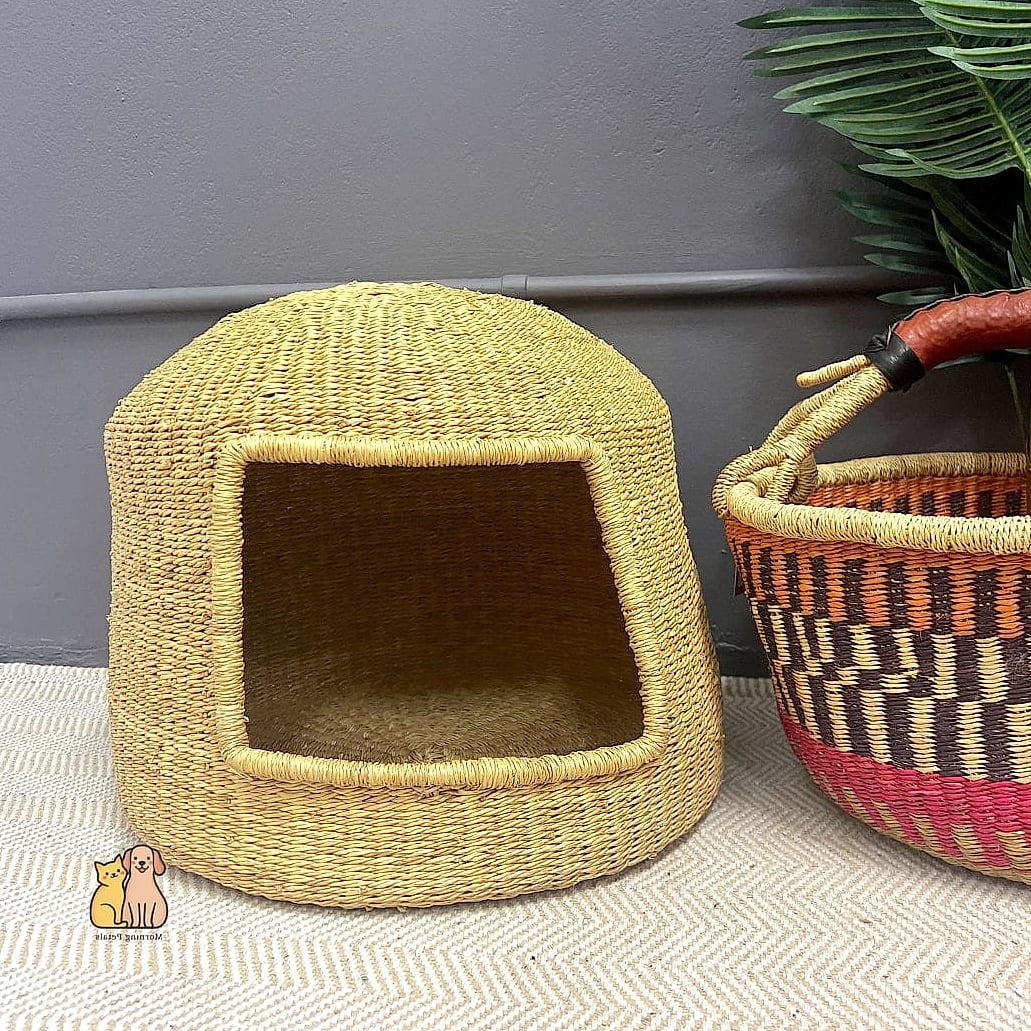
Line a wide, shallow basket with a rubber mat and set bowls inside. It’s soft on the eyes, budget-friendly, and easy to move room to room.
The Stair Landing Station
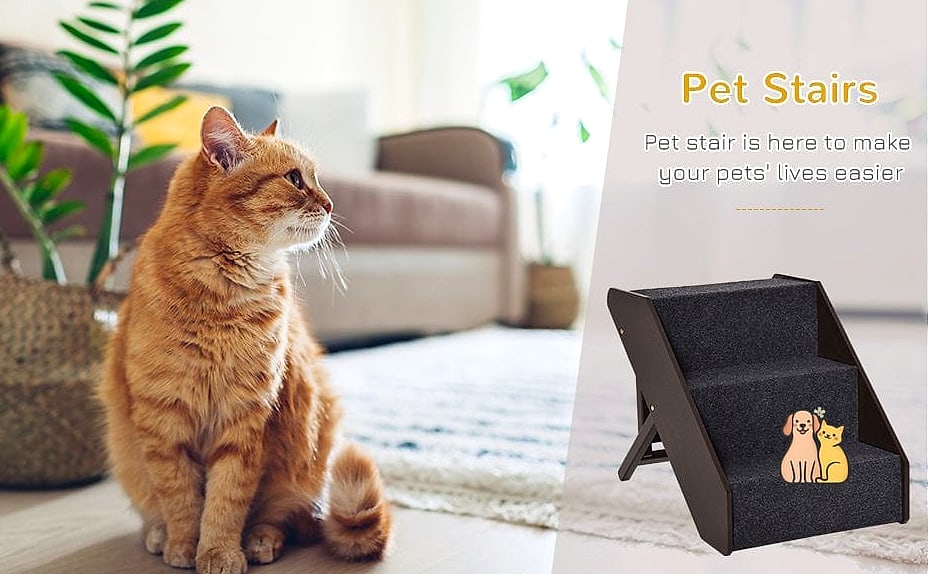
Many homes have an awkward stair landing that goes unused. A small mat and two bowls turn that dead space into a quiet eating spot away from dogs or kids.
The Recycled Drawer Feeder
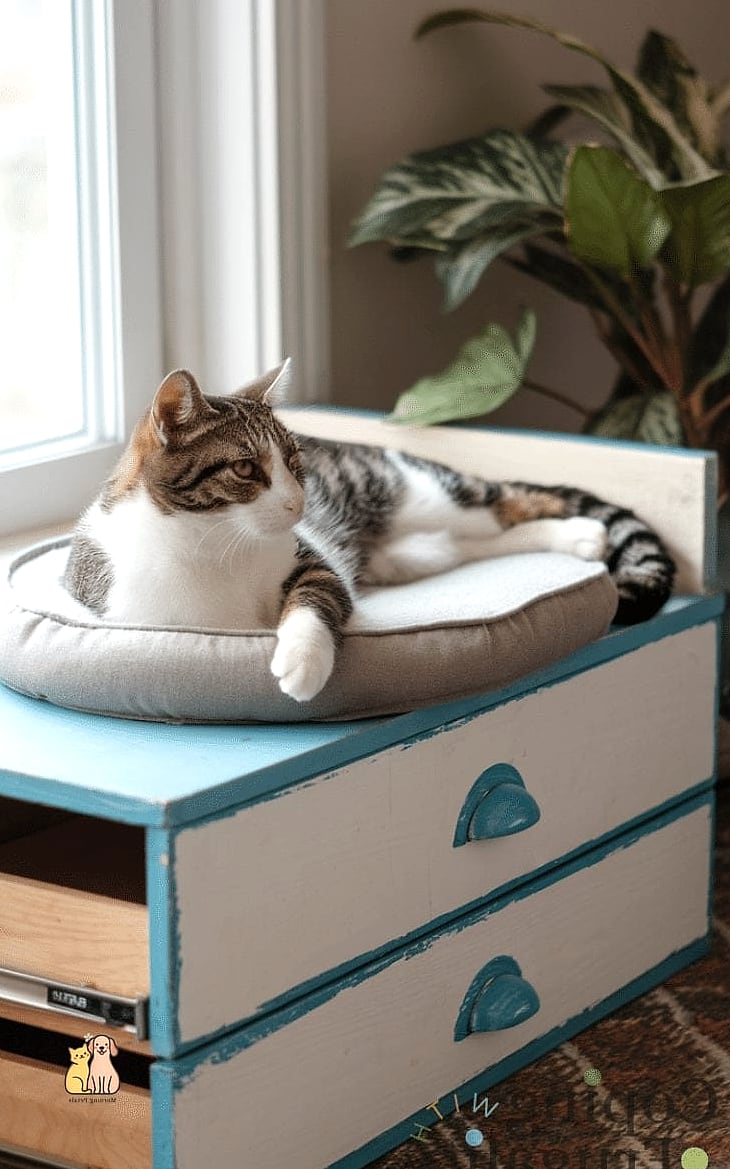
An old dresser drawer, laid flat and lined with a placemat, becomes a low-walled feeding tray. It contains kibble scatter better than an open floor ever could.
The Floating Shelf Feeder
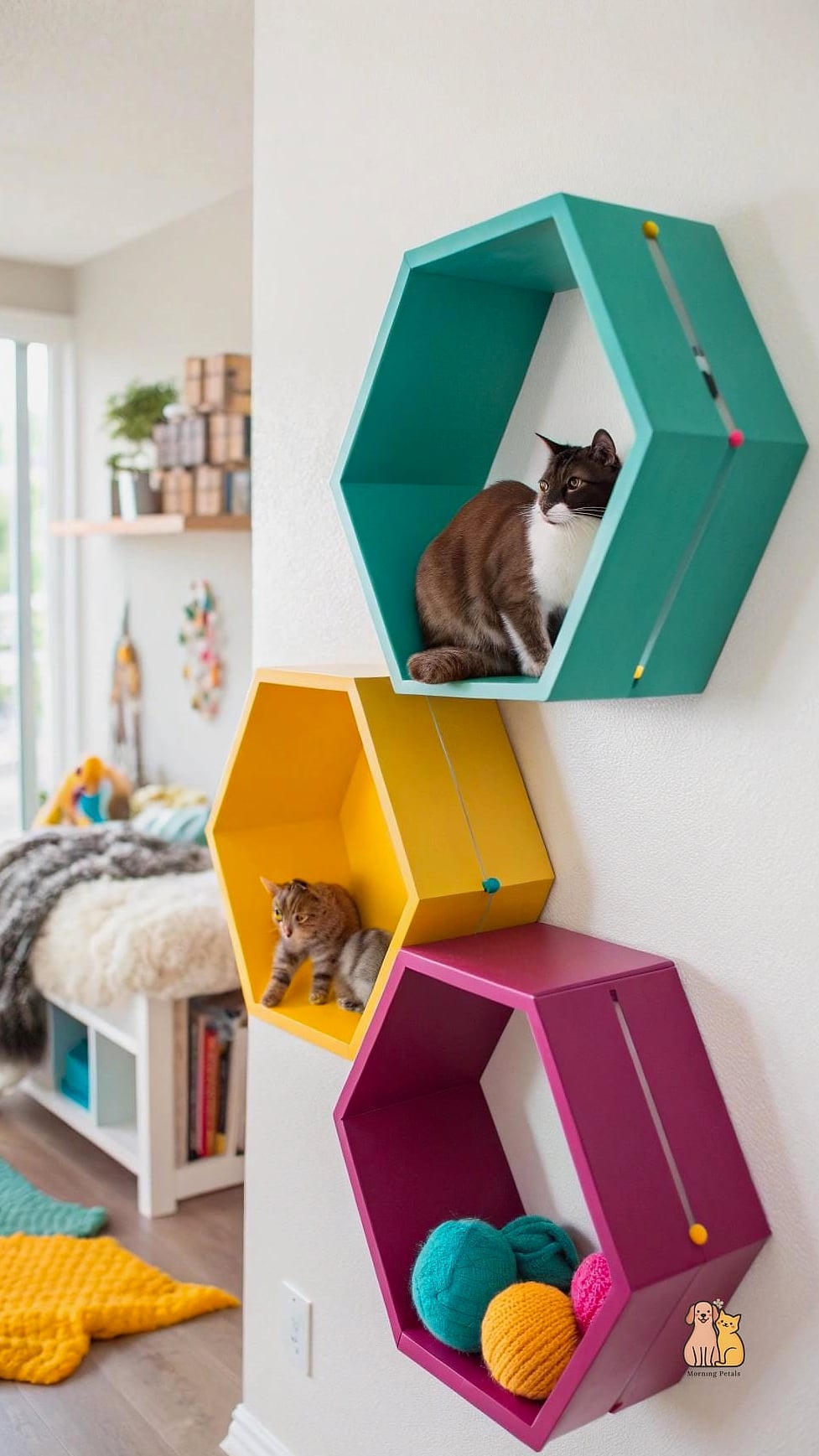
Mount a sturdy floating shelf at cat height for a wall-mounted eating station. This works especially well in small apartments where floor space is tight.
The Terracotta Saucer Setup
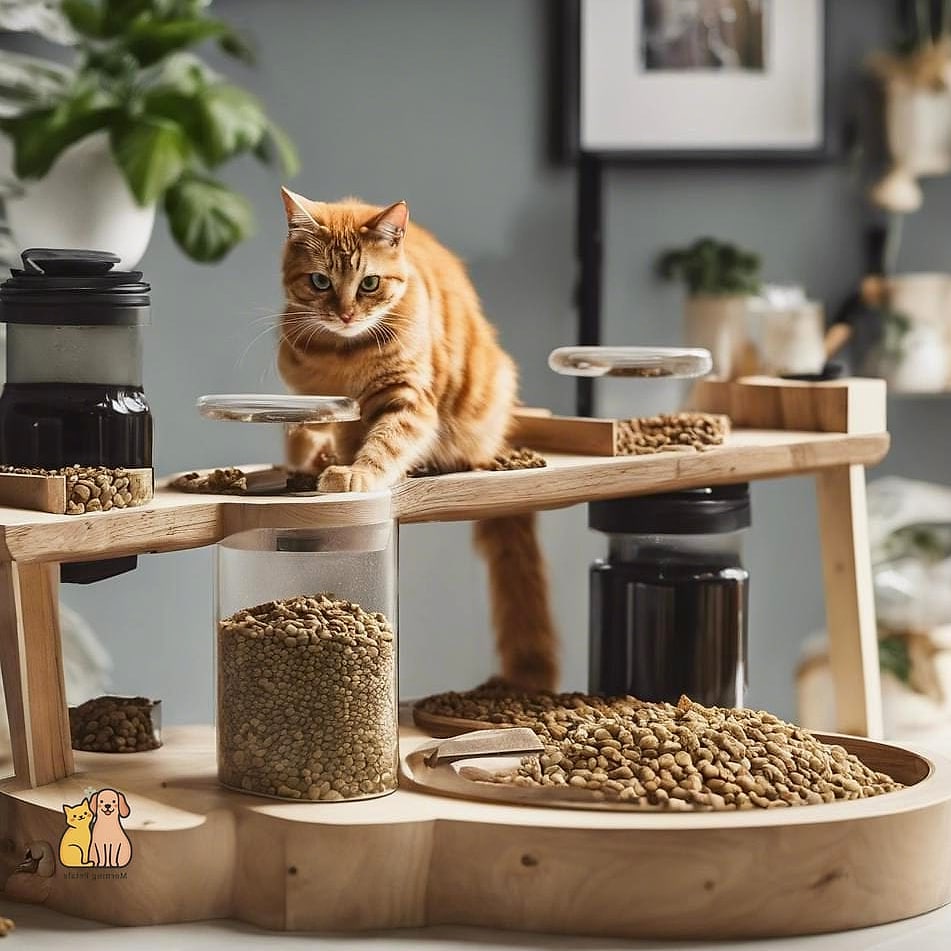
Large terracotta plant saucers double as budget-friendly bowl holders. They’re heavy enough to resist tipping and give a warm, earthy look to any kitchen corner.
The Under-Sink Cabinet Diner
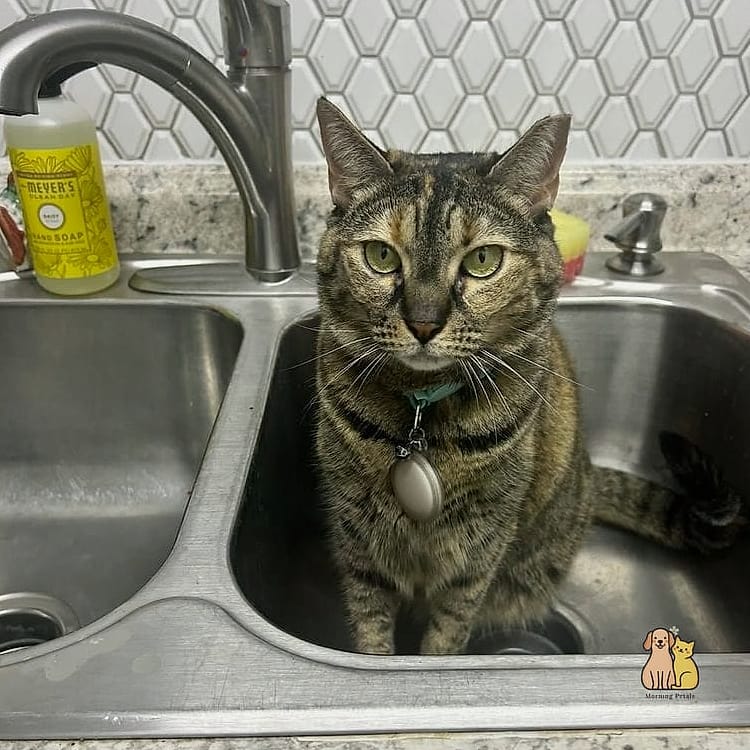
Clear out the under-sink cabinet in a rarely used bathroom and add a slow feeder bowl. It’s dark, quiet, and ideal for cats who startle easily during meals.
The Vintage Suitcase Feeder
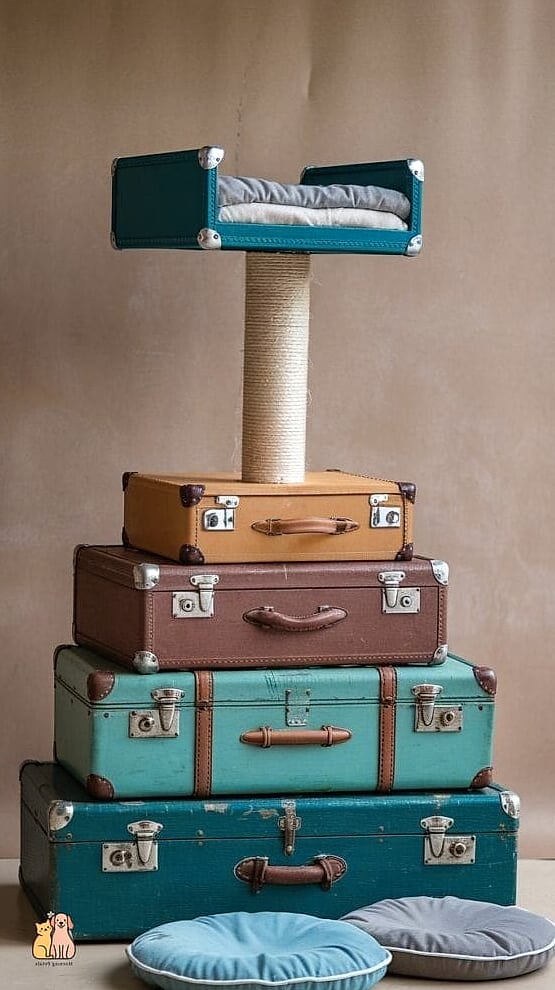
An old suitcase, opened flat and lined with a tray, makes a quirky and thrifted feeding spot. Thrift stores usually have these for just a few dollars.
The Corner Triangle Shelf
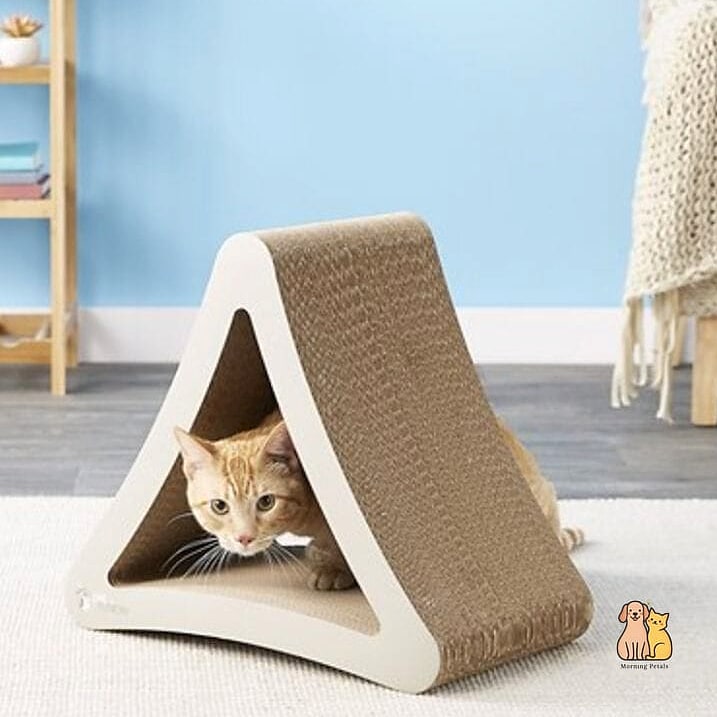
A small corner shelf, the kind meant for plants, fits neatly into unused corners and holds two bowls without eating up floor space.
The Cardboard Box Feeding Fort
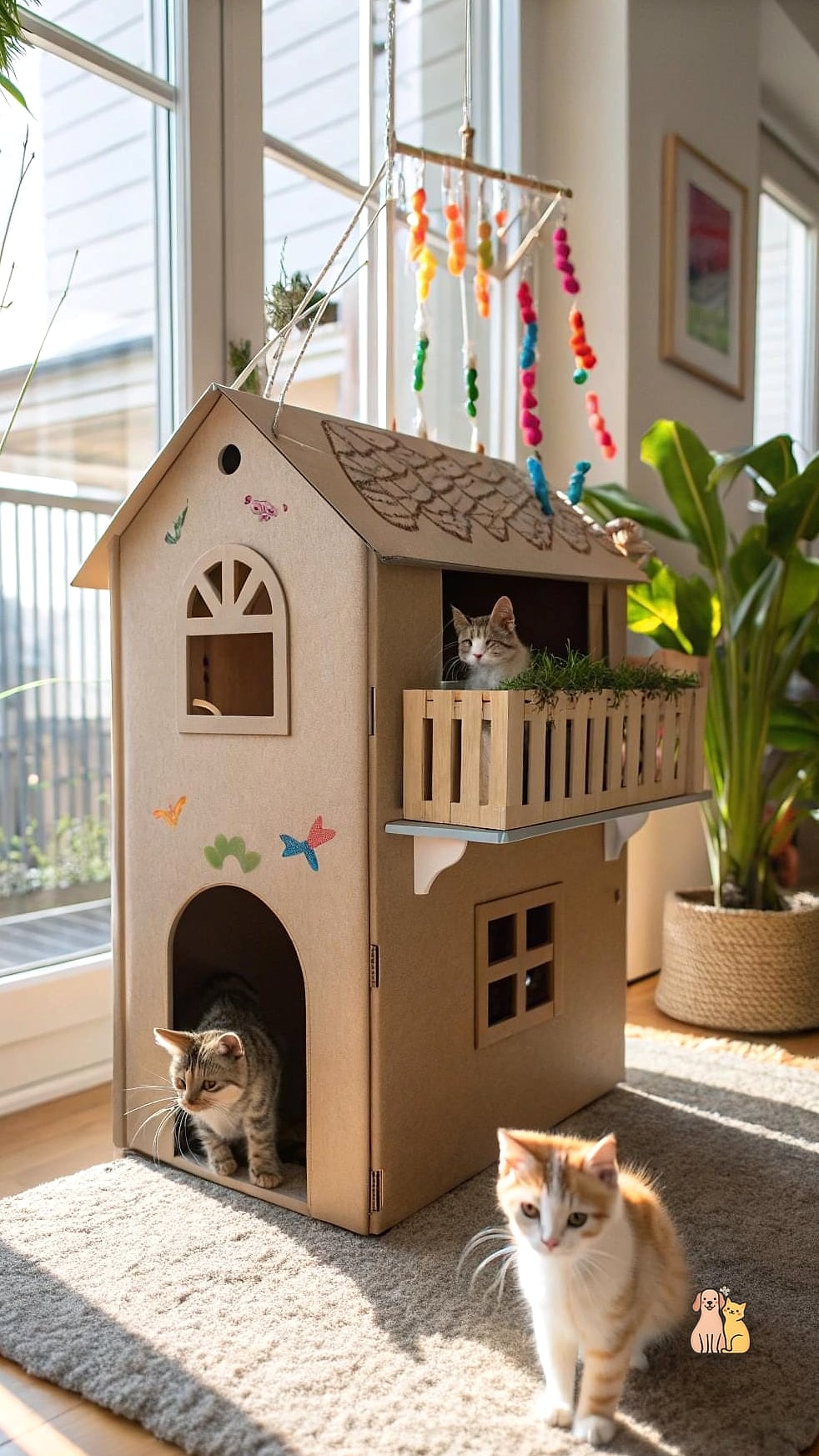
For a totally free option, cut a doorway into a sturdy cardboard box and place bowls inside. Cats who like enclosed spaces tend to eat more calmly this way.
The Rolling Cart Multi-Cat Station
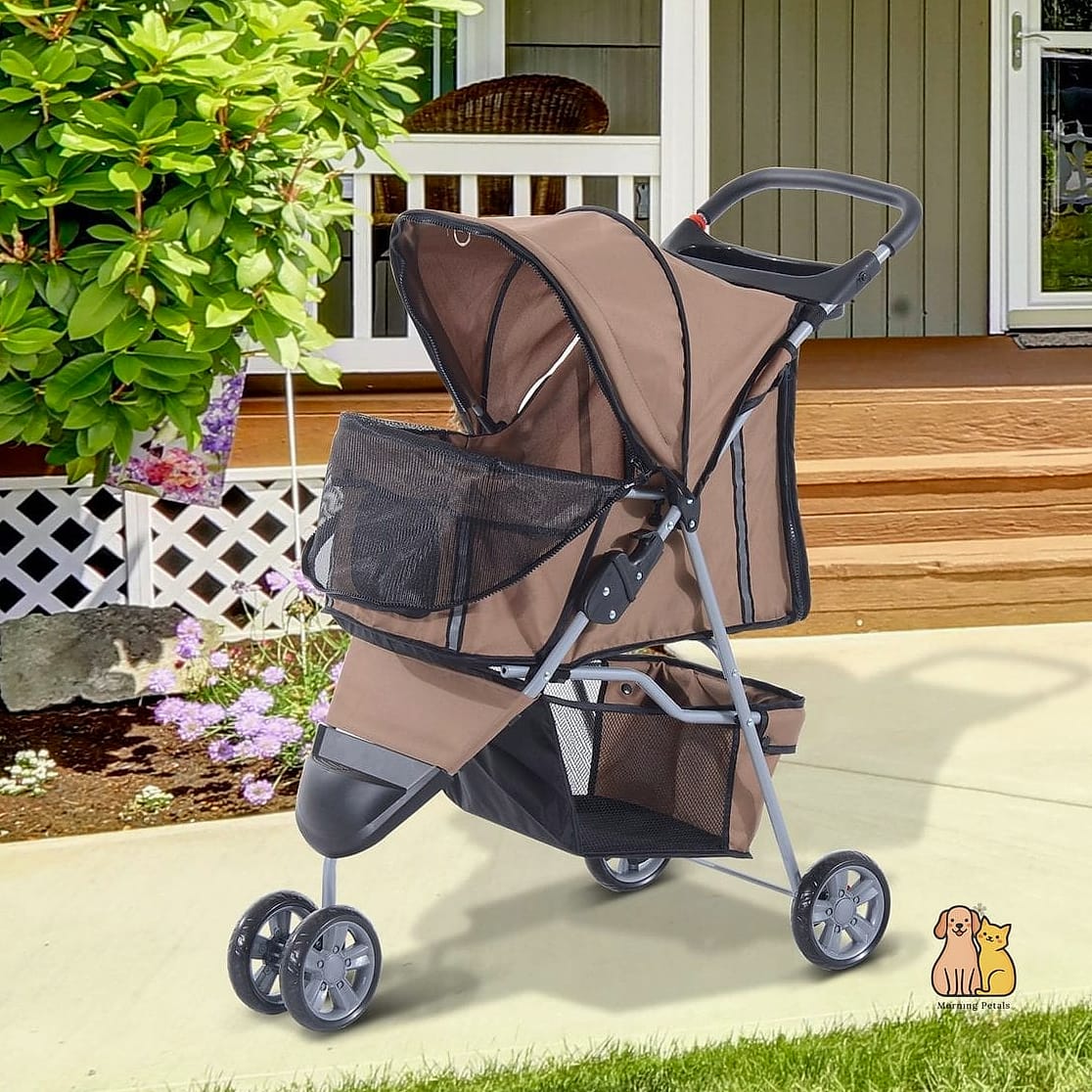
A small rolling utility cart with multiple tiers lets each cat have their own level, which helps in multi-cat households where food guarding is an issue.
The Window Bench Feeder
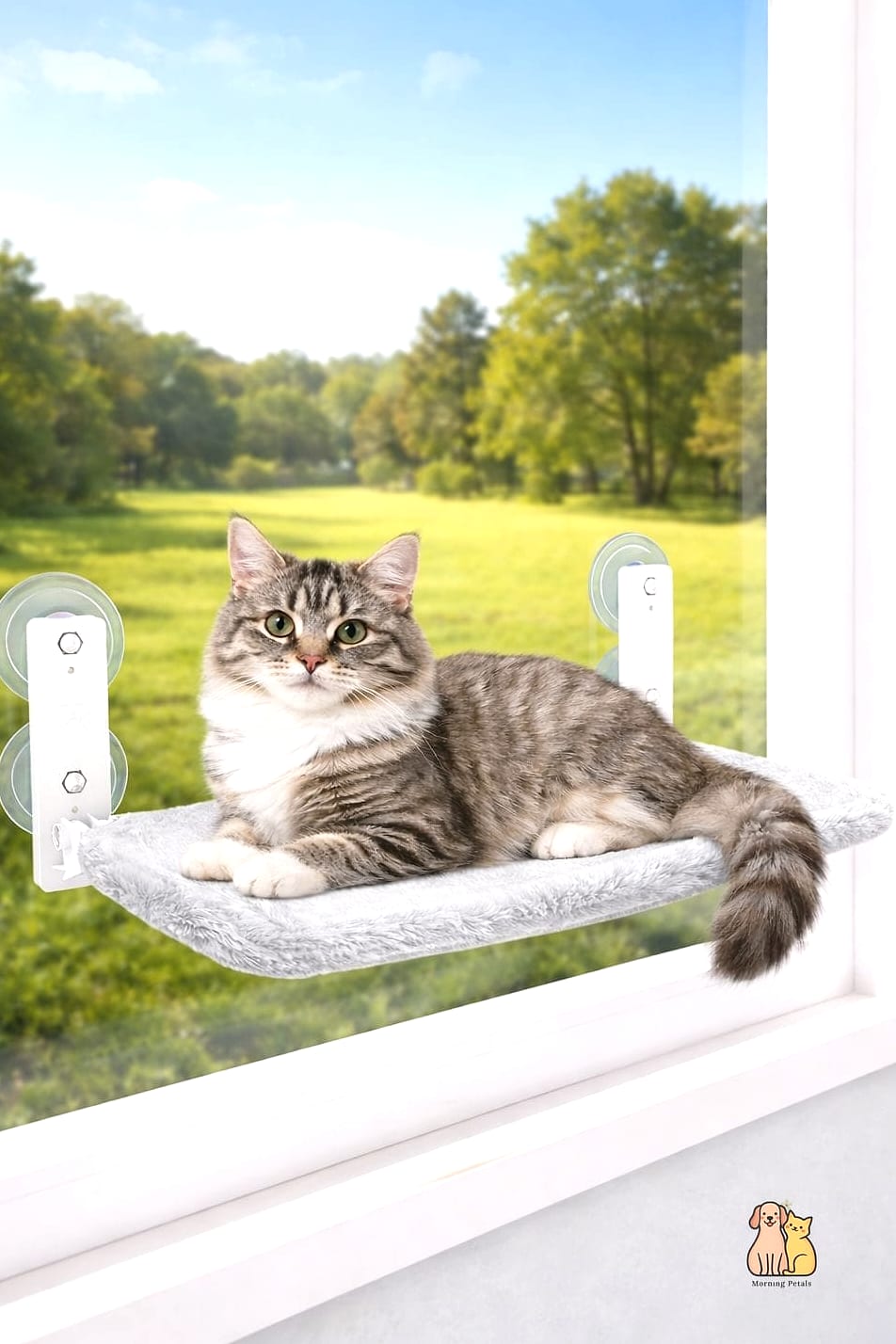
If you have a window seat, add a low tray at one end. Cats get sunshine and a view while they eat, which makes mealtime feel like an event.
The Painted Cinder Block Riser
Two painted cinder blocks with a board across the top create an industrial-chic raised feeder for almost no cost, and they’re sturdy enough for even the pushiest eater.
The Closet Floor Nook
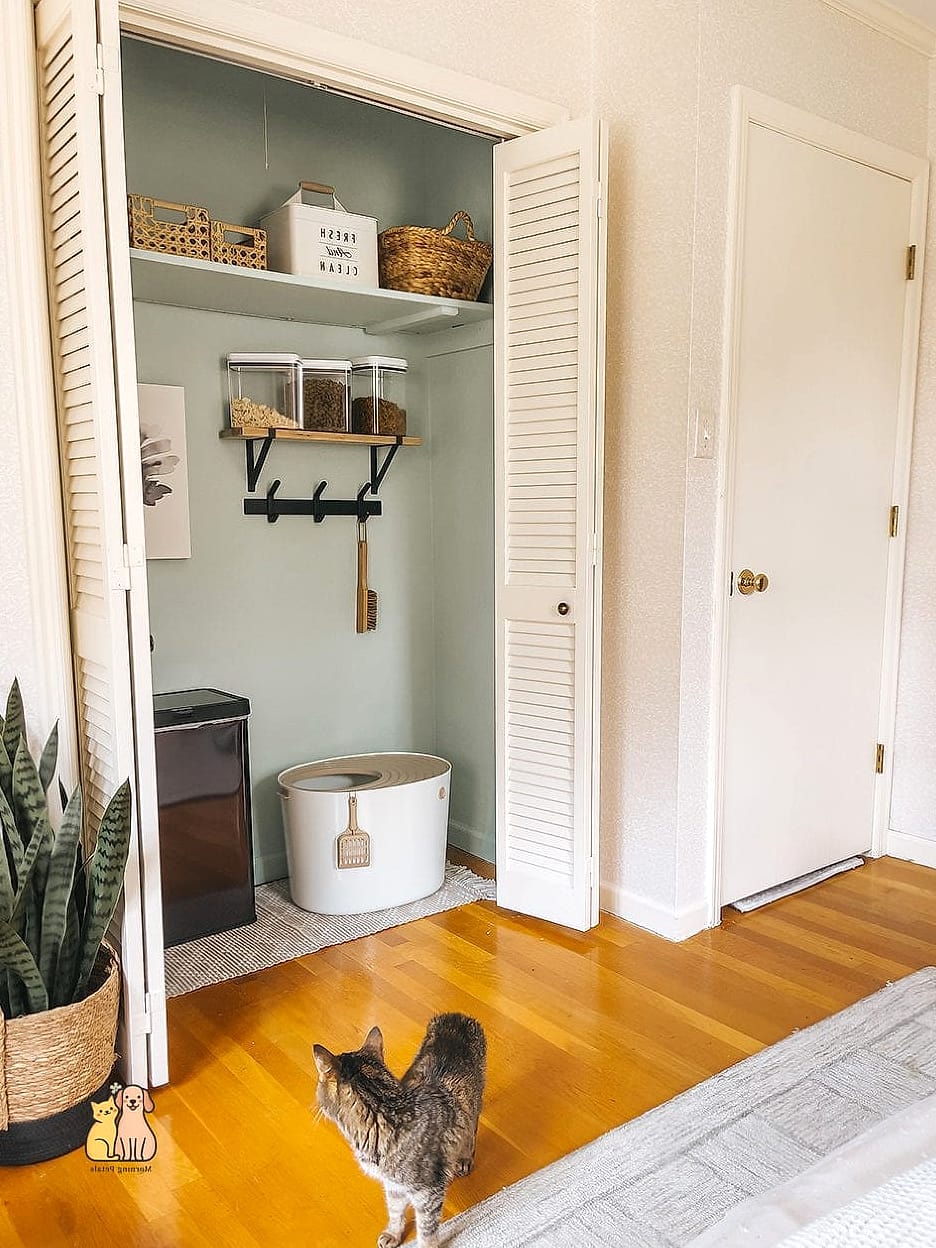
An unused closet corner, especially in a guest room, makes a distraction-free eating spot. Just leave the door cracked so your cat can come and go freely.
The Bookshelf Bottom Cubby
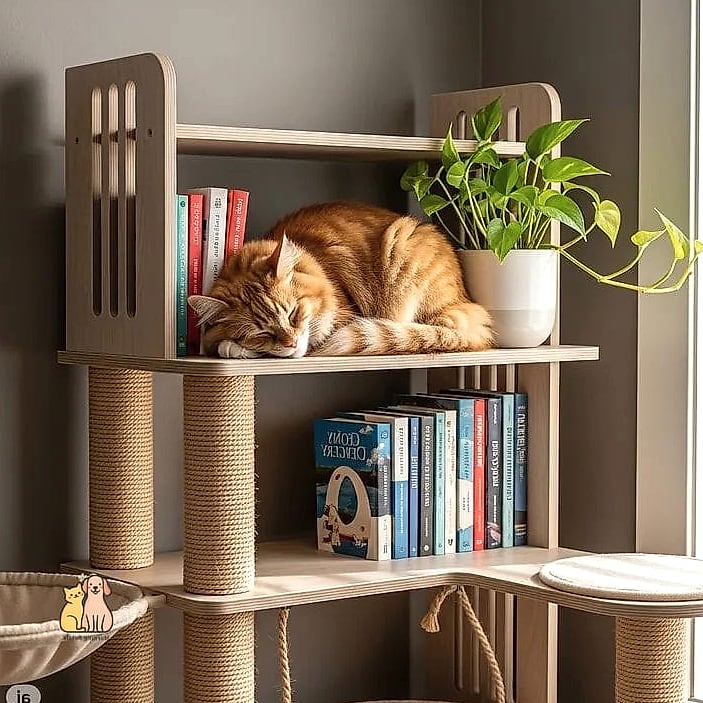
The lowest cubby of a cube bookshelf is often just the right size for a feeding station, keeping bowls contained and visually tidy.
The Rattan Tray Setup
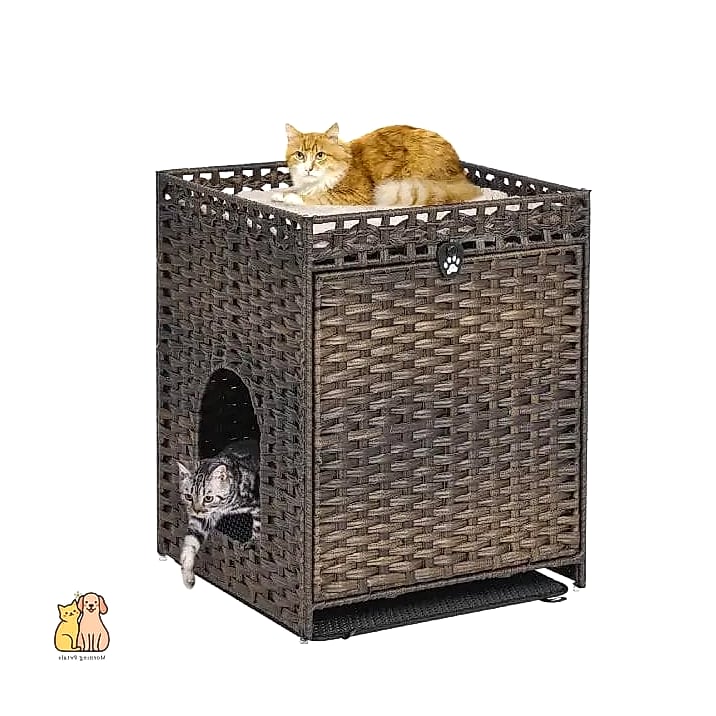
A woven rattan tray adds texture and warmth to a feeding area. They’re inexpensive, easy to wipe down, and look great in boho-style homes.
The Baking Sheet Splash Guard
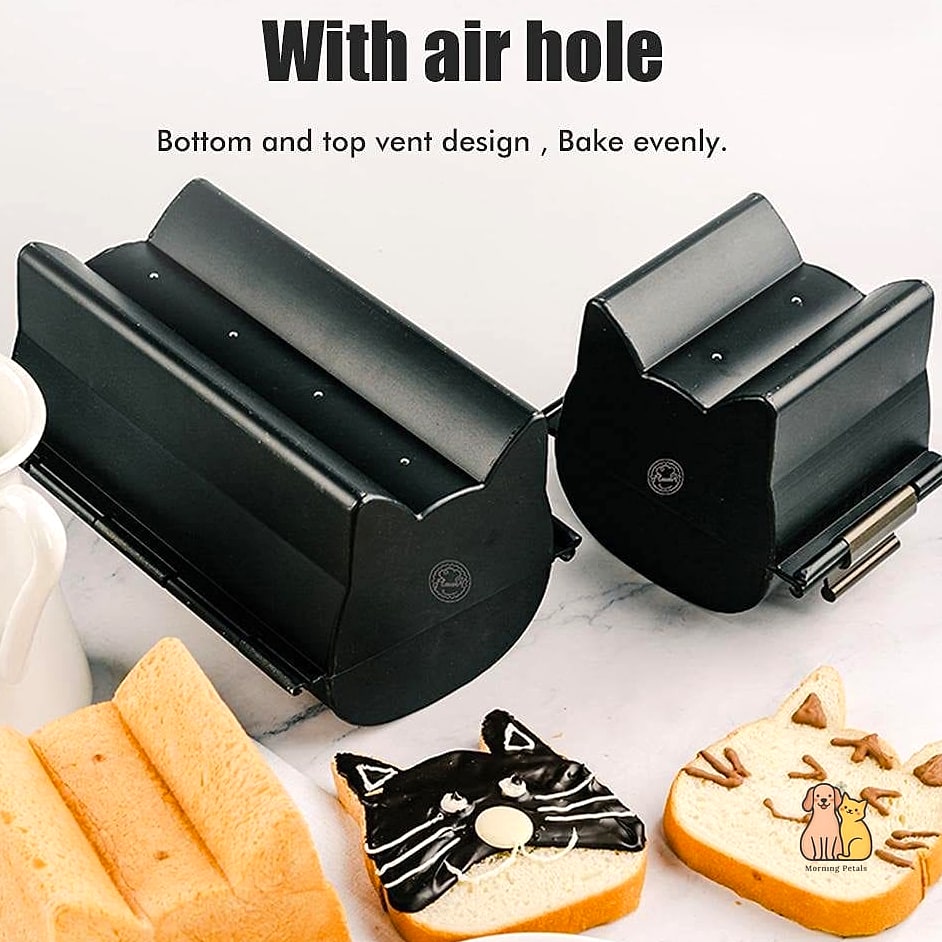
Set bowls inside a rimmed baking sheet to catch spilled water and stray kibble. It’s one of the cheapest fixes for messy eaters out there.
The Hallway Alcove Diner
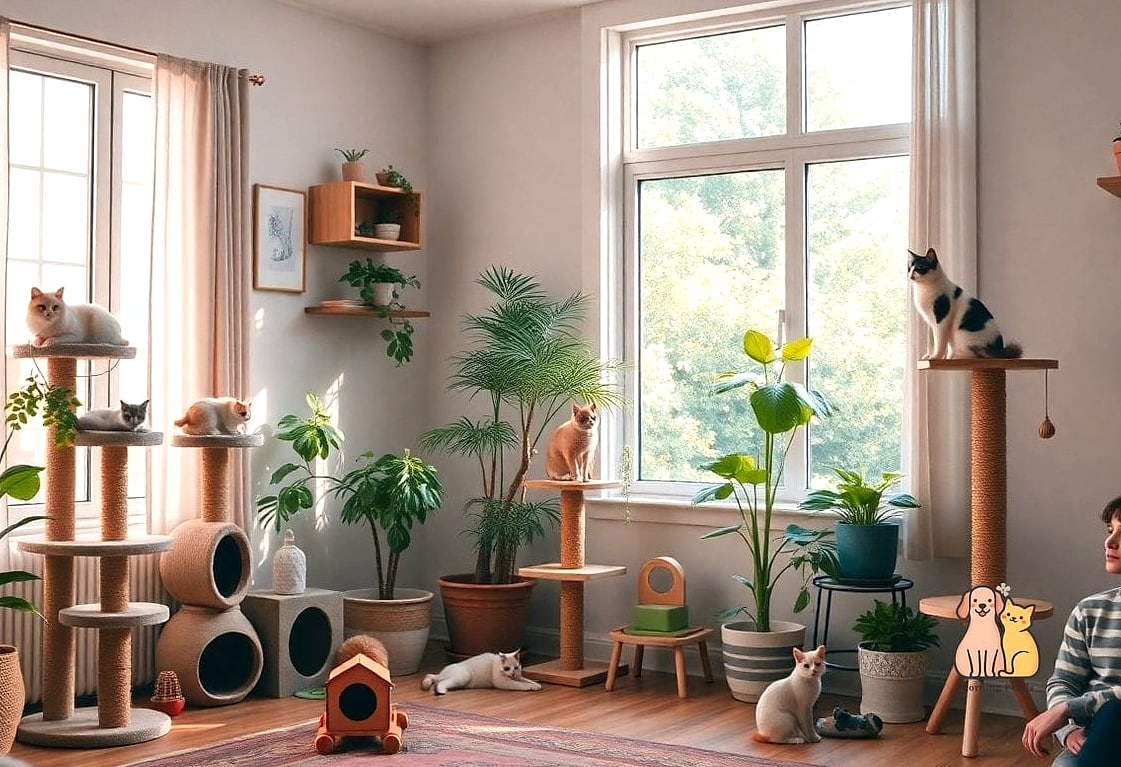
Many hallways have a small recessed alcove that goes completely unused. A mat and bowls there create a quiet spot away from busy household traffic.
The Repurposed Nightstand Station
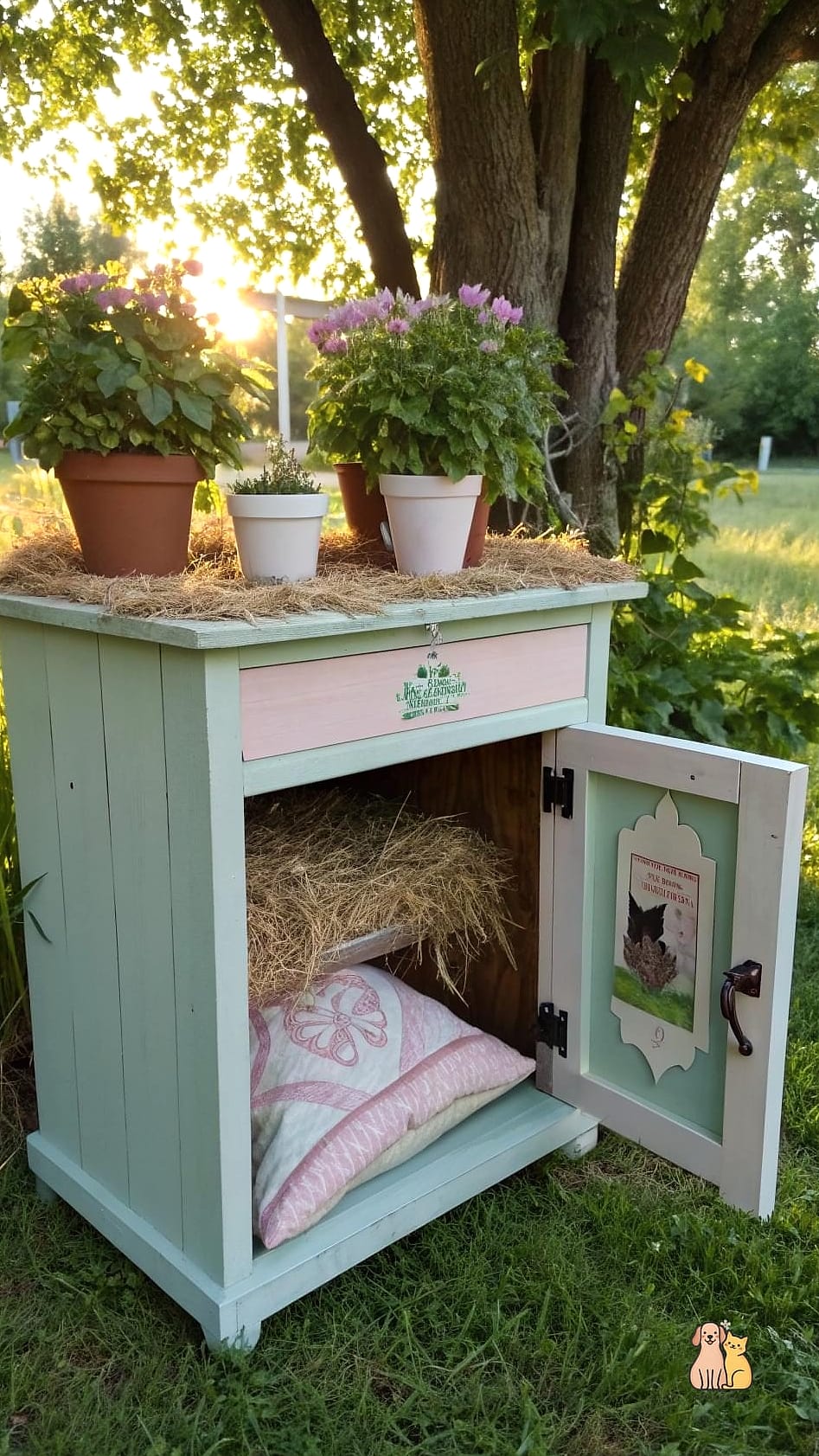
An old nightstand with the bottom drawer removed becomes a raised, enclosed feeding cabinet, especially handy for hiding food from dogs.
The Garden Stepping Stone Base
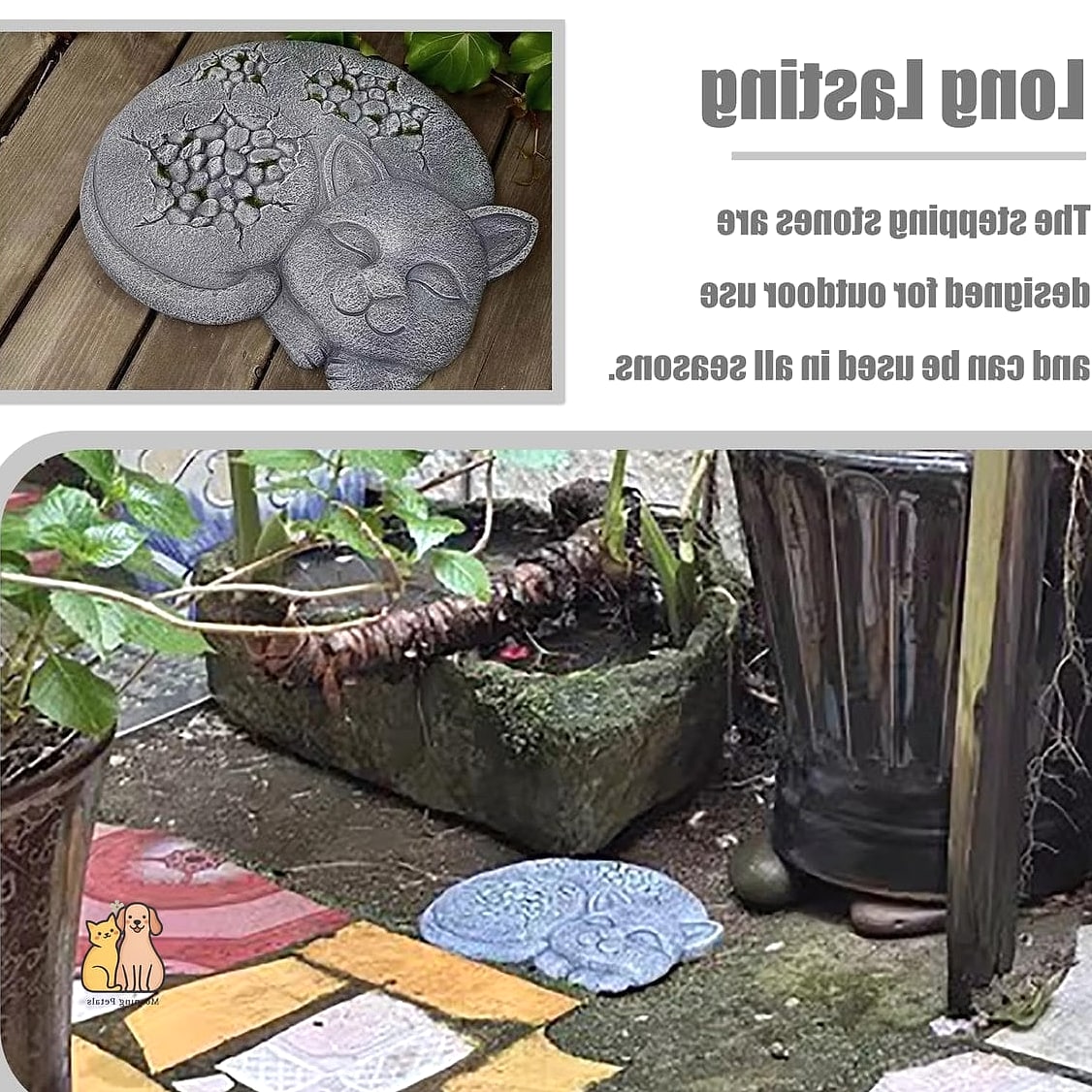
A decorative stepping stone from the garden section makes a heavy, stylish, and weatherproof base for outdoor or catio feeding setups.
The Pegboard Bowl Wall
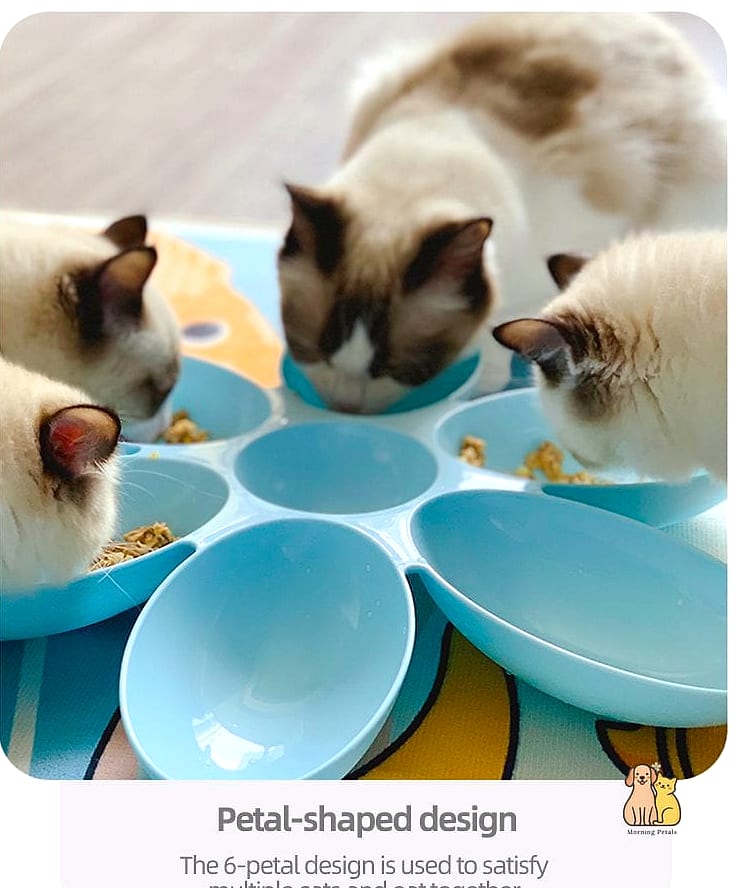
Mount a small pegboard and use hooks to hold removable bowl trays. It’s a fun DIY project that keeps the floor completely clear.
The Laundry Room Ledge
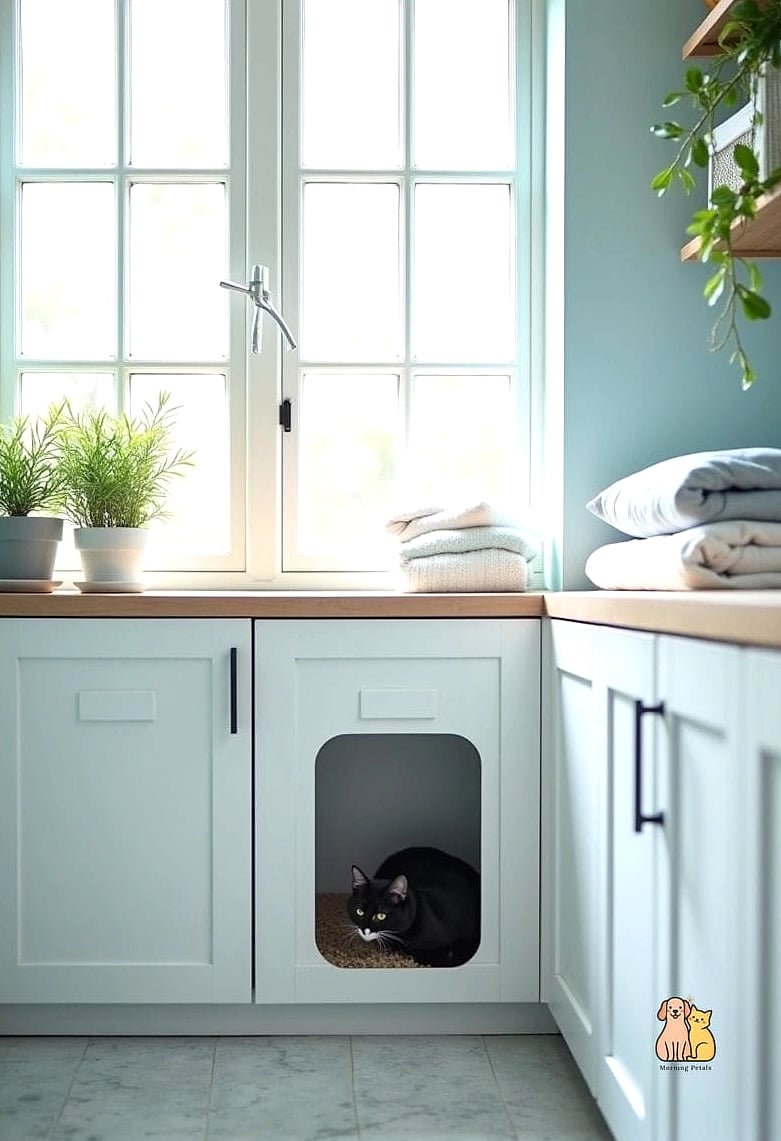
A narrow ledge or shelf in the laundry room, away from the washer’s noise but still nearby, works well for cats who like company while eating.
The Wicker Basket Duo
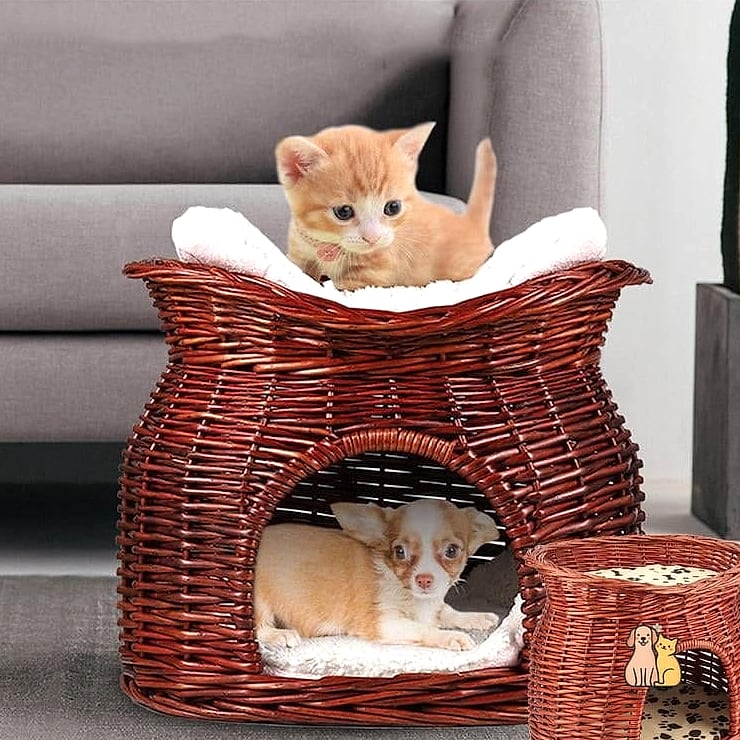
Two matching wicker baskets, one for food and one for water, create a coordinated look that’s easy to replicate on a tight budget.
The Repurposed Toy Chest Lid
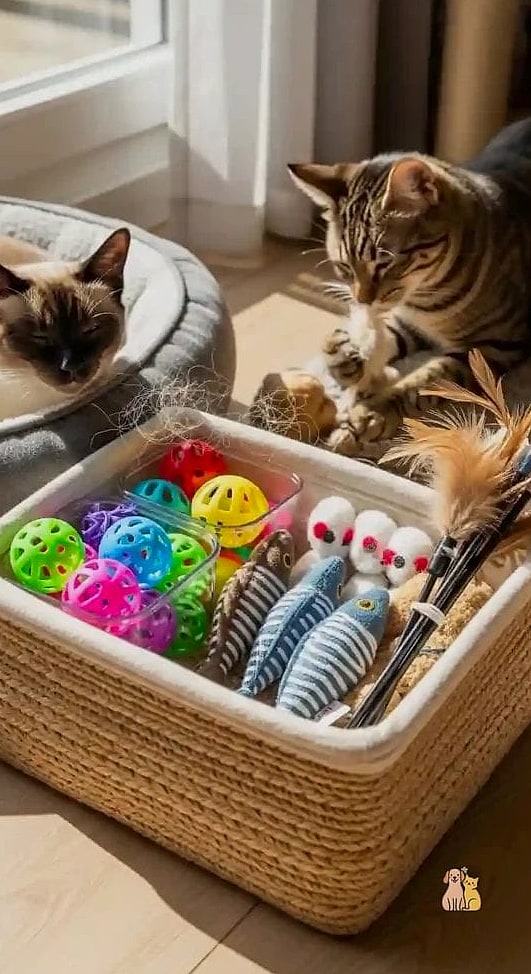
An old toy chest lid, flipped and lined with a mat, gives a wide, stable surface for multiple bowls in busy households.
The Marble Contact Paper Tray

A plain plastic tray covered in marble-look contact paper looks expensive but costs just a few dollars, perfect for renters wanting a stylish upgrade.
The Stacked Crate Feeding Tower
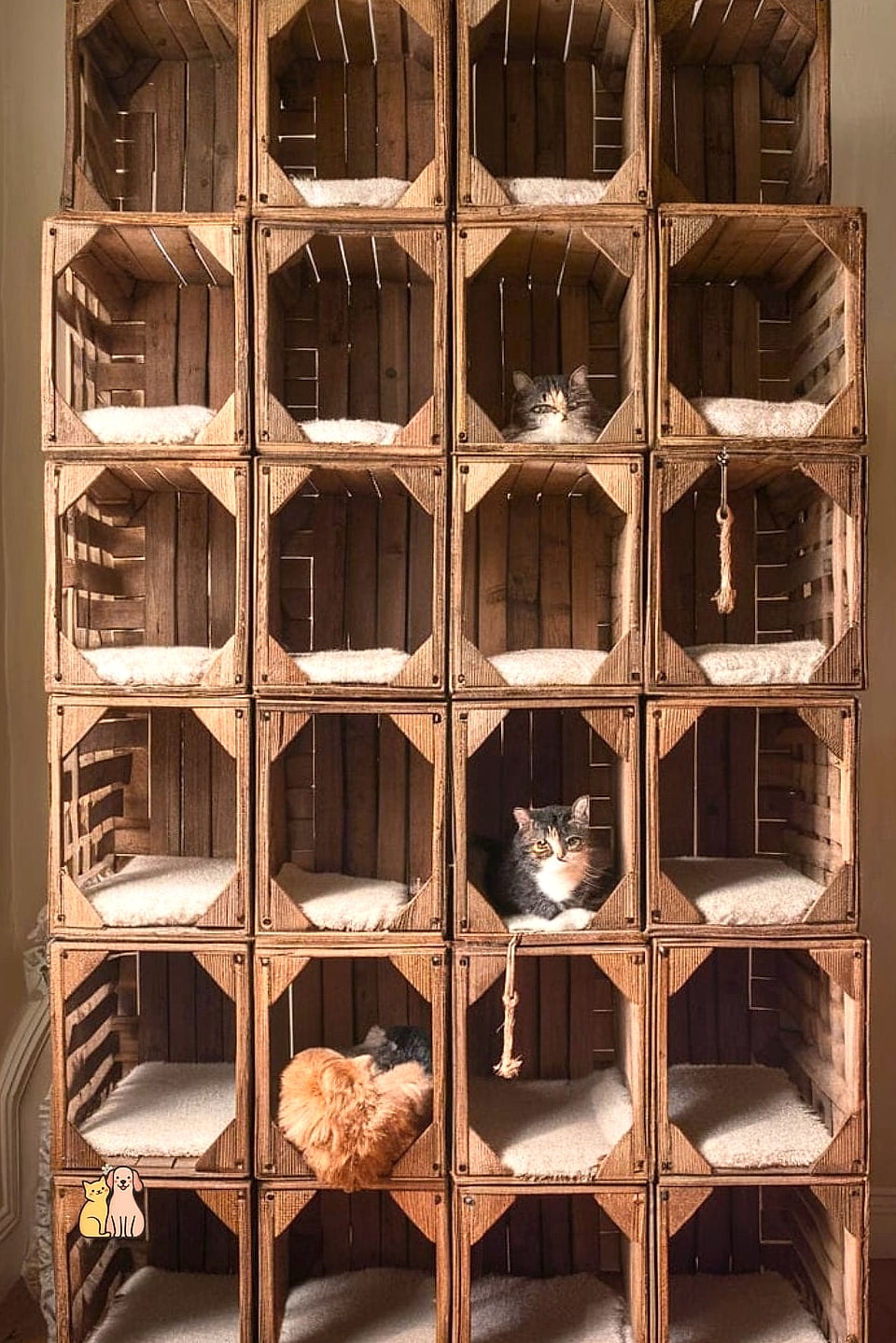
Stack two wooden crates of different sizes to create tiered feeding levels, ideal for multi-cat homes where one cat prefers eating higher up.
The Entryway Bench Underneath
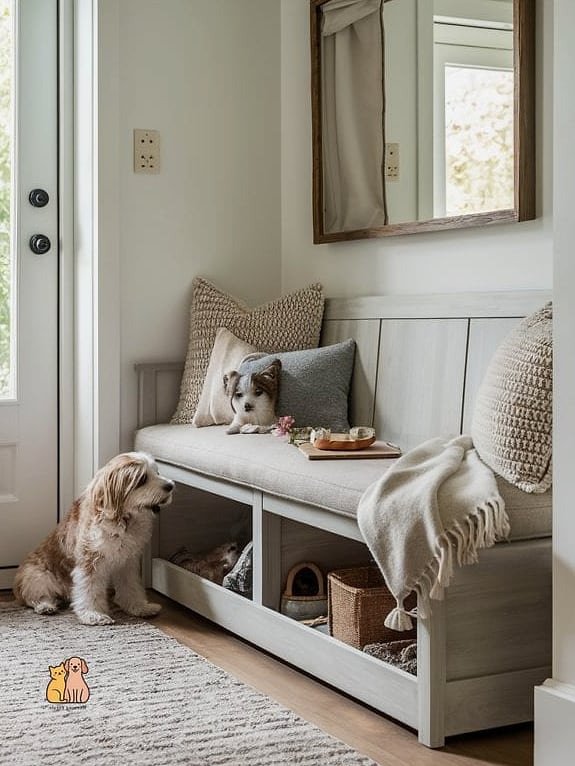
If your entryway bench has open space below it, a mat and bowls tucked underneath keep the area tidy without taking up extra room.
The Framed Chalkboard Backdrop
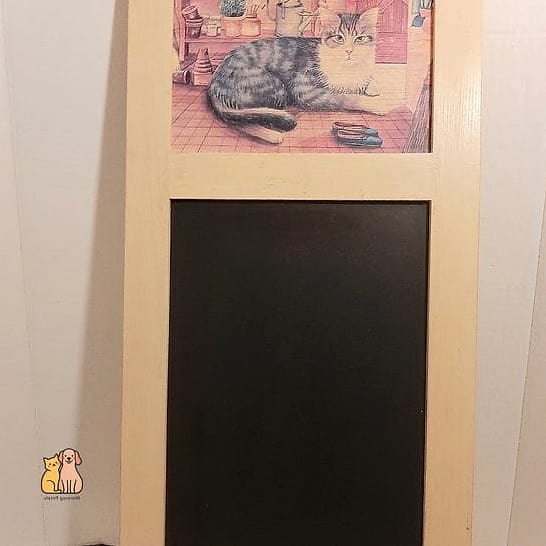
Add a small chalkboard sign behind the feeding station with your cat’s name. It’s a cute, low-cost styling touch that makes for a great photo.
The Sunroom Corner Setup
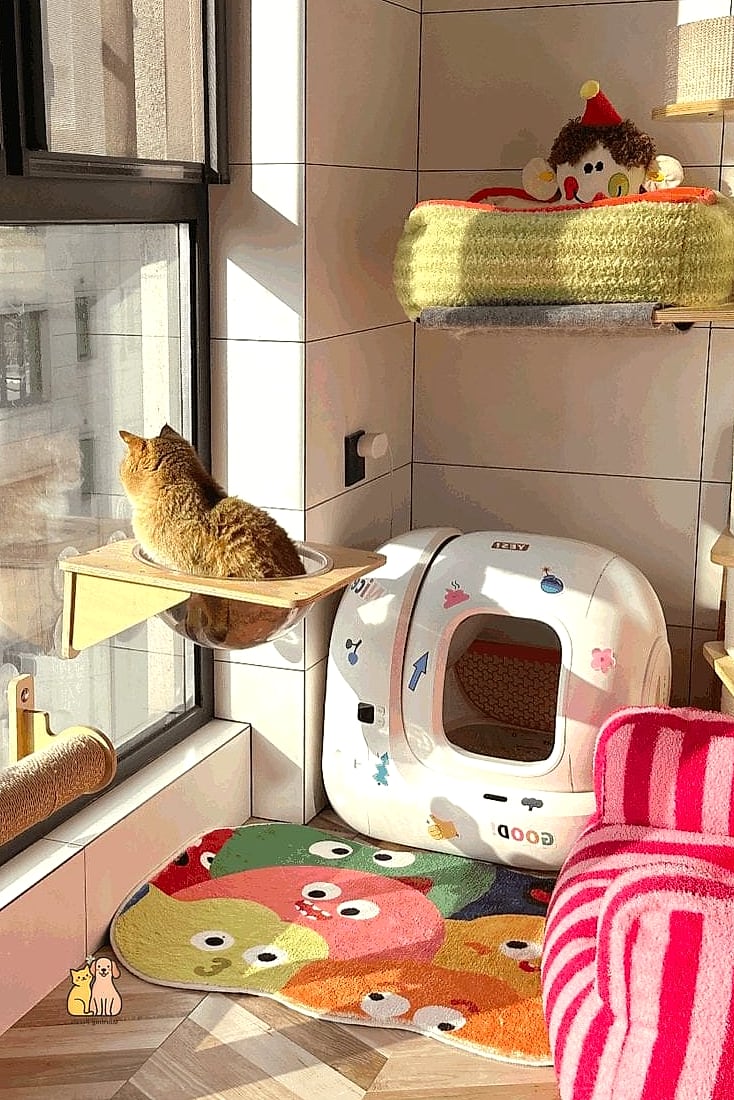
A sunroom corner with a simple mat gives cats a bright, cheerful place to eat, especially nice for households where cats spend a lot of time lounging in the sun.
The Reclaimed Pallet Wood Stand
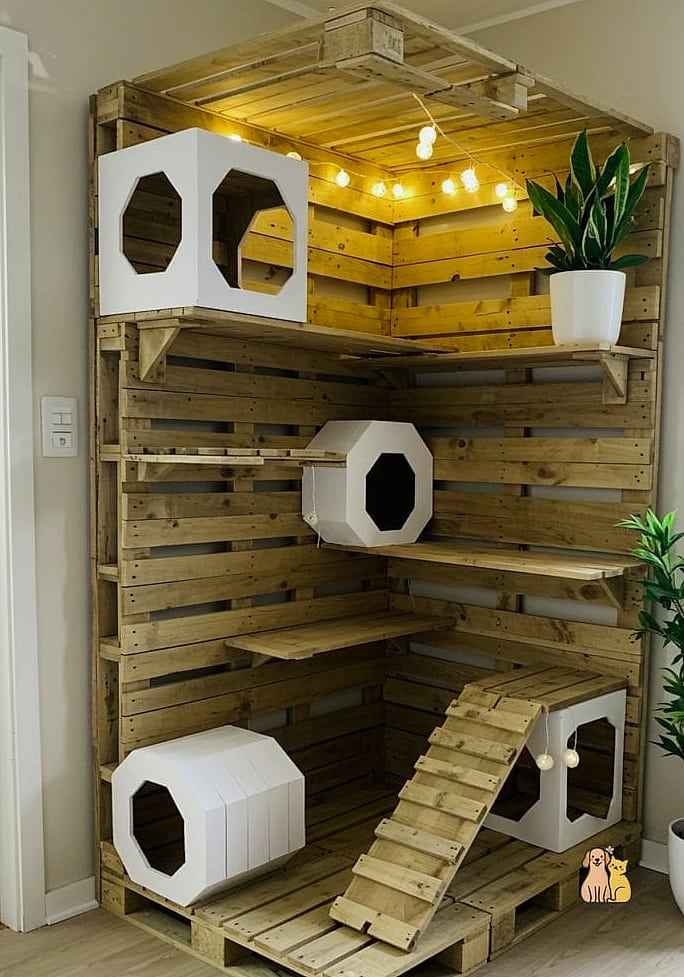
A small section of pallet wood, sanded and stacked, makes a rustic raised feeder that costs next to nothing if you can source the wood for free.
The Built-In Stair Riser Nook
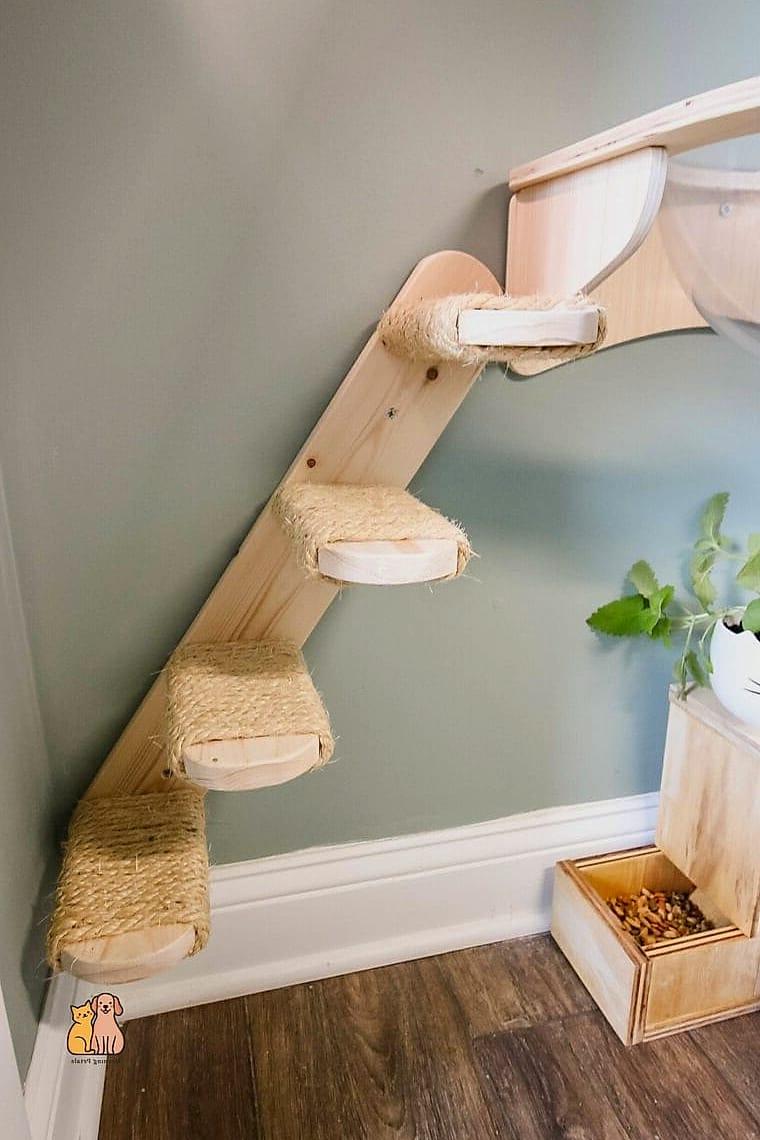
Some staircases have hollow risers that can be opened into small storage nooks, and a few of these make surprisingly good hidden feeding spots.
The Ottoman Tray Station
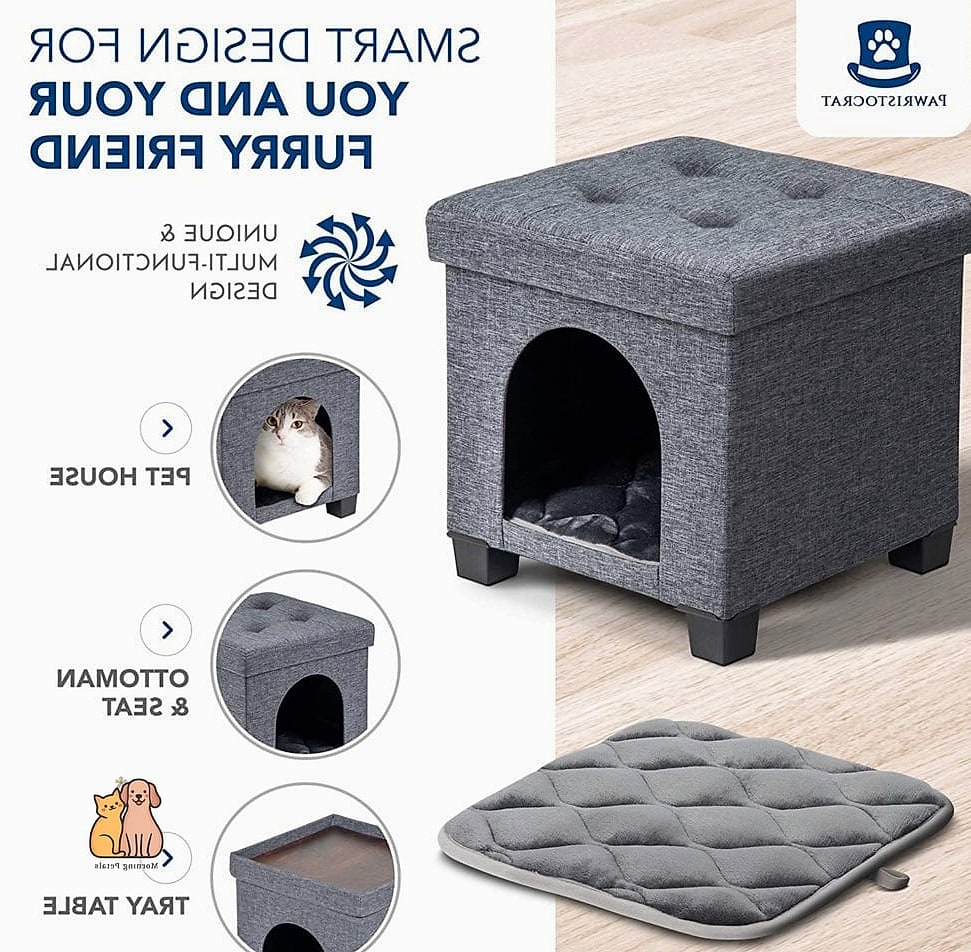
A small tray placed beside a low ottoman gives cats a defined eating spot in the living room without permanently claiming floor space.
The Painted Step Stool Base
An old step stool, painted and flipped upside down, creates a raised platform with a built-in lip that helps contain spilled kibble.
The Kitchen Island Overhang Spot
The overhang space under a kitchen island is often ignored, but a slim tray there keeps bowls close to you during cooking and cleanup.
The Repurposed Cheese Board Mat
A wooden cheese board makes a surprisingly elegant, easy-to-clean base for bowls, and thrifted ones are usually just a couple of dollars.
The Balcony Catio Feeder
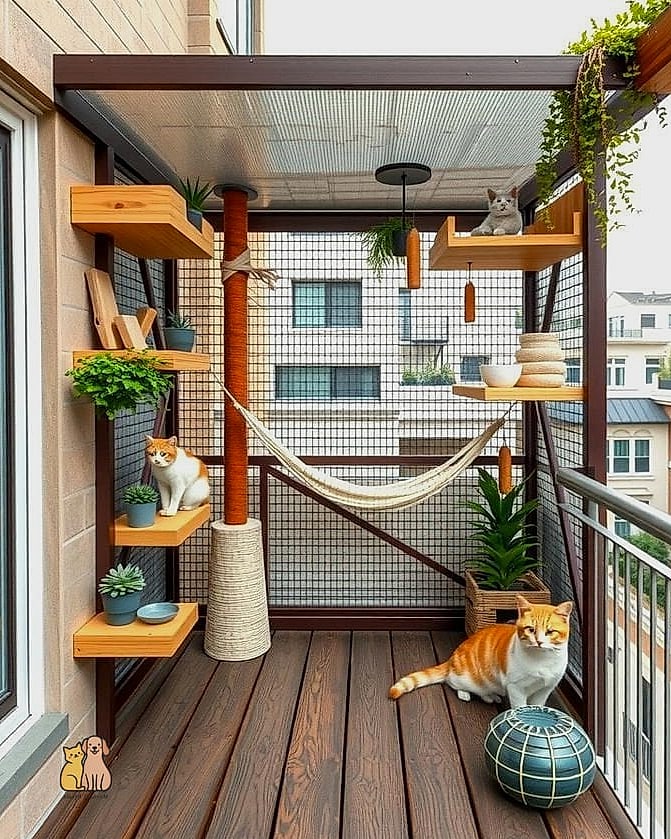
For catio or balcony setups, a small weatherproof bin with a mat keeps food protected from wind and rain while still letting your cat dine outdoors.
The Repurposed Spice Rack Shelf
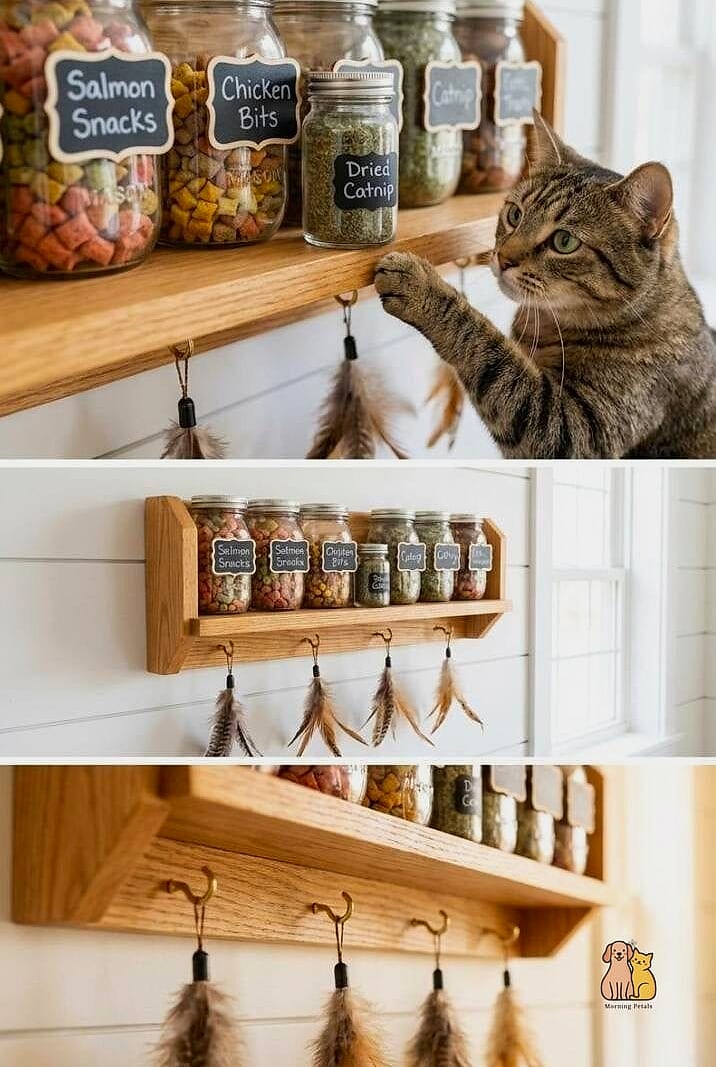
A wall-mounted spice rack shelf, meant for small jars, actually fits cat bowls nicely and adds a tidy, wall-mounted feeding option in tiny kitchens.
The Folded Towel Nook
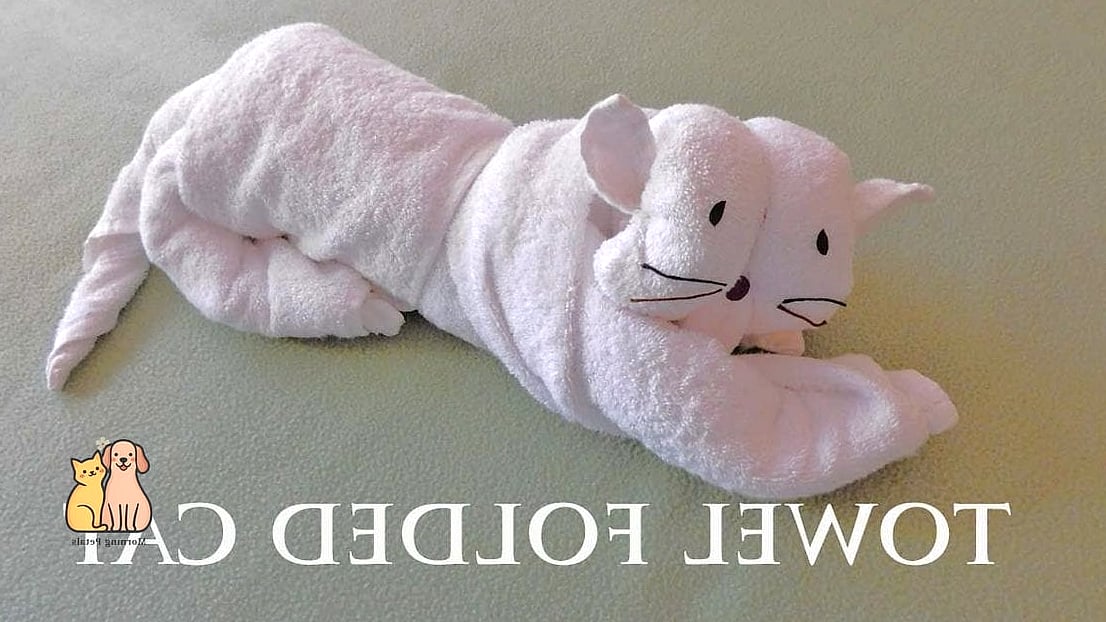
For a totally no-cost option, fold a thick towel into a rectangle and set bowls on top. It’s soft, washable, and easy to swap out.
The Repurposed Plant Stand
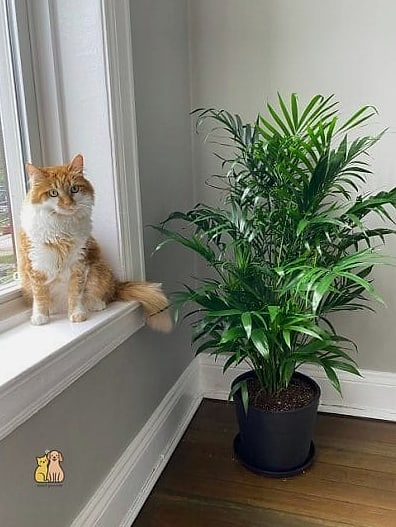
A small metal plant stand with a flat top gives just enough height to make eating easier for senior cats or those with arthritis.
The Behind-the-Door Mini Station
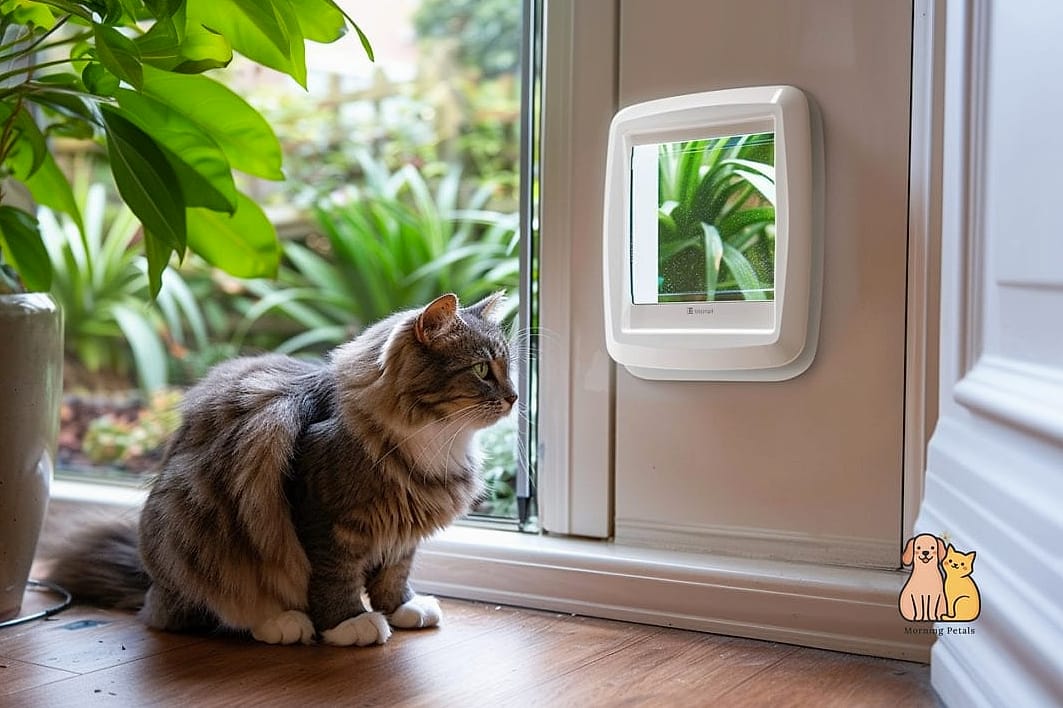
The space behind a door that’s rarely fully closed is often wasted. A slim mat and shallow bowls there create a discreet feeding spot in tight apartments.
Putting together a feeding station doesn’t have to mean a trip to a specialty pet store or a big chunk of your paycheck. Most of these ideas use things you can thrift, repurpose, or build in an afternoon, and the payoff is a calmer, cleaner mealtime for everyone in the house.
Start with whatever fits your space and your cat’s personality, whether that’s a cozy hidden nook or a bright spot by the window. Pin a few favorites, try one out this weekend, and see which style your cat actually approves of, because at the end of the day, they’re the real judge of good design.