The Dachshund Breed: Everything You Need to Know

- Curious and adventurous
- Clever and quick learners
- Affectionate with family members
- Alert and protective
- Playful and energetic
- Why Pet Owners Love Dachshunds
- The History of the Dachshund Breed
- Key Characteristics of Dachshunds
- Dachshund Temperament and Personality
- Training a Dachshund Successfully
- Care Requirements for Dachshunds
- Housing and Space Needs
- Diet and Feeding
- Health Considerations for Dachshunds
- Dachshunds and Families
- Fun Facts About Dachshunds
- Final Thoughts
The Dachshund Breed: Everything You Need to Know
Few dogs have a silhouette as recognizable as the Dachshund. With their long bodies, short legs, expressive eyes, and confident little strut, these dogs have captured hearts around the world for generations. Often nicknamed “wiener dogs” or “sausage dogs,” Dachshunds may be small in size, but they carry a huge personality.
The Dachshund Breed: Everything You Need to Know starts with understanding that this is not just a cute lap dog. Dachshunds were originally bred as hunting dogs, and many of their natural instincts remain today. They are curious, brave, energetic, and sometimes surprisingly stubborn.
Living with a Dachshund can be incredibly rewarding. They bring humor, affection, and endless entertainment into a home, but they also need thoughtful care, proper training, and attention to their unique body shape. If you are considering adding one of these charming dogs to your family, learning about their temperament, health needs, exercise requirements, and daily care is an important first step.
Why Pet Owners Love Dachshunds

Dachshunds have a special way of becoming the center of attention without even trying. Their playful personalities and funny expressions make them one of the most beloved small dog breeds.
Many owners describe Dachshunds as big dogs in tiny bodies. They often have the confidence of a much larger breed and may happily investigate every sound, smell, or movement around the house. Their hunting background gives them a natural curiosity and determination that can be both entertaining and challenging.
One of the biggest reasons people love Dachshunds is their loyalty. They often form strong bonds with their families and enjoy spending time with their favorite people. A Dachshund may follow you from room to room, sit beside you while you work, or curl up under a blanket during movie night.
They are also wonderfully expressive. From their dramatic sighs to their excited tail wags, Dachshunds have a way of communicating their feelings clearly. Many owners joke that their Dachshund is not just a pet but a tiny household personality with opinions about everything.
The History of the Dachshund Breed

The Dachshund originated in Germany hundreds of years ago. The name Dachshund translates roughly to “badger dog,” which reflects the breed’s original purpose: hunting badgers and other animals that lived in underground burrows.
Their long bodies and short legs were not accidental. This unique shape allowed them to enter narrow tunnels and pursue prey underground. Their strong front legs, powerful chest, and fearless attitude helped them work as determined hunting companions.
Over time, Dachshunds became popular beyond hunting communities. Their charming appearance and affectionate nature helped them transition into family pets. Today, they are loved worldwide as companion dogs while still carrying many traits from their working past.
The breed comes in three coat types: smooth, long-haired, and wire-haired. Each variety has its own appearance and grooming needs, but all Dachshunds share the same recognizable body structure and lively spirit.
Key Characteristics of Dachshunds

Dachshunds are small dogs with a surprisingly bold personality. They typically weigh between 11 and 32 pounds depending on whether they are miniature or standard size.
Their most noticeable feature is their long back and short legs. While this shape makes them adorable, it also means owners need to be careful about activities that put stress on their spine.
Dachshunds come in many colors and patterns, including black and tan, chocolate, cream, red, dapple, and brindle. Their coats can be smooth and shiny, soft and flowing, or rough and textured.
Temperament is one of the breed’s most memorable qualities. Dachshunds are often:
Curious and adventurous
Clever and quick learners
Affectionate with family members
Alert and protective
Playful and energetic
Sometimes independent or stubborn
Their intelligence can make training enjoyable, but their independent streak means patience is important. A Dachshund may understand a command perfectly and still decide they have other plans.
Dachshund Temperament and Personality

A Dachshund’s personality is often much larger than its physical size. These dogs are known for confidence, determination, and a strong desire to be involved in family activities.
They are affectionate but are not always the type of dog that wants constant handling. Many Dachshunds enjoy cuddling on their own terms. They may happily sit beside you for hours but may also prefer exploring the backyard or investigating interesting smells.
Because they were bred for hunting, Dachshunds often have a strong prey drive. They may chase squirrels, birds, or small animals if given the opportunity. A secure dog leash and harness are helpful during walks because these little dogs can be surprisingly determined when they discover something interesting.
Dachshunds can also be vocal. They often bark to alert their owners about visitors, noises, or anything unusual. Early training can help manage excessive barking while still allowing them to be the alert little watchdogs they naturally are.
Training a Dachshund Successfully

Training a Dachshund requires consistency, positive reinforcement, and a good sense of humor. These dogs are intelligent, but they like to think independently.
Short training sessions usually work best. A Dachshund may lose interest during long lessons, so keeping activities fun with treats, praise, and interactive toys can make a big difference.
House training can sometimes take extra patience. Many Dachshund owners find that establishing a routine with regular potty breaks and puppy pads during early training stages helps create good habits.
Socialization is also important. Introducing your Dachshund to different people, environments, sounds, and other friendly dogs when they are young can help them grow into confident adults.
Puzzle feeders and enrichment toys are excellent choices for keeping their minds busy. A bored Dachshund may create its own entertainment, and owners do not always appreciate the creative ideas these clever dogs come up with.
Care Requirements for Dachshunds

Caring for a Dachshund involves meeting their physical needs while protecting their unique body structure. Their small size does not mean they require little attention.
Daily exercise is important. Short walks, indoor games, and supervised outdoor play can help keep them healthy and mentally satisfied. They do not need marathon runs, but they do benefit from regular movement.
Because of their long backs, Dachshunds should avoid activities that involve repeated jumping. Furniture jumping and climbing stairs frequently can place unnecessary pressure on their spine. Many owners use dog ramps or pet stairs to help their Dachshund safely reach sofas or beds.
Grooming needs depend on coat type. Smooth-coated Dachshunds usually need occasional brushing, while long-haired and wire-haired varieties require more regular grooming tools to prevent tangles and maintain a healthy coat.
Regular care should include:
Nail trimming
Ear cleaning
Dental care
Coat brushing
Routine veterinary checkups
Keeping up with these simple habits helps your Dachshund stay comfortable and healthy.
Housing and Space Needs

Dachshunds can adapt well to different living situations, including apartments, condos, and houses. Their small size makes them practical for smaller homes, but they still need daily activity and mental stimulation.
An apartment-friendly Dachshund setup should include a comfortable dog bed, safe walking routine, and enrichment activities. A cozy corner with their bed, toys, water bowl, and favorite blanket can become their personal retreat.
Homes with yards should still have secure fencing. Dachshunds are natural diggers because of their hunting background. A curious Dachshund may happily spend an afternoon trying to explore underneath a fence if given the chance.
They are indoor dogs and generally do best when they are part of family life. They enjoy companionship and may become unhappy if left alone for very long periods without interaction.
Diet and Feeding

A balanced diet is essential for keeping a Dachshund healthy, especially because maintaining a proper weight is important for protecting their back.
Overfeeding is a common concern with small breeds. Extra weight puts additional stress on their spine and joints, so portion control matters. Measuring meals and limiting too many treats can help prevent unwanted weight gain.
Many Dachshunds do well with high-quality dog food designed for their size, age, and activity level. Puppies, adults, and senior dogs all have different nutritional needs.
Slow feeder bowls can be helpful for Dachshunds that eat too quickly. These bowls encourage slower eating and can provide a little mental stimulation during mealtime.
Always provide fresh water and discuss your dog’s diet with your veterinarian, especially if your Dachshund has allergies, weight concerns, or health conditions.
Health Considerations for Dachshunds

One of the most important parts of Dachshund care is understanding their potential health concerns. Their long spine and short legs make them more prone to back problems, especially intervertebral disc disease (IVDD).
Owners can reduce risks by:
Maintaining a healthy weight
Preventing repeated jumping
Using ramps when needed
Supporting their back when lifting them
Providing regular exercise
When picking up a Dachshund, support both the front and back of their body instead of lifting only from the chest area. This simple habit helps reduce strain on their spine.
Other health concerns that may affect Dachshunds include dental issues, obesity, ear infections, and certain eye conditions. Regular veterinary visits help catch problems early and keep your dog feeling their best.
With proper care, Dachshunds often have a lifespan of around 12 to 16 years, giving families many years of companionship.
Dachshunds and Families
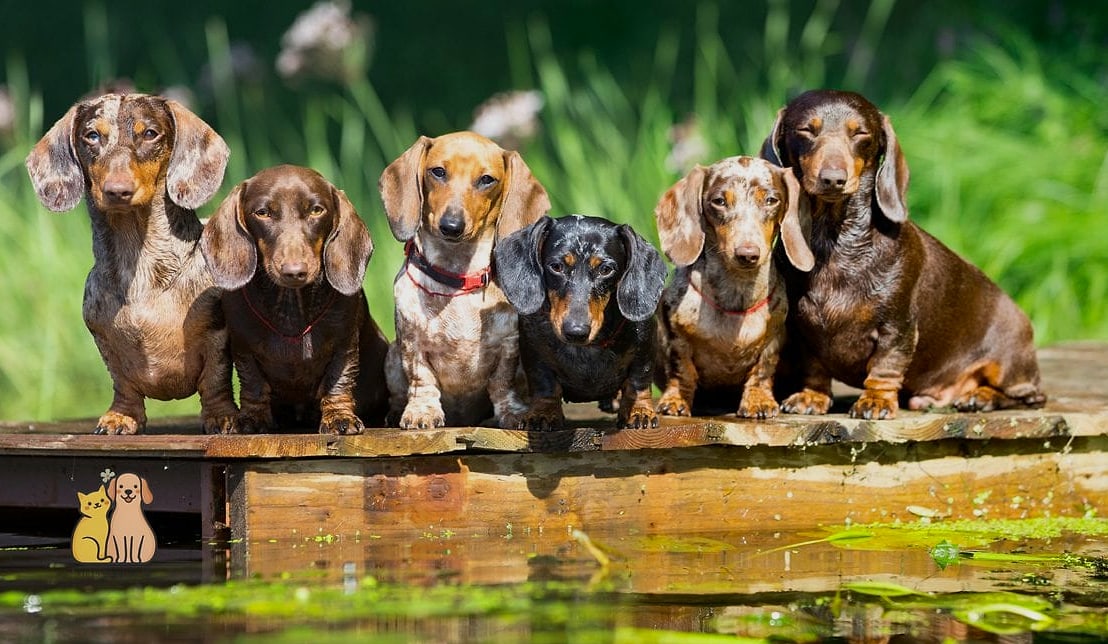
Dachshunds can make wonderful family pets, but their personality should match the household. They are affectionate and playful, but their small size means young children should learn how to interact with them gently.
Families with older children often enjoy their playful energy and funny personalities. Dachshunds can be excellent companions for people who want a small dog with a lively spirit.
They may also do well with other pets when properly introduced. However, their hunting instincts mean some Dachshunds may be interested in chasing smaller animals.
Every dog is an individual, so early socialization and training play a major role in creating a happy household.
Fun Facts About Dachshunds
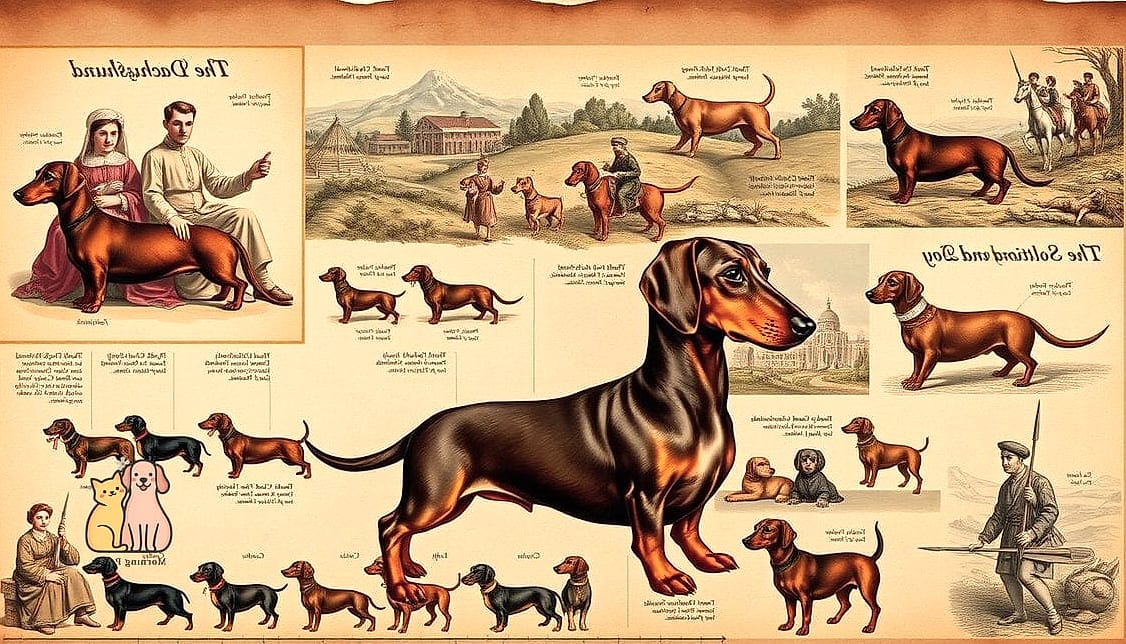
Dachshunds have a fascinating history and many unique qualities that make them stand out among dog breeds.
They have been featured in art, movies, and advertising for decades because their unusual shape is instantly recognizable. Their popularity has remained strong because they combine a cute appearance with a confident personality.
A few fun Dachshund facts:
They were originally bred to hunt badgers underground.
They come in three coat varieties.
Their long body shape helped them enter narrow tunnels.
They are known for being brave despite their small size.
Their nickname “wiener dog” comes from their sausage-like appearance.
Many Dachshund owners also love how entertaining they are. These dogs often develop funny routines, unique habits, and strong preferences that make them feel like true members of the family.
Final Thoughts

The Dachshund Breed: Everything You Need to Know shows why these small dogs have remained popular for generations. They are charming, intelligent, affectionate, and full of personality.
Owning a Dachshund does require understanding their unique needs. Their long backs require extra care, their independent nature requires patient training, and their energetic minds need plenty of enrichment.
For the right owner, a Dachshund can bring years of laughter, companionship, and unforgettable memories. Whether they are exploring the backyard, snuggling in their favorite dog bed, or proudly walking around with their tiny harness, these dogs have a special way of making everyday life more enjoyable.