The French Bulldog Breed: Everything You Need to Know

The French Bulldog Breed: Everything You Need to Know
French Bulldogs have become one of the most recognizable and beloved dog breeds in the world. With their bat-like ears, wrinkled faces, compact bodies, and big personalities, these little dogs have a way of making people smile wherever they go. Behind their charming appearance is a loyal, affectionate companion that thrives on human connection and enjoys being part of everyday family life.
The French Bulldog Breed: Everything You Need to Know is a helpful guide for anyone considering bringing one of these adorable dogs into their home. From temperament and grooming needs to health concerns, feeding habits, and lifestyle requirements, understanding this breed is the key to creating a happy and healthy relationship with your Frenchie.
Why Pet Owners Love Them

French Bulldogs have earned a special place in many homes because they combine a playful personality with a manageable size. They are small enough for apartment living but still have the confidence and character of much larger dogs.
One of the biggest reasons people love Frenchies is their affectionate nature. They often form strong bonds with their owners and enjoy being close to their favorite people. Many French Bulldogs are happiest simply relaxing beside their family members, whether that means sitting on the couch, following someone around the house, or taking a short walk around the neighborhood.
Unlike some high-energy breeds that require hours of exercise every day, French Bulldogs usually have moderate activity needs. They enjoy play sessions, short walks, and interactive toys, but they are also perfectly content having a quiet afternoon indoors.
Their funny personalities are another reason they are so popular. Frenchies are known for their silly expressions, playful habits, and sometimes stubborn behavior. They can make owners laugh with their dramatic reactions, curious exploring, and unique little noises.
For families, singles, and seniors, French Bulldogs can be a wonderful choice when their care needs are properly understood.
Key Characteristics
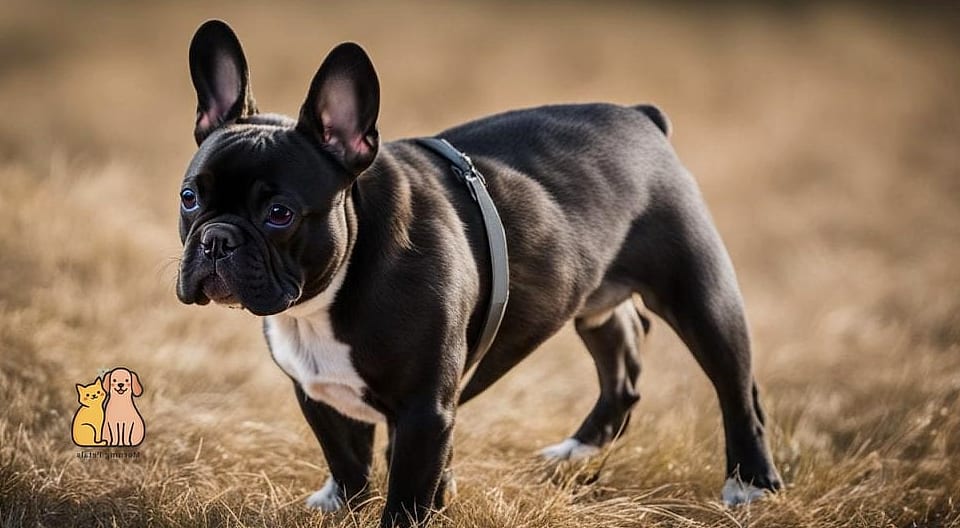
The French Bulldog is a small companion breed originally developed from smaller versions of English Bulldogs. Today, they are known for their compact size, muscular build, and unmistakable appearance.
Most French Bulldogs weigh around 16 to 28 pounds, although size can vary depending on genetics and overall health. They typically stand about 11 to 13 inches tall at the shoulder, making them a comfortable size for many homes.
Their most recognizable features include large upright ears, a short muzzle, a broad head, and a naturally expressive face. Their coats are short and smooth, and they come in many colors, including brindle, fawn, cream, and pied patterns.
French Bulldogs are generally affectionate, social, and people-oriented. They usually prefer spending time with their owners rather than being left alone for long periods. Because of this, they are often best suited for households where someone can provide regular companionship.
They can also have a confident and independent streak. Training may require patience because some Frenchies like to test boundaries. Using positive reinforcement, treats, praise, and consistent routines usually works better than harsh correction.
Temperament and Personality

Living with a French Bulldog often feels like having a small comedian in the house. They are naturally entertaining and frequently develop funny little routines that become part of family life.
Most French Bulldogs are gentle and loving dogs. They enjoy attention and often seek out affection from their owners. Many love curling up on a comfortable dog bed or snuggling under a blanket during quiet evenings.
Their social nature makes them appealing family pets, but early socialization is still important. Introducing puppies to different people, sounds, environments, and other animals can help them become confident adults.
Frenchies can be good with children when interactions are respectful and supervised. Because of their small size, young children should learn how to handle them gently and understand that even a friendly dog needs personal space.
They may also get along well with other pets, especially when introduced properly. Their playful personality can make them enjoyable companions for other dogs, although individual temperament always matters.
Care Requirements

French Bulldog care is relatively simple compared with many breeds, but their unique body structure means owners need to pay attention to specific needs.
Their short coat does not require complicated grooming. Weekly brushing with a soft grooming brush can help remove loose hair and keep their coat looking healthy. French Bulldogs do shed, although usually less than many double-coated breeds.
Their facial wrinkles need regular attention. Moisture, dirt, and food particles can collect in skin folds, so gently cleaning and drying these areas helps reduce irritation. A veterinarian can recommend suitable grooming products if your dog has sensitive skin.
Nail trimming, ear cleaning, and dental care should also be part of a regular routine. Small dogs can be prone to dental issues, so using dog-friendly toothbrushes, dental chews, or veterinarian-approved dental products can support better oral health.
French Bulldogs do not need intense exercise, but they still need daily activity. Short walks, indoor play, and enrichment toys like puzzle feeders can keep them mentally and physically engaged.
Housing and Space Needs

One of the reasons French Bulldogs are popular is that they adapt well to different living environments. They are often considered apartment-friendly dogs because they do not require a large backyard or extensive outdoor space.
A comfortable home setup for a Frenchie includes a cozy dog bed, safe areas to relax, and access to fresh water throughout the day. Many owners create a small pet station with food bowls, toys, grooming supplies, and a storage area for leashes and harnesses.
French Bulldogs are indoor dogs and should not be expected to live outside. Their short noses make them sensitive to temperature changes, especially heat. A cool indoor environment with good ventilation is important during warmer months.
If you have stairs in your home, you may want to consider using pet stairs or a dog ramp. Their compact bodies and short legs can make repeated jumping or climbing difficult for some individuals.
A secure dog carrier is also useful for trips, veterinarian visits, or travel. Choosing one with good ventilation and enough room for your Frenchie to sit comfortably can make transportation easier.
Diet and Feeding

A healthy diet plays an important role in keeping a French Bulldog active and comfortable. Because this breed can gain weight easily, portion control is essential.
High-quality dog food designed for small breeds is often a good option. The best choice depends on your dog’s age, activity level, health needs, and veterinarian recommendations.
Frenchies can be enthusiastic eaters, and some will happily convince their owners that they have never been fed before. Measuring meals instead of free-feeding can help maintain a healthy weight.
Slow feeder bowls can be useful for dogs that eat too quickly. These bowls encourage slower eating and provide a little mental stimulation during mealtime.
Treats are helpful for training but should make up only a small portion of their daily calories. Healthy options like small training treats or veterinarian-approved snacks can be used without overfeeding.
Some French Bulldogs have food sensitivities, so owners should watch for signs such as itching, digestive problems, or changes in skin condition. If concerns appear, discussing diet adjustments with a veterinarian is the best approach.
Exercise and Training Needs

French Bulldogs are not built for intense athletic activities, but they still benefit from regular movement. A couple of short walks each day combined with playtime can usually meet their exercise needs.
Because of their short noses, Frenchies can have difficulty breathing during strenuous activity. Owners should avoid long runs, intense outdoor exercise, and excessive play in hot weather.
Mental stimulation is just as important as physical activity. Interactive toys, puzzle feeders, and simple training games can help prevent boredom.
Training a French Bulldog requires consistency and patience. They are intelligent dogs, but their stubborn side can appear when they are not interested in a particular activity.
Short training sessions with rewards and encouragement often work best. Basic commands, leash manners, and crate training can help create a well-behaved household companion.
Health Considerations

Understanding French Bulldog health is one of the most important parts of responsible ownership. Their unique appearance comes with certain physical traits that require careful attention.
Because French Bulldogs have flat faces, they may experience breathing challenges related to their shortened airways. Owners should monitor their dogs during exercise and avoid situations where they become overheated or overly tired.
Heat safety is especially important. Frenchies can struggle in hot weather, so summer walks are often best scheduled during cooler parts of the day. Providing shade, fresh water, and a comfortable indoor temperature can help keep them safe.
Some French Bulldogs may also experience skin allergies, ear problems, joint concerns, or digestive issues. Regular veterinary checkups allow potential problems to be identified early.
Their average lifespan is often around 10 to 12 years, although individual dogs may live longer with proper care, healthy nutrition, and regular veterinary support.
Choosing a responsible breeder or adopting through a reputable rescue organization can also make a difference. Good breeding practices focus on healthier dogs rather than only appearance.
Grooming Tips for a Healthy Frenchie
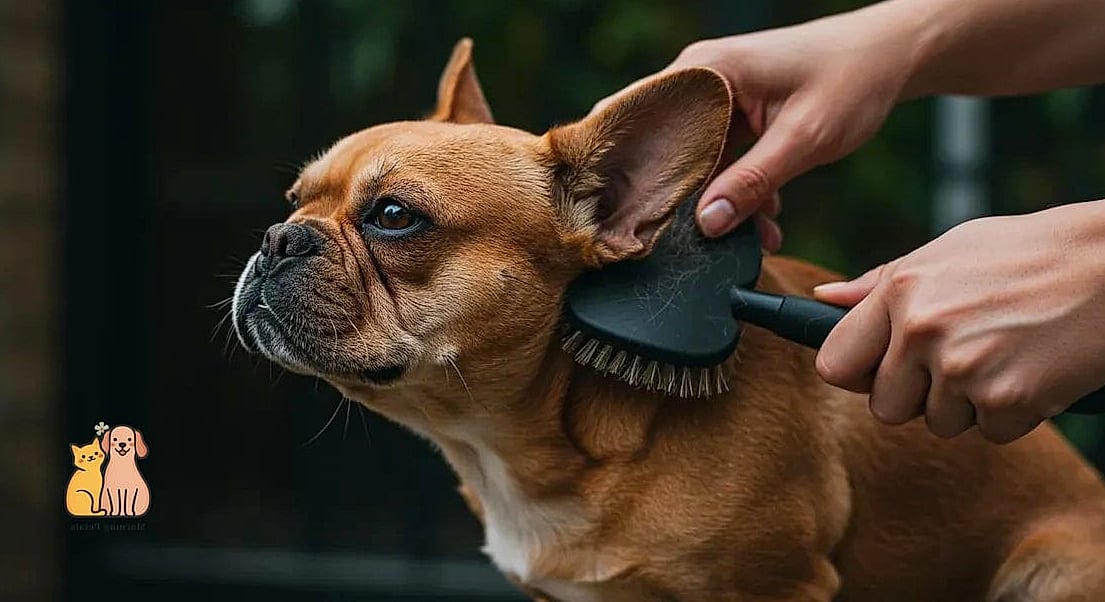
Keeping a French Bulldog clean does not require hours of grooming, but consistency matters. A simple routine can help your dog look and feel their best.
Weekly brushing removes loose hair and gives owners a chance to check for skin changes. Since Frenchies have short coats, a rubber grooming brush or soft bristle brush is often enough.
Bathing should be done when needed rather than too frequently, as excessive bathing may dry out their skin. A gentle dog shampoo designed for sensitive skin can be helpful.
Wrinkle care deserves special attention. Cleaning facial folds regularly and making sure they stay dry can prevent discomfort.
Regular paw checks are also useful, especially after walks. Keeping nails trimmed and checking paw pads helps maintain overall comfort.
Many French Bulldogs enjoy grooming sessions when introduced slowly. Turning grooming into a calm bonding activity can make it easier for both the dog and owner.
Fun Facts About French Bulldogs
French Bulldogs may be small, but they have a fascinating history and plenty of unique traits.
They became especially popular among city residents because their compact size and affectionate personality suited apartment lifestyles. Their popularity has continued to grow because they fit well into many modern households.
Frenchies are known for their expressive faces. Many owners joke that their dogs seem to have a reaction for every situation, from excitement over treats to dramatic disappointment when a favorite toy rolls away.
They are also famous for their snorting, grunting, and other unusual sounds. These noises are part of what makes the breed so charming, although owners should still pay attention to breathing changes that could signal health concerns.
French Bulldogs are often described as companion dogs because they were developed primarily to be close to people. They are happiest when included in family activities.
Is a French Bulldog Right for You?
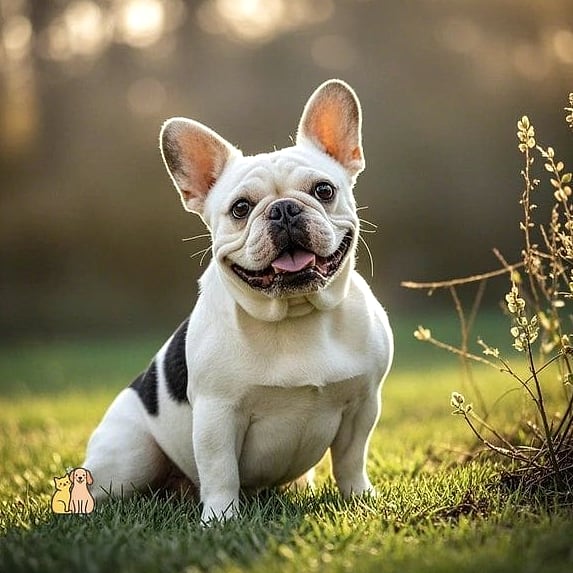
A French Bulldog can be a wonderful addition to the right home. They are affectionate, funny, adaptable, and full of character. Their smaller size makes them appealing for many living situations, but they still require thoughtful care.
Before bringing one home, consider your lifestyle. Frenchies do best with owners who can provide companionship, regular care, training, and attention to their health needs.
They are not the ideal choice for someone looking for a running partner or a dog that thrives outdoors. However, for people who want a loving indoor companion with a playful personality, they can be an excellent match.
Understanding The French Bulldog Breed: Everything You Need to Know helps future owners prepare for the joys and responsibilities of life with these special dogs.
Final Thoughts

French Bulldogs have captured hearts around the world because they offer so much affection in a small package. Their funny personalities, loyal nature, and charming appearance make them unforgettable companions.
Like any breed, Frenchies need proper care, attention, and understanding. With a balanced diet, regular grooming, safe exercise, veterinary care, and plenty of love, a French Bulldog can become a treasured member of the family for many years.
For anyone searching for a small dog with a big personality, the French Bulldog is a breed worth getting to know.