The Poodle Breed: The Ultimate Guide
The Poodle Breed: The Ultimate Guide
The Poodle is one of those dog breeds that people often recognize instantly, but many do not realize how much depth there is behind the elegant haircut and graceful appearance. Beneath the curly coat is a smart, athletic, affectionate dog that has been loved by families, hunters, competitors, and everyday pet owners for generations.
The Poodle Breed: The Ultimate Guide is designed to help you understand what makes this breed so special, from temperament and grooming needs to exercise, nutrition, health, and daily life. Poodles are not just show dogs with fancy trims. They are clever, playful, people-focused dogs that thrive when they have a loving home and plenty of mental stimulation.
Available in three recognized sizes — Standard, Miniature, and Toy — Poodles can fit into many different lifestyles. A Standard Poodle may enjoy outdoor adventures with an active family, while a Toy Poodle can happily live in a smaller apartment when given proper care and attention.
Why Pet Owners Love Them
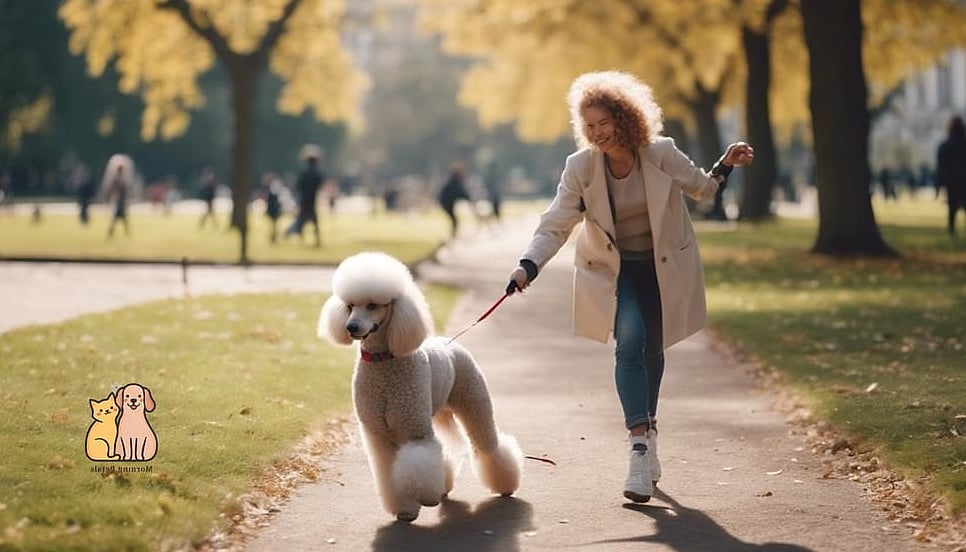
Many Poodle owners describe their dogs as affectionate, observant, and surprisingly entertaining. These dogs often seem to study their humans, quickly learning routines, household rules, and even small habits like when it is time for a walk or when someone is preparing a snack.
One of the biggest reasons people love Poodles is their intelligence. They rank among the most trainable dog breeds, which makes them enjoyable for owners who like teaching tricks, practicing obedience, or trying activities such as agility. A simple puzzle feeder or enrichment toy can turn a regular afternoon into a fun mental workout.
Poodles also tend to form strong bonds with their families. They usually enjoy being involved in daily activities, whether that means relaxing beside the couch, joining a morning walk, or following their favorite person from room to room. They are often called “shadow dogs” because they like staying close.
Their coat is another popular feature. Poodles have curly, dense hair rather than a traditional shedding coat, which can make them a better option for some allergy-sensitive households. However, low shedding does not mean low maintenance. Their grooming needs are an important part of responsible ownership.
Families appreciate that Poodles can be adaptable. With enough exercise and attention, they may do well in apartments, suburban homes, or larger houses. The key is not simply having a large space but providing enough interaction, training, and enrichment.
Key Characteristics

Poodles come in three main sizes, and choosing the right one depends on your lifestyle, experience, and daily routine.
Standard Poodles are the largest variety and typically have a strong, athletic build. They were originally developed as water retrievers, and many still enjoy swimming, hiking, running, and active outdoor play. Their size makes them a good match for families who want an energetic dog that can participate in adventures.
Miniature Poodles are smaller but still very energetic and intelligent. They often enjoy games, walks, training sessions, and interactive toys. Their size makes them popular among people who want an active dog without the space requirements of a larger breed.
Toy Poodles are the smallest variety and are known for their tiny size and lively personalities. They can be well suited to apartment living, but they still need daily movement and mental stimulation. A small dog does not automatically mean a low-energy dog.
In temperament, Poodles are generally alert, friendly, and eager to learn. They can be sensitive dogs, so harsh training methods may damage their confidence. Positive reinforcement, patience, and consistency usually work best.
Their intelligence is both a gift and a responsibility. A bored Poodle may invent its own entertainment, and that can sometimes include behaviors like barking, chewing, or finding creative ways to get attention. Regular training and enrichment help keep their minds busy.
Poodles are also known for their graceful appearance, but their beauty comes with responsibility. Regular brushing, grooming appointments, and coat care are part of keeping them comfortable and healthy.
Care Requirements

Caring for a Poodle involves more than keeping their coat looking beautiful. These dogs need a balanced routine that includes grooming, exercise, training, and social interaction.
Grooming is one of the biggest commitments. Because Poodle hair continues growing, regular trimming is necessary. Many owners schedule professional grooming every four to eight weeks depending on the haircut style and coat length. Between appointments, brushing helps prevent mats and keeps the coat comfortable.
A good grooming kit may include a slicker brush, metal comb, dog shampoo, nail clippers, and ear-cleaning supplies. Starting grooming habits when a Poodle is young can make future appointments much easier.
Exercise needs vary by size, but all Poodles benefit from daily activity. Walks, play sessions, training games, and enrichment toys help prevent boredom. Standard Poodles often enjoy more intense activities, while smaller varieties may be satisfied with shorter walks combined with indoor games.
Mental stimulation is especially important. Teaching new commands, using puzzle feeders, hiding treats around the home, or rotating toys can keep a Poodle engaged. Many owners find that five minutes of training can tire a dog almost as much as a longer walk.
Poodles also need socialization. Introducing puppies to different people, sounds, environments, and other friendly animals helps them grow into confident adults. Puppy classes can be a helpful way to build manners and create positive experiences.
Because Poodles are people-oriented, they generally do not enjoy being ignored for long periods. A busy household may work well if the dog still receives attention and structure. A pet camera can be useful for owners who want to check on their dog during the day.
Housing and Space Needs
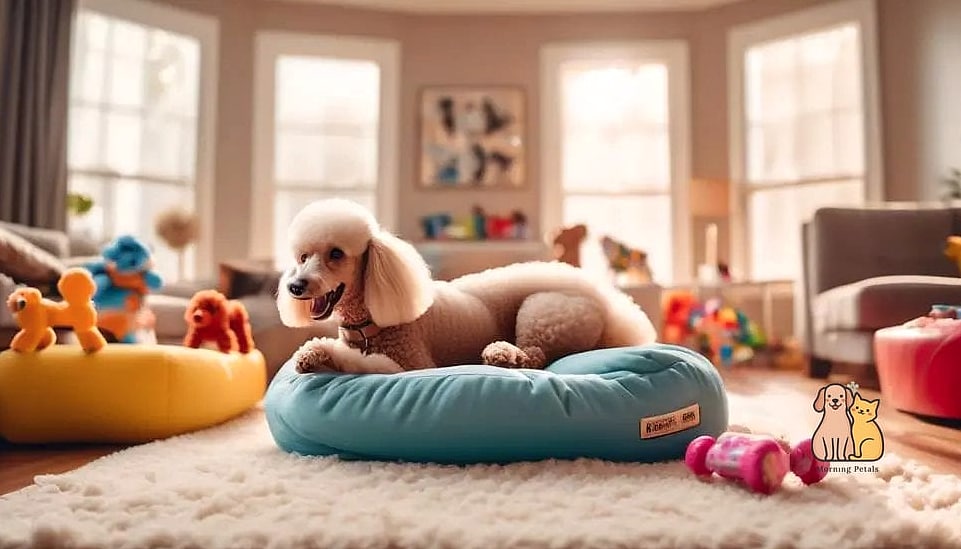
Poodles can adapt to different homes, but their living environment should match their exercise and companionship needs.
An apartment can work well for a Toy or Miniature Poodle, especially when the owner provides regular walks, playtime, and enrichment. Small living spaces should still include a comfortable dog bed, safe toys, and a quiet area where the dog can relax.
Standard Poodles often appreciate more room because of their larger size and athletic nature. A house with a secure yard can provide extra opportunities for play, although a yard does not replace daily interaction. Many dogs still prefer exploring the world with their owner on walks.
Indoor living is generally best for Poodles. Their social nature means they usually want to be part of the household rather than spending long periods outdoors. A dog run or fenced area can be useful for exercise, but it should not become their primary living space.
Creating a comfortable home setup can include a washable dog bed, food and water stations, storage for grooming tools, and enrichment toys. Owners who enjoy organized pet spaces may create a small grooming corner or feeding area to keep supplies easy to access.
Poodle puppies also need puppy-proofing. Curious young dogs may chew cords, investigate cabinets, or find interesting household items to play with. Puppy pads can be useful during house training, especially for smaller varieties.
Diet and Feeding

A healthy diet supports a Poodle’s energy, coat condition, and overall well-being. The best food choice depends on the dog’s age, size, activity level, and individual health needs.
Puppies need food designed for growth, while adult dogs require balanced nutrition that helps maintain a healthy weight. Senior Poodles may benefit from diets that support aging joints and changing energy levels.
High-quality dog food with appropriate protein, healthy fats, vitamins, and minerals can help maintain their curly coat and active lifestyle. Some owners choose dry kibble, while others include wet food or veterinarian-approved fresh options.
Portion control matters because Poodles can gain weight if they receive too many treats or oversized meals. Small training rewards can add up quickly, especially with an intelligent breed that enjoys learning.
Slow feeder bowls can be helpful for dogs that eat too quickly. Automatic feeders may also work well for owners who need a consistent feeding schedule, but they should complement regular care rather than replace interaction.
Fresh water should always be available. Active Poodles, especially after walks or play sessions, need easy access to clean drinking water.
If you are changing your Poodle’s food, a gradual transition over several days is usually easier on their digestive system. For dogs with allergies, sensitive stomachs, or medical concerns, a veterinarian can help choose an appropriate diet.
Health Considerations
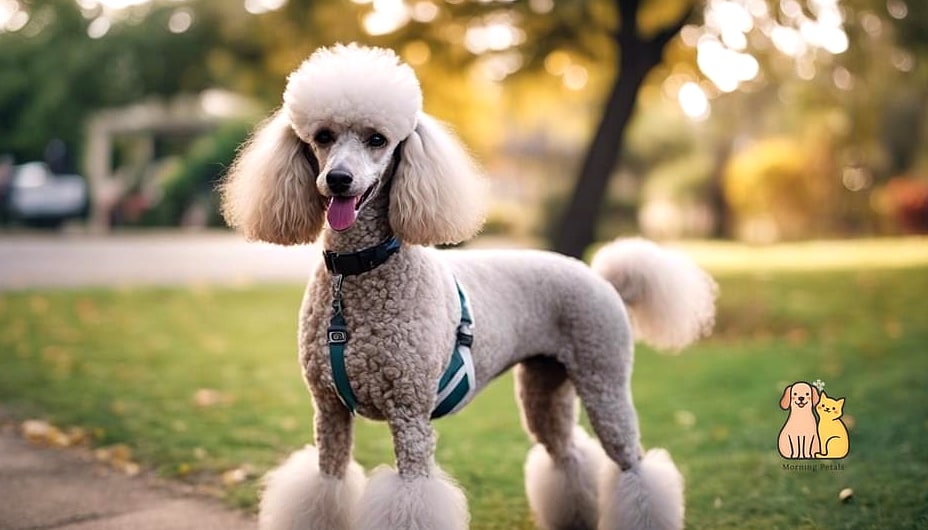
Poodles are generally healthy dogs, but like every breed, they can be prone to certain health concerns. Responsible breeding, regular veterinary visits, and preventive care all play important roles in keeping them healthy.
Common concerns seen in Poodles may include hip problems, eye conditions, ear infections, dental issues, and certain skin conditions. Regular checkups help identify potential problems early.
Their floppy ears and dense hair can sometimes trap moisture, creating an environment where ear issues may develop. Routine ear checks and proper cleaning can help maintain ear health.
Dental care is also important, particularly for Toy and Miniature Poodles. Small breeds can be more vulnerable to dental buildup, so regular brushing or veterinarian-recommended dental products can support oral health.
Poodles are active dogs, so maintaining a healthy weight is essential for protecting their joints. Regular exercise combined with appropriate feeding helps them stay fit throughout life.
The average lifespan of a Poodle depends on size and individual health, but many live well into their teens with proper care. Preventive veterinary visits, vaccinations, parasite prevention, and attention to changes in behavior all contribute to a longer, healthier life.
Choosing a responsible breeder or considering adoption from a reputable rescue organization can also make a difference. Good sources prioritize health testing, temperament, and responsible care.
Fun Facts

Poodles have a fascinating history that goes far beyond their famous appearance. Although many people associate them with France, the breed’s early development is linked to Germany, where they were valued as water retrievers.
The traditional Poodle haircut was not created only for decoration. Historically, the trimmed areas helped the dogs move through water while leaving protective hair around important joints and organs.
Poodles are highly versatile. They have succeeded in obedience competitions, agility events, therapy work, and other activities that highlight their intelligence and athletic ability.
Their famous curly coat has a unique texture that gives them their recognizable look. Many owners enjoy choosing different grooming styles, from practical shorter cuts to more elaborate trims.
Poodles also appear in many mixed breeds, often combined with other breeds to create dogs with different traits. These mixes can vary widely, so anyone considering one should research the specific combination carefully.
One of the most charming things about Poodles is their ability to make everyday moments enjoyable. Many owners joke that their dogs are always ready to participate, whether the activity is a long walk, a training game, or simply supervising household chores.
Final Thoughts

The Poodle Breed: The Ultimate Guide shows why this breed has remained a favorite among dog lovers for so long. Behind the elegant coat is a bright, loving, athletic dog that enjoys learning, bonding, and being part of family life.
Poodles do require commitment, especially when it comes to grooming, exercise, and mental stimulation. They are not a breed that thrives with little interaction, but for owners who enjoy an engaged and affectionate dog, they can be incredibly rewarding.
From the playful Toy Poodle to the adventurous Standard Poodle, each size brings its own charm. With proper nutrition, regular veterinary care, thoughtful training, and plenty of affection, a Poodle can become a wonderful part of your daily life.
For many owners, the best part of sharing life with a Poodle is the connection. These dogs notice their people, learn their routines, and bring energy and companionship into the home in a way that is truly memorable.