15 Genius Diy Dog Run Cheap That Are Pure Genius
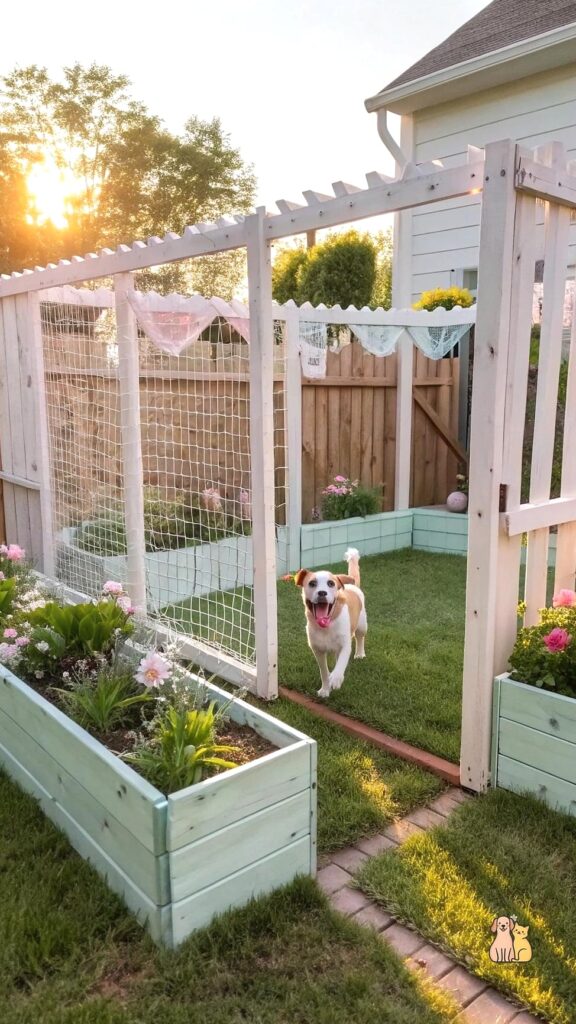
- The Gravel Path Backyard Dog Run
- The Pallet Fence Dog Run
- The PVC Pipe Lightweight Dog Run
- The Side Yard Dog Run
- The Covered Shade Dog Run
- The Cattle Panel Garden Dog Run
- The Portable Foldable Dog Run
- The Raised Platform Dog Run
- The Recycled Fence Panel Dog Run
- The Dog Run With Digging Zone
- The Indoor-Outdoor Connected Dog Run
- The Natural Garden Dog Run
- The Chain Link Budget Dog Run
- The Small Apartment-Friendly Outdoor Dog Run
- The Luxury DIY Dog Run Retreat
15 Genius Diy Dog Run Cheap That Are Pure Genius
If your dog has ever stared at the backyard like it was a giant playground just waiting to happen, you already know how much they enjoy having their own outdoor space. A dog run gives pups room to stretch, sniff, play, and burn off energy without needing a huge fenced yard.
Creating a safe dog run does not have to drain your wallet. With a little creativity, recycled materials, and a weekend of work, you can build something comfortable and practical. These 15 Genius Diy Dog Run Cheap That Are Pure Genius ideas focus on affordable setups that work for different homes, dog sizes, and lifestyles.
Before building, think about your dog’s breed, exercise needs, chewing habits, and personality. A small senior dog may need a simple shaded area, while an energetic Labrador Retriever, Border Collie, or Australian Shepherd may need more room and enrichment. Good design is not just about saving money; it is about creating a space where your dog feels happy and secure.
The Gravel Path Backyard Dog Run
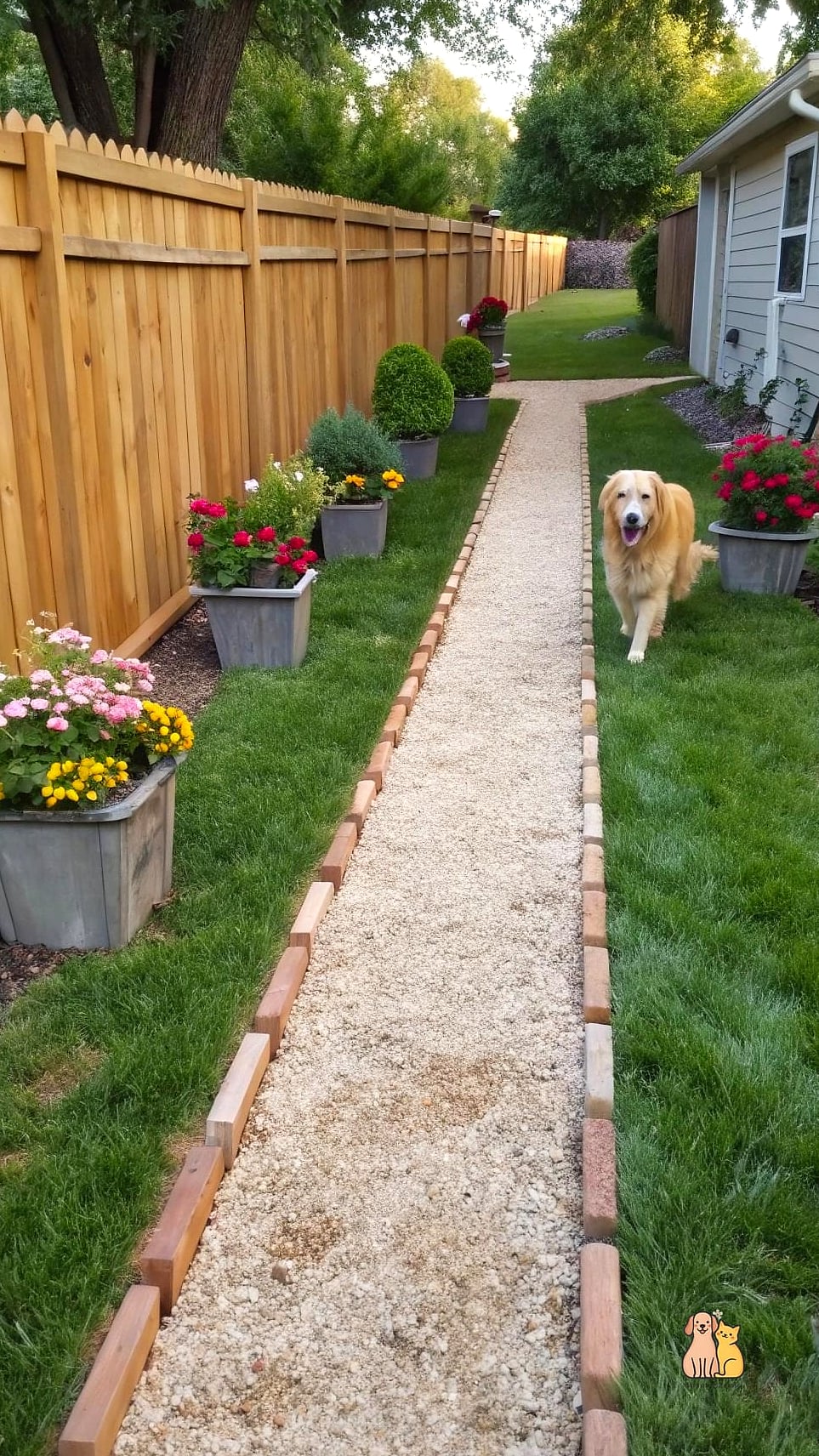
A gravel dog run is one of the easiest budget-friendly options for homeowners who want a clean outdoor area without constant lawn repairs. The setup usually includes a fenced section filled with smooth gravel, creating a sturdy surface that handles muddy paws better than grass.
This idea works especially well for medium and large dogs that love running, digging less, and exploring scents. Active breeds such as German Shepherds or Labrador Retrievers often enjoy having a dedicated area where they can move freely.
Materials are simple: fencing panels, landscape fabric, gravel, and basic tools. You can keep costs low by using leftover materials from other yard projects. A premium version can include decorative stones, drainage improvements, and a covered resting corner.
The difficulty level is beginner to moderate. The biggest care tip is choosing rounded gravel instead of sharp rocks and checking the surface regularly for debris.
The Pallet Fence Dog Run
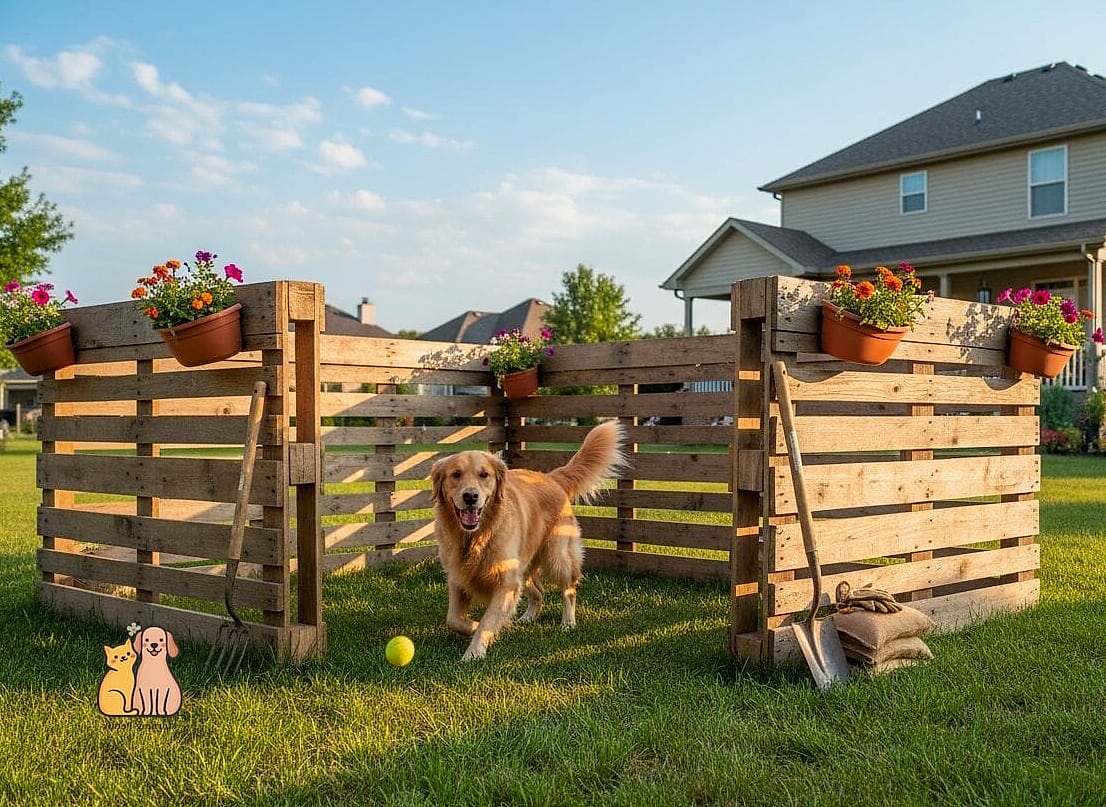
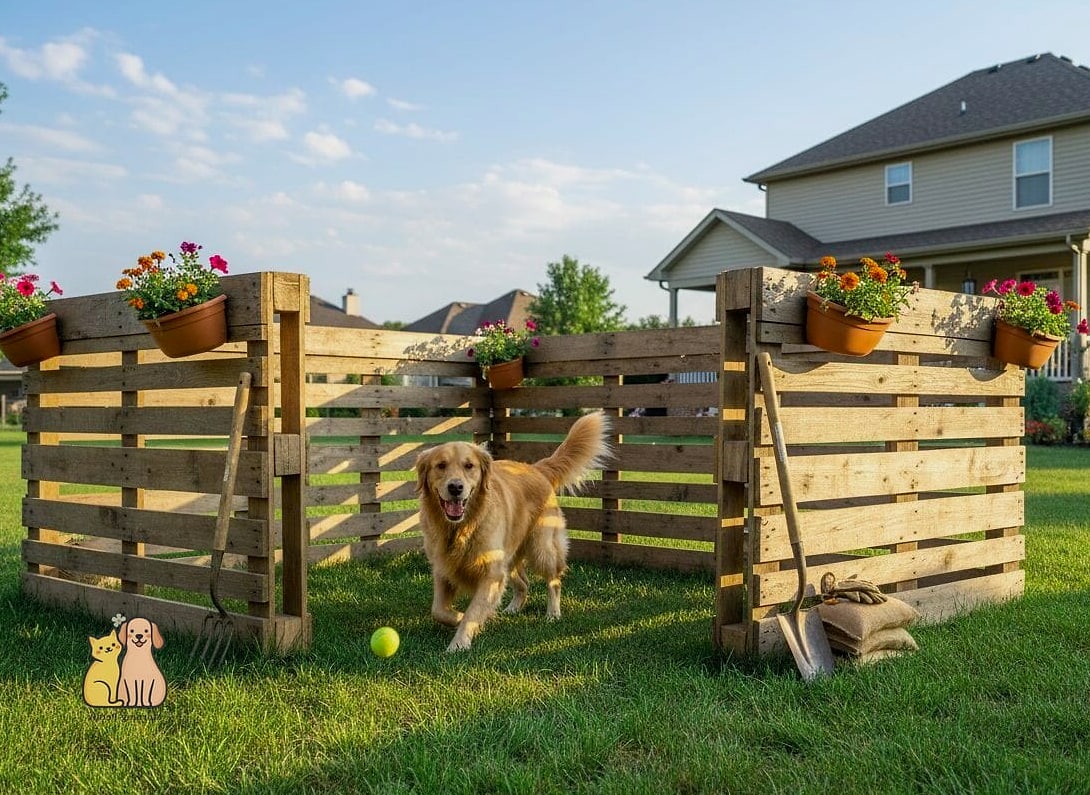
Old wooden pallets can become a charming and inexpensive dog run fence with a little creativity. This rustic design gives your backyard a farmhouse feel while creating a secure boundary for your furry friend.
It suits smaller dogs and calmer medium-sized breeds that do not aggressively chew or jump. Dogs that enjoy lounging outside, watching birds, and relaxing in the sunshine often love this style.
You will need sturdy pallets, screws, protective sealant, and a gate solution. Sanding the wood is important because rough edges can cause scratches. Adding a weather-resistant finish can help the fence last longer.
The budget version uses free or recycled pallets. A more polished option includes painted panels, matching landscaping, and a comfortable outdoor dog bed inside the run.
The PVC Pipe Lightweight Dog Run
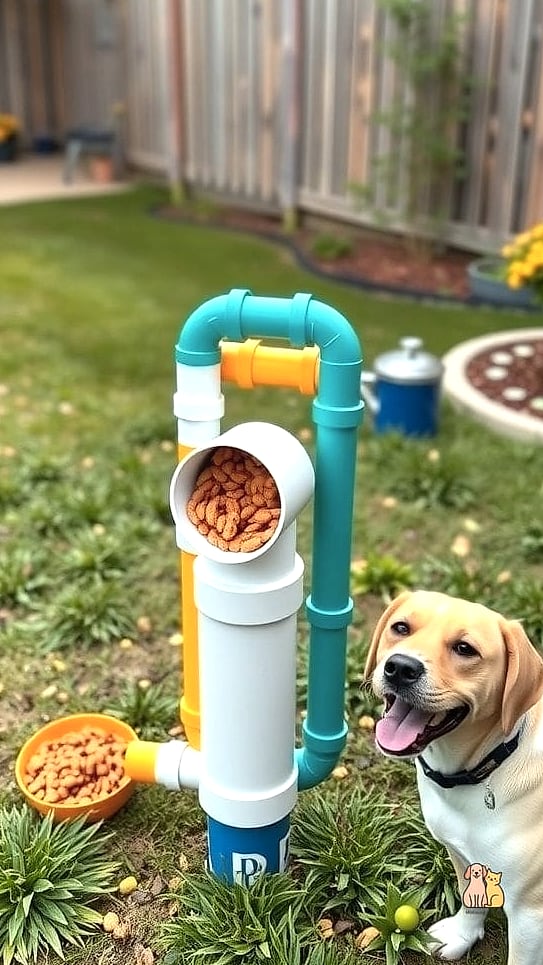
PVC pipe is a surprisingly useful material for a simple DIY dog run. It is lightweight, affordable, and easy to adjust if you want to change the size later.
This design works best for small dogs and puppies that need a safe play area. It is also helpful for families with young pets who are still learning boundaries.
The basic setup involves PVC frames connected with fittings and covered with strong mesh or outdoor fabric. It creates a portable enclosure that can move around the yard.
Owners love this idea because it is flexible and does not require advanced building skills. Beginners can usually complete it quickly, while experienced DIY fans can add shade covers, water stations, and enrichment toys.
The Side Yard Dog Run
Many homes have unused side spaces between the house and fence. Turning that narrow area into a dog run is a smart way to use space that often goes ignored.
This setup is great for homes with limited yards, including smaller suburban properties. Dogs that like patrolling, sniffing, and watching outdoor activity may enjoy having a dedicated pathway.
A side yard run can include fencing upgrades, a secure gate, artificial grass, and a small shelter. Budget versions may only need stronger fencing and a comfortable surface.
The difficulty depends on your existing yard layout. If fencing already exists, this can become one of the cheapest DIY dog run projects.
The Covered Shade Dog Run
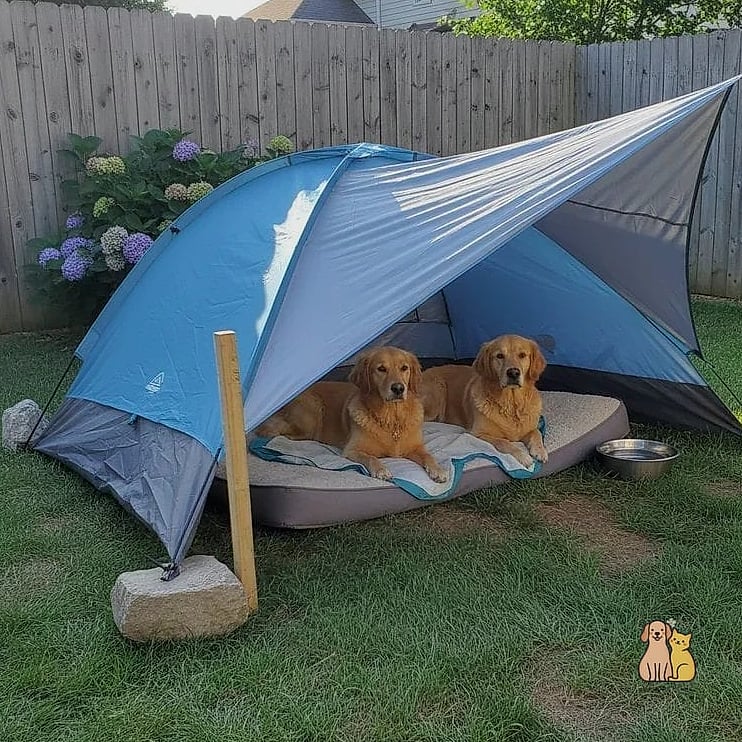
Hot weather can make outdoor play uncomfortable, especially for dogs with thick coats. A covered dog run adds protection from harsh sunlight while still allowing fresh air and exercise.
This design suits breeds like Huskies, Golden Retrievers, and other dogs that may struggle during warm afternoons. It is also useful for older dogs that need a calmer outdoor environment.
Materials can include shade cloth, a simple wooden frame, outdoor curtains, or a pergola-style cover. Adding a water fountain or elevated dog bed creates a relaxing retreat.
The affordable version uses a basic canopy. A higher-end design may include weatherproof roofing, lighting, and built-in storage for toys and grooming supplies.
The Cattle Panel Garden Dog Run
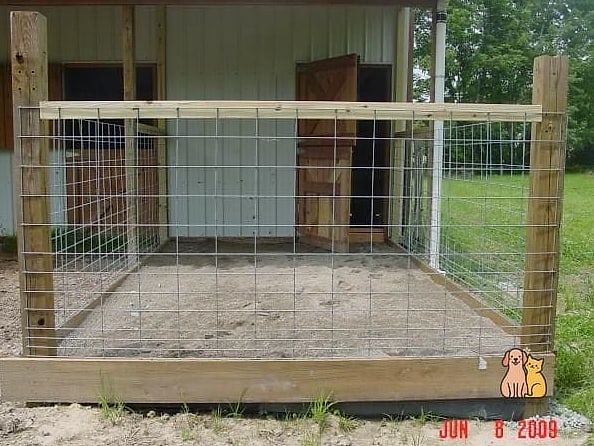
Cattle panels are popular among DIY builders because they are strong, affordable, and easy to install. They create a sturdy enclosure without the price of traditional fencing.
This option is better for larger dogs with strong bodies and active personalities. Breeds that love running, playing fetch, or spending time outdoors can benefit from the extra room.
The setup requires metal panels, posts, fasteners, and a secure gate. You can soften the look by adding plants around the outside or creating a small garden border.
Maintenance is simple, but owners should inspect the connections regularly. Strong dogs can test even the toughest fencing.
The Portable Foldable Dog Run
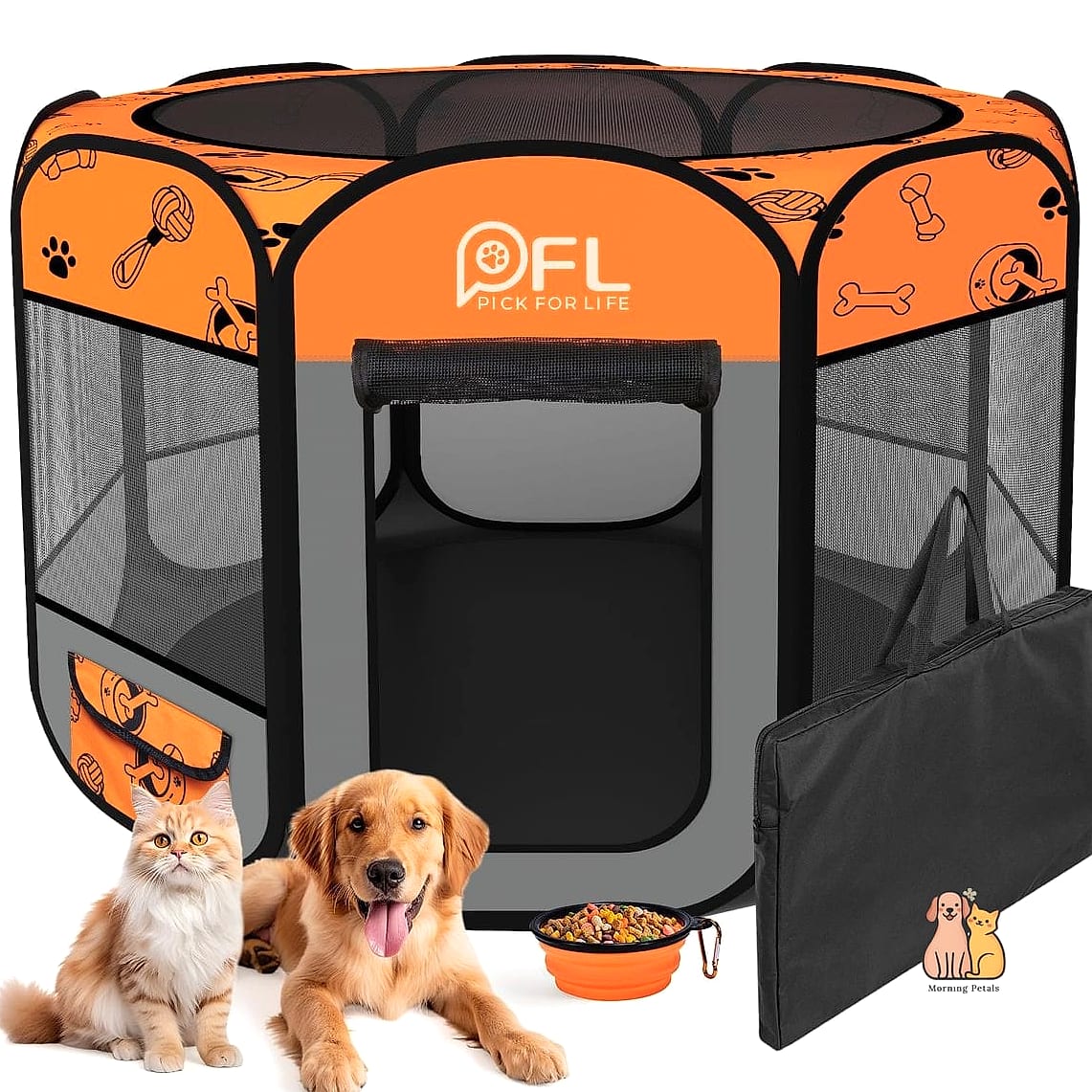
A portable dog run gives you flexibility when your needs change. You can move it around the yard, take it camping, or store it when guests visit.
This style works well for puppies, small breeds, and owners who rent homes or apartments with outdoor access. It is also useful during training because you can create a controlled area.
Most portable runs use metal panels that connect together. Store-bought versions can be affordable, but DIY builders can create similar designs with lightweight fencing materials.
Adding a puppy pad station, water bowl, and enrichment toys can make the area more comfortable for longer outdoor sessions.
The Raised Platform Dog Run
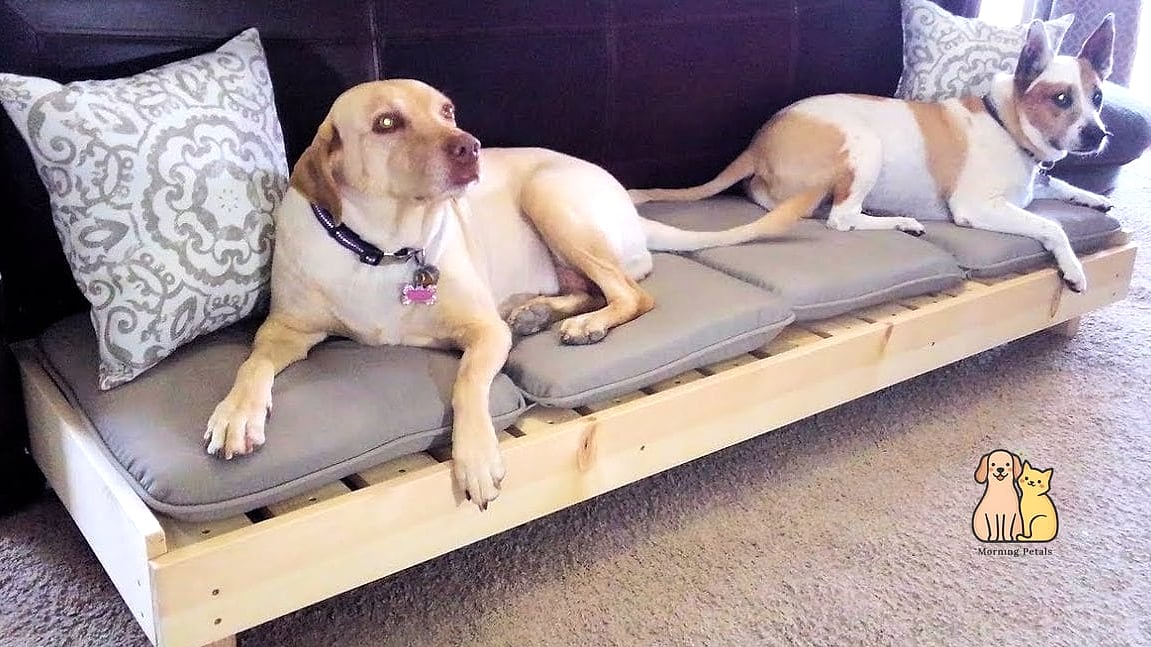
A raised platform dog run combines outdoor exercise with a comfortable resting area. The elevated section gives dogs a dry place to relax after playing.
This idea is helpful in rainy climates where yards become muddy. Dogs with shorter coats or older joints may appreciate having a warm, clean surface.
Building materials include treated wood, decking boards, and weather-resistant screws. The platform can be simple or expanded into a mini outdoor lounge.
The beginner version is a small raised area. Advanced DIY owners may add ramps, steps, storage compartments, or a covered sleeping space.
The Recycled Fence Panel Dog Run
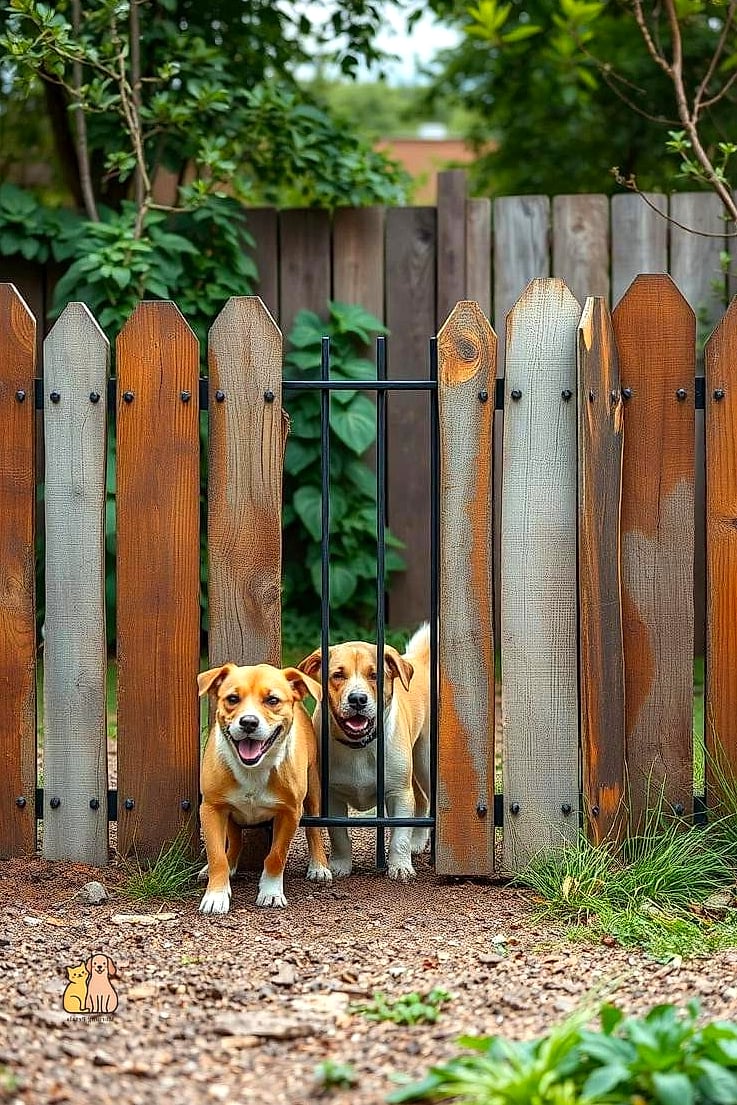
Old fence panels can find a second life as a practical dog enclosure. Instead of throwing away materials from a renovation, you can transform them into a safe outdoor area.
This design works for many dog sizes depending on the height and strength of the panels. It is especially useful for families already replacing backyard fencing.
The project involves checking the panels for damage, reinforcing weak areas, and creating a secure entrance. A fresh coat of outdoor paint can make reused materials look brand new.
This option is budget-friendly and environmentally responsible. It also allows homeowners to match the dog run with existing yard decor.
The Dog Run With Digging Zone
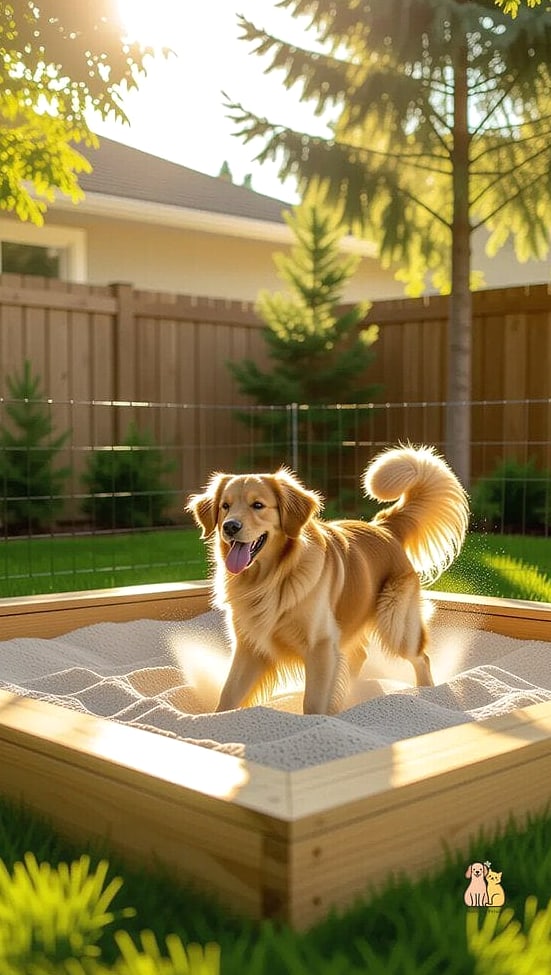
Some dogs simply love digging. Instead of fighting that instinct, create a designated digging area inside the dog run.
This setup is excellent for terriers, Dachshunds, and other breeds known for curious digging behavior. It provides mental stimulation and helps prevent unwanted holes around the yard.
The design can include a sandbox-style section filled with pet-safe soil or sand. Add hidden toys, treats, or puzzle feeders to encourage healthy exploration.
The rest of the run can use grass, gravel, or another easy-clean surface. This idea focuses on enrichment rather than just containment.
The Indoor-Outdoor Connected Dog Run
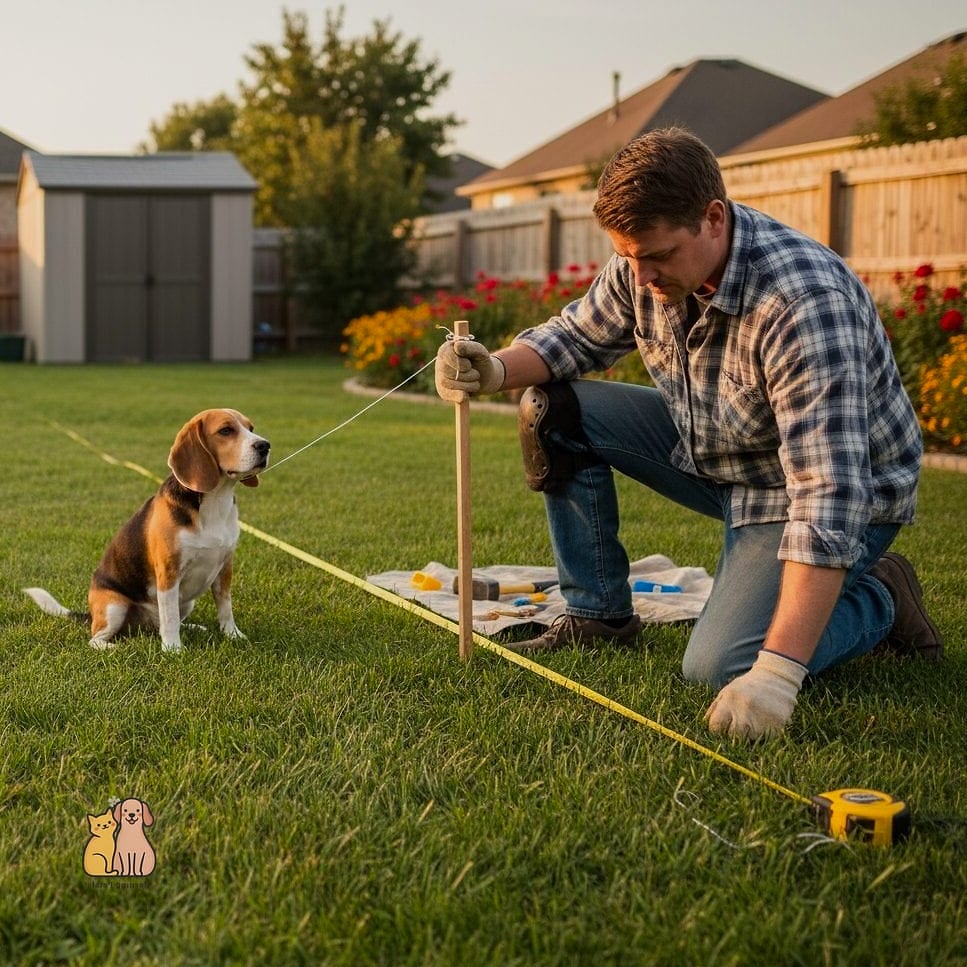
For homes with a suitable layout, an indoor-outdoor dog run creates a comfortable transition between the house and backyard.
This design can work well for dogs that spend time indoors but enjoy fresh air throughout the day. It is especially useful for families who want easy access to a secure outdoor area.
The setup may include a dog door, fenced pathway, weatherproof flooring, and a resting zone. Budget versions can use existing doors and simple fencing.
This type of run requires careful planning because security is important. The gate, dog door, and boundaries should all be checked regularly.
The Natural Garden Dog Run
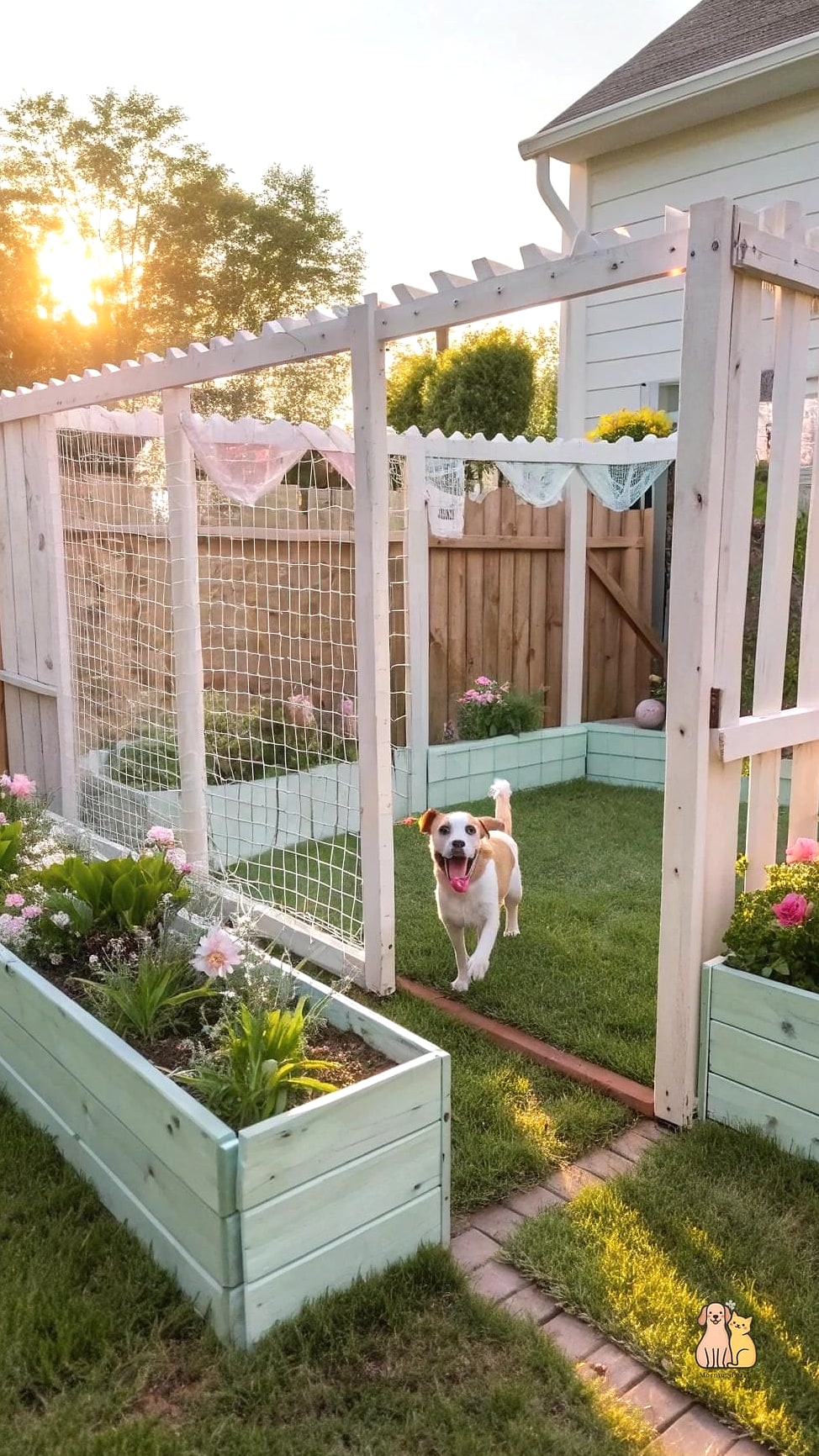
A garden-style dog run blends pet space with landscaping. Instead of creating a plain fenced area, you can add safe plants, paths, and comfortable resting spots.
This idea suits dogs that enjoy calm exploration rather than nonstop running. It can be a beautiful choice for families who spend lots of time outdoors.
Materials may include stepping stones, mulch, fencing, and dog-safe plants. Avoid plants that are harmful to pets and keep gardening chemicals away from the area.
The budget approach uses existing landscaping. A premium version can look like a backyard retreat with decorative features and cozy corners.
The Chain Link Budget Dog Run
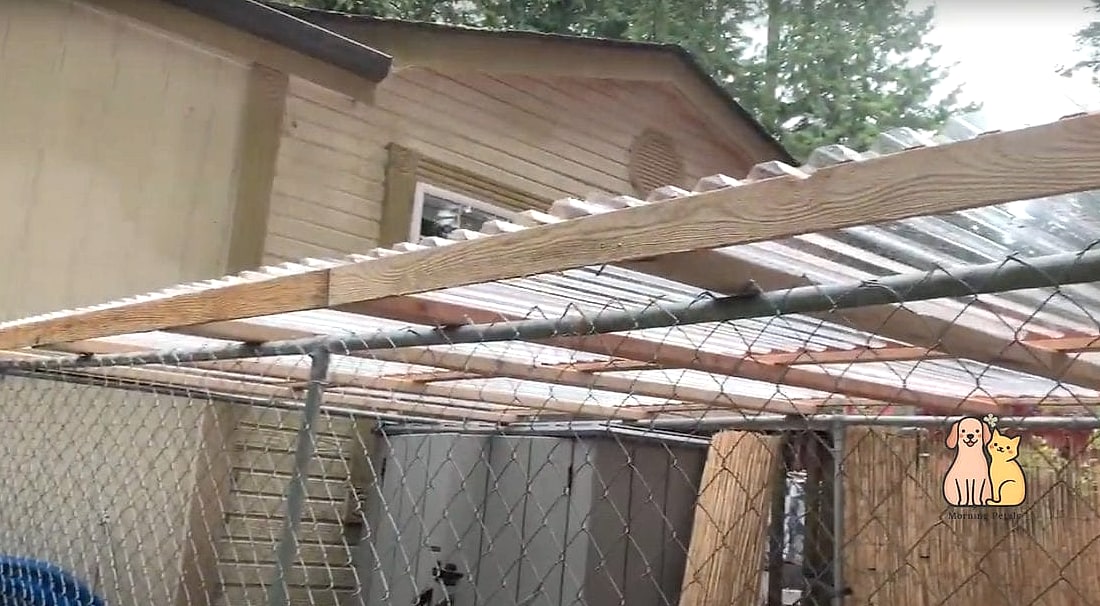
Chain link fencing remains one of the most practical choices for an affordable dog run. It is durable, widely available, and easy to customize.
This design works for many breeds, especially energetic dogs that need reliable space for exercise. It provides visibility, allowing dogs to watch family members while staying safely contained.
The project requires posts, chain link material, connectors, and a gate. Some owners add privacy panels or climbing plants for a softer appearance.
While the style is simple, it can become comfortable with shade, outdoor dog beds, and plenty of enrichment activities.
The Small Apartment-Friendly Outdoor Dog Run
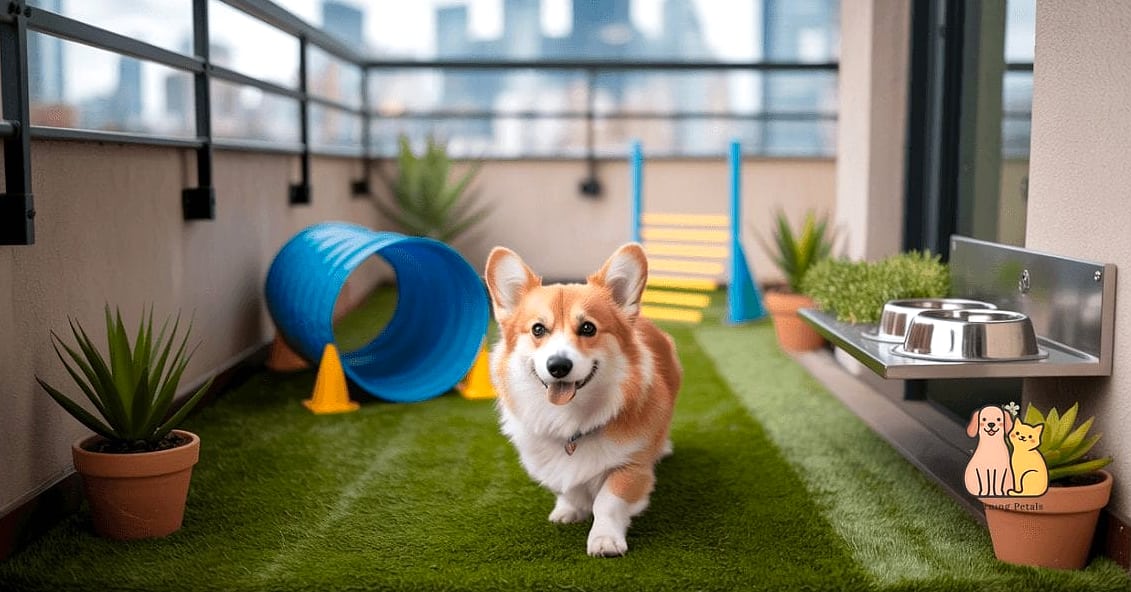
Not every dog owner has a large backyard. A compact dog run can still provide valuable outdoor time in smaller spaces.
This option works for small breeds like French Bulldogs, Pugs, and Cavalier King Charles Spaniels that may not need huge running areas but still enjoy fresh air.
A small setup might include a balcony-safe enclosure where permitted, a patio section, or a tiny fenced corner. Always check local rules before building outdoor pet spaces.
Adding a water bowl, washable mat, toys, and a cozy dog bed can make a small area feel inviting.
The Luxury DIY Dog Run Retreat
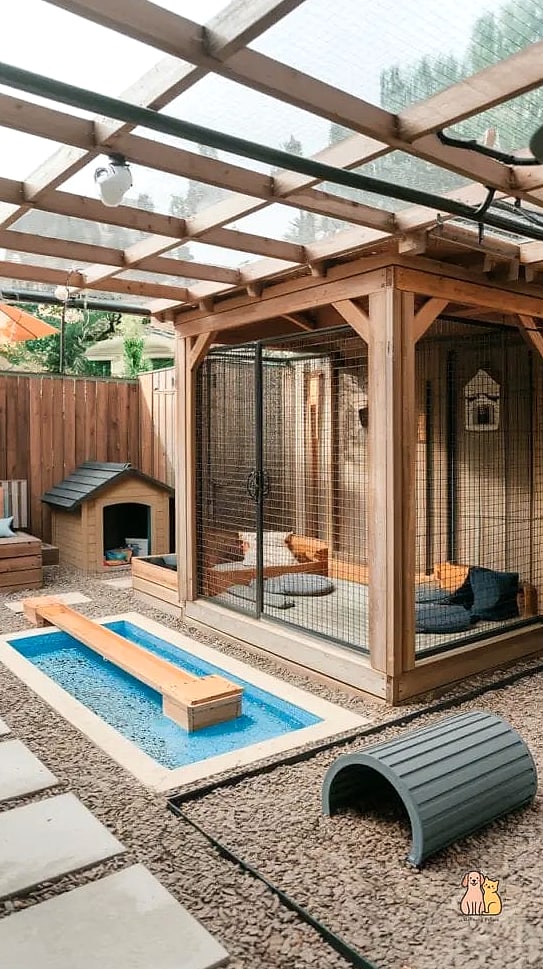
A luxury DIY dog run proves that affordable projects can still feel special. This design combines practical features with comfort, creating a backyard space your dog will love.
It can include a covered sleeping area, automatic water fountain, pet camera, storage for leashes and toys, and even decorative landscaping.
This style suits owners who enjoy building projects and want a long-term outdoor space. It works especially well for families with multiple dogs that spend lots of time outside.
The budget can vary widely. You can start with a basic fenced area and slowly add upgrades over time.
Creating one of these 15 Genius Diy Dog Run Cheap That Are Pure Genius ideas is about understanding what your dog actually enjoys. Some pups want room to sprint, while others simply want a safe place to sniff, relax, and watch the world go by.
A good dog run combines safety, comfort, and enrichment. Choose durable materials, provide shade and fresh water, and check the enclosure often. A simple DIY project can become your dog’s favorite place in the house, even if it happens to be outside.