20 Brilliant Diy Cat Cave That Are Totally Worth It
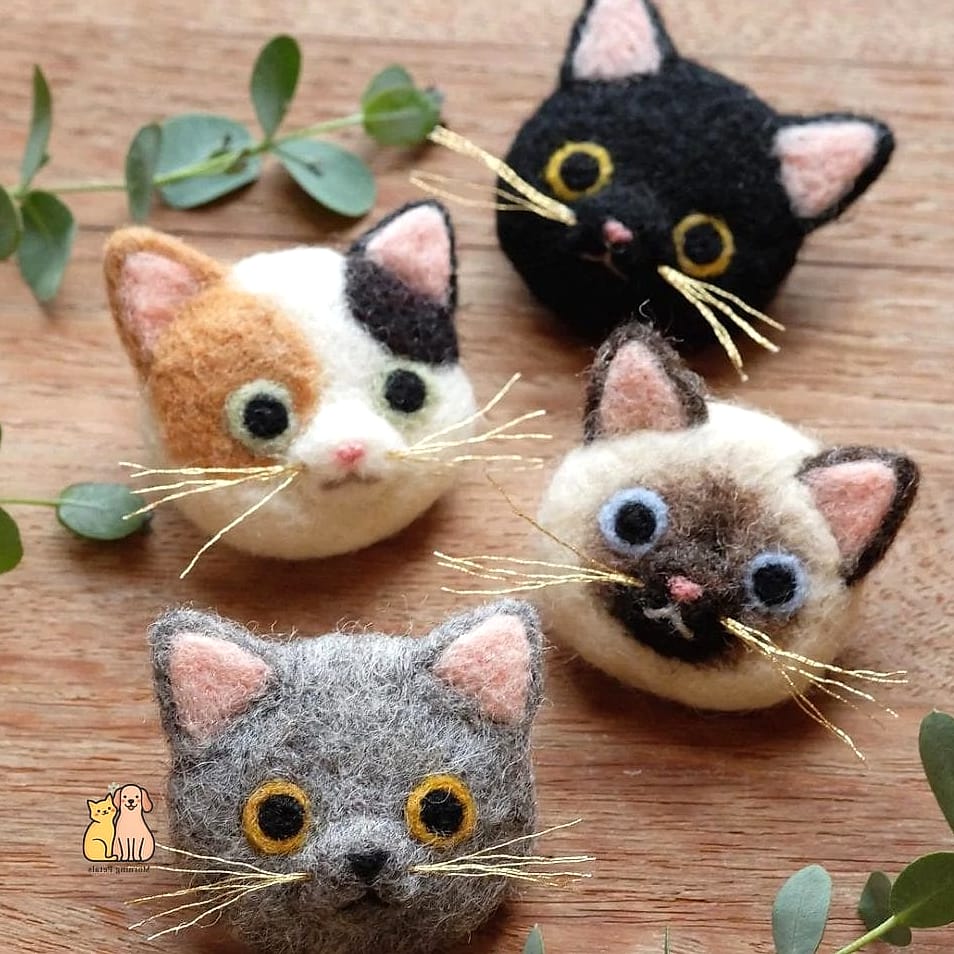
- The Classic Felted Wool Cave
- Repurposed Sweater Cave
- Cardboard Box Fort Cave
- Wooden A-Frame Cat House
- Knitted or Crochet Cat Cave
- Upcycled Suitcase Cave
- Fleece Tunnel Cave Combo
- Wicker Basket Cave
- Concrete Planter Cat Den
- Pom-Pom Trim Igloo Cave
- Dresser Drawer Cave
- Paper Bag Reinforced Cave
- Log Cabin Style Cat House
- Fabric-Covered Laundry Basket Cave
- Teepee Style Cat Tent
- Repurposed Wine Barrel Cave
- Yarn-Wrapped Cat Ball Cave
- Book Nook Style Cave
- PVC Pipe Frame Fabric Cave
- Heated Winter Cat Cave
20 Brilliant Diy Cat Cave That Are Totally Worth It
If your cat spends half the day squeezed into a cardboard box that’s clearly too small for them, you already know the truth: cats love a good hiding spot more than almost any fancy toy you could buy. There’s something about a cozy, enclosed space that makes them feel safe, and honestly, watching them curl up in one is one of the best parts of being a cat owner.
A DIY cat cave is basically a cozy little den you make yourself, and it’s one of those projects that’s way easier than people expect. You don’t need a workshop full of tools or a big budget. Most of these ideas use stuff you probably already have around the house, or things you can grab cheap at a craft store.
Whether you’ve got a shy cat who wants a place to disappear, a senior cat who needs a soft warm spot for achy joints, or a kitten who just wants somewhere fun to pounce from, there’s a cave idea here that fits. Let’s get into it.
The Classic Felted Wool Cave
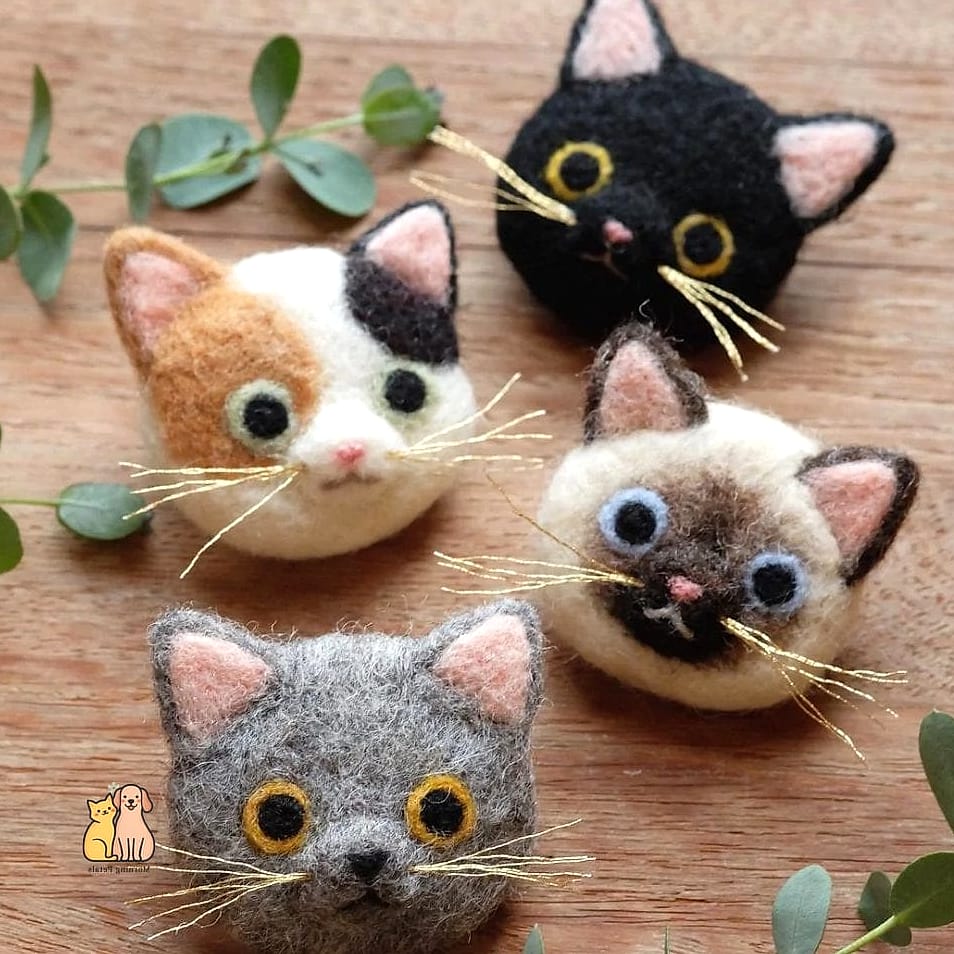
This is the one you’ve probably seen all over Pinterest, and for good reason. Felted wool cat caves have that cozy, igloo-like shape with a rounded entrance, and they’re surprisingly warm in the winter months.
Making one from scratch involves wet felting sheets of wool roving over a balloon mold, which takes patience but no sewing skills. If that sounds like too much, you can buy a felting kit and just customize the entrance and colors yourself. Cats with thick coats might overheat in summer, so this works best as a cool-weather addition to your cat’s usual bed.
Repurposed Sweater Cave
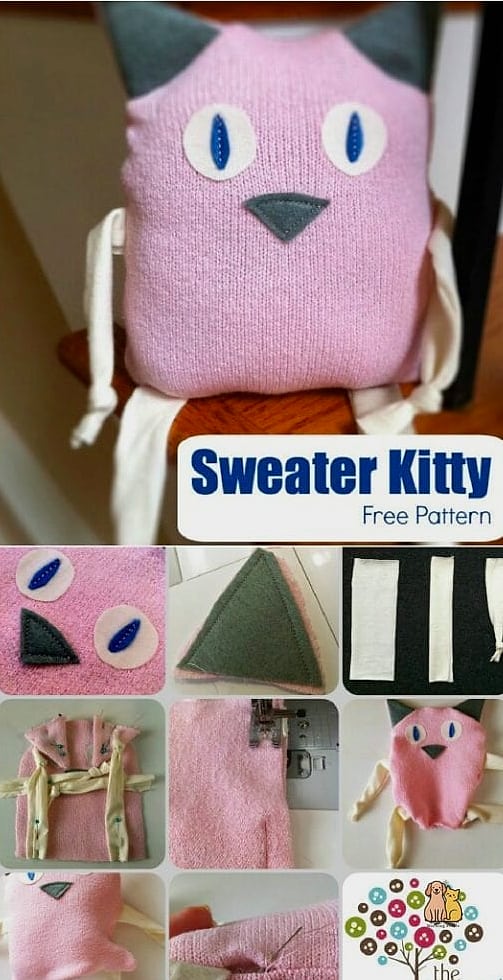
Got an old wool sweater you don’t wear anymore? Turn it into a soft, stretchy cat cave instead of tossing it out. Stuff the sleeves with poly-fill to make a rounded shape, sew the neck and waist openings mostly closed, and leave a gap for your cat to crawl through.
This is a great beginner project since basic hand-stitching is all you need. It’s especially sweet for anxious or newly adopted cats because the fabric still carries your scent, which can genuinely help them settle in faster.
Cardboard Box Fort Cave
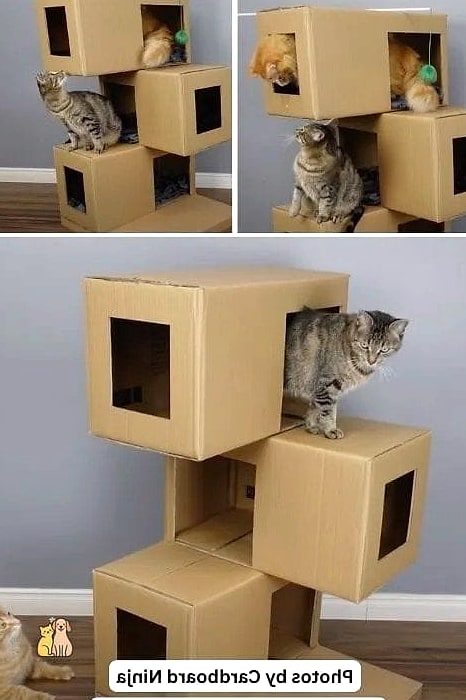
Never underestimate the power of a plain cardboard box. Cut an entrance hole, add a second box on top for a two-story effect, and cover the whole thing with fabric or contact paper so it doesn’t look like trash day came early.
This is basically a free option, and it’s perfect if you want to test whether your cat even likes enclosed spaces before investing time in something fancier. Just know cardboard doesn’t hold up to claws forever, so treat it as a fun temporary setup rather than a permanent piece.
Wooden A-Frame Cat House
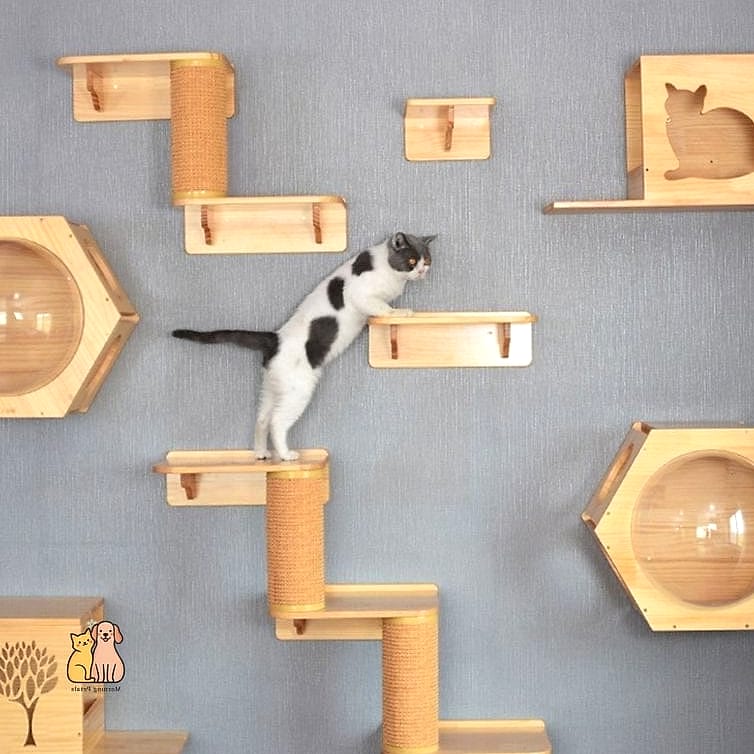
For cat owners who like a little carpentry, an A-frame cave brings a rustic, almost farmhouse feel to your living room. Two hinged plywood panels lean together to form a tent shape, with a soft cushion or pet bed tucked inside.
This one suits larger cats or multi-cat households since the footprint can be sized up easily. It’s sturdier than fabric options and holds up great to scratching, though you’ll want to sand the edges smooth so nobody snags a claw.
Knitted or Crochet Cat Cave
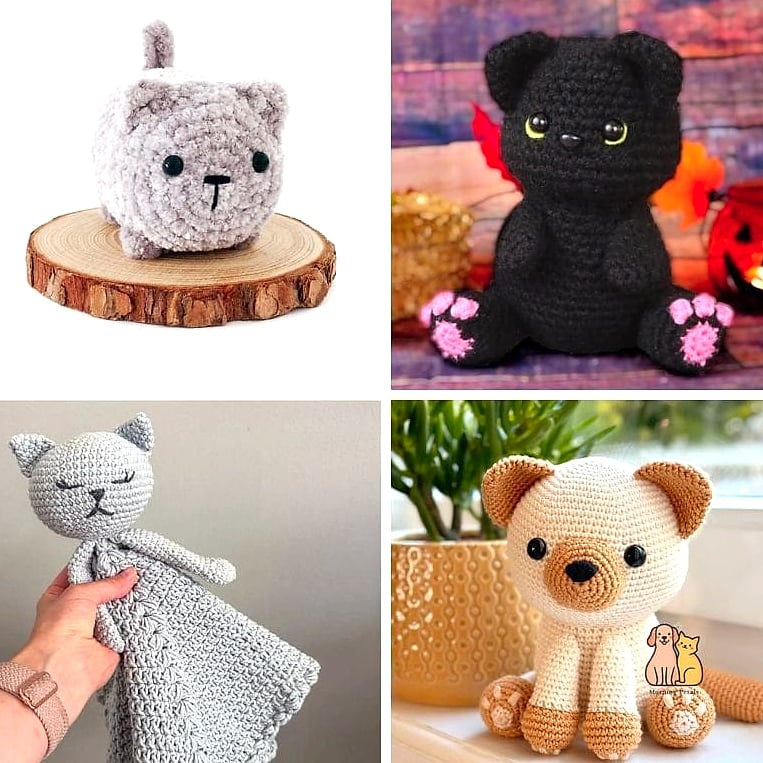
If you’re already into fiber crafts, a crocheted cat cave is a satisfying weekend project. Chunky yarn worked in a simple spiral pattern creates a squishy, textured dome that’s genuinely fun for cats to knead and scratch at.
These are lightweight and machine washable, which matters a lot if your cat tracks litter everywhere (we’ve all been there). Beginners can find plenty of free patterns online, and honestly even a slightly wonky first attempt still makes a perfectly cozy little hideout.
Upcycled Suitcase Cave
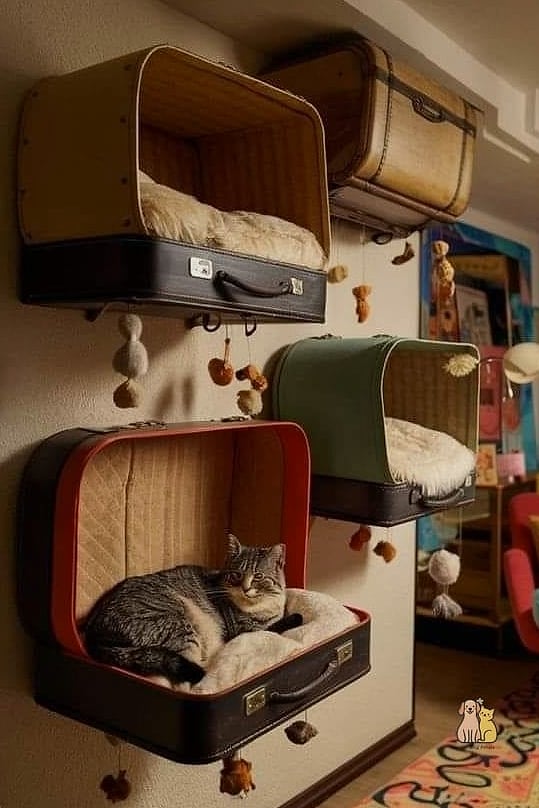
Old hardshell suitcases gathering dust in the closet make surprisingly stylish cat caves. Prop the lid open at an angle, line the bottom with a plush cushion, and you’ve got a vintage-looking nook that doubles as home decor.
This idea works particularly well in apartments where floor space is tight, since the suitcase can sit on a shelf or dresser. Just skip this one if your cat is an aggressive scratcher, since the hard shell won’t hold up to that kind of abuse.
Fleece Tunnel Cave Combo
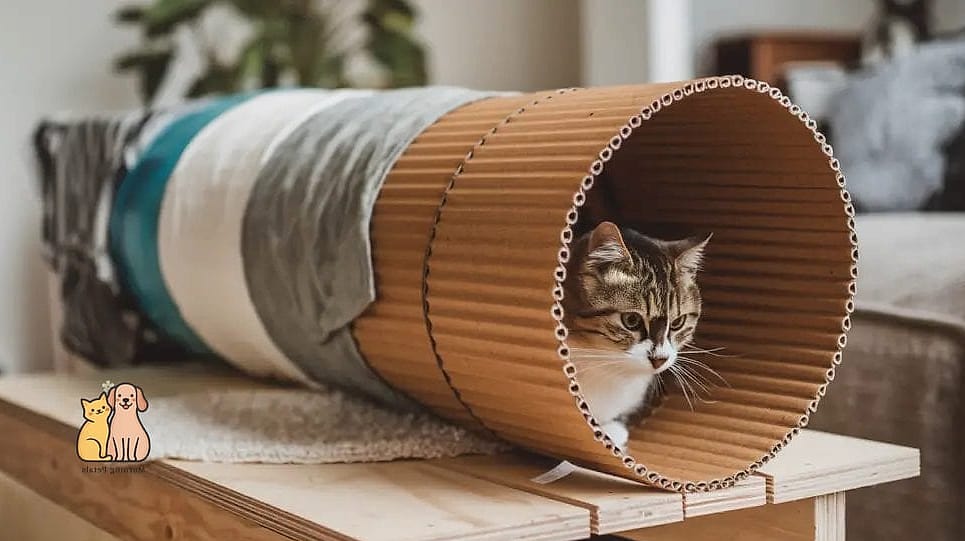
Combining a cave with a tunnel gives your cat two kinds of fun in one project. Sew two layers of fleece into a long tube with a rounded pouch at one end, using a wire hoop or foam board to keep the tunnel shape open.
Kittens and younger cats especially love this setup because it encourages running and pouncing, not just lounging. The no-sew version works too if you use fabric glue instead, which is handy for anyone who doesn’t own a sewing machine.
Wicker Basket Cave
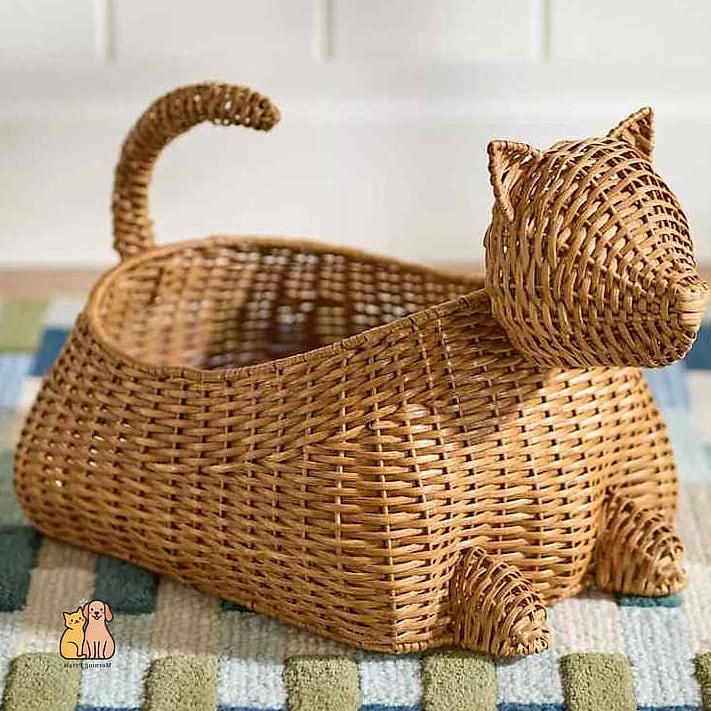
A wicker basket turned on its side, lined with a soft blanket, makes an instant natural-looking cave with almost no effort. Add a small overhanging fabric flap across part of the opening for extra coziness and privacy.
This is one of the more budget-friendly options if you already have a basket lying around, and it blends into boho or farmhouse-style homes really well. Just double check there aren’t any loose wicker strands your cat could chew on.
Concrete Planter Cat Den
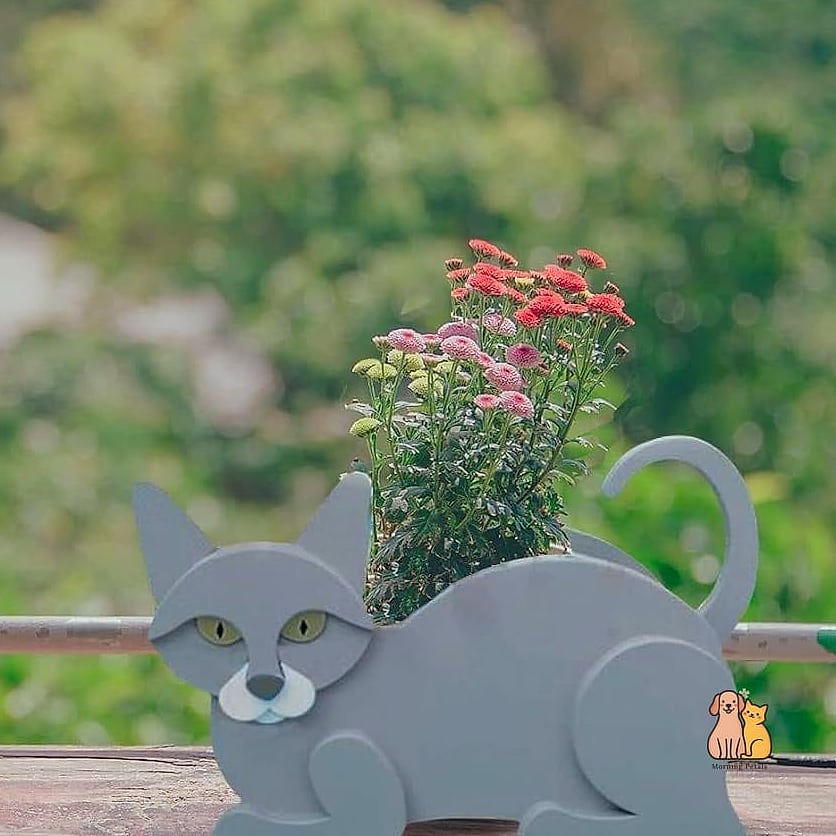
This one sounds unusual, but hear me out: a large decorative planter (plastic, not real concrete) laid on its side makes a surprisingly chic outdoor-style cave for catio setups. Add outdoor-safe cushions and you’ve got a shaded little retreat.
This suits cat owners with a catio or enclosed patio space where their cat gets supervised outdoor time. It’s weather-resistant too, which regular fabric caves definitely aren’t.
Pom-Pom Trim Igloo Cave
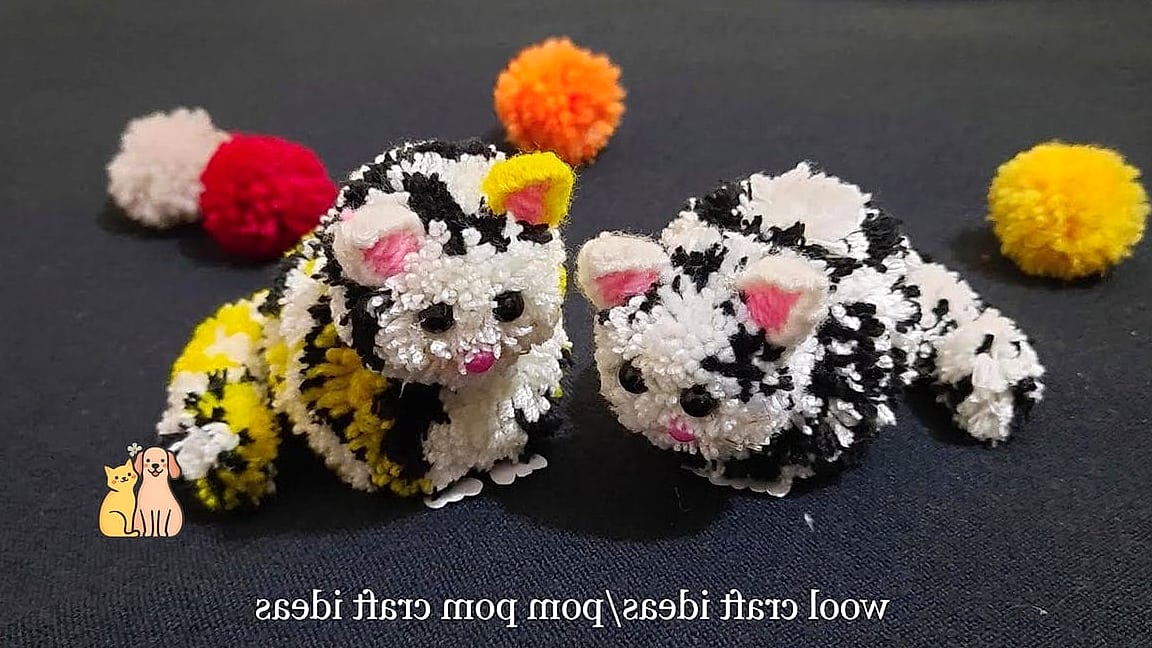
Take the classic felted or fabric dome shape and dress it up with a playful pom-pom trim around the entrance. It’s a small detail, but it turns a basic cave into something that looks intentional and fun rather than thrown together.
This is really more of a styling upgrade than a totally separate build, so it’s great for anyone who already has a plain cave and wants to jazz it up for the holidays or just add some personality.
Dresser Drawer Cave
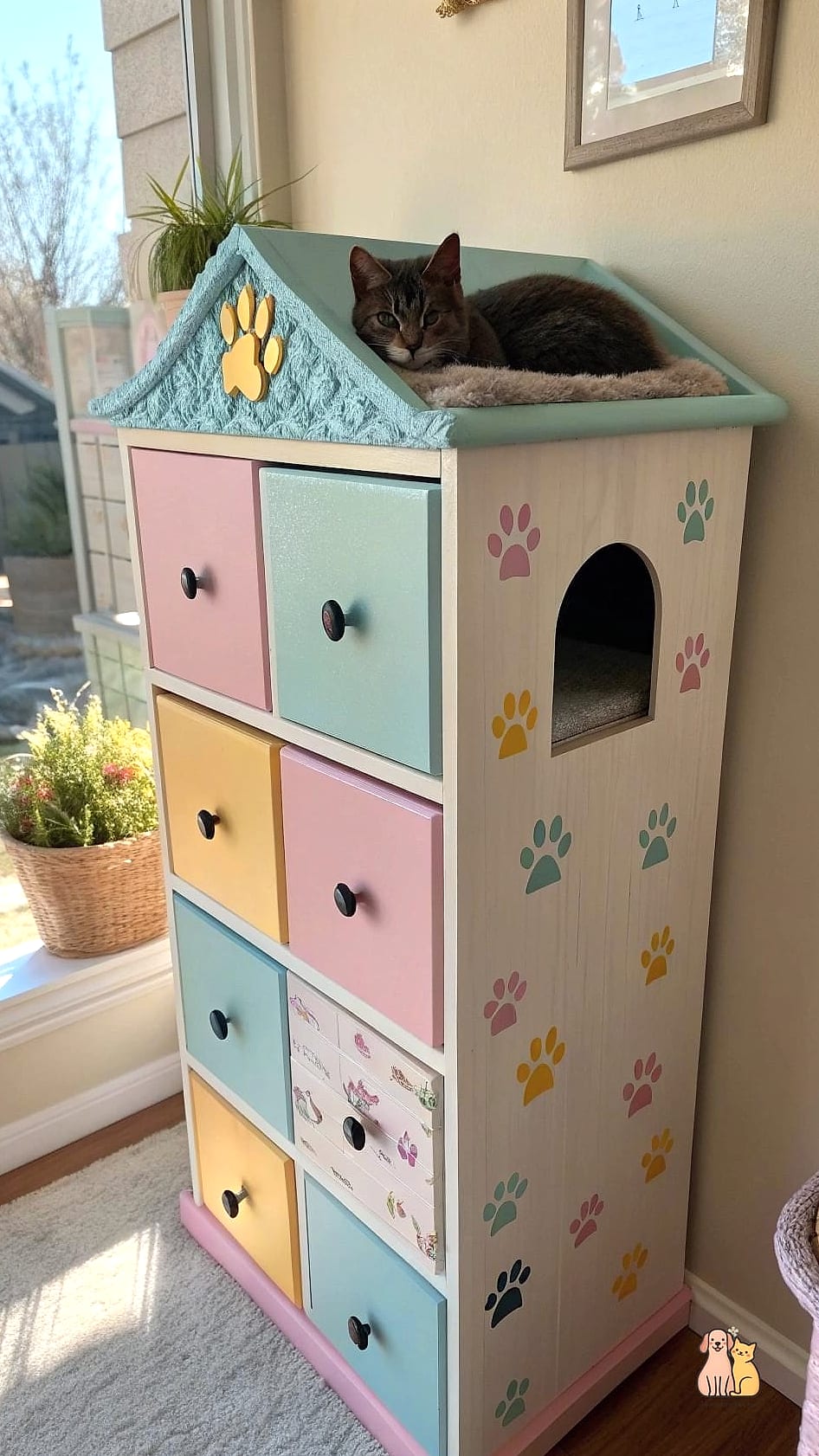
If you’ve got an old dresser you’re repurposing or getting rid of, don’t toss the drawers. Remove one, line it with a cushion, and mount it sideways on the wall or set it on the floor for an instant enclosed nook.
This works surprisingly well for cats who like a slightly elevated view while still feeling hidden. It’s also a great way to repurpose furniture instead of sending it to the landfill.
Paper Bag Reinforced Cave
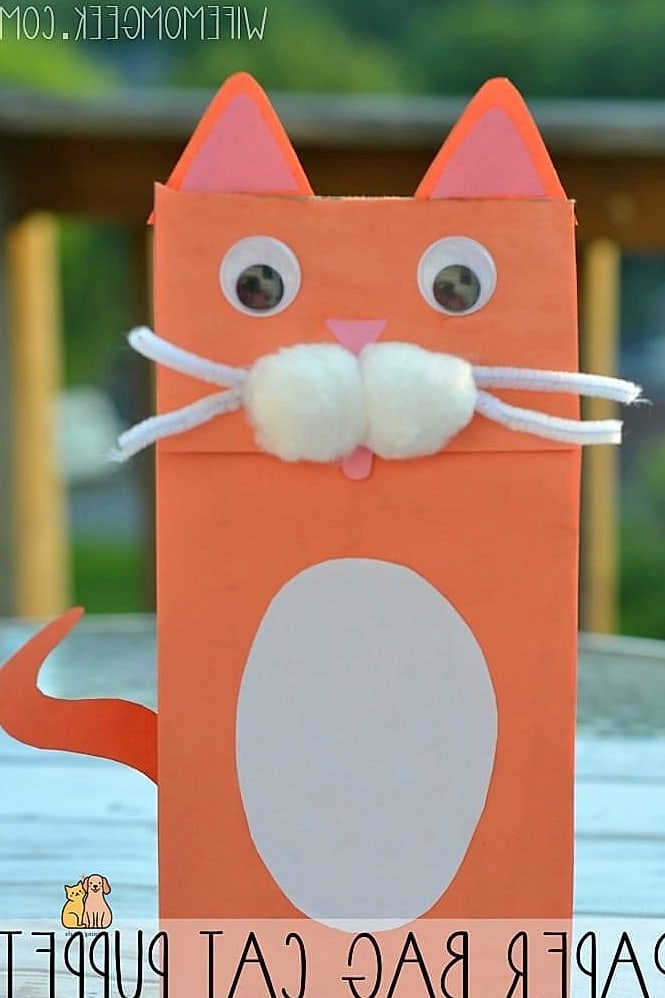
For a genuinely five-minute option, reinforce a large paper grocery bag with cardboard on the inside walls so it holds its shape better than a flimsy bag alone. Cut a doorway and you’re done.
This is obviously not built to last, but it’s a nice low-commitment way to see if your cat is even a cave type of cat before you invest real time into a nicer build. Some cats surprise you and prefer the crinkly bag over anything fancy.
Log Cabin Style Cat House
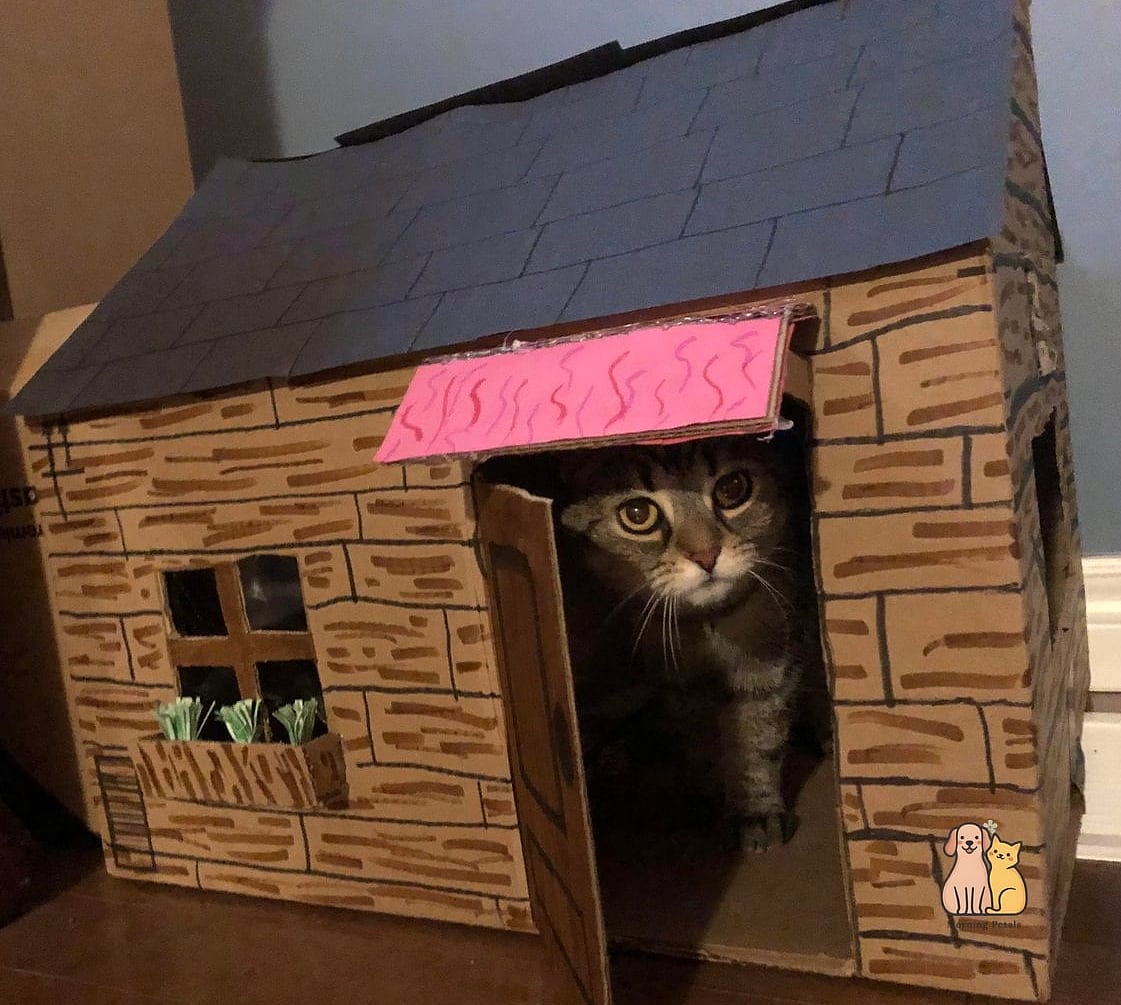
Using small wooden dowels or craft sticks glued in a stacked pattern, you can build a tiny log-cabin-look cave that looks like something out of a storybook. It takes patience since you’re gluing piece by piece, but the finished look is genuinely impressive.
This suits crafty cat owners who enjoy detailed projects and don’t mind spending a few evenings on it. Add a little shingled roof with more sticks for extra charm.
Fabric-Covered Laundry Basket Cave
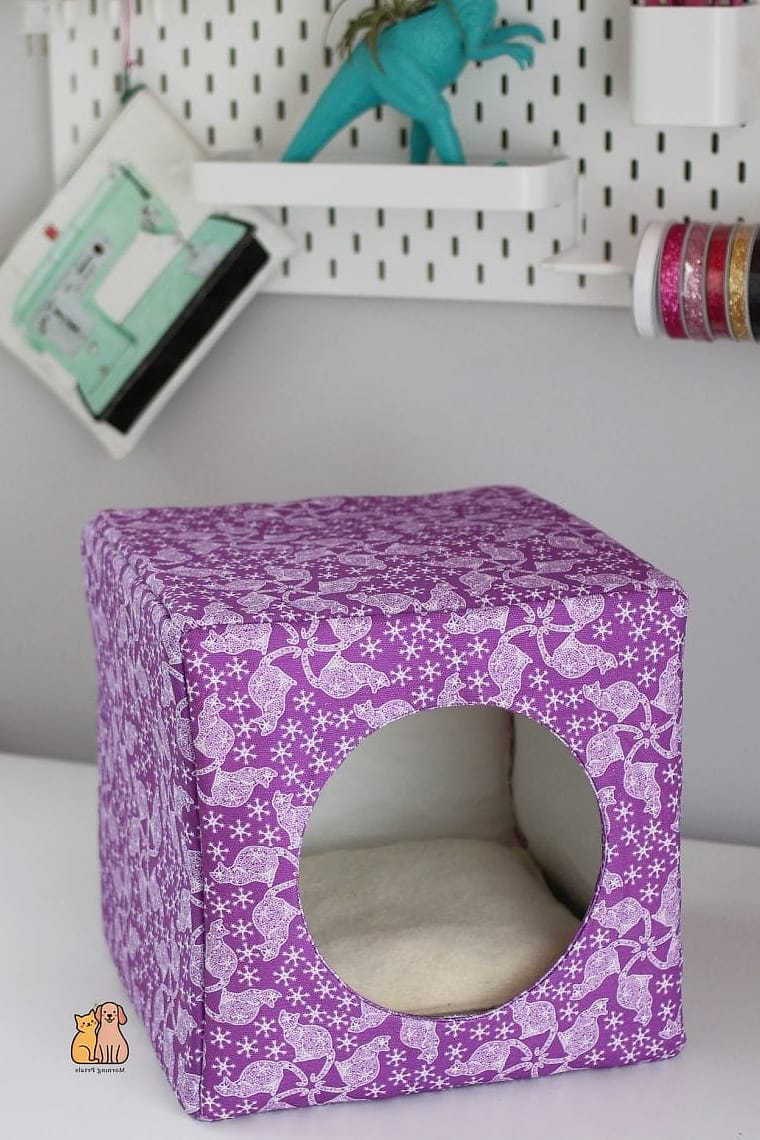
Turn a plastic laundry basket upside down, cut an entrance, and cover the whole thing in fabric using hot glue or fabric adhesive. The basket’s shape naturally gives you a sturdy dome without any complicated construction.
This is a fantastic beginner project since the basket does all the structural work for you. It’s also lightweight enough to move between rooms depending on where your cat wants to hang out that day.
Teepee Style Cat Tent
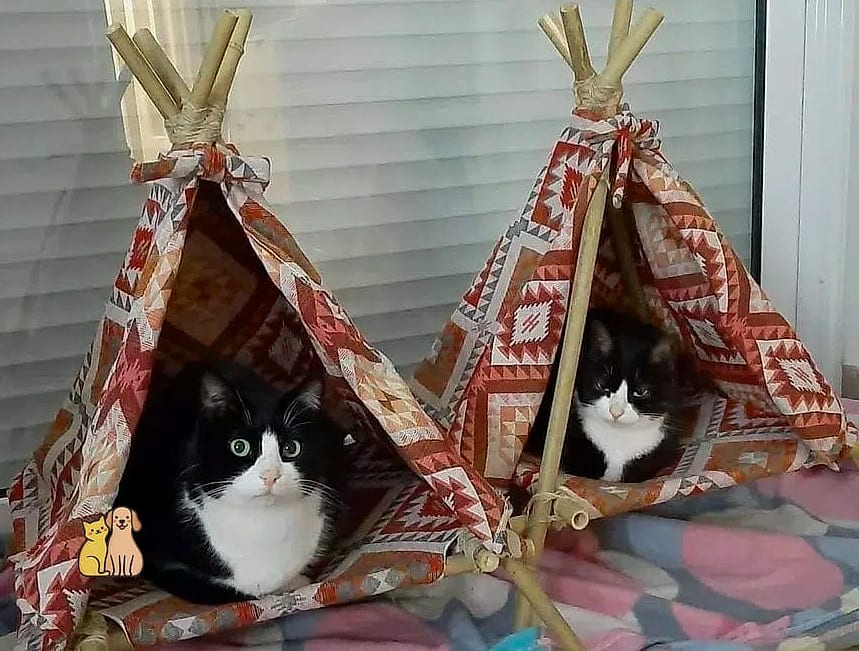
A fabric teepee on wooden dowel legs gives your space a trendy, boho look while still functioning as a proper hideaway. These are popular enough that you’ll find printable patterns online for nearly every skill level.
This style works especially well for cats who like a slightly more open, airy hideout rather than a fully enclosed dome. It also just looks adorable sitting in a corner of a nursery-style or plant-filled room.
Repurposed Wine Barrel Cave
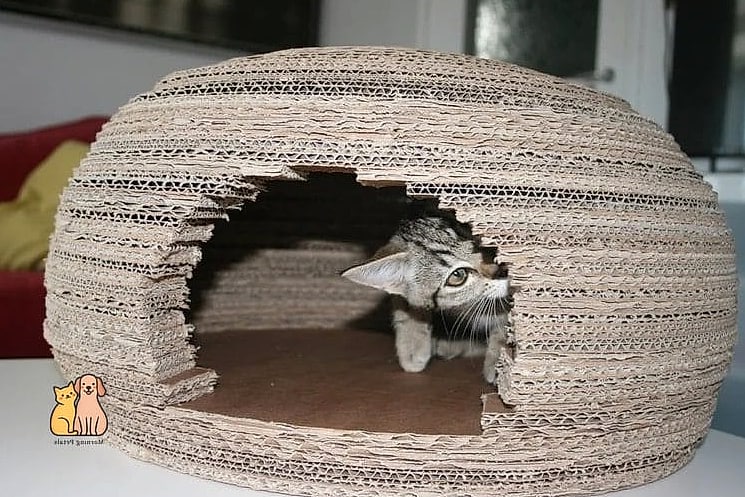
If you can find a small decorative wine barrel or barrel-shaped planter, laying it on its side creates a rustic, sturdy cave with real personality. Add a cushion inside and maybe a little curtain over the opening.
This one leans premium since barrels aren’t always cheap or easy to find, but it’s a showstopper piece for cat owners who want their cat’s hideout to actually look like furniture.
Yarn-Wrapped Cat Ball Cave
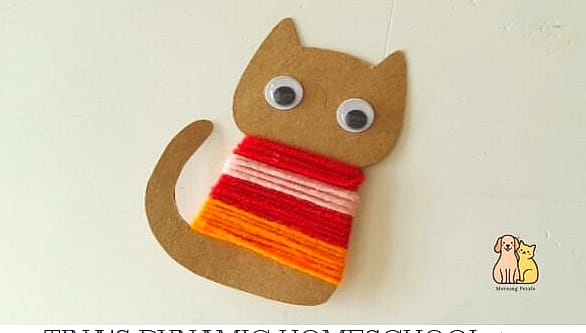
Wrapping a wire or foam dome frame in thick yarn gives you a cozy, textured cave that also happens to double as a scratching surface. The wrapped texture holds up better than you’d expect and adds nice visual interest.
This is a fun option if you like a handmade, textured look but don’t want to commit to full felting or crochet. It’s forgiving too, since uneven wrapping still looks intentional and rustic.
Book Nook Style Cave

For cat owners who love reading, building a cave into a bookshelf gap creates a clever dual-purpose piece. Line an empty shelf cubby with a cushion and add a small curtain or fabric flap for privacy.
This is ideal for apartments where floor space is limited but you’ve got vertical shelving to spare. Cats also just seem to like being up higher where they can watch the room.
PVC Pipe Frame Fabric Cave
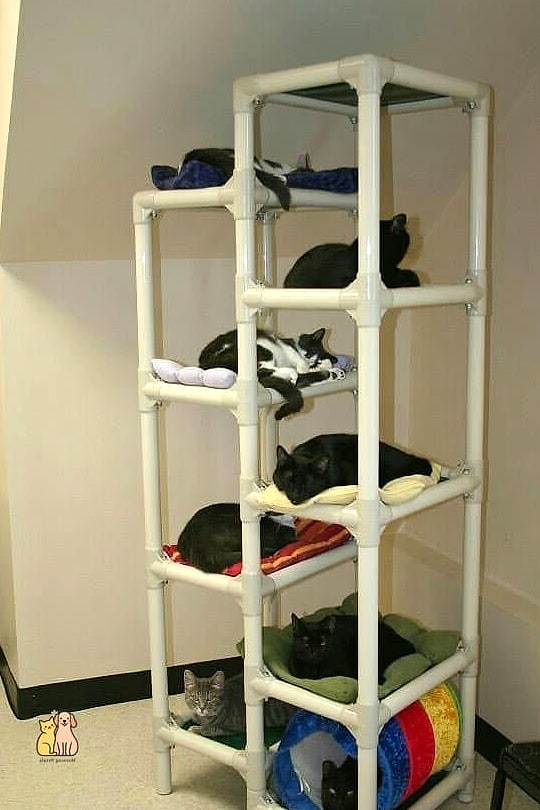
Using PVC pipes as a lightweight frame, you can build a collapsible dome shape covered in fabric that’s easy to take apart and store. This is a favorite among cat owners who travel or move often since it packs flat.
It’s a slightly more technical build involving pipe cutting and fitting joints together, but nothing that requires special tools beyond a hacksaw. The payoff is a genuinely portable cave that still feels sturdy.
Heated Winter Cat Cave
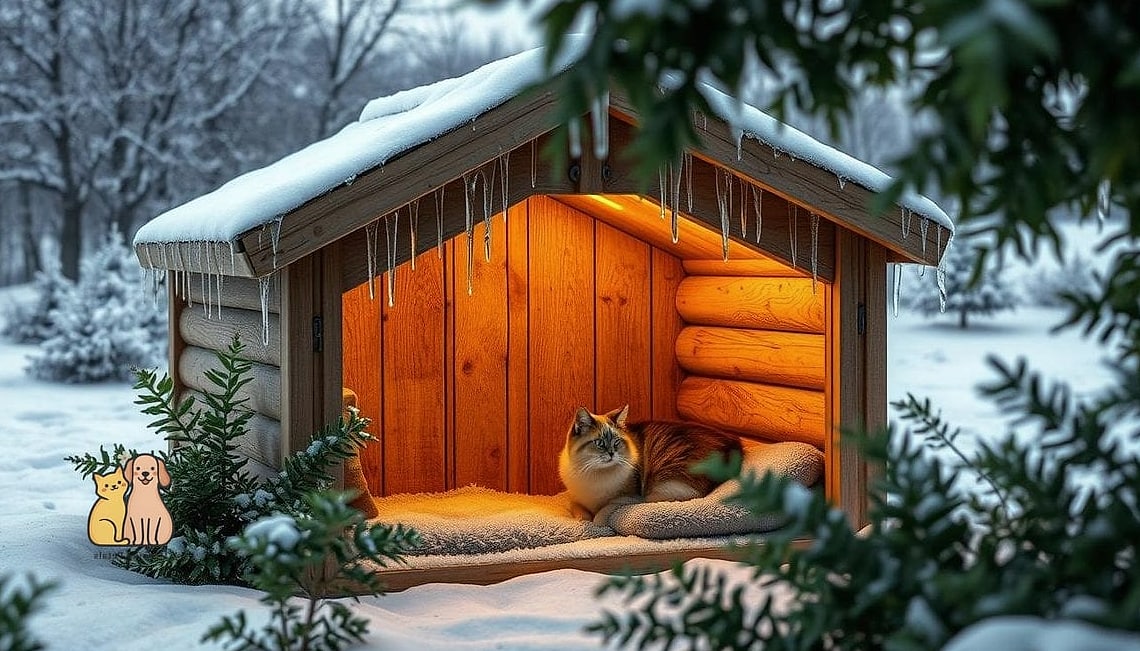
For cat owners in colder climates, building a cave with a pocket for a pet-safe heating pad makes a huge difference for senior cats or those with arthritis. Line a fabric or felted dome with a removable heating pad sleeve so it’s washable and safe.
This is one of the more thoughtful builds on this list, and it’s genuinely worth the extra effort if your cat struggles with cold mornings. Just always use pet-specific heating pads, never anything meant for humans, since safety matters more than coziness here.
Whichever of these 20 brilliant DIY cat cave ideas you end up trying, the real joy is watching your cat claim it as their own. Some cats take to a new hideout instantly, while others need a little catnip rubbed inside to seal the deal.
Start with something simple like the cardboard fort or paper bag version if you’re not sure your cat is even into caves, then work your way up to a nicer build once you know their preference. Either way, your cat is going to appreciate having a little space that’s entirely theirs.