21 Easy Dog Proof Garden Ideas Your Pet Will Love
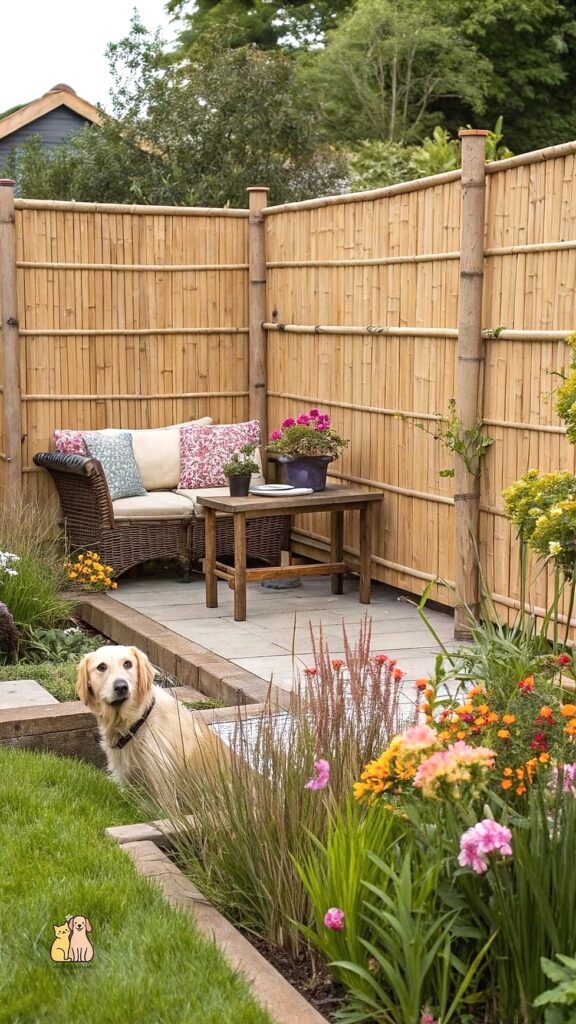
- A Dedicated Digging Pit
- Raised Garden Beds
- A Dog-Friendly Patrol Path
- Pet-Safe Ground Cover Instead of Grass
- A Shaded Rest Area
- Elevated Planters Out of Reach
- A Fenced Vegetable Garden Section
- A Sniffing Trail With Rotating Scents
- Pea Gravel Bathroom Zone
- A Splash Zone or Kiddie Pool Station
- Chew-Safe Plant Borders
- A DIY Agility Corner
- Raised Dog Ramps for Multi-Level Yards
- A Secure Dog Run Along the Side Yard
- Pet-Safe Mulch Instead of Cocoa Mulch
- A Window-Level Garden Bed for Watchdogs
- A Fetch Lane Down the Middle
- Elevated Herb Spiral Away from Paws
- A Cozy Outdoor Nook With a Dog Bed
- Motion-Friendly Wide Pathways
- A Rotating Toy Basket Near the Garden
21 Easy Dog Proof Garden Ideas Your Pet Will Love
If you’ve ever come outside to find your prized hostas dug up and your dog looking way too proud of themselves, you already know why “dog proof garden ideas” is something you’ve searched for at least once. Dogs and gardens can absolutely coexist — you just have to design with your pup’s instincts in mind instead of against them. Below are 21 easy dog proof garden ideas your pet will love, whether you’ve got a big backyard, a small patio, or something in between.
A Dedicated Digging Pit
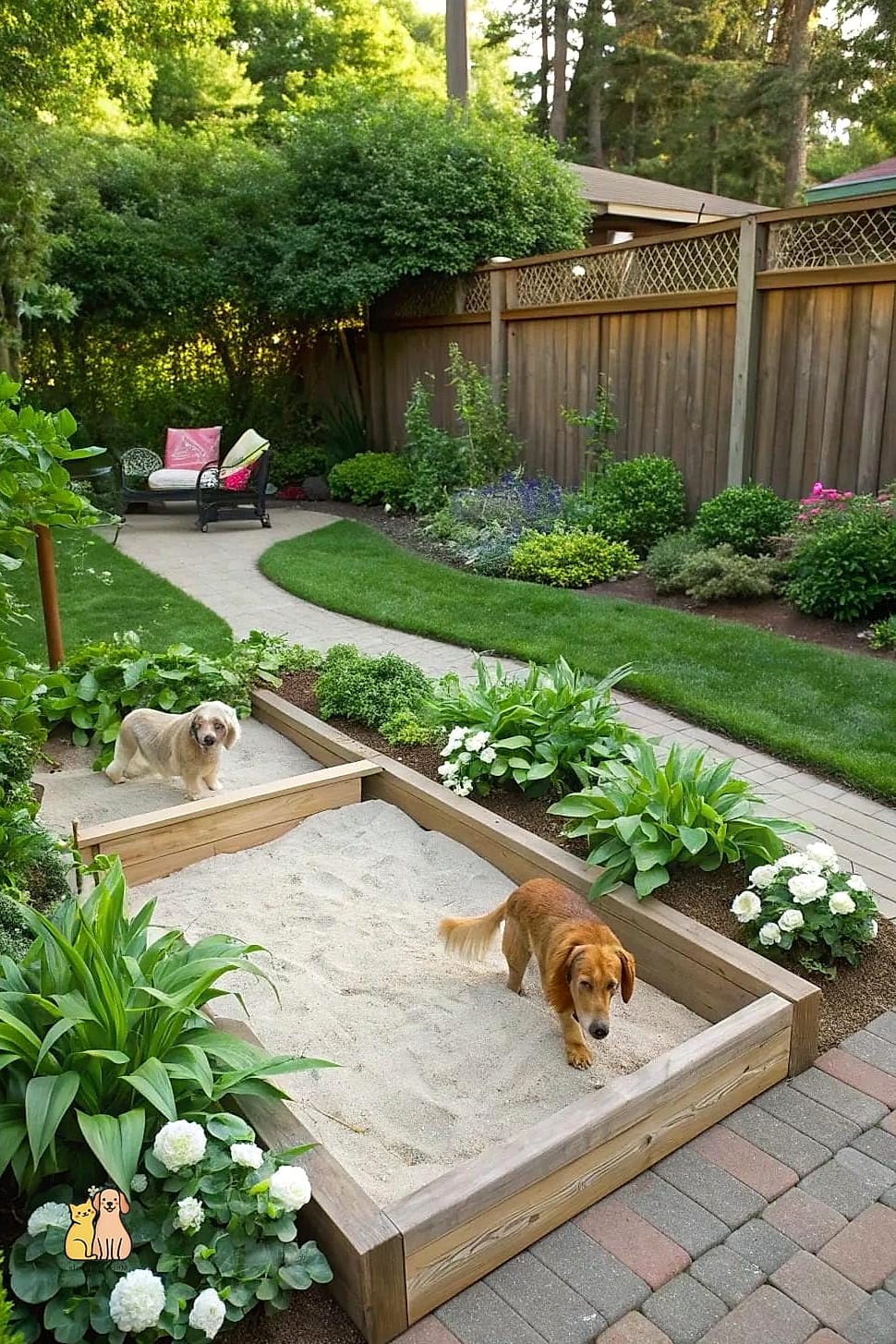
Dogs dig because it feels good, not because they’re trying to ruin your life. Instead of fighting that instinct, give it a designated outlet with a sandbox-style digging pit filled with sand or loose soil. Bury a few toys or treats in there to make it extra appealing. Herding and terrier breeds especially love this one since digging is practically hardwired into them. It’s a weekend DIY project using a simple wood frame, and it keeps the rest of your flower beds safe.
Raised Garden Beds
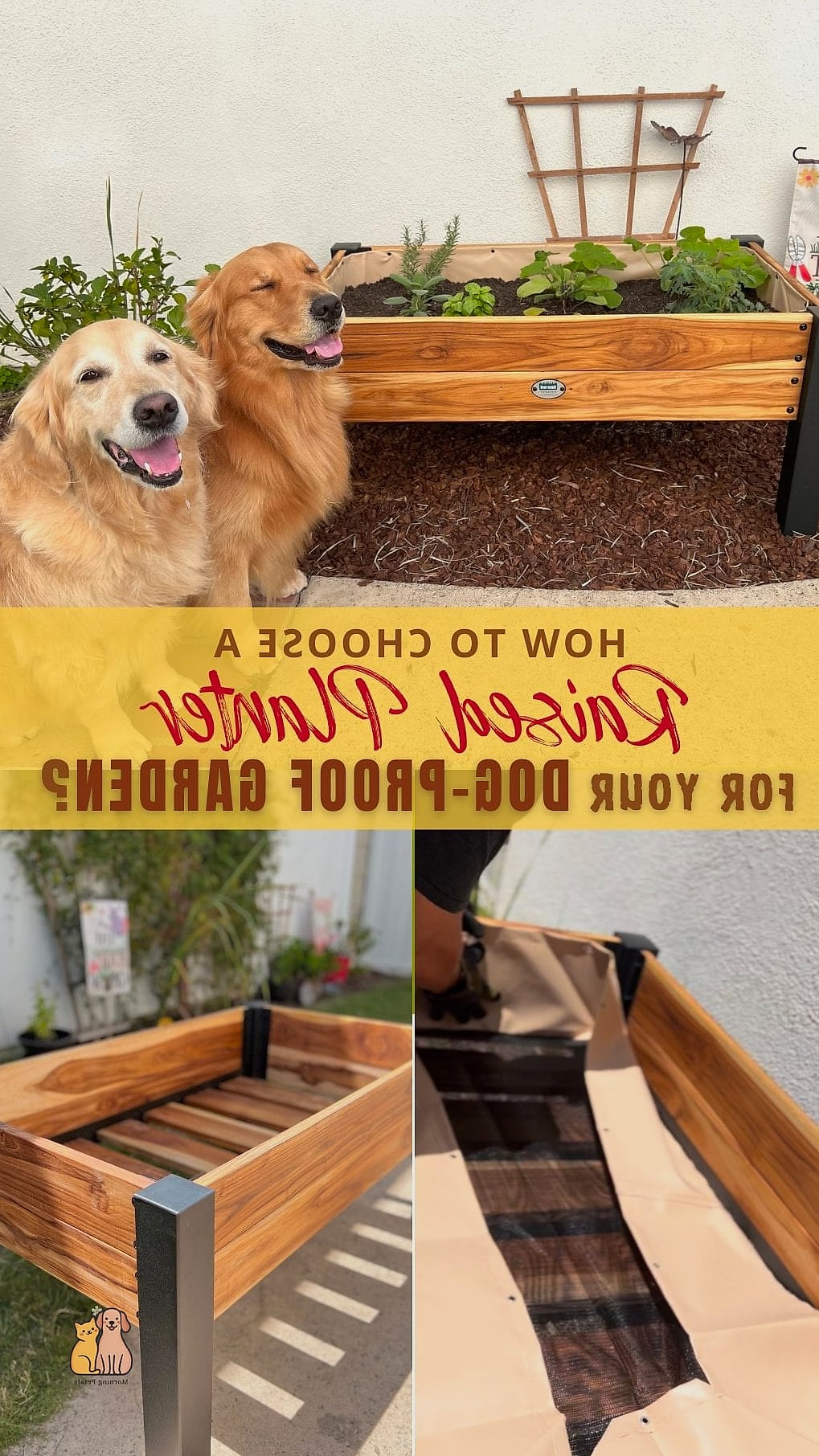
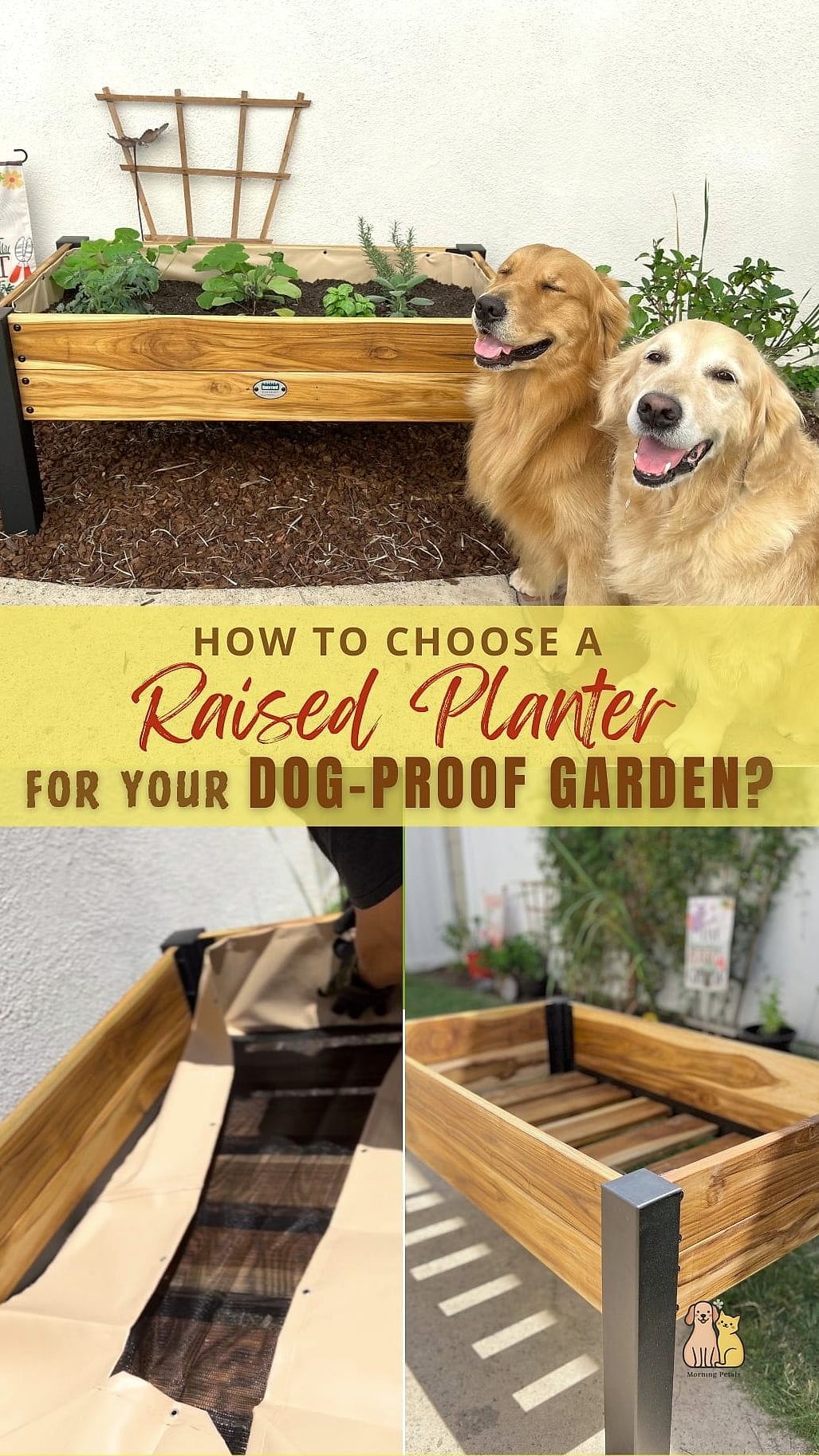
Raised beds are one of the simplest ways to keep curious paws out of your vegetables. Building them 12 to 18 inches high makes it much less tempting for dogs to trample through, and it saves your back from bending too. They work great in both small and large yards, and you can go budget-friendly with untreated lumber or splurge on a nicer cedar build. Bonus: raised beds also help with drainage, which your plants will thank you for.
A Dog-Friendly Patrol Path
Many dogs like to run the perimeter of the yard, especially if there’s a fence line involved. Rather than watching your grass get worn into a dirt trail, work with it by installing a mulch or gravel path along the fence. It looks intentional, handles paw traffic well, and saves your lawn from that awkward bald patch. This is especially helpful for high-energy breeds like border collies or German shepherds who patrol out of habit.
Pet-Safe Ground Cover Instead of Grass
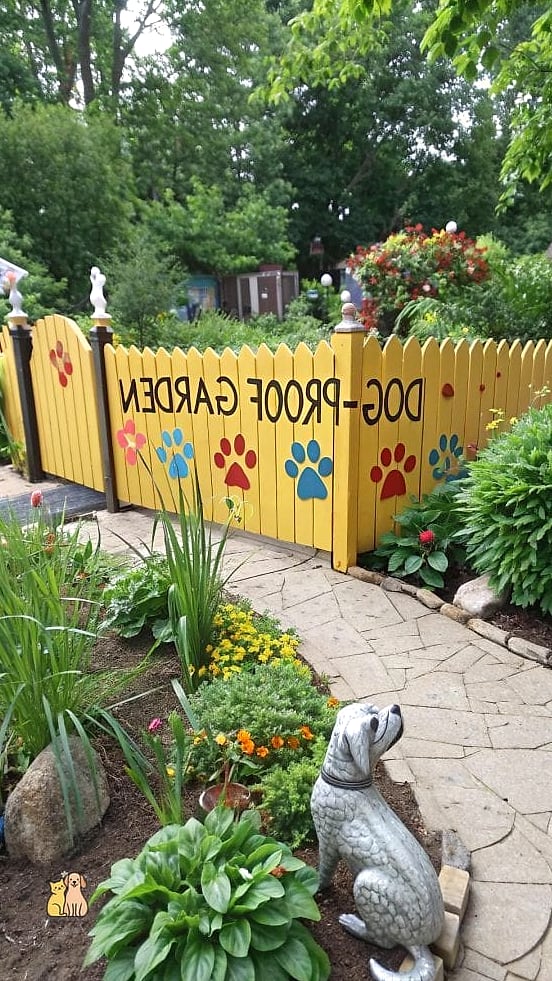
Traditional lawns can get torn up fast with regular zoomies. Swapping some or all of your grass for pet-safe ground cover like creeping thyme or clover gives you a softer, more resilient surface. It tolerates foot traffic better than typical turf and smells nice when stepped on. Just double check that whatever you choose is non-toxic, since some ground covers aren’t safe if nibbled on.
A Shaded Rest Area
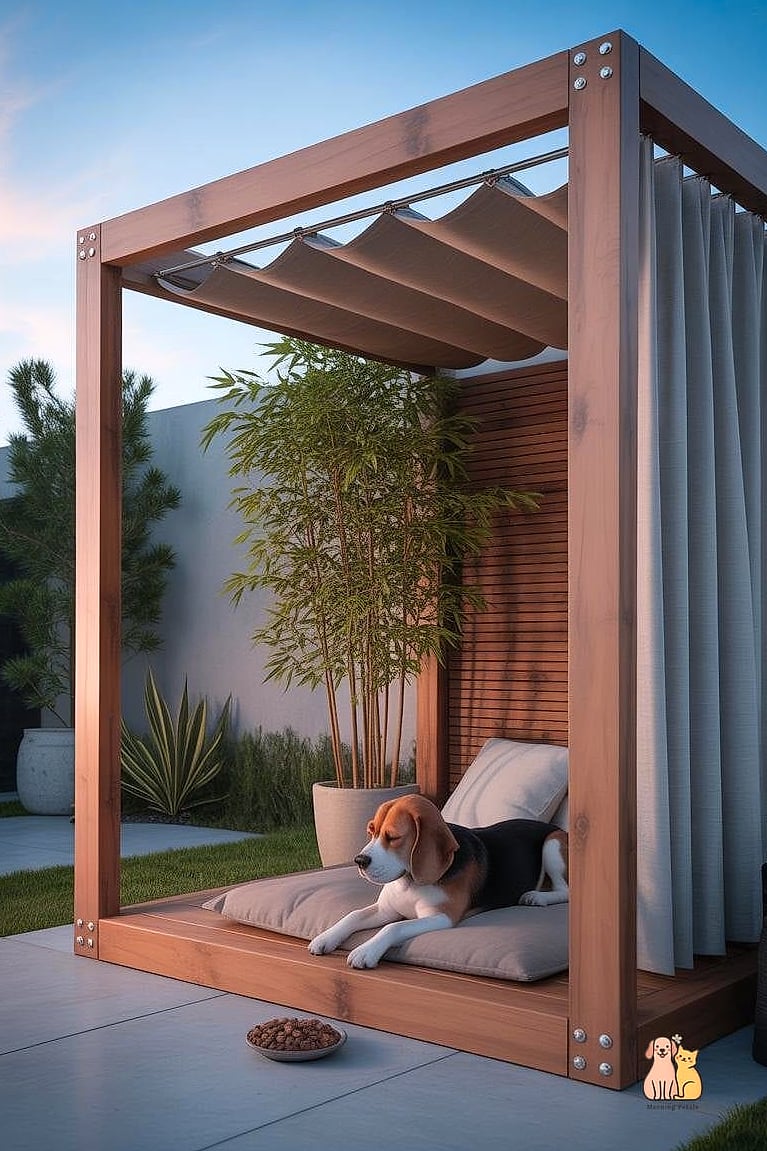
Every dog needs a cool spot to flop down on a hot day. Setting up a shaded corner with a pergola, umbrella, or even a simple sail shade gives your pup somewhere comfortable to relax while you garden nearby. Add an outdoor dog bed or a raised cot for airflow underneath, which helps a lot in the summer. This is a small addition that makes a big difference for senior dogs or short-nosed breeds who overheat easily.
Elevated Planters Out of Reach
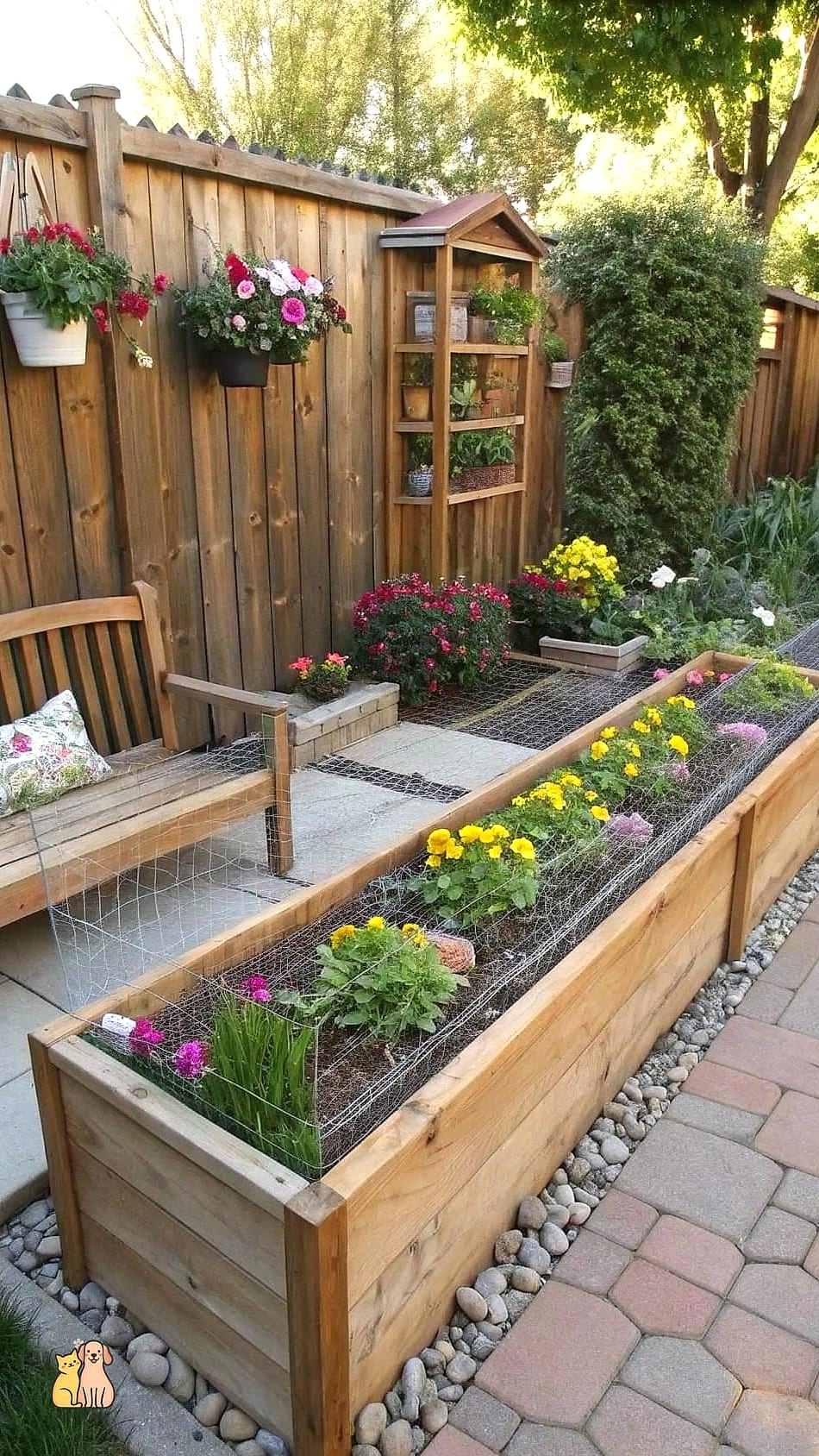
If your dog has a habit of treating your flower pots like personal chew toys, elevate them. Hanging planters, tiered plant stands, or wall-mounted pots keep greenery accessible to you but out of paw’s reach. This is especially useful for anyone growing plants that are mildly toxic to dogs, since it removes the temptation entirely rather than relying on training alone.
A Fenced Vegetable Garden Section
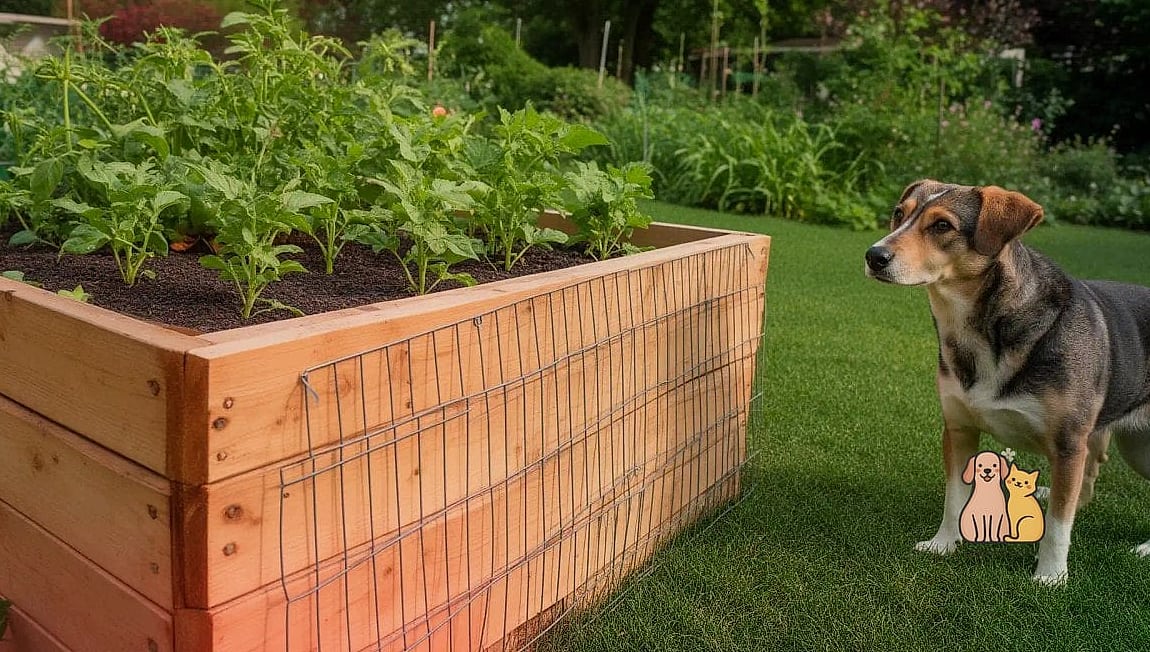
Sometimes the easiest fix is a small fence within your fence. A low picket or wire barrier around your vegetable patch keeps dogs from trampling seedlings while they still get full run of the rest of the yard. It doesn’t need to be tall — even 2 feet is usually enough to signal “not your space” to most dogs. Add a simple gate so you can still get in easily to garden.
A Sniffing Trail With Rotating Scents
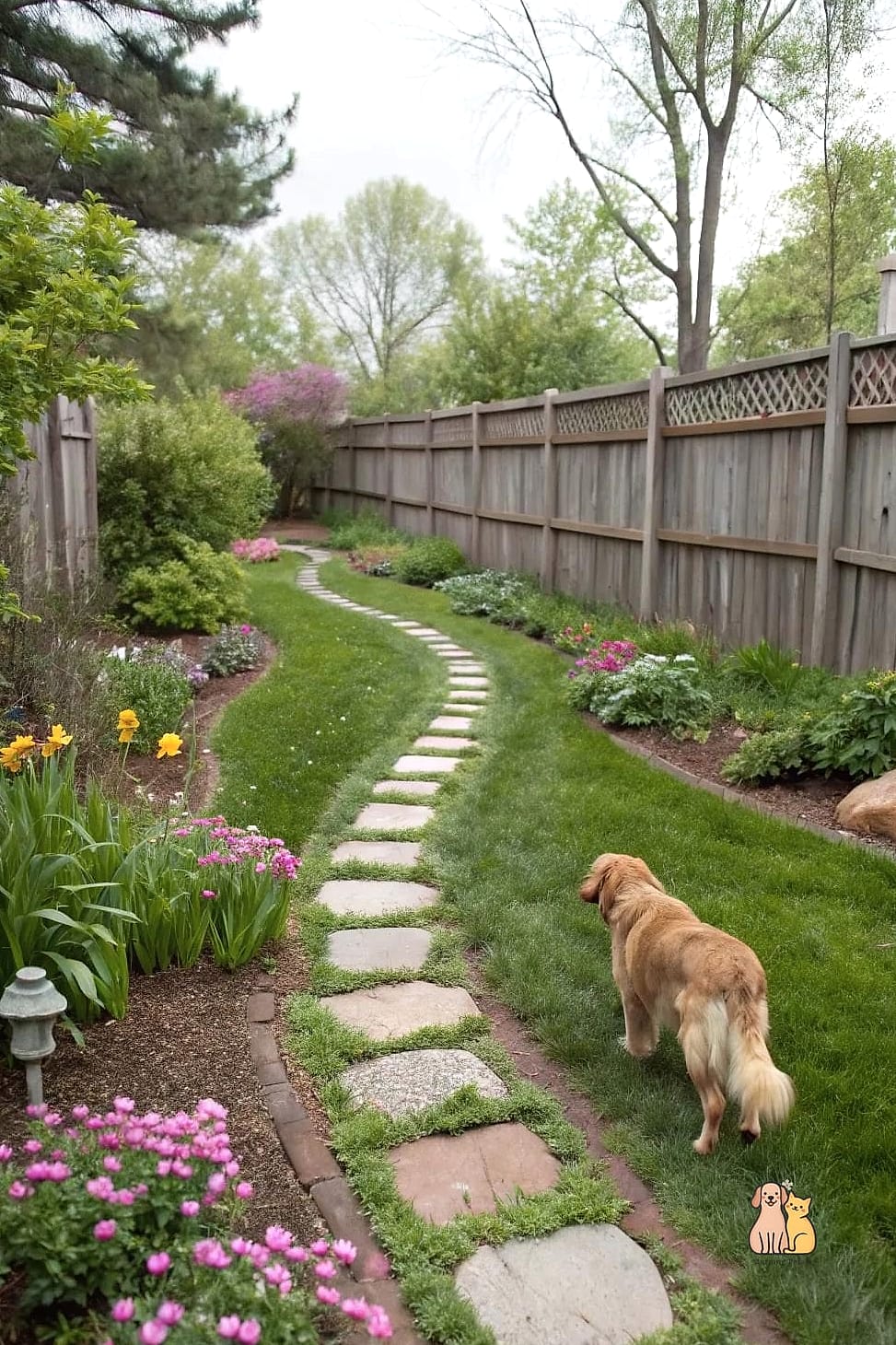
Dogs experience the world through their nose, and a sniffing trail gives them a job to do outside instead of digging up your beds out of boredom. Line a path with planters of dog-safe herbs like basil, rosemary, or mint, and let your dog explore. Rotating in new scents every so often keeps it interesting. This is a great enrichment option for scent-driven breeds like beagles or bloodhounds.
Pea Gravel Bathroom Zone
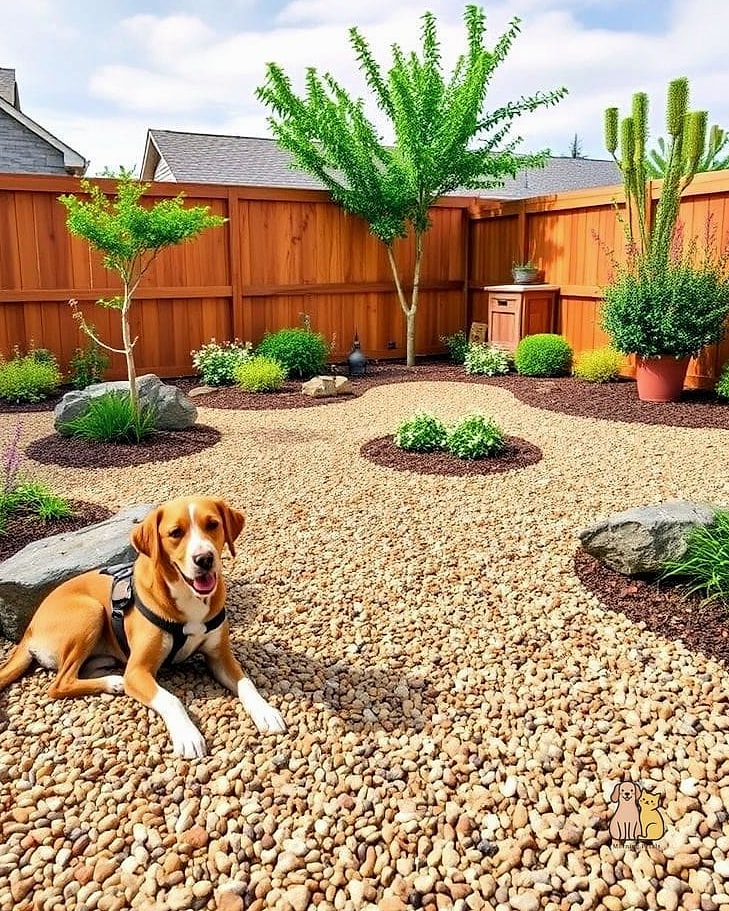
Designating one specific area of the yard as the “bathroom zone” can genuinely save your lawn. Pea gravel is a popular choice because it’s easy to hose off, drains well, and doesn’t hold odor the way grass or mulch can. Training your dog to use this spot takes a little consistency at first, but most dogs pick it up within a couple of weeks with positive reinforcement.
A Splash Zone or Kiddie Pool Station
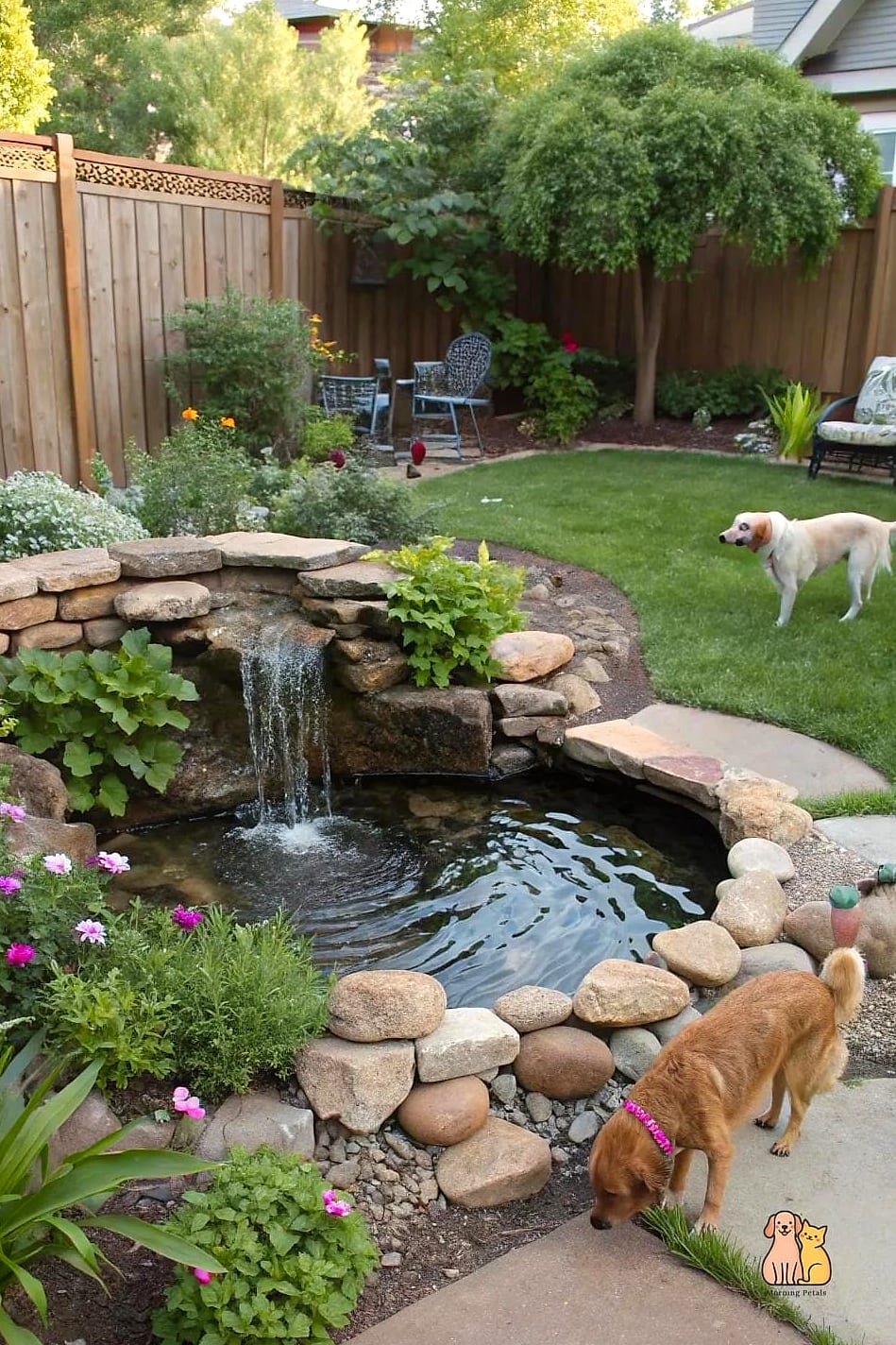
For water-loving dogs, a small splash area can be a lifesaver in summer. A simple durable kiddie pool or a shallow dug-in basin gives them a place to cool off without turning your whole yard into a mud pit. Labradors, golden retrievers, and other water-loving breeds tend to go especially wild for this one. Just remember to dump and refresh the water regularly.
Chew-Safe Plant Borders
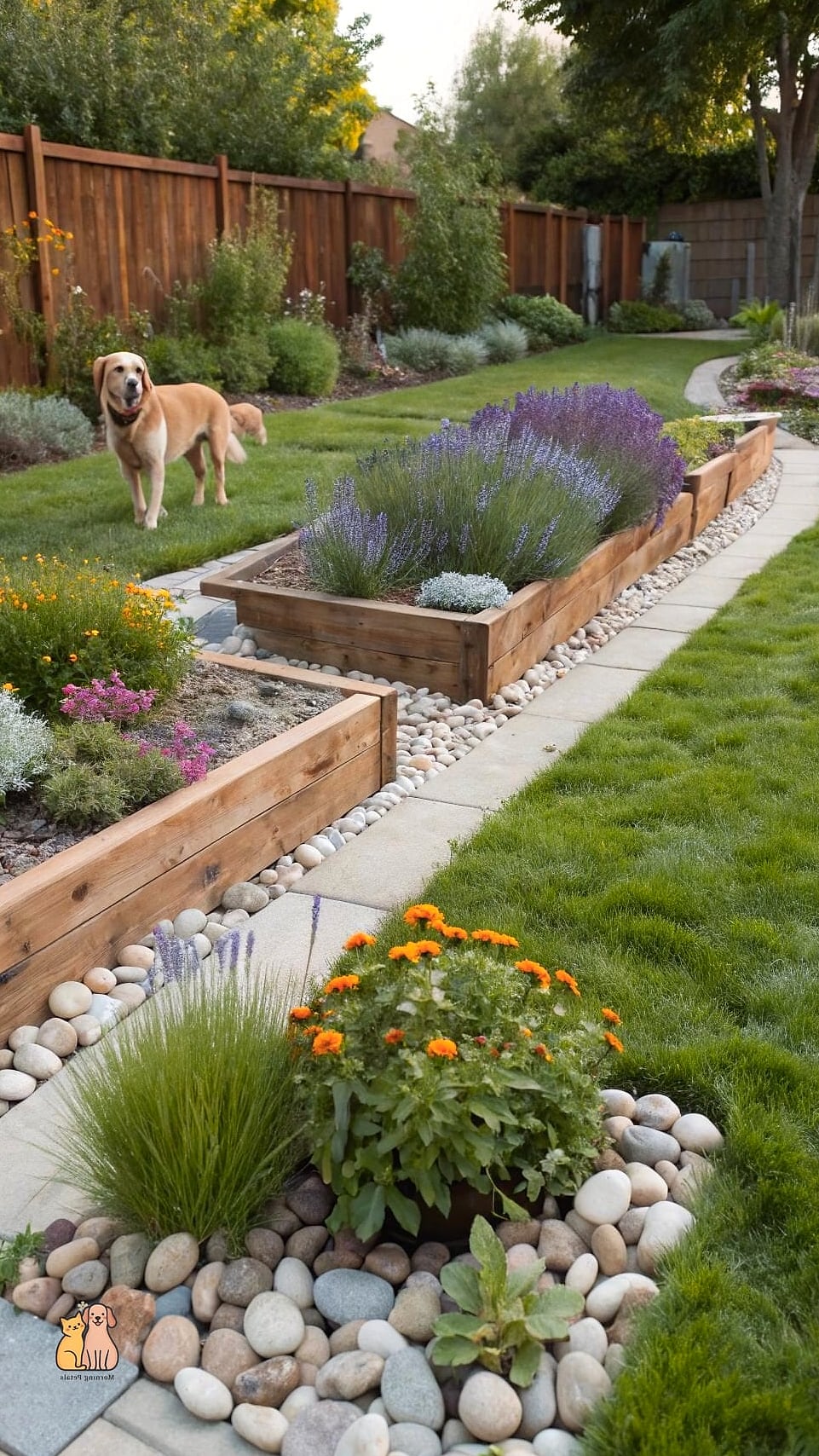
Not all border plants are created equal when a dog is involved. Choosing chew-safe options like sunflowers, snapdragons, or marigolds around the edges of your garden beds means fewer trips to Google to check if something’s toxic. It also softens the line between “dog space” and “plant space” without needing a hard barrier everywhere.
A DIY Agility Corner
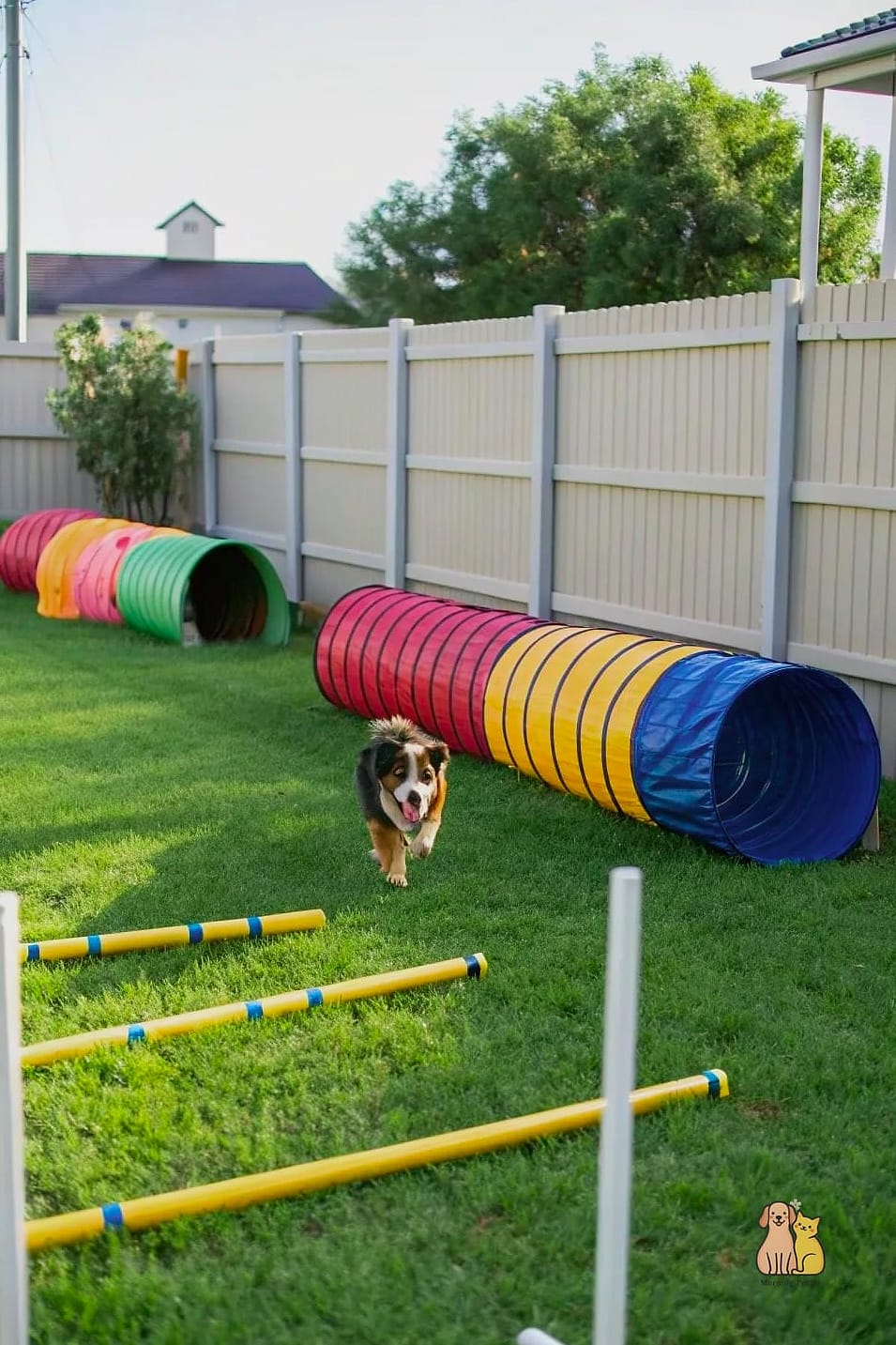
If your dog has energy to burn, a small backyard agility corner can double as enrichment and exercise. A few simple obstacles like a low jump, a tunnel, or a balance beam make a great weekend DIY project using PVC pipe or scrap wood. This is especially fun for high-drive breeds like Australian shepherds who thrive with a task to focus on.
Raised Dog Ramps for Multi-Level Yards
If your yard has steps, a sloped hill, or a deck, adding a ramp alongside the stairs makes life easier on your dog’s joints, especially for seniors or small breeds prone to back issues. It also tends to reduce erosion in high-traffic spots since dogs stop cutting their own paths through the grass or landscaping.
A Secure Dog Run Along the Side Yard
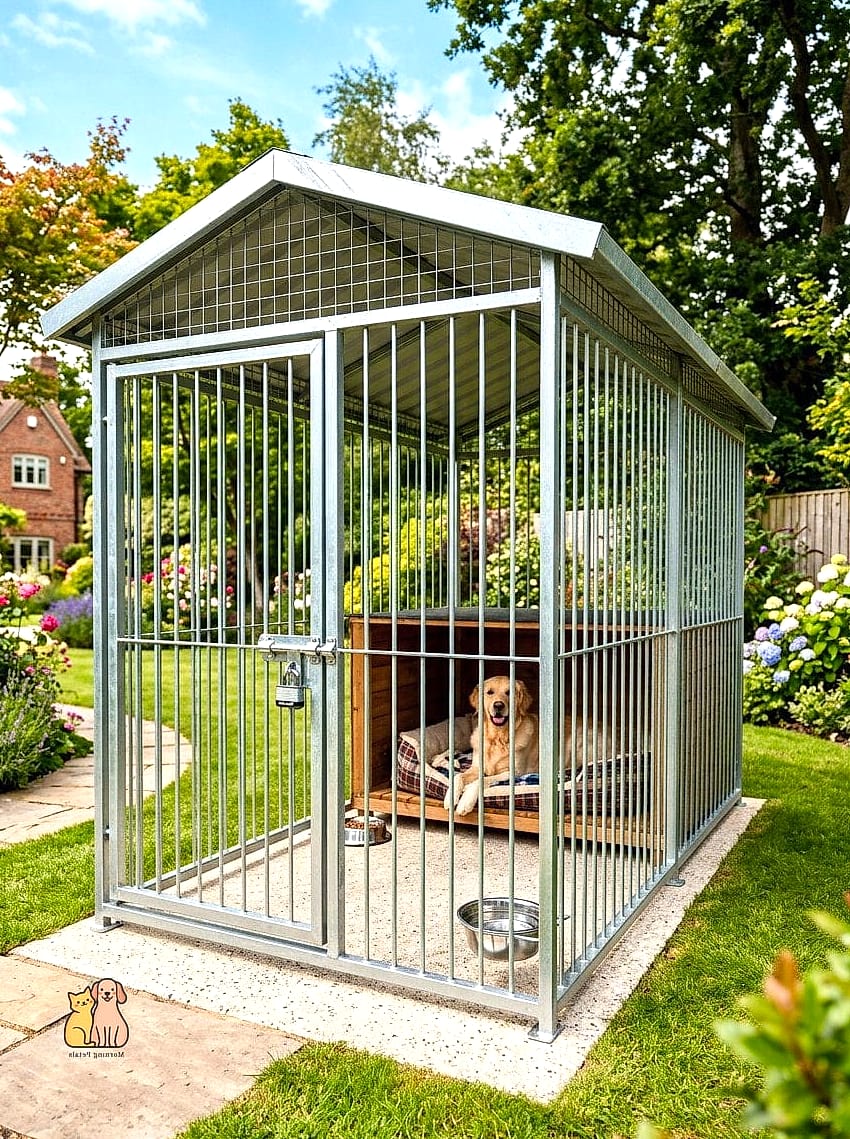
Side yards are often wasted space, but they’re perfect for a narrow dog run. A run gives your dog a safe, contained area to patrol, sniff, and hang out without needing full access to your whole garden. Adding gravel or artificial turf underfoot keeps mud to a minimum, and it’s a great option for renters who can’t make permanent changes to the main yard.
Pet-Safe Mulch Instead of Cocoa Mulch
This one’s more of a swap than a build, but it matters. Cocoa mulch is toxic to dogs and smells like chocolate, which is a bad combination. Cedar or pine mulch is a safer alternative that still looks tidy and helps with weed control. It’s a small change that removes a real hazard without sacrificing how your garden looks.
A Window-Level Garden Bed for Watchdogs
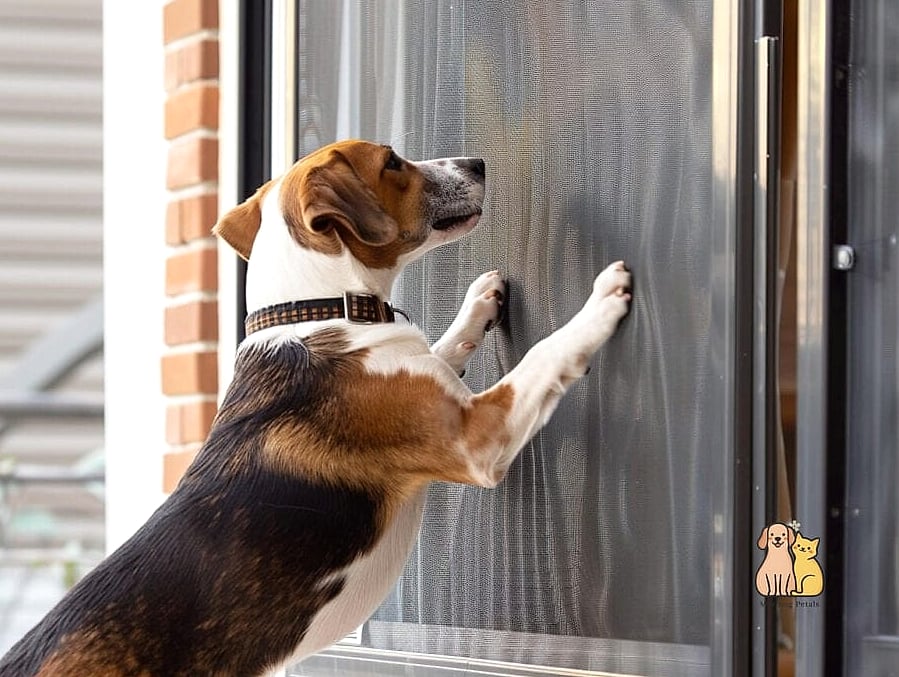
Some dogs love keeping an eye on the neighborhood, and a raised bed positioned near a favorite window can give them a comfortable perch to do it from. Planting low, sturdy shrubs here means your dog can hang out and watch the world without flattening anything delicate. It’s a nice compromise for breeds that love to patrol, like beagles or terriers.
A Fetch Lane Down the Middle
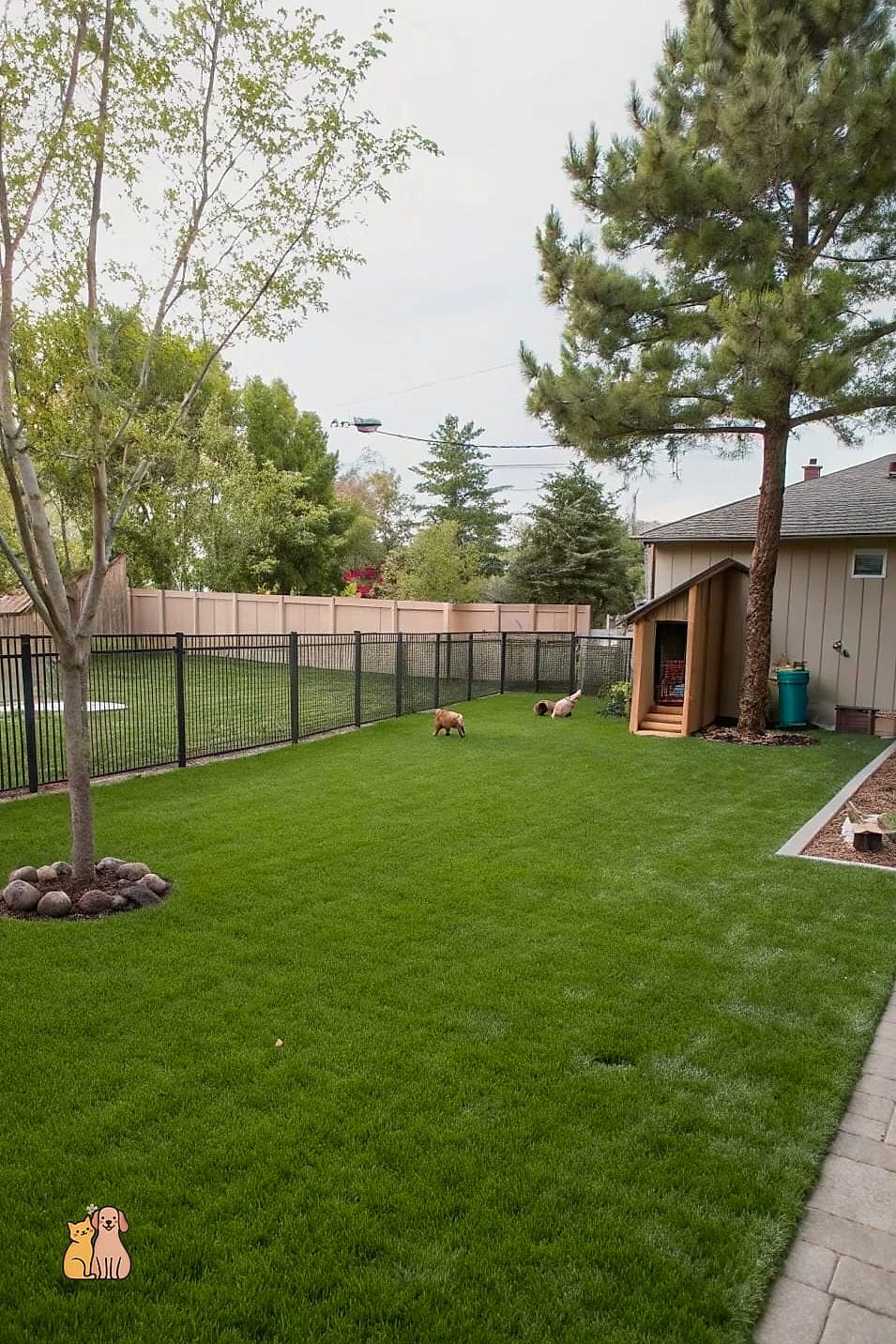
If fetch is a daily ritual, dedicate a strip of lawn or turf specifically for it instead of letting the whole yard get worn down unevenly. A clear, open lane framed by garden beds on either side keeps the “play zone” separate from the “growing zone.” Durable artificial turf holds up especially well here if your dog is a heavy runner.
Elevated Herb Spiral Away from Paws
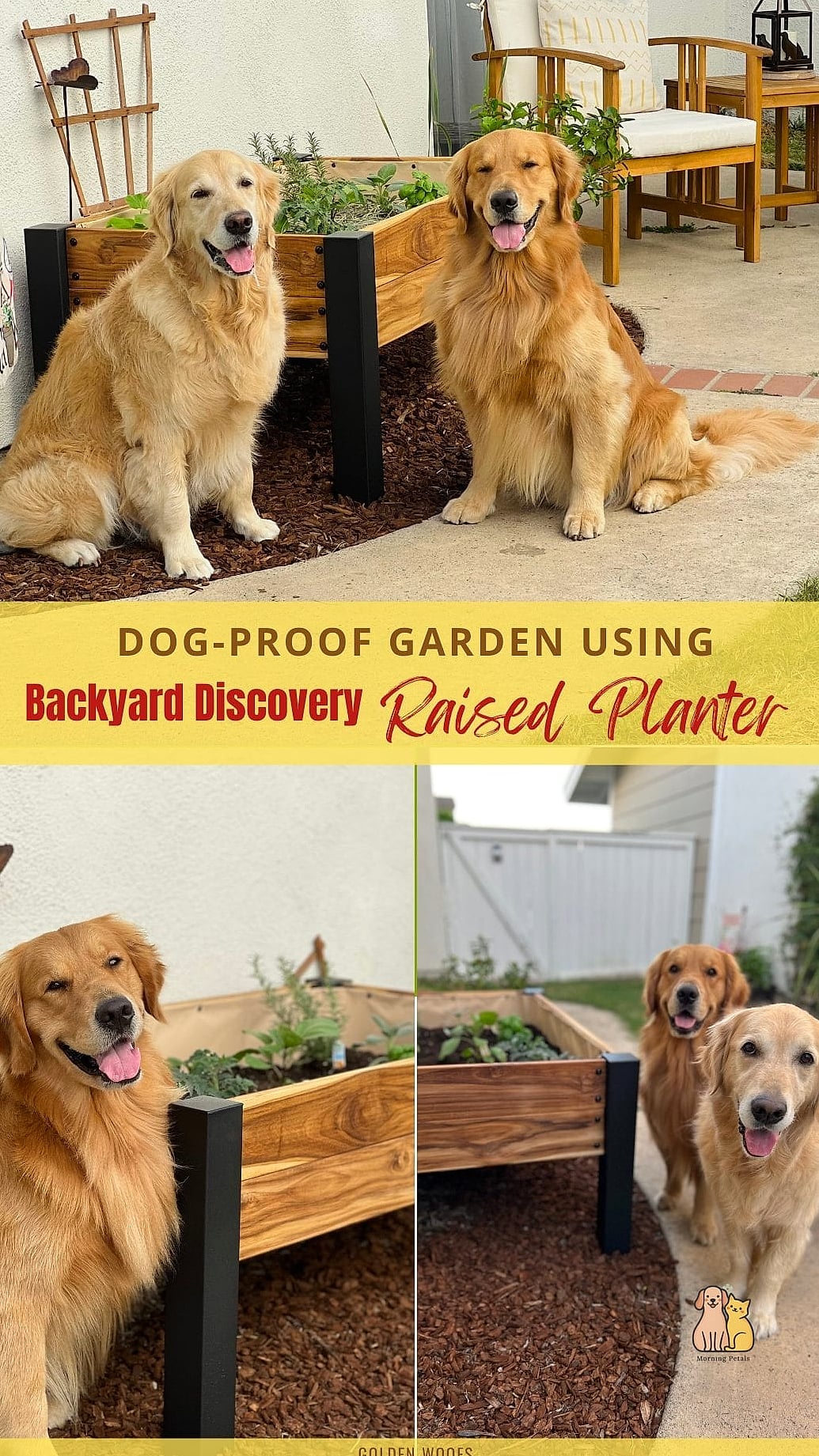
An herb spiral is a compact, tiered way to grow herbs vertically, which naturally keeps them a bit higher and less accessible to snuffling noses. It looks charming, saves space, and works well even in small yards or patios. Just stick to dog-safe herbs like parsley, dill, or thyme so a stolen nibble isn’t a big deal.
A Cozy Outdoor Nook With a Dog Bed
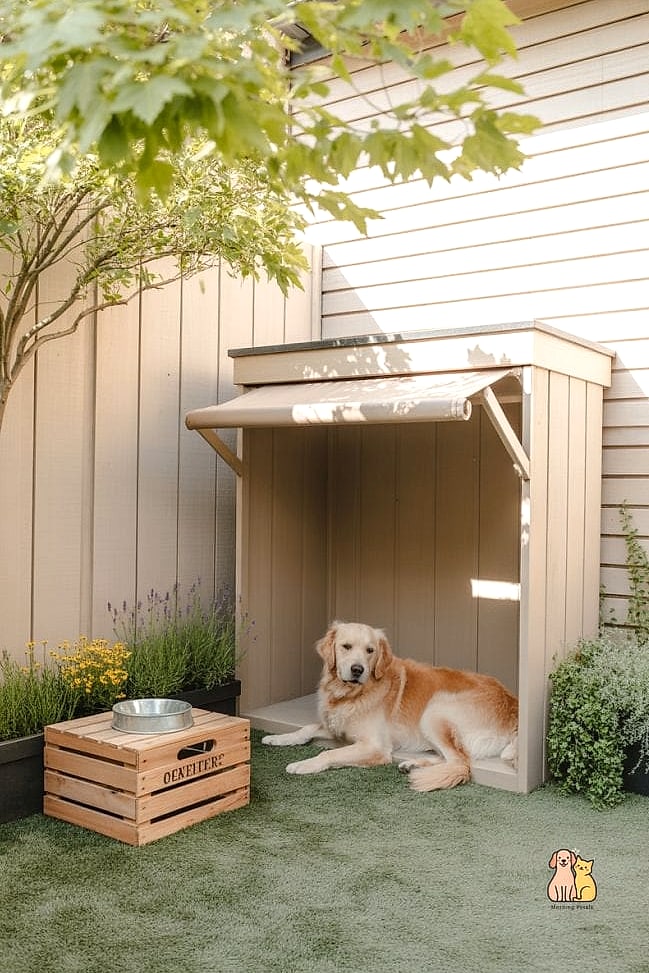
Sometimes the best “garden idea” is simply giving your dog their own little spot to be part of the space. A weatherproof outdoor dog bed tucked into a covered corner, surrounded by pet-safe plants, makes your dog feel included in the garden rather than kept out of it. Add a water bowl station nearby so they don’t need to come inside every time they’re thirsty.
Motion-Friendly Wide Pathways
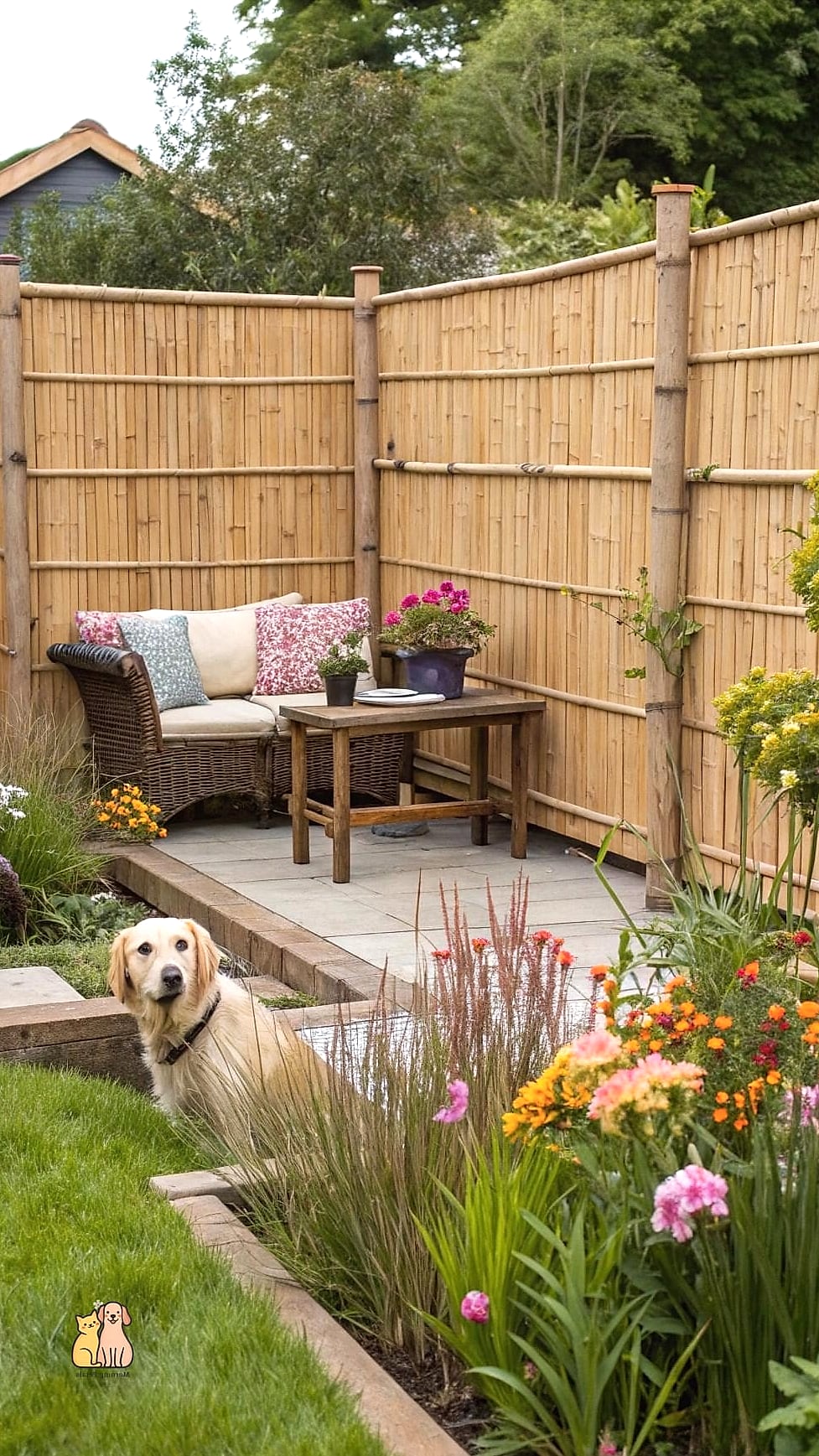
Instead of narrow decorative paths that get trampled the first week, go wider than you think you need. A generous mulch, gravel, or paver path gives dogs room to move without cutting new trails through your beds. This is especially helpful for bigger breeds or multi-dog households where foot traffic adds up fast.
A Rotating Toy Basket Near the Garden
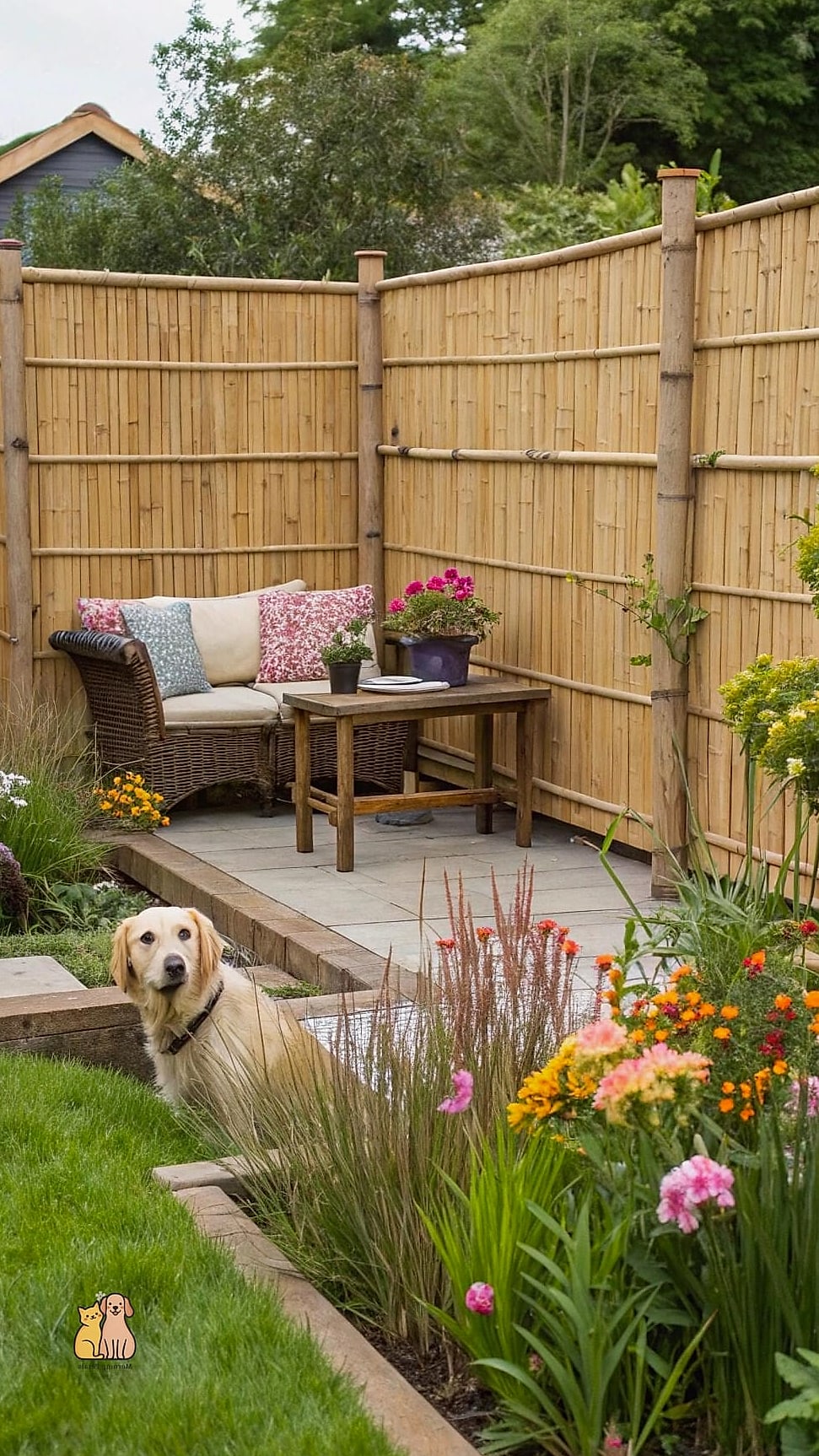
Keeping a weatherproof basket of enrichment toys and puzzle feeders near your gardening area gives your dog something better to do than “help.” Rotating a few toys in and out keeps things interesting and reduces the odds they’ll decide your tomato plant looks more fun. It’s a simple addition, but it genuinely cuts down on garden mischief.
Designing a yard that works for both you and your dog doesn’t have to mean giving up on having a nice-looking garden. With a few smart layout choices, safe plant swaps, and spaces built around how dogs actually behave, these 21 easy dog proof garden ideas your pet will love can help your yard feel like a shared space instead of a battleground. Start with one or two changes, see how your dog responds, and build from there — your garden (and your dog) will both be better for it.