22 Perfect Outdoor Dog Eating Area on a Budget
- The Pallet Wood Feeding Station
- The Concrete Paver Base
- The Repurposed Nightstand Feeder
- The Gravel Feeding Patch
- The Covered Porch Corner
- The Repurposed Wine Crate Stand
- The Tile-Topped DIY Table
- The Hanging Bowl Frame
- The Cinder Block Feeder
- The Mulch-Bed Feeding Nook
- The Repurposed Dresser Drawer Feeder
- The Slate Tile Feeding Mat Area
- The Fenced-In Feeding Pen
- The Umbrella-Shaded Station
- The Raised Garden Bed Conversion
- The Boot Tray Base
- The Stacked Brick Platform
- The Repurposed Step Stool Feeder
- The Shade Cloth Canopy Zone
- The Repurposed Bookshelf Feeder
- The DIY PVC Pipe Feeder Stand
- The Flagstone Path Feeding Spot
22 Perfect Outdoor Dog Eating Area on a Budget
If your dog’s food bowl has migrated from the kitchen to the back porch to somewhere near the garden hose, you already know outdoor feeding stations are worth thinking about. Bugs, mess, weather, and food-obsessed squirrels all become part of the equation once mealtime moves outside. The good news is you don’t need a fancy budget to make it work. With a little creativity, some basic materials, and maybe a trip to the hardware store, you can build an outdoor dog eating area that’s functional, tidy, and honestly kind of charming. Here are 22 ideas to get you started.
The Pallet Wood Feeding Station
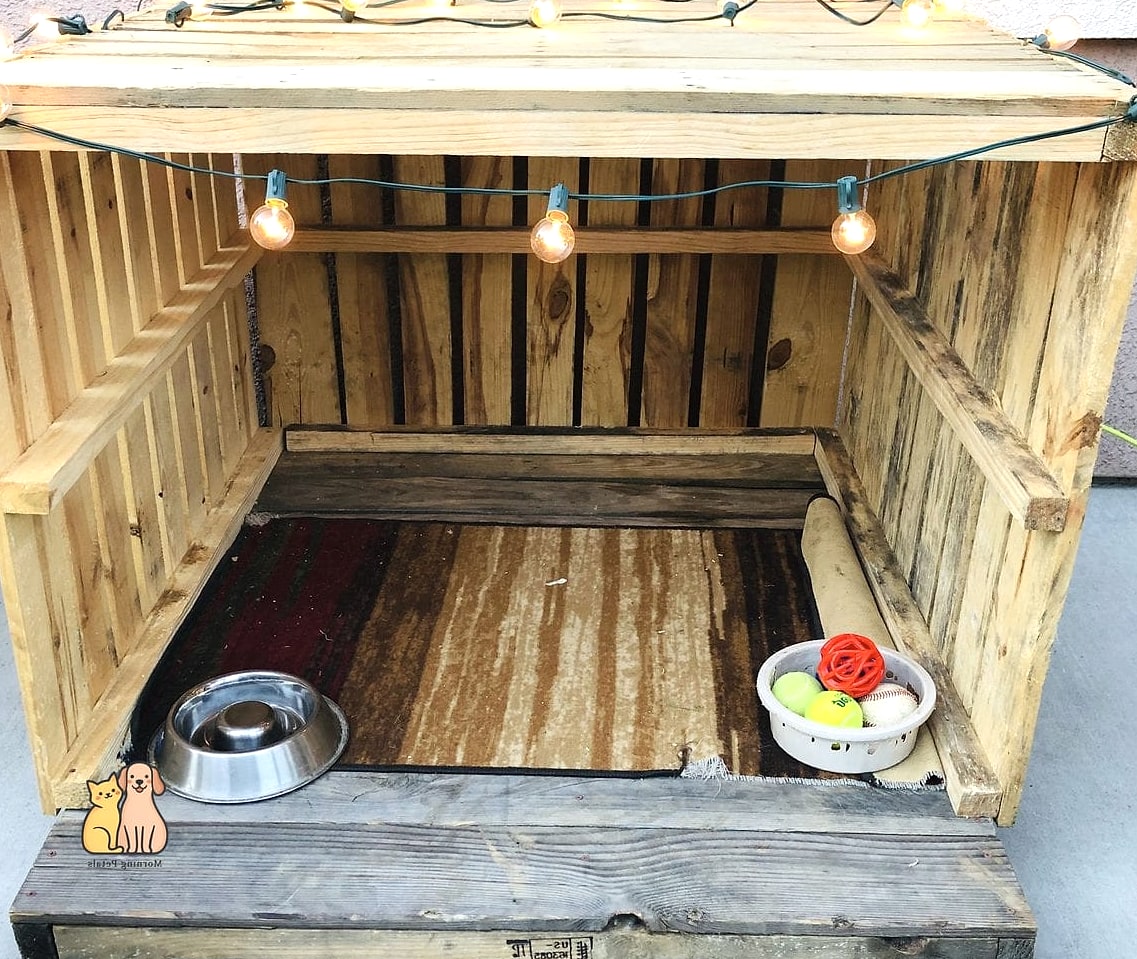
Wood pallets are practically free if you know where to look, and they make a sturdy base for a raised feeding station. Sand down the rough edges, stain it to match your patio furniture, and cut two holes for bowls to sit in. This works great for medium to large dogs and gives them a proper “dining table” feel. It’s a weekend project even for beginners with basic tools.
The Concrete Paver Base
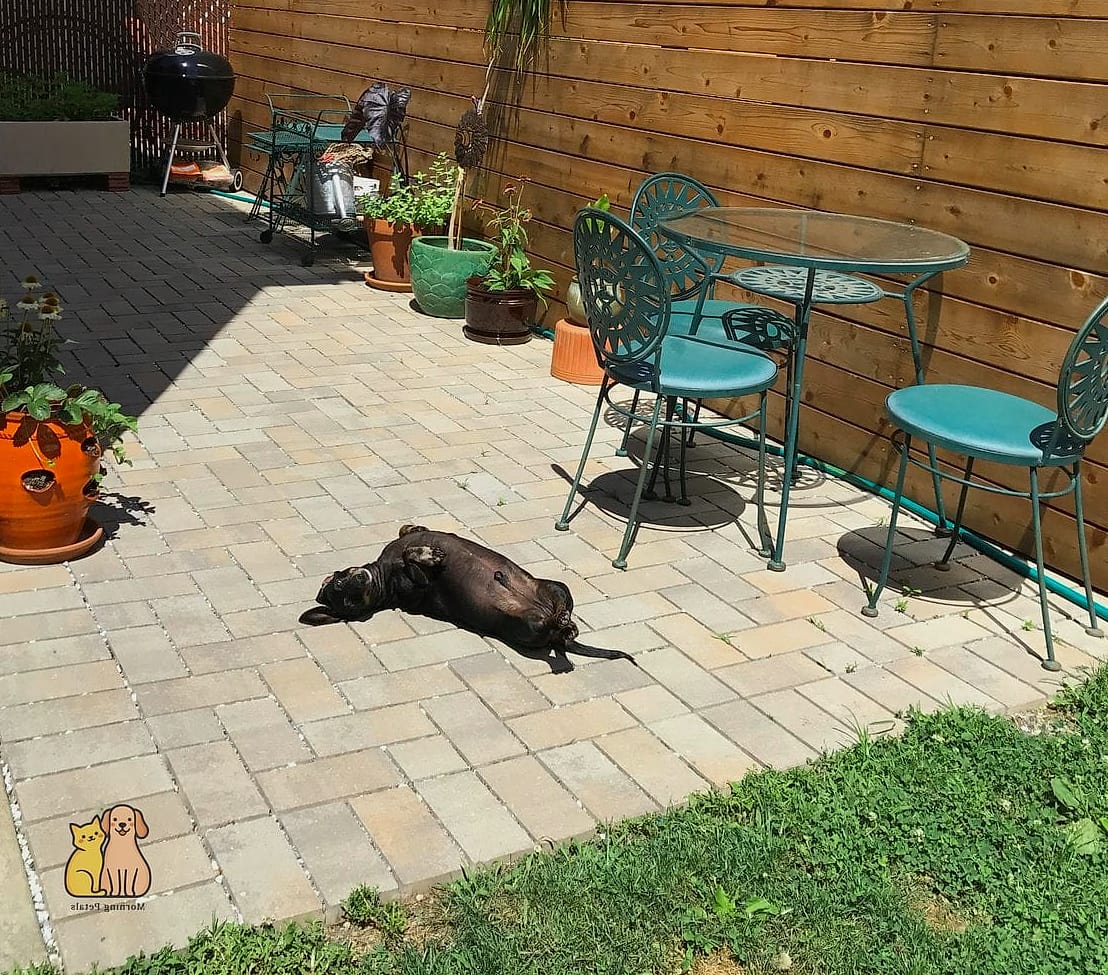
A few concrete pavers laid flat create an easy, weatherproof feeding zone that won’t sink into mud after rain. Just set the bowls directly on top or build a small wood frame around them. This is one of the cheapest options out there since pavers cost very little at most garden centers. It also makes cleanup simple — just hose it down.
The Repurposed Nightstand Feeder
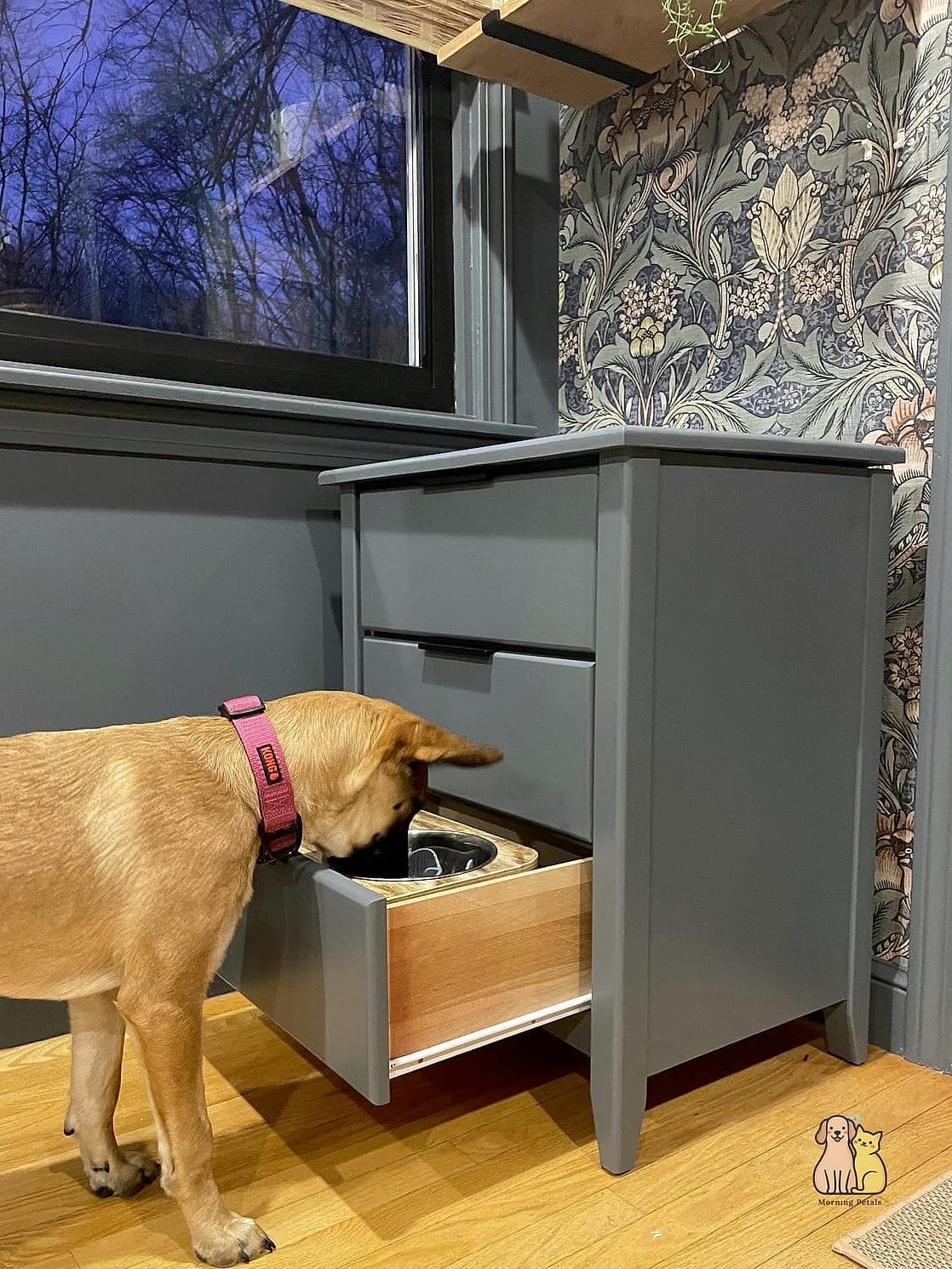
An old nightstand from a thrift store can become an elevated feeding station with a little sanding and paint. Cut circles into the top for bowl inserts, or just set bowls on the surface if you want a no-cut option. Raised feeders like this are especially helpful for older dogs or breeds prone to joint discomfort. Add a coat of outdoor sealant so it holds up through the seasons.
The Gravel Feeding Patch
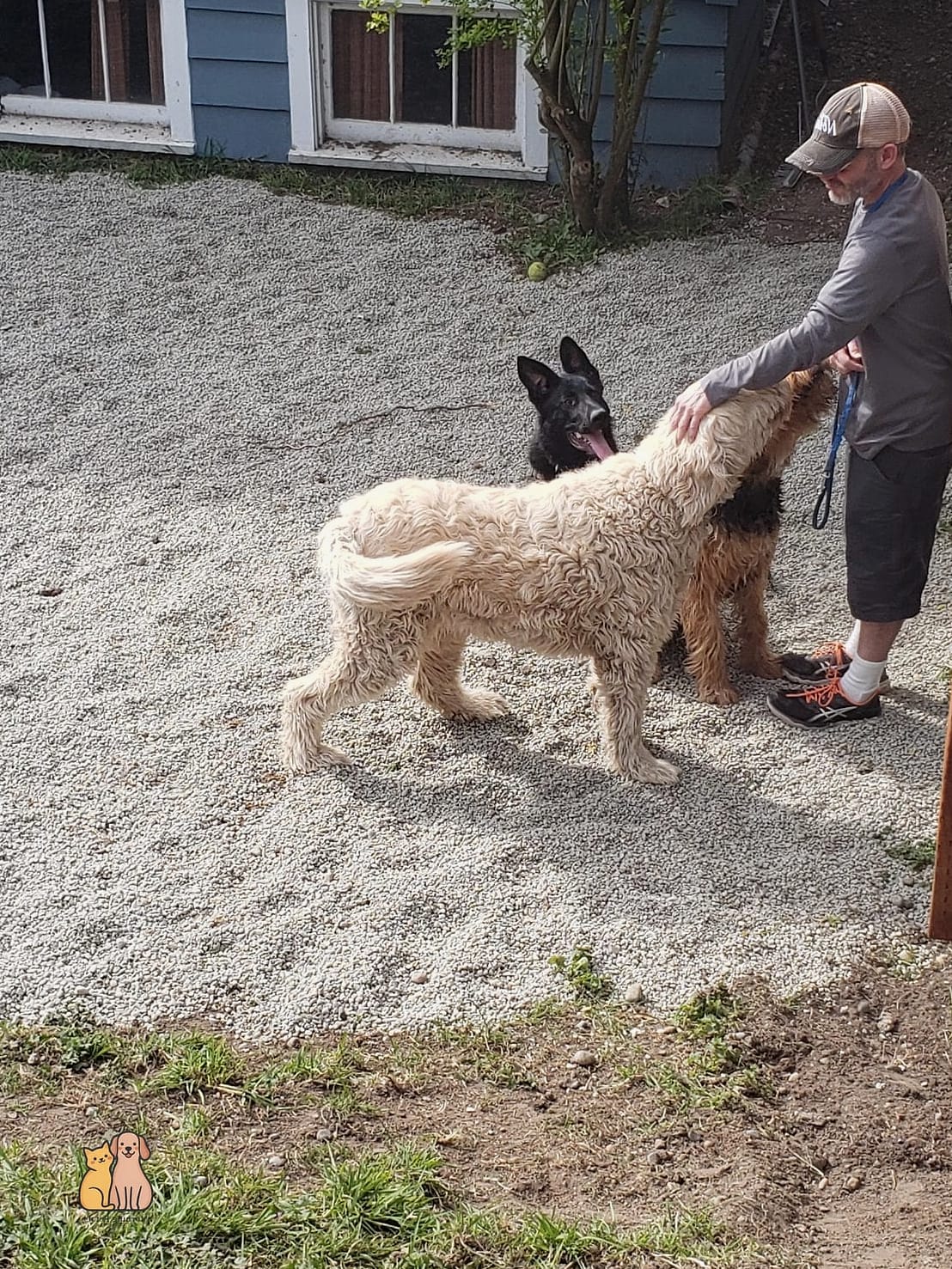
Instead of grass, mark off a small gravel patch specifically for feeding time. Gravel drains well, doesn’t get muddy, and is far easier to clean than dirt or grass that gets trampled daily. This works especially well for multi-dog households since it defines a clear feeding zone. Edge it with bricks or landscaping timber for a finished look.
The Covered Porch Corner
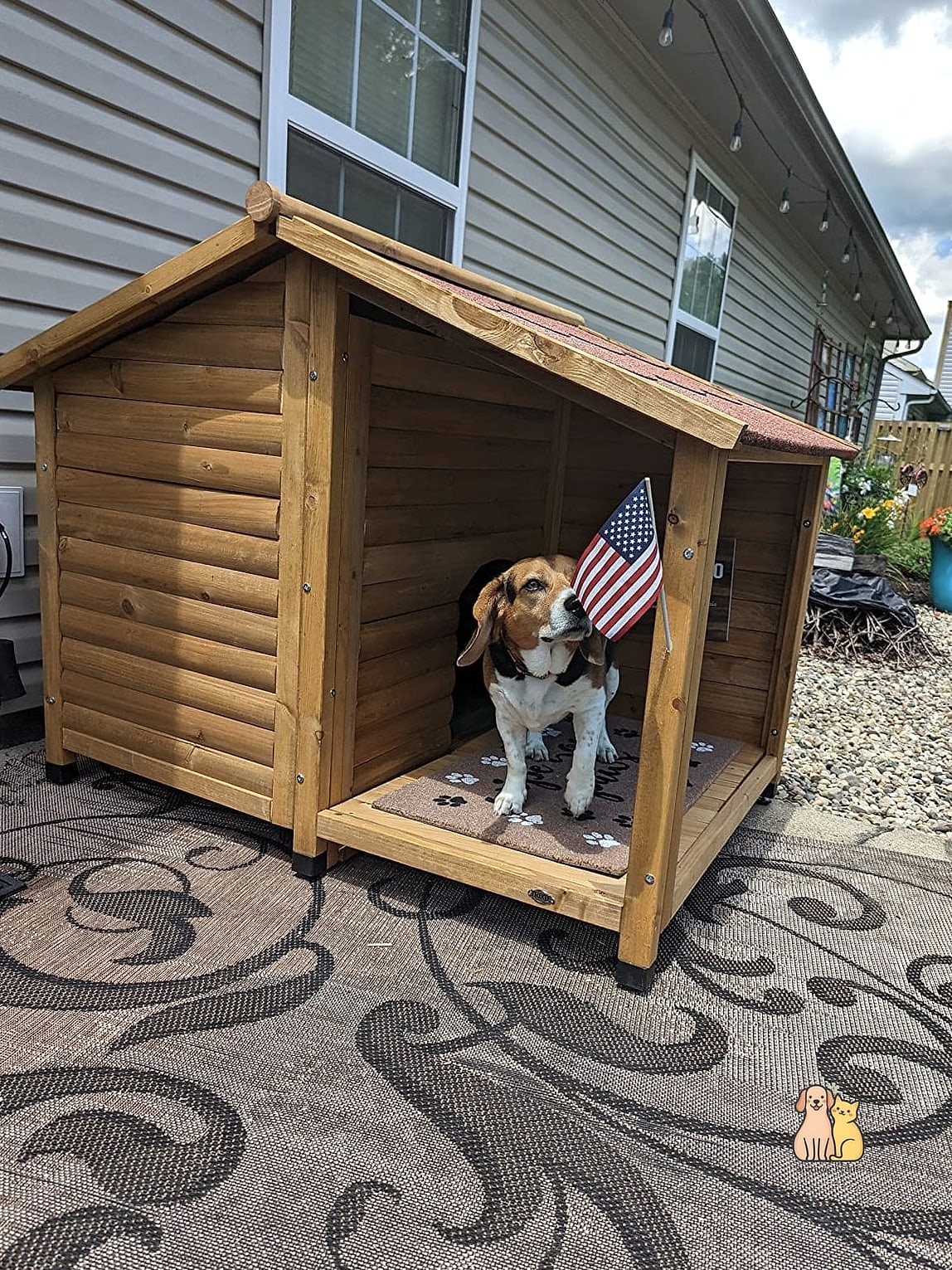
If you already have a covered porch or patio, you’re halfway there. Just section off a corner with a small mat or tray and you’ve got a shaded, weather-protected eating spot. This is ideal for rainy climates where an uncovered station would mean soggy kibble. Add a slow feeder bowl here if your dog tends to eat too fast.
The Repurposed Wine Crate Stand
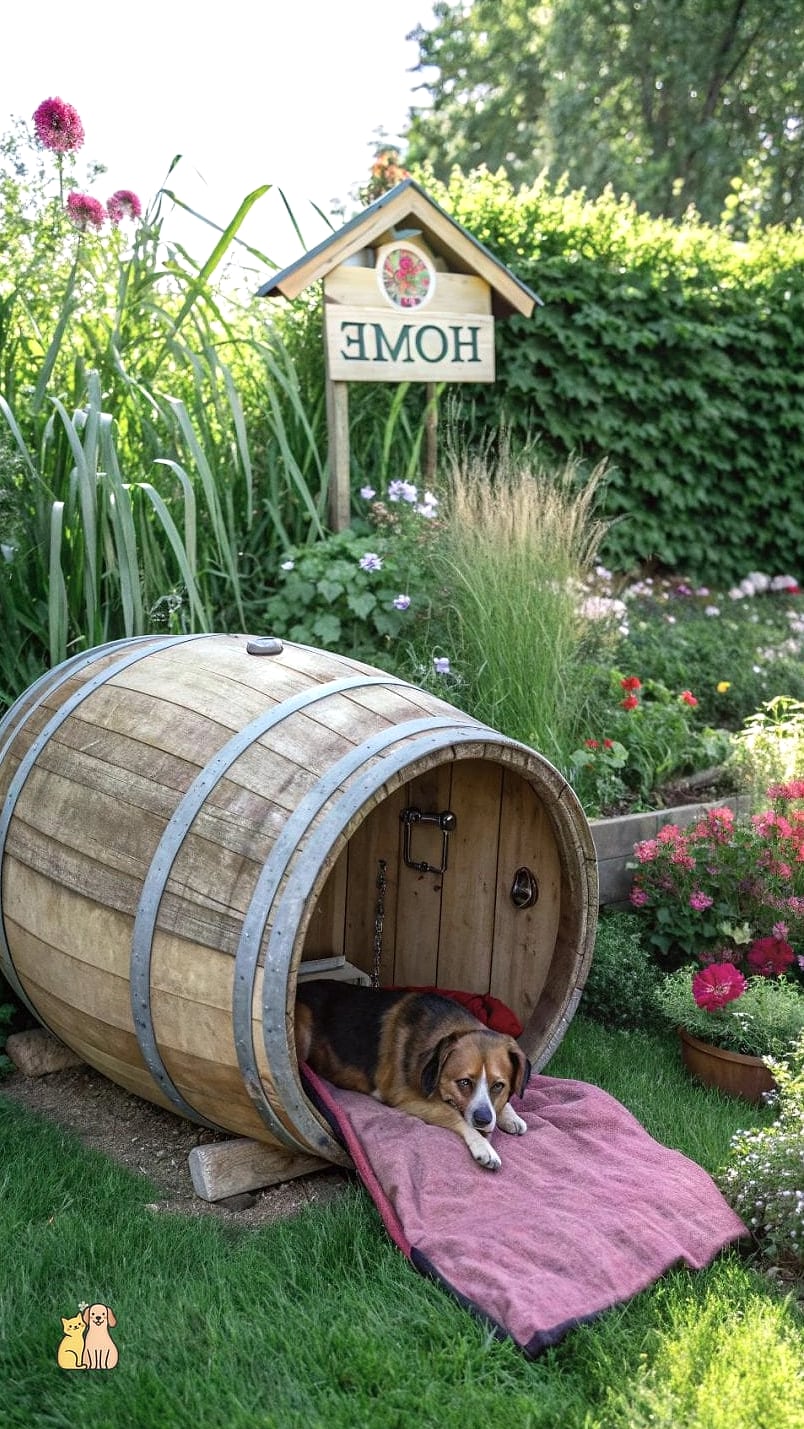
Wooden wine crates, often free from local liquor stores, make surprisingly sturdy elevated feeders. Flip one upside down, cut two holes, and you’ve got a rustic-looking station in under an hour. Small to medium dogs do especially well with this height. It also adds a bit of farmhouse charm to your yard without costing anything.
The Tile-Topped DIY Table
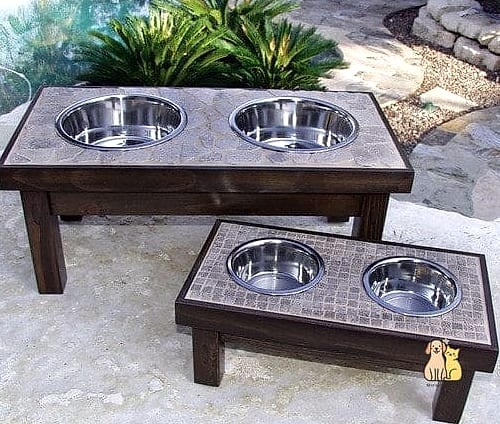
Build a simple wood frame and top it with leftover ceramic or ceramic-look vinyl tiles for an easy-wipe surface. Tile resists staining and doesn’t absorb food smells the way untreated wood does. This is a great option for owners who feed wet food outdoors regularly. Grout lines can trap crumbs, so a quick rinse now and then keeps it fresh.
The Hanging Bowl Frame
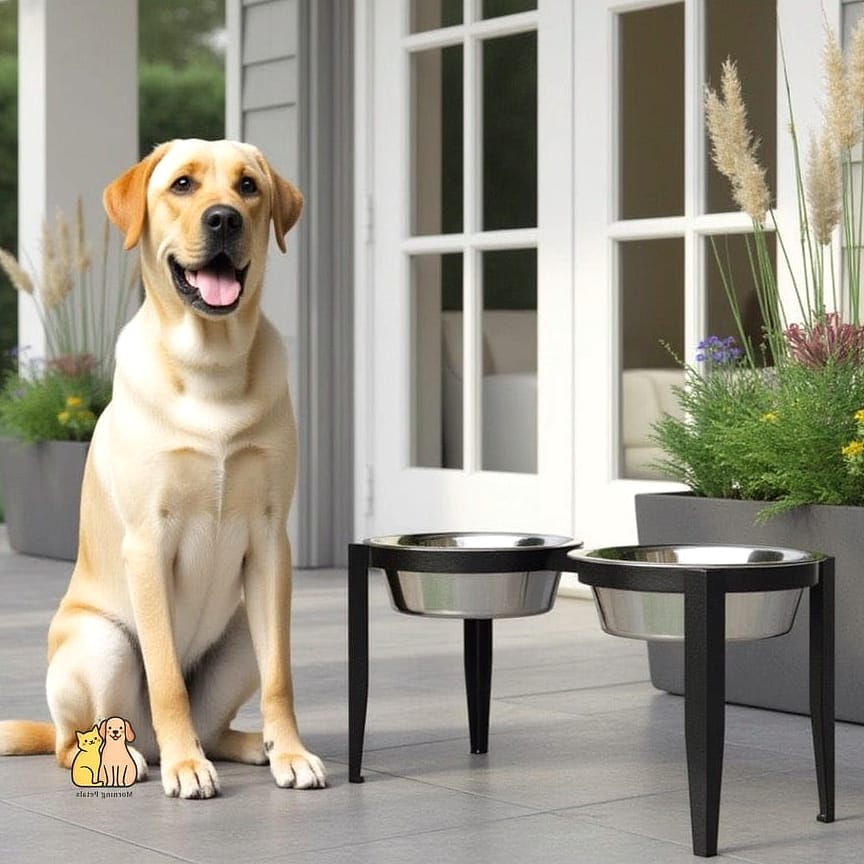
For dogs who like to flip their bowls around, a hanging frame with bowl holders solves the problem instantly. Build a simple A-frame stand from scrap wood or PVC pipe and hang stainless steel bowls from hooks. This setup works particularly well for larger breeds and keeps bowls from sliding across a deck. It’s also easy to move if you rearrange your outdoor space.
The Cinder Block Feeder
Two stacked cinder blocks with a wood plank on top make an instant, sturdy feeding platform. Cinder blocks are inexpensive and widely available, and the setup requires zero tools if you just stack and go. Paint the blocks a fun color to make it feel less industrial and more intentional. This is a favorite for renters since nothing needs to be permanently installed.
The Mulch-Bed Feeding Nook
A designated mulch bed tucked near a fence line makes a soft, low-maintenance feeding spot. Mulch is cheap, drains reasonably well, and gives a more natural look than concrete or gravel. This works nicely for smaller yards where you want the feeding area to blend into existing landscaping. Just refresh the mulch occasionally since food debris can attract insects if left too long.
The Repurposed Dresser Drawer Feeder
An old dresser drawer, removed and mounted low on a wall or fence, becomes a compact built-in feeding shelf. This is a clever use for furniture that’s otherwise headed to the curb. It suits smaller dogs best since the drawer depth naturally limits bowl size. Paint or stain it to match your outdoor decor for a pulled-together look.
The Slate Tile Feeding Mat Area
Instead of buying a rubber feeding mat, use leftover slate tiles arranged in a small square. Slate is naturally water-resistant and gives an upscale look for very little money if you find remnant pieces. This pairs well with stainless steel bowls for a clean, modern feel. It also stays cooler underfoot in summer compared to concrete.
The Fenced-In Feeding Pen
For multi-dog households where food guarding is a concern, a small fenced pen just for mealtime keeps things peaceful. Chicken wire or leftover fence panels work fine for this budget version. Each dog gets their own space, which reduces stress and speeds up eating for anxious eaters. This setup is especially useful for households mixing different sizes or temperaments.
The Umbrella-Shaded Station
A secondhand patio umbrella positioned over the feeding area keeps bowls shaded and food from overheating in direct sun. This is a smart pick for hot climates where metal bowls can get uncomfortably warm by midday. Combine it with a small side table for food storage and scooping supplies. It’s an easy upgrade if you already have outdoor furniture sitting unused.
The Raised Garden Bed Conversion
An unused raised garden bed can be repurposed into a feeding station by adding a simple wood top with bowl cutouts. The existing frame gives you a head start on structure and stability. This works well for larger dogs since raised garden beds tend to sit at a comfortable standing height. It’s a great option if your gardening plans didn’t quite pan out this year.
The Boot Tray Base
A rubber boot tray, the kind meant for wet shoes by the door, makes an excellent budget catch-all under outdoor bowls. It contains spills, kibble crumbs, and water splashes in one easy-to-clean spot. This is one of the simplest options on this list and costs very little at most home stores. It’s especially handy for puppies still learning not to splash their water everywhere.
The Stacked Brick Platform
Leftover bricks stacked in a small square create a stable, elevated base for bowls without any building required. This suits small to medium dogs well and gives a tidy, structured appearance to the feeding area. Bricks also retain a bit of warmth in cooler months, which some dogs seem to appreciate. Arrange them in a pattern for a more decorative touch if you’re feeling crafty.
The Repurposed Step Stool Feeder
A small wooden step stool, especially one with two levels, makes a naturally tiered feeding station. Use the lower step for water and the higher one for food, or vice versa depending on your dog’s preference. This is a fun option for households with a senior dog who benefits from a slight incline. Thrift stores often have these for just a few dollars.
The Shade Cloth Canopy Zone
For yards without natural shade, a simple shade cloth strung between two posts creates instant cover over the feeding spot. This is far cheaper than building a permanent structure and still protects food from direct sun. It works particularly well in warmer regions where bowls left in full sun can get too hot to use. Take it down easily in winter if it’s not needed year-round.
The Repurposed Bookshelf Feeder
A low, sturdy bookshelf laid on its back becomes a multi-bowl feeding station with built-in compartments. This is ideal for households with several dogs who each need their own designated spot. Weatherproof it with an outdoor sealant before placing it outside permanently. It also doubles as storage for food scoops or treat containers in the lower cubbies.
The DIY PVC Pipe Feeder Stand
PVC pipe is inexpensive, easy to cut, and simple to assemble into a lightweight feeding stand. This option works especially well for apartment dwellers with small patios since it’s easy to disassemble and store. It’s also a good pick for owners who like to travel with their setup, since PVC breaks down and reassembles quickly. Paint it to avoid that stark white plastic look if aesthetics matter to you.
The Flagstone Path Feeding Spot
If you have leftover flagstone from another project, arrange a few pieces into a small feeding patch near your patio. Flagstone has natural gaps that allow drainage, which helps prevent puddling around water bowls. This creates a rustic, garden-like feel that fits nicely into landscaped yards. It’s a lovely finishing touch if you’re already working on outdoor hardscaping elsewhere on the property.
Setting up an outdoor dog eating area doesn’t have to mean an expensive backyard renovation. Most of these ideas use materials you can find secondhand, repurpose from around the house, or pick up cheaply from a hardware store. Pick whichever fits your dog’s size, your climate, and how much cleanup you’re willing to do, and you’ll have a space that makes mealtime a little more pleasant for everyone involved, paws included.