25 Easy Dog Fence Ideas That Will Inspire You
- Classic Wood Picket Fencing
- Black Aluminum Fencing
- Welded Wire Mesh Fencing
- Board-on-Board Privacy Fence
- Split Rail with Wire Backing
- Vinyl Privacy Fencing
- Bamboo Fencing for a Natural Look
- Chain-Link with Privacy Slats
- Invisible Electronic Fencing
- GPS Wireless Fencing
- Decorative Iron Fencing
- Recycled Plastic Fencing
- Living Hedge Fencing
- Horizontal Slat Modern Fencing
- Pallet Wood Fencing
- Corrugated Metal Fencing
- Trellis Fencing with Climbing Plants
- Dog-Proof Picket Fence Extension
- Stone and Wire Combination Fencing
- Retractable Mesh Fencing
- Concrete Block Fencing
- Dog Run Enclosure Within a Larger Yard
- Solar-Lit Fence Panels
- Painted Picket Fence in a Bold Color
- Combination Fence with Mixed Materials
25 Easy Dog Fence Ideas That Will Inspire You
If you’ve got a dog who treats your yard like their own personal kingdom, you already know a good fence isn’t optional. It’s the difference between a relaxing afternoon on the porch and a frantic sprint down the street chasing a squirrel-obsessed escape artist. The good news is that dog fencing has come a long way from chain-link and nothing else. There are options for every budget, every yard size, and every dog personality, from the laid-back senior pup who just wants a place to nap in the sun to the fence-testing Houdini who treats every barrier as a personal challenge. Here are 25 easy dog fence ideas that will inspire you to finally get your yard set up right.
Classic Wood Picket Fencing
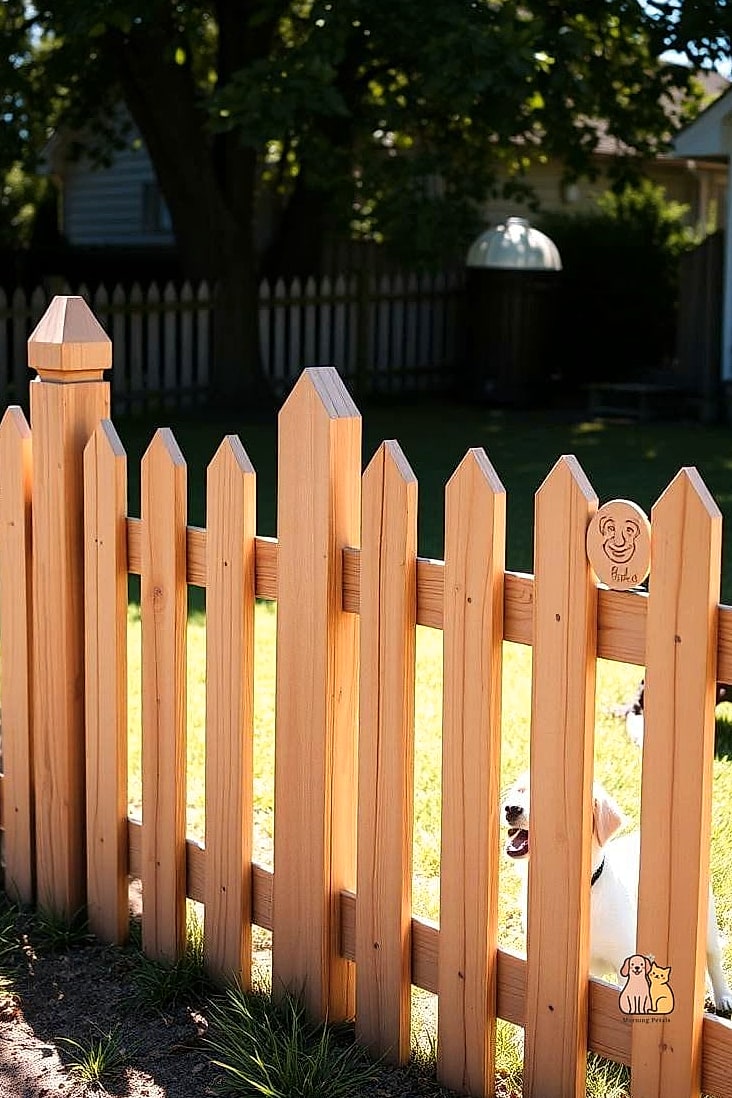
There’s a reason wood picket fences never really go out of style. They look charming, they blend into pretty much any yard aesthetic, and they do a solid job of keeping medium to large dogs contained. This works especially well for breeds that aren’t big jumpers, like Bulldogs or Basset Hounds. DIY kits are budget-friendly, while a professionally installed version with post caps and a stained finish gives your yard a more polished look. Just keep in mind that determined diggers might try to tunnel under, so a buried wire mesh skirt along the bottom is worth the extra effort.
Black Aluminum Fencing
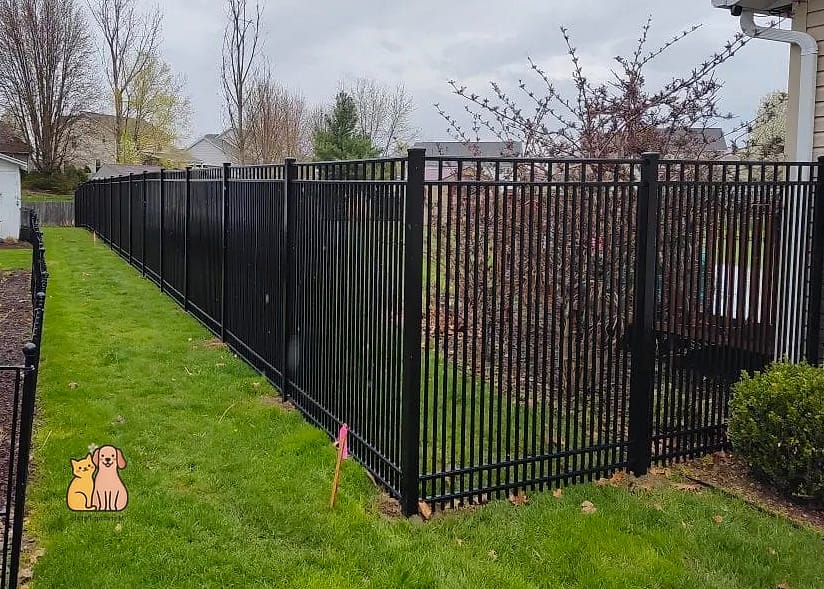
Aluminum fencing gives you that elegant wrought-iron look without the rust or the price tag. It’s a great pick for families who want visibility into the yard while still keeping their dog secure. This style suits smaller and medium dogs well since the vertical bars are usually spaced close together. It’s low-maintenance, weather-resistant, and holds up beautifully over the years, making it a smart long-term investment for anyone who wants their fence to look as good in ten years as it does today.
Welded Wire Mesh Fencing
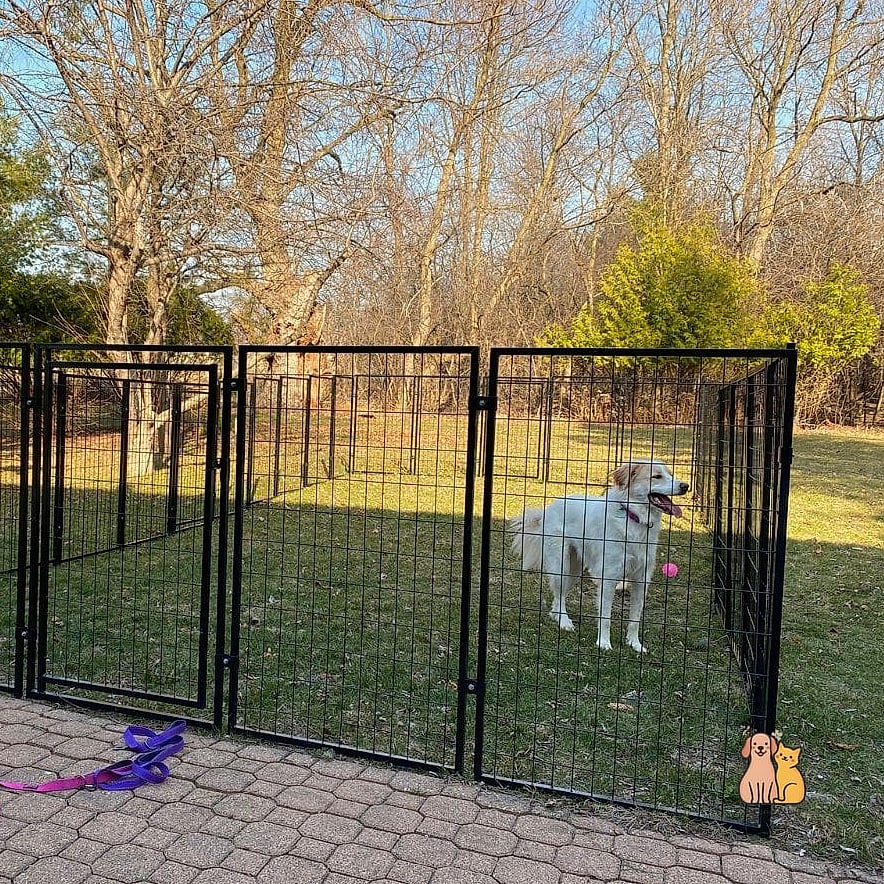
For dog owners who want function over flash, welded wire mesh is hard to beat. It’s affordable, easy to install yourself over a weekend, and tough enough to handle rowdy dogs who like to body-slam the fence line during zoomies. This is a favorite among people with high-energy breeds like Labradors or Border Collies. Pair it with simple wood or metal posts and you’ve got a durable, no-fuss enclosure that won’t break the bank.
Board-on-Board Privacy Fence
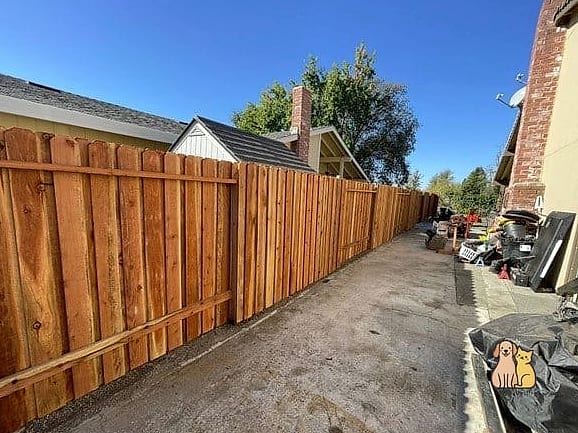
If your dog barks at every passing jogger, bicycle, or leaf blowing across the sidewalk, a board-on-board privacy fence might save your sanity. The overlapping boards block your dog’s view of the outside world, which can seriously cut down on reactive barking. This setup works great for anxious or vocal breeds. It’s a bigger investment than open-style fencing, but the peace and quiet it brings is often worth every penny.
Split Rail with Wire Backing
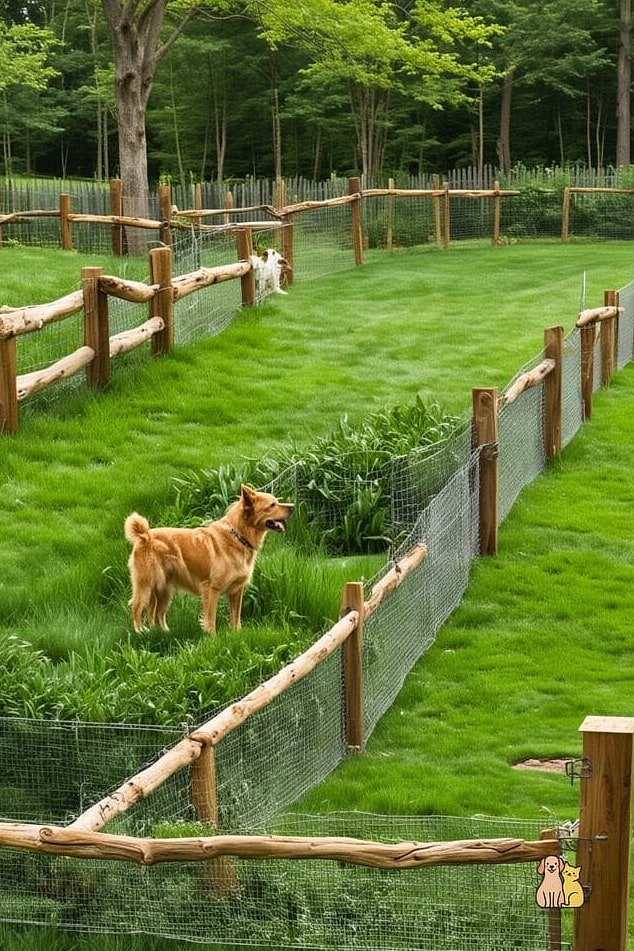
Split rail fencing alone won’t stop most dogs, but paired with wire mesh backing, it becomes a genuinely solid containment option while keeping that relaxed, rustic farmhouse charm. This look is popular with folks who have larger properties and want their fence to feel more like a natural boundary than a cage. It suits calmer, larger breeds especially well, and it photographs beautifully if you’re into that whole countryside aesthetic.
Vinyl Privacy Fencing
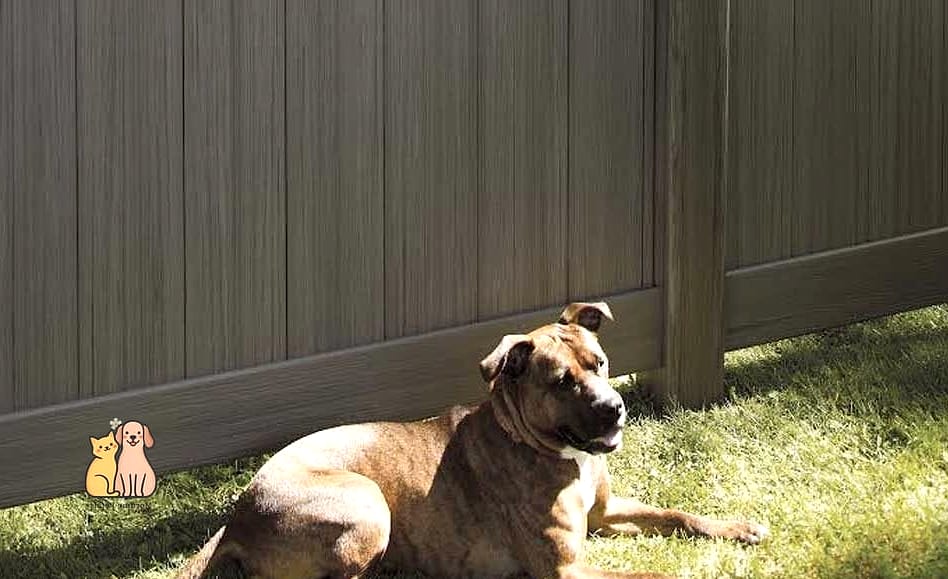
Vinyl fencing has become a go-to for dog owners who want something that looks clean, requires almost zero upkeep, and won’t rot, warp, or need repainting every few years. It comes in a range of heights, so it works for both small dogs and larger jumpers. The solid panels also block outside distractions, which many anxious or territorial dogs genuinely appreciate. It’s a bit pricier upfront, but many owners say the low maintenance makes it worth it long-term.
Bamboo Fencing for a Natural Look
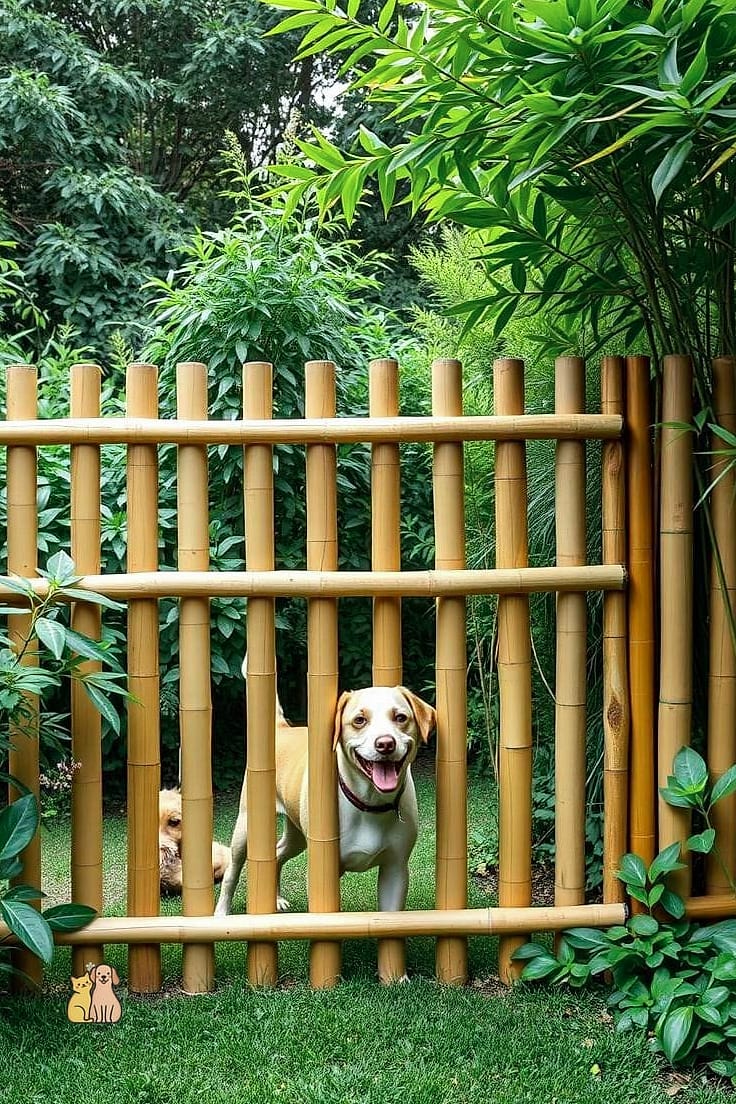
Bamboo fencing brings a relaxed, tropical vibe to your yard while still doing the job of keeping your pup contained. It’s a nice option if you’re renting and need something semi-temporary, since bamboo rolls can be attached to existing fence posts or a simple frame. This style tends to suit smaller, less powerful dogs better, since it’s not the sturdiest material against a determined charger.
Chain-Link with Privacy Slats
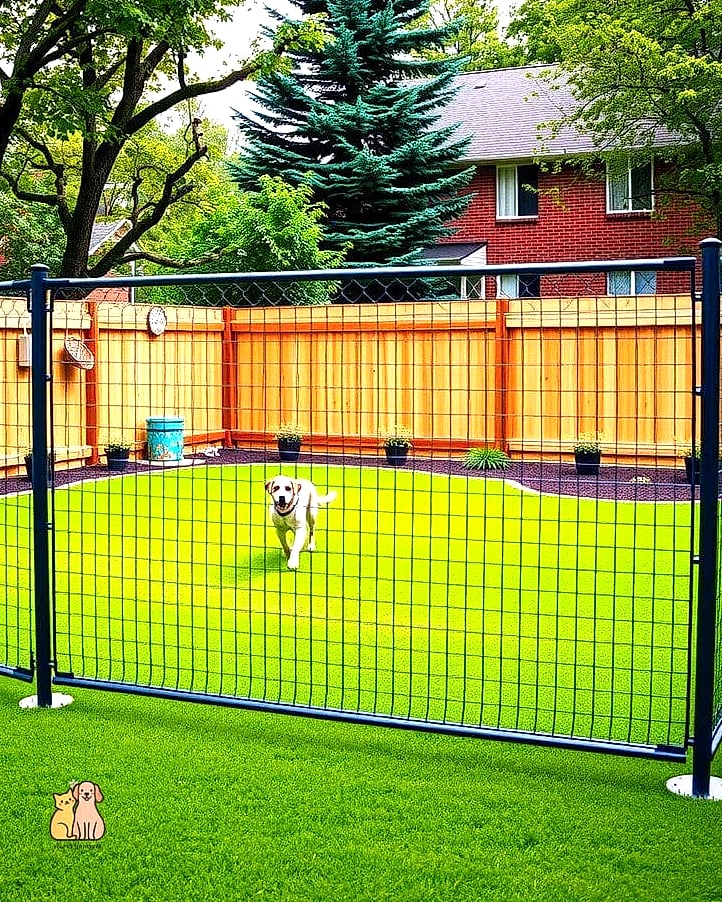
Chain-link gets a bad reputation, but adding privacy slats completely changes the game. You get the affordability and durability of classic chain-link while cutting down on visual distractions that trigger barking. This is a favorite among budget-conscious owners with big yards, since chain-link covers a lot of ground for relatively little cost. Slats come in multiple colors now too, so it doesn’t have to look purely utilitarian anymore.
Invisible Electronic Fencing
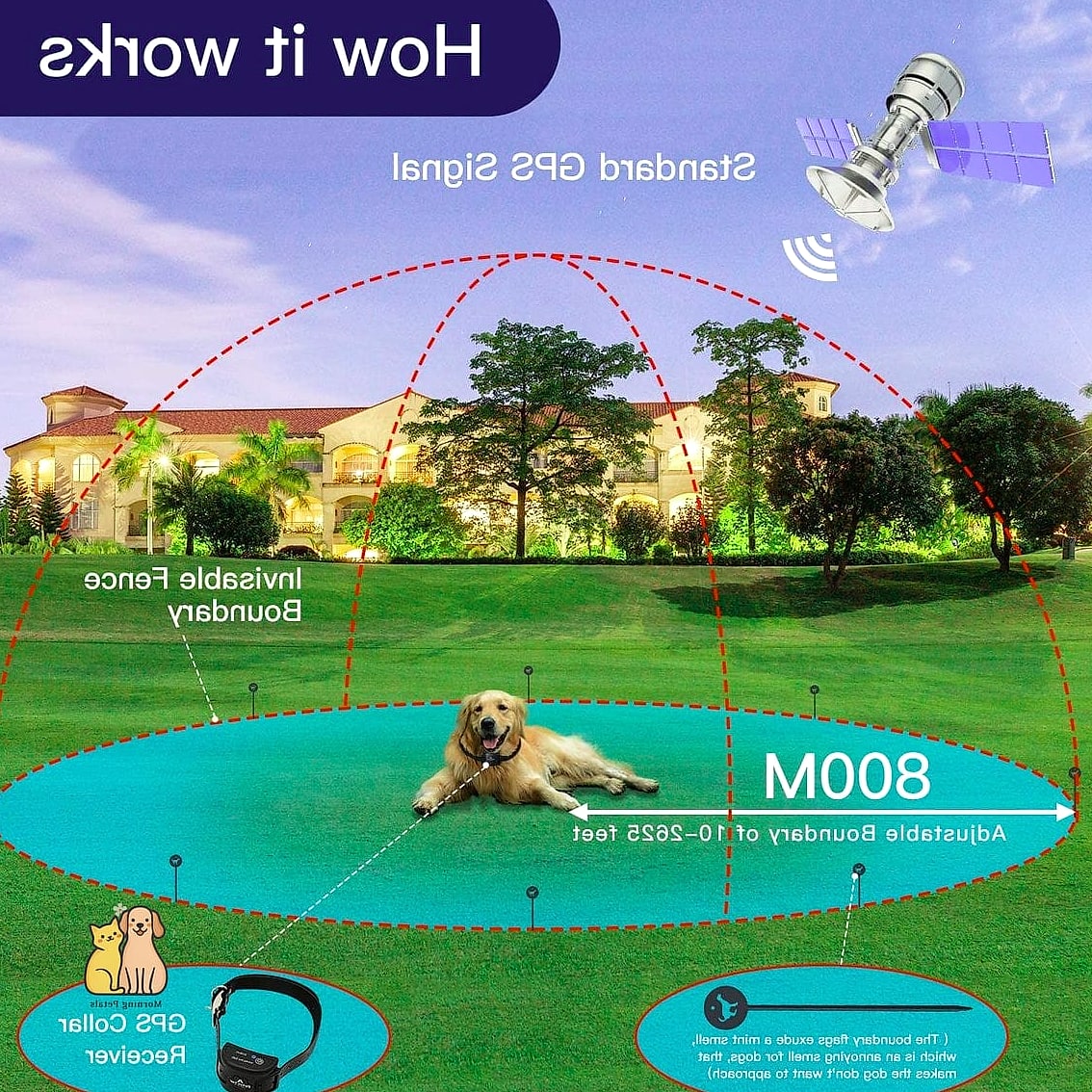
For owners with sprawling yards where a physical fence isn’t practical, invisible fencing offers an alternative worth considering. It uses a buried wire and a collar that gives a warning tone before a mild static correction if your dog crosses the boundary. This isn’t the right fit for every dog or every owner, and it takes consistent training to work well, but plenty of people with well-trained, food-motivated dogs find it effective for keeping their pup on the property.
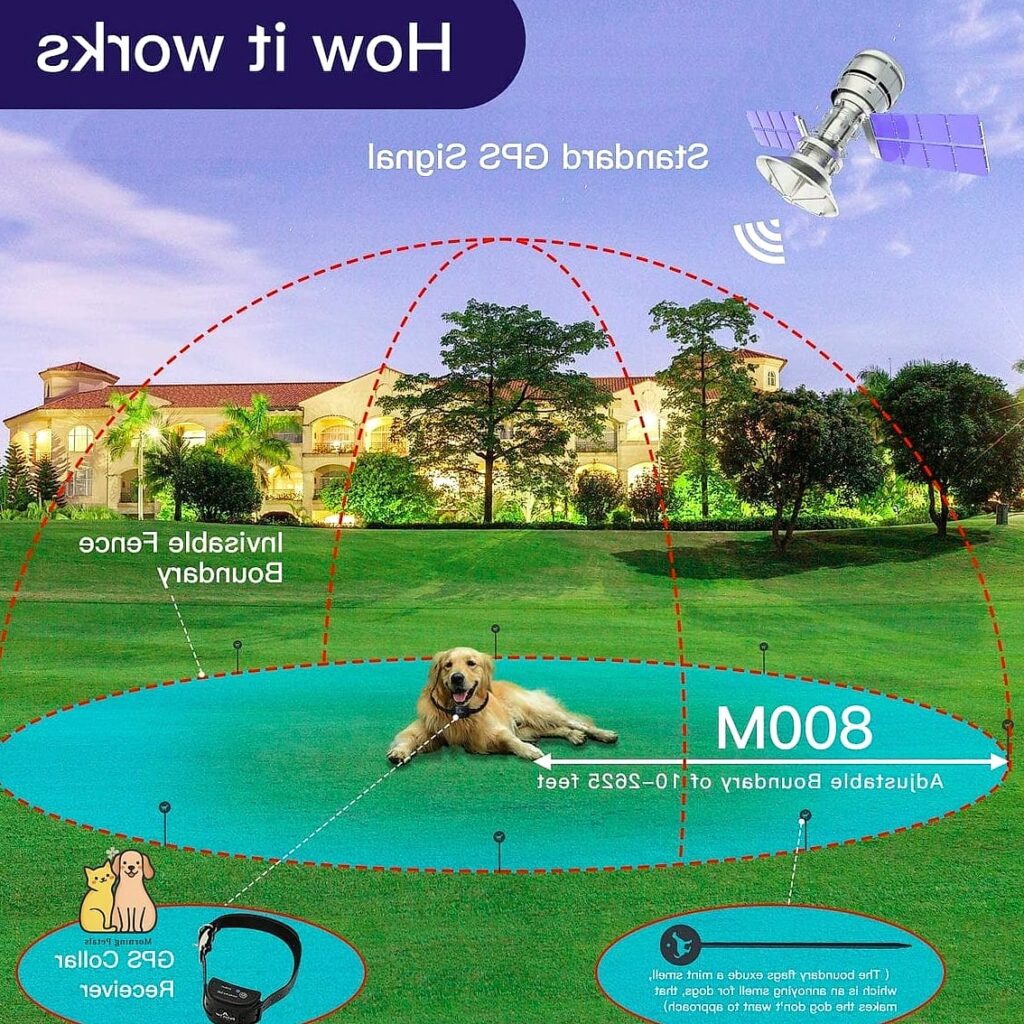
GPS Wireless Fencing
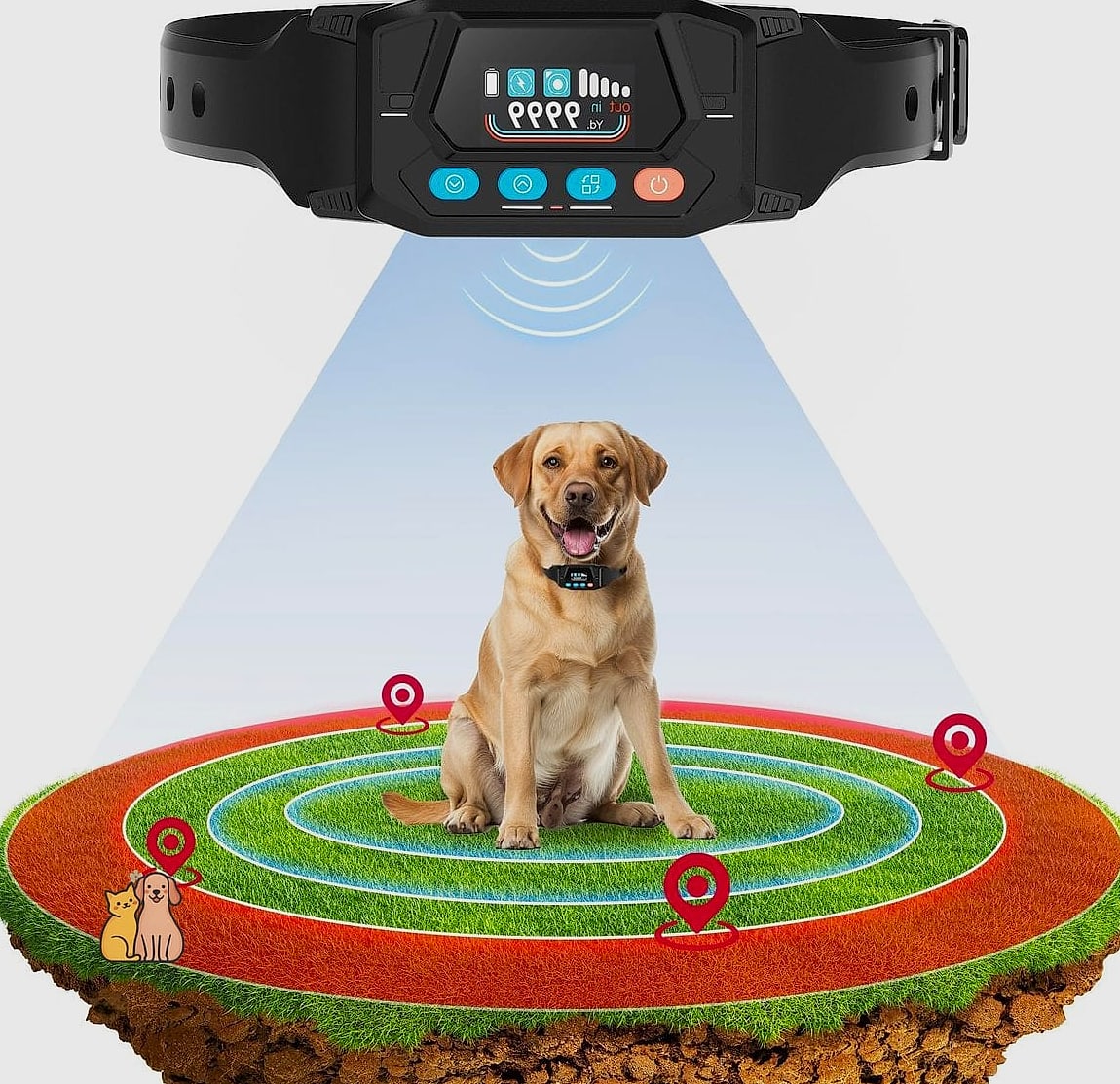
Newer wireless GPS fence systems have made containment even more flexible. No wires to bury, no trenching required, just a collar and an app where you set your boundary lines. These work best in open, obstacle-free yards and are popular with owners of active breeds who roam a lot of ground. As with electronic fencing, training your dog to understand the boundary is essential before you rely on it fully.
Decorative Iron Fencing
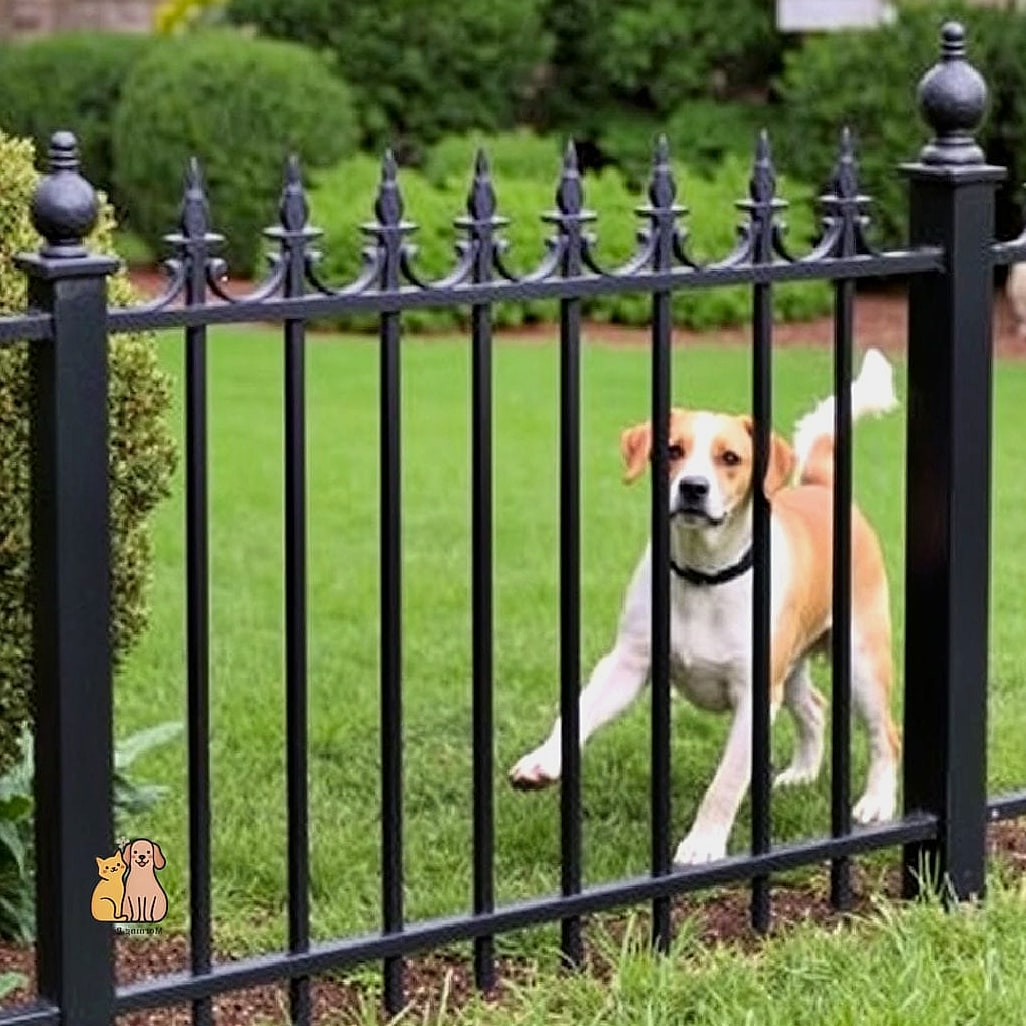
If your home has a more traditional or European-inspired look, decorative iron fencing brings elegance while still functioning as a serious barrier. It’s heavy-duty, long-lasting, and tough for dogs to bend or break through, making it ideal for stronger breeds like German Shepherds or Rottweilers. It’s on the pricier end, but it doubles as a design feature, not just a containment tool.
Recycled Plastic Fencing
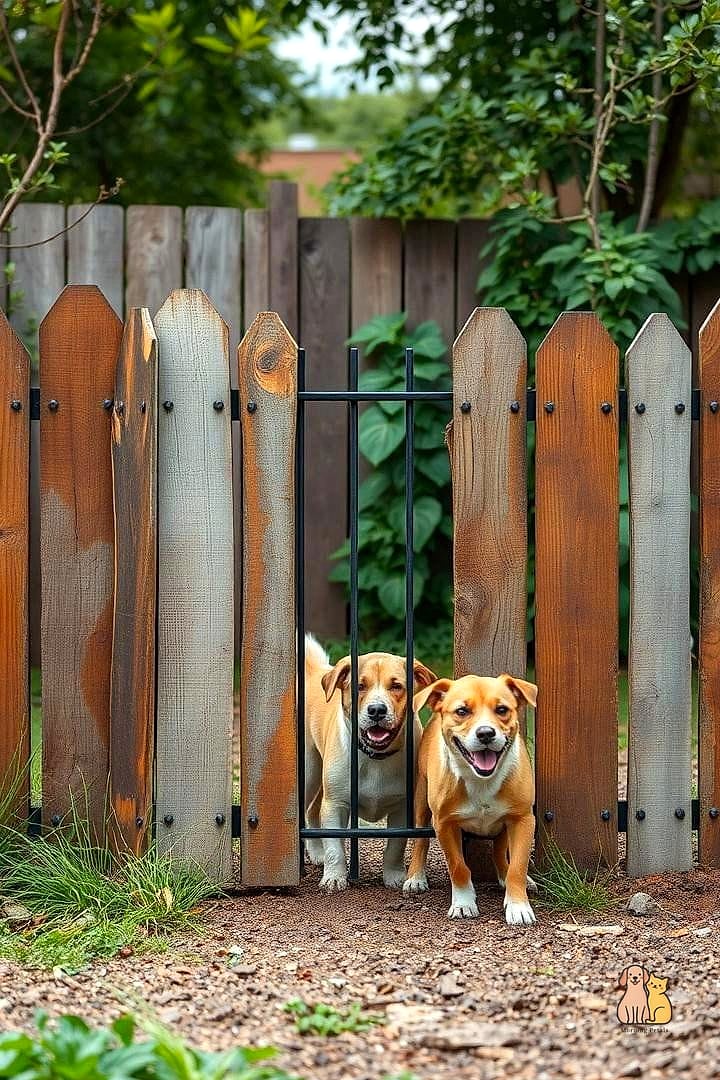
Eco-conscious pet owners are increasingly drawn to recycled plastic fencing, which mimics the look of wood without the splintering, rotting, or termite issues. It holds up well against moisture and won’t need staining or sealing. This is a great practical choice for damp climates or dogs who like to chew on fence posts when nobody’s watching.
Living Hedge Fencing
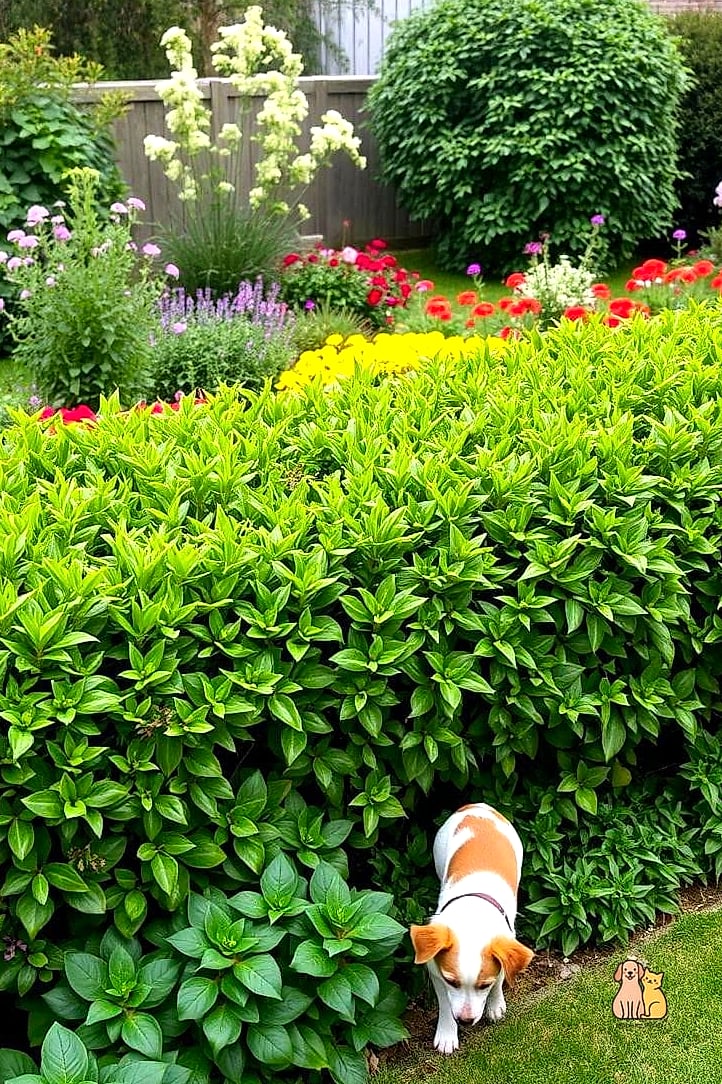
A living hedge takes patience, but the payoff is a gorgeous, natural-looking boundary that also provides shade and privacy. This works best for smaller, calmer dogs since a hedge alone isn’t a hard barrier for a strong jumper or digger. Many owners install a hidden wire fence inside the hedge line while it grows in, giving them the best of both worlds: greenery on the outside, security on the inside.
Horizontal Slat Modern Fencing
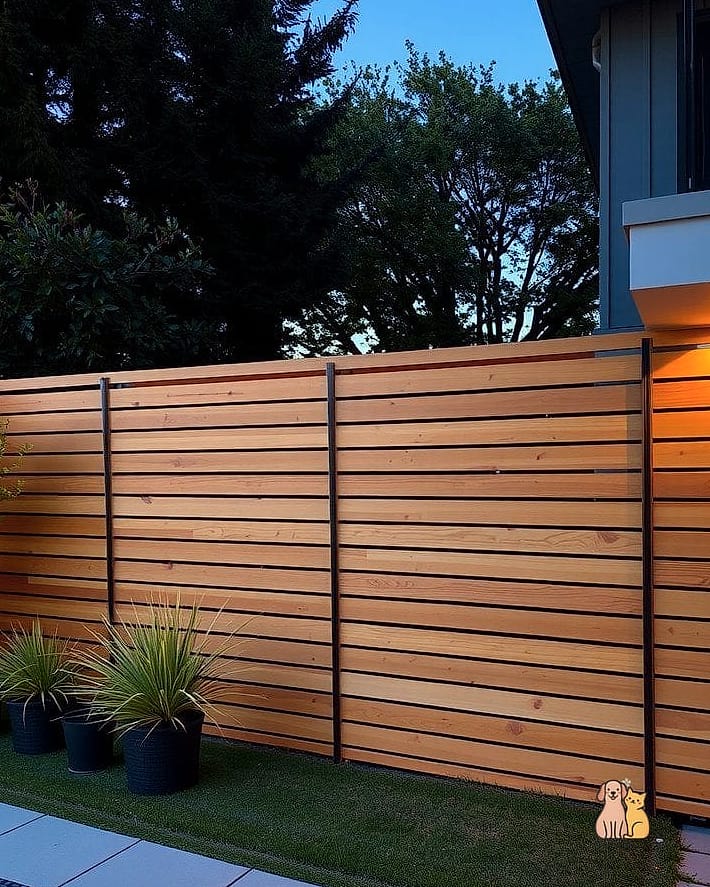
Horizontal slat fencing has become hugely popular in modern backyard design, and it works surprisingly well for dogs too. The sleek lines suit contemporary homes, and the tight slat spacing keeps smaller dogs from squeezing through gaps. It’s a great pick if you want your fence to look intentional and stylish rather than purely functional.
Pallet Wood Fencing
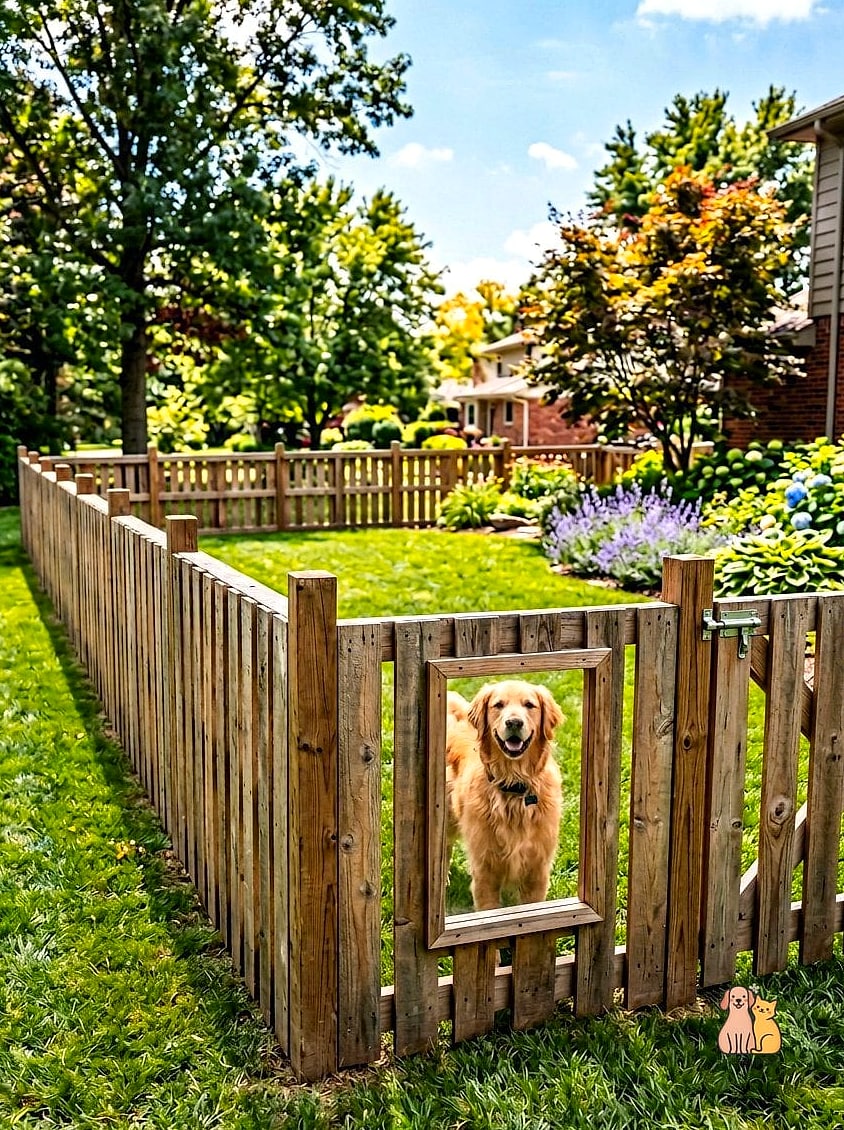
For the DIY crowd on a tight budget, repurposed pallet wood is a genuinely clever fencing solution. It takes some sanding, staining, and creative arrangement, but the rustic, patchwork look has real charm. This is best suited for smaller or lower-energy dogs since pallet wood isn’t always the sturdiest against heavy impact.
Corrugated Metal Fencing
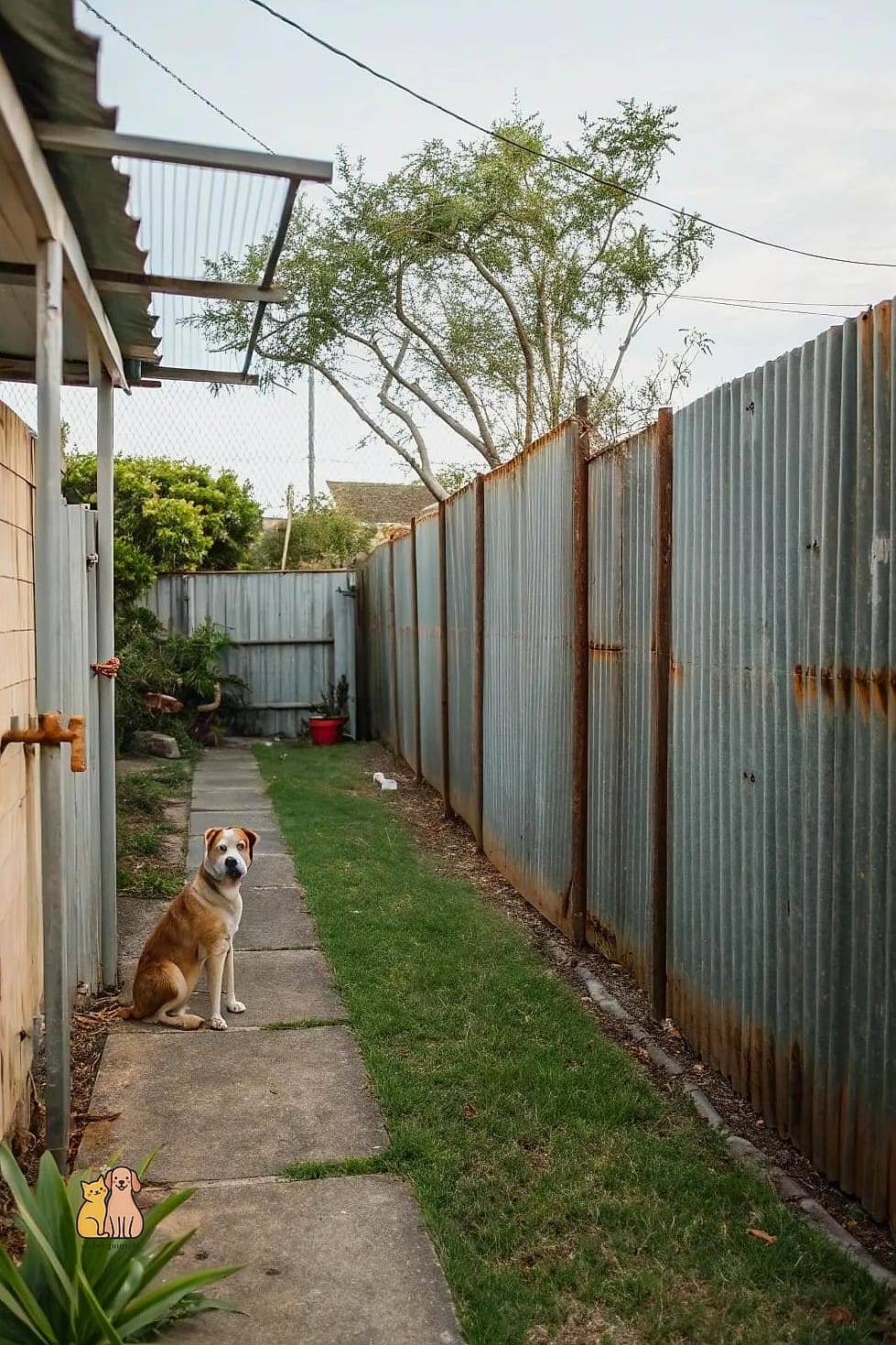
Corrugated metal panels give your yard an industrial, farmhouse-meets-modern feel while offering serious durability. Dogs can’t chew through it, weather doesn’t faze it, and it blocks outside views completely. This style is a favorite among owners of powerful chewers and diggers who need something nearly indestructible.
Trellis Fencing with Climbing Plants
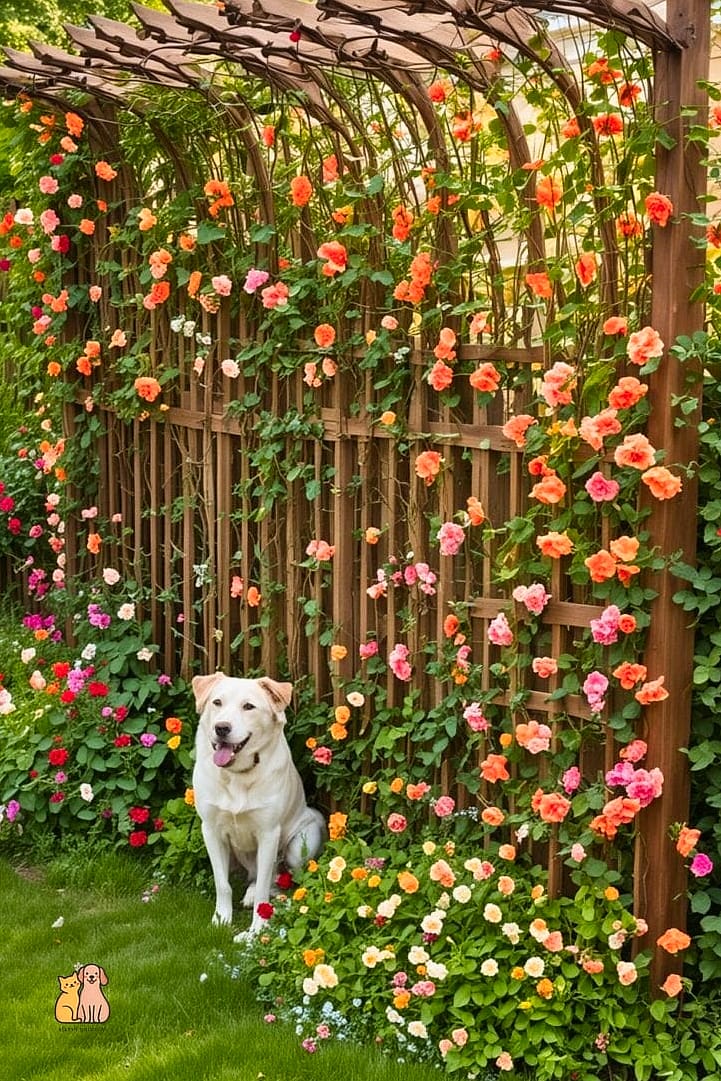
A trellis fence topped or lined with climbing plants like jasmine or clematis turns a basic barrier into a genuine garden feature. It works best as a decorative addition paired with a sturdier fence underneath for actual containment. Small and medium dogs who aren’t heavy chewers tend to do fine around trellis-style fencing without damaging the plants.
Dog-Proof Picket Fence Extension
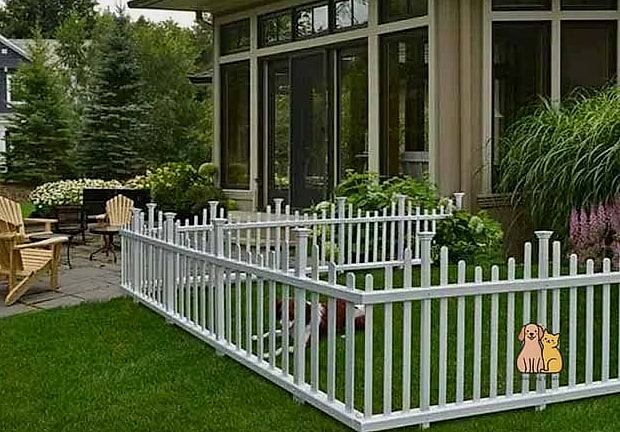
If you already have a picket fence but your dog has figured out how to squeeze between the slats or hop over, an extension kit can solve the problem without a full replacement. Adding height with matching material or attaching mesh along the bottom keeps the original look while closing off escape routes. It’s an affordable fix for growing puppies who are suddenly taller and bolder than they used to be.
Stone and Wire Combination Fencing
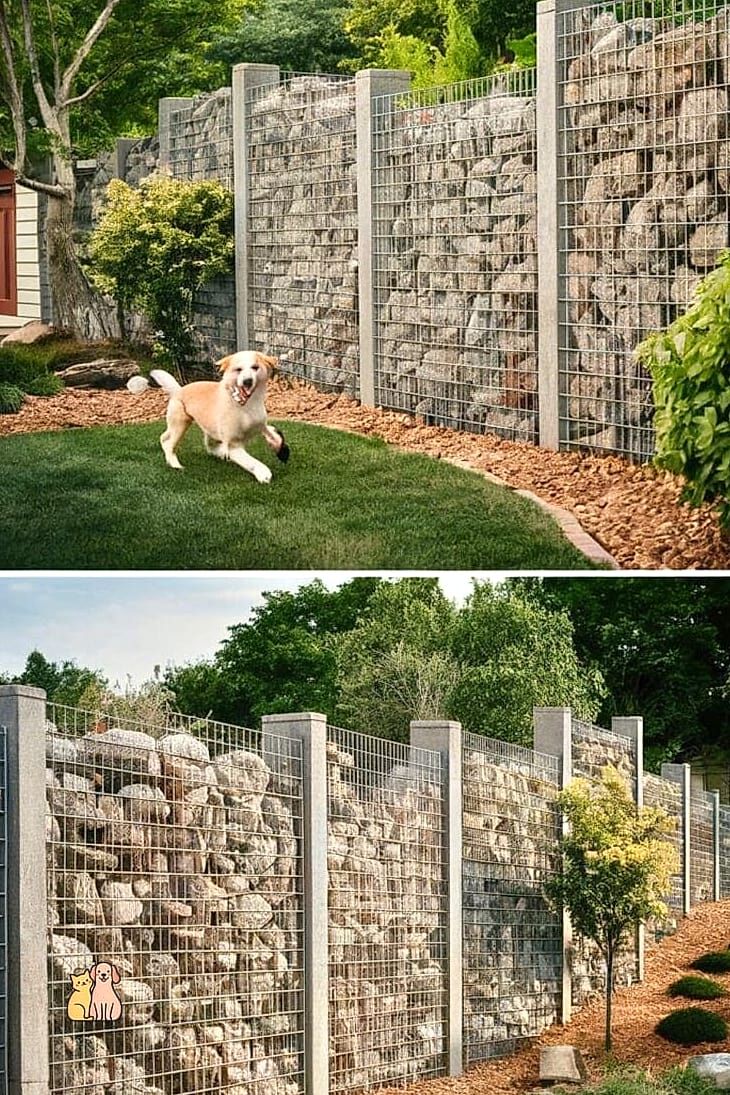
Low stone walls paired with wire fencing on top create a fence that feels substantial and permanent. This combination works well in yards with natural landscaping and suits larger breeds that need a fence with real visual weight. It’s more of an investment project, but the end result looks like it’s been part of the property forever.
Retractable Mesh Fencing
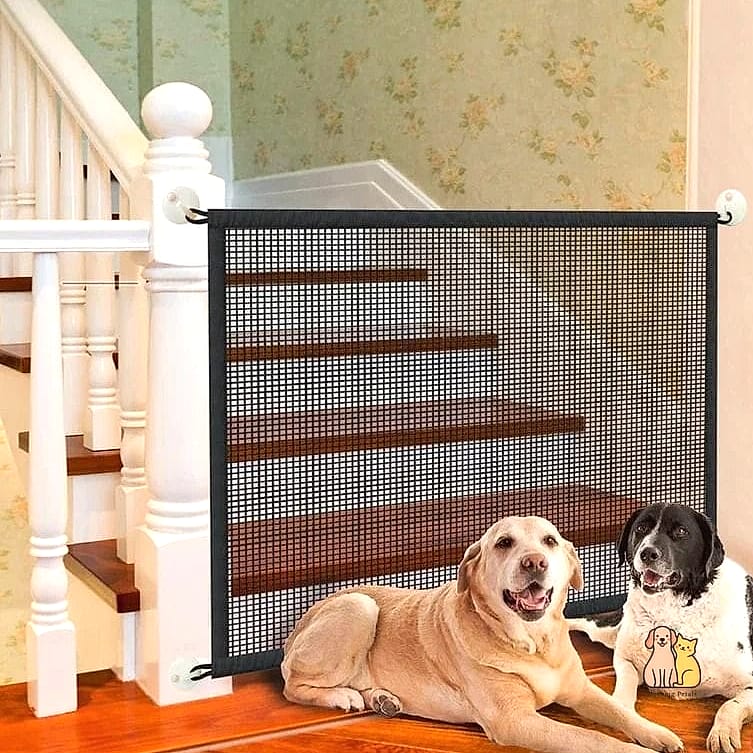
For renters or anyone who needs a temporary solution, retractable mesh fencing is incredibly convenient. It sets up in minutes, folds away just as fast, and works great for outdoor events, camping trips, or a quick backyard boundary while you figure out a permanent option. Small to medium dogs do best with this style since it’s not built to withstand serious force.
Concrete Block Fencing
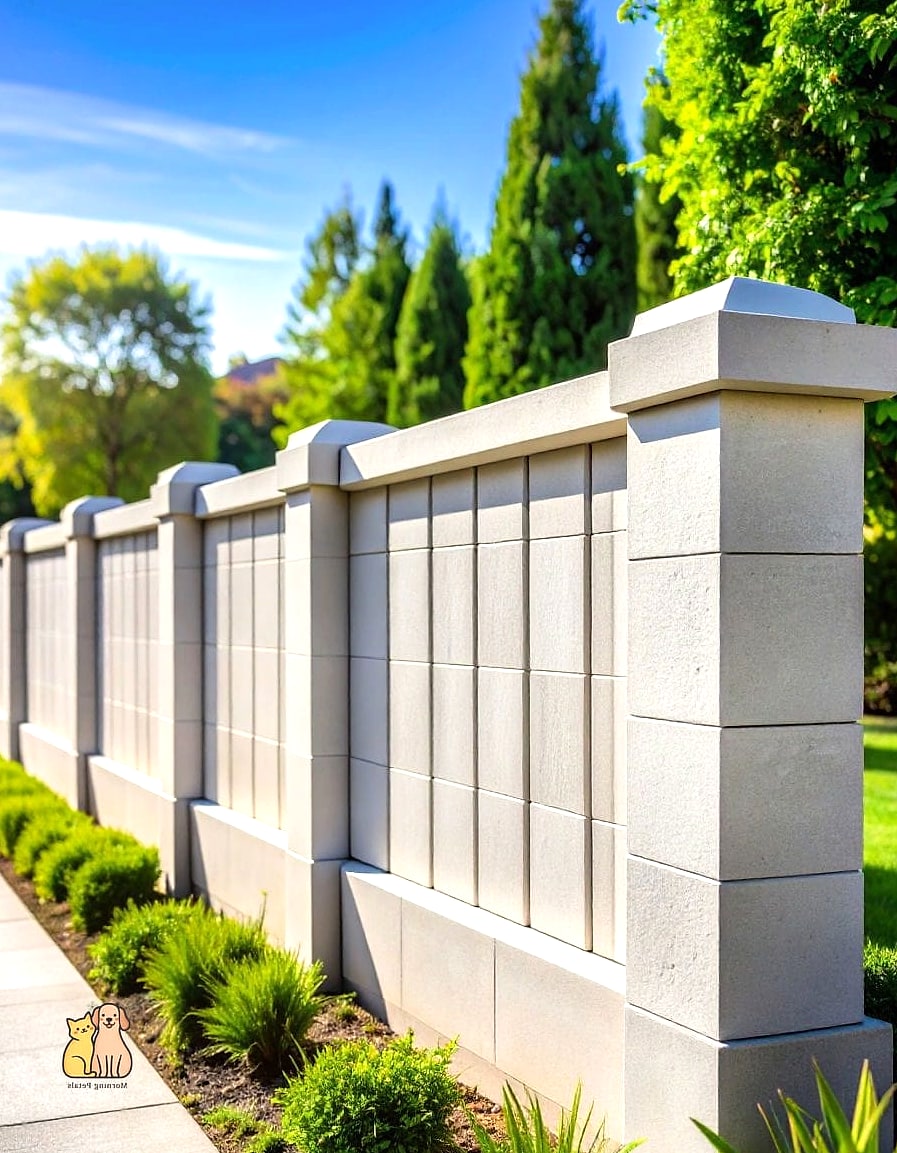
Concrete block fencing is about as sturdy as it gets, making it a smart choice for powerful breeds or multi-dog households where wear and tear adds up fast. It blocks noise, blocks views, and simply doesn’t budge. It’s a bigger upfront cost and typically needs professional installation, but for some owners, that durability is worth it.
Dog Run Enclosure Within a Larger Yard
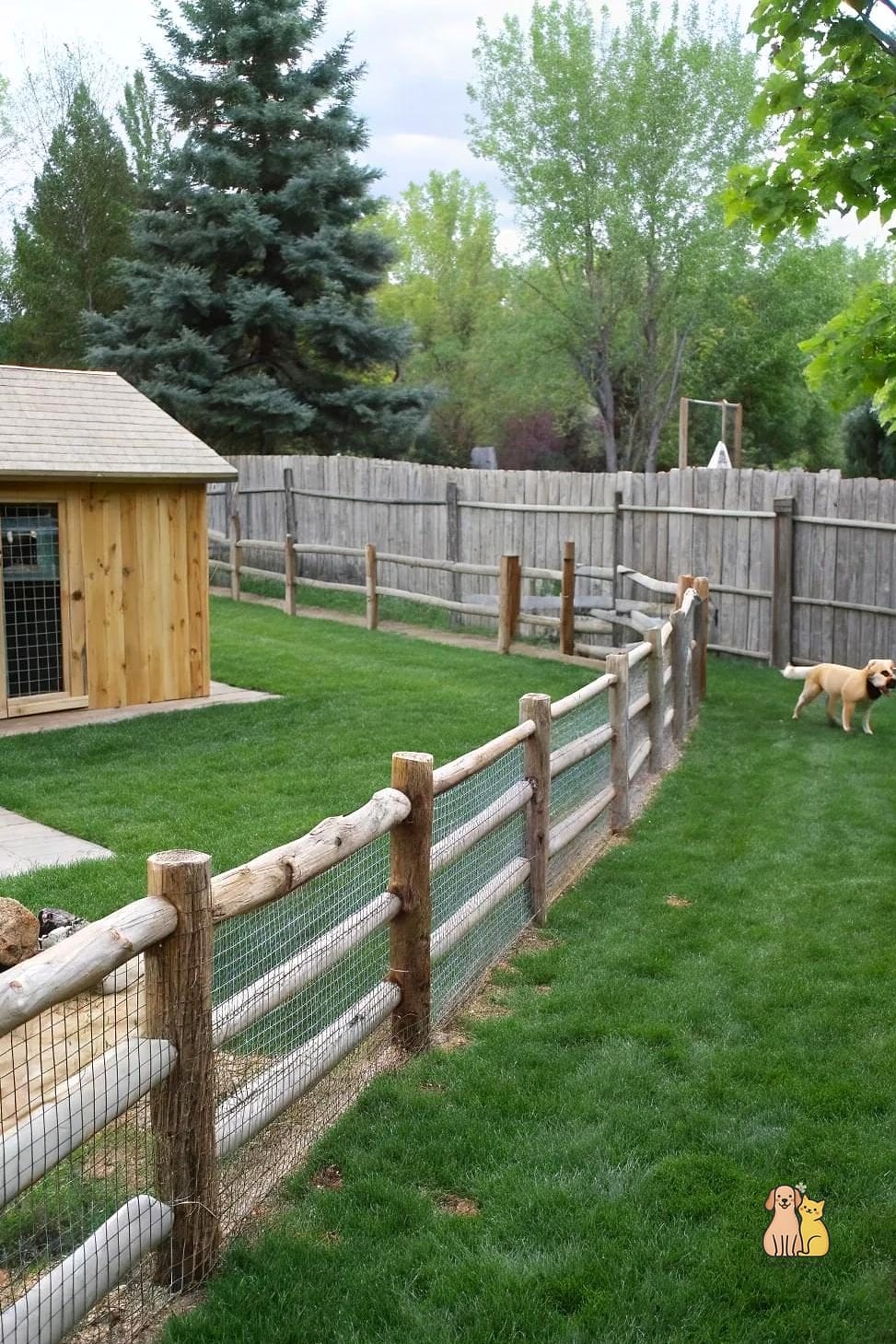
Sometimes the smartest fence idea isn’t fencing the whole yard at all, it’s creating a dedicated dog run inside it. This gives your pup a clearly defined space with a dog house, water station, and maybe a few enrichment toys, while the rest of your yard and garden stay untouched. It’s especially handy for households with dogs who dig up flower beds given half a chance.
Solar-Lit Fence Panels
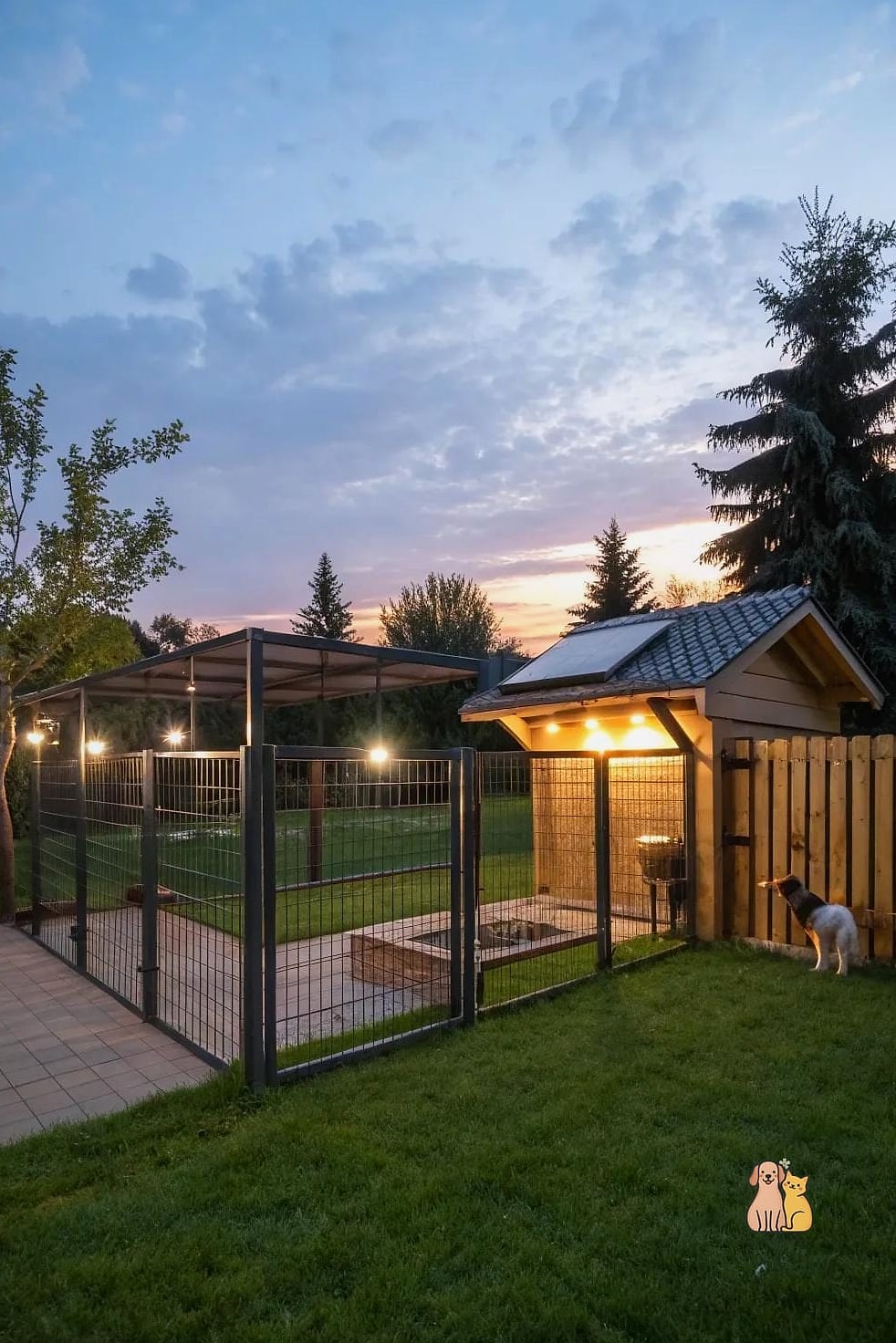
Adding solar-powered lighting to the top of your fence panels is a small touch that makes a big difference for evening yard time. It improves visibility for nighttime bathroom breaks and adds a nice ambient glow to your outdoor space. This pairs well with almost any fence style and is an easy weekend upgrade rather than a full fencing project.
Painted Picket Fence in a Bold Color
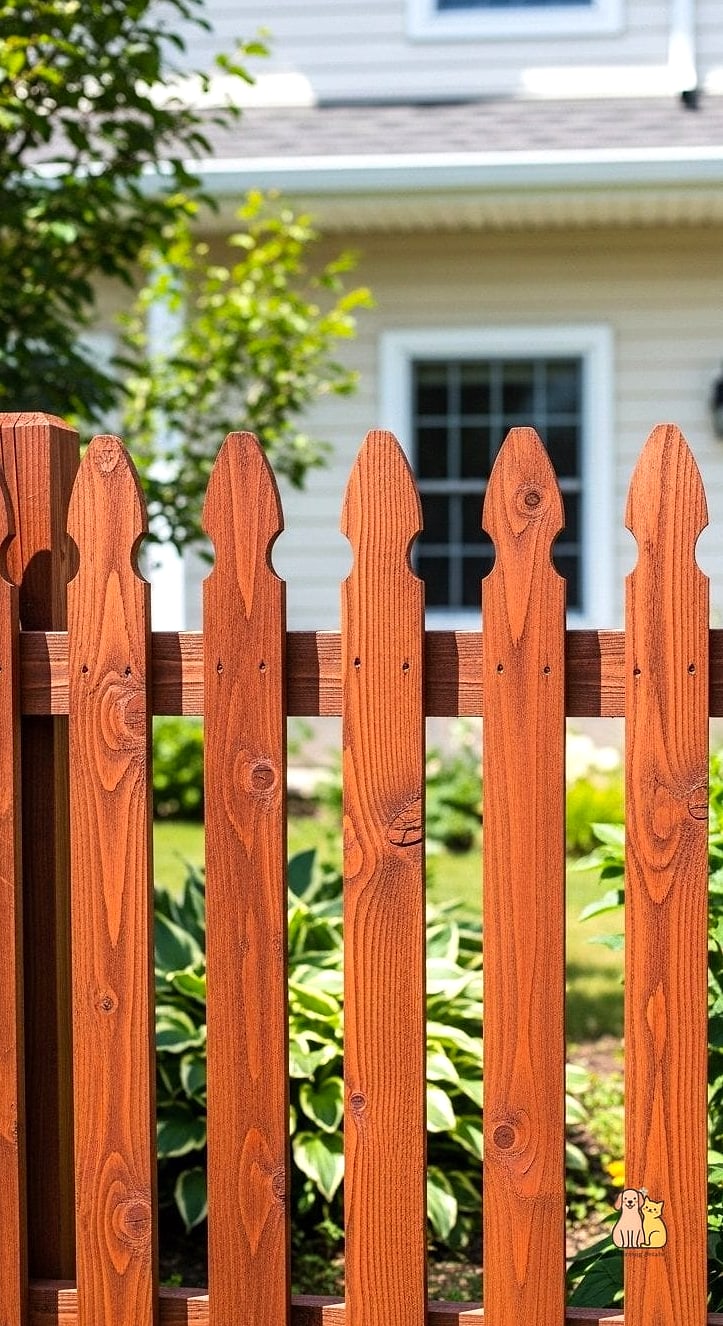
Who says fences have to be white or natural wood tone? A painted picket fence in a color like sage green, navy, or even a cheerful yellow can turn a purely practical structure into a real style statement. It’s a fun, budget-friendly way to personalize your yard, and repainting down the road is an easy refresh if you want a change.
Combination Fence with Mixed Materials
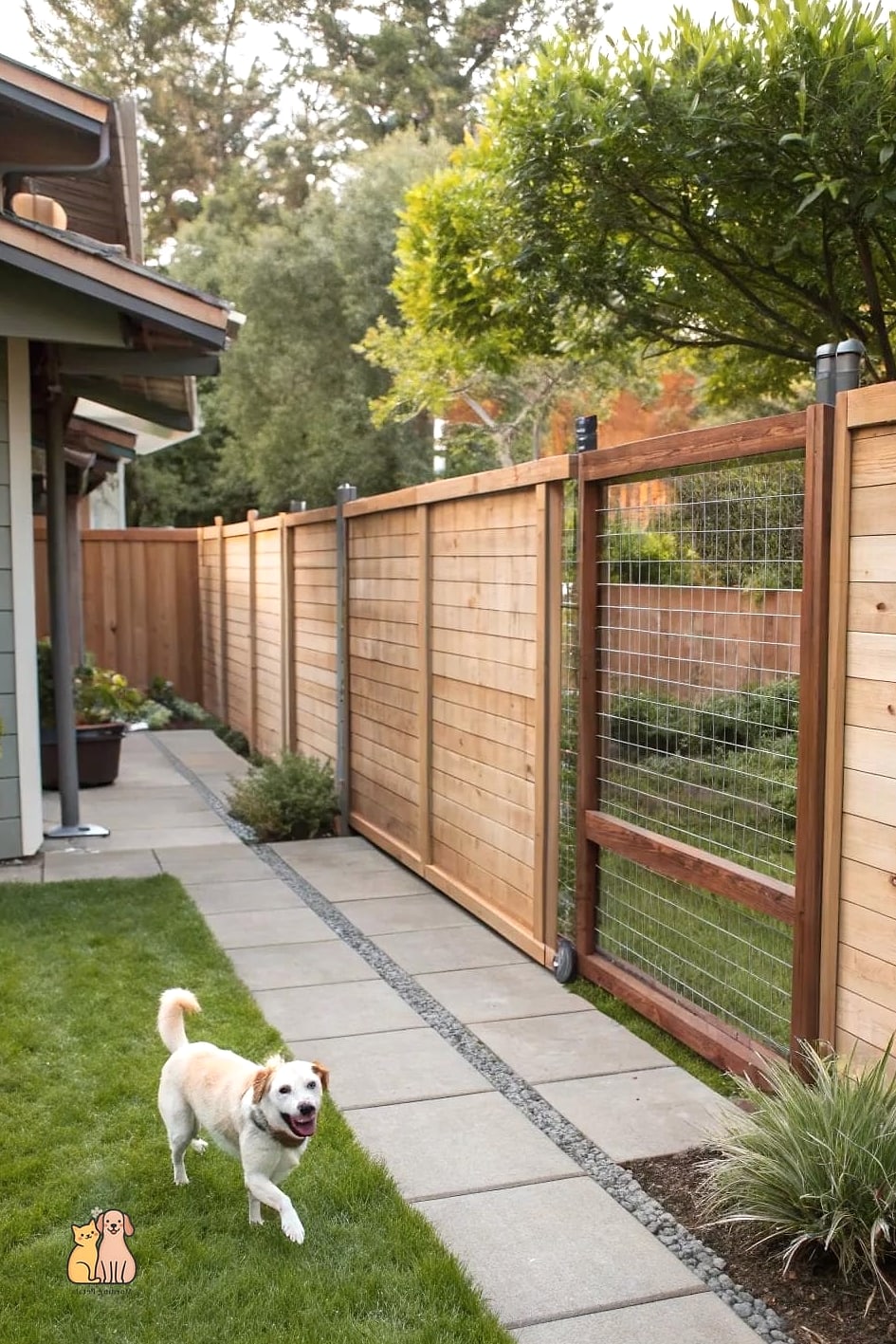
Some of the most interesting yards use a mix of materials, like wood posts with metal panel inserts, or stone pillars connecting sections of aluminum fencing. This approach lets you balance security, style, and budget depending on which part of the yard needs the most reinforcement. It’s a great option if different areas of your property have different needs, say, a high-traffic side yard versus a quiet back corner.
Whatever style catches your eye, the best dog fence is really the one that matches your dog’s personality, your yard’s layout, and your own sense of style. A fence should feel like part of your home, not just a barrier bolted onto it. Take your time, think about how your dog actually behaves outside, and you’ll land on a setup that keeps them safe while making your yard a place you actually enjoy spending time in too.