40 Easy Cat Door Ideas Your Pet Will Love
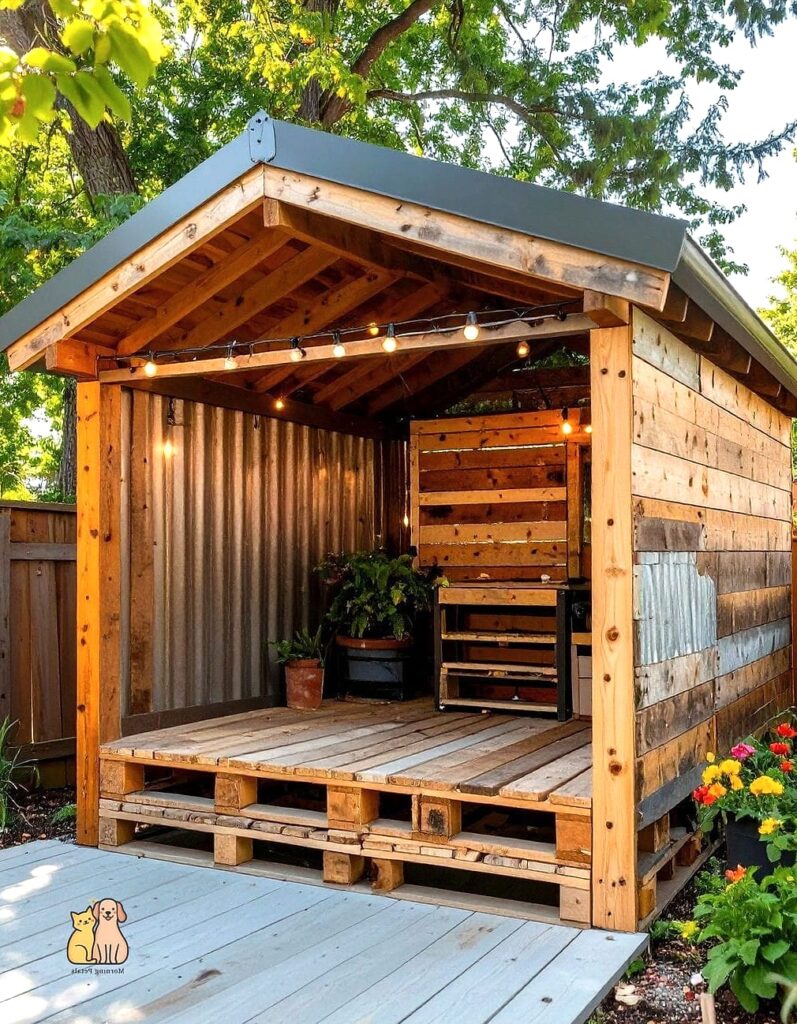
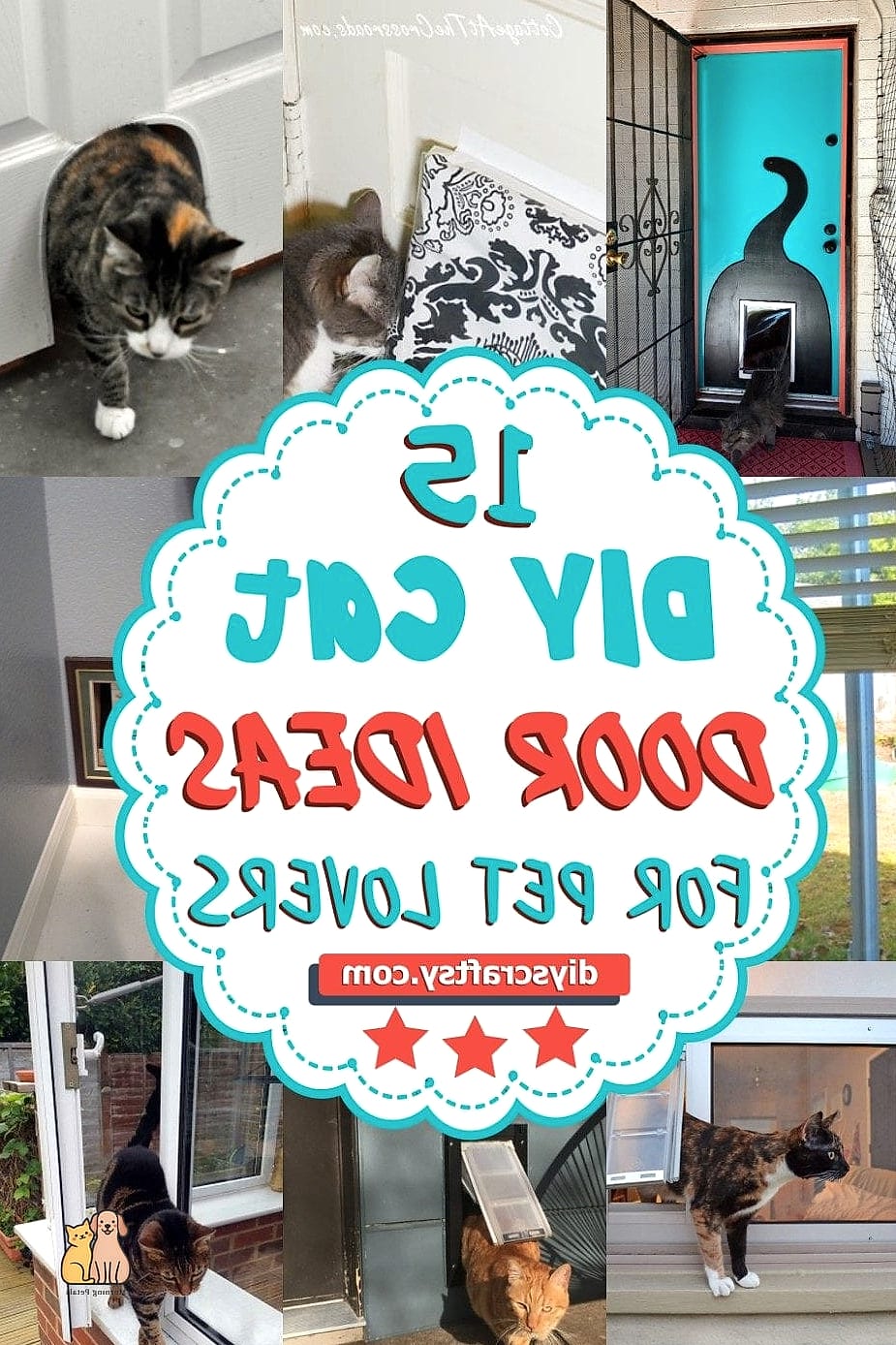
- Classic Flap-Style Door Insert
- Microchip-Activated Cat Door
- Sliding Glass Door Insert Panel
- Interior Wall Cat Door
- Cabinet-Style Pass-Through
- Screen Door Cat Flap
- Electronic Timed Access Door
- Weatherproof Exterior Cat Door
- Two-Way Locking Flap
- Hidden Baseboard Door
- DIY Cardboard Box Cat Door
- Barn-Style Mini Door
- Pet Door with Built-In Tunnel
- Magnetic Flap Door
- Garage Access Cat Door
- Cat Flap for French Doors
- Tall Cat Door for Senior Pets
- Smart App-Controlled Door
- Litter Room Curtain Door
- Cat Door with Integrated Cat Flap Cover
- Basement Stairwell Door
- Painted Wooden Cat Door Frame
- Cat Door Leading to a Catio
- Retractable Screen Cat Door
- Cat Door Disguised as Wall Art
- Heavy-Duty Farm Cat Door
- Cat Door for Apartment Balconies
- Puzzle-Style Cat Door
- Vintage Brass Cat Flap
- Cat Door with Built-In Night Light
- Modular Cat Door Kit
- Cat Door for Multi-Cat Households
- Cat Door into a Sunroom
- Cat Door with Anti-Theft Lock
- Cat Door for Tiny Homes
- Cat Door Leading to a Heated Room
- Cat Door with Clear Acrylic Panel
- Cat Door Built Into a Pet Gate
- Cat Door for Outdoor Feeding Stations
- Custom-Built Cat Door for Historic Homes
40 Easy Cat Door Ideas Your Pet Will Love
If you’ve ever stood at a closed door listening to your cat scratch and meow like the world is ending, you already know why cat doors exist. Giving your cat freedom to come and go on their own terms cuts down on stress for both of you. Whether you’re working with a tiny apartment or a sprawling house, there’s a cat door idea here that fits your space, your budget, and your cat’s personality.
Classic Flap-Style Door Insert
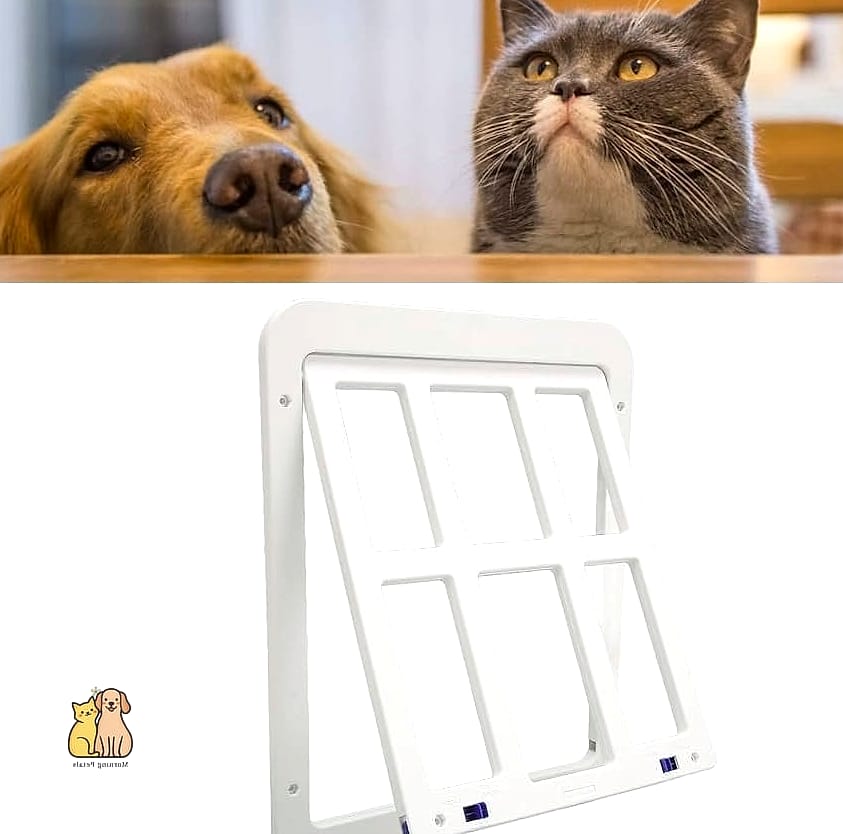
This is the simplest option most people picture first. A small hinged flap sits at the bottom of an interior or exterior door, letting your cat push through with a gentle nudge. It’s budget-friendly, easy to install, and works well for confident cats who aren’t spooked by movement.
Microchip-Activated Cat Door
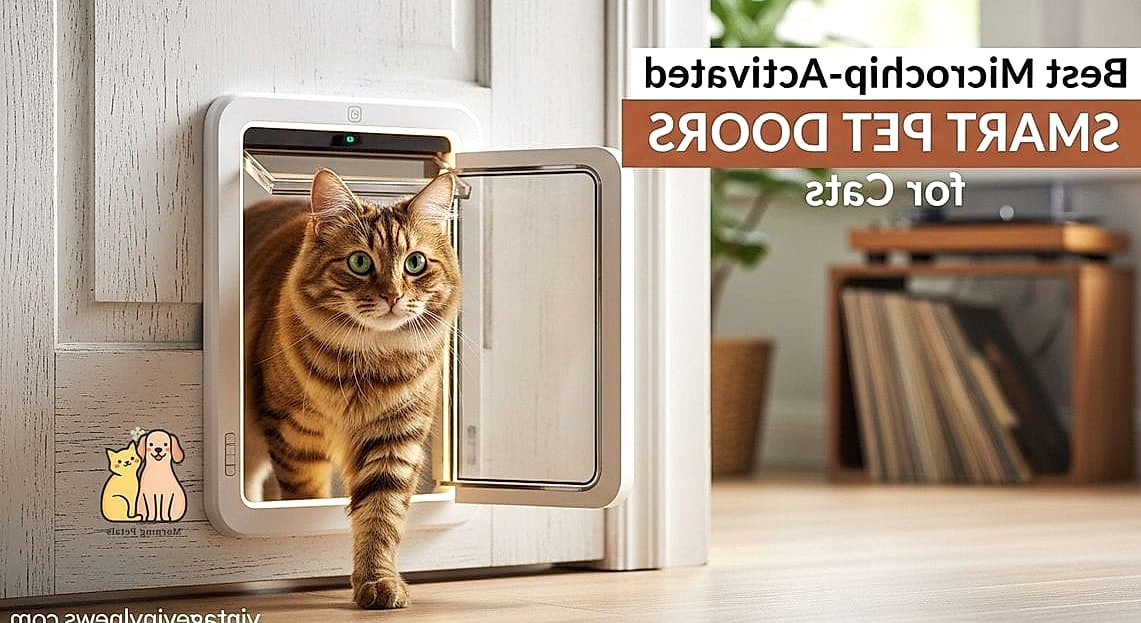
For households with multiple pets or curious neighborhood cats wandering by, a microchip-reading door only unlocks for your cat’s specific chip number. It’s a bit pricier but genuinely worth it if you’re tired of raccoons or the neighbor’s cat letting themselves into your kitchen.
Sliding Glass Door Insert Panel
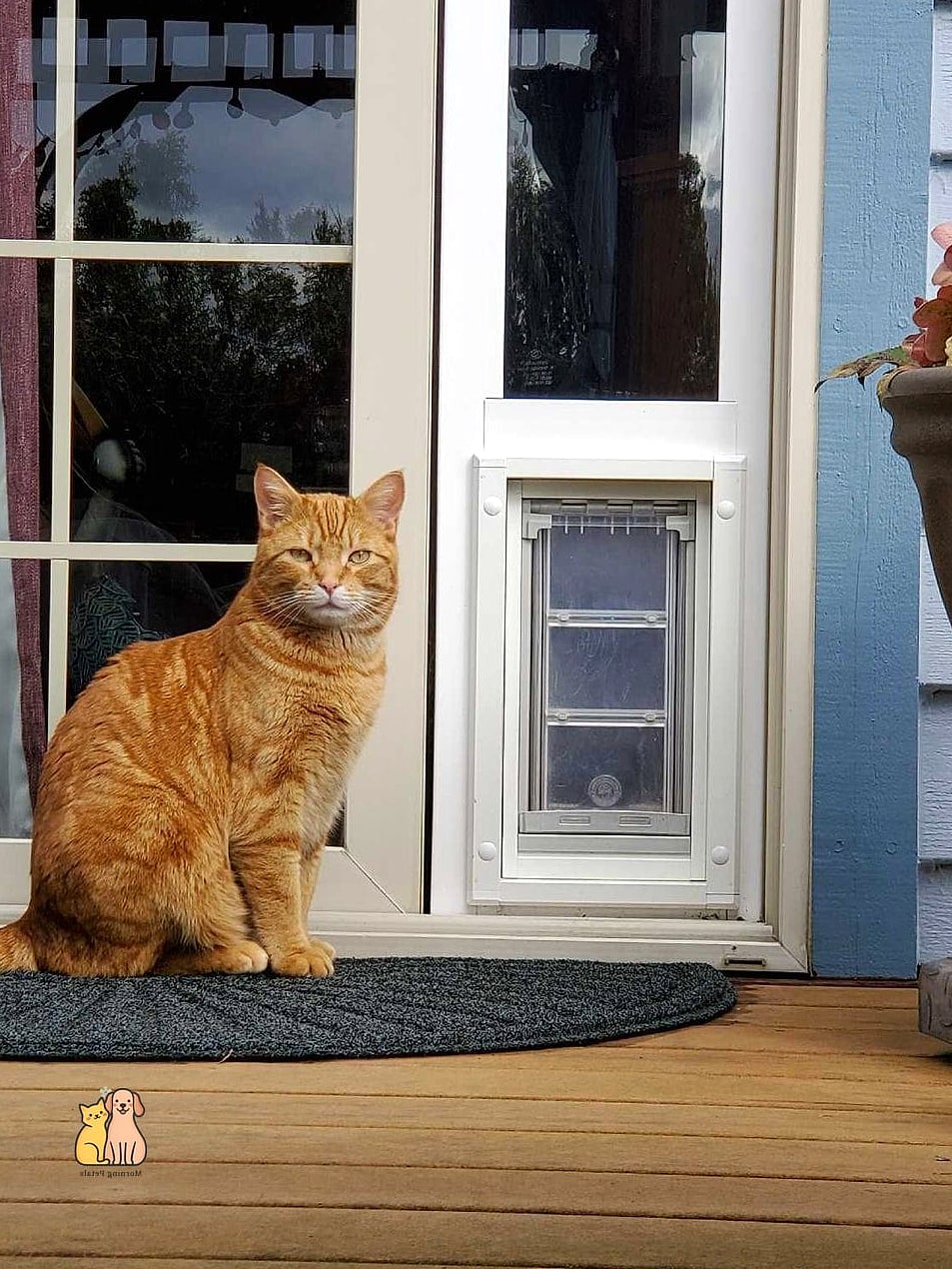
Instead of cutting into your actual door, this panel replaces one section of track on a sliding glass door. Renters love this one because it requires zero permanent modification and can be removed when you move.
Interior Wall Cat Door
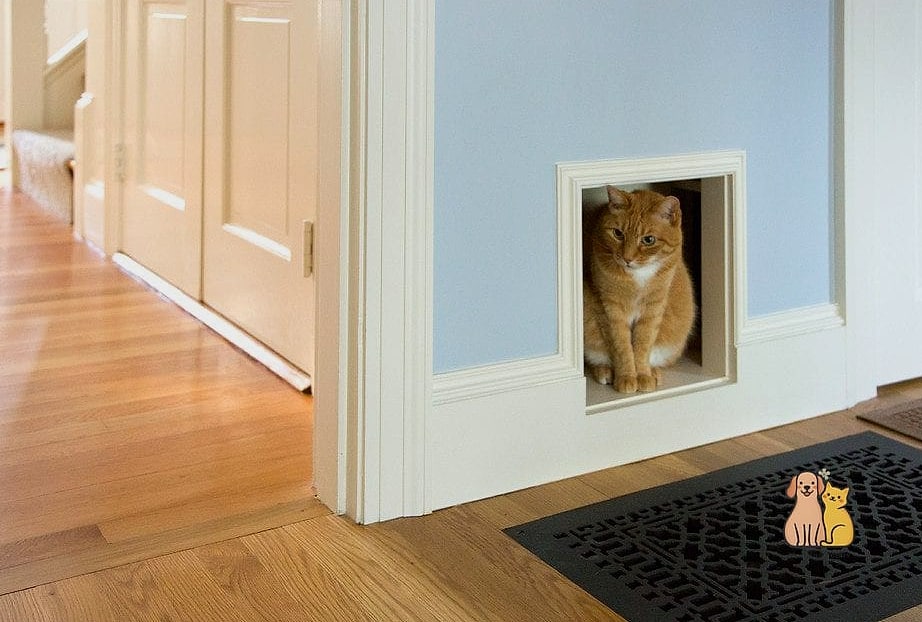
Cut directly into drywall between two rooms, this option is great for giving your cat private access to a litter box room while keeping dogs or toddlers out. Add a small decorative frame around it and it barely looks out of place.
Cabinet-Style Pass-Through
Some owners install a small door low on a cabinet or built-in unit so cats can access a hidden litter box tucked inside furniture. It hides the mess completely and works beautifully in small apartments where floor space is tight.
Screen Door Cat Flap
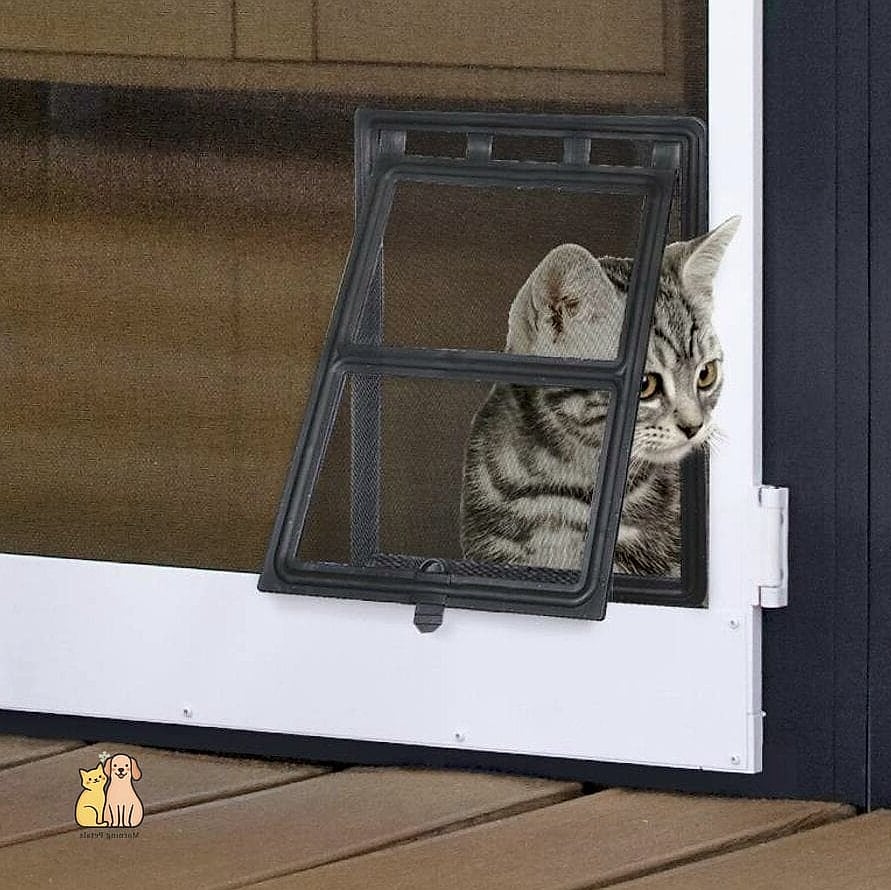
A flap built specifically for screen doors lets your cat access a catio enclosure or porch without you needing to install anything in the actual door frame. It’s ideal for warmer climates where the screen door stays in near-constant use.
Electronic Timed Access Door
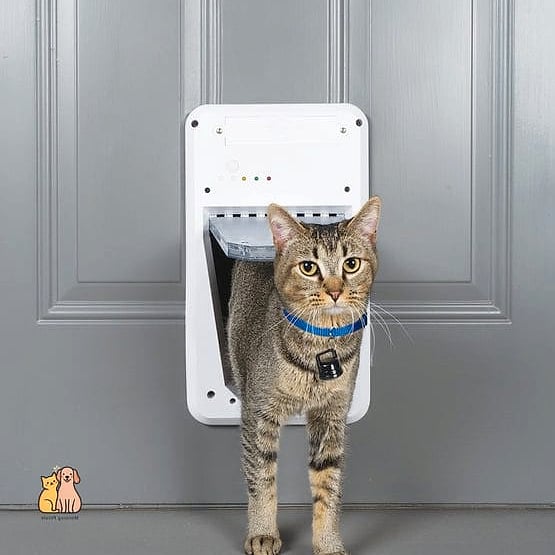
This type lets you schedule exactly when the door unlocks, which is handy if you want your cat inside overnight and outside during the day. Great for households with strict indoor-outdoor routines.
Weatherproof Exterior Cat Door
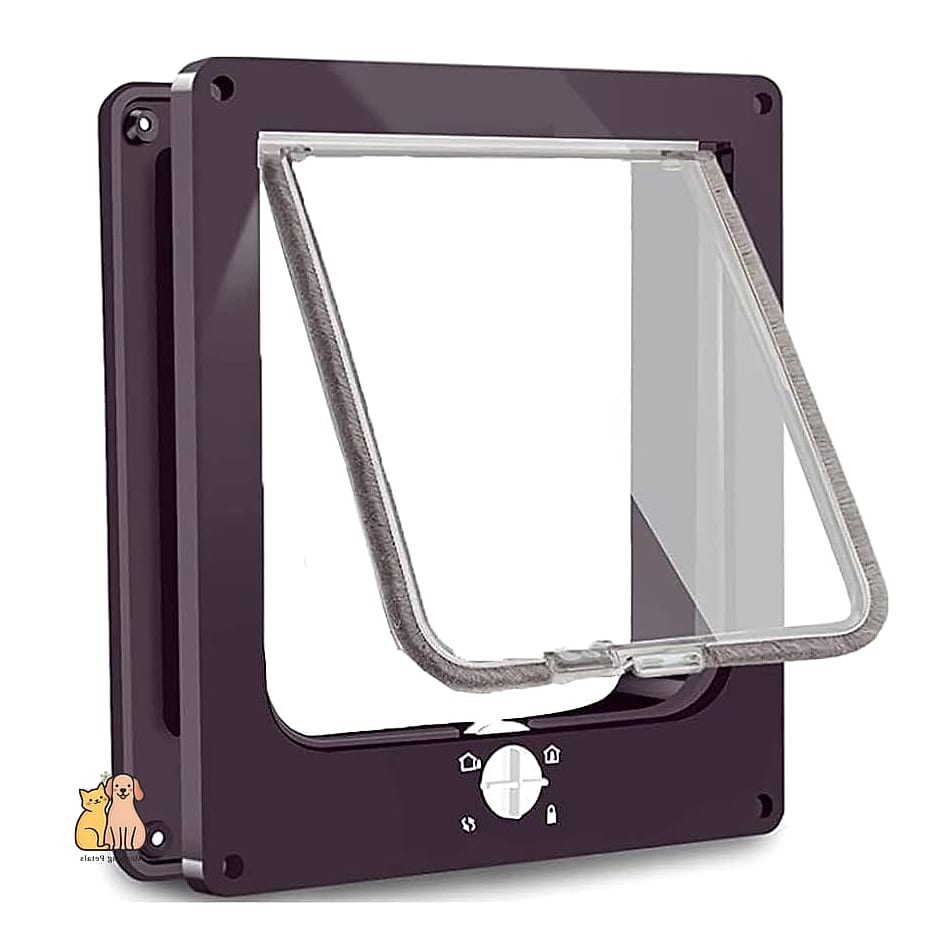
Built with an insulated flap and a magnetic seal, this style keeps drafts out during colder months. It’s a smart pick if your cat insists on outdoor access year-round regardless of the weather.
Two-Way Locking Flap
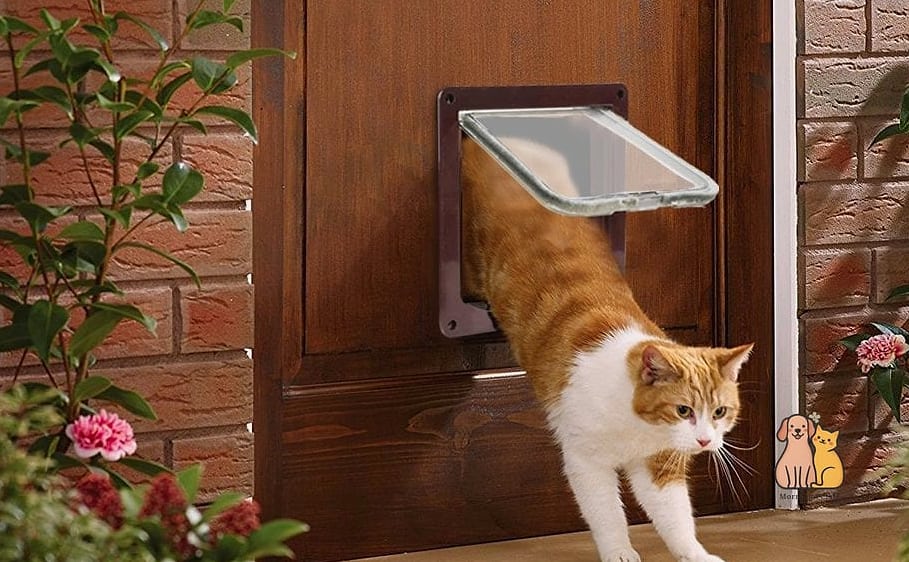
This design lets you control direction, so your cat can go out but not come back in, or vice versa, at the flip of a switch. Useful during vet visits, grooming days, or when you’re trying to keep them in overnight.
Hidden Baseboard Door
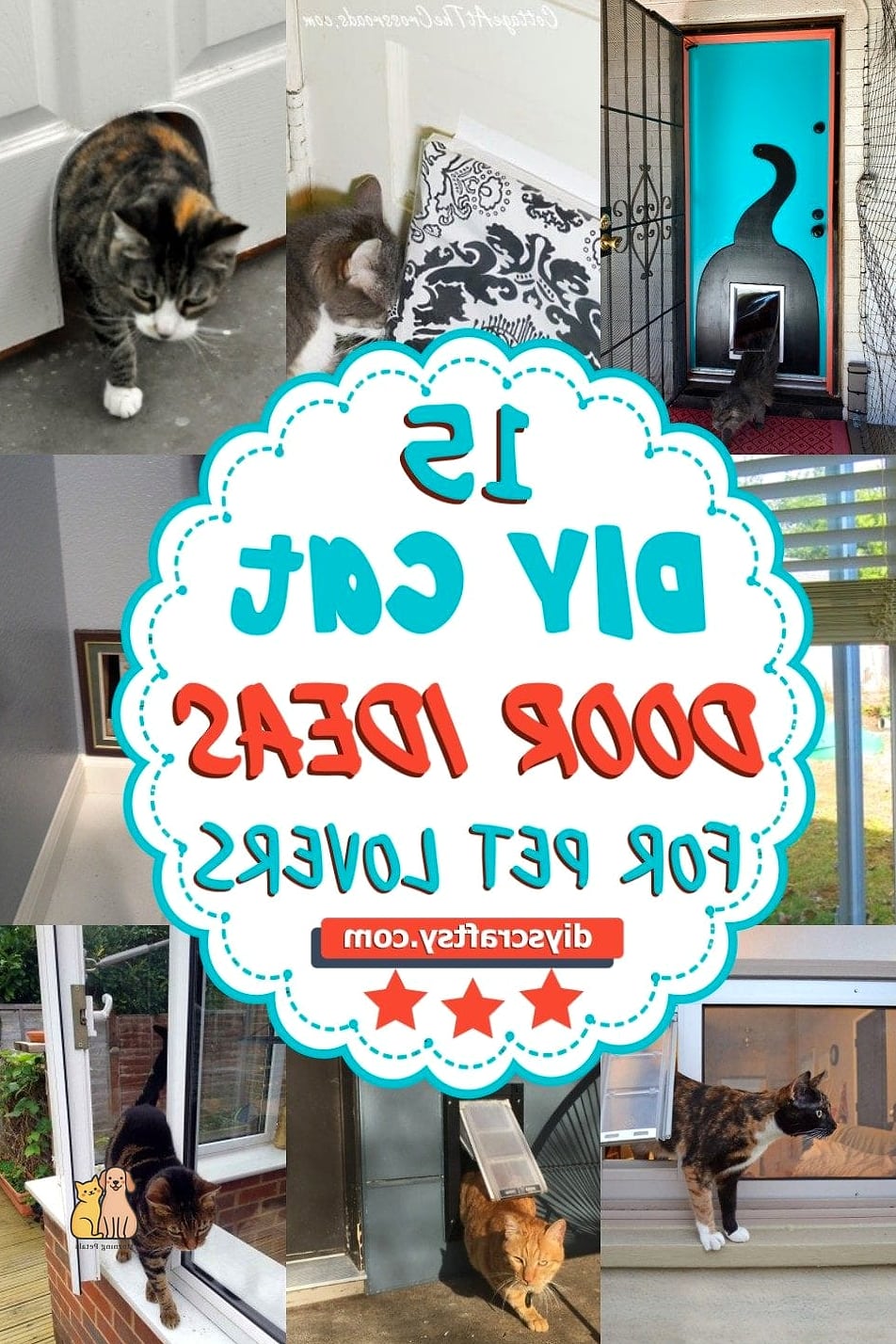
Built to blend into your home’s trim, this option sits low along the baseboard and is nearly invisible once painted to match. It’s a favorite among owners who care about interior design as much as function.
DIY Cardboard Box Cat Door
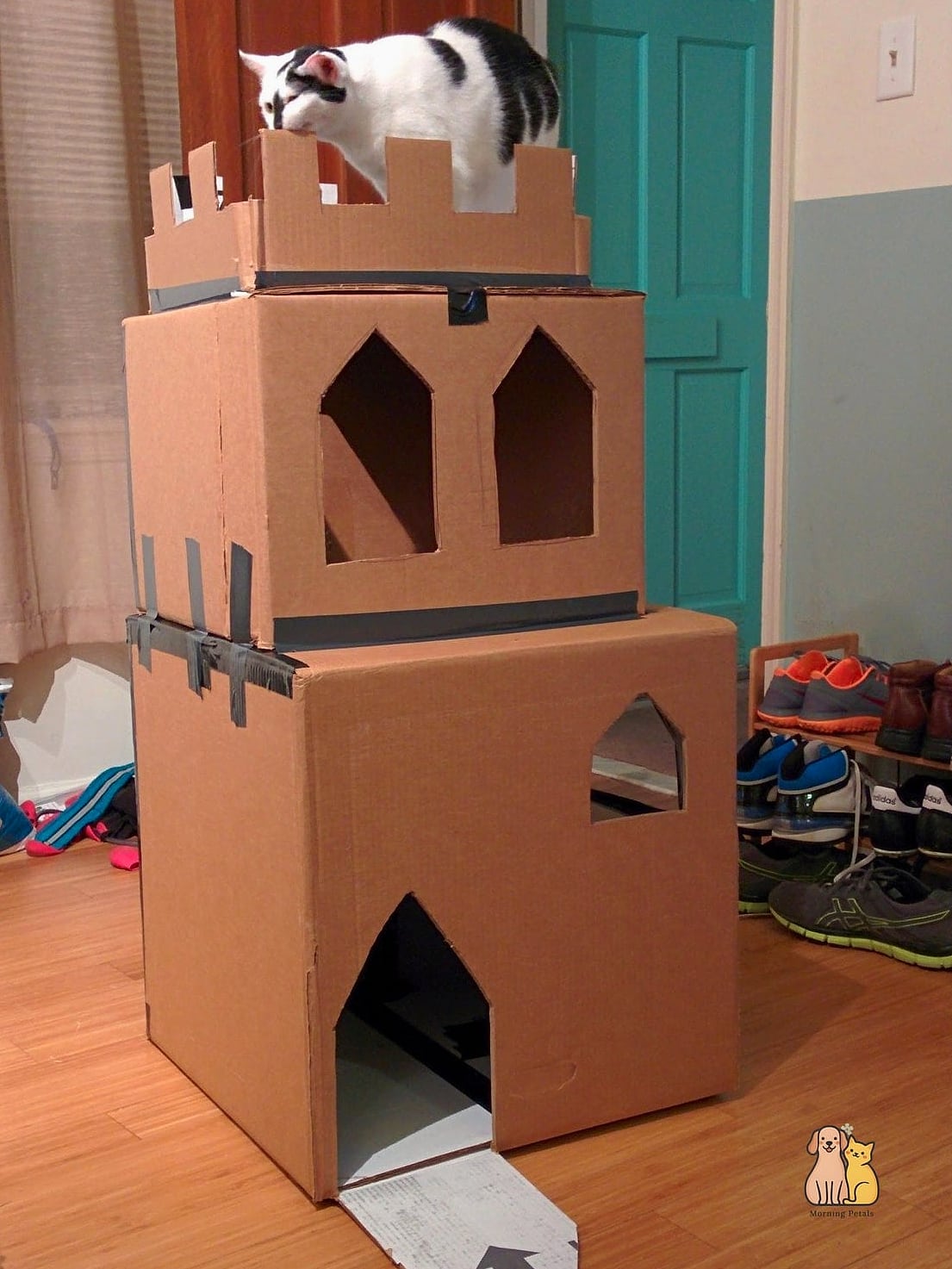
For a quick, no-cost experiment, cut a doorway shape into a sturdy cardboard box and place it in a doorway threshold. It won’t last forever, but it’s a great way to test whether your cat will actually use a door before committing to something permanent.
Barn-Style Mini Door
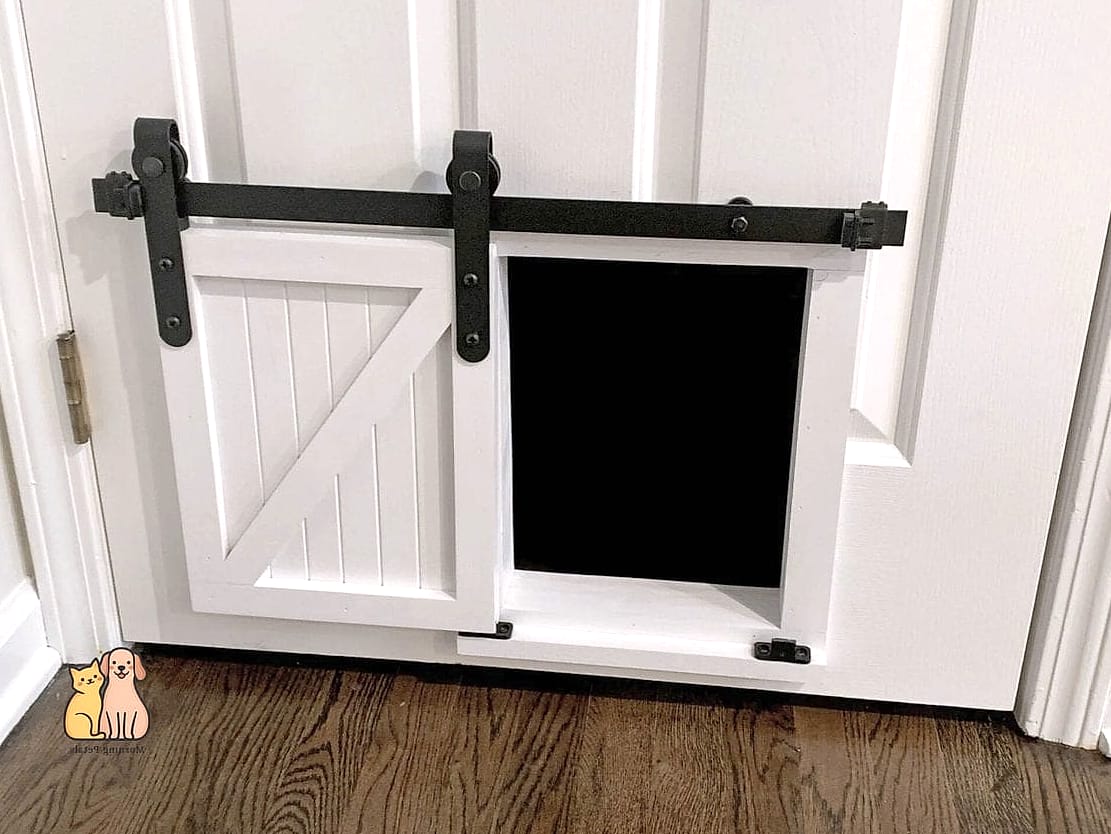
Styled like a tiny barn door with a sliding mechanism, this idea suits farmhouse or rustic home decor. It adds a decorative touch while still functioning as a real access point for your cat.
Pet Door with Built-In Tunnel
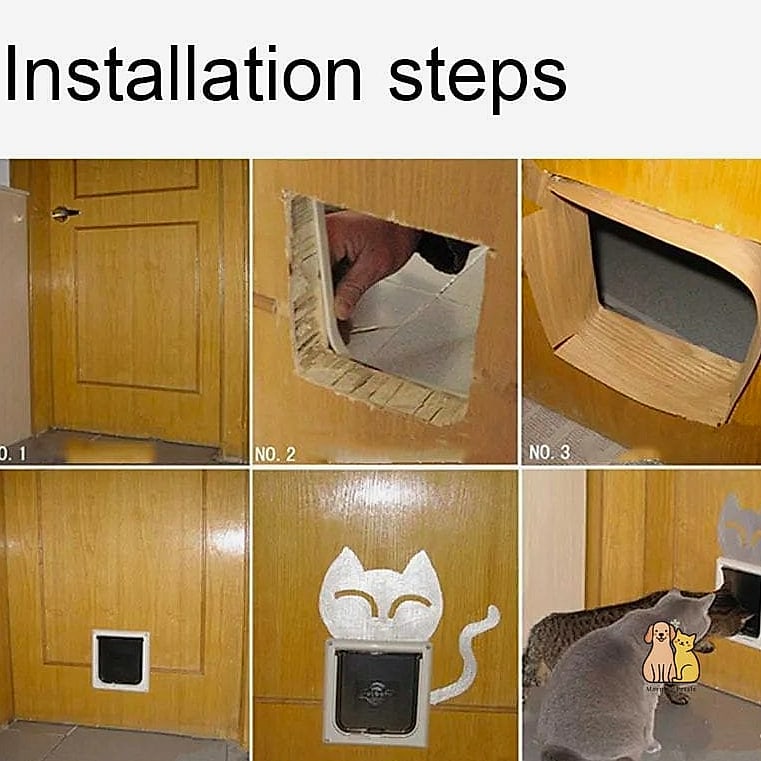
Designed for thicker walls, this style includes a short tunnel piece connecting both sides of the opening. It’s especially useful for insulated exterior walls where a flat panel wouldn’t reach all the way through.
Magnetic Flap Door
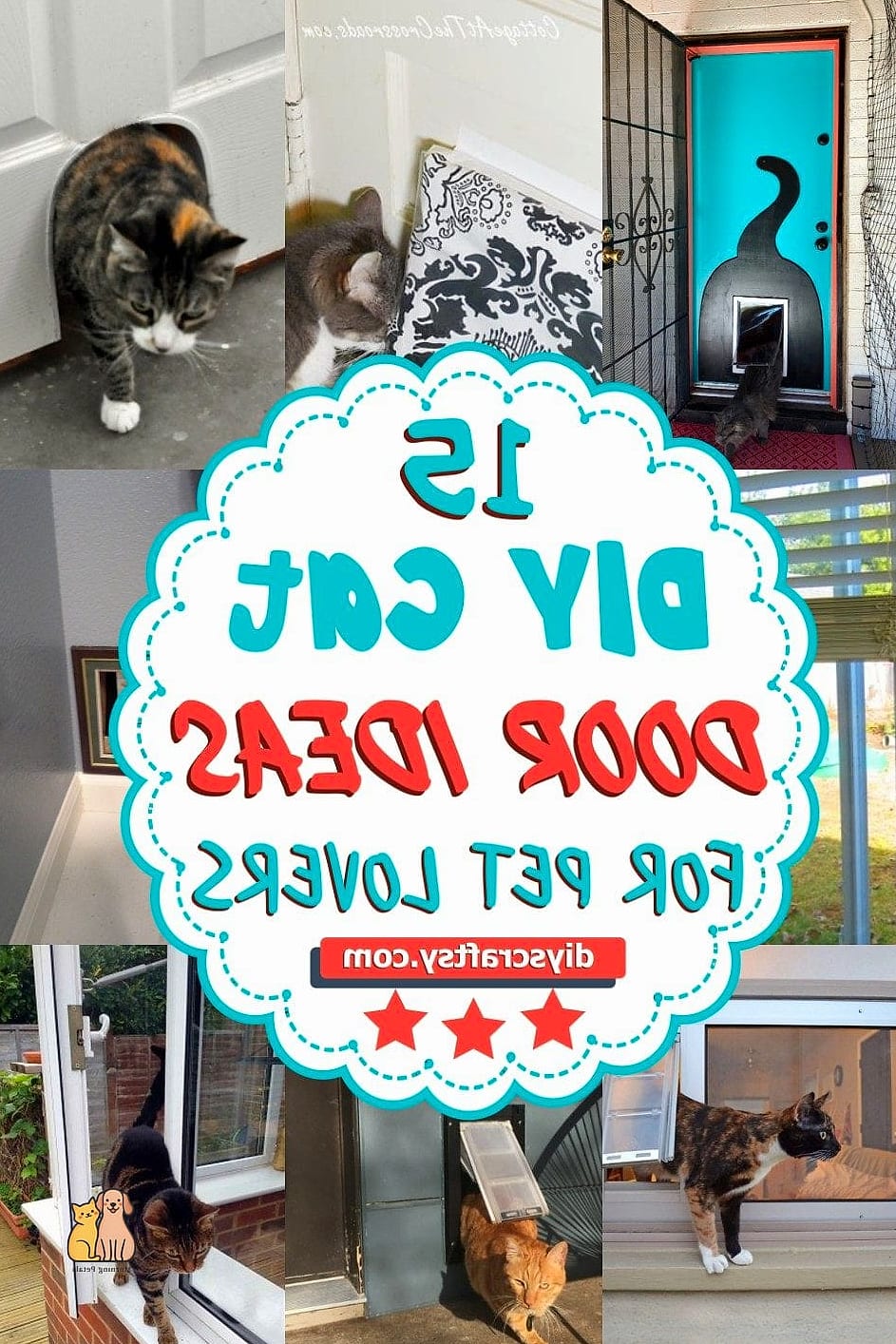
Instead of a simple hinge, this version uses magnets to keep the flap sealed shut when not in use. It reduces drafts and rattling noise, which matters a lot if your cat uses the door frequently at night.
Garage Access Cat Door
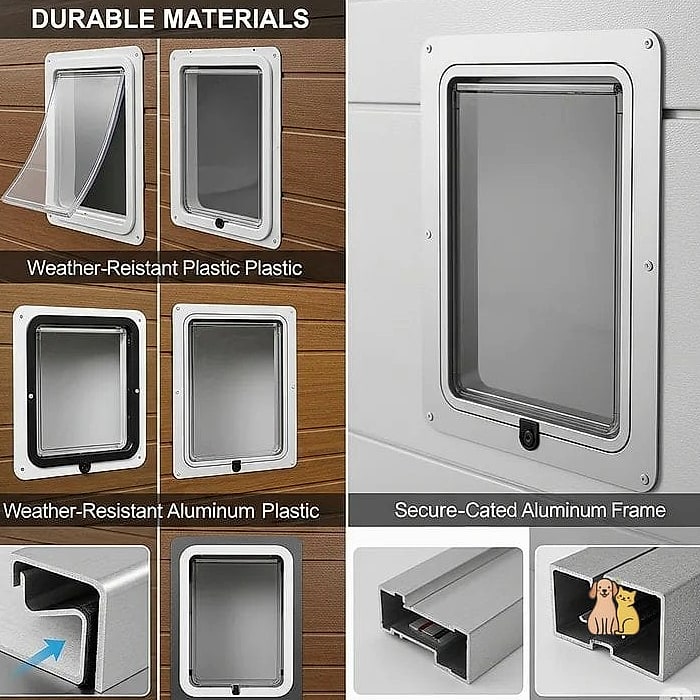
If your cat’s food station or litter box lives in the garage, a small door installed in the interior garage entry door keeps that space accessible without leaving the whole door propped open.
Cat Flap for French Doors
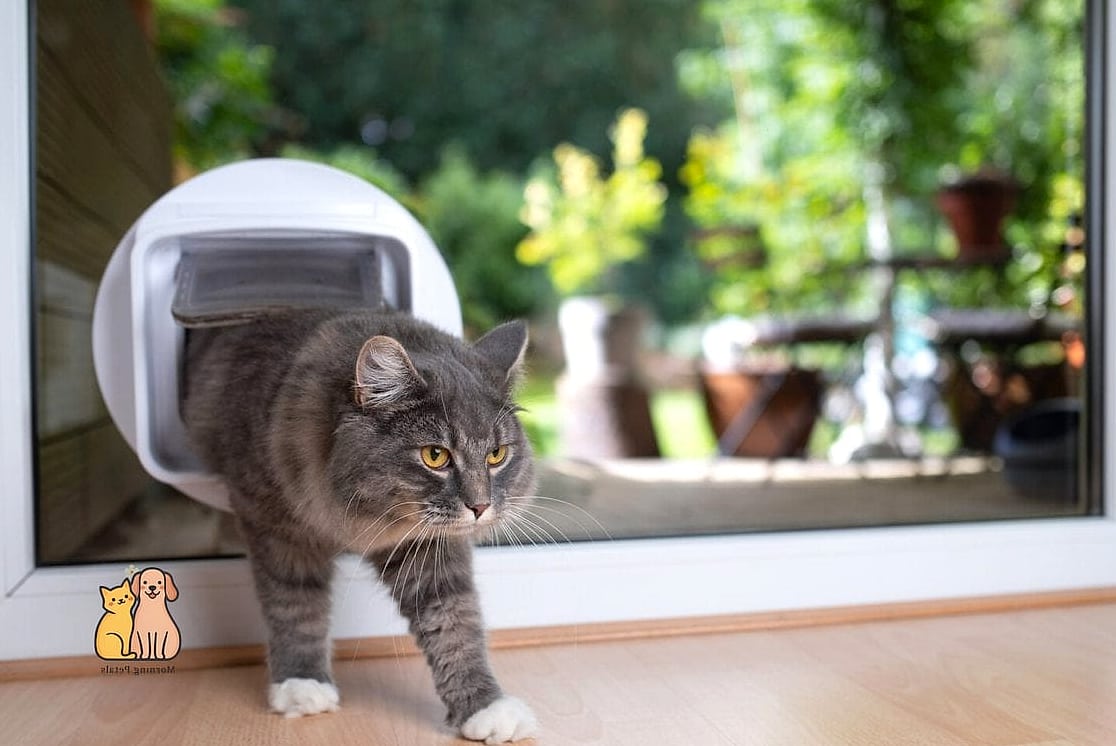
Installed low on one panel of a French door, this option keeps the elegant look of the doors intact while giving your cat a dedicated entry point. It works nicely in older homes with classic architectural details.
Tall Cat Door for Senior Pets
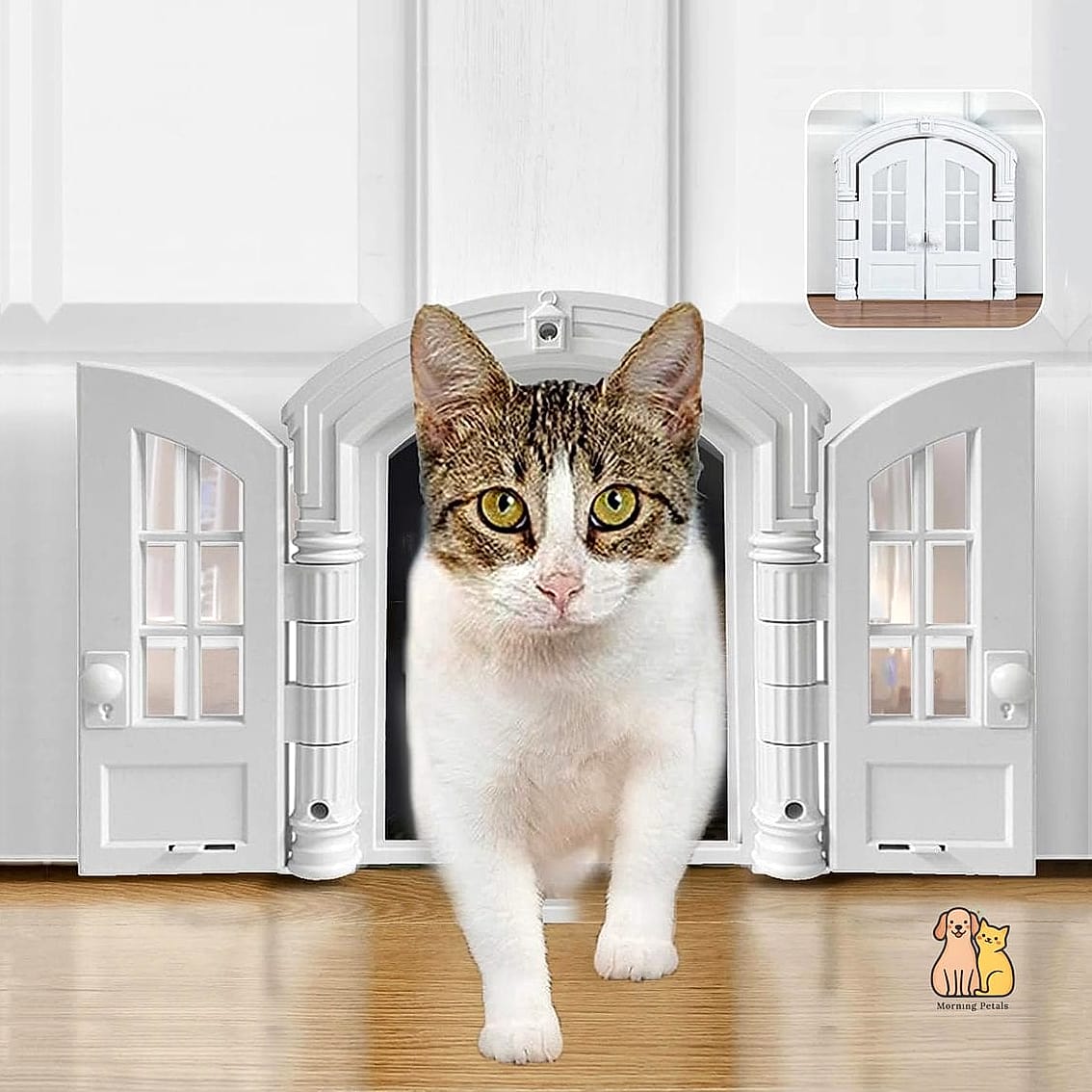
Raised slightly higher off the ground with a gentler slope, this design helps senior cats or those with joint issues avoid straining to step through. It’s a thoughtful upgrade if your cat has slowed down with age.
Smart App-Controlled Door
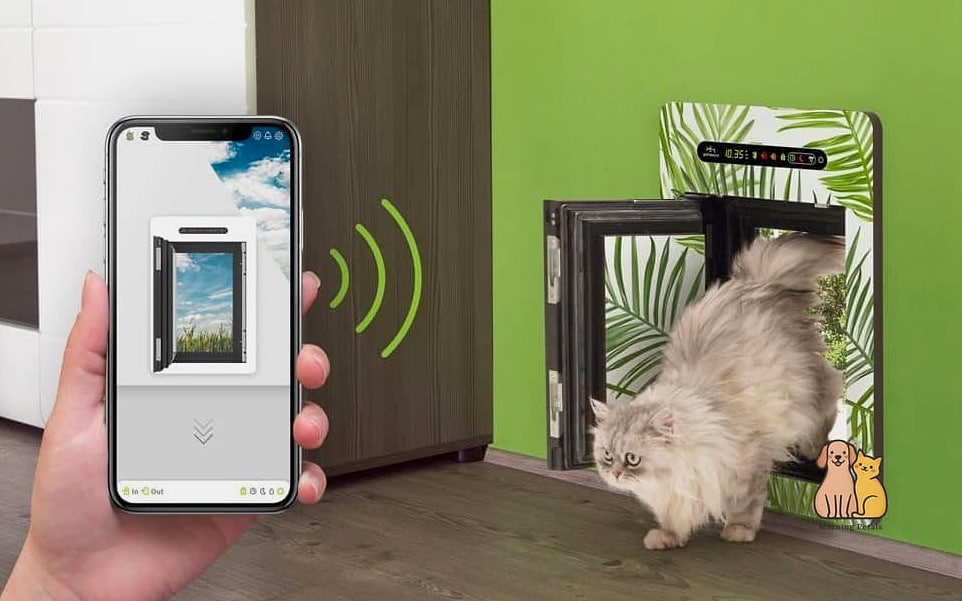
Connected to your phone, this type lets you lock, unlock, or check usage history remotely. Useful for tracking how often an indoor-outdoor cat is actually going outside, especially if you’re monitoring their activity for health reasons.
Litter Room Curtain Door
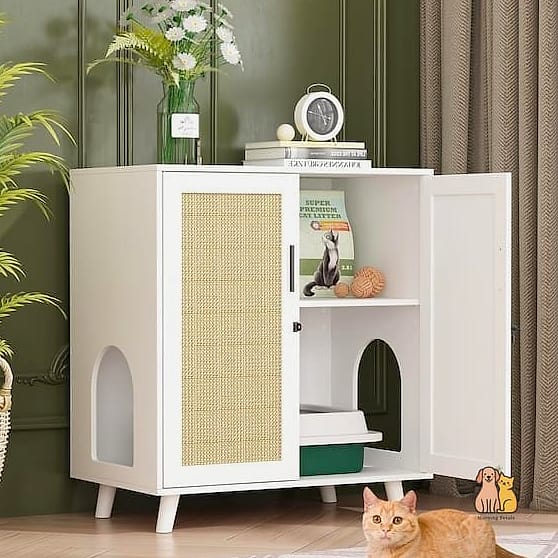
A heavy vinyl strip curtain hung in a doorway lets cats pass through freely while blocking litter smell and dust from drifting into other rooms. It’s inexpensive and easy to hang without tools.
Cat Door with Integrated Cat Flap Cover
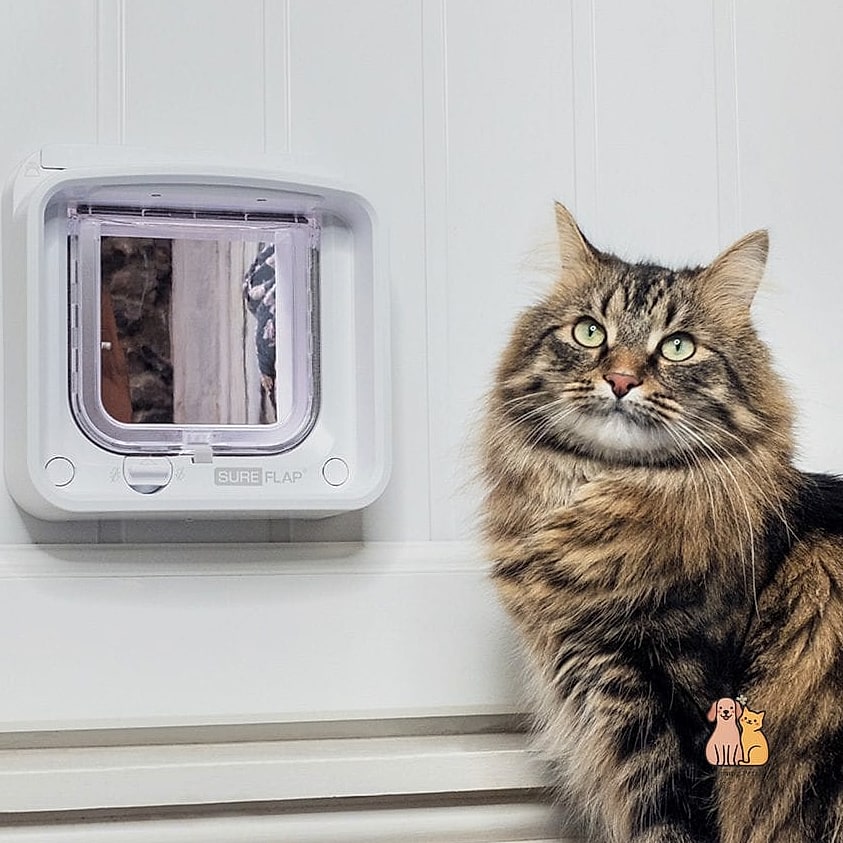
Some designs include a decorative cover or shutter you can close over the flap entirely when it’s not needed. This is handy for cats who go through phases of wanting outdoor access and phases of staying strictly indoors.
Basement Stairwell Door
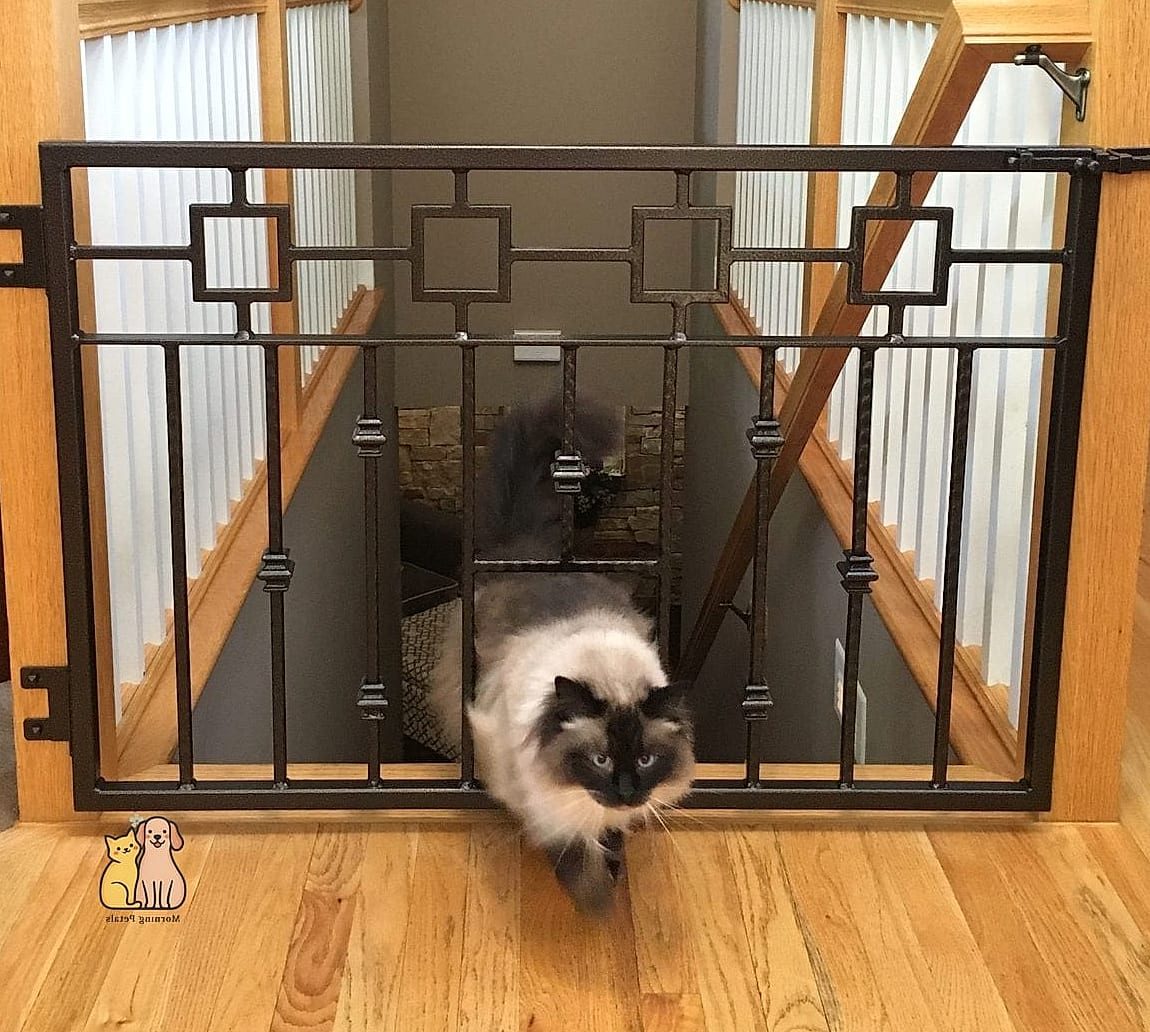
Installed at the top or bottom of basement stairs, this keeps your cat from being trapped upstairs while still restricting other pets or small children from wandering down alone.
Painted Wooden Cat Door Frame
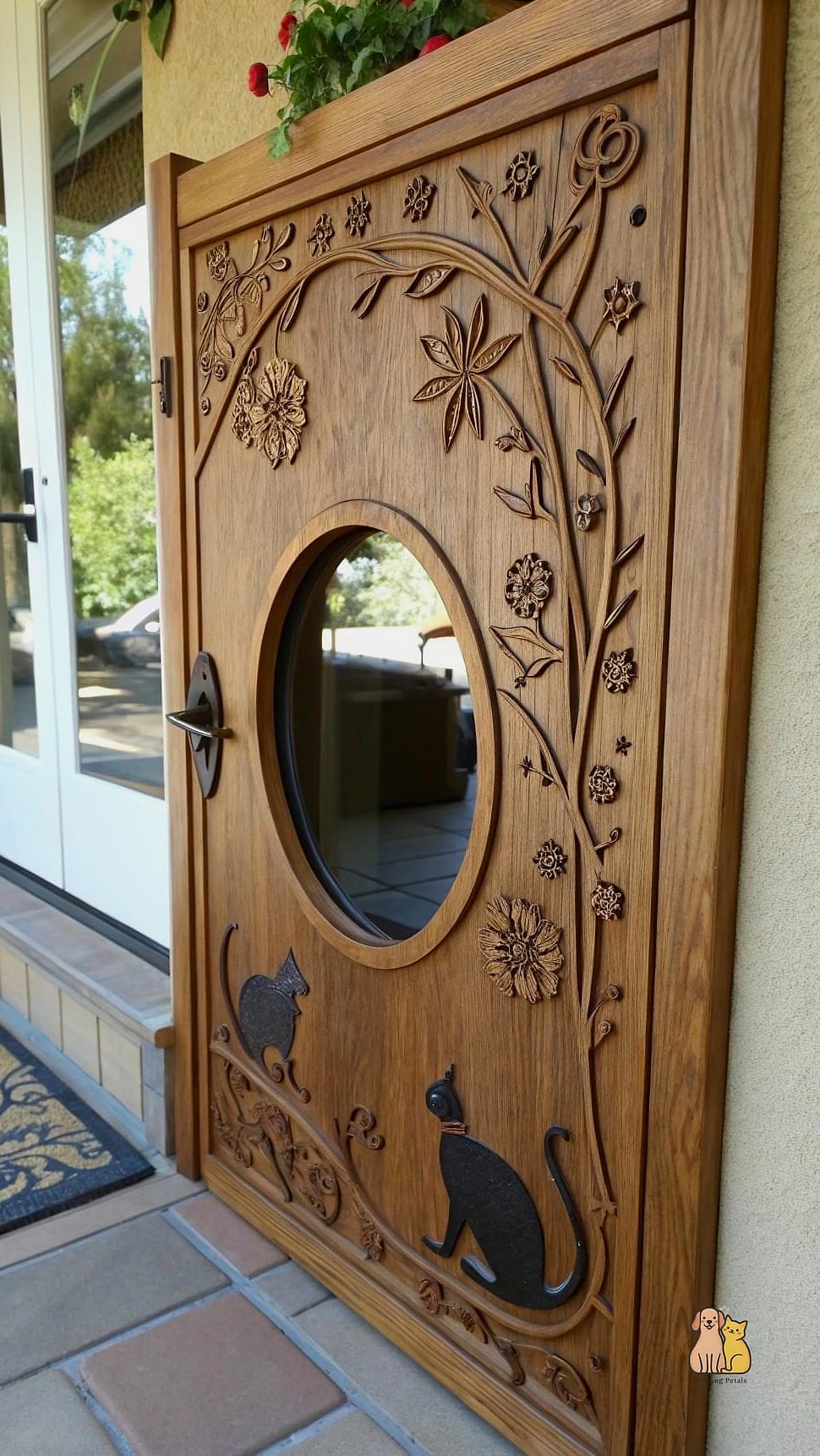
A plain flap gets a personality boost with a hand-painted wooden frame around it, decorated in colors that match your room. Cat owners who love DIY projects often turn this into a fun weekend craft.
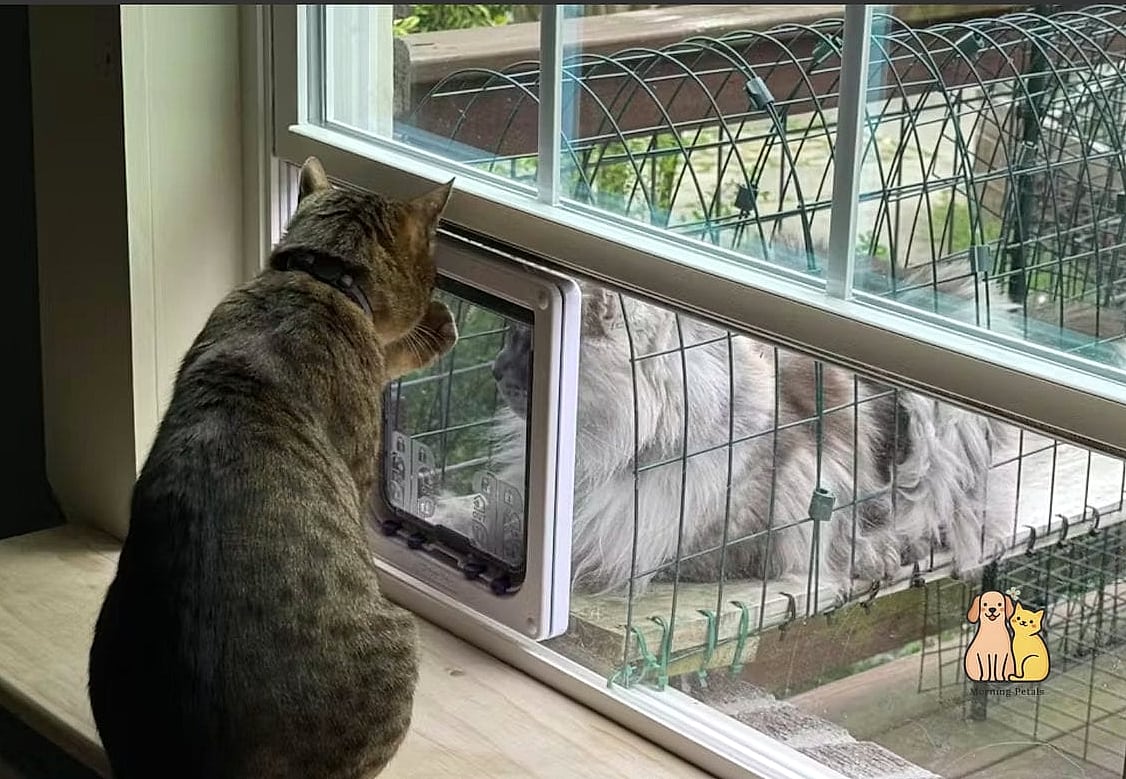
Cat Door Leading to a Catio
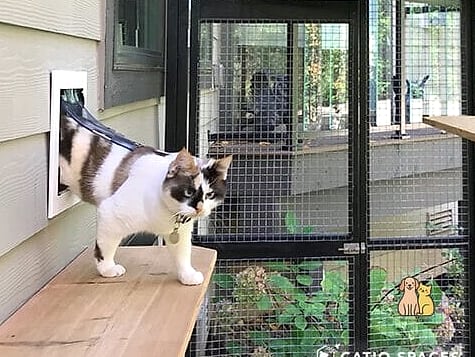
This one connects directly to an outdoor catio enclosure, giving your cat fresh air and sunshine without the risks of full outdoor roaming. It pairs well with a scratch post or window perch just inside for easy transitions.
Retractable Screen Cat Door
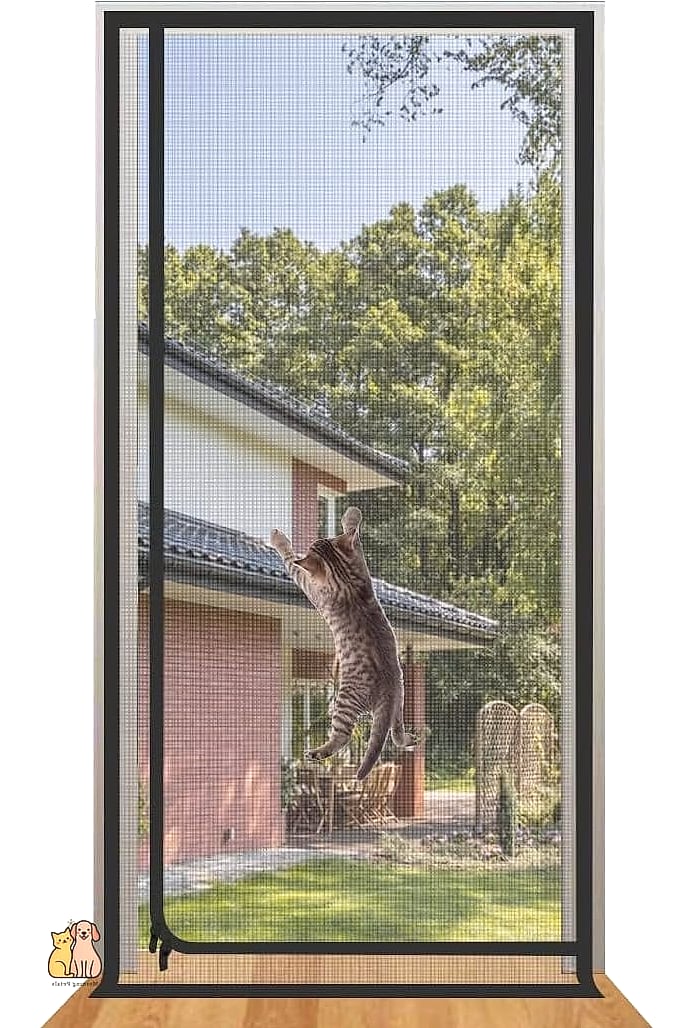
A magnetic retractable screen with a built-in flap keeps bugs out while still letting your cat come and go through a regular open doorway. Great for summer months when you want airflow without a swarm of flies.
Cat Door Disguised as Wall Art
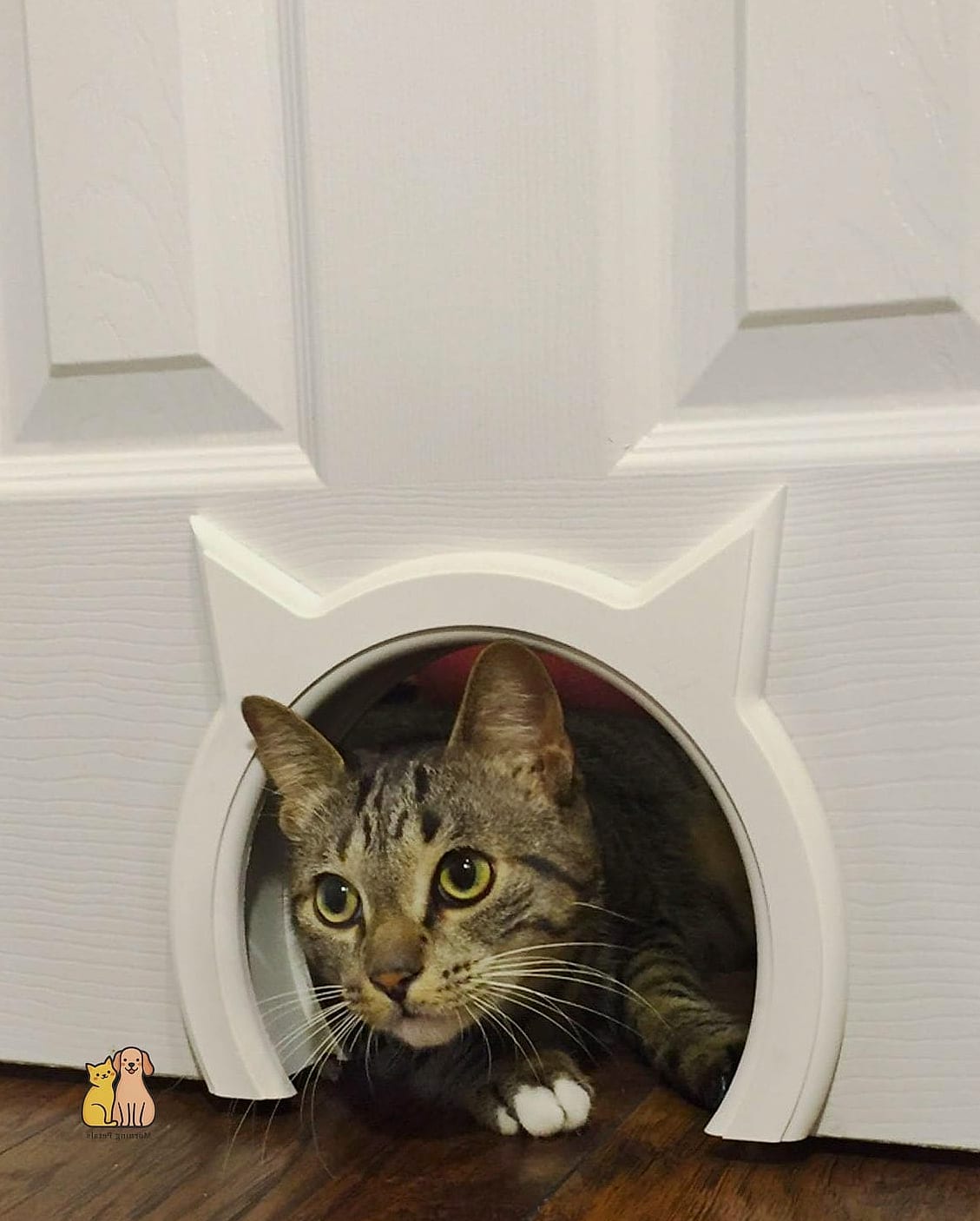
A small framed opening styled to look like a piece of wall decor keeps things visually interesting. It’s a fun option for owners who want their cat door to double as a conversation piece.
Heavy-Duty Farm Cat Door
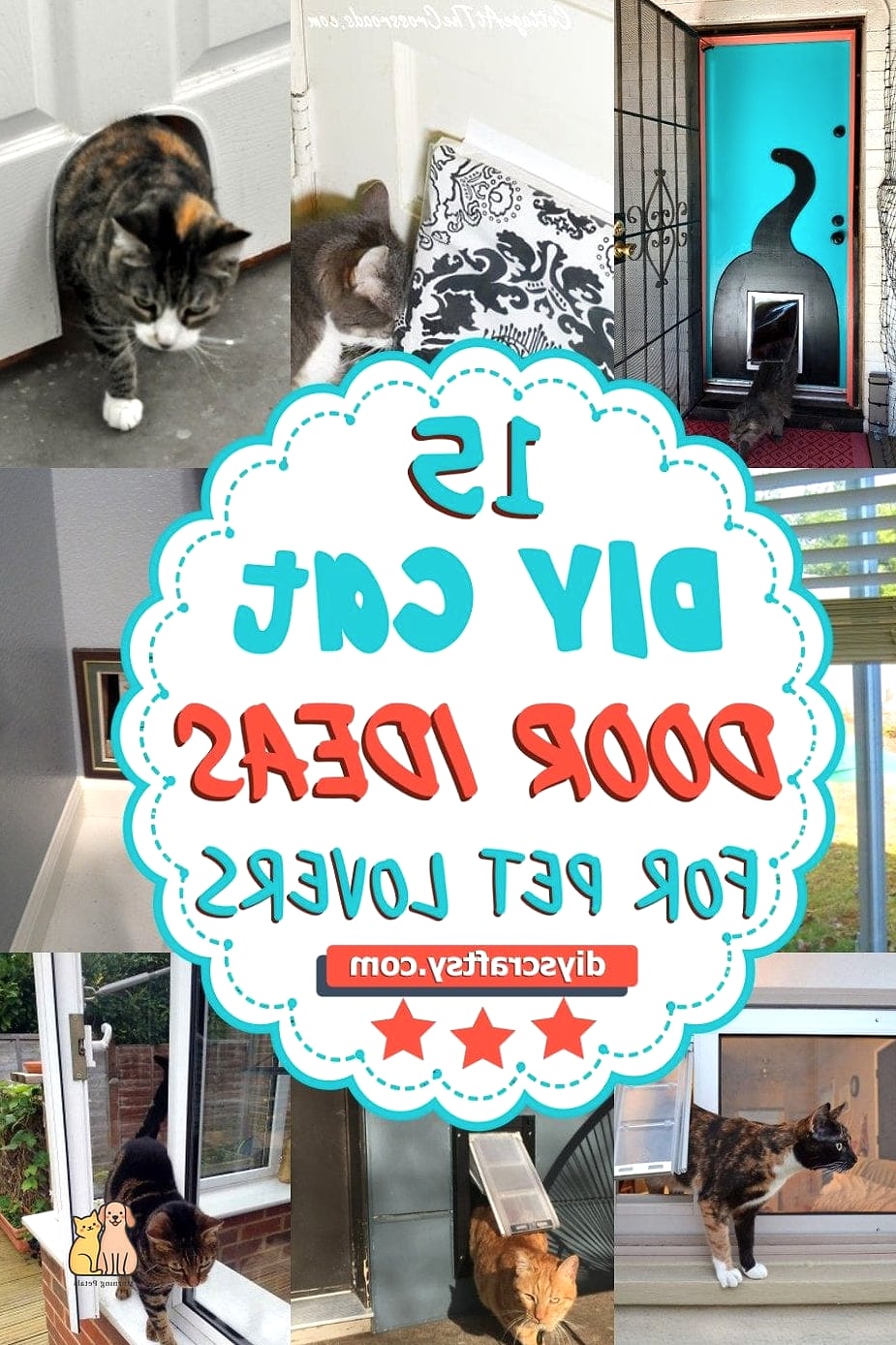
Built from thicker materials to withstand outdoor barns or sheds, this option suits farm cats or those living in rural properties with rougher weather conditions and more wear and tear.
Cat Door for Apartment Balconies
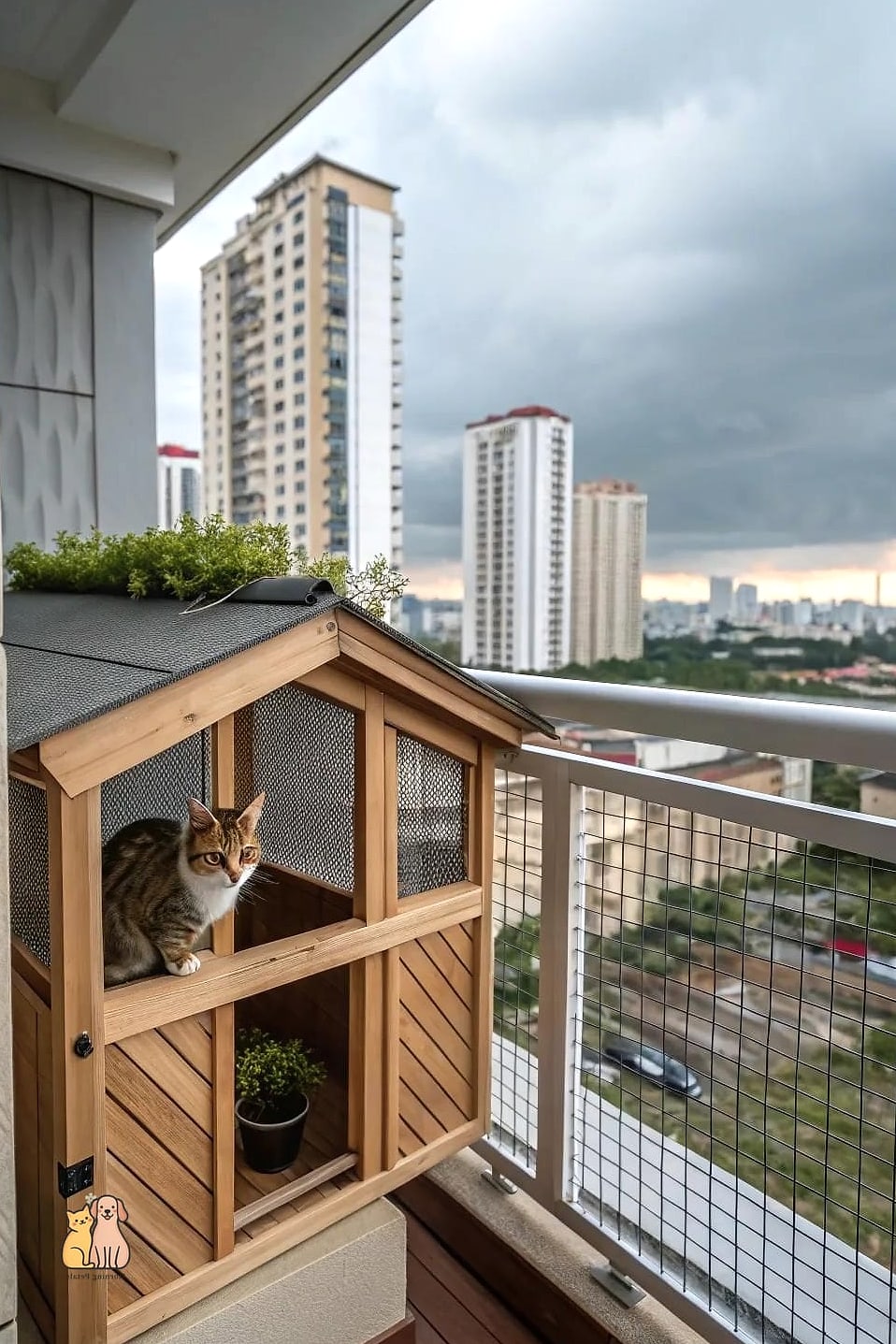
Installed in a sliding balcony door insert, this lets apartment cats enjoy a screened-in balcony safely. Always pair this with secure netting since falls remain a real risk for high-rise apartments.
Puzzle-Style Cat Door
Some flaps include a light resistance mechanism that encourages cats to push a bit harder, which doubles as light enrichment for food-motivated or high-energy cats who need a bit of mental stimulation.
Vintage Brass Cat Flap
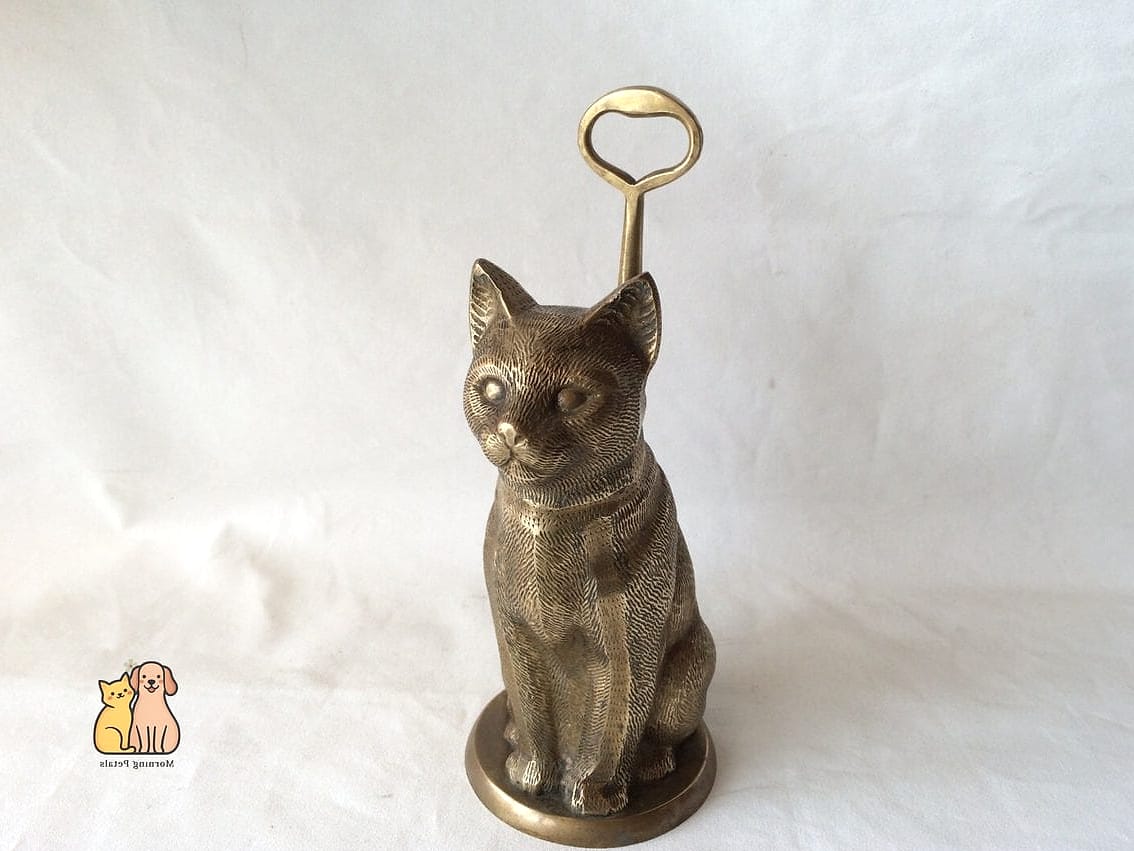
For older homes with traditional finishes, a brass-framed flap matches existing hardware like doorknobs and hinges. It’s a small detail, but it keeps the overall look cohesive.
Cat Door with Built-In Night Light
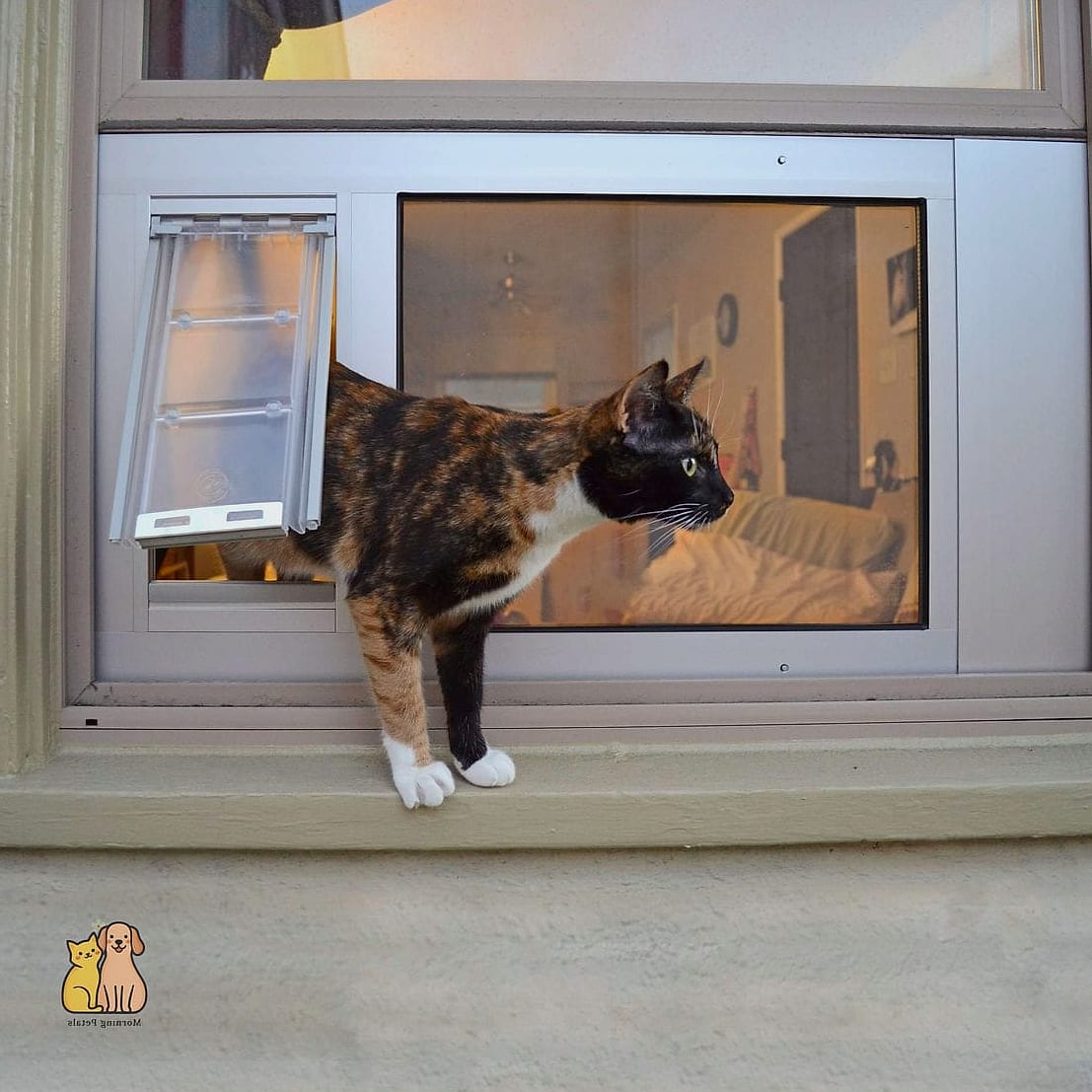
A soft LED ring around the flap helps cats find the door in the dark and helps you avoid stepping on a surprised cat at 2 a.m. It’s a small feature that makes a noticeable difference.
Modular Cat Door Kit
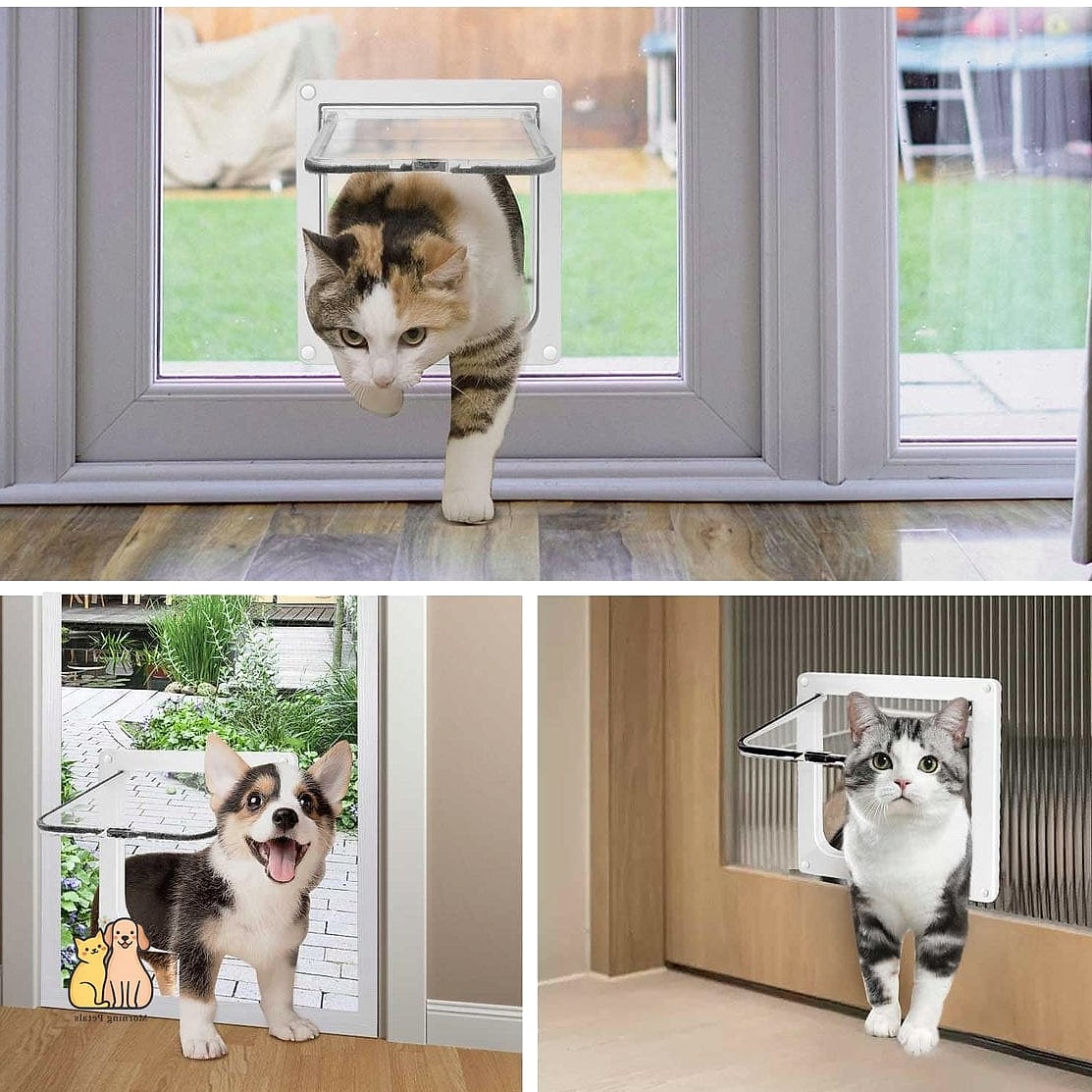
These come with interchangeable panels so you can adjust the size as a kitten grows into an adult cat. It’s a practical choice if you’re setting one up early and want it to last for years.
Cat Door for Multi-Cat Households
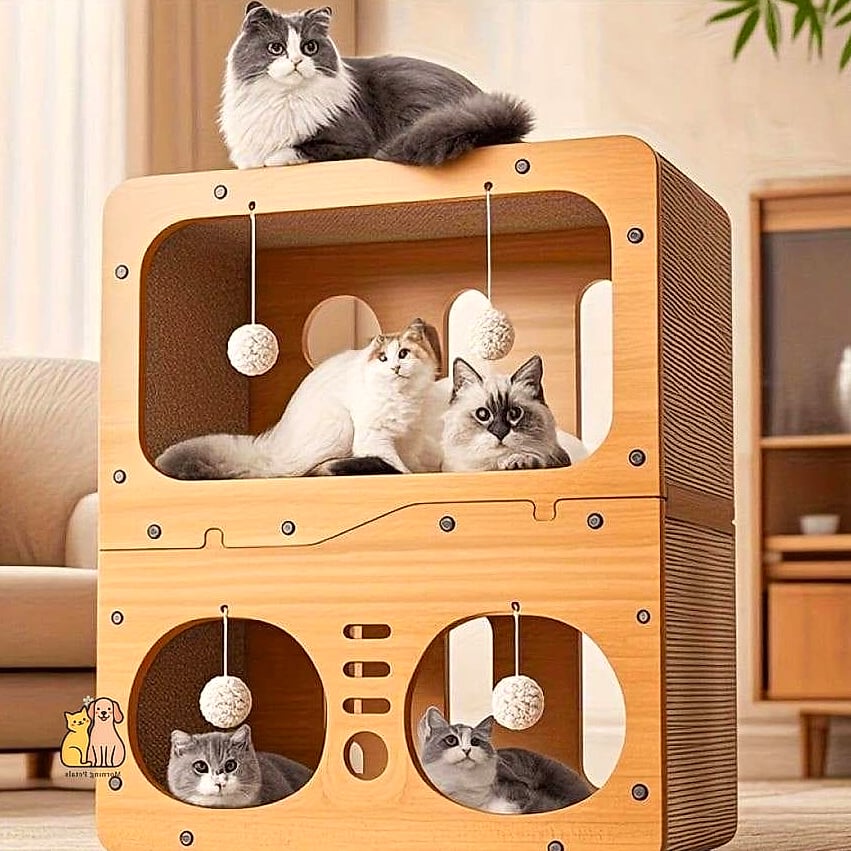
Wider flaps or double-door setups accommodate homes with several cats coming and going at once, reducing the traffic jam that happens with a single narrow opening.
Cat Door into a Sunroom
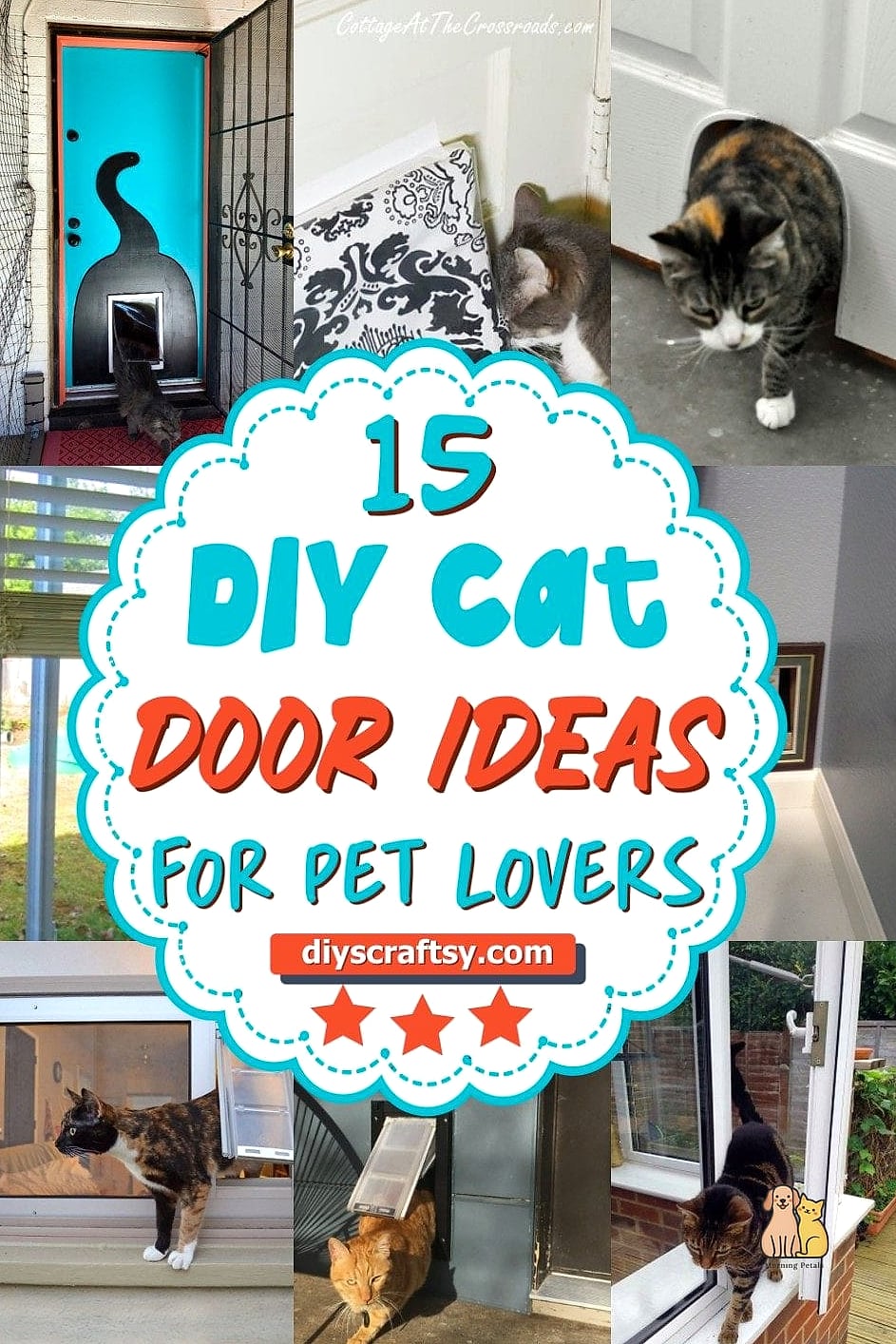
Leading into a glassed-in sunroom, this setup gives your cat a warm, bright spot to lounge without full outdoor exposure. Add a window perch nearby and you’ve basically built a cat’s dream nap spot.
Cat Door with Anti-Theft Lock
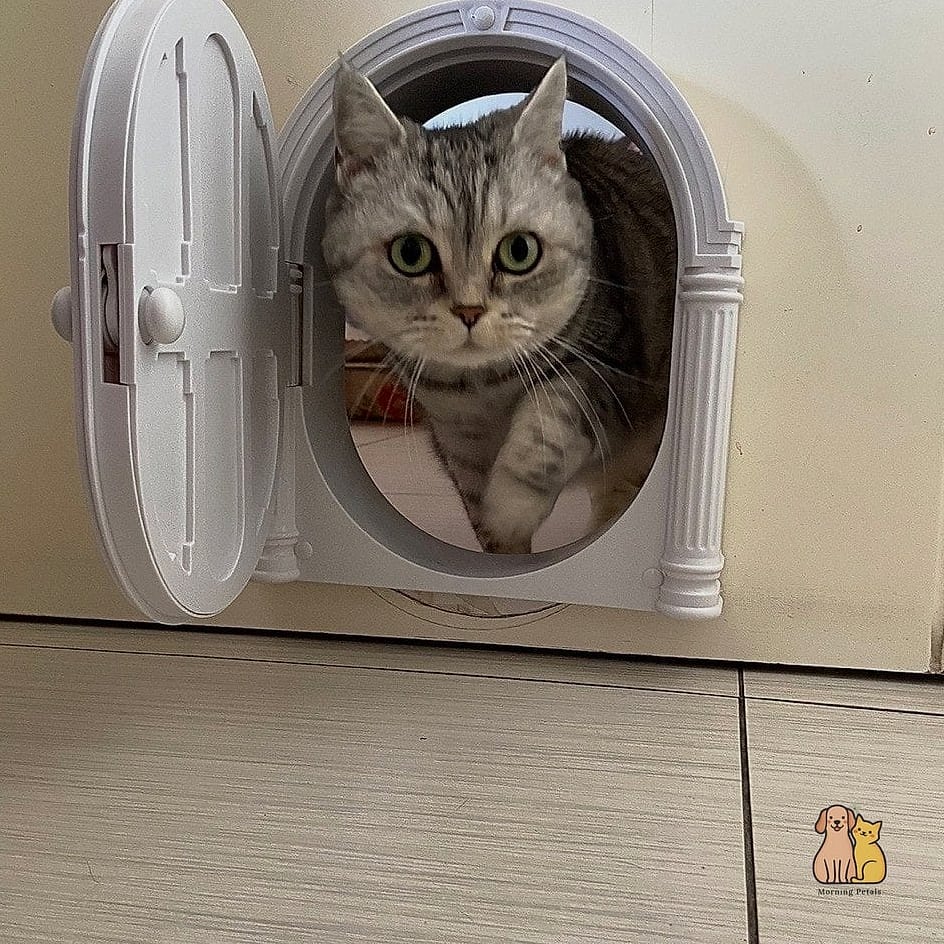
Some outdoor models include a locking mechanism specifically to prevent other animals from pushing through when locked, which matters if raccoons or opossums are a problem in your neighborhood.
Cat Door for Tiny Homes
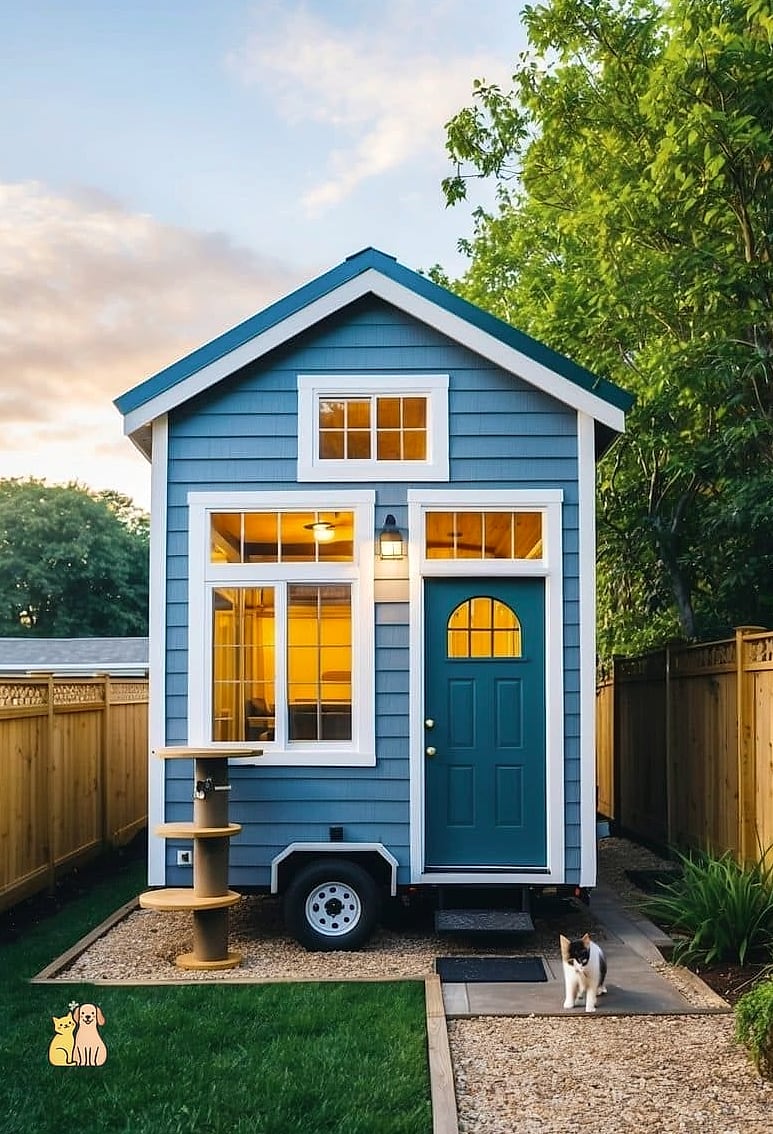
Compact hinged doors sized down for smaller living spaces work well in tiny homes or RVs where every inch of wall space matters and standard-sized doors would look oversized.
Cat Door Leading to a Heated Room
If part of your home stays warmer, like near a fireplace or heating vent, a small door leading there gives your cat a cozy retreat during winter months without needing the whole house heated evenly.
Cat Door with Clear Acrylic Panel
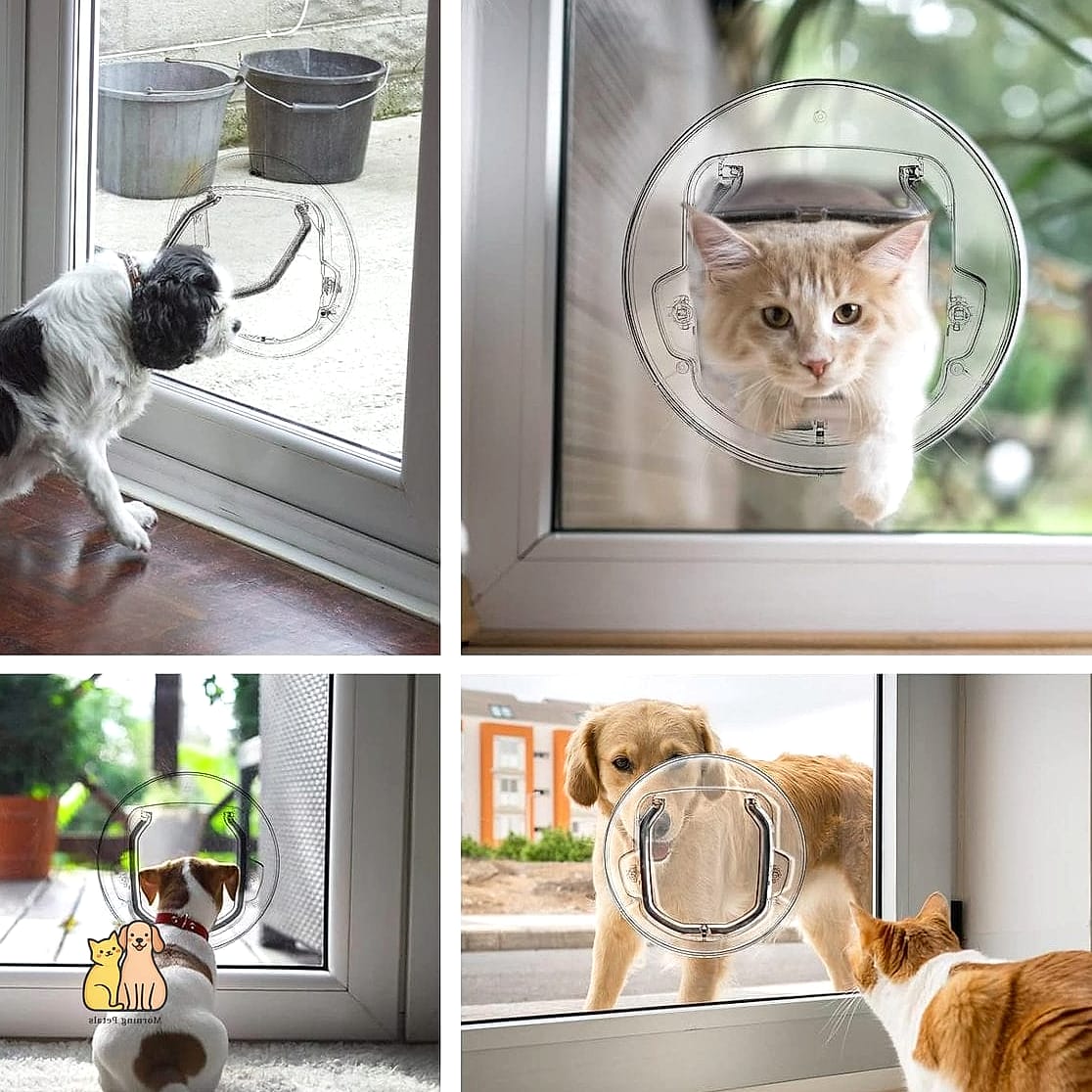
A transparent flap lets your cat see what’s on the other side before committing to walk through, which some skittish or nervous cats genuinely prefer over solid opaque flaps.
Cat Door Built Into a Pet Gate
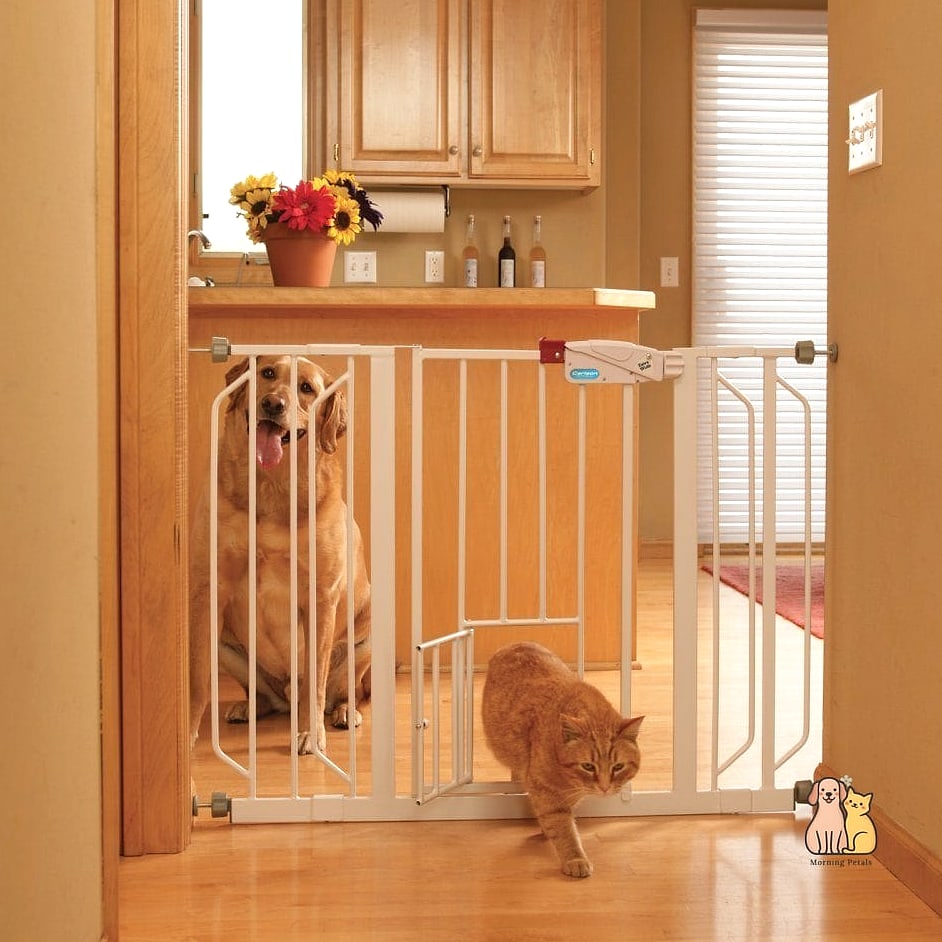
Combined with a baby or pet gate, this setup keeps dogs contained in one area while your cat slips through a small opening at the bottom freely, going wherever they please.
Cat Door for Outdoor Feeding Stations
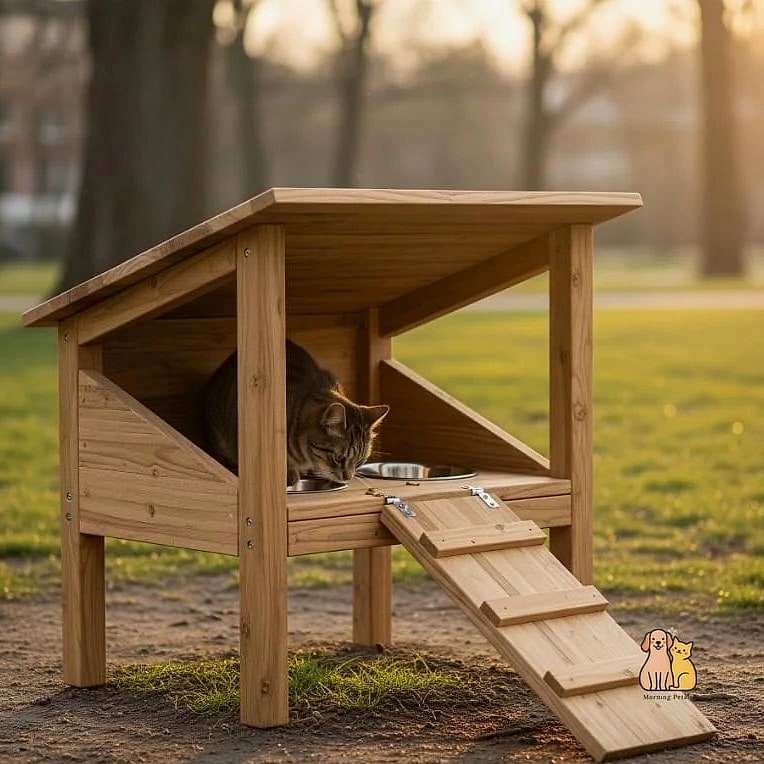
Leading directly to a covered feeding station outside, this door setup keeps food dry and protected from weather while still giving your cat easy access whenever they’re hungry.
Custom-Built Cat Door for Historic Homes
For homes with thick original doors or unusual dimensions, a custom-built option ensures a proper fit without damaging period woodwork. It costs more upfront but preserves the home’s original character.
Whichever setup you land on, the goal is the same: give your cat independence while keeping your home secure and comfortable. Start with something simple like a basic flap if you’re unsure how your cat will react, then upgrade to a smarter or more decorative option once you know it’s a hit. With so many ways to customize a cat door to fit your space, style, and budget, there’s really no reason your cat should still be meowing at a closed door.