The Poodle Puppies: That Will Change How You See Them
The Poodle Puppies: That Will Change How You See Them
There’s a good chance you’ve written off poodles at some point as just fancy show dogs with silly haircuts. I used to think the same thing, honestly, until I spent an afternoon with a friend’s toy poodle puppy who outsmarted a puzzle feeder in under two minutes and then looked at me like she was waiting for something harder. That’s when it clicked. Poodle puppies are sharp, funny, and a lot more athletic than their reputation suggests, and once you actually get to know one, you start noticing why so many owners become lifelong poodle people.
Why Pet Owners Love Them
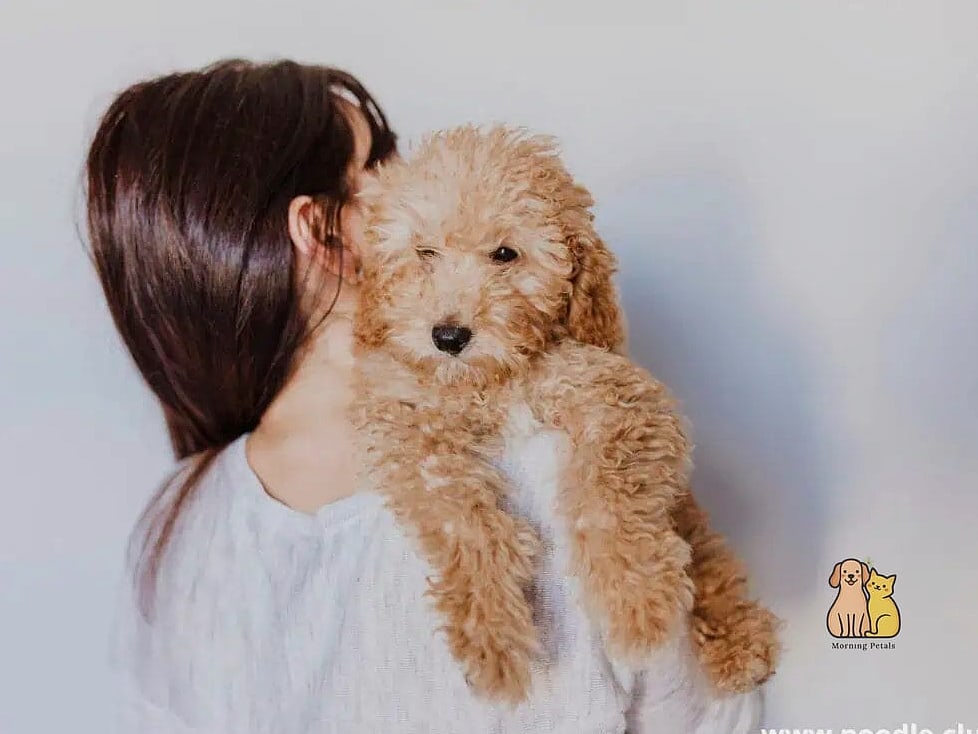
Poodle puppies have this reputation for being prissy, but anyone who’s actually lived with one will tell you that’s not the full story. They’re clever, energetic, and weirdly funny in a way that sneaks up on you.
A lot of owners say their poodle feels more like a small, curious person than a typical dog. They pick up on routines fast, they read your mood, and they get bored easily if nothing’s happening around them.
Poodles also come in three sizes, standard, miniature, and toy, so there’s genuinely a poodle for almost every kind of household. That flexibility is part of why they’ve stayed popular for so long.
Key Characteristics
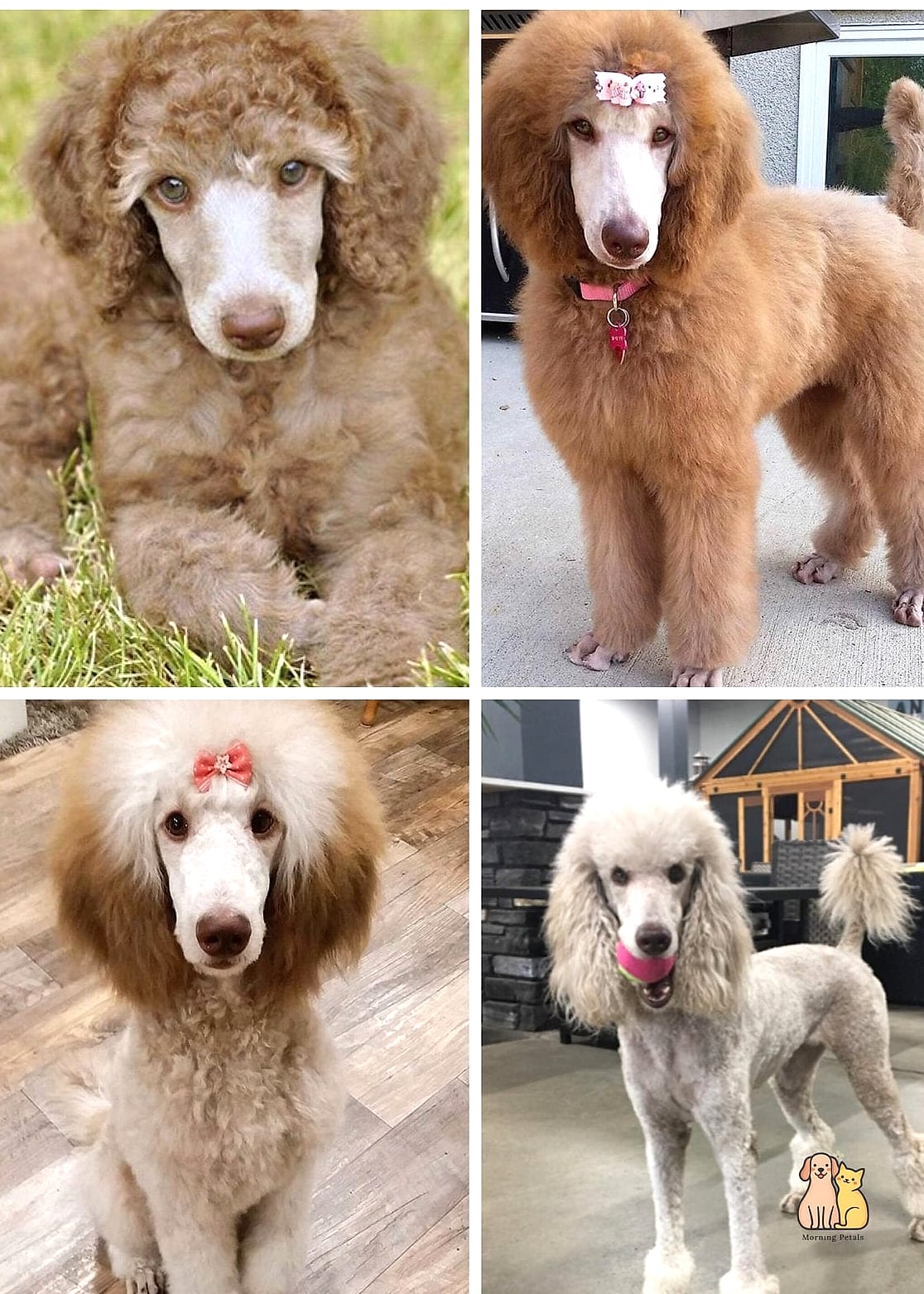
Poodle puppies are known for their curly, dense coat that barely sheds, which is a big reason they’re often recommended for people with allergies. Nothing is guaranteed hypoallergenic, but poodles come pretty close.
They’re also incredibly food and puzzle motivated. Poodle puppies tend to enjoy training sessions because they genuinely like using their brain, not just because treats are involved.
Temperament-wise, expect a dog that’s affectionate, alert, and a little bit sensitive. Harsh corrections don’t tend to work well with poodles; they respond much better to encouragement and consistency.
Care Requirements
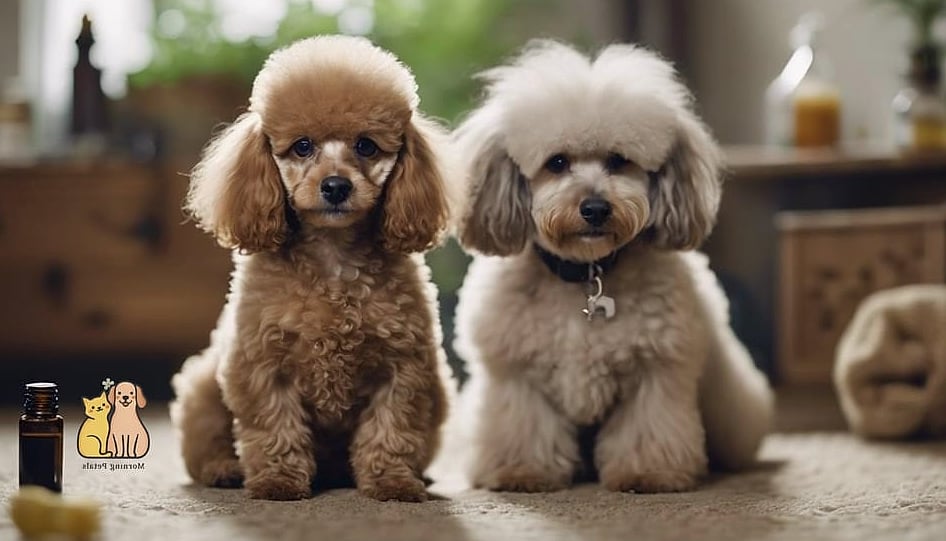
Grooming is the big one here. That curly coat needs brushing several times a week to prevent mats, plus a trip to a groomer every four to six weeks depending on the style you keep.
Exercise needs vary by size, but don’t assume a toy poodle puppy just wants to sit on a cushion all day. Even the smallest poodles benefit from daily walks, short play sessions, and some kind of mental enrichment like puzzle feeders or scent games.
Training should start early. Poodle puppies are quick learners, which is great, but it also means bad habits stick just as fast as good ones if you’re not consistent from the start.
Housing and Space Needs
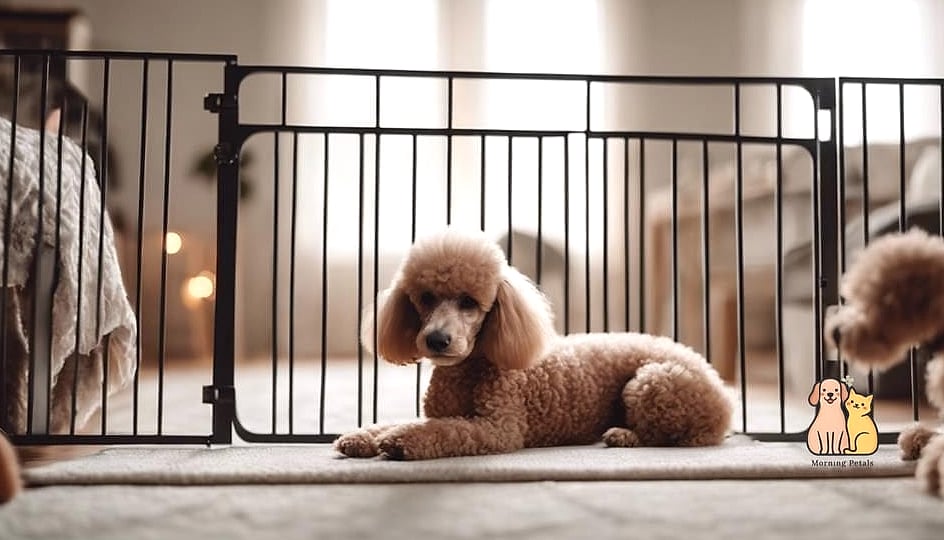
Standard poodles do best with a decent amount of room to move, though they can absolutely adapt to apartment life if they get enough daily activity. Miniature and toy poodles are naturally more apartment-friendly, which is part of why city dwellers gravitate toward them.
A cozy dog bed tucked into a quiet corner works well for poodle puppies, who tend to like having their own little retreat space. Some owners also use a crate as a safe den rather than a punishment tool, which most poodles adjust to pretty quickly.
If you’ve got a yard, a poodle puppy will happily explore it, but keep fencing secure. These dogs are smart enough to figure out gaps and gates faster than you’d expect.
Diet and Feeding
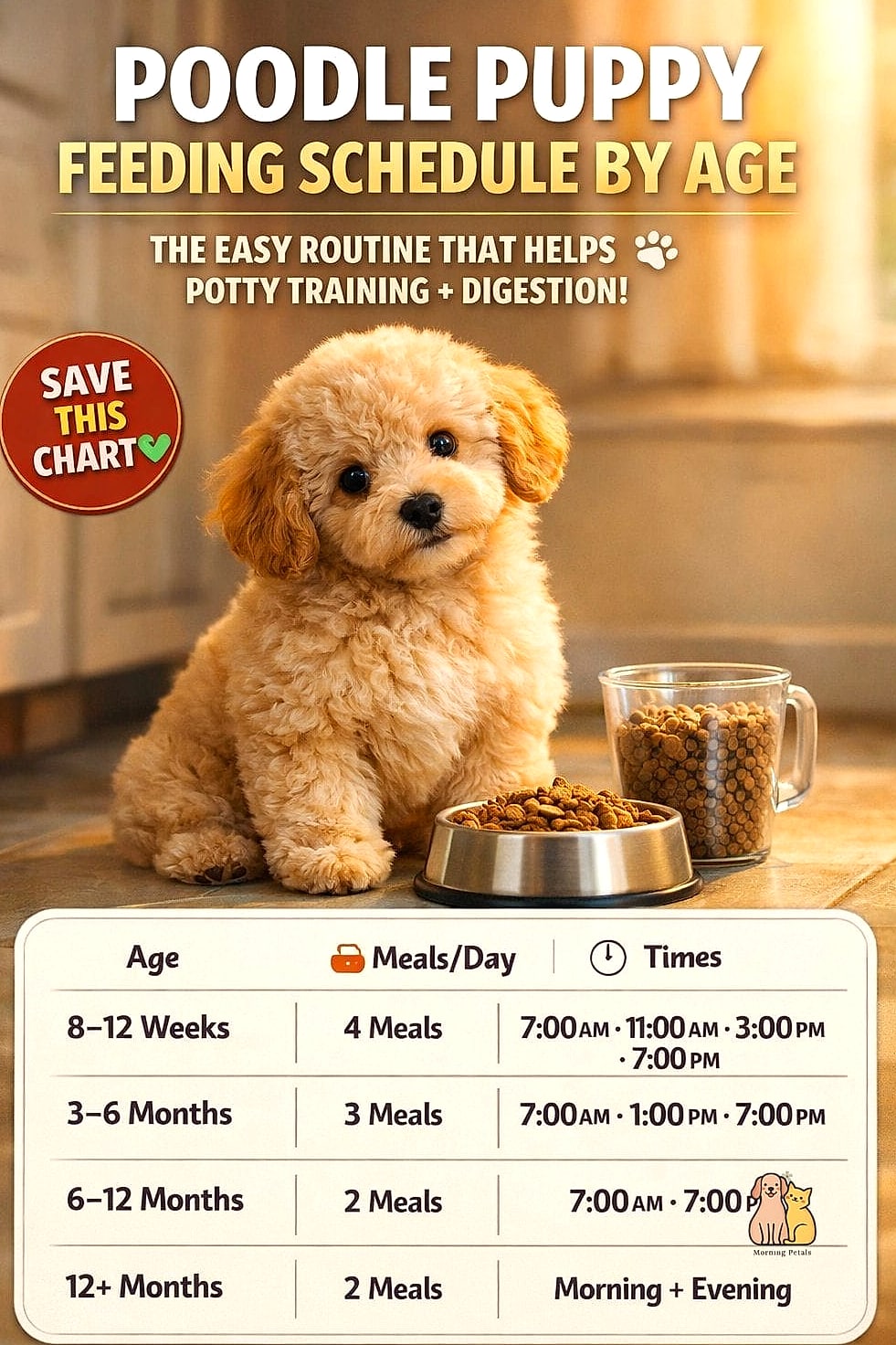
Poodle puppies do well on high-quality puppy food formulated for their expected adult size, since a standard poodle and a toy poodle have pretty different growth needs.
Slow feeder bowls are worth considering, especially for puppies who tend to gulp their food. It also adds a little mental stimulation to mealtime, which poodles genuinely seem to enjoy.
As they grow, keep an eye on portion sizes. Poodles can gain weight easily if treats sneak in too often, and extra weight is tough on joints, especially in the smaller varieties.
Health Considerations
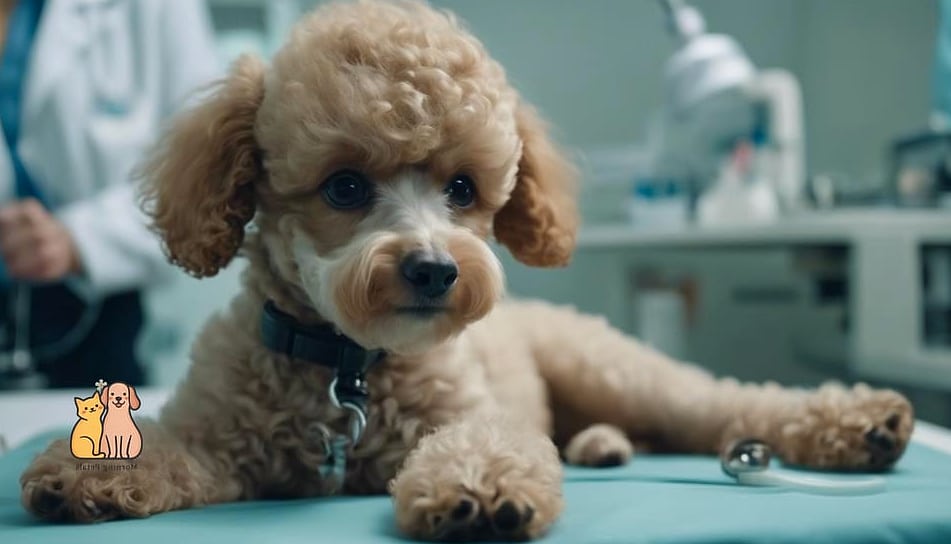
Like most breeds, poodles have a few health issues worth knowing about going in. Hip dysplasia can show up in standard poodles, while toy and miniature poodles are sometimes prone to patellar luxation, which affects the kneecap.
Ear infections are also fairly common because of how their ears are shaped and how much hair grows around the ear canal. Regular cleaning as part of your grooming routine helps a lot here.
On the bright side, poodles are generally a long-lived breed. Toy and miniature poodles especially often live well into their teens, which means you’re looking at a long relationship with this dog.
Fun Facts

Poodles actually originated as water retrieving dogs, not fashion accessories. That distinctive haircut style started as a practical thing, trimming fur to protect joints and vital organs in cold water while keeping the rest short enough to swim efficiently.
They’re also consistently ranked among the smartest dog breeds, often placing near the top alongside border collies. That intelligence is exactly why poodle puppies get bored so easily without enough to do.
Poodles have been popular across multiple countries and eras, showing up in French royal courts and later becoming a staple in American households, which says a lot about how adaptable this breed really is.
Final Thoughts
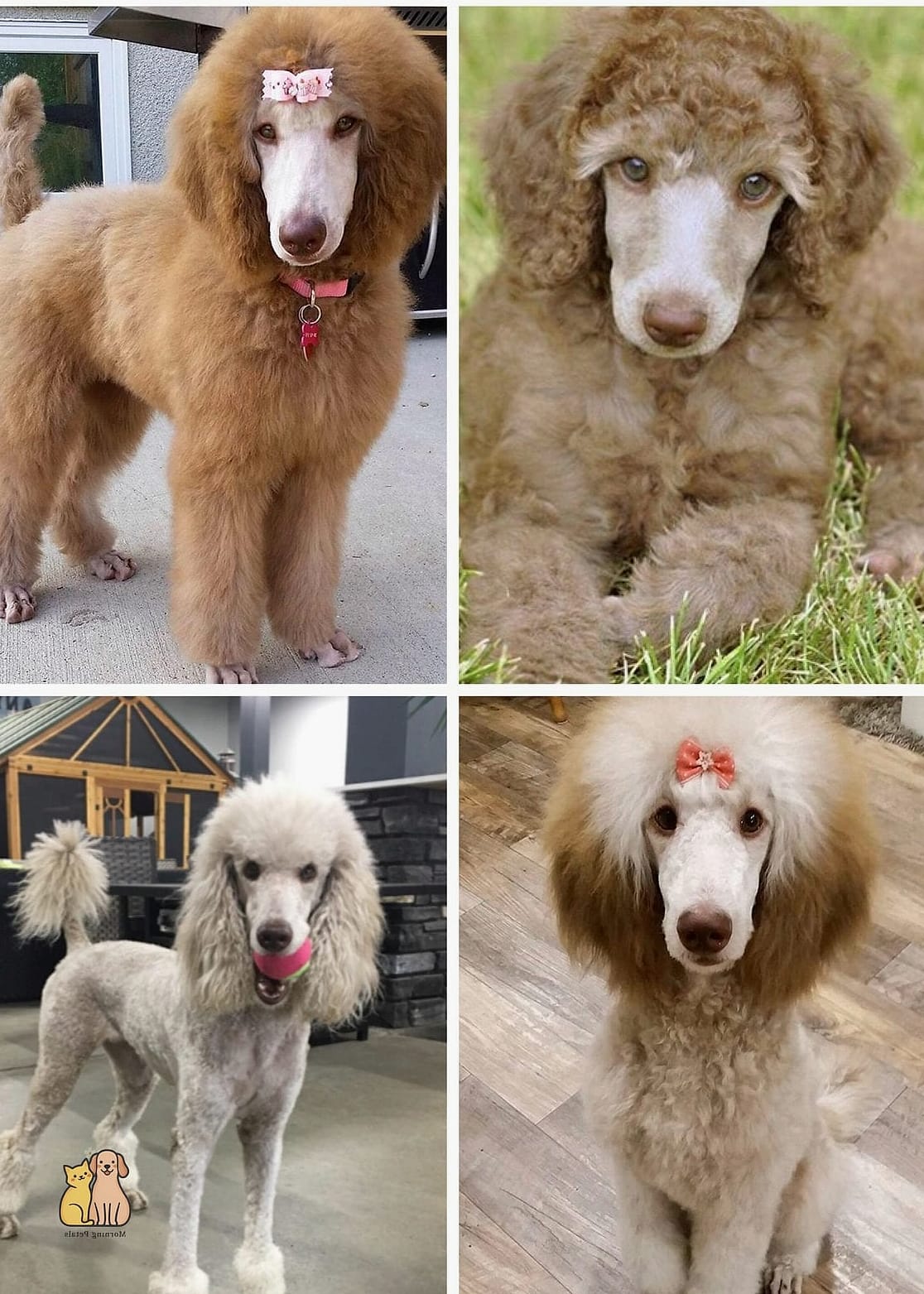
If you came into this thinking poodle puppies were all bows and trimmed topknots, I hope this shifted things a little. Underneath the grooming reputation is a genuinely smart, active, and affectionate dog that thrives on connection with its people.
Whether you’re drawn to the elegance of a standard poodle or the compact energy of a toy poodle puppy, this is a breed that rewards owners who put in the time. Give them structure, mental stimulation, and regular grooming, and you’ll likely end up with one of the most loyal companions you’ve ever had.