The Golden Retriever Breed: That Will Change How You See Them
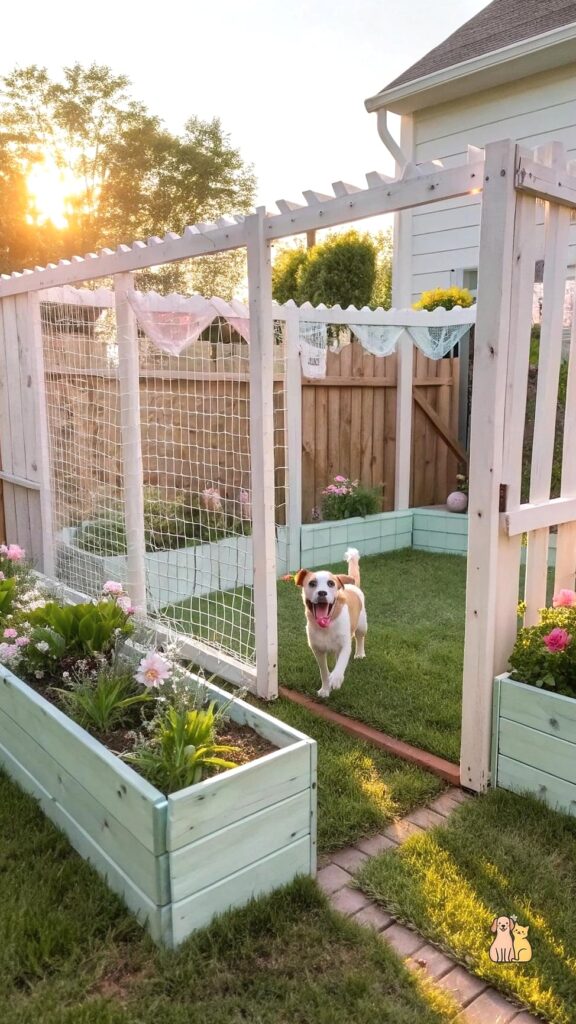
- Friendly and social
- Intelligent and trainable
- Curious and playful
- Gentle with familiar people
- Eager to please
The Golden Retriever Breed: That Will Change How You See Them
There is a reason Golden Retrievers have remained one of the most loved dog breeds for generations. Their happy expressions, gentle nature, and famous golden coats make them easy to recognize, but there is so much more beneath that friendly face. The Golden Retriever Breed: That Will Change How You See Them is not just about a beautiful family dog. It is about understanding a breed with intelligence, emotional sensitivity, and a remarkable ability to connect with people.
Many people first notice Golden Retrievers because of their appearance. They picture a fluffy dog running through a backyard, carrying a tennis ball, or resting beside children on the couch. Those images are accurate, but they only show part of the story. Golden Retrievers are hardworking, eager learners who were originally bred to assist hunters by retrieving game from land and water.
Living with a Golden Retriever can be a wonderful experience, but it also requires commitment. These dogs thrive when they have enough exercise, mental stimulation, proper grooming, quality nutrition, and plenty of social interaction. They are not simply beautiful pets to admire; they are active family members who want to be involved in everyday life.
Why Pet Owners Love Them
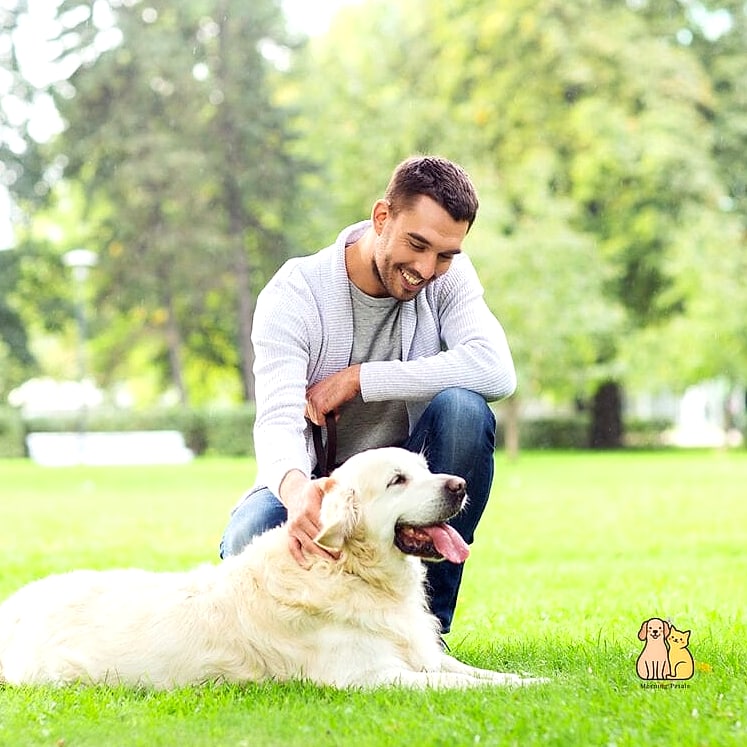
Golden Retrievers are known for their affectionate and people-focused temperament. They often seem happiest when they are near their family, whether that means joining a morning walk, lying near a home office desk, or relaxing during a family movie night.
One of the qualities owners appreciate most is their emotional awareness. Many Golden Retrievers seem to notice when someone is feeling upset and may quietly sit nearby or offer a comforting paw. Their gentle behavior has made them popular therapy dogs, service dogs, and emotional support animals.
They are also naturally playful. A Golden Retriever may happily chase a ball for what feels like hours, splash through a shallow pool, or investigate every interesting smell during a walk. Their enthusiasm can be contagious, and many owners find themselves becoming more active because of their dog’s energy.
Families often choose Golden Retrievers because they generally have a friendly approach toward children and other pets when properly socialized. A well-trained Golden can fit into many households, from homes with large yards to apartments where owners are committed to daily exercise.
Of course, their loving nature comes with a need for attention. Golden Retrievers are not dogs that usually enjoy being ignored for long periods. They want interaction, training sessions, playtime, and companionship.
Key Characteristics
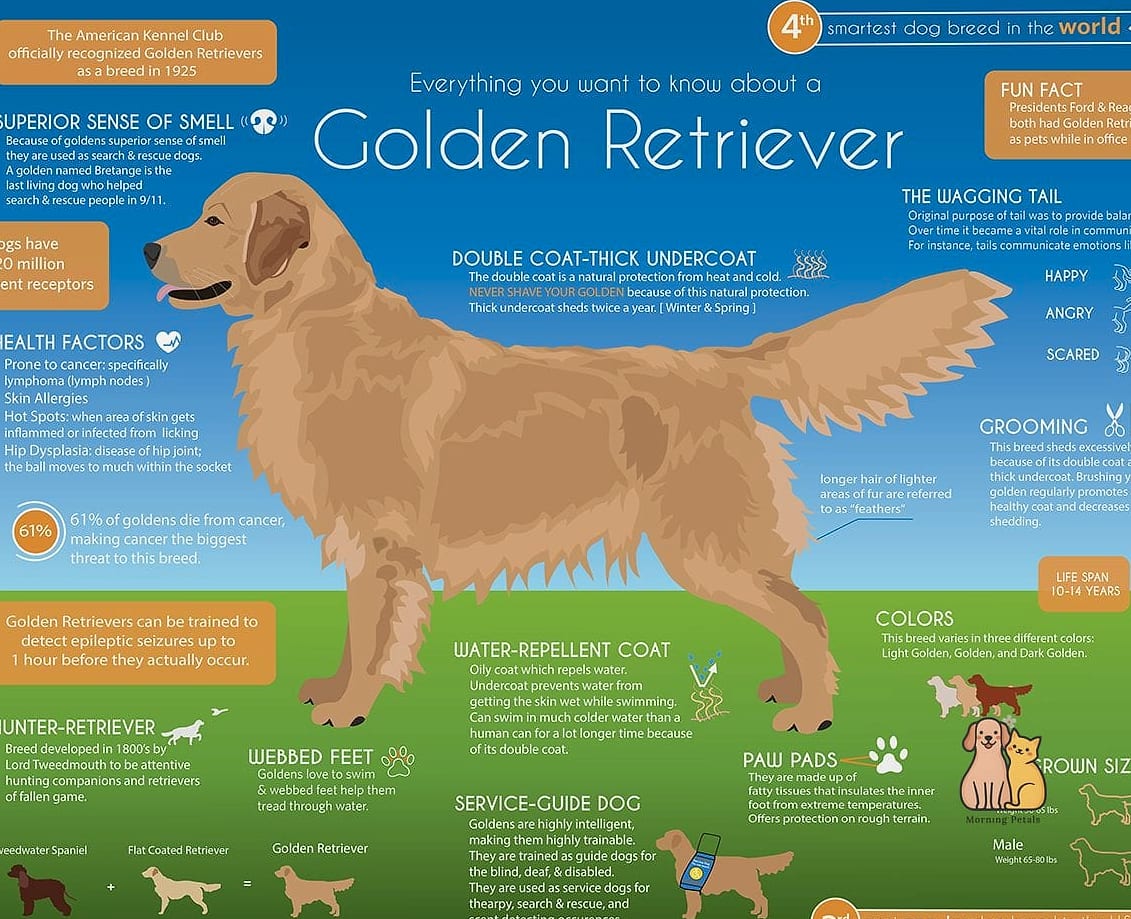
The Golden Retriever is a medium-to-large sporting breed with a strong, athletic build. Adult dogs typically have a sturdy frame, floppy ears, a broad head, and a thick double coat that comes in shades ranging from light cream to deep golden.
Their size can vary, but many adult Golden Retrievers weigh between about 55 and 75 pounds. Their lifespan is commonly around 10 to 12 years, although individual health, genetics, diet, and lifestyle all influence longevity.
Their temperament is one of their defining features. Golden Retrievers are usually:
Friendly and social
Intelligent and trainable
Curious and playful
Gentle with familiar people
Eager to please
Highly motivated by praise, treats, and games
Their intelligence is a major reason they are often successful in obedience training. They tend to enjoy learning commands, tricks, and activities that challenge their minds.
However, their intelligence also means boredom can become a problem. A Golden Retriever without enough enrichment may create its own entertainment, and that might include chewing items, digging, or finding creative ways to get attention.
Puzzle feeders, enrichment toys, training games, and scent activities can help keep their minds busy. A simple game of hiding treats around the house can turn an ordinary afternoon into a fun challenge.
Care Requirements

Caring for a Golden Retriever involves more than filling a food bowl and taking an occasional walk. These dogs need consistent routines that support their physical and emotional health.
Exercise is one of the biggest parts of Golden Retriever care. Most healthy adults benefit from daily walks, play sessions, and opportunities to explore. Many enjoy activities such as hiking, swimming, retrieving games, and obedience exercises.
Puppies require special attention because their bodies are still developing. Long periods of intense exercise can place stress on growing joints, so owners should follow age-appropriate activity guidelines and ask their veterinarian for advice.
Grooming is another important part of life with this breed. Golden Retrievers have dense coats that shed throughout the year, with heavier shedding often happening during seasonal changes. Regular brushing with quality grooming tools helps remove loose hair and reduces the amount left around the house.
Many owners brush their Golden several times each week and pay extra attention to areas where mats can develop, such as behind the ears, around the legs, and near the tail. Bathing should be done when needed using dog-safe products rather than human shampoo.
Routine care should also include nail trimming, ear checks, dental care, and regular veterinary visits. Their floppy ears can sometimes hold moisture, so keeping them clean and dry can help support ear health.
Housing and Space Needs
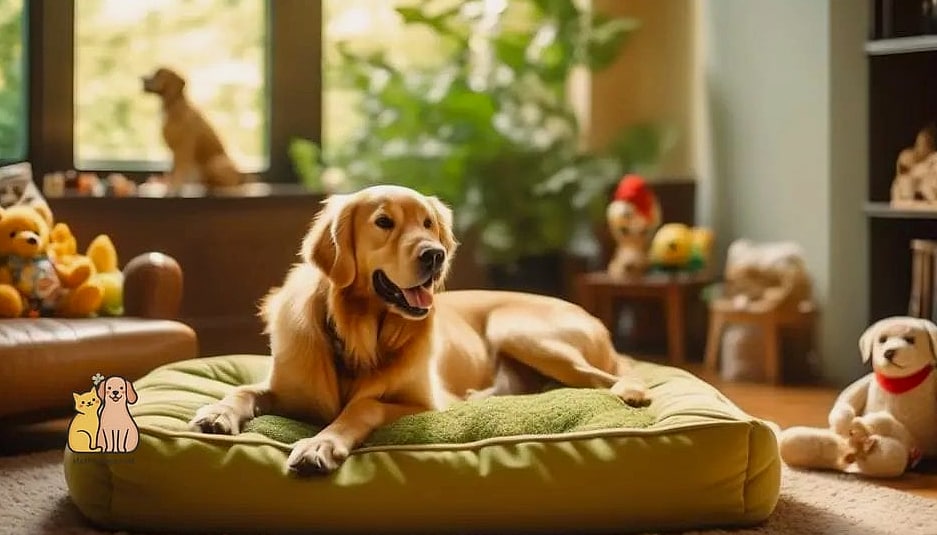
Golden Retrievers can adapt to different living situations, but they do best in homes where they receive enough interaction and exercise. A large backyard can be helpful, but it does not replace daily walks and engagement.
A house with a secure yard gives them room to play, but apartment living can also work for dedicated owners. In a smaller space, daily outdoor activities become even more important. A bored Golden Retriever in an apartment may struggle with restlessness if they do not have enough outlets for energy.
Inside the home, comfort matters. A supportive dog bed placed in a quiet area gives them a place to relax after walks and play sessions. Some owners create a small pet station with food storage containers, grooming tools, leashes, collars, and enrichment toys so daily routines stay organized.
Golden Retrievers usually prefer being part of family activities rather than spending most of their time outdoors alone. Their thick coat helps them tolerate different weather conditions, but they still need protection from extreme heat and cold.
During hot seasons, owners should provide fresh water, shade, and avoid intense exercise during the hottest parts of the day. During colder months, some older dogs may appreciate extra support such as a comfortable sleeping area or a dog sweater during chilly walks.
Diet and Feeding

Nutrition plays a major role in keeping a Golden Retriever healthy. Because they are enthusiastic eaters, portion control is especially important. Many Golden Retrievers will happily eat beyond what they need, and those extra calories can contribute to weight problems.
A balanced dog food formulated for their age, size, and activity level is usually recommended. Puppies, adults, and senior dogs have different nutritional needs, so feeding plans often change throughout their lives.
Owners should consider:
High-quality protein sources
Appropriate calorie levels
Healthy fats for skin and coat support
Proper portion sizes
Treat limits during training
Slow feeder bowls can be useful for dogs that eat too quickly. They encourage slower eating and turn mealtime into a small mental exercise.
Some Golden Retrievers have food sensitivities, so changes in diet should be made carefully. Signs such as digestive upset, itchy skin, or changes in coat condition should be discussed with a veterinarian.
Fresh water should always be available, especially after exercise. Active dogs that enjoy running, swimming, and playing outdoors need reliable access to hydration.
Health Considerations
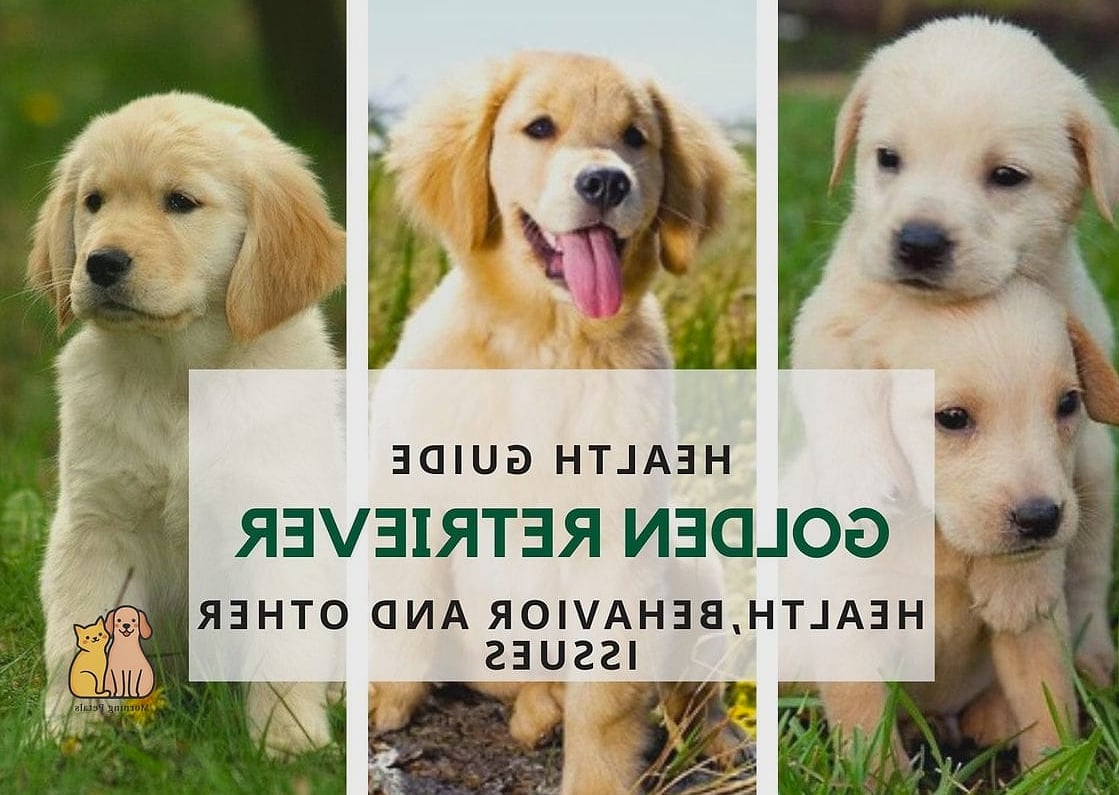
Golden Retrievers are generally joyful and active dogs, but like every breed, they have certain health concerns that owners should understand. Responsible breeding, regular veterinary care, and a healthy lifestyle can make a significant difference.
Common health considerations for Golden Retrievers include joint issues, certain cancers, heart conditions, allergies, and eye problems. Their larger size and active nature mean owners should pay attention to mobility changes, especially as dogs get older.
Maintaining a healthy weight is one of the most helpful things owners can do. Extra weight can place unnecessary pressure on joints and may affect energy levels. Regular exercise combined with appropriate feeding supports long-term wellness.
Preventive care is also important. Routine veterinary examinations allow professionals to monitor changes before they become serious concerns. Vaccinations, parasite prevention, dental care, and recommended health screenings are all parts of responsible ownership.
Mental health matters too. Golden Retrievers are social dogs that can become stressed when isolated for long periods. Creating a predictable routine, offering enrichment toys, and spending quality time together can help them feel secure.
Training and Socialization

Training a Golden Retriever is often a rewarding experience because they usually enjoy learning and working with their owners. Their willingness to cooperate makes them popular among first-time dog owners, although consistency is still essential.
Positive reinforcement methods tend to work well with this breed. Praise, treats, toys, and play can encourage good behavior while building trust.
Early socialization helps puppies grow into confident adults. Gentle exposure to different people, environments, sounds, and situations teaches them how to respond calmly to the world around them.
Basic skills such as leash manners, recall, and polite greetings are especially valuable. A strong recall command is useful because Golden Retrievers are naturally curious and may want to investigate anything interesting during outdoor adventures.
Training does not have to feel like a strict routine. Many owners find that short, enjoyable sessions throughout the day create a stronger bond and keep their dogs engaged.
Fun Facts

Golden Retrievers have a fascinating history that goes beyond their reputation as friendly family pets. They were developed in Scotland during the 19th century as hunting companions designed to retrieve birds from both land and water.
Their soft mouths allowed them to carry game without causing damage, which was an important quality for working dogs.
Many Golden Retrievers love carrying objects. It is common to see them proudly walking around with toys, socks, or household items they have discovered. While some items should be redirected, this behavior connects to their natural retrieving instincts.
They are also known for their strong sense of smell and learning ability. Many work in roles involving search and rescue, assistance tasks, and detection work.
Another interesting trait is their love of water. A Golden Retriever that spots a pond, lake, or even a sprinkler may quickly decide that swimming is the best activity of the day.
Final Thoughts

The Golden Retriever Breed: That Will Change How You See Them reveals a dog that is far more complex than a pretty face and a wagging tail. These dogs bring warmth, intelligence, loyalty, and enthusiasm into the homes they share.
They require time, grooming, exercise, training, and thoughtful care, but they often give back with incredible affection and companionship. Their ability to connect with people is one of the reasons they continue to hold such a special place in the hearts of dog lovers.
For anyone considering adding a Golden Retriever to their family, the most important question is not only whether they love this breed’s appearance. It is whether they are ready to welcome an energetic, sensitive, and devoted dog into their daily life.
A Golden Retriever is not just a pet waiting at home. They are a friend who wants to join the adventure, celebrate the small moments, and become part of the family story.