The Persian Cat Breed: Everything You Need to Know
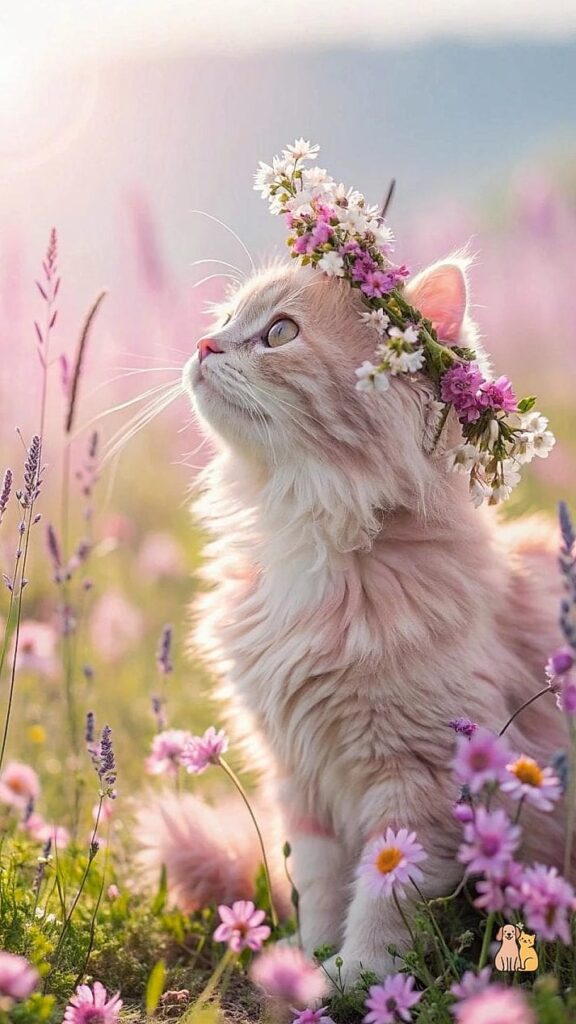
The Persian Cat Breed: Everything You Need to Know
If you’ve ever scrolled past a photo of a flat-faced, fluffy cat lounging like royalty on a velvet cushion and felt your heart skip a beat, you’ve met a Persian. They’re one of the oldest and most recognizable cat breeds out there, and honestly, once you live with one, you get why people fall so hard for them. This guide walks through what makes Persians tick, what they need from you, and whether this breed might be the right fit for your home.
Why Pet Owners Love Them
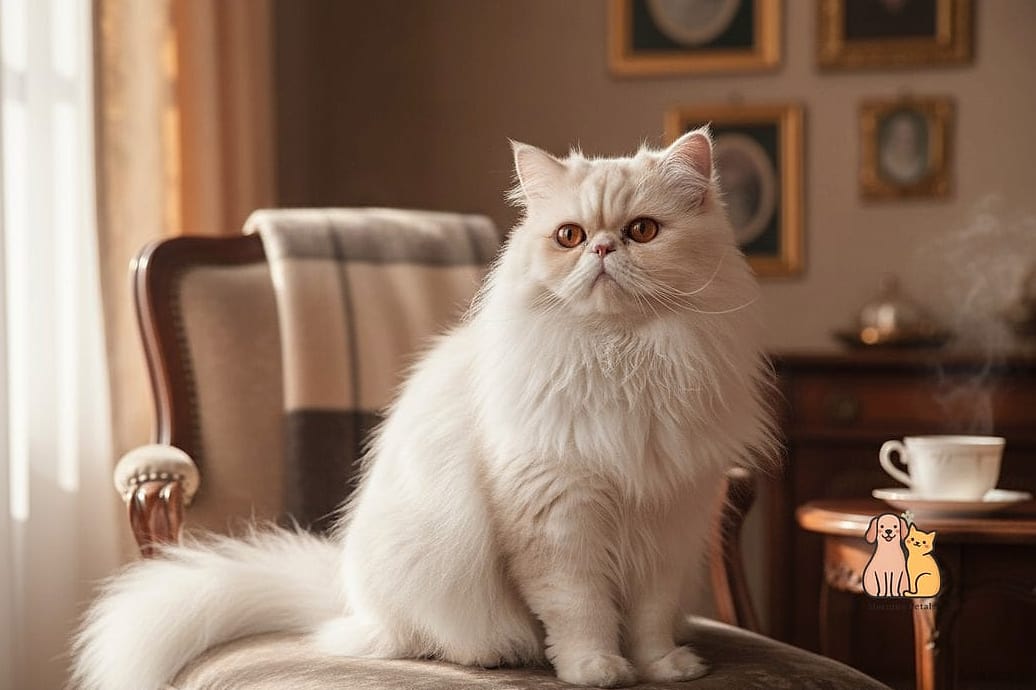
Persians have this calm, dignified energy that’s hard to find in other breeds. They’re not the type to sprint across your kitchen counter at 3 a.m. or shred your curtains for fun. Instead, they’d rather curl up next to you while you read or watch TV.
That laid-back personality is a huge part of the appeal. Persian cats tend to be gentle, affectionate, and pretty tolerant of a quiet household routine. They bond closely with their people, but they’re not clingy or demanding about it — they just like being near you.
There’s also that undeniable look. The long, flowing coat, the sweet round face, the big expressive eyes — Persians photograph beautifully, and owners often say their cat’s appearance is what first drew them in before the personality sealed the deal.
Key Characteristics
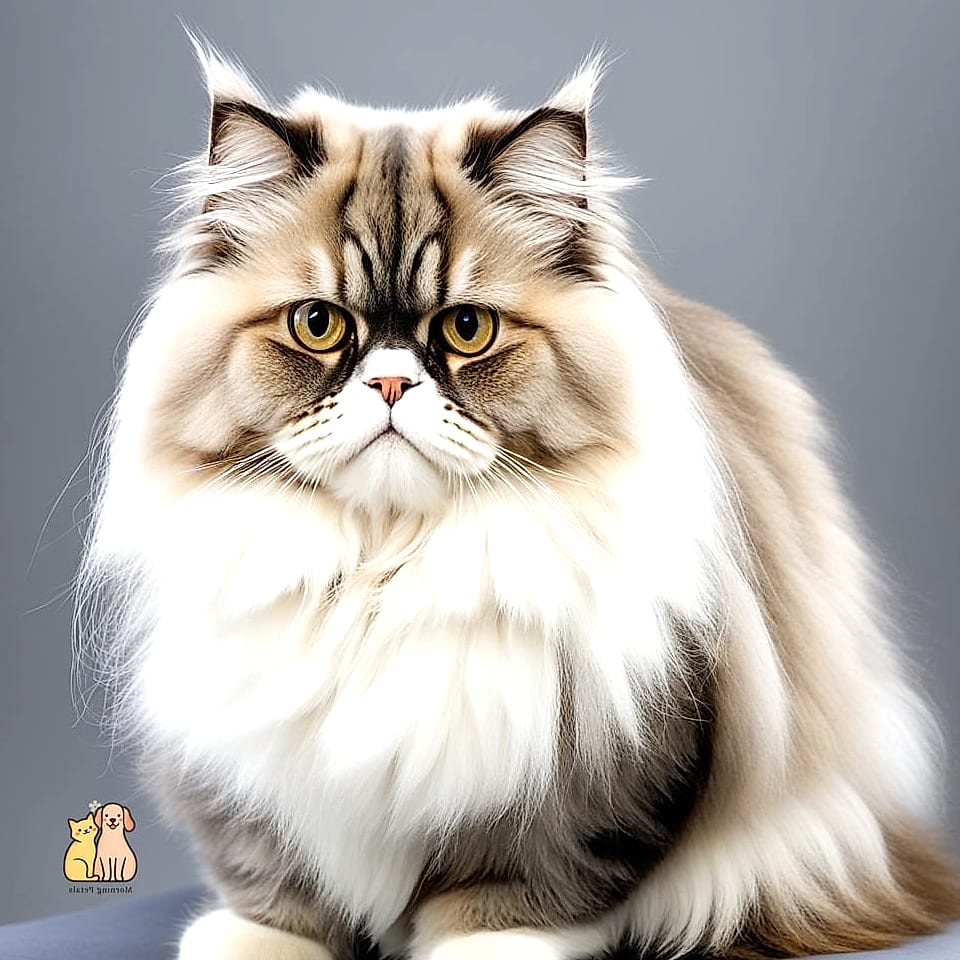
Persians are medium to large cats with a stocky, low-to-the-ground build. They’re not athletic climbers or jumpers like some breeds, and that’s by design — their body type favors comfort over acrobatics.
The coat is the signature feature here: long, thick, and silky, requiring daily attention to stay tangle-free. Colors and patterns vary widely, from solid white and cream to tabby, tortoiseshell, and the striking color-point Himalayan variety.
Their faces come in two general types. Traditional (or “doll-faced”) Persians have a more moderate nose profile, while modern show-style Persians have the extremely flat, pushed-in face you often see in breed photos. That facial structure matters a lot for health, which we’ll get into shortly.
Temperament-wise, expect a quiet voice, a relaxed pace, and a preference for predictable routines over chaos. Sudden loud noises or big schedule changes tend to stress them out more than they would a more adaptable breed.
Care Requirements
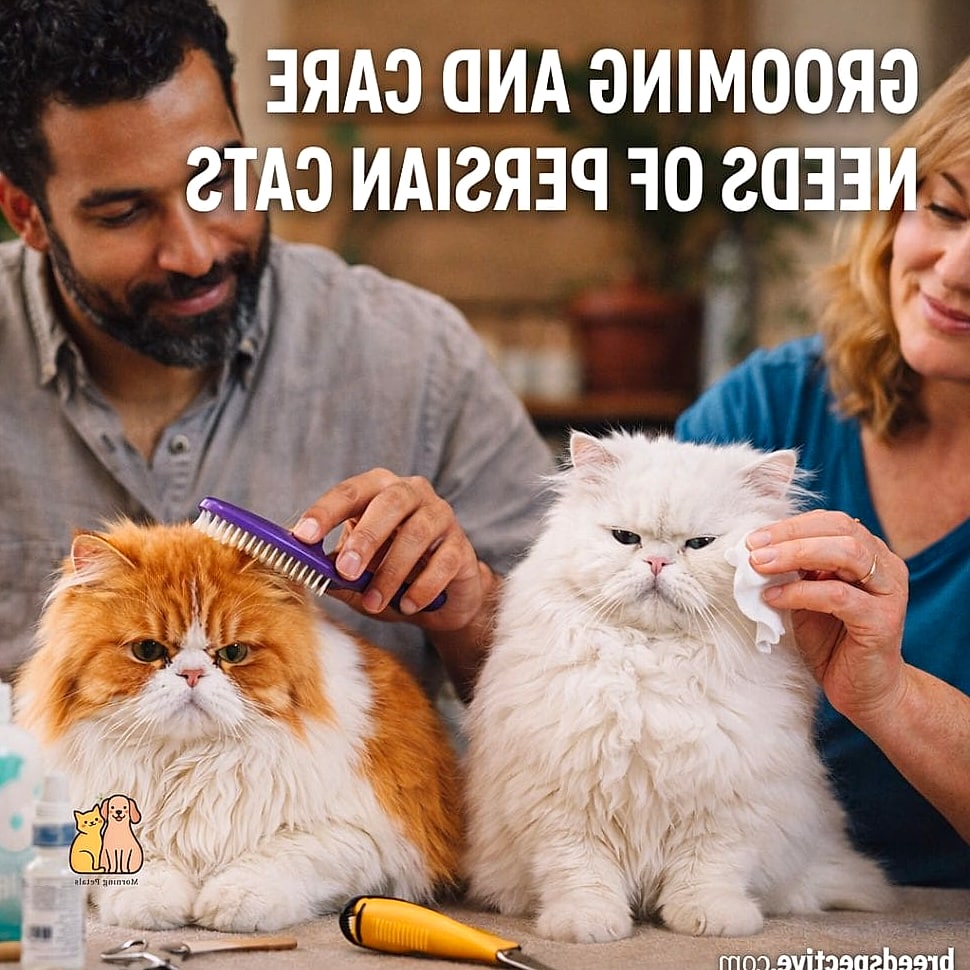
This is where Persian ownership gets real. That gorgeous coat doesn’t stay gorgeous on its own — daily brushing is non-negotiable. Skip it for even a few days and you’ll be dealing with mats that can pull at the skin and cause real discomfort.
A good metal comb and a slicker brush are worth the investment. Many owners also schedule regular grooming appointments for a sanitary trim around the hind end, since the long fur back there can trap waste and get messy fast.
Because of their flat faces, Persians are also prone to tear staining. Wiping around the eyes daily with a damp cloth or a vet-approved eye wipe helps keep that under control and prevents skin irritation from constant moisture.
Bathing every few weeks isn’t unusual for this breed either, which sets them apart from most cats that groom themselves just fine without help. If you’re not up for this level of hands-on maintenance, it’s worth being honest with yourself before bringing one home — this isn’t a low-maintenance breed, no matter how mellow the personality is.
Housing and Space Needs
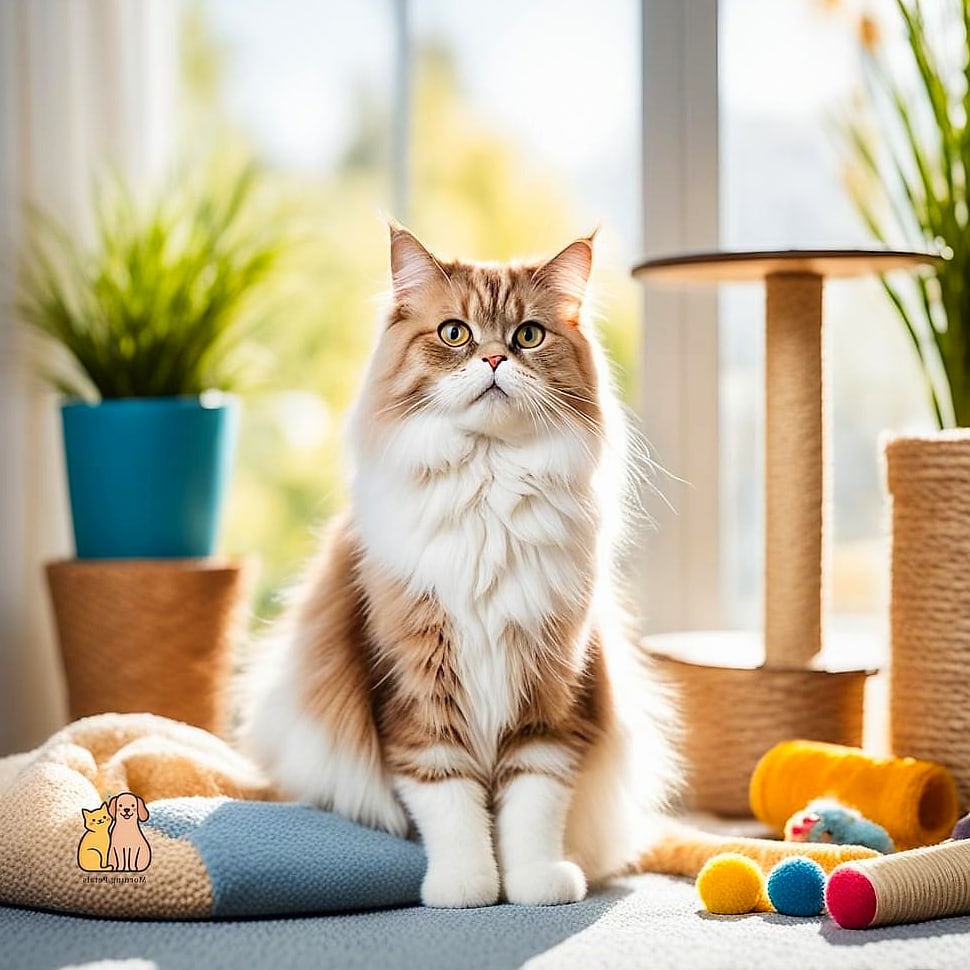
Persians are wonderfully suited to apartment living, mostly because they’re not high-energy cats craving vertical territory and constant climbing. That said, they still appreciate having their own cozy spots.
A soft cat bed somewhere warm and draft-free is a big hit, and a low window perch lets them watch the world without demanding much physical effort. Skip the tall cat trees with narrow platforms — their stockier build and shorter legs mean they do better with wider, sturdier surfaces closer to the ground.
Litter box setup matters more here than with short-haired breeds. A larger box with lower sides makes it easier for them to get in and out without dragging fur through the litter, and some owners find that a low-tracking litter cuts down on the mess that clings to those long leg feathers.
Since they’re indoor cats through and through, a catio or secure outdoor enclosure can be a nice bonus if you have the space, giving them fresh air and sunshine without the risks of roaming free.
Diet and Feeding

Persians don’t have wildly unusual dietary needs, but a few things are worth paying attention to. Their flat faces can make it a little trickier for them to pick up small kibble, so many owners find success with food shaped or sized specifically for flat-faced breeds.
Slow feeder bowls or shallow, wide dishes tend to work better than deep bowls, which can be uncomfortable for their shorter snouts to reach into. A few brands actually make bowls designed with brachycephalic breeds in mind.
Because Persians aren’t the most active cats, weight management is something to keep an eye on. Measuring portions rather than free-feeding, and choosing a quality food appropriate for their age and activity level, goes a long way toward keeping them at a healthy weight throughout their life.
Fresh water matters too, and a pet water fountain can encourage more drinking than a still bowl, especially since long-haired cats sometimes avoid bowls that trap loose fur.
Health Considerations
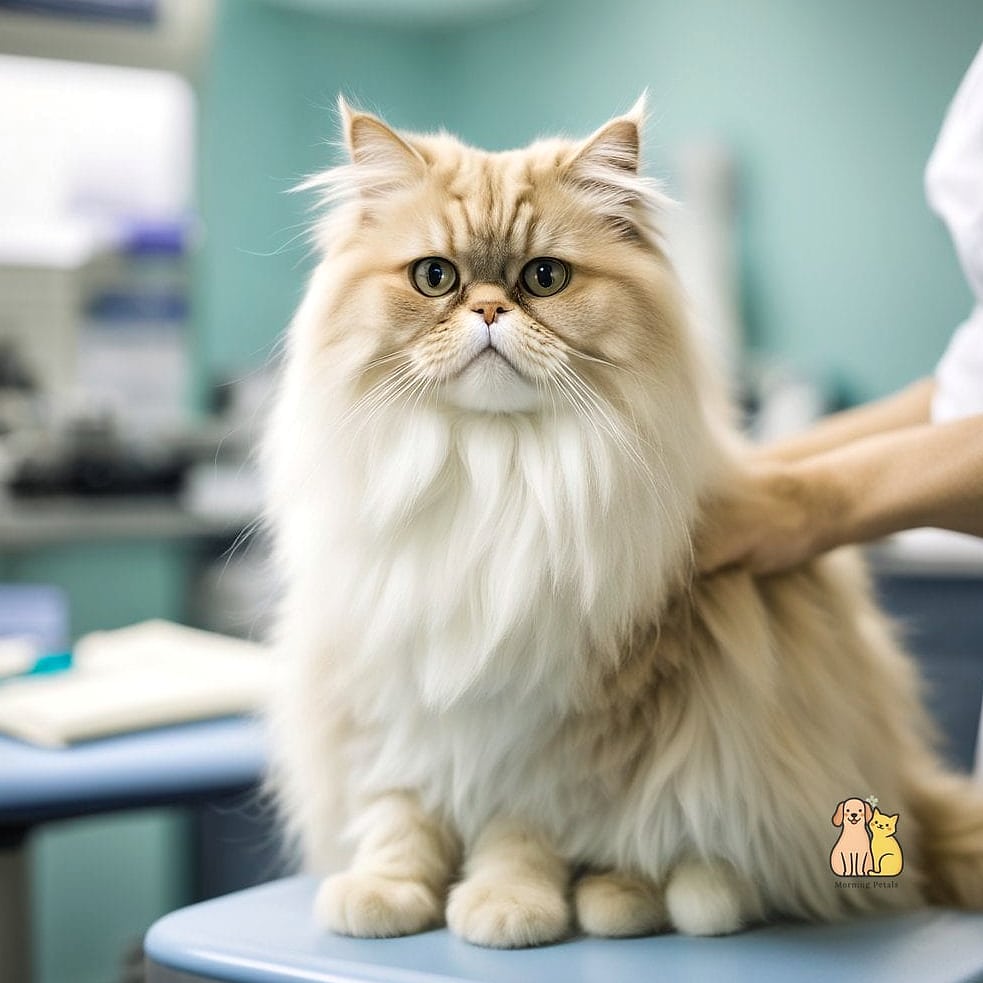
This is the section every prospective Persian owner should read carefully. Their flat-faced structure, especially in modern show-style lines, comes with some real health considerations worth understanding upfront.
Breathing difficulties are common in extremely flat-faced Persians, since the shortened airway can make normal breathing more labored, especially in heat or during exercise. Traditional doll-faced Persians tend to have fewer issues here.
Polycystic kidney disease is a hereditary condition that shows up in a meaningful percentage of the breed. Reputable breeders test for it, so if you’re buying from a breeder rather than adopting, asking about PKD testing is a completely reasonable question.
Eye conditions, including excessive tearing and occasionally more serious issues, are also worth monitoring, along with dental crowding that can come from that shortened jaw structure. Regular vet checkups become even more important with this breed than with most.
None of this means Persians are unhealthy cats doomed to a hard life — plenty live long, comfortable lives well into their teens. It just means going in informed, choosing a reputable source if buying from a breeder, and staying on top of veterinary care.
Fun Facts
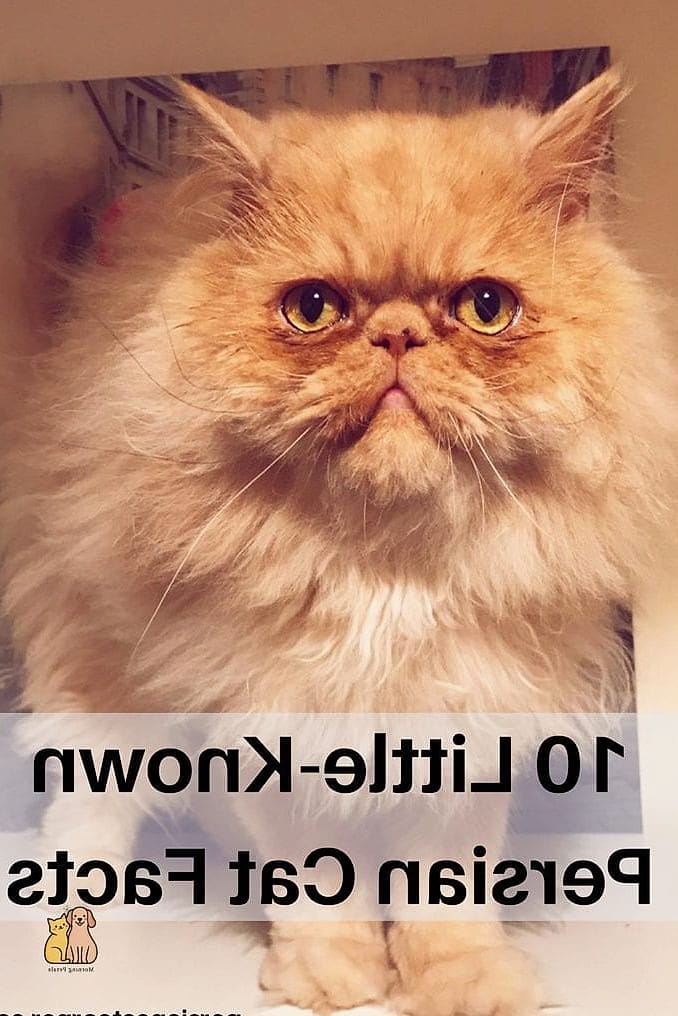
Persians are believed to have originated in Persia, modern-day Iran, and were among the first long-haired cats brought to Europe back in the 1600s. They’ve basically been famous for centuries.
They’ve been a favorite of celebrities and even royalty throughout history — reportedly including a soft spot from Queen Victoria, who was known to keep Persian cats of her own.
Despite their glamorous look, Persians are famously unbothered by their own fame. Most seem perfectly content ignoring a room full of admirers in favor of a nap in a sunbeam.
Final Thoughts
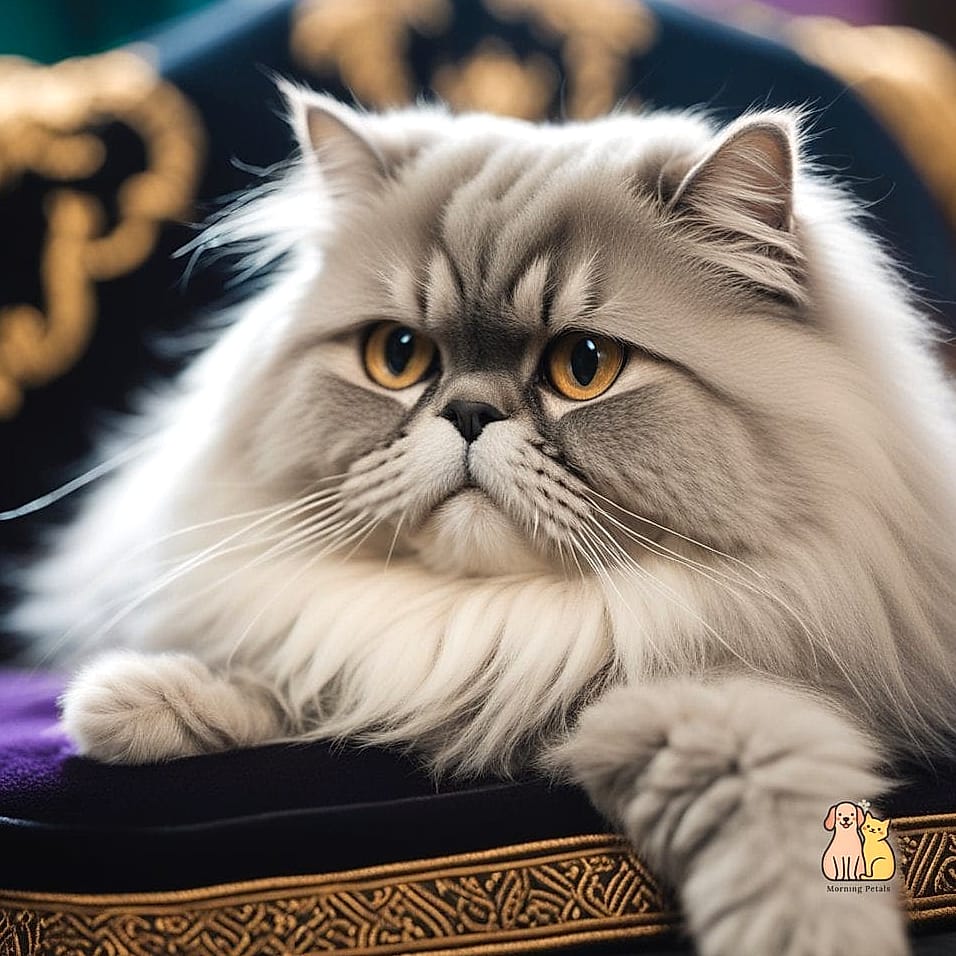
The Persian cat breed really does offer something different from most other cats — a quieter, gentler companion that thrives on routine and closeness rather than climbing your bookshelves. If you’re drawn to that calm energy and you’re genuinely ready for the grooming commitment, this breed can be an incredibly rewarding one to share your home with.
Just go in with open eyes about the daily brushing, the health monitoring, and the general upkeep this breed asks for. Do that, and a Persian cat can be a loyal, affectionate presence in your life for many years to come.