The Ragdoll Cat Breed: The Ultimate Guide
The Ragdoll Cat Breed: The Ultimate Guide
If you’ve ever watched a cat go completely limp the second you pick them up, like they’ve decided gravity is someone else’s problem now, you’ve either met a Ragdoll or you’re about to fall in love with one. This breed has a reputation for being the golden retriever of the cat world, and honestly, it’s earned.
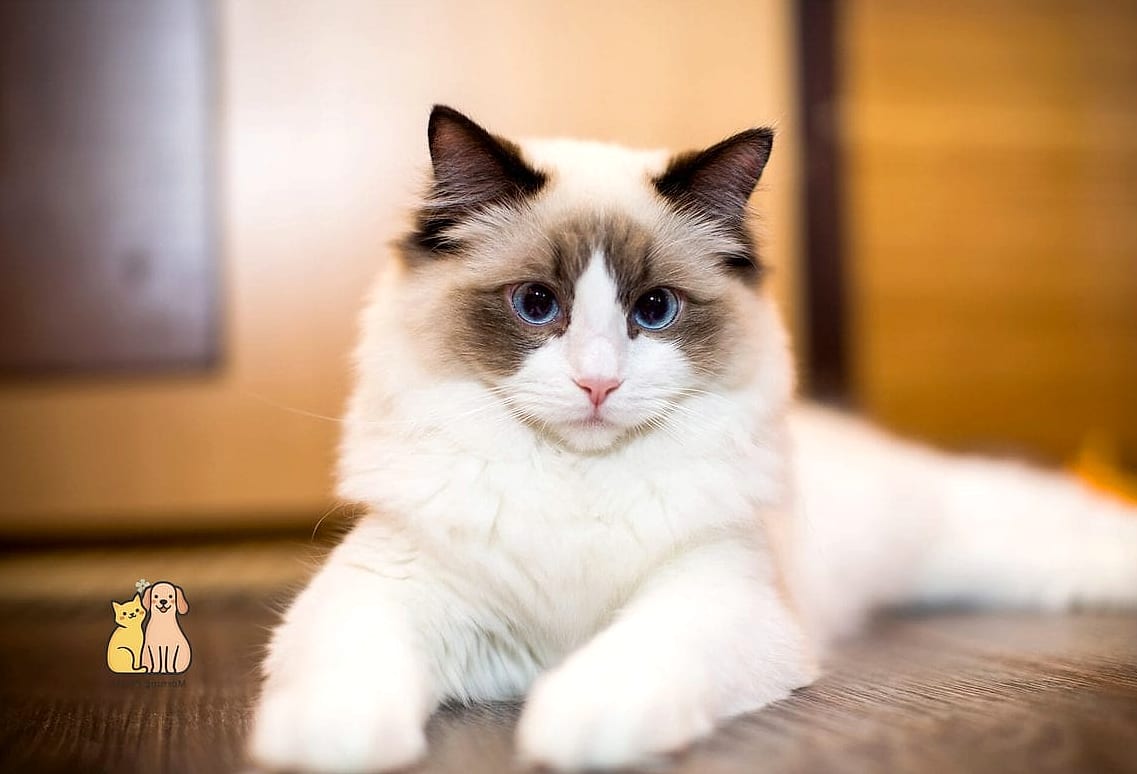
Ragdolls are big, blue-eyed, semi-longhaired cats that seem to have missed the memo about typical feline aloofness. They follow you room to room. They flop into your arms like a sack of very soft potatoes. And they’ve become one of the most popular breeds in North America for exactly those reasons.
This guide covers everything you need to know before bringing one home, from their personality quirks to what they actually need to thrive.
Why Pet Owners Love Them
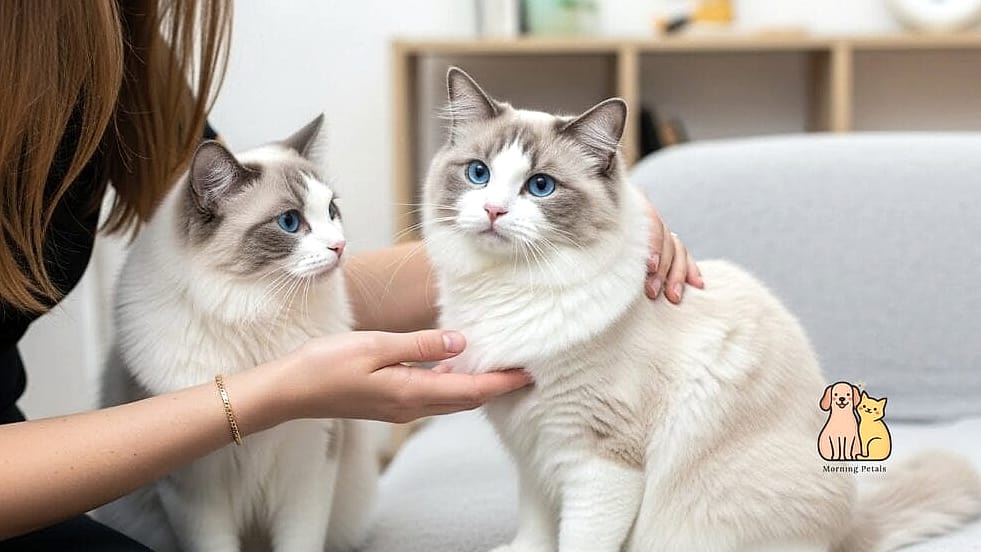
The name “Ragdoll” comes from their tendency to go limp and relaxed when you hold them, and that’s not an exaggeration or a marketing gimmick. It’s a genuine, well-documented trait of the breed.
People who share their homes with Ragdolls often describe them as more dog-like than cat-like. They greet you at the door. Some walk on leashes. Many will happily nap on your lap for an entire movie without so much as a twitch of protest.
They’re also just stunning to look at, with color-point coats, plush fur, and those unmistakable sapphire-blue eyes that never fade with age. It’s a combination of looks and temperament that’s hard to beat.
Key Characteristics
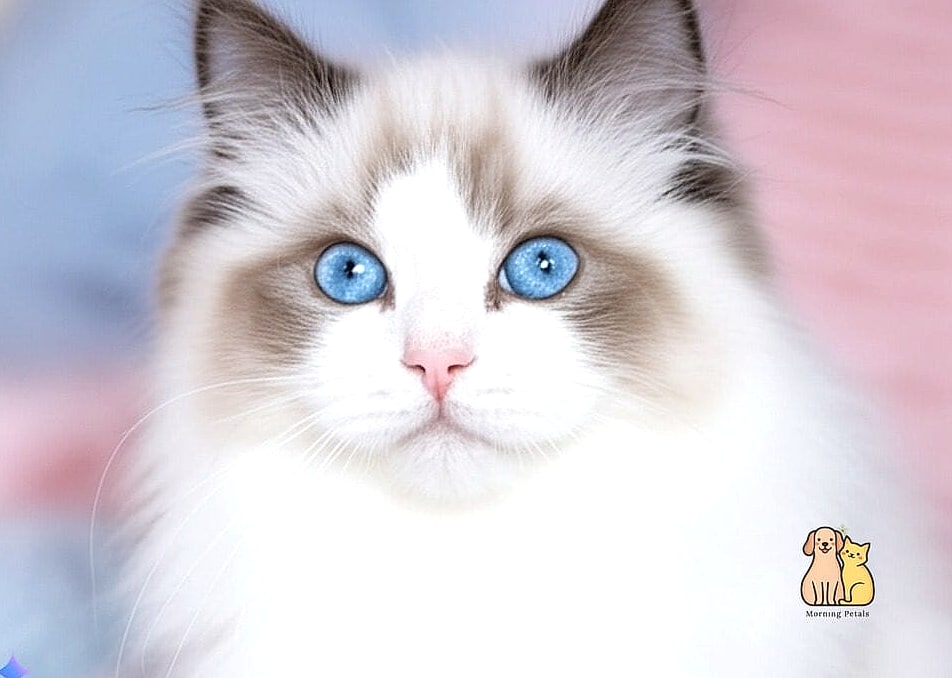
Ragdolls are one of the larger domestic cat breeds, with males often tipping the scale at 15 to 20 pounds and females usually landing between 10 and 15. They’re slow to mature too, not reaching full size until around four years old.
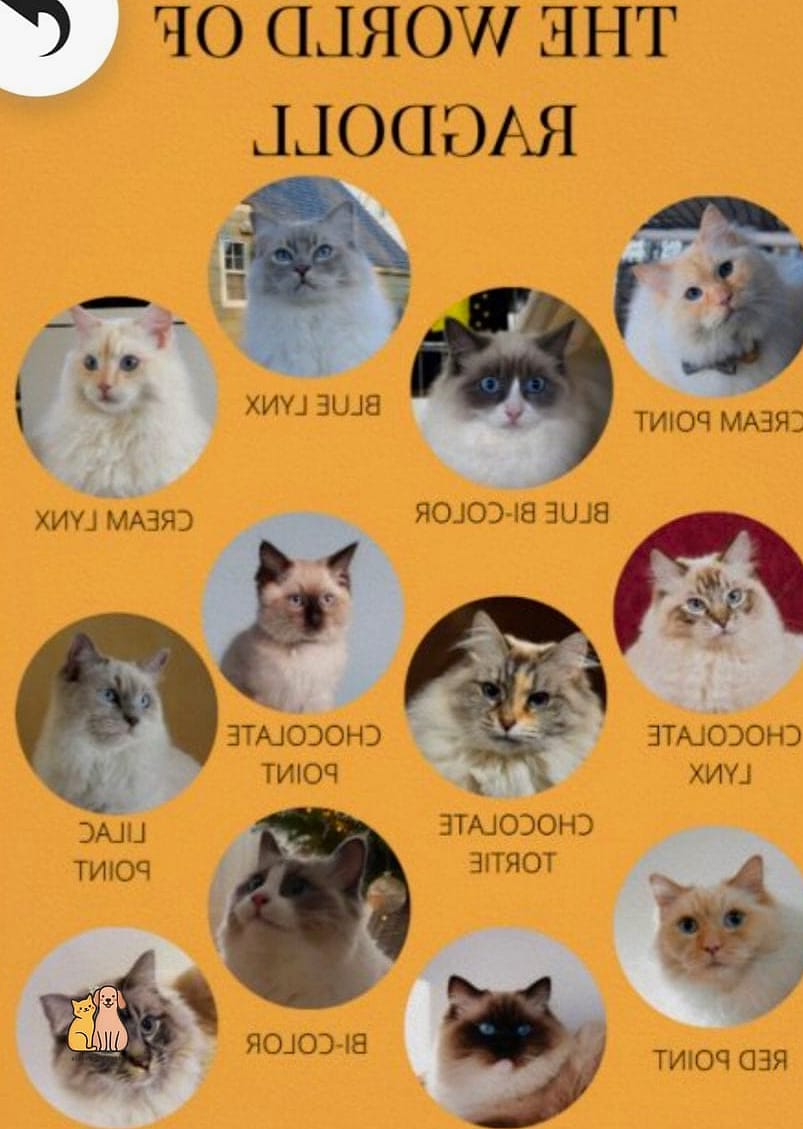
Their coats are semi-long, silky, and surprisingly low-maintenance compared to other long-haired breeds since they lack a dense undercoat. You’ll find them in colors like seal, blue, chocolate, and lilac, with patterns including colorpoint, mitted, and bicolor.
Temperament-wise, expect a gentle, easygoing companion who isn’t big on climbing curtains or knocking things off counters just for sport. They’re calm, affectionate, and generally good with kids, dogs, and pretty much anyone who wants to snuggle.
Care Requirements
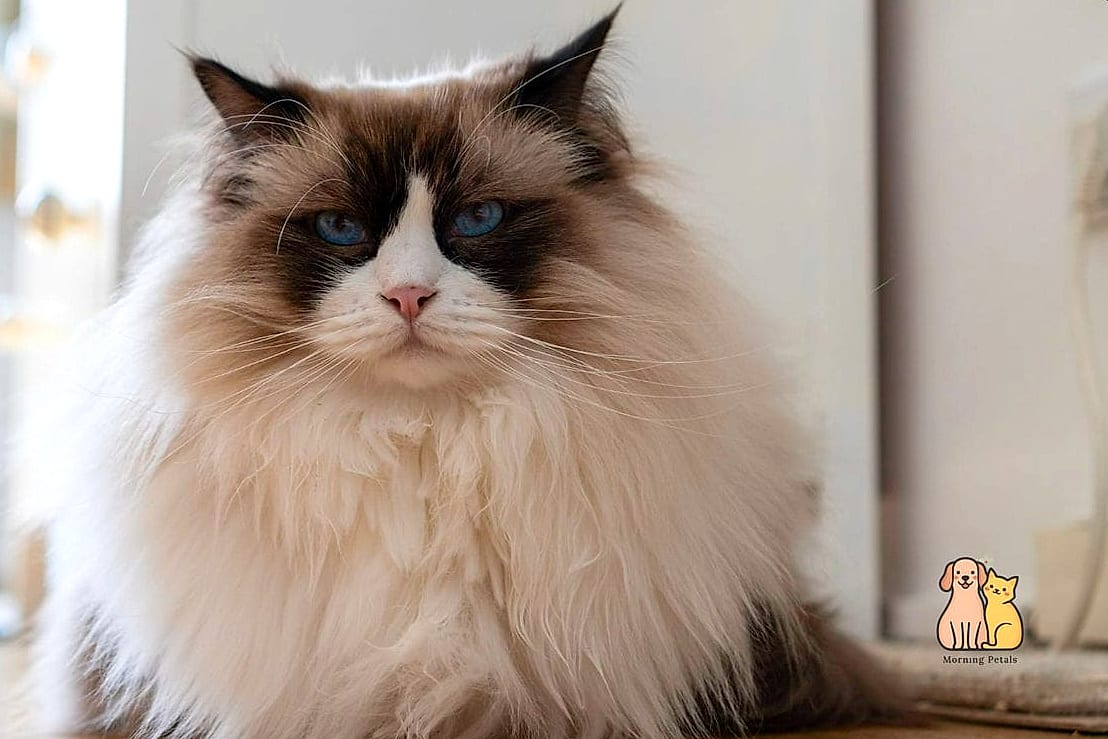
Despite the long coat, grooming a Ragdoll is fairly manageable. A good brush-through two to three times a week with a slicker brush or wide-tooth comb keeps mats at bay, especially around the belly and behind the ears where fur likes to tangle.
They’re not big self-groomers compared to some breeds, so a little help from you goes a long way. Regular nail trims, ear checks, and teeth brushing round out the basic routine.
Mentally, Ragdolls do best with some enrichment even though they’re laid-back. Puzzle feeders, a sturdy cat tree, and a few interactive toys keep their minds engaged without requiring a ton of daily exercise.
Housing and Space Needs
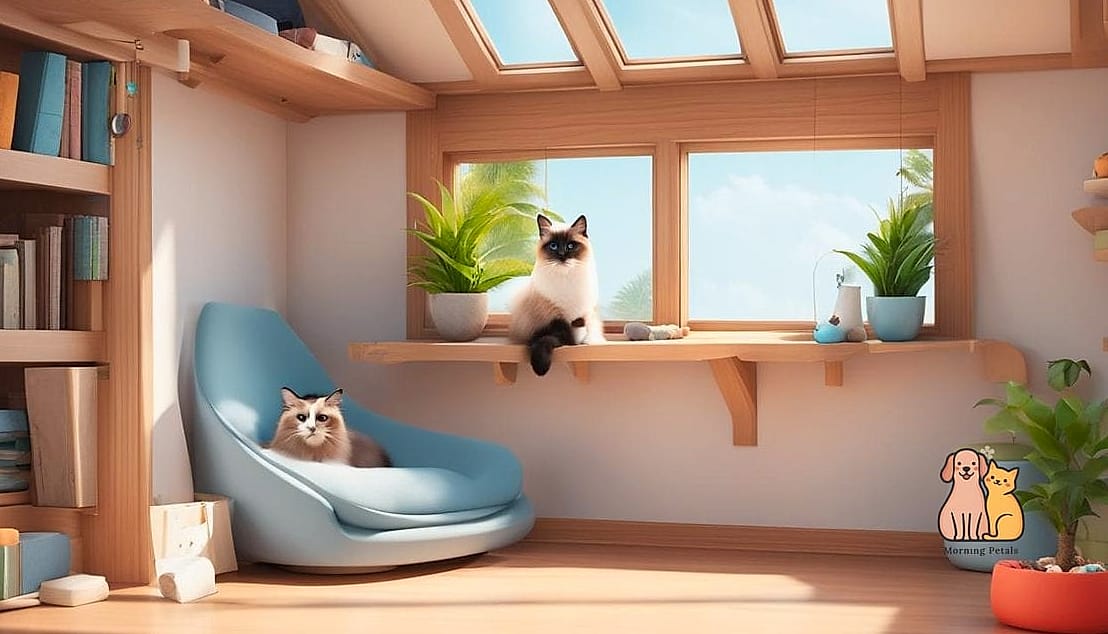
Ragdolls are famously chill about apartment living, which makes them a great fit for smaller spaces. Their low energy and easygoing nature mean they’re not scaling bookshelves or demanding acres of room to roam.
That said, they still appreciate vertical space. A cat tree near a sunny window or a few wall-mounted cat shelves gives them a perch to survey their kingdom from, which most Ragdolls genuinely enjoy even if they’re not natural climbers.
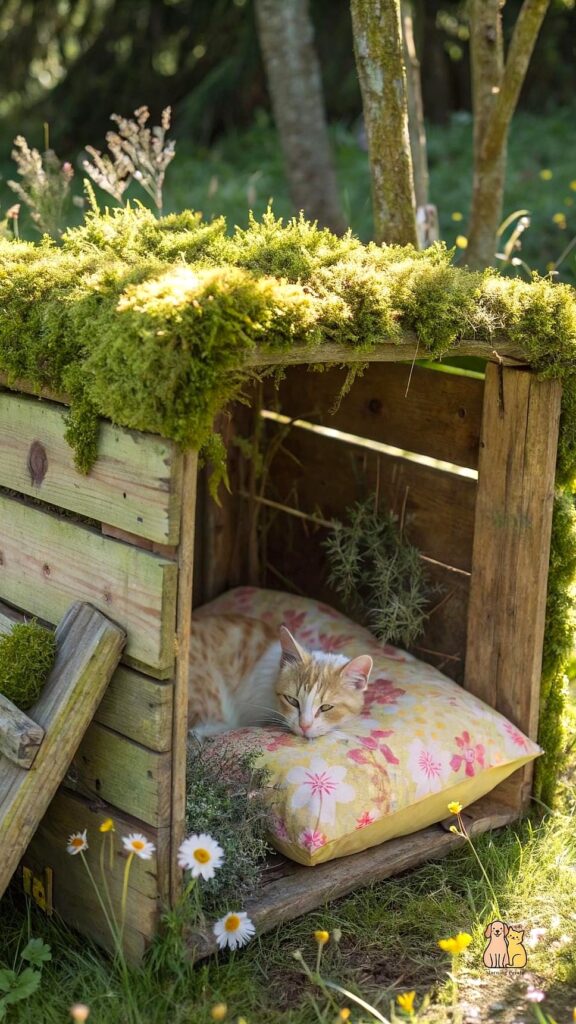
A cozy bed placed somewhere central is often more appreciated than a hidden hideaway, since Ragdolls like being near their people. Don’t be surprised if they choose your bed over any cat bed you buy.
Because they’re so trusting and not particularly street-smart, Ragdolls are better suited to indoor living or a secure catio enclosure rather than free-roaming outdoors. Their friendly nature makes them poor judges of danger.
Diet and Feeding
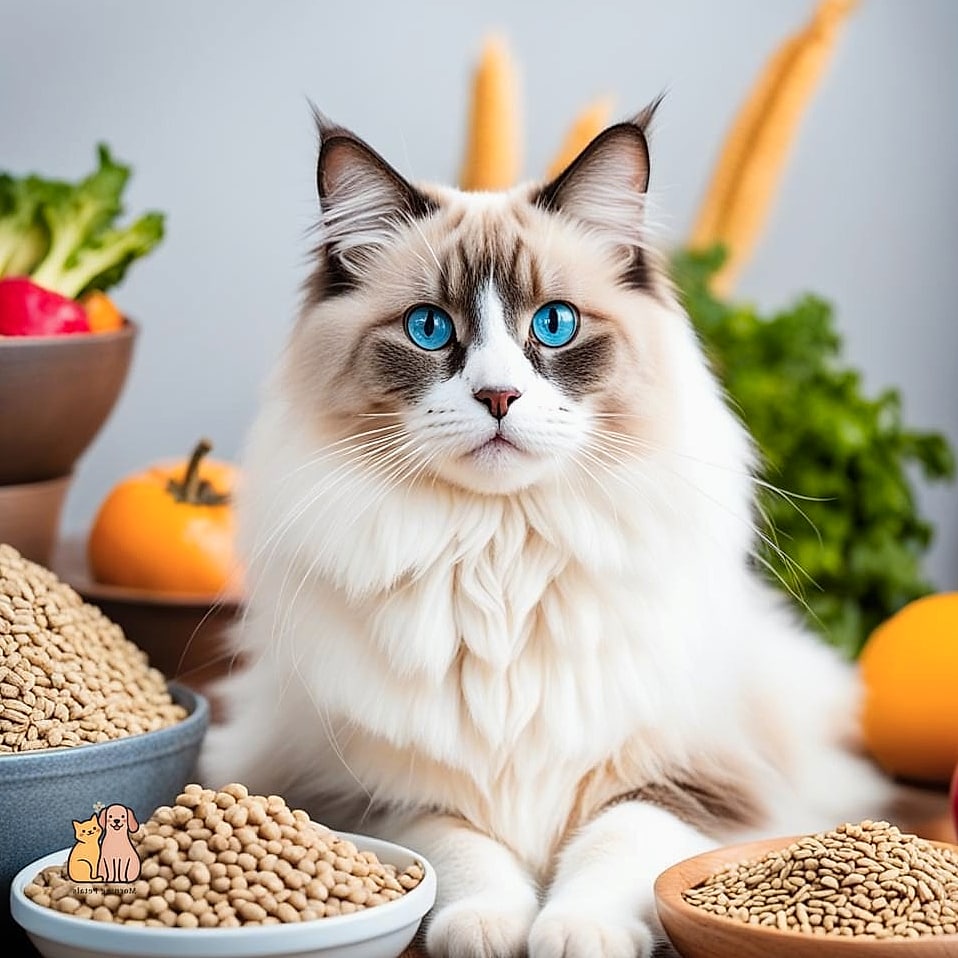
A high-quality diet with real animal protein as the first ingredient supports their large frame and long growth period. Since Ragdolls take years to reach full size, kittens especially benefit from a formula designed for growth.
Because they’re prone to becoming a bit food-motivated once they hit adulthood, portion control matters. A slow feeder bowl or puzzle feeder can help prevent them from inhaling their meals too fast, which also adds a bit of enrichment to mealtime.
Fresh water is a must, and a lot of Ragdolls seem to have a thing for running water specifically. A pet water fountain often gets more use than a regular bowl in households with this breed.
Health Considerations
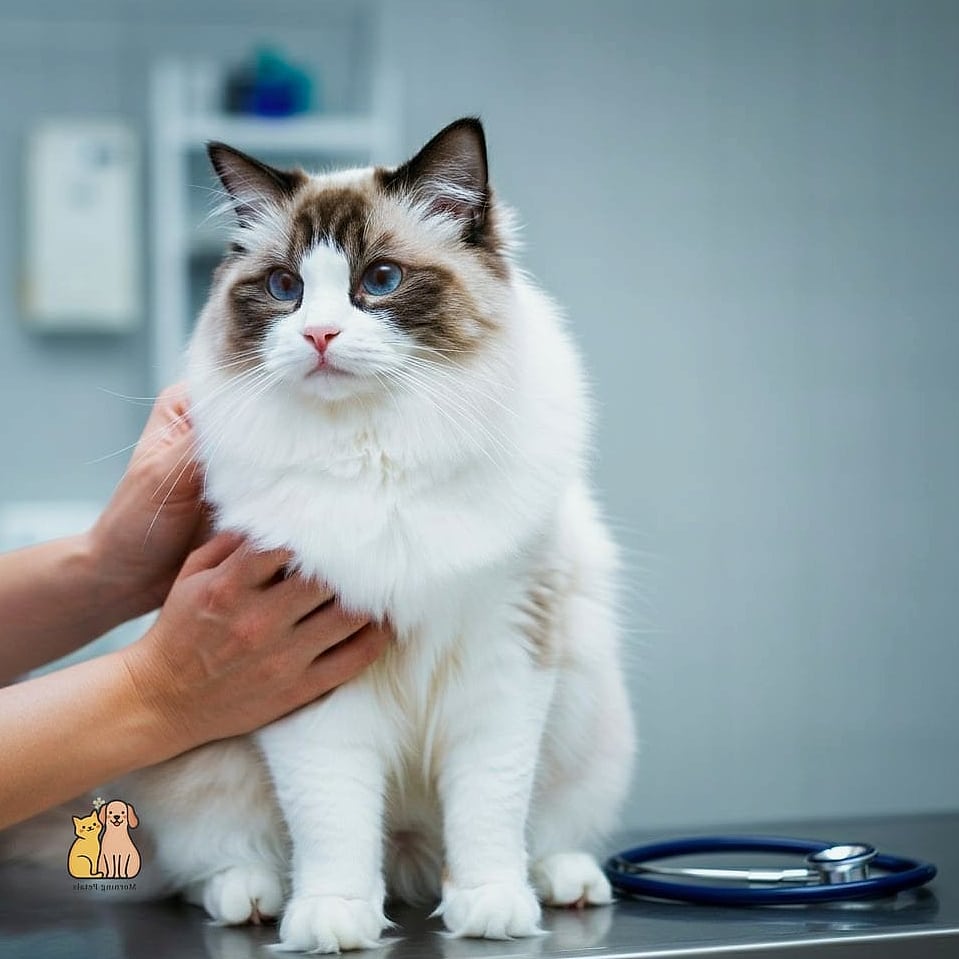
Ragdolls are generally healthy, but like most purebred cats, there are a few conditions worth knowing about. Hypertrophic cardiomyopathy, a form of heart disease, shows up more often in this breed, so reputable breeders typically screen for it.
Their large size also means joint health matters as they age, and maintaining a healthy weight goes a long way toward keeping them comfortable long-term. Regular vet checkups help catch anything early.
With good care, Ragdolls typically live 12 to 17 years, giving you plenty of time to enjoy their floppy, affectionate company.
Fun Facts
The breed originated in California in the 1960s, developed by a breeder named Ann Baker who wanted to create a cat with a uniquely docile temperament. The exact origin story has some mystery and myth mixed in, which only adds to their charm.
Ragdolls are born completely white and don’t develop their signature color points until several weeks after birth. Watching a Ragdoll kitten’s coat slowly reveal its pattern is honestly one of the more satisfying parts of raising one.
They’re also known for having relatively quiet, soft voices. Don’t expect the demanding yowls you might get from more vocal breeds like Siamese cats.
Final Thoughts
Ragdolls bring a rare combination of striking looks and genuinely sweet temperament that makes them a wonderful fit for families, first-time cat owners, and longtime cat people alike. They’re not high-maintenance, they’re not demanding, and they mostly just want to be near you.
If this guide has you considering one, reach out to a reputable breeder or check local rescues, since Ragdolls do occasionally show up in shelters despite their popularity. Either way, you’ll likely end up with a companion who greets you at the door and melts into your arms every single time you pick them up.