15 Genius Diy Indoor Cat Bridge That Are Pure Genius

- The Floating Wooden Plank Bridge
- The Rope and Ladder Bridge
- The Bookshelf-to-Bookshelf Catwalk
- The Corner-Mounted Triangle Bridge
- The Window-to-Window Bridge
- The Multi-Level Staircase Bridge
- The Repurposed Ladder Bridge
- The Floating Shelf Zigzag
- The Cat Tree to Wall Bridge
- The Hammock Bridge
- The Doorway Arch Bridge
- The Modular Cube and Bridge System
- The Carpeted Plywood Bridge
- The Branch and Log Bridge
- The L-Shaped Corner Connector Bridge
15 Genius Diy Indoor Cat Bridge That Are Pure Genius
If your cat spends half the day staring at the top of the bookshelf like it owes them money, it might be time to give them a real way to get up there. Indoor cat bridges are one of those projects that look complicated on Pinterest but are honestly pretty simple once you break them down. They give your cat vertical territory, which cats crave instinctically, and they turn boring wall space into something your feline actually uses every single day.
I’ve put together 15 genius DIY indoor cat bridge ideas that range from weekend-warrior easy to “I have some carpentry skills” ambitious. Whether you’ve got a rescue kitten still finding their footing or a confident older cat who practically parkours around your living room, there’s something here that’ll fit your space, your skill level, and your budget.
The Floating Wooden Plank Bridge
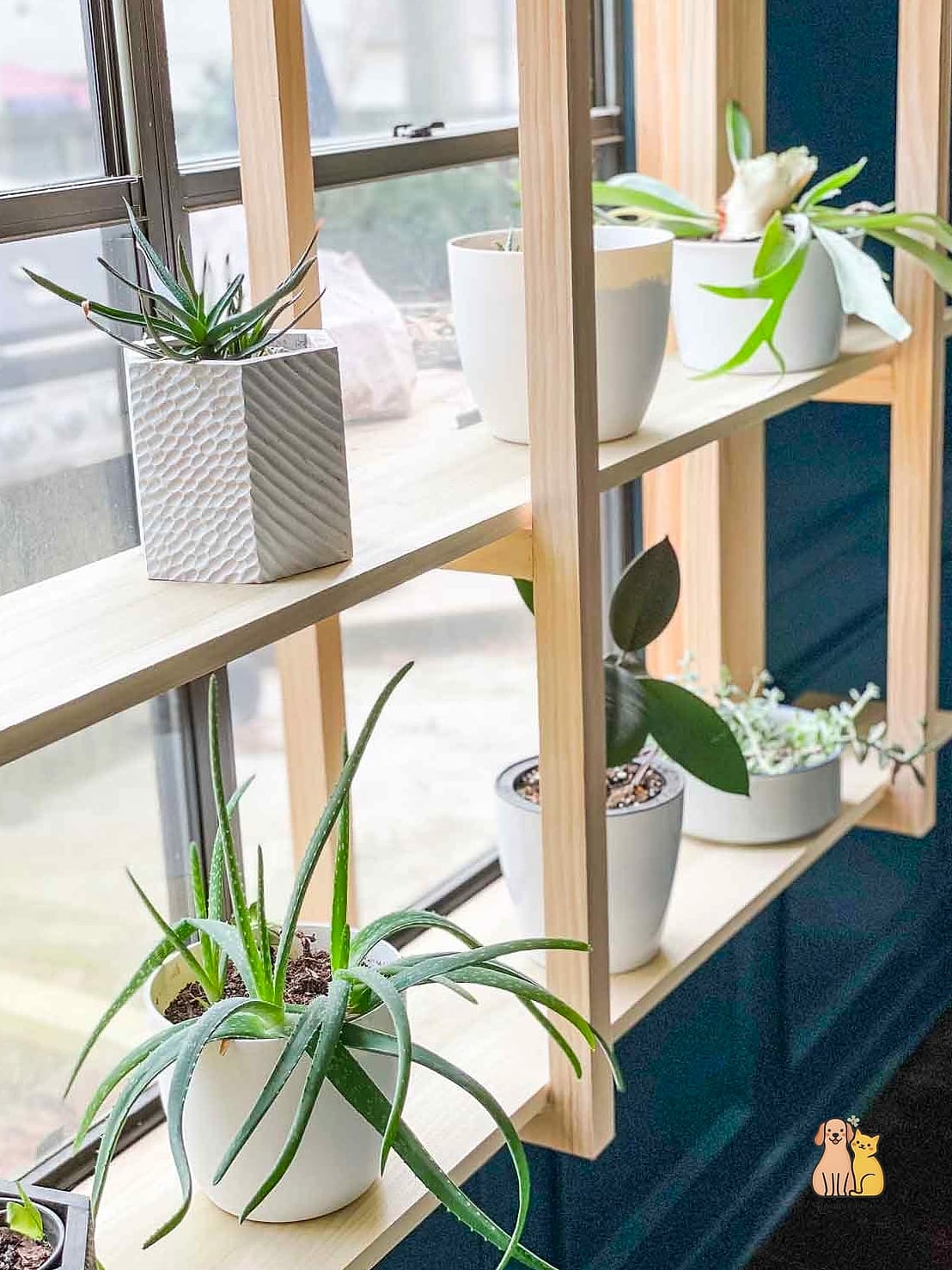
This one’s probably the most classic version of a DIY cat bridge, and for good reason. You mount a series of sturdy wooden planks (think pine or plywood, about 1 inch thick) to the wall using L-brackets, spacing them so your cat can hop from one to the next like stepping stones. It works best for confident jumpers and looks especially clean in a modern or minimalist living room. Budget-wise you’re looking at maybe $30-50 depending on how much wood you already have lying around, and sanding the edges smooth is non-negotiable so nobody gets a splinter mid-leap.
The Rope and Ladder Bridge
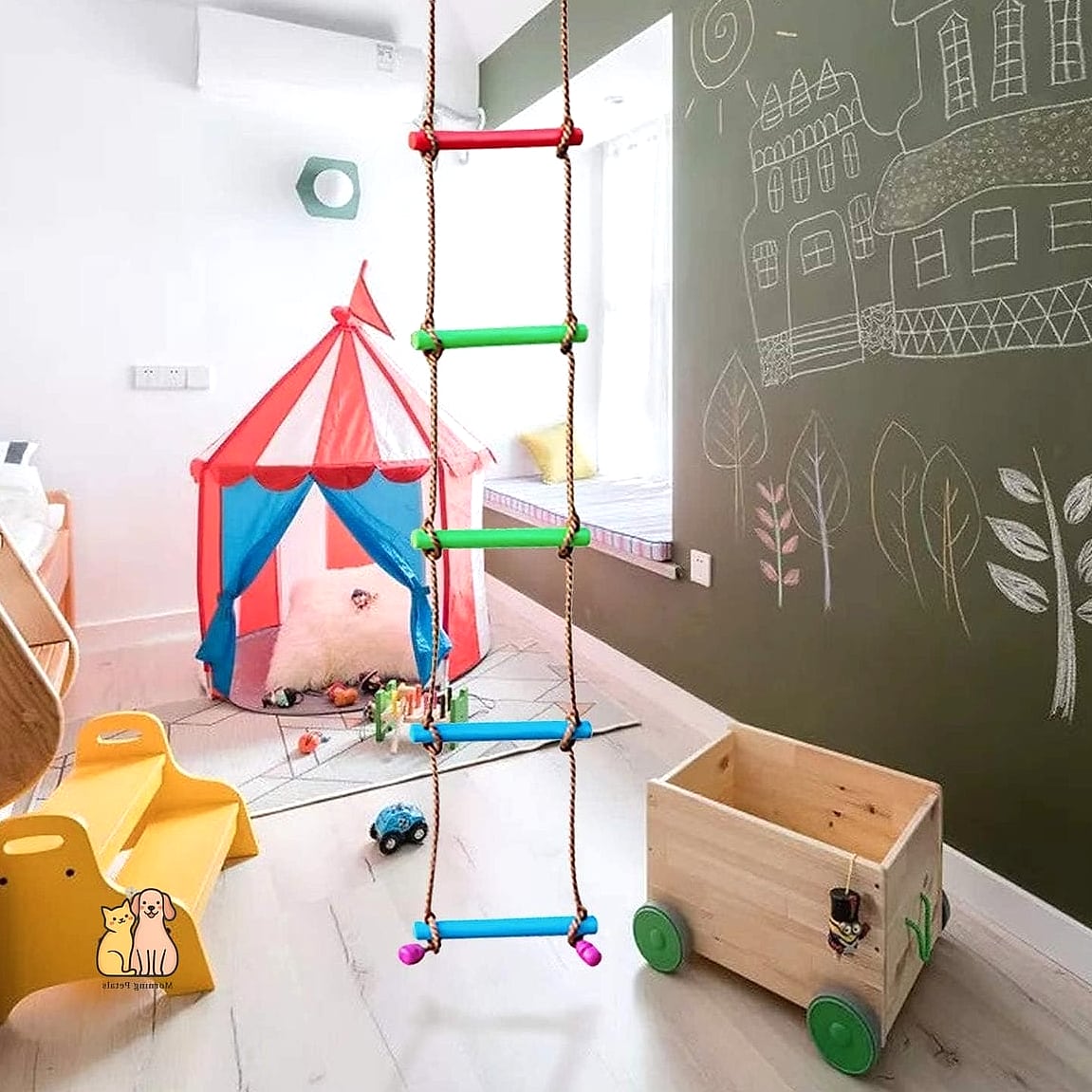
Instead of solid planks, this version uses thick sisal rope strung between two anchor points, almost like a suspension bridge for your cat. It sways slightly when they walk across it, which sounds terrifying but actually most cats find it fun once they get used to the movement. This suits younger, more agile cats better than seniors, and it doubles as a scratching surface if you use natural sisal rope. It’s a great option if you want something that feels more playful than a rigid wooden walkway.
The Bookshelf-to-Bookshelf Catwalk
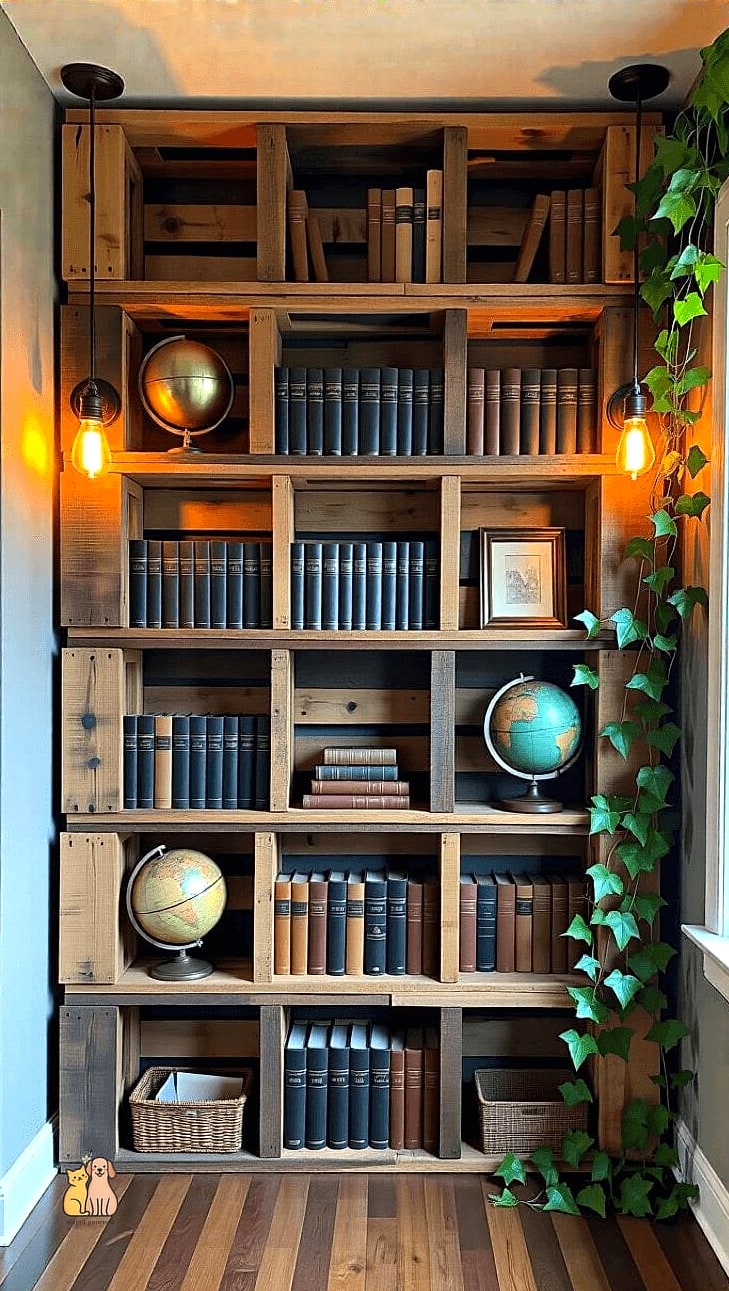
If you already have two bookshelves or tall furniture pieces facing each other, you can bridge the gap with a single wide plank or a repurposed floating shelf. This is honestly one of the easiest entries on this list because you’re using furniture you already own as the anchor points. It’s perfect for apartment dwellers who don’t want to drill fifteen holes in a rental wall, and it gives your cat a private highway above head height where the dog (if you have one) can’t follow.
The Corner-Mounted Triangle Bridge
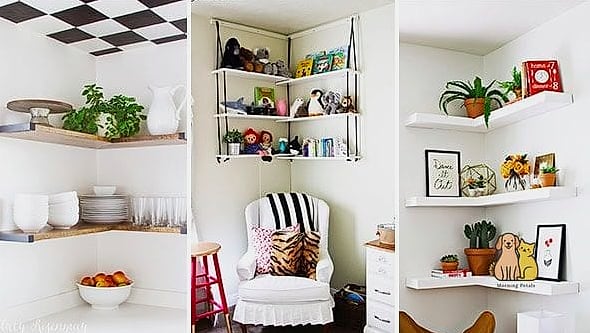
This design uses a triangular platform wedged into a room corner, connected by a short ramp or bridge segment to a nearby wall shelf. Corners are underused space in most homes, so this is a smart way to add cat real estate without taking up floor space. It works especially well in smaller rooms or apartments where every square foot matters. Cats seem to love corner perches because they can see two directions at once, which taps into their natural instinct to keep an eye on their surroundings.
The Window-to-Window Bridge
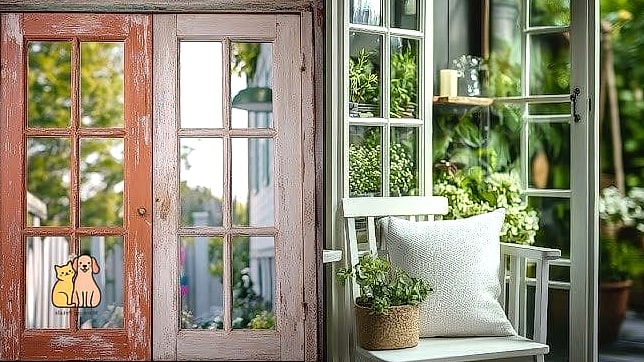
For homes with two windows on the same wall, running a bridge between them creates an entire sunbathing corridor. You’ll want a window perch or ledge at each end, connected by a plank bridge in between. This is ideal for cats who are obsessed with birdwatching or just soaking up sun, and it’s a lovely upgrade if your cat already has a favorite window they park themselves in for hours. Just make sure the bridge can hold weight without sagging near the window ledges.
The Multi-Level Staircase Bridge
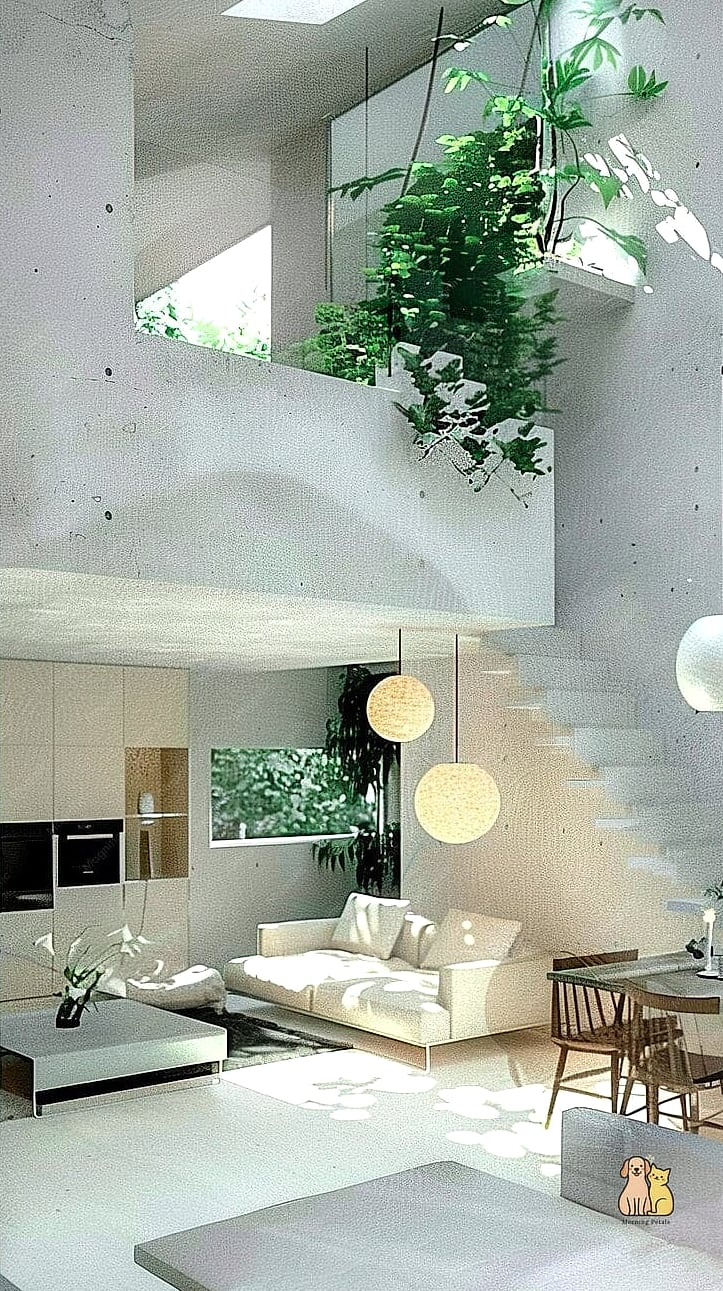
Rather than one straight walkway, this version zigzags upward using a series of small platforms that step up toward the ceiling, connected by short bridge segments. It’s a bigger project, more of a weekend-plus-a-Sunday kind of build, but it creates an entire vertical climbing structure rather than just a single path. This suits multi-cat households really well since it gives more room for cats to pass each other without a standoff. Carpeted platforms add grip and make the whole thing feel cozier.
The Repurposed Ladder Bridge
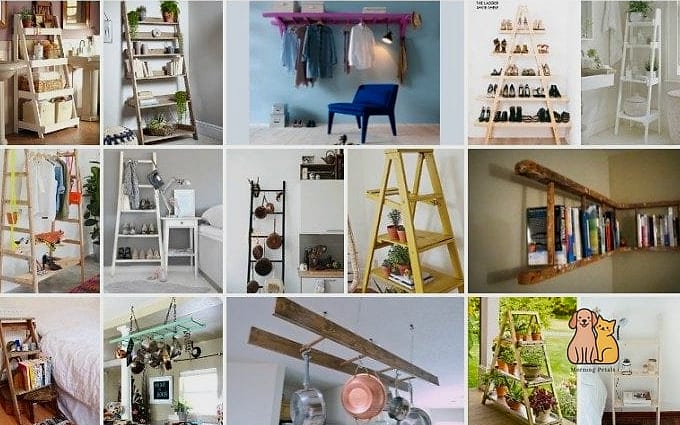
An old wooden ladder laid on its side, secured to the wall, makes a surprisingly sturdy and rustic-looking cat bridge. The rungs act as natural grip points, and you can add a thin plank or carpet runner across the top for comfort. This is a fantastic budget option if you’ve got an old ladder sitting in the garage doing nothing. It has a farmhouse charm that fits well in homes with reclaimed wood furniture or exposed beams.
The Floating Shelf Zigzag
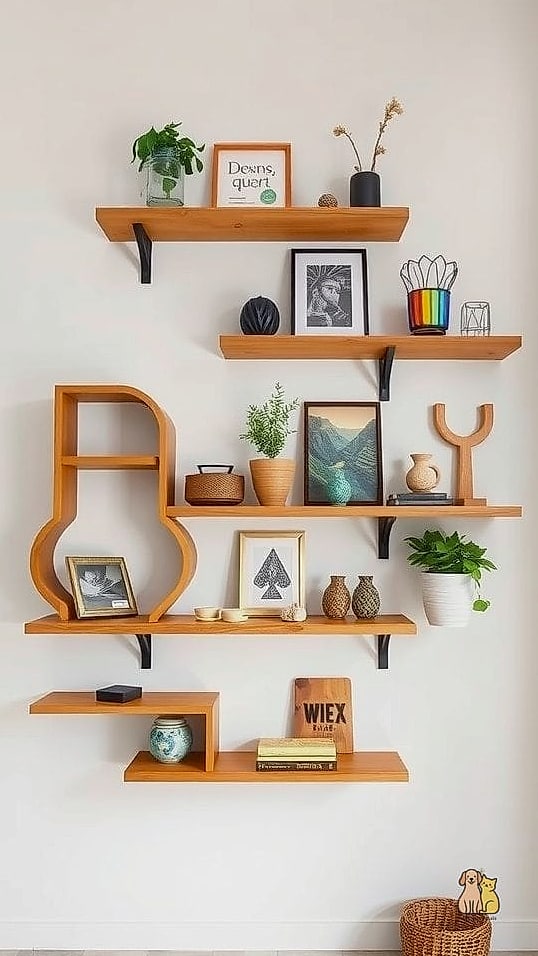
Using a set of floating shelves installed at slightly staggered heights and angles, you create a zigzag path up a wall rather than one flat bridge. This is less about crossing a gap and more about climbing, so it suits cats who like a challenge or younger cats with a lot of energy to burn. Floating shelves come in tons of finishes now, so this is an easy way to match your existing decor while still giving your cat something functional.
The Cat Tree to Wall Bridge
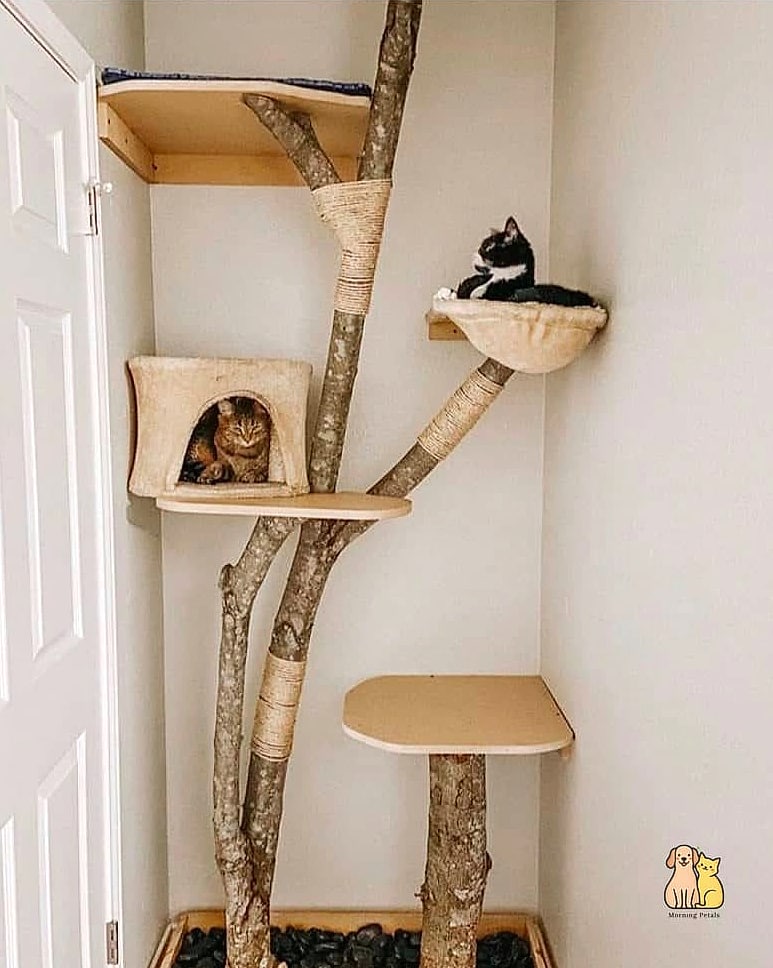
If you already have a tall cat tree, connecting it to a wall-mounted shelf or perch with a short bridge extends its usefulness dramatically. Instead of the cat tree being a dead end, it becomes the launching point for an entire elevated route around the room. This is a smart upgrade for anyone who feels like their cat tree just isn’t getting used as much anymore. Adding a bridge often reignites interest because there’s suddenly somewhere new to go.
The Hammock Bridge
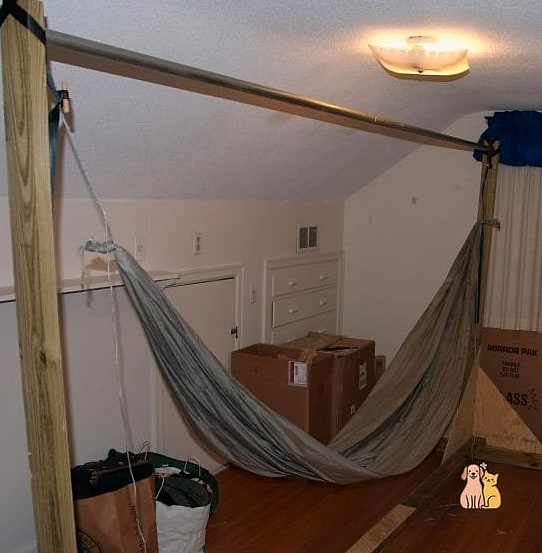
Rather than a flat plank, this design uses a fabric hammock stretched between two support points, giving your cat a place to pause partway across a longer bridge run. It’s less about walking and more about lounging mid-air, which sounds delightful honestly. This works nicely for older or heavier cats who want elevated territory without constant climbing and jumping. Choose a breathable canvas fabric and make sure the frame is rated for your cat’s weight.
The Doorway Arch Bridge
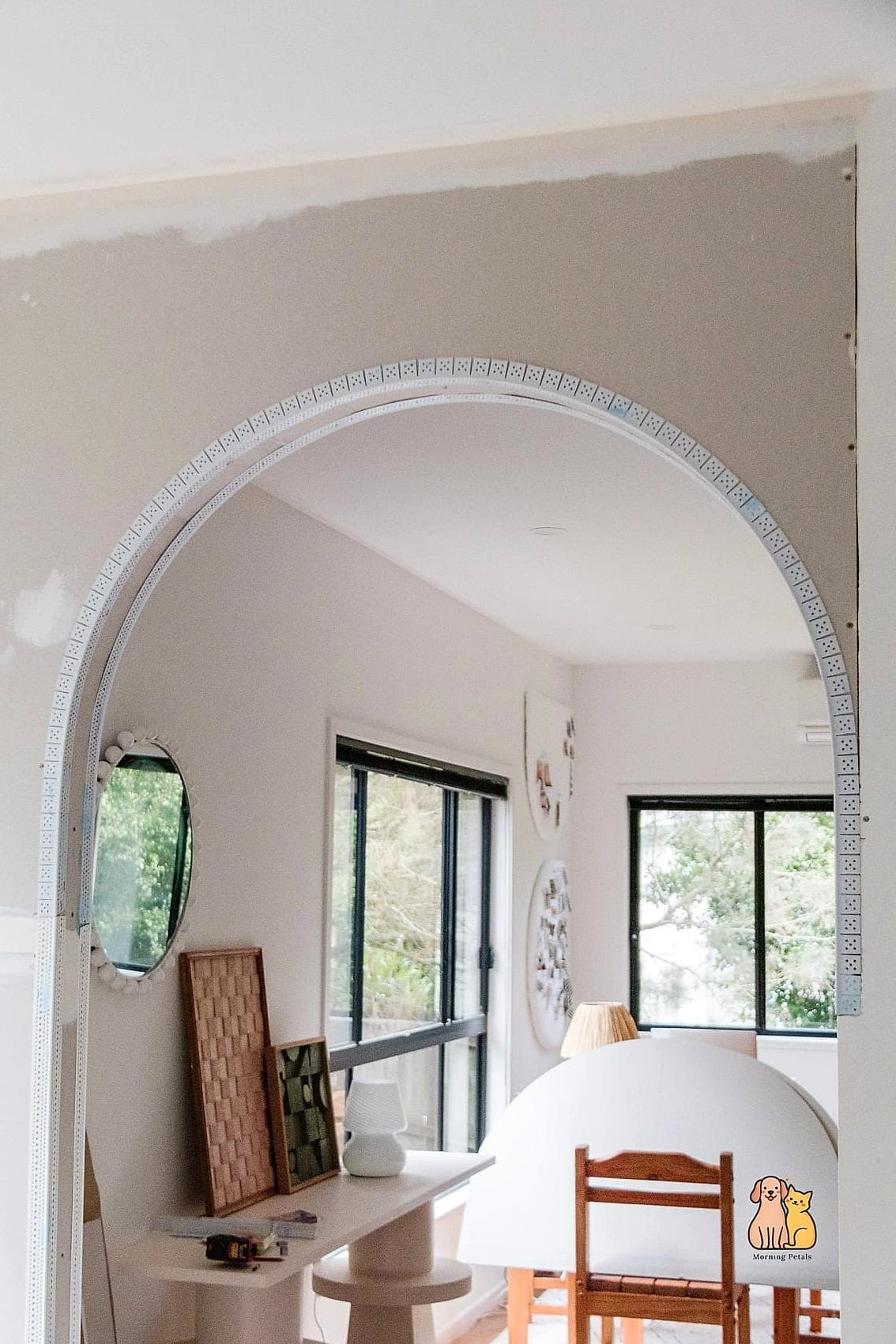
Mounted above a doorway, this bridge lets your cat cross from one room to another without touching the floor, which sounds excessive until you watch them do it and realize how much they love it. It requires careful measuring since door frames vary, and you’ll want brackets rated for the width of the gap. This is a genuinely clever way to connect two rooms that share a wall, especially in older homes with wider door casings.
The Modular Cube and Bridge System

This uses wall-mounted cubes (open-faced boxes) connected by short bridge segments, so your cat can either walk across the top or duck into a cube to hide and nap. It’s incredibly flexible because you can rearrange the layout anytime by unscrewing and remounting pieces. This suits shy or anxious cats especially well since the cubes double as little safe rooms along the route. IKEA cube shelving is a popular and affordable starting point for this build.
The Carpeted Plywood Bridge
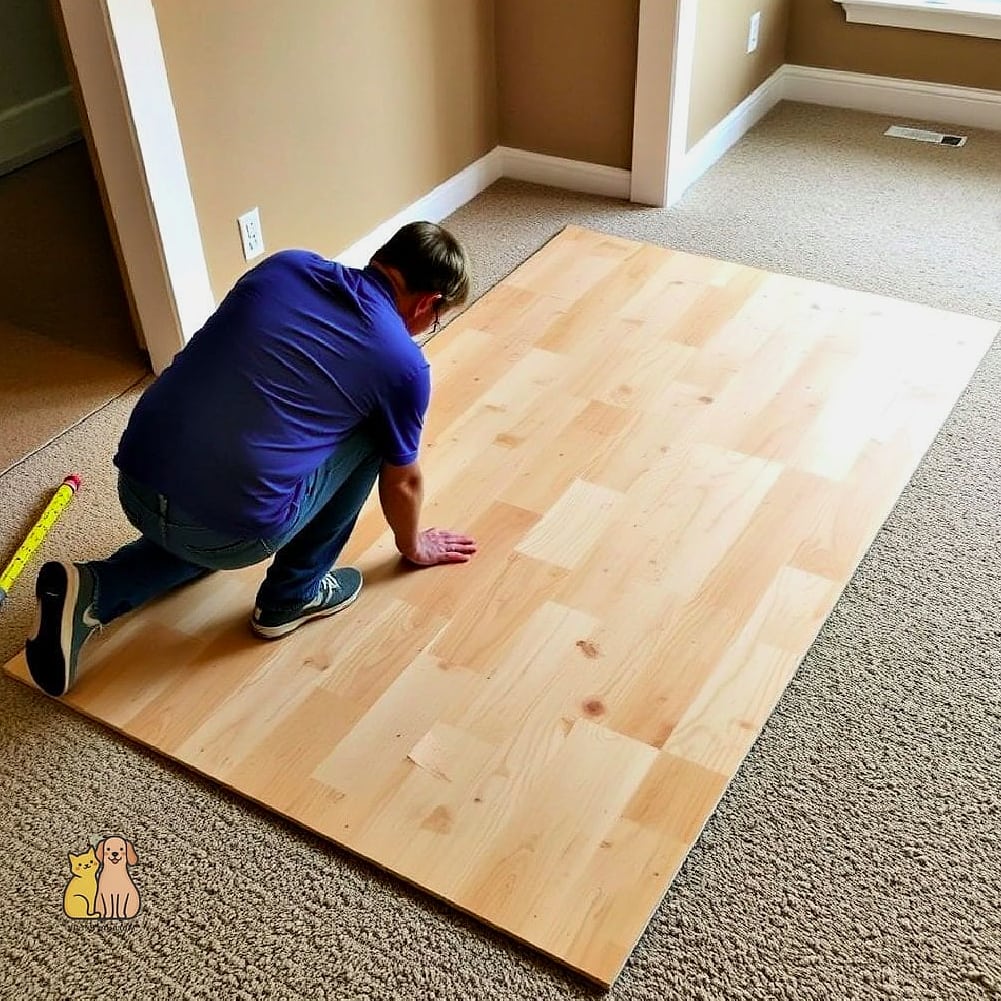
A straightforward plywood plank wrapped in leftover carpet or carpet remnant makes one of the more budget-friendly and grippy bridge options out there. The carpet gives texture for claws to grab onto, which matters a lot for senior cats or ones with mobility issues who need more traction. This is a great beginner project if you’re not confident with woodworking yet, since it’s really just cutting, wrapping, and mounting.
The Branch and Log Bridge

Using a real or faux tree branch as the bridge surface gives your setup a much more natural, outdoorsy look. Branches have natural texture and slight unevenness that some cats find more engaging than a flat, smooth plank. This works particularly well in boho or plant-filled homes where you want the cat furniture to blend into the aesthetic rather than stand out. Just sand off any loose bark and check for stability before mounting.
The L-Shaped Corner Connector Bridge
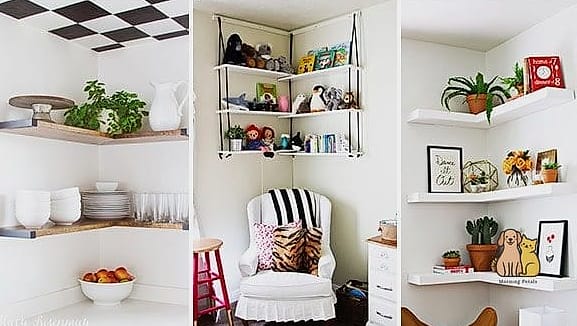
This design bends at a 90-degree angle to connect two walls that meet at a corner, rather than running in a straight line. It’s a smart solution for oddly shaped rooms where a straight bridge just wouldn’t fit the layout. Cats seem to enjoy the turn because it breaks up the route and gives them a spot to pause and survey the room from a new angle. This one takes a bit more planning with brackets and angle cuts, but it’s worth it for how seamlessly it fits into awkward corners.
Building any of these bridges is really about knowing your own cat first. A senior cat with joint stiffness is going to want something wide, carpeted, and low-effort, while a young energetic cat might actually enjoy the challenge of rope bridges or zigzag climbs. Start with sturdy anchor points, always check weight ratings on your brackets, and don’t be afraid to add a scratch post or window perch nearby as a stepping stone to the bridge itself.
Whichever of these 15 genius DIY indoor cat bridge ideas you end up trying, give your cat some time to get used to it. Most cats need a few days of sniffing, pawing, and cautious testing before they commit to using something new with full confidence. Once they do, though, you’ll probably catch them up there more often than on the couch.