30 Creative Diy Cat Scratchers That Will Inspire You
- The Classic Sisal Rope Post
- Cardboard Box Scratch Pad
- Wall-Mounted Scratch Board
- Cat Tree Scratching Tower
- Corrugated Cardboard Scratch Lounge
- Rope-Wrapped Table Legs Scratcher
- Hanging Door Scratcher
- Carpet Remnant Scratch Post
- Log-Style Natural Scratcher
- Modern Geometric Wall Scratcher
- Cardboard Cat Scratch Ball
- Bookshelf-Style Scratcher
- Recycled Denim Scratch Mat
- A-Frame Scratch Ramp
- Repurposed Wine Crate Scratcher
- Sisal Rope Ottoman Scratcher
- Vertical Carpet Tower
- Cardboard Scratch Wave
- DIY Scratching Post with Dangling Feather
- Floating Shelf Scratch Combo
- Pallet Wood Scratch Bench
- Twine-Wrapped PVC Pipe Scratcher
- Corner Scratch Guard
- Cat Scratch Chaise Lounge
- Braided Rope Hanging Scratcher
- Scratch Pad Coffee Table Insert
- Tree Stump Scratcher
- Fabric-Wrapped Foam Scratch Wedge
- Multi-Texture Scratch Board
- Repurposed Ladder Scratch Tower
30 Creative Diy Cat Scratchers That Will Inspire You
If your couch has seen better days, you already know the struggle. Cats need to scratch — it’s how they stretch, mark territory, and keep their claws healthy — and no amount of scolding is going to change that instinct. The good news is you don’t have to choose between your furniture and your cat’s happiness. This list of 30 creative DIY cat scratchers will inspire you to build something your cat actually wants to use, often for a fraction of what a store-bought scratcher costs.
Whether you’ve got a house full of cat trees already or you’re starting from scratch with your first kitten, there’s a project here for every skill level and budget.
The Classic Sisal Rope Post
This is the scratcher that started it all for a lot of DIY-minded cat owners. You wrap sisal rope tightly around a wooden post or a sturdy cardboard tube, glue it down at the ends, and mount it to a flat base. Cats love the texture because it mimics tree bark, and sisal holds up to serious clawing without shredding into a mess. Budget-friendly and beginner-level, this one’s a great starting project if you’ve never built a scratcher before.
Cardboard Box Scratch Pad
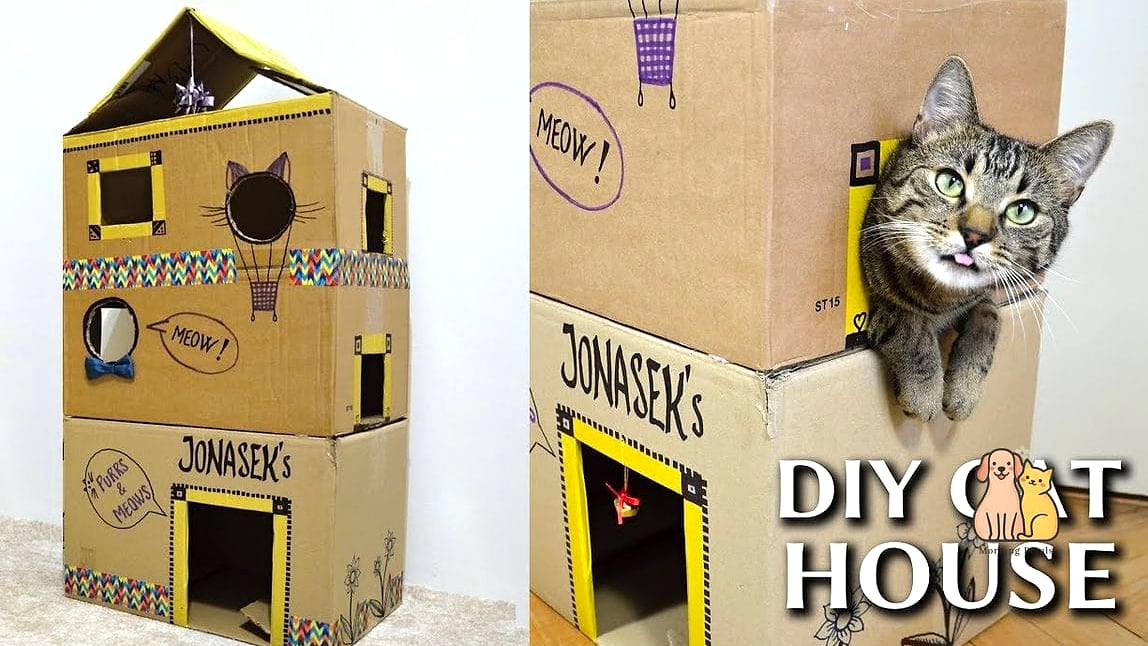
Flatten some cardboard boxes, cut them into strips, and stack them tightly inside a shallow frame or box lid. The layered edges give cats a satisfying texture to dig into, and you can flip it over once one side wears down. This is about as budget-friendly as it gets, and it’s perfect for apartment living where space is tight.
Wall-Mounted Scratch Board
Take a rectangular piece of plywood, wrap it in sisal fabric or rope, and mount it at an angle on the wall at cat height. This works especially well for cats who like to stretch upward while scratching, and it keeps the scratcher off the floor entirely, which is great if you’re tight on square footage.
Cat Tree Scratching Tower
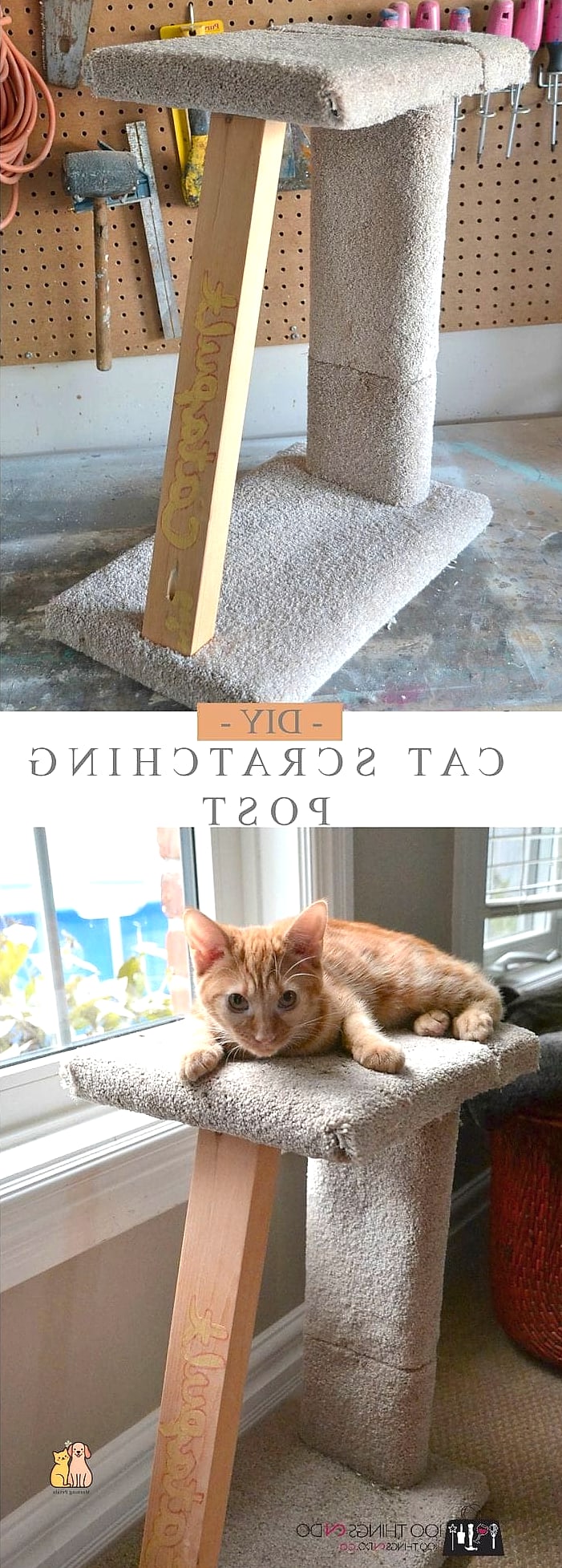
If you’ve got some woodworking experience, building a full multi-level cat tree with sisal-wrapped posts is a rewarding weekend project. Add platforms, a hidey-hole, and a dangling toy for extra enrichment. Larger breeds like Maine Coons especially appreciate a sturdy, tall structure that can handle their size.
Corrugated Cardboard Scratch Lounge
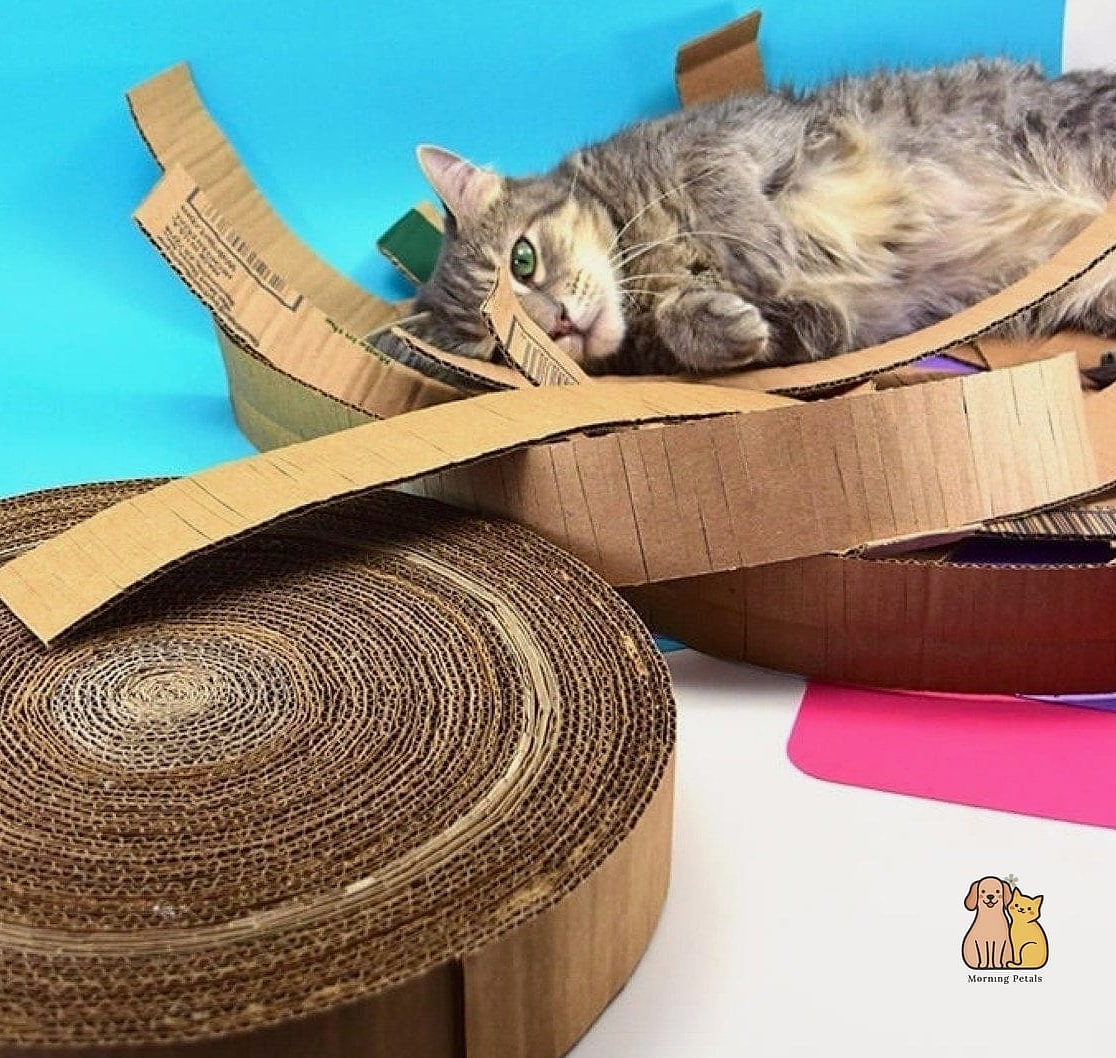
Instead of a flat pad, cut wavy cardboard pieces and glue them into a curved lounge shape your cat can scratch and nap on at the same time. It’s low-cost and endlessly popular with cats who like to sprawl out in the sun. Just be ready to replace it every few months since cardboard wears down fast.
Rope-Wrapped Table Legs Scratcher
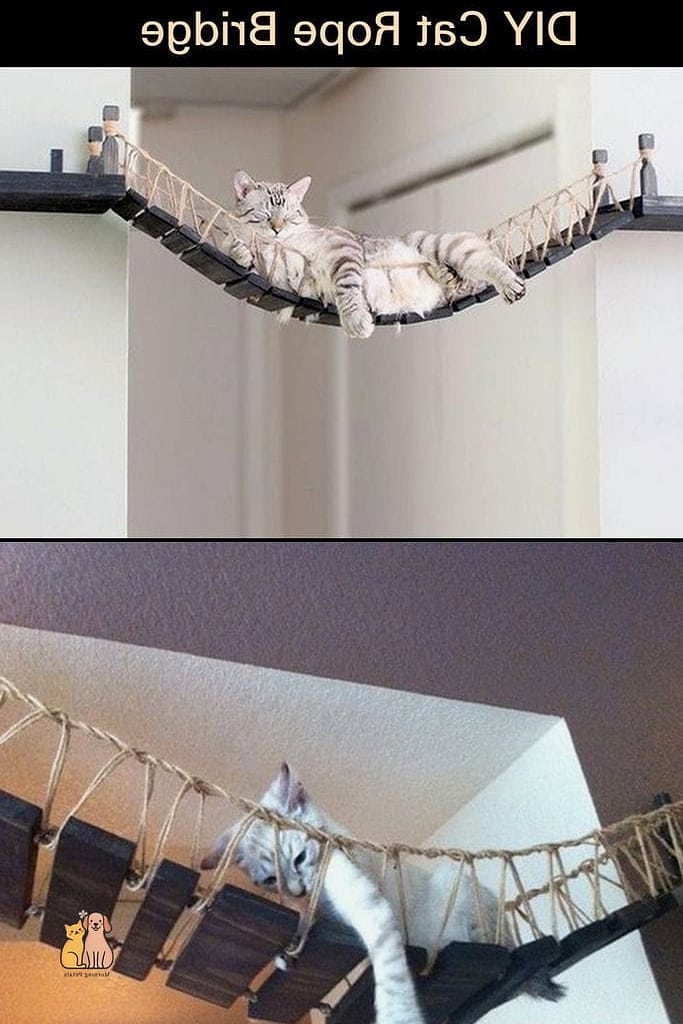
Repurpose an old side table by wrapping the legs in sisal rope. It gives your cat a natural-height scratching post while doubling as furniture, which is a nice trick if you don’t have room for a dedicated cat tree. This works particularly well in small apartments where every piece needs to earn its keep.
Hanging Door Scratcher
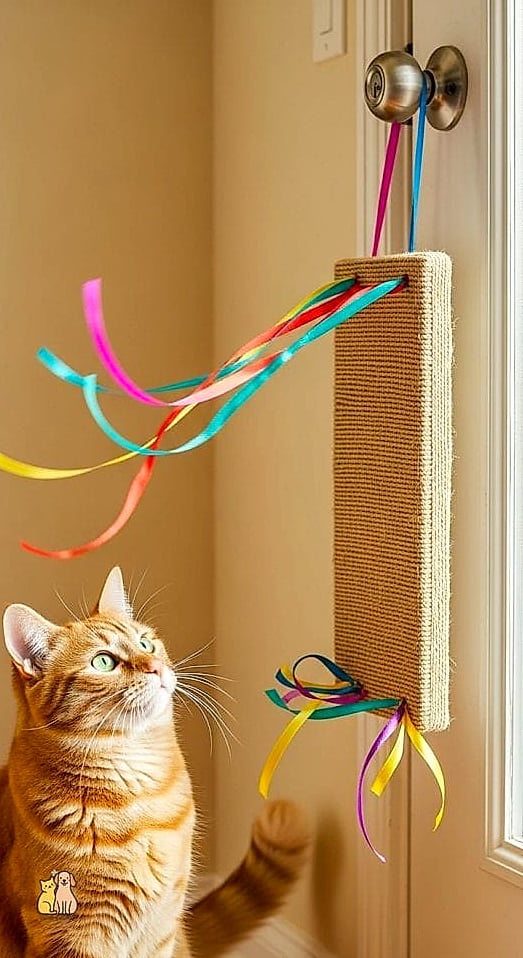
Attach a sisal-wrapped board to the back of a door with sturdy hooks so it hangs at cat height. It’s an easy-access option for cats who like to scratch right when they wake up from a nap nearby. Just make sure it’s secured well since cats can be surprisingly forceful.
Carpet Remnant Scratch Post
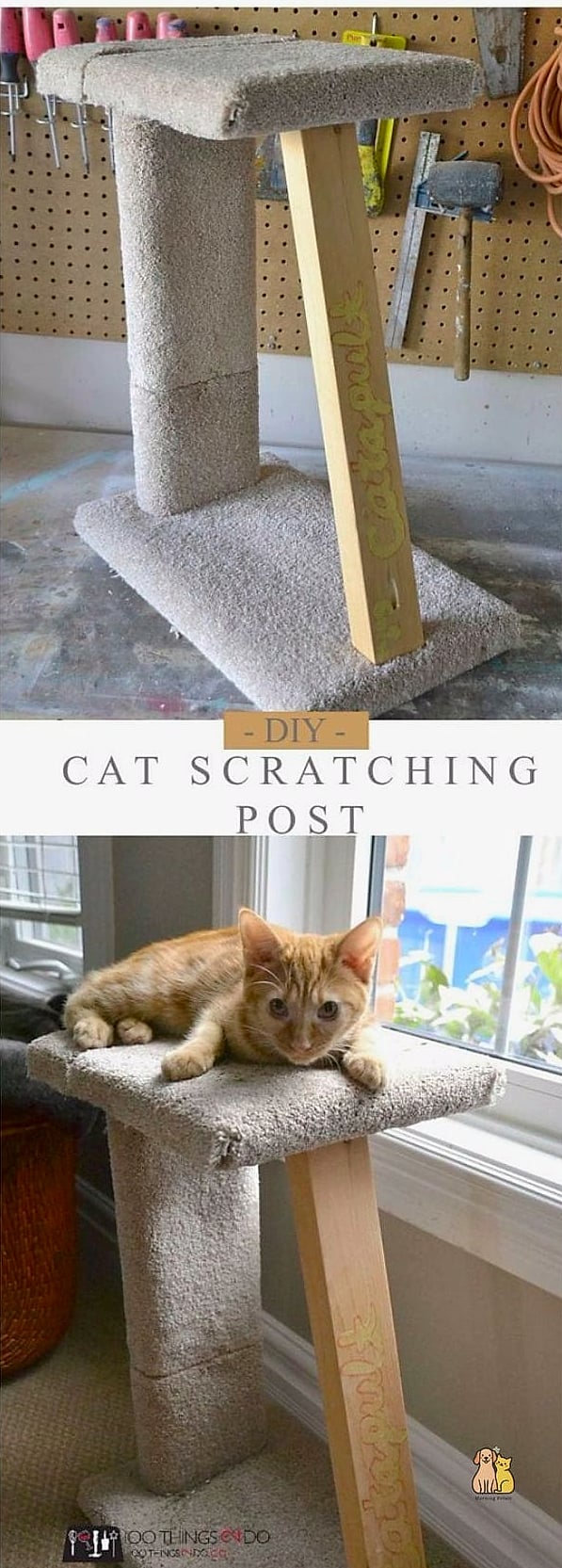
If you’ve got leftover carpet from a home renovation, wrap it around a wooden post for a soft, plush scratching surface. Some cats prefer this texture over sisal, especially older cats with sensitive paws. It’s a great way to repurpose materials you’d otherwise toss out.
Log-Style Natural Scratcher
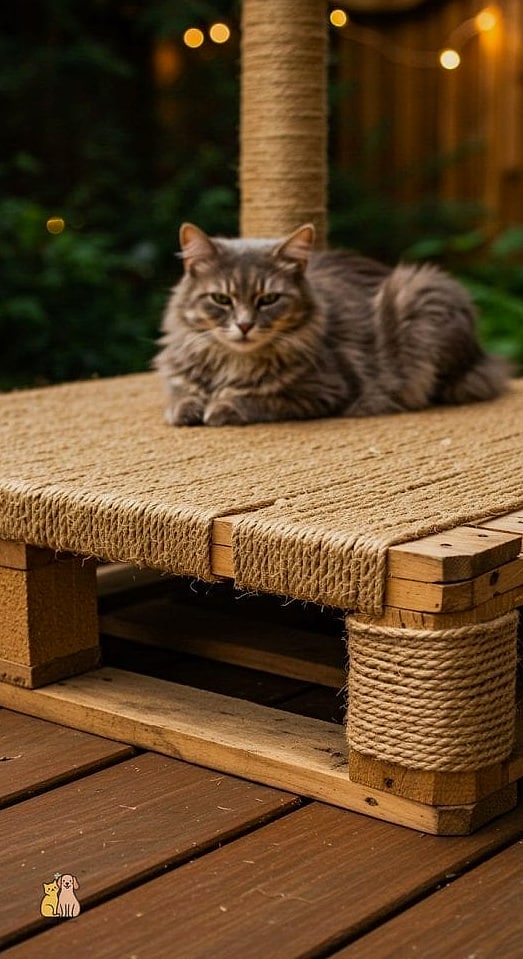
Source an untreated log or thick branch, sand down any sharp edges, and mount it upright on a stable base. This taps into a cat’s most primal scratching instinct since it looks and feels like an actual tree. It’s a favorite for outdoor cats transitioning to indoor life.
Modern Geometric Wall Scratcher
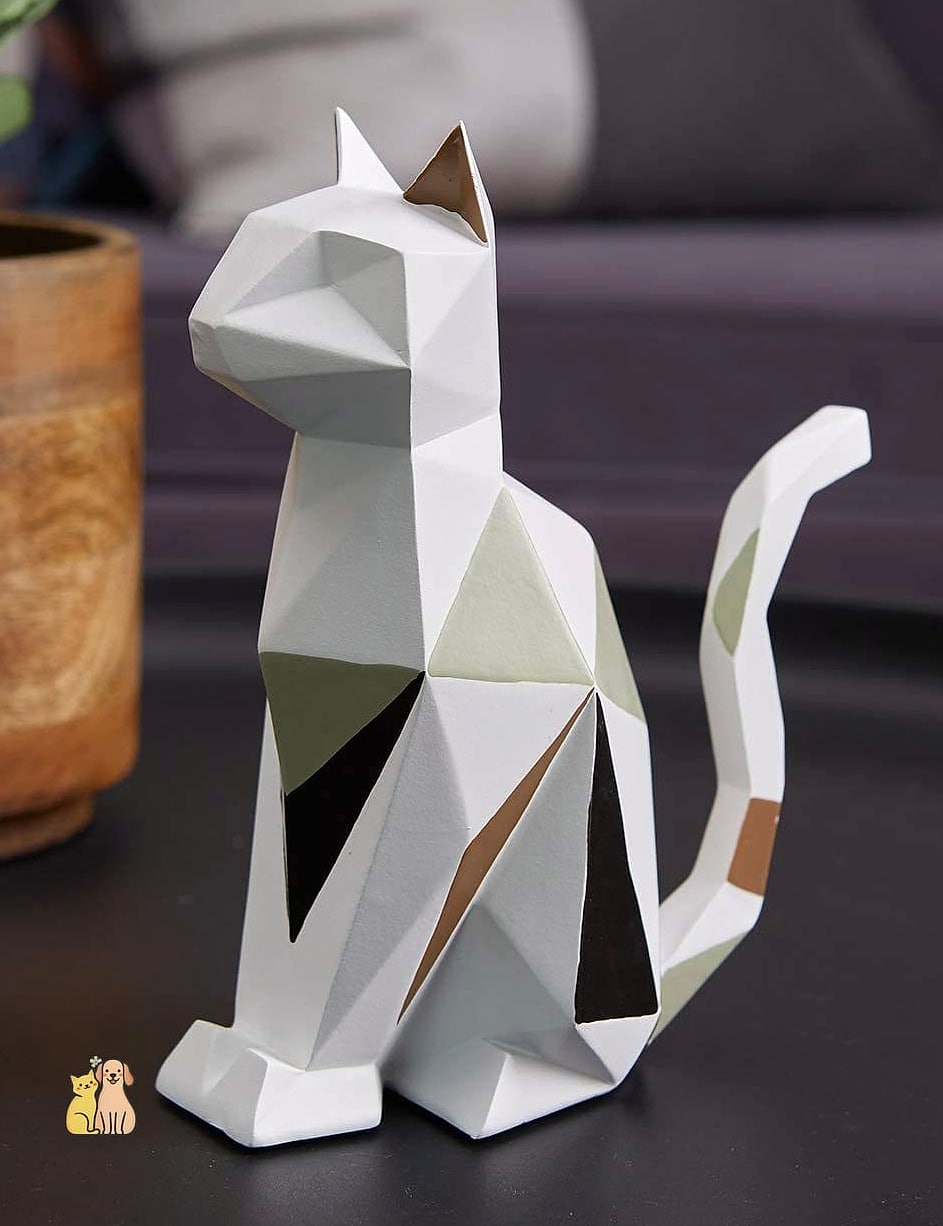
Cut angular wood panels and cover them in sisal for a scratcher that doubles as wall art. This is ideal if you care about your home’s aesthetic and don’t want a bulky cat tree taking over the living room. Paint the wood frame to match your decor for an even more polished look.
Cardboard Cat Scratch Ball
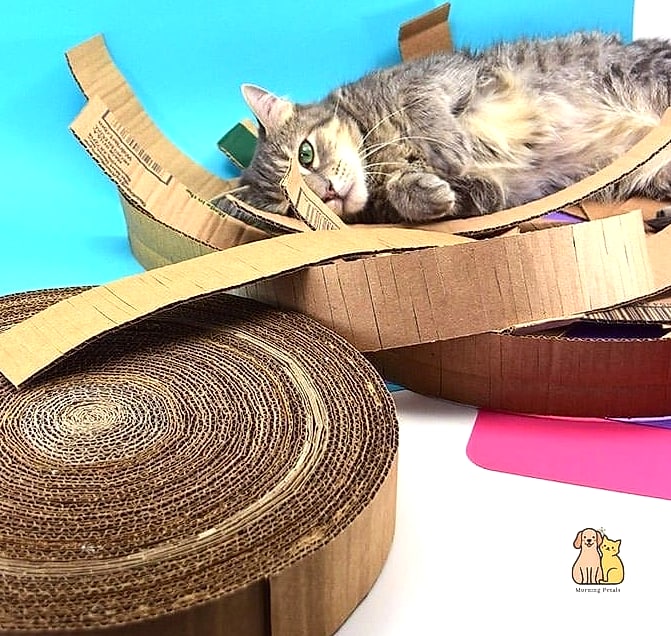
Cut cardboard into circular discs, stack and glue them, then carve or wrap the edges into a rounded shape. It rolls slightly when scratched, which adds a playful element that a lot of cats find irresistible. This one’s a fun weekend project if your cat likes toys as much as scratching.
Bookshelf-Style Scratcher
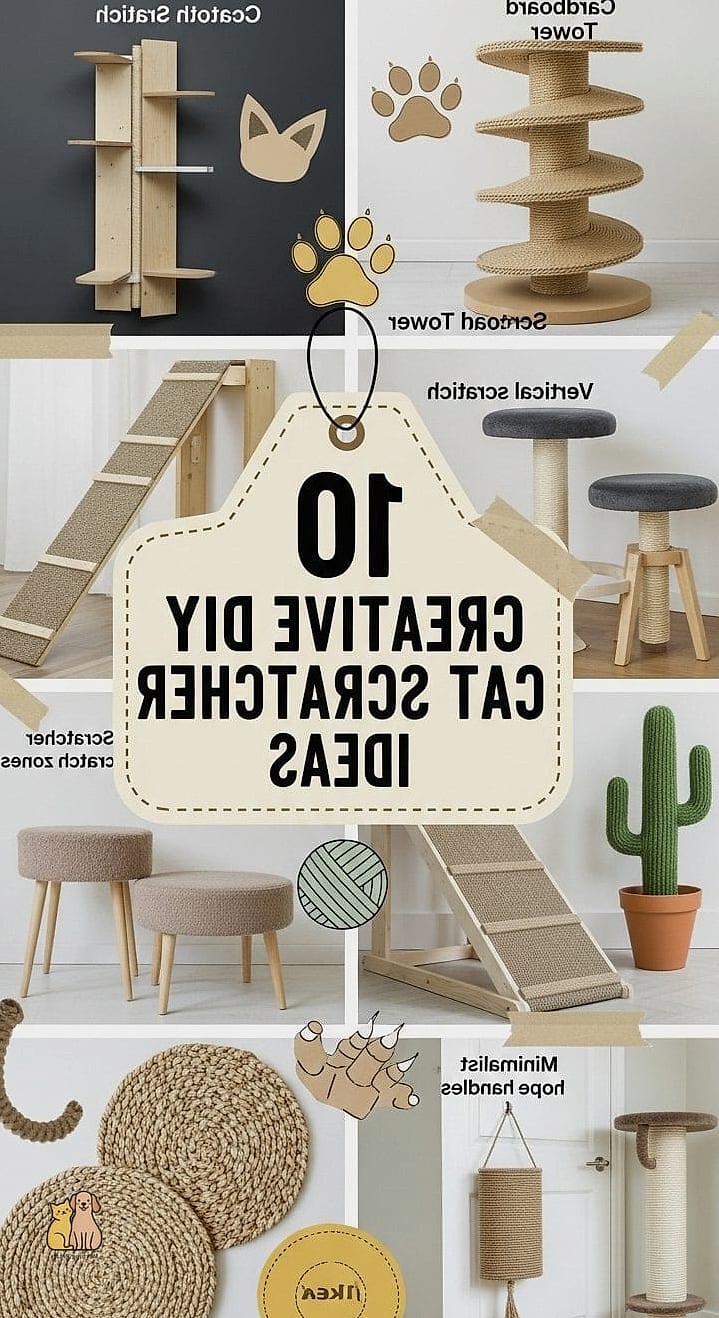
Build small wooden shelves lined with sisal at the base of each level, creating a mini bookshelf your cat can climb and scratch on the way up. It’s a clever use of vertical space and gives shy cats a place to perch above the room. Great for multi-cat households where everyone wants their own spot.
Recycled Denim Scratch Mat
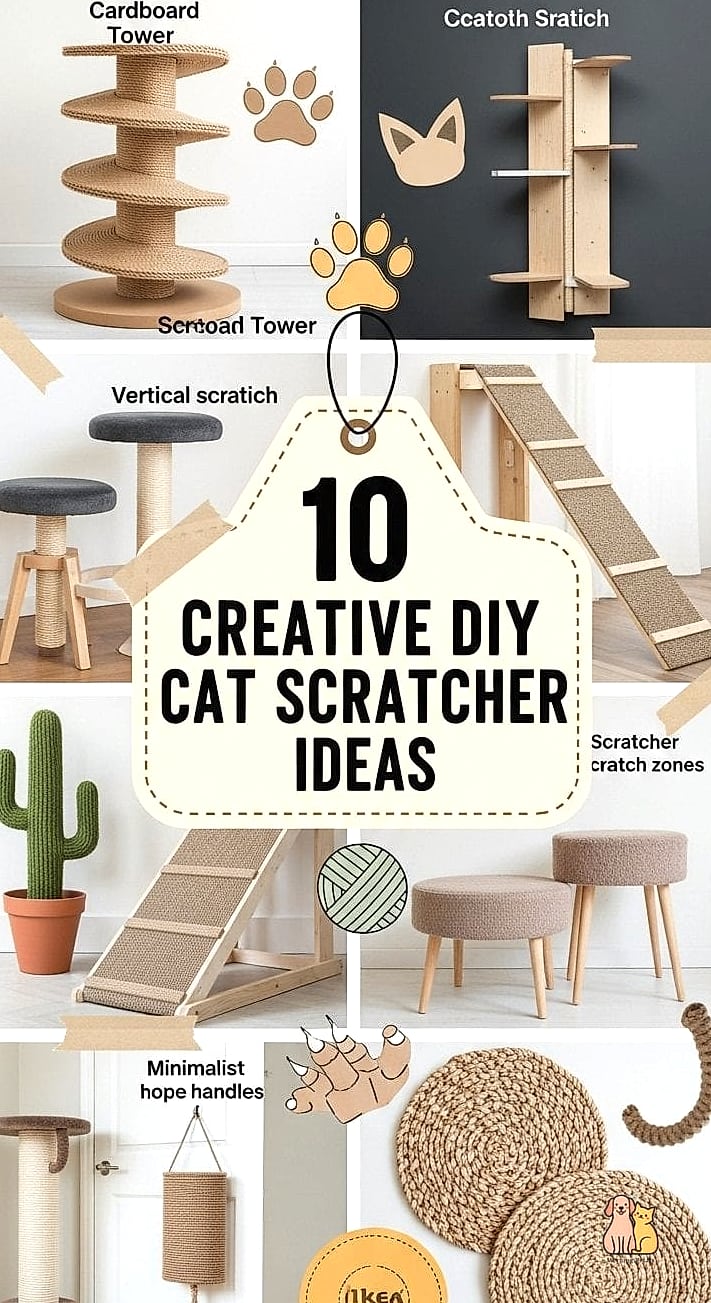
Old jeans have surprisingly tough fabric, so cutting them into strips and weaving them onto a wooden frame makes a durable, low-cost scratch mat. It’s a great upcycling project if you’ve got worn-out denim sitting around. The texture is a bit different from sisal, so test it out before committing to a big batch.
A-Frame Scratch Ramp
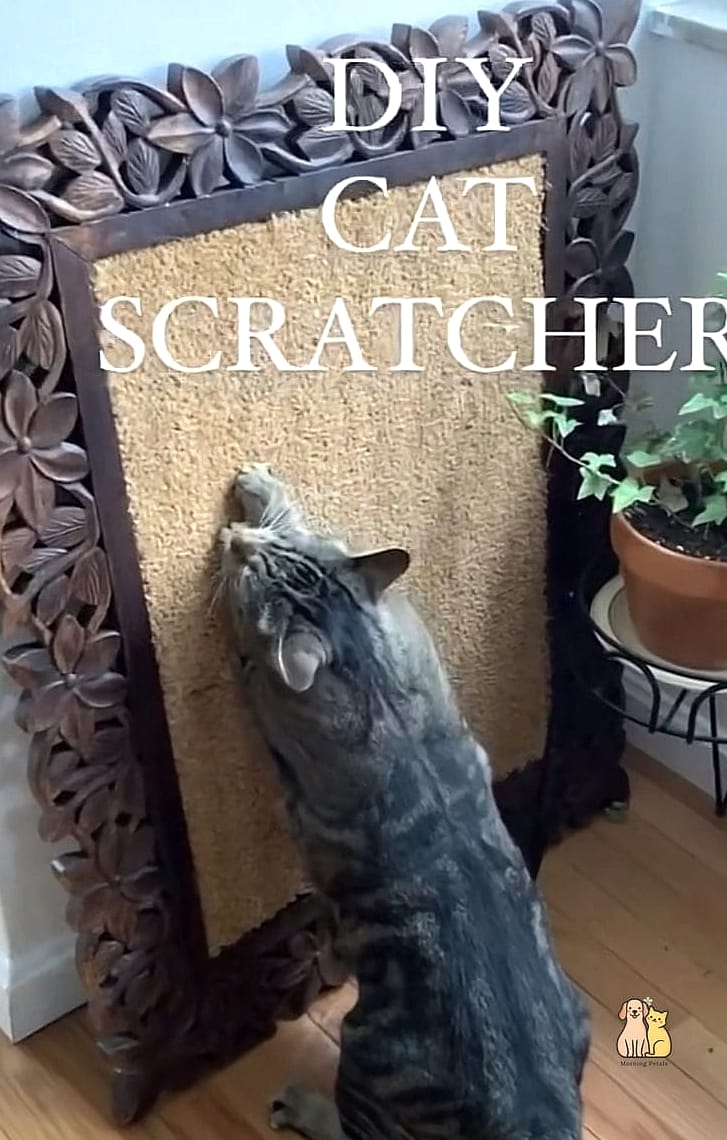
Build two angled wood panels covered in sisal that meet at a peak, creating a small A-frame ramp. Cats can scratch on either side or lounge on top once they’re tired out. This shape is especially good for kittens still building up their scratching stamina.
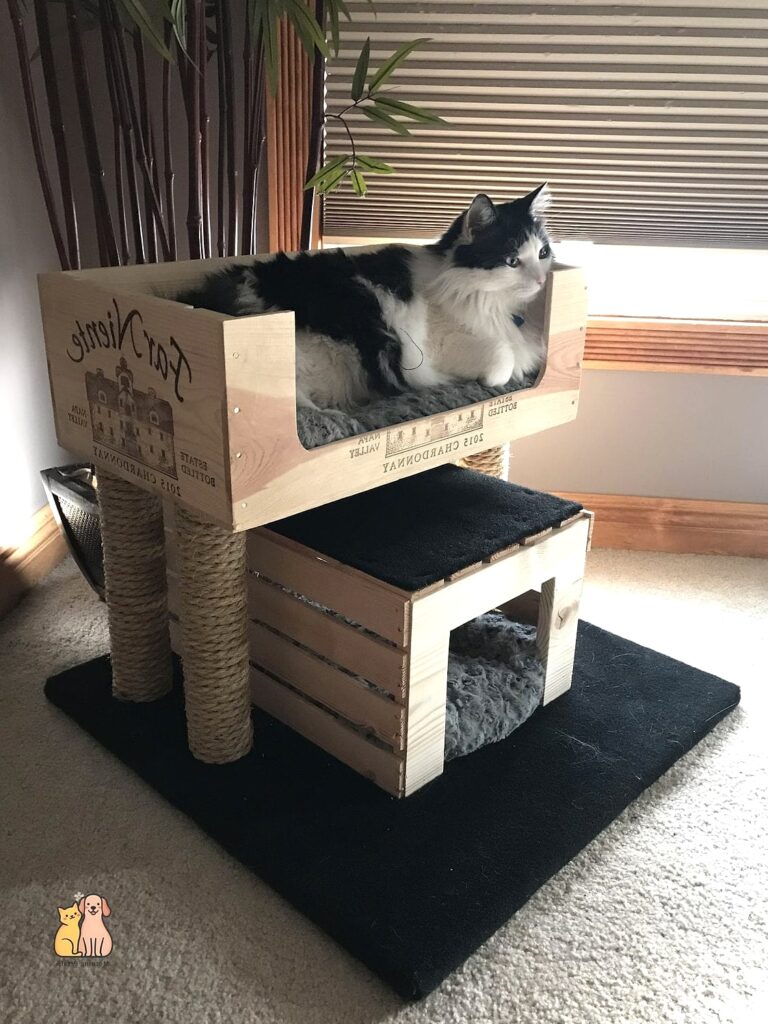
Repurposed Wine Crate Scratcher
Wine crates have great bones for a scratcher project — sturdy wood and a compact size. Line the interior panels with sisal and turn it into a cozy scratch-and-hide combo. It’s a charming option if you want something that looks intentional rather than makeshift.
Sisal Rope Ottoman Scratcher
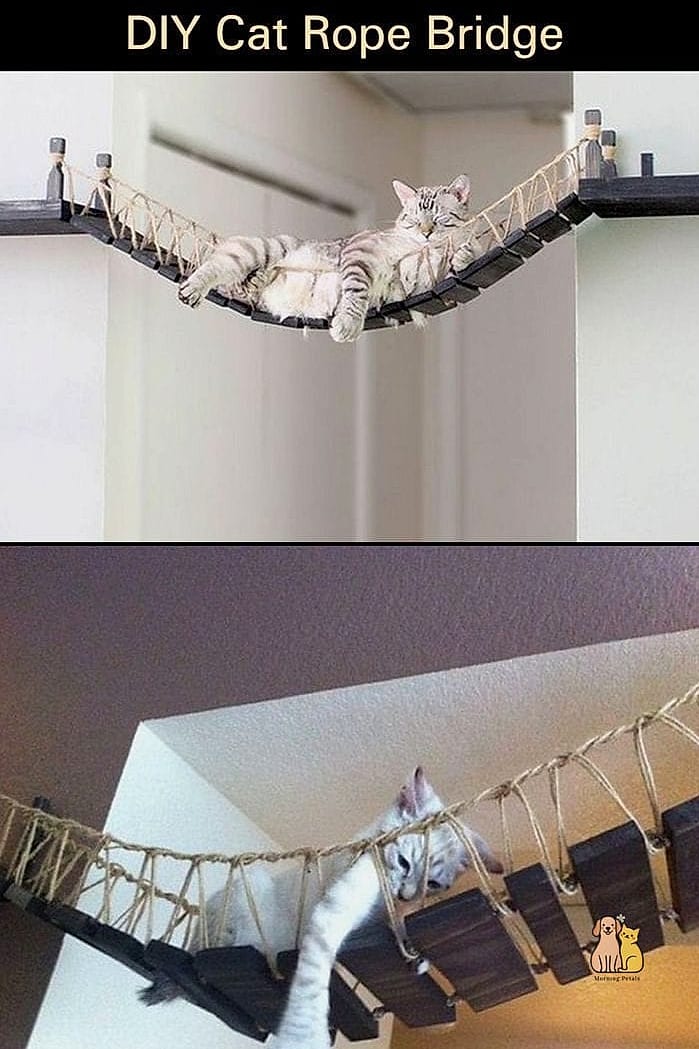
Build a small cylindrical frame, wrap it entirely in sisal rope, and top it with a cushion for a piece that functions as both a footstool and a scratcher. Guests won’t even realize it’s for your cat. This is a great option for cat owners who want function without sacrificing style.
Vertical Carpet Tower
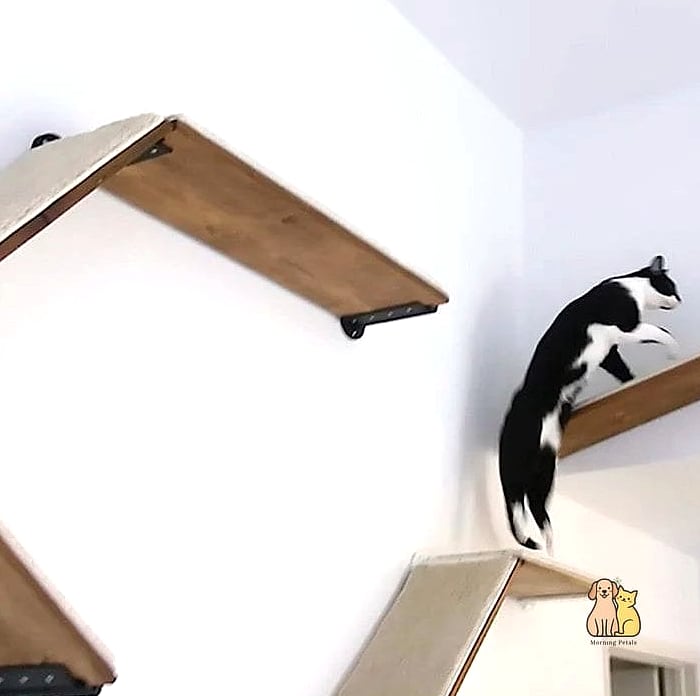
Wrap a tall wooden post entirely in carpet remnants for a soft-textured vertical scratcher. Add a sisal-wrapped section near the base for cats who prefer a coarser texture there. Combining materials like this gives your cat options depending on their mood.
Cardboard Scratch Wave
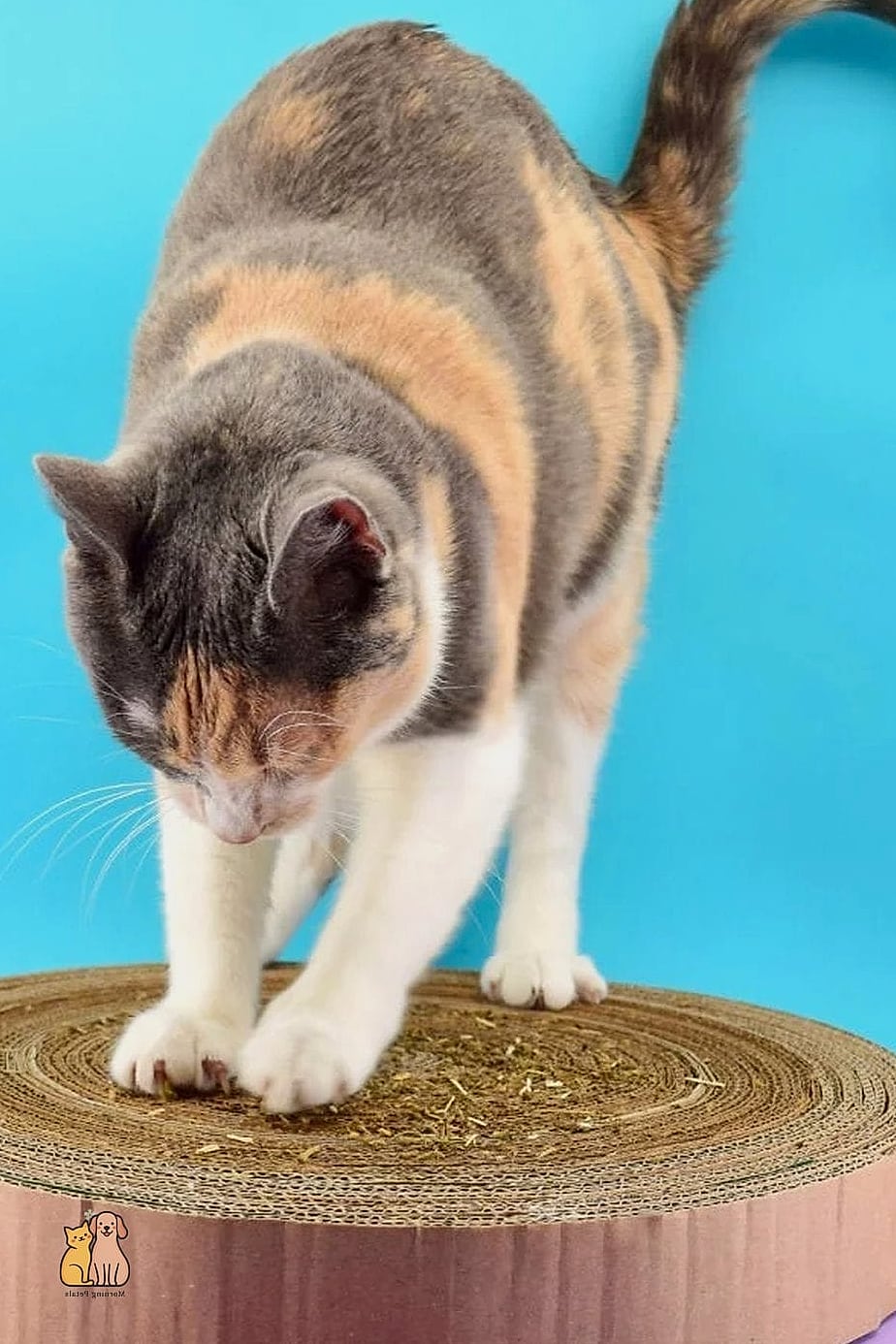
Cut cardboard into wave-shaped layers and glue them into a rolling wave silhouette. It’s visually interesting and gives cats varied angles to dig their claws into. This design tends to wear evenly since cats naturally scratch across the curves.
DIY Scratching Post with Dangling Feather
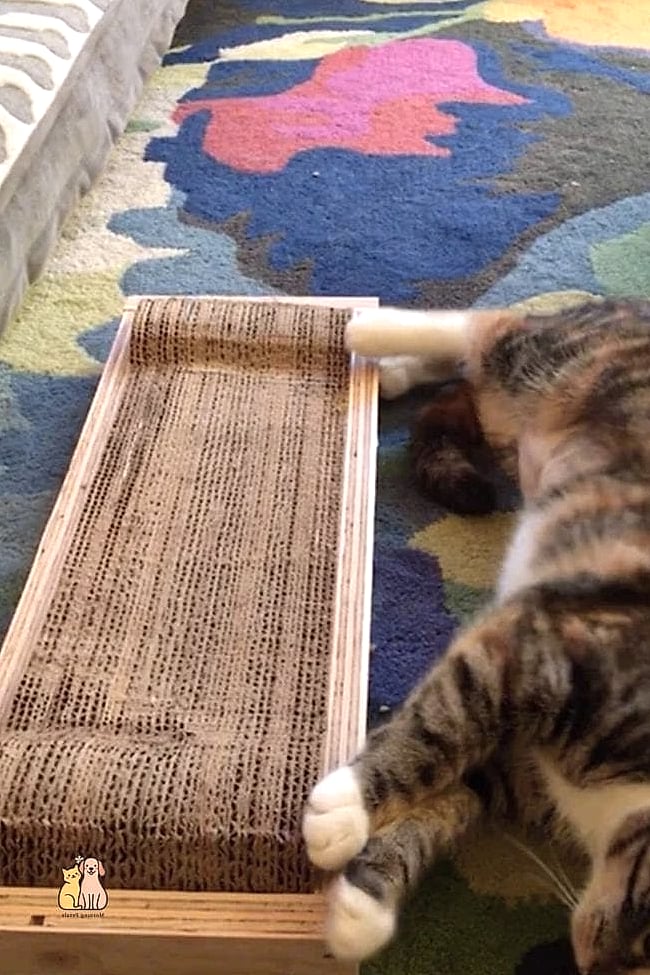
Take a basic sisal post and screw a small eye hook into the top, then tie on a feather toy or bell on a string. The added movement encourages more frequent use, especially for playful kittens. It’s a simple upgrade to a classic design that makes a real difference in engagement.
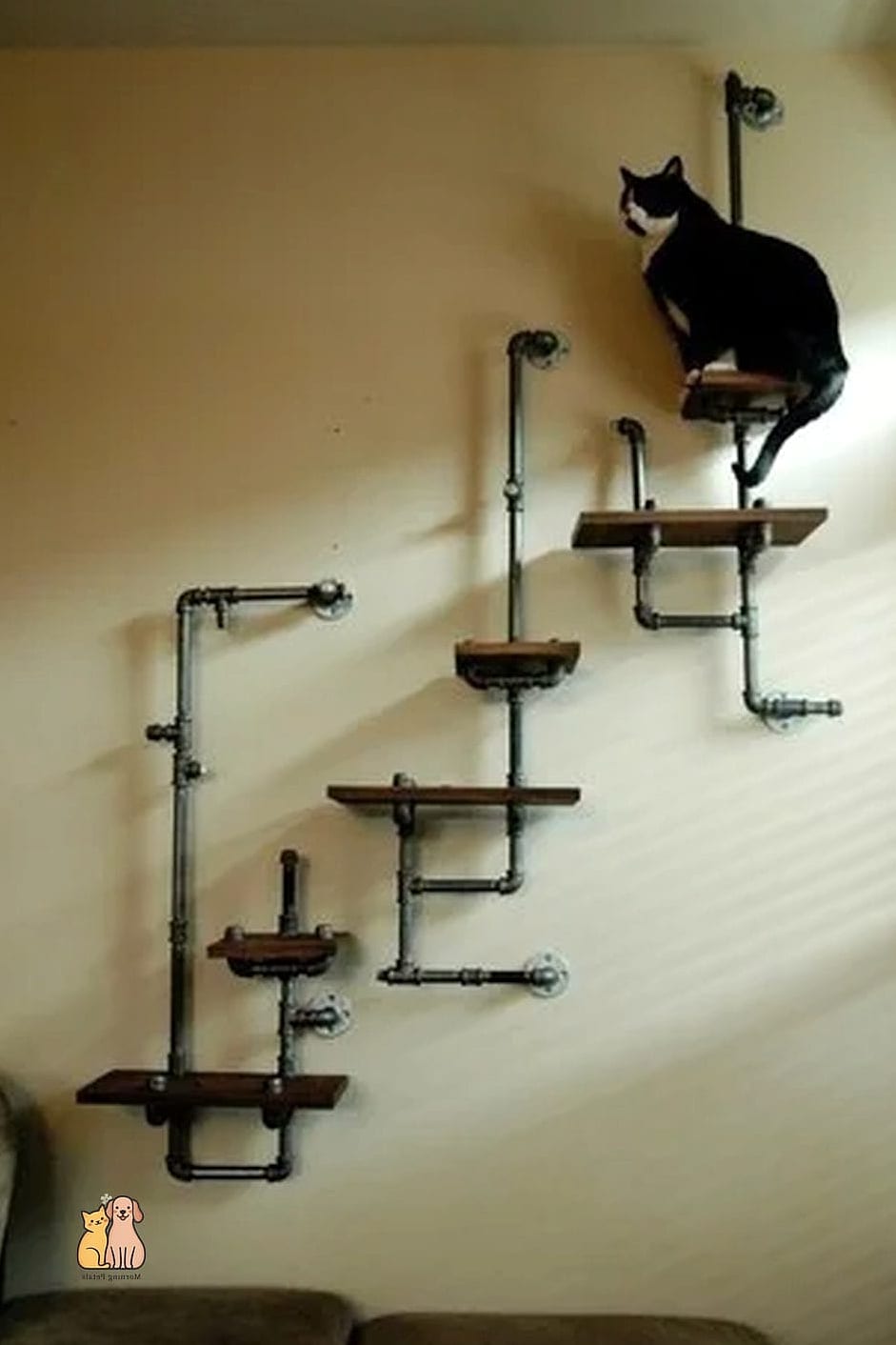
Floating Shelf Scratch Combo
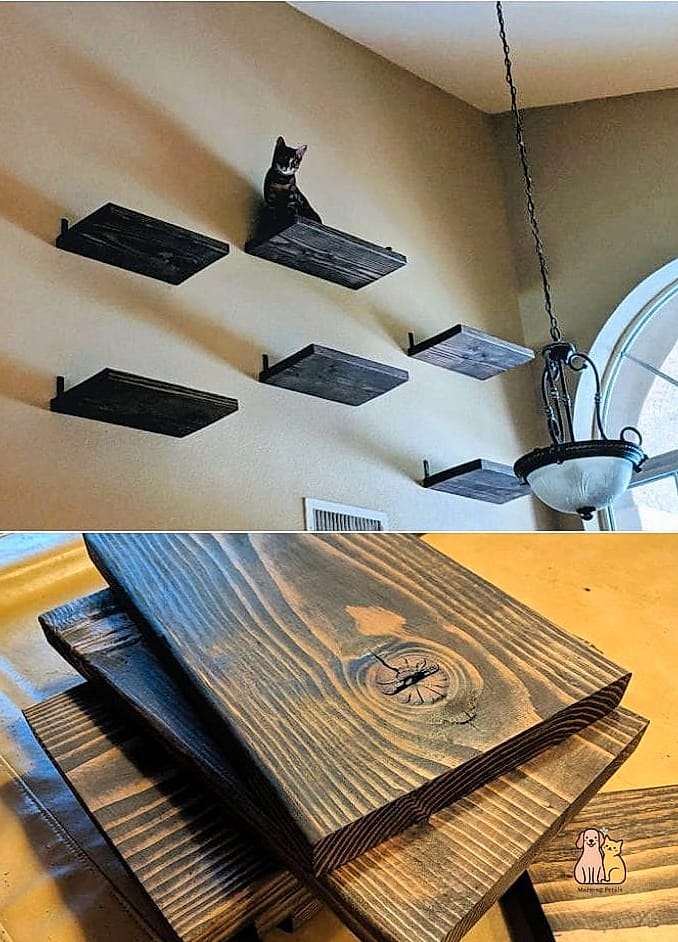
Mount floating wooden shelves at different heights and wrap the front edges in sisal rope, giving your cat both a scratching surface and a place to perch. This works beautifully in cat rooms or catio-adjacent spaces where climbing and scratching go hand in hand. It’s a bit more advanced since it involves wall anchoring, but the payoff is worth it.
Pallet Wood Scratch Bench
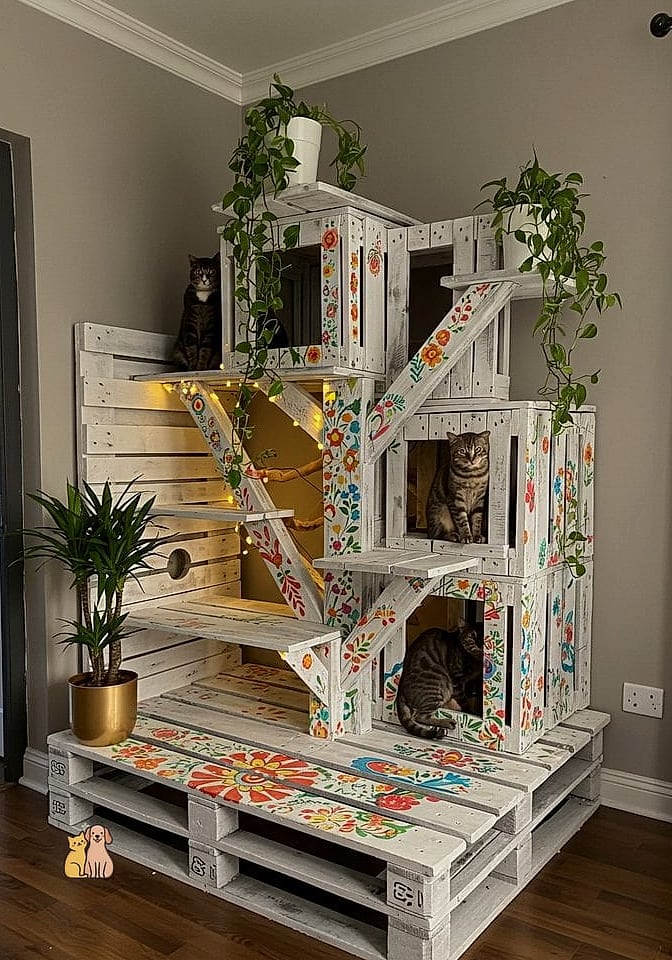
Break down a wooden pallet and build a low bench, lining the sides with sisal rope or fabric. It gives your cat a place to scratch and sit at once, and the reclaimed wood keeps costs low. Sand it thoroughly first so there aren’t any splinters.
Twine-Wrapped PVC Pipe Scratcher
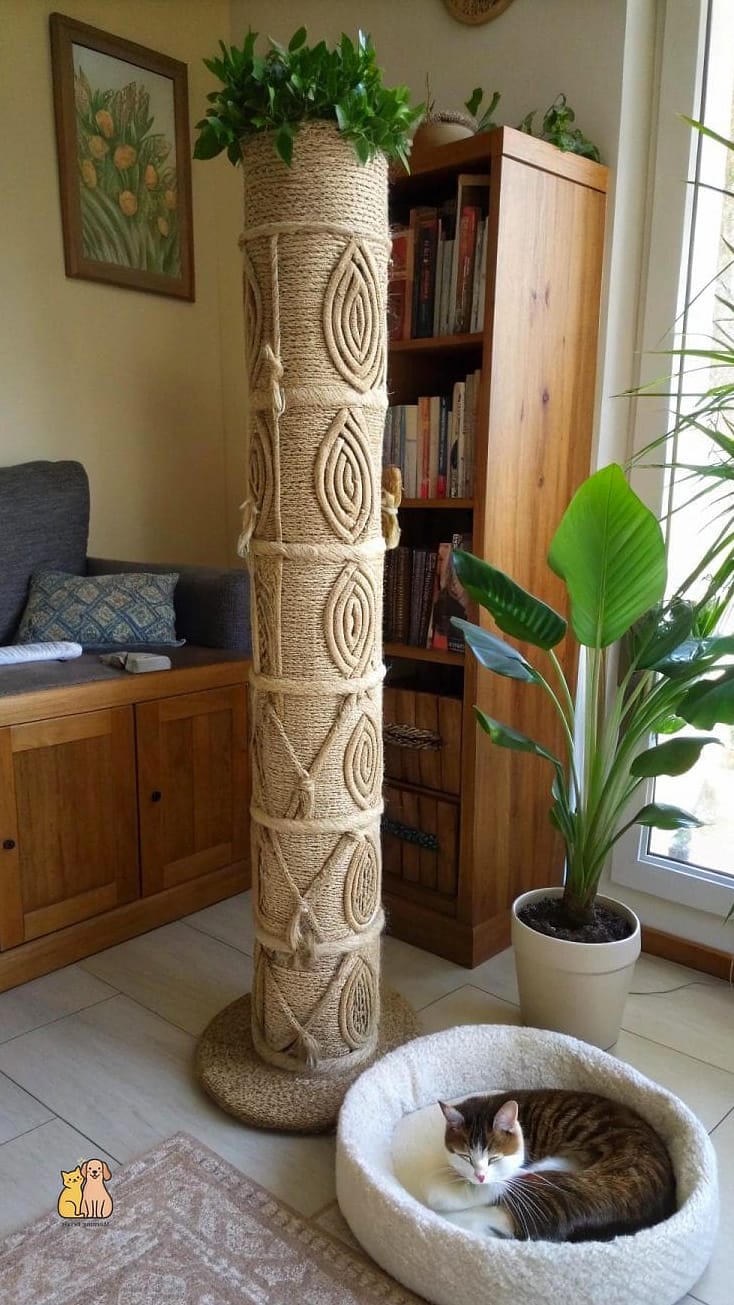
PVC pipe makes a surprisingly sturdy scratcher core once it’s wrapped tightly in jute twine. It’s lightweight, which makes it easy to move between rooms, and the material cost is minimal. This is a solid option if you want something portable for a multi-room household.
Corner Scratch Guard
Build an L-shaped sisal panel that fits into the corner of a wall to protect it while giving your cat a dedicated scratching zone. It’s a practical fix if your cat has already started clawing at your walls or baseboards. Mount it securely since corners take a lot of pressure.
Cat Scratch Chaise Lounge
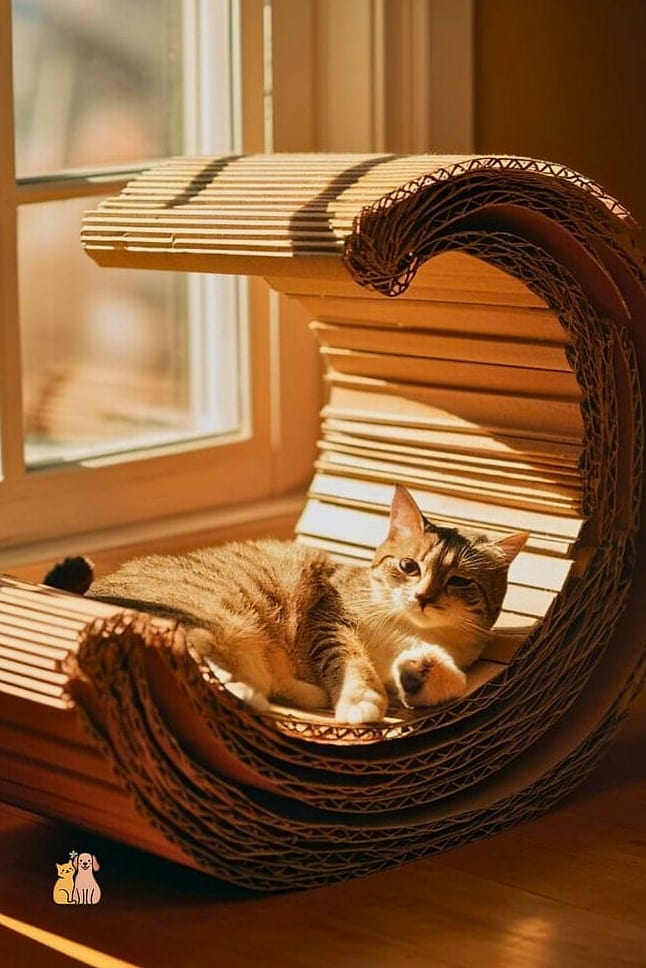
Combine a curved wooden frame with cardboard or sisal panels to build a mini chaise your cat can scratch, climb, and nap on. It’s one of the more ambitious builds on this list, but it makes a real statement piece in a cat-friendly living room. Add a soft cushion on top for the ultimate lounging spot.
Braided Rope Hanging Scratcher
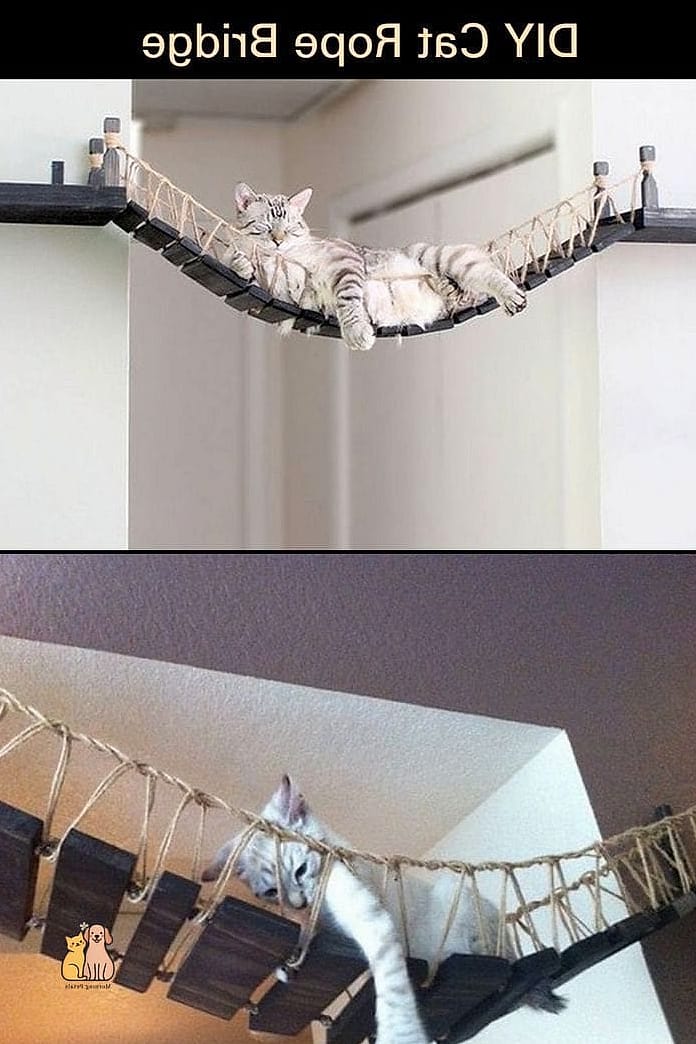
Braid together several lengths of sisal rope and hang the bundle vertically from a sturdy hook or beam. Cats can scratch, swat, and climb the braid, making it a multi-purpose enrichment piece. This works well for high-energy cats who need more than just a static post.
Scratch Pad Coffee Table Insert
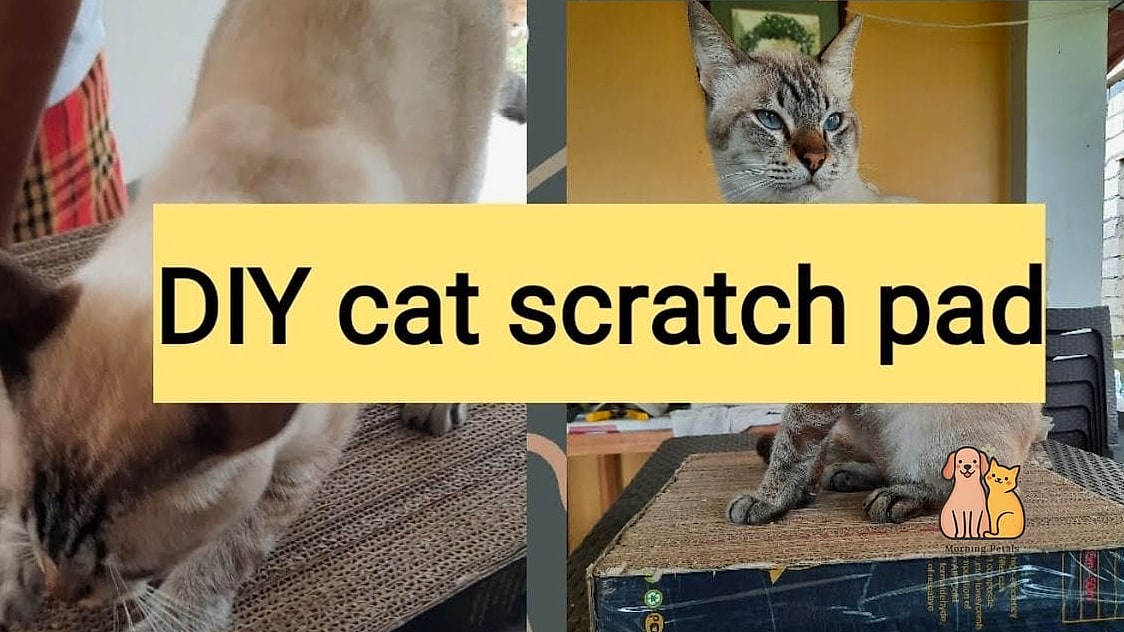
Cut a section out of the base of a coffee table and insert a replaceable cardboard scratch pad, essentially building the scratcher right into your furniture. It’s a clever way to hide the DIY factor entirely. Just make sure the cardboard insert is easy to slide out and swap when it wears down.
Tree Stump Scratcher
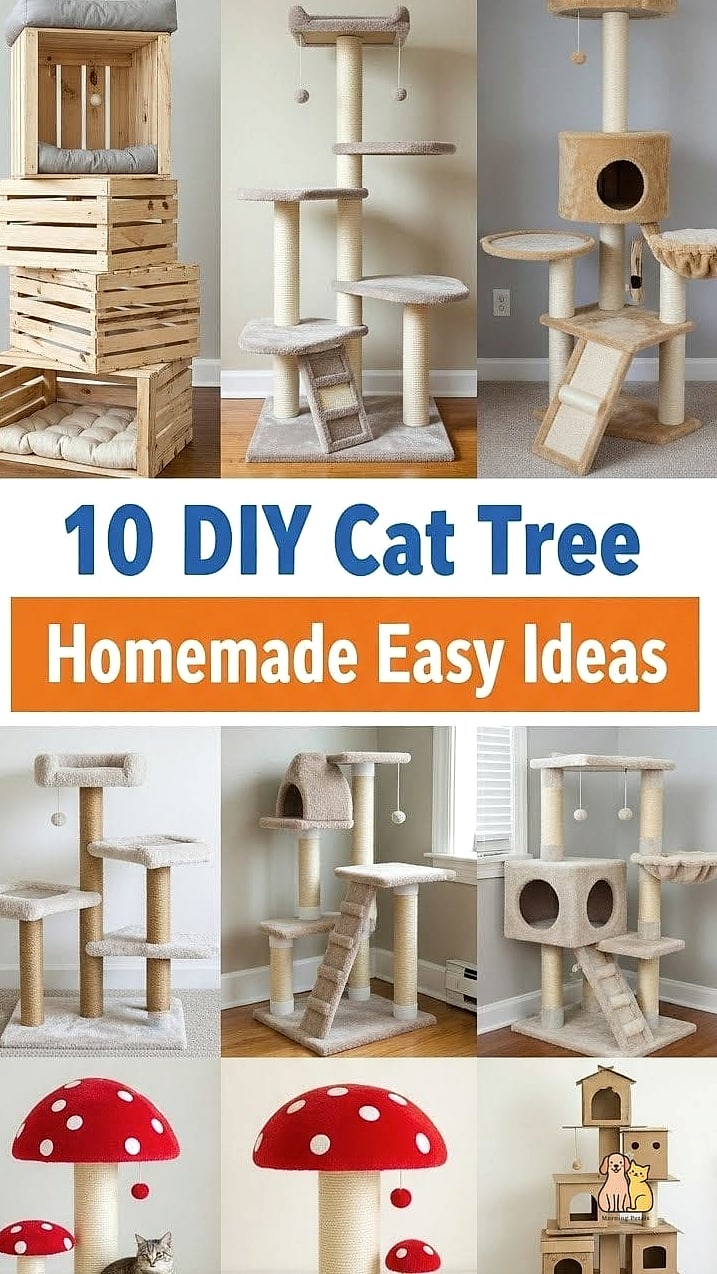
If you can source a natural tree stump, sand the top smooth and it’s basically ready to use as-is. Cats are drawn to the rough bark texture, and it adds a rustic touch to a living room or sunroom. This is one of the lowest-effort builds on the list since nature does most of the work.
Fabric-Wrapped Foam Scratch Wedge
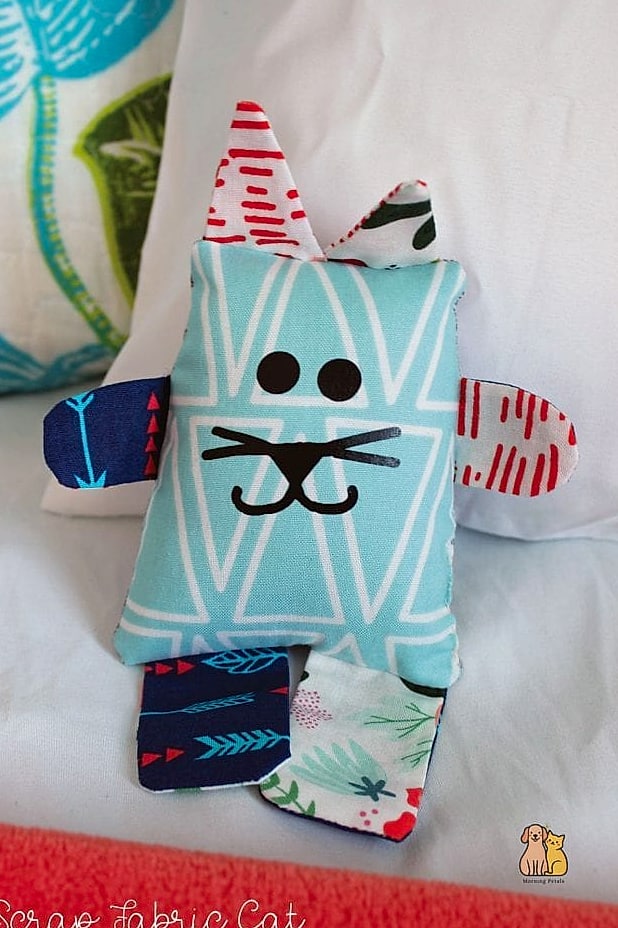
Cut a foam wedge, wrap it tightly in durable canvas or denim fabric, and secure the seams well. The angled shape is great for cats who like to scratch while stretched out on the floor. It’s soft underfoot too, so it doubles as a little cat bed.
Multi-Texture Scratch Board
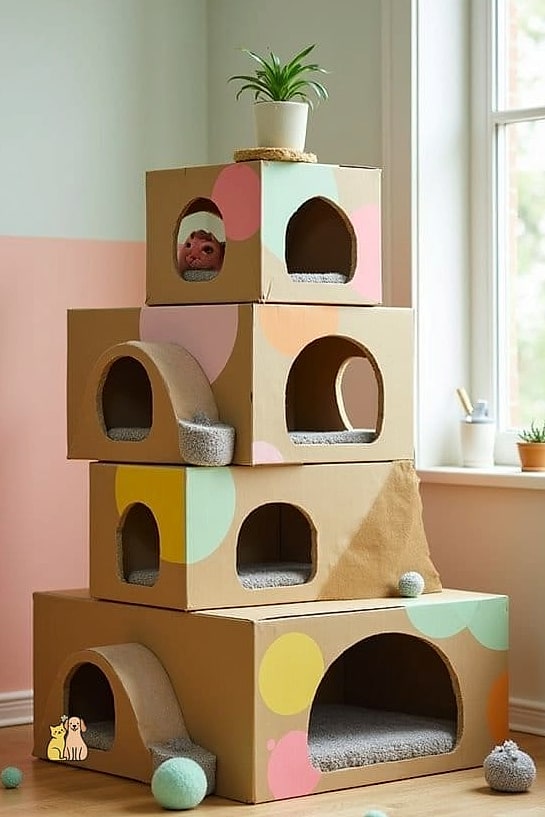
Build a single board divided into sections — sisal, cardboard, and carpet — so your cat can choose their favorite texture in one spot. This is a great troubleshooting project if you’re not sure what your cat prefers yet. It also means less waste since you’re testing everything at once.
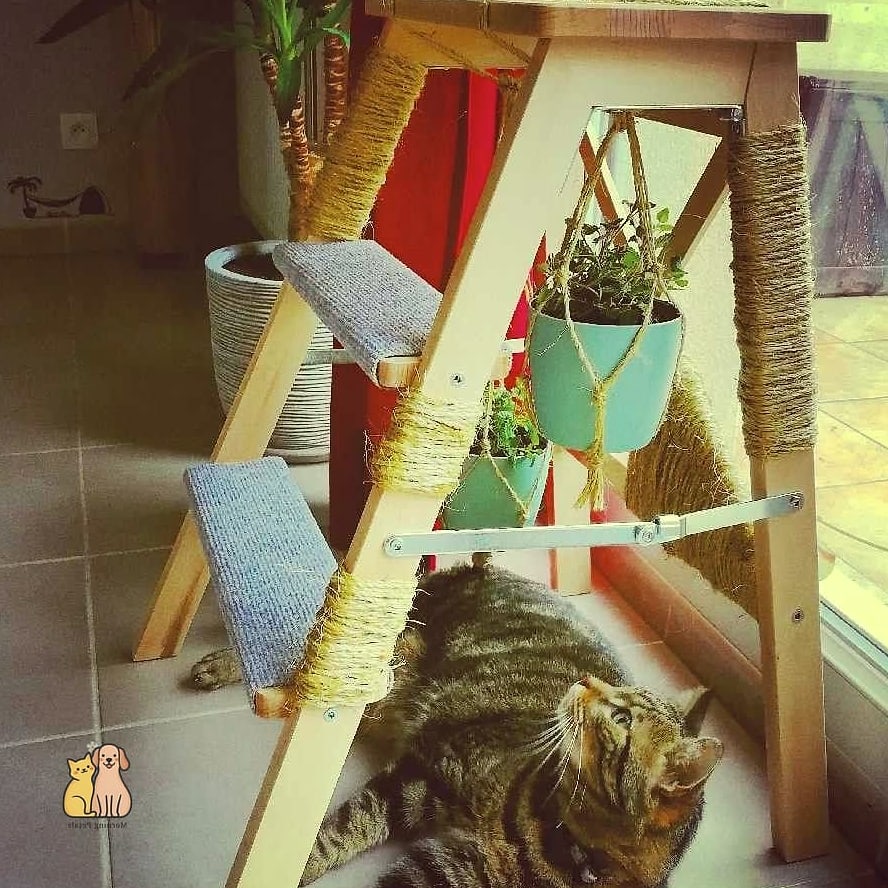
Repurposed Ladder Scratch Tower
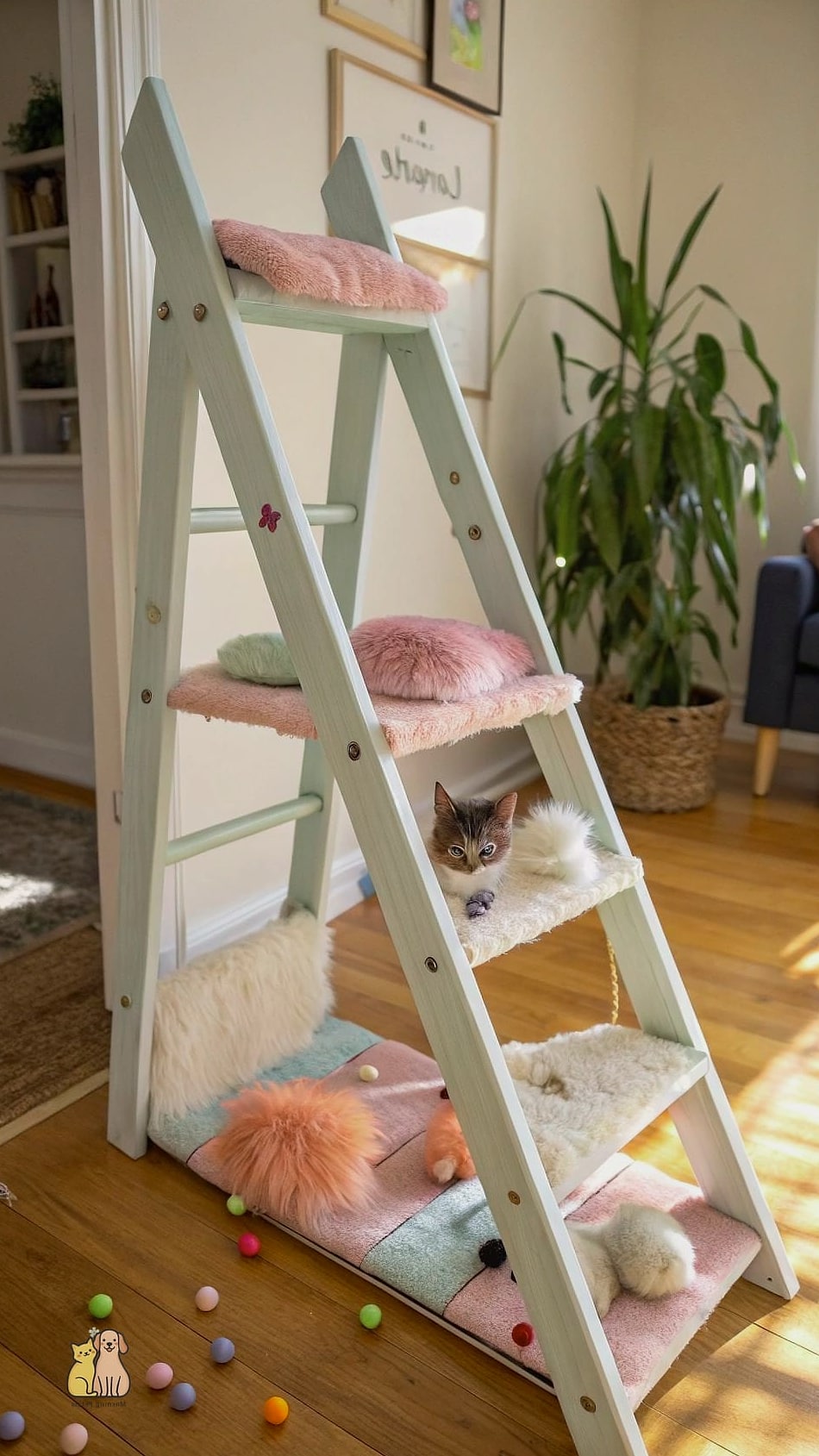
An old wooden ladder can become a vertical cat scratching structure with very little modification. Wrap the rungs in sisal and add a platform or two at the top for lounging. It’s an eye-catching, rustic piece that works especially well in farmhouse-style homes and gives climbing-obsessed cats plenty to do.
Building your own scratcher isn’t just about saving money, though that’s a nice bonus. It’s a chance to create something tailored exactly to your cat’s habits, your home’s style, and the materials you already have lying around. Start with whichever of these 30 creative DIY cat scratchers speaks to your skill level, and don’t be afraid to mix and match materials until you land on what your cat truly loves. Your furniture will thank you.