20 Clever Outdoor Cat House Ideas on a Budget

- The Styrofoam Cooler Shelter
- Repurposed Storage Bin Duplex
- Wooden Pallet A-Frame House
- Under-Deck Insulated Nook
- Cinder Block and Plywood Shelter
- Repurposed Doghouse Makeover
- Hay Bale Igloo
- Recycled Suitcase Shelter
- Elevated Tire Planter Shelter
- DIY Insulated Feral Cat Box
- Garden Shed Corner Retreat
- Wine Crate Cat Cabin
- PVC Pipe Frame Tent Shelter
- Repurposed Dresser Drawer Bed
- Cardboard and Trash Bag Waterproofing Method
- Multi-Level Cat Condo from Scrap Wood
- Terra Cotta Pot Hideaway
- Under-Porch Insulated Tunnel System
- Repurposed Cooler Bench Combo
- Modular Milk Crate Shelter
20 Clever Outdoor Cat House Ideas on a Budget
If you’ve got outdoor cats or a colony of neighborhood strays you’ve unofficially adopted, you already know the struggle of trying to keep them warm and dry without spending a fortune. The good news is that a good outdoor cat shelter doesn’t need to cost much at all. With a little creativity and some scrap materials, you can build something your cats will actually use and love. Here are twenty budget-friendly outdoor cat house ideas that prove comfort doesn’t have to come with a big price tag.
The Styrofoam Cooler Shelter
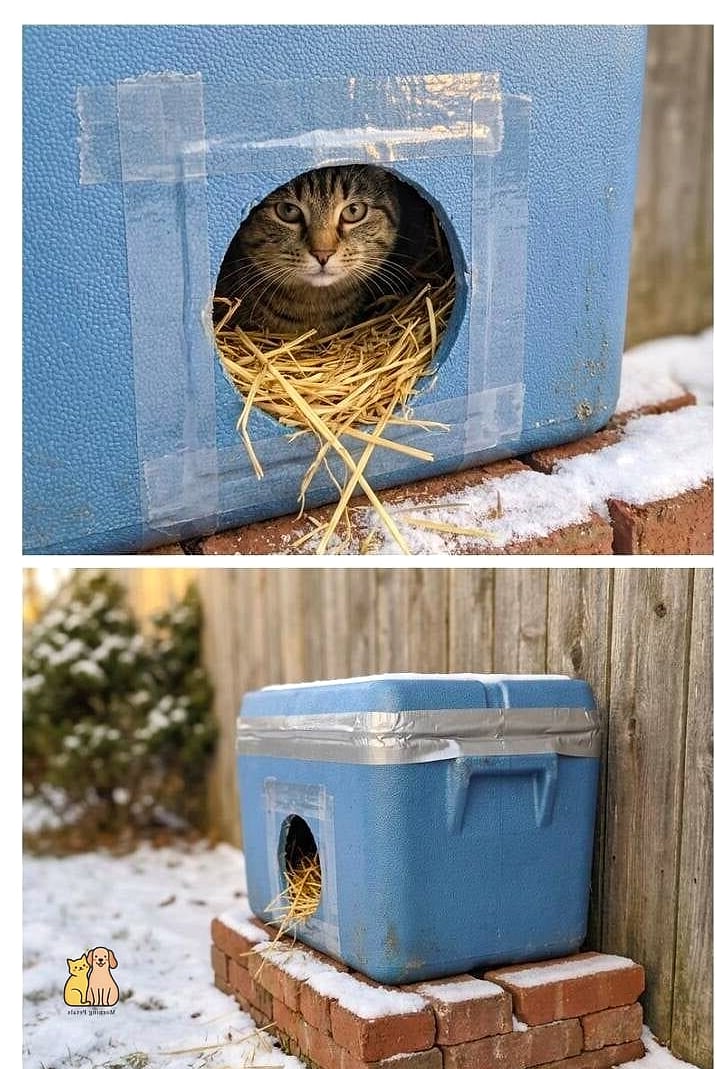
This one is a classic for a reason. An old styrofoam cooler with a hole cut into the side makes surprisingly good insulation against cold weather. Line the inside with straw (not blankets, which trap moisture) and cover the whole thing with a plastic bin for weatherproofing. It’s ideal for feral cat colonies since it’s cheap, disposable, and easy to replicate in bulk.
Repurposed Storage Bin Duplex
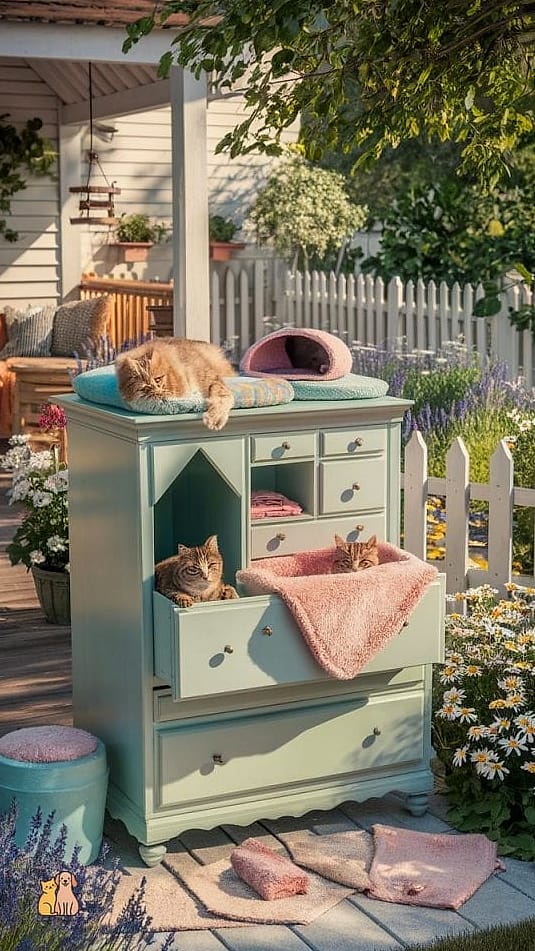
Two plastic storage totes of different sizes, nested together with insulation foam between them, create a simple double-walled shelter. Cut an entry hole in both bins and line the inner one with straw. This design works great for multi-cat households since the extra insulation holds warmth better than a single-layer setup.
Wooden Pallet A-Frame House
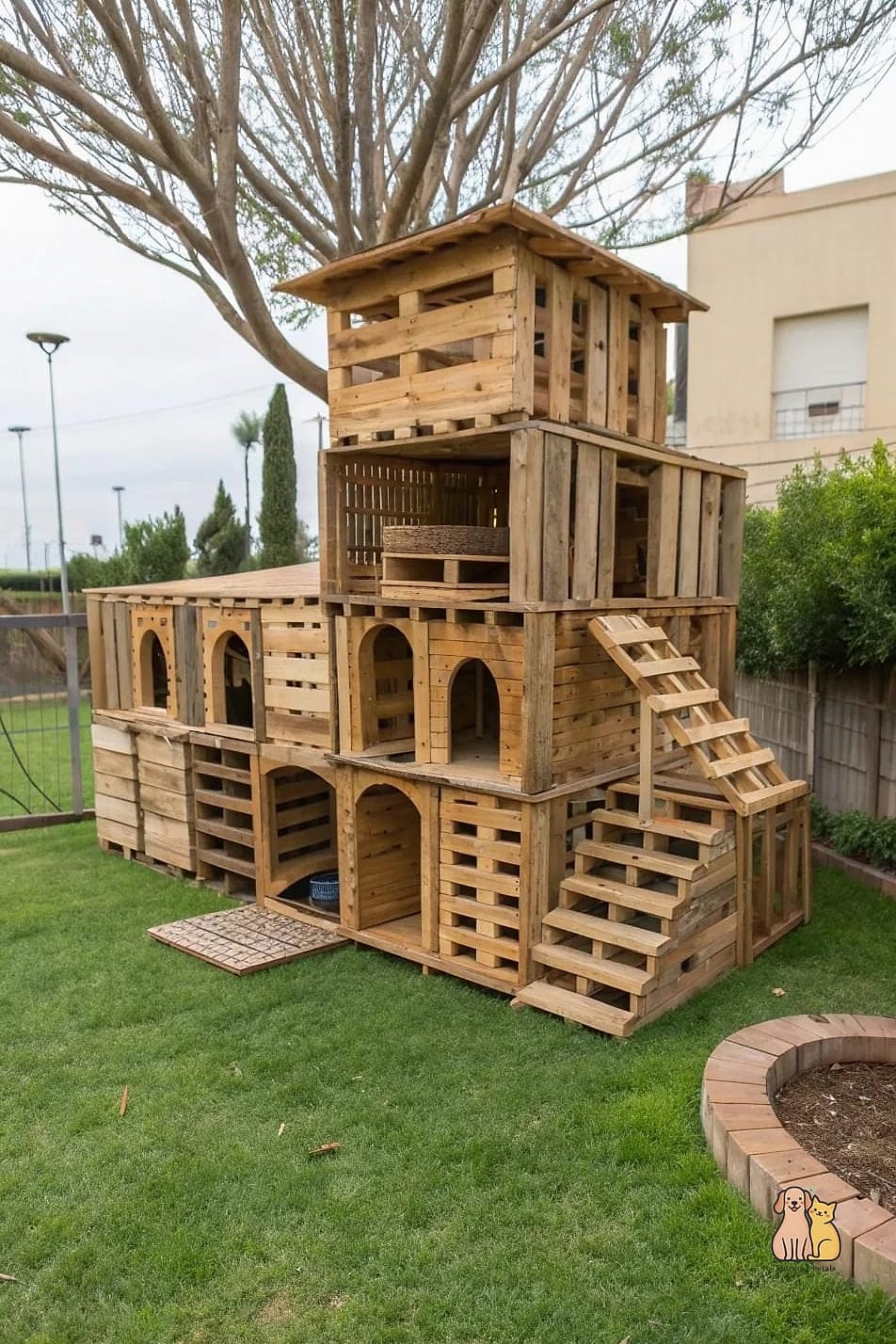
If you’ve got access to free pallets, you can build a sturdy little A-frame shelter without any real carpentry skill. Lean two pallets together, secure the top, and add a scrap wood or tarp roof. It’s a rustic option that blends into a backyard or garden space, and it holds up well for cats who prefer a more open-air setup.
Under-Deck Insulated Nook
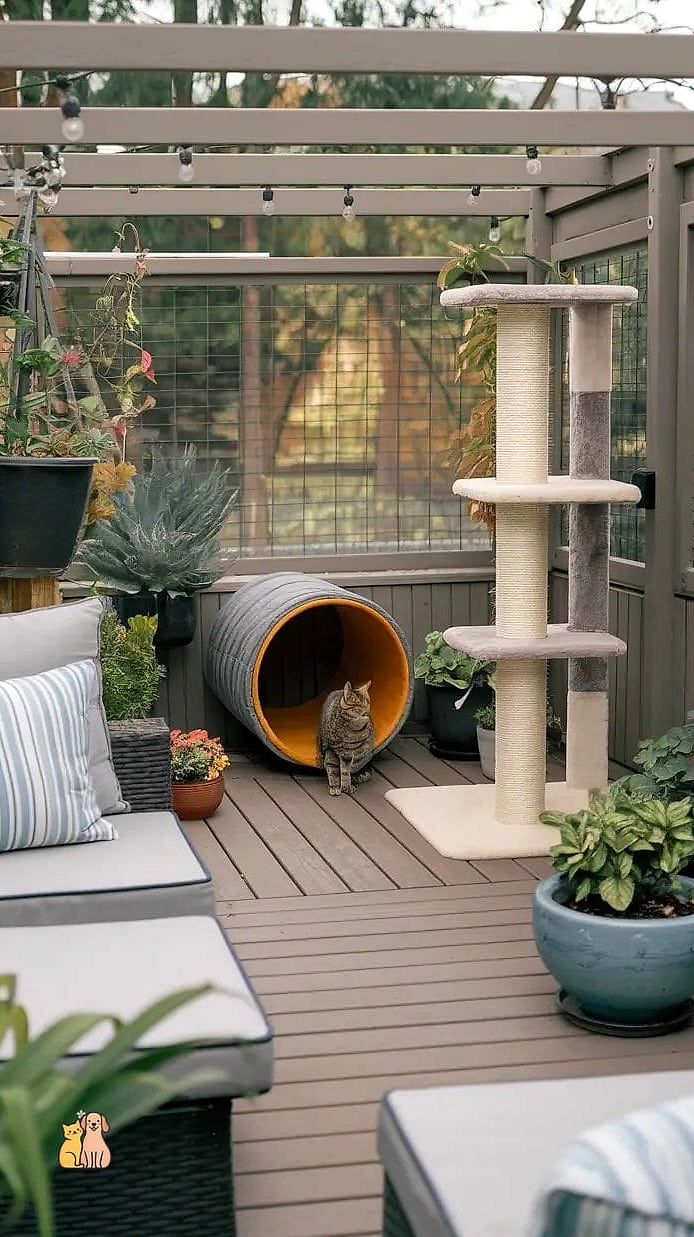
If your home has a raised deck, you already have free shelter space waiting to be used. Add a small wooden box or plastic bin underneath with straw bedding, and you’ve got a hidden, wind-protected spot that costs almost nothing to set up. Cats tend to love this one because it feels naturally tucked away and safe.
Cinder Block and Plywood Shelter
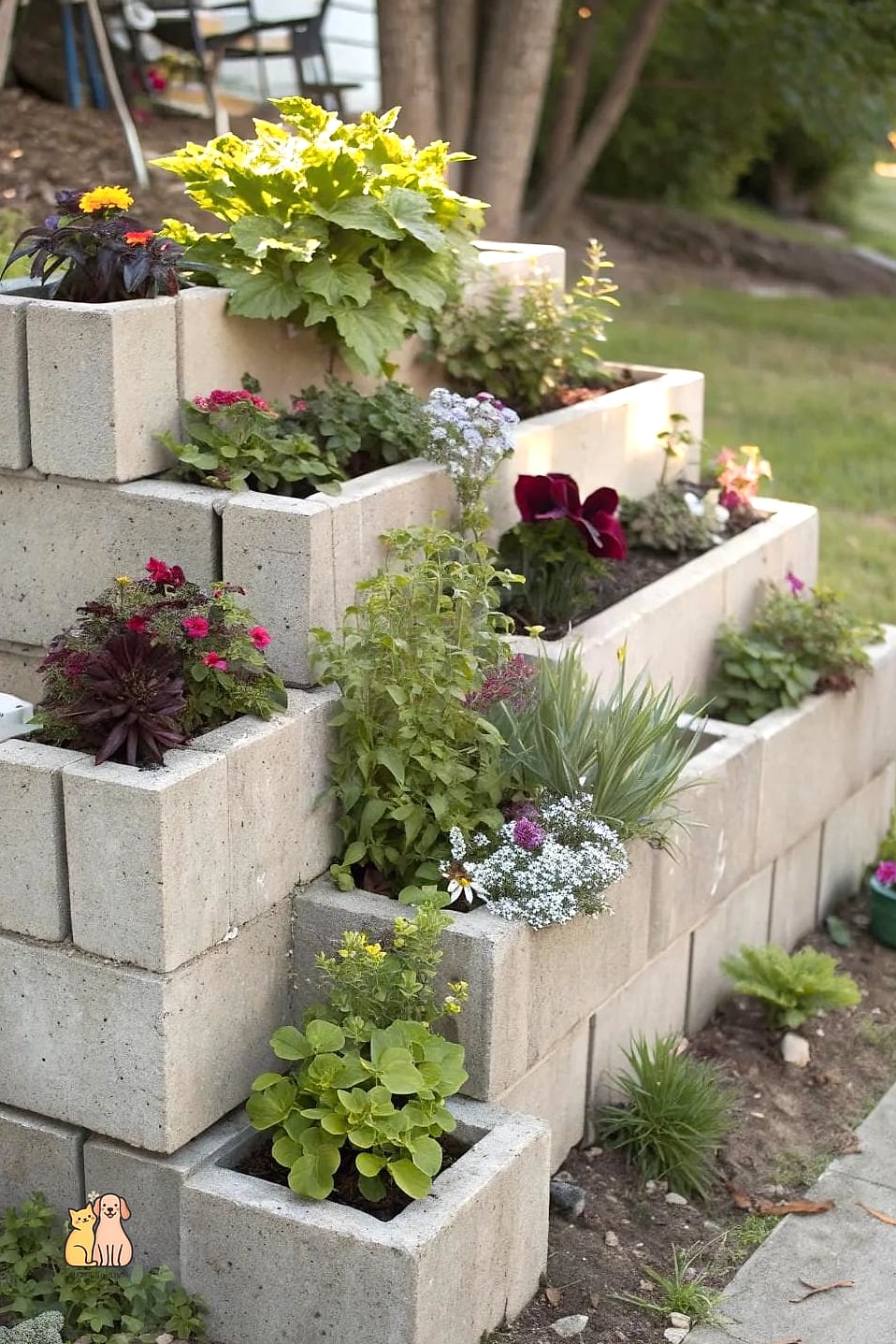
Stack a few cinder blocks, top them with a plywood sheet, and you’ve got the frame for a simple raised shelter. Add walls with more plywood or leftover fencing material, then finish with a waterproof tarp roof. This design is popular because cinder blocks are cheap and the raised platform keeps cats off cold, wet ground.
Repurposed Doghouse Makeover
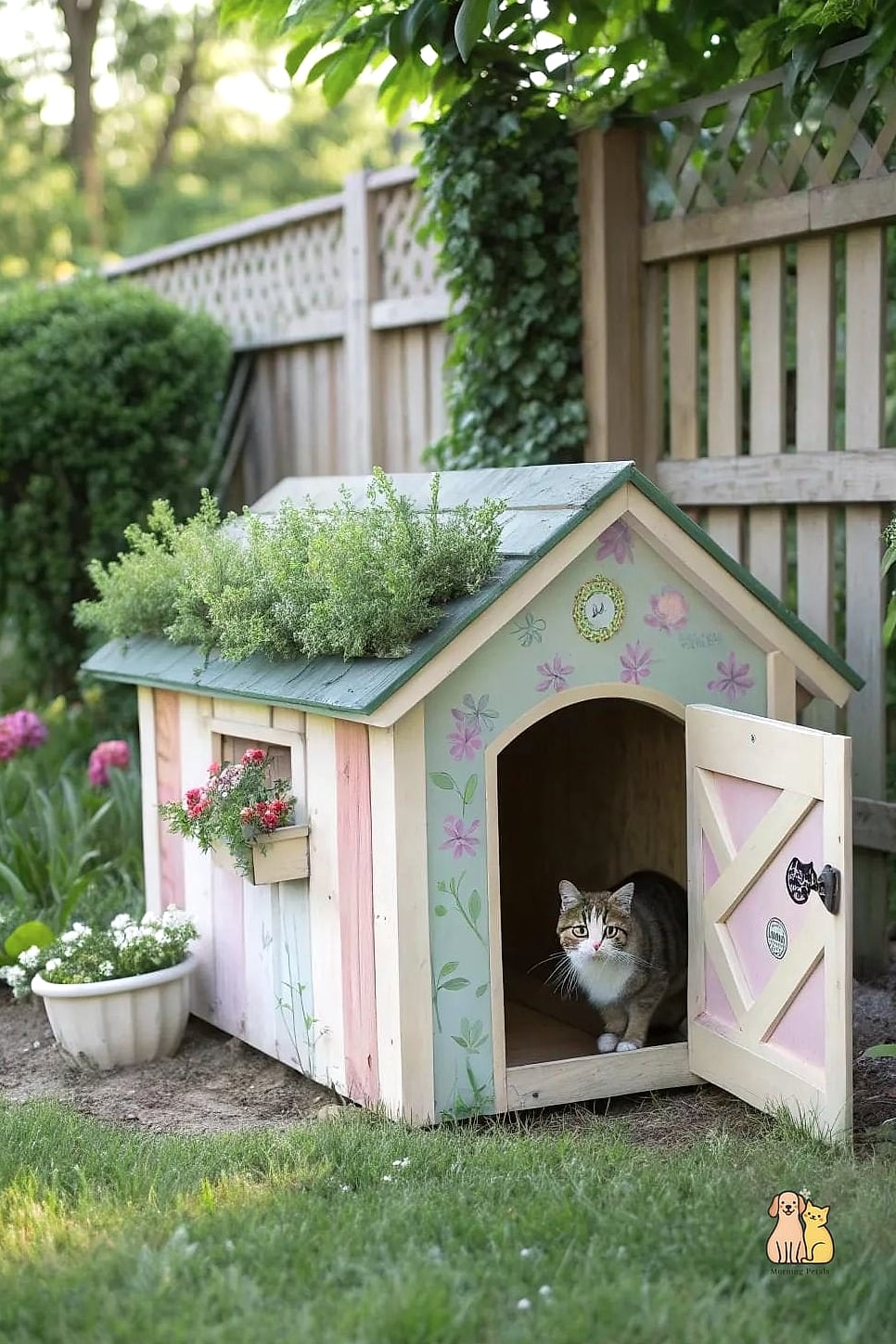
Got an old, unused doghouse sitting around? Cats can absolutely make use of it. Just shrink the entry hole slightly to keep out larger animals, add insulation like foam board on the interior walls, and toss in some straw. It’s an easy upcycle that saves you from building something from scratch.
Hay Bale Igloo
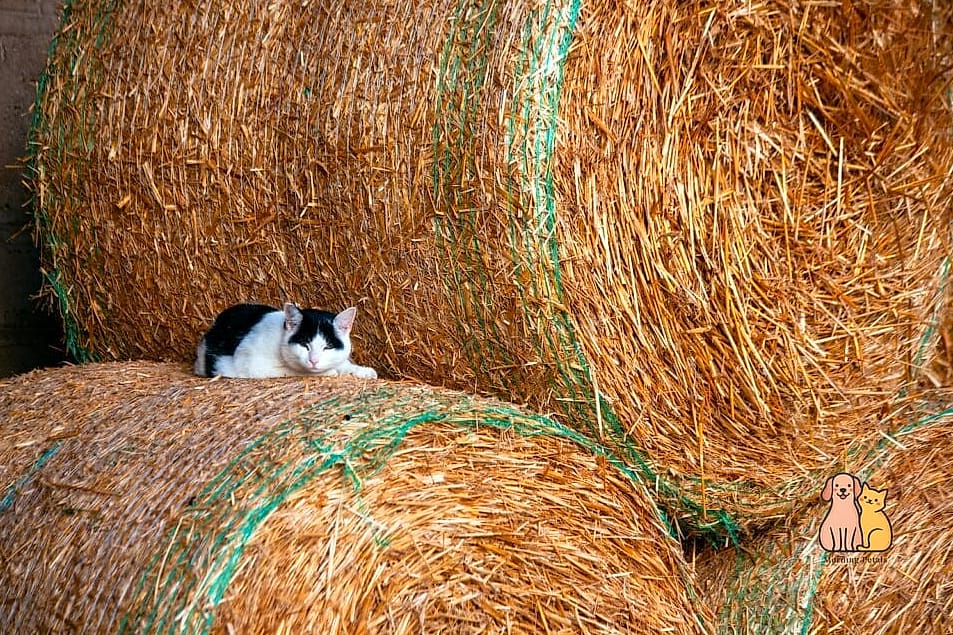
If you live somewhere rural, hay bales stacked to form a small hollow shelter make for surprisingly effective winter housing. The hay itself provides insulation, and you can cover the top with a tarp for extra weatherproofing. This setup works particularly well for barn cats and colonies that already have outdoor access to farm-style materials.
Recycled Suitcase Shelter
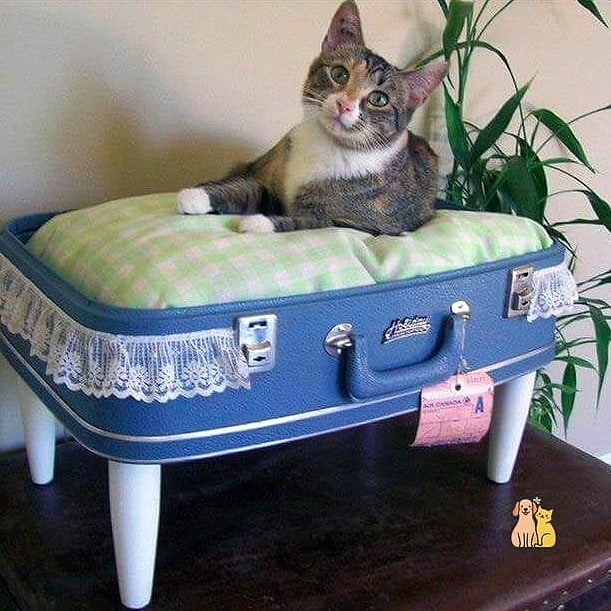
An old hard-shell suitcase, propped open at an angle and elevated slightly off the ground, makes a quirky little cat hideout. Line it with straw or a waterproof cushion, and it doubles as a bit of outdoor decor with personality. This idea works nicely for smaller yards or apartment patios where space is limited.
Elevated Tire Planter Shelter
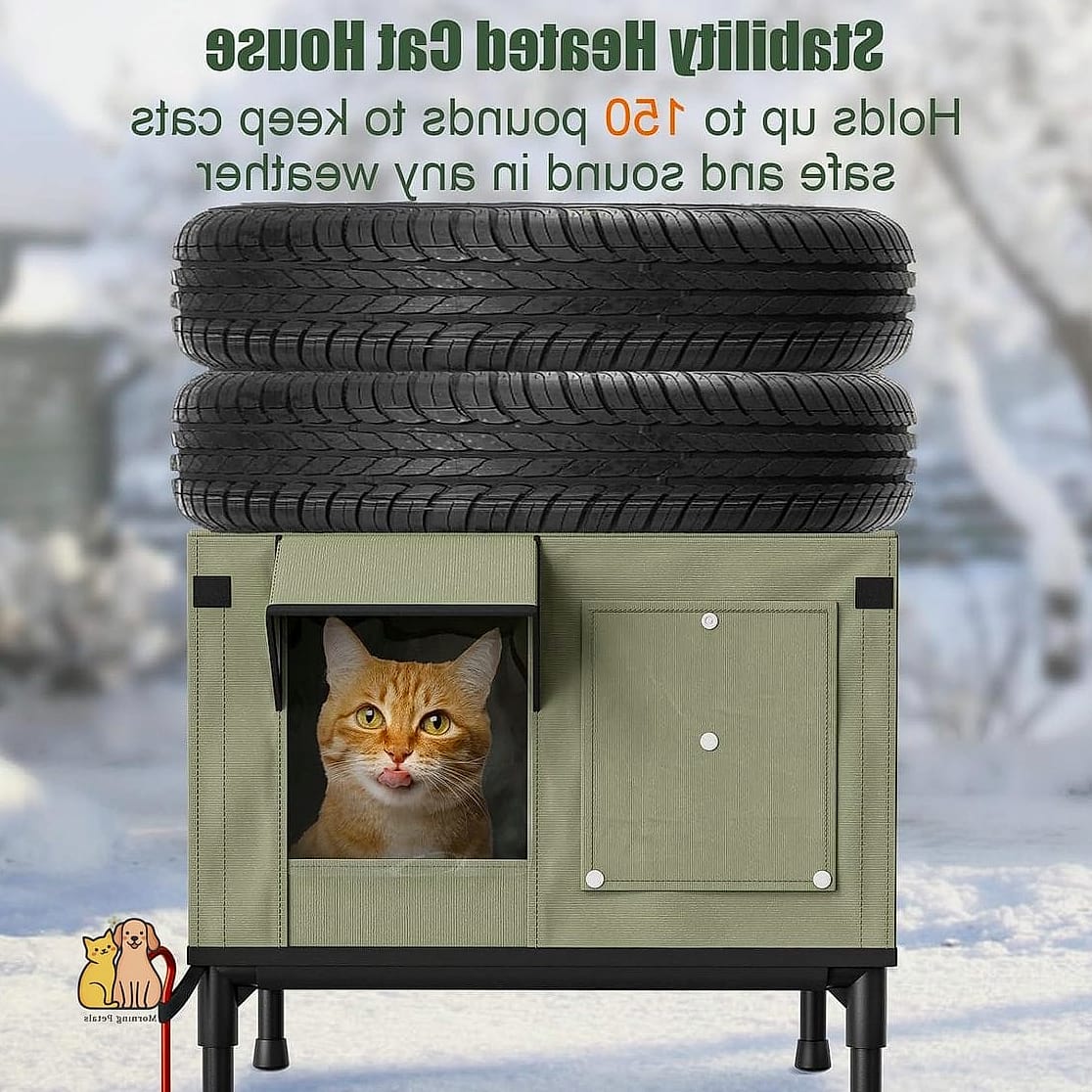
Old tires get a second life here. Stack two or three, add a plywood or wood-slab lid, and cut a side opening for entry. Paint them to match your yard’s aesthetic if you want it to look a little less like recycled tires and more like intentional garden decor. It’s sturdy, weatherproof, and practically free if you already have old tires lying around.
DIY Insulated Feral Cat Box
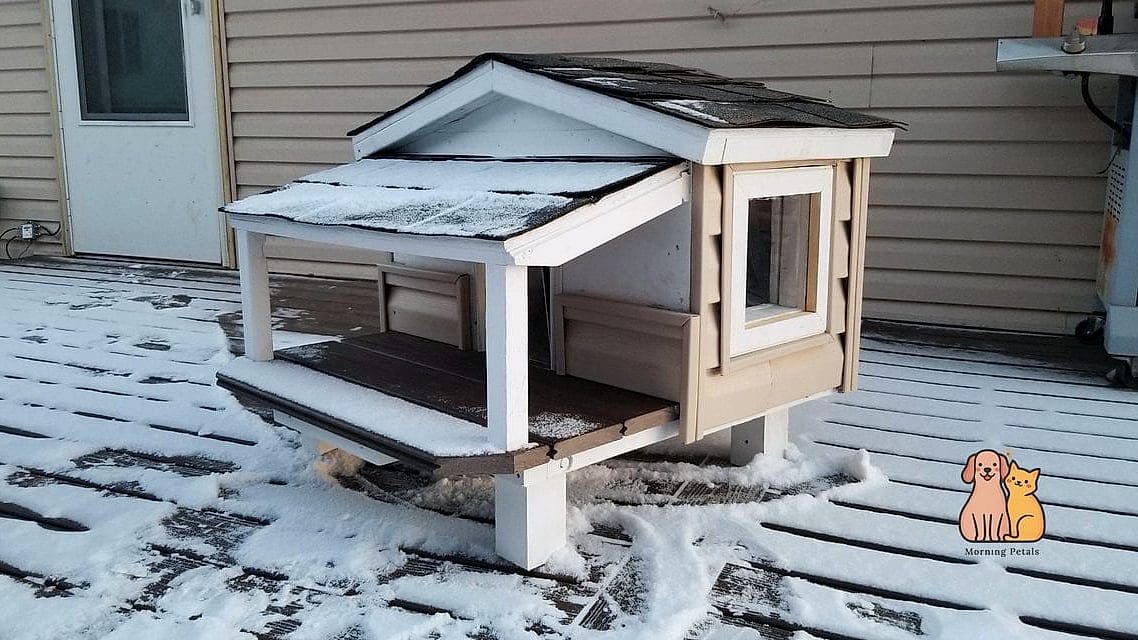
Feral cat rescue groups often recommend this build: an outer plastic tote, an inner smaller tote, foam board insulation sandwiched between them, and straw bedding inside. It’s specifically designed to retain a cat’s own body heat, which makes a bigger difference than you’d think during freezing nights. This is one of the most tested and reliable budget designs out there.
Garden Shed Corner Retreat
If you’ve already got a garden shed, dedicating one corner to a small enclosed cat bed is basically free real estate. Add a cat bed or folded blanket inside a cardboard or wooden box, and you’ve created a dry, wind-free retreat with zero extra building required.
Wine Crate Cat Cabin
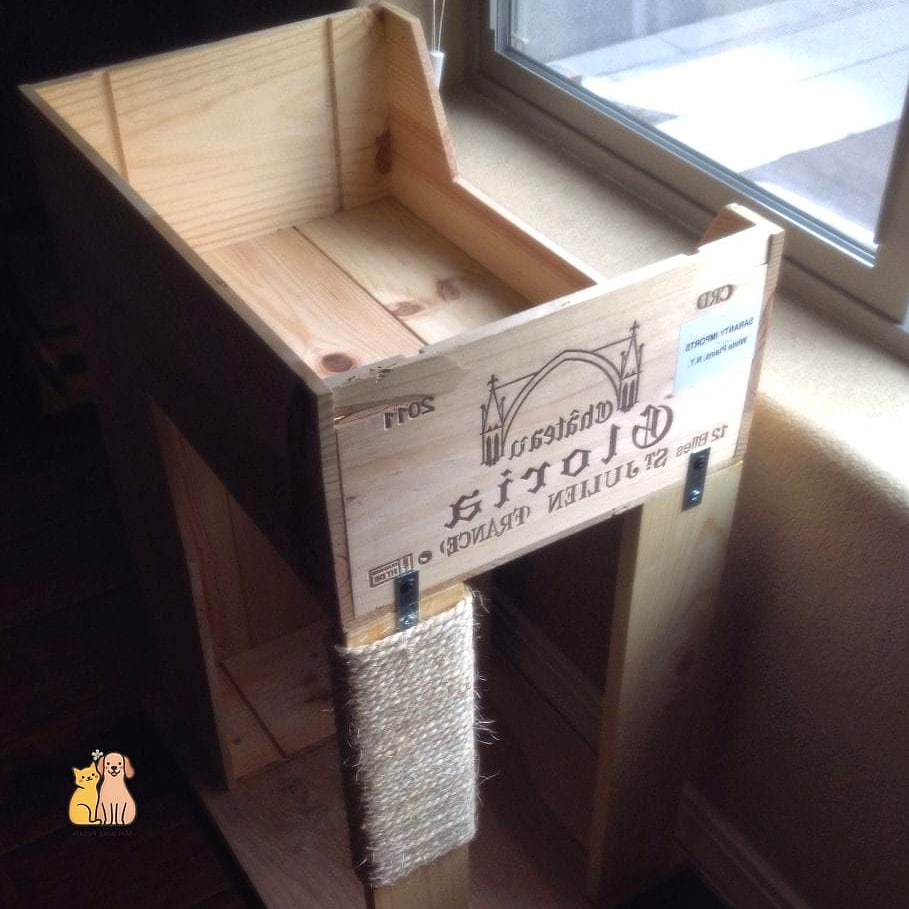
Wooden wine crates, which you can often get for free or cheap from local wineries or liquor stores, stack together nicely to form a small cabin-style shelter. Line the interior with fabric or straw, and add a slanted scrap-wood roof for rain runoff. It has a charming, rustic look that fits nicely into a backyard garden setup.
PVC Pipe Frame Tent Shelter
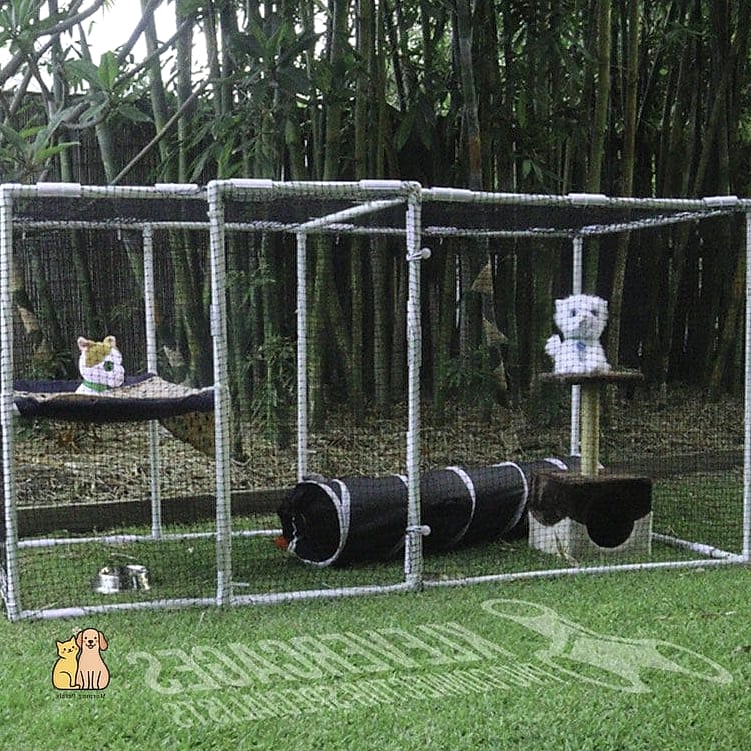
For a lightweight, portable option, PVC pipes and a waterproof tarp can be assembled into a simple tent-style frame. It’s not the most insulated option on this list, but it’s great for temporary shelter during warmer months or as a quick rain cover for outdoor feeding stations.
Repurposed Dresser Drawer Bed
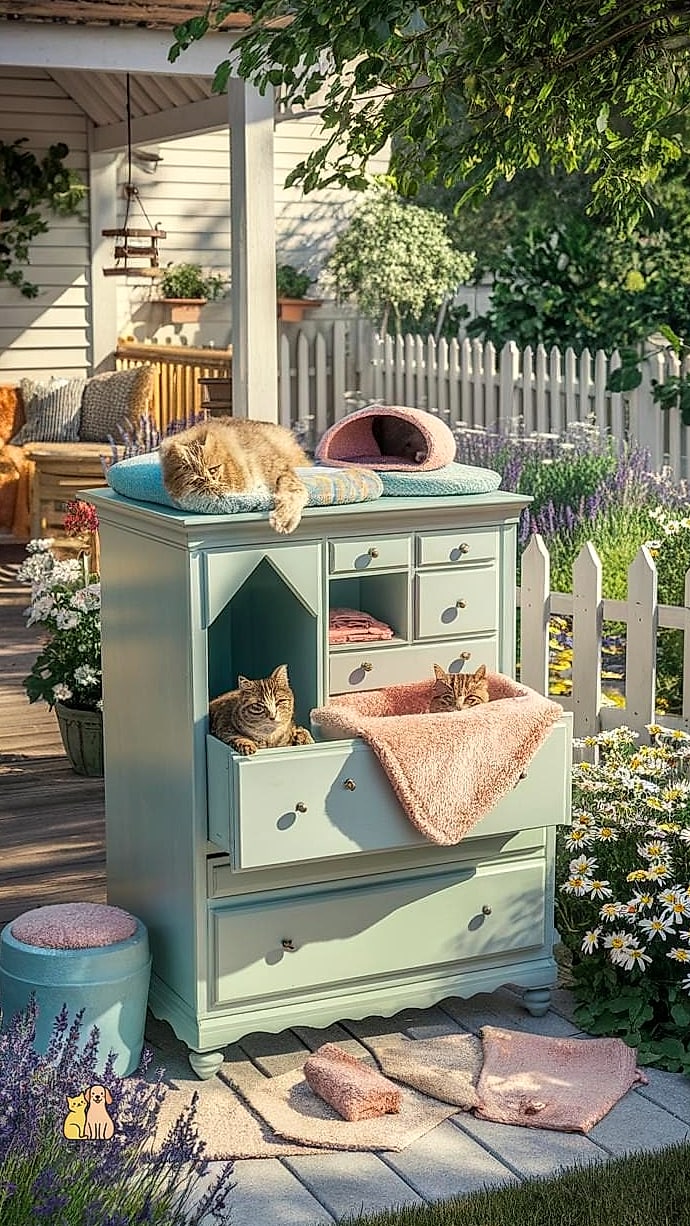
An old dresser drawer, removed from the rest of the furniture, makes a surprisingly cozy shelter base. Add short legs or bricks to lift it off the ground, attach a simple roof, and line it with a soft blanket or straw. It’s a fun upcycling project if you’re already redoing furniture around the house.
Cardboard and Trash Bag Waterproofing Method
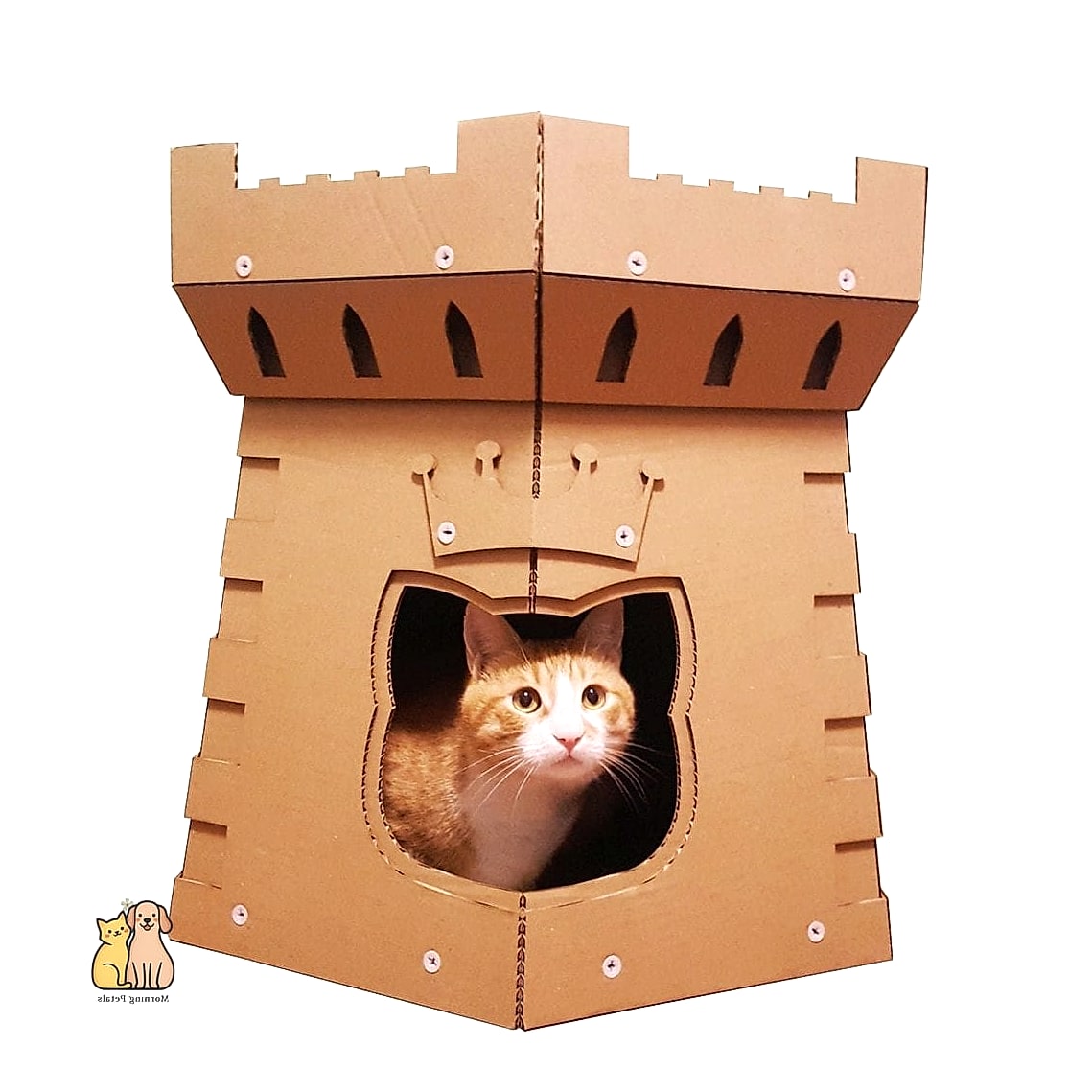
This is about as budget as it gets. A sturdy cardboard box, insulated with foam board or extra cardboard layers, gets wrapped entirely in heavy-duty trash bags or plastic sheeting to keep out moisture. It won’t last as long as other options, but it’s a genuinely effective emergency shelter you can build in fifteen minutes.
Multi-Level Cat Condo from Scrap Wood
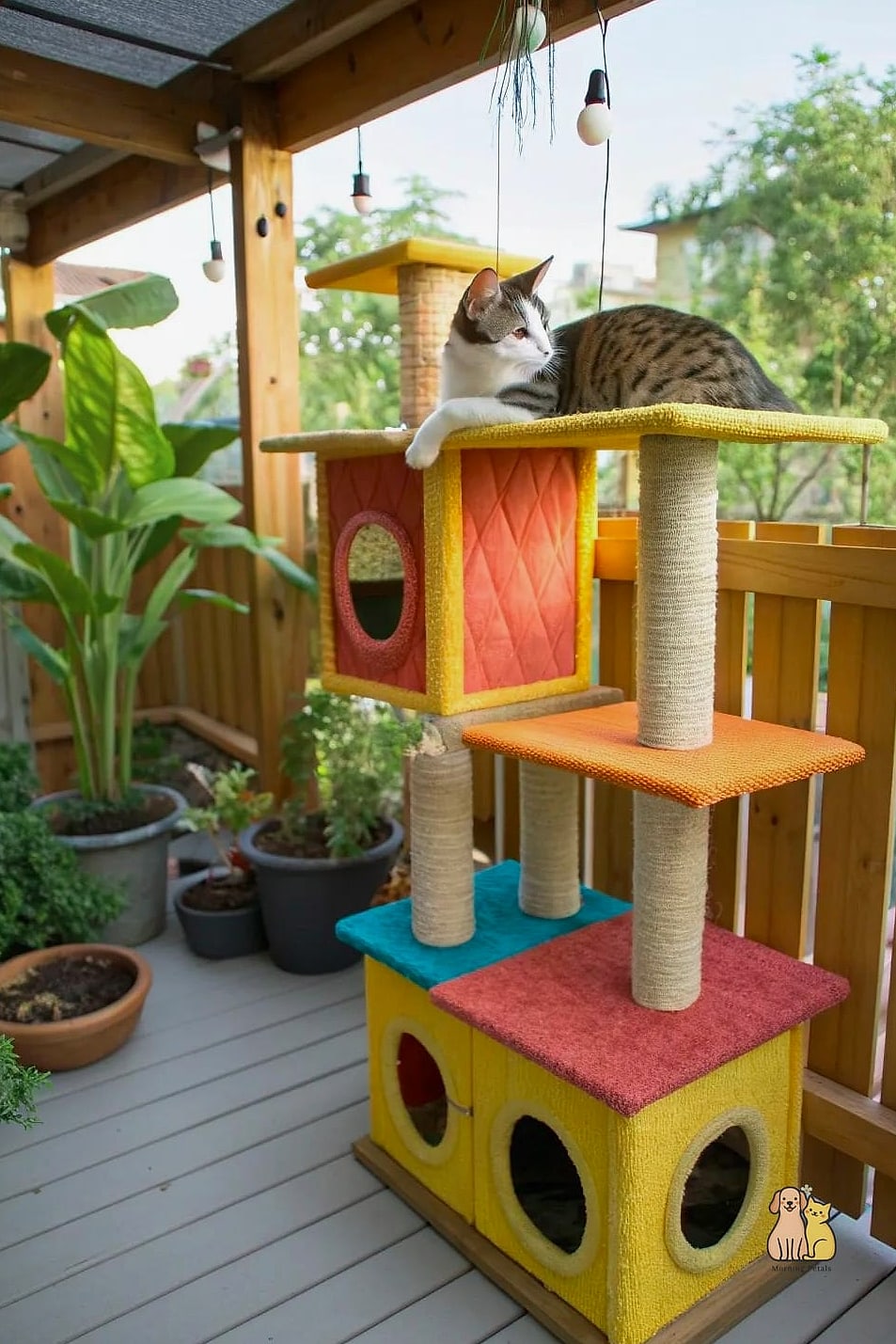
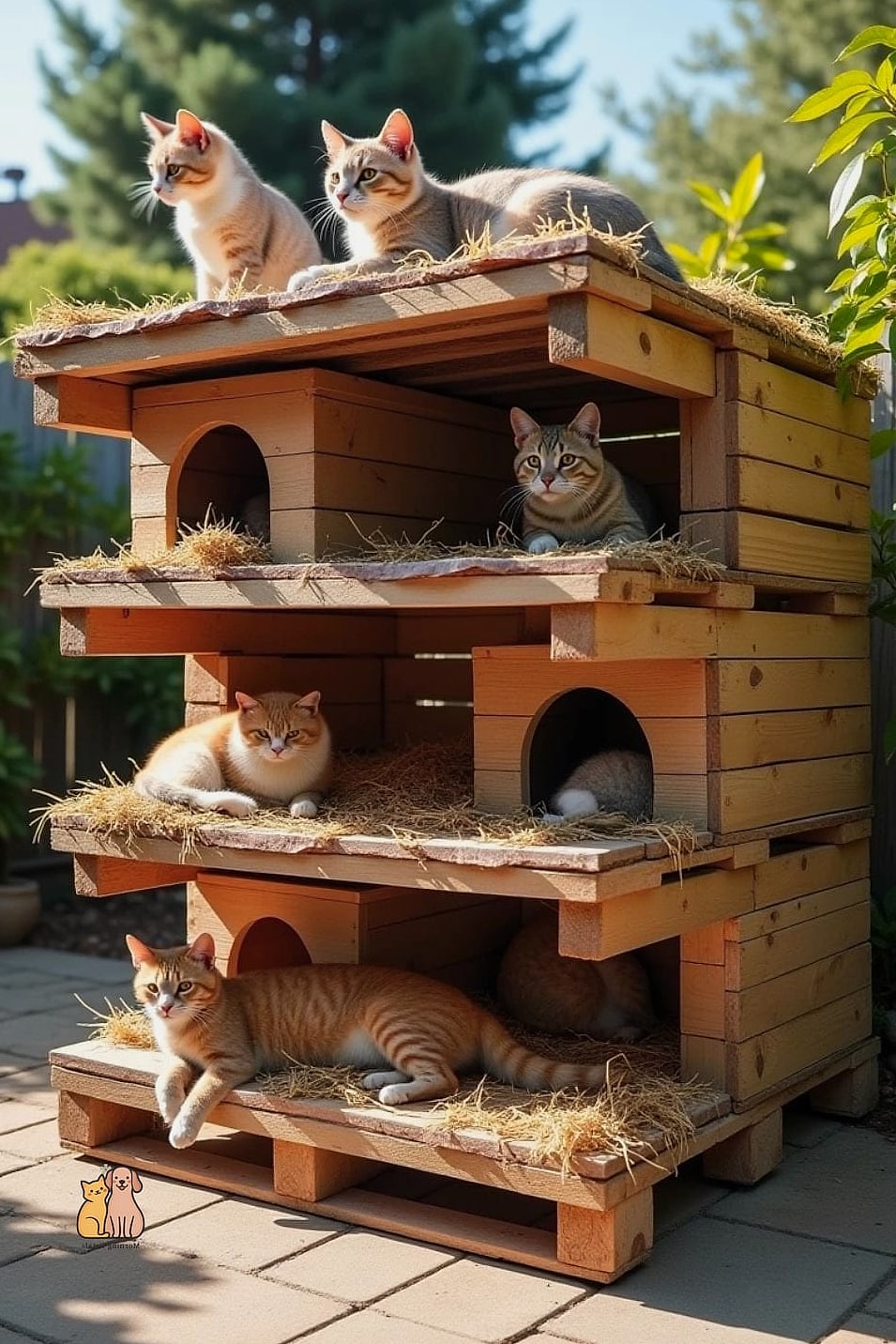
If you’ve got leftover plywood from another project, you can build a small multi-level shelter with separate compartments. This works well for colonies with several cats, since it gives more timid cats a private space away from more dominant ones. Add carpet scraps or outdoor-rated fabric to the interior for extra comfort.
Terra Cotta Pot Hideaway
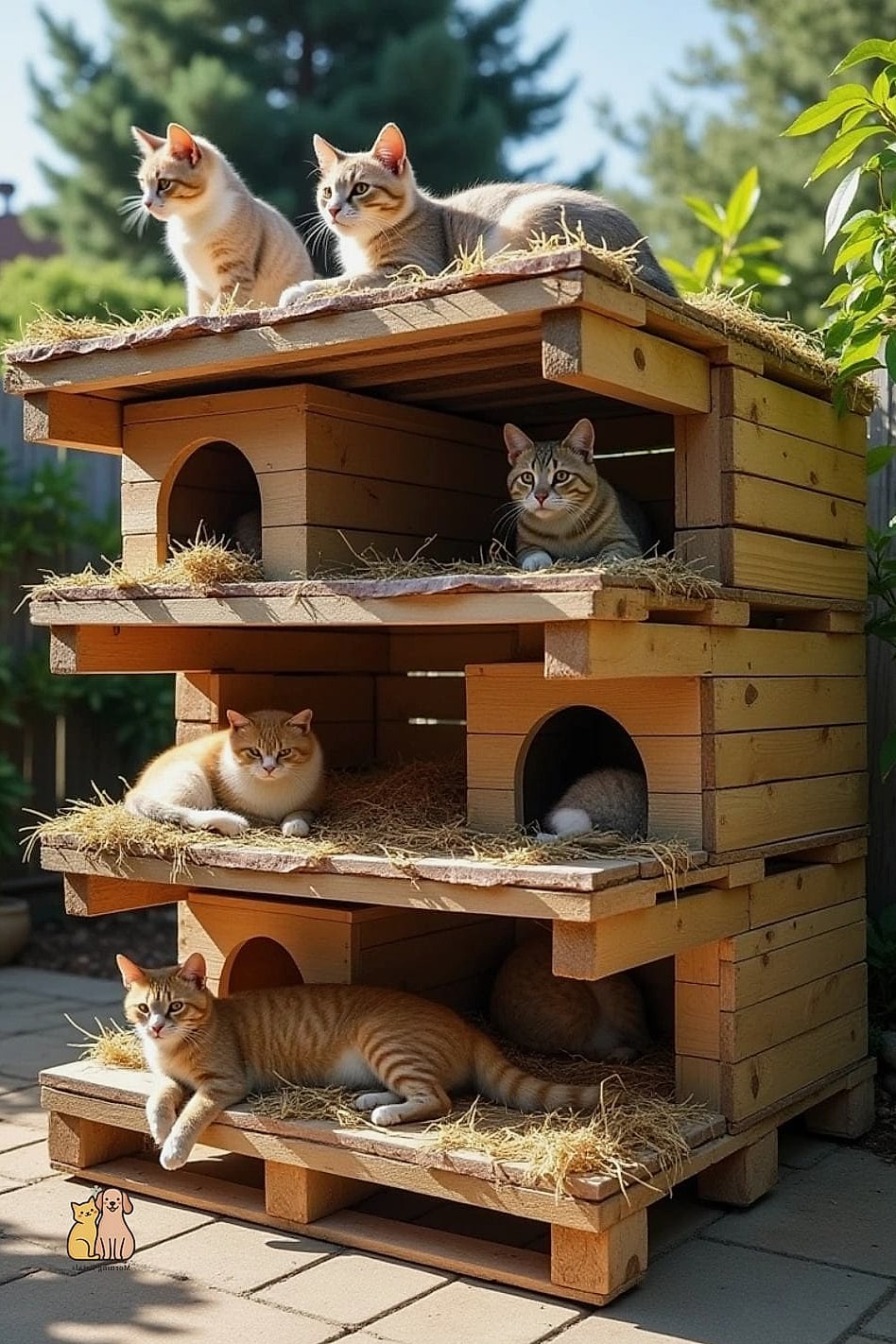
A large terra cotta planter, tipped on its side, makes a surprisingly sturdy little den. Add a flat stone or wood base to keep it stable, and toss a cushion inside. This one works best in milder climates since terra cotta isn’t especially insulating, but it looks great tucked into a garden bed.
Under-Porch Insulated Tunnel System
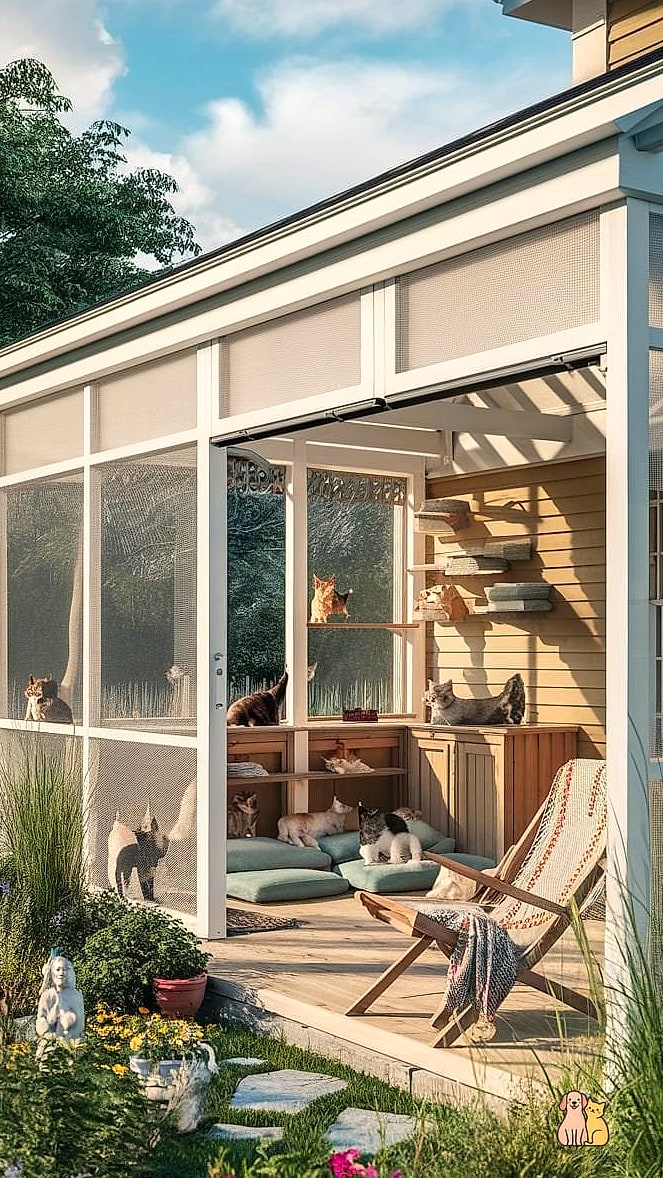
If your porch is raised off the ground, you can build a small tunnel entrance leading to an insulated nesting box underneath. This setup keeps the shelter hidden from view while giving cats a warm, enclosed space that’s protected from wind and rain on all sides.
Repurposed Cooler Bench Combo
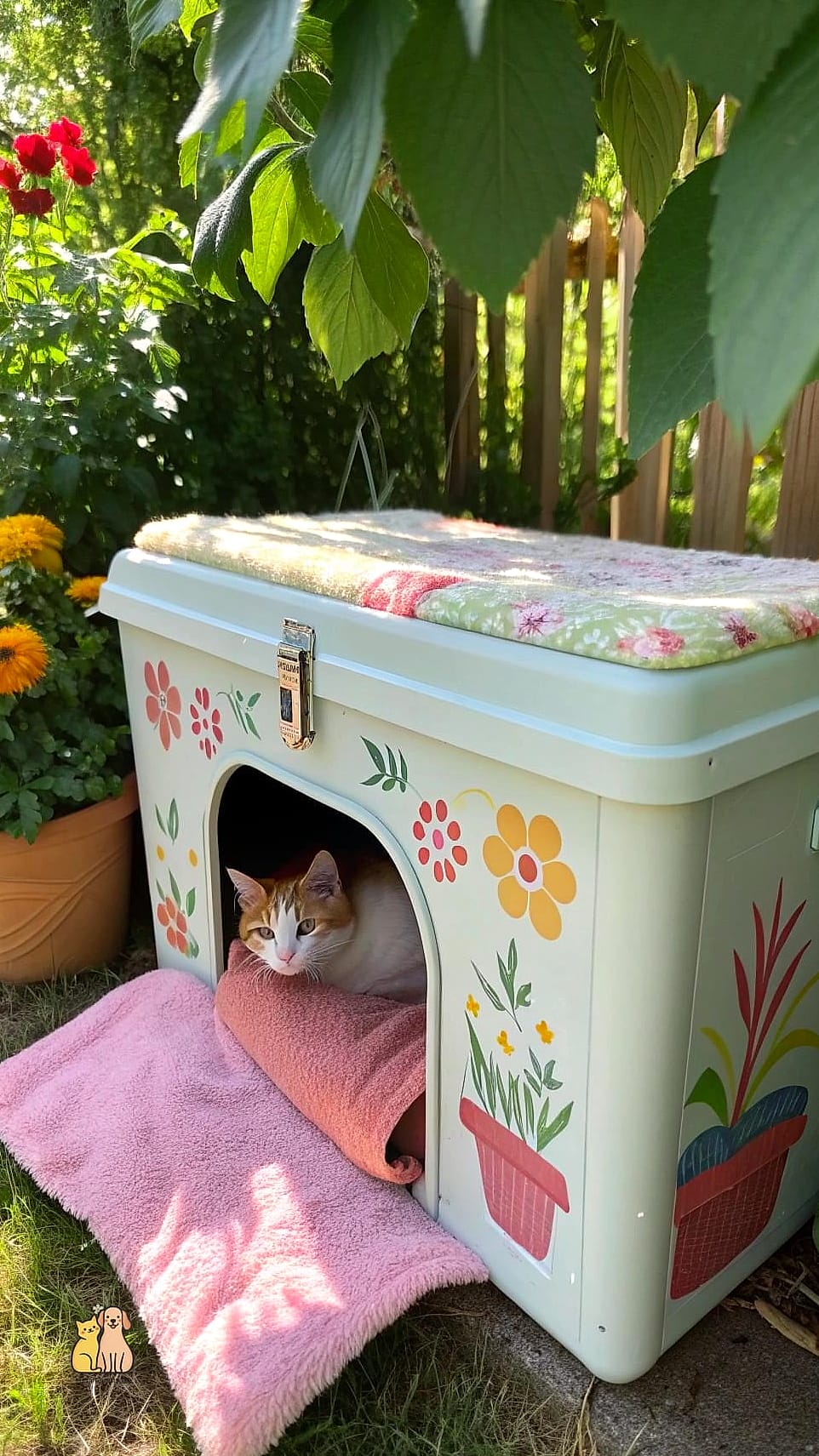
Turn a large, unused cooler into a shelter and disguise it as an outdoor bench by adding a flat cushion on top. Cut an entry hole on the side facing away from prevailing wind, insulate with straw, and you’ve got dual-purpose yard furniture that also keeps your outdoor cats warm.
Modular Milk Crate Shelter
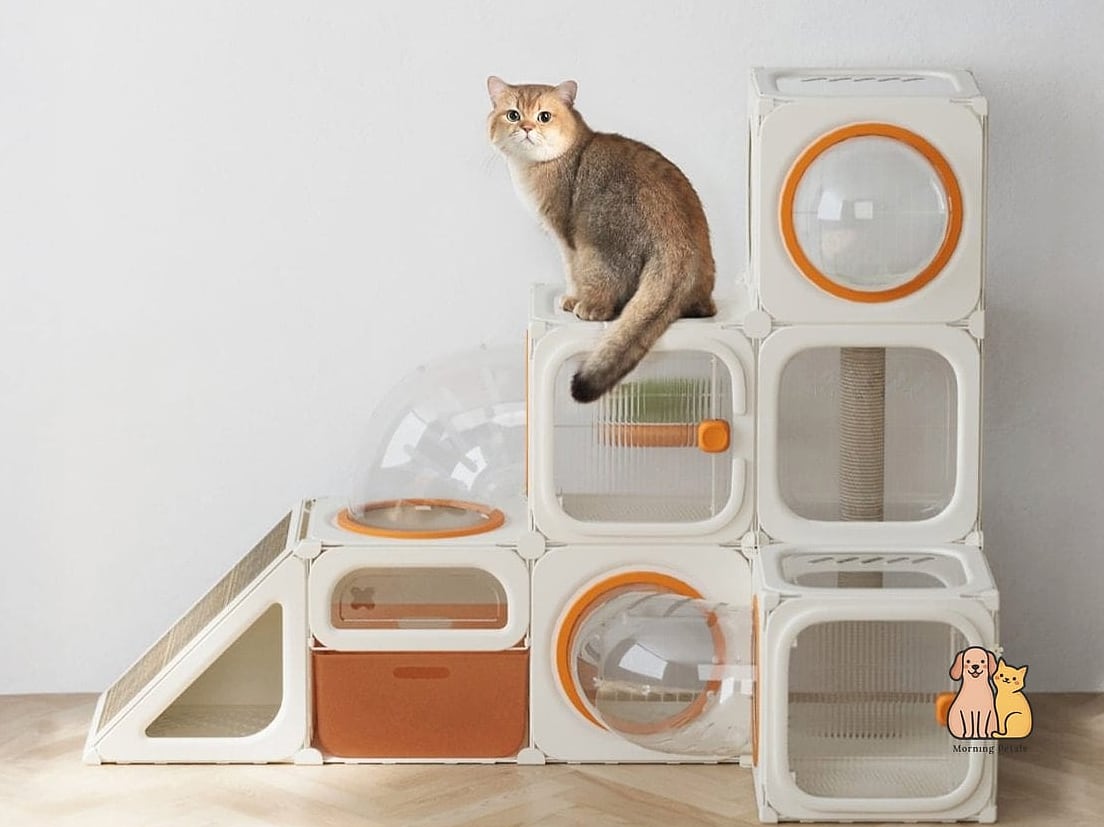
Plastic milk crates, connected together and covered with a waterproof tarp, create a quick modular shelter frame. Line the interior with cardboard for insulation and straw for bedding. It’s not the most polished-looking option, but it’s fast to assemble and easy to take apart or expand as needed.
No matter which of these outdoor cat house ideas you go with, the basics stay the same: keep it dry, keep it insulated, keep the entrance small enough to hold in body heat, and always use straw instead of blankets for bedding since blankets tend to hold moisture in cold weather. Even the simplest budget build can make a real difference for an outdoor cat trying to stay warm and safe through the seasons.