50 Budget-friendly Cat Food Station Ideas Your Pet Will Beg For More
- The Repurposed Nightstand Station
- The Rolling Cart Feeder
- The Built-In Cabinet Cutout
- The Wooden Crate Feeder
- The Floating Shelf Station
- The Under-Stairs Nook
- The Mudroom Feeding Corner
- The Vintage Suitcase Feeder
- The Wine Crate Bowl Holder
- The Bookshelf Cubby Station
- The Hanging Basket Feeder
- The Ceramic Tile Mat DIY
- The Cat Tree Feeding Platform
- The Repainted Step Stool Station
- The Drawer Organizer Bowl Tray
- The Corner Triangle Shelf
- The Repurposed Dresser Drawer
- The Litter-Adjacent Divider Station
- The Plywood Riser Box
- The Terracotta Saucer Setup
- The Wall-Mounted Fold-Down Shelf
- The Repurposed TV Stand
- The Painted Cinder Block Feeder
- The Woven Basket Corner
- The Magazine Rack Feeder
- The Chalkboard-Labeled Station
- The Repainted Toy Chest Base
- The Hallway Runner Station
- The Repurposed Spice Rack
- The Concrete Paver Base
- The Repurposed Crib Rail Nook
- The Floating Corner Triangle
- The Repainted Filing Cabinet Top
- The Cork Board Backdrop Station
- The Repurposed Crate Table
- The Slide-Out Pantry Tray
- The Repainted Step Ladder Shelf
- The Woven Placemat Base
- The Repurposed Bar Cart
- The Built-In Baseboard Nook
- The Repainted Wooden Crate Duo
- The Marble Slab Feeder
- The Repurposed Bookend Divider
- The Hanging Macrame Shelf
- The Repurposed Rolling Tea Cart
- The Painted Pallet Wood Station
- The Built-In Window Seat Nook
- The Repurposed Shoe Cubby
- The Minimalist Floating Tray
50 Budget–friendly Cat Food Station Ideas Your Pet Will Beg For More
If your cat’s food bowls are currently just sitting on the kitchen floor getting kicked around, you’re not alone. Most of us start there. But a real cat food station makes mealtime calmer, keeps kibble off your floor, and honestly makes your space look a little more put together. You don’t need a fortune to pull this off — just some creativity, a trip to the thrift store, and maybe a free weekend. Here are 50 budget-friendly cat food station ideas your pet will beg for more.
The Repurposed Nightstand Station
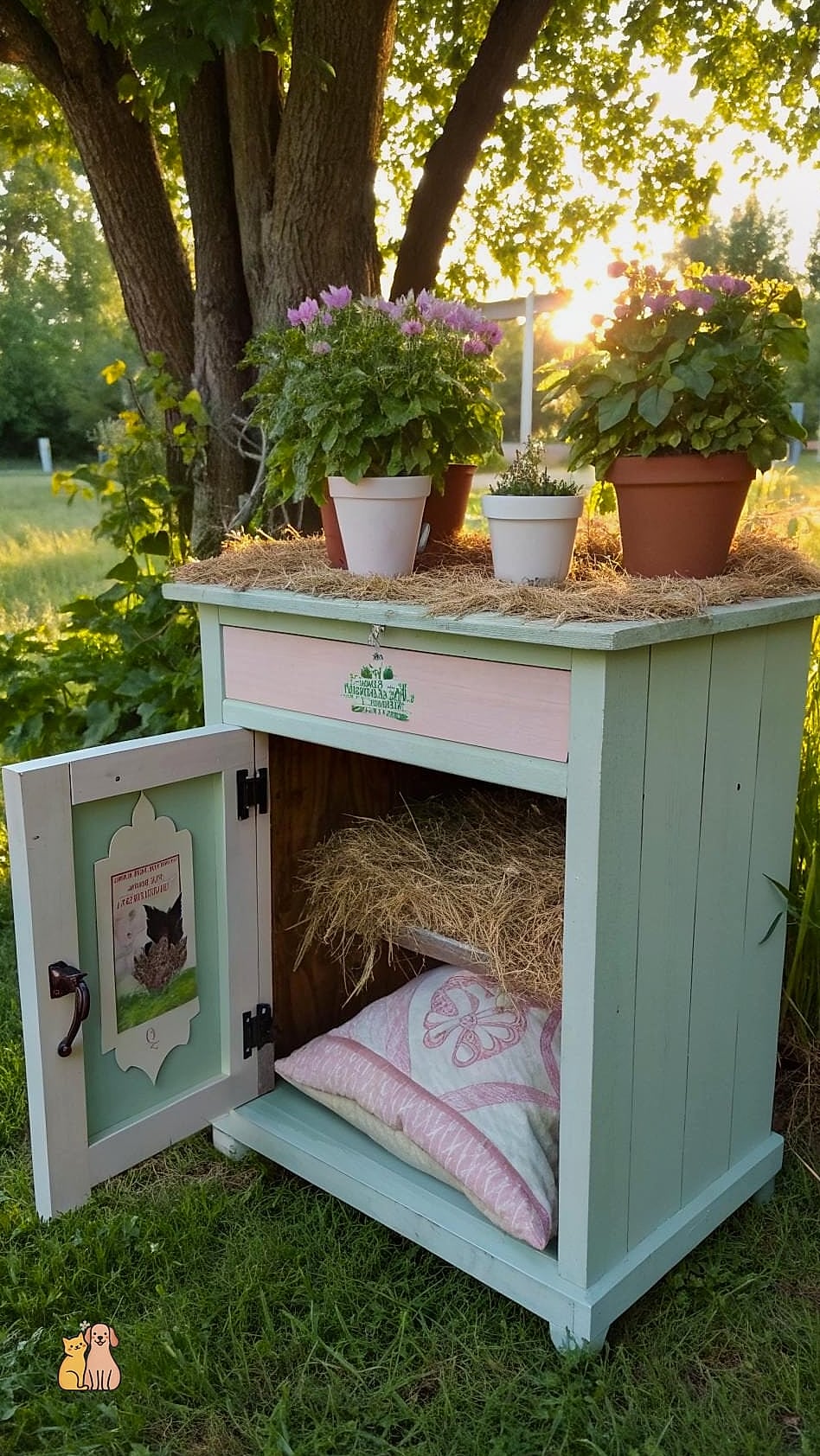
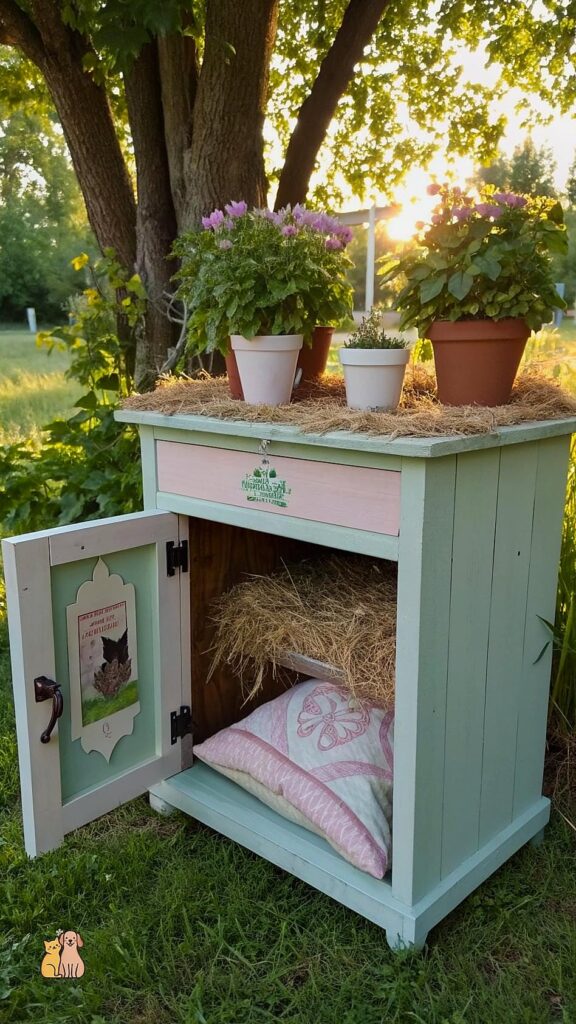
An old nightstand with the drawer removed becomes an instant feeding nook. Cut a hole in the back for a water line or just set bowls inside. Great for apartment cats and easy for beginners with basic tools.
The Rolling Cart Feeder
A small IKEA-style rolling cart holds bowls, treats, and food bags all in one spot. Perfect for multi-cat homes since you can wheel it wherever the chaos needs managing that day.
The Built-In Cabinet Cutout
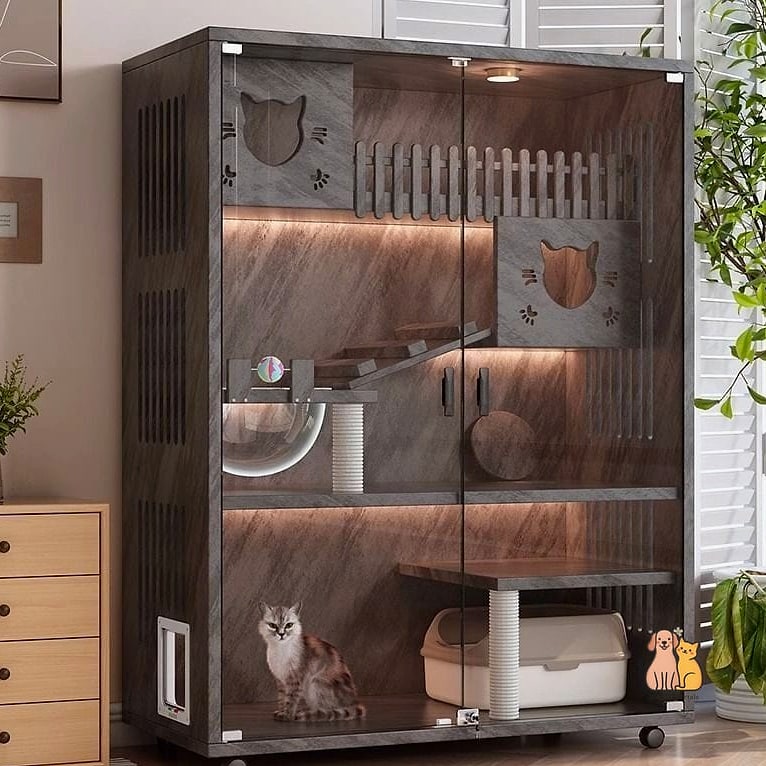
If you’re handy, cut a bowl-sized hole into the bottom of a kitchen cabinet kickboard. It hides bowls completely and keeps dogs from raiding the cat food. Best for experienced DIYers.
The Wooden Crate Feeder
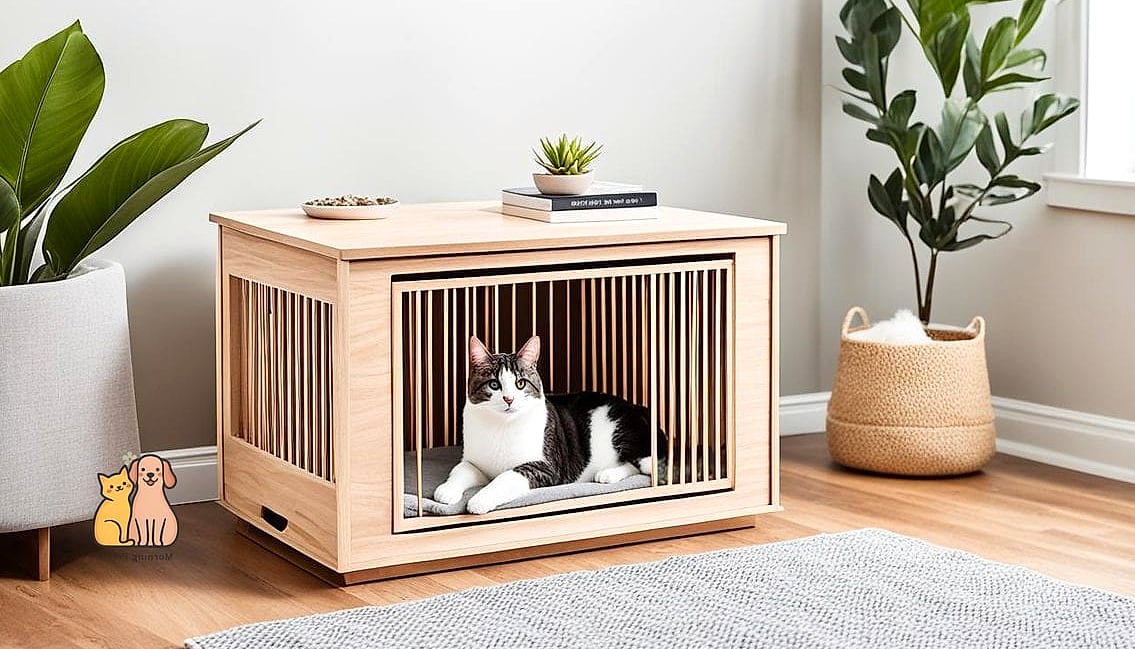
Stack two wooden crates, cut an entry hole in one, and you’ve got a raised feeding nook with storage below. Rustic, cheap, and surprisingly sturdy for food fountains too.
The Floating Shelf Station
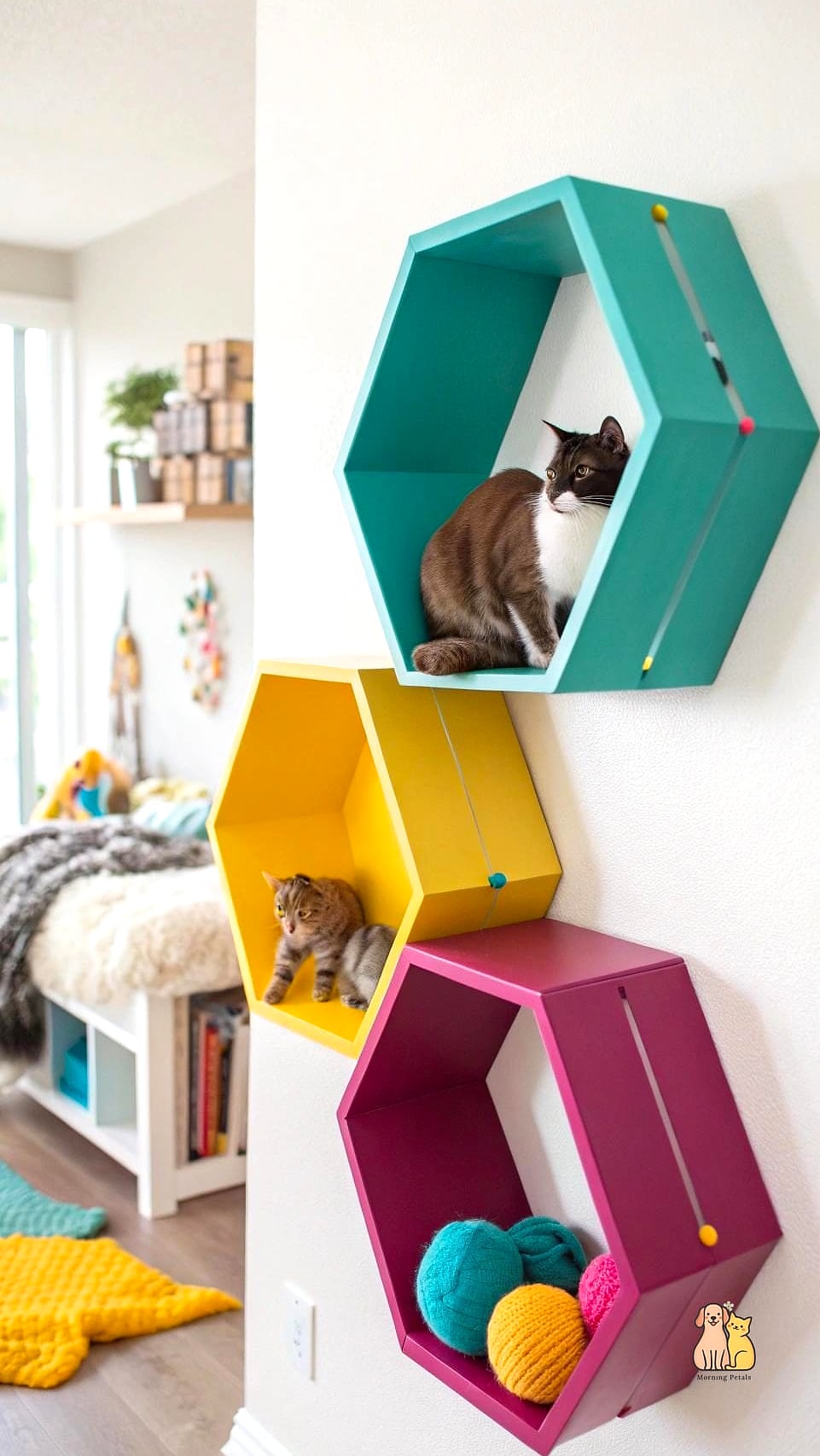
Mount a floating shelf at cat height near a window. Elevated feeding can help cats with joint issues, and the view makes mealtime more entertaining for indoor-only cats.
The Under-Stairs Nook
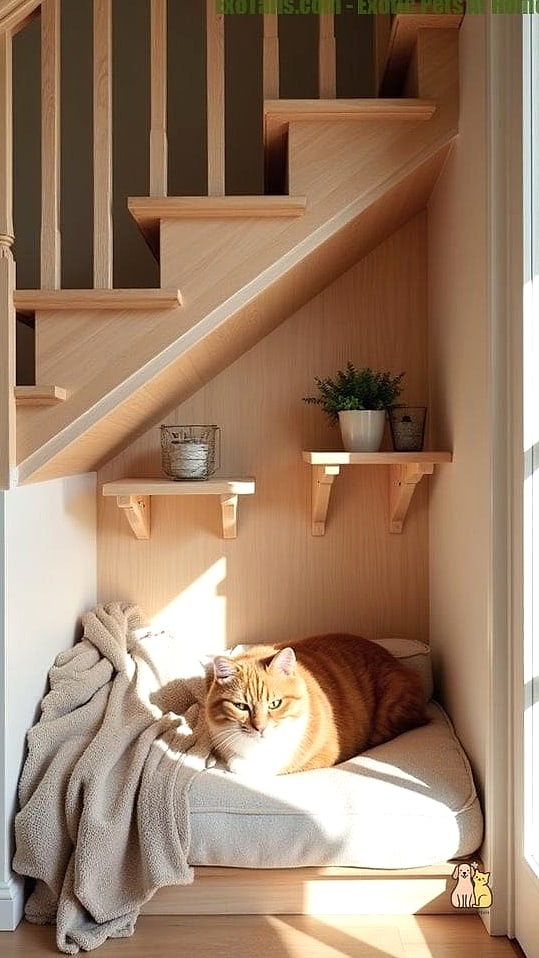
Got dead space under a staircase? Tuck a small mat and bowls there. It’s naturally tucked away from foot traffic and dogs, and costs nothing but a mat.
The Mudroom Feeding Corner
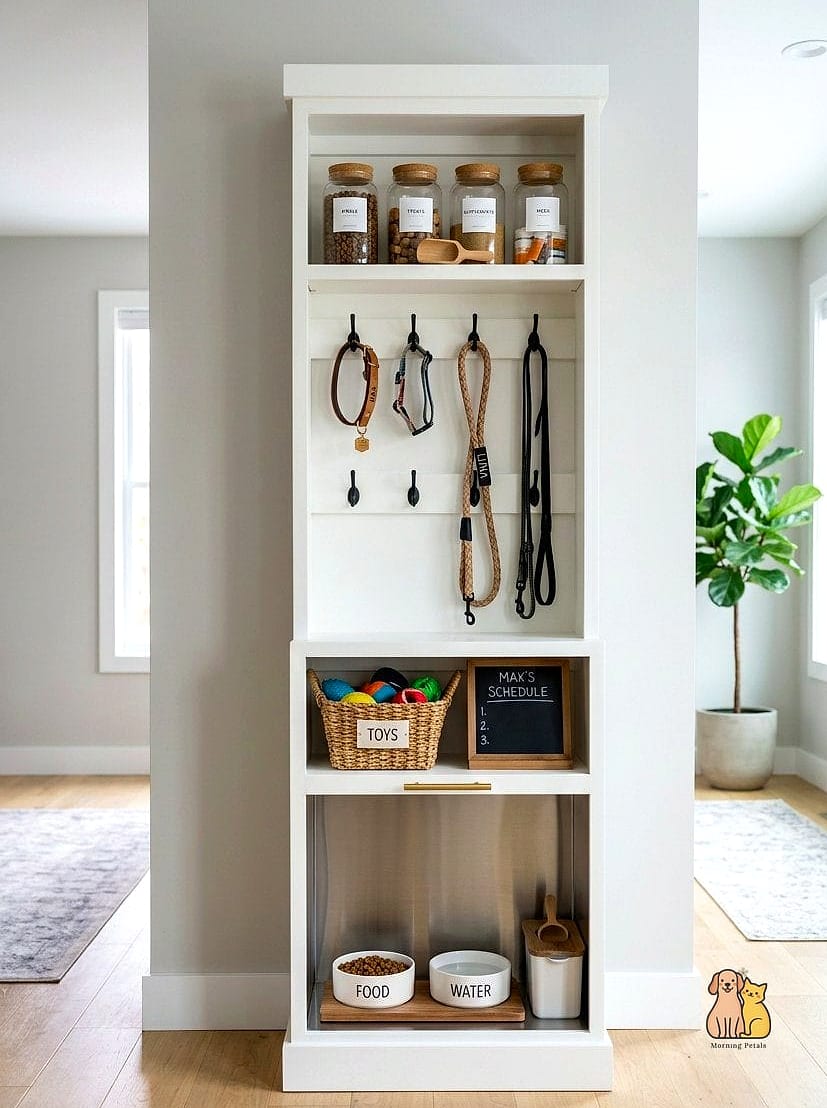
Set up a dedicated corner in your mudroom or laundry area with a washable mat and slow feeder bowls. Keeps kibble mess contained to one easy-to-clean zone.
The Vintage Suitcase Feeder
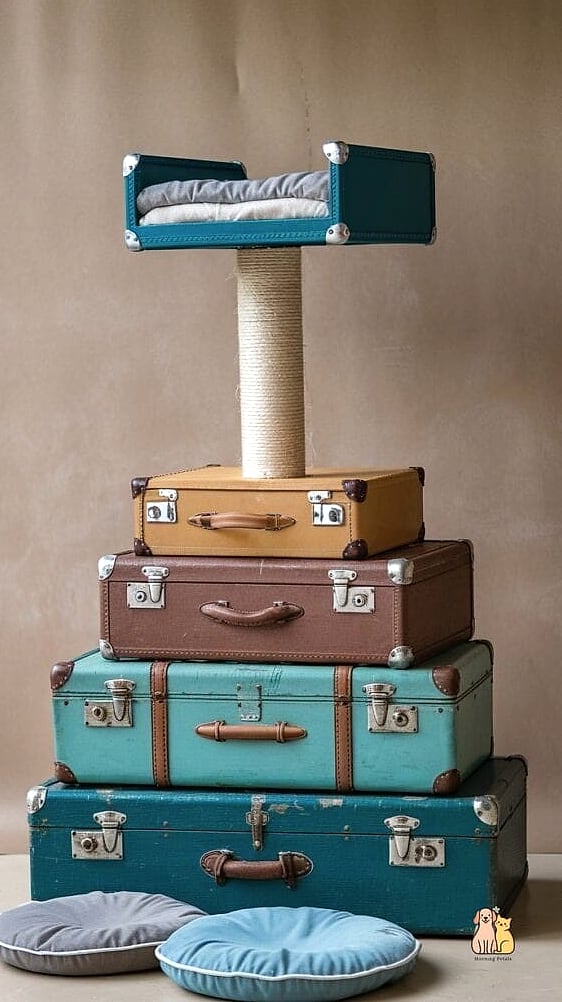
An old suitcase propped open on its side, with the lid as a backdrop, makes a quirky feeding spot. Thrift stores usually have these for a few dollars.
The Wine Crate Bowl Holder
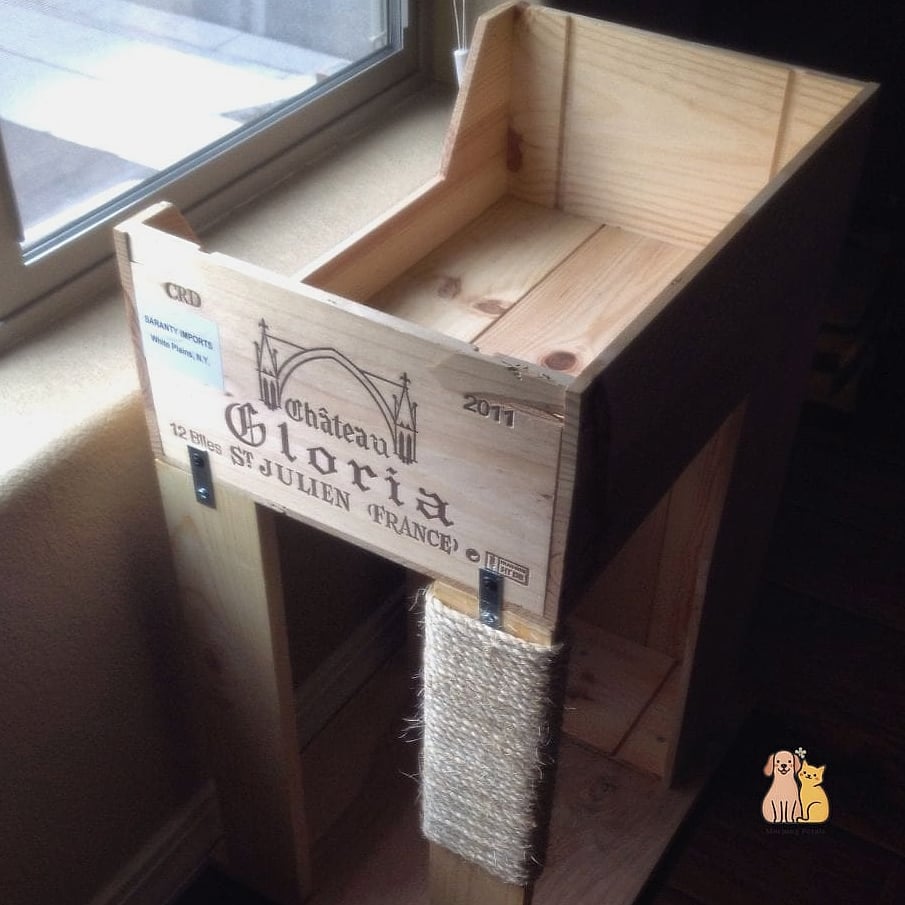
Wooden wine crates from liquor stores are often free for the asking. Flip one on its side, add bowls, and you’ve got instant rustic charm.
The Bookshelf Cubby Station
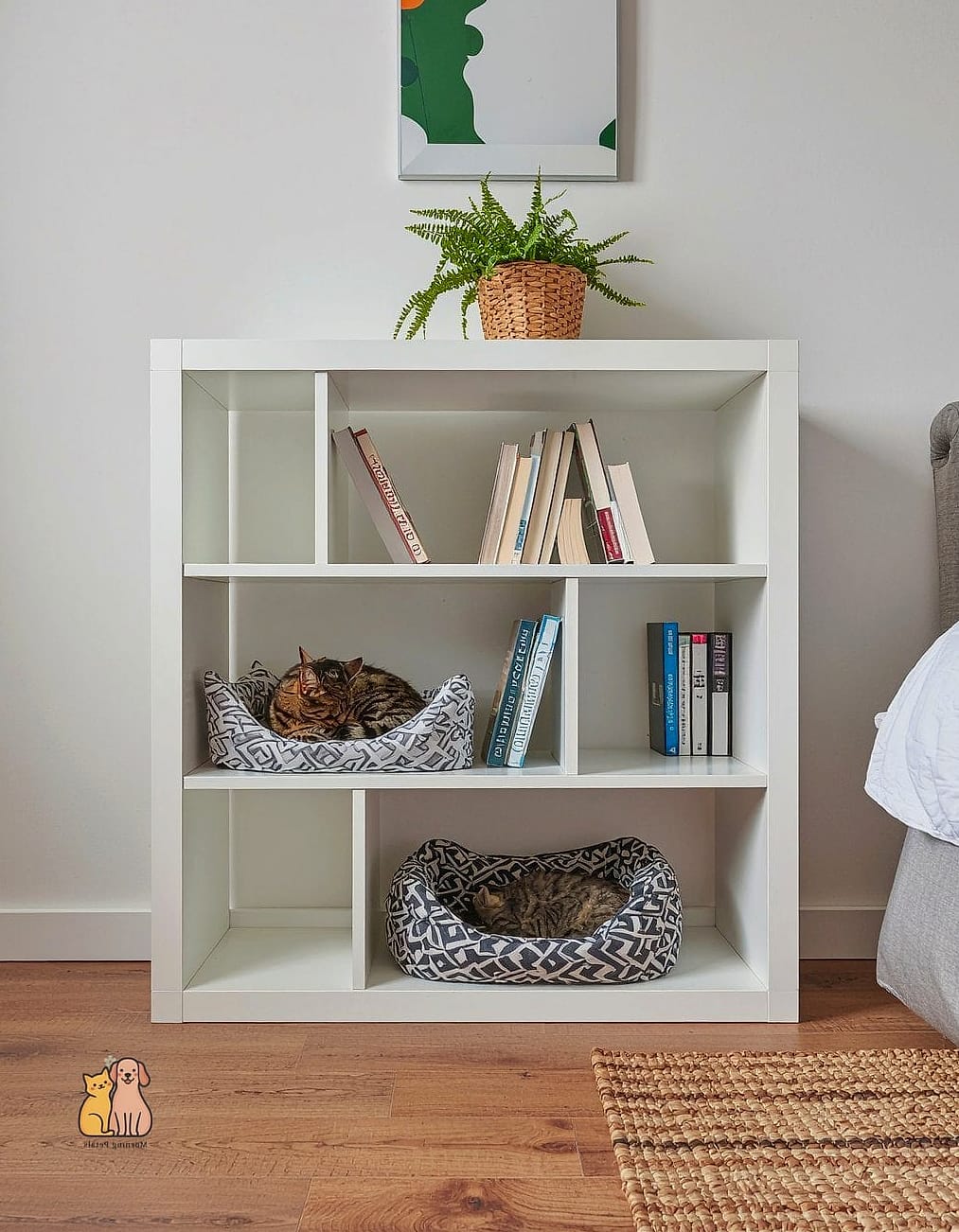
Use one cube of an old bookshelf as a feeding nook. It’s contained, easy to wipe down, and works well for shy cats who like eating somewhere enclosed.
The Hanging Basket Feeder
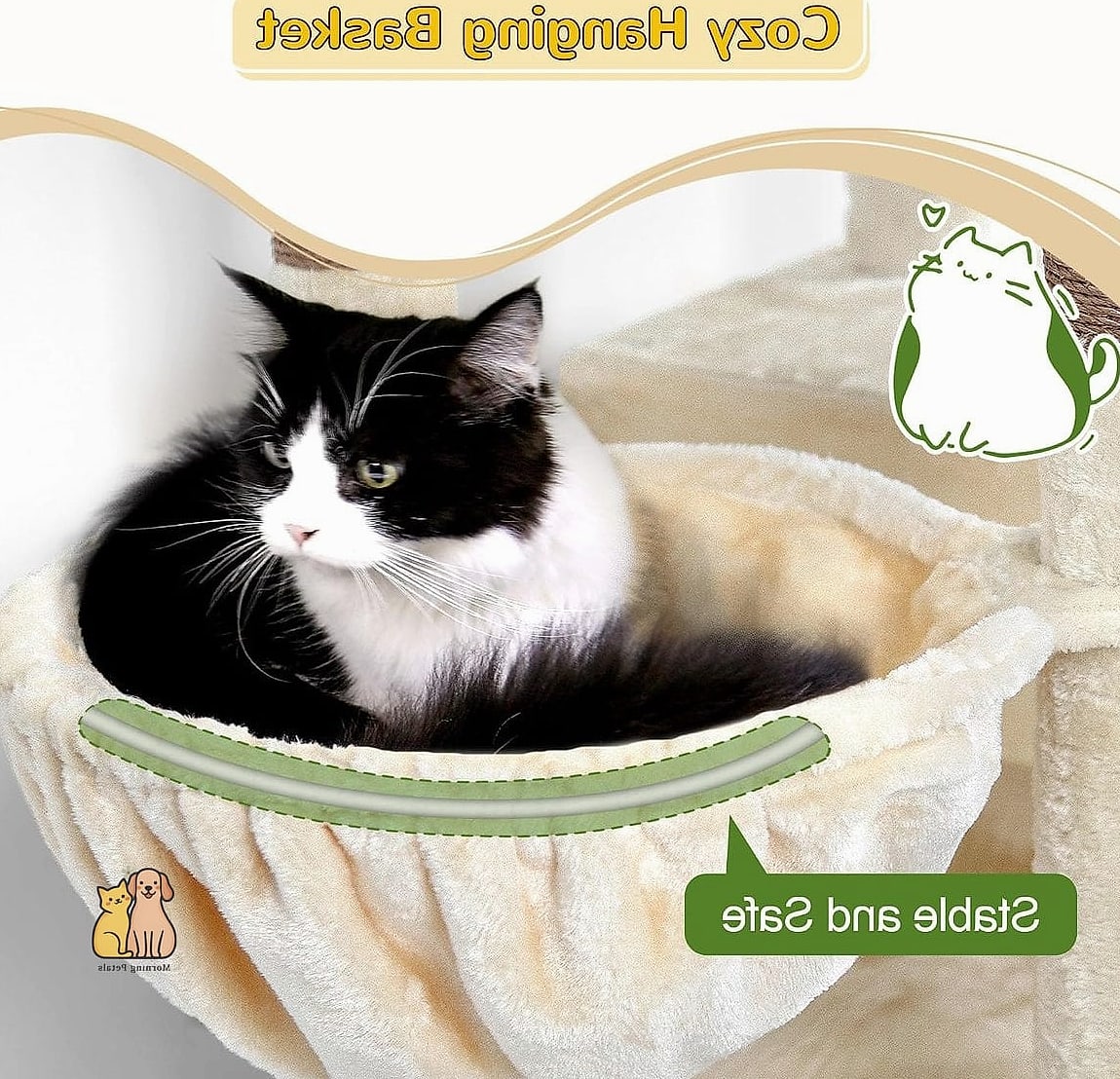
A wire basket mounted at a slight tilt can hold a slow feeder bowl for cats who like a bit of height and visibility while they eat.
The Ceramic Tile Mat DIY
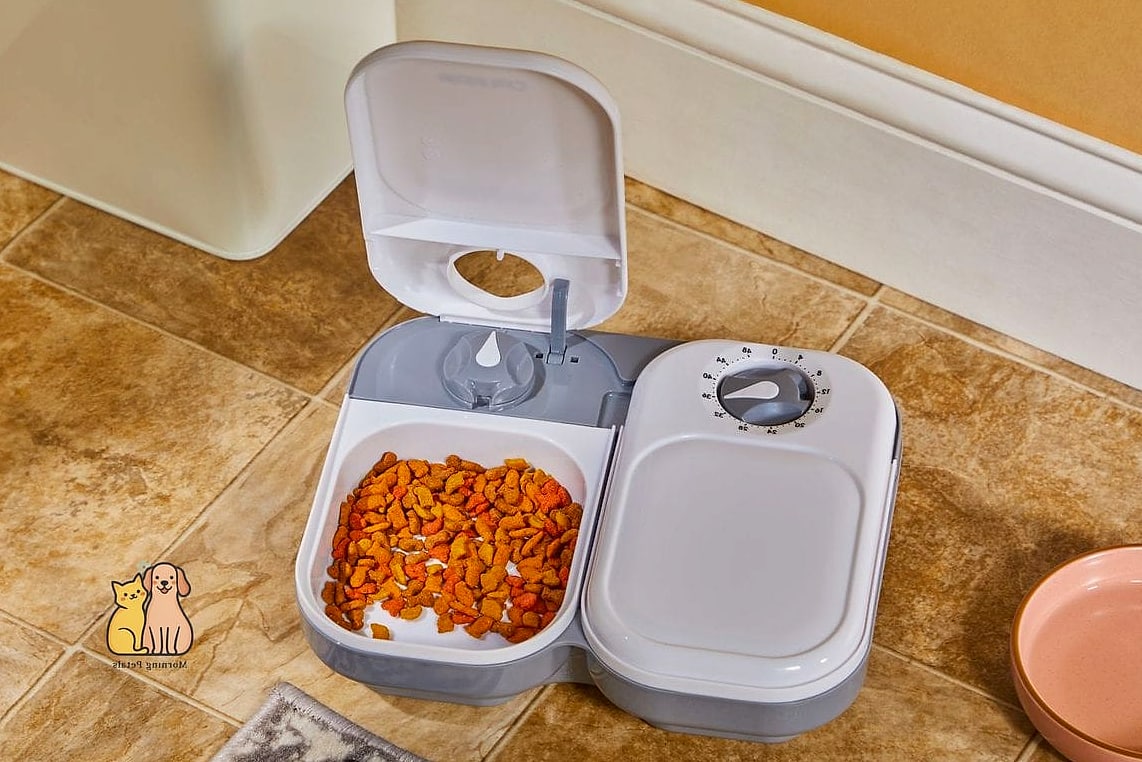
Skip the plastic mat and grout a few leftover ceramic tiles together for an easy-wipe surface. Cheap, waterproof, and honestly nicer looking than most store mats.
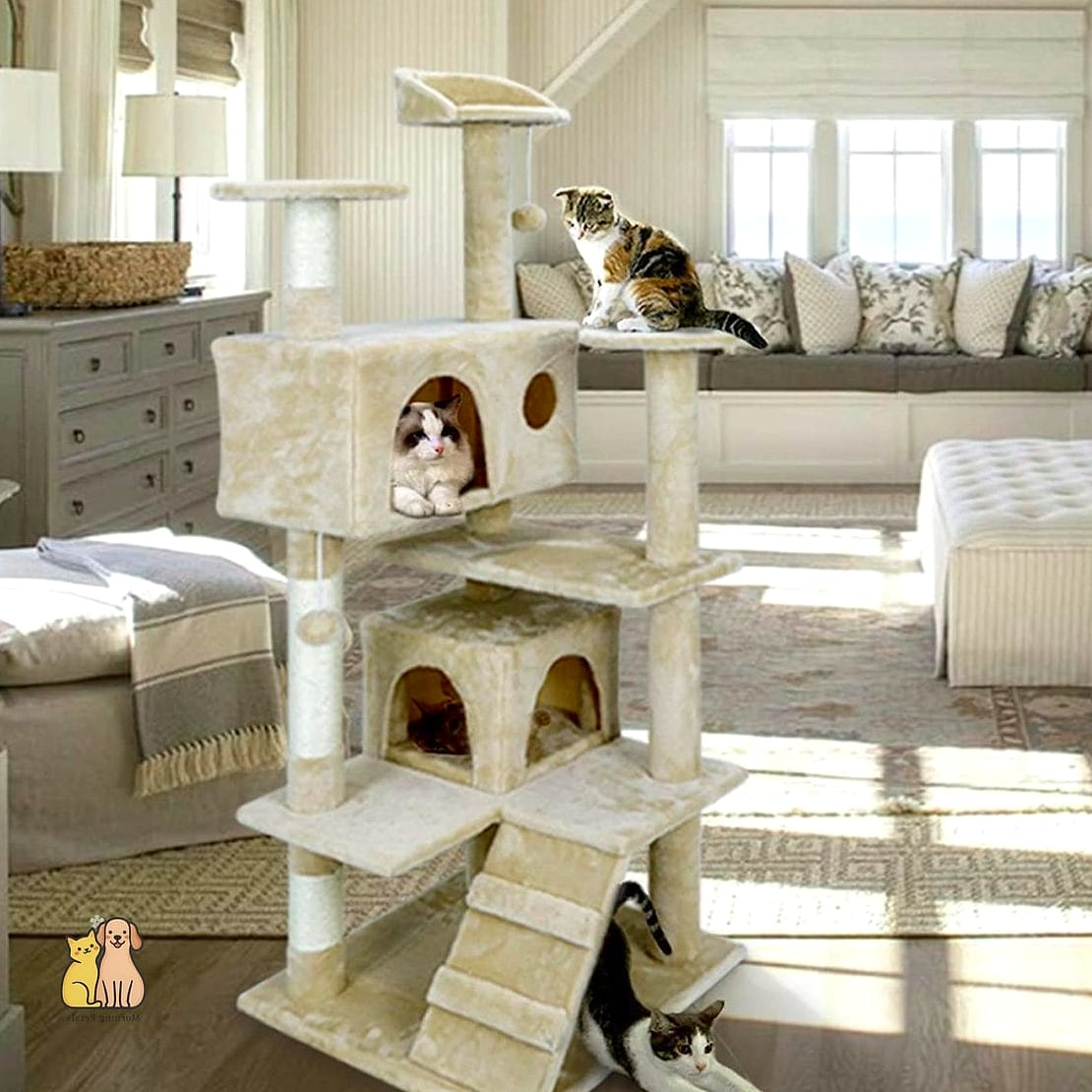
The Cat Tree Feeding Platform
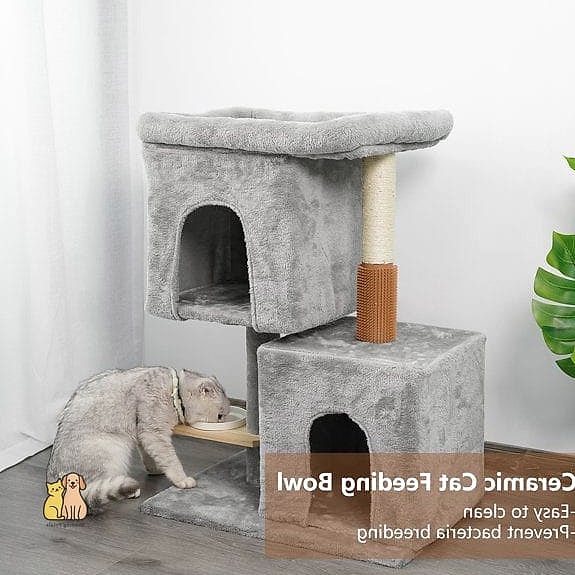
Some multi-level cat trees have flat platforms perfect for a small bowl. It combines vertical territory with mealtime, which cats who like to survey their space tend to love.
The Repainted Step Stool Station
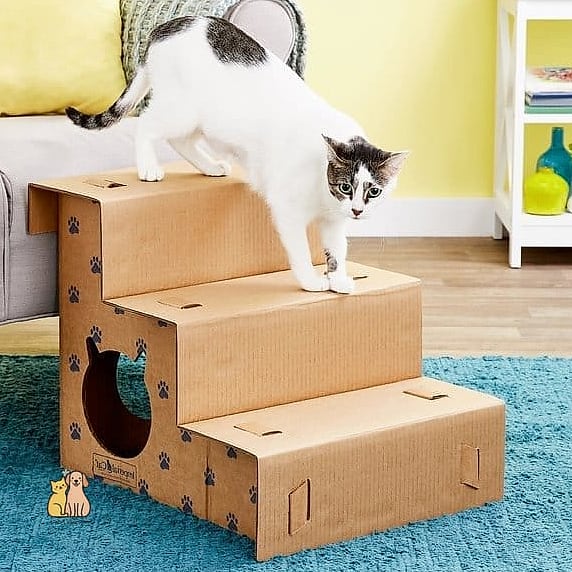
An old step stool, sanded and repainted, becomes a two-tier feeding station — food on top, water below. Great weekend project with minimal tools required.
The Drawer Organizer Bowl Tray
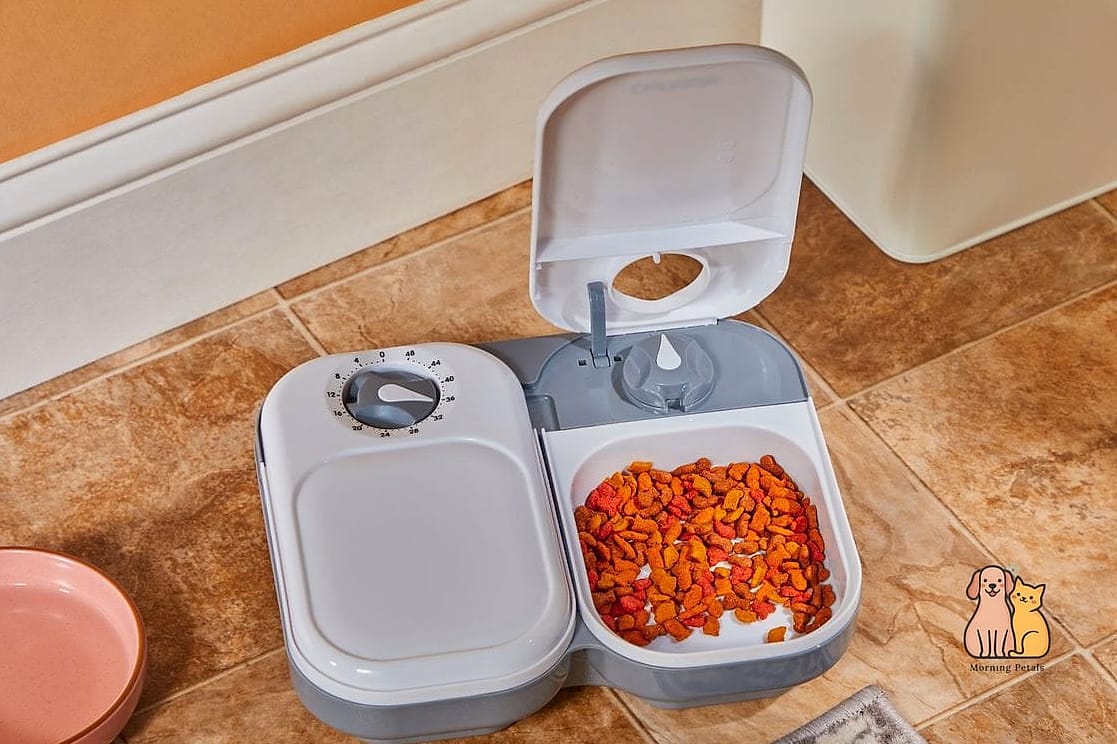
A wooden drawer organizer from a thrift store, laid flat, keeps two bowls from sliding around on tile floors. Simple, functional, and takes five minutes to set up.
The Corner Triangle Shelf
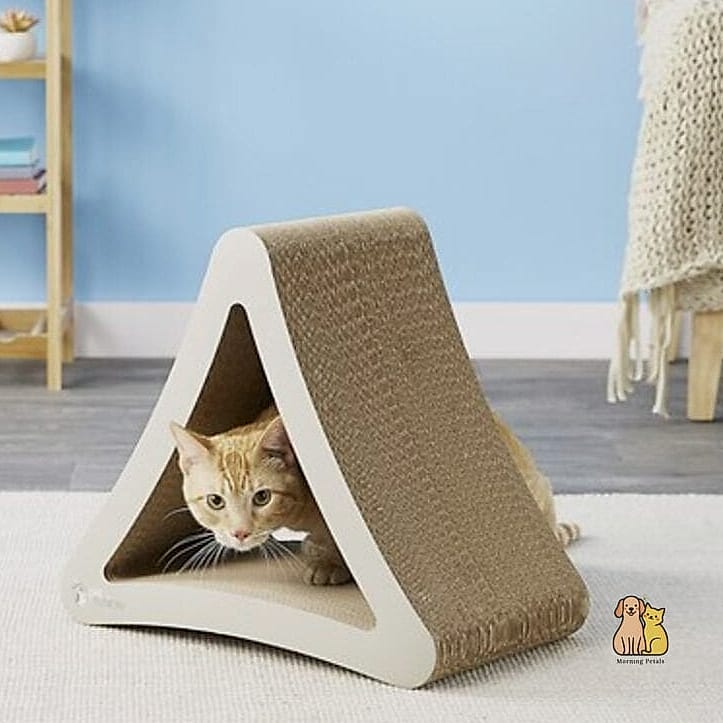
A small triangular corner shelf tucked low to the ground makes use of otherwise wasted space, especially handy in tiny apartments where floor space is limited.
The Repurposed Dresser Drawer
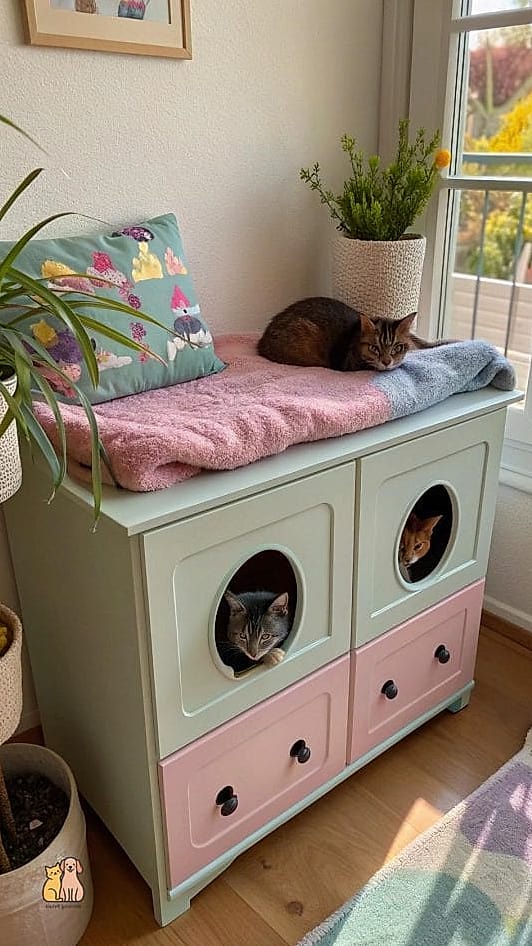
Remove one drawer from an old dresser, sand the edges, and mount it low on the wall as a built-in feeding nook with a bit of vintage character.
The Litter-Adjacent Divider Station
Use a small bookshelf or panel to separate the food area from the litter box a few feet away. Cats generally prefer their eating and bathroom spaces kept apart.
The Plywood Riser Box
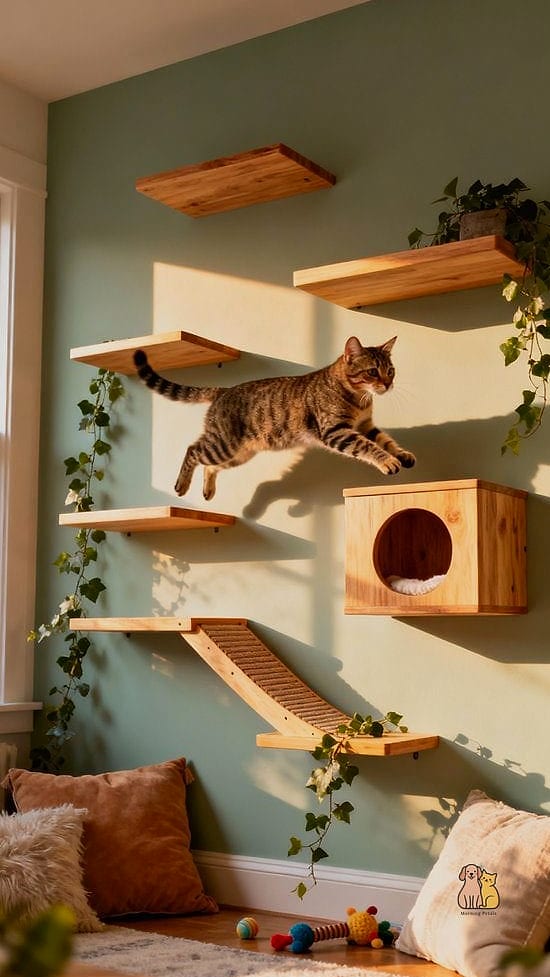
A simple plywood box, painted to match your decor, raises bowls a few inches off the ground. Budget-friendly and easy to build even without much carpentry experience.
The Terracotta Saucer Setup
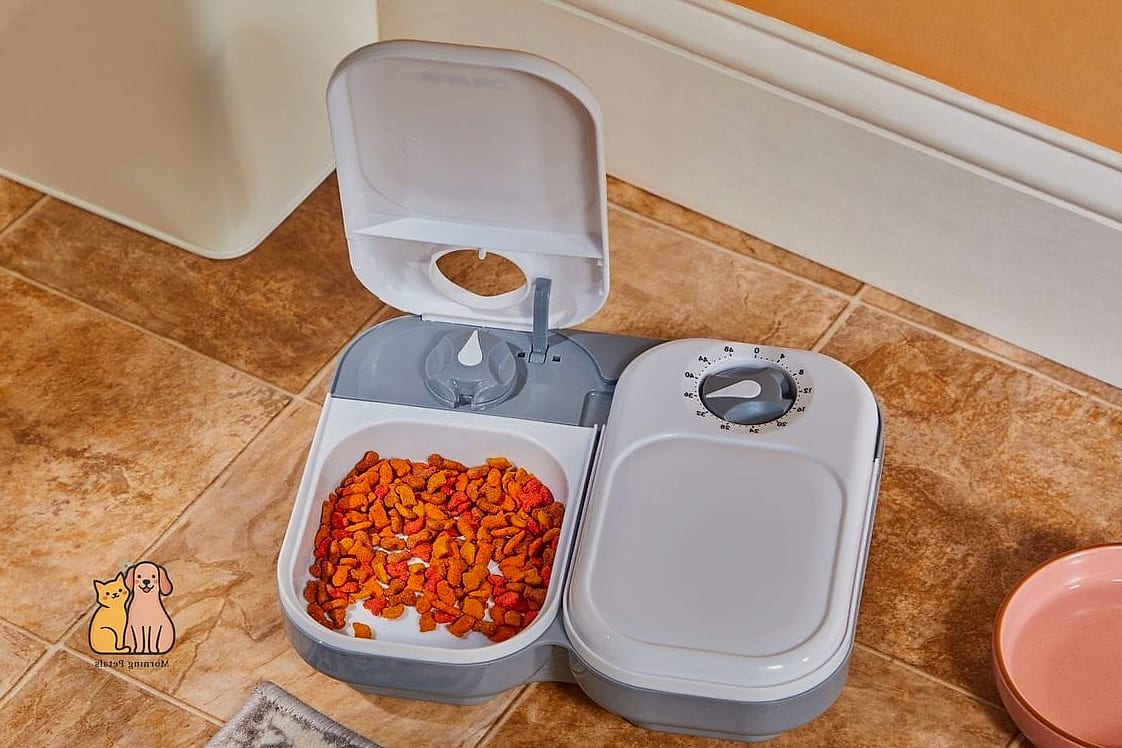
Large terracotta plant saucers make surprisingly sturdy, chew-proof bowl holders. They’re heavy enough that food-obsessed cats can’t shove them across the kitchen floor.
The Wall-Mounted Fold-Down Shelf
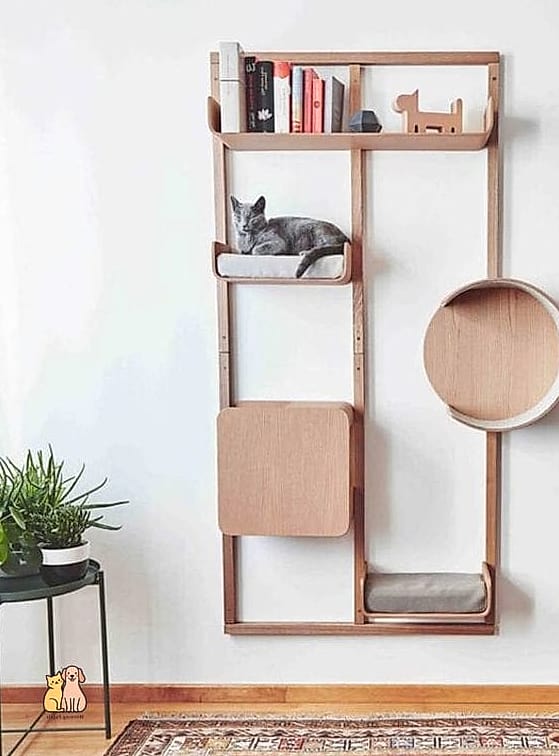
A hinged shelf that folds flat against the wall when not in use is ideal for tiny kitchens. Fold it down at mealtime, fold it up the rest of the day.
The Repurposed TV Stand
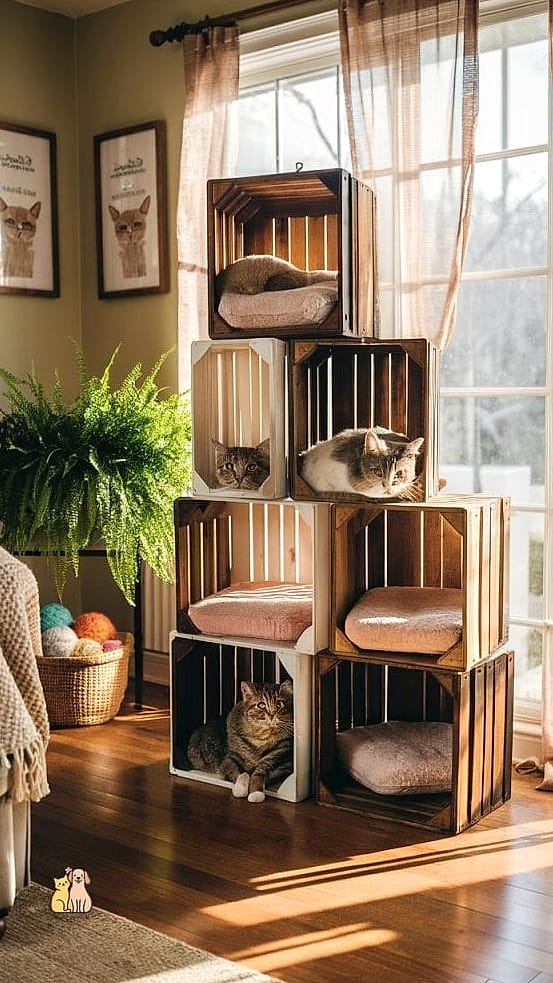
An old media console with open shelving becomes a feeding station with built-in storage for food bags and treats in the closed cabinet section below.
The Painted Cinder Block Feeder
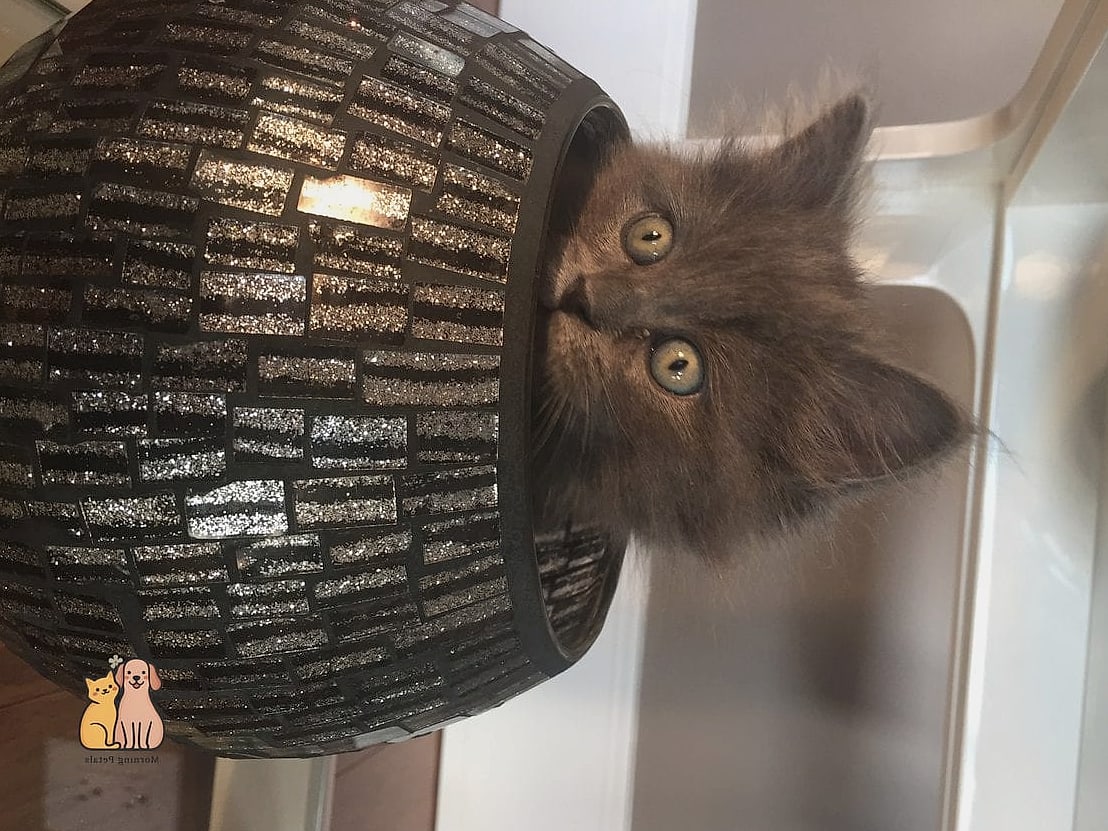
Two stacked cinder blocks, painted a fun color, create an industrial-chic raised feeding spot. Cheap, nearly indestructible, and easy to find at any hardware store.
The Woven Basket Corner
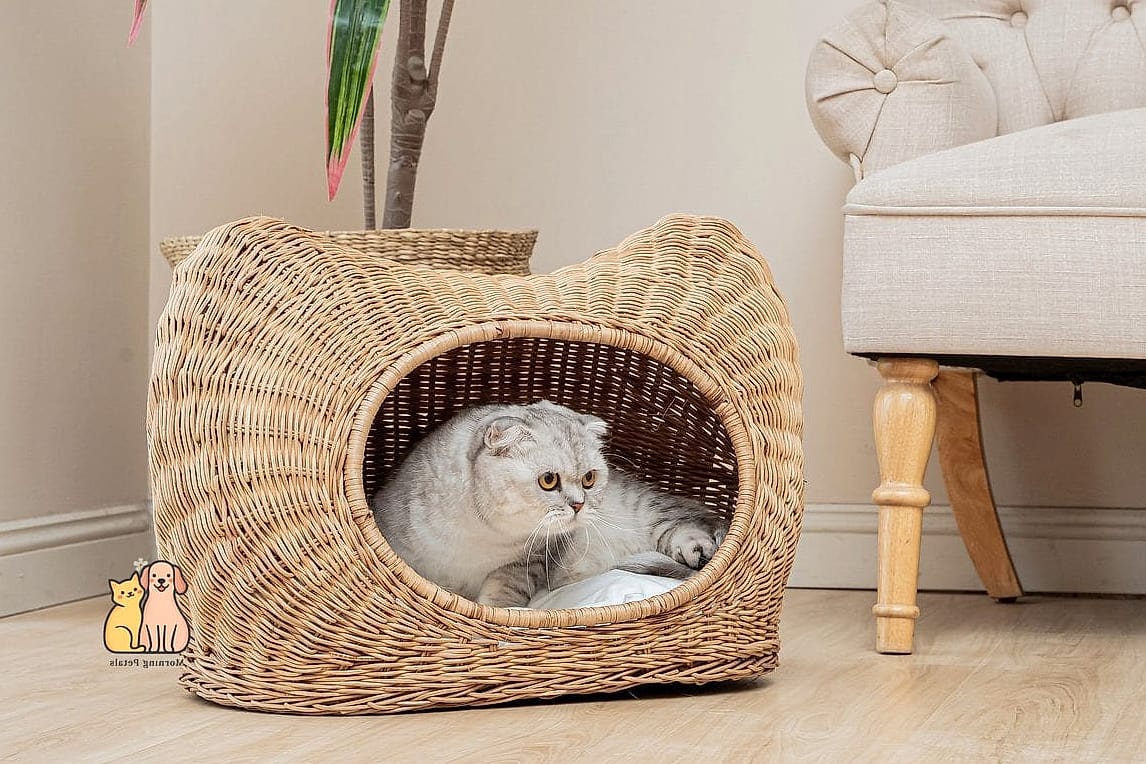
A shallow woven basket lined with a washable mat softens the look of a feeding area and is easy to swap out when it needs cleaning.
The Magazine Rack Feeder
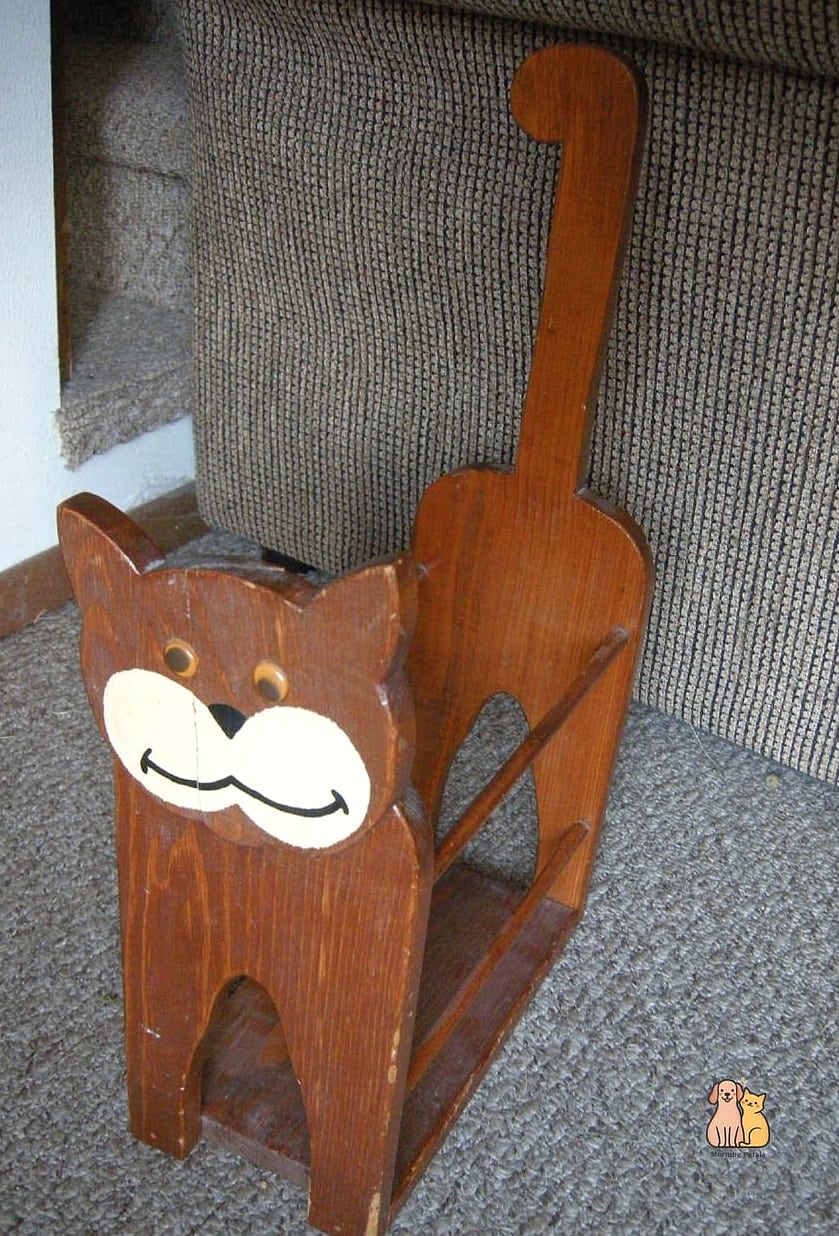
An old wall-mounted magazine rack, laid on its side, can hold slim slow-feeder bowls in a narrow hallway where floor space is tight.
The Chalkboard-Labeled Station
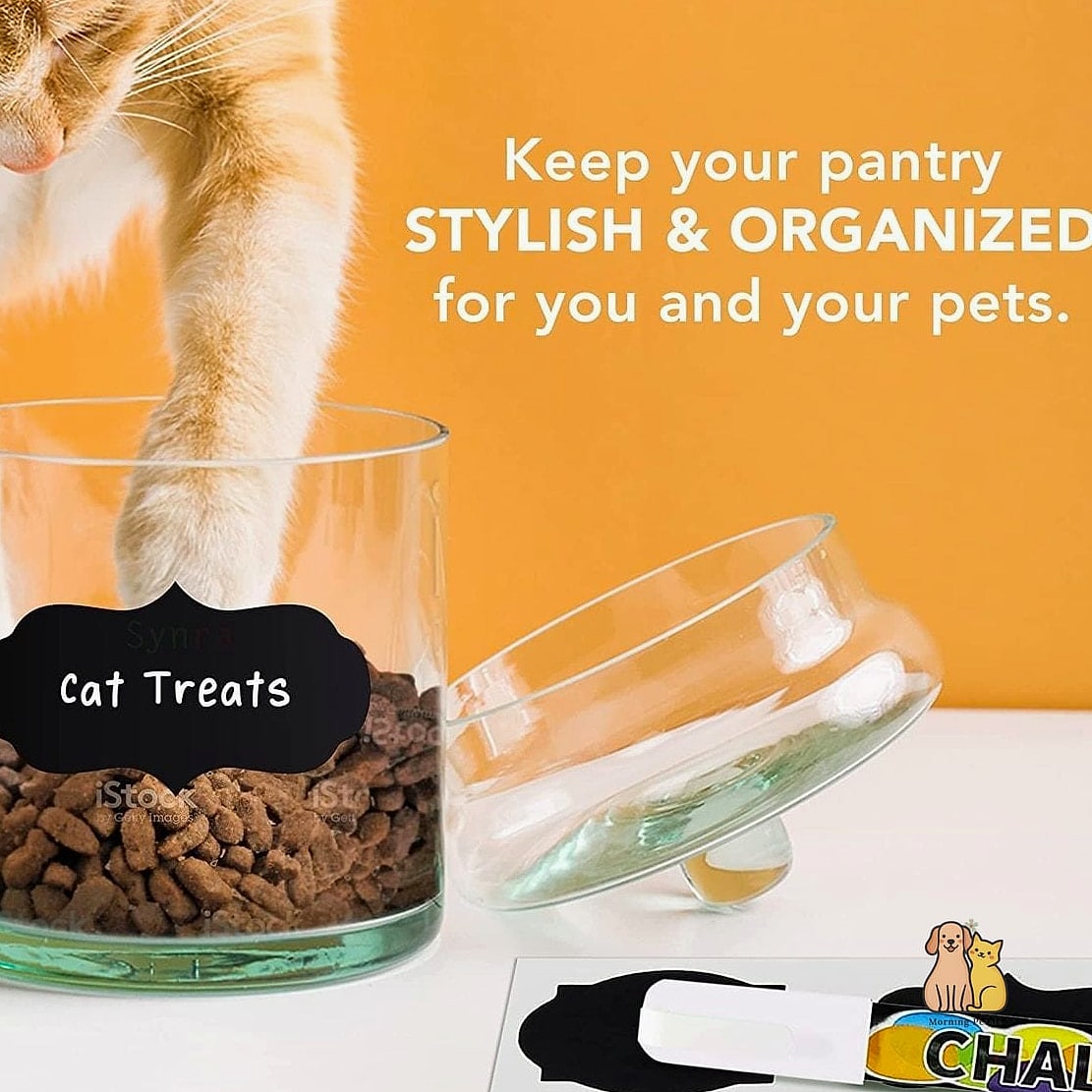
Add a small chalkboard sign above the feeding area labeled with each cat’s name. It’s a small touch that makes multi-cat households feel a little more organized.
The Repainted Toy Chest Base
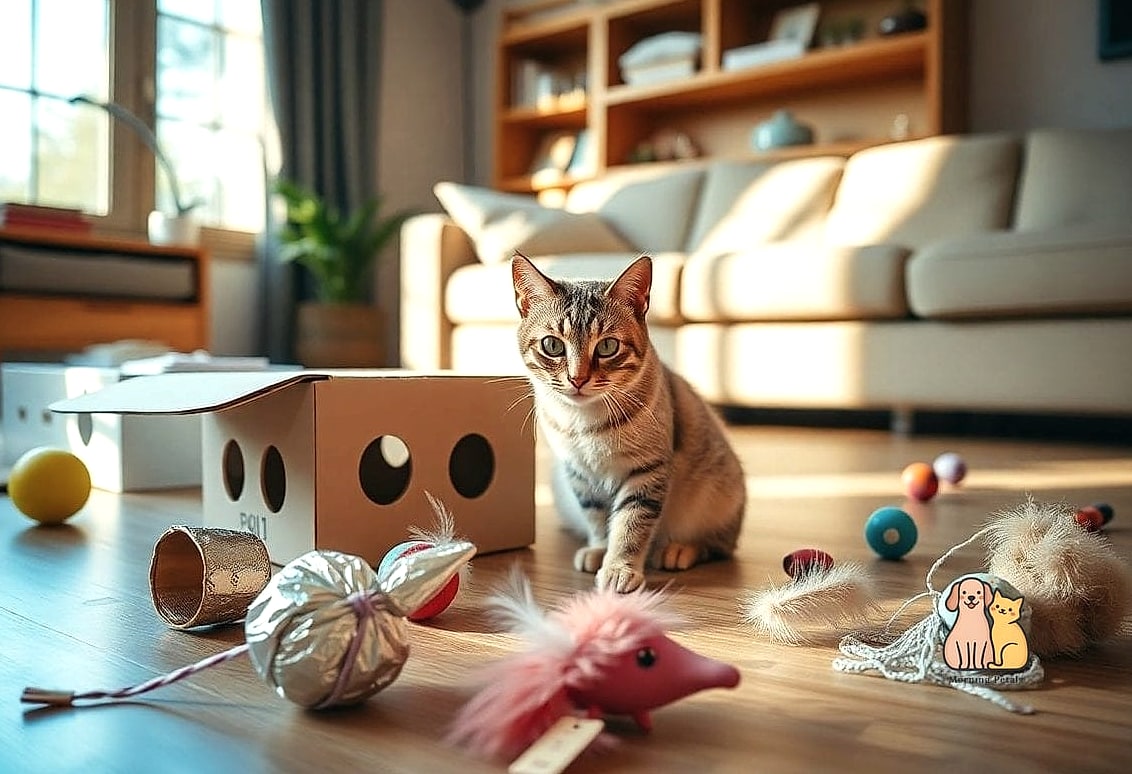
An old wooden toy chest, minus the lid, makes a deep and sturdy base for a raised feeding platform, especially good for larger or more food-driven cats.
The Hallway Runner Station
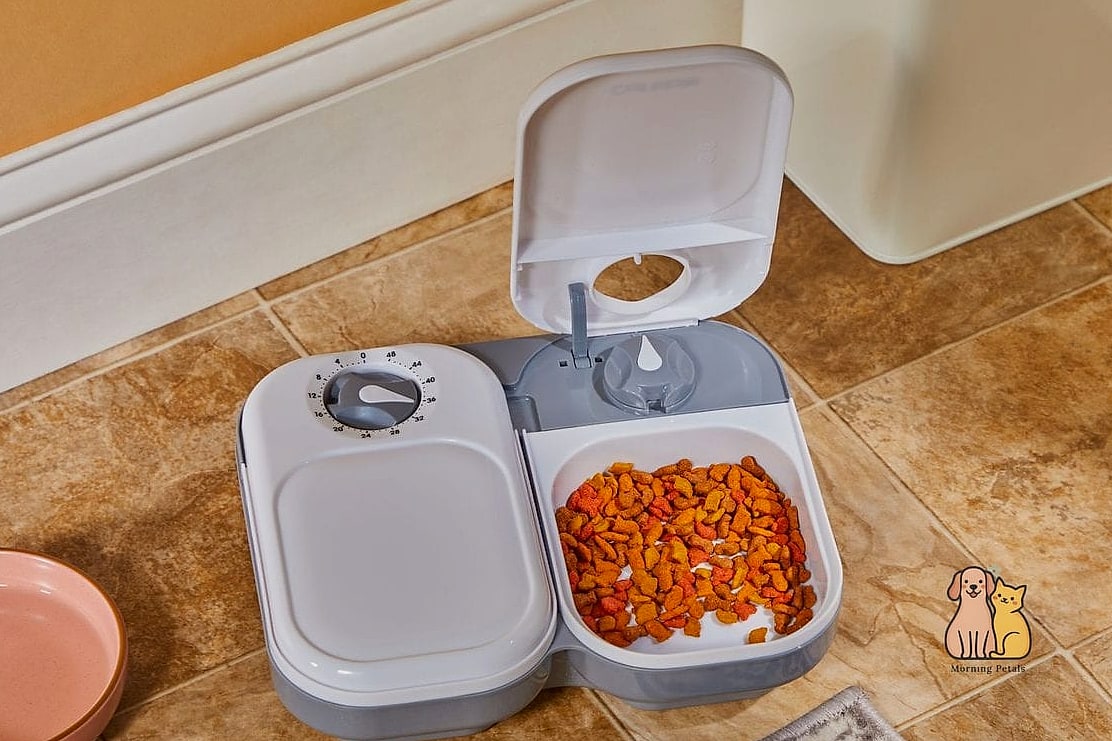
A small runner rug segment placed in a hallway nook keeps food contained without needing any furniture at all — just fabric, bowls, and good lighting.
The Repurposed Spice Rack
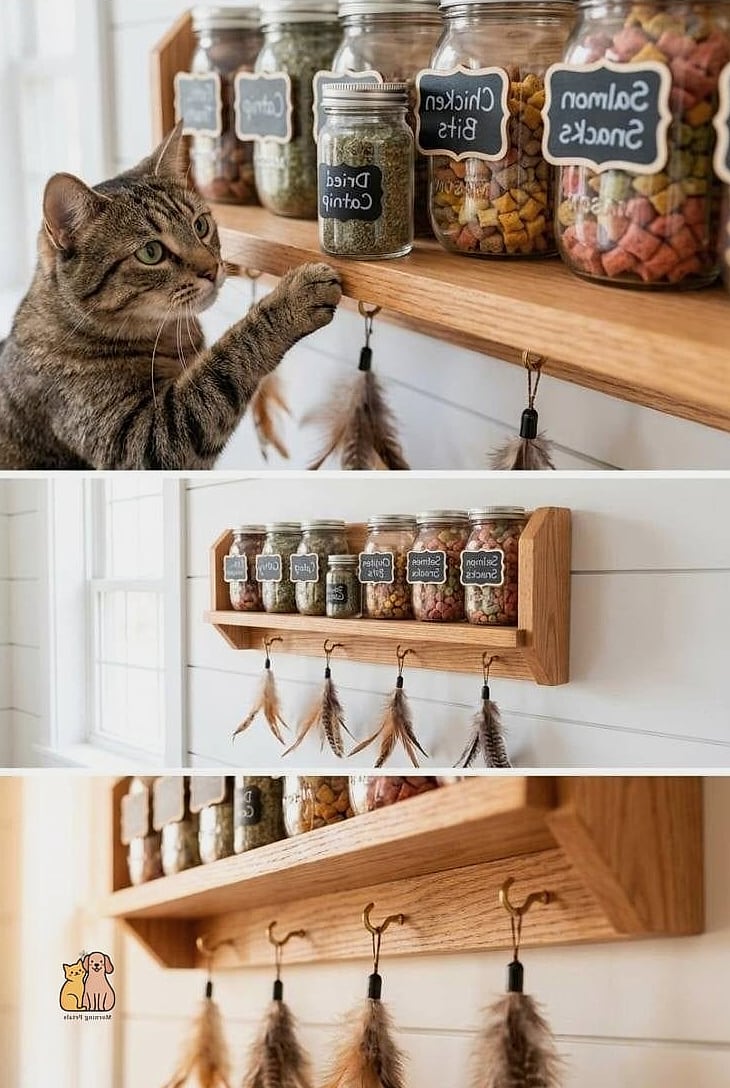
A wall-mounted spice rack with wide shelves can double as a mini feeding shelf for small breeds or kittens who don’t need much bowl space.
The Concrete Paver Base
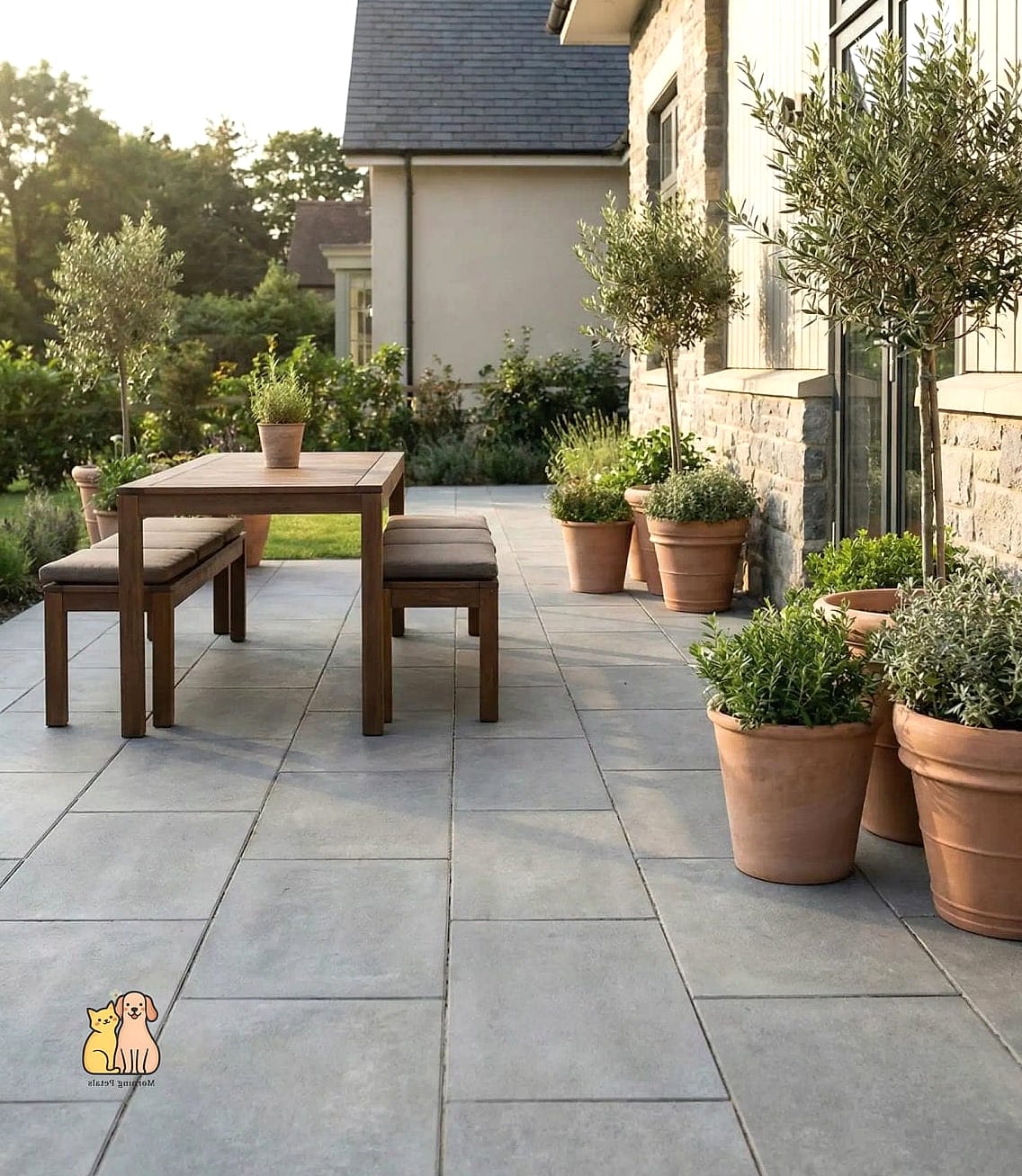
A single concrete paver under each bowl adds weight and prevents sliding, plus it’s completely waterproof for cats who like to splash their water bowl.
The Repurposed Crib Rail Nook
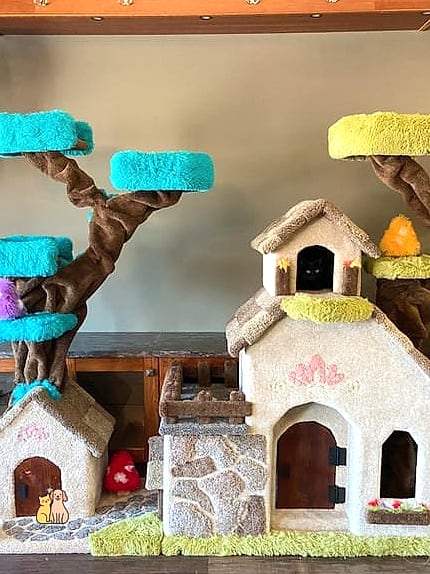
If you’ve got leftover crib parts from a nursery downsize, the rail section makes a surprisingly sturdy little barrier for a contained feeding corner.
The Floating Corner Triangle
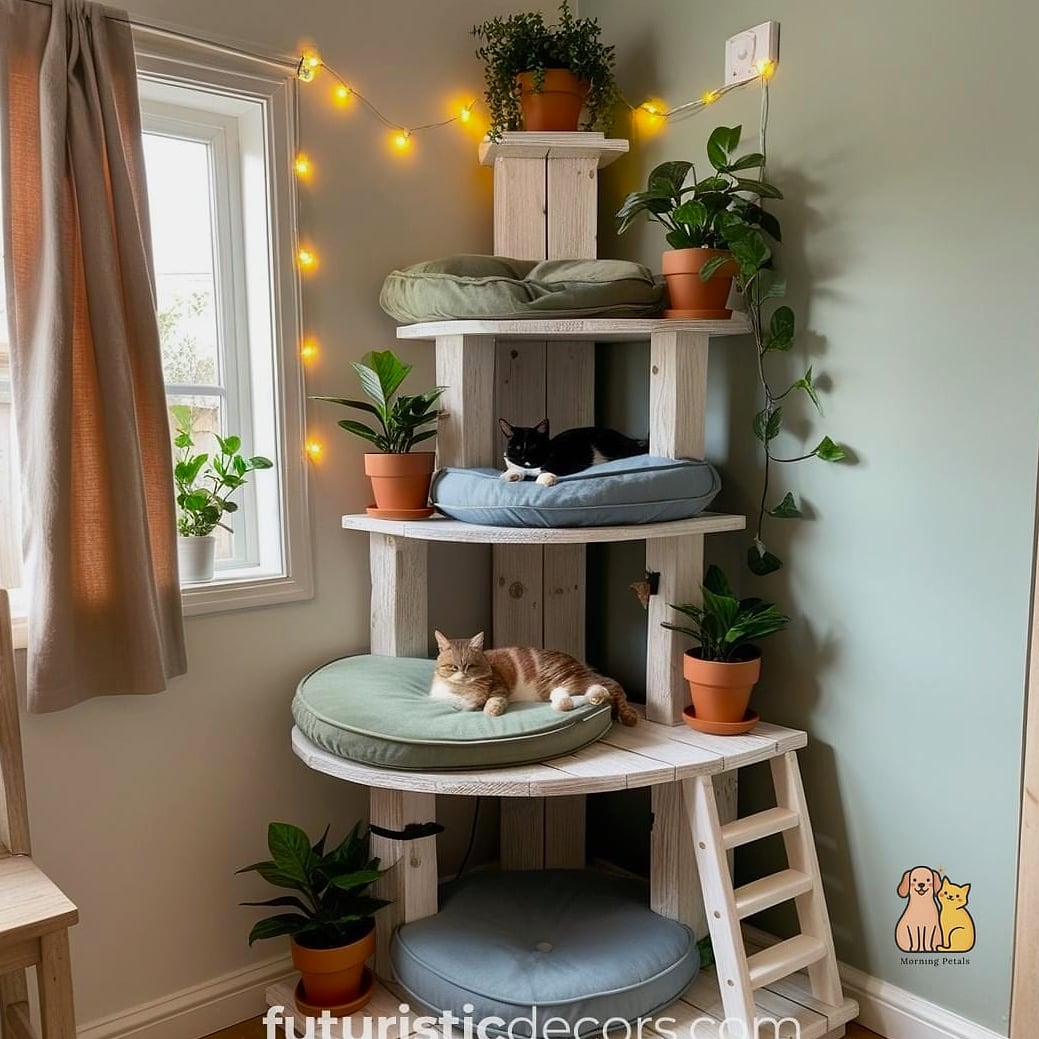
Two small floating shelves mounted at a right angle in a corner create a built-in nook that barely takes up any visible space at all.
The Repainted Filing Cabinet Top
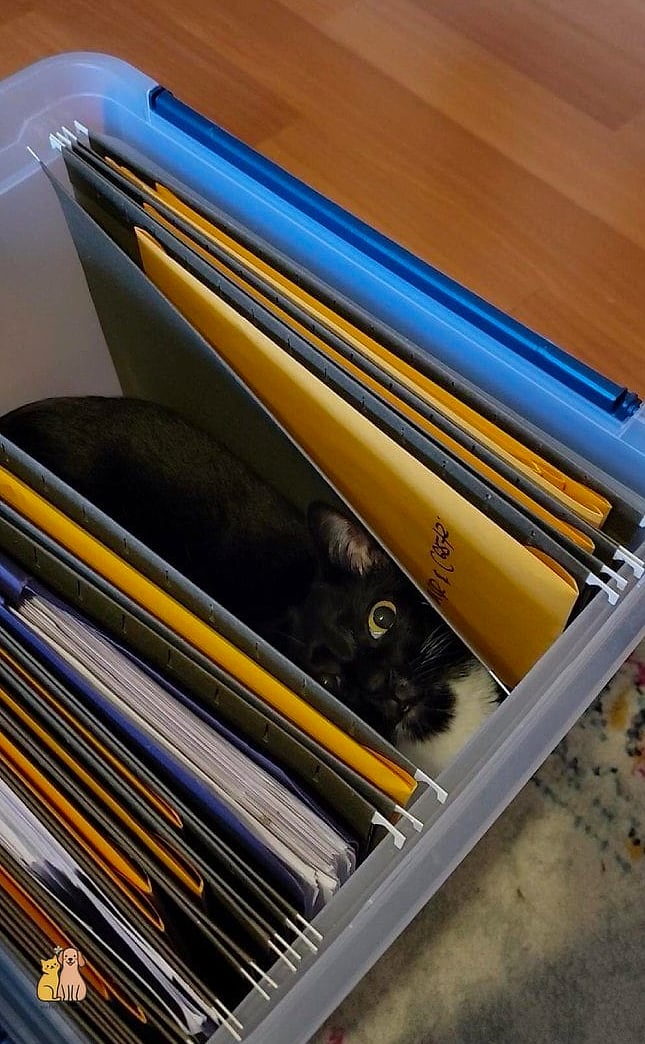
An old two-drawer filing cabinet, repainted, doubles as storage for cat food bags with bowls set neatly on top — functional and surprisingly stylish.
The Cork Board Backdrop Station
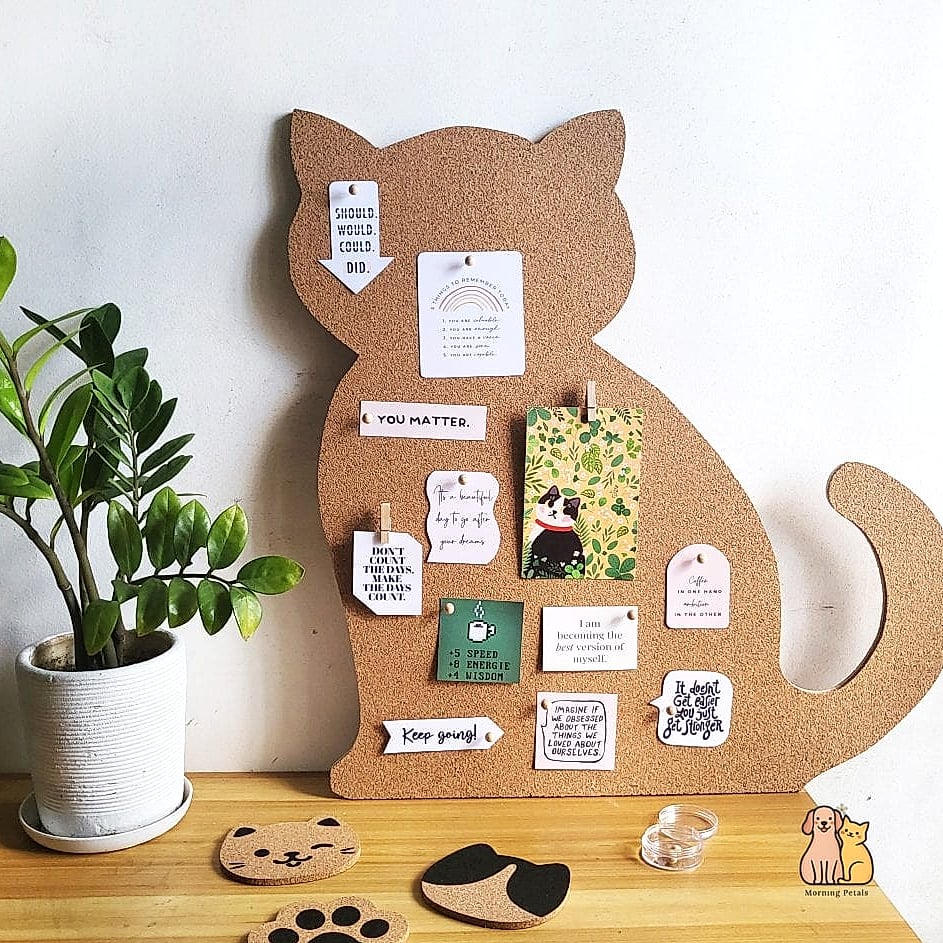
Mount a cork board behind the feeding area to pin feeding schedules, vet reminders, or just cute photos. Doubles as a splash guard for messy eaters.
The Repurposed Crate Table
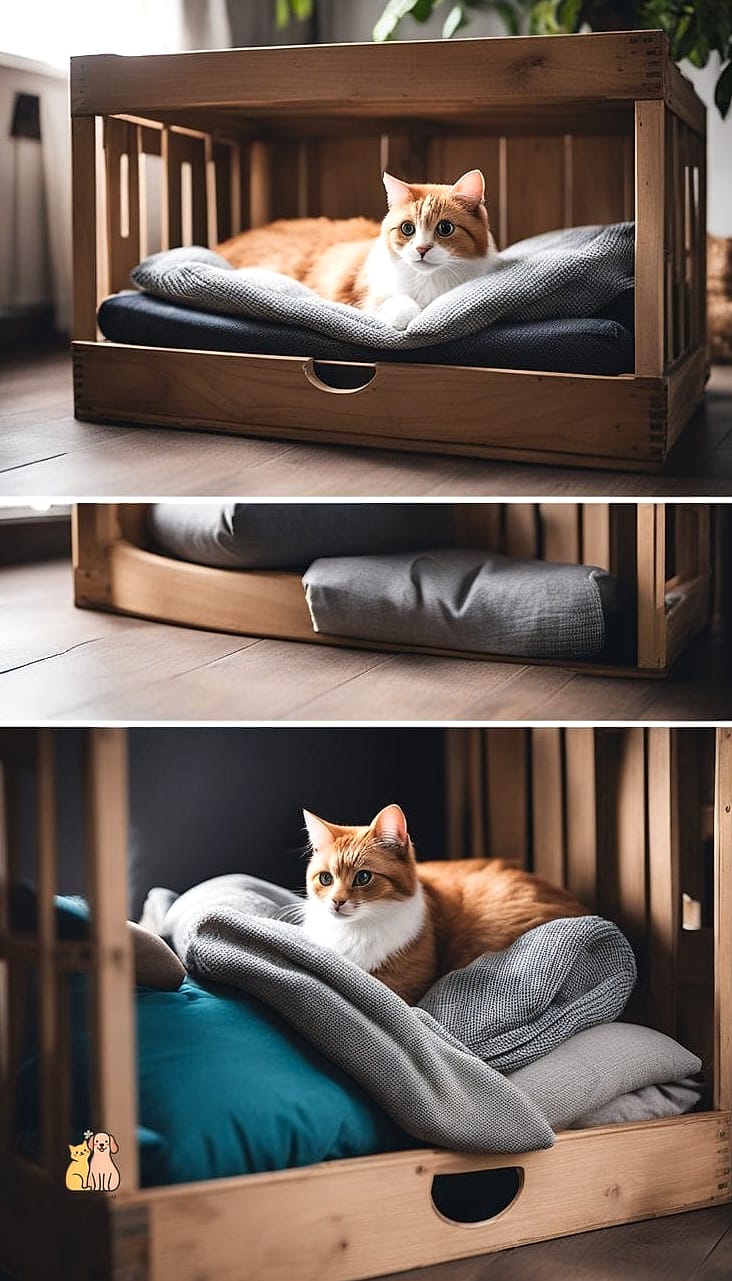
A small wooden crate flipped over with a hole cut for water becomes a dual-purpose side table and feeding station in one small footprint.
The Slide-Out Pantry Tray
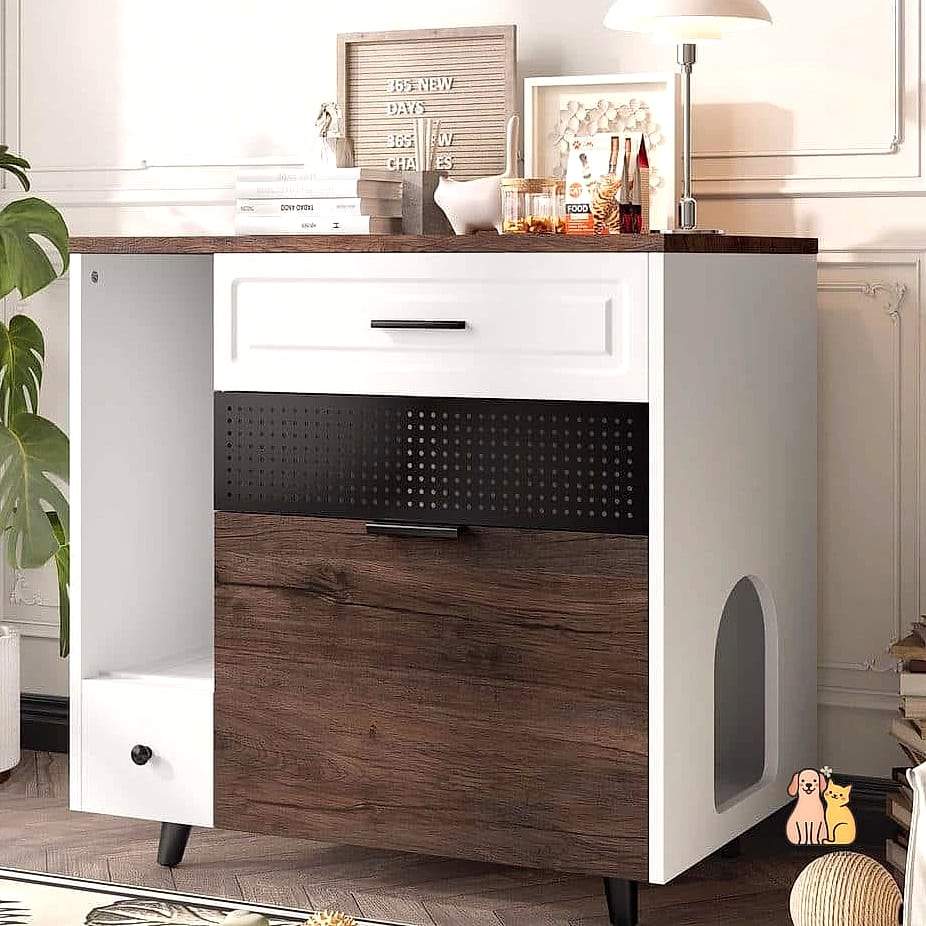
A slide-out tray installed in a pantry cabinet keeps bowls hidden until mealtime, which is especially handy in small kitchens shared with dogs.
The Repainted Step Ladder Shelf
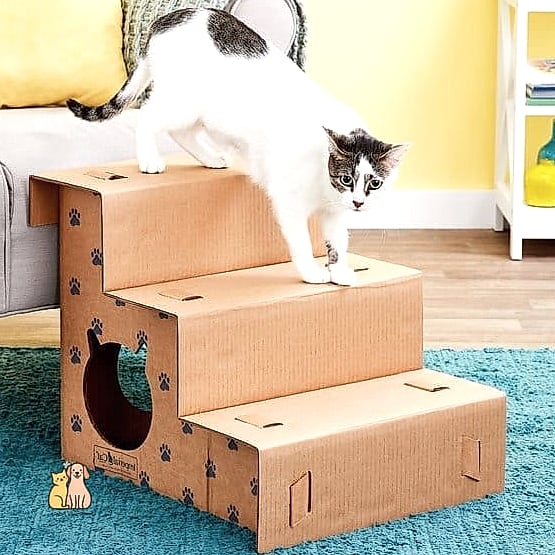
An old wooden step ladder, laid flat and secured, creates tiered shelving for food, treats, and bowls all in one compact vertical space.
The Woven Placemat Base
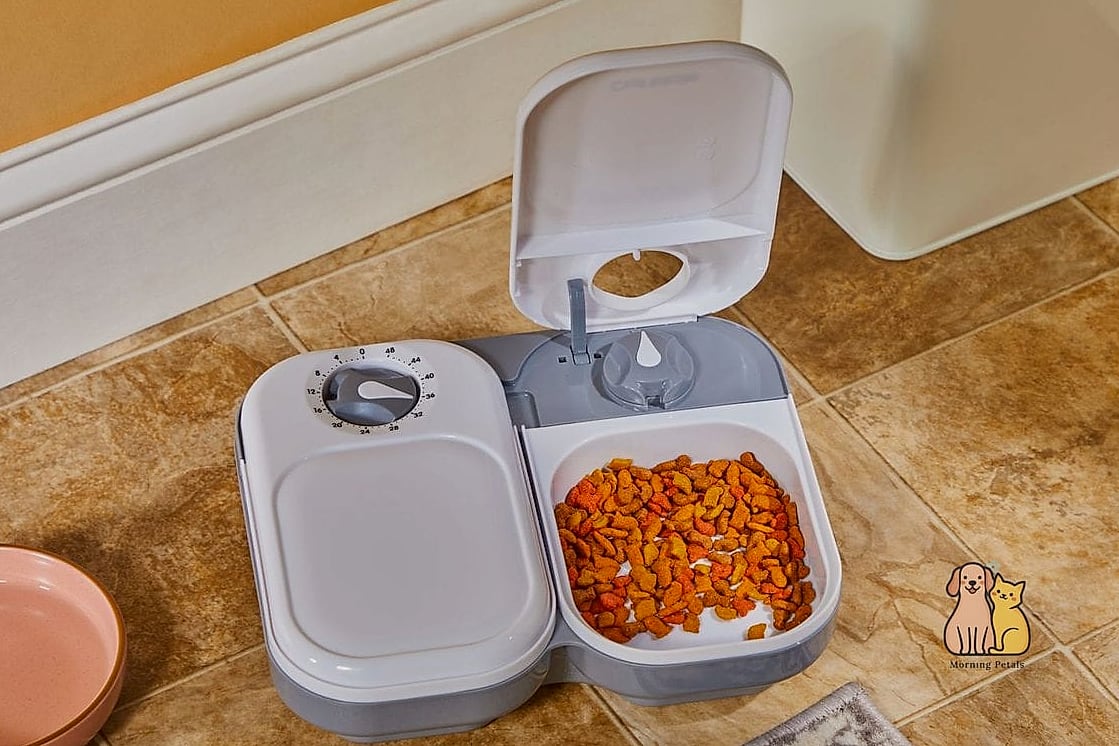
Two coordinating woven placemats under each bowl instantly upgrade the look of any feeding spot for under five dollars total.
The Repurposed Bar Cart
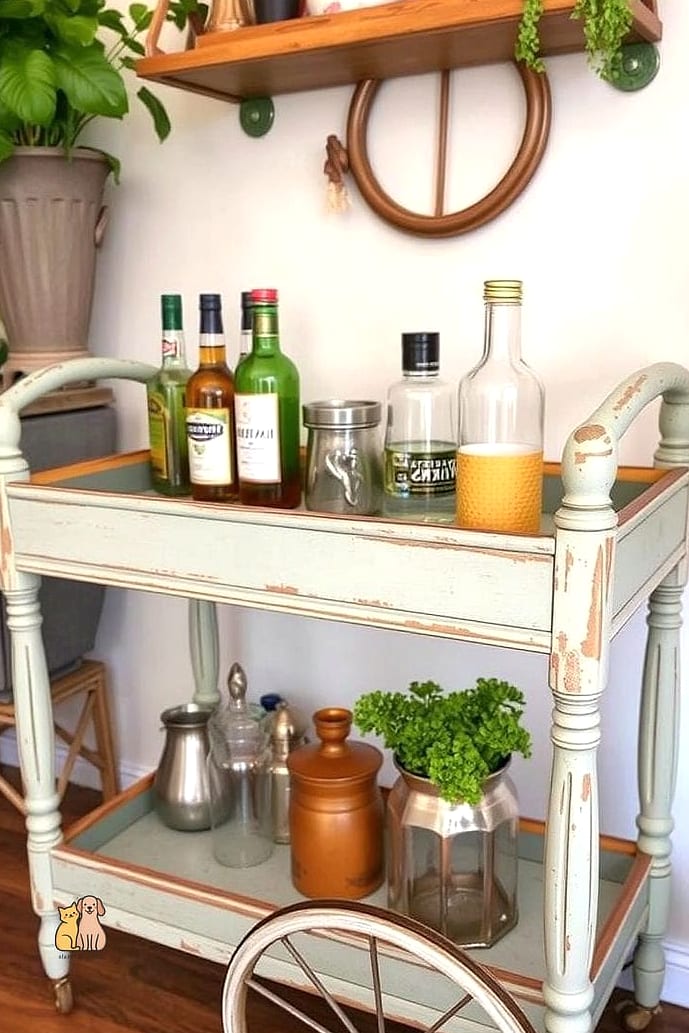
A small bar cart with wheels holds food, bowls, and a water fountain, and rolls easily out of the way when you’re vacuuming or hosting guests.
The Built-In Baseboard Nook
Some older homes have shallow wall recesses near baseboards — perfect for tucking a slim feeding tray that barely intrudes on the room.
The Repainted Wooden Crate Duo
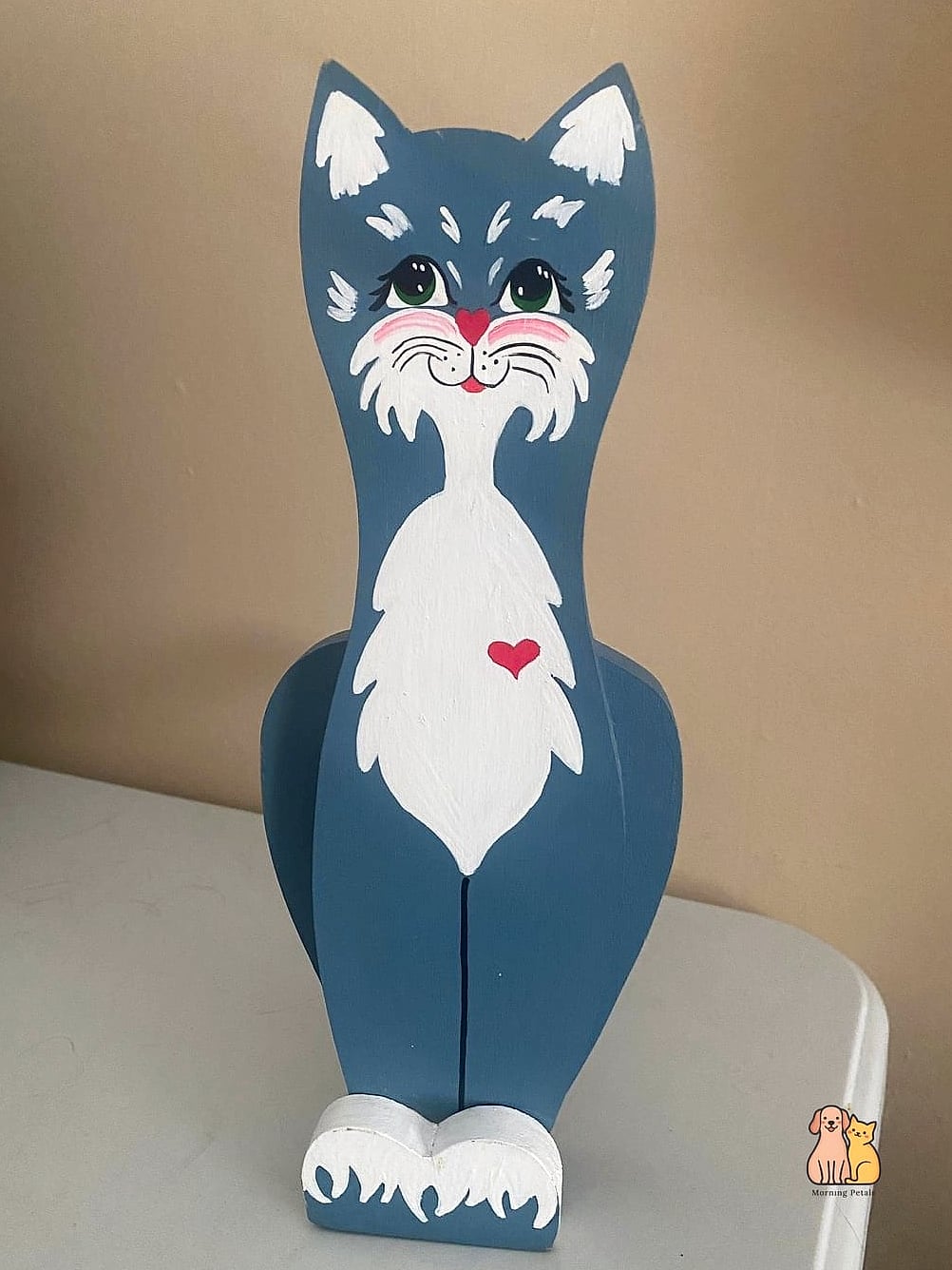
Two matching crates stacked with a small gap between them create separate feeding zones for cats who prefer to eat apart from each other.
The Marble Slab Feeder
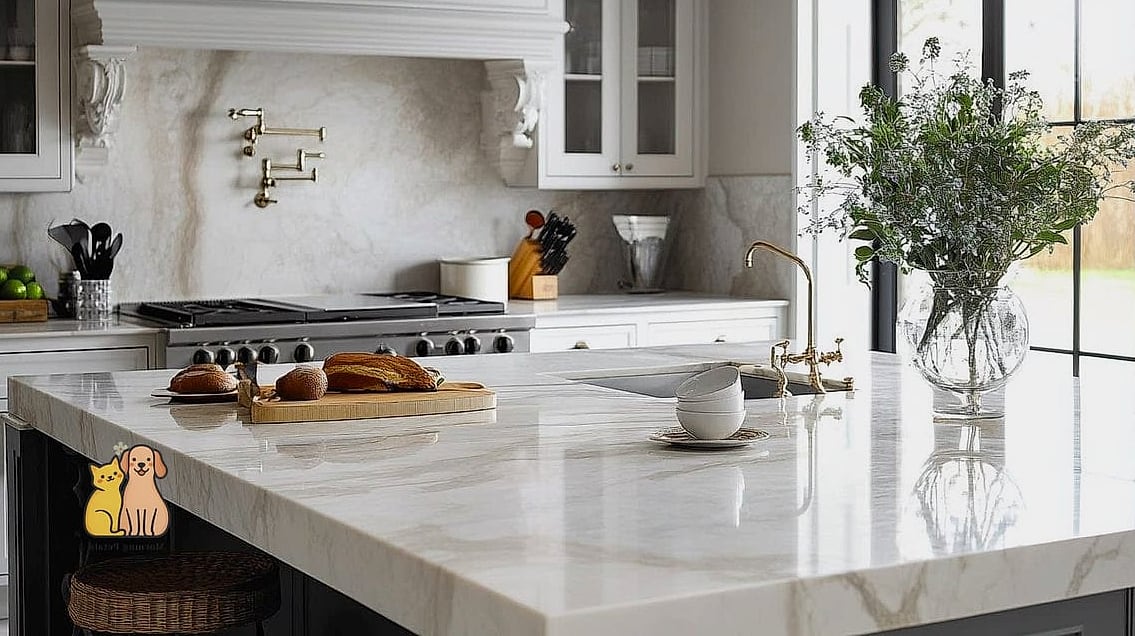
A leftover marble or granite remnant from a countertop project makes a chic, heavy, easy-to-clean surface for bowls in a modern kitchen.
The Repurposed Bookend Divider
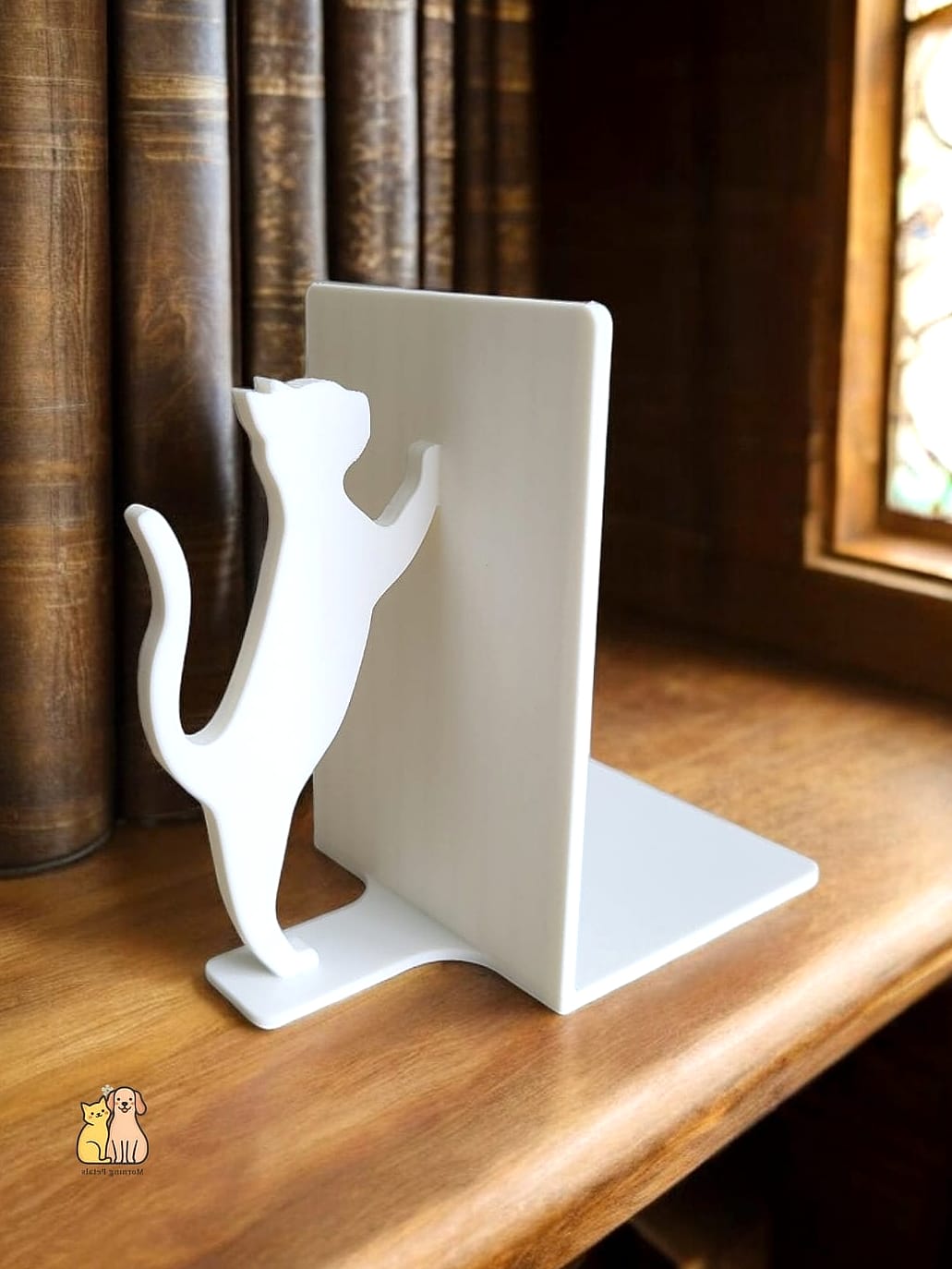
A pair of sturdy bookends can section off a narrow counter or shelf area into two separate bowl zones for cats who don’t love sharing.
The Hanging Macrame Shelf
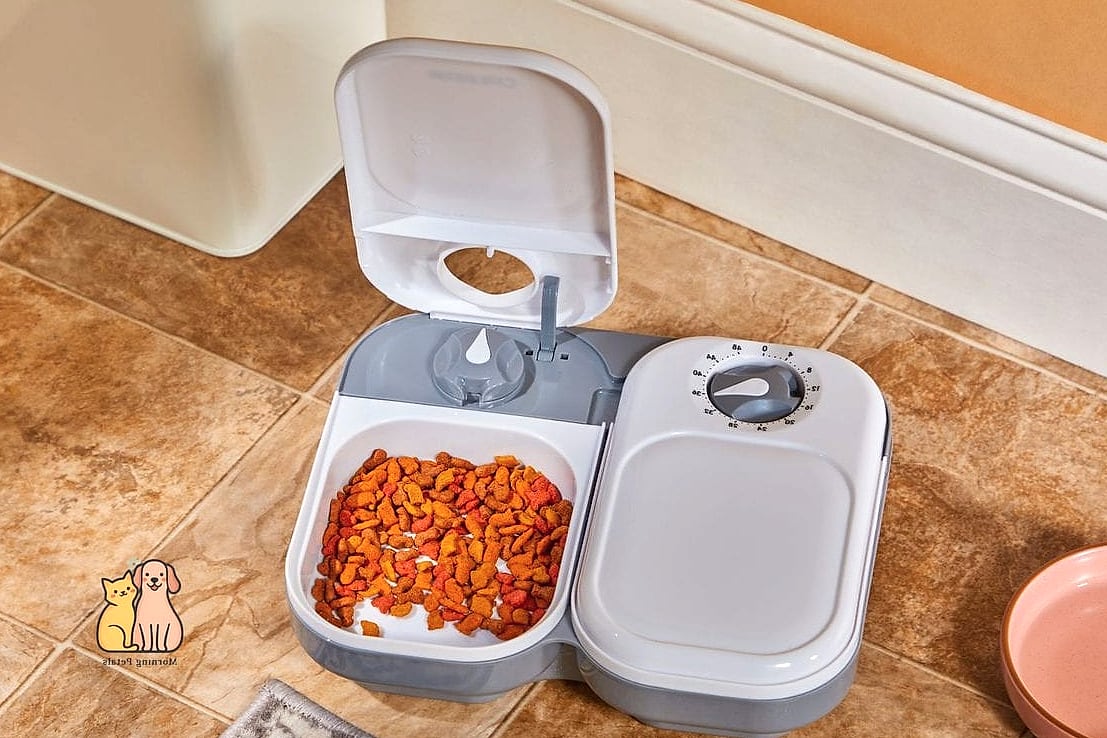
A macrame plant hanger fitted with a small wooden shelf creates a boho-style floating feeding spot that adds texture to a plain corner.
The Repurposed Rolling Tea Cart
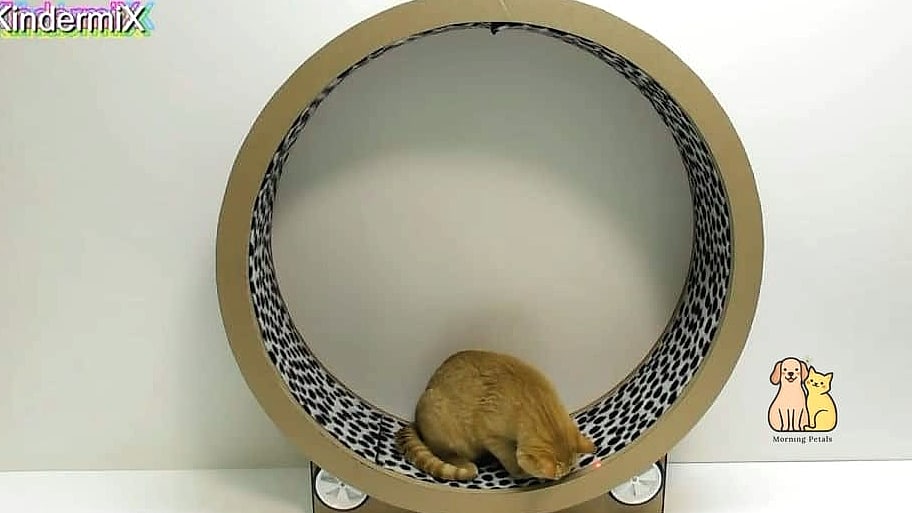
A vintage tea cart with two tiers separates food storage on top from bowls below, and moves easily between rooms as needed.
The Painted Pallet Wood Station
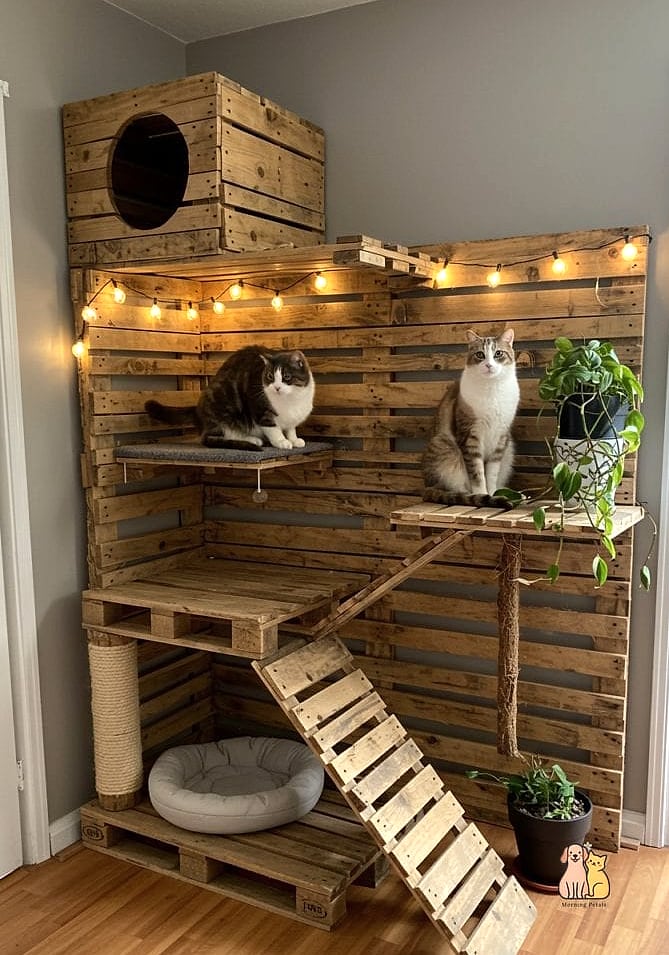
A small section of pallet wood, sanded and painted, makes a rustic backdrop and base combo for an outdoor catio feeding spot.
The Built-In Window Seat Nook
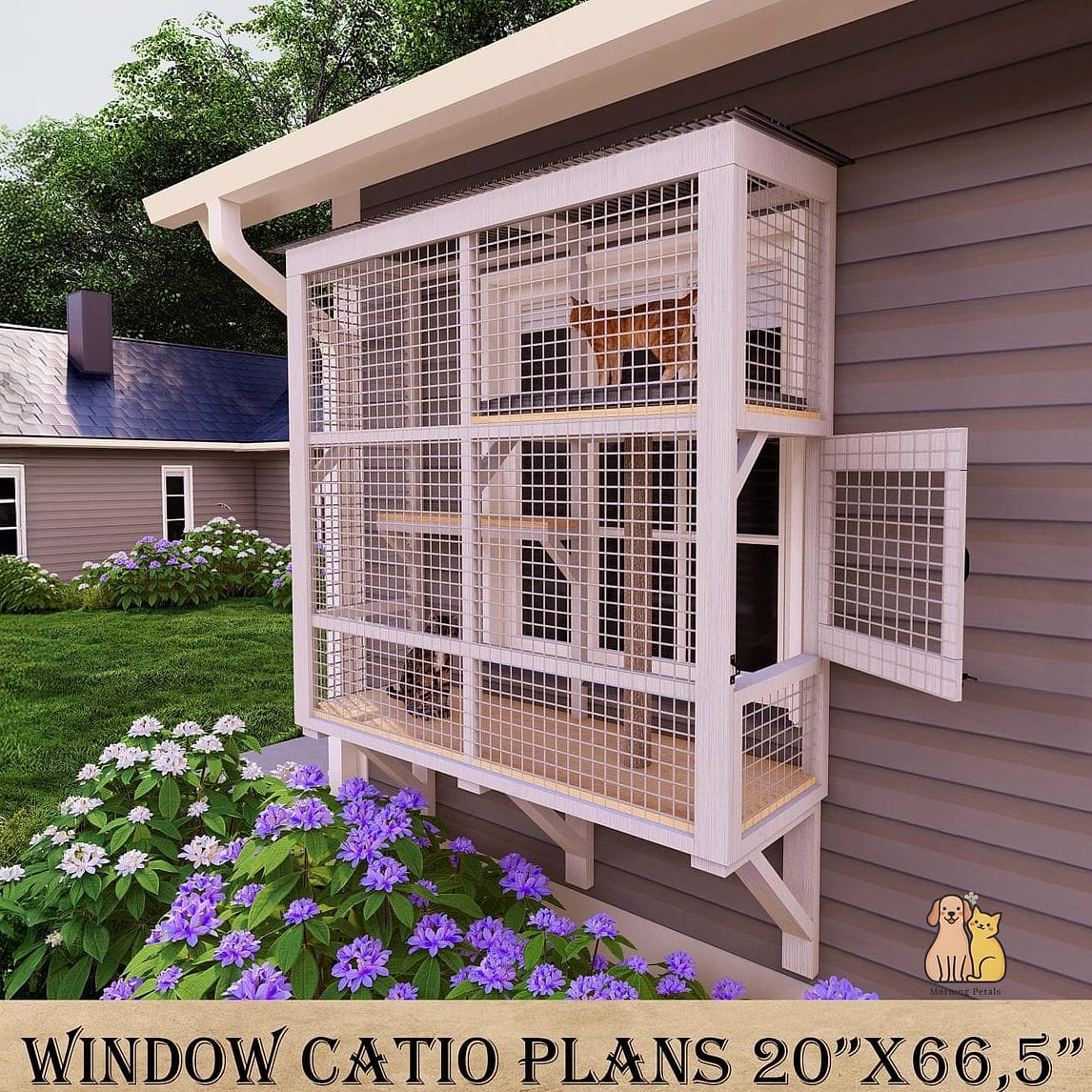
If you have a window seat with storage, use one end as a tucked-away feeding spot with a view — cats tend to eat happier when they can watch the yard.
The Repurposed Shoe Cubby
A small shoe cubby organizer, one slot per bowl, keeps multi-cat households tidy and gives each cat their own designated eating space.
The Minimalist Floating Tray
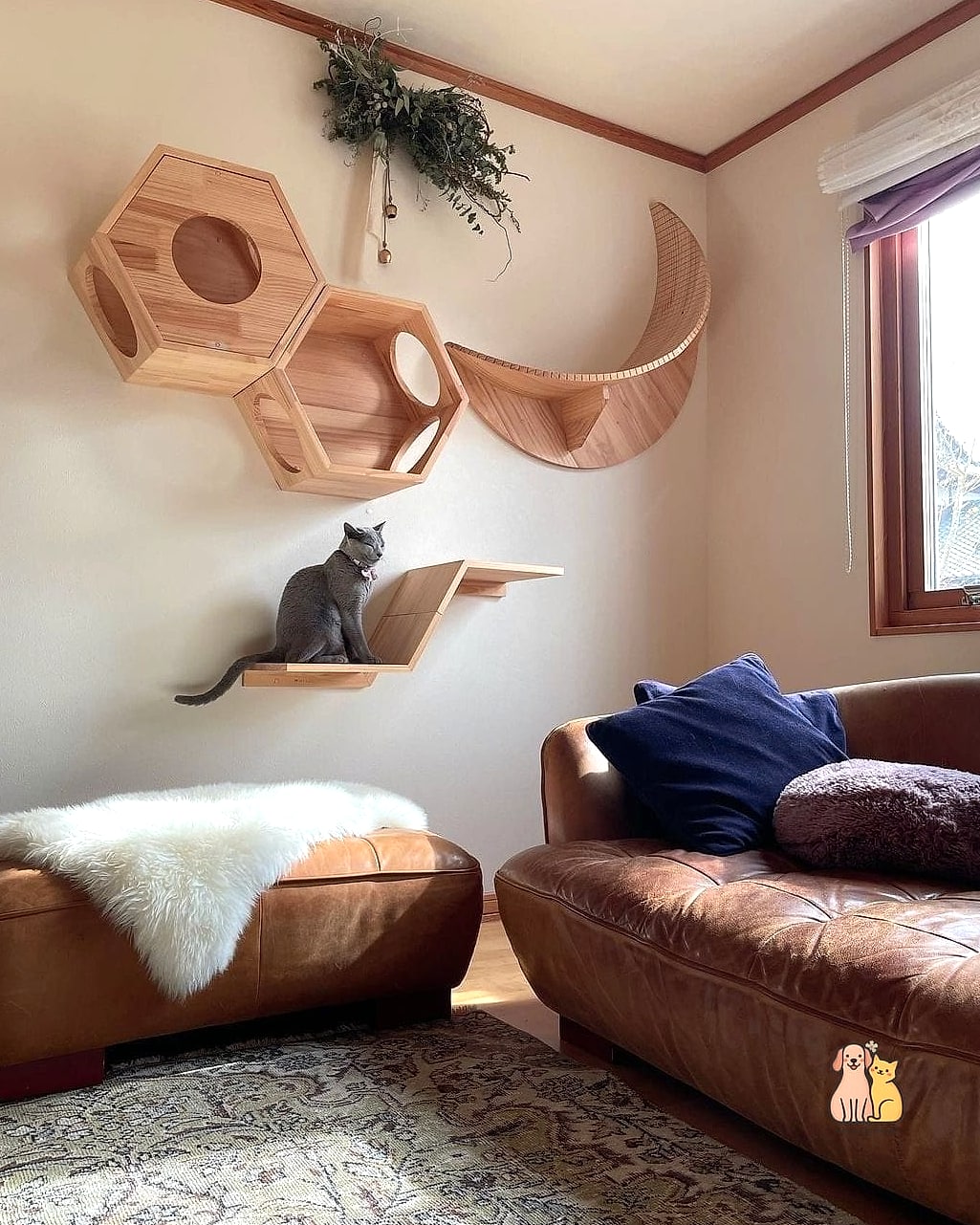
A single slim floating tray mounted low on the wall is the simplest option here — no storage, no frills, just a clean spot for two bowls and nothing else.
Whichever setup you land on, remember the real goal is a calm, clean spot your cat actually wants to return to. Start small, reuse what you already have, and don’t be afraid to swap ideas around until you find the one your cat approves of most — because at the end of the day, they’re the real judge here.