15 Genius Cat Food Setup Ideas Your Pet Will Beg For More
- The Raised Feeding Station
- The Built-In Wall Nook
- The Rolling Cart Setup
- The Puzzle Feeder Corner
- The Window Perch Feeding Spot
- The Multi-Level Cat Tree Feeder
- The Hidden Pantry Station
- The Automatic Feeder Zone
- The Litter Box Divider Setup
- The Water Fountain Pairing
- The Outdoor Catio Feeding Nook
- The Basement or Laundry Room Station
- The Countertop Micro-Station
- The Themed Decor Station
- The Seasonal Rotation Setup
15 Genius Cat Food Setup Ideas Your Pet Will Beg For More
Anyone who’s ever tripped over a food bowl at 2am knows that cat feeding stations deserve way more thought than we usually give them. Cats are weirdly particular about where and how they eat, and a little planning goes a long way toward happier mealtimes and fewer messes on your floor.
I’ve tested more feeding setups than I’d like to admit, mostly because my own cats are professional critics who will absolutely walk away from a bowl if it doesn’t meet their standards. Here are fifteen ideas that actually work, whether you’re in a tiny apartment or have room to get creative.
The Raised Feeding Station
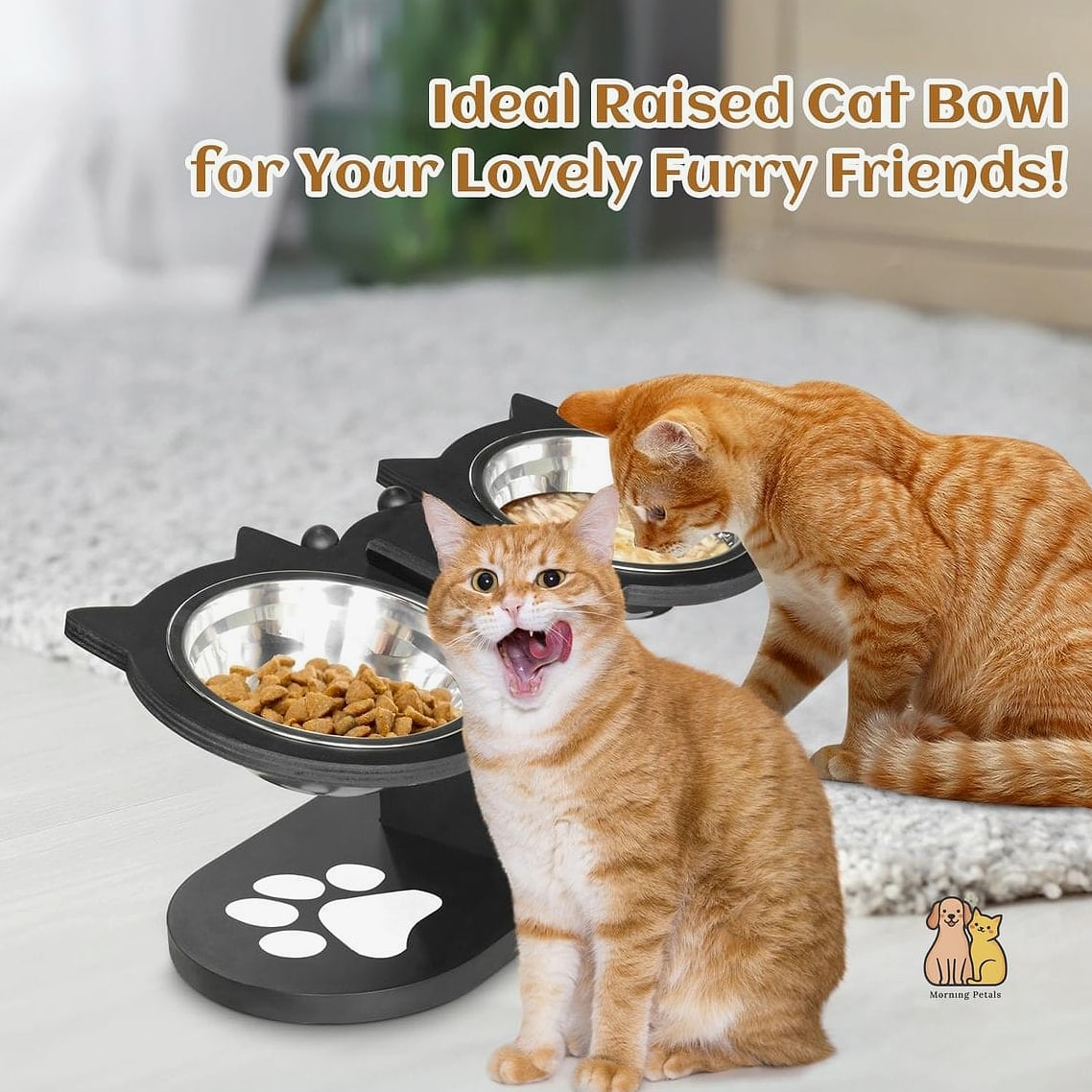
Elevating food and water bowls a few inches off the ground can make a real difference for cats with joint issues or those who just don’t love hunching over to eat. A simple wooden or metal stand works well, and it also helps slow down cats who tend to fling kibble everywhere.
This setup suits senior cats especially, since it eases strain on the neck and shoulders during meals. Budget options include stacking a shallow dish on a sturdy block, while premium versions come as sleek ceramic stands built specifically for this purpose. It’s a low-effort project even beginners can pull off in an afternoon.
The Built-In Wall Nook
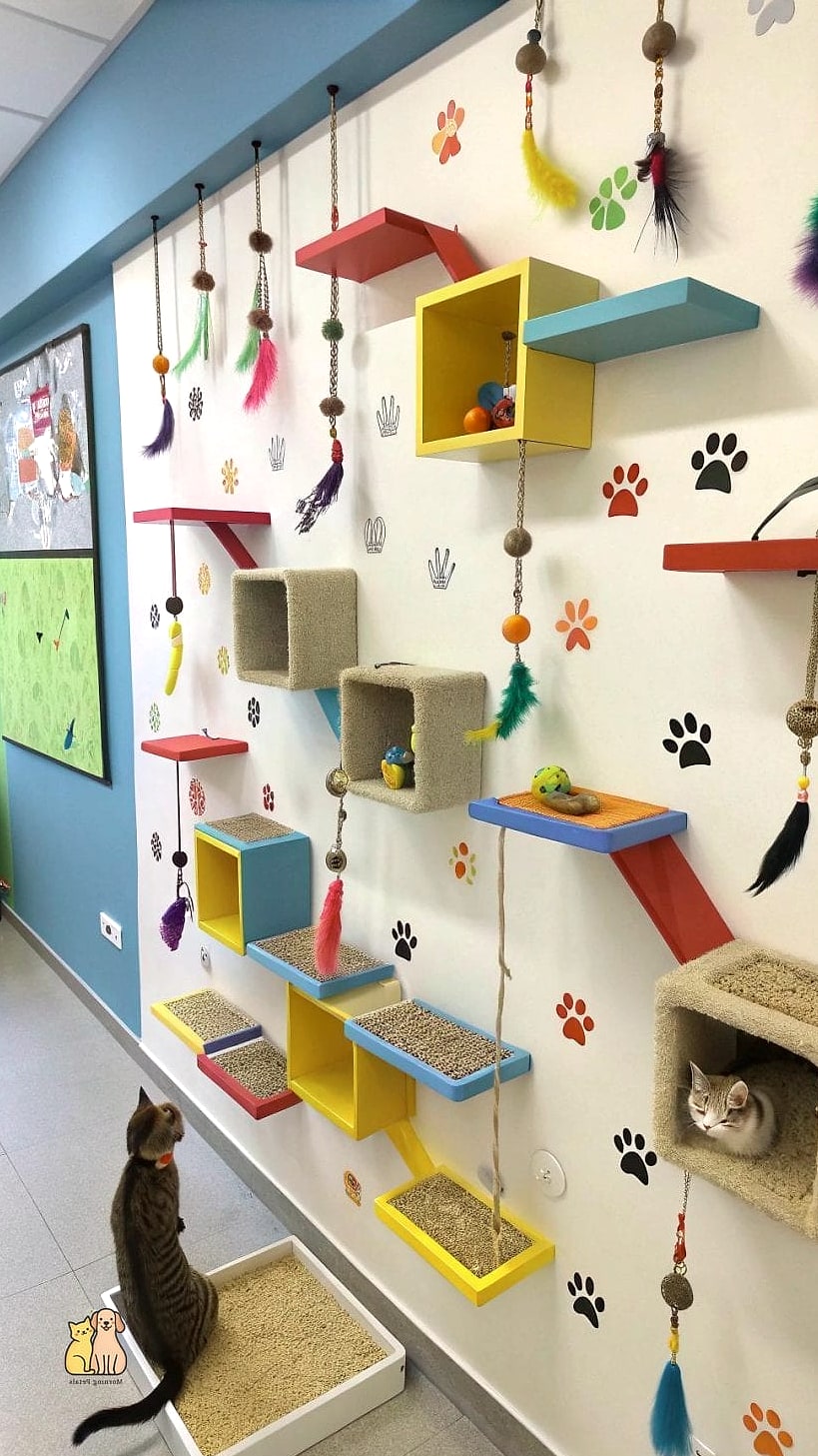
If you’ve got a little dead space in a hallway or kitchen corner, carving out a recessed nook for the food station keeps everything tidy and out of the main walking path. This works especially well in apartments where floor space is limited.
Cats seem to appreciate the slightly tucked-away feeling, since it mimics the security of eating somewhere they can watch the room. This one leans toward the DIY end with some basic carpentry, though there are prefab shelving units that mimic the look without any cutting involved.
The Rolling Cart Setup
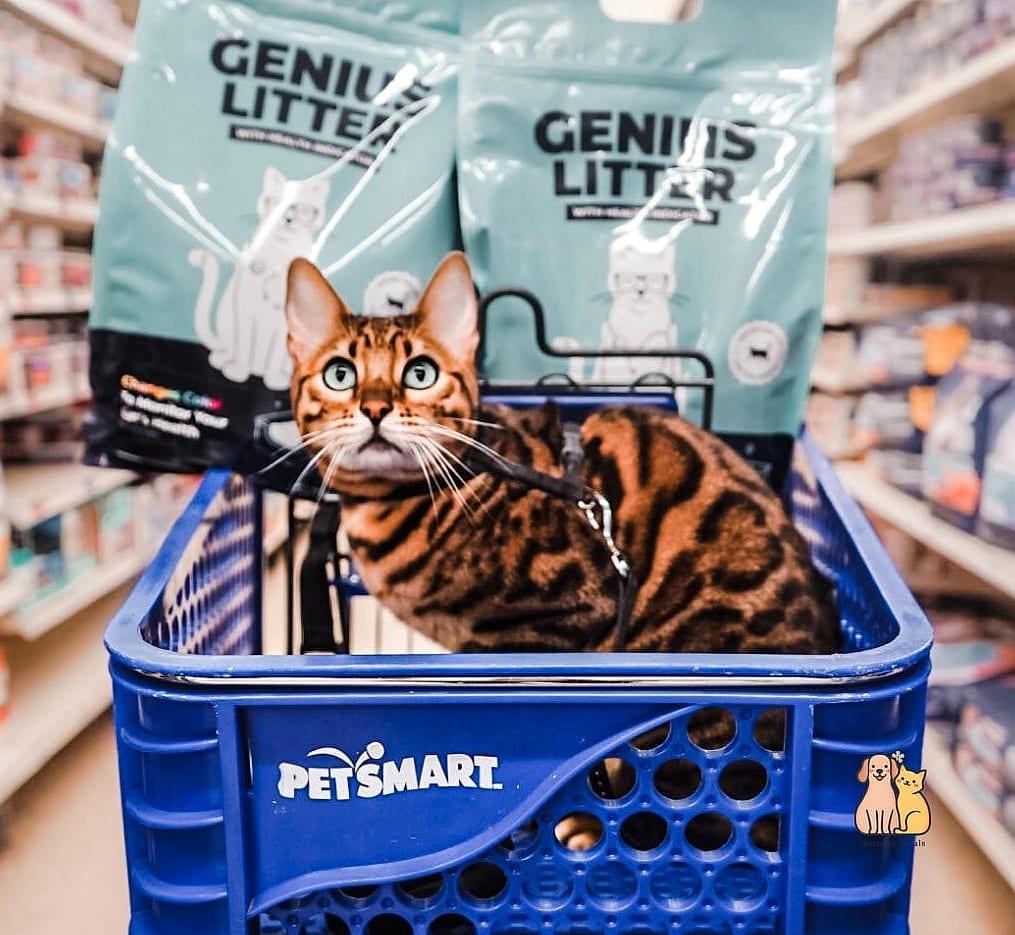
A small bar cart or rolling kitchen cart turned into a feeding station gives you flexibility that fixed setups can’t match. Bottom shelf for bowls, top shelf for treats, food bags, and a scoop, and the whole thing rolls wherever you need it.
This is a great option for renters who move often or for multi-cat households where feeding spots sometimes need to shift around. It’s beginner-friendly, requires zero tools beyond assembly, and works in both apartments and houses without any permanent changes.
The Puzzle Feeder Corner
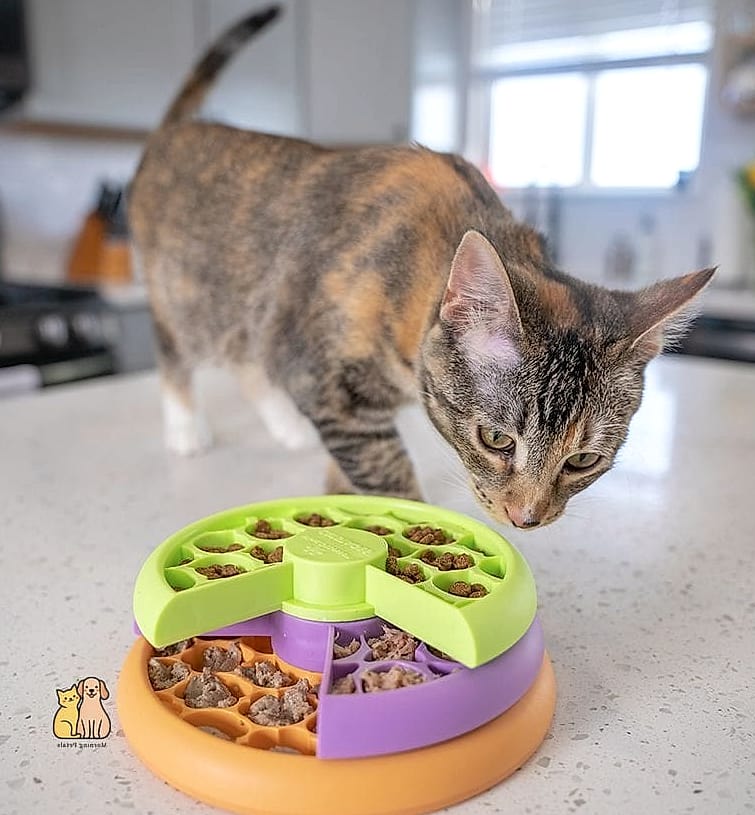
Setting aside a dedicated spot for puzzle feeders and slow feeder bowls turns mealtime into actual enrichment instead of just calorie delivery. Cats who scarf their food too fast benefit enormously from these, and honestly, watching them problem-solve for kibble is pretty entertaining.
This suits food-motivated cats and indoor cats who need extra mental stimulation since they’re not out hunting anything more exciting than a dust bunny. Store-bought puzzle feeders range from a few dollars to fairly elaborate designs, but you can also DIY one from a muffin tin or cardboard tubes.
The Window Perch Feeding Spot
Combining a window perch with a small feeding shelf gives cats their food with a view, and mine genuinely eat better when they can watch birds while doing it. This setup works particularly well for cats who get anxious eating in busy household areas.
It’s ideal for apartment cats who don’t get outdoor access, since the window becomes their entertainment during meals. A sturdy suction-cup or bracket-mounted perch handles this nicely, and it’s a manageable weekend project for most owners.
The Multi-Level Cat Tree Feeder
Some cat trees now come with built-in bowl holders on one of the platforms, turning a piece of furniture cats already love into a feeding spot too. This works great for cats who prefer eating up high, away from dogs or nosy toddlers.
Larger breeds like Maine Coons do well with sturdier trees that can handle their weight plus bowls without wobbling. It’s a bit of an investment upfront, but it consolidates furniture and saves floor space, which apartment dwellers will appreciate.
The Hidden Pantry Station
Tucking the whole feeding setup inside a low cabinet with a cat-sized cutout keeps food, bowls, and storage completely out of sight until mealtime. This is fantastic for anyone who wants their kitchen to look like an actual kitchen and not a pet supply aisle.
It suits households with dogs too, since a cabinet door (even cracked open) can keep dogs out of the cat’s food. This one takes some DIY skill or a handyman, but the payoff in tidiness is worth it for a lot of owners.
The Automatic Feeder Zone
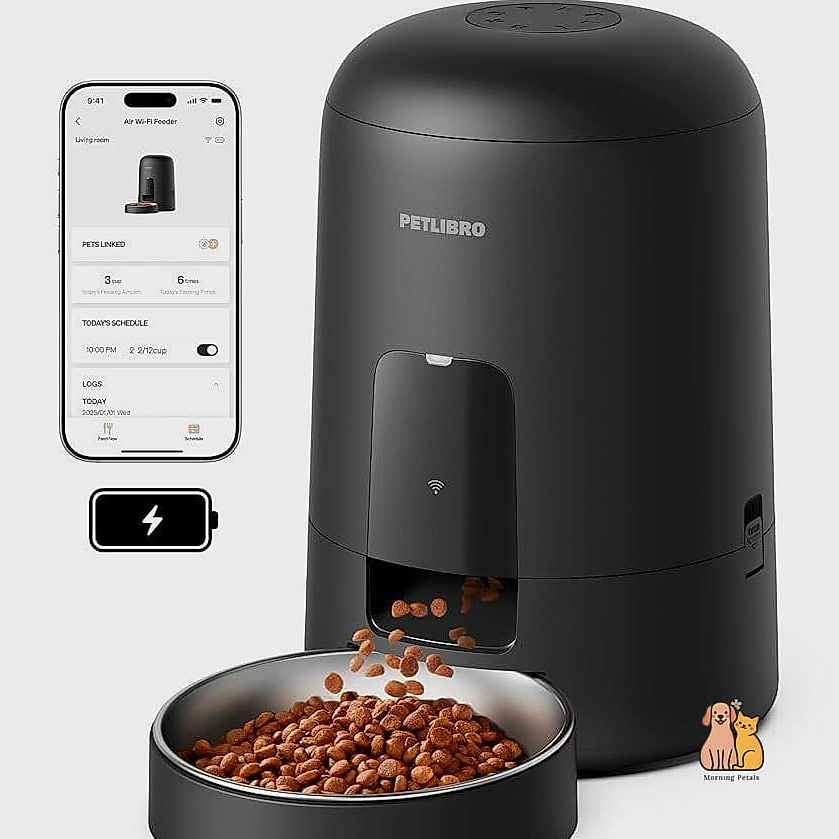
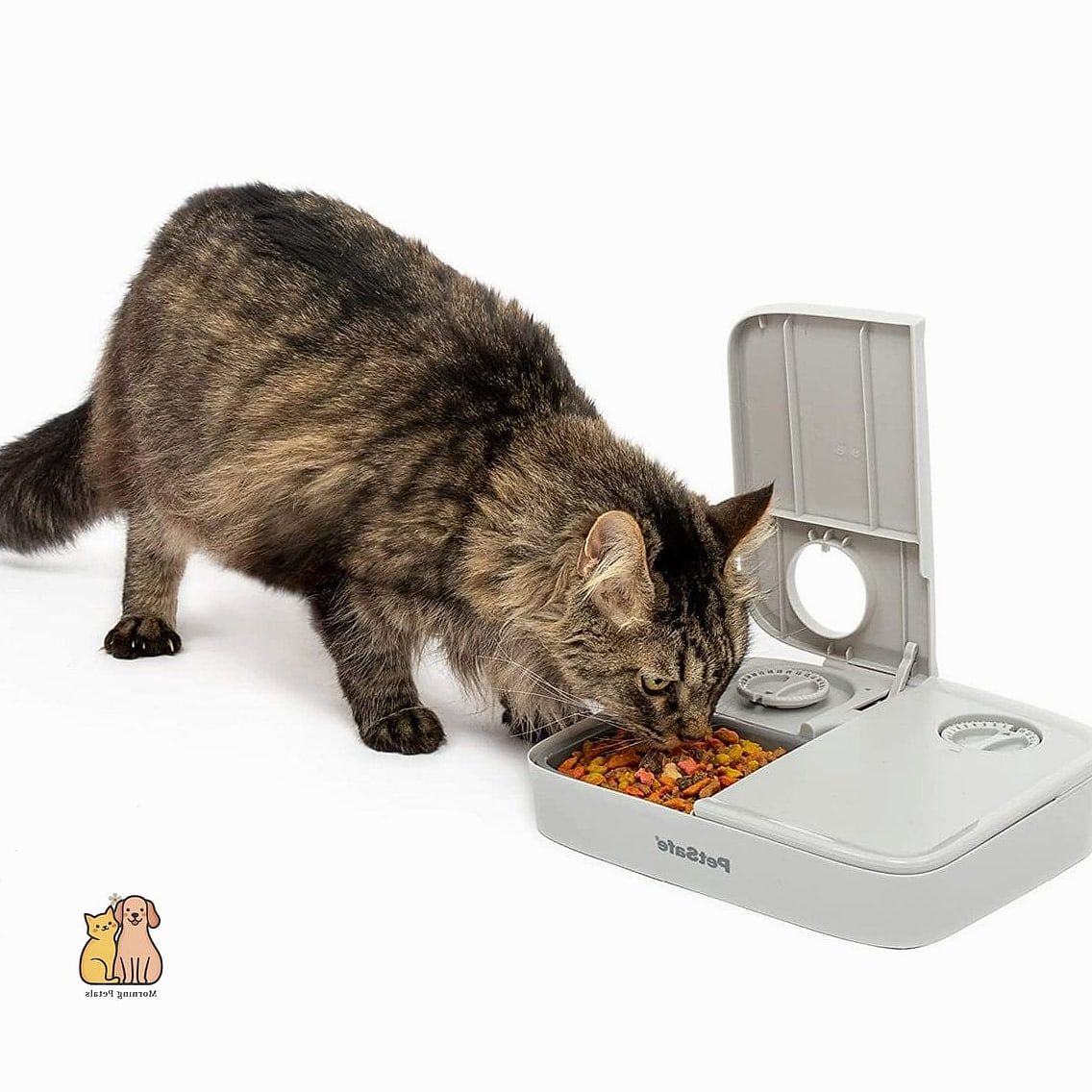
Setting up a dedicated corner for an automatic feeder with a slow feeder bowl attachment takes a lot of guesswork out of portion control. This is especially handy for cats prone to overeating or for owners with unpredictable work schedules.
Automatic feeders suit multi-cat homes too, since you can program separate feeding times to keep cats from stealing each other’s food. Budget models handle basic scheduling fine, while premium ones sync with an app and let you check in remotely.
The Litter Box Divider Setup
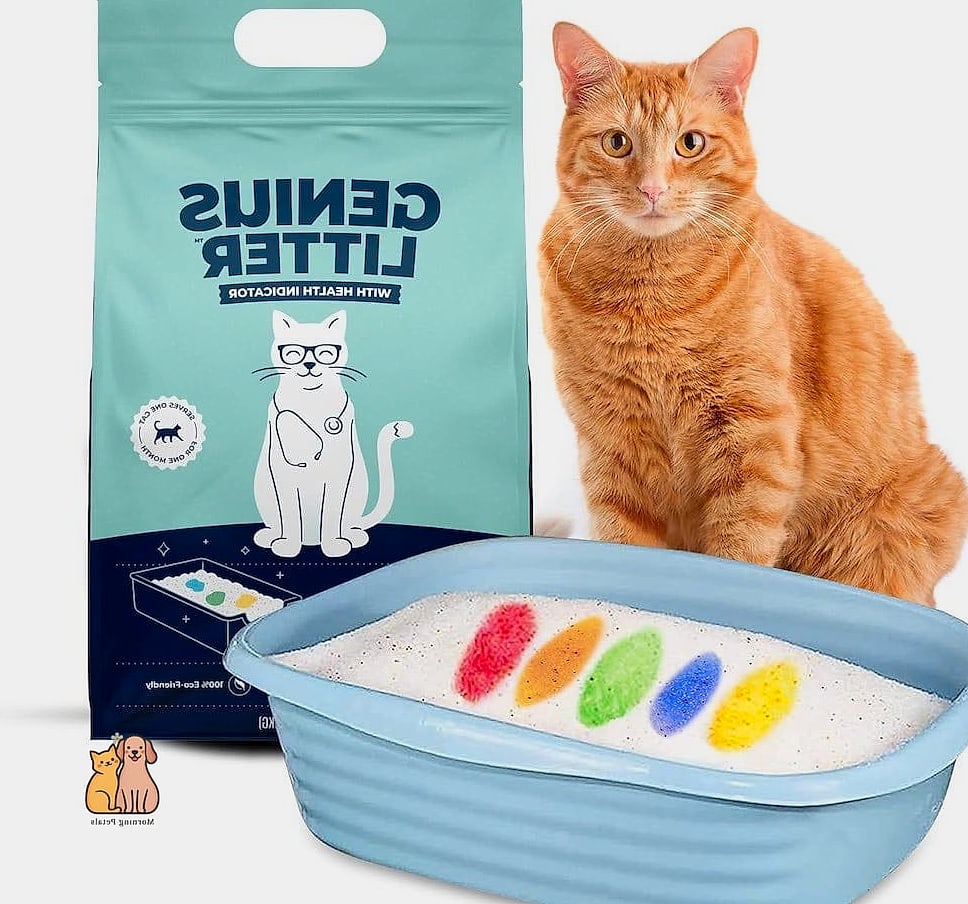
Keeping food far from the litter box matters more than people realize, since cats naturally avoid eating near where they do their business. A simple room divider, bookshelf, or even a floor rug can visually and physically separate the two zones.
This idea works in every home size, but it’s especially important in small apartments where space gets tight. It costs next to nothing if you’re just rearranging furniture you already own, making it one of the easier fixes on this list.
The Water Fountain Pairing
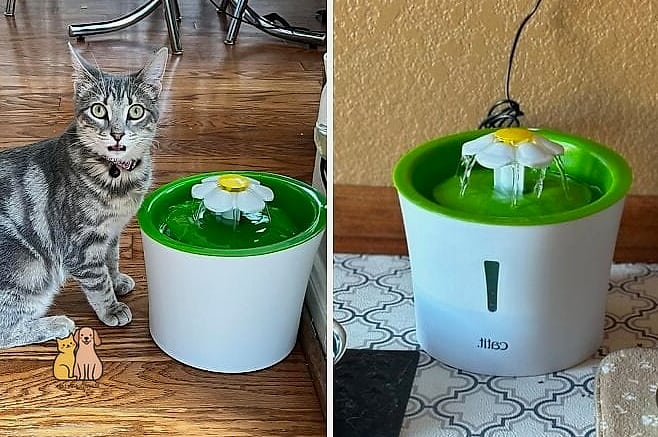
Placing a water fountain a few feet from the food bowl (not right next to it) encourages cats to drink more, since many prefer their food and water sources separated. Cats are notoriously bad about staying hydrated, so this small change can genuinely help kidney health long term.
This suits older cats and any breed prone to urinary issues, which honestly covers a lot of cats. Fountains range from budget plastic models to sleek ceramic ones, and most cats seem to prefer moving water over a still bowl.
The Outdoor Catio Feeding Nook
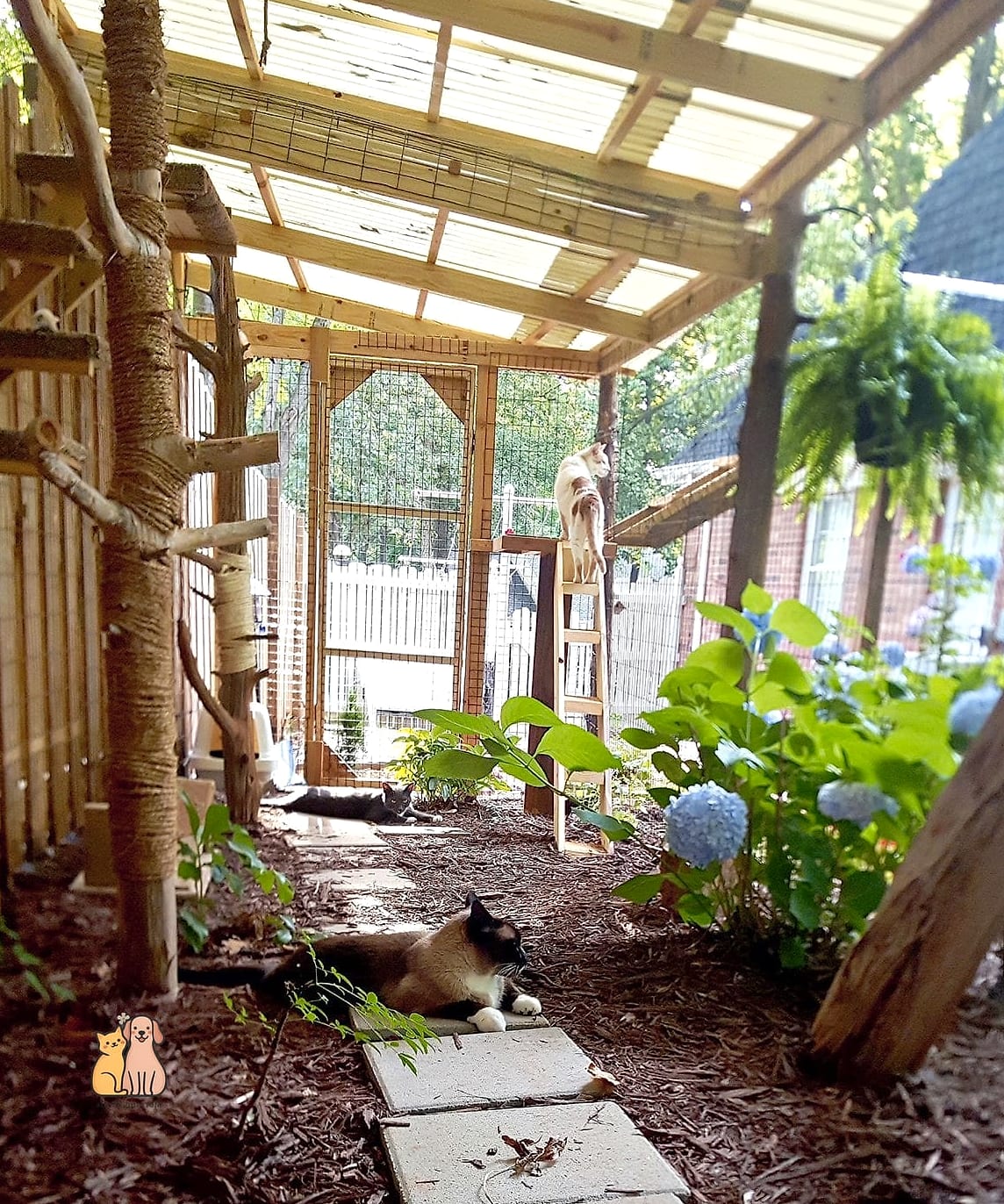
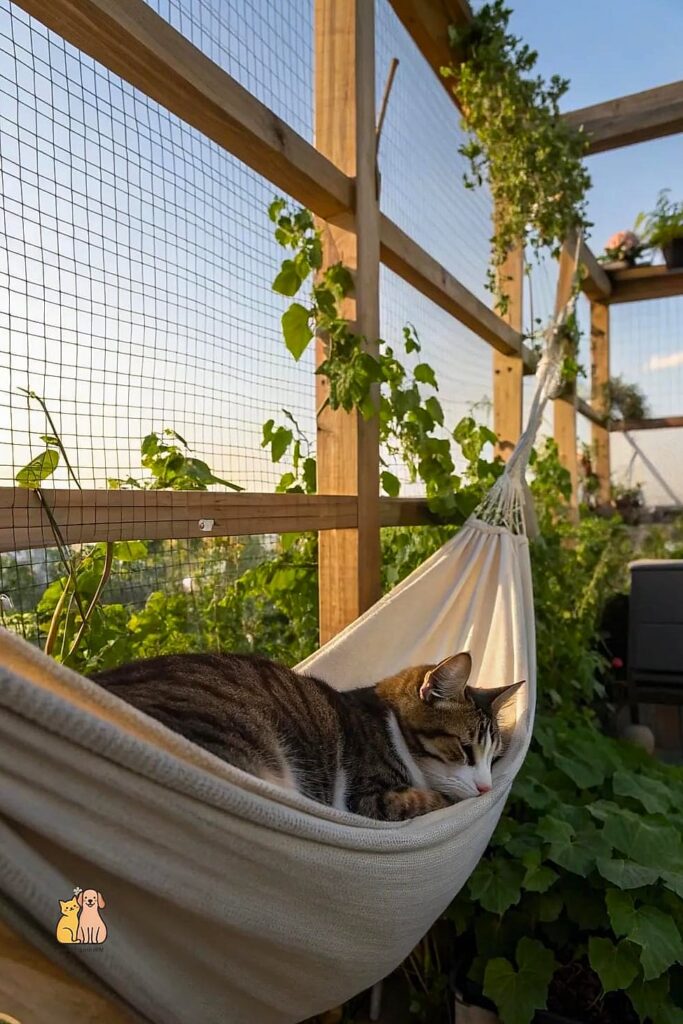
For anyone lucky enough to have a catio or enclosed outdoor space, adding a small covered feeding shelf lets cats enjoy fresh air during meals. Weatherproof bowls and a bit of shade keep things sanitary even in summer heat.
This works best in mild climates or for part-time outdoor setups where the catio isn’t used year-round. It requires more setup than most indoor ideas but gives cats a genuinely enriching experience during good weather.
The Basement or Laundry Room Station

Setting up feeding in a quiet basement or laundry area keeps the mess away from main living spaces, which pet owners with allergies or small kids often prefer. Just make sure the room has decent ventilation and isn’t too cold in winter.
This suits multi-pet households where separating feeding areas helps reduce food-guarding behavior between animals. It’s about as low-cost as it gets since most homes already have the space, just not the setup.
The Countertop Micro-Station
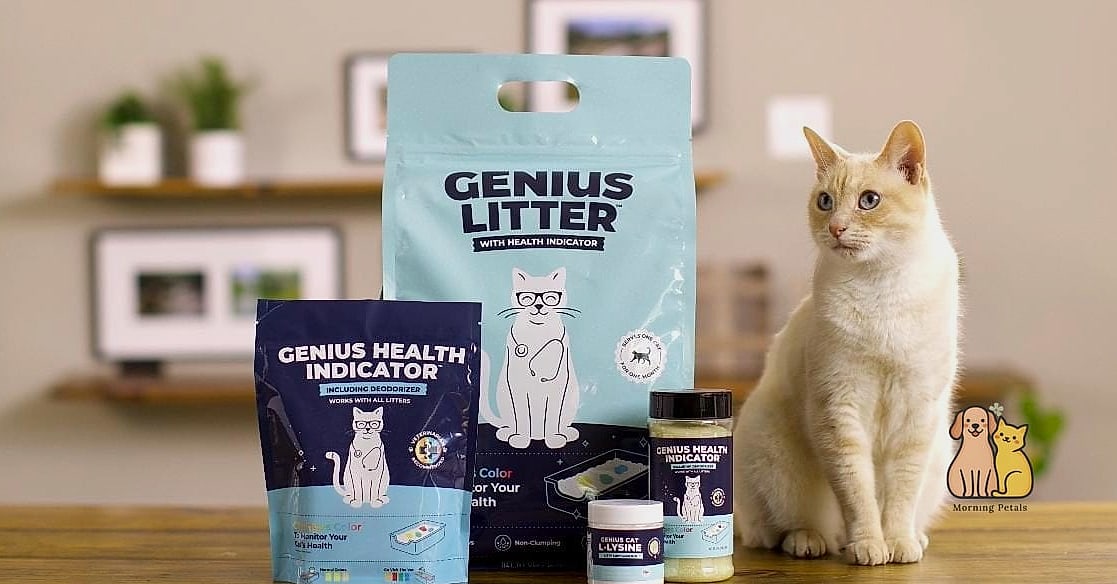
In really tight apartments, a small designated spot on a countertop (using a placemat and stackable bowls) can work when floor space simply isn’t available. This isn’t ideal for every household, but for solo owners without dogs or toddlers reaching up, it’s a practical compromise.
It suits studio apartments and smaller cat breeds well, since less floor clutter means more room to actually live. Keep it simple here — a washable mat and two bowls is really all you need.
The Themed Decor Station
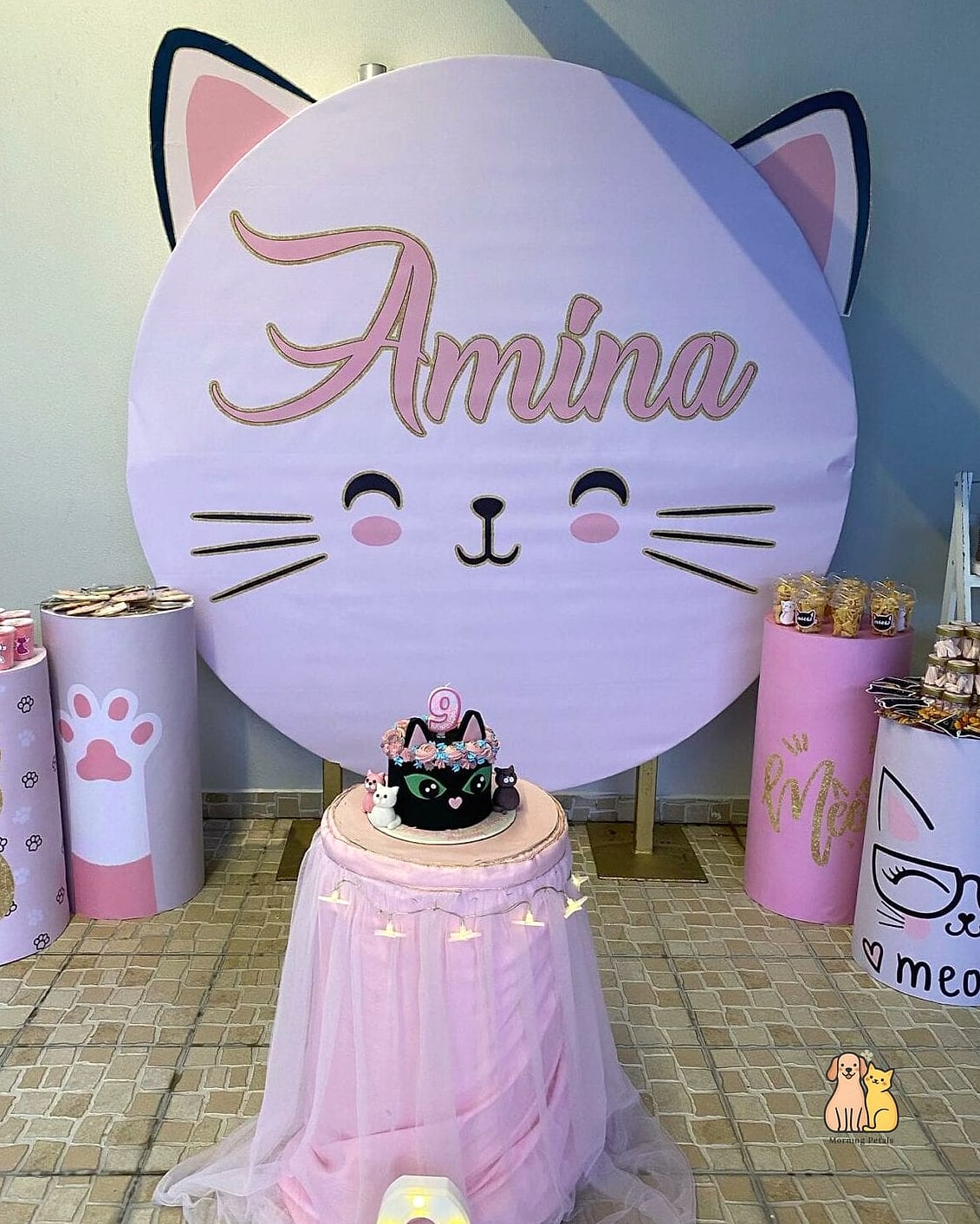
Matching the feeding station to your home’s decor style, whether that’s farmhouse, mid-century modern, or minimalist, makes the whole setup feel intentional rather than like an afterthought. Ceramic bowls, a woven basket for supplies, and a coordinating mat go a long way.
This appeals to design-conscious owners who want their pet gear to actually look nice in a shared living space. Costs vary widely depending on how far you take the aesthetic, but even small swaps like a nicer mat make a visible difference.
The Seasonal Rotation Setup

Keeping two feeding spots, one for warmer months near a window or catio and one tucked indoors for winter, lets cats enjoy variety throughout the year. Cats notice seasonal changes more than we give them credit for, and a little rotation keeps mealtime from feeling stale.
This works well for households in regions with real seasonal shifts, less so in climates that stay consistent year-round. It takes minimal extra investment since you’re mostly just alternating existing setups rather than buying new gear twice.
Whichever of these ideas fits your space and your cat’s personality, the goal is really the same across the board: make mealtime calm, accessible, and maybe even a little fun. Cats notice more about their environment than we assume, and a thoughtful feeding setup is one of those small changes that pays off daily. Try one, mix a few together, and see which ones your own picky eater actually approves of.