The Husky Dog Breed: Everything You Need to Know
The Husky Dog Breed: Everything You Need to Know
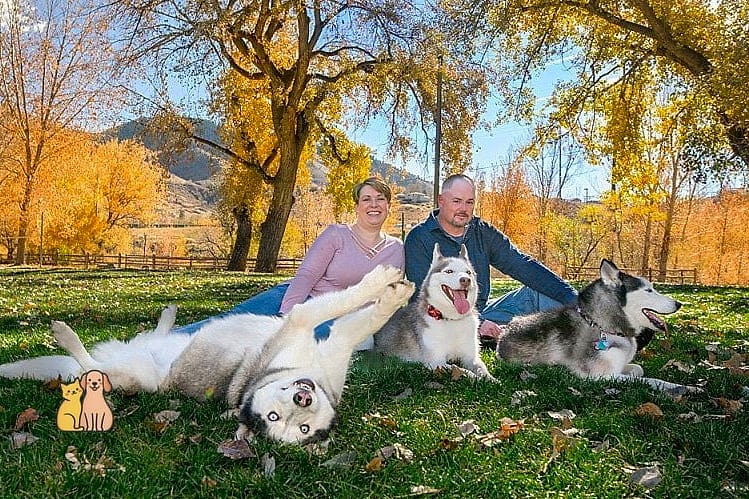
If you’ve ever seen a Siberian Husky running through the snow, staring with those bright blue eyes, or dramatically “talking” back to their owner, you already know this breed has a special way of getting attention. Huskies are beautiful, energetic, intelligent dogs with a history built around endurance, teamwork, and adventure.
The Husky Dog Breed: Everything You Need to Know is a complete look at what makes this breed so unique, from temperament and grooming needs to exercise requirements, feeding habits, and everyday life with a Husky at home.
Owning a Husky is incredibly rewarding, but it is also a commitment. These dogs are not couch potatoes who are happy with a quick walk around the block. They were bred to run long distances in harsh climates, and their bodies and minds still crave activity, exploration, and companionship.
For the right owner, a Husky can become a loyal, playful, and unforgettable member of the family. For someone who is not prepared for their energy and independence, they can feel overwhelming. Understanding their needs before bringing one home is the key to creating a happy relationship.
Why Pet Owners Love Them
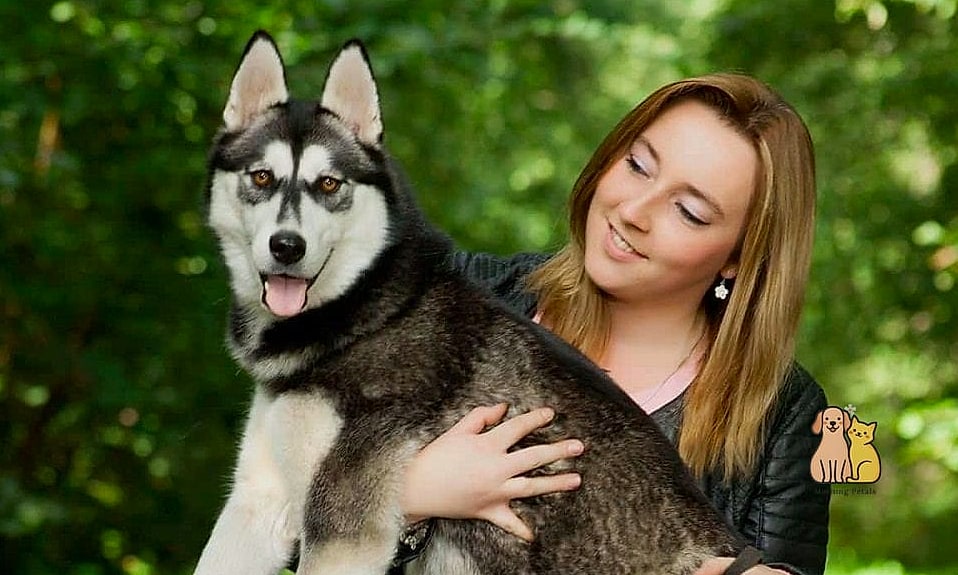
Huskies are loved around the world for their striking appearance, friendly nature, and entertaining personalities. Their thick double coats, upright ears, curled tails, and expressive faces make them one of the most recognizable dog breeds.
Many Husky owners say the biggest surprise is how much personality these dogs have. They are known for their dramatic expressions, funny vocalizations, and habit of “talking” rather than simply barking. A Husky may howl when excited, complain when asked to do something they dislike, or carry on a full conversation with their favorite human.
Beyond their looks, Huskies are affectionate and social dogs. They usually enjoy being around people and often form strong bonds with their families. Unlike some protective breeds, Huskies are typically more interested in making friends than guarding the house.
Their playful nature makes them wonderful companions for active households. They often enjoy hiking, jogging, outdoor adventures, and games that challenge both their bodies and minds.
However, their friendly personality also means they are not always the best choice if you want a traditional guard dog. Many Huskies would happily greet a stranger at the door instead of warning them away.
Key Characteristics
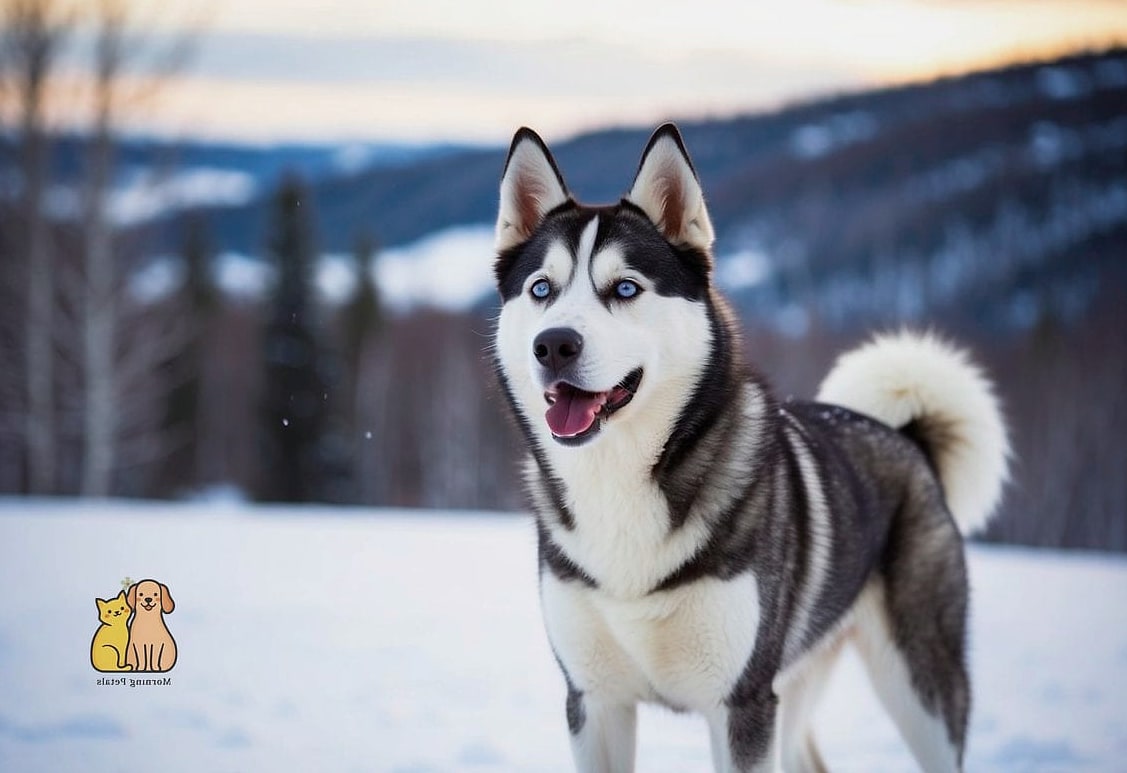
The Siberian Husky is a medium-sized working dog originally developed by the Chukchi people of Siberia to pull sleds across long distances. Their history explains many of the traits owners experience today: endurance, independence, intelligence, and a strong desire to move.
Adult Huskies typically weigh between 35 and 60 pounds, depending on their sex and build. They have a strong but athletic appearance, designed for stamina rather than heavy strength.
One of their most famous features is their eyes. Huskies can have blue eyes, brown eyes, or even one of each. Their eye color adds to their unique appearance, but it does not affect their personality or ability.
Their temperament is often described as friendly, energetic, and curious. They are smart dogs, but their intelligence can sometimes come with a stubborn streak. A Husky may understand a command perfectly and still decide they have a better idea.
This independent thinking is part of what makes them fascinating. They are not dogs that simply wait for instructions. They like interaction, problem-solving, and activities that give them a purpose.
Huskies are also highly social. They usually prefer being part of family life rather than spending long periods alone. A bored Husky can become creative in ways owners may not appreciate, including digging, chewing, escaping, or rearranging household items.
Care Requirements
Caring for a Husky requires consistency, patience, and a willingness to meet their physical and emotional needs. They are not a low-maintenance breed, mainly because of their energy level and thick coat.
Exercise is one of the most important parts of Husky care. Daily walks are helpful, but many Huskies need more than a short neighborhood stroll. Activities like hiking, running, obedience games, and enrichment toys can help keep them satisfied.
Mental stimulation matters just as much as physical exercise. Puzzle feeders, training sessions, scent games, and interactive toys can prevent boredom and help your Husky use their natural intelligence.
Because Huskies are athletic and curious, a secure leash and harness are important. Many Huskies have a strong prey drive and may chase small animals if given the opportunity. A well-fitted harness can provide better control during outdoor adventures.
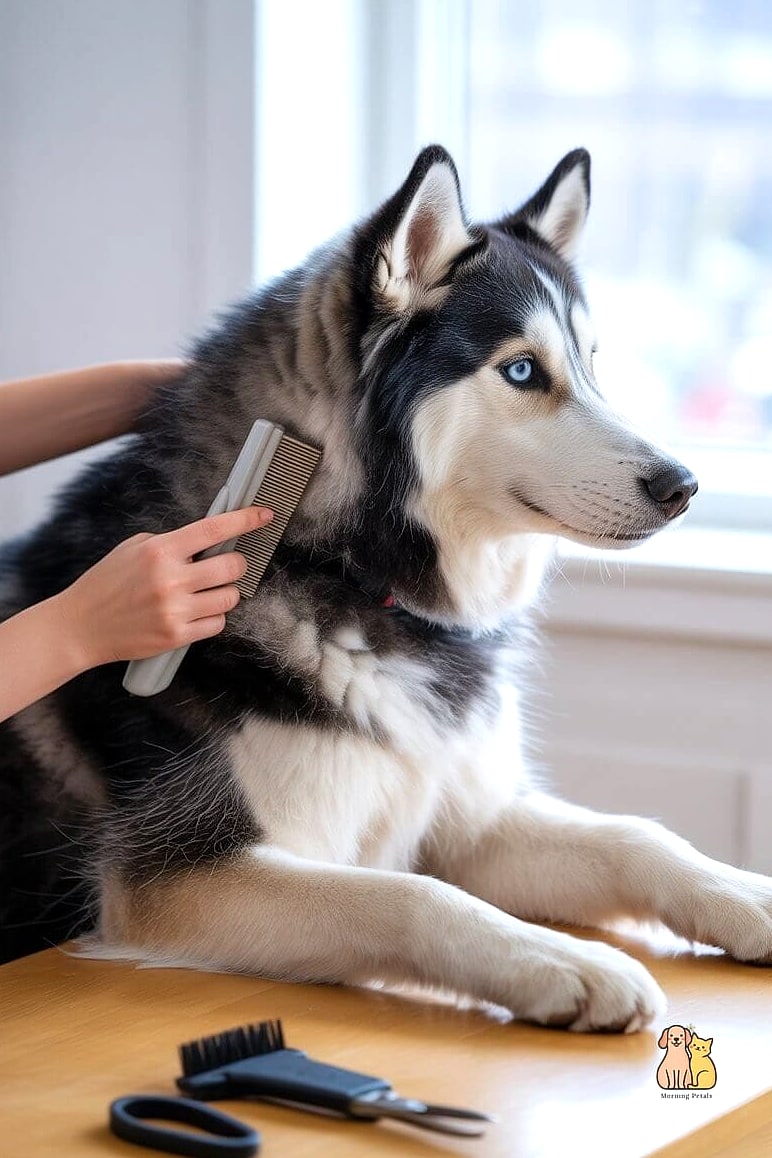
Grooming is another major part of Husky ownership. Their double coat helps protect them from cold temperatures, but it also means they shed heavily, especially during seasonal coat changes.
Regular brushing with quality grooming tools helps remove loose fur and keeps the coat healthy. During shedding seasons, owners may find fur appearing everywhere — on carpets, furniture, clothing, and even places they did not know fur could reach.
The good news is that Huskies are naturally clean dogs. They usually do not have a strong doggy odor and often groom themselves much like cats.
Housing and Space Needs
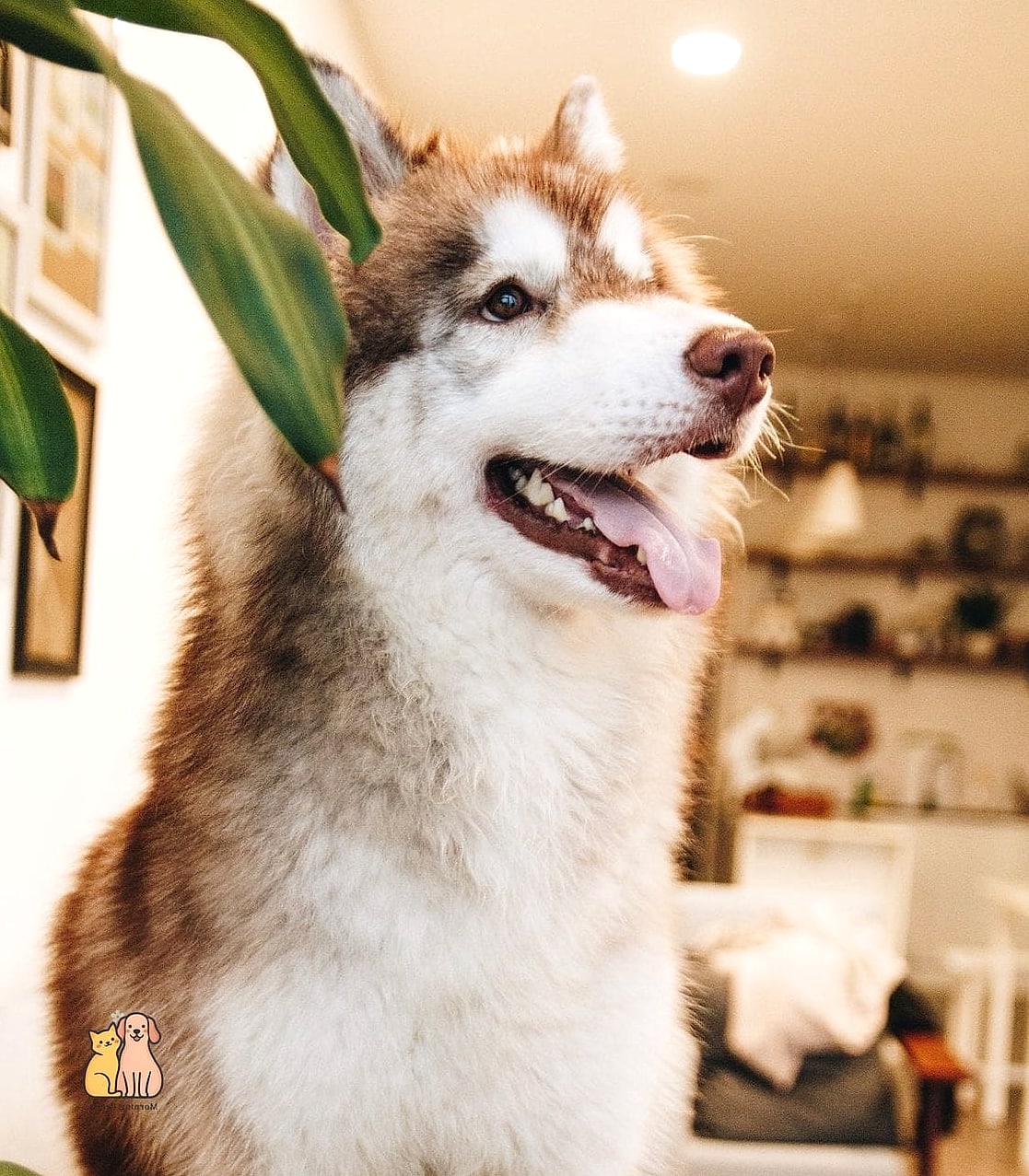
Huskies can adapt to different living situations, but their exercise requirements are the deciding factor. A large home with a fenced yard can be helpful, but simply having outdoor space does not replace daily activity.
A Husky living in an apartment can do well if the owner provides enough exercise, training, and enrichment. Many apartment Husky owners succeed by creating a strong routine with walks, outdoor activities, and interactive play.
A secure yard is extremely important if your Husky spends time outside. These dogs are famous escape artists. They can dig under fences, jump over barriers, or search for creative ways to explore the neighborhood.
A tall, sturdy fence and regular supervision are recommended. Outdoor time should be safe and structured rather than leaving a Husky alone for hours.
Inside the home, Huskies appreciate having comfortable spaces where they can relax after activity. A supportive dog bed, water station, and enrichment toys can help create a welcoming environment.
During colder months, many Huskies enjoy spending time outdoors because of their thick coats. However, they still need access to shelter, fresh water, and protection from extreme weather conditions.
Diet and Feeding
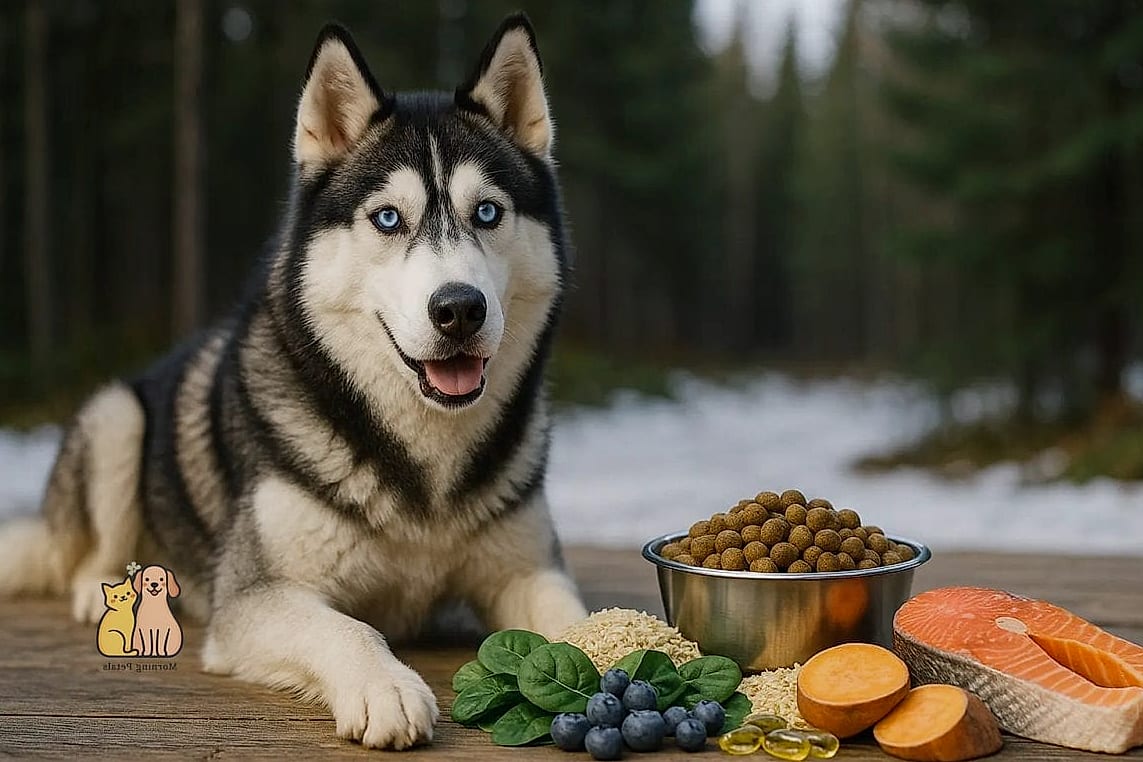
Feeding a Husky properly supports their energy, coat health, and overall wellness. These dogs need a balanced diet with quality protein, healthy fats, vitamins, and minerals.
Because Huskies are active dogs, their food needs depend on their age, size, activity level, and health. A working Husky that spends hours running will have different nutritional needs compared with a calmer family pet.
Many owners choose high-quality commercial dog food designed for active breeds. Some prefer feeding plans recommended by their veterinarian, especially if their dog has allergies, sensitivities, or specific health concerns.
Portion control is important because even energetic dogs can gain weight if they receive too many calories. Treats should be used thoughtfully, especially during training.
Slow feeder bowls can be helpful for Huskies who eat too quickly. Puzzle feeders can also provide mental stimulation while turning mealtime into an activity.
Fresh water should always be available. Active dogs, especially those enjoying outdoor adventures, need consistent hydration throughout the day.
Health Considerations

Huskies are generally healthy dogs with a typical lifespan of around 12 to 14 years, but like all breeds, they can be prone to certain health concerns.
One area owners should pay attention to is eye health. Huskies can experience conditions such as cataracts and other inherited eye issues, so regular veterinary checkups are important.
Hip problems can also occur, although Huskies are generally less affected than some larger breeds. Maintaining a healthy weight and providing appropriate exercise can support joint health.
Their thick coat does not mean Huskies should be shaved in summer. Their double coat helps regulate temperature, and shaving can interfere with their natural protection. Regular brushing and proper coat care are usually the better approach.
Dental care is another important part of keeping a Husky healthy. Brushing their teeth, providing appropriate dental chews, and scheduling veterinary dental checks can support long-term wellness.
Preventive care, including vaccinations, parasite prevention, and routine examinations, helps catch potential problems early.
Training and Socialization
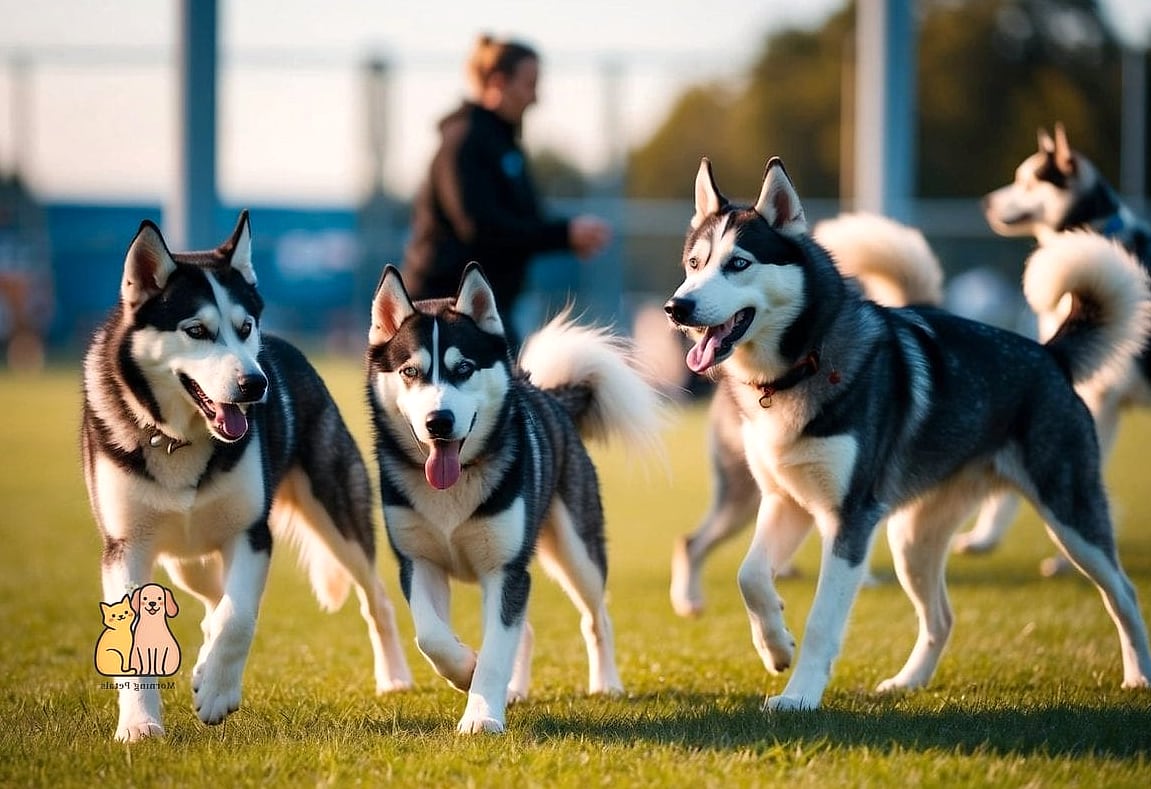
Training a Husky can be both exciting and challenging. Their intelligence means they can learn quickly, but their independent nature requires patience and consistency.
Positive reinforcement works especially well with this breed. Reward-based training using treats, praise, and play can make learning enjoyable.
Early socialization is important. Introducing a Husky puppy to different people, environments, sounds, and experiences helps them grow into confident adults.
Basic commands such as recall, sit, stay, and leash manners are especially valuable. Recall training deserves extra attention because many Huskies love exploring and may ignore commands when something more interesting appears.
Short, engaging training sessions usually work better than long repetitive ones. Huskies enjoy variety and may become bored with the same routine.
Family and Lifestyle Compatibility
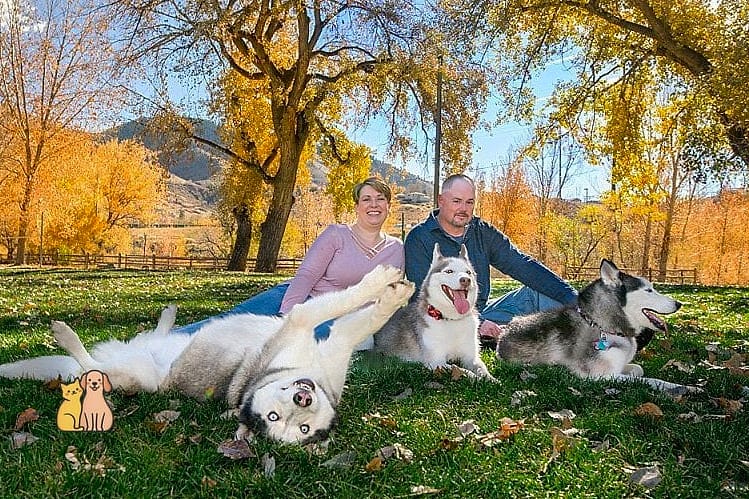
Huskies can make wonderful family dogs when their needs match the household lifestyle. They are often playful with children and enjoy being involved in family activities.
Their energy level means they are usually better suited for families who enjoy outdoor time and active routines. They may not be the ideal choice for someone looking for a quiet, low-energy pet.
Families with small children should always supervise interactions between dogs and kids. Even a friendly Husky can accidentally knock over a toddler during excited play.
They can also live with other dogs, especially when properly socialized. However, their prey drive means careful introductions are important if the home includes cats, rabbits, or other small pets.
The best Husky owners understand that this breed is not just a pet sitting in the corner of the house. Huskies want interaction, adventure, and a place in the family.
Fun Facts About Huskies
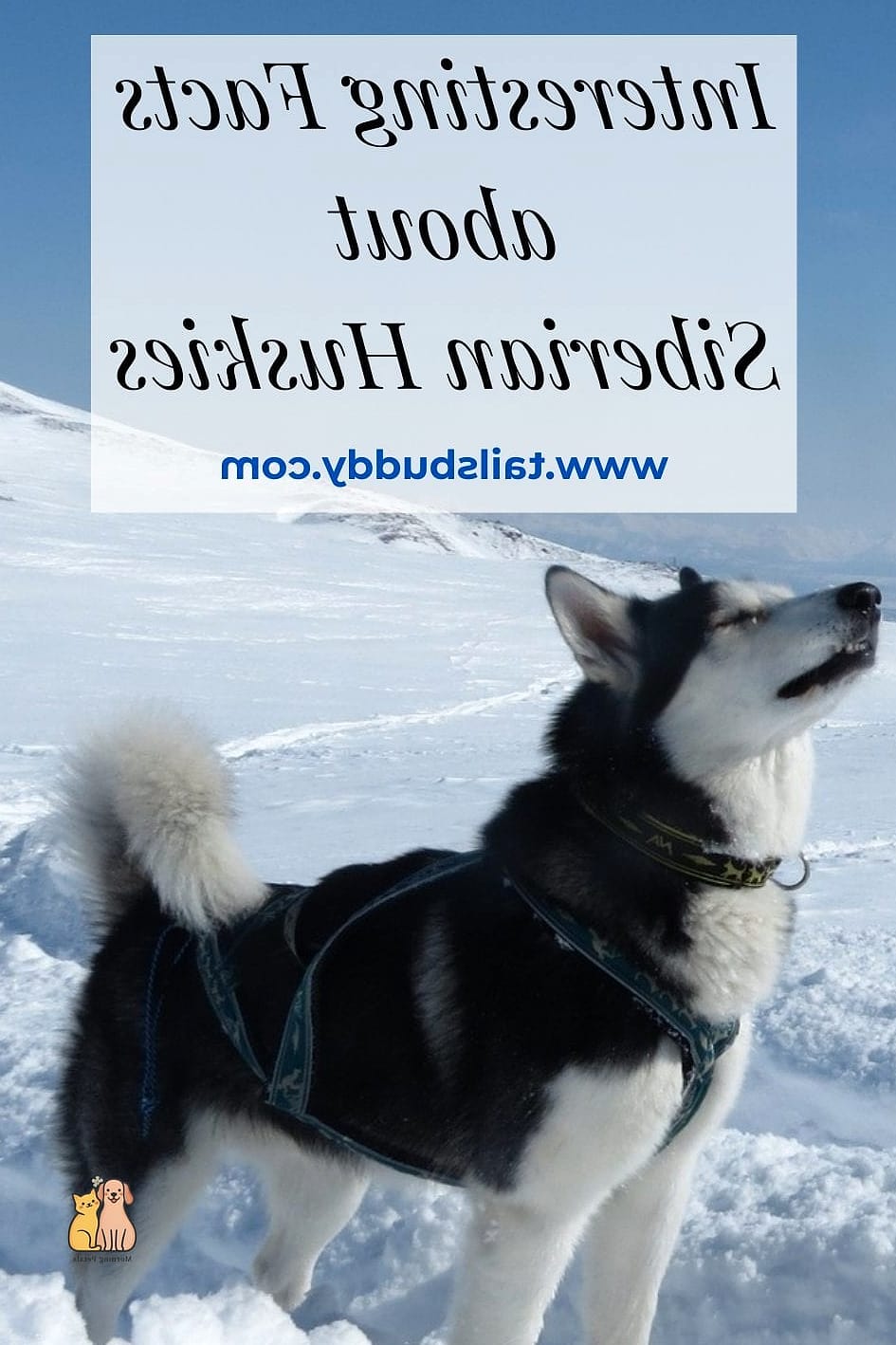
Huskies have many fascinating qualities that make them stand out among dog breeds.
They were bred to pull sleds across freezing landscapes while conserving energy. Their incredible endurance allowed them to travel long distances with limited food compared with many other working dogs.
Huskies also played an important role in the famous 1925 serum run to Nome, Alaska, where sled dogs helped transport life-saving medicine during a diphtheria outbreak.
Another interesting fact is that Huskies are surprisingly talented escape artists. Many owners joke that their dog is part athlete, part detective, and part professional fence inspector.
They are also known for being vocal. Instead of simply barking, many Huskies howl, whine, and make unique sounds that seem almost conversational.
Their beautiful coats come in many colors, including black, gray, red, and white combinations. Each Husky has its own unique markings, making every dog look slightly different.
Final Thoughts
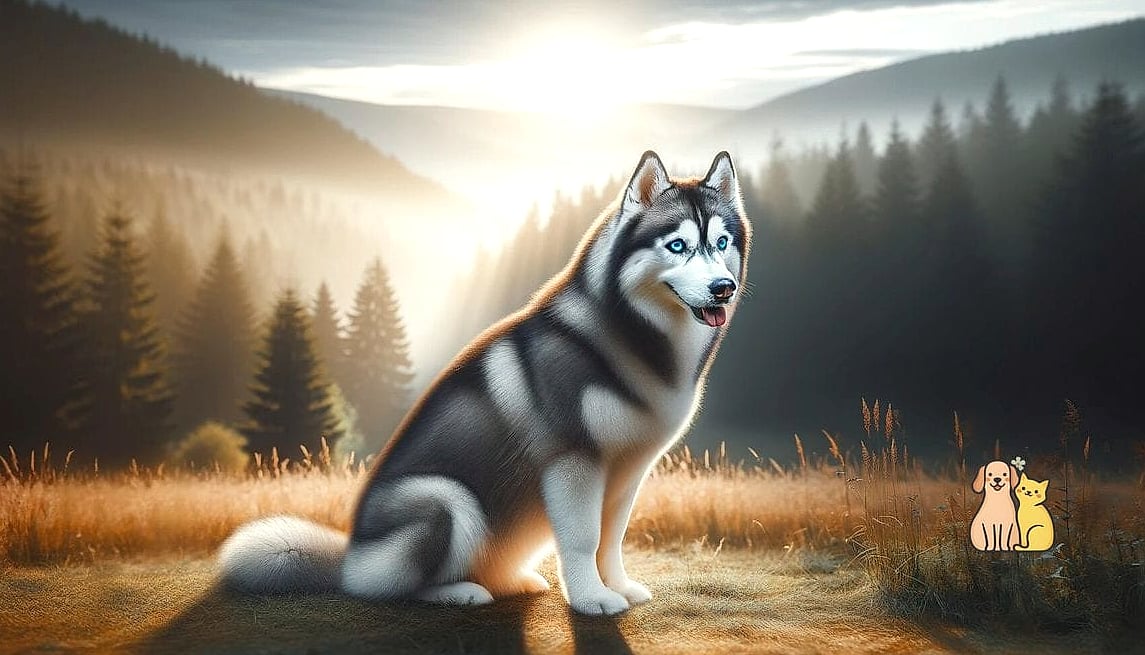
The Husky Dog Breed: Everything You Need to Know shows why these dogs have captured the hearts of so many people around the world. They are beautiful, intelligent, energetic, and full of personality.
Life with a Husky is rarely boring. There will be playful moments, funny conversations, impressive adventures, and probably some unexpected fur on your clothes. Their independent nature can create challenges, but their affection and enthusiasm make the effort worthwhile.
A Husky is best suited for an owner who enjoys an active lifestyle and is ready to provide exercise, training, grooming, and companionship. With proper care, these dogs can become incredible lifelong friends.
For someone prepared to meet their needs, a Husky is more than just a beautiful breed. They are a loyal adventure partner, a source of endless entertainment, and a wonderful reminder of the special connection between humans and dogs.