The Shiba Inu Dog Breed: Everything You Need to Know
The Shiba Inu Dog Breed: Everything You Need to Know
If you’ve spent any time on the internet, you’ve probably seen a Shiba Inu meme, usually one showing a fox-like dog with a smug little smile that seems to say “I know something you don’t.” That expression isn’t a coincidence — it’s basically the breed’s calling card. Shiba Inus are confident, independent, and endlessly photogenic, and they’ve built a huge fan base well beyond their native Japan.
But there’s a lot more to this breed than viral internet fame. Shibas are a genuine commitment, with a personality that surprises a lot of first-time owners. Let’s get into what actually makes this breed tick.
Why Pet Owners Love Them
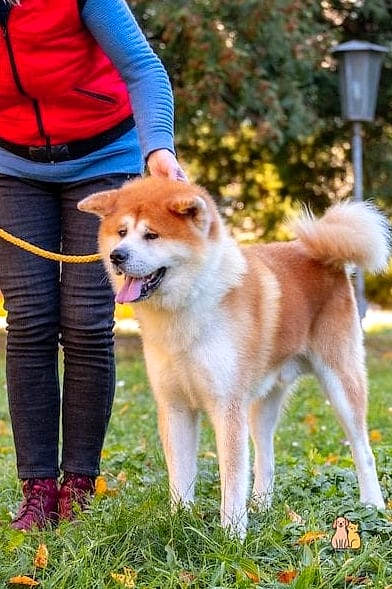
Shiba Inus have this cat-like independence that people either find charming or maddening, and usually a bit of both. They’re not clingy dogs who need constant attention, which can be a relief for busy households.
Owners often describe them as having “big personality energy” packed into a small-to-medium frame. They’re alert, curious, and always seem to be plotting something, even if that something is just figuring out how to steal food off the counter.
There’s also the famous “Shiba scream,” a vocalization this breed lets out when they’re upset, startled, or just don’t want to do something. It’s dramatic, it’s hilarious, and it’s become something of a breed trademark on social media.
Key Characteristics
Shibas are one of Japan’s oldest and smallest native breeds, originally used for hunting small game in mountainous terrain. That hunting background explains a lot of their modern-day behavior, including their sharp prey drive and independent streak.
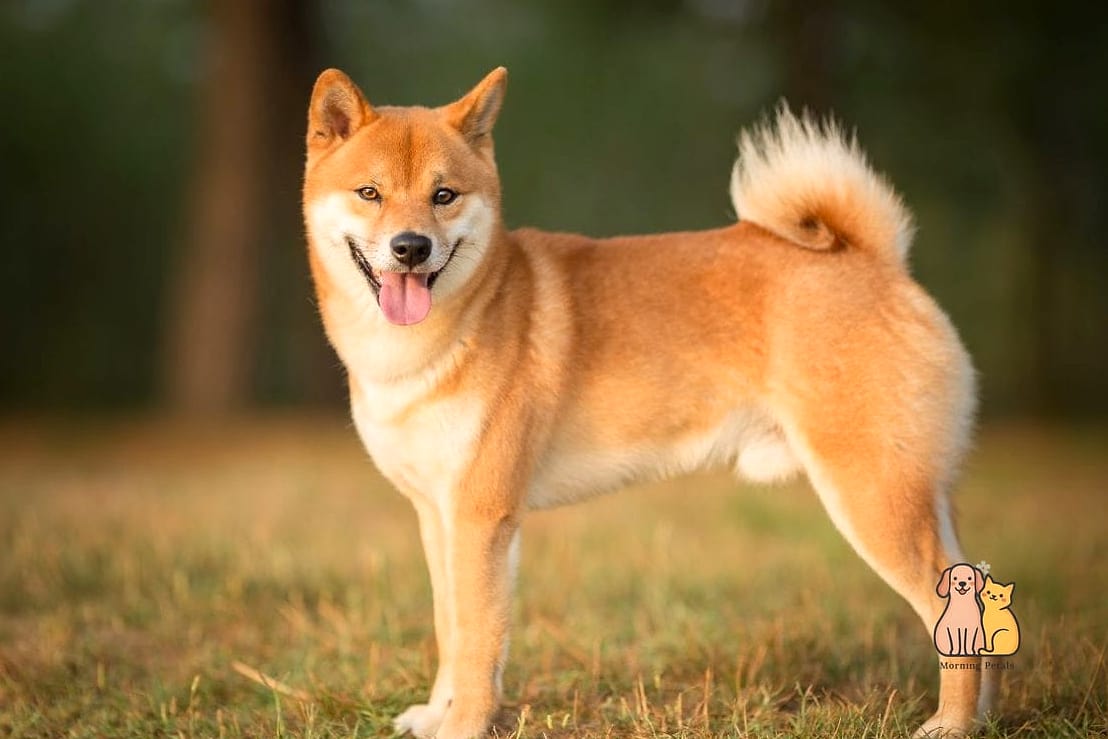
Physically, they’re compact and muscular, typically standing 13 to 17 inches tall and weighing between 17 and 23 pounds. Their double coat comes in red, black and tan, or sesame, always paired with that classic fox-like face and curled tail.
Temperament-wise, expect a dog that’s intelligent, bold, and a little stubborn. They bond closely with their family but aren’t always big on affection with strangers, and they tend to be pretty reserved compared to more outgoing breeds like Labradors or Golden Retrievers.
Care Requirements
This is where a lot of new owners get caught off guard. Shibas are smart, but that intelligence often gets used for their own agenda rather than yours. Training requires patience, consistency, and a good sense of humor.
Positive reinforcement works far better than harsh corrections with this breed. Treat-based training, short sessions, and lots of consistency tend to get better results than repetition alone. A slow feeder bowl or puzzle feeder can also help channel some of that mental energy in a productive direction.
Exercise-wise, Shibas need daily walks and some off-leash play in a securely fenced area — emphasis on securely, since their hunting instincts mean an open gate can turn into an impromptu chase. A sturdy harness and leash are non-negotiable here, since some Shibas are escape artists when something catches their eye.
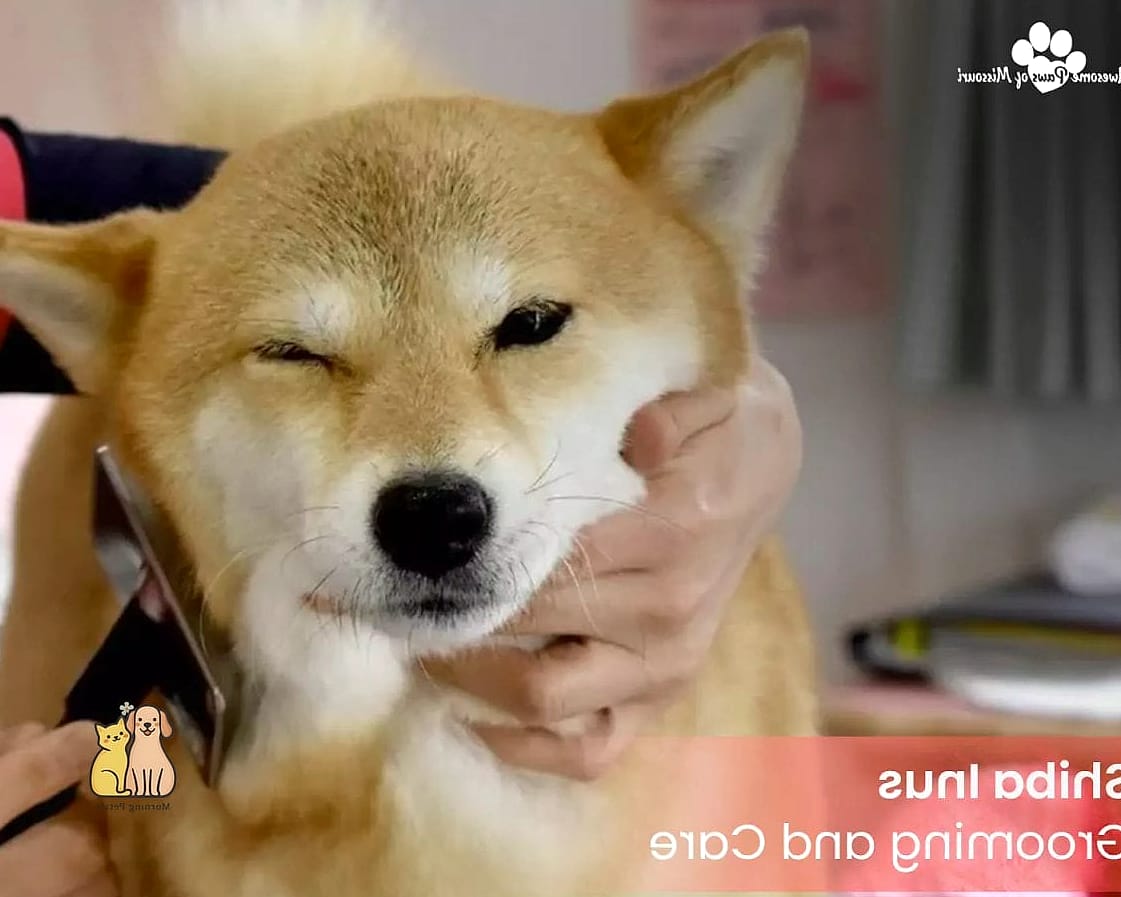
Grooming is moderate but comes with a catch: these dogs blow their coat seasonally, and it is intense. Twice a year, expect fur everywhere. A good deshedding brush used a few times a week helps manage the fluff explosion, especially during spring and fall.
Housing and Space Needs
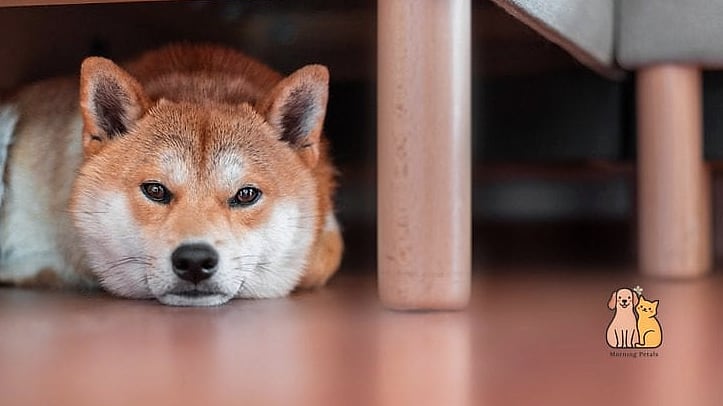
Shibas can adapt to apartment living surprisingly well, given their compact size, but they do best with access to a yard or nearby park for regular exercise. A dog run or securely fenced outdoor space is ideal if you have one.
Indoors, they appreciate having their own space, like a cozy dog bed tucked in a quiet corner rather than smack in the middle of household chaos. Many Shiba owners find their dogs prefer a bit of distance, at least until they decide it’s cuddle time on their own terms.
Because of their independent streak, crate training is genuinely useful for this breed. A properly sized crate gives them a den-like retreat and helps with house training, plus it keeps them out of trouble when you can’t supervise directly.
If you’ve got kids or other pets, early socialization matters a lot. Shibas can do well in multi-pet households, especially when raised together, but that hunting instinct means small furry pets like hamsters or rabbits should probably stay in separate rooms.
Diet and Feeding
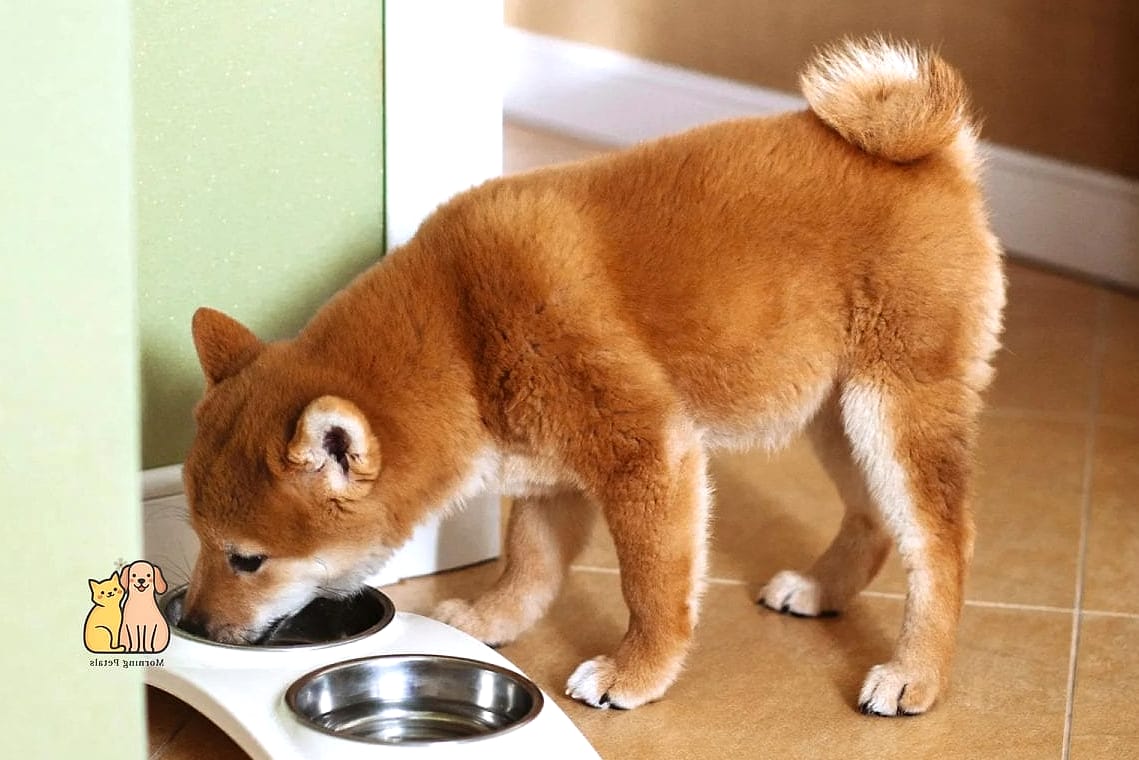
Shiba Inus don’t need anything too exotic, but portion control matters since they can gain weight easily if overfed. A high-quality dog food appropriate for their age and activity level is generally the way to go.
Because of their smaller size and food-motivated nature, measuring meals rather than free-feeding helps prevent extra pounds from sneaking on. Some owners find their Shiba can be a picky eater one week and food-obsessed the next, so don’t be surprised by shifting preferences.
An automatic feeder can help with consistency if your schedule is unpredictable, and a water fountain encourages them to stay properly hydrated, especially active dogs who are out and about often.
Always check with your vet before making major diet changes, and keep treats to a reasonable portion of daily calories, no matter how convincing those pleading eyes get.
Health Considerations
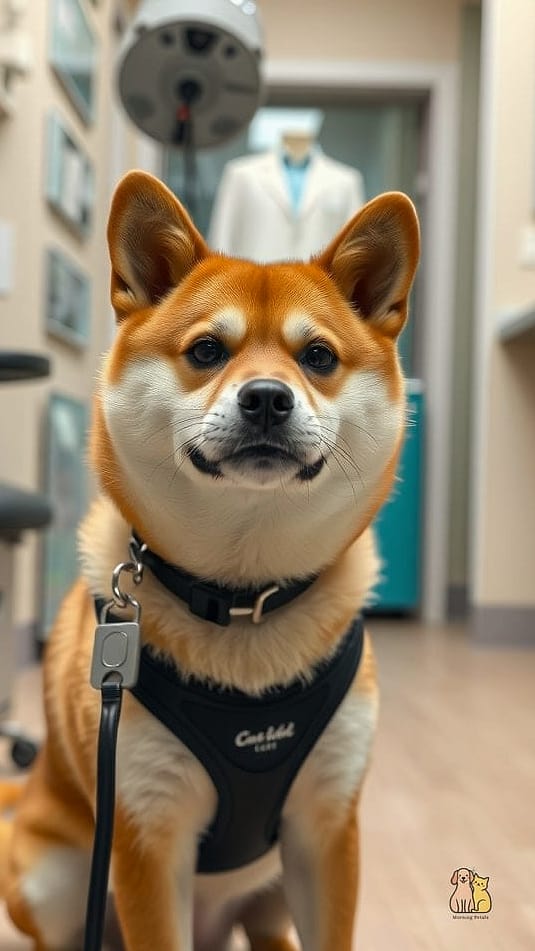
Shibas are generally a healthy, long-lived breed, often reaching 13 to 16 years with good care. Still, there are a few conditions worth knowing about.
Hip dysplasia and patellar luxation (a kneecap issue) show up in the breed occasionally, so regular vet checkups help catch problems early. Some Shibas are also prone to allergies, which can show up as itchy skin or ear infections.
Eye conditions like progressive retinal atrophy and glaucoma have been reported in the breed too, so reputable breeders typically screen for these issues before breeding. If you’re adopting from a breeder, ask about health testing for the parents.
Routine vet visits, a good diet, and regular exercise go a long way toward keeping a Shiba healthy well into their senior years.
Fun Facts
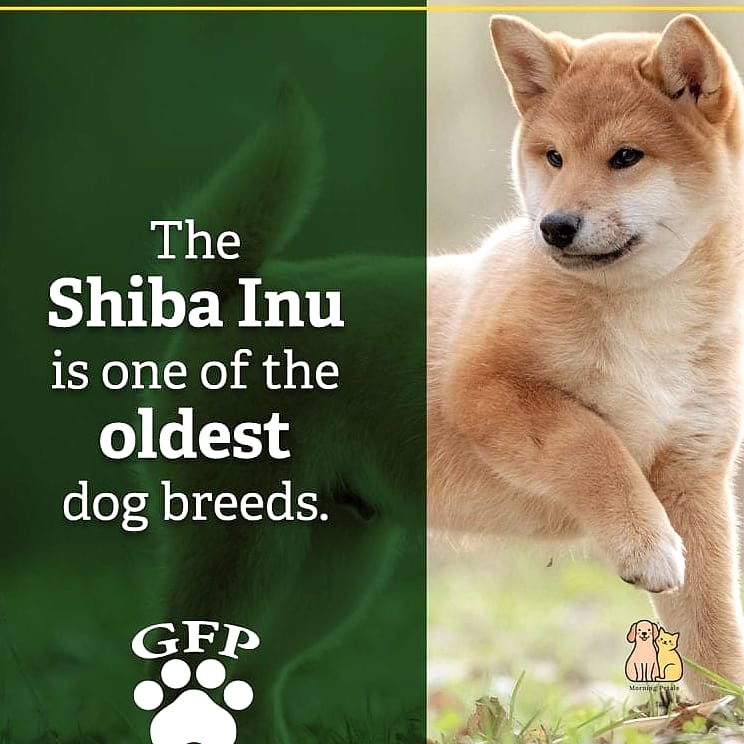
Shiba Inus are actually one of six native Japanese dog breeds, and they’re the smallest of the bunch. The name “Shiba” is thought to reference either brushwood (the terrain they hunted in) or an old term for a reddish-brown color matching their coat.
They nearly went extinct after World War II due to distemper outbreaks and food shortages, and the breed we know today descends from just a handful of surviving dogs from different regions of Japan.
Shibas are also known for their meticulous self-grooming habits, often compared to cats in how fastidious they are about staying clean. Combined with minimal doggy odor, this makes them appealing to owners who aren’t thrilled about typical “dog smell.”
And yes, the famous Kabosu, the Shiba behind the original Doge meme, was a real rescue dog whose expressive face launched an entire internet phenomenon that eventually inspired a cryptocurrency. Not bad for a dog who just wanted a nap.
Final Thoughts

The Shiba Inu Dog Breed: Everything You Need to Know really comes down to this — these are independent, clever, strong-willed dogs who reward patient owners with loyalty and endless entertainment. They’re not the breed for someone wanting a dog that hangs on their every word, but for the right household, that independence is part of the charm.
If you’re drawn to a dog with personality, some sass, and a face that looks perpetually amused by life, a Shiba might be exactly the companion you’re looking for. Just be ready for the shedding, the stubbornness, and the occasional dramatic scream when bath time rolls around.