20 Clever Dog Mud Room Ideas Your Pet Will Love

- The Built-In Paw Wash Station
- A Dedicated Dog Shower Bench
- Open Cubbies for Leashes and Harnesses
- A Built-In Dog Bed Nook
- Hanging Storage for Muddy Towels
- A Slide-Out Food and Water Station
- Chalkboard or Whiteboard Walk Log
- Built-In Bench With Storage Underneath
- A Dog Ramp Entry Point
- Open Shelving for Pet Supplies
- A Mini Grooming Station
- Rubber Flooring for Easy Cleanup
- A Built-In Poop Bag and Waste Station
- A Cozy Window Seat for Dogs Who Like to Watch
- Chalkboard-Style Chore Chart for Kids and Pets
- A Heated Floor Zone for Cold Climates
- A Corner Nook With a Cat Shelf Above
- A Drop Zone With Labeled Bins
- A Built-In Dog Crate Nook
- A Statement Wall With Personality
20 Clever Dog Mud Room Ideas Your Pet Will Love
If you’ve ever opened your front door to a dog fresh off a rainy walk and watched muddy paw prints march straight across your clean floor, you already know why mud rooms exist. They’re not just a landing pad for boots and umbrellas anymore — they’re becoming one of the most useful spaces in a dog owner’s home. A well-planned mud room can save your floors, your sanity, and honestly, your relationship with your vacuum cleaner.
Whether you live in a house with a big backyard or an apartment with a single hallway closet, there’s a mud room setup that can work for you and your pup. Below are 20 clever dog mud room ideas your pet will love, covering everything from budget-friendly DIY corners to full renovations that would make any dog trainer jealous.
The Built-In Paw Wash Station

A built-in paw wash station is basically a small shower just for your dog’s feet, usually installed low to the ground with a handheld sprayer. It works beautifully for medium to large breeds who track in dirt after every walk, especially retrievers and herding breeds that love water and mud equally.
Owners love this setup because it turns a five-minute towel-wrestling match into a quick rinse and dry. You’ll need plumbing access, a drain, and a non-slip mat, so this is more of a premium renovation project. If a full plumbing install isn’t in the budget, a plastic basin version can mimic the same idea for a fraction of the cost.
A Dedicated Dog Shower Bench
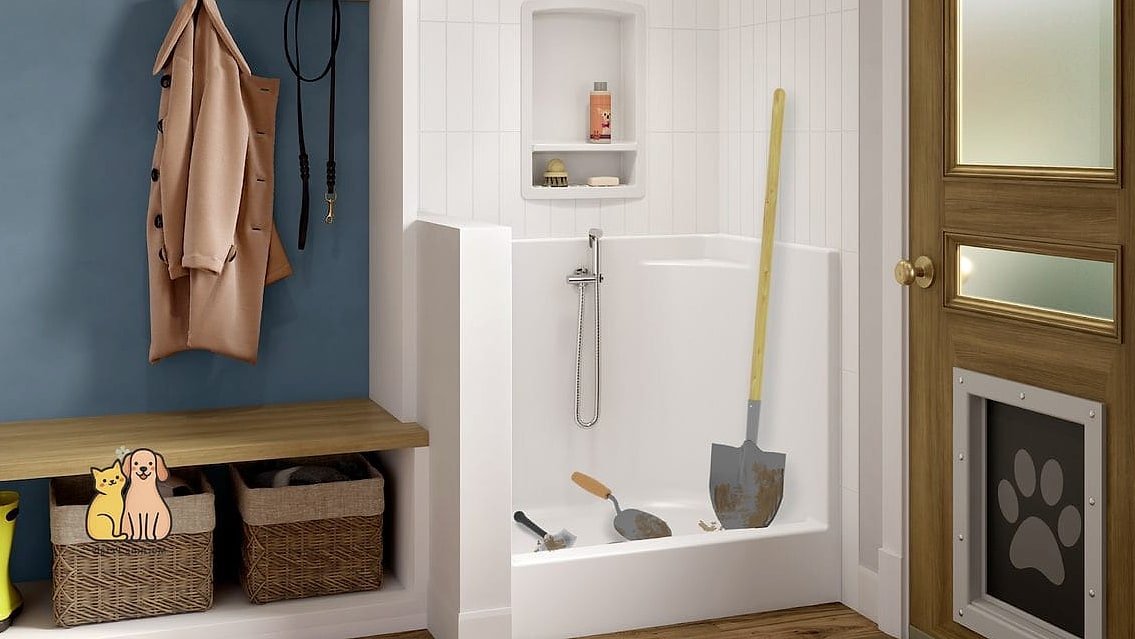
Raised shower benches give your dog a comfortable place to stand while getting rinsed off, which is a lifesaver for anyone with a senior dog or a breed with joint sensitivity. Bulldogs, corgis, and older dogs in general tend to appreciate not having to balance on a slippery tub floor.
The bench itself can be built from treated wood or purchased as a pre-made insert. Add a slow feeder bowl nearby filled with treats and your dog might actually start looking forward to bath time, which is not something every dog owner can say.
Open Cubbies for Leashes and Harnesses
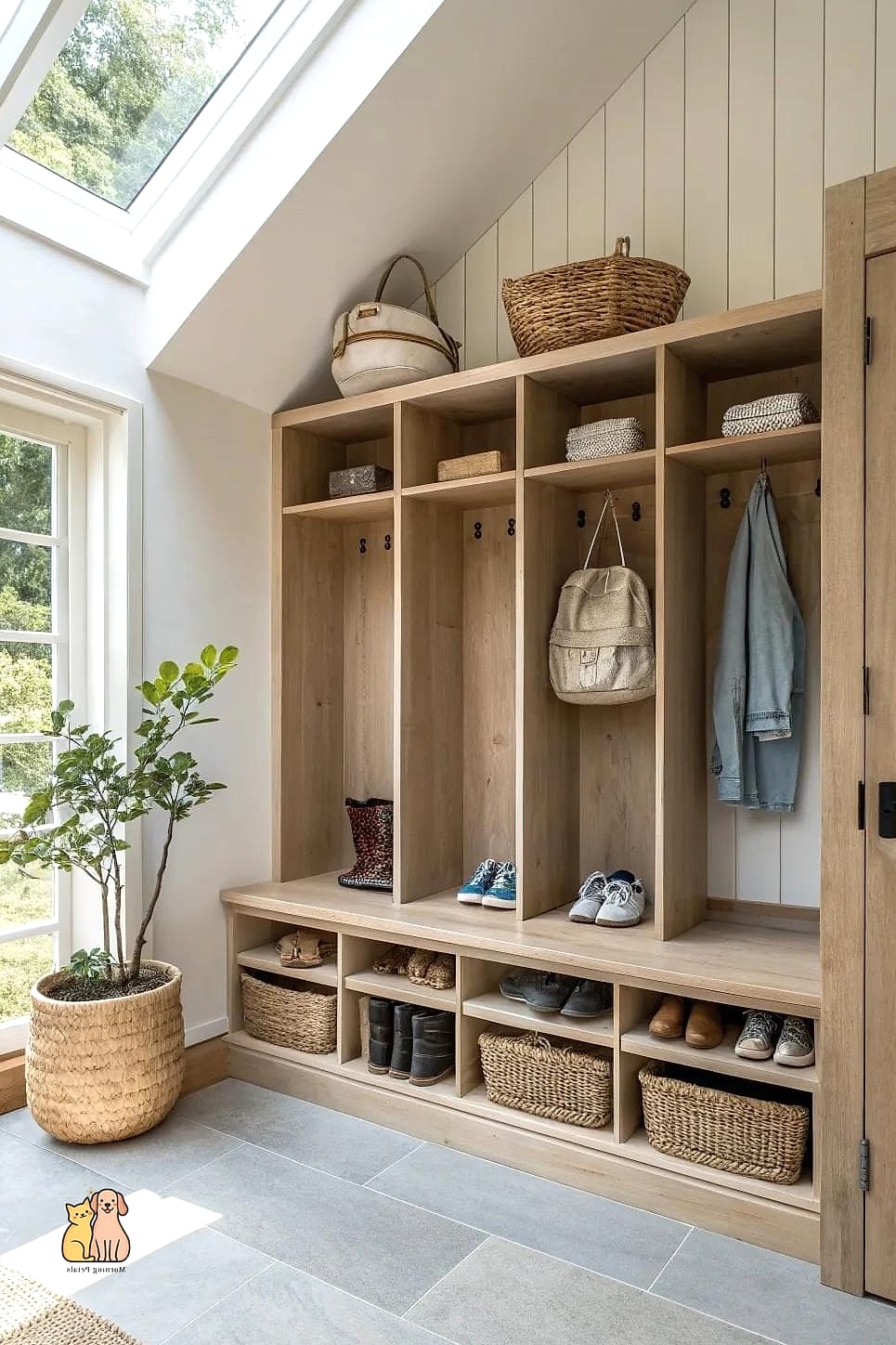
Open wall cubbies keep leashes, harnesses, and collars visible and easy to grab on the way out the door. This works well for households with multiple dogs since each pet can have their own labeled cubby without gear getting tangled together.
It’s an affordable idea too — a few wooden crates mounted to the wall or a store-bought shelving unit will do the job. Dogs don’t care much about aesthetics, but they do seem to get excited the moment they see their leash come off the hook, so keeping it visible has its own kind of enrichment value.
A Built-In Dog Bed Nook
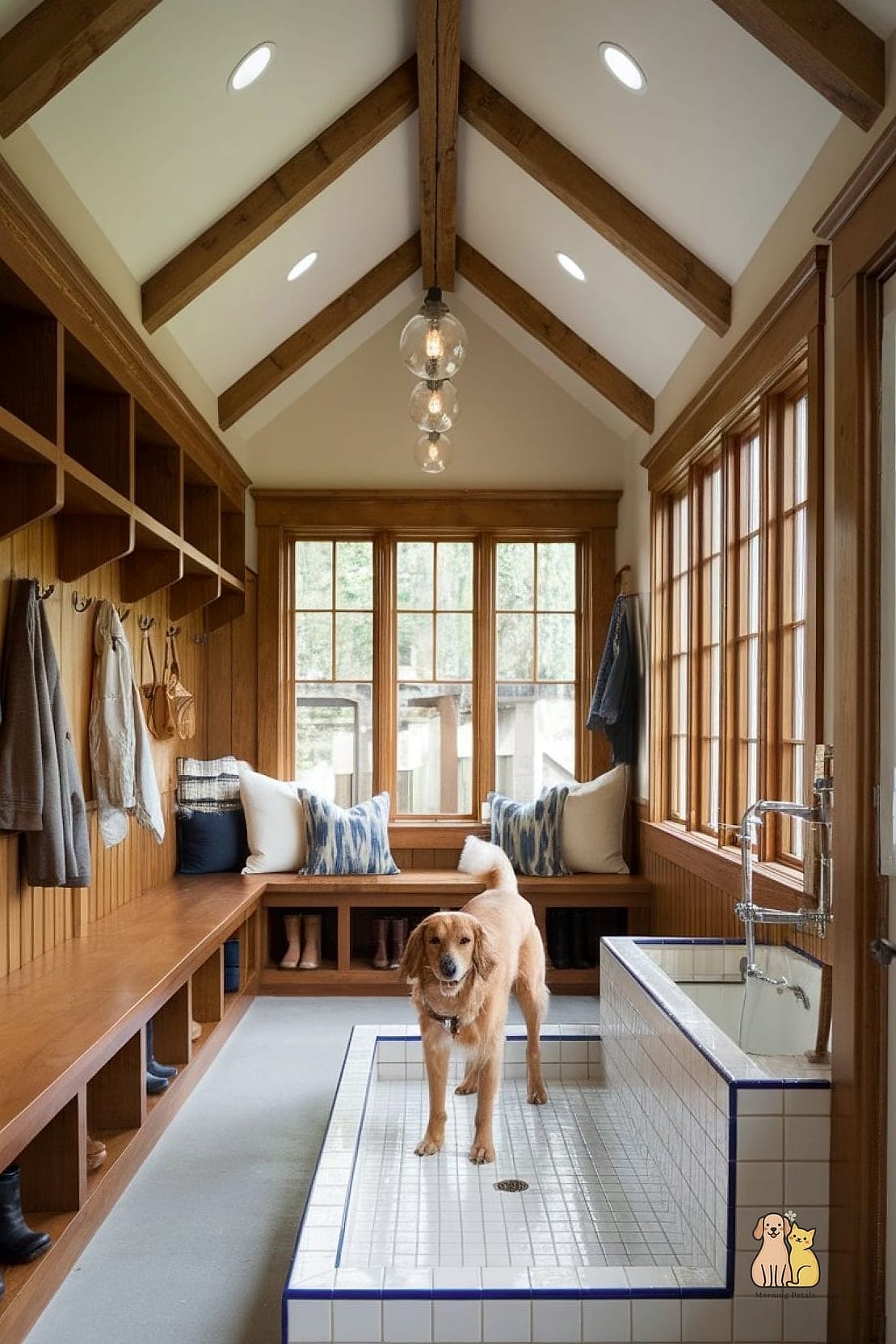
Tucking a dog bed into a built-in nook gives your pup their own little retreat right where the family comes and goes. This idea suits calmer breeds like Basset Hounds or Cavalier King Charles Spaniels who enjoy being near the action without needing to be in the middle of it.
You can build the nook with simple plywood framing or repurpose an old cabinet with the doors removed. Add a washable cushion and you’ve got a cozy spot that also keeps the dog bed out of the main walking path.
Hanging Storage for Muddy Towels
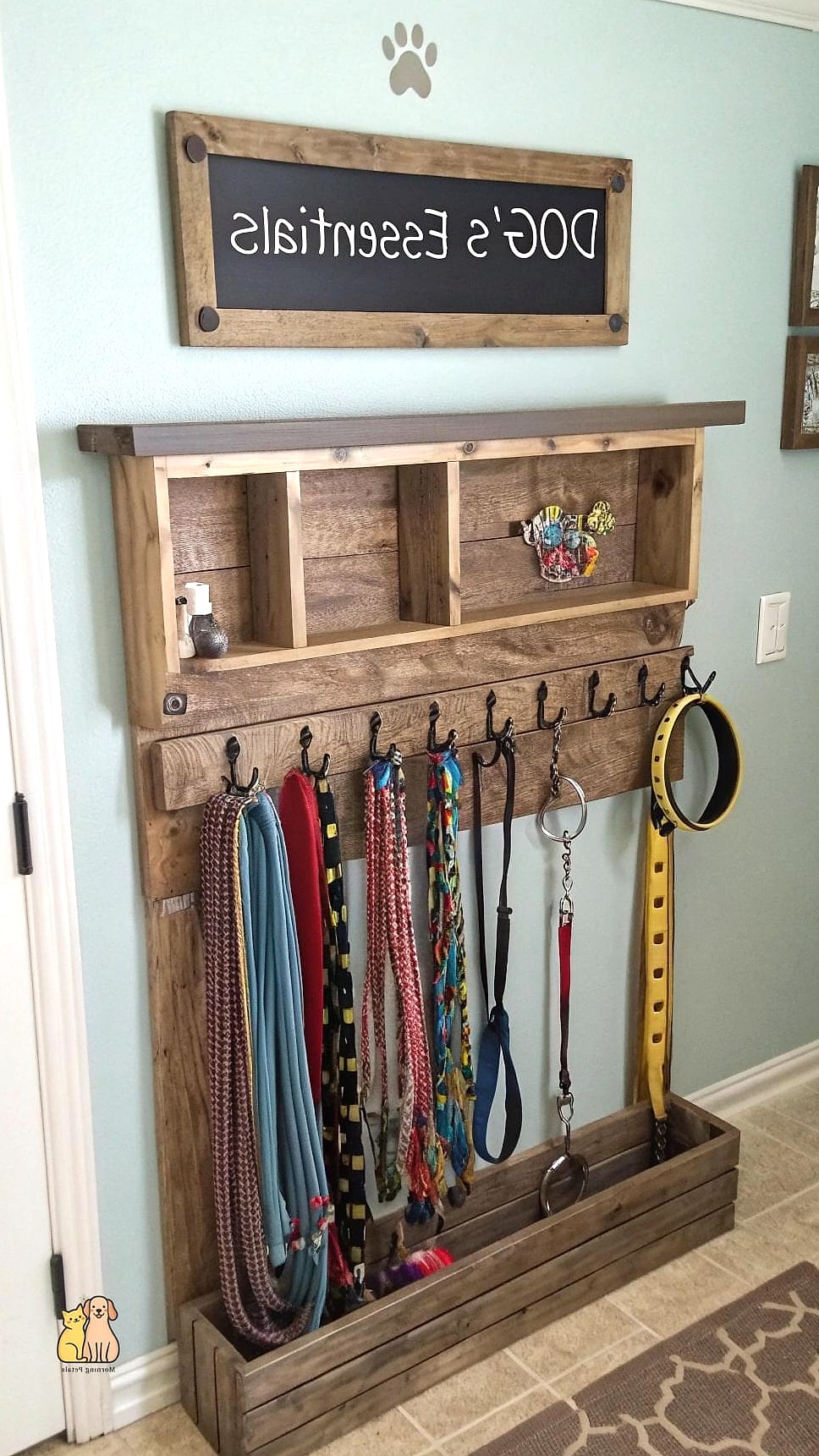
A row of hooks or a small drying rack dedicated to towels means you’re never digging through the linen closet with muddy hands. This is especially handy for owners of double-coated breeds like Huskies or Golden Retrievers, who seem to collect twice as much mud as smaller dogs.
Cheap wall hooks work fine, or you can install a fold-down drying rack for a slightly more polished look. Either way, having towels within arm’s reach of the door cuts down on tracked-in mess significantly.
A Slide-Out Food and Water Station
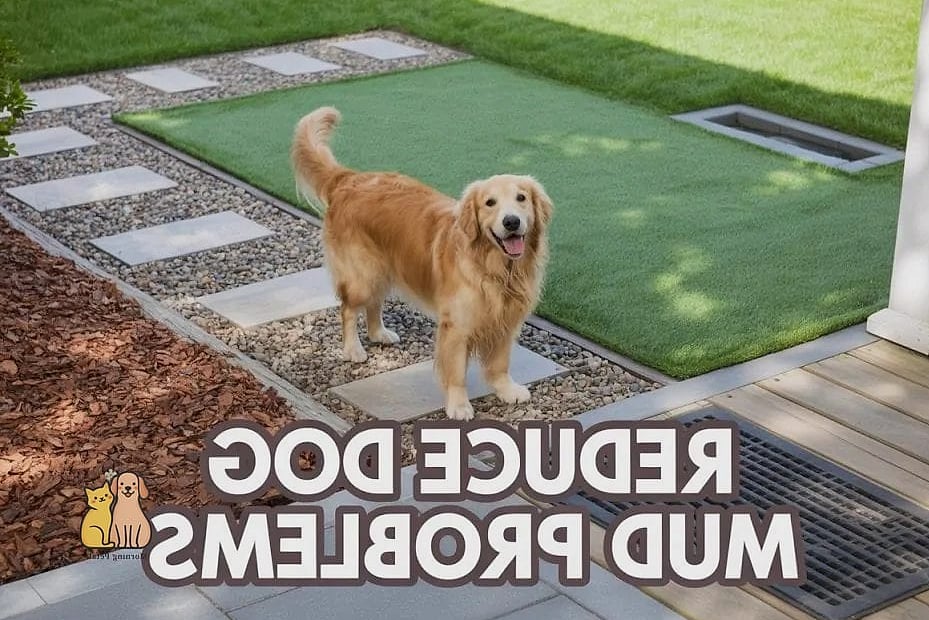
Slide-out drawers built into mud room cabinetry can hold food and water bowls, keeping them tucked away when not in use. This is great for smaller apartments where floor space is limited, and it works for pets of any size since the drawer height can be customized.
Some owners pair this with an automatic feeder or a water fountain for added convenience. It’s a nice way to keep feeding time contained to one spot instead of scattered around the kitchen.
Chalkboard or Whiteboard Walk Log
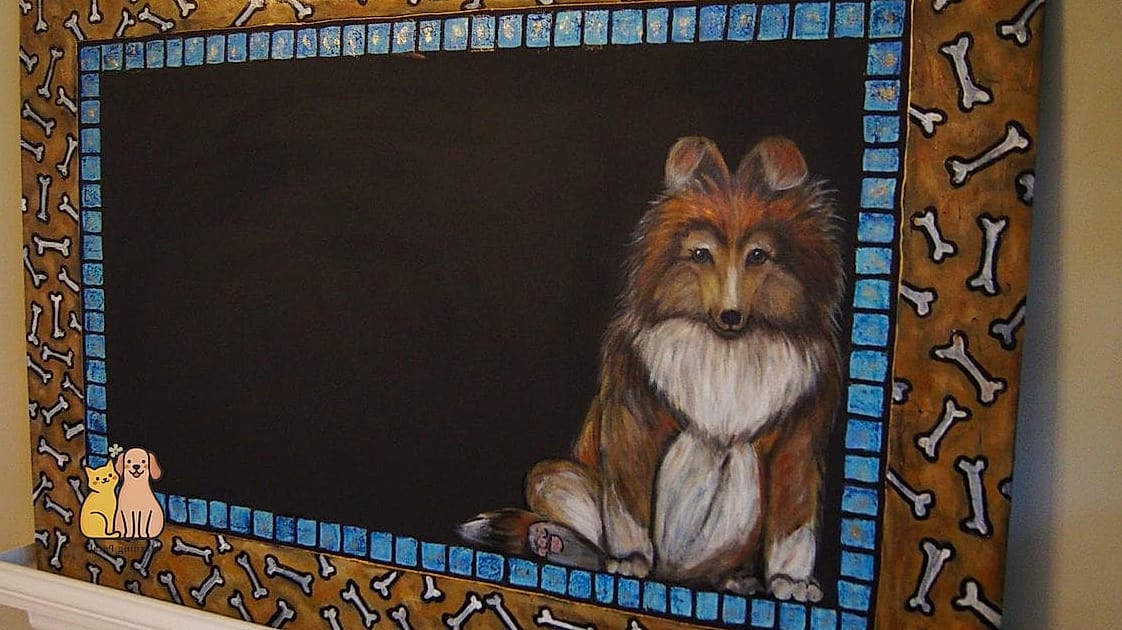
A small chalkboard mounted near the door lets family members jot down when the dog was last walked or fed. It sounds simple, but for busy households with multiple pet caretakers, this little detail prevents a lot of “wait, did you already feed him?” conversations.
It costs next to nothing and takes an afternoon to install. Some owners get creative and add a hand-drawn calendar or a spot to track vet appointments too.
Built-In Bench With Storage Underneath
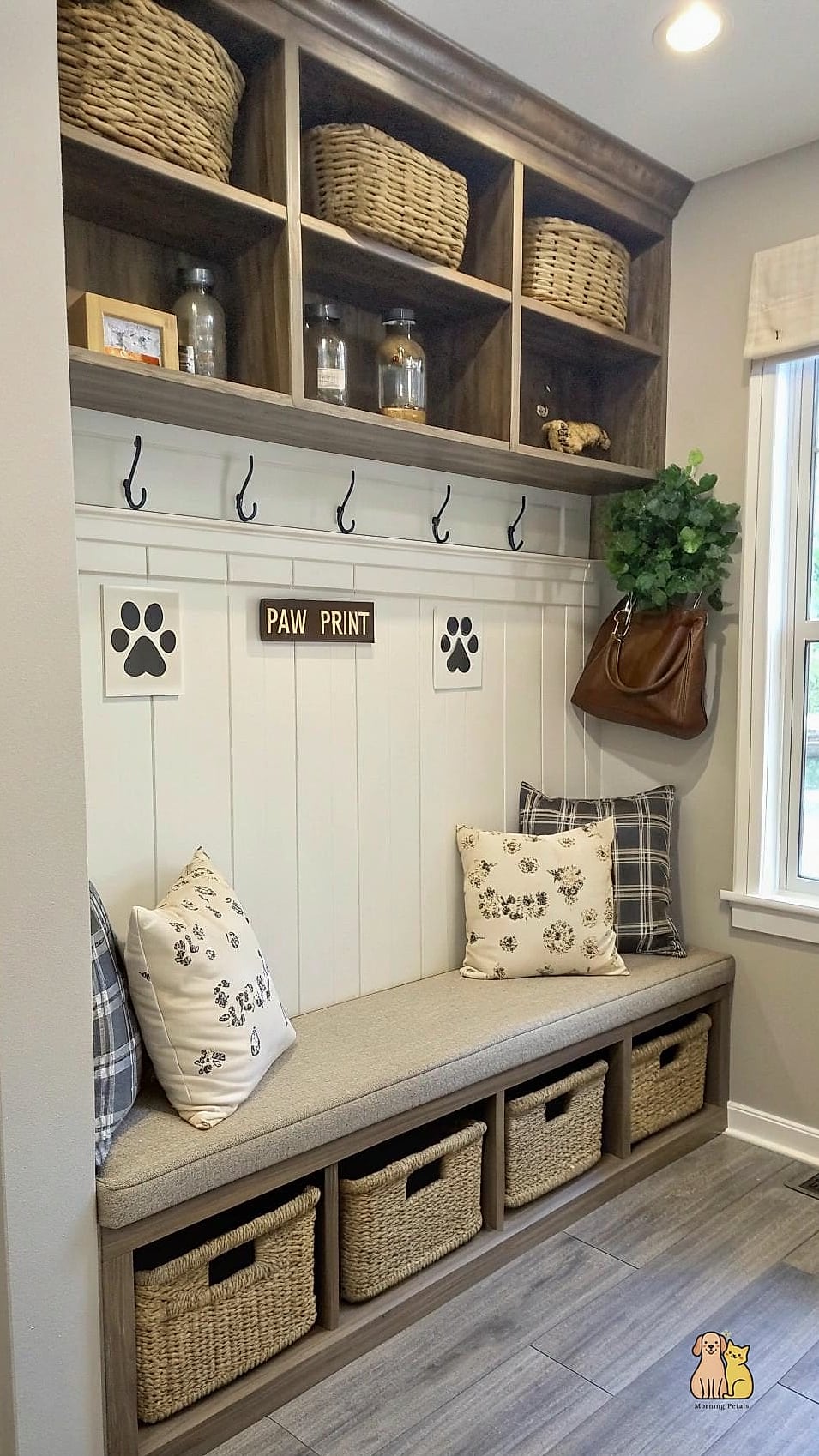
A bench with lift-up storage underneath gives you a place to sit while putting on shoes and a hidden spot for leashes, poop bags, and spare towels. This dual-purpose furniture piece works in almost any size mud room, big or small.
Larger breeds especially benefit from having a stable surface nearby since owners often need to sit down to towel off big paws. It’s a moderately priced project if you’re building from scratch, though pre-made storage benches are widely available too.
A Dog Ramp Entry Point
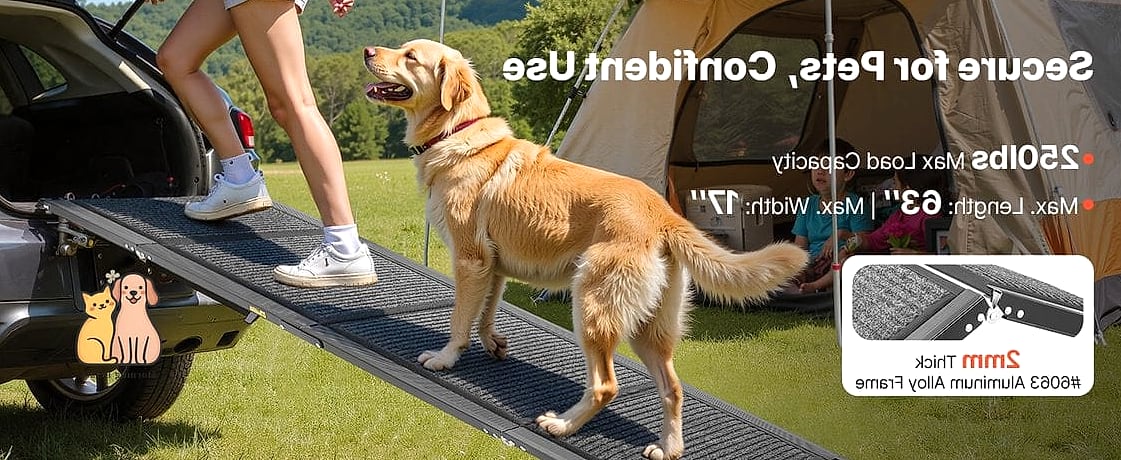
For senior dogs or breeds prone to joint issues, like Dachshunds or larger dogs recovering from surgery, a small ramp leading into the mud room can make a real difference. Stairs might seem minor to us, but repeated jumping can add wear on joints over time.
Ramps can be built with basic carpentry skills or purchased pre-made in various sizes. Adding non-slip traction strips is worth the extra step for safety.
Open Shelving for Pet Supplies
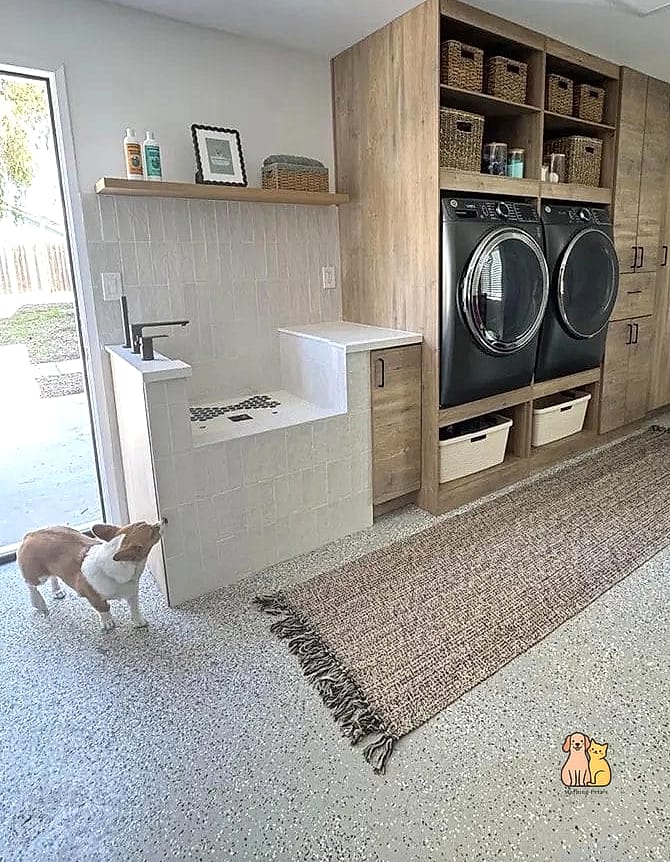
Open shelves stocked with grooming tools, spare leashes, and puzzle feeders keep everything organized and visible. This setup tends to work best for owners who like grabbing supplies quickly without opening cabinet doors.
It’s budget-friendly since most people already own basic shelving units. Labeling bins by category — grooming, walking gear, toys — helps keep things from turning into a cluttered mess after a few weeks.
A Mini Grooming Station
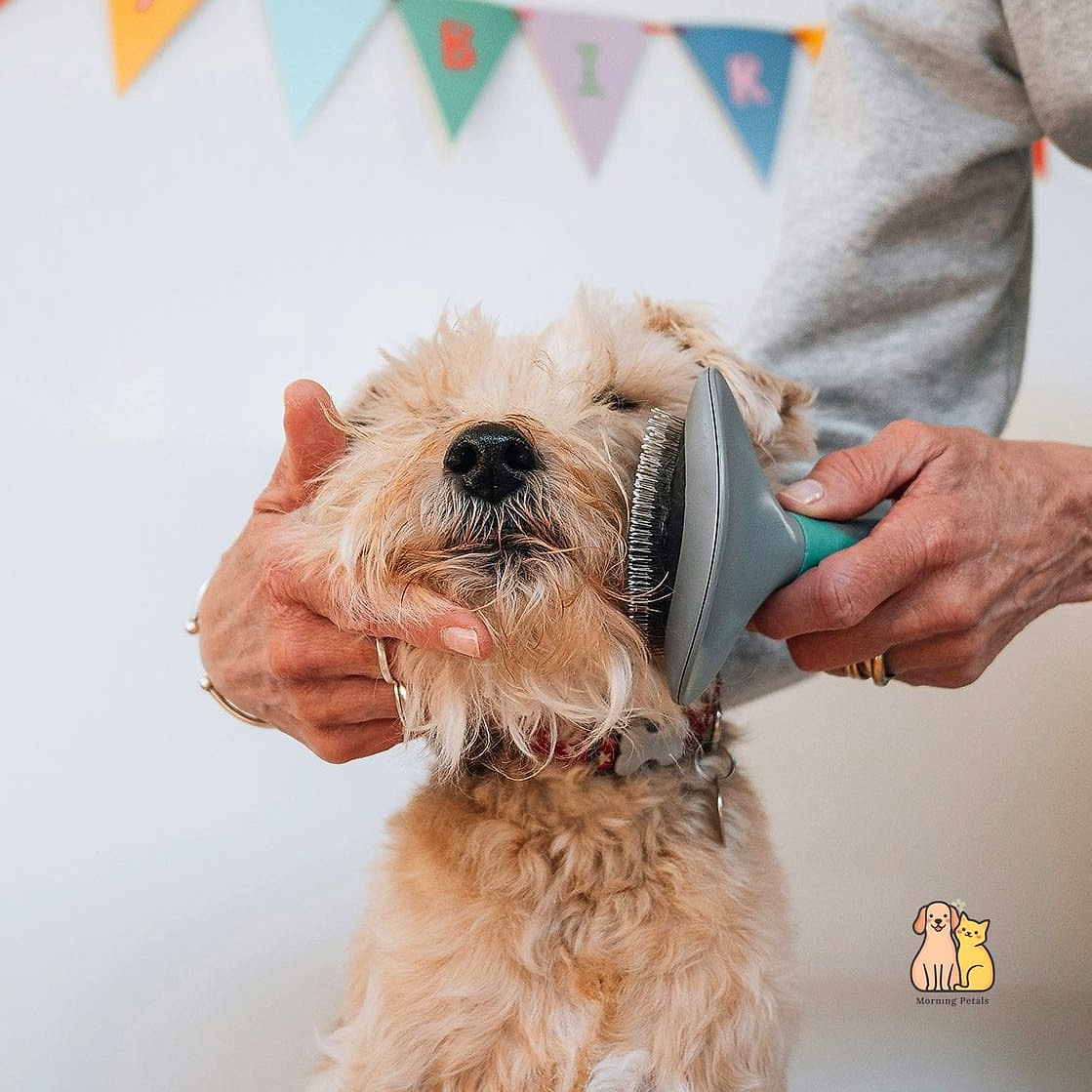
Setting aside a small corner for brushes, nail clippers, and a slicker brush turns grooming into less of a hunt for supplies. Long-haired breeds like Shih Tzus or Pomeranians benefit most from having grooming tools within easy reach after a wet walk.
A wall-mounted caddy or a small rolling cart works well here. Some owners even add a hanging mirror, which sounds unnecessary until you’re trying to trim nails and want a better angle.
Rubber Flooring for Easy Cleanup
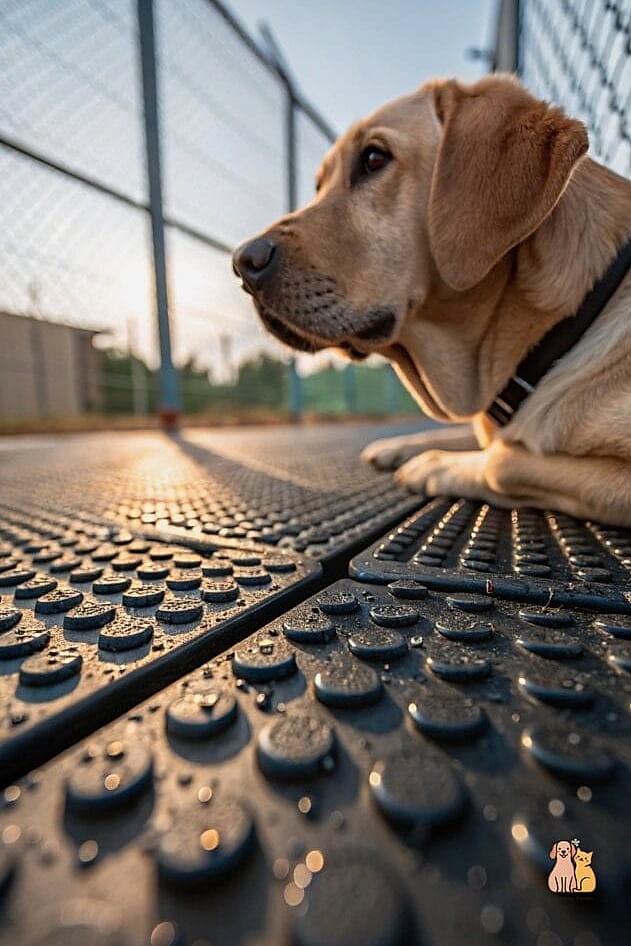
Swapping standard flooring for rubber or vinyl tile in the mud room area makes cleanup dramatically easier, especially for high-shedding or mud-prone breeds. It holds up well against scratches from nails too, which regular hardwood struggles with over time.
This is a mid-range upgrade depending on the size of the space. It’s particularly popular with owners of active breeds like Border Collies or Labradors who are in and out of the yard constantly.
A Built-In Poop Bag and Waste Station

Keeping waste bags, wipes, and a small trash bin near the door means you’re never scrambling before a walk. This is a small but genuinely appreciated detail, especially for apartment dwellers who walk their dogs multiple times a day.
A wall-mounted dispenser and a lidded bin are all you really need. It’s one of the cheapest ideas on this list but makes a noticeable difference in daily routine.
A Cozy Window Seat for Dogs Who Like to Watch
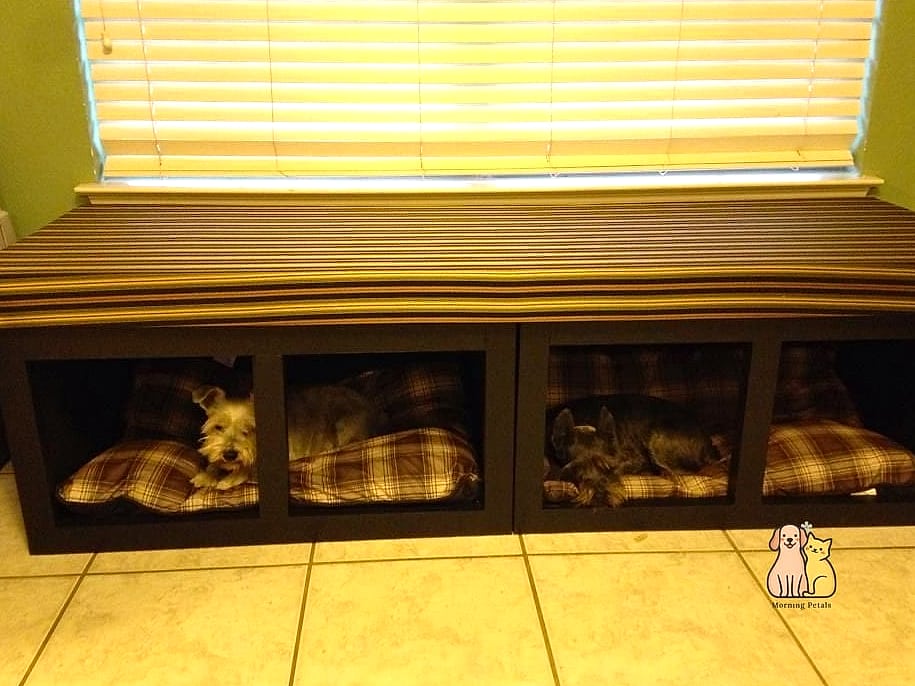
If your dog enjoys keeping an eye on the yard or the street, a built-in window seat in the mud room gives them a front-row view. Alert breeds like Beagles or terriers tend to love this kind of setup since they’re naturally curious about outside activity.
This works well combined with a cushioned bench idea already in the space. Just be prepared for some barking if a squirrel dares to walk by.
Chalkboard-Style Chore Chart for Kids and Pets
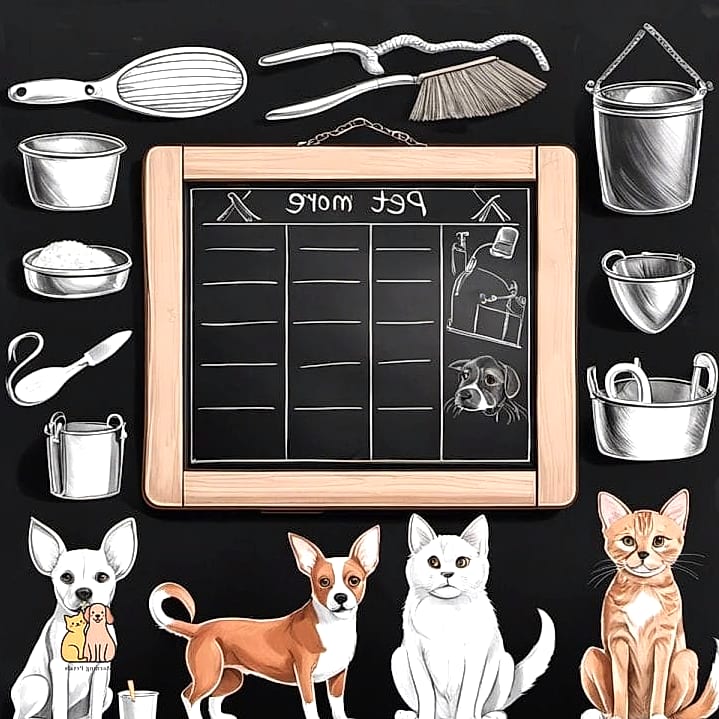
Similar to the walk log idea but expanded into a full chore chart, this setup helps families divide pet care responsibilities like feeding, walking, and grooming. It’s especially useful in households where kids are learning to help care for the family dog.
A simple corkboard or whiteboard works fine here. It’s more about organization than design, but it keeps everyone accountable.
A Heated Floor Zone for Cold Climates
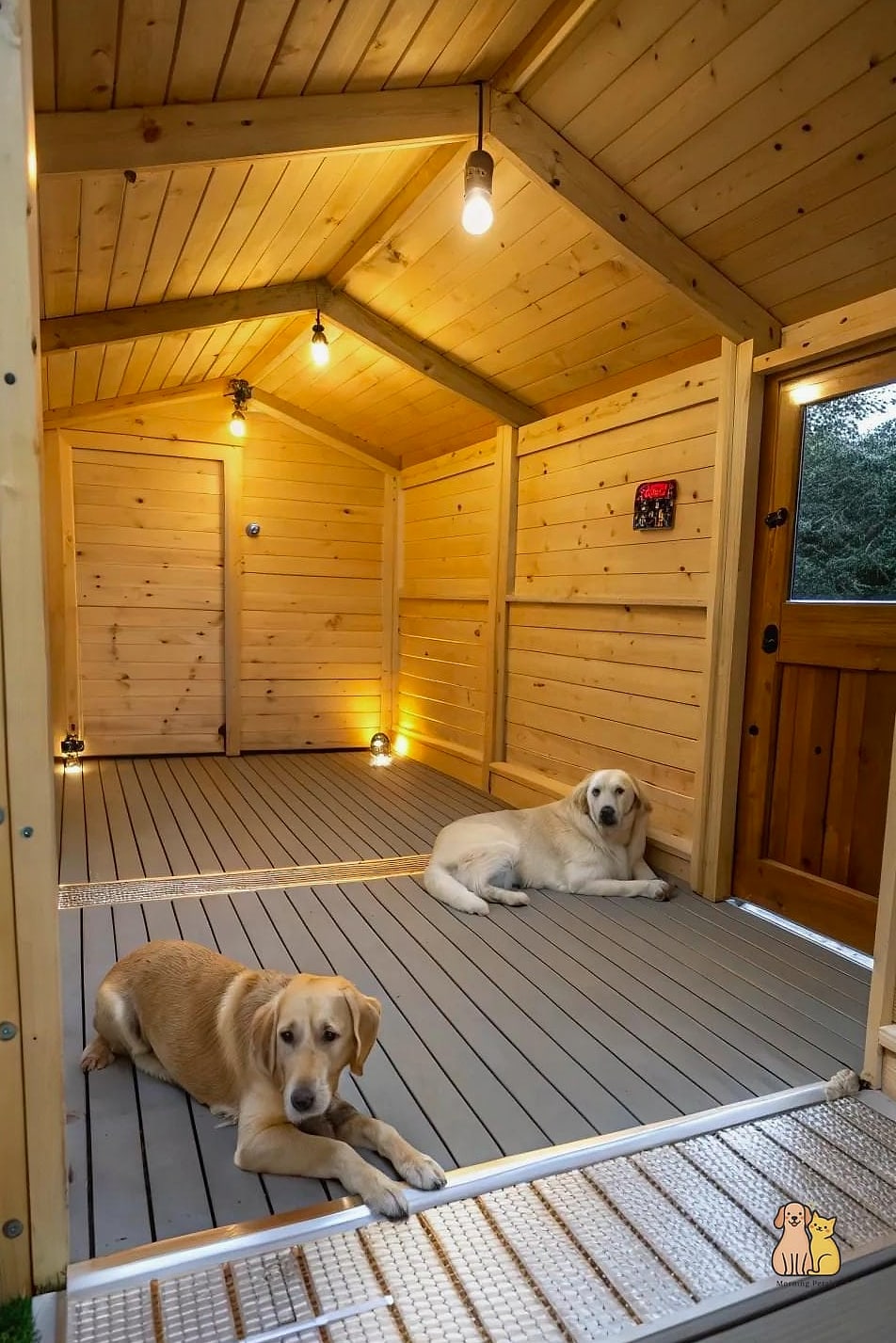
For owners in colder regions, adding a small heated flooring zone in the mud room keeps paws warmer after winter walks. Short-haired breeds like Greyhounds or Chihuahuas, who feel the cold more than fluffier breeds, benefit the most from this feature.
This is a higher-budget option since it usually requires professional installation. It’s a nice touch for anyone renovating anyway and wanting to future-proof the space.
A Corner Nook With a Cat Shelf Above
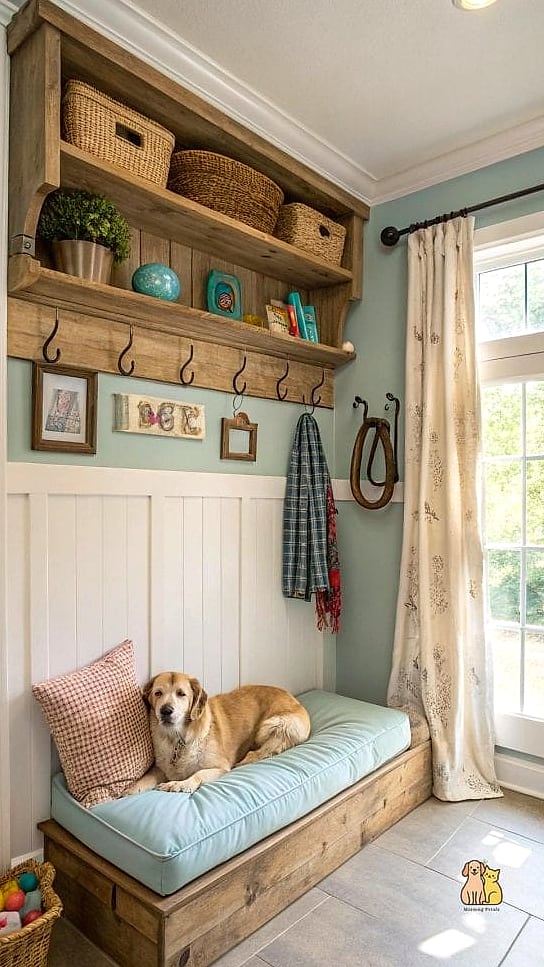
If you’ve got a multi-pet household, adding a wall-mounted cat shelf above the dog’s designated area lets both pets coexist without stepping on each other, literally. Cats appreciate the vertical space, while dogs get their ground-level zone.
This setup works especially well in smaller homes where floor space is tight. It’s a clever way to maximize a single room for two very different personalities.
A Drop Zone With Labeled Bins

Clear bins labeled for toys, towels, leashes, and grooming supplies keep the mud room from turning into a catch-all junk pile. This idea works particularly well for households with multiple dogs, since each pet’s gear can be sorted separately.
Stackable bins are inexpensive and easy to find. It’s one of those small organizational choices that saves a surprising amount of daily frustration.
A Built-In Dog Crate Nook
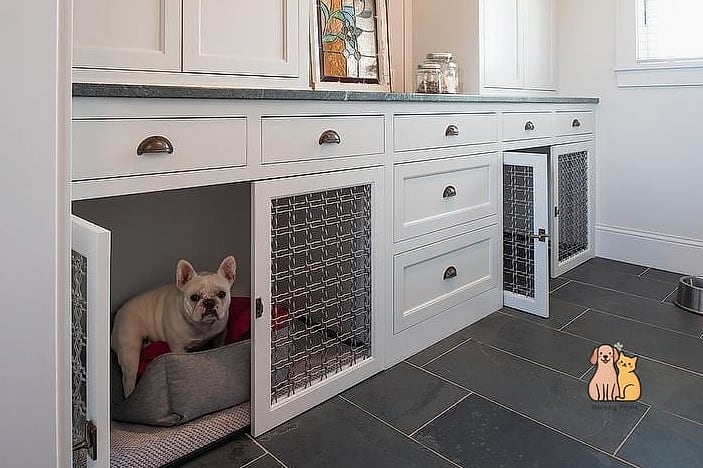
Building a crate directly into mud room cabinetry gives your dog a den-like space that doubles as furniture. This is a favorite among crate-training households and works well for breeds that like enclosed, cozy spaces, such as French Bulldogs.
The crate nook can be topped with a cushion to double as a bench. It’s a bigger carpentry project, but it blends training needs with everyday functionality nicely.
A Statement Wall With Personality
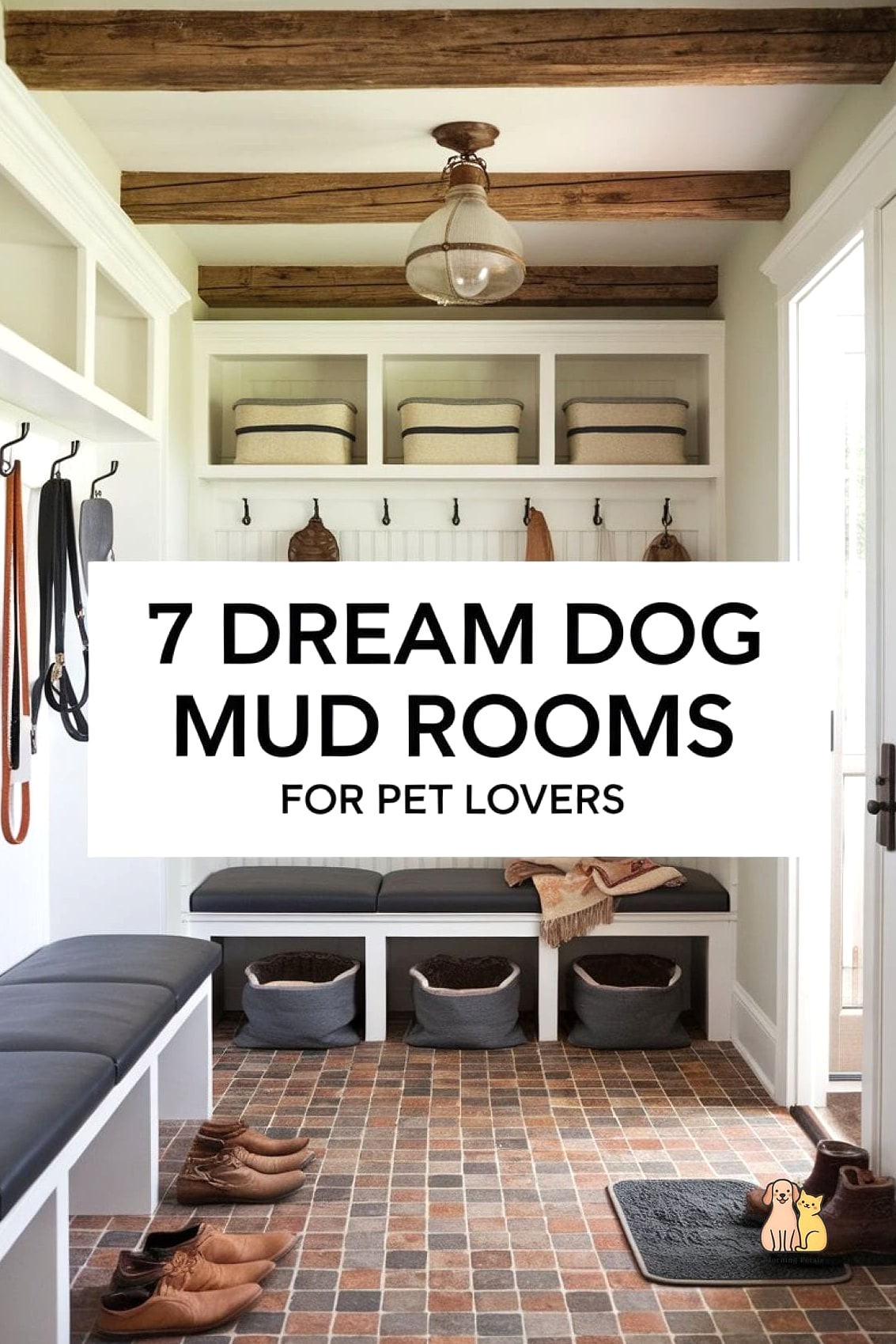
Sometimes a mud room just needs a little personality — a fun wallpaper pattern, painted paw prints, or a gallery wall of your dog’s photos. This idea doesn’t affect function much, but it makes the space feel like it truly belongs to your pet.
It’s an affordable, low-effort way to add charm to an otherwise purely practical room. Plenty of pet owners say this small detail is what finally made the space feel finished.
However you decide to set things up, the goal of any dog mud room is really the same: less mess, more organization, and a smoother routine for both you and your dog. Some of these ideas take a weekend and a trip to the hardware store, while others are bigger renovation projects worth saving up for.
The good news is you don’t have to pick just one. Mixing a few ideas from this list — say, a bench with storage, a paw wash station, and some labeled bins — can turn even a small entryway into a space that works hard for your household. Your dog probably won’t notice the design choices, but your floors definitely will.