23 Dog-Friendly Backyard Ideas That Both You and Your Pup Will Love
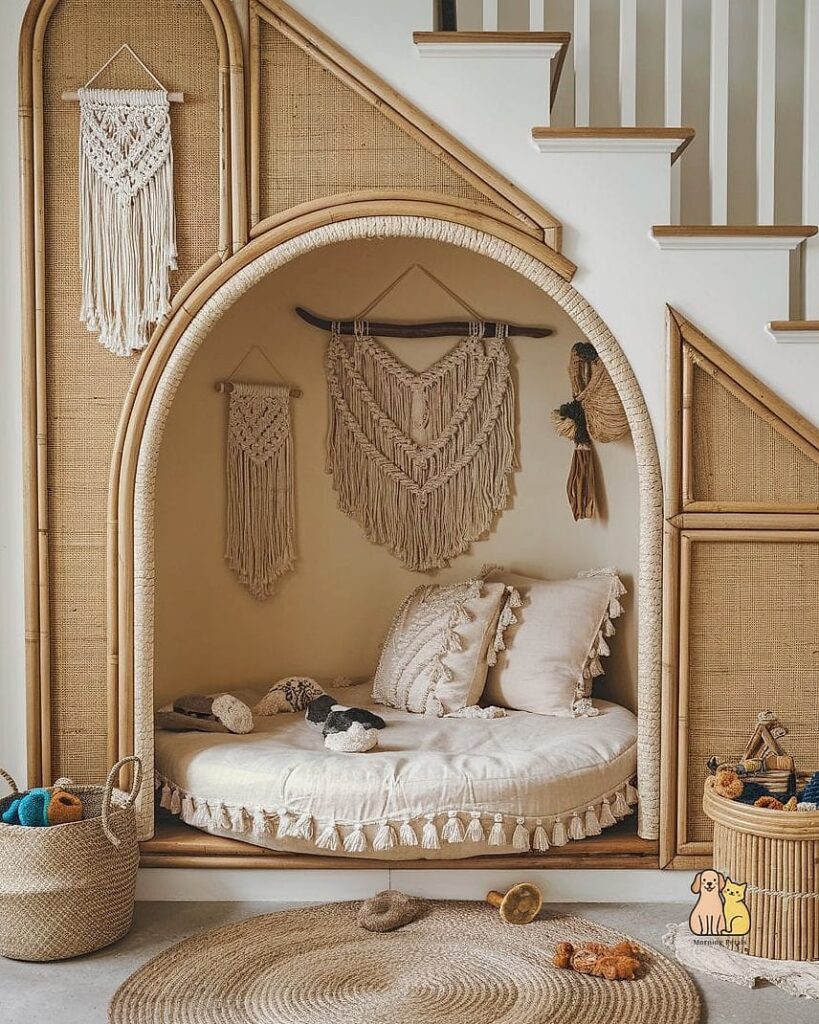
- A Dedicated Digging Pit
- A Shaded Pergola Nap Spot
- A Splash Pad or Kiddie Pool Zone
- A Sensory Garden With Dog-Safe Plants
- A Winding Sniff Trail
- An Agility Mini-Course
- A Raised Dog Bed Under a Shade Tree
- A Fenced Dog Run Along the Property Line
- A Cooling Misting Station
- A DIY Puzzle Feeder Garden
- A Cozy Outdoor Dog House
- A Vertical Cat-Style Climbing Structure (Yes, for Dogs Too)
- A Bark-Friendly Privacy Fence With Viewing Windows
- A Rotating Toy Storage Bench
- A Dog-Safe Turf Zone
- A Bug-Free Screened Porch Extension
- A Fire Pit Seating Area (With Dog-Safe Boundaries)
- A Vertical Herb and Vegetable Garden With Protective Barriers
- A Dedicated Potty Patch
- A Covered Outdoor Feeding Station
- A Multi-Dog Zoning Layout
- A Pet Camera Corner
- A Seasonal Decor Rotation Area
23 Dog-Friendly Backyard Ideas That Both You and Your Pup Will Love
If your dog spends half the day staring longingly out the back door, it might be time to give that yard a little glow-up. A dog-friendly backyard isn’t just about keeping your pup contained — it’s about giving them a space where they can dig, sniff, run, and flop in the shade without you worrying about torn-up flower beds or a Houdini-style escape. Whether you’ve got a tiny courtyard or a sprawling lawn, there’s a setup here that’ll work. Let’s get into it.
A Dedicated Digging Pit
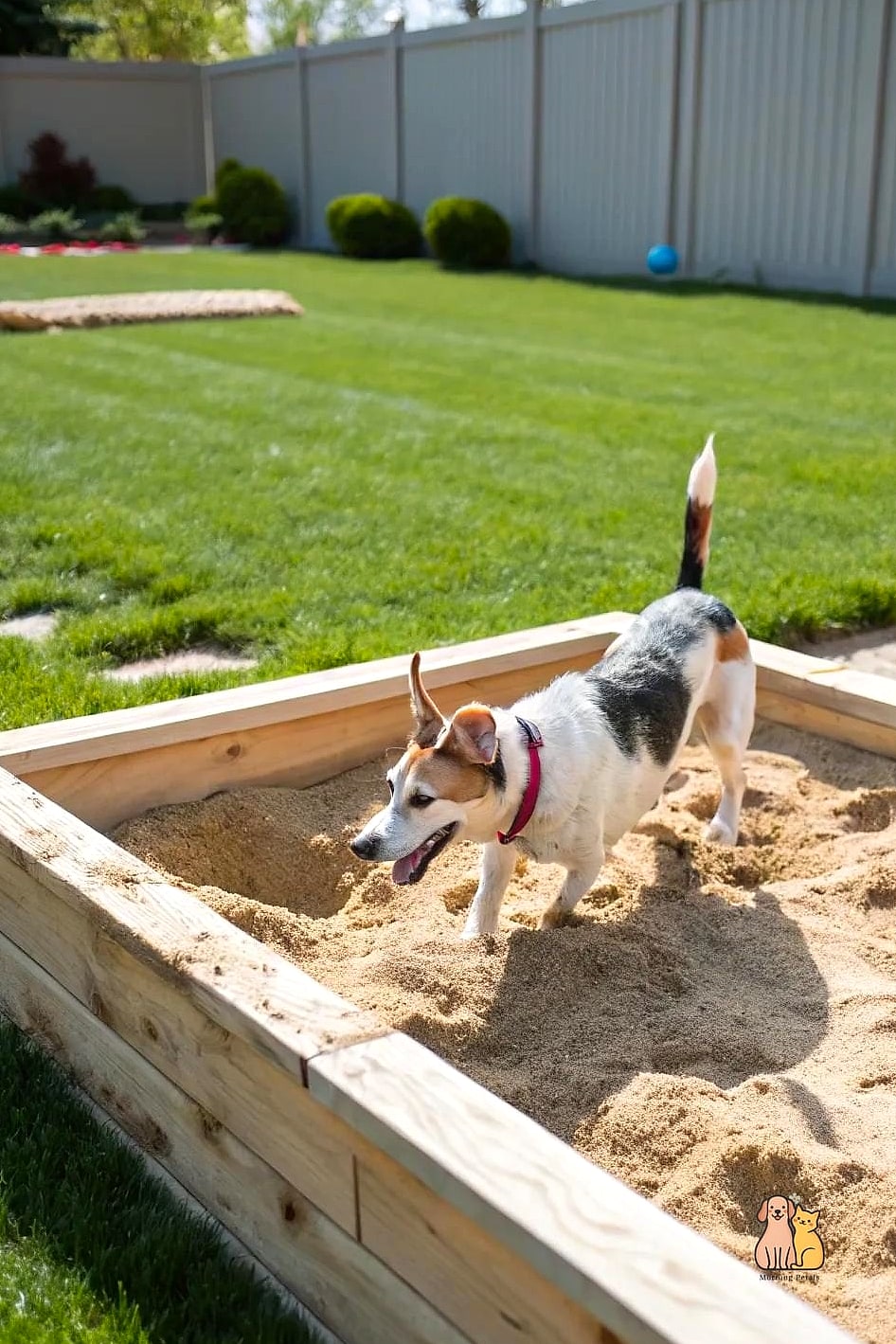
Every dog has a little excavator in them, so why not give them a legal place to use it? Section off a corner with landscape timbers, fill it with sand or loose soil, and bury a few toys to encourage digging there instead of your garden beds. Terriers and beagles especially love this one since digging is basically part of their DNA. It’s a weekend project at most, and you can dress it up with a cute wooden border if you want it to look intentional rather than like a construction site.
A Shaded Pergola Nap Spot
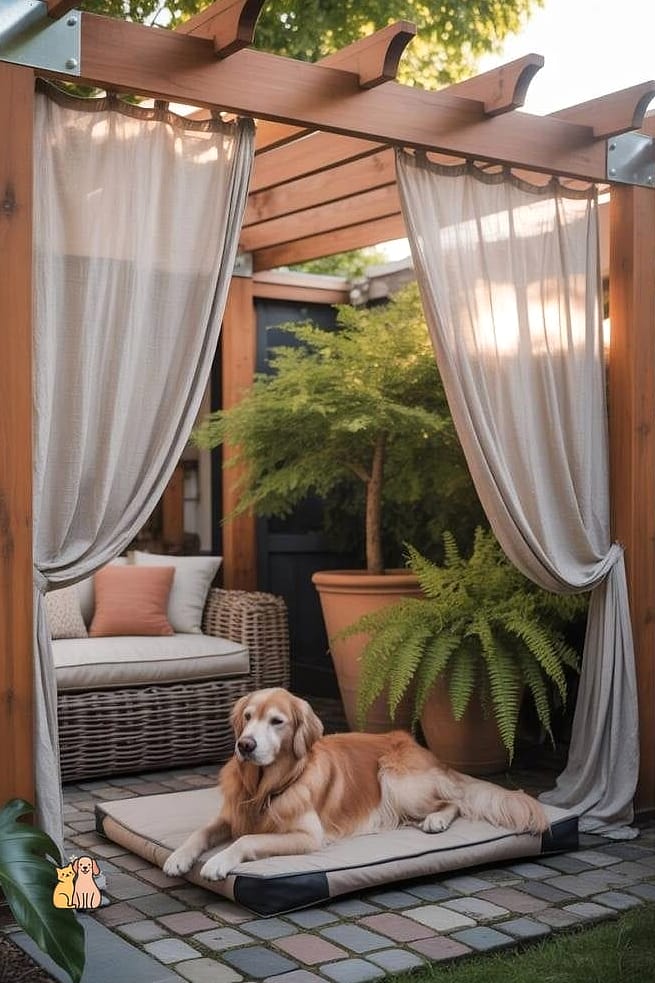
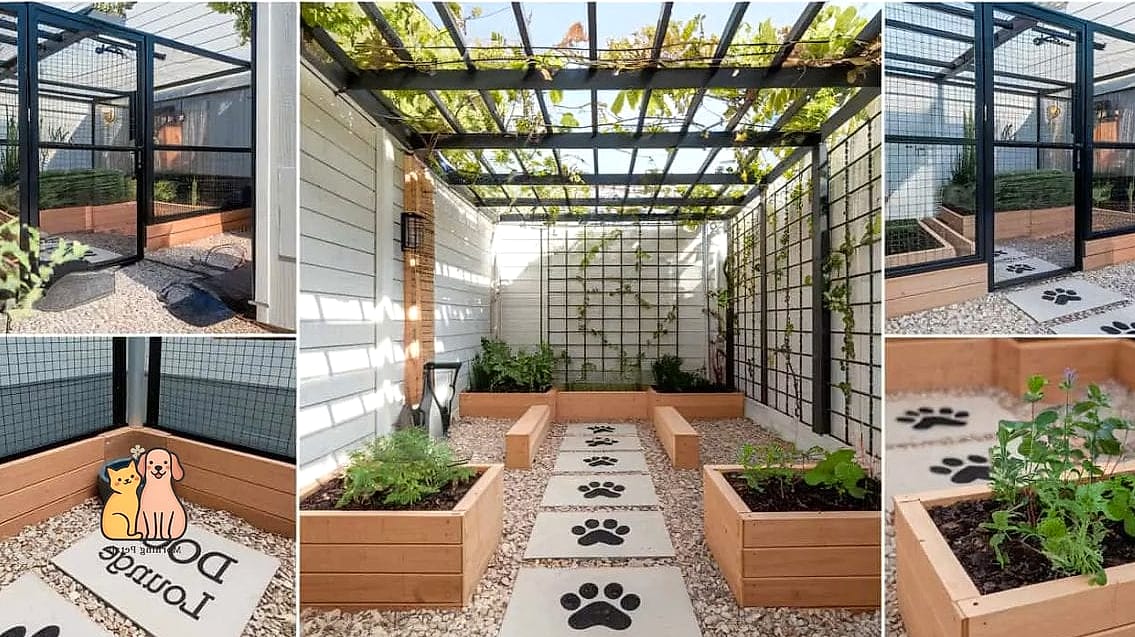
Dogs overheat faster than we do, so shade isn’t optional — it’s essential. A simple pergola with climbing vines or a canvas cover creates a cool retreat where your pup can nap on hot afternoons. Toss a weatherproof dog bed underneath and you’ve basically built a five-star suite. This works beautifully for short-nosed breeds like bulldogs and pugs, who struggle more with heat regulation than most.
A Splash Pad or Kiddie Pool Zone
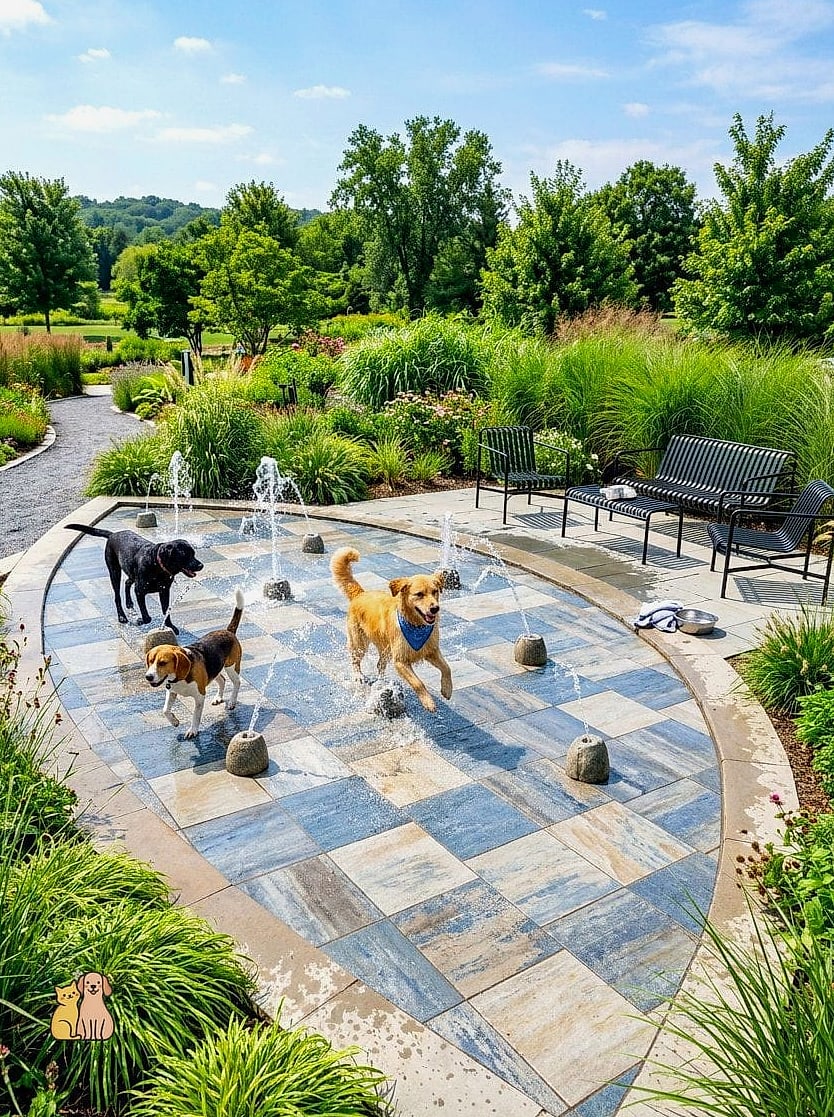
Water-loving breeds like Labradors and golden retrievers will practically thank you for this one. A hard plastic kiddie pool or an actual splash pad installation gives your dog a way to cool off without you needing a hose fight every ten minutes. Keep it in a shaded spot so the water doesn’t get uncomfortably warm, and dump it out regularly to avoid mosquito issues.
A Sensory Garden With Dog-Safe Plants
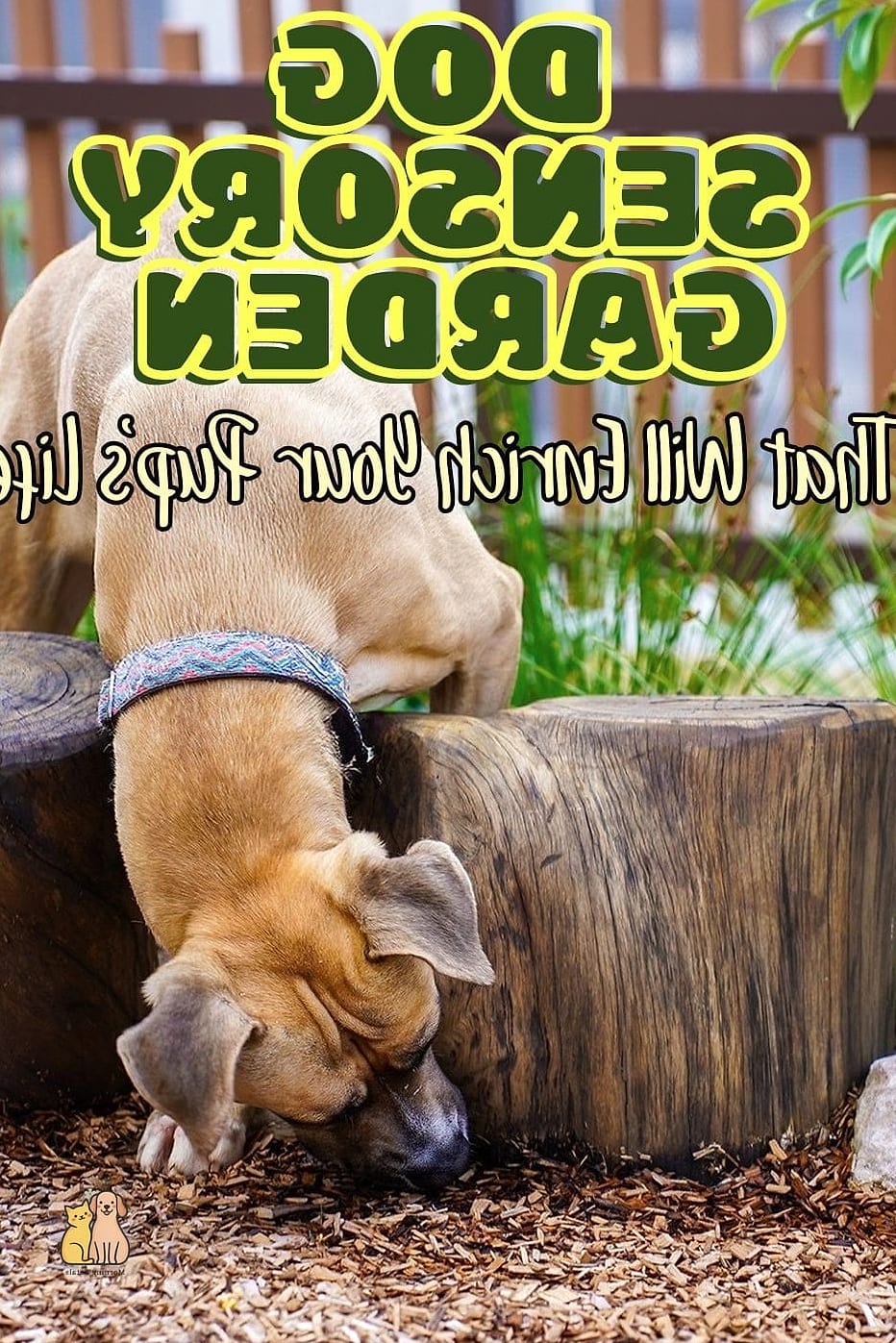
Dogs experience the world through their nose, so a garden filled with pet-safe herbs like rosemary, basil, and thyme gives them something to sniff without any toxicity risk. Skip anything from the toxic list — azaleas, lilies, and sago palms are the big ones to avoid. This idea is especially nice for older dogs who aren’t as mobile but still enjoy a good wander.
A Winding Sniff Trail
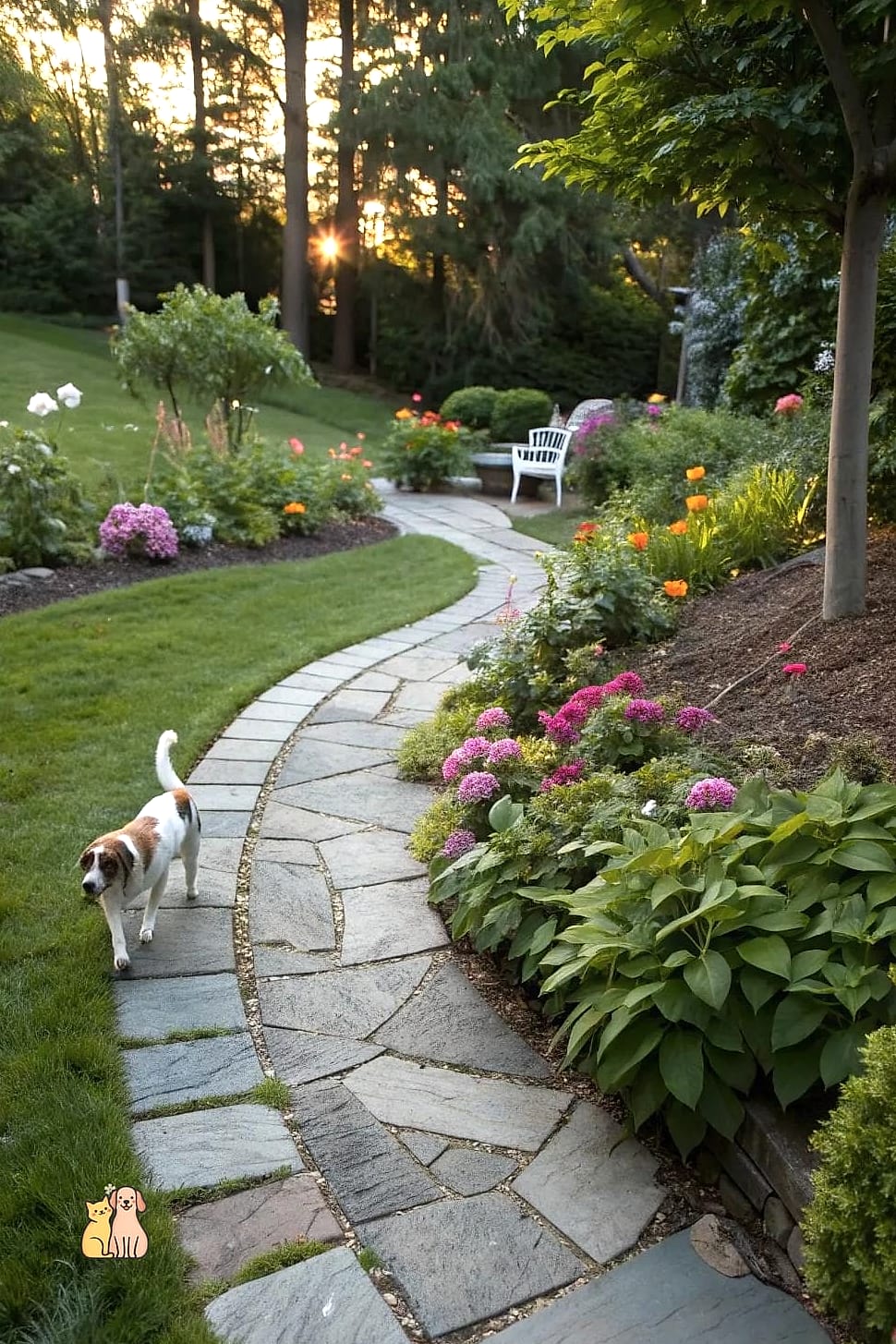
Instead of one big open lawn, carve a curvy path through your yard using mulch or stepping stones. Dogs get mental stimulation from exploring varied terrain, and a winding trail mimics the kind of environment they’d naturally want to investigate. It’s an easy DIY project and works great for high-energy breeds who need enrichment beyond just running in circles.
An Agility Mini-Course
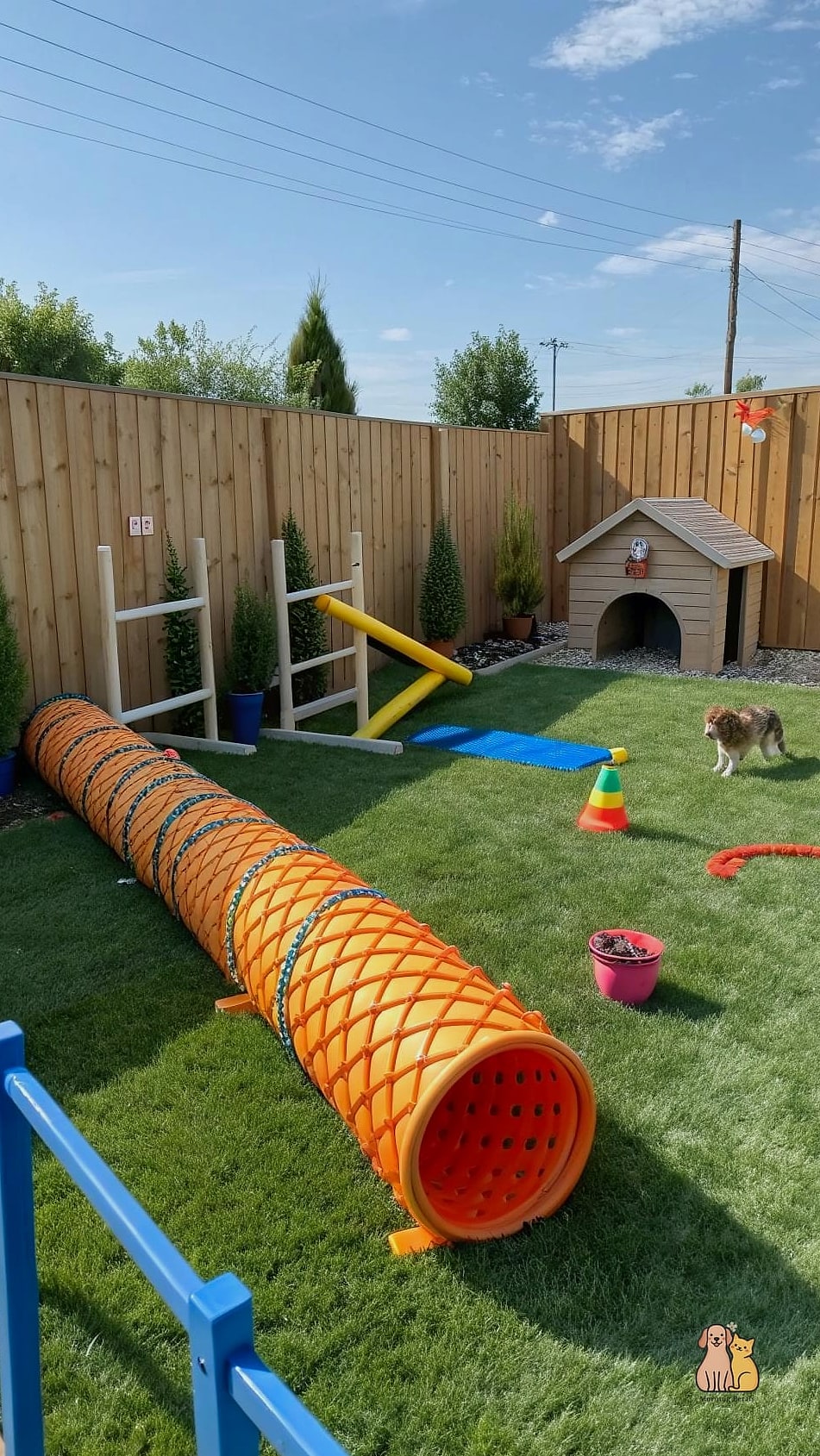
You don’t need a professional setup to give your dog an agility experience. A few PVC pipe jumps, a tunnel, and a low balance beam can turn your backyard into a mini training ground. Border collies, Australian shepherds, and other high-drive breeds absolutely thrive with this kind of structured play. Store-bought kits exist, but honestly, a lot of this can be built from hardware store scraps for under fifty dollars.
A Raised Dog Bed Under a Shade Tree
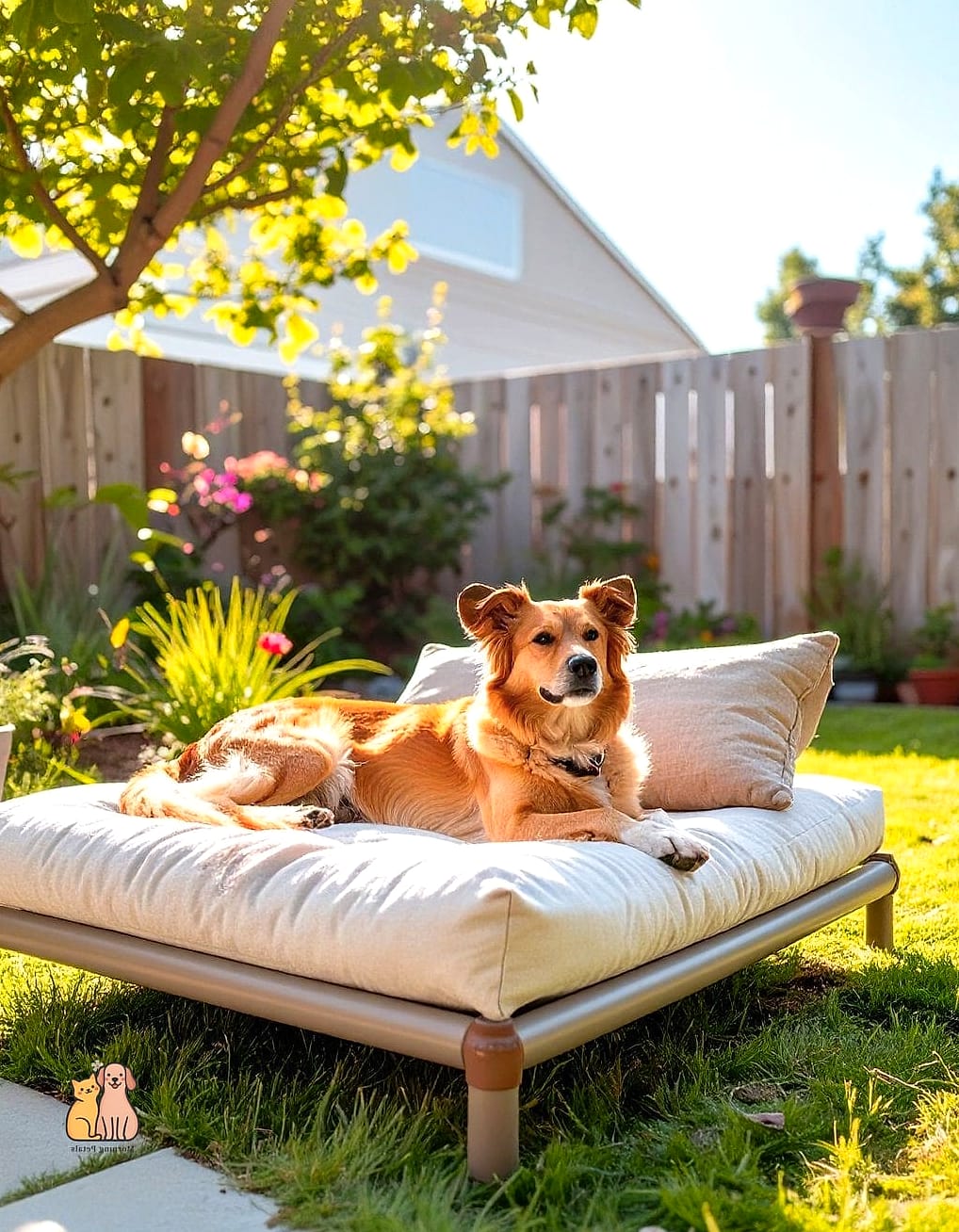
If you already have a mature tree offering natural shade, capitalize on it. A raised, breathable dog bed placed underneath keeps your pup off hot ground and gives them airflow on both sides. This is a small addition but makes a noticeable difference during summer, especially for thick-coated breeds like huskies or German shepherds who overheat more easily.
A Fenced Dog Run Along the Property Line
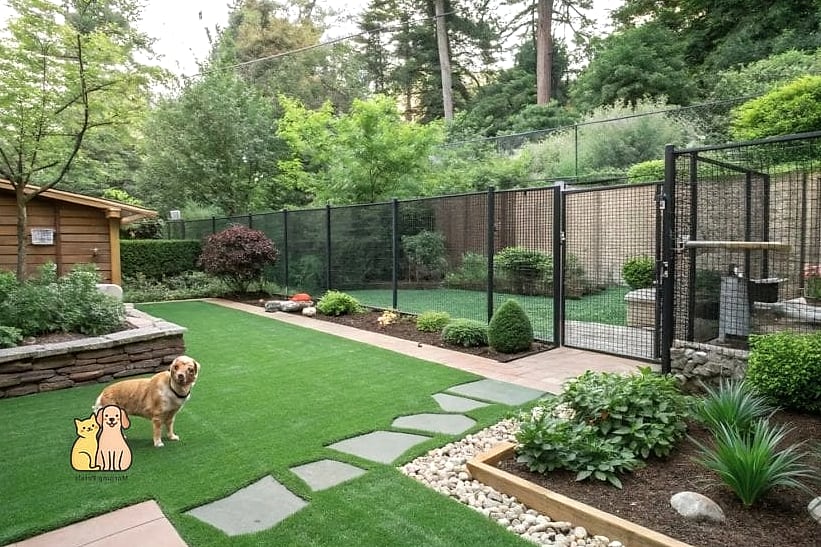
For dogs who need a secure space to zoom without full yard access — maybe because of digging habits or garden protection — a narrow fenced run along one side of the property works wonders. It gives them room to patrol and bark at squirrels to their heart’s content. This is a favorite for herding breeds who like having a “job” to do, even if that job is just supervising the yard.
A Cooling Misting Station
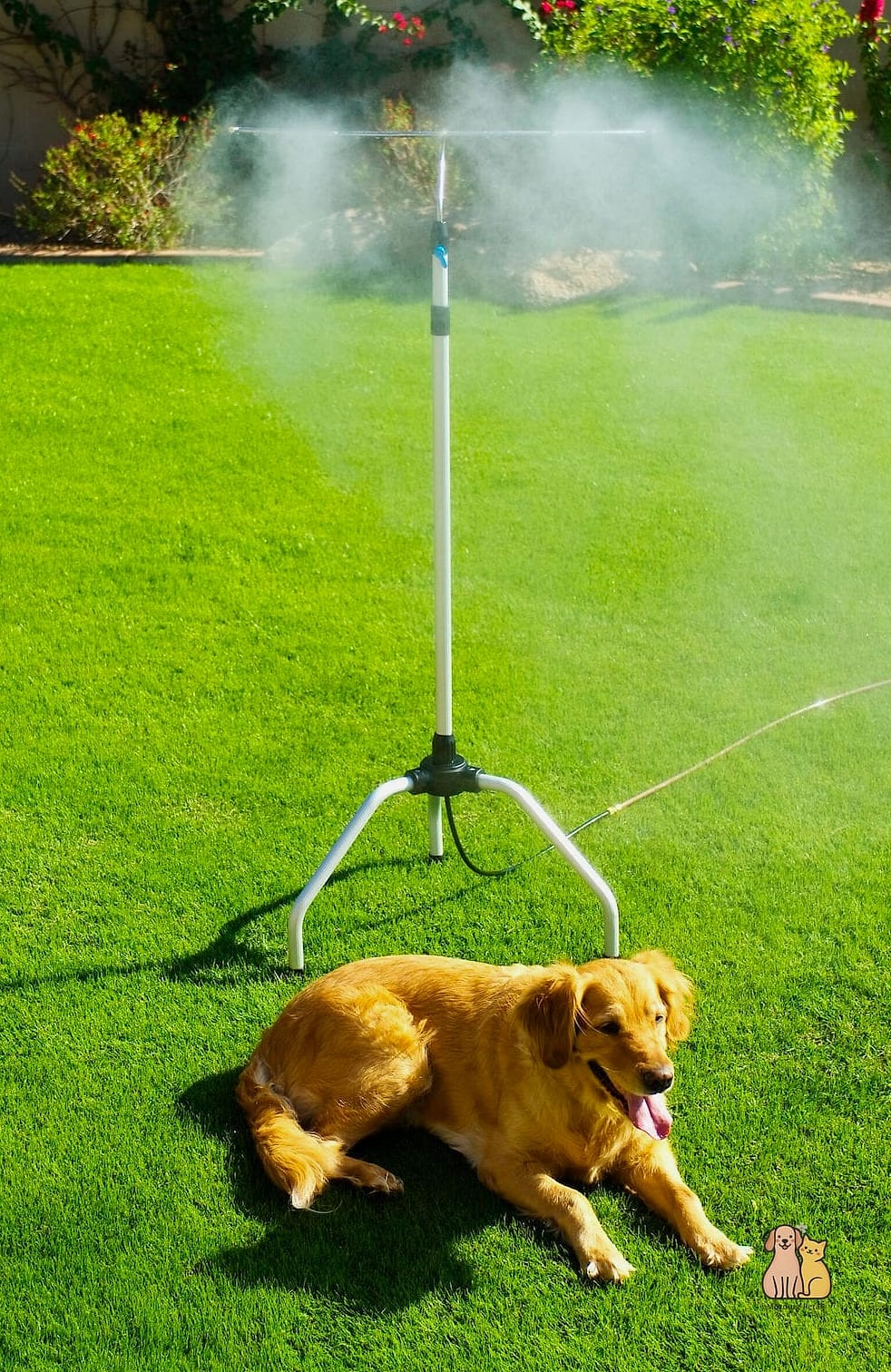
In especially hot climates, a simple misting system attached to a pergola or fence line can make a huge difference. These are inexpensive to install and give your dog a way to cool off on demand. Pair it with a shaded resting area and you’ve basically created a canine spa corner.
A DIY Puzzle Feeder Garden
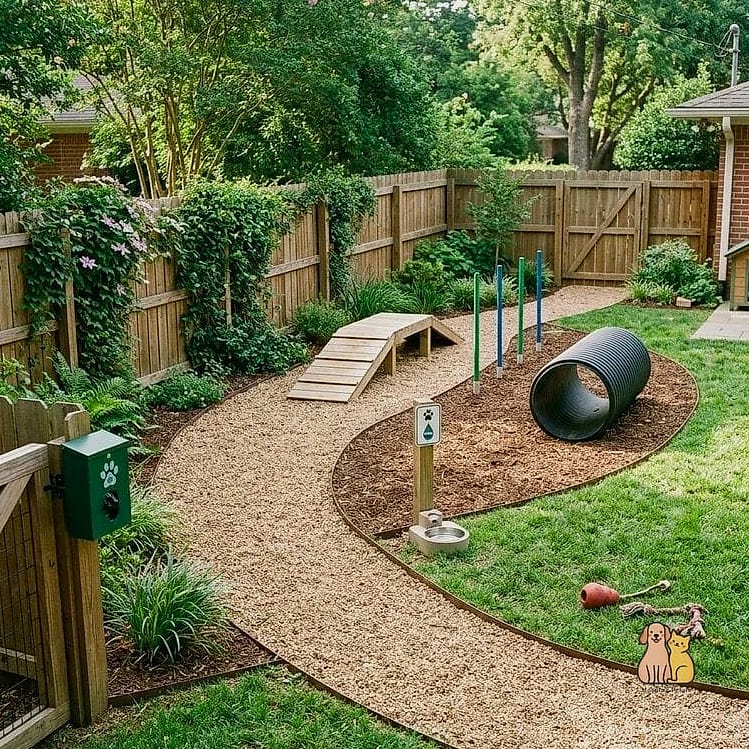
Bury a few puzzle feeders or slow feeder bowls in a designated patch of yard, and let your dog “forage” for their meals or treats. This taps into natural foraging instincts and slows down dogs who tend to inhale their food. It’s particularly great for food-motivated breeds like labs and beagles who need a little extra mental engagement.
A Cozy Outdoor Dog House
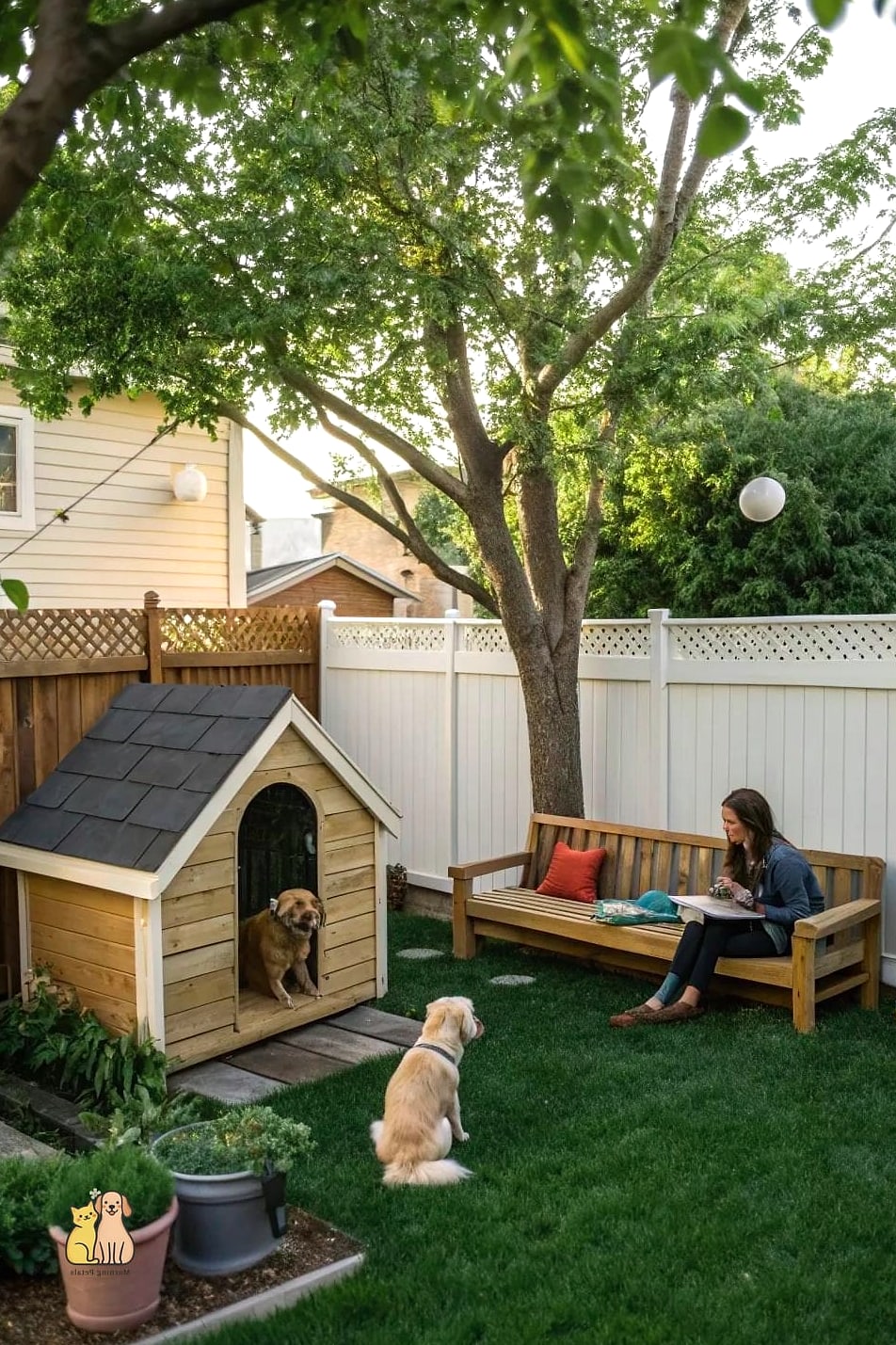
A well-insulated dog house gives your pup a private den-like space of their own. Store-bought options range from basic plastic shelters to elaborate cedar structures that look like tiny cottages. If you go the DIY route, make sure it’s raised slightly off the ground and has proper ventilation so it doesn’t turn into an oven in summer.
A Vertical Cat-Style Climbing Structure (Yes, for Dogs Too)
Smaller, agile breeds like Jack Russells or corgis sometimes enjoy having ramps and low platforms to climb on, similar to cat furniture but built sturdier. It adds visual interest to the yard and gives your dog a way to survey their territory like the tiny kings and queens they believe themselves to be.
A Bark-Friendly Privacy Fence With Viewing Windows
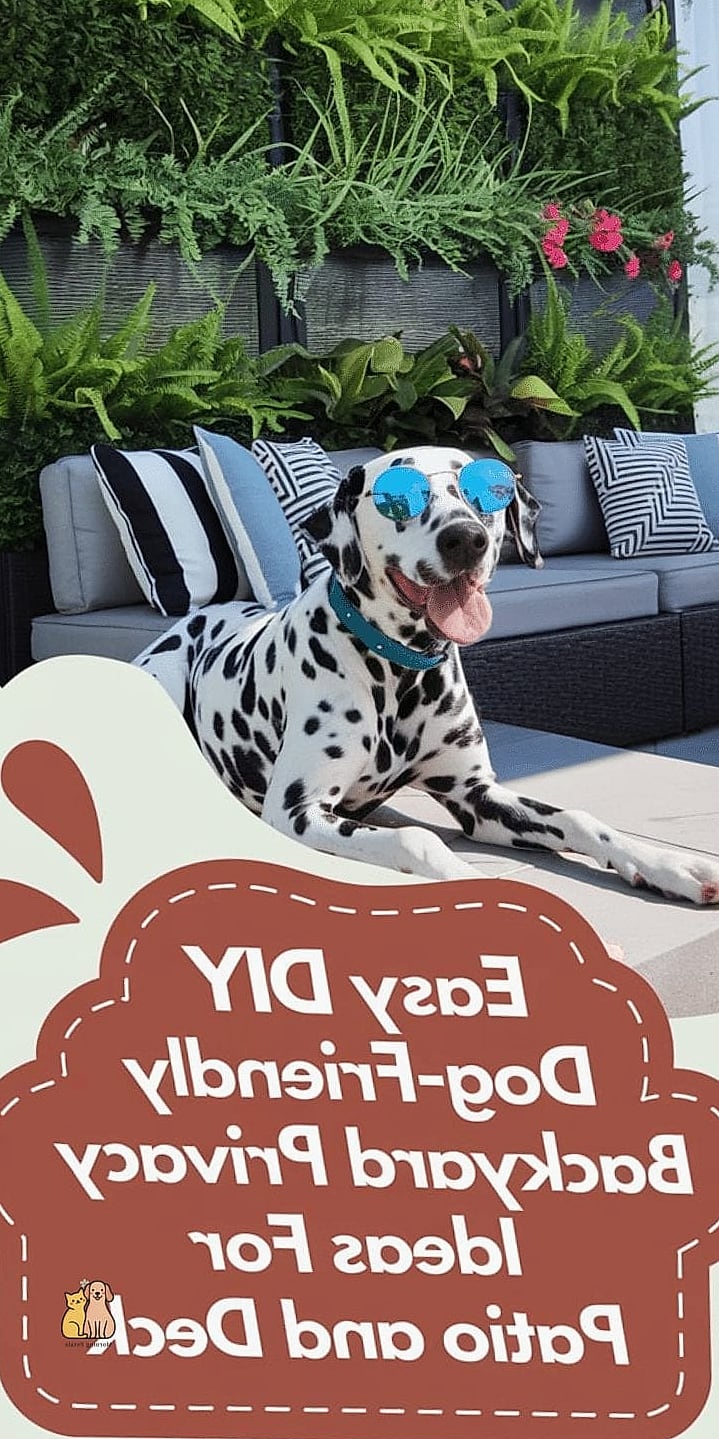
Solid fences can make some dogs feel isolated, which sometimes leads to more anxious barking. Adding a few acrylic viewing windows or gaps lets your dog see the world outside without being able to escape or interact with passersby. It’s a small change that can genuinely improve behavior for naturally curious or alert breeds.
A Rotating Toy Storage Bench
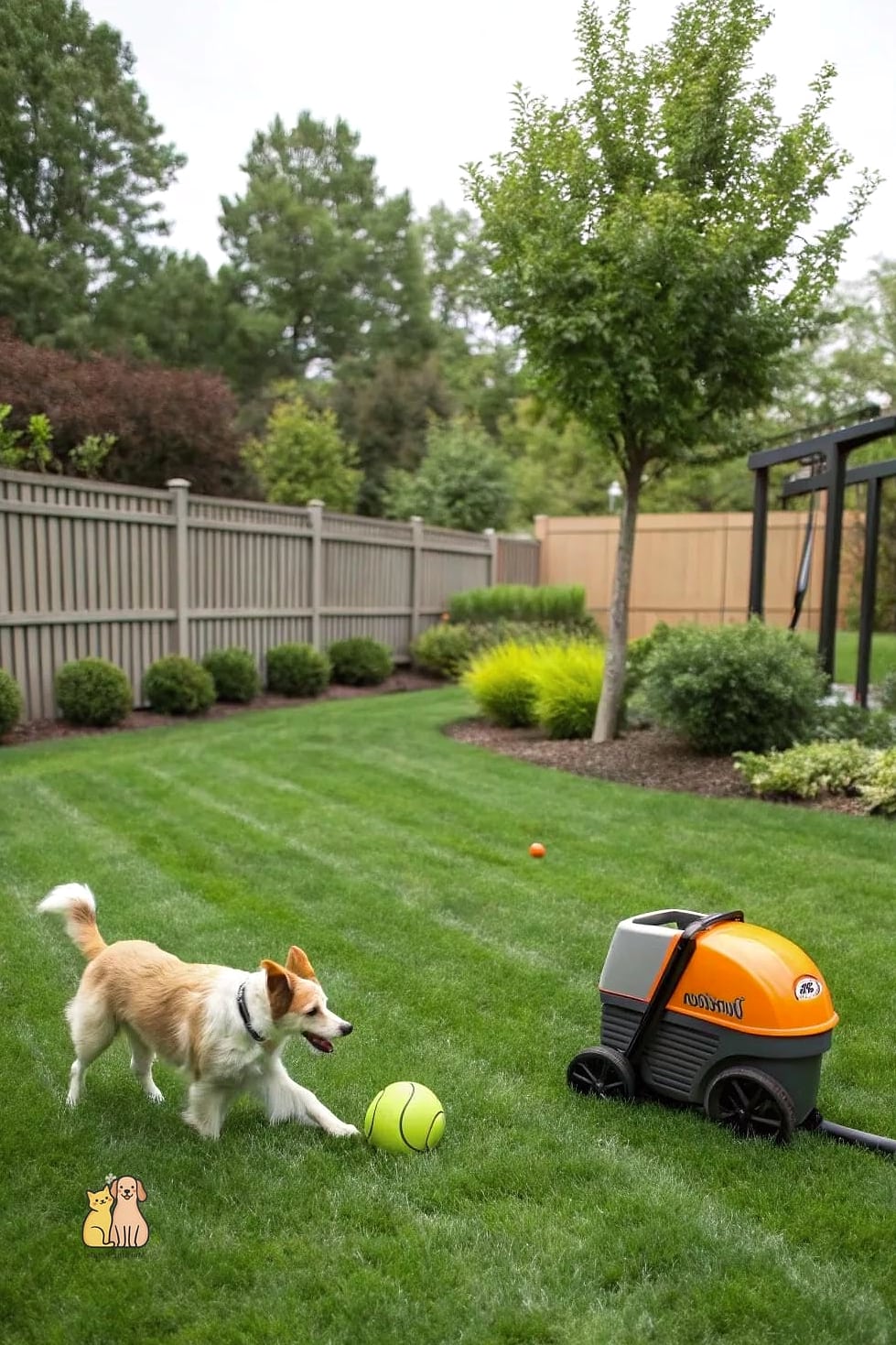
A weatherproof storage bench doubles as outdoor seating and keeps enrichment toys, balls, and tug ropes organized and dry. Rotating which toys are available keeps your dog more engaged than dumping the whole bin out at once. It’s a simple functional upgrade that also just makes your yard look tidier.
A Dog-Safe Turf Zone
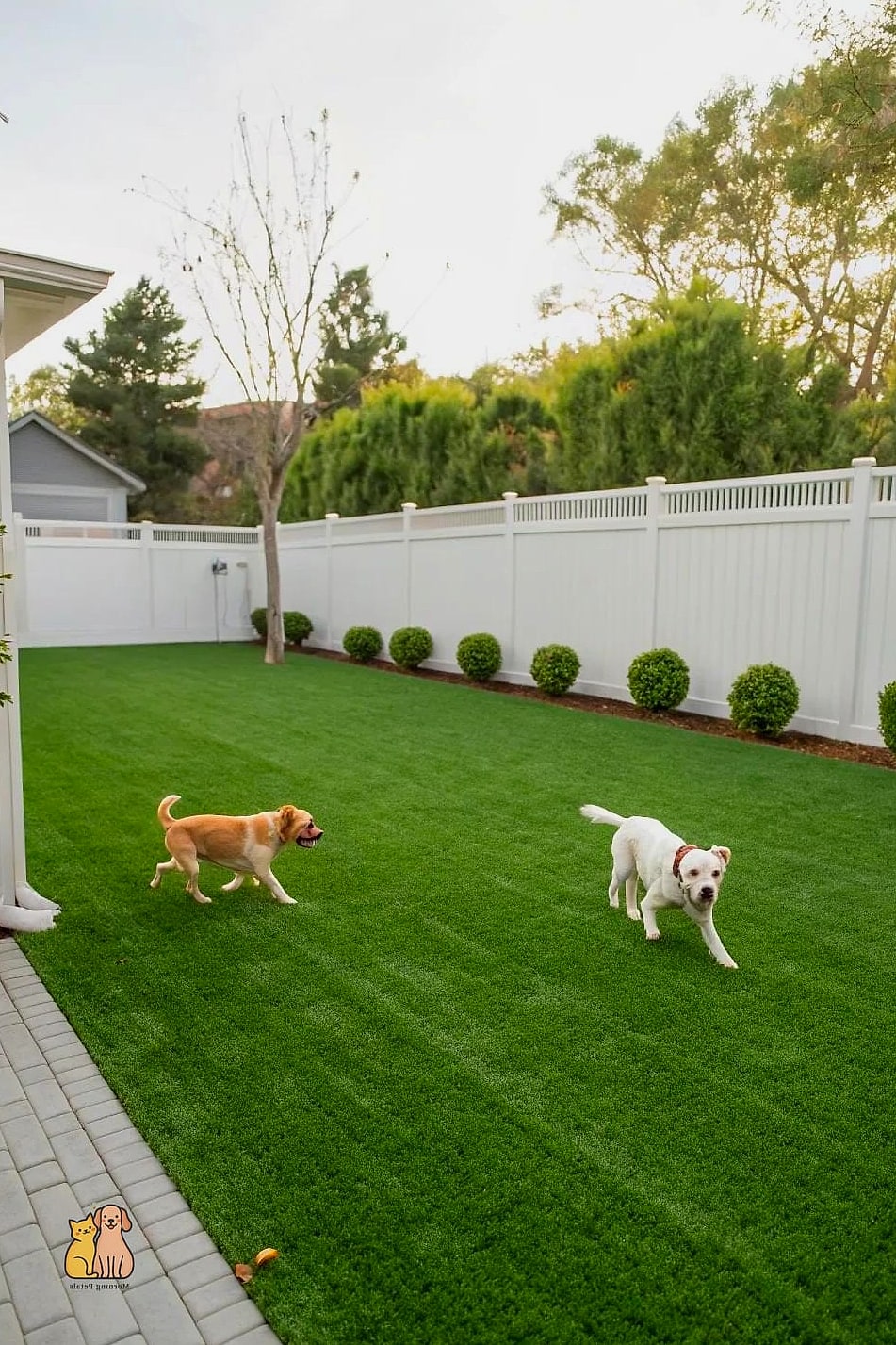
If your lawn looks more like a crime scene than a yard thanks to urine spots and dig marks, dog-friendly synthetic turf might be worth the investment. It drains well, doesn’t stain, and holds up to heavy paw traffic far better than natural grass. It’s a bigger upfront cost, but for owners with multiple dogs, it often pays off in reduced maintenance.
A Bug-Free Screened Porch Extension
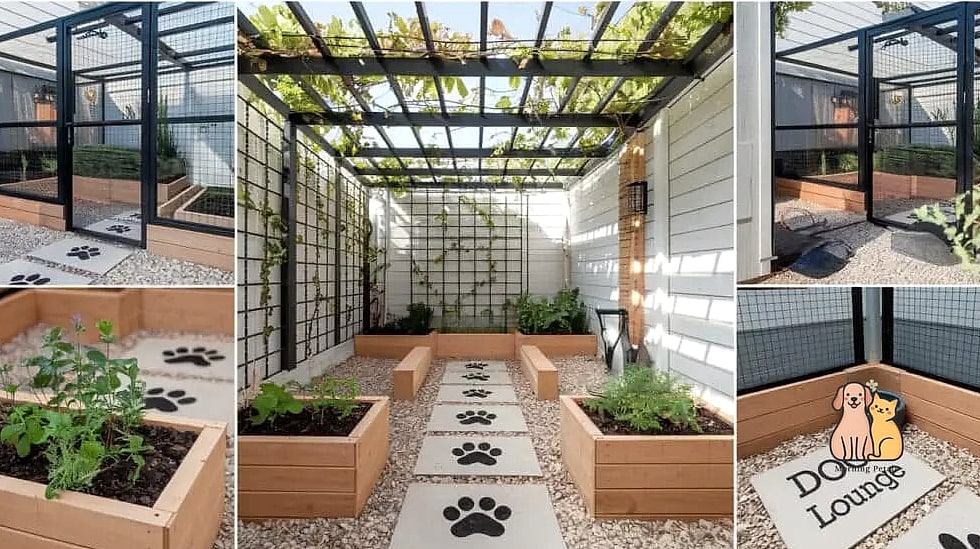
If your patio connects to a screened structure, your dog gets outdoor access without the mosquito and tick exposure. This is especially valuable in humid climates where bug-borne illnesses like heartworm are a real concern. Add a comfy bed and a water fountain and your pup basically has their own screened-in apartment.
A Fire Pit Seating Area (With Dog-Safe Boundaries)
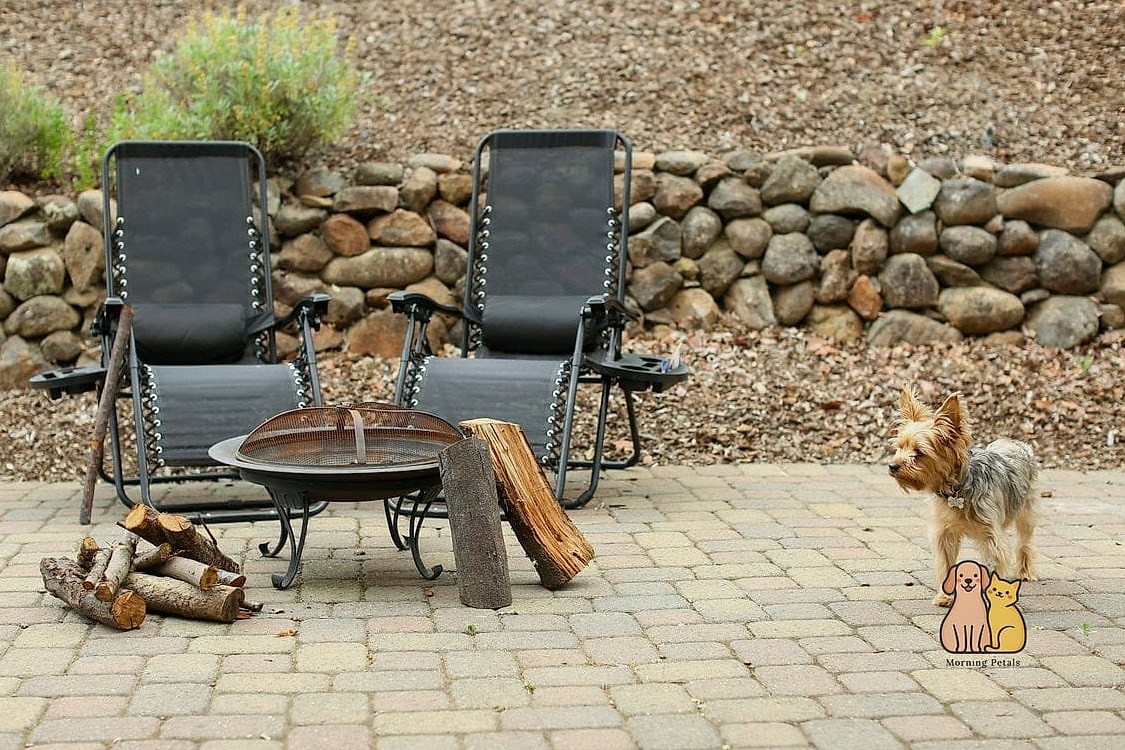
Fire pits are great for people, but you’ll want a clear buffer zone so curious dogs don’t get too close. A low decorative fence or a defined stone perimeter keeps pets a safe distance away while still letting them hang out with the family during evening gatherings. This works well for social breeds who don’t love being left inside while everyone’s outdoors.
A Vertical Herb and Vegetable Garden With Protective Barriers
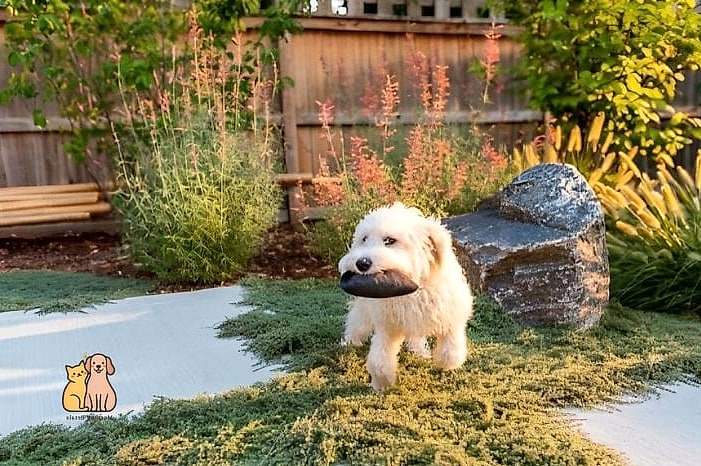
If you love gardening but your dog treats your vegetable beds like a personal buffet, raised or vertical planters solve the problem elegantly. Adding a low decorative barrier keeps curious noses and paws out while still letting you enjoy fresh herbs. Great for dogs who are, let’s say, overly enthusiastic about “helping” in the garden.
A Dedicated Potty Patch
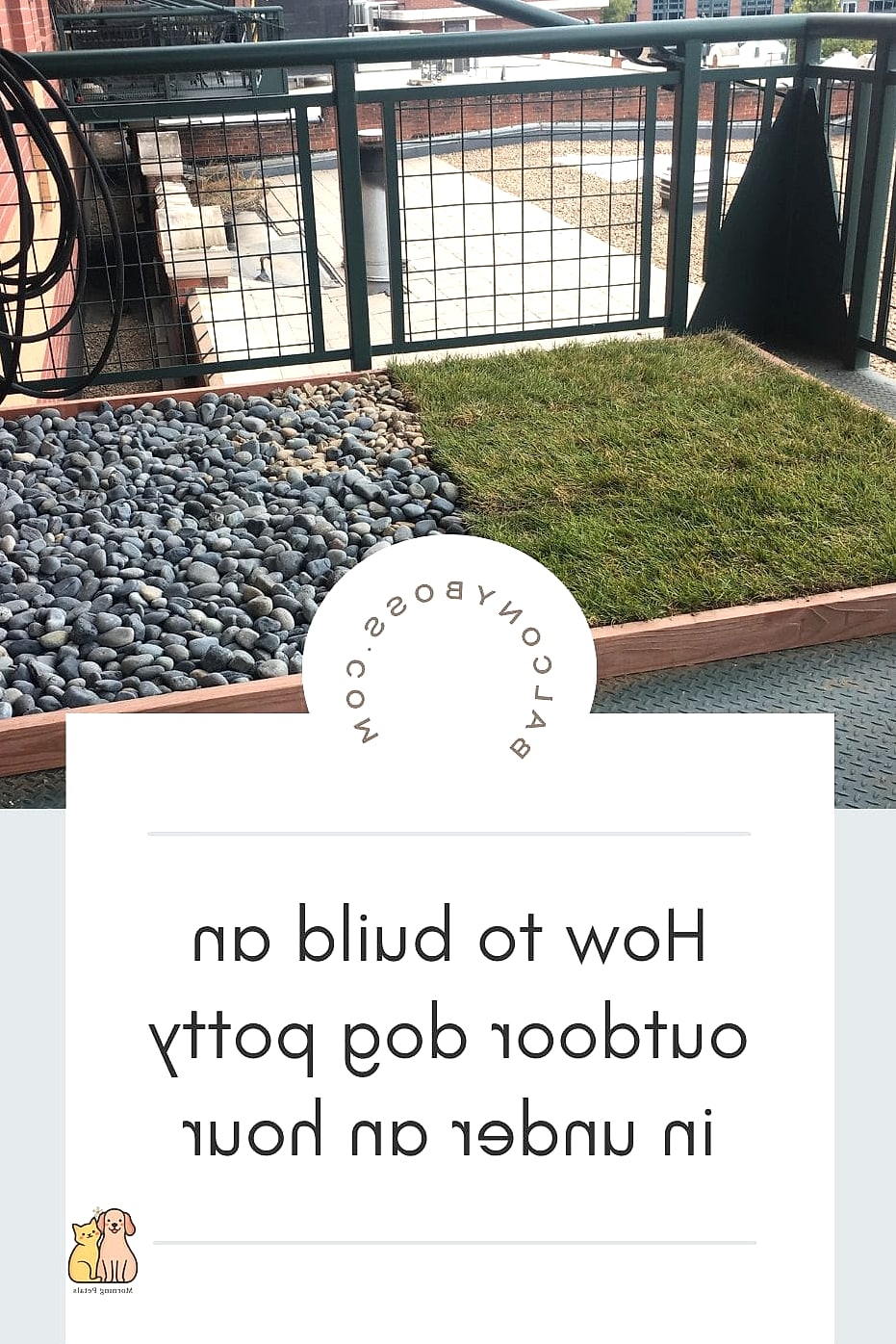
Training your dog to use one specific area for bathroom breaks makes yard maintenance so much easier. Use gravel or mulch in a defined spot, ideally away from play areas and seating. This is especially helpful for puppies still in training, and it keeps the rest of your lawn looking green and intact.
A Covered Outdoor Feeding Station
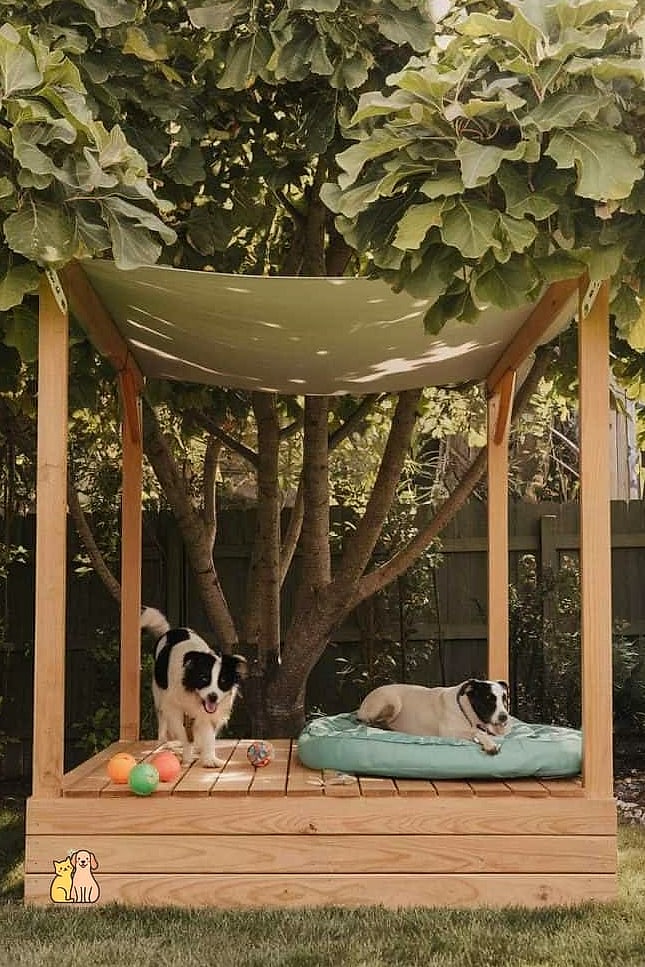
An elevated feeding station with a small roof keeps food and water bowls protected from rain and direct sun. Slow feeder bowls or an automatic feeder can be built right into the station for dogs who need portion control or eat too quickly. It’s a small addition that makes mealtime outside far more practical.
A Multi-Dog Zoning Layout
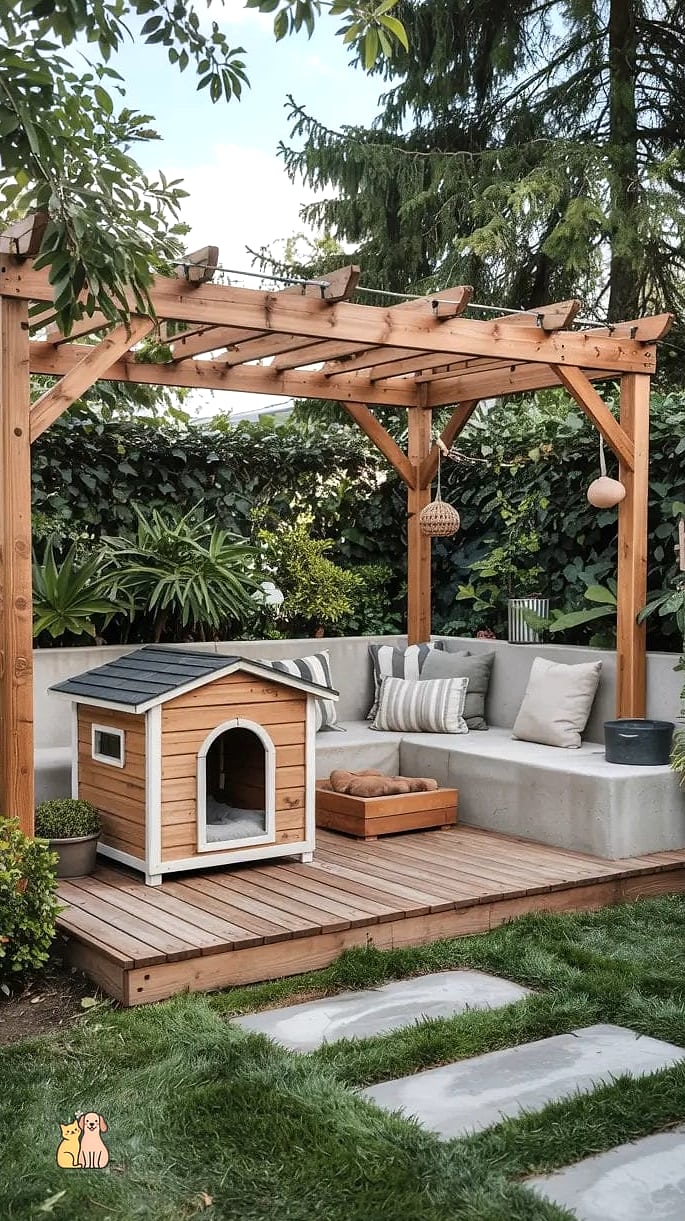
If you have more than one dog, especially ones with different energy levels, zoning your yard into separate areas can reduce conflict. A high-energy zone with agility equipment, a calm shaded zone with beds, and a shared open space lets everyone coexist more peacefully. This setup takes a bit more planning but is worth it for multi-pet households.
A Pet Camera Corner
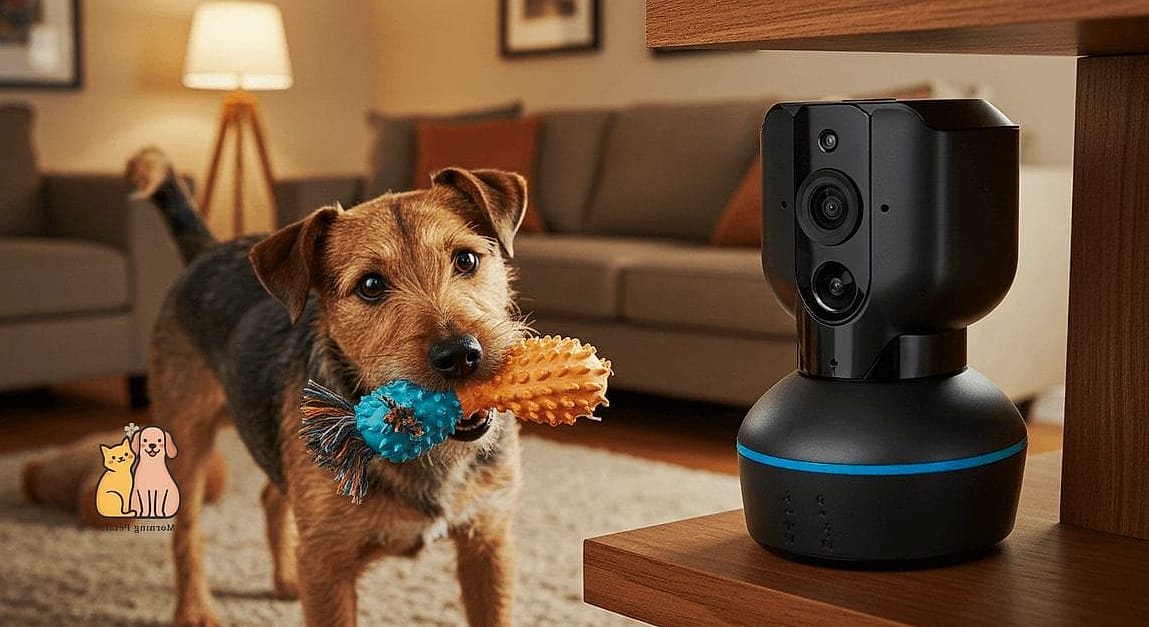
Mounting a weatherproof pet camera near a favorite lounging spot lets you check in on your dog while you’re at work or running errands. Some models even let you toss treats remotely, which is a fun bonus for food-motivated pups. It’s not a “yard feature” in the traditional sense, but it adds peace of mind to any outdoor setup.
A Seasonal Decor Rotation Area
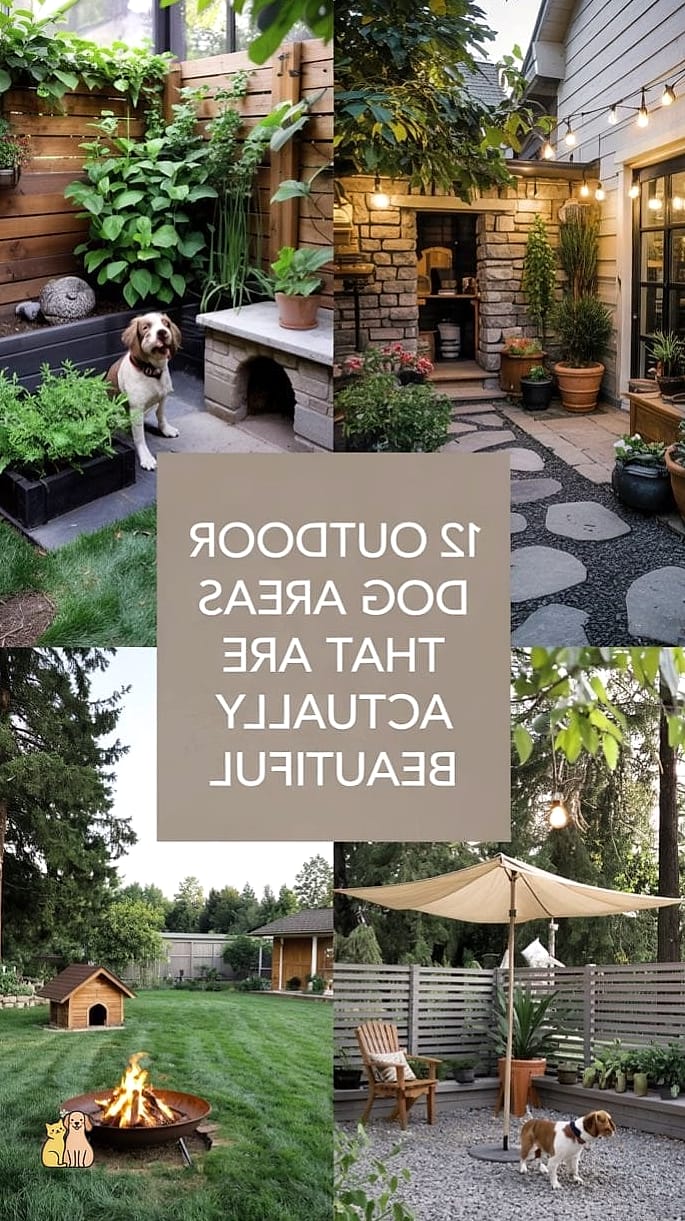
A small designated spot for seasonal touches — pumpkins in fall, string lights in winter, flowers in spring — keeps your yard feeling fresh without disrupting your dog’s established play areas. It’s more about your enjoyment than your dog’s, honestly, but a happy owner tends to spend more time outside with their pup, so it counts.
Putting even a few of these ideas together can turn an ordinary backyard into a space your dog genuinely looks forward to using every day. You don’t need to tackle all 23 at once — start with whatever solves your biggest current headache, whether that’s digging, heat, or muddy paws, and build from there. Your pup will notice the effort, even if they show their gratitude by immediately testing every new feature to its limits.