The Abyssinian Cat Breed: The Ultimate Guide
The Abyssinian Cat Breed: The Ultimate Guide
If you’ve ever wanted a cat that acts more like a tiny, sleek dog than a couch potato, the Abyssinian might just steal your heart. These cats are curious, athletic, and constantly on the move, and once you’ve lived with one, other cats can feel a little slow by comparison. This guide covers everything you need to know before bringing one home, from personality quirks to health considerations.
Why Pet Owners Love Them
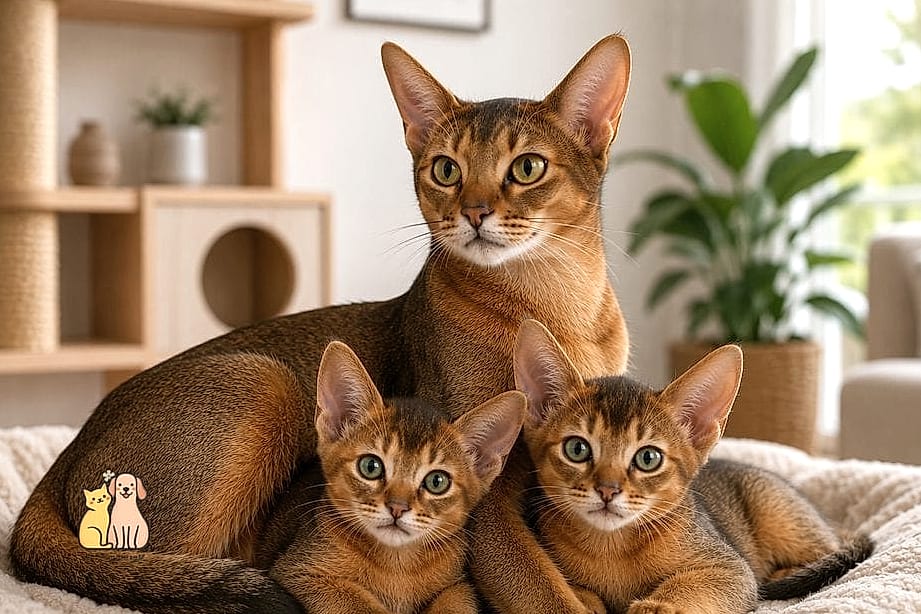
Abyssinians have a reputation for being the “clowns” of the cat world, and honestly, it’s well earned. They’re endlessly curious, love climbing to the highest point in any room, and seem to genuinely enjoy being part of whatever you’re doing.
Unlike some breeds that prefer to observe from a distance, Abyssinians want to be involved. They’ll supervise your cooking, investigate your laundry basket, and probably try to help you type this very article.
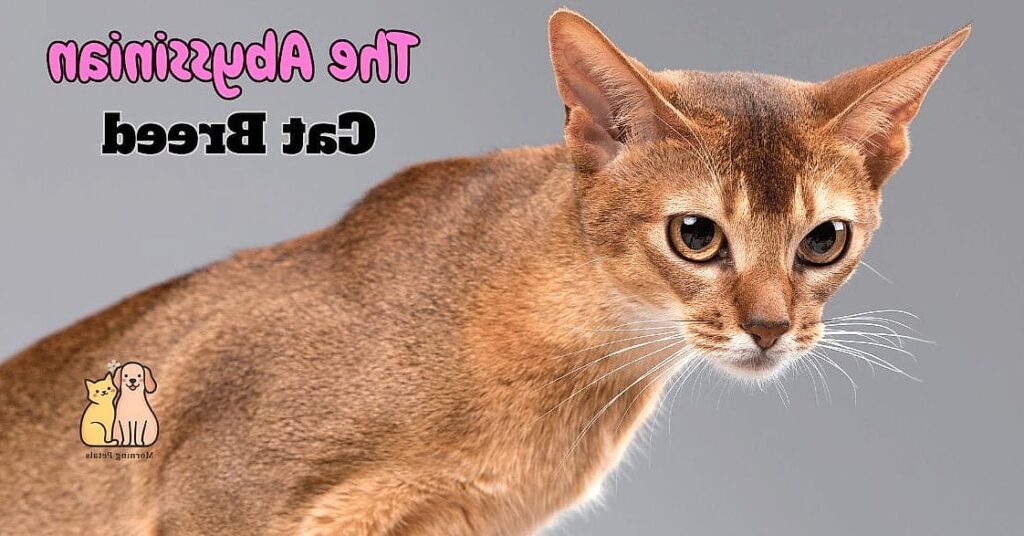
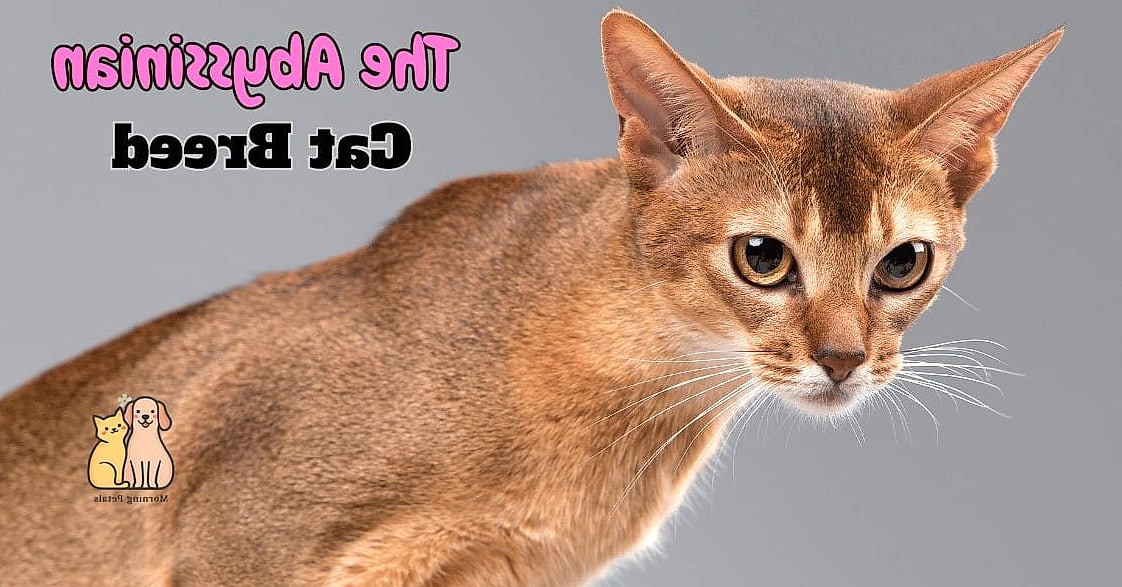
Their ticked coat, where each hair has multiple bands of color, gives them a warm, almost wild appearance that reminds a lot of owners of a small cougar. It’s a striking look that turns heads without requiring any extra grooming effort.
People who love interactive pets, rather than decorative ones, tend to fall hard for this breed.
Key Characteristics
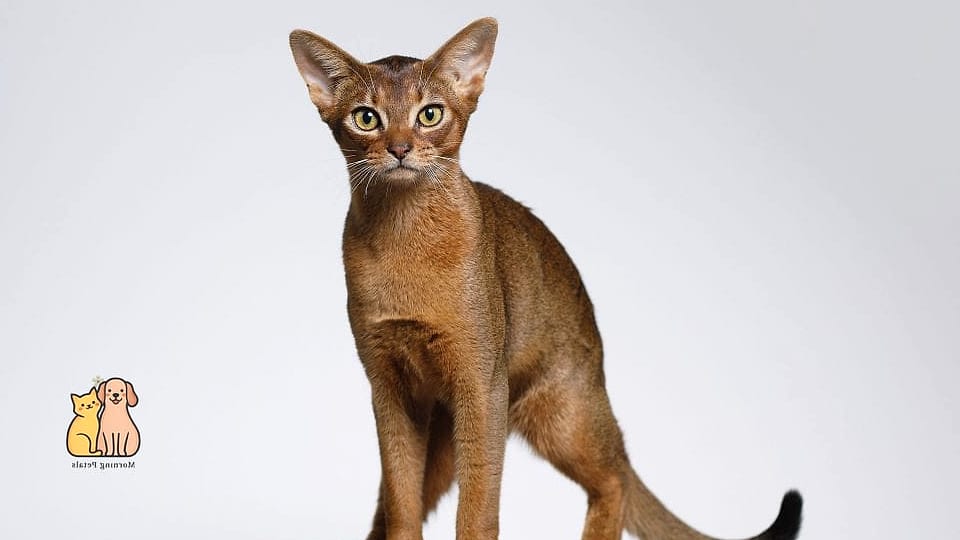
Abyssinians are medium-sized cats with lean, muscular bodies built for jumping and climbing. They typically weigh between 8 and 12 pounds, with males running slightly larger than females.
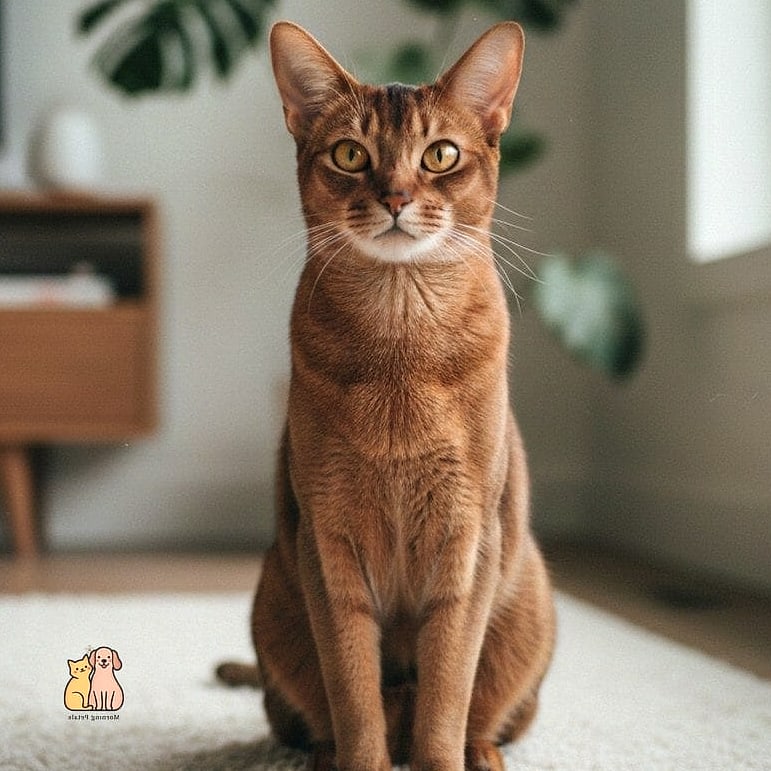
Their coat comes in several recognized colors, including ruddy, red, blue, and fawn, all with that signature ticked pattern. Short and fine, the coat lies close to the body and has a soft, almost silky texture.
Personality-wise, expect a highly intelligent, people-oriented cat that thrives on interaction. These aren’t lap cats in the traditional sense; they’re more likely to sit near you than on you, always ready to spring into action.
They’re also known for being quite vocal, though not in the loud, demanding way some breeds are. Abys tend to chirp and trill more than they yowl, which many owners find charming rather than annoying.
Lifespan-wise, a well-cared-for Abyssinian can live anywhere from 9 to 15 years, with some healthy individuals living even longer.
Care Requirements
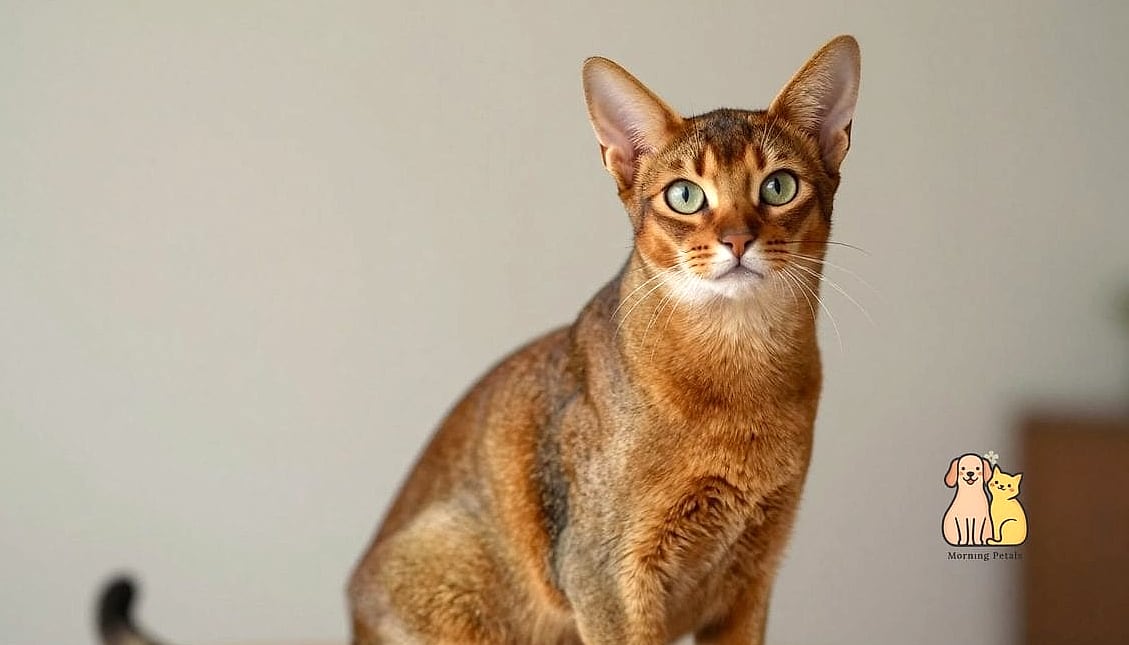
This is not a breed for someone who wants a low-maintenance pet that sleeps 20 hours a day. Abyssinians need mental and physical stimulation, and a bored one will absolutely find ways to entertain itself, often at your expense.
Enrichment toys, puzzle feeders, and interactive wand toys should be part of your regular routine. Rotating toys every week or two helps keep things interesting since these cats get bored of the same old mouse toy fairly quickly.
Grooming is fairly easy thanks to their short coat. A weekly brush with a soft rubber grooming glove removes loose hair and keeps their coat looking glossy without much fuss.
Nail trims every couple of weeks and regular dental care round out the basic grooming routine. Since Abys are prone to dental issues, keeping a dental treat or two in the rotation isn’t a bad idea.
They also do best with another cat or a very engaged human family, since they don’t love being left alone for long stretches. If your household is empty most of the day, a feline companion can make a real difference.
Housing and Space Needs
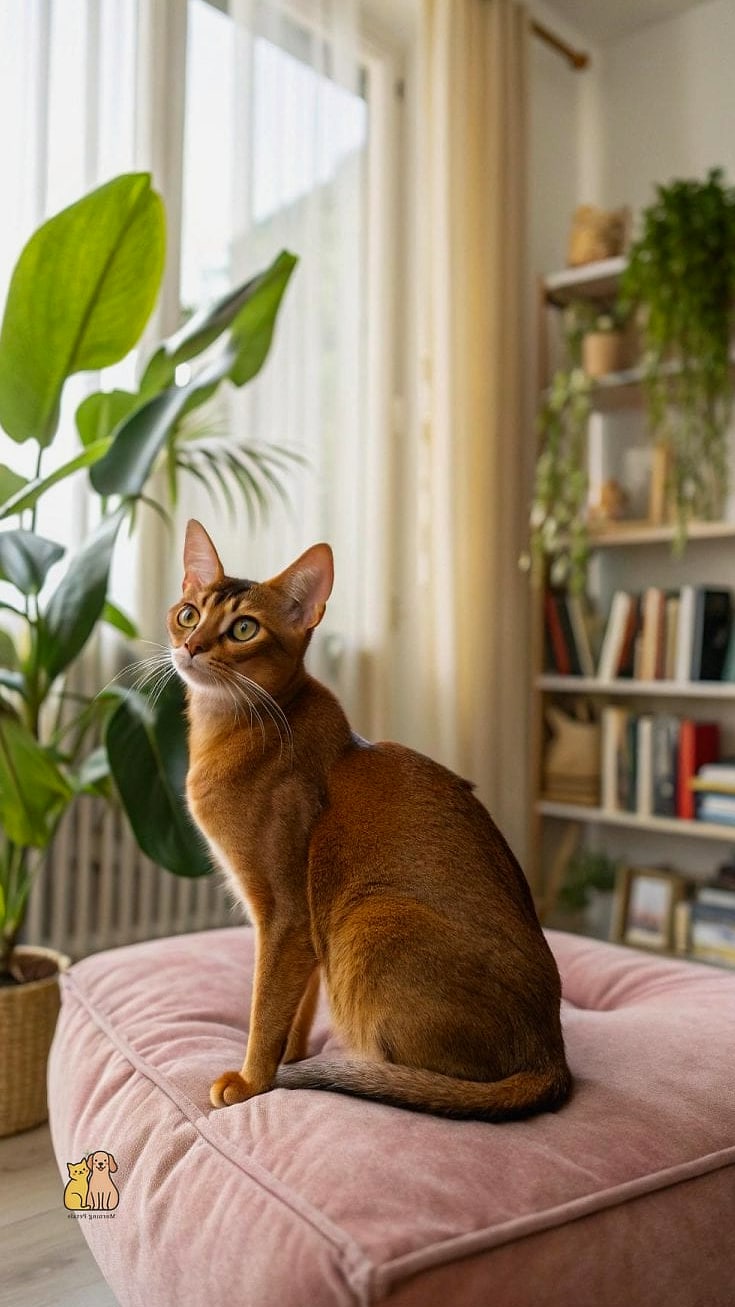
Abyssinians are climbers through and through, so vertical space matters more than square footage. A tall cat tree, wall-mounted cat shelves, or a dedicated window perch will get used constantly, not just as decoration.
They do fine in apartments as long as there’s enough vertical territory and daily play. A house with more room to roam is great too, but it’s not a requirement for this breed to thrive.
A catio or secure outdoor enclosure is a wonderful addition if you have the space for it. Abys love watching birds and soaking up sunshine, and a catio gives them that experience safely.
Litter box setup matters more than people expect. Since these cats are active and sometimes a little clumsy in their enthusiasm, a larger box with higher sides helps contain any excited digging.
Scratch posts, ideally more than one placed in different rooms, help protect your furniture while satisfying their natural urge to stretch and scratch.
Diet and Feeding
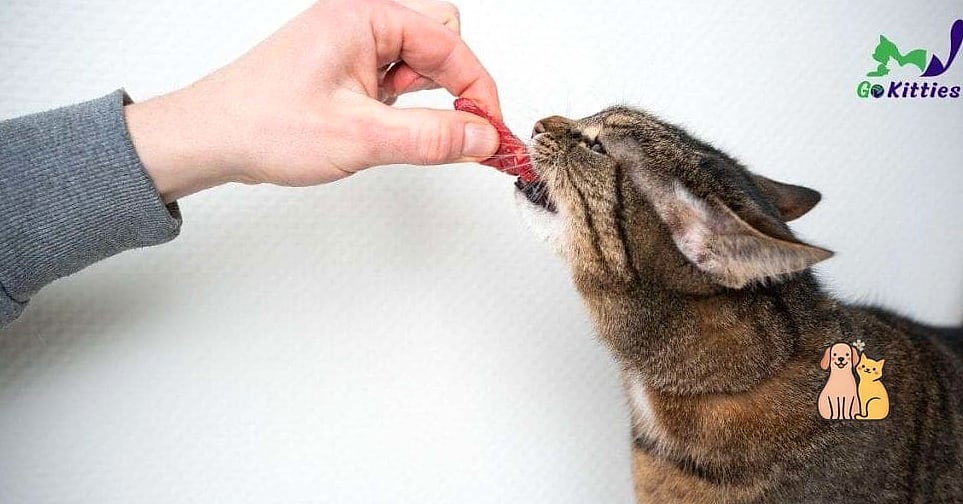
Like most active cats, Abyssinians benefit from a high-protein diet that supports their lean muscle and high energy levels. Quality wet or a mix of wet and dry food tends to work well for most individuals.
Because they’re prone to obesity-related joint stress if they overeat and underexercise, portion control matters. A slow feeder bowl or puzzle feeder can help slow down speedy eaters and add some mental stimulation to mealtime.
Fresh water should always be available, and many Abys seem particularly drawn to moving water. A pet water fountain often gets more use from this breed than a standard bowl, possibly because the movement appeals to their curious nature.
Automatic feeders can help with consistent portion sizes if your schedule is unpredictable, though nothing beats checking in with your vet about the right amount for your specific cat’s age and activity level.
Treats should stay occasional rather than routine. It’s easy to overdo it with a cat that gives you those big, expressive eyes every time you open the fridge.
Health Considerations
Overall, Abyssinians are a fairly healthy breed, but there are a few conditions worth knowing about before you bring one home.
Progressive retinal atrophy, a hereditary eye condition, has been documented in the breed. Reputable breeders typically screen for this, so asking about genetic testing is a smart move when choosing a kitten.
Renal amyloidosis, a kidney condition, also shows up more often in Abyssinians than in some other breeds. Regular veterinary checkups and bloodwork as your cat ages can help catch any early warning signs.
Dental disease is another area to watch closely, since many Abys are prone to gingivitis. Staying on top of dental care, whether through brushing, dental treats, or professional cleanings, goes a long way.
As with any breed, working with a vet familiar with Abyssinian-specific health concerns and keeping up with routine wellness visits makes a real difference in long-term quality of life.
Fun Facts
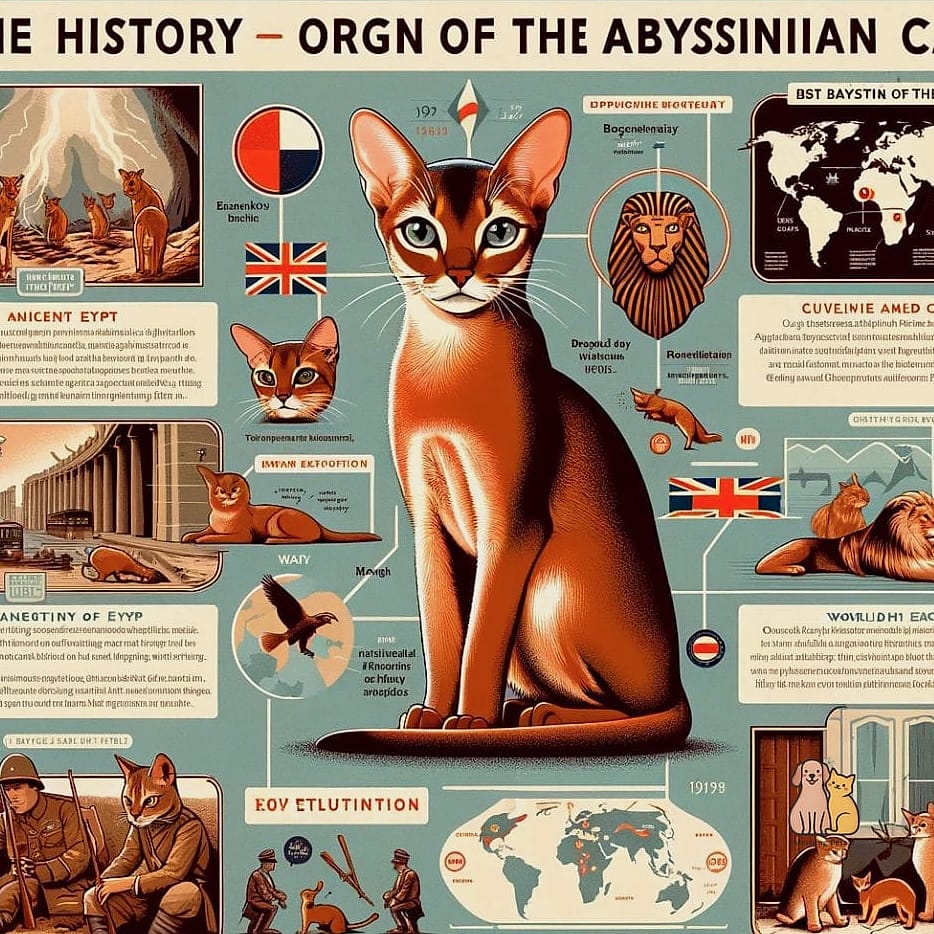
Despite the name, Abyssinians likely didn’t originate in Ethiopia (formerly Abyssinia) the way their name suggests. Genetic studies point more toward Southeast Asia and the Indian Ocean coast as their probable origin.
Their coat pattern, called “ticking,” is caused by a specific gene that also shows up in wild rabbits, which is part of why their fur has that natural, wild-looking blend of colors.
Abyssinians were among the first breeds shown in early cat shows in England during the late 1800s, making them one of the older recognized pedigree breeds still popular today.
Some owners joke that living with an Aby is like having a small dog in a cat’s body, since many genuinely enjoy games of fetch and can be trained to walk on a harness and leash.
Final Thoughts
The Abyssinian cat breed isn’t the right fit for everyone, and that’s okay. If you want a cat who lounges quietly on a windowsill all day, this probably isn’t your breed.
But if you’re drawn to a companion that’s engaged, playful, and endlessly curious about the world around them, an Abyssinian could be exactly what your home is missing. They ask for interaction and stimulation, and in return, they offer personality in spades.
Whether you’re a first-time cat owner ready for an active companion or an experienced pet parent looking for your next feline adventure, the Abyssinian cat breed brings energy and warmth to any household willing to keep up with it.