The Popular Cat Breeds: The Ultimate Guide
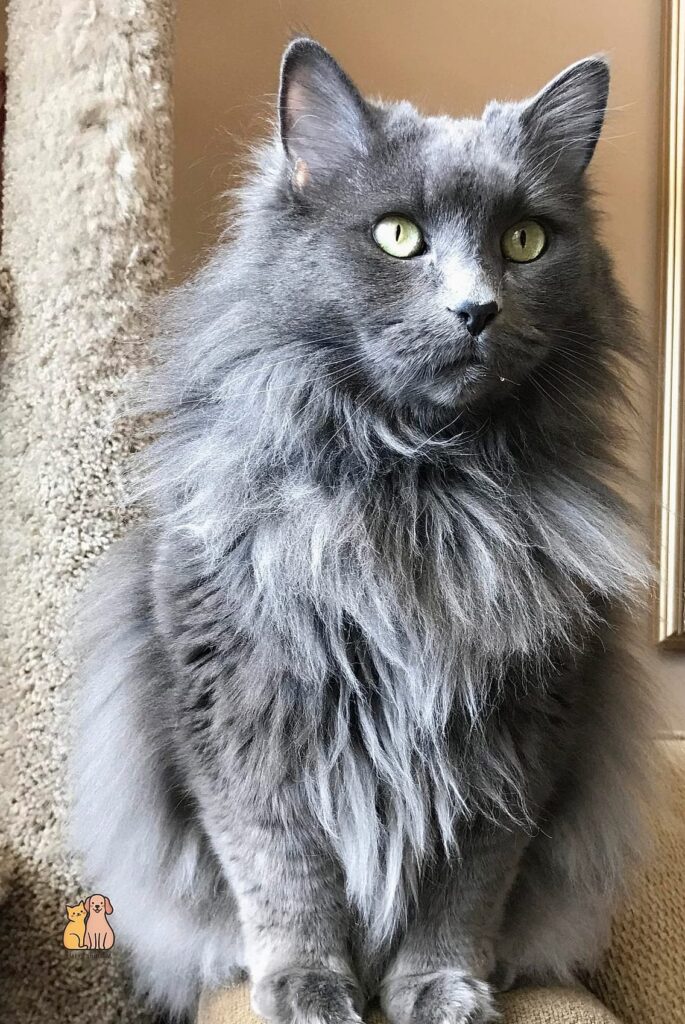
The Popular Cat Breeds: The Ultimate Guide
If you’ve ever scrolled through cat videos at midnight and thought “I need one of those,” you’re not alone. Cats have quietly taken over our homes, our hearts, and most of our furniture, and it’s easy to see why. But not all cats are the same, and picking the right breed can make a huge difference in how well a cat fits your lifestyle, your apartment, and your patience for shedding.
This guide walks through some of the most popular cat breeds out there, what makes each one special, and what kind of owner they tend to suit best. Whether you’re a first-time cat parent or adding another furball to your household, this breed guide should help you figure out who might be your next best friend.
Maine Coon
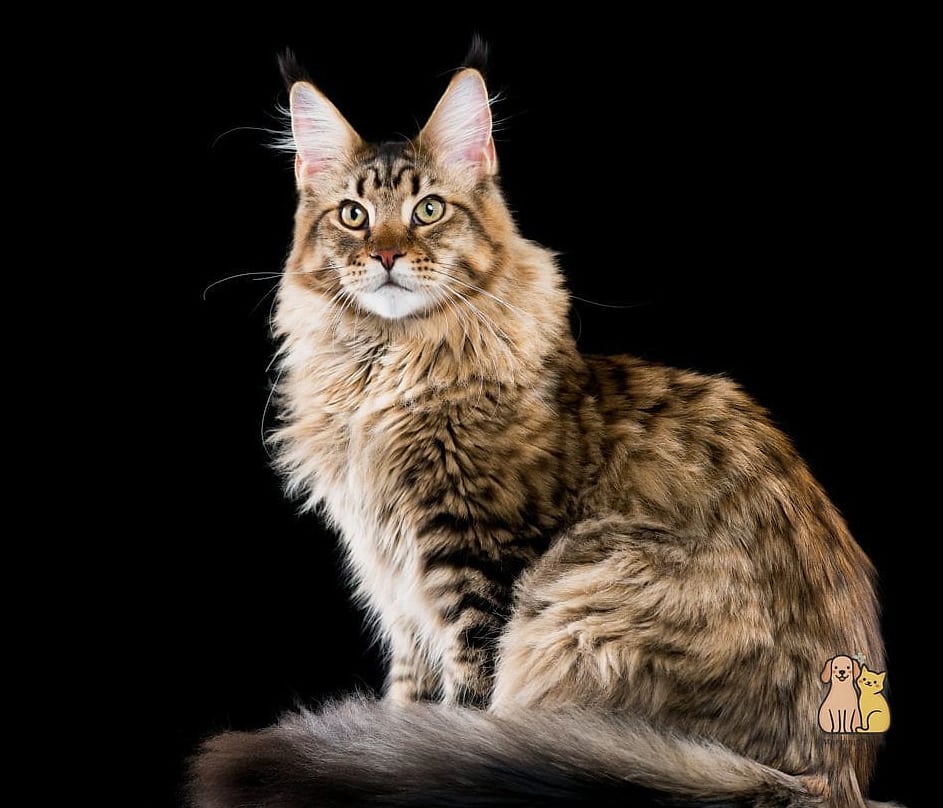
Maine Coons are basically the gentle giants of the cat world. They’re large, fluffy, and have this quiet dignity about them that makes them feel almost dog-like in personality.
They tend to follow their owners from room to room, chirp instead of meow, and genuinely enjoy being part of whatever’s happening in the house. Their thick coat means regular brushing is a must, especially during shedding season.
Maine Coons do well in bigger homes where they have room to stretch out, though plenty of owners make it work in apartments with a solid cat tree and some window perches for entertainment.
Siamese
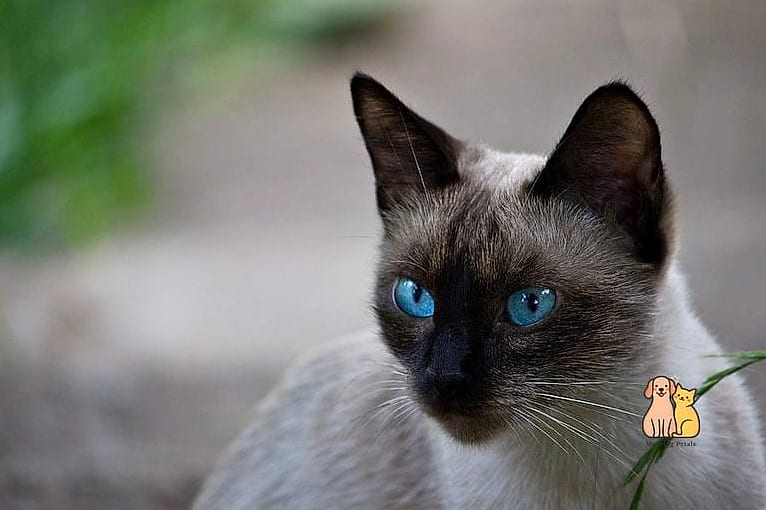
Siamese cats are talkers. If you want a cat that will actually respond when you speak to it, sometimes a little too enthusiastically, this breed delivers.
They’re sleek, short-haired, and incredibly social, which means they don’t love being left alone for long stretches. A bored Siamese can get into mischief, so puzzle feeders and interactive toys go a long way here.
This breed tends to bond intensely with one or two people in the household, so if you want a cat that’s basically your shadow, a Siamese might be the one.
Persian
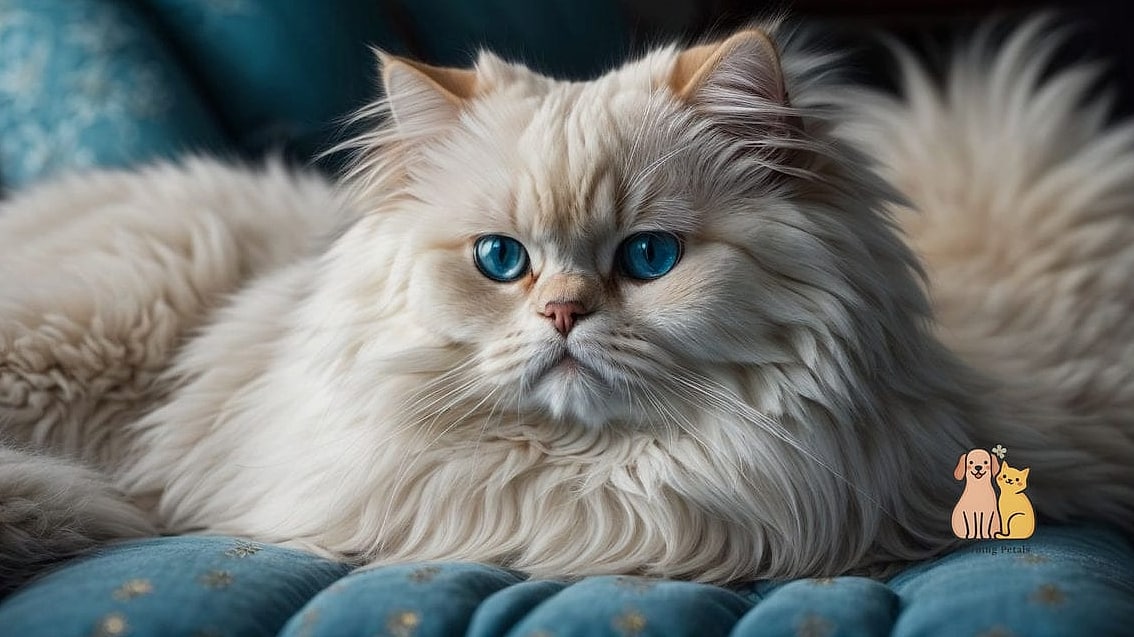
Persians are the classic “fancy cat” look, with that flat face, long flowing coat, and calm, laid-back attitude. They’re not big jumpers or climbers, which actually makes them a nice fit for smaller apartments.
The tradeoff is grooming. That gorgeous coat mats easily, so daily brushing isn’t optional if you want to avoid a trip to the groomer for a shave-down.
Persians do best with owners who genuinely enjoy the grooming routine, since it becomes part of your regular bonding time together.
Ragdoll
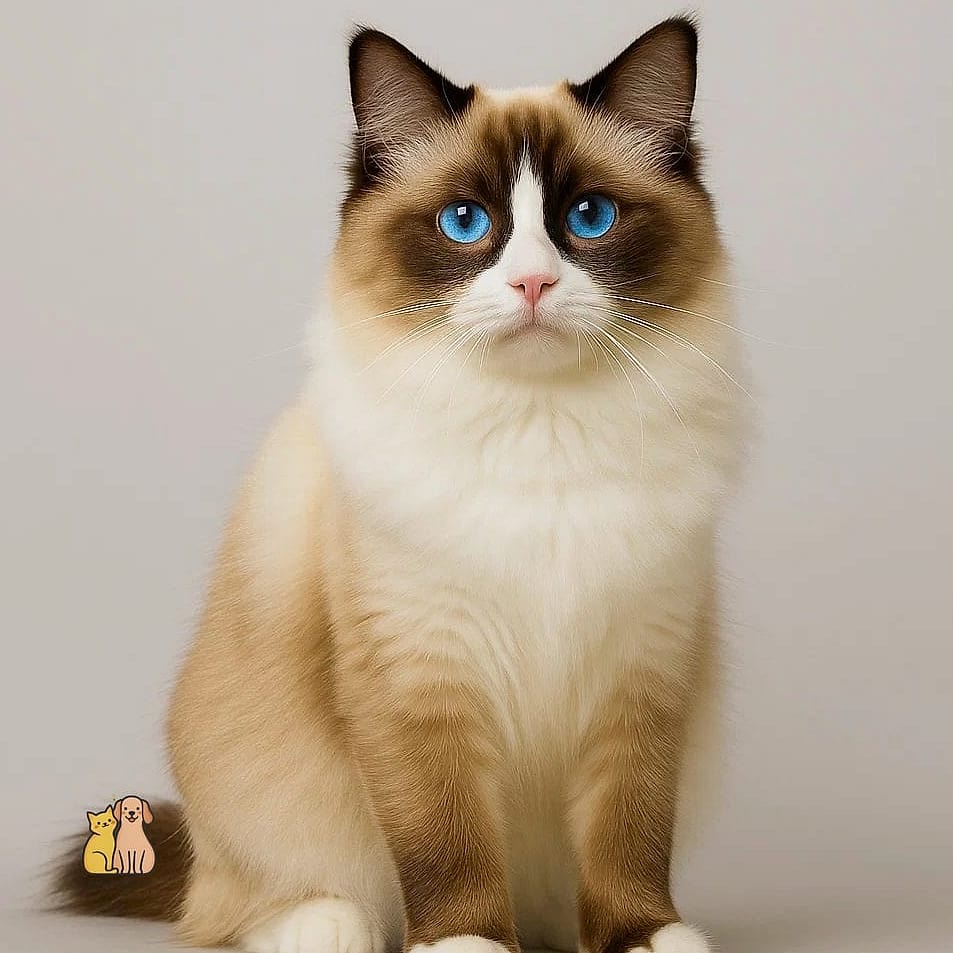
Ragdolls earned their name because they tend to go limp and relaxed when you pick them up, like a floppy little plush toy. They’re famously docile and affectionate, often described as puppy-like in how much they crave human company.
They’re a great choice for families with kids, since they generally tolerate handling better than more independent breeds. Their semi-long coat needs weekly brushing, but it doesn’t mat as aggressively as a Persian’s.
If you want a cat that greets you at the door and flops dramatically into your lap, this breed is hard to beat.
British Shorthair
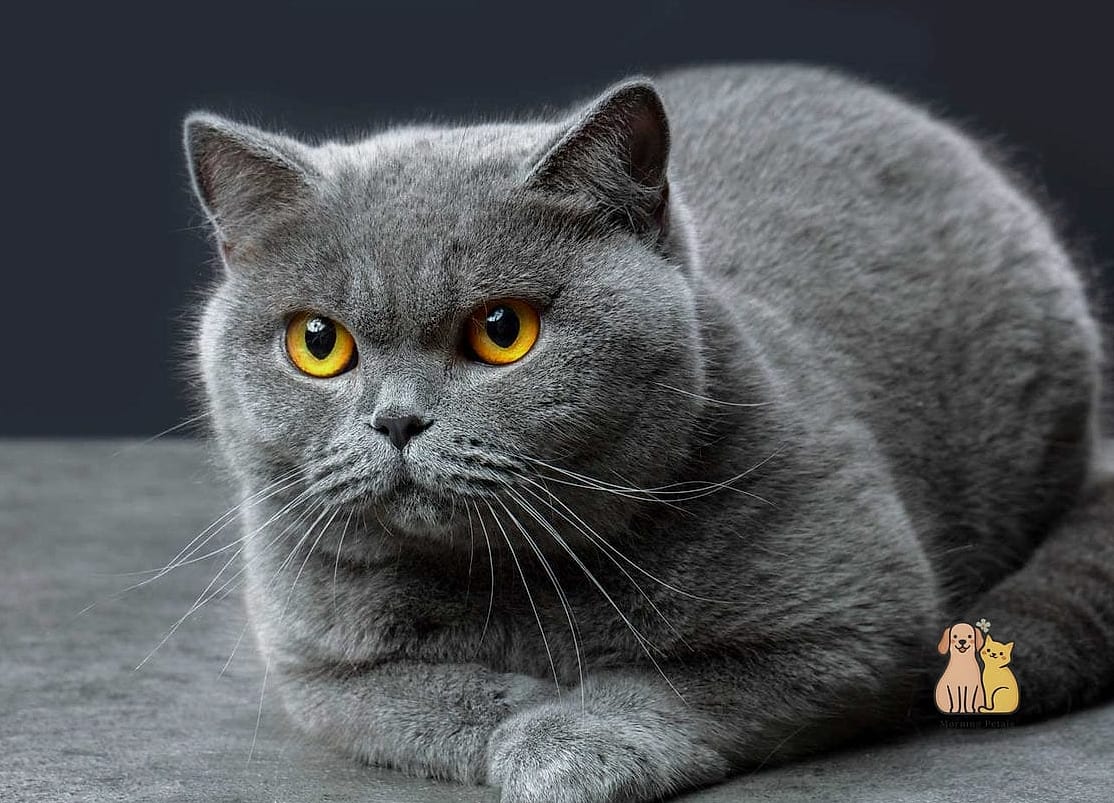
British Shorthairs have that round, plush teddy-bear face that makes them instantly recognizable. Their personality matches the look too, calm, easygoing, and not particularly needy.
They’re independent without being aloof, which makes them a solid pick for people who work long hours but still want an affectionate cat waiting for them at home. Their short, dense coat is low-maintenance compared to longer-haired breeds.
This breed tends to do well in apartments and doesn’t require a ton of vertical space, though a scratch post and a few enrichment toys still keep them happy.
Bengal
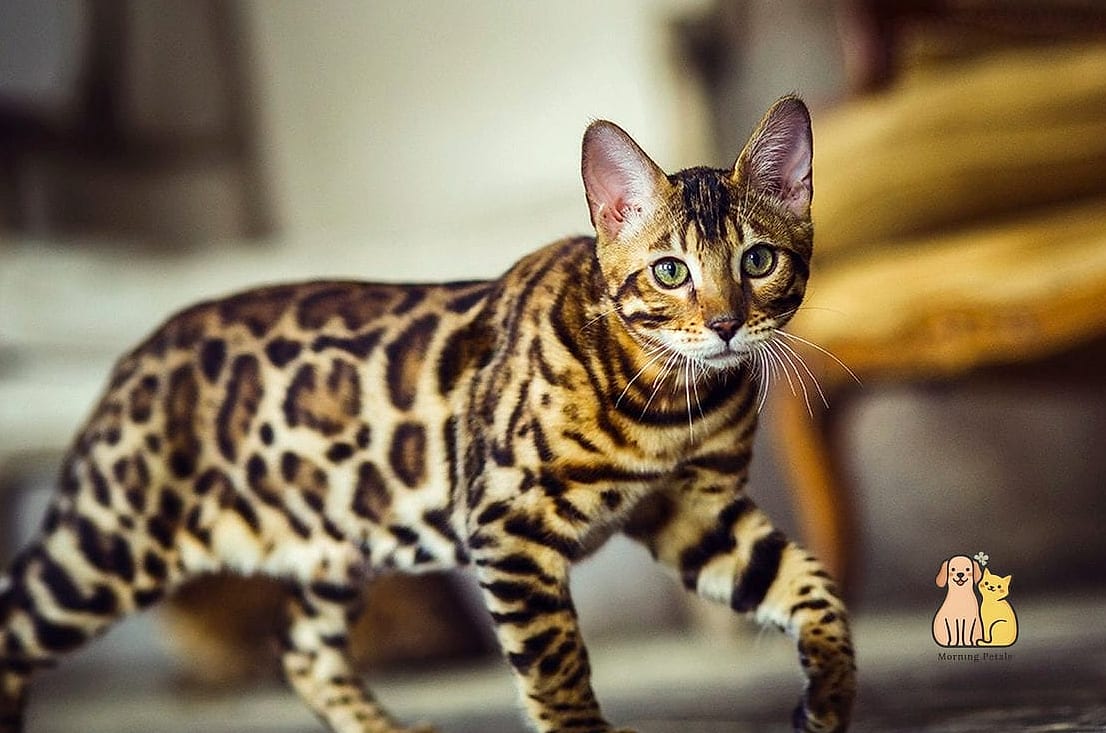
Bengals bring the energy. With their wild-looking spotted coat and athletic build, they’re one of the more active breeds on this list, and they need an outlet for that energy.
Cat trees, window perches, and puzzle feeders aren’t optional extras for a Bengal, they’re basically required equipment. Some Bengal owners even set up catio enclosures so their cats can safely enjoy the outdoors without roaming free.
This breed suits experienced cat owners who have time for daily play sessions and don’t mind a cat that occasionally opens cabinets just to see what’s inside.
Sphynx
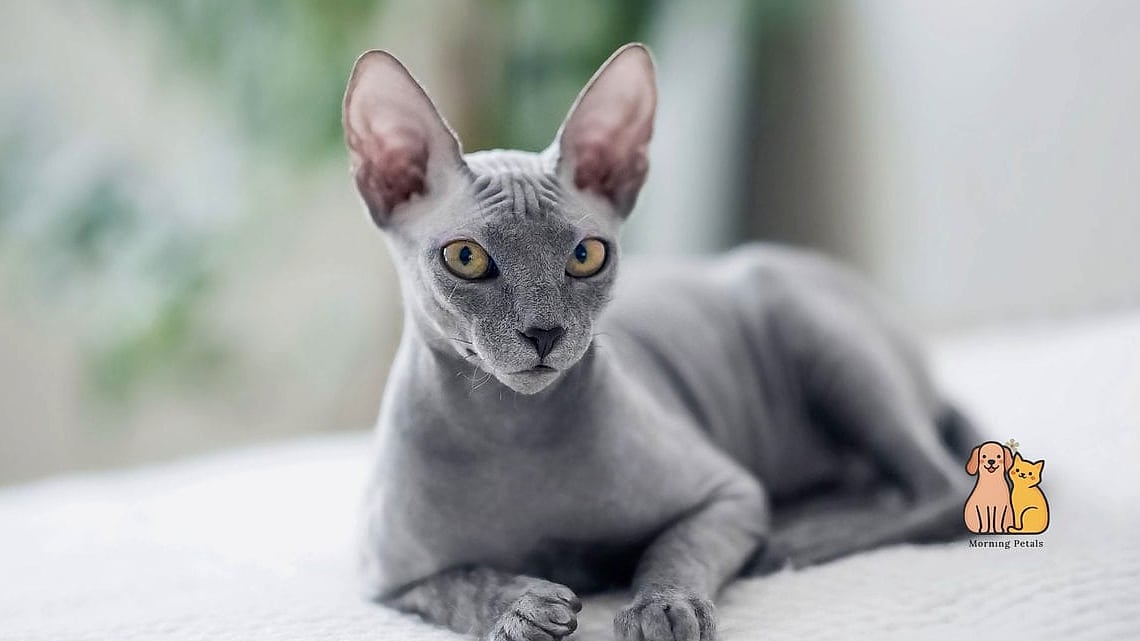
Sphynx cats are the hairless ones, and once people get past the initial “wait, that’s a cat?” reaction, they usually fall hard for their personality. They’re warm, literally, since they run hotter than furred cats, and incredibly social.
Because they lack a coat, Sphynx cats need regular bathing to manage skin oils, and they’re prone to sunburn and cold, so sweaters aren’t just a cute accessory for them, they’re practical.
This breed works well for people who don’t mind a bit of extra skincare and want a cat that’s constantly seeking out warm laps and blankets.
Scottish Fold
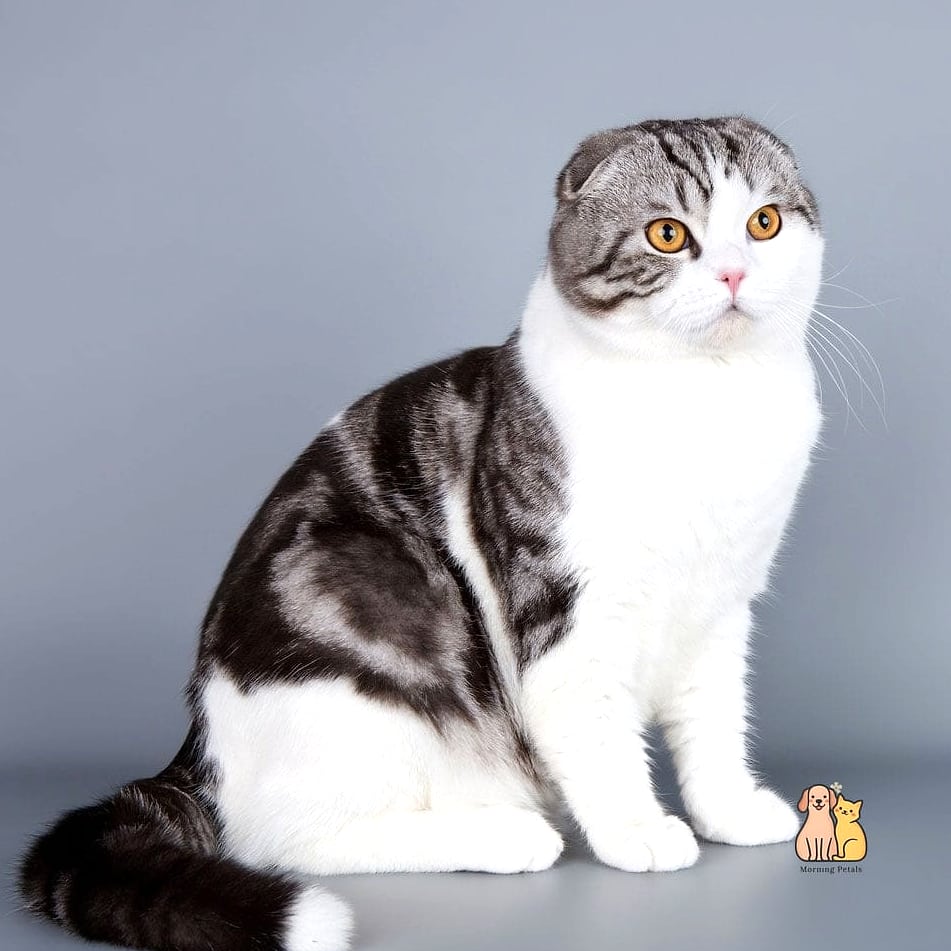
Scottish Folds are known for those adorable folded ears that give them a permanently curious expression. Their temperament tends to be sweet, quiet, and adaptable to pretty much any household setup.
They’re generally low-key cats that enjoy lounging on soft dog beds or cat shelves near a sunny window just as much as playing. Regular vet checkups matter with this breed, since the same gene responsible for the folded ears can affect joint health.
If you want a mellow, affectionate cat that doesn’t demand constant attention but still enjoys being nearby, a Scottish Fold fits nicely.
Abyssinian
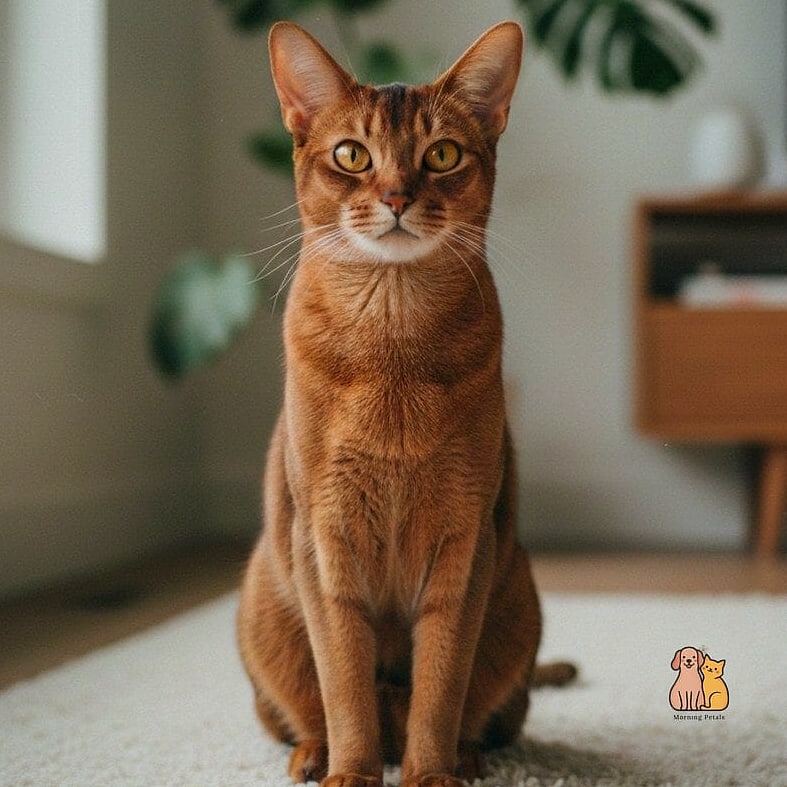
Abyssinians are curious, athletic, and always seem to be investigating something. Their short, ticked coat gives them a wild, foxlike appearance, and their personality matches that adventurous look.
This breed loves height, so wall-mounted cat furniture and tall cat trees are practically essential for keeping them entertained. They’re not big lap cats, but they’re endlessly interactive and love puzzle toys that make them work for treats.
Abyssinians suit owners who want an engaged, playful companion rather than a cat content to nap all day.
American Shorthair
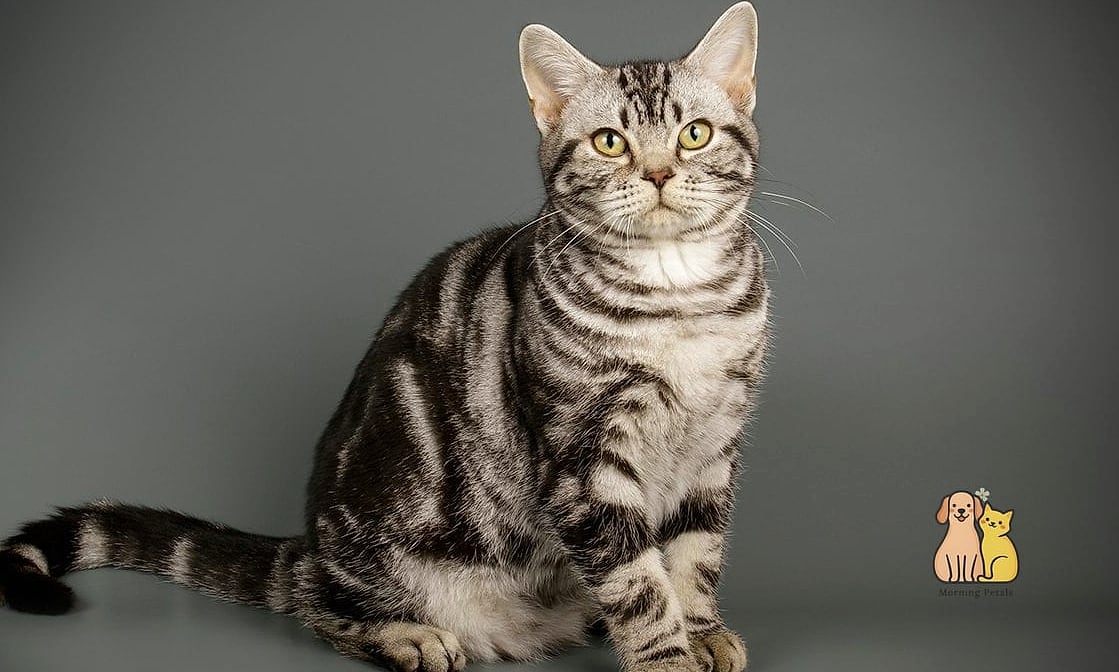
American Shorthairs are the reliable, easygoing all-rounders of the cat world. They’re not overly demanding, adapt well to families, other pets, and various living situations, and tend to have a long, healthy lifespan.
Their short coat keeps grooming simple, just a weekly brush is usually plenty. They’re moderately active, enjoying play sessions but equally happy curling up on a windowsill perch for an afternoon nap.
This breed is a great starting point for first-time cat owners who want a low-drama, affectionate companion without a steep learning curve.
Choosing the Right Breed for Your Home
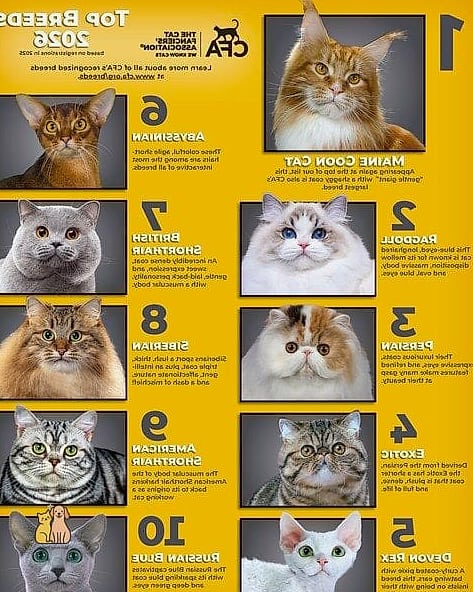
Picking from this list of popular cat breeds really comes down to matching personality and care needs to your actual daily life. An apartment dweller with a busy schedule might do better with a British Shorthair than a high-energy Bengal that needs hours of play.
Think about shedding tolerance too. Long-haired breeds like Persians and Maine Coons look stunning, but they require a real grooming commitment. If brushing isn’t your thing, a short-haired breed like an American Shorthair or Siamese might save you some frustration.
Family situation matters as well. Ragdolls and British Shorthairs tend to handle kids and other pets with more patience, while more independent breeds might prefer a quieter household.
Setting Up Your Home for Any Breed
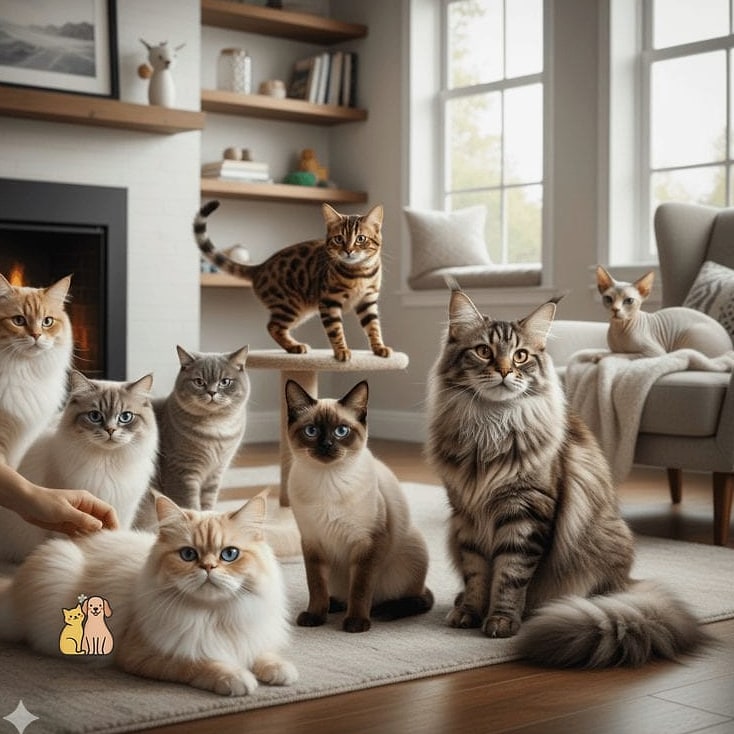
No matter which breed you choose, a few basics make life easier for both of you. A sturdy scratch post protects your furniture and gives your cat a healthy outlet for that natural scratching instinct.
Litter boxes should be placed in a quiet, accessible spot, and most cats appreciate having options if you have multiple cats in the house. A slow feeder bowl or puzzle feeder can help prevent overeating while adding some mental stimulation to mealtime.
Cat trees, window perches, and cat shelves give your cat vertical space to climb and observe their territory, which matters a lot for indoor cats who don’t get outdoor access. Even a simple cardboard box can double as an enrichment tool on a budget.
Health and Wellness Basics
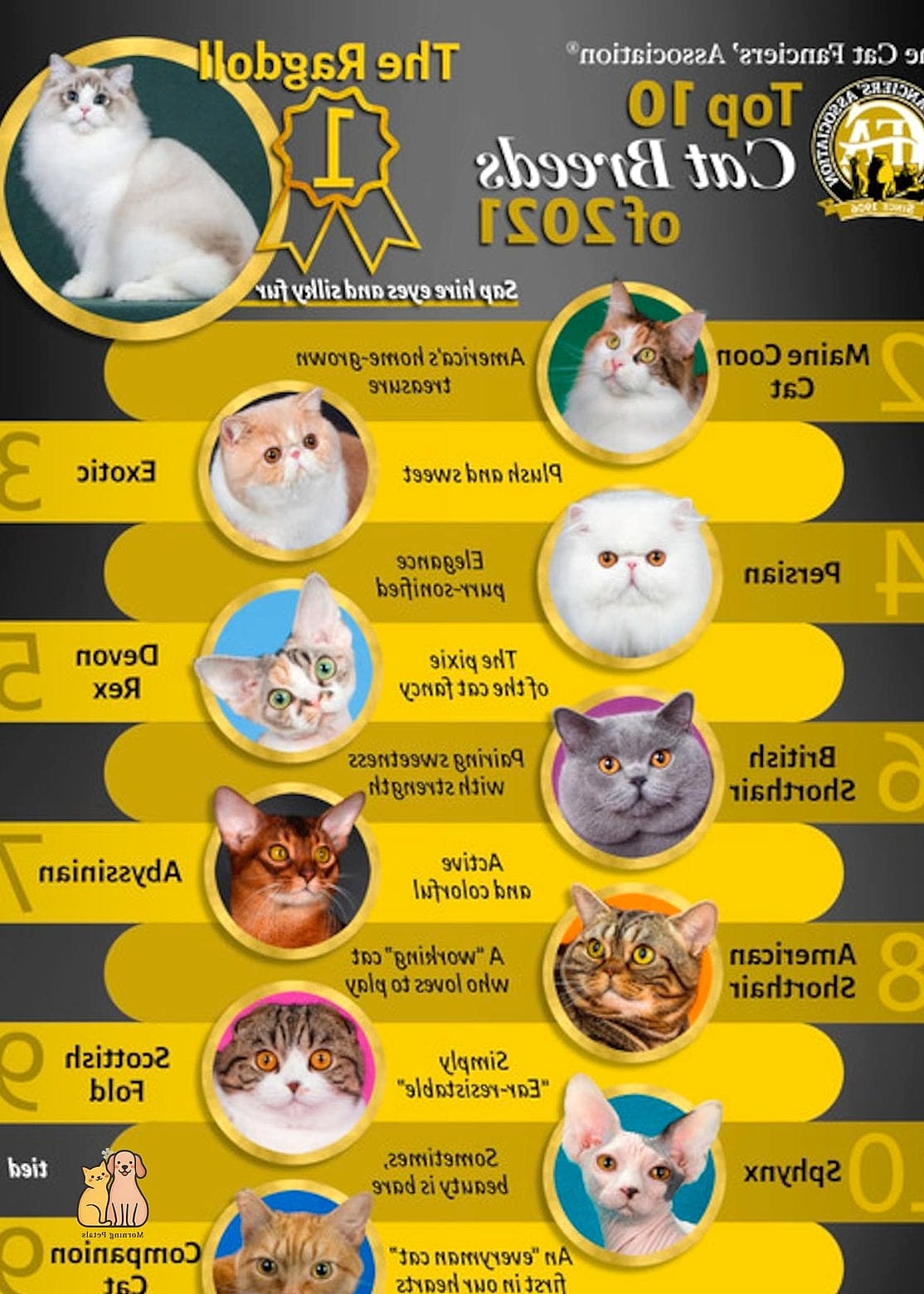
Regular vet visits are important across every breed, but some, like Scottish Folds and Persians, have specific health considerations worth discussing with your vet early on. Staying on top of vaccinations, dental care, and weight management goes a long way toward a longer, healthier life.
A water fountain can encourage cats to drink more, which supports kidney health, something that becomes more important as cats age. Automatic feeders can also help maintain consistent portion control if your schedule is unpredictable.
Grooming tools suited to your breed’s coat type, whether that’s a simple rubber brush for short hair or a detangling comb for long hair, keep skin and coat healthy while giving you regular bonding time.
Final Thoughts
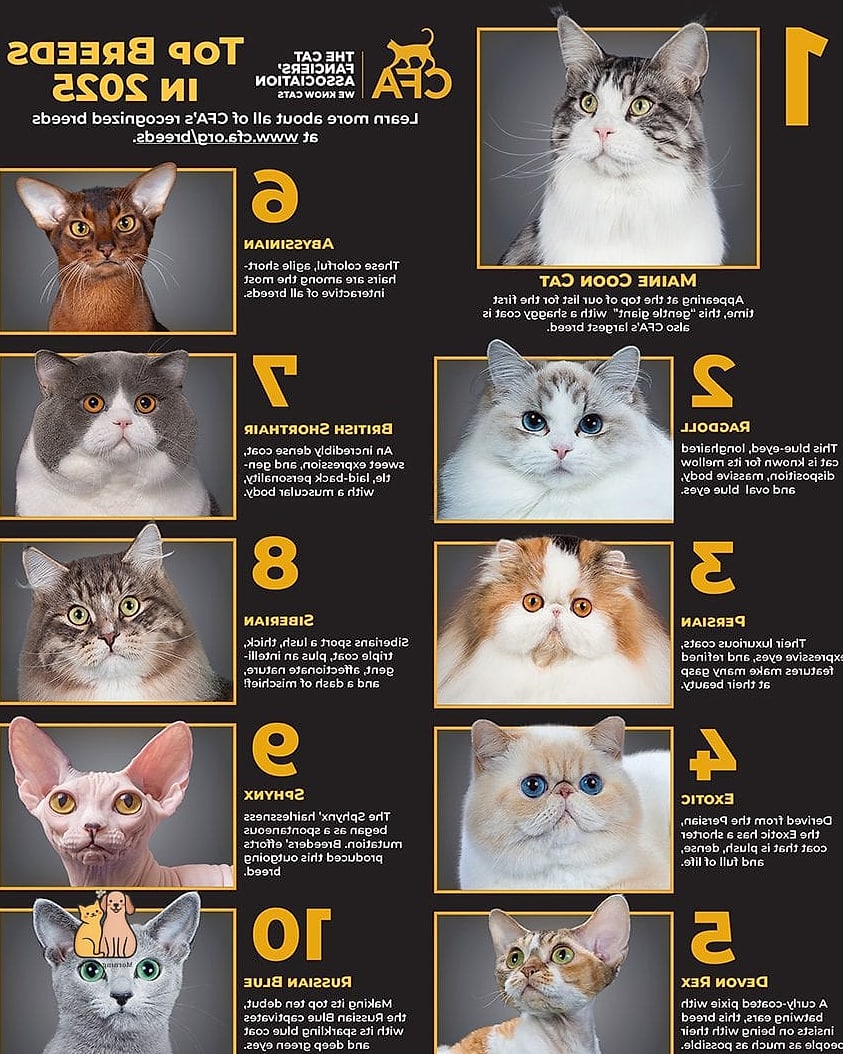
There’s no single “best” cat breed, just the breed that best matches your lifestyle, living space, and how much time you can dedicate to grooming and play. This guide to popular cat breeds is meant to give you a starting point, not a strict rulebook.
Whatever breed catches your eye, the real magic happens once they settle into your home and start showing you their unique personality. Sometimes the most popular cat breeds earn that reputation simply because so many owners fall in love with them, and honestly, it’s not hard to see why.