The Small Dog Breeds: You Didn’t Know You Needed
The Small Dog Breeds: You Didn’t Know You Needed
Most people can name the usual small dog suspects without even thinking hard. Chihuahua. Pug. Maybe a Shih Tzu if they’re feeling fancy. But the world of small dog breeds goes way deeper than the ones you see on every dog park bench.
If you live in an apartment, have a smaller yard, or just prefer a dog you can scoop up and carry to the car during a thunderstorm, there’s a whole lineup of underrated small breeds worth knowing about. Some are ancient companions bred for royalty. Others were farm workers who just happen to be pint-sized. All of them deserve more attention than they usually get.
Here are the small dog breeds that don’t always make the popular lists, but honestly should.
The Biewer Terrier
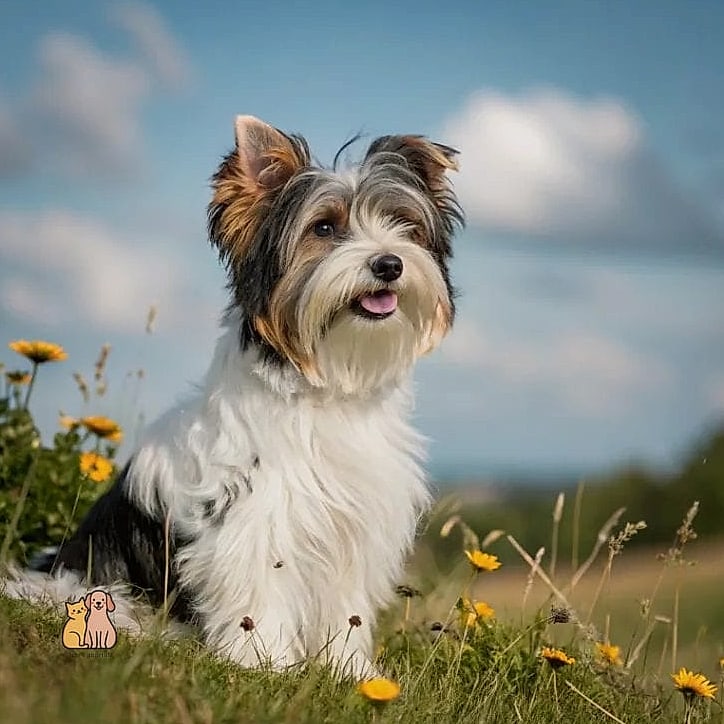
This one looks like a Yorkie that got into a tri-color paint set, and that’s basically the story. Biewer Terriers came from a genetic mutation within Yorkshire Terrier bloodlines in Germany back in the 1980s, giving them a striking blue, white, and gold coat pattern.
They’re playful, affectionate, and surprisingly sturdy for their size, usually weighing in around 4 to 8 pounds. Their long silky coat needs regular brushing, and a lot of owners keep it trimmed short to cut down on maintenance.
They do great in apartments and bond closely with their people, sometimes a little too closely if you’re not careful about separation anxiety. A cozy dog bed near your desk and a few enrichment toys go a long way with this breed.
The Japanese Chin
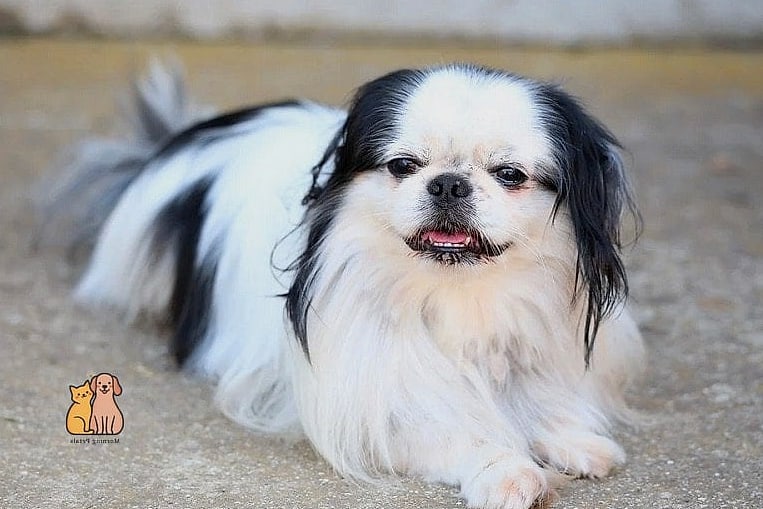
Japanese Chins have this quiet, almost cat-like elegance that catches people off guard. They were bred as companions for Japanese nobility, and it shows in the way they carry themselves.
These dogs are calm, affectionate, and genuinely funny once they warm up. They’re known for climbing onto furniture backs to get a better view of the room, which is either charming or mildly concerning depending on your couch situation.
Grooming is moderate, with a silky coat that sheds seasonally but doesn’t mat easily. They’re a solid pick for apartment living since they’re generally quiet and don’t need intense exercise, just a couple of short walks and some indoor playtime.
The Schipperke
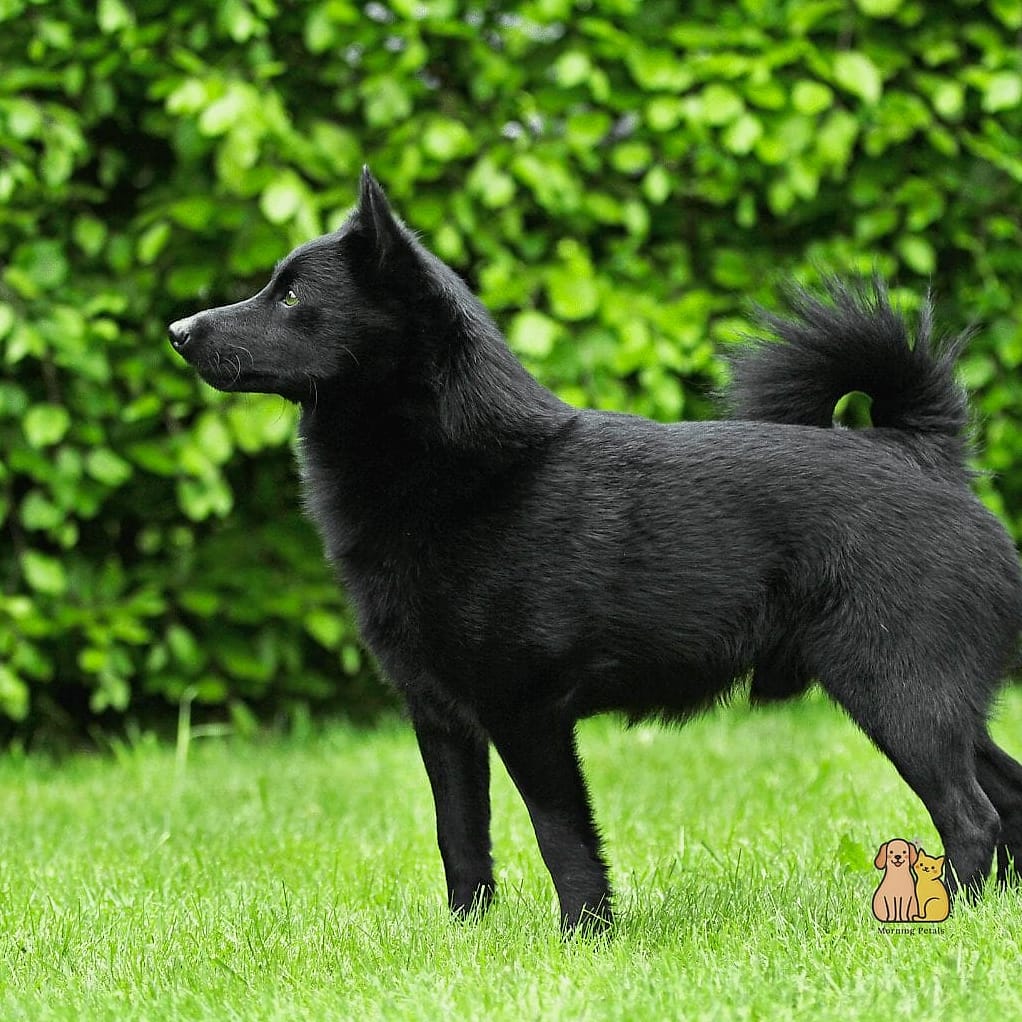
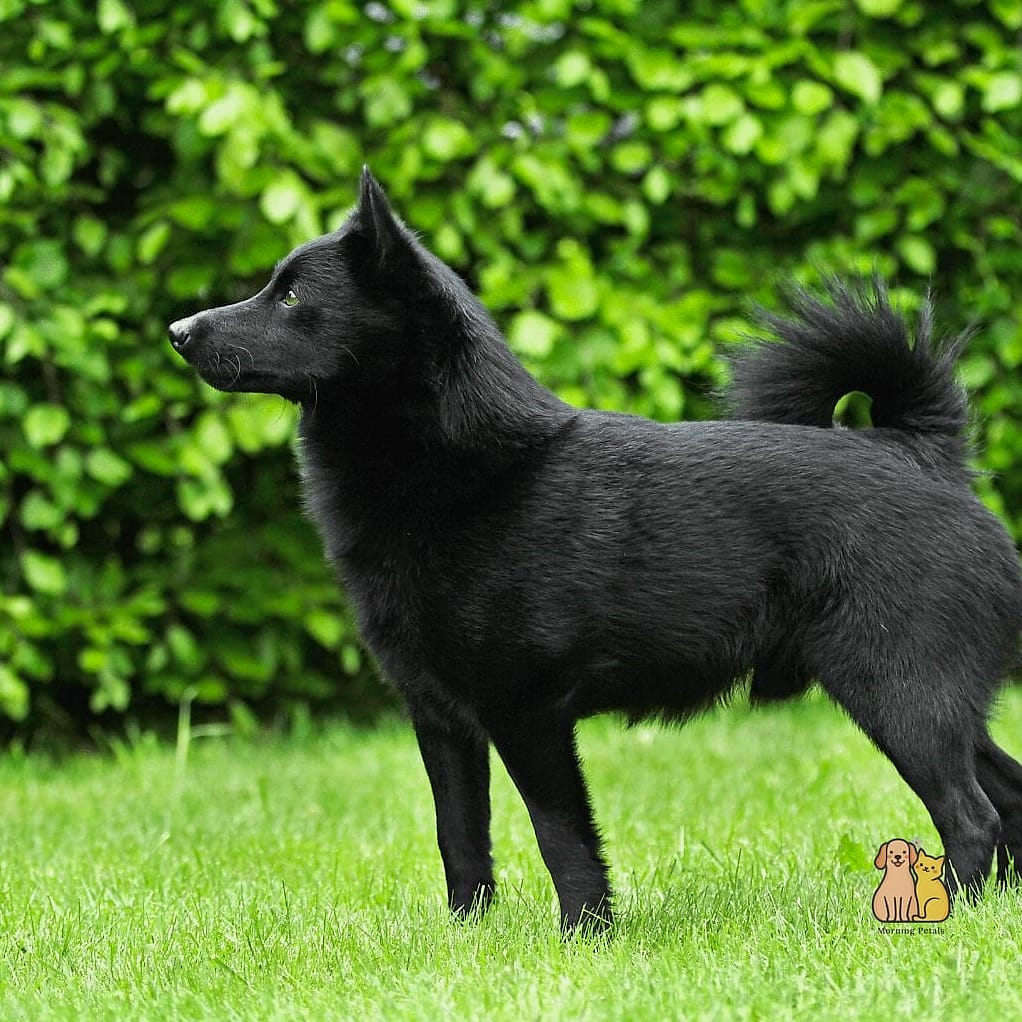
Pronounced “SKIP-er-kee,” this little Belgian breed looks like a fox and acts like it has somewhere important to be. Schipperkes were originally used on barges and farms to hunt vermin, so don’t let the small size fool you into thinking they’re delicate.
They’re alert, energetic, and genuinely curious about everything happening around them. This is not a breed that’s content to nap all day on a window perch, though they’ll happily use one to supervise the neighborhood.
Their thick double coat sheds more than you’d expect from a small dog, so a good brush and a slow feeder bowl to manage their food-motivated personality are worth having on hand.
The Havanese
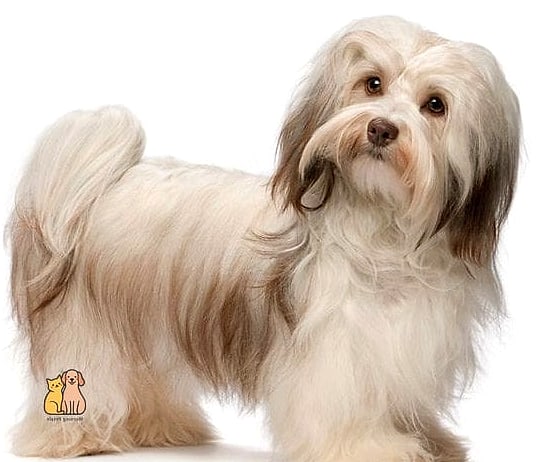
Havanese dogs have this bouncy, silky coat and a personality that’s basically built for cuddling. They’re the national dog of Cuba, and they were bred specifically to be companions, which explains why they’re happiest glued to your side.
They’re known for being easy to train, good with kids, and generally low on the aggression scale. Shedding is minimal, which makes them a popular choice among people looking at hypoallergenic breeds, though no dog is truly 100 percent allergen-free.
A Havanese does well with a cat tree-style perch repurposed for dog use, a soft bed, and plenty of puzzle feeders to keep that clever brain busy.
The Brussels Griffon
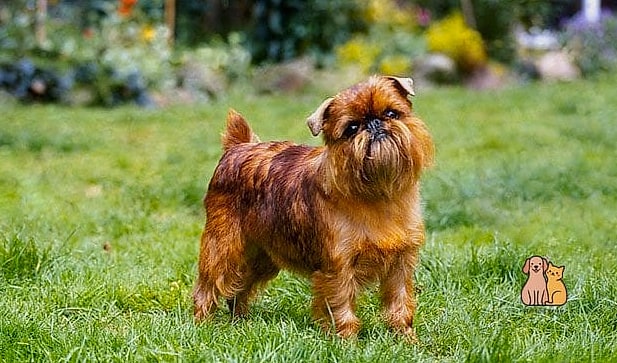
If you’ve ever seen a dog with a face that looks almost human, there’s a decent chance it was a Brussels Griffon. They have this expressive, slightly grumpy-looking mug that somehow makes them even more lovable.
Originally bred in Belgium to catch rats in stables, they’ve got more grit and personality packed into their small frame than you’d expect. They’re loyal to the point of being a little clingy, and they tend to bond most strongly with one particular person in the household.
They’re sensitive dogs, so gentle training methods work best. A comfy pet carrier for trips and a consistent routine will keep a Griffon feeling secure.
The Coton de Tulear
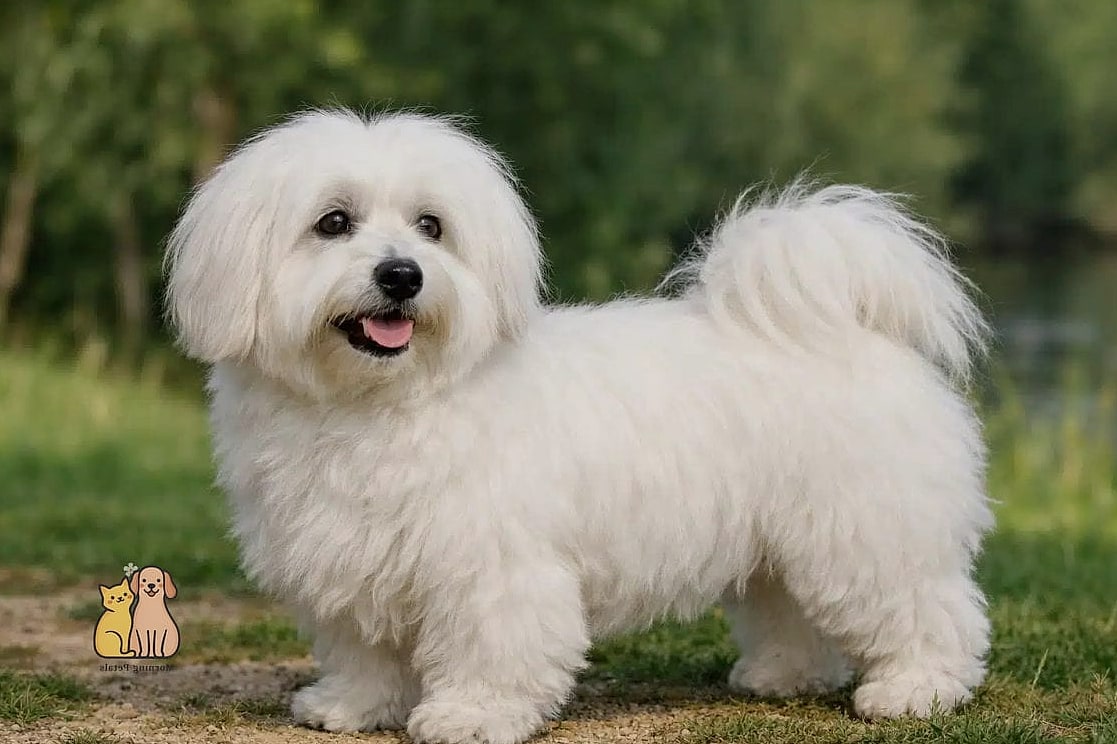
This breed’s name comes from its cotton-like coat, and once you touch it, you’ll understand why. Coton de Tulears originated in Madagascar and have this cheerful, almost clownish energy that makes them a joy to be around.
They’re known for walking on their hind legs when excited, which is exactly as adorable as it sounds. They’re generally easygoing with kids and other pets, making them a nice fit for families who want a small dog without a lot of drama.
Their coat needs regular brushing to prevent matting, but they don’t shed heavily, so grooming tools like a slicker brush and a wide-tooth comb are usually enough to keep things manageable.
The Affenpinscher
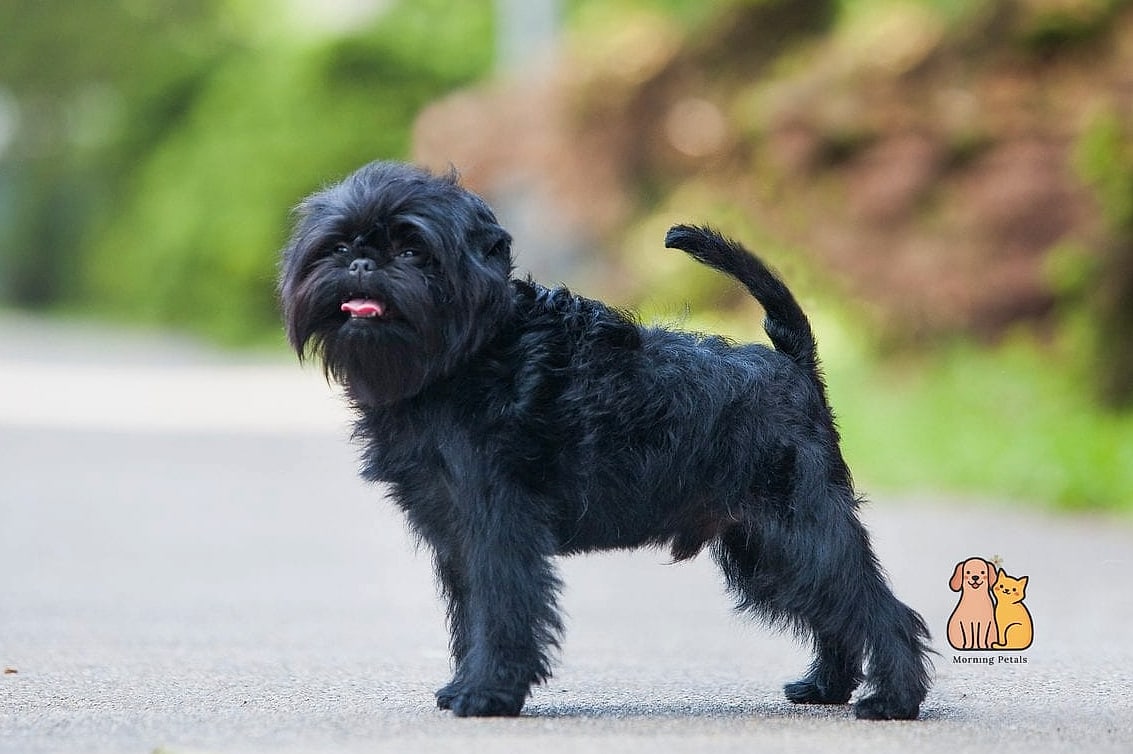
Nicknamed the “monkey terrier” because of its scruffy face and mischievous expression, the Affenpinscher is basically a small dog with a big dog attitude. They were originally bred in Germany to hunt rodents, and that terrier confidence never really left.
They’re funny, a little stubborn, and endlessly entertaining to watch. This isn’t necessarily the breed for a first-time owner who wants something easygoing, but for someone who appreciates a dog with actual opinions, it’s a great match.
Exercise needs are moderate, so a mix of indoor enrichment toys and short outdoor walks usually keeps them satisfied. Their wiry coat needs occasional hand-stripping or trimming to stay tidy.
The Lowchen
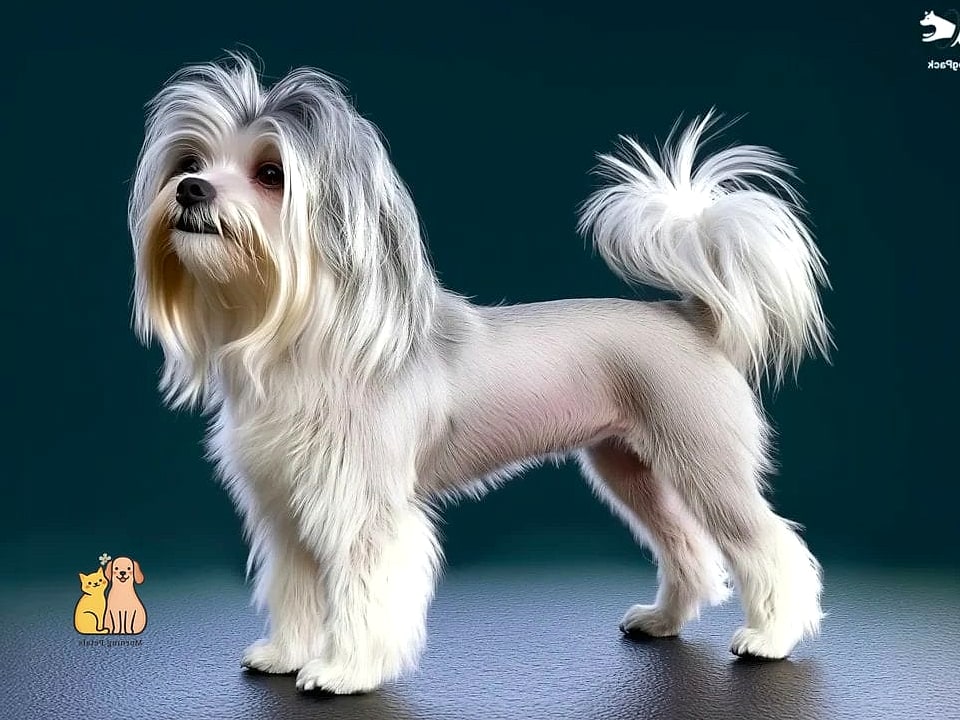
Once considered one of the rarest dog breeds in the world, the Lowchen (which translates to “little lion dog”) has this fun lion-cut grooming style that makes them instantly recognizable. Despite the dramatic look, their personality is easygoing and affectionate.
They tend to be great with families, adapt well to apartment life, and don’t shed much, which is a bonus for anyone tired of vacuuming dog hair off the couch every other day. Historically, they were kept as companions and even used as living heating pads for people with joint pain, which says a lot about their warm, snuggly nature.
A soft bed near a sunny window and regular grooming appointments will keep a Lowchen looking and feeling their best.
The Small Dog Lifestyle: What to Actually Expect
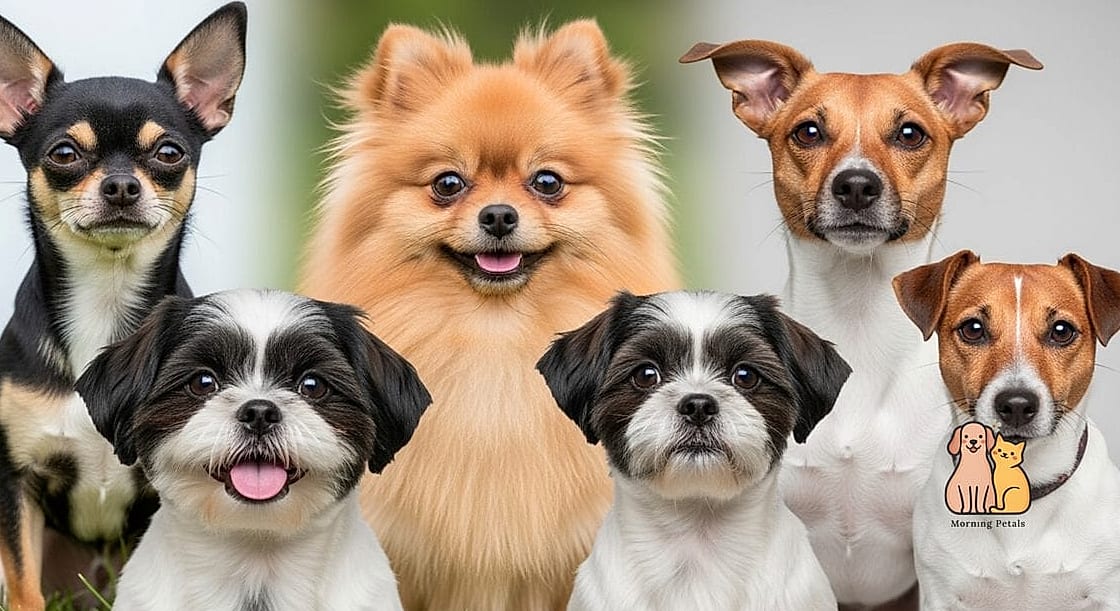
Bringing home any of these breeds means rethinking a few things around the house. Small dogs still need real exercise, mental stimulation, and consistent training, even if their legs are shorter than a Labrador’s tail.
Dog stairs or ramps are worth considering if you’ve got tall beds or couches, since jumping repeatedly can be hard on small joints over time. A well-fitted harness is generally safer than a collar for breeds prone to tracheal sensitivity, which includes several of the toy and terrier types listed above.
Feeding also deserves some attention. Small breeds often do better with smaller, more frequent meals, and a slow feeder bowl can help prevent the gulping that leads to upset stomachs.
Final Thoughts
The Small Dog Breeds: You Didn’t Know You Needed list could honestly go on longer, because the small dog world is full of quirky, loyal, and downright charming options beyond the usual favorites. Whether you’re drawn to the alert energy of a Schipperke or the quiet elegance of a Japanese Chin, there’s likely a breed on here that fits your lifestyle better than you expected.
Before bringing any of these dogs home, it’s worth spending time with the breed in person if possible, talking to reputable breeders or rescues, and being honest about your space, schedule, and energy level. Small size doesn’t always mean small effort, but for the right owner, these breeds offer a whole lot of personality in a very portable package.