The Bulldog Breed: You Didn’t Know You Needed

The Bulldog Breed: You Didn’t Know You Needed
If you have ever met a Bulldog, you already know they have a special way of making an impression. With their wrinkled faces, sturdy little bodies, and charmingly stubborn personalities, Bulldogs are the kind of dogs people remember long after saying hello.
At first glance, some people see a Bulldog and think of a tough, serious-looking dog. Spend a few minutes with one, though, and you will quickly discover a gentle, affectionate companion who often believes they are a tiny lap dog trapped inside a muscular body.
The Bulldog Breed: You Didn’t Know You Needed is a closer look at what makes this breed so lovable. From their unique temperament and care needs to their health considerations and everyday habits, Bulldogs have many qualities that surprise new owners.
Why Pet Owners Love Them

Bulldogs have a reputation for being loyal, loving, and wonderfully entertaining. They are not the type of dog that needs to be constantly running, jumping, or chasing every moving object. Instead, many Bulldogs enjoy a slower pace filled with naps, short walks, cozy beds, and plenty of time with their favorite humans.
One of the biggest reasons people fall in love with Bulldogs is their affectionate nature. They often form strong bonds with their families and enjoy being involved in daily activities. A Bulldog may happily follow you from room to room, supervise your cooking, or relax beside you while you watch television.
Their funny personalities are another huge part of their charm. Bulldogs can be surprisingly playful and expressive. Many owners laugh at their dramatic sighs, silly sleeping positions, and stubborn moments when they decide a walk can wait five more minutes.
They are also known for being relatively calm indoors. For people living in apartments or smaller homes, a Bulldog can be a great match because they typically do not require the same level of exercise as high-energy working breeds.
However, their relaxed attitude does not mean they should be ignored. Bulldogs still need daily interaction, mental stimulation, and loving care to stay happy.
Key Characteristics

The Bulldog is a medium-sized breed with a powerful build, broad chest, short coat, and distinctive wrinkled face. Their appearance is one of their most recognizable features, and many people are instantly drawn to their unique look.
Most adult Bulldogs weigh between 40 and 50 pounds, although size can vary depending on genetics, sex, and overall health. They have compact bodies with strong shoulders and short legs, giving them their famous sturdy appearance.
Their coat is short and smooth, which makes grooming relatively simple. Bulldogs come in several colors and patterns, including white, fawn, brindle, and combinations of these shades. Their facial wrinkles and skin folds require extra attention because moisture and debris can collect in these areas.
Personality-wise, Bulldogs are often described as gentle, affectionate, and determined. That determination can sometimes appear as stubbornness during training sessions. A Bulldog may understand exactly what you want but decide they need to think about it first.
This breed usually does well with families, couples, and individuals who appreciate a relaxed but loving dog. They can be wonderful around children when properly socialized and supervised.
Understanding Bulldog Temperament
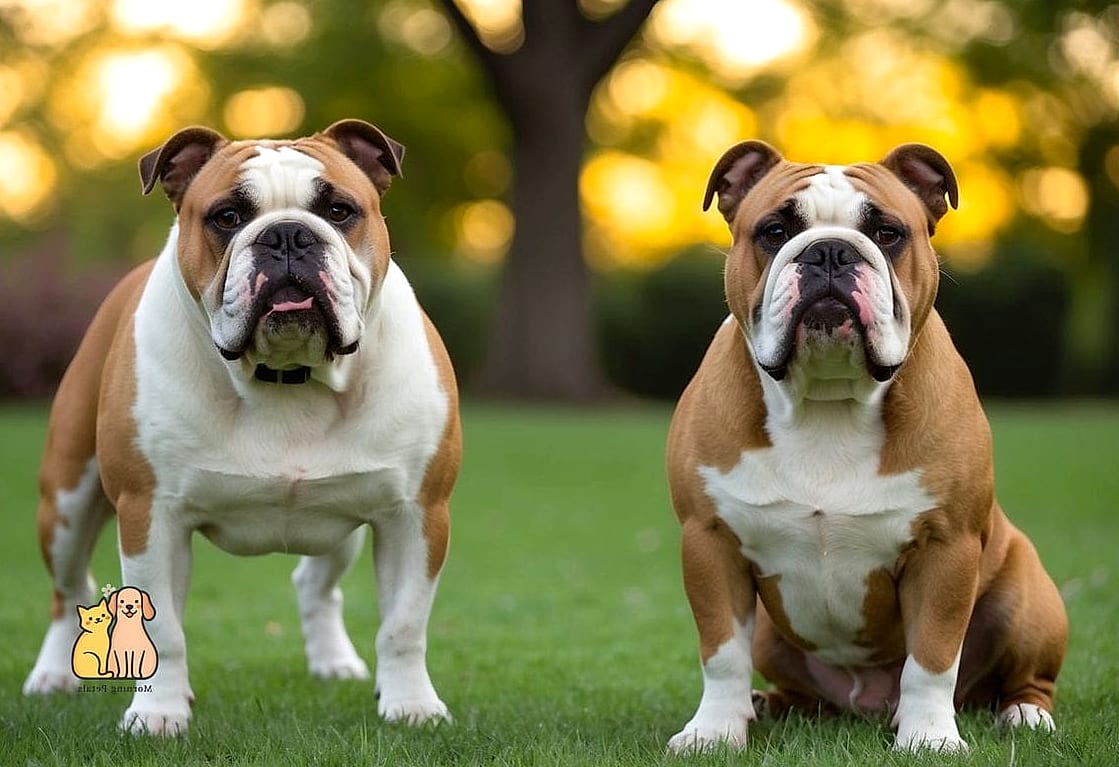
A Bulldog’s personality is one of the main reasons they have such devoted fans. They are often affectionate without being overly demanding. Many enjoy being close to their owners but are also happy to relax independently for parts of the day.
Bulldogs are not typically known for excessive barking, although individual personalities vary. They may alert you when someone arrives or when something unusual happens, but many are fairly quiet compared with more vocal breeds.
Training requires patience because Bulldogs can have an independent streak. Short, positive training sessions usually work better than long lessons. Reward-based training with treats, praise, and encouragement can help keep them interested.
Early socialization is important. Introducing a Bulldog puppy to different people, sounds, environments, and other animals helps them grow into confident adults.
A well-socialized Bulldog can enjoy meeting new people and exploring new places. Their calm nature often makes them pleasant companions for casual outings.
Care Requirements
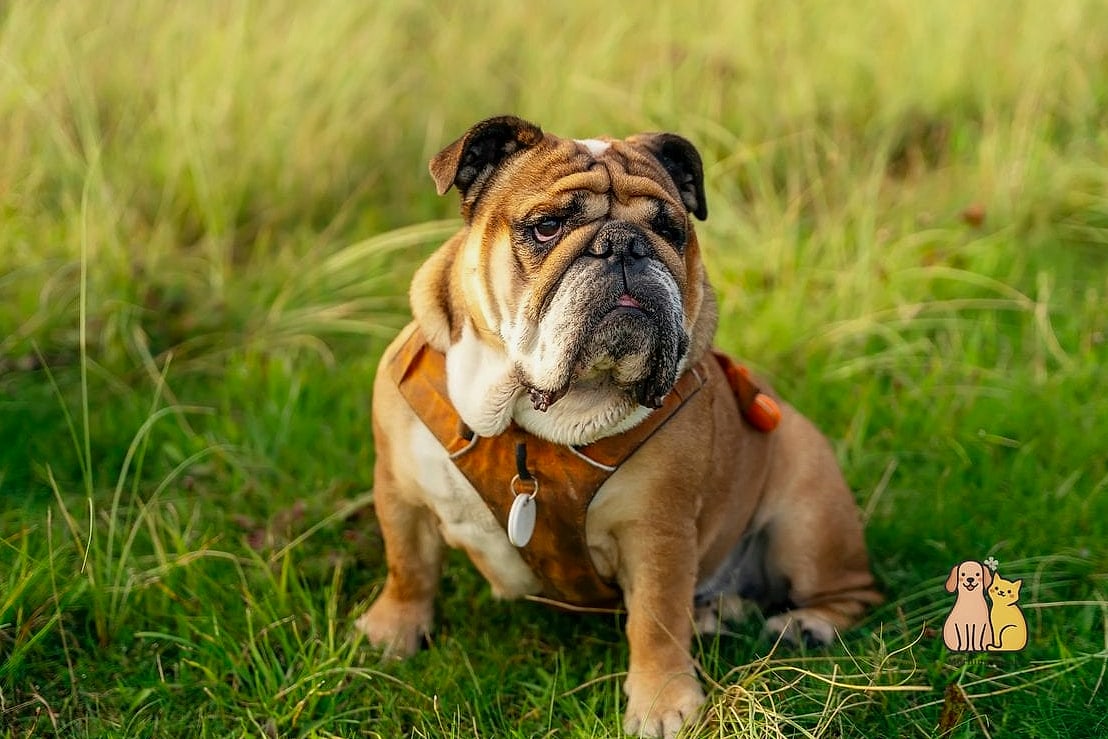
Caring for a Bulldog involves a balance of affection, routine, and attention to their unique physical needs. They are not a high-maintenance breed in every area, but they do require thoughtful care.
Their short coat benefits from regular brushing with a soft grooming tool. Weekly brushing can help remove loose hair and keep their coat looking healthy. Bulldogs are moderate shedders, so grooming tools can help keep fur under control around the home.
Their facial wrinkles need regular cleaning. Owners should gently check skin folds and keep them dry to prevent irritation. A soft cloth or pet-safe cleaning product can help with routine maintenance.
Nail care is another important part of Bulldog grooming. Long nails can affect walking comfort, so regular trimming is recommended.
Dental care should not be overlooked. Like many breeds with compact facial structures, Bulldogs can benefit from regular tooth brushing, dental treats, and veterinary dental checkups.
Bulldogs also need enrichment. Puzzle feeders, chew toys, and gentle interactive games can keep their minds active without requiring intense exercise.
Housing and Space Needs
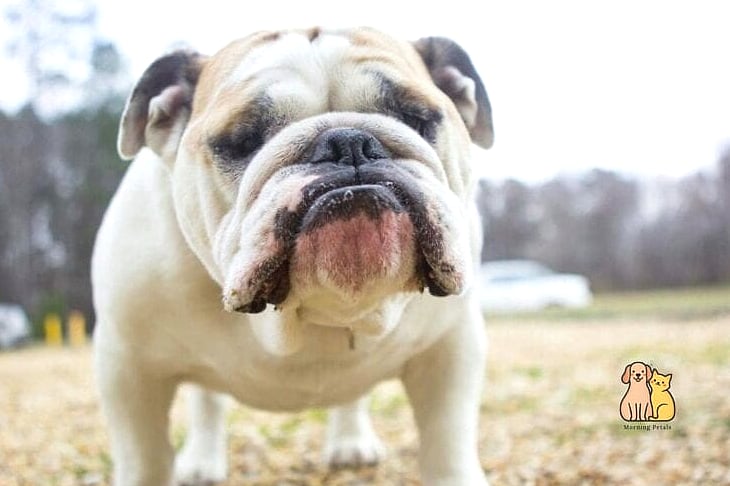
One of the reasons Bulldogs are popular is that they can adapt well to many living situations. A large backyard is not required, and many Bulldogs are comfortable in apartments as long as they receive proper care and attention.
A comfortable dog bed is an important investment because Bulldogs love resting. Many owners choose supportive beds designed for medium-sized breeds, especially those that provide cushioning for joints.
Because Bulldogs have shorter noses, temperature control is especially important. They can struggle in hot weather, so indoor living with air conditioning or good ventilation is often the safest choice during warmer months.
A secure collar or harness is also helpful for daily walks. Many owners prefer harnesses because they can provide more comfortable control during outdoor activities.
Bulldogs should not be expected to spend long periods outdoors. Their body structure makes extreme temperatures more challenging, and they generally thrive when they are part of the family.
Diet and Feeding

A healthy diet plays a major role in keeping a Bulldog comfortable and active. Because Bulldogs can be prone to weight gain, portion control is very important.
High-quality dog food formulated for their size and activity level can support healthy muscles, skin, and energy. Some Bulldogs do well with foods designed for sensitive digestion, but dietary choices should always be based on individual needs.
Slow feeder bowls can be useful for Bulldogs that eat too quickly. These bowls encourage slower eating and can make mealtimes more engaging.
Treats are wonderful for training, but they should be offered thoughtfully. Bulldogs are experts at convincing people that they deserve an extra snack, and their adorable expressions can make saying no difficult.
Fresh water should always be available. A sturdy water bowl that is easy to clean is a simple but important part of their daily setup.
Owners should monitor their Bulldog’s body condition rather than relying only on appetite. A healthy Bulldog should have a balanced shape without carrying unnecessary extra weight.
Exercise and Daily Routine

Bulldogs are not built for marathon runs or intense athletic activities, but they still need regular movement. Short daily walks and gentle play sessions are usually enough to keep them healthy.
A slow walk around the neighborhood can provide physical exercise and mental stimulation. Bulldogs enjoy sniffing, exploring, and spending time with their owners.
During warmer seasons, exercise should be planned carefully. Early morning or evening walks are often better choices because temperatures are lower.
Indoor activities can also help. Puzzle toys, gentle tug games, and training exercises provide mental stimulation without putting too much strain on their bodies.
Owners should watch for signs of fatigue, especially during physical activity. Bulldogs may become tired quickly, so giving them breaks is always a good idea.
Health Considerations
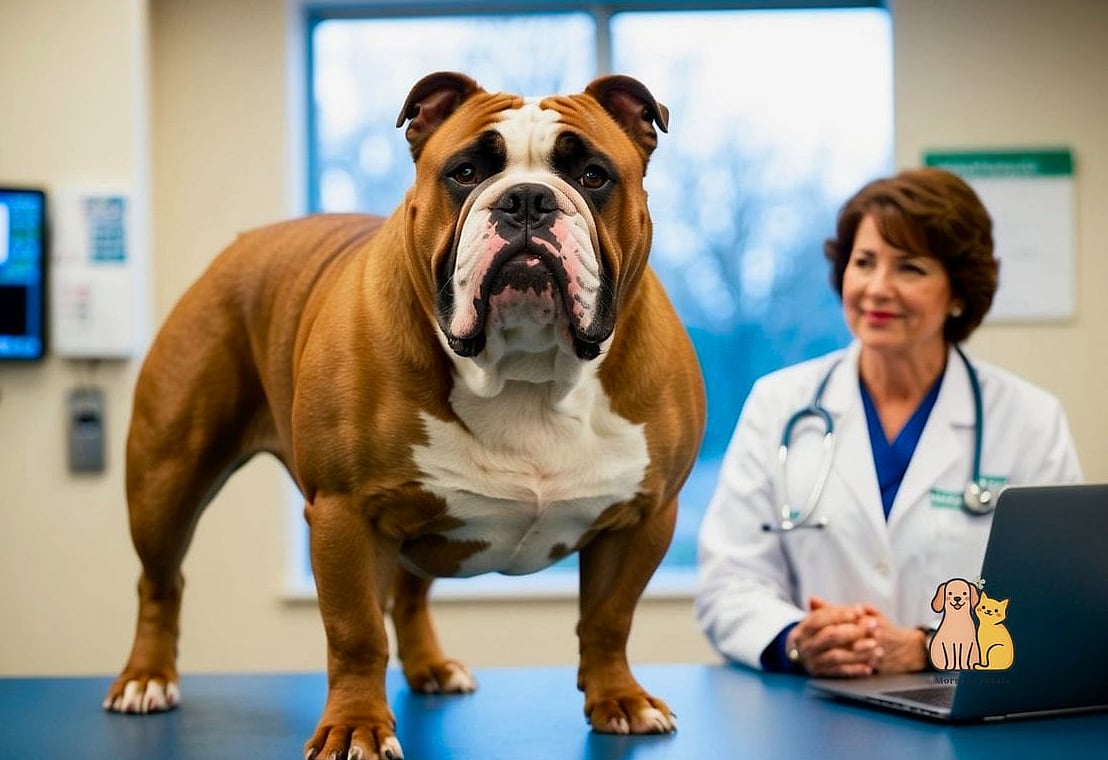
Like every breed, Bulldogs have specific health considerations that owners should understand before bringing one home. Responsible care and regular veterinary visits can make a major difference in their quality of life.
Their short facial structure can contribute to breathing challenges, especially in hot weather or during strenuous exercise. Owners should pay attention to heavy breathing, overheating, or signs of discomfort.
Bulldogs may also experience skin issues because of their wrinkles and folds. Regular cleaning and veterinary guidance can help manage many common concerns.
Joint and mobility issues can occur because of their compact, muscular build. Maintaining a healthy weight is one of the best ways to support their comfort.
Some Bulldogs may have allergies or sensitive stomachs, requiring adjustments to food, grooming products, or daily routines.
Regular veterinary checkups allow potential problems to be noticed early. Preventive care, vaccinations, parasite control, and dental care all contribute to a healthier life.
The average Bulldog lifespan is often around 8 to 10 years, although some live longer with excellent care, healthy habits, and good genetics.
Bulldog Puppies and Training Tips

Bulldog puppies are incredibly cute, but they also require patience and consistency. Those adorable wrinkles and playful personalities come with the responsibility of teaching good habits early.
House training works best with a predictable routine. Puppy pads can be useful during early training, especially for owners living in apartments, but consistent outdoor training should be introduced when appropriate.
Puppies benefit from gentle exposure to new experiences. Meeting friendly people, hearing everyday sounds, and exploring safe environments helps build confidence.
Because Bulldogs can be determined, training should focus on encouragement rather than frustration. Celebrate small successes and keep sessions positive.
Chew toys are especially helpful during puppy stages. Like most puppies, young Bulldogs explore the world with their mouths and need appropriate outlets for chewing.
Fun Facts About Bulldogs
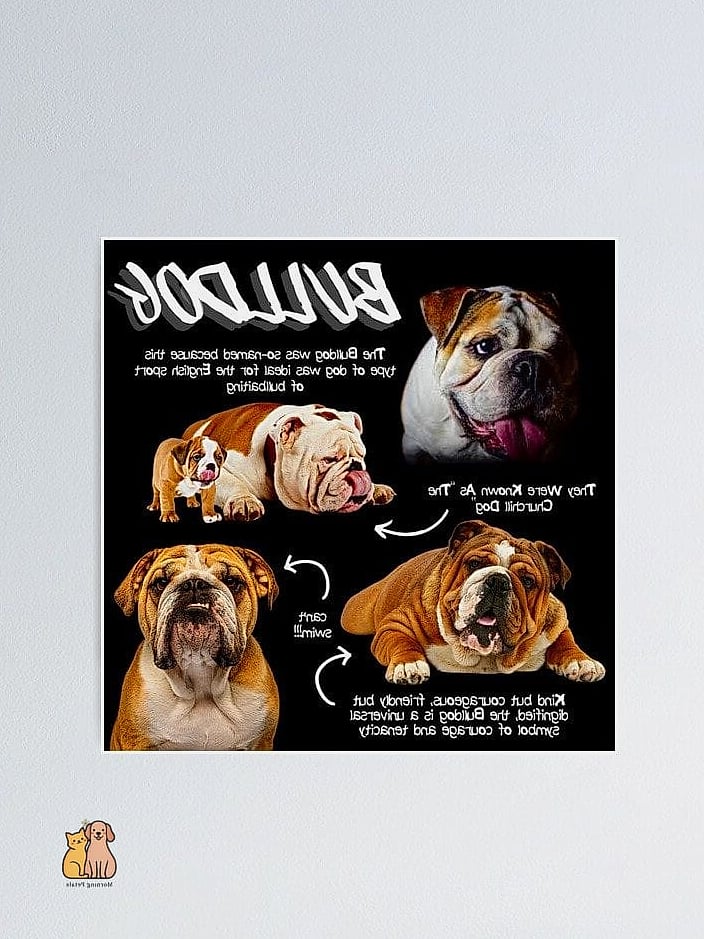
Bulldogs have a fascinating history and many surprising qualities that make them even more interesting.
The breed was originally developed in England and has transformed significantly over time. Modern Bulldogs are known more for companionship than the working roles associated with their past.
Many Bulldogs are famous for their expressive faces. Their wrinkles, underbites, and unique expressions often make them look like they are constantly thinking deep thoughts.
They are also known for their love of comfort. A Bulldog may happily choose a soft blanket and cozy corner over almost any exciting adventure.
Some Bulldogs snore, snort, and make other unusual sounds because of their facial structure. For many owners, these funny noises become part of their dog’s lovable personality.
Despite their tough appearance, Bulldogs are often gentle souls who simply want to be near their families.
Final Thoughts
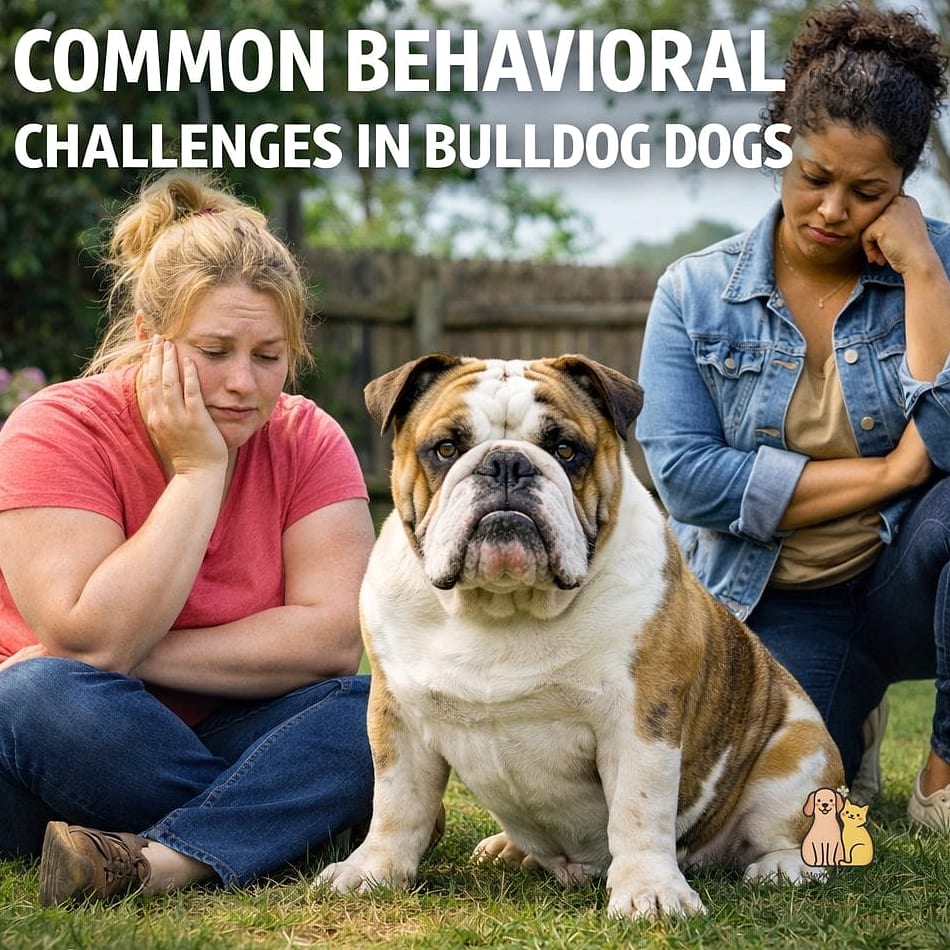
The Bulldog Breed: You Didn’t Know You Needed is a reminder that some of the most special dogs are not always the most energetic or traditionally elegant. Bulldogs bring something different: loyalty, humor, affection, and a relaxed approach to life.
They are not the right choice for every household. Their health needs, grooming routine, and sensitivity to heat require responsible ownership. But for people who understand their needs, Bulldogs can bring years of companionship and unforgettable moments.
A Bulldog is the kind of dog that can turn ordinary days into memories. They may steal your favorite spot on the couch, demand attention with a dramatic look, and convince you that another treat is necessary. Somehow, they make all of it impossible to resist.
For many owners, life with a Bulldog is not just about having a pet. It is about sharing a home with a funny, loving, and wonderfully unique member of the family.