The American Short Hair Cat Breed: That Will Change How You See Them
The American Short Hair Cat Breed: That Will Change How You See Them
If you’ve ever pictured the “average house cat,” you were probably picturing an American Shorthair without even knowing it. That round face, muscular little body, and easygoing expression is basically the mental default when someone says “cat.” But here’s the thing — once you actually get to know this breed, you realize there’s nothing average about them at all.
The American Shorthair Cat Breed has a reputation for being simple, low-maintenance, and a little plain compared to flashier breeds. That reputation is doing this cat a disservice. These are working cats with real history, surprising personality range, and a kind of quiet charisma that sneaks up on you. Let’s talk about why they deserve a second look.
Why Pet Owners Love Them
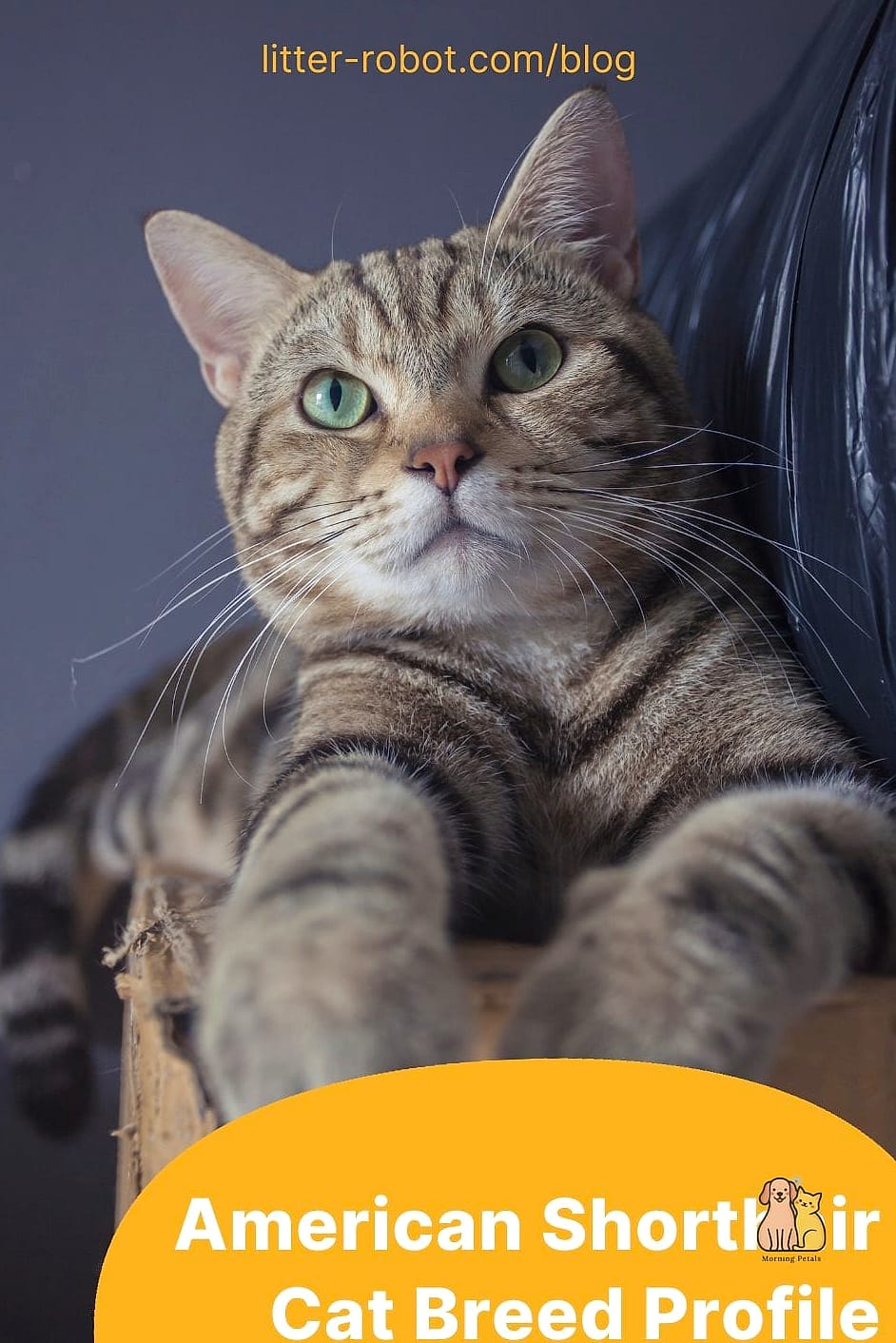
American Shorthairs came to America on ships, literally. They were brought over to control rodent populations on cargo vessels, which means this breed has been earning its keep since before the country even had a name. That working-cat history shows up in their personality today.
Owners often describe them as steady, affectionate without being clingy, and remarkably adaptable. They’re not the type to demand constant attention, but they’ll absolutely curl up next to you once you’re settled on the couch. There’s a groundedness to them that a lot of people find comforting, especially compared to more high-strung breeds.
They also tend to get along well with kids, other pets, and even the occasional chaotic dog, which makes them a favorite for multi-pet households.
Key Characteristics
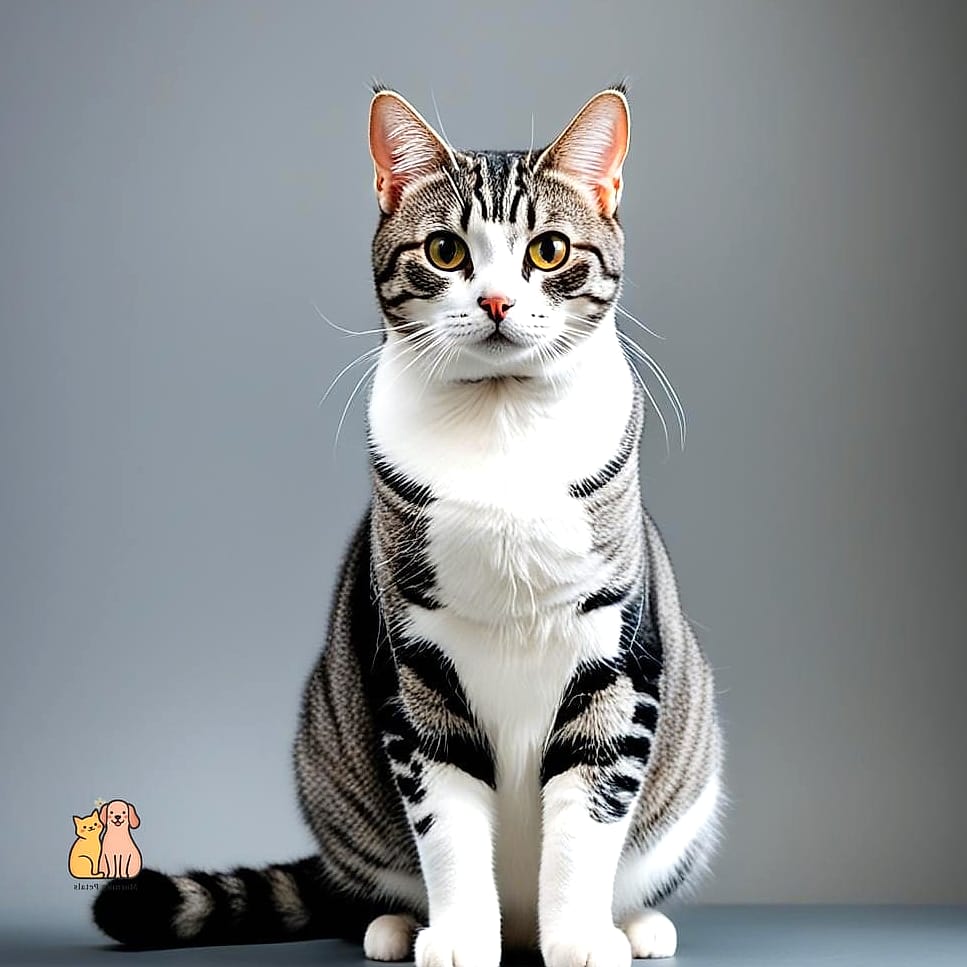
Physically, American Shorthairs are built like little athletes. They have broad chests, strong legs, and a solid, muscular frame that feels surprisingly heavy when you pick one up. This isn’t a delicate lap cat — it’s a sturdy, well-proportioned animal built for durability.
Their coat comes in an impressive range of colors and patterns, with the classic silver tabby being the most iconic. That short, dense coat isn’t just good looking, either — it’s practical and easy to maintain.
Temperament-wise, expect a cat that’s playful but not hyperactive, curious but not destructive, and social but not needy. It’s a nice middle ground that suits a lot of different lifestyles.
Care Requirements
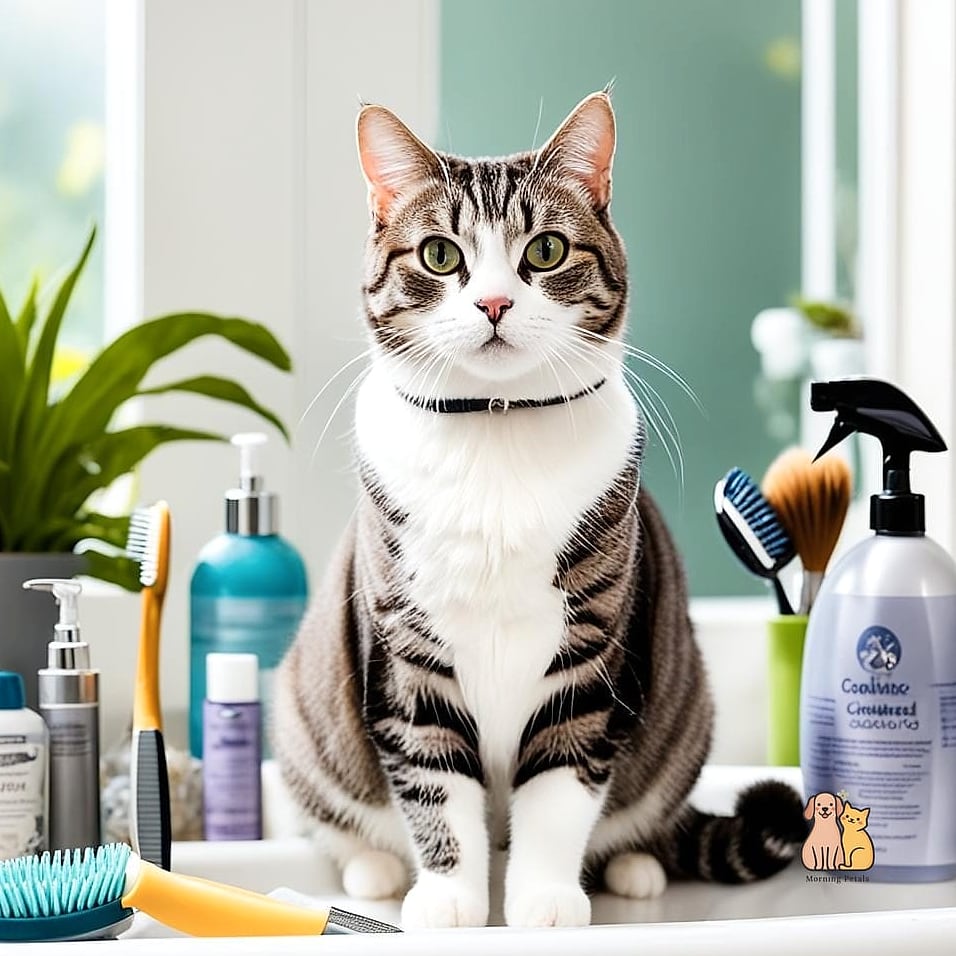
One of the biggest draws of the American Shorthair Cat Breed is how low-key their care needs actually are. This isn’t a breed that requires specialized grooming tools or hours of daily brushing.
A basic grooming routine works well here. A slicker brush once or twice a week helps manage shedding and keeps their coat looking sleek. During seasonal shedding periods, you might bump that up slightly, but it’s nothing dramatic.
Nail trims, dental care, and regular ear checks round out the basics. These cats aren’t fussy about grooming sessions, which makes the whole process a lot less stressful for both of you.
Mentally, they do best with some form of daily enrichment. Puzzle feeders, interactive toys, and a few minutes of wand-toy play go a long way toward keeping them satisfied.
Housing and Space Needs
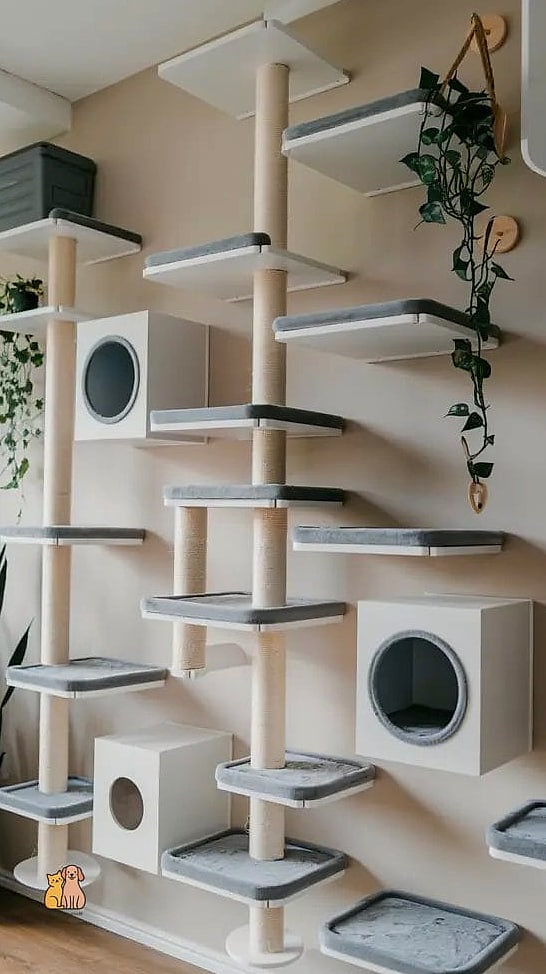
American Shorthairs are genuinely apartment-friendly, which surprises people who assume a “working cat” needs acres of space to be happy. In reality, their adaptable nature means they do just as well in a cozy one-bedroom as they do in a large house.
That said, they appreciate having their own little world to explore. A cat tree near a sunny window gives them a perch to watch the outside world, while a few wall-mounted cat shelves add vertical territory without eating up floor space.
If you have access to an outdoor area, a secure catio enclosure is worth considering. It lets them experience fresh air and birdwatching without the risks that come with free roaming outside.
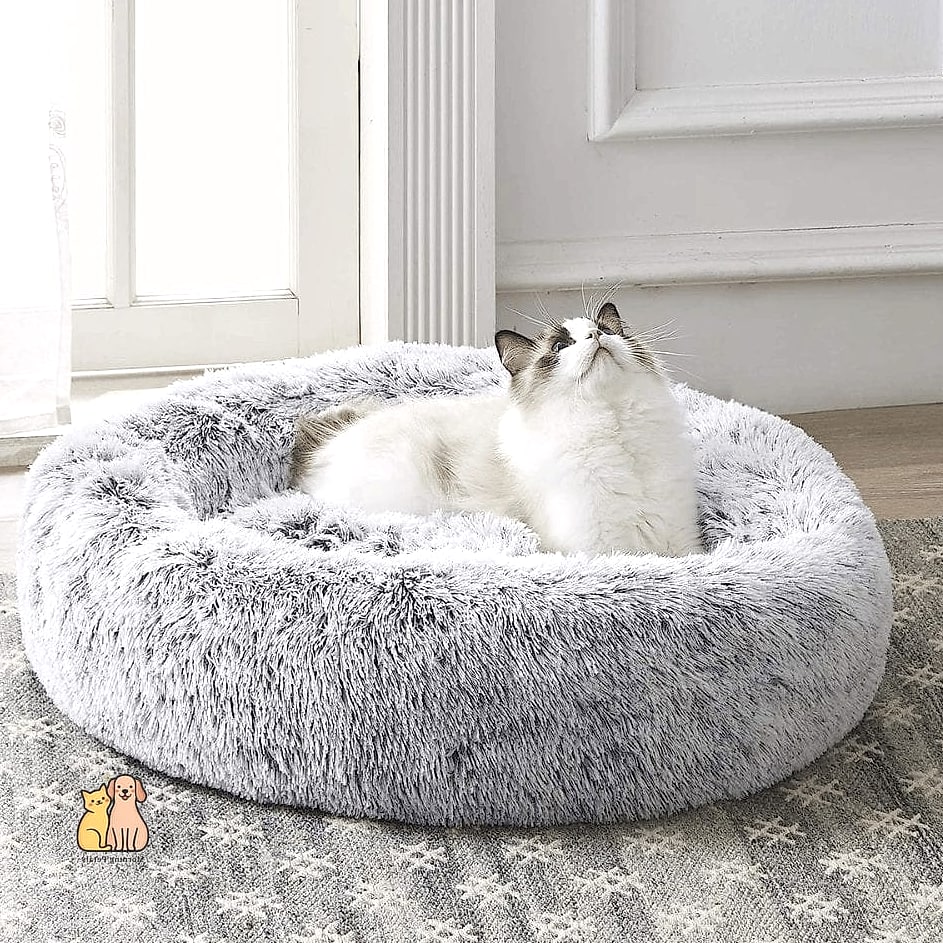
Inside, a comfortable litter box tucked away from high-traffic areas, a sturdy scratch post, and a soft cat bed somewhere quiet will cover their basic territorial needs. They’re not picky about extravagant setups — they just want a few good spots to call their own.
Diet and Feeding
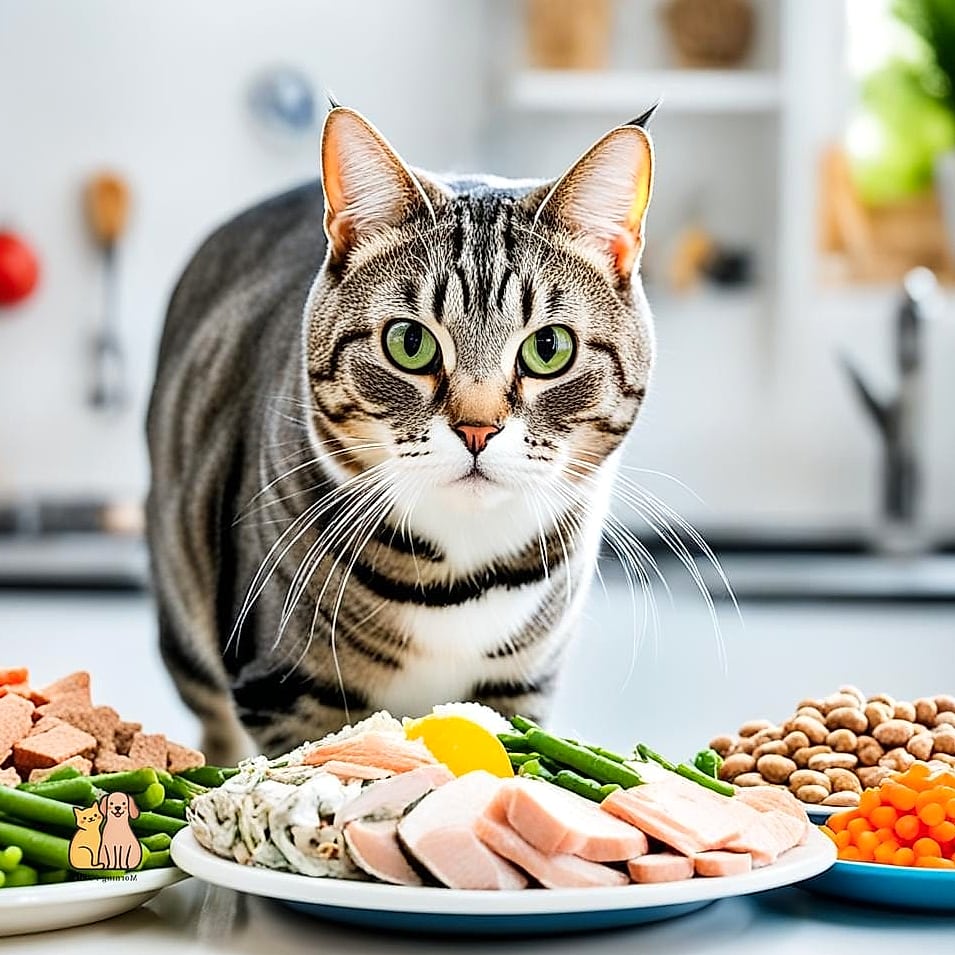
Because American Shorthairs are prone to carrying a little extra weight if overfed, portion control matters more with this breed than some others. Their sturdy build can make it easy to overlook early weight gain, so keeping an eye on body condition is a good habit.
A slow feeder bowl can help slow down cats who tend to inhale their food, which also supports better digestion. Pairing that with a consistent feeding schedule, rather than free-feeding all day, tends to work better for weight management.
High-quality wet or dry food with real animal protein as the first ingredient is generally a solid foundation. A pet water fountain is also worth considering, since some cats drink more water when it’s moving rather than sitting still in a bowl.
Always loop your vet in on portion sizes, especially as your cat ages, since their metabolism and activity levels shift over time.
Health Considerations
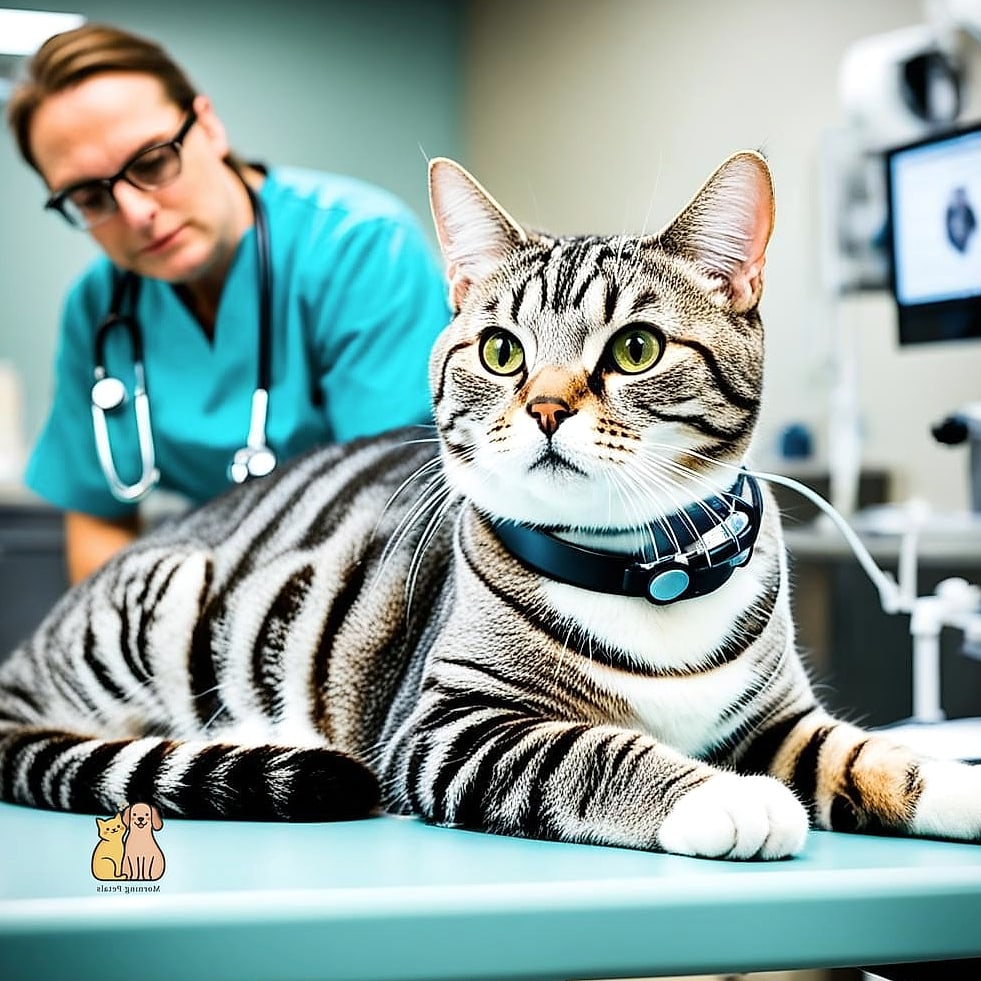
Overall, American Shorthairs are considered a fairly healthy, hardy breed, which is part of why they’ve remained so popular for so long. Genetic diversity from their working-cat background has helped them avoid some of the more serious hereditary conditions seen in other breeds.
That said, they can be prone to hypertrophic cardiomyopathy, a heart condition that’s worth screening for, especially as cats get into their middle-aged years. Regular veterinary checkups can catch this early.
Obesity is probably the more common everyday concern, simply because these cats have such a relaxed approach to life. Keeping up with feeding portions and encouraging regular play helps offset this.
With good care, it’s not unusual for an American Shorthair to live well into their teens, sometimes reaching 15 to 20 years, which says a lot about their overall resilience.
Fun Facts
There’s a genuine historical claim to fame here — American Shorthairs are believed to be descendants of cats that traveled to America on the Mayflower. Whether or not every detail of that story is perfectly documented, it’s a fun piece of feline folklore that adds to their charm.
They’re also one of the few breeds specifically developed in the United States, with breeding programs formalized in the early 1900s to preserve their working-cat traits and appearance.
Despite their tough-cat origins, many owners report their American Shorthair has an oddly specific soft spot — whether that’s a particular blanket, a favorite window perch, or an unshakable devotion to one family member. Every cat seems to develop their own quirky little signature trait.
Final Thoughts
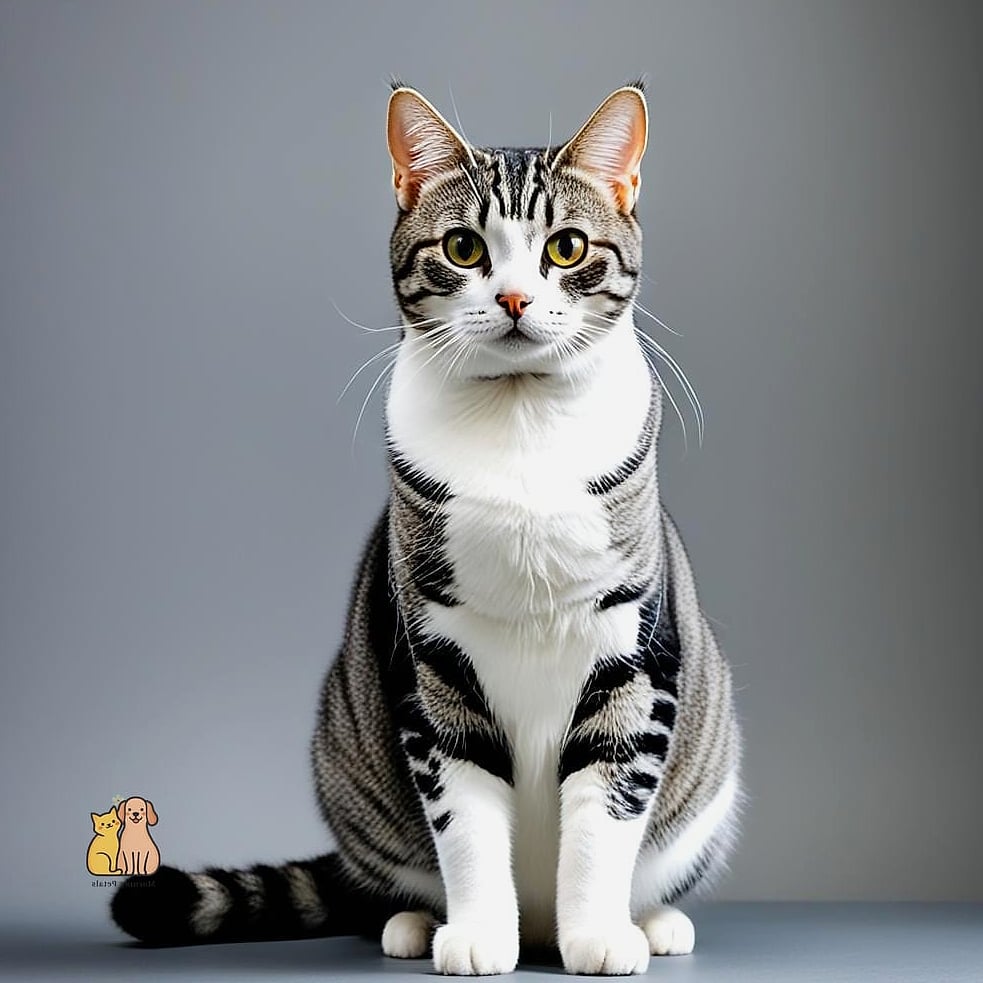
The American Shorthair Cat Breed isn’t flashy, and honestly, that’s kind of the point. What you get instead is a companion that’s steady, affectionate, easy to live with, and quietly full of personality once you take the time to notice it.
If you’re looking for a cat that fits into real life — apartments, families, first-time owners, multi-pet households — this breed checks a lot of boxes without asking for much in return. Sometimes the most rewarding pets are the ones that don’t need to show off to win you over.