The Scottish Fold Cat Breed: The Ultimate Guide
The Scottish Fold Cat Breed: The Ultimate Guide
There’s something about a Scottish Fold’s face that just stops people mid-scroll. Those small, folded ears give them a permanently curious, owlish look, like they’re always mildly surprised by something you just did. If you’ve fallen down a rabbit hole of Scottish Fold photos and now you’re seriously considering bringing one home, you’re in good company. This breed has a way of turning casual cat lovers into lifelong fans.
This guide walks through everything you’d actually want to know before adopting one — not just the cute stuff, but the health realities, the daily care, and what life with a Fold is really like.
Why Pet Owners Love Them
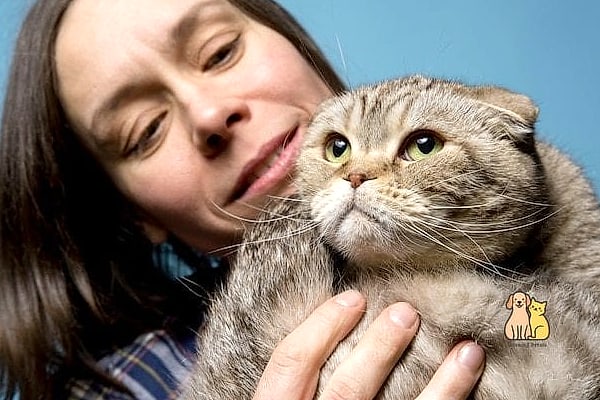
Scottish Folds have a reputation for being easygoing, and honestly, it’s earned. Most Folds are calm, affectionate, and content to just be near you rather than demanding constant attention.
They’re often described as dog-like in temperament. Many will follow their owners from room to room, plop down nearby while you work, and greet you at the door. That said, every cat has their own personality, so don’t expect a carbon copy of the last Fold you met online.
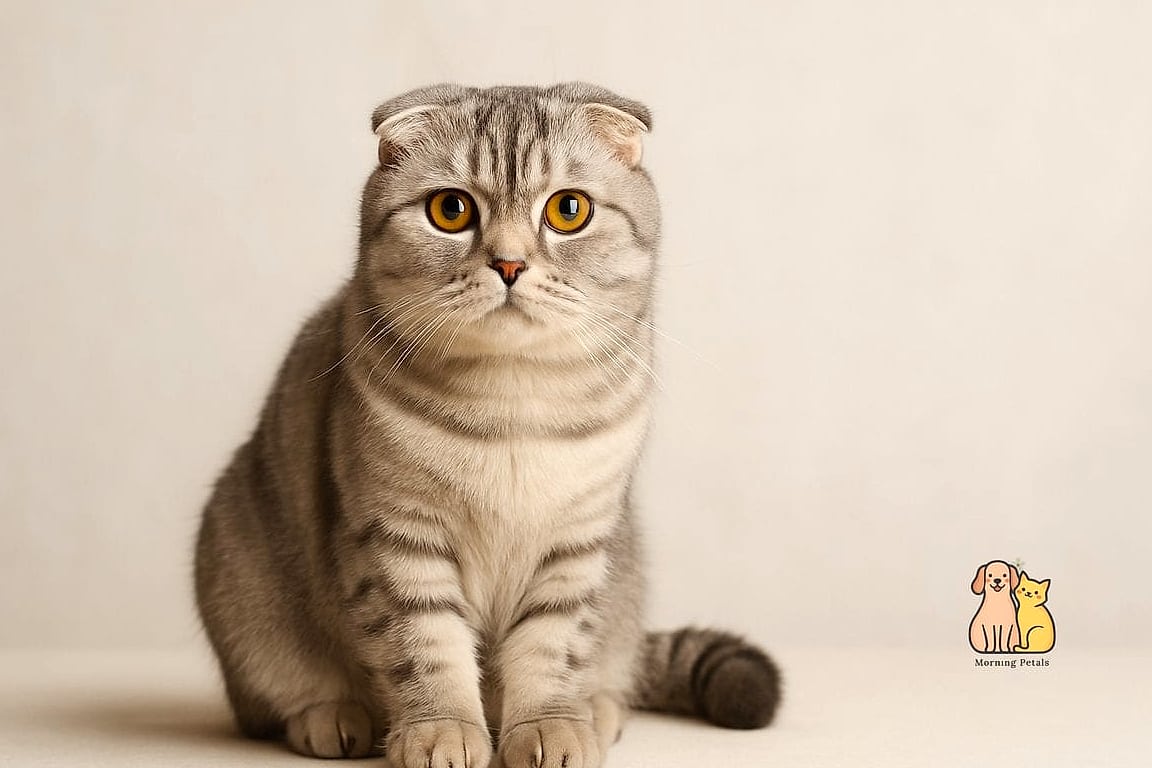
Their round faces, big eyes, and compact bodies give them a plush, teddy-bear quality that photographs beautifully — which is part of why they’ve become such a fixture on social media.
Key Characteristics
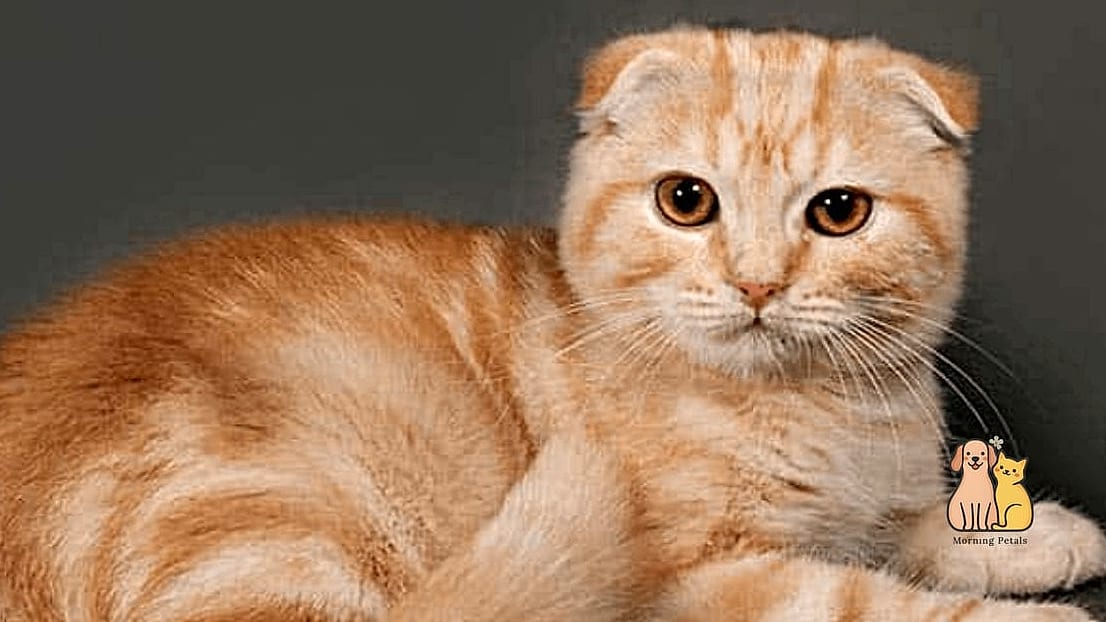
The folded ear is caused by a natural genetic mutation affecting cartilage, and it’s the breed’s signature trait. Not every kitten in a litter is born with folded ears, though — some have straight ears, and those cats are technically Scottish Shorthairs.
Their bodies tend to be sturdy and rounded, with short legs, a dense coat, and large round eyes that give them that classic “surprised” expression. Coats come in both short and long-haired varieties, and nearly every color and pattern you can imagine shows up in the breed.
They’re medium-sized cats, typically landing between six and thirteen pounds, and they mature slowly, sometimes not filling out fully until two or three years old.
Care Requirements
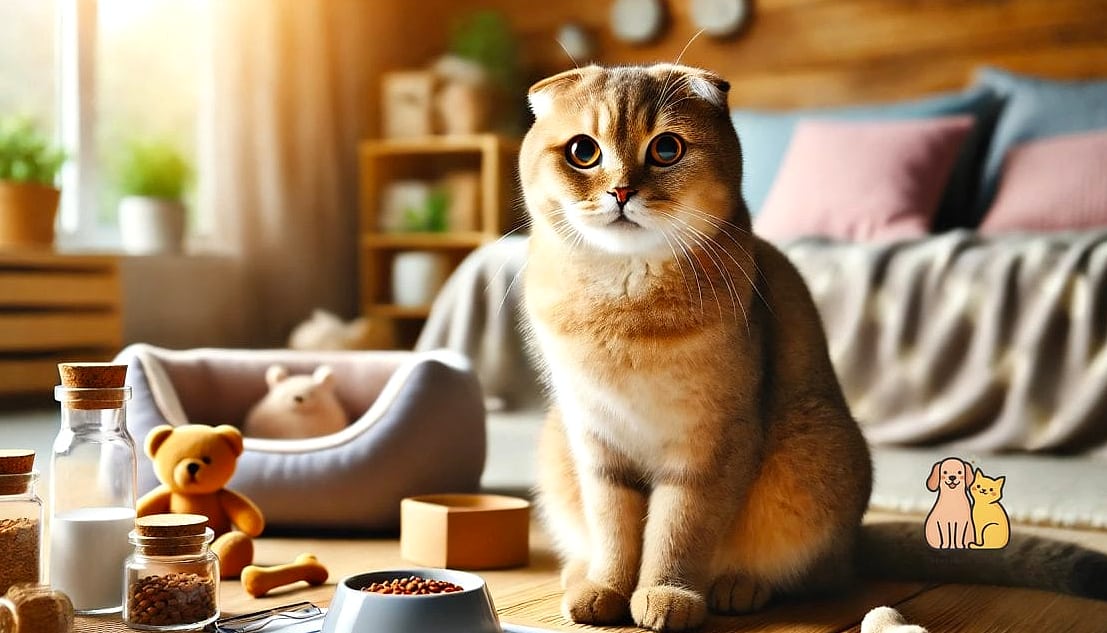
Grooming needs vary depending on coat length. Short-haired Folds usually do fine with a weekly brush, while long-haired ones benefit from brushing two to three times a week to prevent mats, especially around the belly and behind the ears.
Ear care deserves special attention here. Because of the fold structure, wax and debris can build up in ways that are harder to see, so gentle regular checks matter more than they would with a typical cat.
Nail trims, dental care, and occasional baths round out the basics. A slicker brush and a good pair of cat nail clippers are worth keeping on hand from day one.
Mental stimulation matters too. Puzzle feeders, wand toys, and rotating a few enrichment toys can keep a Fold from getting bored, especially since they’re not the most athletic climbers compared to some breeds.
Housing and Space Needs
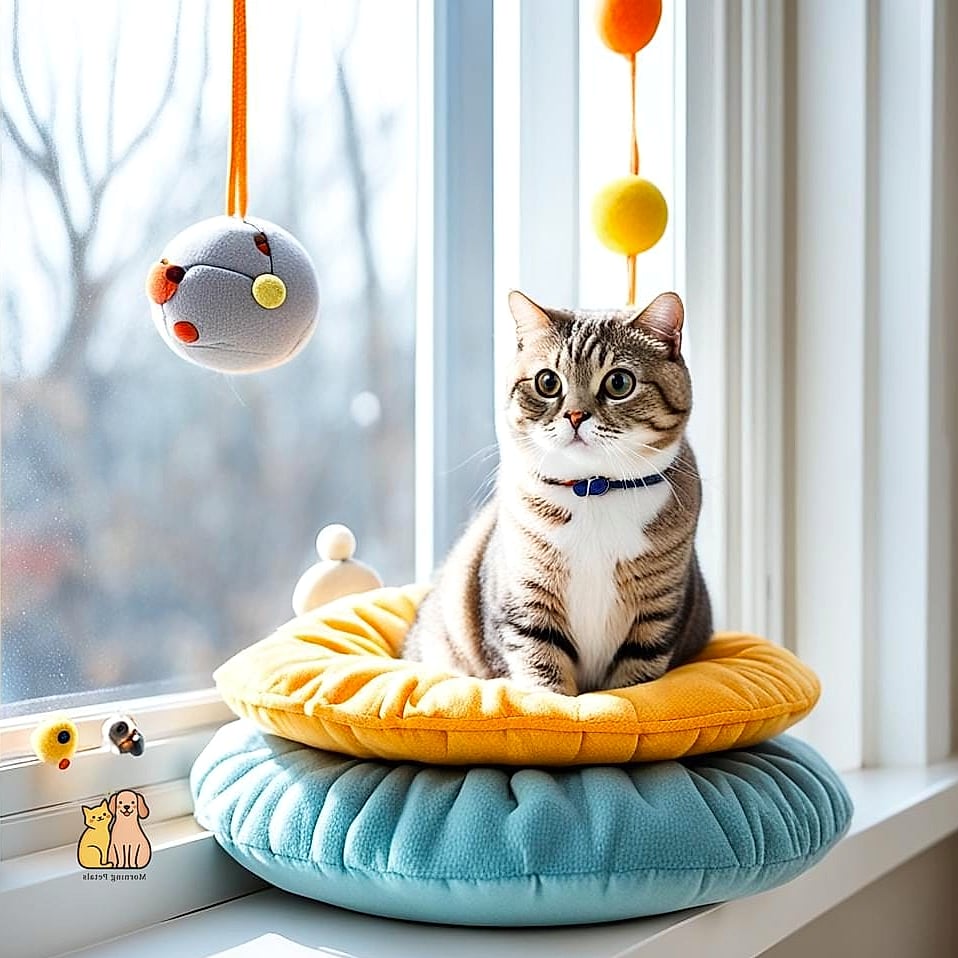
Scottish Folds adapt well to apartment living, which makes them a popular choice for city dwellers. Their moderate energy level means they don’t need acres of space to feel content.
That said, they still appreciate vertical territory. A sturdy cat tree, a window perch for bird-watching, or a few wall-mounted cat shelves give them places to survey their kingdom without requiring a ton of floor space.
Because their joints can be sensitive due to the same cartilage mutation behind the folded ears, low-impact furniture like pet stairs or a ramp near the bed or couch can make life more comfortable, particularly as they age.
A quiet, easily accessible litter box is essential too — Folds aren’t picky, but like most cats, they’ll avoid a box that’s dirty or hard to reach.
Diet and Feeding
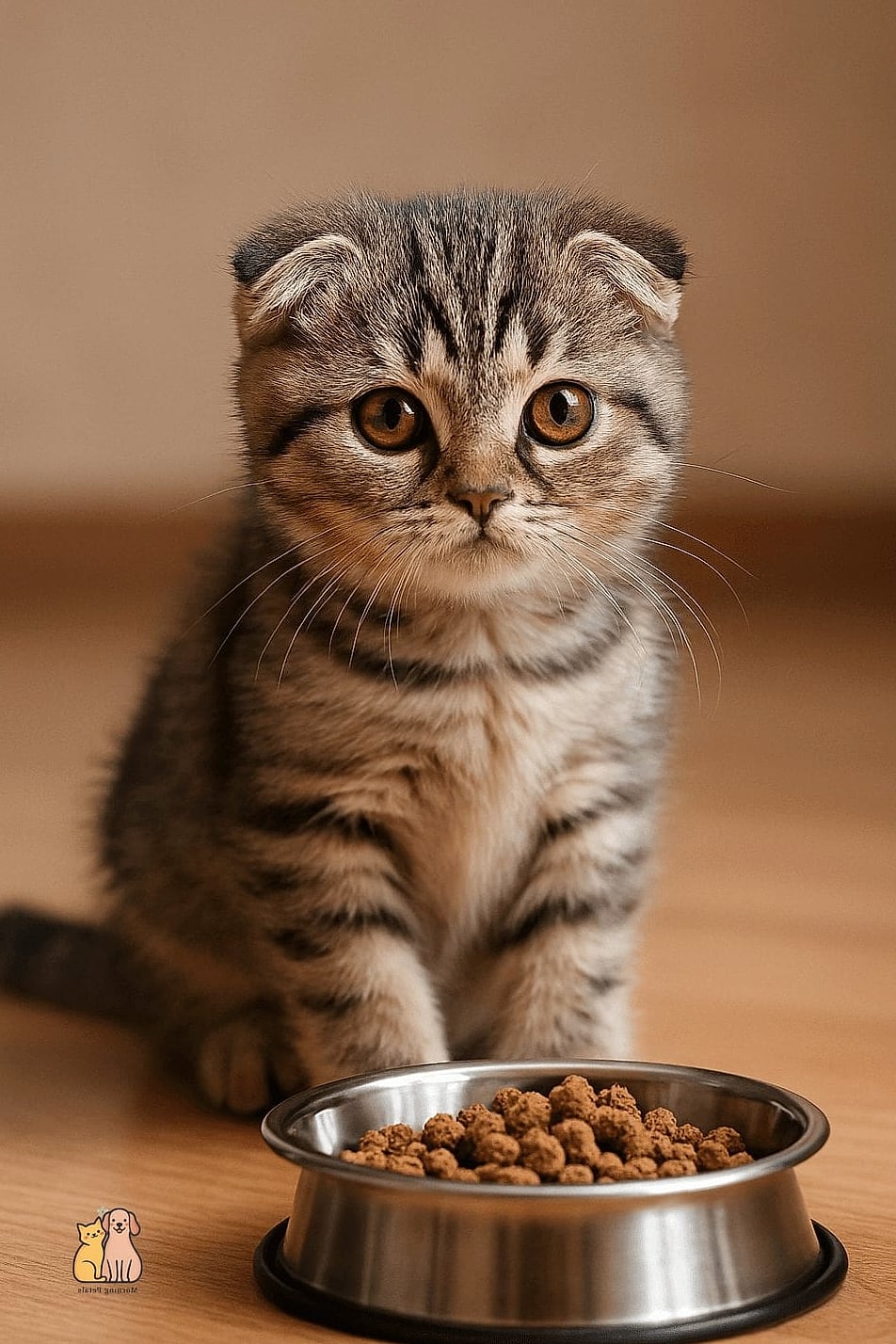
A high-quality diet appropriate for their life stage is the foundation here. Kittens, adults, and seniors all have different caloric and nutrient needs, so it’s worth adjusting food as they grow.
Scottish Folds can be prone to weight gain if you’re not careful, partly because they’re not the most active breed. Measuring portions rather than free-feeding, and using a slow feeder bowl if your cat tends to inhale their meals, can help keep weight in check.
Fresh water matters more than people realize. A pet water fountain often encourages cats to drink more than a static bowl does, which supports kidney and urinary health over the long run.
If weight or joint issues come up, a vet can recommend a specific formula geared toward supporting mobility.
Health Considerations
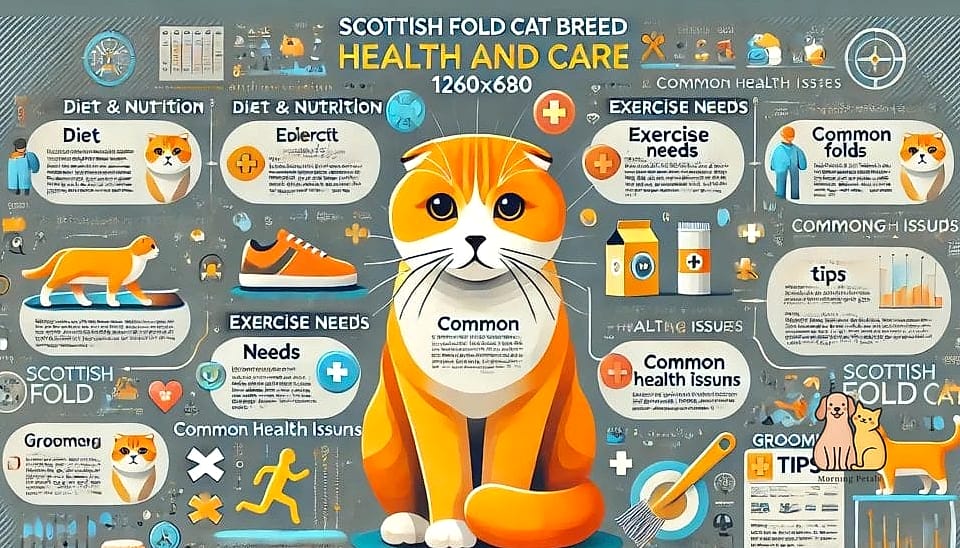
This is the part every potential Scottish Fold owner needs to understand clearly. The same gene mutation responsible for the folded ears also affects cartilage throughout the body, and it can lead to a condition called osteochondrodysplasia, which affects joints, particularly in the legs, tail, and paws.
Reputable breeders test for this and avoid breeding two folded-eared cats together, since that pairing significantly raises the risk of severe joint problems. A Fold bred responsibly, ideally paired with a straight-eared cat, has a much lower risk profile.
If you’re adopting, ask direct questions about the breeder’s practices, or better yet, consider adoption through a breed-specific rescue where health screening has already been done.
Beyond the cartilage condition, regular vet visits, weight management, and ear cleanings go a long way toward keeping a Fold comfortable. Watch for signs of stiffness, reluctance to jump, or a thickened tail, and mention any of these to your vet early.
With good care, Scottish Folds typically live 11 to 15 years, similar to many other medium-sized breeds.
Fun Facts
The breed traces back to a single barn cat named Susie, discovered in Scotland in 1961, whose unique folded ears started it all. Every Scottish Fold today descends from that one cat.
Some Folds sit in a position fans have nicknamed the “Buddha pose,” sitting upright with their back legs stretched out flat in front of them. It looks deeply unnatural and somehow completely relaxed at the same time.
Interestingly, the breed is actually banned from some cat fancier associations’ breeding programs in certain countries due to the health concerns tied to the ear mutation, which has sparked real debate within the cat breeding community about the ethics of prioritizing appearance over health.
Final Thoughts
Scottish Folds are charming, affectionate, and genuinely easy to love, but they come with responsibilities that go beyond the average breed guide. Their health needs are real, and doing your homework on breeders or rescues matters more here than with most cats.
If you go in informed, keep up with ear checks, manage their weight, and choose a cat from responsible breeding lines, a Scottish Fold can be a wonderful, low-drama companion for well over a decade. Their quiet, curious presence has a way of becoming part of the rhythm of your home before you even realize it happened.