The British Shorthair Cat Breed: That Will Change How You See Them
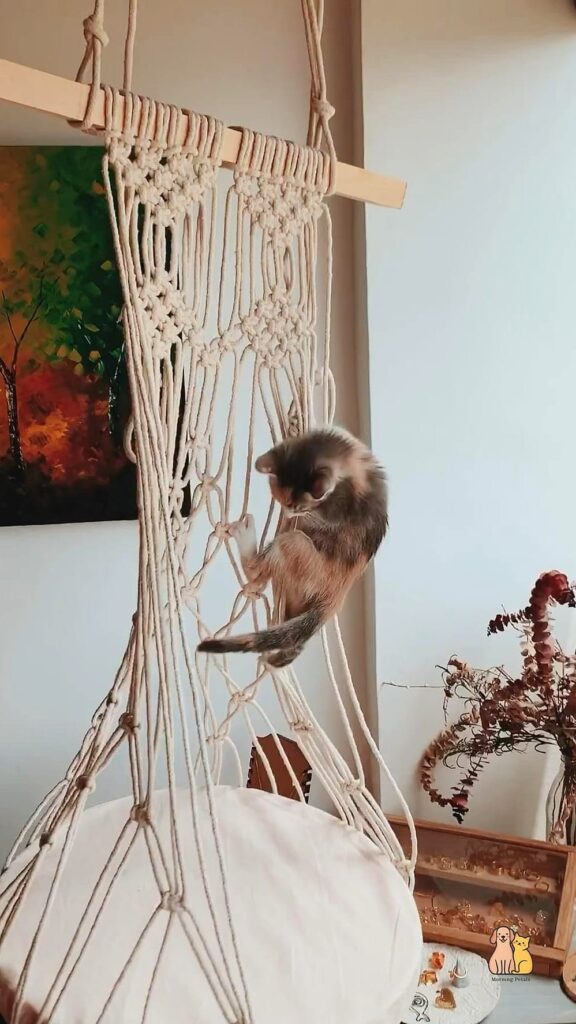
The British Shorthair Cat Breed: That Will Change How You See Them
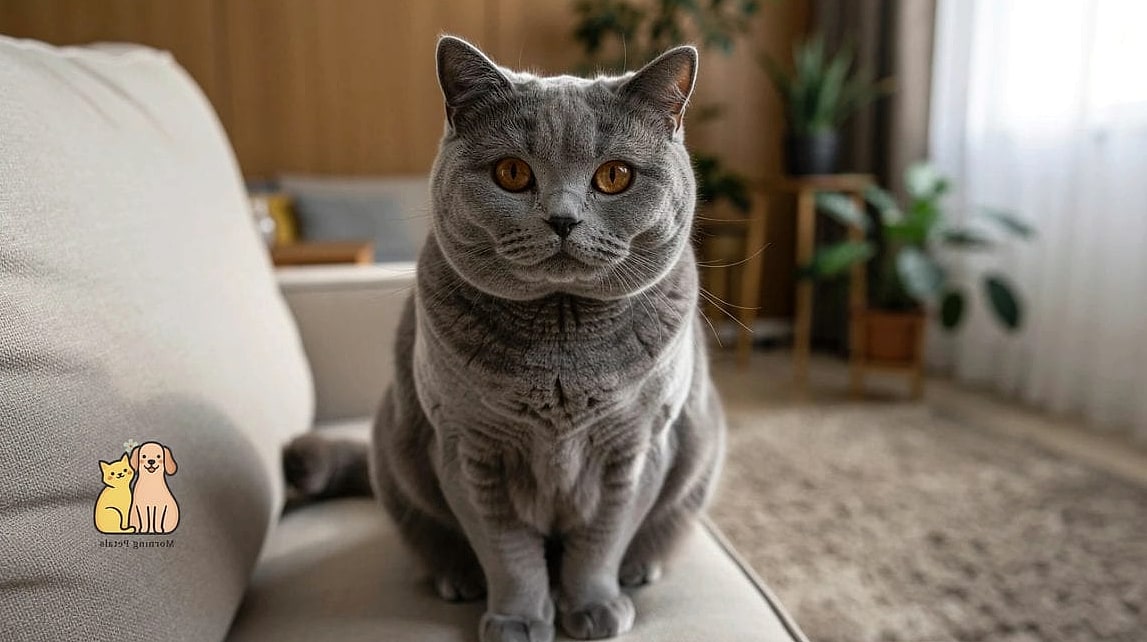
If you’ve ever scrolled past a photo of a round-faced, blue-gray cat with an expression that looks permanently unbothered, you’ve met a British Shorthair. They’re the cats that look like they’re judging your life choices while also looking like a plush toy come to life. There’s a reason this breed has such a devoted following, and it’s not just the face.
British Shorthairs have been quietly winning over cat owners for generations, and once you understand what makes them tick, it’s easy to see why. This isn’t a flashy, high-maintenance breed. It’s a steady, affectionate companion that fits into everyday life in a way that feels almost effortless.
Let’s get into what actually makes this breed so special, and why so many people end up saying they’ll never own another type of cat again.
Why Pet Owners Love Them
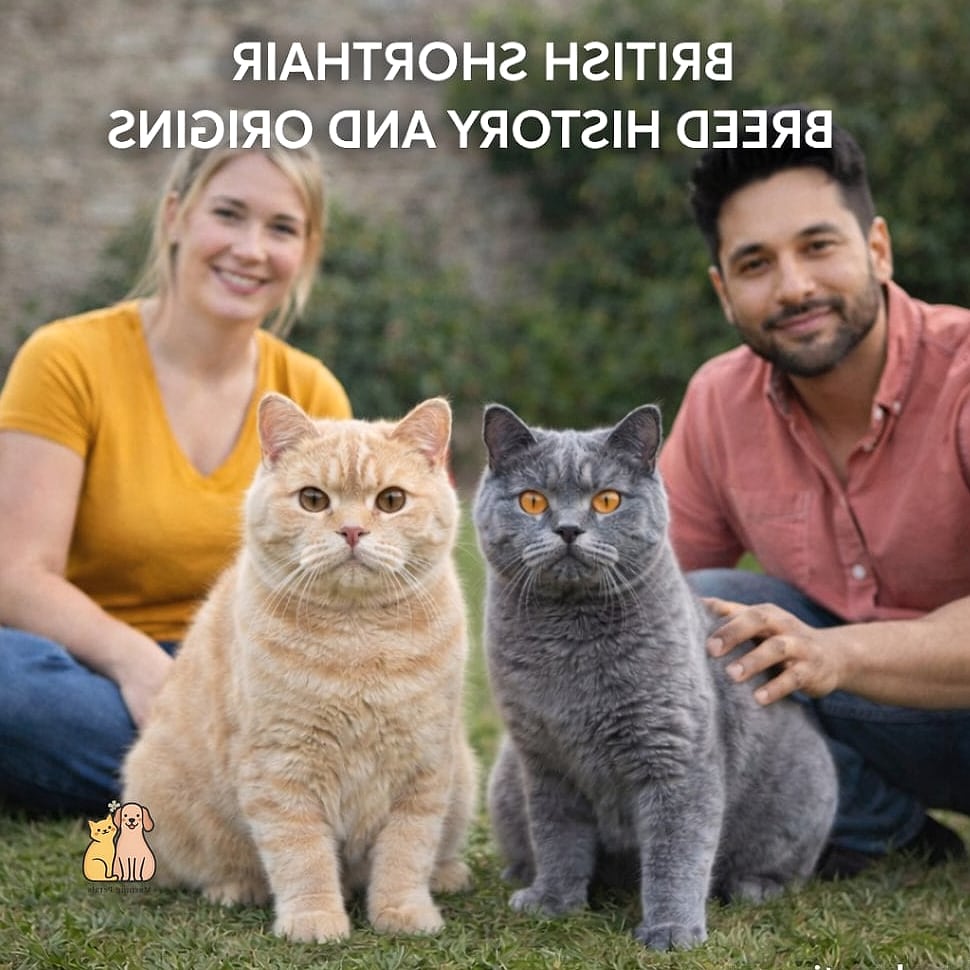
British Shorthairs have this calm, dignified presence that makes them feel like the wise elder of the cat world, even as kittens. They’re not the type to knock a glass off the counter just to watch it fall. Most owners describe them as easygoing, affectionate on their own terms, and content to just exist near you rather than on top of you.
That said, don’t mistake calm for boring. These cats have a playful streak, especially when there’s a good puzzle feeder or crinkly toy involved. They just don’t feel the need to prove it constantly.
They’re also known for being fairly independent, which makes them a solid choice for people who work long hours but still want a cat that greets them at the door. A British Shorthair won’t shred the couch out of separation anxiety, but they’ll definitely be glad you’re home.
Key Characteristics
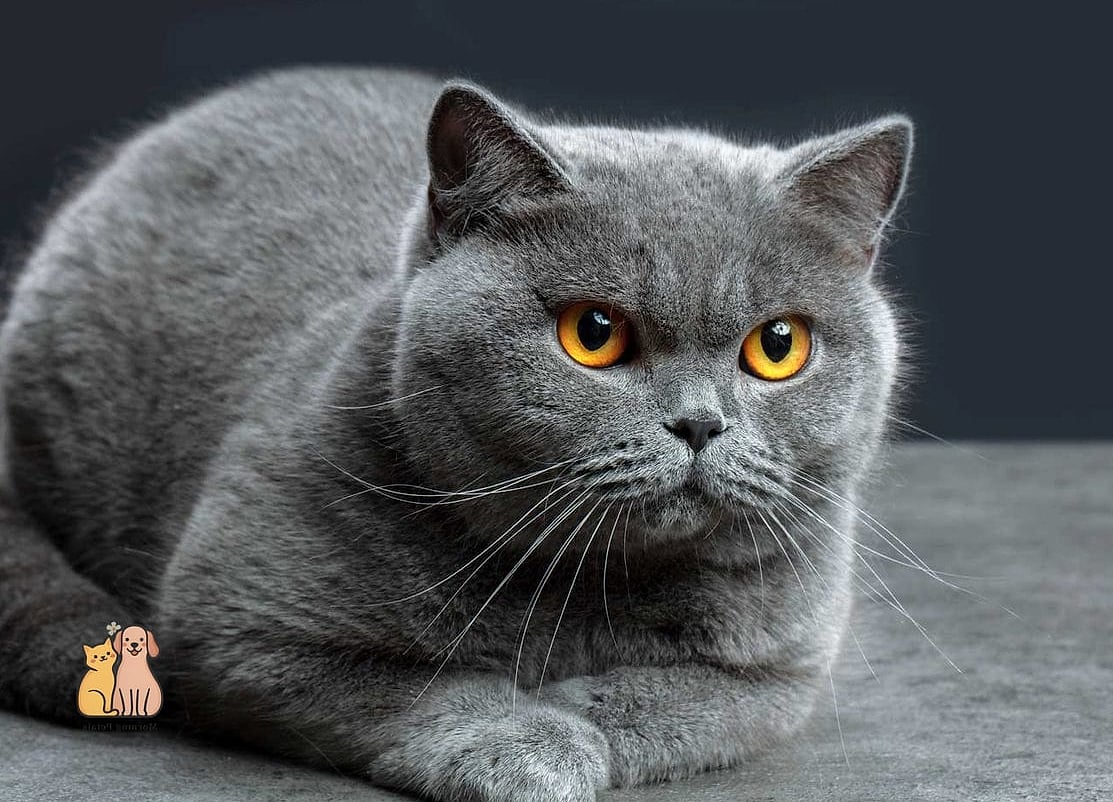
The first thing anyone notices is that round face and those big, copper or gold eyes that give them a permanently sweet expression. Add in the dense, plush coat and the stocky, muscular body, and you’ve got a cat that looks like it was designed by a cartoonist who really loves circles.
While the classic “British Blue” is the most recognizable color, the breed actually comes in a huge range of colors and patterns, including cream, black, tabby, and tortoiseshell. So if you’ve only ever pictured the gray version, there’s a lot more variety to explore.
Personality-wise, they tend to be quiet, not overly vocal, and pretty tolerant of handling, which makes them a good fit for families with kids or other pets. They’re not lap cats in the clingy sense, but they do enjoy being near their favorite humans, often choosing a spot close by rather than directly on you.
Care Requirements
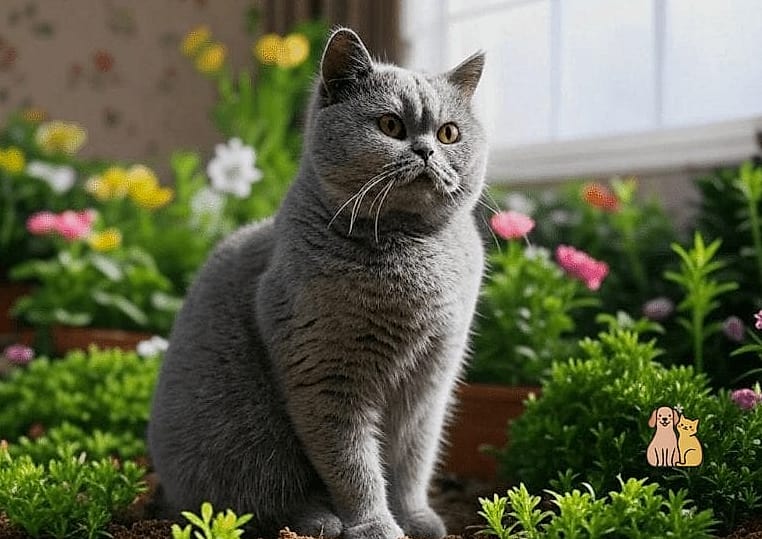
This is one of the lower-maintenance breeds out there, which is a big part of the appeal. Their dense coat does shed, especially during seasonal changes, so a weekly brushing session with a good grooming tool helps keep loose fur under control and prevents mats.
Because they’re not as active as some breeds, it’s worth being intentional about enrichment. A few interactive toys, a sturdy scratch post, and maybe a window perch for bird-watching go a long way in keeping them mentally stimulated.
They’re generally easygoing about nail trims and basic handling, but starting young helps build good habits. Regular dental care matters too, since dental issues can sneak up on cats who aren’t naturally big chewers.
Housing and Space Needs
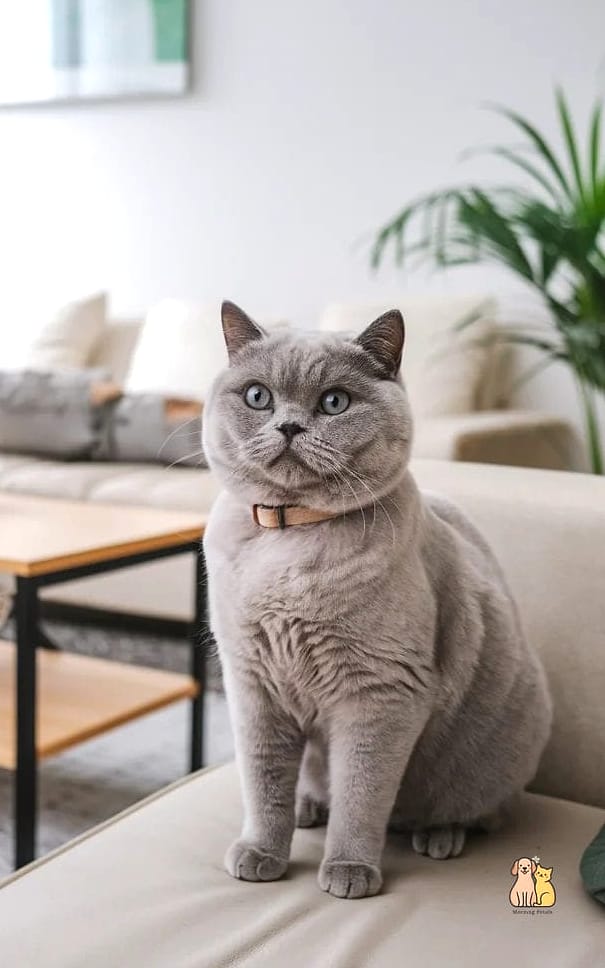
British Shorthairs are genuinely one of the best breeds for apartment living. They don’t need a huge amount of space to feel content, and they’re not the type to climb curtains or leap onto every high surface in the house.
That said, they still appreciate having their own little world to explore. A cat tree near a sunny window, a few wall-mounted cat shelves, or even a simple cardboard box can keep them entertained for hours. If you have outdoor access, a secure catio enclosure is a fantastic way to let them enjoy fresh air without any of the risks of free roaming.
Litter box setup matters more than people expect. Because of their sturdy build, a slightly larger litter box tends to be more comfortable for them, and keeping it in a quiet, low-traffic spot helps avoid any bathroom-related stress.
Diet and Feeding
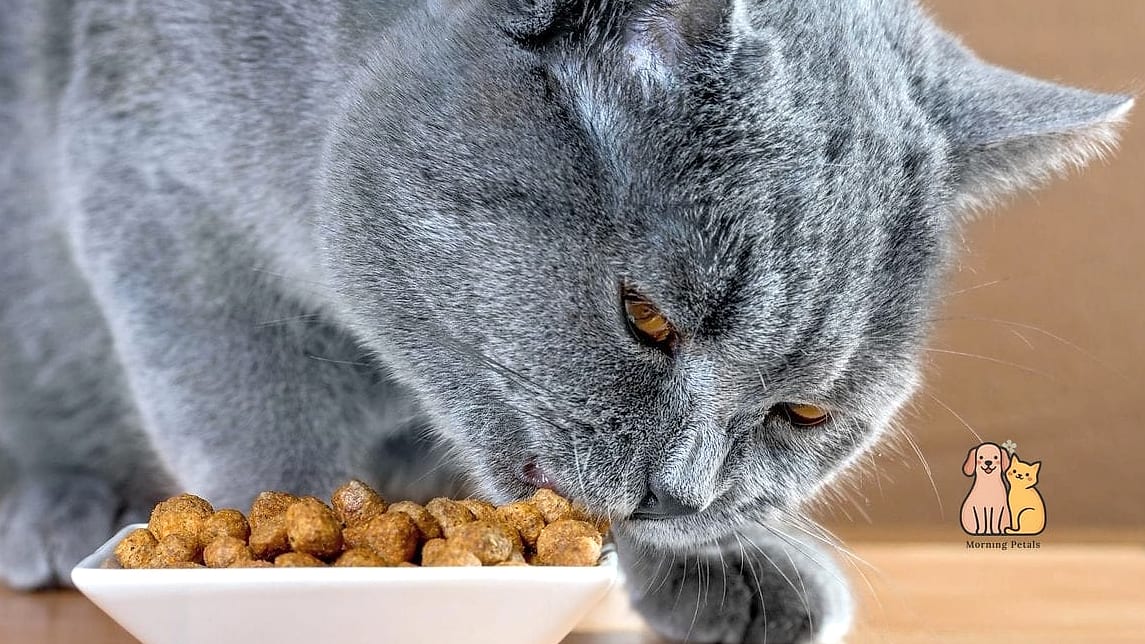
Because British Shorthairs aren’t the most active cats, weight management is something to watch closely. This breed can be prone to putting on extra pounds, so measured portions and a quality diet matter more than free-feeding all day.
A slow feeder bowl or puzzle feeder can help slow down mealtime and add a bit of mental engagement, which doubles as enrichment. Fresh water is important too, and many owners find that a pet water fountain encourages these cats to drink more than a standard bowl would.
As with any breed, working with your vet to choose a food appropriate for their age, activity level, and any health considerations is the safest bet. Kittens, adults, and seniors all have different nutritional needs, and this breed’s tendency toward a slower metabolism makes portion control especially worth paying attention to.
Health Considerations
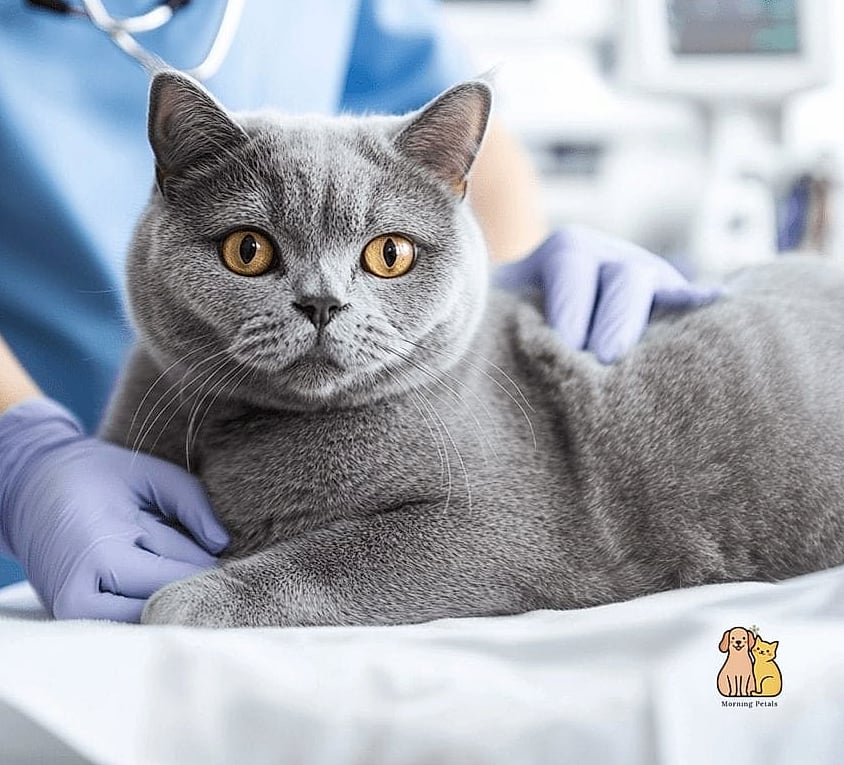
Overall, British Shorthairs are a fairly hardy breed with a lifespan that often stretches into the mid-teens or beyond with good care. Like most purebred cats, though, there are a few conditions worth knowing about.
Hypertrophic cardiomyopathy, a type of heart disease, shows up more often in this breed than in the general cat population, so regular vet checkups are important for catching things early. Polycystic kidney disease is another one some lines carry, which is why working with a reputable breeder who screens for genetic conditions really matters if you’re getting a kitten.
Weight-related joint stress is also something to keep an eye on given their tendency toward a more sedentary lifestyle. Staying on top of routine vet visits, keeping them at a healthy weight, and watching for any changes in energy or appetite goes a long way toward a long, comfortable life.
Fun Facts
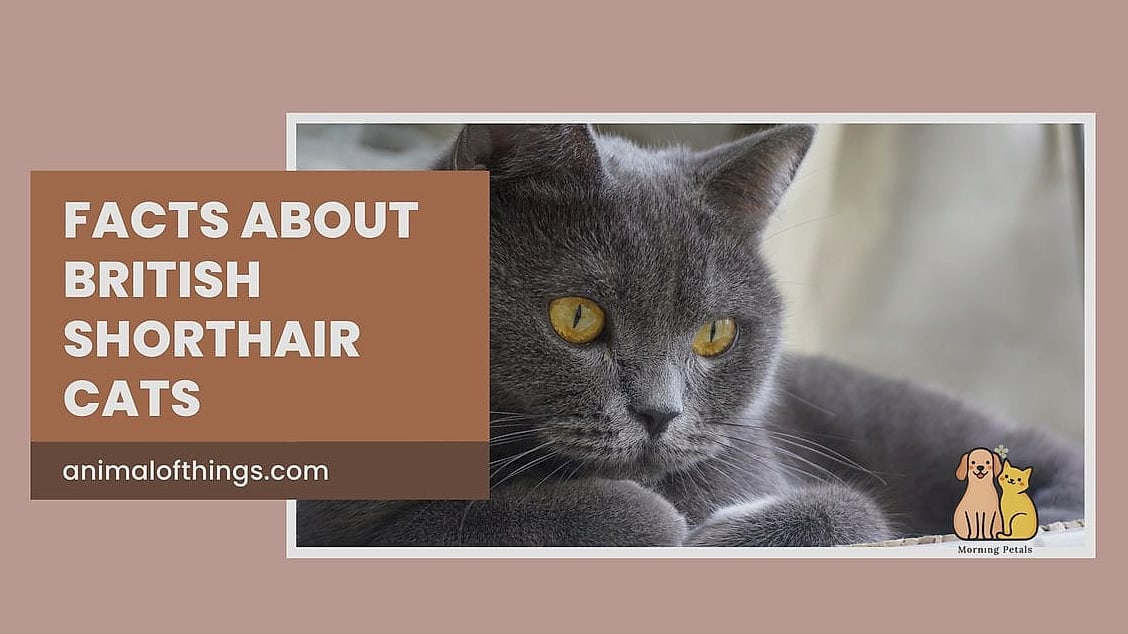
The British Shorthair is one of the oldest recognized cat breeds, with roots tracing back to cats brought to Britain by Roman invaders nearly 2,000 years ago. Talk about a long family history.
That famous “Cheshire Cat” grin from Alice in Wonderland? Many illustrators have said the British Shorthair’s round face and permanent almost-smile were part of the inspiration. It’s easy to see why once you’ve looked one in the eyes.
Despite their plush, teddy-bear appearance, these cats are actually quite muscular underneath all that fur. They’re often heavier than they look, which has earned more than a few of them the nickname “brick wrapped in a cloud” among owners who’ve tried to pick one up expecting something lighter.
Final Thoughts
There’s something genuinely comforting about life with a British Shorthair. They’re not going to demand constant attention or redecorate your living room with shredded furniture, but they’ll be there, steady and affectionate, in their own quiet way.
If you’re considering adding one to your home, think about their space needs, their tendency toward weight gain, and their long-term health screening when choosing a breeder or rescue. Beyond that, you’re really just signing up for years of companionship from one of the most endearing, easygoing cats out there.
Once you understand what makes this breed tick, it really can change how you see them altogether, from a cute internet cat to a genuinely wonderful companion worth considering for your own home.