The Bengal Kittens: That Will Change How You See Them
The Bengal Kittens: That Will Change How You See Them
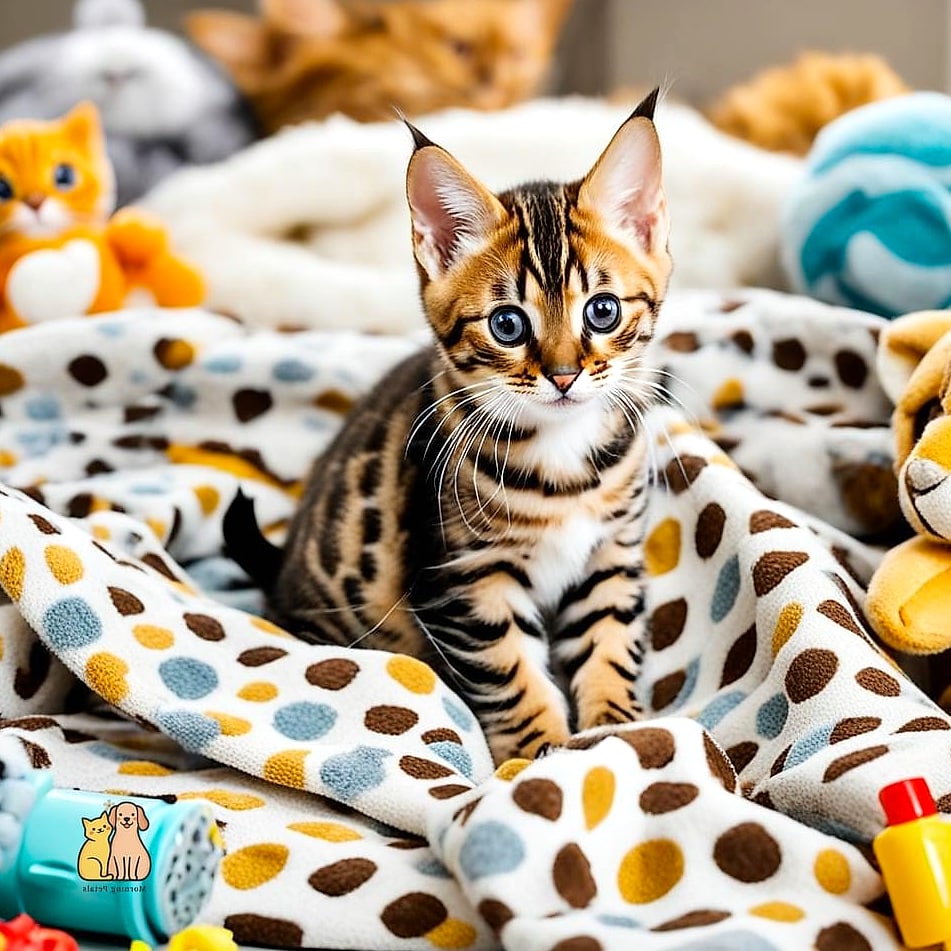
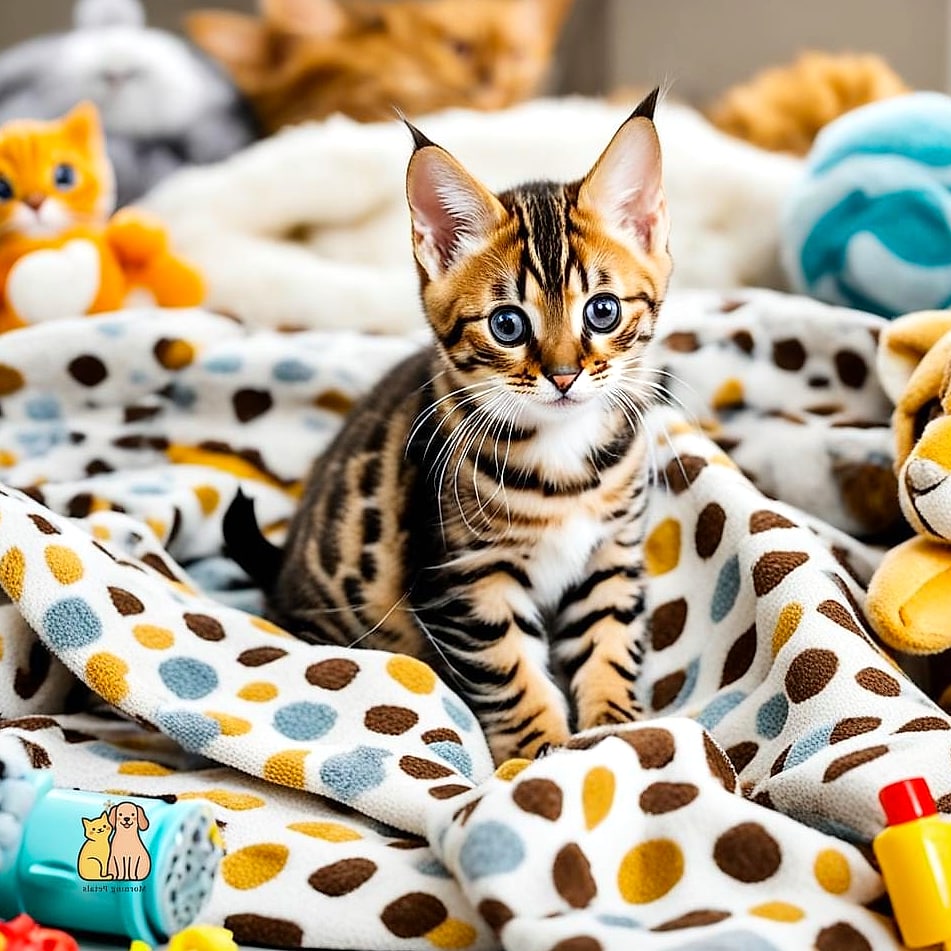
If you’ve ever scrolled past a photo of a Bengal kitten and done a double take because it looked more like a tiny leopard than a house cat, you’re not imagining things. These cats have a way of stopping people mid-scroll, and once you learn a bit more about them, it’s easy to see why so many pet owners end up completely hooked.
Bengal kittens aren’t just another pretty face in the cat world. They’re active, curious, vocal, and honestly a little wild in the best possible way. This isn’t your average lap cat that naps all day. This is a breed that will genuinely change how you think about what a cat can be.
Why Pet Owners Love Them
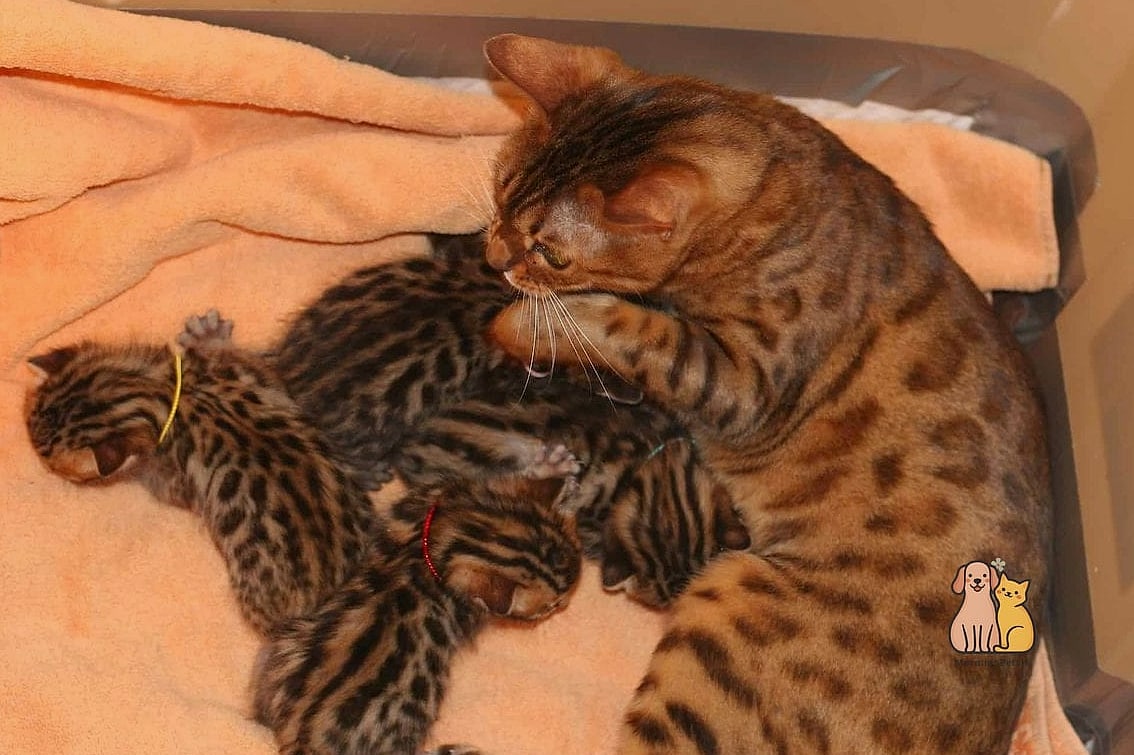
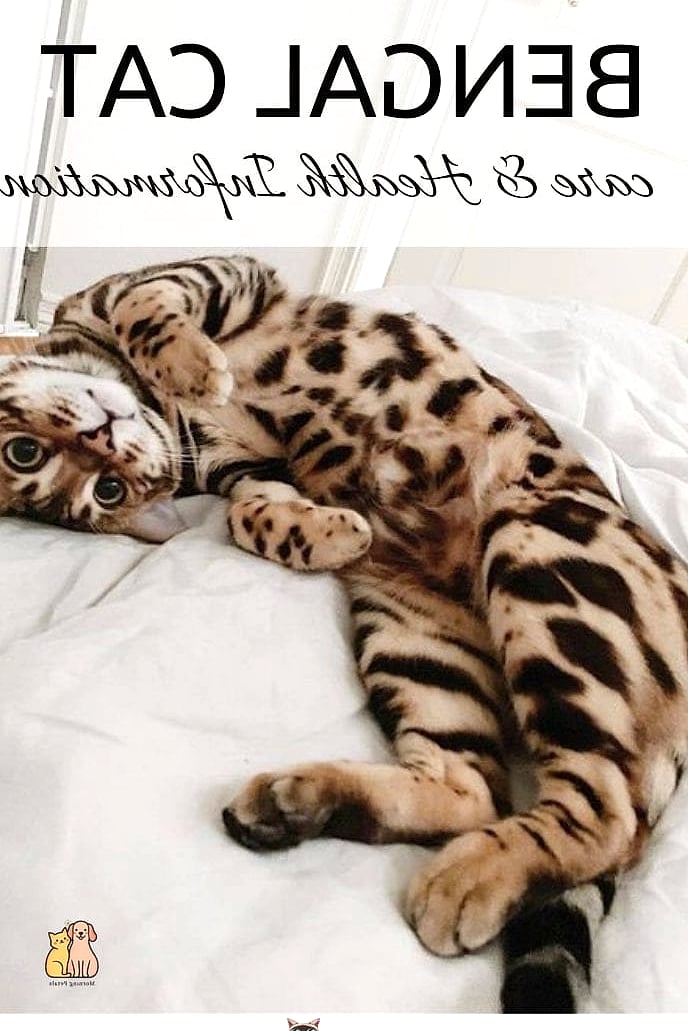
The first thing people notice about Bengal kittens is that coat. Those bold spots and marbled patterns look like something straight out of the jungle, and that’s not an accident.
Bengals were developed by crossing domestic cats with Asian leopard cats generations ago, which is why they carry that striking wild appearance while still being affectionate family pets.
Beyond the looks, owners rave about their personalities. Bengals are curious, playful, and often described as dog-like because they’ll fetch toys, follow you room to room, and greet you at the door. If you want a cat that actually interacts with you instead of just tolerating your presence, this breed tends to deliver.
Key Characteristics
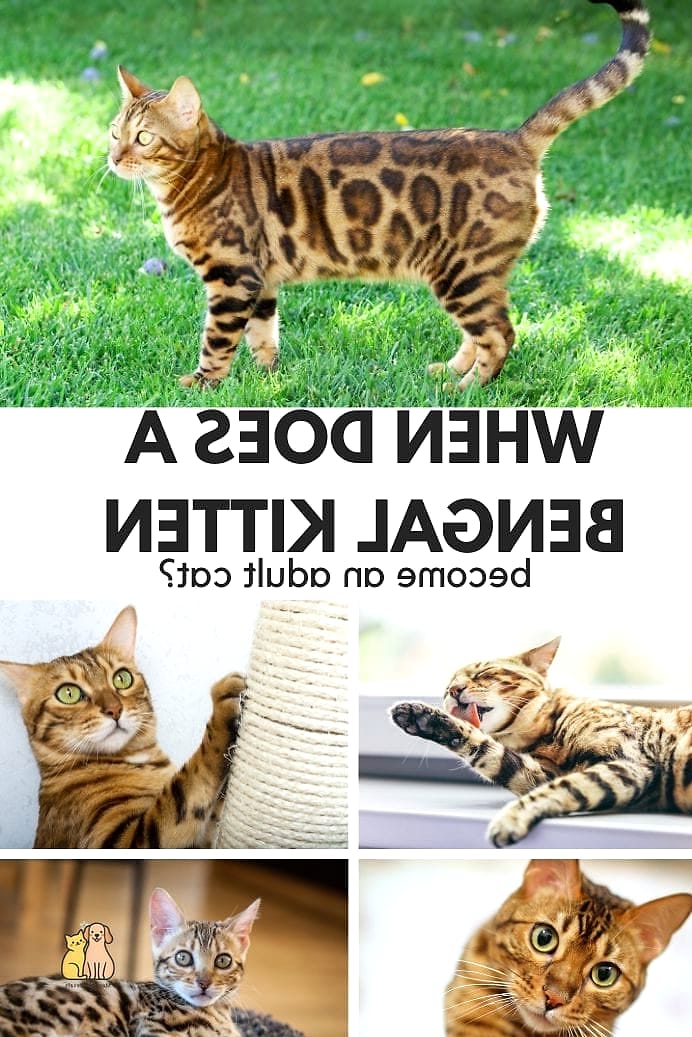
Bengal kittens are medium to large in size once fully grown, with lean, muscular bodies built for jumping and climbing. Don’t be surprised if yours ends up on top of the fridge within the first week.
Their coat comes in two main patterns, spotted and marbled, and colors can range from brown and golden to snow and silver. Many Bengals also have a glittery sheen to their fur that catches the light, which breeders sometimes call the “glitter gene.”
Temperament-wise, expect a chatty, high-energy cat that isn’t shy about telling you what it wants. Bengals are intelligent, which is wonderful for training but also means they get bored easily without enough stimulation.
Care Requirements
This is not a low-maintenance breed, and it’s worth being upfront about that. Bengal kittens need daily interactive play, not just a toy left on the floor to gather dust.
Puzzle feeders and enrichment toys work well for satisfying their sharp minds. Rotating toys every week or two helps keep things interesting since Bengals can get bored with the same routine fast.
Grooming is actually one of the easier parts of Bengal ownership. Their short, dense coat sheds minimally and rarely mats, so a quick brush once a week is usually plenty to keep things tidy.
Because they’re so smart, many owners find success with harness training and even leash walks. A well-fitted cat harness opens up a whole new world of enrichment, especially for a breed that loves exploring.
Housing and Space Needs
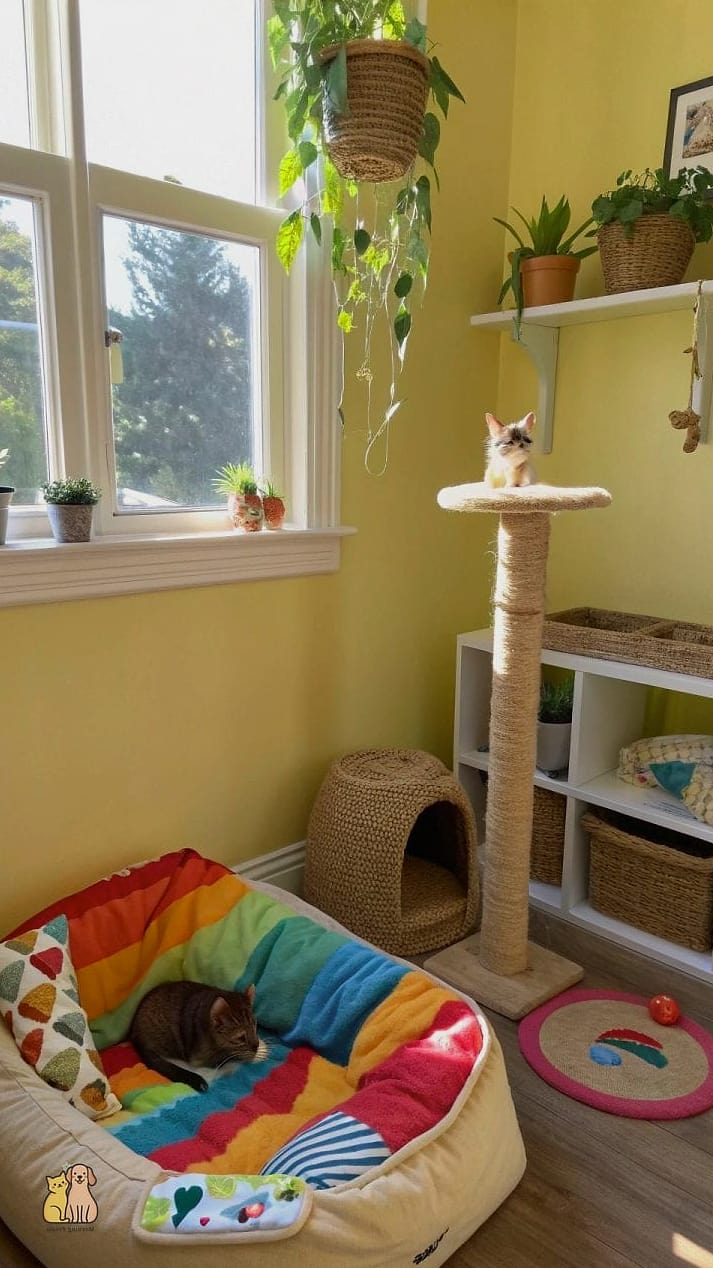
Bengals do best in homes that give them room to move, climb, and burn off energy. A cramped studio apartment isn’t off the table, but it does mean you’ll need to get creative with vertical space.
Cat trees are practically a requirement for this breed, and the taller, the better. Wall-mounted cat shelves and window perches also give them a way to survey their territory, which Bengals genuinely seem to enjoy.
If you have outdoor access, a secure catio enclosure is a fantastic option. It lets them experience fresh air and birdwatching without the risks of roaming free, and honestly, most Bengals take to catios like they were born for it.
Scratch posts should be sturdy and tall enough for a full stretch, since these cats put some real muscle behind their scratching. A flimsy cardboard scratcher probably won’t survive long in a Bengal household.
Diet and Feeding
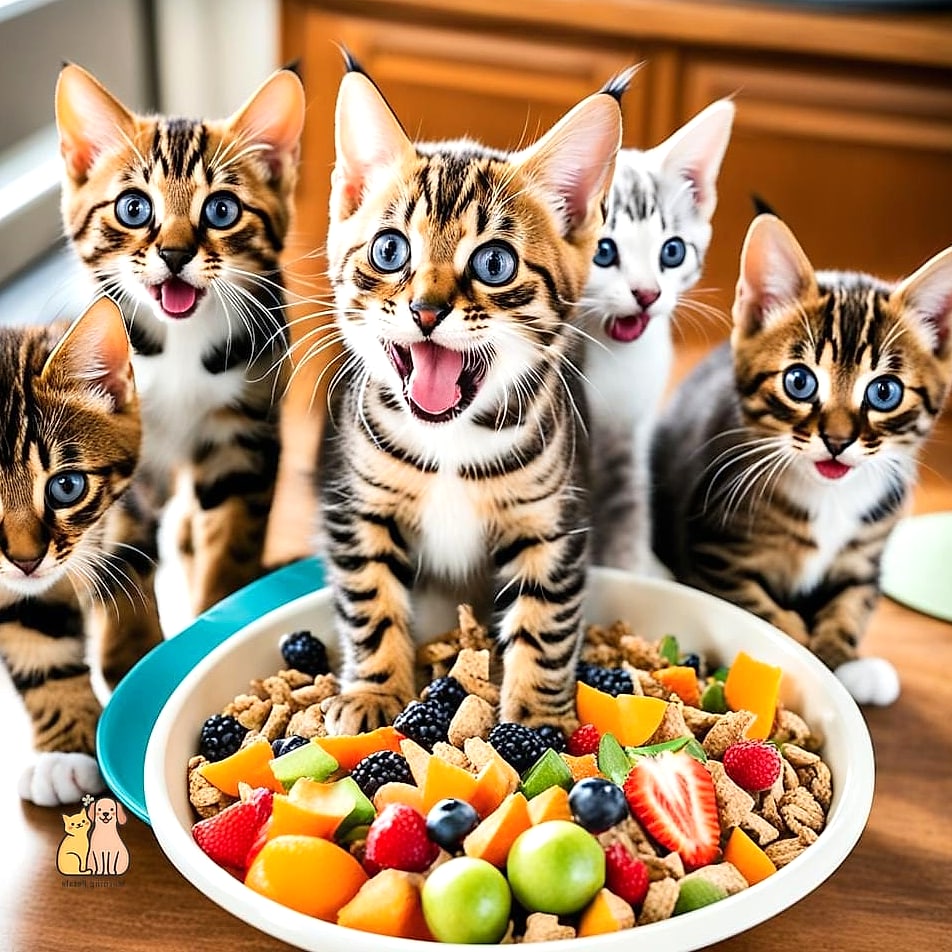
Feeding a Bengal kitten isn’t drastically different from feeding any other kitten, but their high energy levels mean quality nutrition matters. Look for kitten food with real meat as the first ingredient to support their muscular build.
Slow feeder bowls can be a smart addition since Bengals sometimes eat quickly, especially if there’s competition from other pets in the house. This helps prevent digestive upset and keeps mealtime a bit more relaxed.
Fresh water is important too, and a lot of Bengals are oddly obsessed with water in general. A pet water fountain often gets more attention from a Bengal than a plain bowl, partly because the movement fascinates them.
As they grow into adulthood, transitioning to a high-quality adult cat food with your vet’s guidance will help maintain their lean, athletic frame without unnecessary weight gain.
Health Considerations
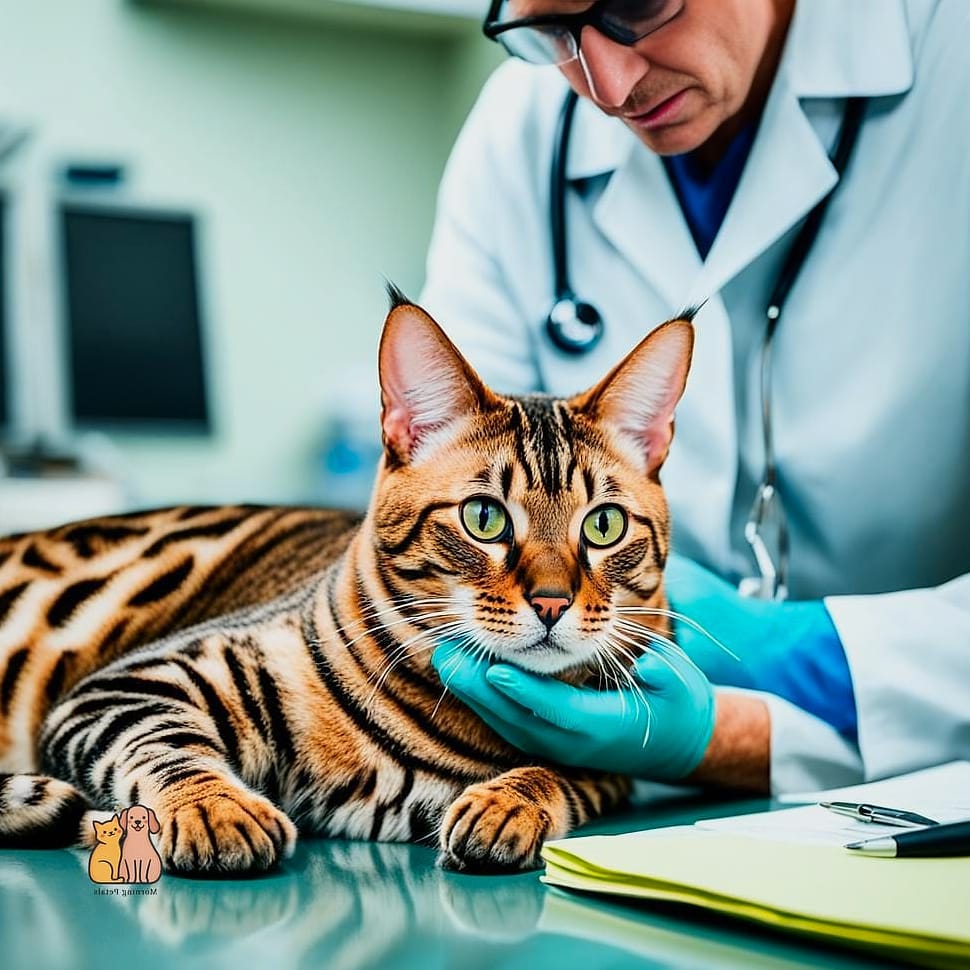
Bengal cats are generally a healthy breed, but like any pedigree cat, there are a few conditions worth knowing about. Hypertrophic cardiomyopathy, a heart condition, can appear in some lines, so regular veterinary checkups are important.
Progressive retinal atrophy is another condition to be aware of, though responsible breeders typically test for it before placing kittens with new families.
Keeping up with routine vaccinations, dental care, and annual wellness visits goes a long way toward a long, healthy life. Bengals typically live between 12 and 16 years, so you’re signing up for a long friendship.
Weight management matters too, since these cats are so active that a sedentary lifestyle can catch up with them if their environment doesn’t match their energy needs.
Fun Facts
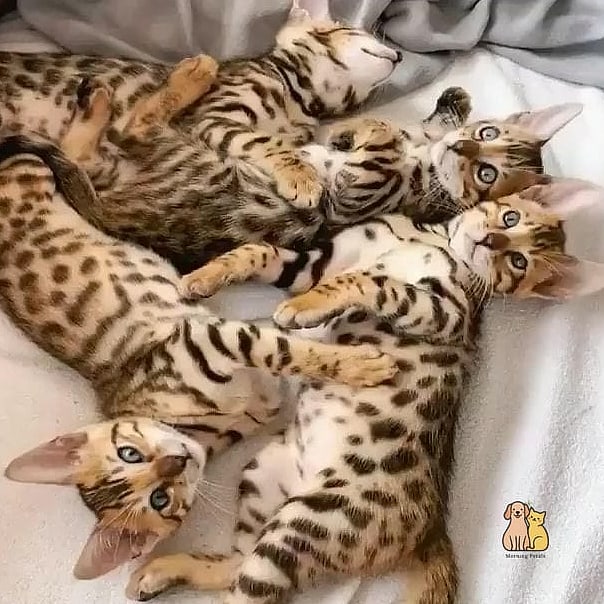
Bengals are one of the few cat breeds that genuinely seem to enjoy water, with many owners reporting their cats joining them in the shower or splashing in a sink. It’s equal parts hilarious and slightly inconvenient.
Their voices are distinct too. Bengals often have a chirpy, almost bird-like meow that’s different from the classic cat sound, and it tends to catch first-time owners off guard.
Some Bengal owners even compare their cats’ antics to having a small, spotted dog in the house, thanks to their tendency to fetch, follow commands, and crave attention on their own terms.
And that leopard-like appearance isn’t just for show. It’s a living reminder of the breed’s wild ancestry, which is part of what makes Bengal kittens feel so unique compared to more traditional house cats.
Final Thoughts
Bengal kittens aren’t for everyone, and that’s okay to admit. They need mental stimulation, physical space, and an owner willing to keep up with their energy and curiosity.
But for the right household, this breed offers something genuinely special. Between the striking coat, the playful personality, and those unexpectedly dog-like habits, it’s easy to understand why so many people fall for Bengal kittens and never look back.
If you’re considering bringing one home, take time to research reputable breeders, prepare your space with plenty of climbing options, and get ready for a cat that will absolutely keep you on your toes.