The Devon Rex Cat Breed: That Will Change How You See Them
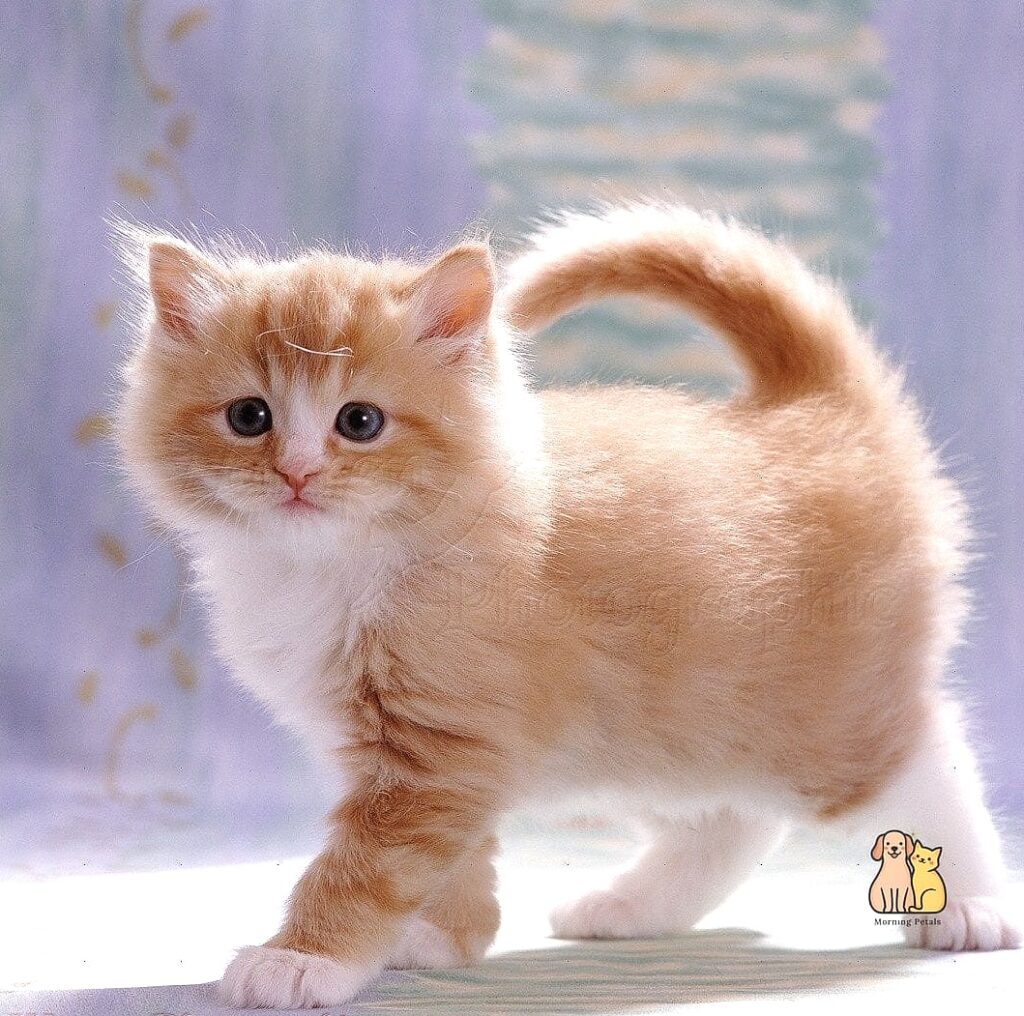
The Devon Rex Cat Breed: That Will Change How You See Them
There’s a decent chance you’ve seen a Devon Rex before and mistaken it for something else entirely. Maybe you thought it was a hairless cat with a weird growth spurt of fuzz, or some kind of pixie-eared alien. That reaction is honestly pretty common, and it’s part of what makes this breed so much fun to talk about.
Once you actually meet one, though, the confusion usually turns into something closer to obsession. Devon Rex cats have this way of turning skeptics into devoted fans within about five minutes of meeting them.
Why Pet Owners Love Them
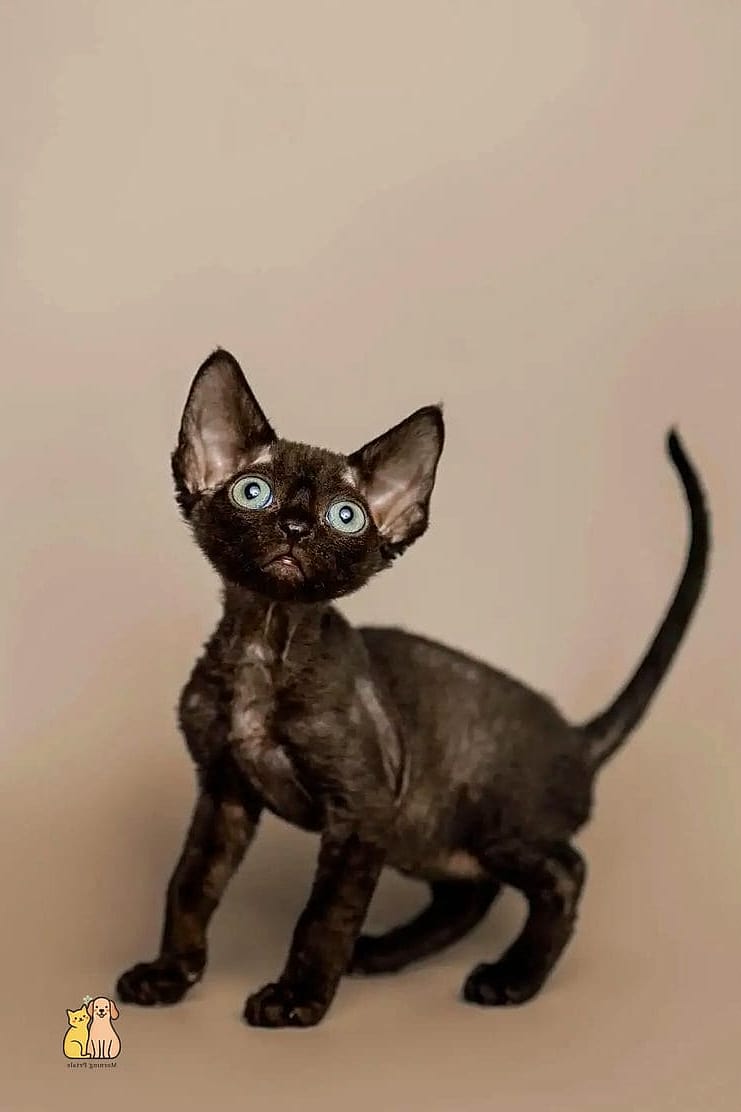
People who live with a Devon Rex tend to talk about them less like pets and more like tiny, mischievous roommates. They follow you from room to room, they perch on your shoulder while you cook, and they seem genuinely offended when you close a bathroom door without them.
This isn’t a cat that’s content to nap on a windowsill all day, though they do enjoy a good sunny perch. Devon Rex cats want to be involved in whatever you’re doing, which makes them a great match for owners who want an interactive, people-oriented companion rather than a distant, aloof housemate.
Their personality is often compared to a dog’s, and that comparison holds up more than you’d expect. Many Devon Rex cats will learn to fetch, walk on a harness, and greet you at the door. If you’ve ever wanted a cat that acts like it missed you after a trip to the grocery store, this breed delivers.
Key Characteristics
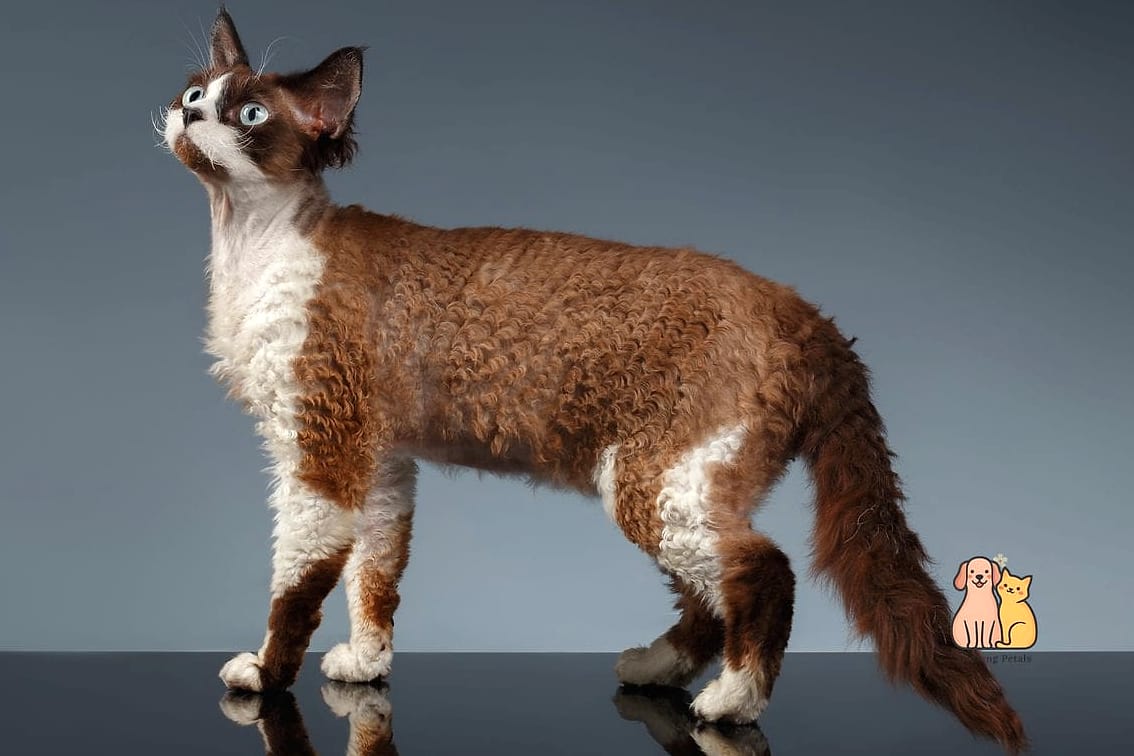
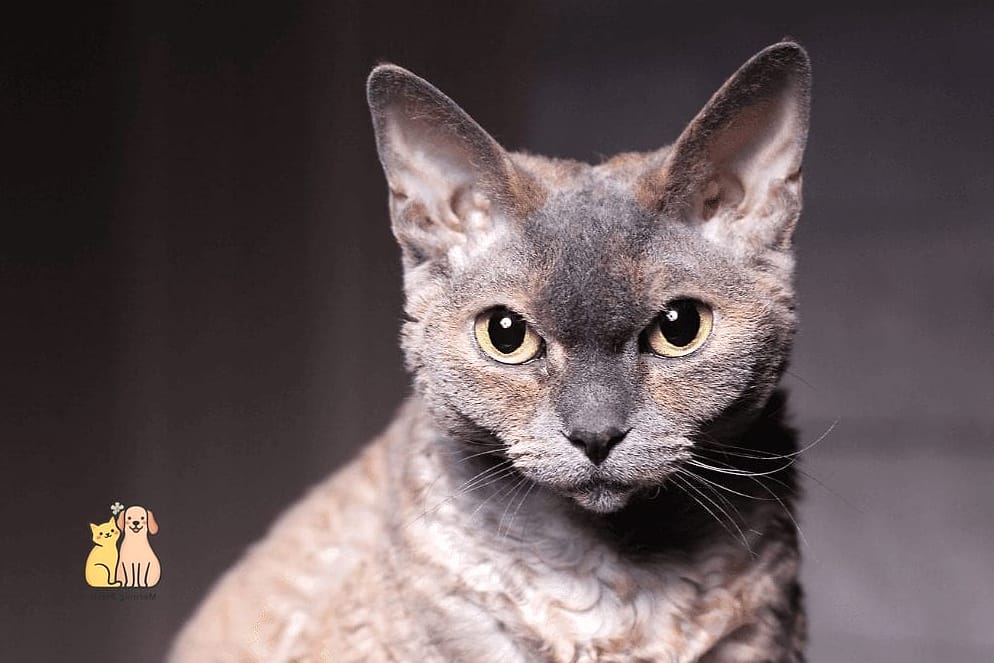
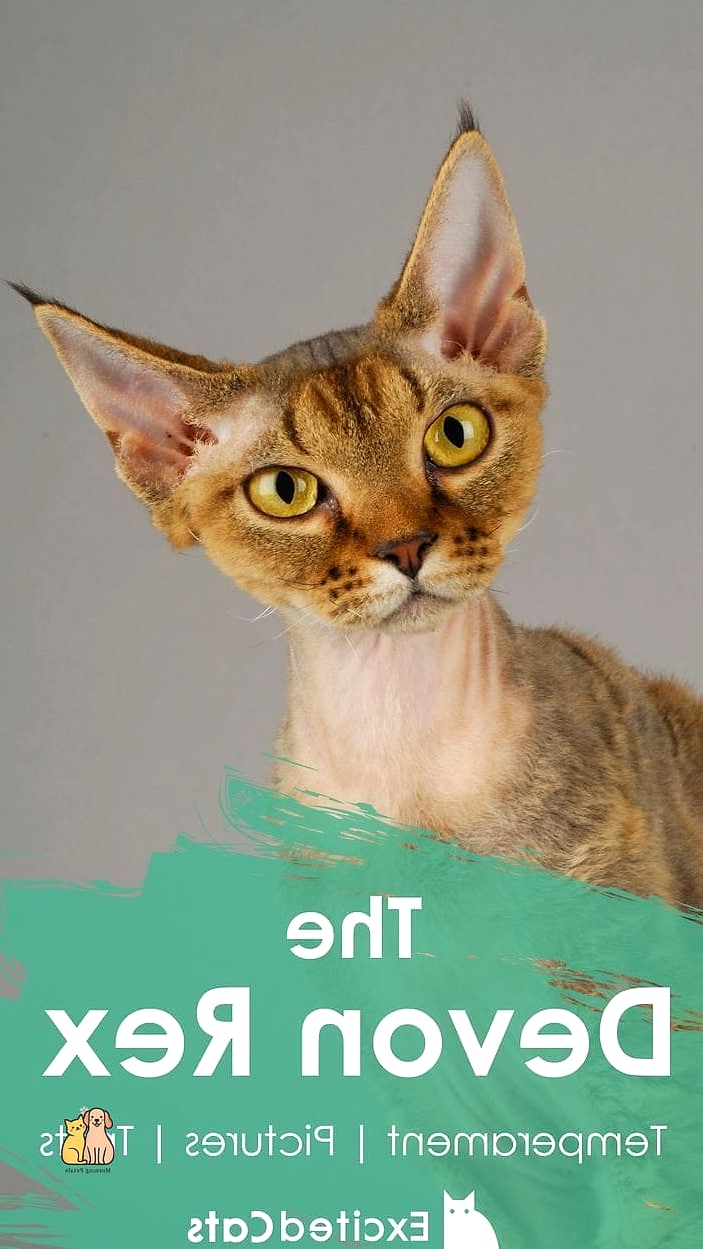
The most obvious feature is the coat, which is short, soft, and wavy rather than sleek like most cats. It almost looks like a light perm, and it feels a bit like suede or crushed velvet under your hand.
Their ears are large, set low on the head, and give them a slightly elfin or bat-like look depending on the angle. Combined with their big, wide-set eyes and short muzzle, Devon Rex cats have a face that’s genuinely unlike any other breed.
They’re small to medium-sized cats, typically landing somewhere between six and nine pounds, with a lean, athletic build. Don’t let the delicate look fool you, though. These cats are surprisingly strong jumpers and climbers, and cat shelves or wall-mounted cat furniture tend to get a serious workout in a Devon Rex household.
Care Requirements
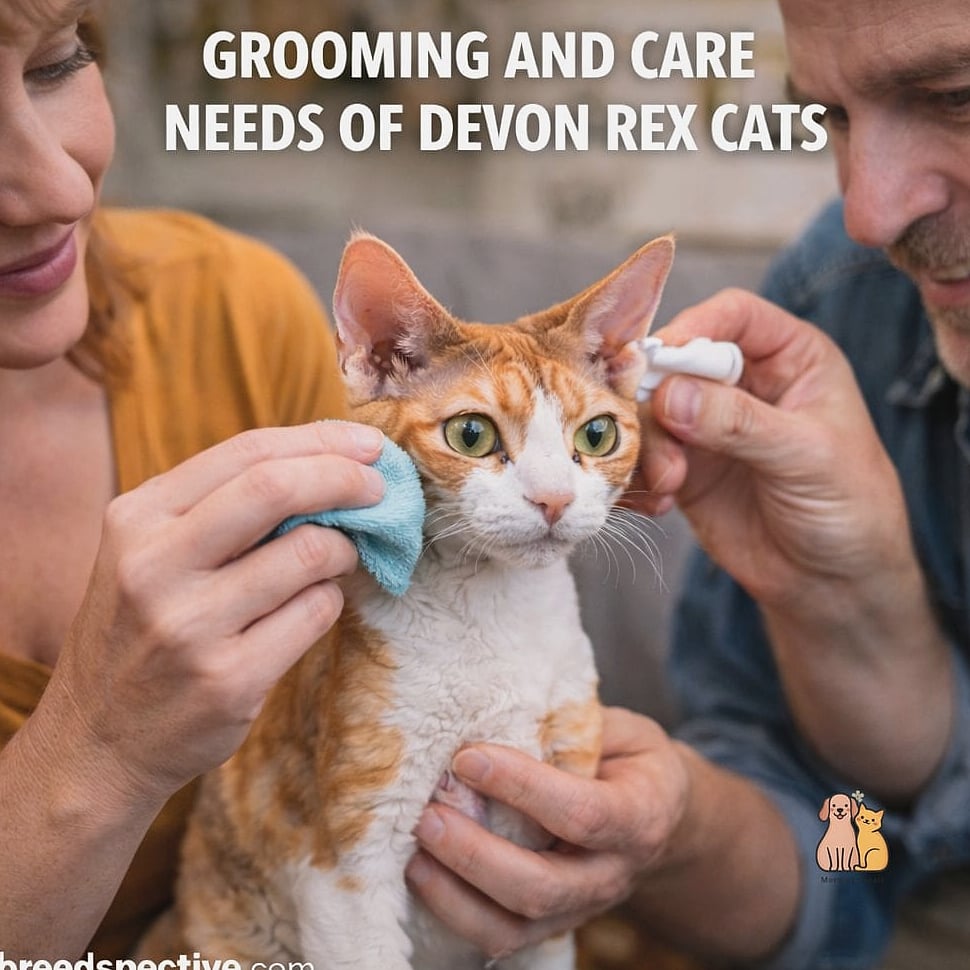
Grooming a Devon Rex is a little different from grooming a typical shorthaired cat. Their coat is fragile, and their skin produces oils that don’t get absorbed by fur the way it would in a fuller-coated breed. A gentle wipe-down with a damp cloth every week or two helps keep their skin healthy and their coat from looking greasy.
They also tend to get cold easily, thanks to that thin coat and minimal body fat. Don’t be surprised if yours burrows under blankets, claims the warmest spot in the house, or insists on sitting directly on top of your laptop while it’s running.
A dog sweater sized down for cats isn’t a silly idea here, especially in a chilly climate or an older home with drafty rooms. Some owners keep a heated cat bed or a soft blanket-lined perch near a window for exactly this reason.
Nail trims and ear cleanings should happen on a regular schedule, since those oversized ears can accumulate wax more than average. It’s a small task, but it makes a real difference in comfort and health over time.
Housing and Space Needs
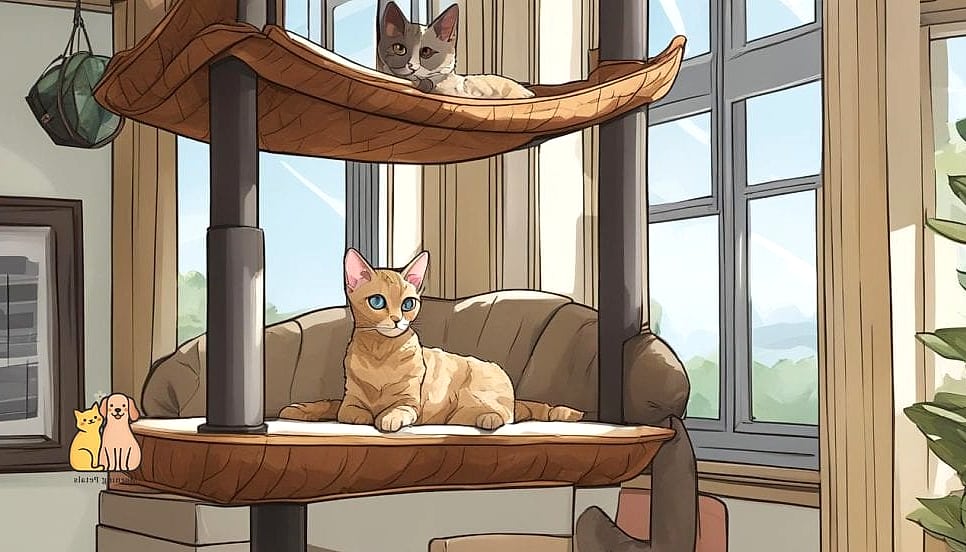
Devon Rex cats do well in apartments, but they need vertical space more than square footage. A cat tree, some window perches, and a few wall-mounted shelves will make a small apartment feel like an adventure park from their perspective.
Because they’re so social, they don’t love being left alone for long, uninterrupted stretches. A catio enclosure can be a wonderful addition if you have access to a balcony or yard, giving them safe outdoor stimulation without the risks of full outdoor access.
Litter box setup matters too, and with an active climber like this, a covered or high-sided litter box can help contain the enthusiastic post-bathroom zoomies that Devon Rex cats are famous for. Keep the box in a spot that’s easy for them to reach mid-adventure.
If you already have another cat or a dog, this breed tends to adjust well, especially with proper introductions. They’re generally not territorial and often prefer having a playmate around during the day.
Diet and Feeding
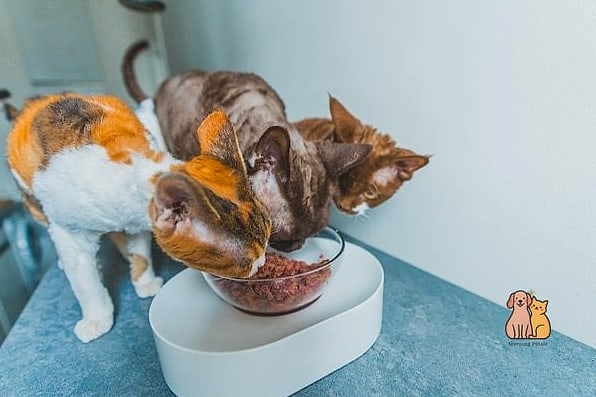
Devon Rex cats don’t have wildly unusual dietary needs, but their higher energy levels mean they benefit from a quality diet that supports lean muscle and steady energy. Look for cat food with real meat as the first ingredient rather than fillers.
Because they’re prone to being a little food-motivated (translation: they will absolutely beg), portion control matters. A slow feeder bowl or a puzzle feeder can help slow down fast eaters while also giving their sharp minds something to work on.
Fresh water is important for any cat, but a pet water fountain can encourage more frequent drinking, especially since some Devon Rex cats seem to find running water endlessly entertaining. It’s not unusual to catch one dipping a paw in just to see what happens.
If you’re managing multiple pets with different dietary needs, an automatic feeder with scheduled portions can help keep a Devon Rex from finishing its own bowl and immediately investigating everyone else’s.
Health Considerations
Like most purebred cats, Devon Rex cats have a few breed-specific health issues worth knowing about. Hypertrophic cardiomyopathy, a heart condition, shows up in the breed more than in the general cat population, so regular veterinary checkups with heart monitoring are a smart habit.
Their skin can be sensitive, and some individuals are prone to a condition sometimes nicknamed “greasy skin,” which ties back to that grooming routine mentioned earlier. Staying consistent with wipe-downs helps prevent buildup and skin irritation.
Patellar luxation, or kneecap dislocation, is another condition seen in the breed at higher rates. It’s usually manageable, but it’s worth mentioning to your vet if you notice any unusual limping or hopping gait.
With good care, a Devon Rex typically lives between nine and fifteen years, and many make it well into their teens. Regular vet visits, a good diet, and an environment that keeps them mentally engaged all play a role in a long, healthy life.
Fun Facts
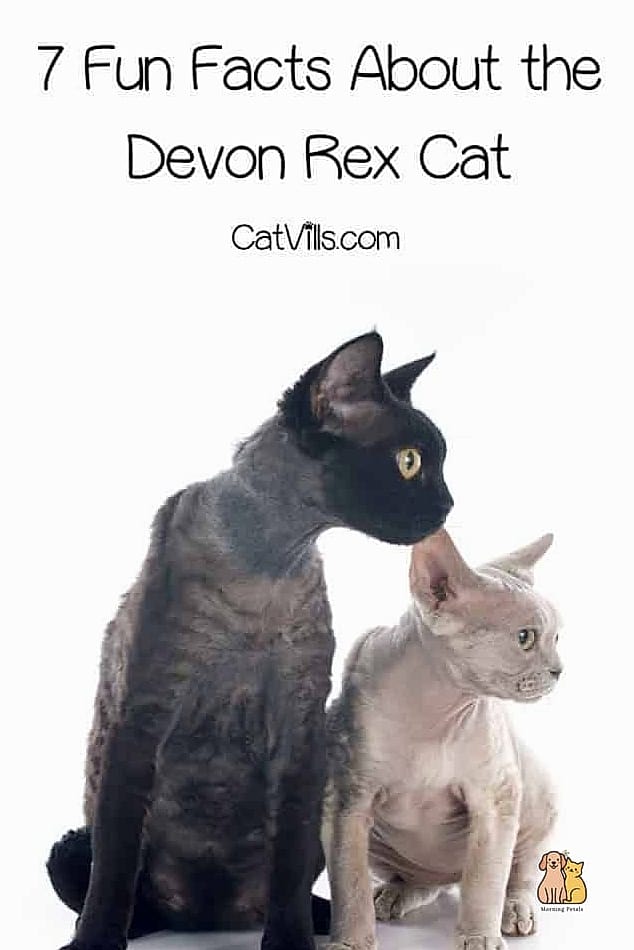
Devon Rex cats originated in Devon, England, in the 1960s, discovered near a tin mine of all places. The original cat, a curly-coated tom nicknamed Kirlee, is considered the founding father of the entire breed.
They’re sometimes called “pixie cats” or “alien cats” thanks to that unmistakable face, and honestly, once you notice the resemblance, you can’t unsee it.
Devon Rex cats shed noticeably less than most breeds, which has led some people to assume they’re hypoallergenic. That’s not quite accurate, since allergies are triggered by a protein in saliva and skin rather than hair length, but many allergy sufferers do report an easier time with this breed than others.
They’re also known for their love of warmth in weirdly specific ways, like curling up on top of a running television, nestling into a stack of freshly dried laundry, or sitting directly on a heating vent like it was custom installed for them.
Final Thoughts
The Devon Rex Cat Breed: That Will Change How You See Them isn’t just a catchy title. Spend any real time with one of these cats and your whole mental image of what a cat “should” be starts to shift.
They’re curious, affectionate, a little bit goofy, and endlessly entertaining in a way that surprises even experienced cat owners. If you’re looking for a companion that acts more like a shadow than a housemate, this breed might just be the one that changes your mind for good.