The Exotic Shorthair Cat Breed: You Didn’t Know You Needed
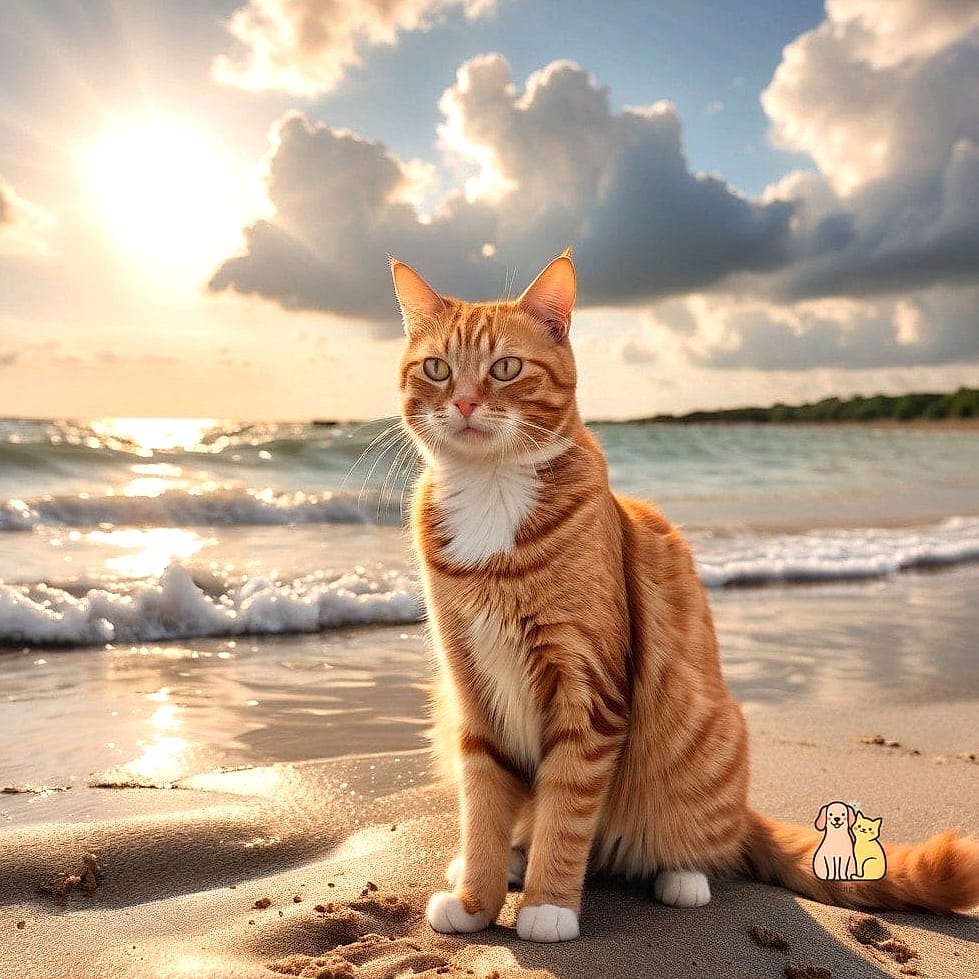
The Exotic Shorthair Cat Breed: You Didn’t Know You Needed
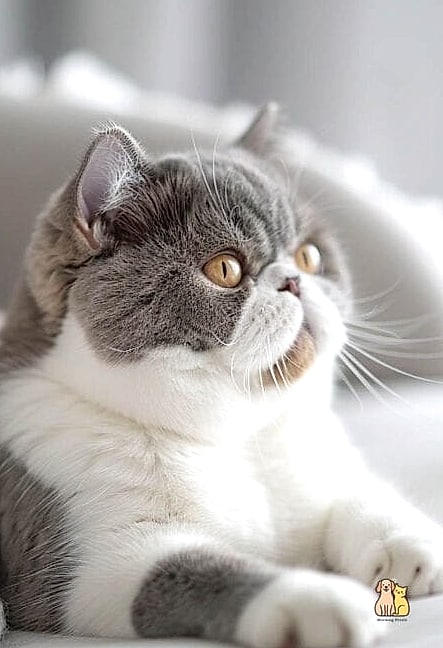
There’s a good chance you’ve scrolled past a photo of a smushed-face, teddy-bear-looking cat online and thought, “what on earth is that adorable creature?” Odds are you were looking at an Exotic Shorthair. They get compared to Persians a lot, and for good reason, but they’re really their own thing entirely — and once you meet one in person, it’s hard to go back to “regular” cats.
This breed has quietly built a devoted fan base among people who want the calm, plush personality of a Persian without the hours of daily brushing. If you’re considering adding a cat to your home, or you’re just cat-curious and doing your research, the Exotic Shorthair deserves a real look.
Why Pet Owners Love Them
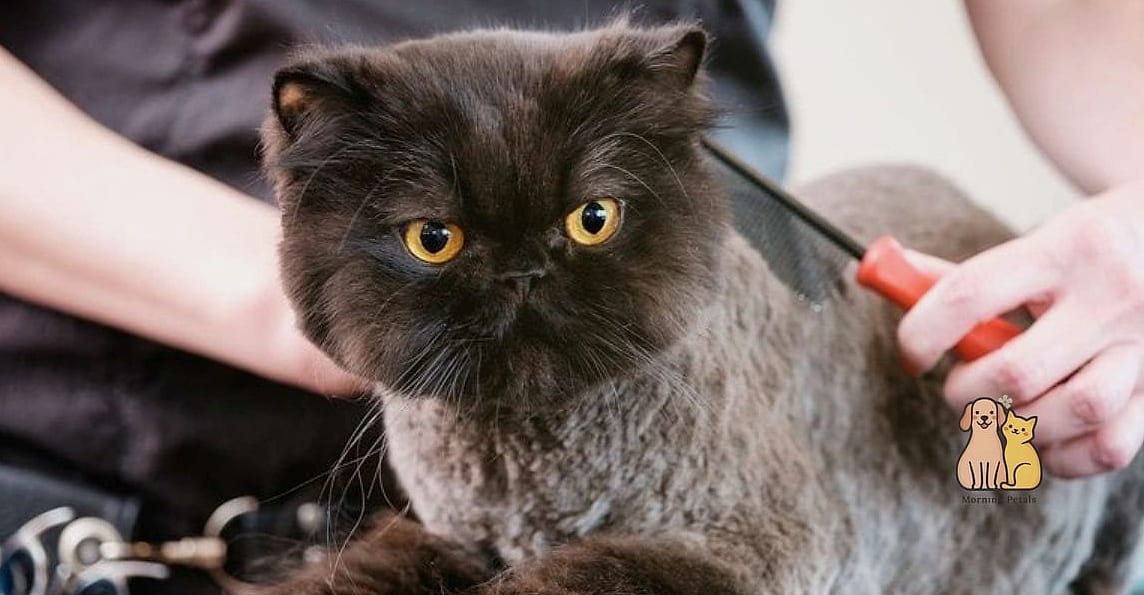
People often describe Exotic Shorthairs as “Persians in pajamas,” and honestly, that’s a pretty accurate way to put it. They’ve got that same round face, big eyes, and sweet expression, but with a short, dense coat that’s way more manageable for everyday life.
Owners tend to rave about how easygoing these cats are. They’re not the type to knock a glass off the counter just to watch it shatter (looking at you, more mischievous breeds). Instead, they’d rather curl up next to you or follow you from room to room like a quiet little shadow.
If you’ve ever wanted a cat that acts a bit like a cross between a lap dog and a stuffed animal, this breed tends to fit that description surprisingly well.
Key Characteristics
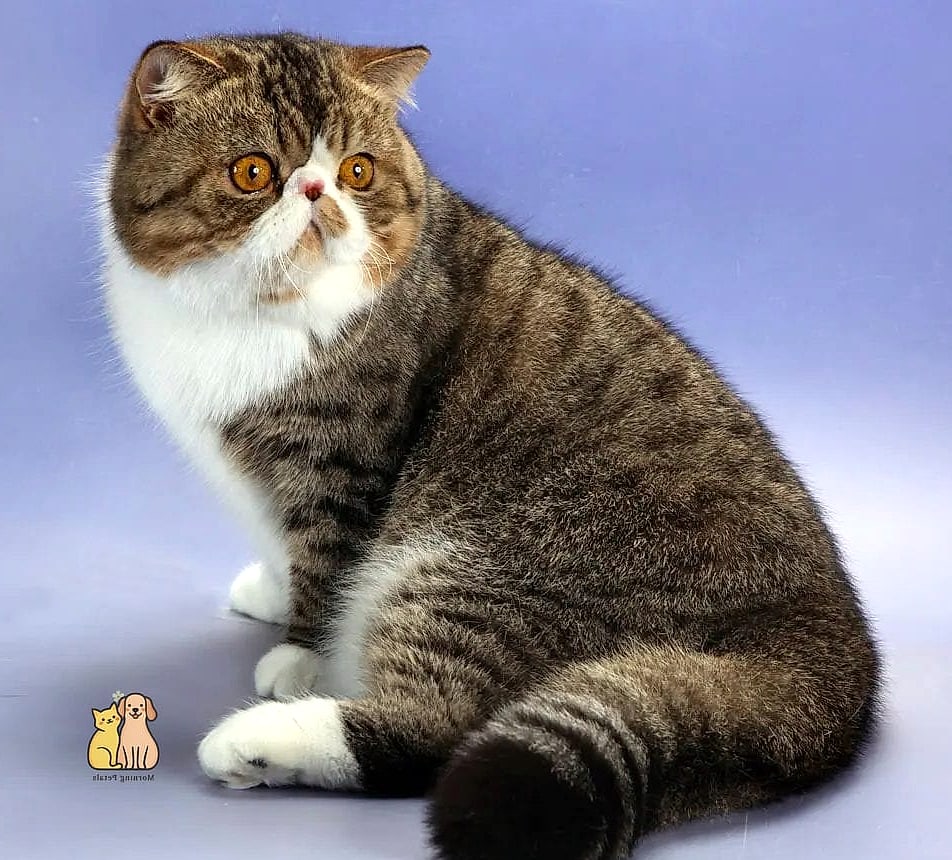
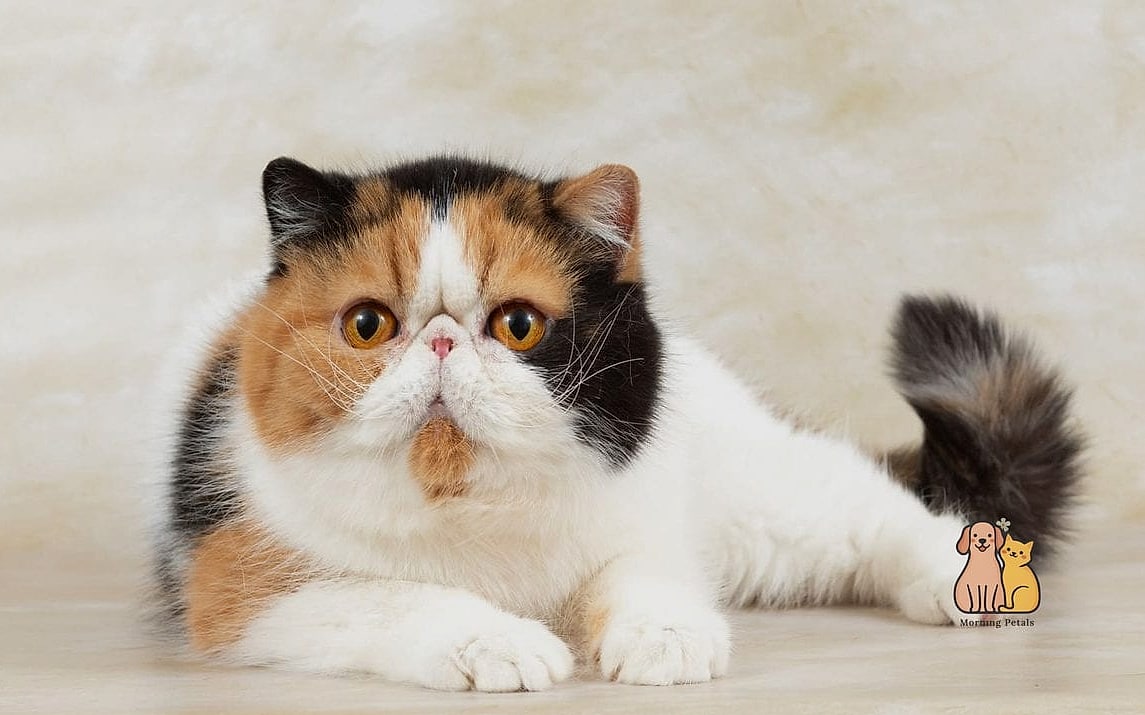
Exotic Shorthairs have that unmistakable flat-faced, round-headed look, with short legs, a stocky body, and a coat that feels more like a plush toy than typical cat fur. Their eyes are large and expressive, giving them a permanently curious, slightly surprised expression that people find irresistible.
Temperament-wise, they’re calm, affectionate, and not particularly demanding. They enjoy attention but won’t pester you constantly for it. Many owners describe them as quiet cats who communicate more through soft chirps and gentle nudges than loud meowing.
They’re also fairly adaptable. Apartment living suits them just fine since they’re not big climbers or jumpers compared to more athletic breeds. A cozy window perch and a comfortable cat tree are usually enough to keep them content.
Care Requirements
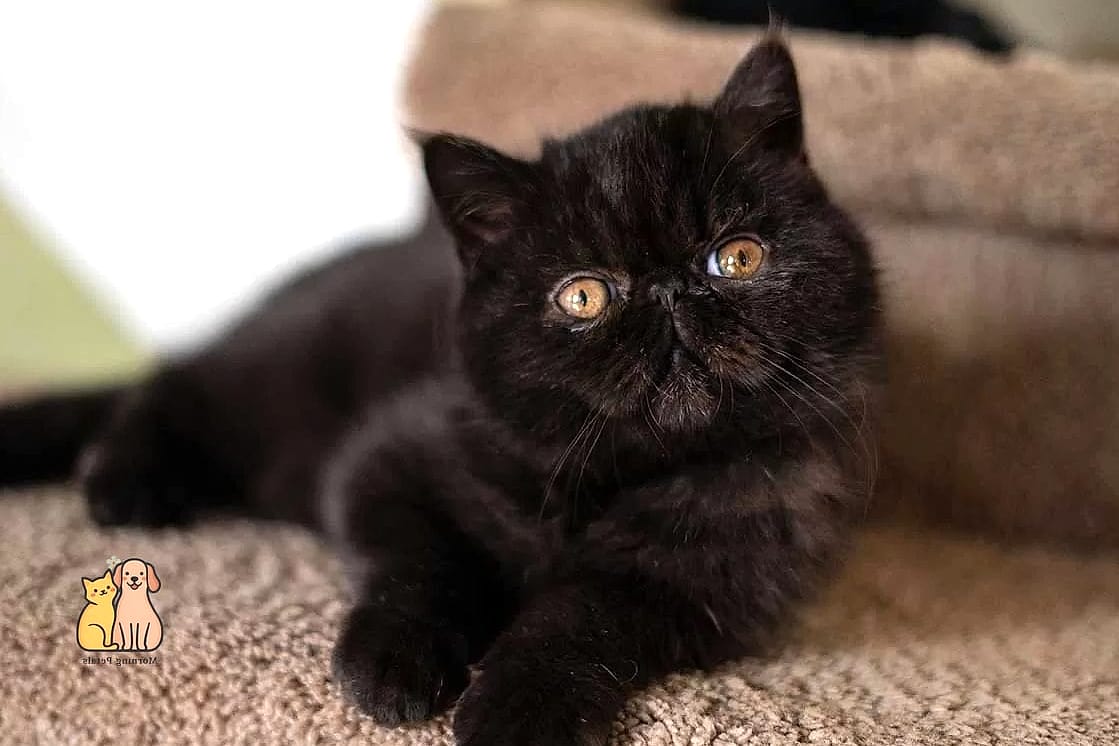
Here’s where the Exotic Shorthair really shines compared to its Persian cousins. That short, dense coat still sheds and mats occasionally, but it doesn’t require the daily grooming sessions a long-haired Persian demands.
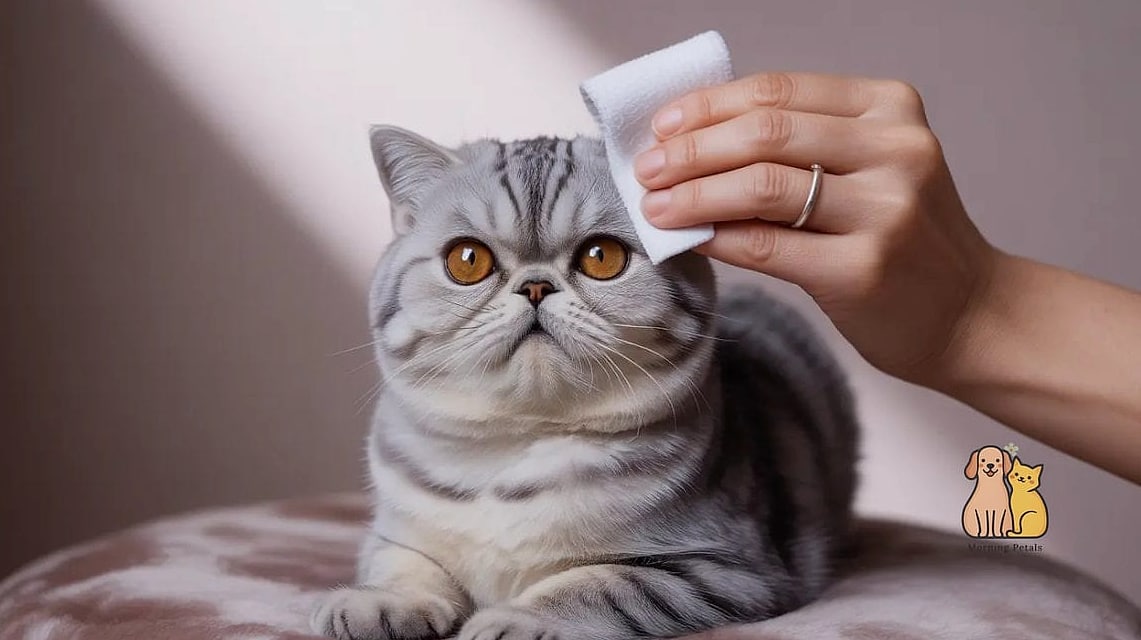
A weekly brushing with a soft slicker brush is typically enough to keep their coat healthy and reduce shedding around your house. Their flat faces do mean some extra attention around the eyes, since tear staining is common in this breed. Wiping their face gently with a damp cloth a few times a week helps keep things clean and comfortable.
Nail trims, ear checks, and regular dental care round out the basic maintenance. None of it is overwhelming, which is part of why this breed appeals to people who want a low-key pet without sacrificing that plush, luxurious look.
Housing and Space Needs
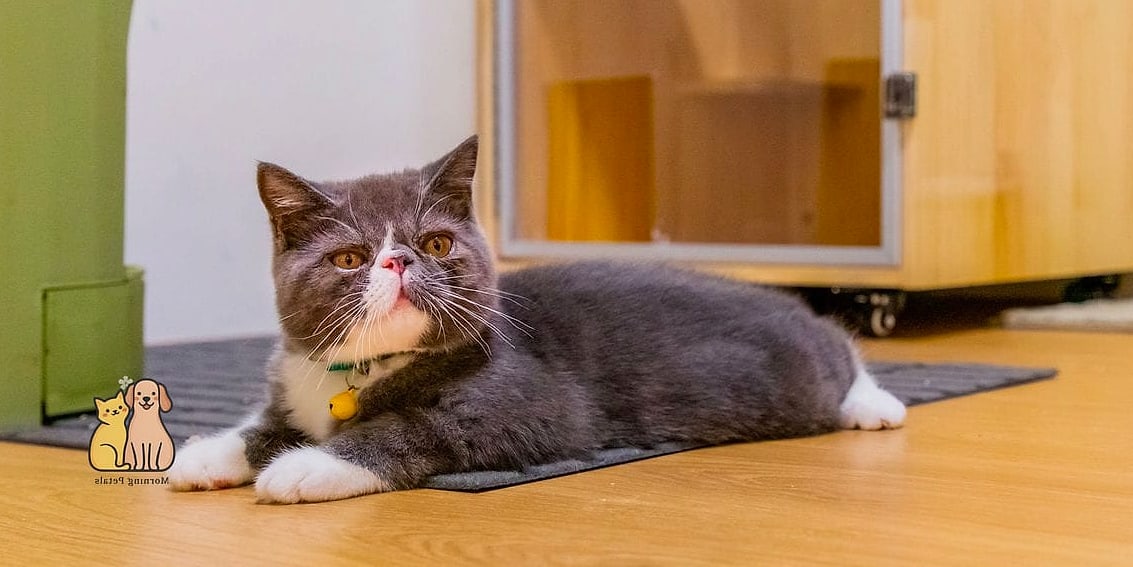
Exotic Shorthairs aren’t the type to need a massive catio enclosure or an elaborate wall-mounted cat furniture setup, though they certainly won’t complain if you provide one. A comfortable cat bed in a quiet corner, a scratch post to keep their claws in check, and a window perch for sunbathing usually covers their basic wants.
Because they’re not huge jumpers due to their stockier build, low to mid-height cat trees tend to work better than the tall, narrow towers designed for more acrobatic breeds. Think stability and comfort over height.
Litter box setup matters more than you’d think with this breed. Their shorter, flatter faces mean some Exotics prefer boxes with lower sides and more open access, so they can breathe easily while doing their business.
Diet and Feeding
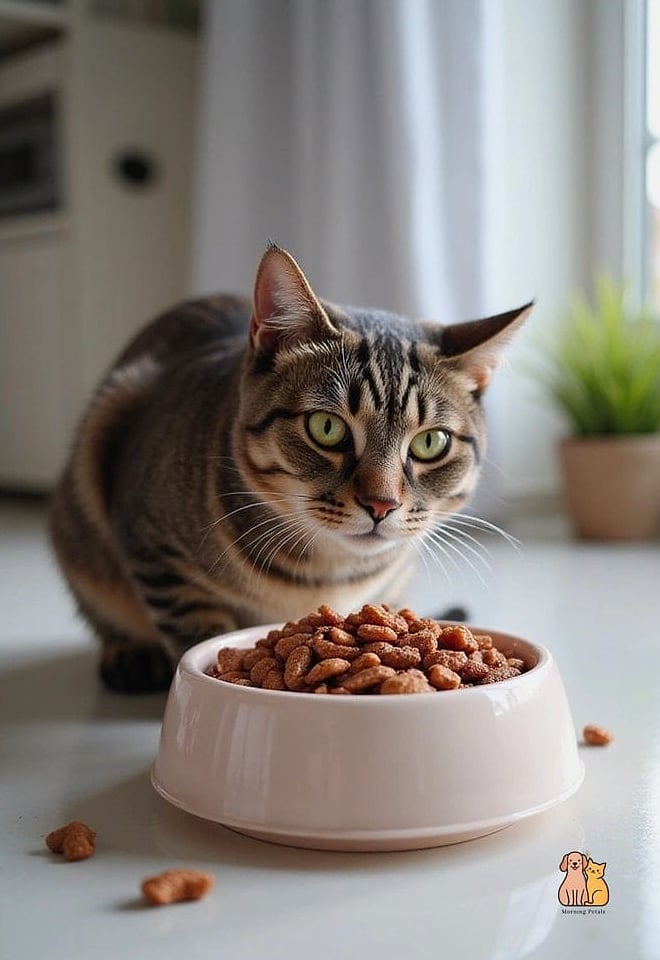
Like most cats, Exotic Shorthairs do best on a high-quality diet appropriate for their age and activity level. Because they tend to be less active than some breeds, keeping an eye on portion sizes matters — this isn’t a breed that’s going to burn off extra calories chasing things around the house all day.
A slow feeder bowl can help if your Exotic tends to eat too quickly, which is common with their flatter facial structure. Some owners also find that shallow, wide food dishes are more comfortable for these cats than deep bowls, since their faces don’t have to work as hard to reach the food.
Fresh water matters too, and a pet water fountain can encourage cats who aren’t naturally big drinkers to stay better hydrated, which supports healthy kidney function long term.
Health Considerations
This is the part of Exotic Shorthair ownership that deserves honest attention. Their flat-faced structure, known as brachycephalic, can come with some health considerations worth knowing about upfront. Breathing difficulties, especially in hot weather or during stress, are something to watch for.
Polycystic kidney disease has also historically shown up in Persian and Exotic lines, so responsible breeders typically test for this. If you’re getting a kitten, asking about health testing is a completely reasonable thing to do.
Regular veterinary checkups become especially important with this breed, partly because their facial structure can mask certain symptoms until they’re more advanced. None of this means you should avoid the breed — it just means going in informed, the way any good pet owner would want to anyway.
Fun Facts
Exotic Shorthairs actually came about because breeders were trying to add some hybrid vigor and different coat patterns into the American Shorthair line back in the 1950s and 60s, crossing them with Persians. The short coat ended up being such a hit that breeders leaned into developing it as its own distinct breed.
They’re sometimes nicknamed “the lazy man’s Persian,” which honestly feels a little unfair to how genuinely lovable they are on their own merits. Garfield, the famously grumpy comic strip cat, was reportedly modeled after this breed’s distinctive look.
Despite their sleepy, low-energy reputation, many Exotics enjoy a good puzzle feeder or enrichment toy session. They just prefer their playtime in shorter bursts rather than an all-day event.
Final Thoughts
The Exotic Shorthair Cat Breed: You Didn’t Know You Needed really does live up to its name once you spend time around one. They combine that irresistible round-faced charm with a coat and temperament that fits realistically into a lot of people’s lives — apartment dwellers, first-time cat owners, busy families, or anyone who wants a calm companion rather than a whirlwind of energy.
They’re not maintenance-free, and their flat-faced structure means paying attention to health in ways some other breeds don’t require. But for the right owner, that trade-off is easily worth it for a cat this sweet, this cuddly, and honestly, this photogenic.
If you’ve been searching for a cat that’s affectionate without being needy, low-shed without being high-maintenance, and just plain charming to look at, the Exotic Shorthair might be exactly the breed you didn’t know you were missing.