The Ragdoll Kittens: That Will Change How You See Them
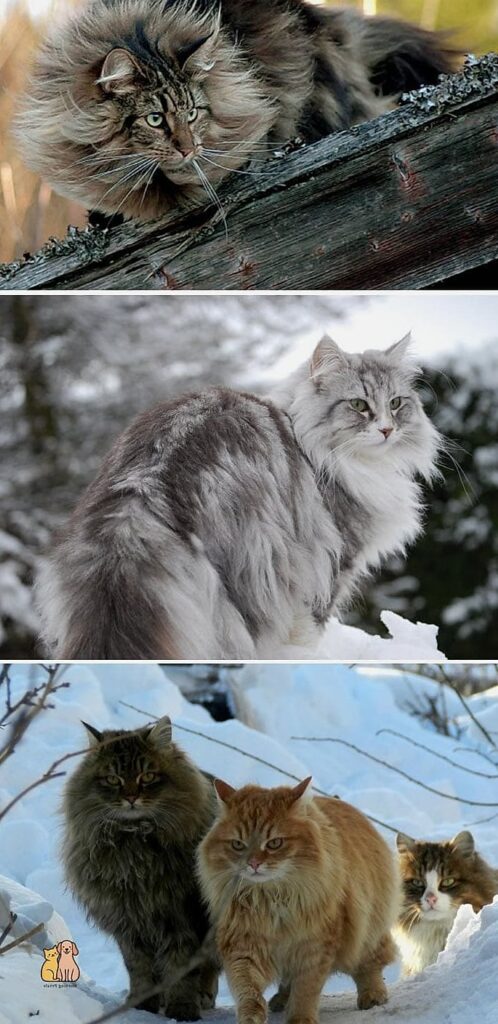
The Ragdoll Kittens: That Will Change How You See Them
There’s a reason Ragdoll kittens show up in almost every “best cat breeds” conversation the second someone mentions a laid-back, cuddly cat. They flop. They follow you room to room. They look like little blue-eyed plush toys that somehow learned to walk. But once you actually live with one, you realize the internet barely scratches the surface of what makes this breed so special.
If you’ve ever watched a cat go limp with contentment the moment you pick it up, you already understand the appeal. Ragdolls take that to a whole new level, and it’s exactly why so many families end up with one — then another, then somehow three.
This isn’t just another breed overview. It’s a real look at what makes Ragdoll kittens different, what they actually need day to day, and why so many owners say their entire idea of “cat behavior” changed after bringing one home.
Why Pet Owners Love Them
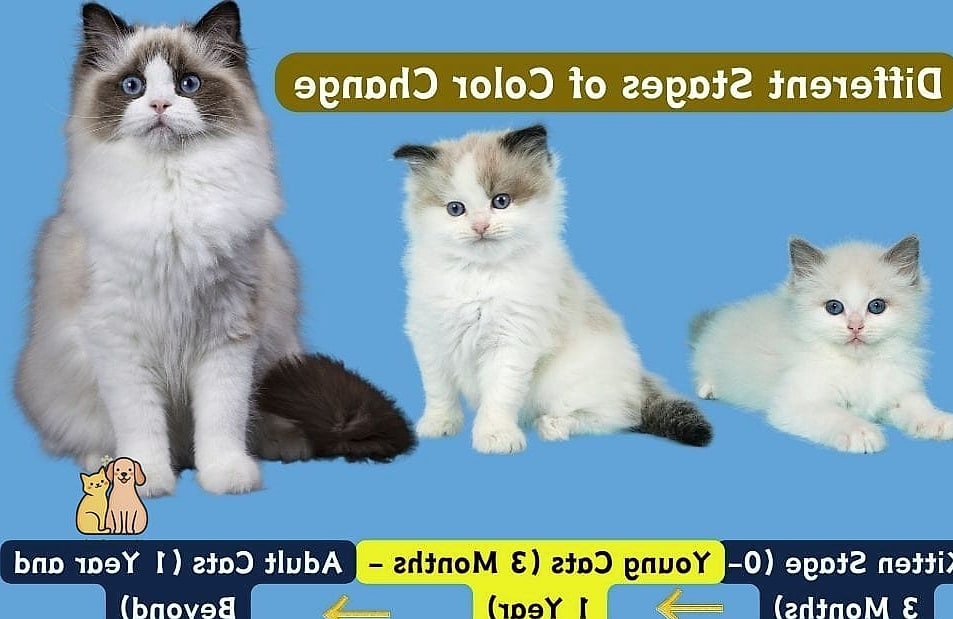
Ragdolls earned their name for a reason. Pick one up correctly, and their body relaxes completely, muscles loose, like a stuffed animal that just happens to purr.
That physical trust isn’t an accident. Ragdolls were bred specifically for temperament, and it shows in how quickly they bond with their people. They’re not aloof or standoffish the way some cat breeds can be.
Owners often describe them as “dog-like” cats. They greet you at the door, follow you from the kitchen to the bathroom, and plant themselves nearby whenever you sit down. If you want a lap cat that actually wants to be a lap cat, this breed delivers.
There’s also the look. Semi-long fur, striking blue eyes, and a color-point pattern similar to Siamese cats give Ragdolls a soft, almost ethereal appearance that photographs beautifully — which explains why they’re all over social media.
Key Characteristics
Ragdoll kittens grow into large, substantial cats, often reaching twelve to twenty pounds once fully mature, with males typically bigger than females. That growth takes time, though. Ragdolls mature slowly, sometimes not reaching full size until three or four years old.
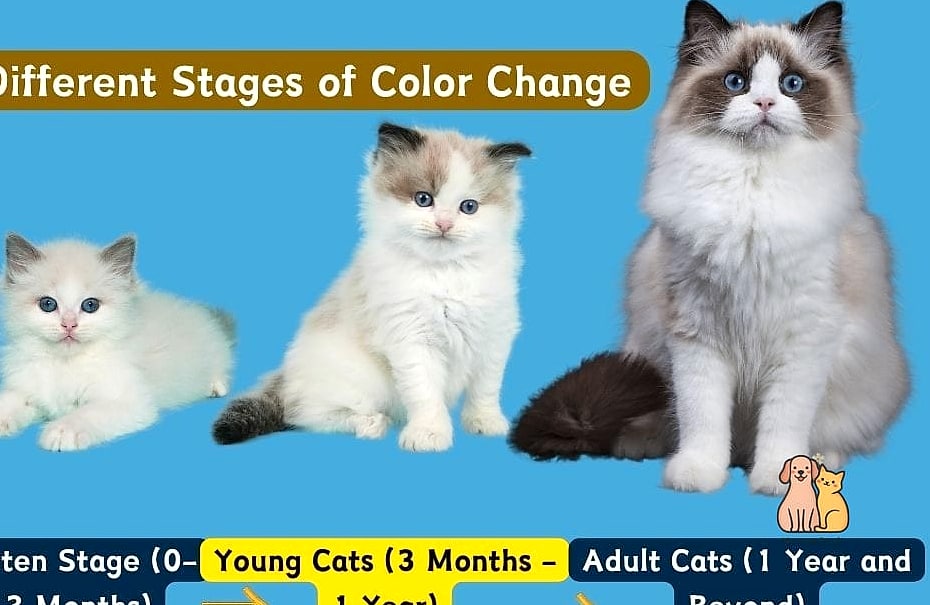
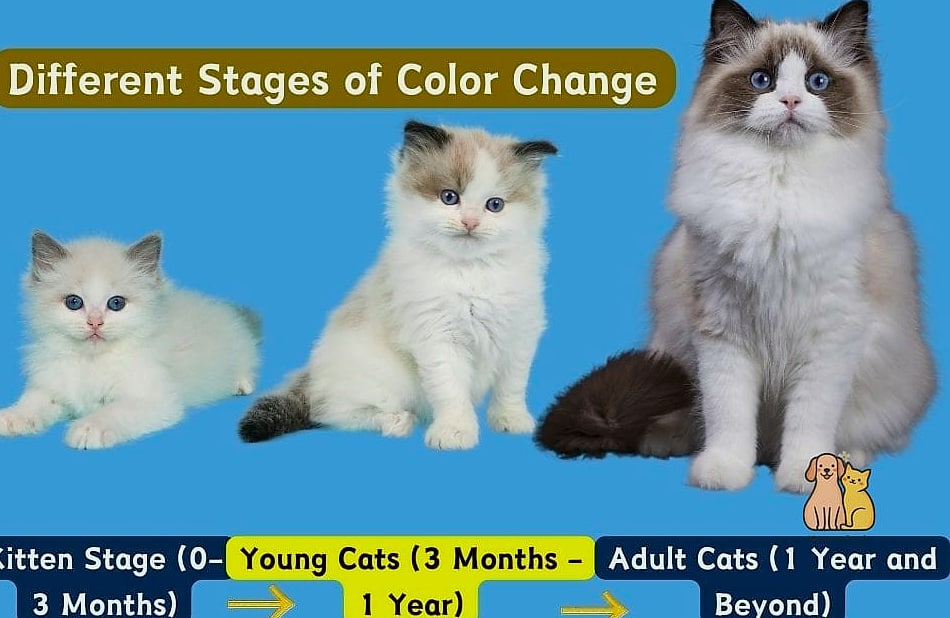
Their coat is silky rather than dense, which means less matting than you’d expect from a longhaired breed, though regular brushing still matters. The color-point pattern comes in several varieties, including seal, blue, chocolate, and lilac, along with patterns like mitted, bicolor, and colorpoint.
Temperament-wise, expect a gentle, easygoing personality. Ragdolls aren’t typically the cats leaping onto curtains or knocking glasses off counters just to watch them fall. They’re calm, affectionate, and generally patient, which is part of why they do so well with families.
They’re also known for being relatively quiet, using soft chirps and trills rather than constant meowing to get attention.
Care Requirements
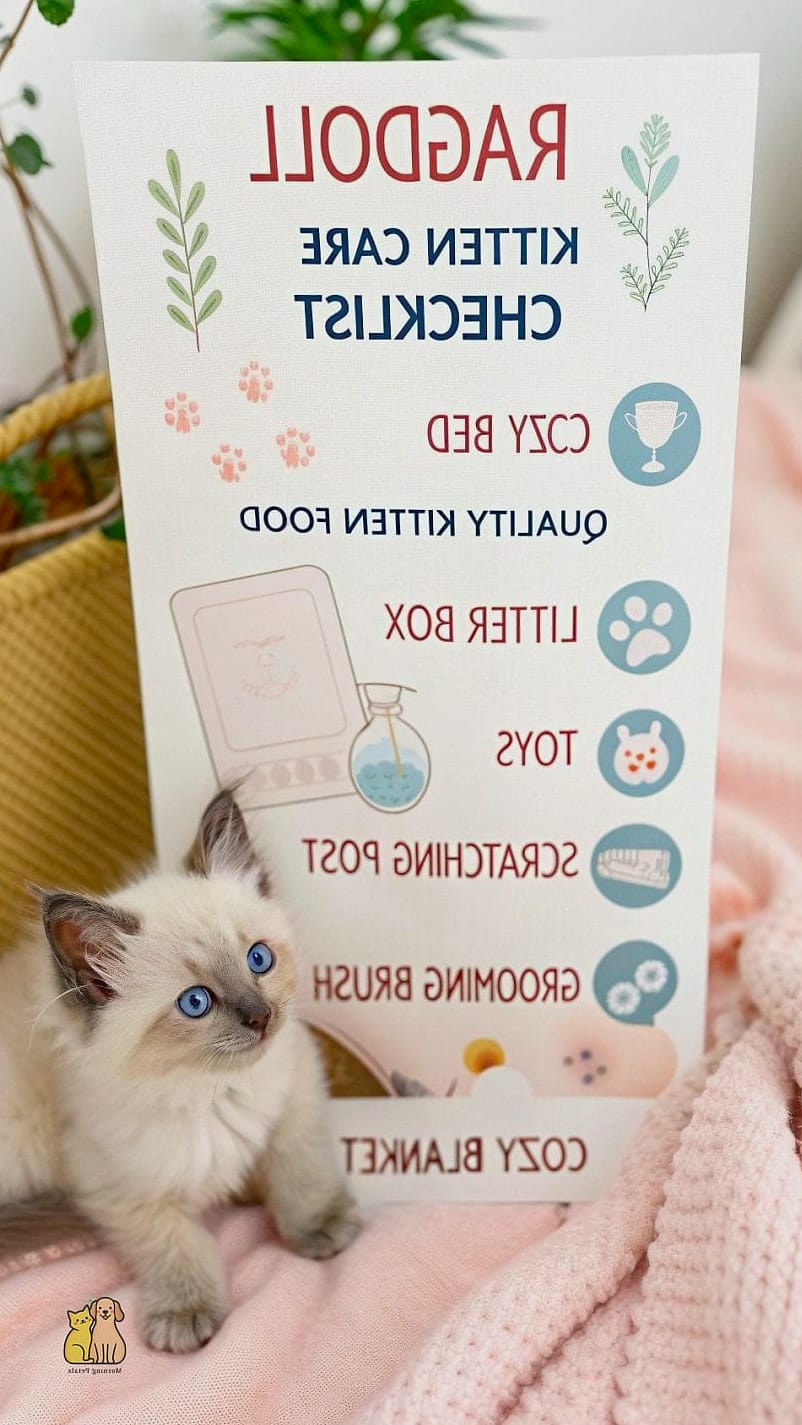
Despite their laid-back nature, Ragdolls aren’t a hands-off breed. Their semi-long coat needs brushing two to three times a week to prevent tangles, especially around the belly and behind the ears where mats tend to sneak up on you.
A good slicker brush and a wide-tooth comb make grooming sessions easier, and most Ragdolls actually enjoy the attention since they love being handled.
Because they’re so trusting and food-motivated, keeping an eye on portion sizes matters. Ragdolls can gain weight easily if meals aren’t measured, so a slow feeder bowl or puzzle feeder helps prevent them from inhaling their food in thirty seconds flat.
Nail trims, ear checks, and dental care round out the basics. None of this is complicated, but consistency is what keeps a Ragdoll looking and feeling its best.
Housing and Space Needs
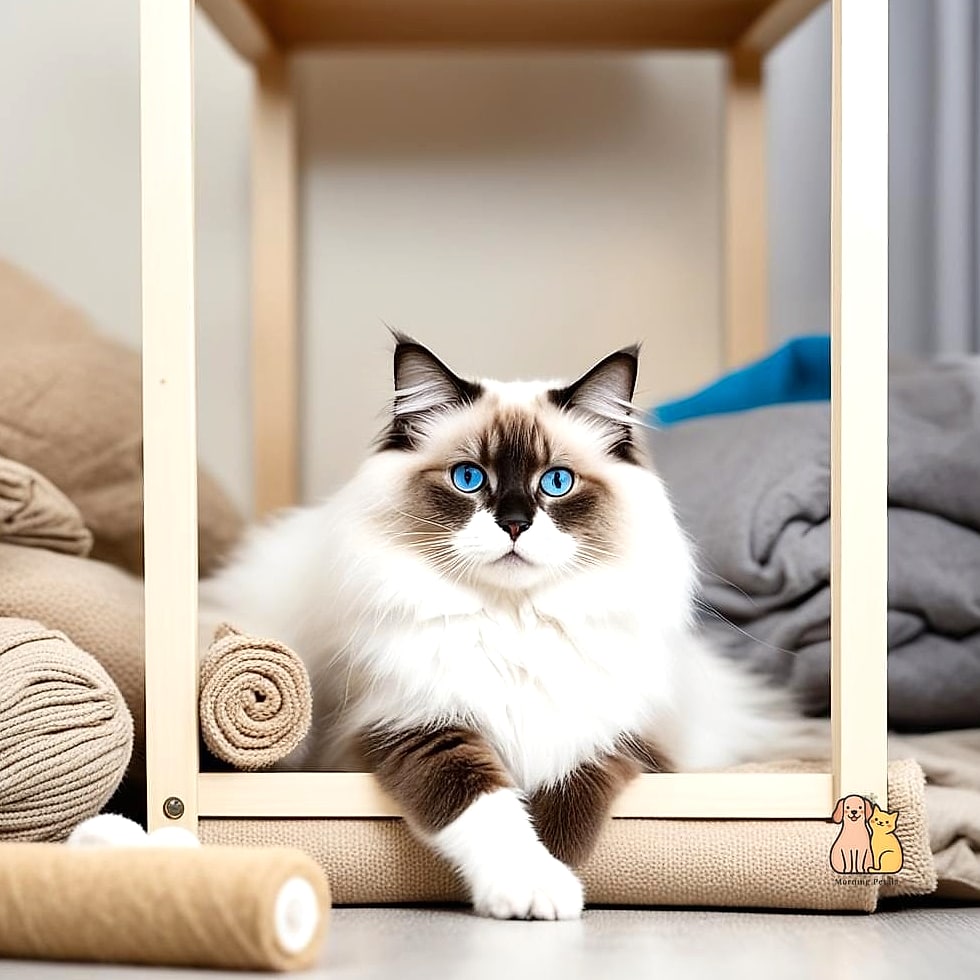
Here’s some good news for apartment dwellers: Ragdolls adapt well to indoor living and don’t require a ton of square footage to be happy. What they do need is enrichment and vertical space, since their calm personality doesn’t mean they don’t enjoy exploring.
A cat tree near a sunny window gives them a perch to watch the world go by, which many Ragdolls treat like their personal throne. Wall-mounted cat shelves or a simple window perch work just as well if floor space is tight.
Litter box setup matters more than people expect. Given their size, a standard litter box can feel cramped, so opting for a larger or extra-deep box helps keep things comfortable and reduces tracking.
These cats are strictly indoor-only in most vet recommendations, partly because their trusting nature makes them poor judges of danger outdoors. A secure catio enclosure is a nice compromise if you want to give them fresh air without the risks of free roaming.
Diet and Feeding
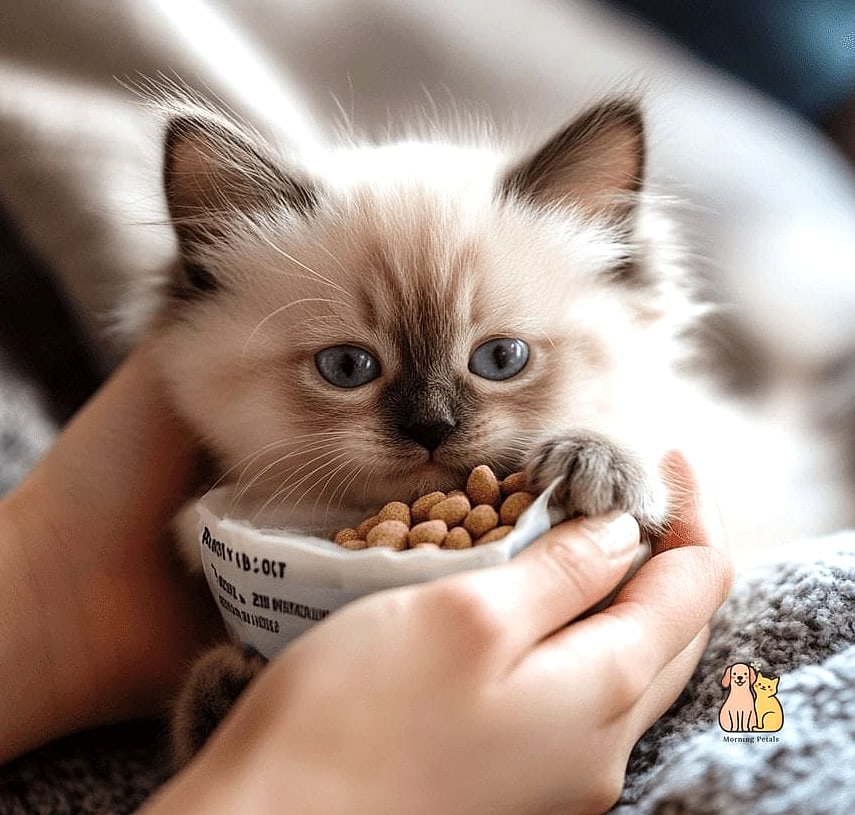
Ragdoll kittens grow slowly, so their nutritional needs during the first year or two are worth taking seriously. A high-quality kitten food formulated for large or slow-maturing breeds supports healthy bone and joint development without packing on excess weight too fast.
As they transition to adulthood, a balanced diet with quality protein sources helps maintain their coat and muscle tone. Some owners mix wet and dry food, since the added moisture supports urinary health, which is worth discussing with your vet given Ragdolls’ predisposition to certain kidney and bladder concerns.
Fresh water matters just as much as food. A pet water fountain often encourages Ragdolls to drink more than a standard bowl, since many cats naturally prefer moving water.
Treats are fine in moderation, but because Ragdolls aren’t the most active breed, it’s easy to overdo it. Keeping treats to occasional rewards rather than daily habit helps avoid slow, sneaky weight gain.
Health Considerations

Like any breed, Ragdolls come with a few health issues worth knowing about. Hypertrophic cardiomyopathy, a heart condition, shows up more often in this breed than in some others, so regular veterinary checkups that include heart screening are genuinely important.
Polycystic kidney disease is another consideration, though responsible breeders typically screen for this genetically before breeding. If you’re getting a kitten from a breeder, asking about health testing for both parents is a completely reasonable question.
Their calm temperament means Ragdolls sometimes tolerate discomfort quietly, which makes annual vet visits especially valuable for catching anything early. They’re not a fragile breed by any means, but staying proactive rather than reactive with their healthcare pays off.
Average lifespan runs between twelve and seventeen years, with many living well into their late teens when given good nutrition, regular vet care, and a safe indoor environment.
Fun Facts
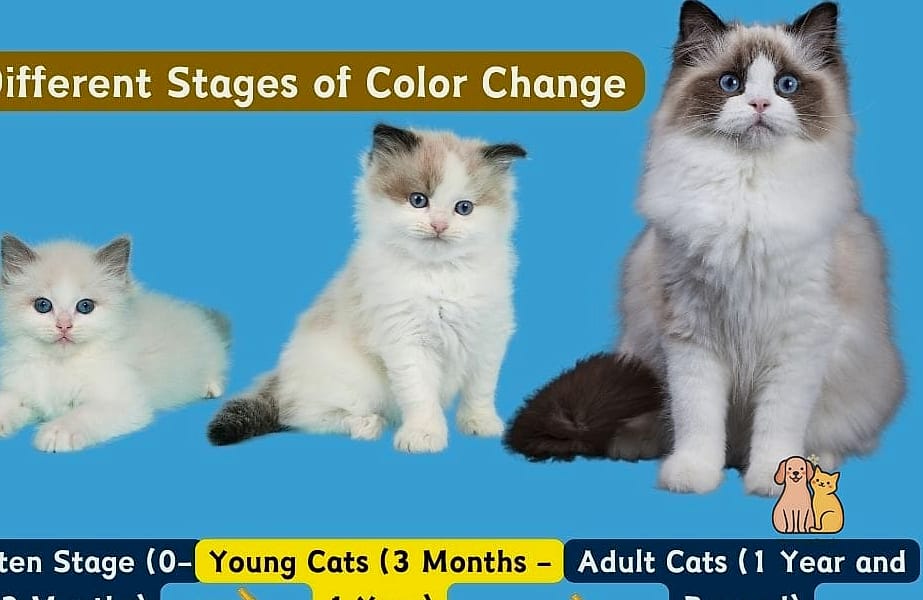
Ragdolls are a relatively young breed, developed in California in the 1960s by a breeder named Ann Baker. The exact origin story involves some folklore about the breed’s docile nature, though most of that has been debunked by actual genetics — they’re simply bred for temperament, not some special immunity to pain, despite old myths suggesting otherwise.
Their blue eyes stay blue for life, a trait linked to the same gene responsible for their color-point pattern, similar to Siamese cats.
Some Ragdolls have been known to open cabinet doors, turn on faucets, and even learn to fetch small toys, which surprises people who assume they’re purely couch potatoes.
And despite their size, many Ragdolls retain a kitten-like personality well into adulthood, staying playful and affectionate long after other breeds might mellow into aloof independence.
Final Thoughts
Ragdoll kittens have a way of reshaping what people expect from cats. They’re affectionate without being needy, calm without being boring, and striking enough to stop you mid-scroll on social media, yet substantial enough in personality to become the heart of a household.
If you’re considering adding one to your family, take the time to find a reputable breeder or check Ragdoll-specific rescues, since demand for this breed sometimes attracts less scrupulous sellers.
Whatever route you take, know that you’re signing up for a companion that genuinely wants to be part of daily life — not watching from a distance, but right there beside you, probably flopped over your lap the moment you sit down.